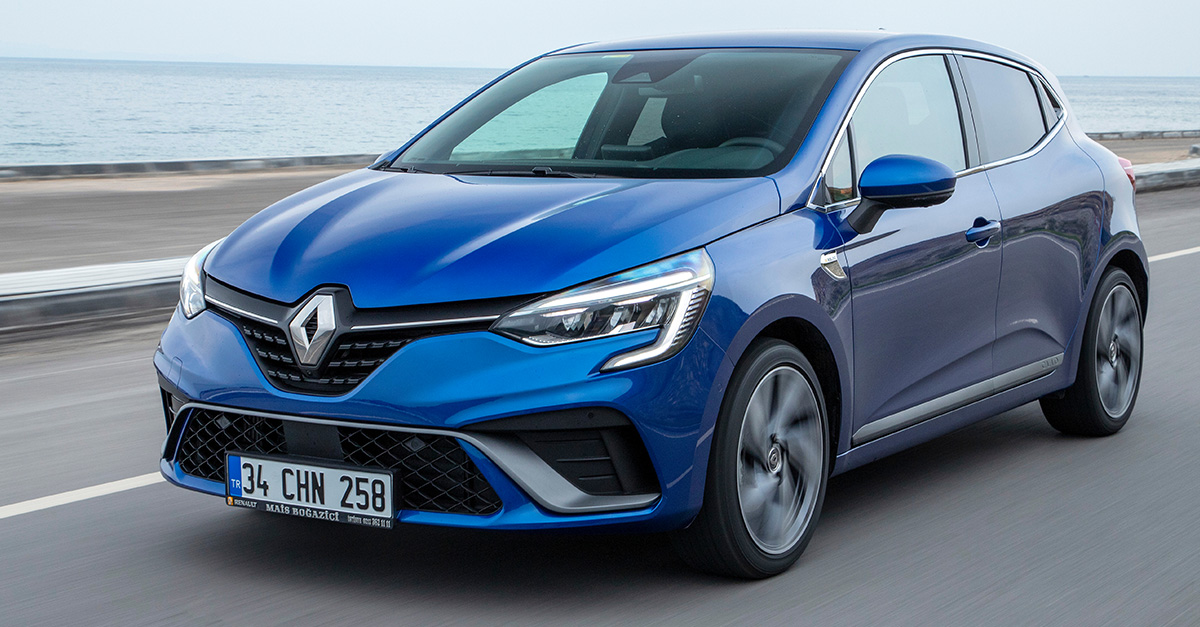
A French Powerhouse Eyes The American Dream
For much of the 20th century, Renault was one of Europe’s most influential automakers. Innovative, government-backed, and wildly successful at home, the French brand had no shortage of confidence. Naturally, the United States—then the world’s most lucrative car market—looked like the ultimate prize. Renault believed American buyers were ready for something different. What followed would be a long, messy, and fascinating experiment.
America Was A Tough Crowd From The Start
The U.S. auto market was brutally competitive. Big, powerful, comfortable cars dominated driveways, and brand loyalty ran deep. Foreign automakers already faced an uphill battle, especially those selling smaller, less powerful vehicles. Renault entered believing efficiency and clever design would win hearts. Unfortunately, American buyers had very different priorities.
 formulanone, Wikimedia Commons
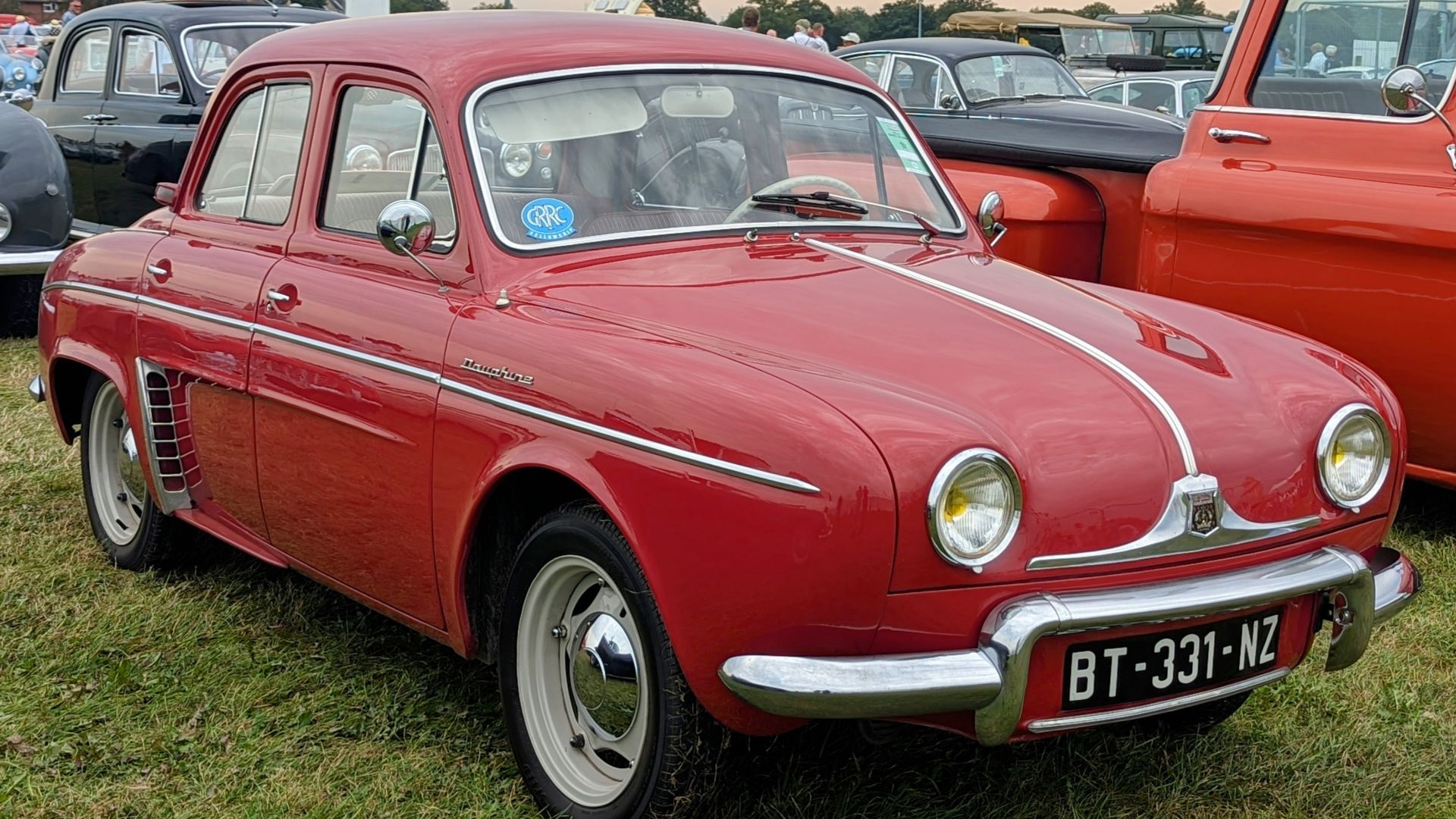
The First Attempt: The Renault Dauphine
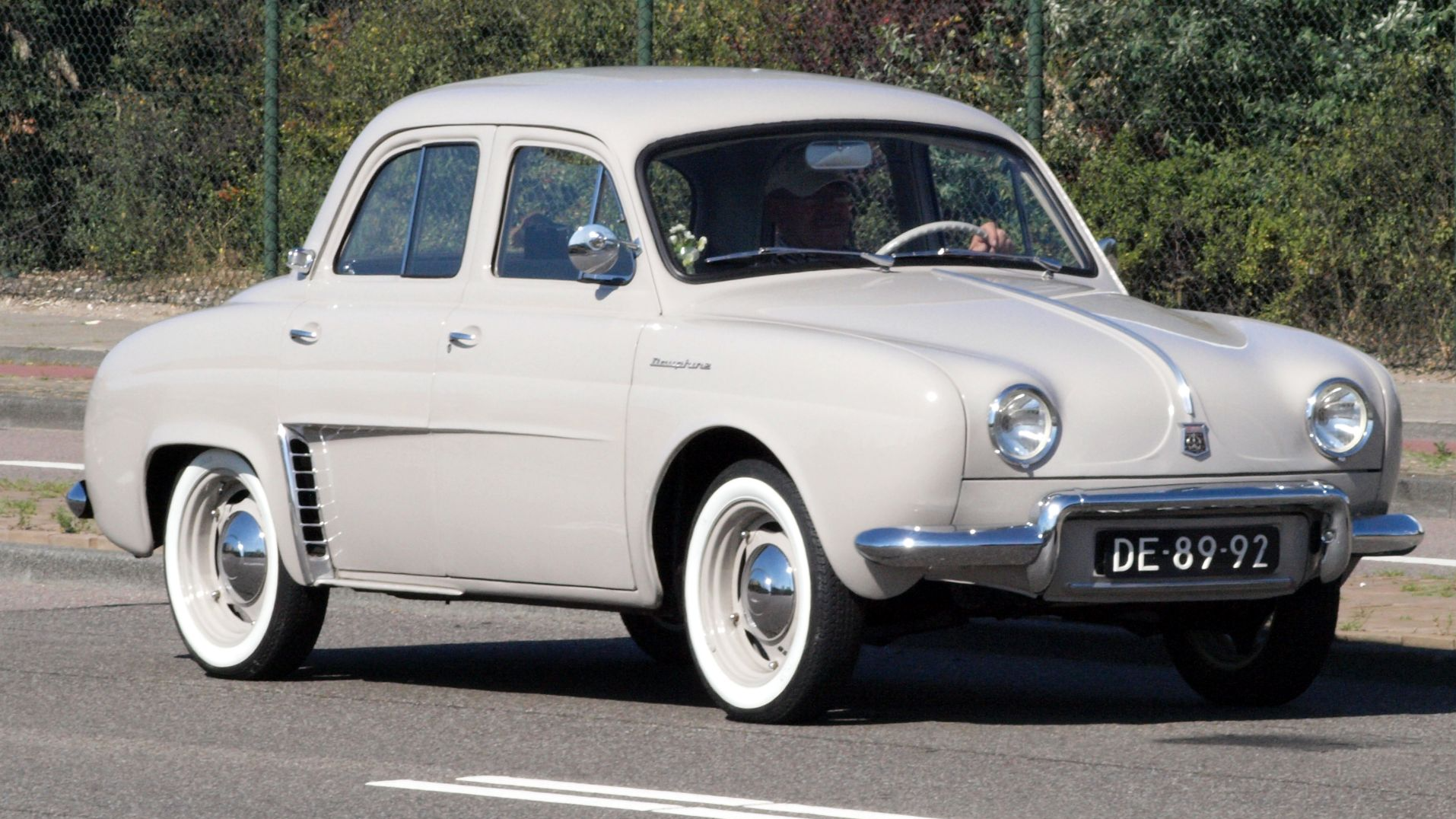
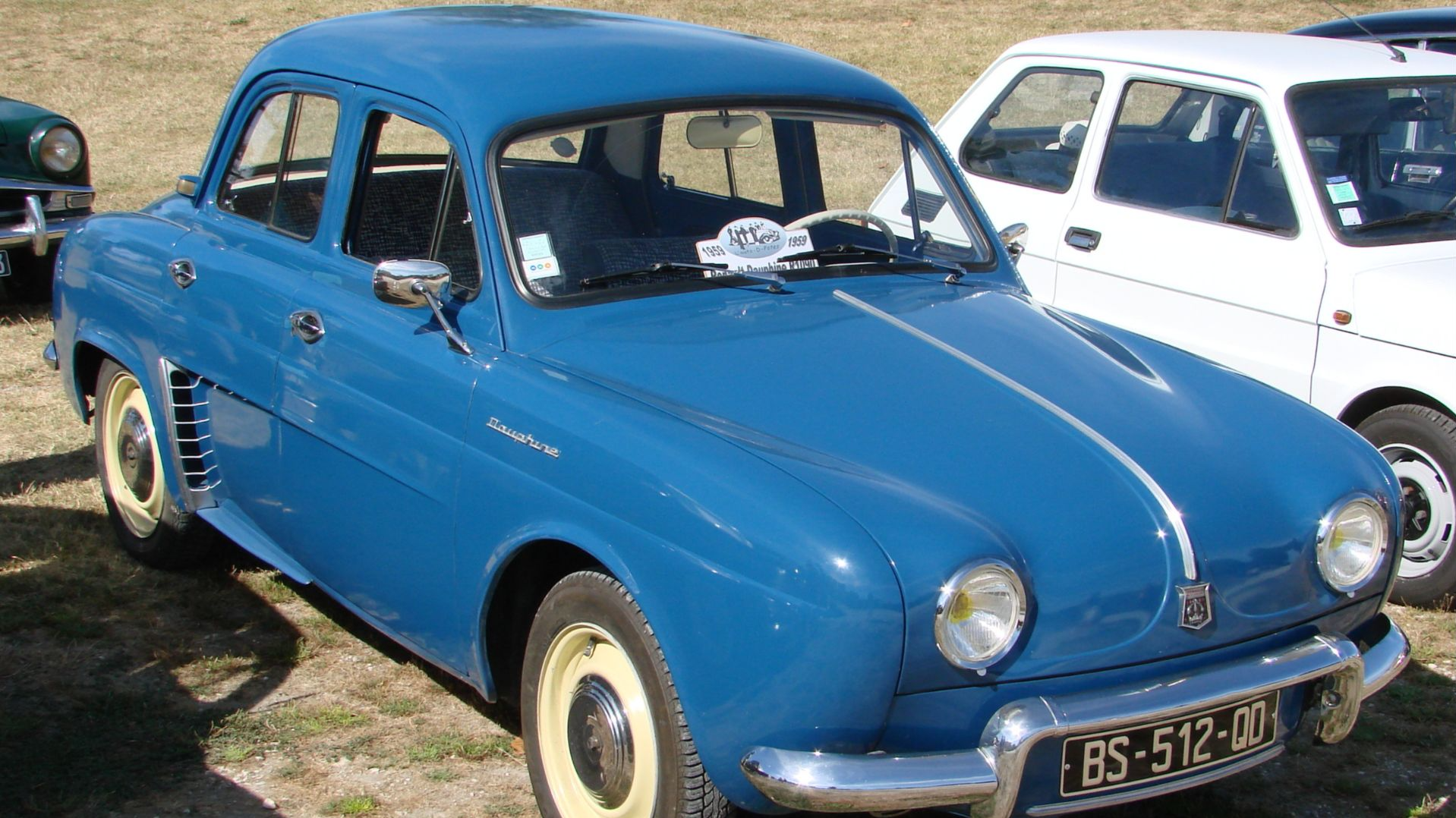
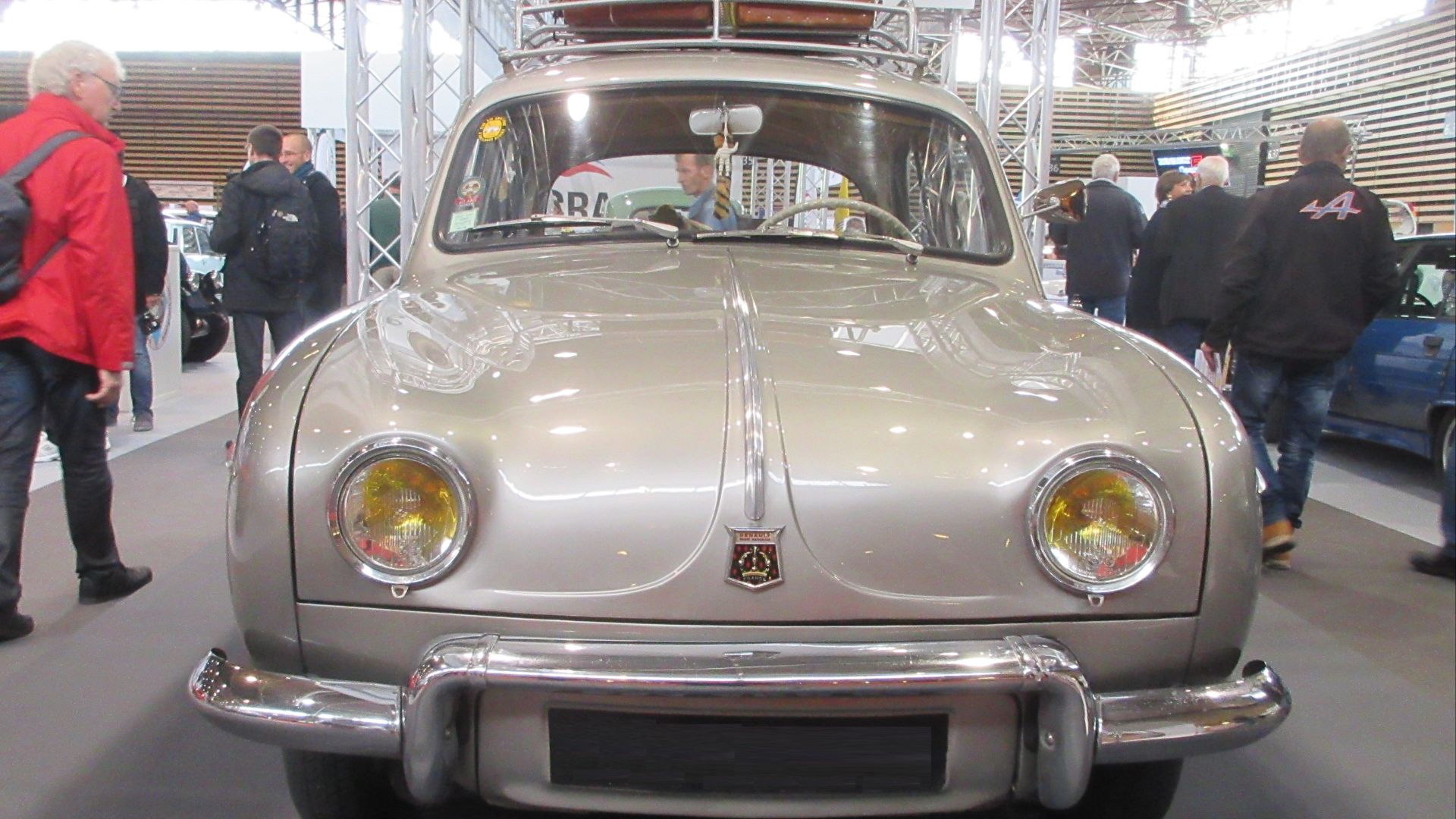
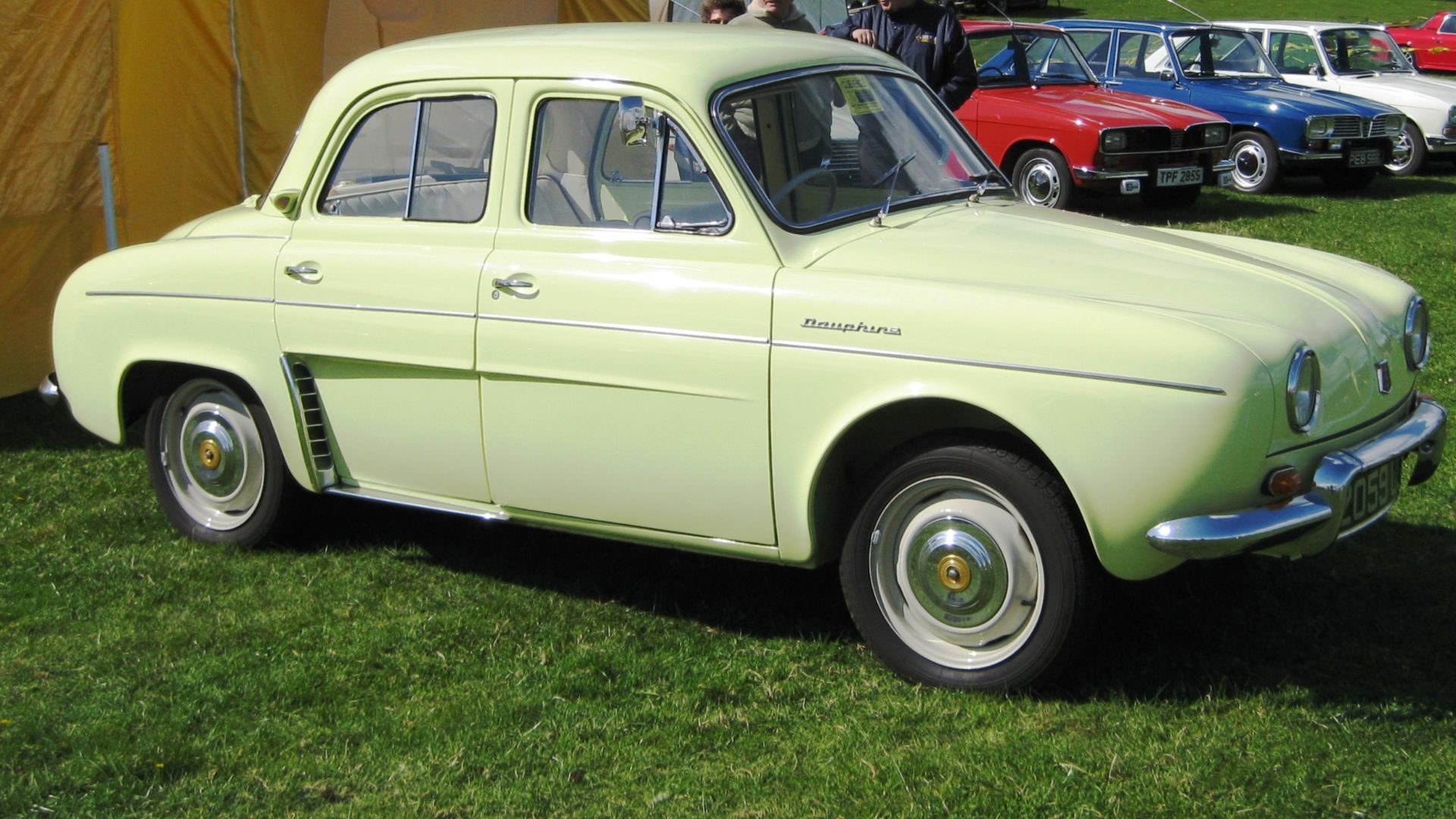
Renault’s real American journey began in the late 1950s with the Dauphine. It was small, affordable, and popular in Europe. On paper, it seemed perfect for American commuters. In reality, it was underpowered, fragile, and struggled on U.S. highways. Reliability issues quickly tarnished its reputation, and word spread fast.
Early Success That Didn’t Last
At first, the Dauphine sold surprisingly well. Americans were curious, and the price was attractive. But poor build quality, rust issues, and weak dealer support led to disappointment. Buyers who expected durability comparable to domestic cars felt burned. Renault’s early momentum faded almost as quickly as it arrived.
Cultural Misunderstandings On Wheels
Renault designed cars for narrow European streets and modest speeds. Americans wanted comfort, torque, and air conditioning that could battle summer heat. Renault’s engineering priorities simply didn’t align with U.S. expectations. What Europeans saw as charming quirks, Americans often saw as flaws.
 Xabi Rome-Herault, Wikimedia Commons
The Problem With Power And Performance
Most Renaults sold in the U.S. felt slow. Merging onto highways was stressful, and passing required patience. At a time when V8 engines ruled and horsepower numbers were bragging rights, Renault’s modest output made its cars feel out of place—even if they were efficient.
Dealer Networks That Never Felt Solid
A strong dealer network is critical in America, and Renault never truly built one. Service quality varied wildly, parts were often delayed, and customers felt unsupported. When problems arose—and they often did—owners didn’t feel confident Renault could fix them quickly or affordably.
 Le Sharkoiste, Wikimedia Commons
The Alliance With American Motors Corporation
By the late 1970s, Renault knew it couldn’t survive alone. The solution was a partnership with American Motors Corporation (AMC). Renault invested heavily, seeing AMC as a shortcut into American manufacturing and dealer networks. On paper, it made perfect sense.
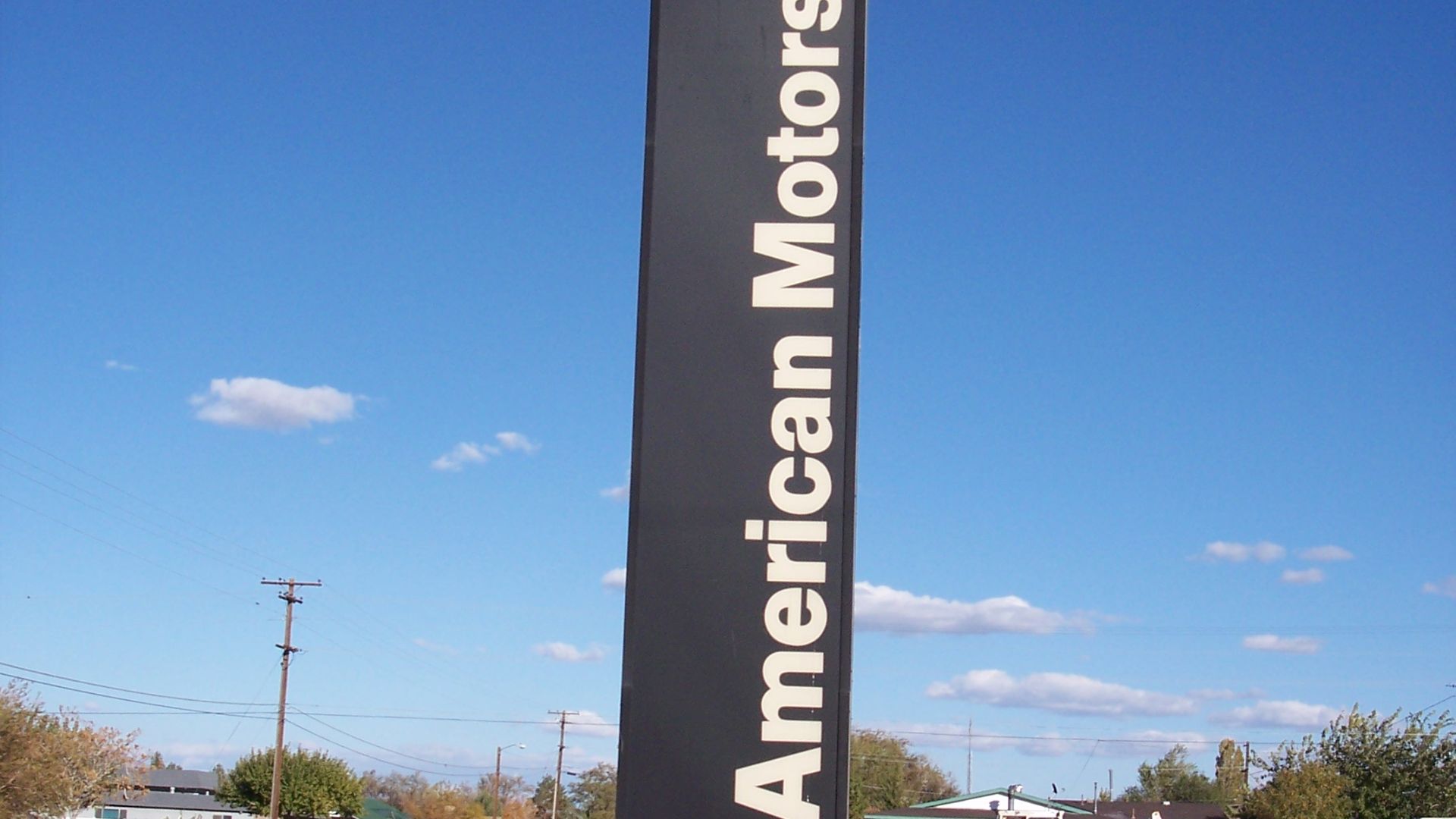 Self (photo); American Motors (logo), Wikimedia Commons
The Renault Alliance: A Car With Big Expectations
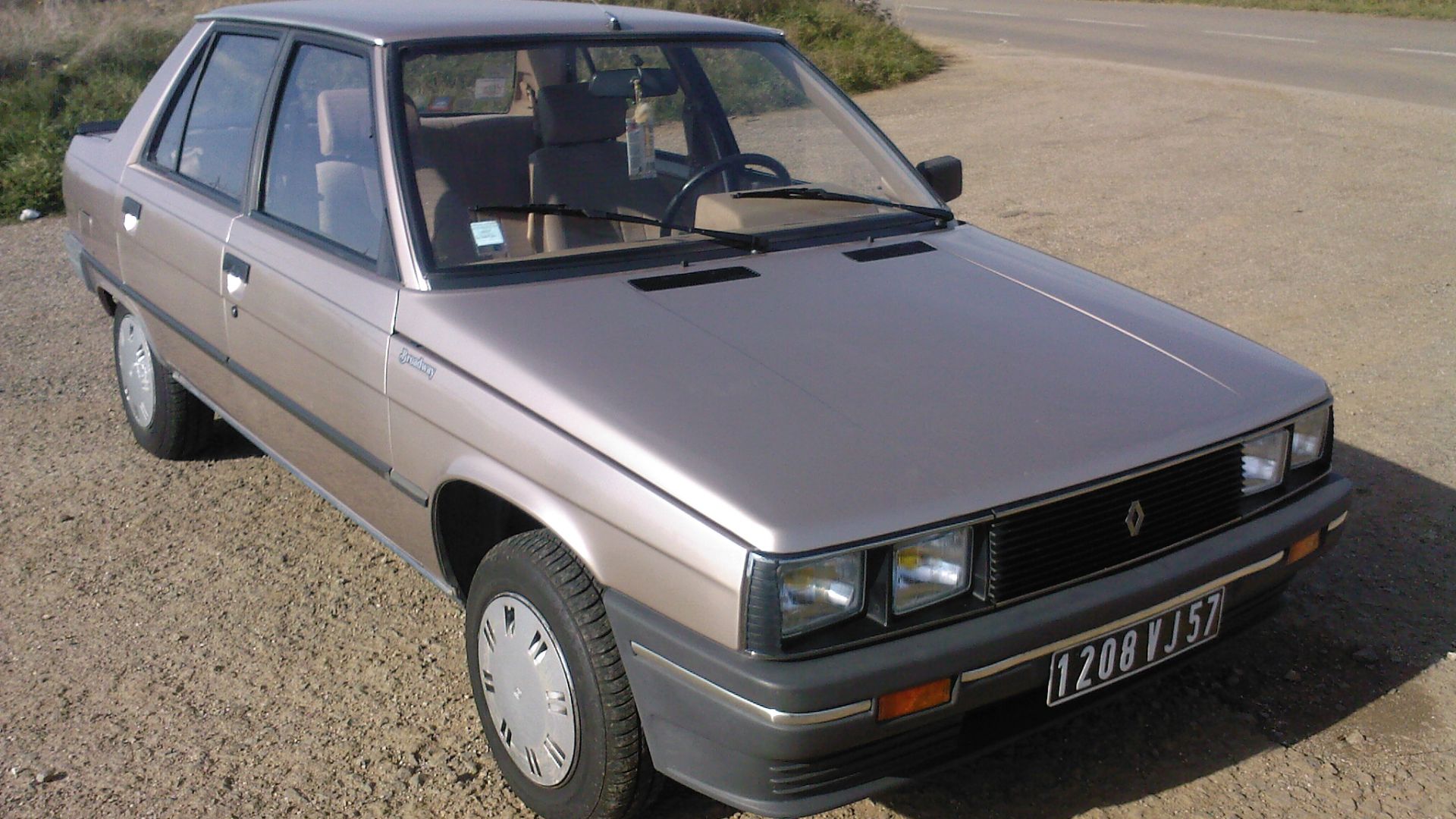
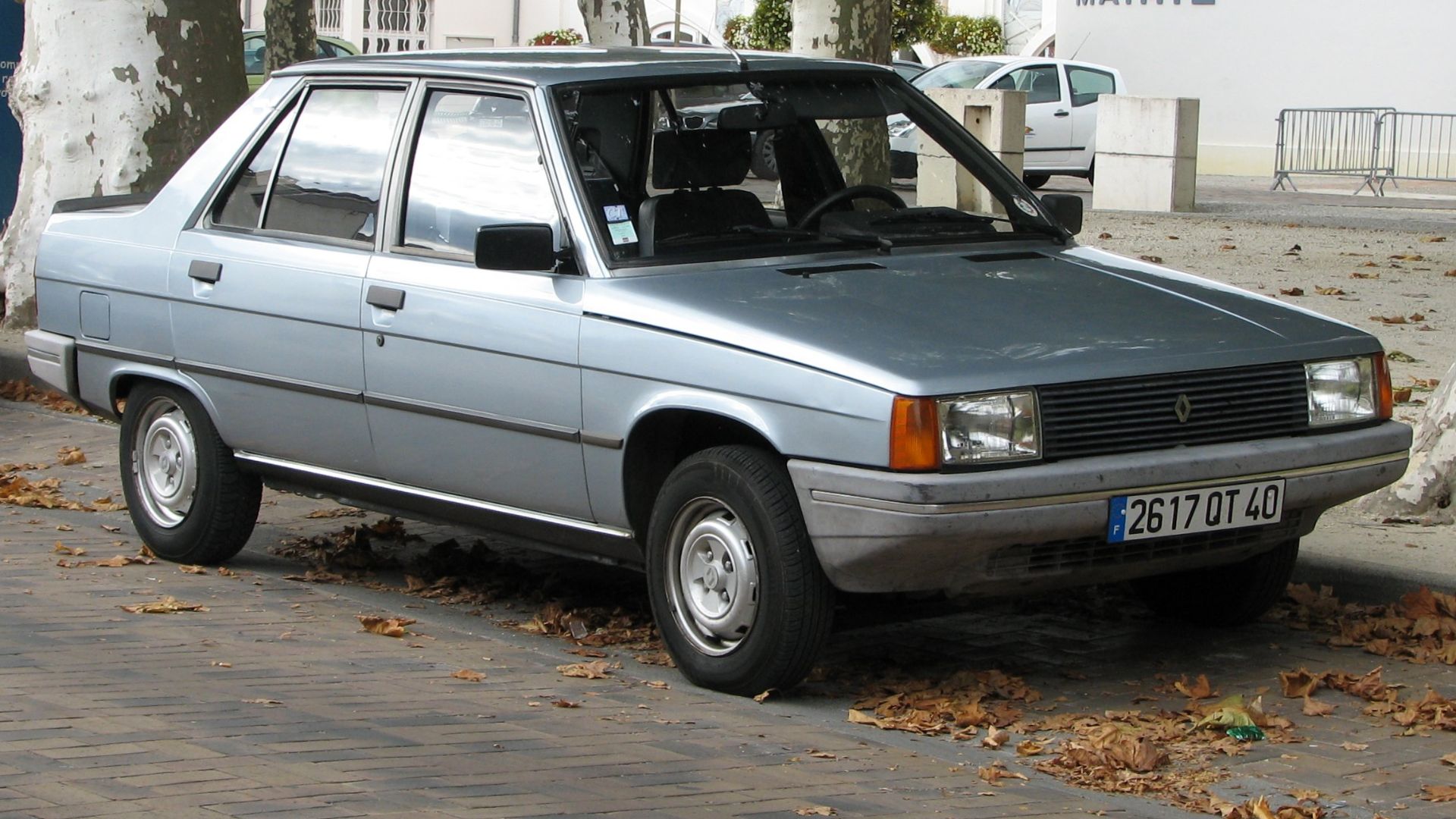
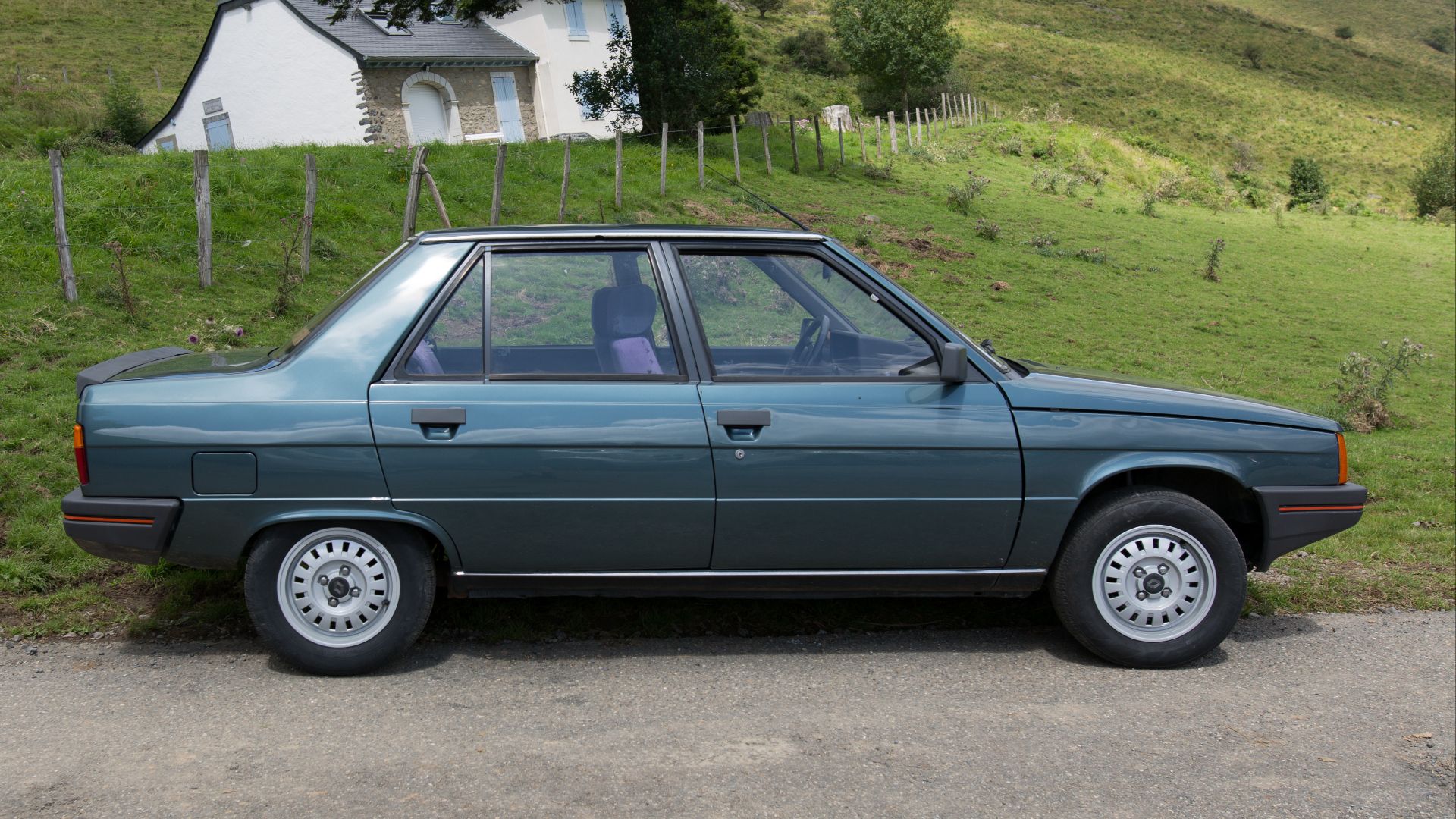
The Renault Alliance, based on the Renault 9, was supposed to be the breakthrough. It was built in the U.S., styled conservatively, and marketed aggressively. In 1983, it even won Motor Trend’s Car of the Year. For a moment, it looked like Renault had finally cracked the code.
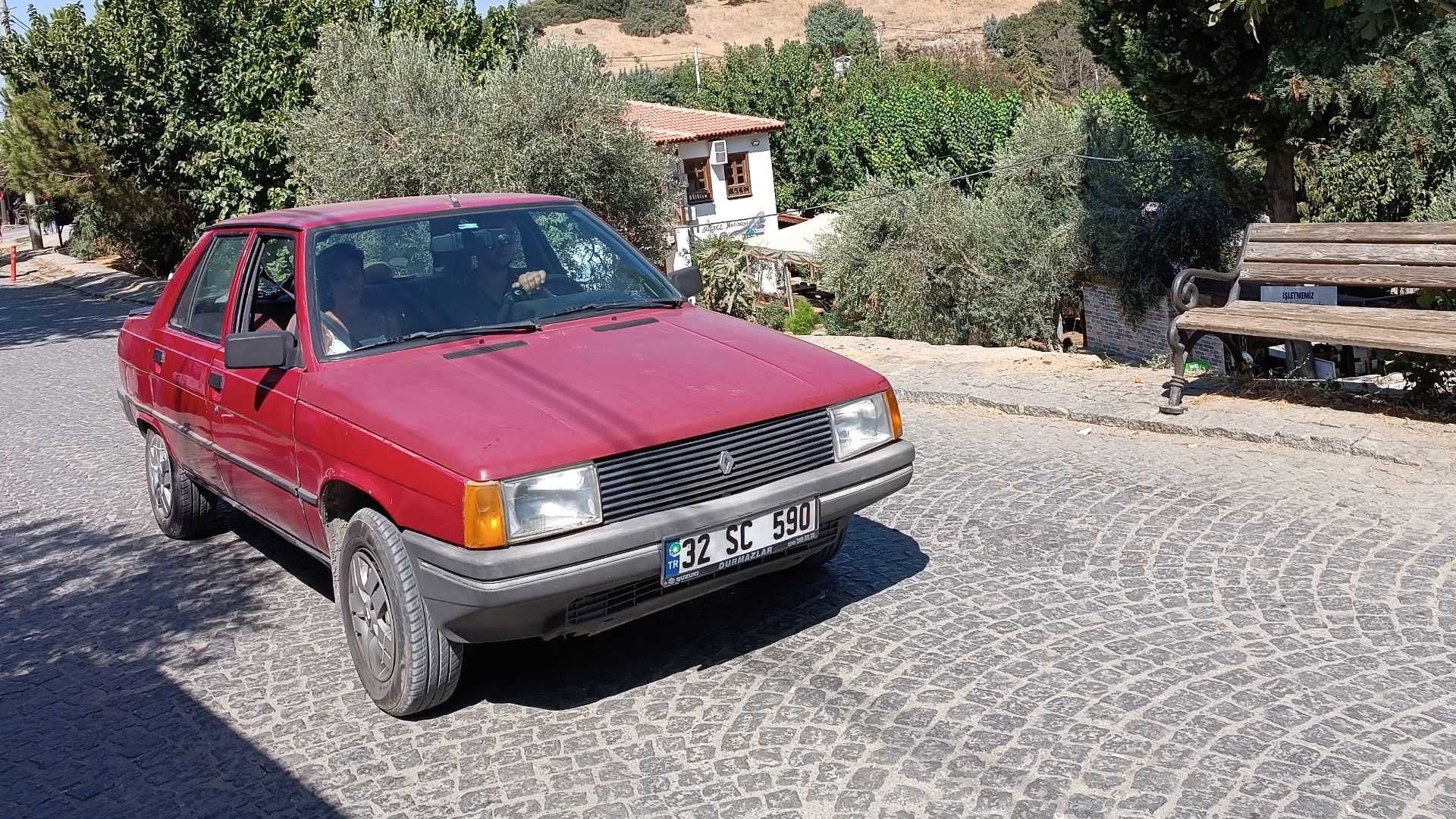
Why The Alliance Fell Apart
The praise didn’t last. The Alliance suffered from quality issues, weak air conditioning, and poor performance—especially when fully loaded with American-required equipment. Customers felt the car was overwhelmed by its own compromises. Awards couldn’t save it from real-world frustration.
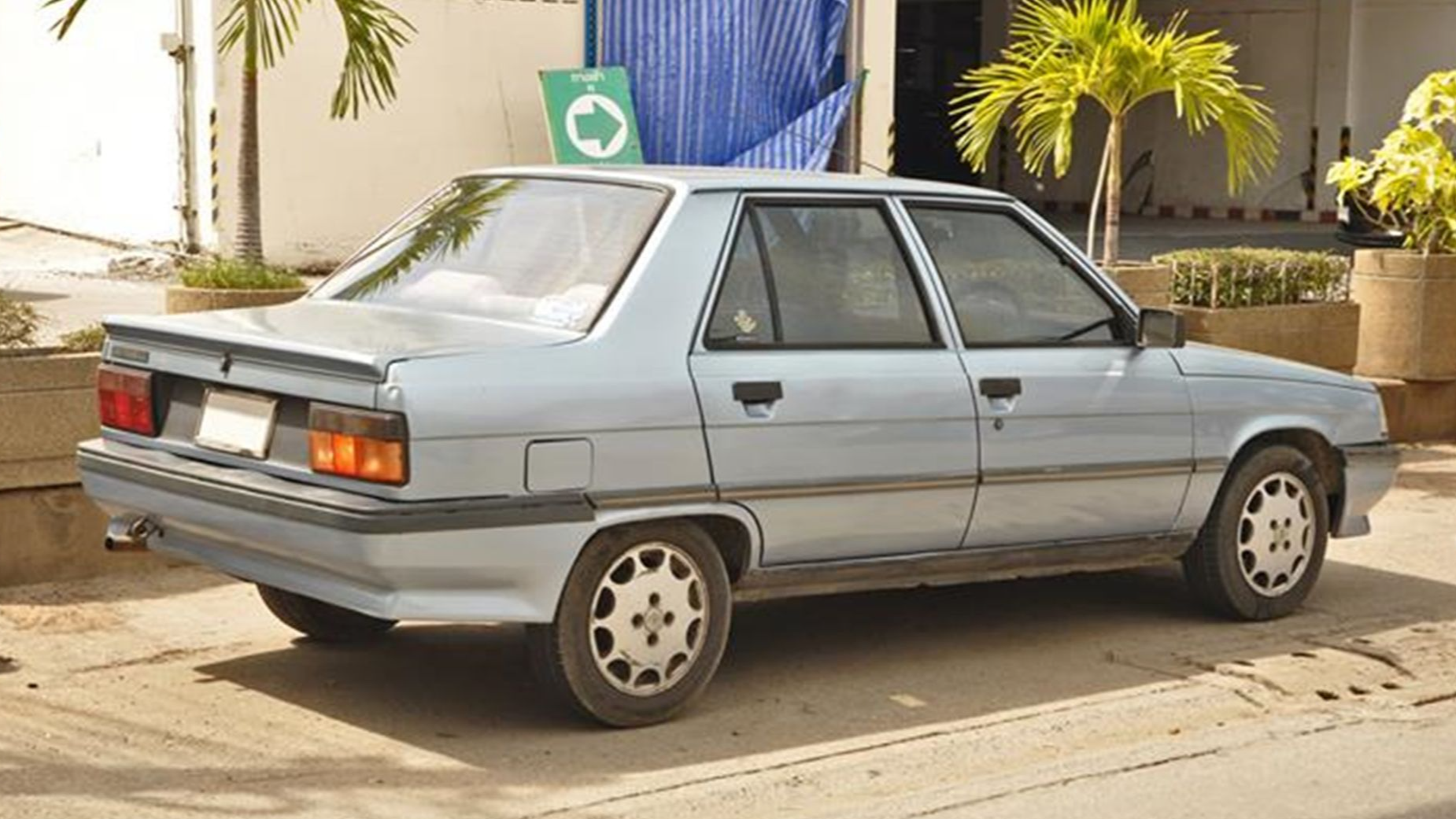
French Engineering Meets American Regulations
U.S. safety and emissions regulations forced Renault to modify its cars heavily. Added weight dulled performance, while emissions equipment hurt drivability. What worked beautifully in Europe often felt clumsy once adapted for American law. Renault struggled to balance compliance with customer satisfaction.
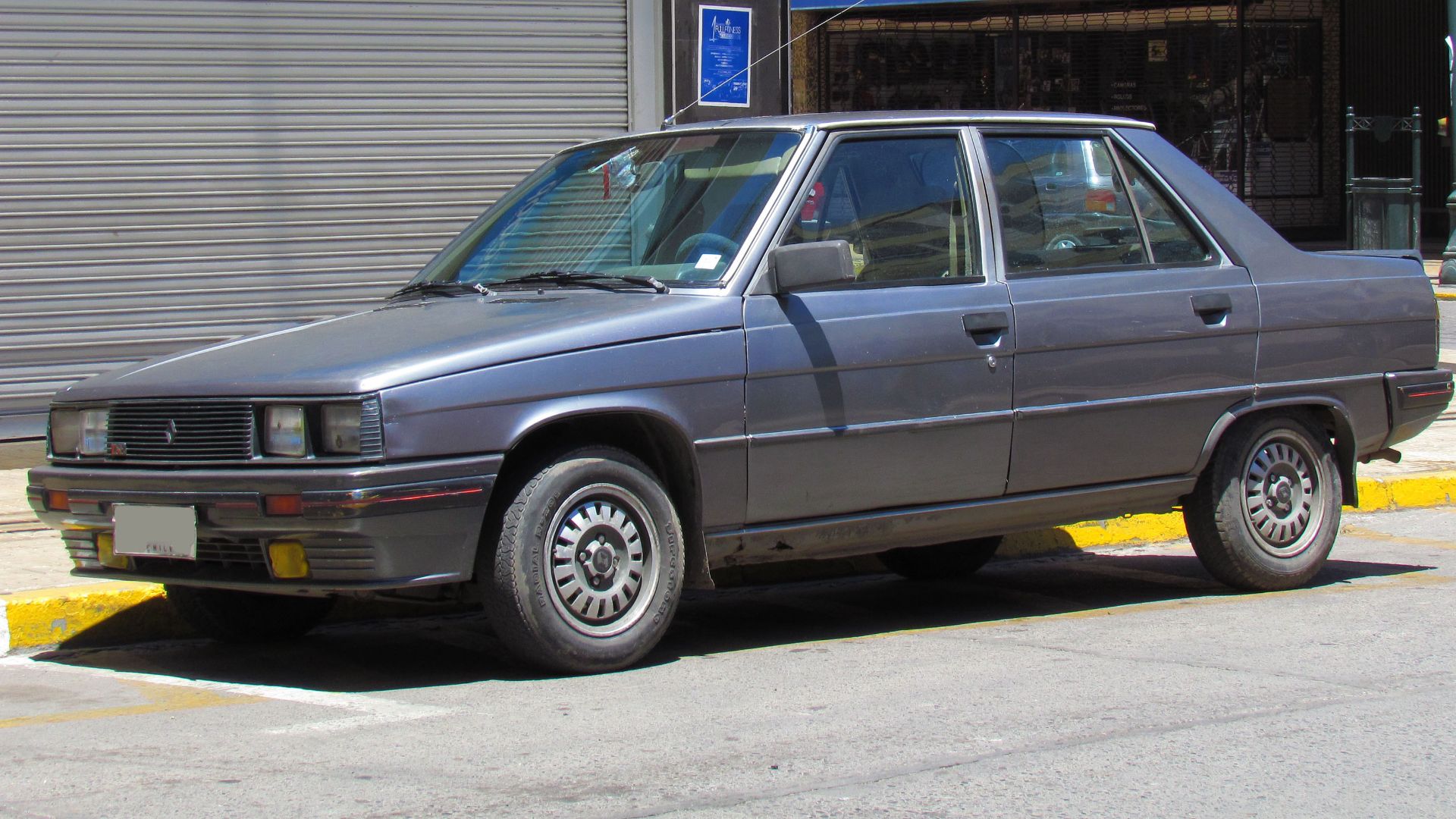 order_242 from Chile, Wikimedia Commons
Reliability Became The Brand’s Biggest Enemy
Perhaps more than anything else, reliability destroyed Renault’s reputation in America. Electrical issues, cooling problems, and transmission failures were common complaints. Even when problems were fixable, the perception stuck. Once American buyers lose trust, winning it back is incredibly difficult.
Marketing That Never Quite Clicked
Renault’s advertising tried to be clever and European, but it often missed the mark. American buyers weren’t sure what Renault stood for. Was it sporty? Economical? Premium? The message was inconsistent, and without a clear identity, the brand struggled to connect emotionally.
 Mic from Reading - Berkshire, United Kingdom, Wikimedia Commons
Competition Was Getting Better Fast
While Renault stumbled, competitors thrived. Japanese brands like Toyota and Honda offered small cars that were efficient and reliable. German brands brought prestige and performance. Renault was squeezed in the middle, offering neither bulletproof reliability nor aspirational status.
The Le Car Problem
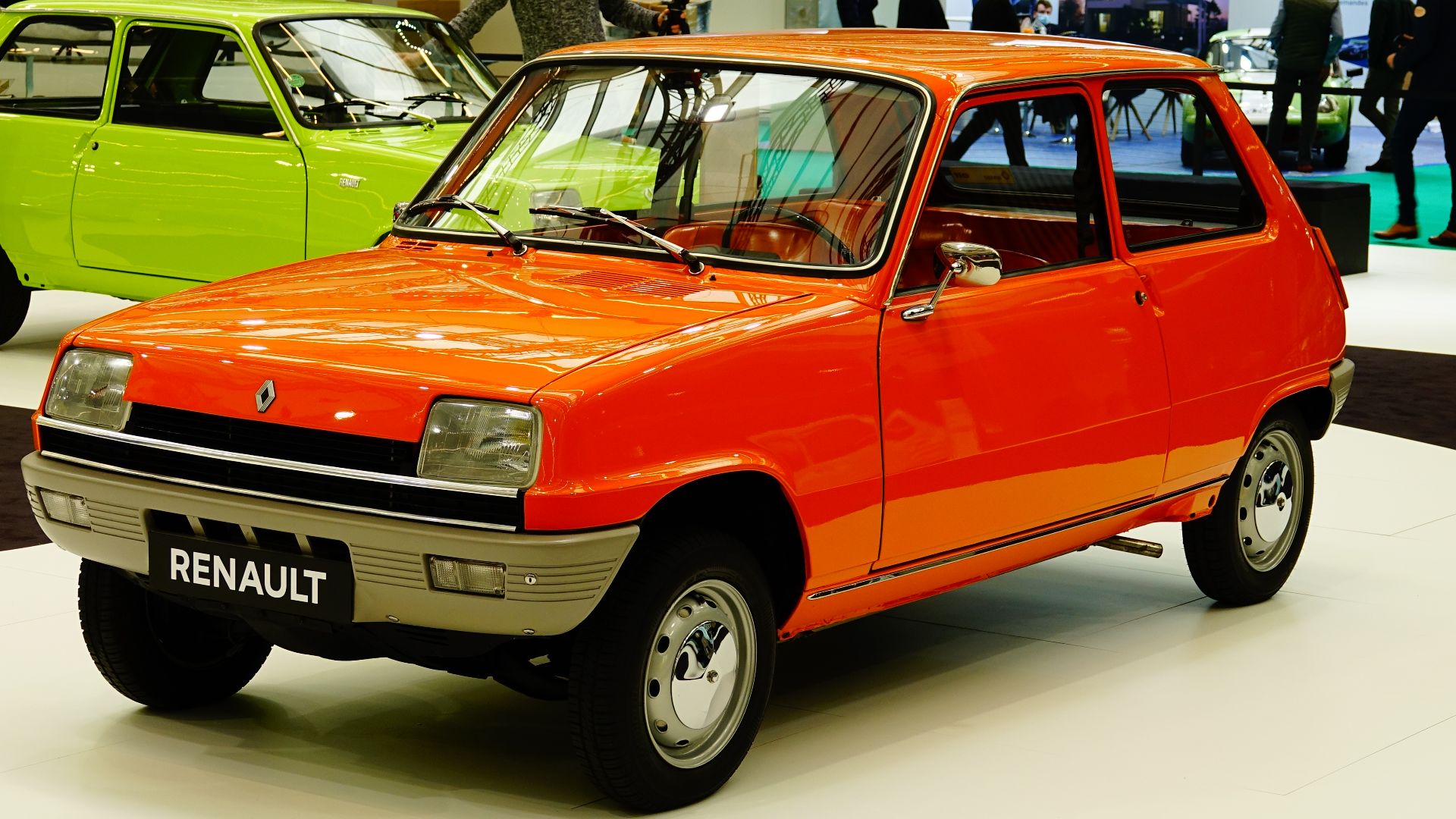
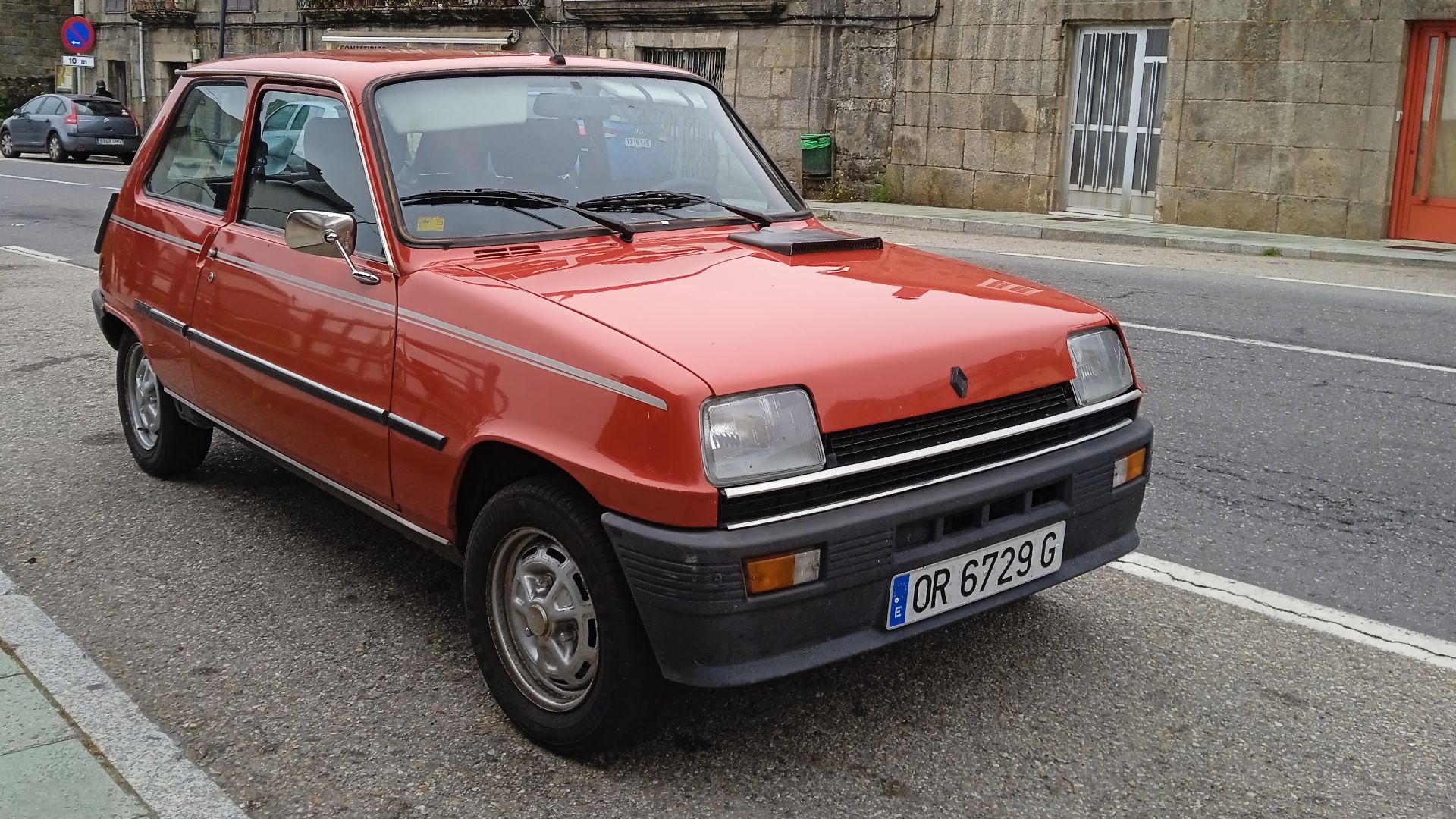
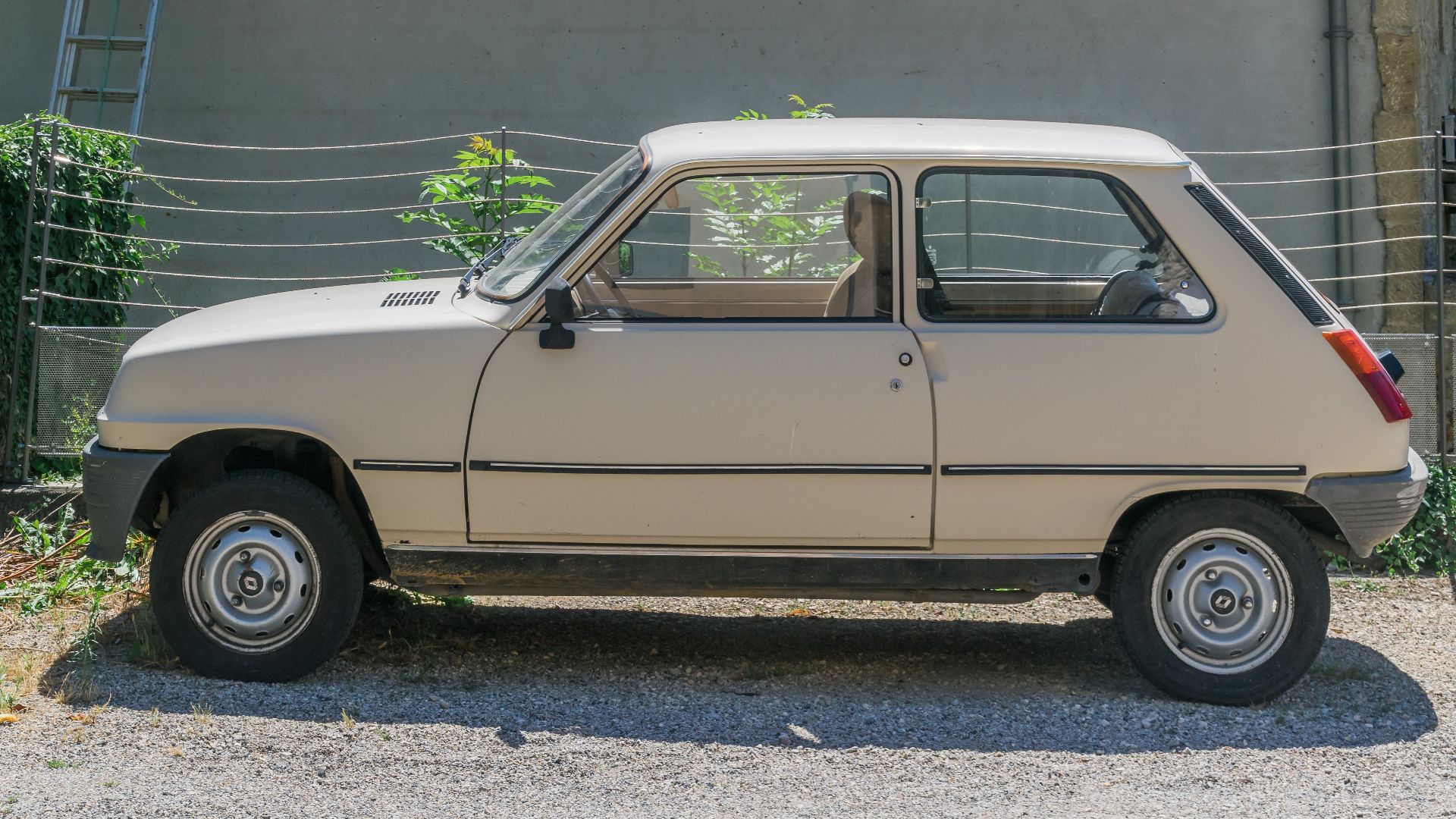
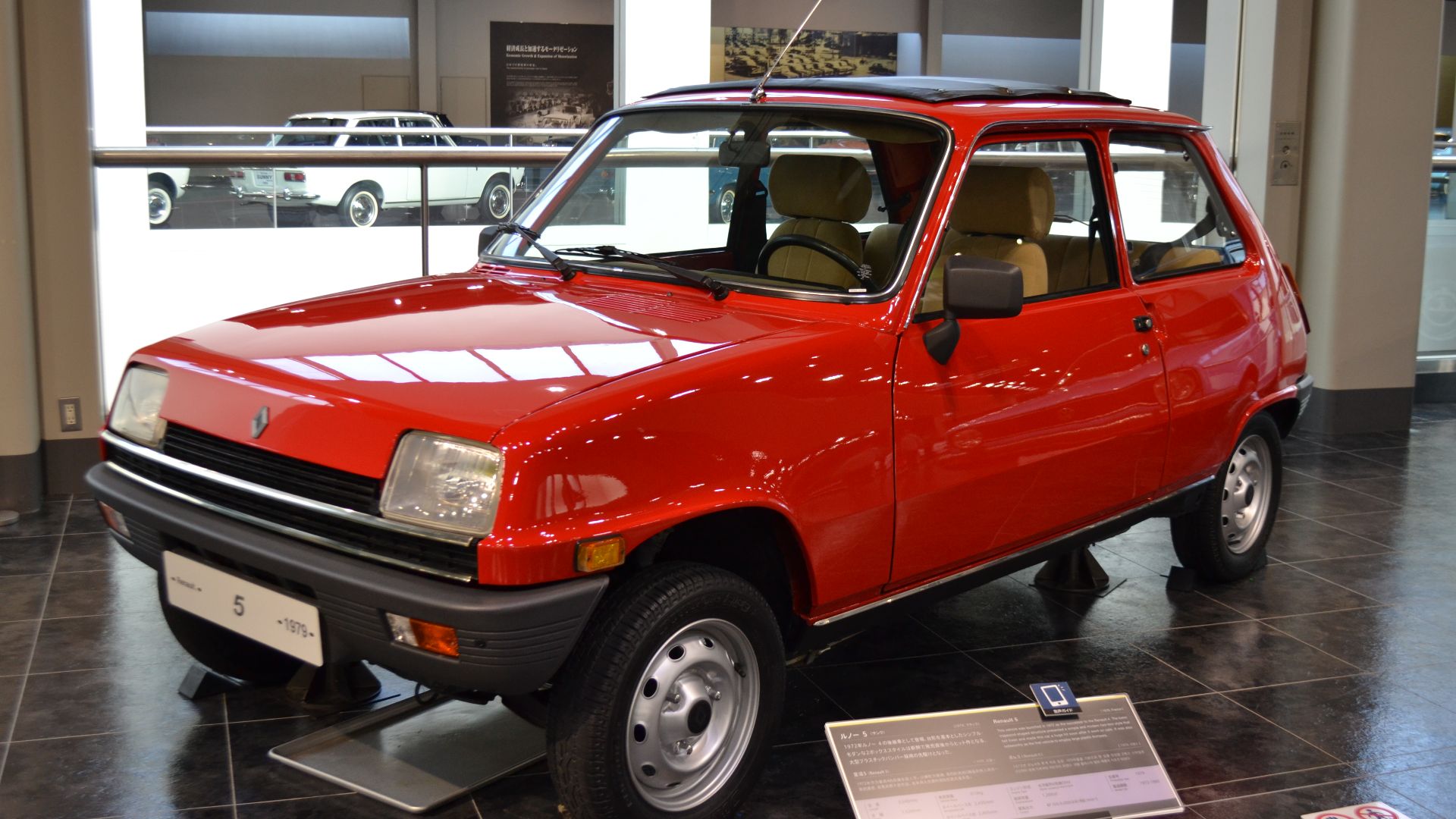
The Renault 5, sold as the “Le Car” in America, became an unfortunate symbol of the brand’s struggles. Its styling was polarizing, its performance mediocre, and its build quality inconsistent. While beloved by some enthusiasts today, it failed to resonate with mainstream buyers at the time.
 Y.Leclercq©, Wikimedia Commons
American Buyers Wanted Effortless Ownership
U.S. car culture favors ease. Easy service, easy resale, easy daily driving. Renault ownership often felt like work. Quirks that European drivers accepted became annoyances for Americans who expected cars to simply function without drama.
Internal Turmoil Didn’t Help
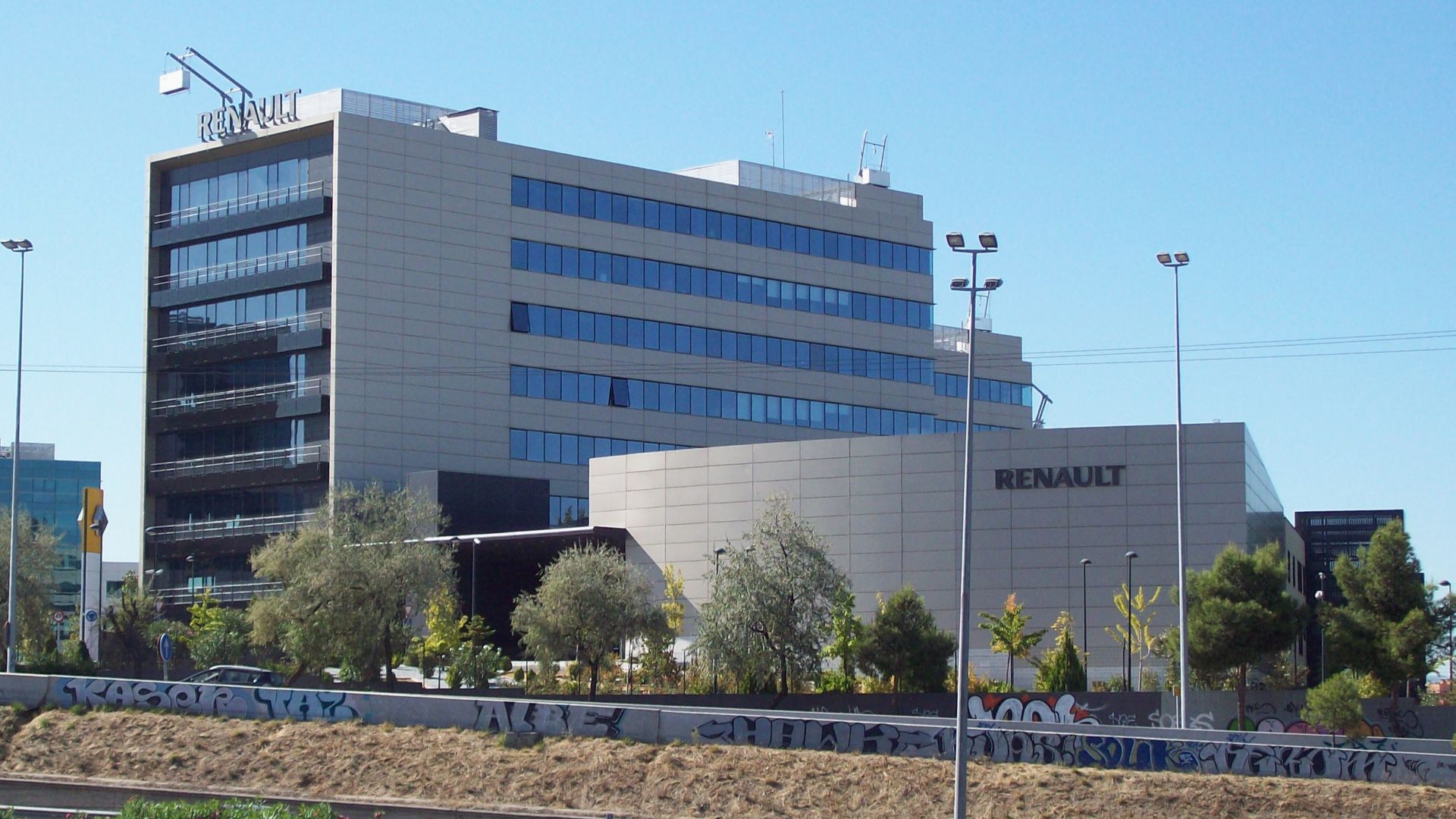
Renault itself wasn’t stable during this period. Government ownership, labor issues, and shifting leadership made long-term strategy difficult. The American operation never felt like a top priority, and that lack of focus showed in product planning and execution.
 Luis Garcia (Zaqarbal), Wikimedia Commons
The AMC Partnership Turns Sour
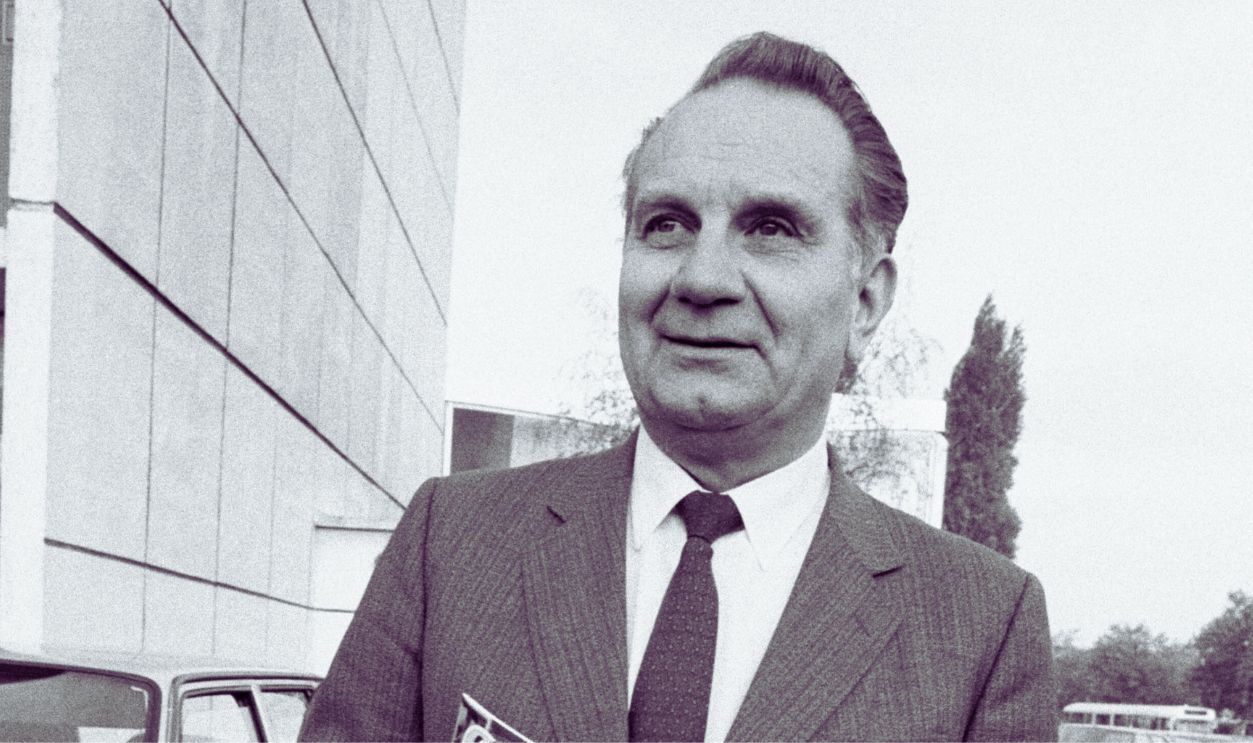
By the mid-1980s, Renault’s relationship with AMC was strained. Financial losses mounted, and sales declined. The tragic assassination of Renault chairman Georges Besse in 1986 further destabilized the company. America suddenly felt like a risk Renault could no longer afford
 Patrick AVENTURIER, Getty Images
Renault Pulls The Plug
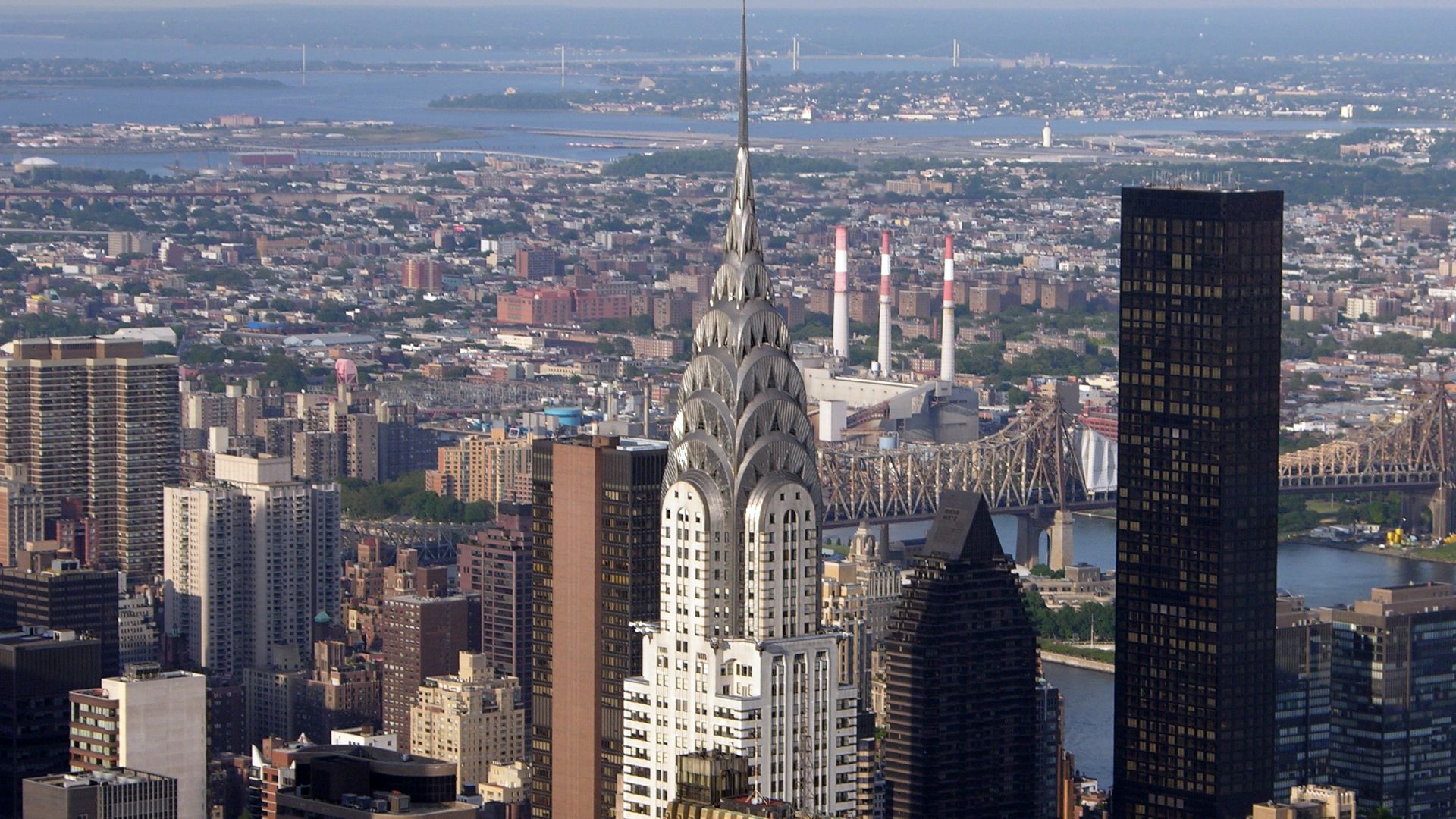
In 1987, Renault sold its stake in AMC to Chrysler and exited the U.S. market entirely. Just like that, Renault was gone. Dealers closed, parts became scarce, and owners were left in limbo. It was a quiet but definitive ending.
 Misterweiss at English Wikipedia, Wikimedia Commons
What Renault Never Fully Understood
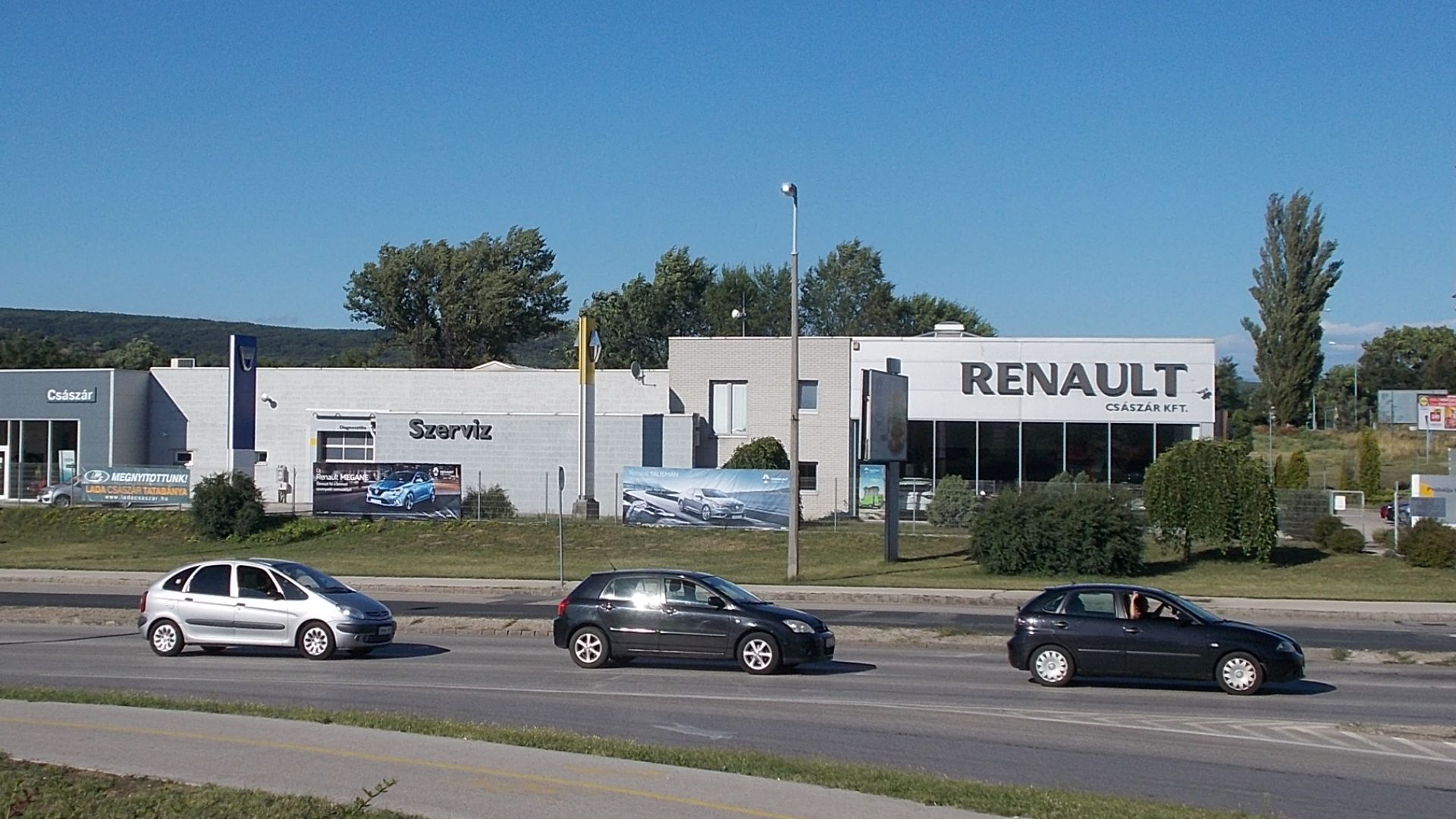
Renault underestimated how different the American market truly was. It wasn’t just about building cars—it was about building trust, identity, and long-term support. Efficiency alone wasn’t enough, and clever engineering couldn’t compensate for reliability concerns.
 Globetrotter19, Wikimedia Commons
Why Other Foreign Brands Succeeded
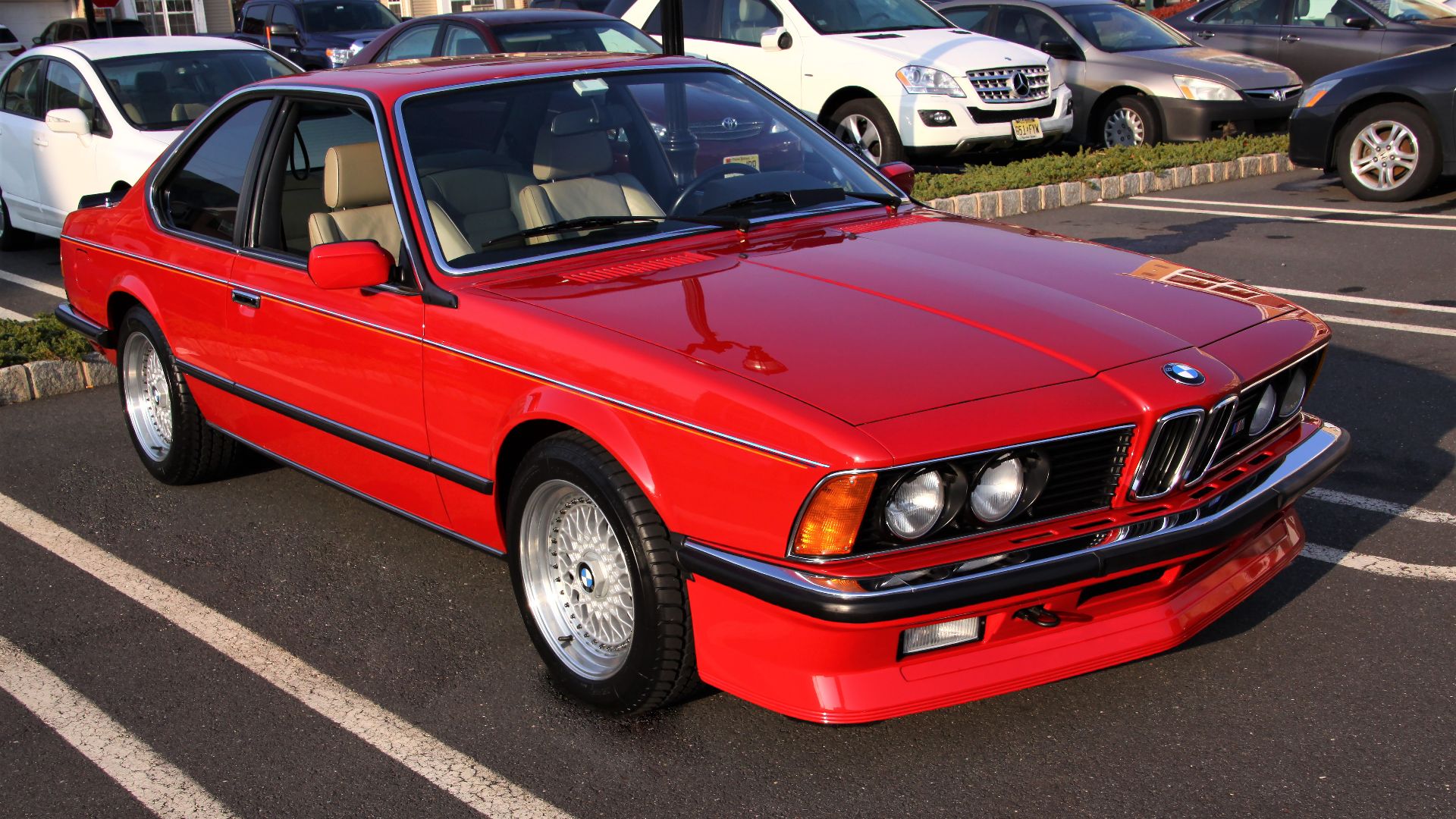
Toyota, Honda, and BMW all took different paths but shared common strengths: consistency, clear branding, and relentless quality control. Renault lacked those pillars in America. Its vision was bold, but its execution never matched the ambition.
 Justin Lippolis, Wikimedia Commons
Could Renault Succeed In America Today?
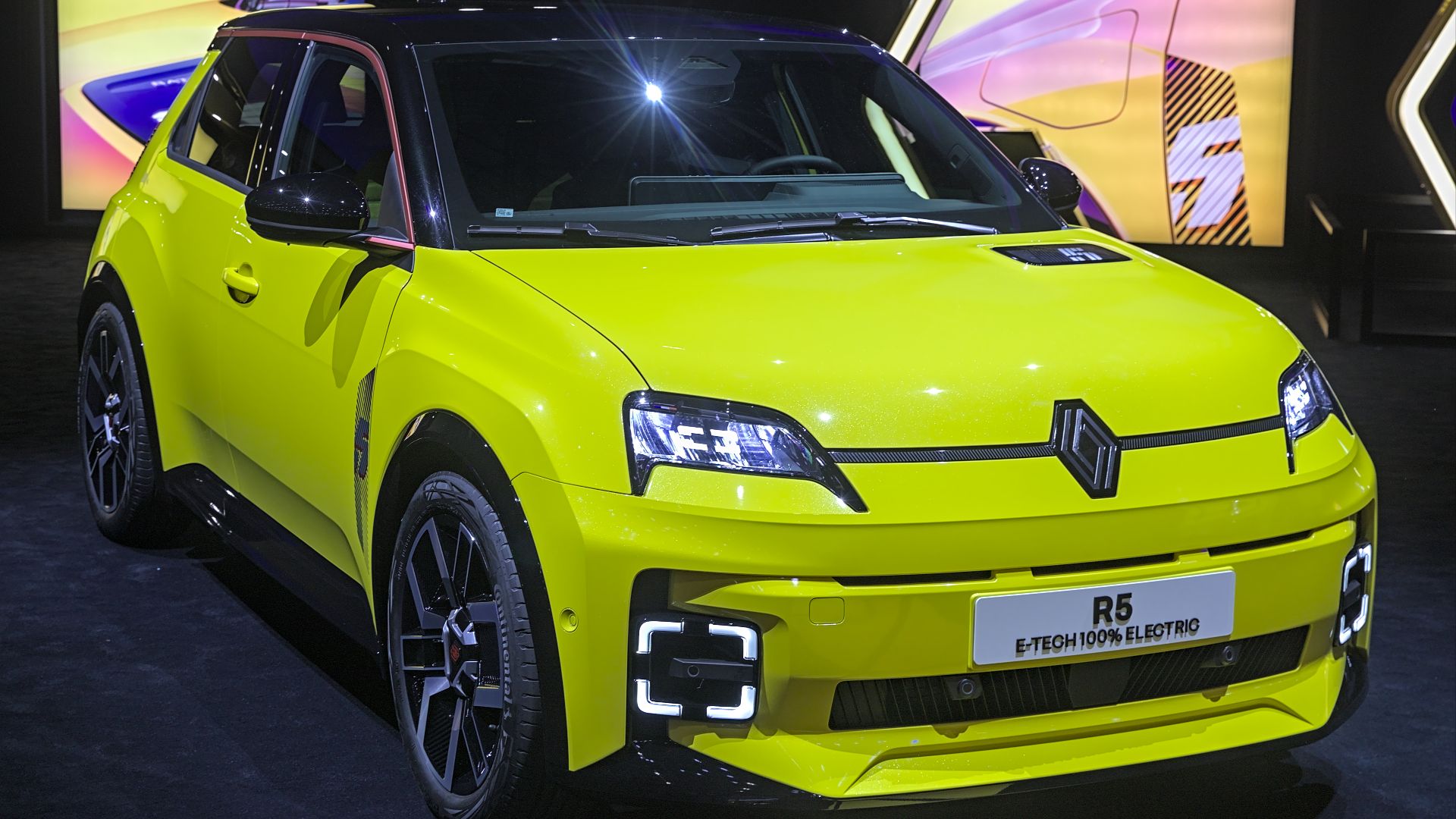
Ironically, today’s market might suit Renault better. Americans now embrace smaller cars, EVs, and unconventional design. Renault’s electric expertise and modern styling could find an audience. But the scars of the past still linger, making a return unlikely.
 Alexander-93, Wikimedia Commons
Renault’s Legacy In America
Though unsuccessful, Renault’s American adventure wasn’t meaningless. It influenced AMC, shaped Chrysler’s future, and left behind cult classics. Enthusiasts still remember the Alliance, the Le Car, and the Dauphine with a mix of nostalgia and frustration.
A Story Of Timing And Translation
Renault didn’t fail because it lacked talent or innovation. It failed because it arrived at the wrong time, with the wrong expectations, and misunderstood its audience. Great ideas don’t always travel well—and America proved especially difficult to impress.
 Krzysztof Golik, Wikimedia Commons
Lessons From A Cross-Atlantic Misfire
Renault’s story is a cautionary tale for global automakers. Success in one market doesn’t guarantee success in another. Culture, infrastructure, and expectations matter. Ignore them, and even a giant can stumble.
The French Giant That America Never Embraced
Renault came to America with confidence, creativity, and ambition. What it lacked was alignment. In the end, the U.S. wasn’t ready for Renault—and Renault wasn’t ready for the U.S. The result was one of automotive history’s most fascinating “what ifs.”
 Follow the beginning of the past, Wikimedia Commons
You May Also Like:
Driving These Vehicles Every Day Is Actually Harmful To Them
How To Get The Best Gas Mileage In 2026, According To Experts