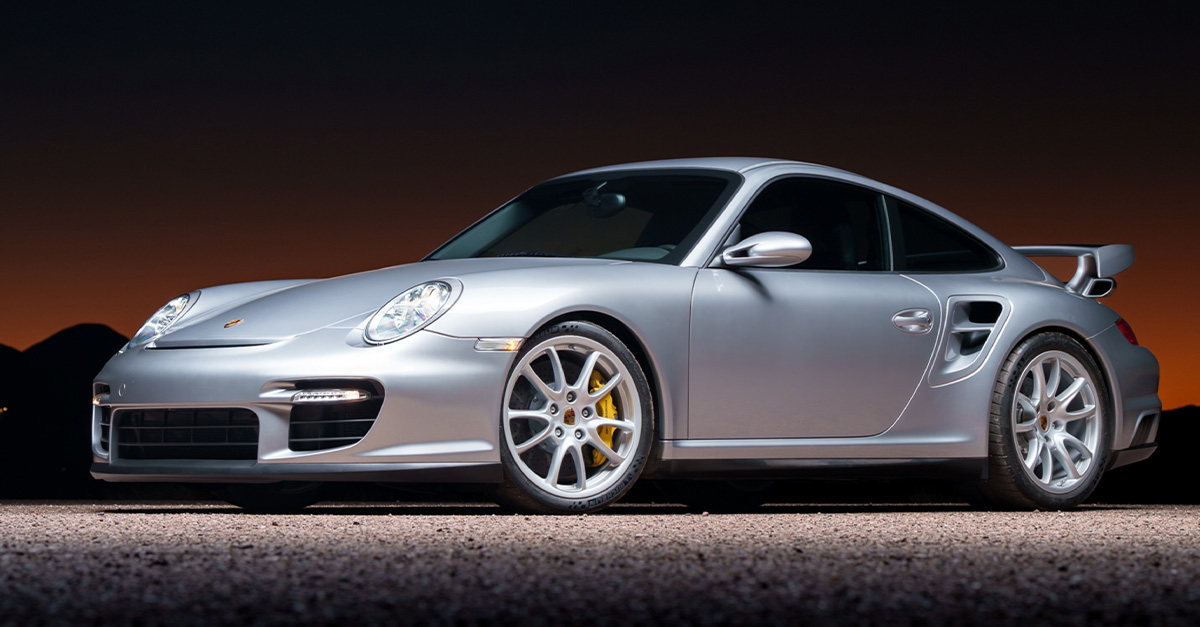
The Wrong Kind Of Daily Driver
Every car has a personality and an environment where it thrives, and daily commuting often ignores that reality completely. Some vehicles are built to idle endlessly, soak up neglect, and tolerate abuse, while others expect warm oil, mechanical sympathy, and regular exercise at speed. Traffic, short trips, constant heat cycling, and poor road conditions turn specialized machines into stressed, unhappy versions of themselves.
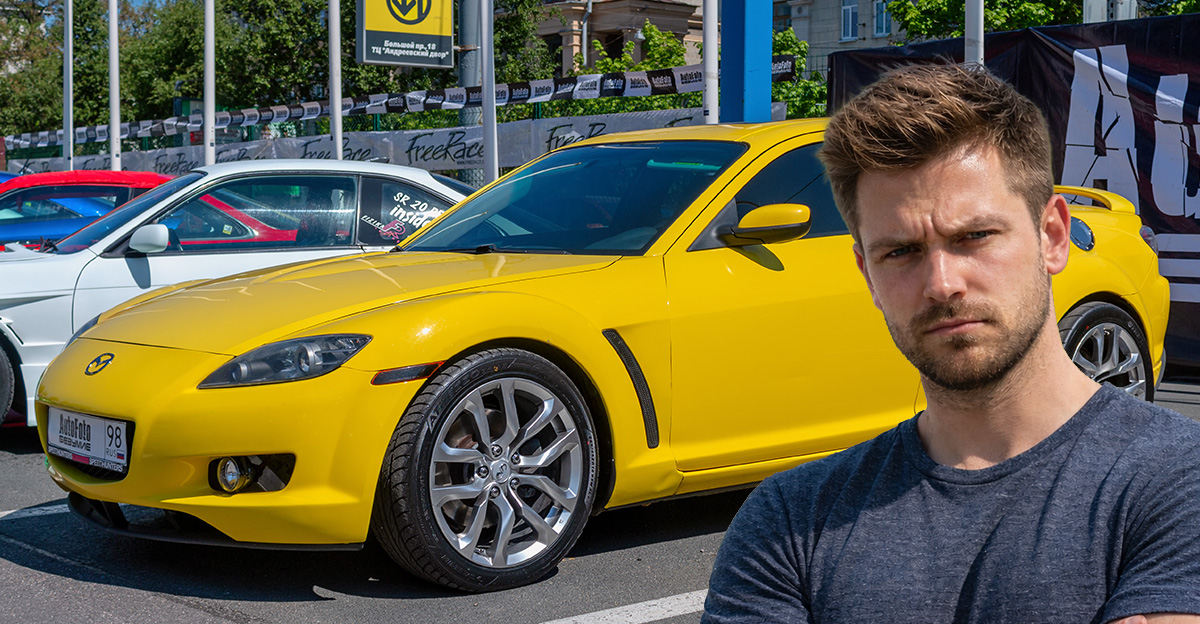
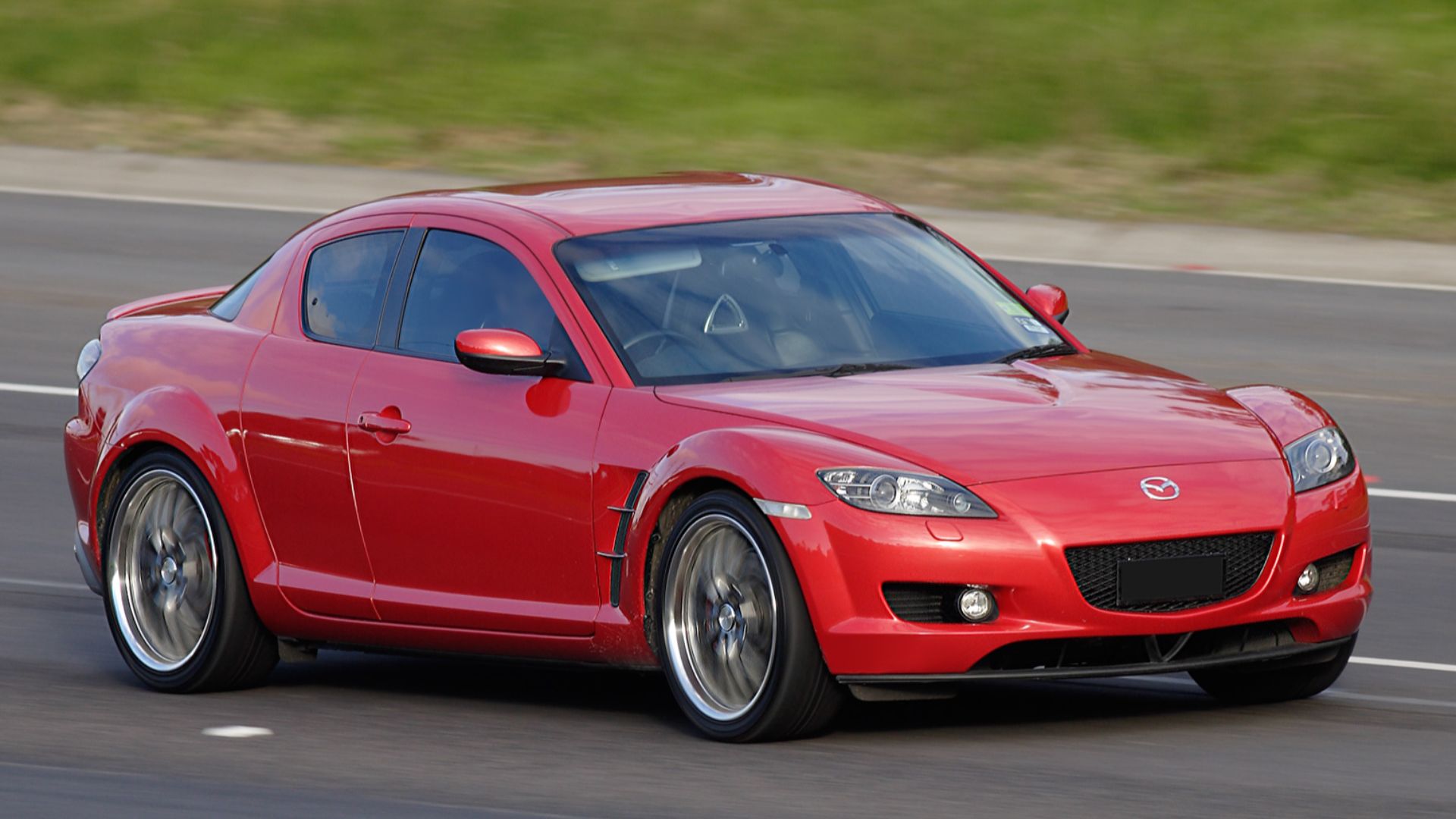
Mazda RX-8
The RX-8’s rotary engine despises short trips more than almost anything else on the road, with cold starts followed by quick shutoffs leading to flooding, carbon buildup, and premature internal wear. This engine needs consistent heat, clean combustion, and high revs to stay healthy, and daily commuting starves it of all three. Over time, normal errands turn into a maintenance juggling act that punishes inattentive owners far faster than expected.
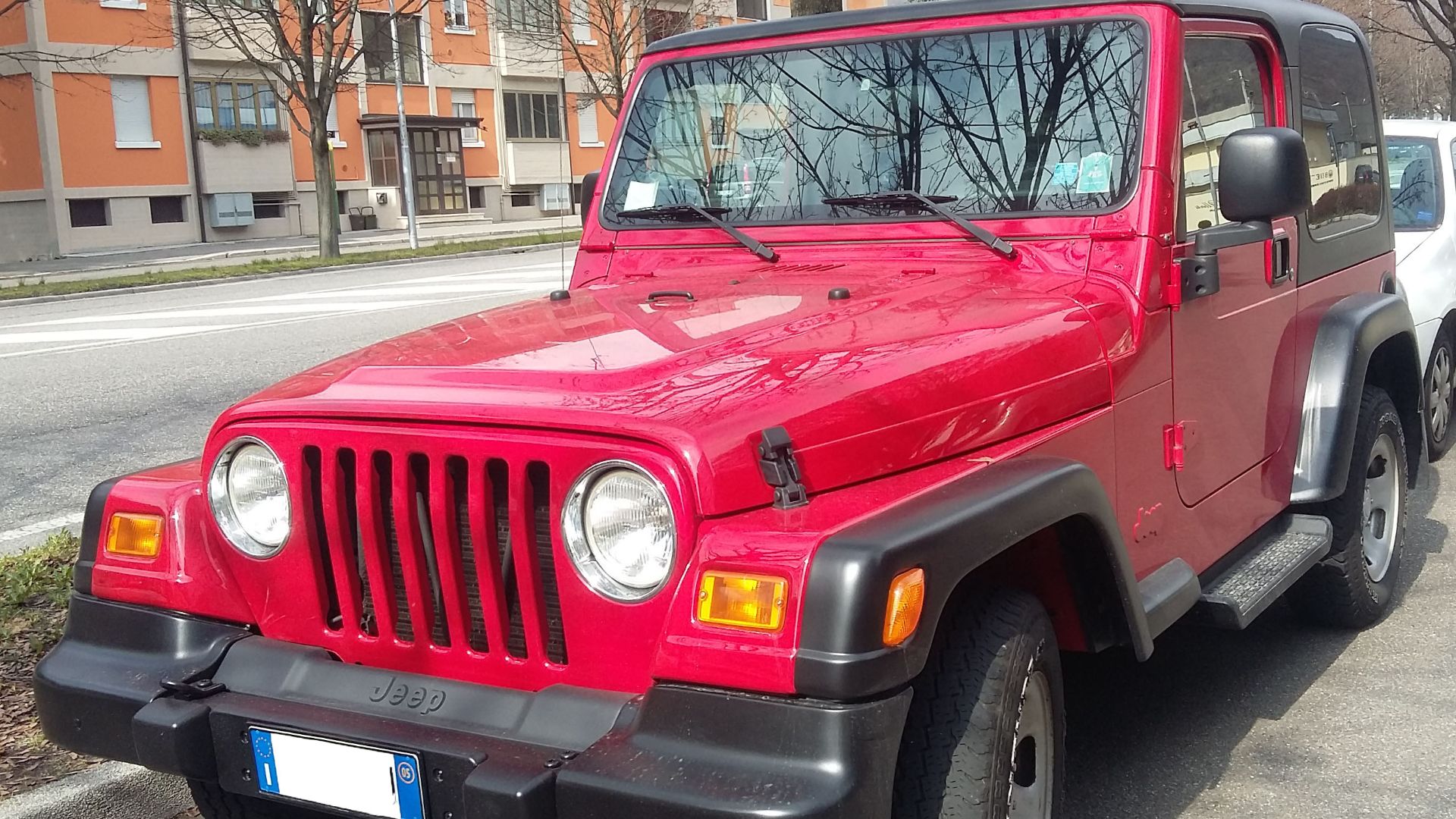
Jeep Wrangler (Older Generations)
Older Wranglers are purpose-built tools rather than comfortable commuters, and daily driving quickly exposes that reality. Solid axles, vague steering, loud cabins, and brick-like aerodynamics make everyday use tiring, especially on highways. Frequent pavement miles accelerate wear on driveline components designed for trails, while traffic highlights just how unrefined these vehicles really are.
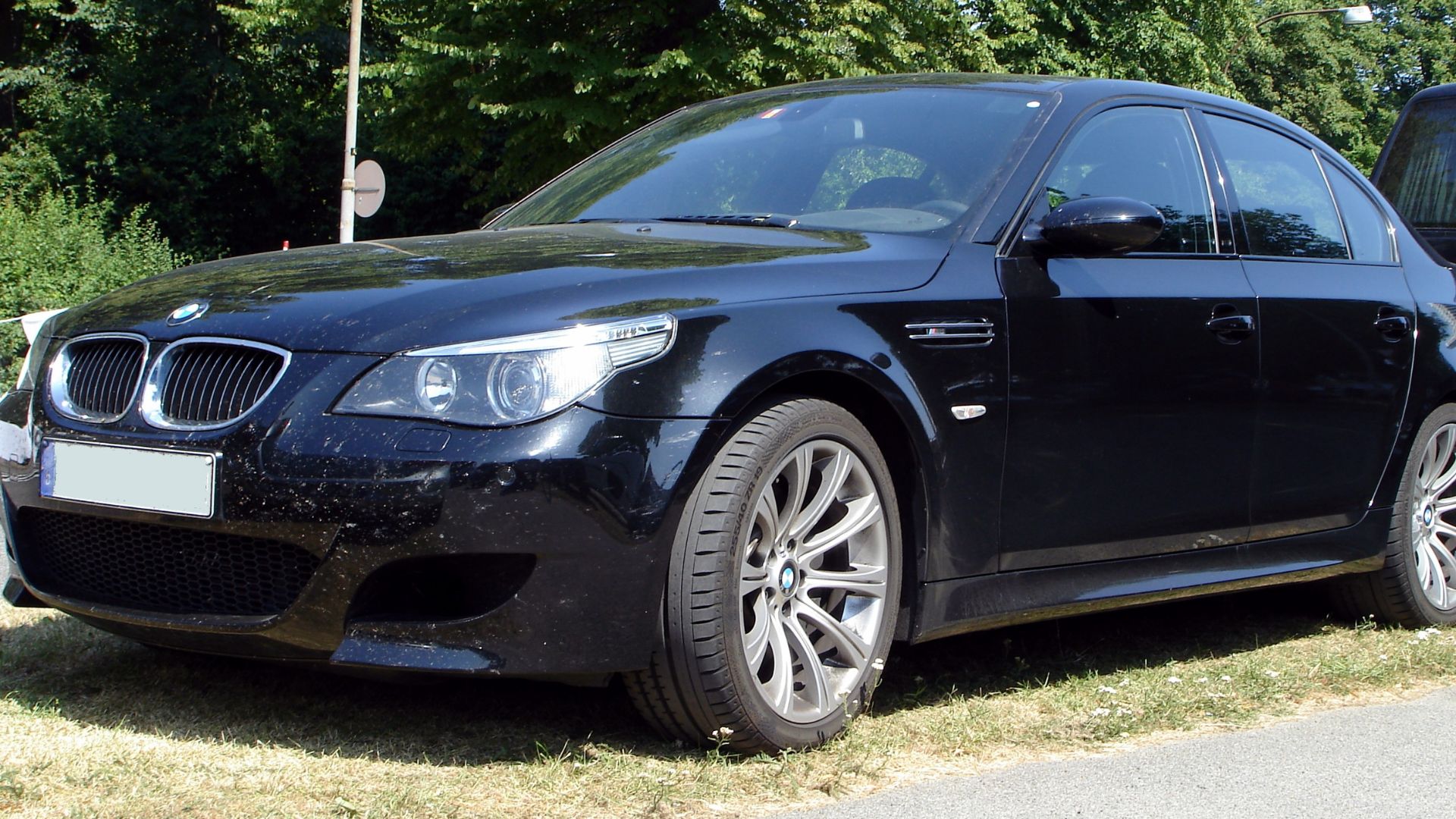
BMW M5 (E60 V10)
That legendary V10 thrives on speed and sustained heat, not traffic jams and short hops across town. Daily driving an E60 M5 means endless cold starts, brutal thermal cycles, and systems that never fully reach ideal operating conditions. The engine wants high-rev exercise, and treating it gently every day often results in spectacularly expensive consequences.
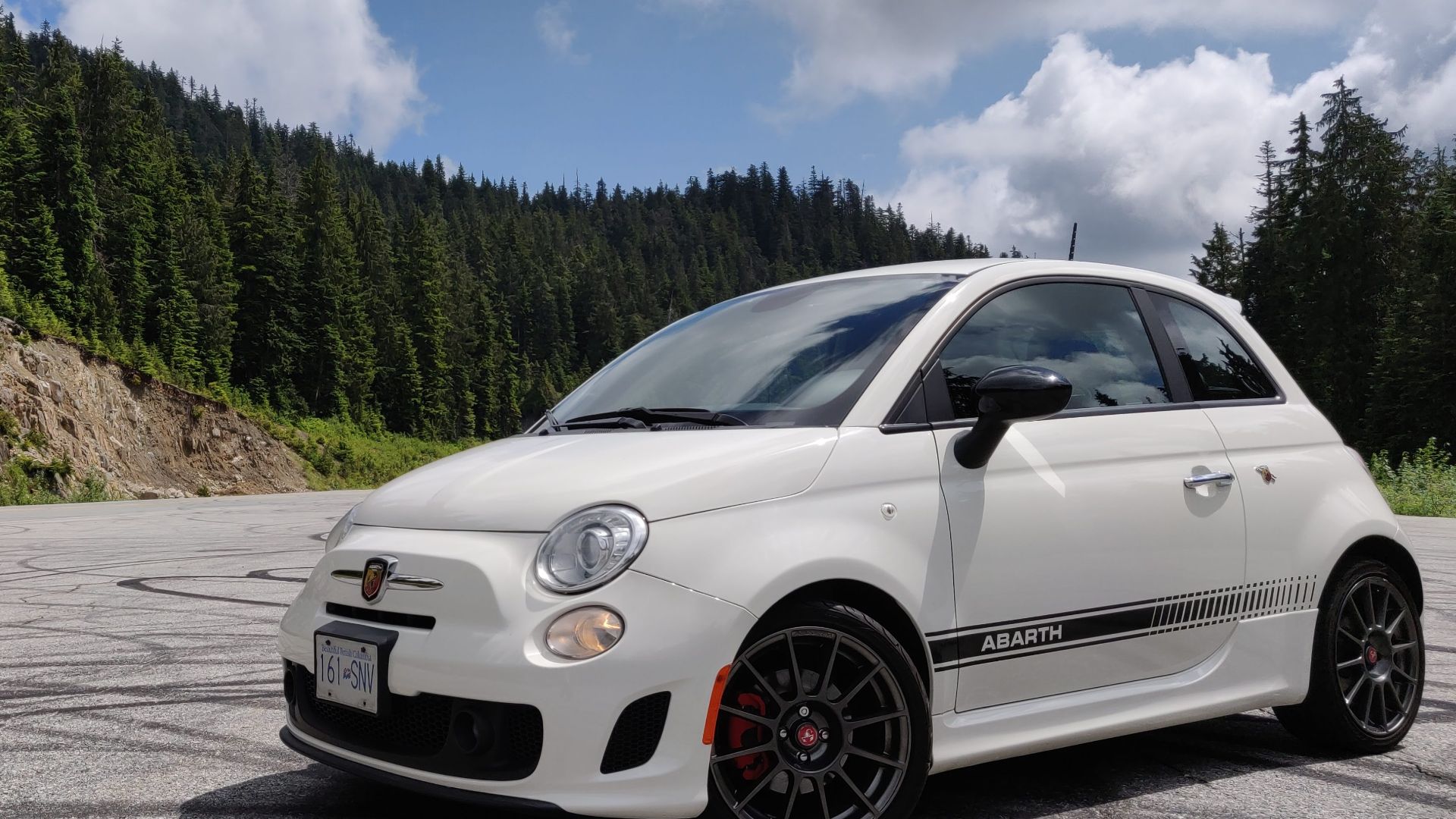
Fiat 500 Abarth
The Abarth is hilarious in short bursts but relentless as a commuter, with stiff suspension, aggressive gearing, and constant exhaust drone wearing thin quickly. Daily use also accelerates wear on its small turbocharged engine, fragile mounts, and interior components. What feels charming on a back road becomes exhausting when repeated every morning.
Subaru WRX STI
The STI was designed for rally stages and aggressive driving, not creeping through traffic at low speeds every day. Constant commuting leads to heat soak, oil dilution, and clutch abuse that the car never truly recovers from. Ironically, it hates being driven gently despite looking practical enough to serve as a daily driver.
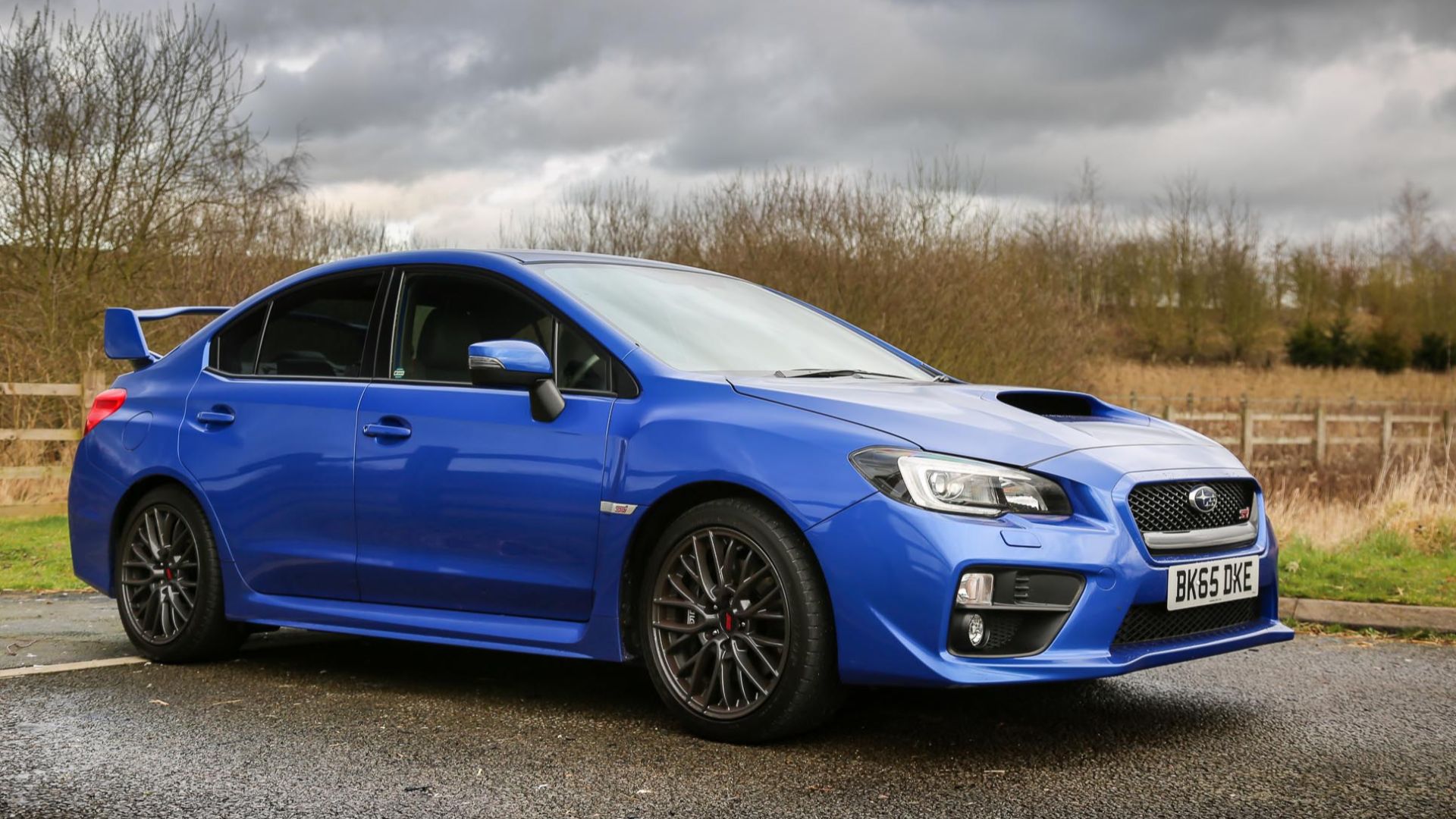 Motor Verso, Wikimedia Commons
Ford Focus RS
The Focus RS is engineered for maximum attack, not comfort or convenience, and daily driving makes that painfully obvious. Its stiff suspension, aggressive alignment, and expensive tires turn commuting into a physical chore. Short trips also stress its complex AWD system, while potholes punish components tuned for performance, not durability.
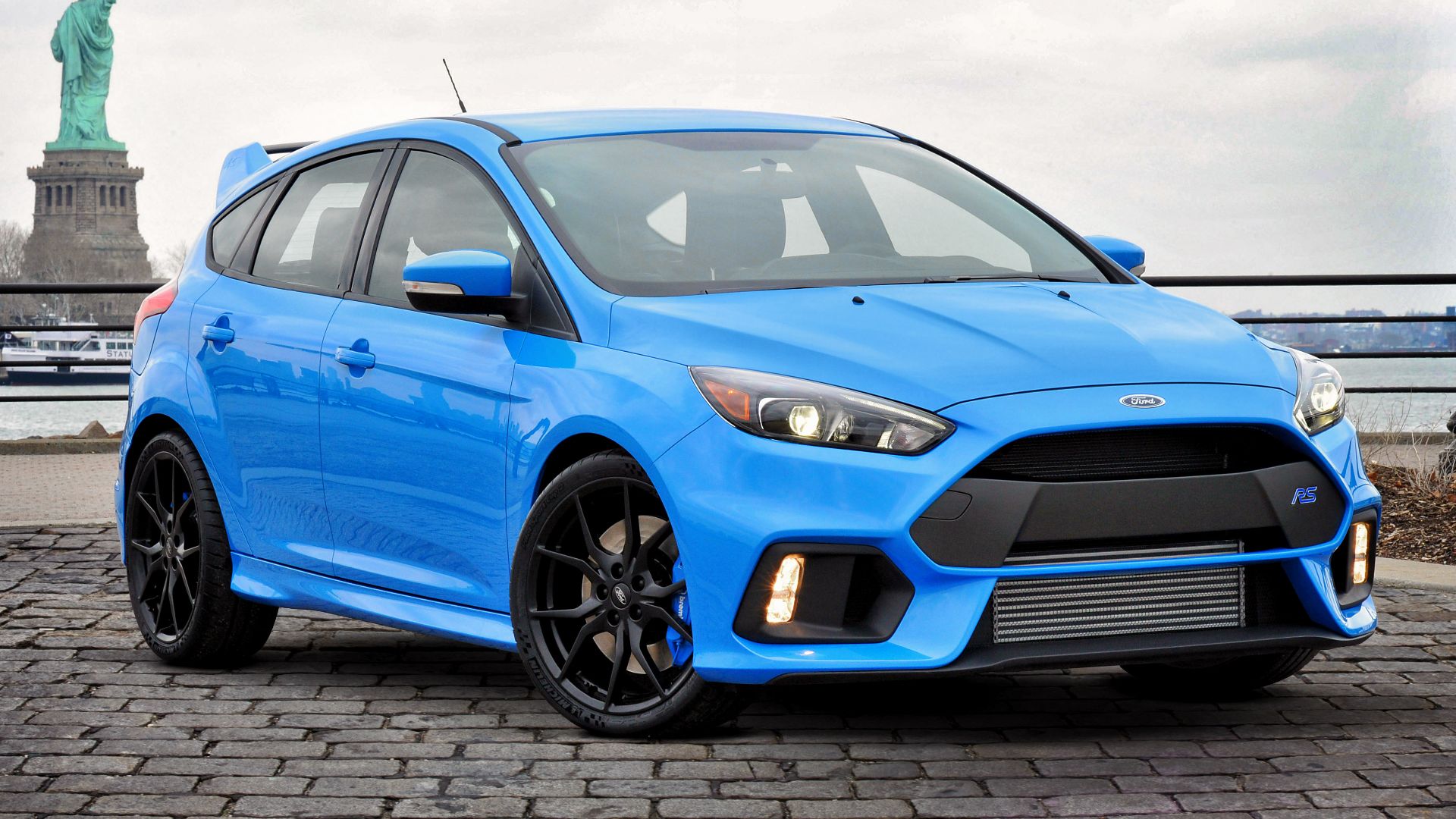 Ford Motor Company, Wikimedia Commons
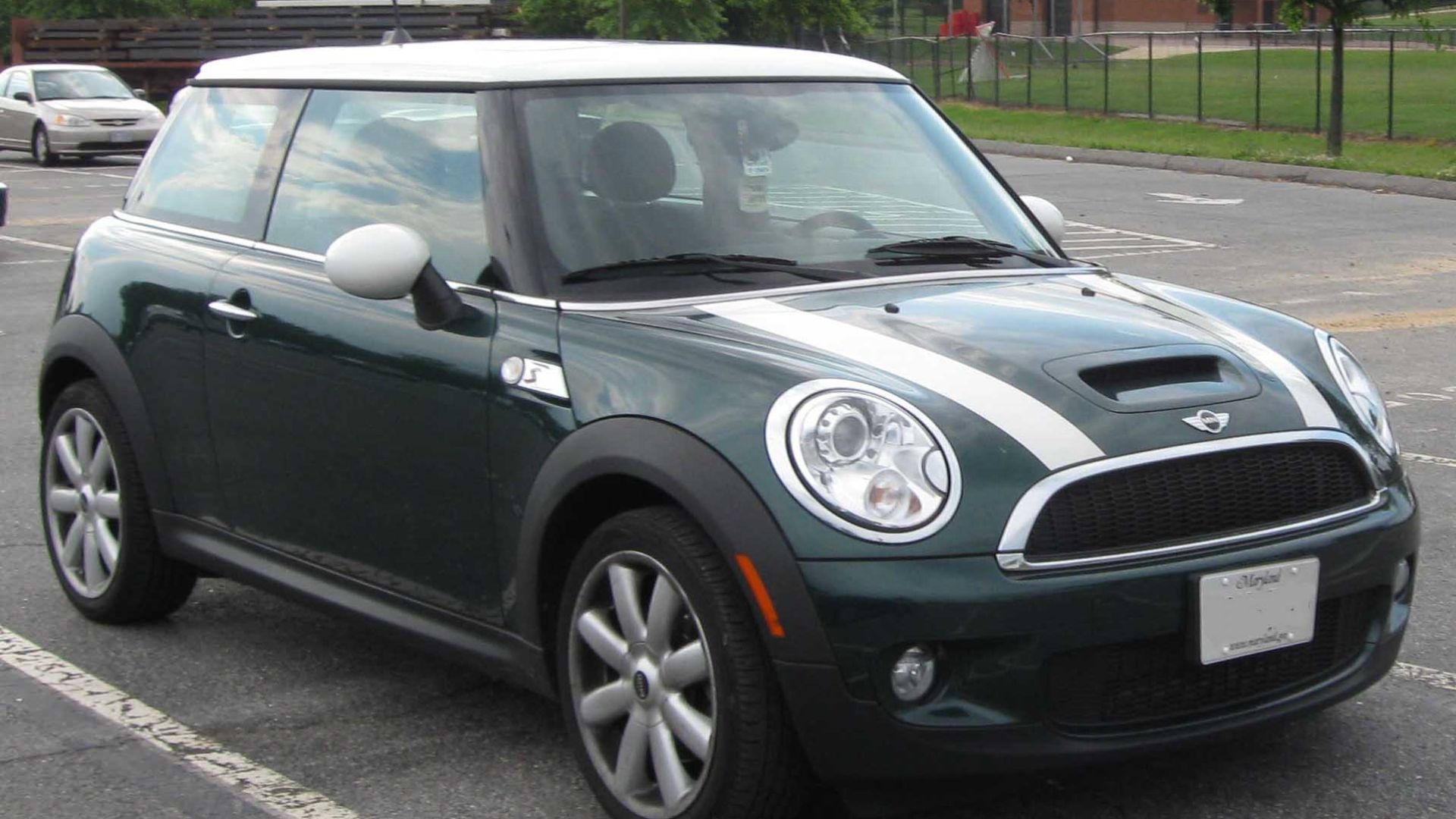
Mini Cooper S (Older Models)
Older turbocharged Mini Cooper S models are charismatic but mechanically sensitive, and daily use highlights their weaknesses quickly. Cooling issues, timing chain problems, and finicky electronics become far more frequent with constant short trips. Frequent cold starts prevent proper oil circulation, accelerating wear in already stressed engines.
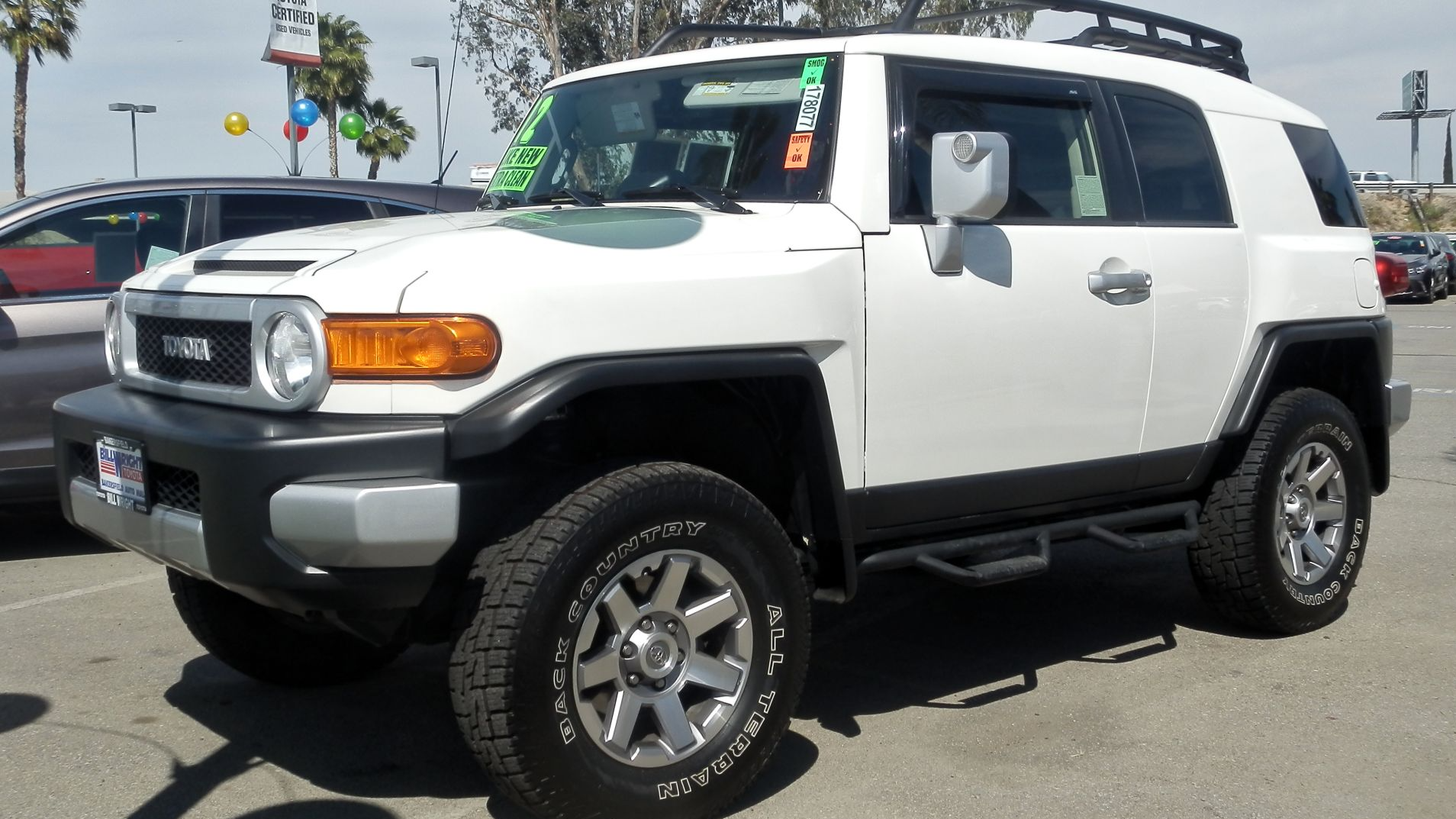
Toyota FJ Cruiser
The FJ Cruiser is tough and charismatic, but far from commuter-friendly in everyday situations. Poor visibility, awkward access, and thirsty fuel consumption turn routine errands into unnecessary hassles. Constant pavement driving also wears out suspension and steering components designed primarily for trail articulation.
 Alexander Migl, Wikimedia Commons
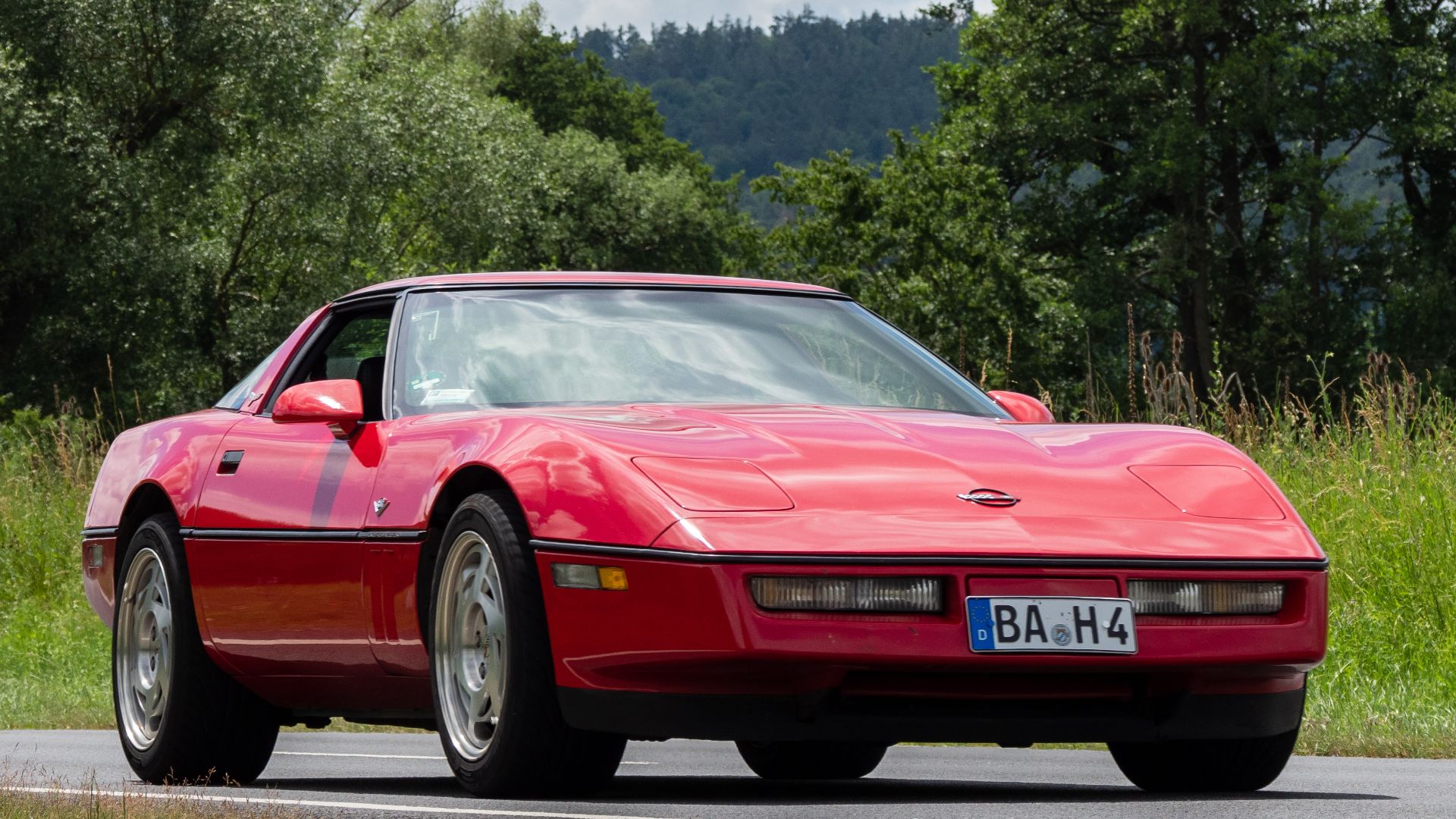
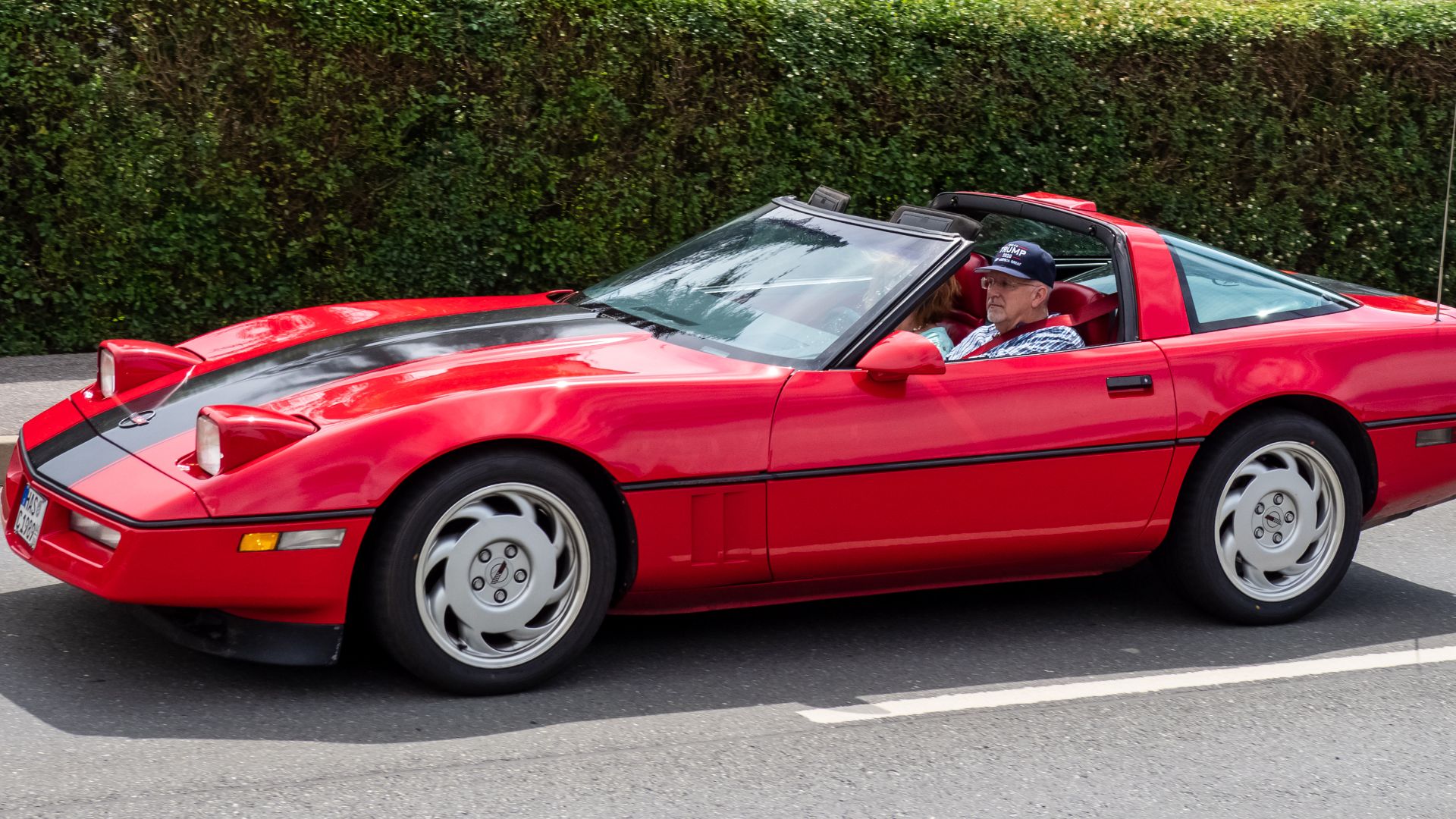
Chevrolet Corvette C4
The C4 Corvette predates modern commuting realities, and daily driving exposes its age rapidly. Low ride height, dated ergonomics, and fragile interiors suffer under constant use. Traffic heat and frequent short trips also tax aging cooling systems and electronics that were never meant for modern congestion.
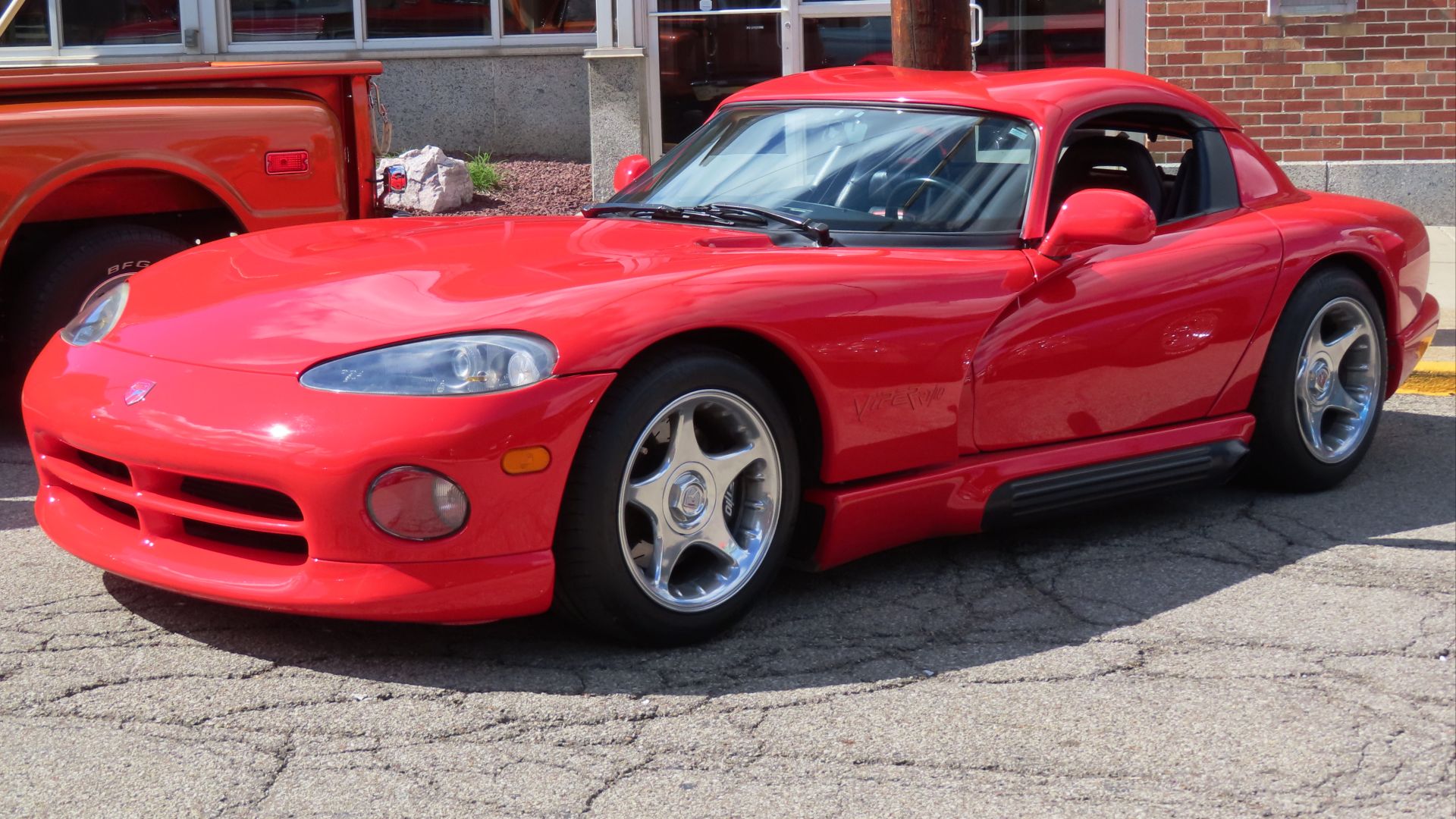
Dodge Viper (Early Generations)
Early Vipers are barely civilized even on their best days, and daily driving pushes them well past their comfort zone. Heavy clutches, extreme heat output, and zero electronic assistance make traffic miserable. Stop-and-go commuting accelerates wear on driveline components and turns every errand into an exhausting event.
 MercurySable99, Wikimedia Commons
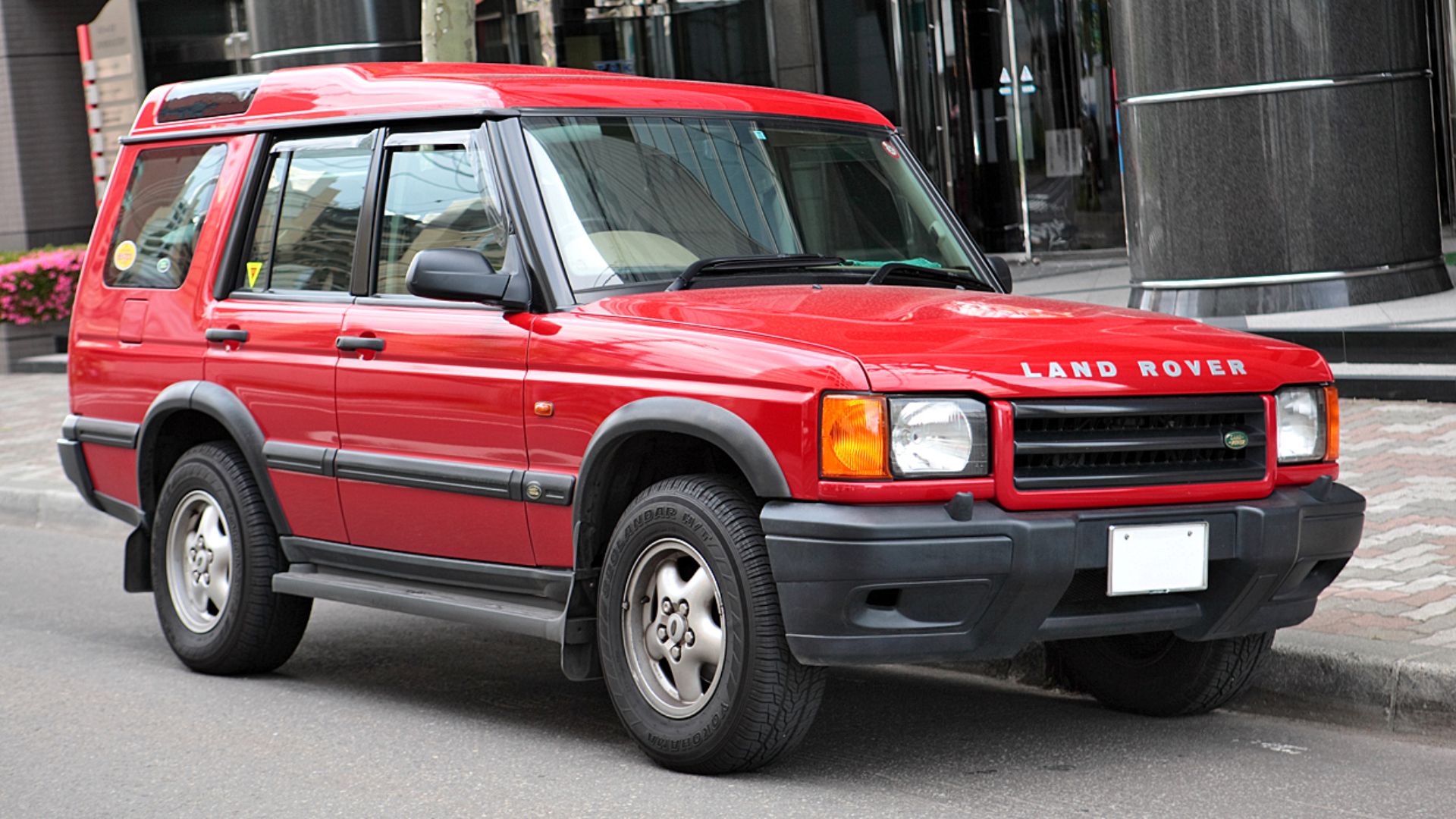
Land Rover Discovery II
The Discovery II is packed with charm and character, but also chronic mechanical issues that daily driving exposes quickly. Electrical problems, cooling failures, and suspension weaknesses appear far sooner under constant use. Short trips are especially cruel to aging British engineering that prefers long, steady journeys.
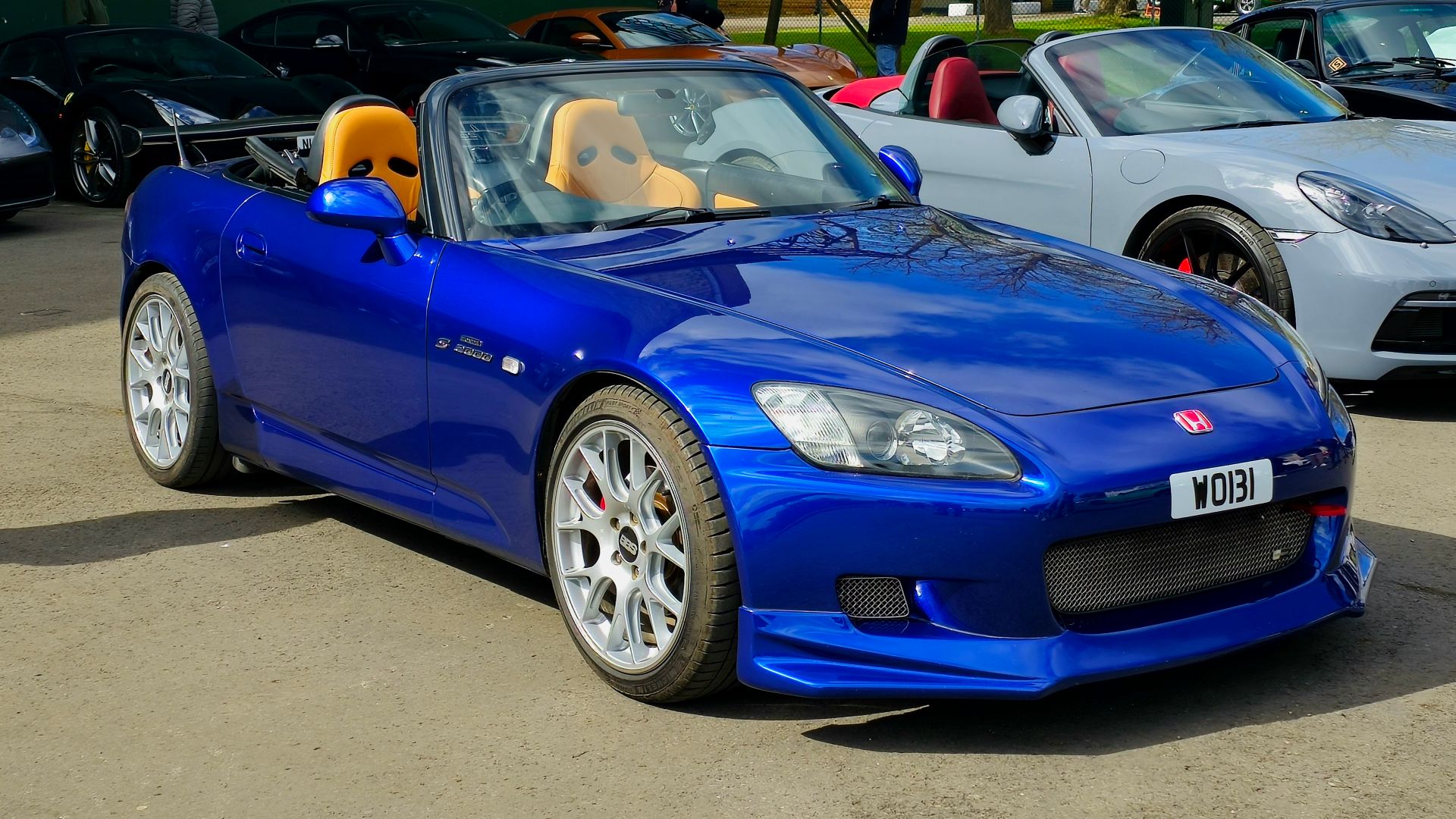
Honda S2000
The S2000’s high-revving engine hates being stuck below its powerband, and daily commuting denies it the exercise it needs. Constant low-rpm driving slowly dulls the car’s character and contributes to unnecessary wear. Add a stiff ride and sensitive clutch, and routine driving drains the joy from ownership.
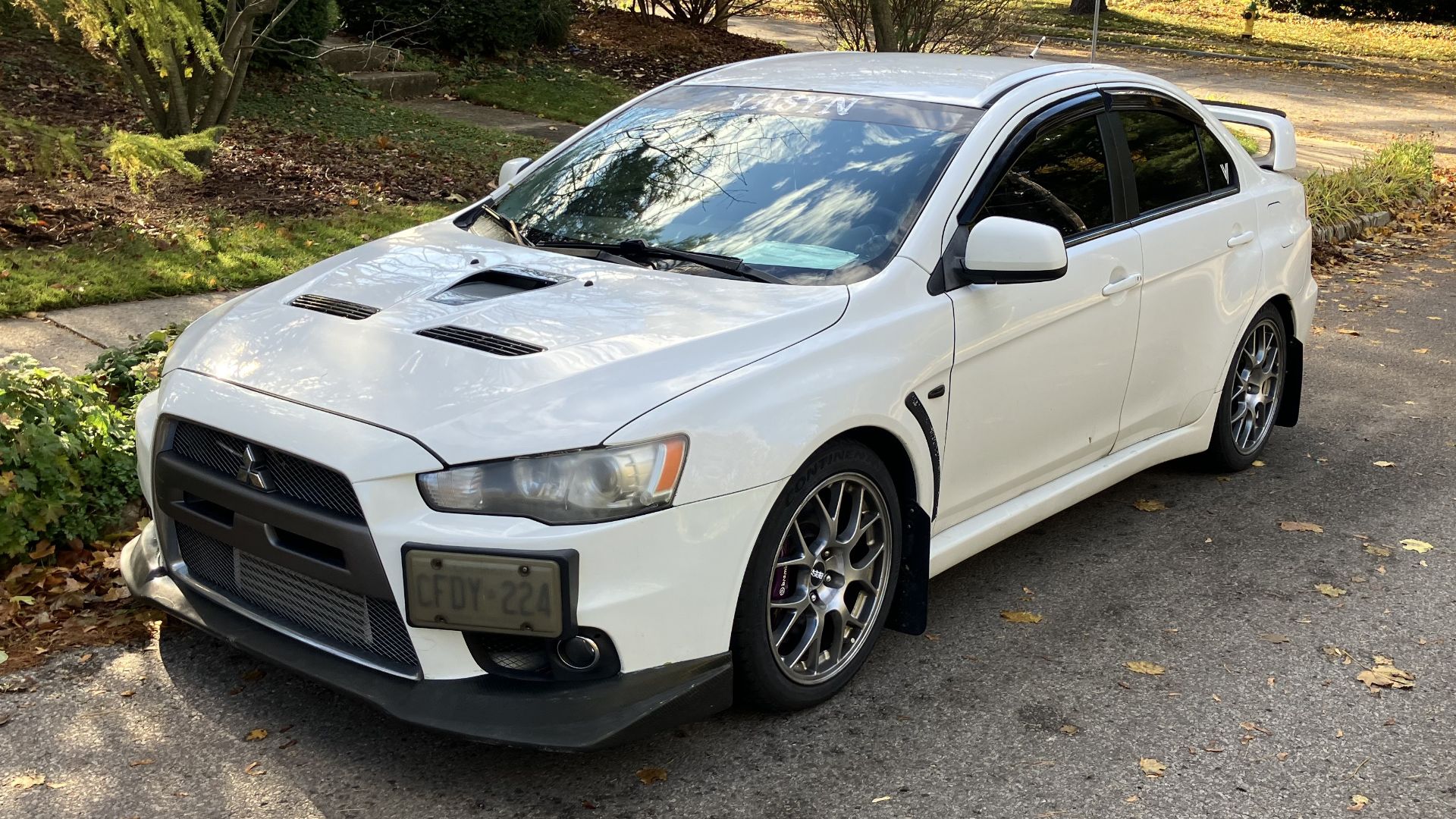
Mitsubishi Evo X
Like the STI, the Evo X is rally-bred and traffic-hostile, despite its four-door practicality. Aggressive driveline components suffer in stop-and-go environments that generate heat without airflow. Daily use accelerates wear on clutches, differentials, and suspension parts designed for spirited driving.
Porsche 911 Turbo (996/997)
Turbocharged flat-six engines generate immense heat, and daily stop-and-go driving is their worst environment. Short trips prevent proper oil temperatures and stress turbo components repeatedly. These cars prefer long, fast drives, and routine errands quietly shorten their mechanical lifespan.
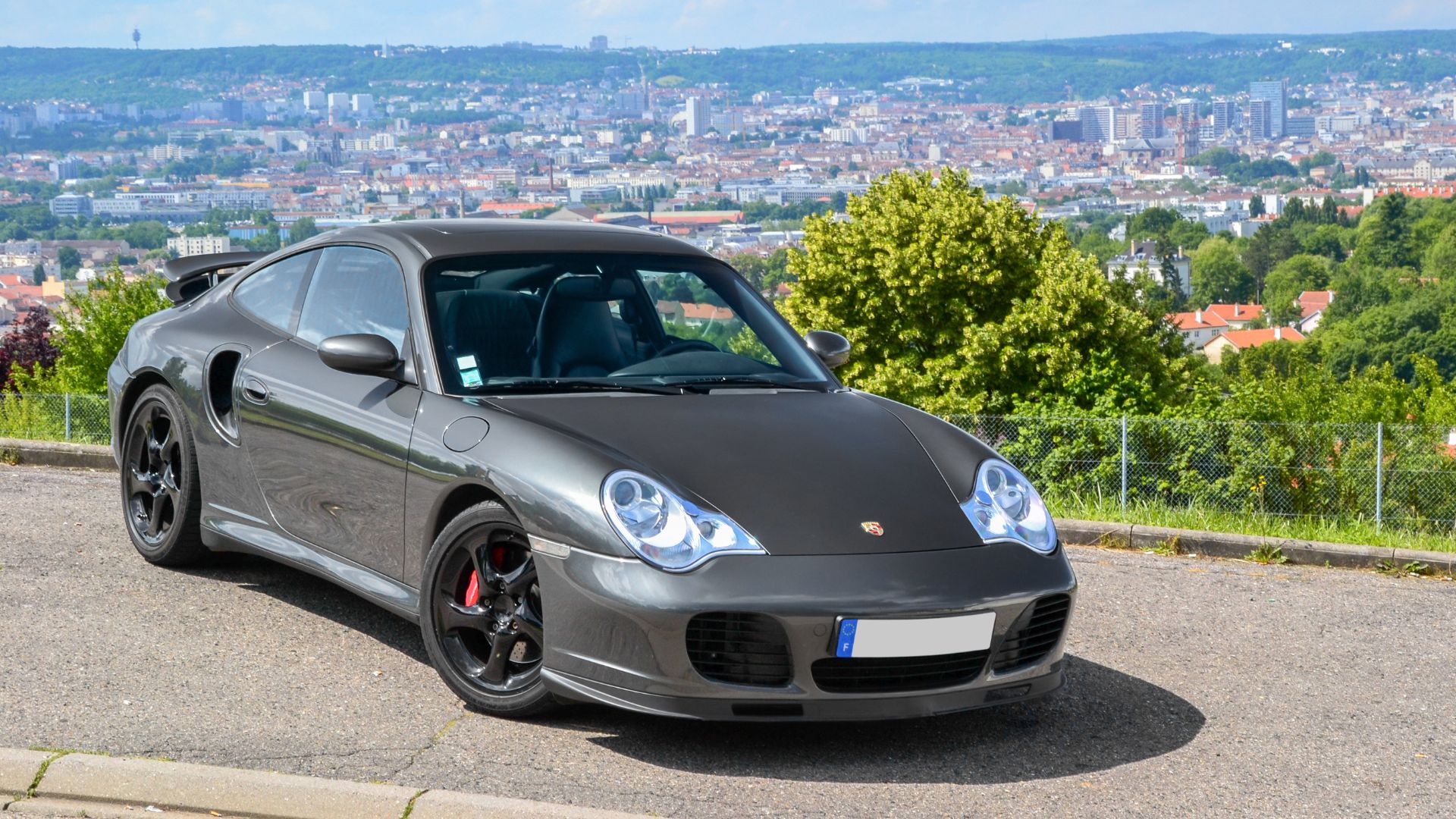 Alexandre Prevot from Nancy, France, Wikimedia Commons
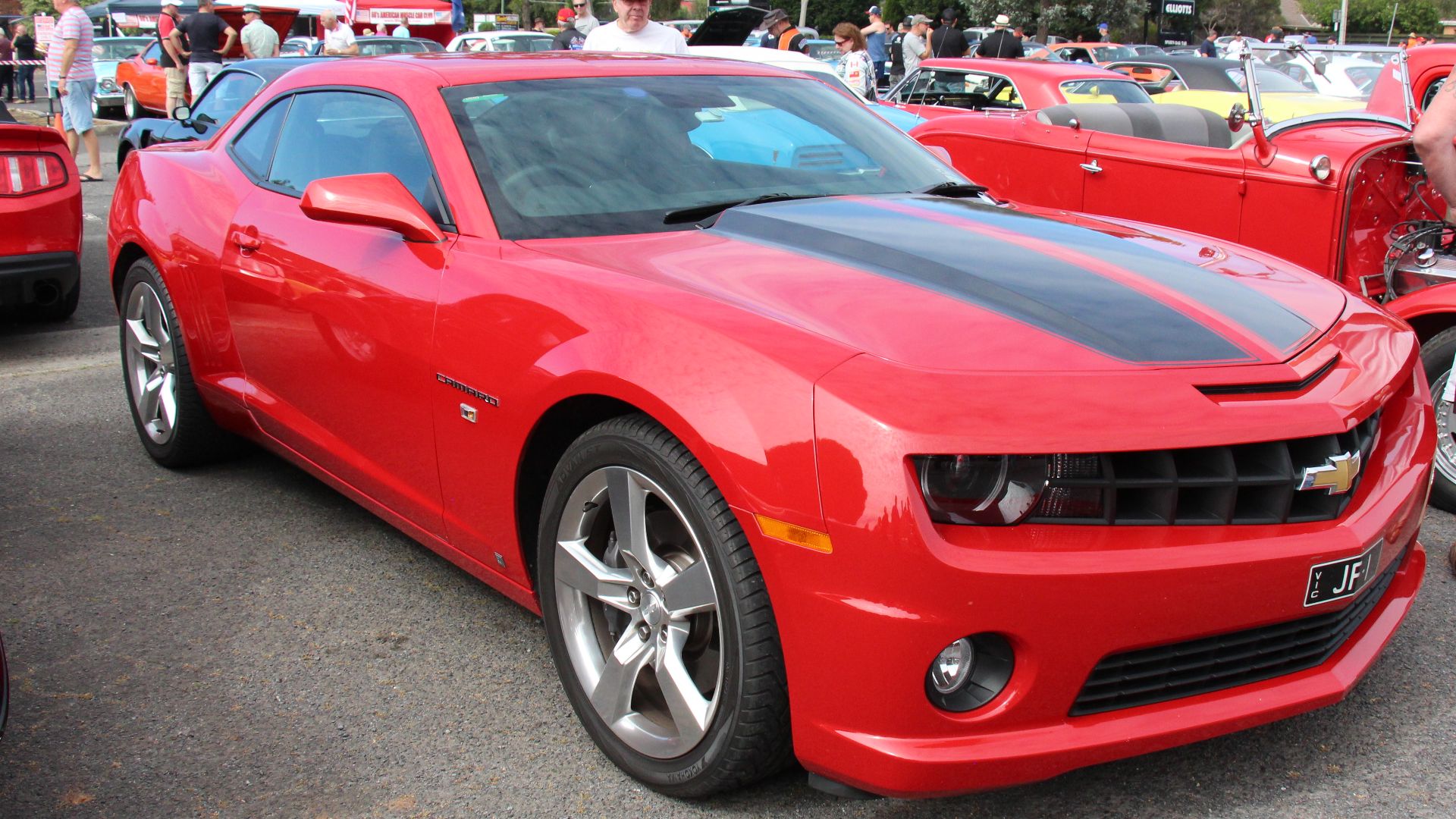
Chevrolet Camaro Z/28 (5th Gen)
The Z/28 was engineered for track dominance rather than comfort, and daily driving makes no attempt to hide that fact. Its suspension, gearing, and tire setup make city driving borderline painful. Low-speed commuting actively harms components designed for controlled, high-speed track punishment.
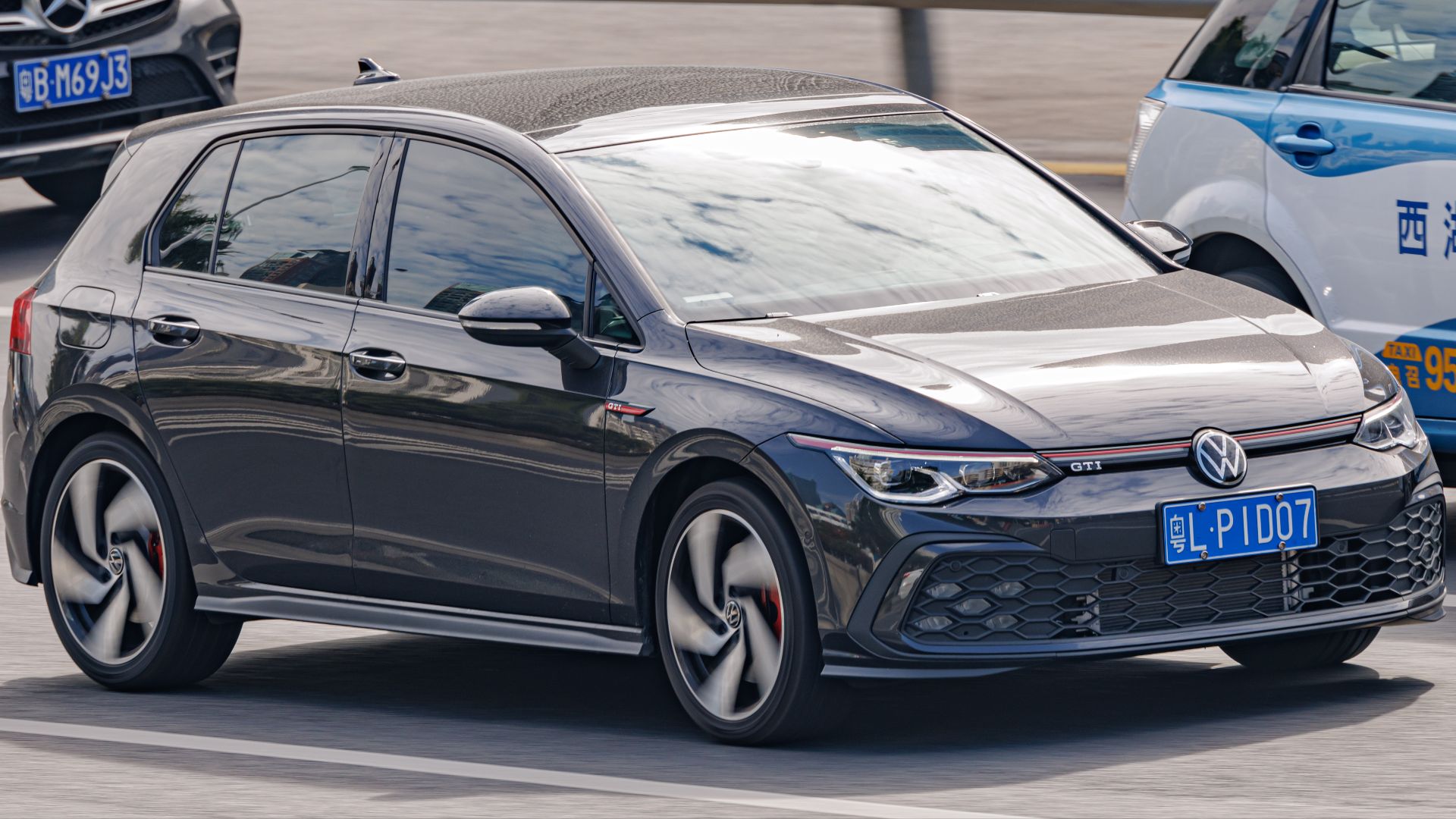
Volkswagen GTI (Heavily Tuned)
A stock GTI makes an excellent daily driver, but a heavily modified one often does the opposite. Aggressive tunes, upgraded turbos, and stiff suspensions turn commuting into a reliability gamble. Short trips magnify weak points quickly, especially in high-boost, heat-heavy setups.
 Dinkun Chen, Wikimedia Commons
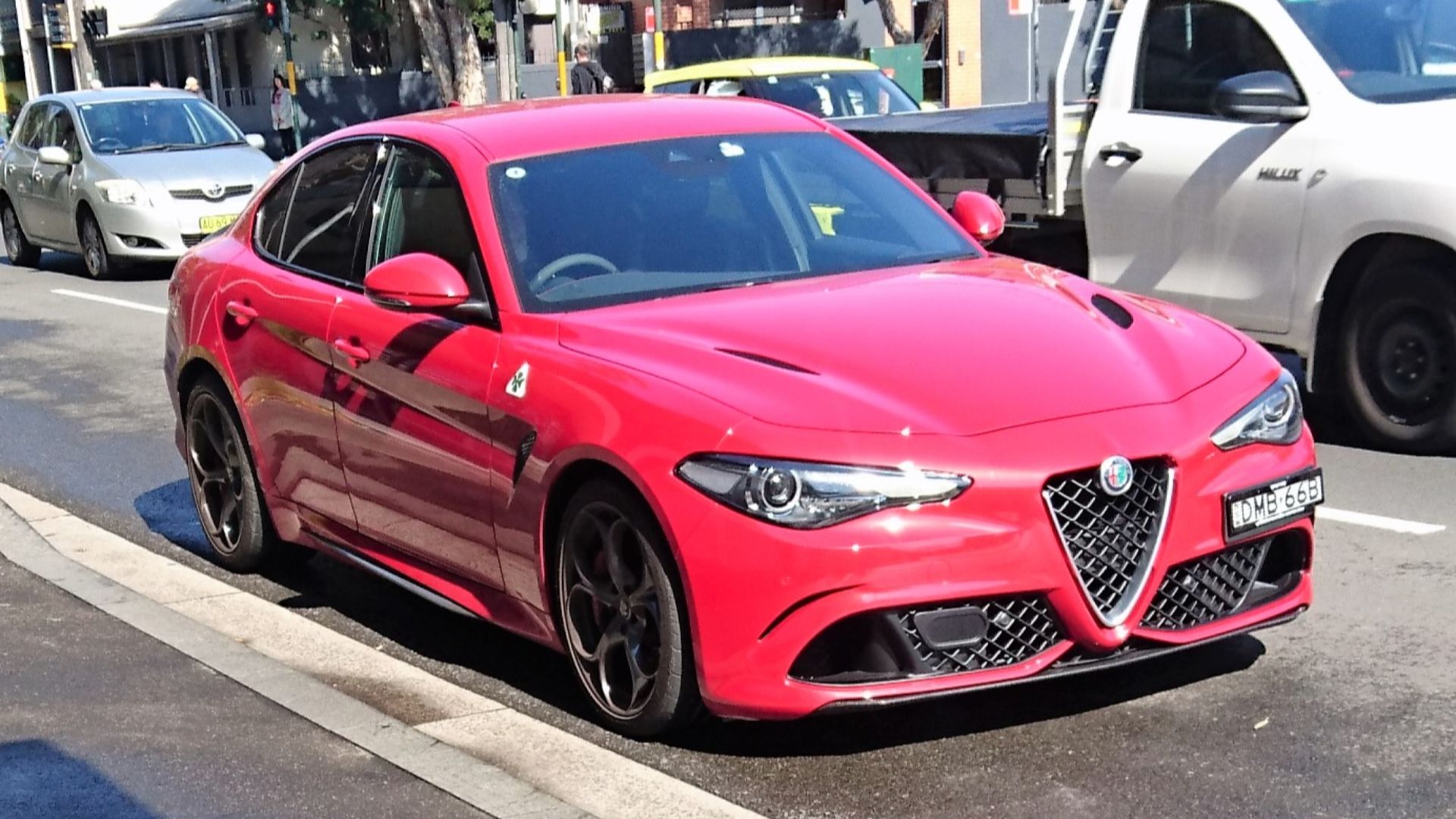
Alfa Romeo Giulia Quadrifoglio
The Quadrifoglio is brilliant, emotional, and demanding, especially when used every single day. Daily driving exposes heat-sensitive components, temperamental electronics, and constant maintenance needs. It shines when driven with purpose and enthusiasm, not when inching forward in rush-hour traffic.
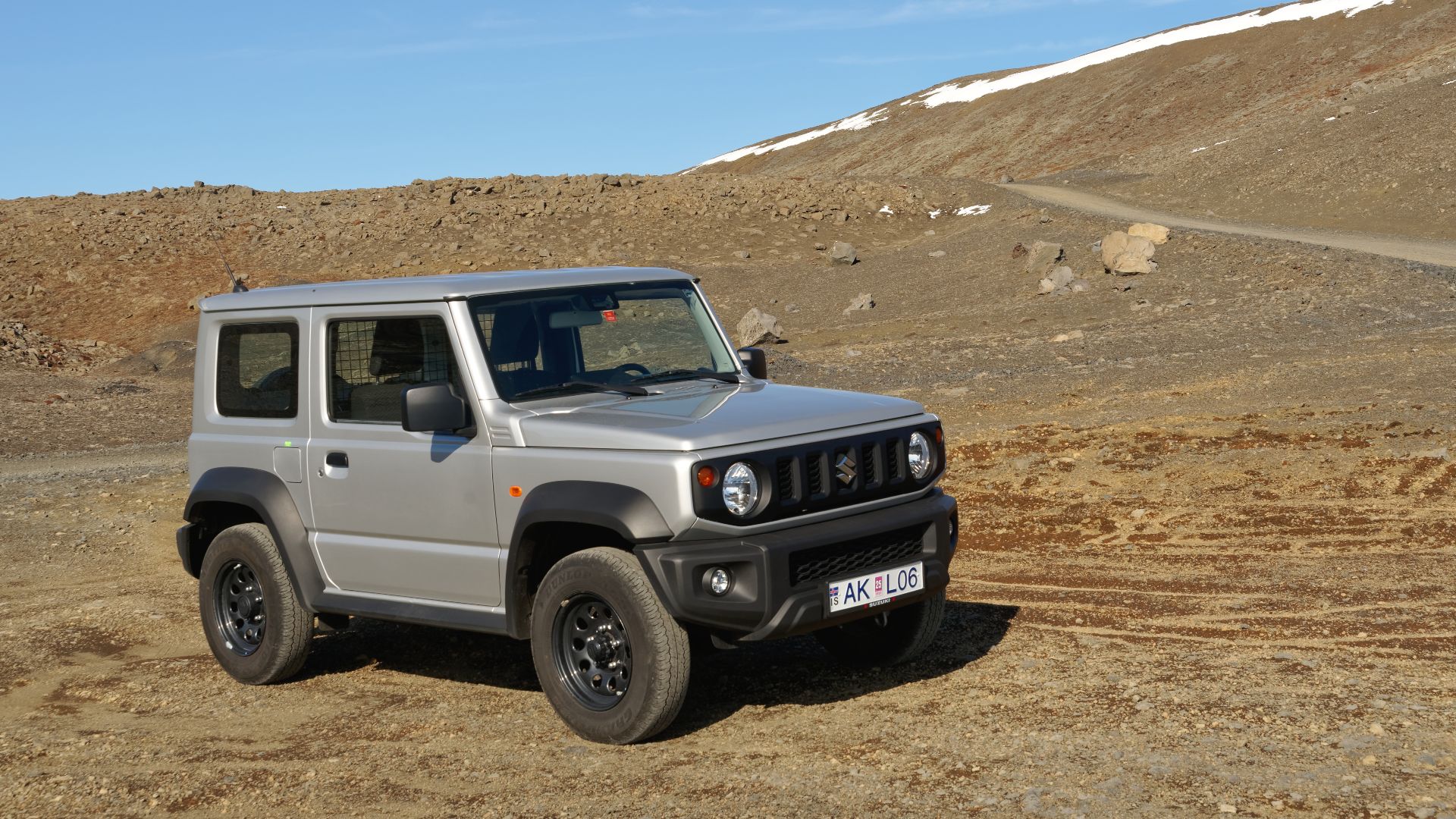
Suzuki Samurai
The Samurai was never designed for modern traffic speeds, and daily use highlights that instantly. Its short wheelbase, vague steering, and minimal safety make commuting stressful. Constant road driving also strains components meant for low-speed trail duty and occasional use.
 Jakub Halun, Wikimedia Commons
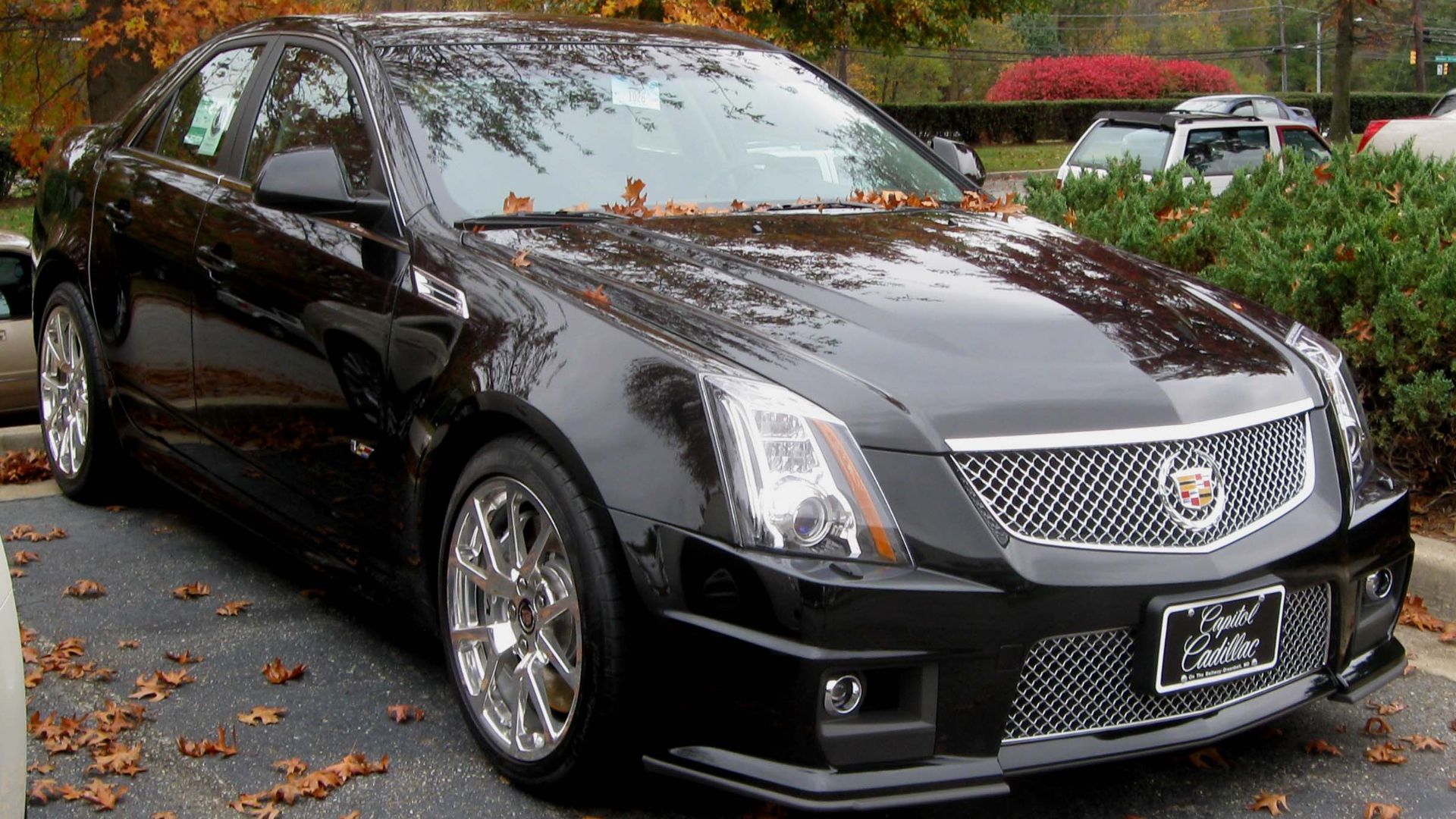
Cadillac CTS-V (Manual)
That supercharged V8 loves open roads and long pulls, not congested commutes. Daily driving overheats clutches, accelerates suspension wear, and makes fuel stops painfully frequent. It remains thrilling, but exhausting, when forced into routine transportation duty.
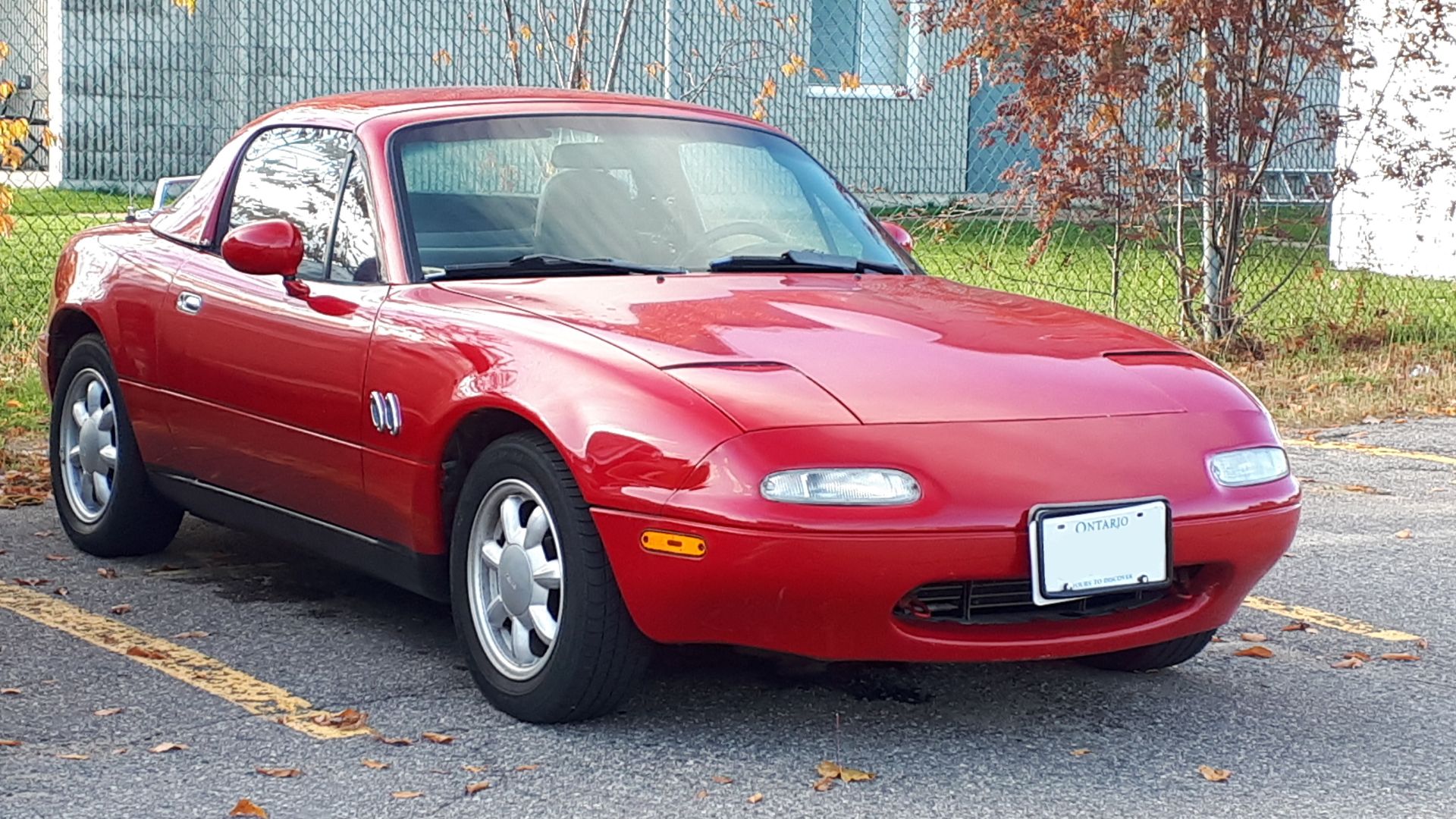
Mazda Miata (NA/NB)
Classic Miatas are joyful machines, but daily use highlights their compromises over time. Road noise, limited space, and aging safety standards wear thin with repetition. Frequent commuting also accelerates wear on seals, bushings, and suspension components that are decades old.
 SsmIntrigue, Wikimedia Commons
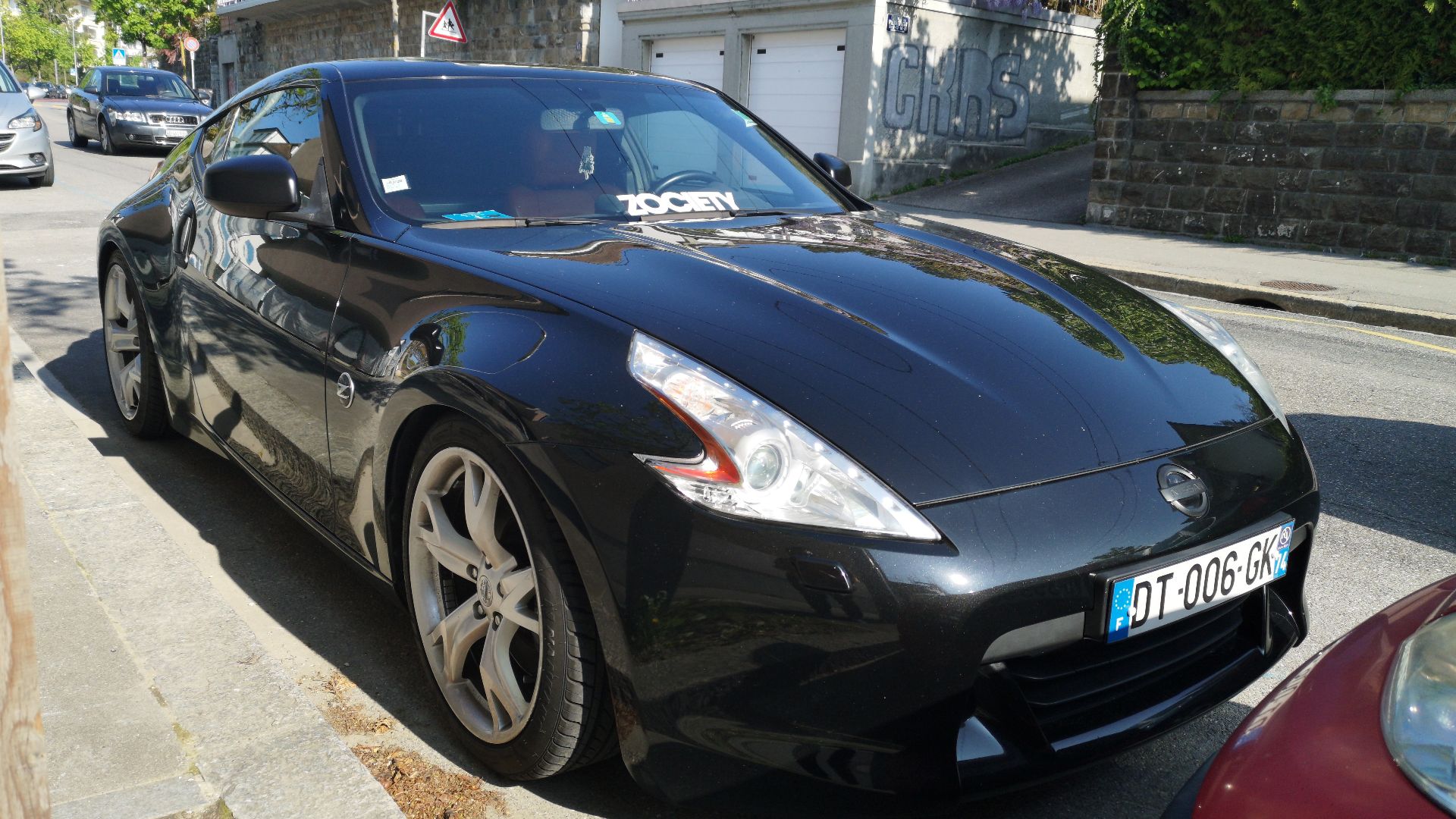
Nissan 370Z
Short gearing, stiff suspension, and poor visibility make daily driving the 370Z frustrating rather than fun. Stop-and-go traffic is particularly hard on its clutch and drivetrain. It feels far more at home on open roads than in crowded urban environments.
 Guillaume Vachey from Chalon sur Saone, France, Wikimedia Commons
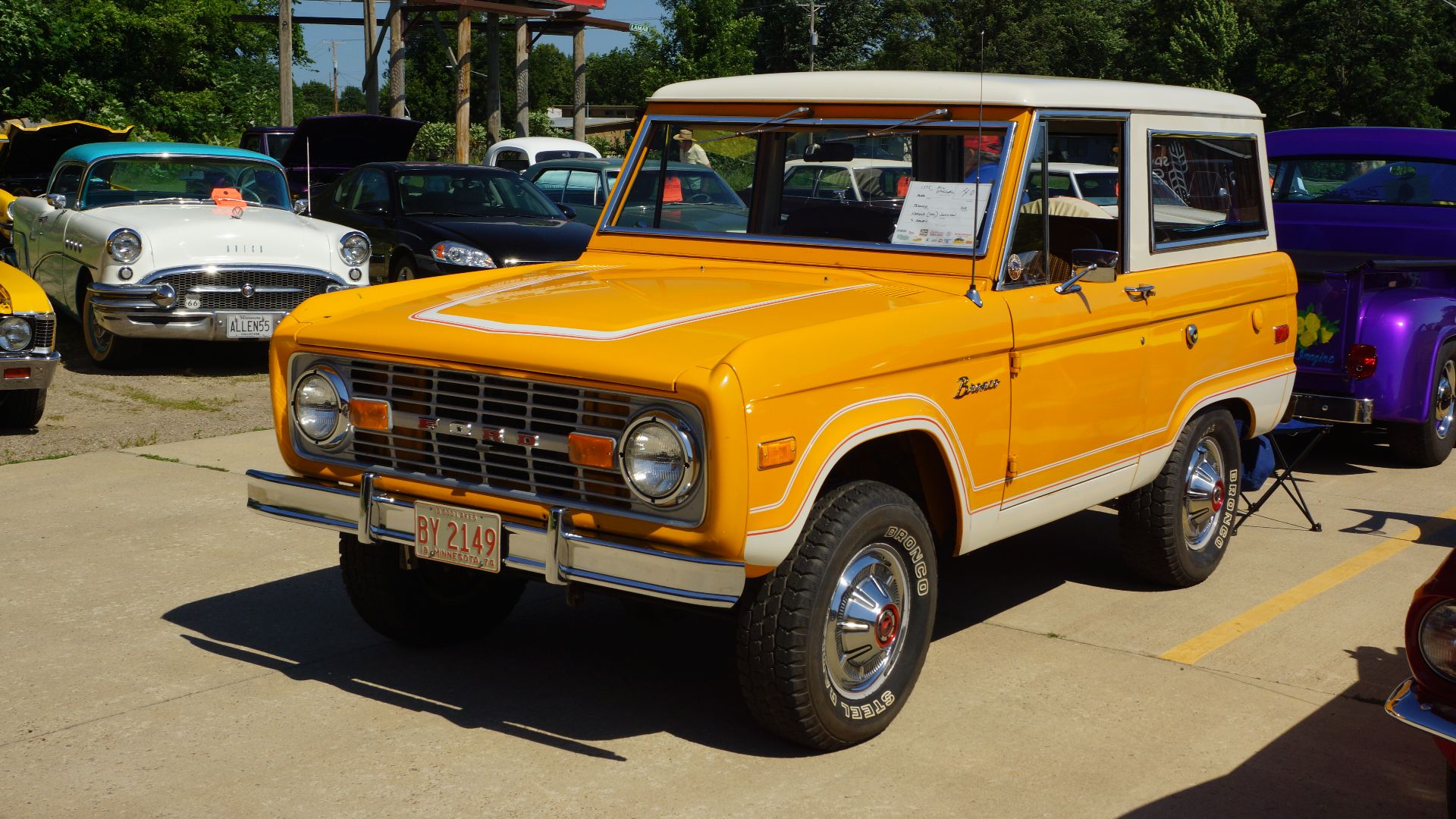
Ford Bronco (Classic)
Classic Broncos ooze character, but daily driving exposes their weaknesses immediately. Weak brakes, sloppy steering, and poor ride quality feel charming occasionally, but tiring every day. Modern traffic simply wasn’t part of their original design philosophy.
 Greg Gjerdingen from Willmar, USA, Wikimedia Commons
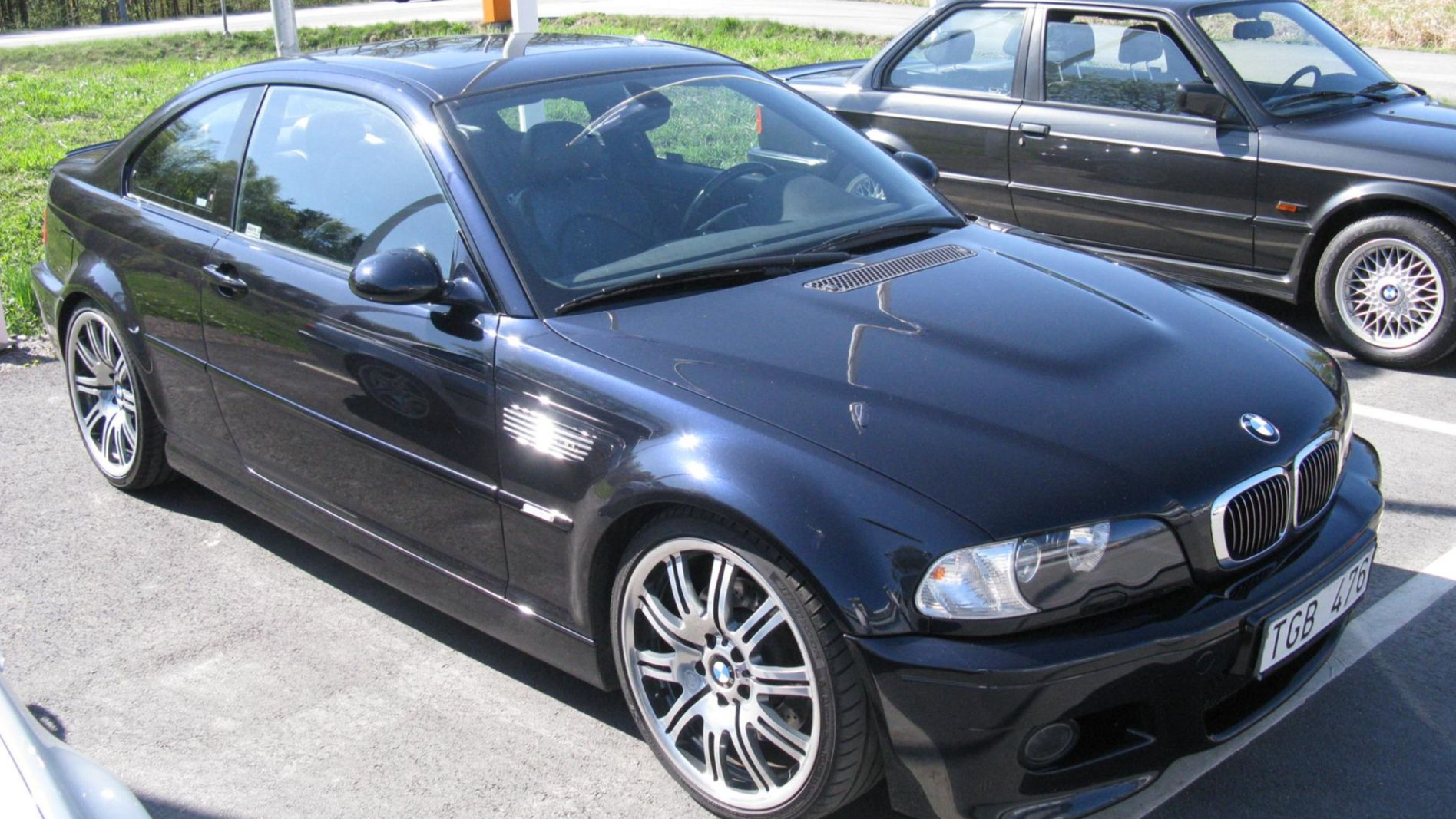
BMW M3 (E46)
The E46 M3’s S54 engine demands proper warm-ups and high-rev exercise to stay healthy. Daily short trips accelerate bearing wear, oil issues, and expensive maintenance. Driving it gently and routinely is the fastest way to shorten its lifespan.
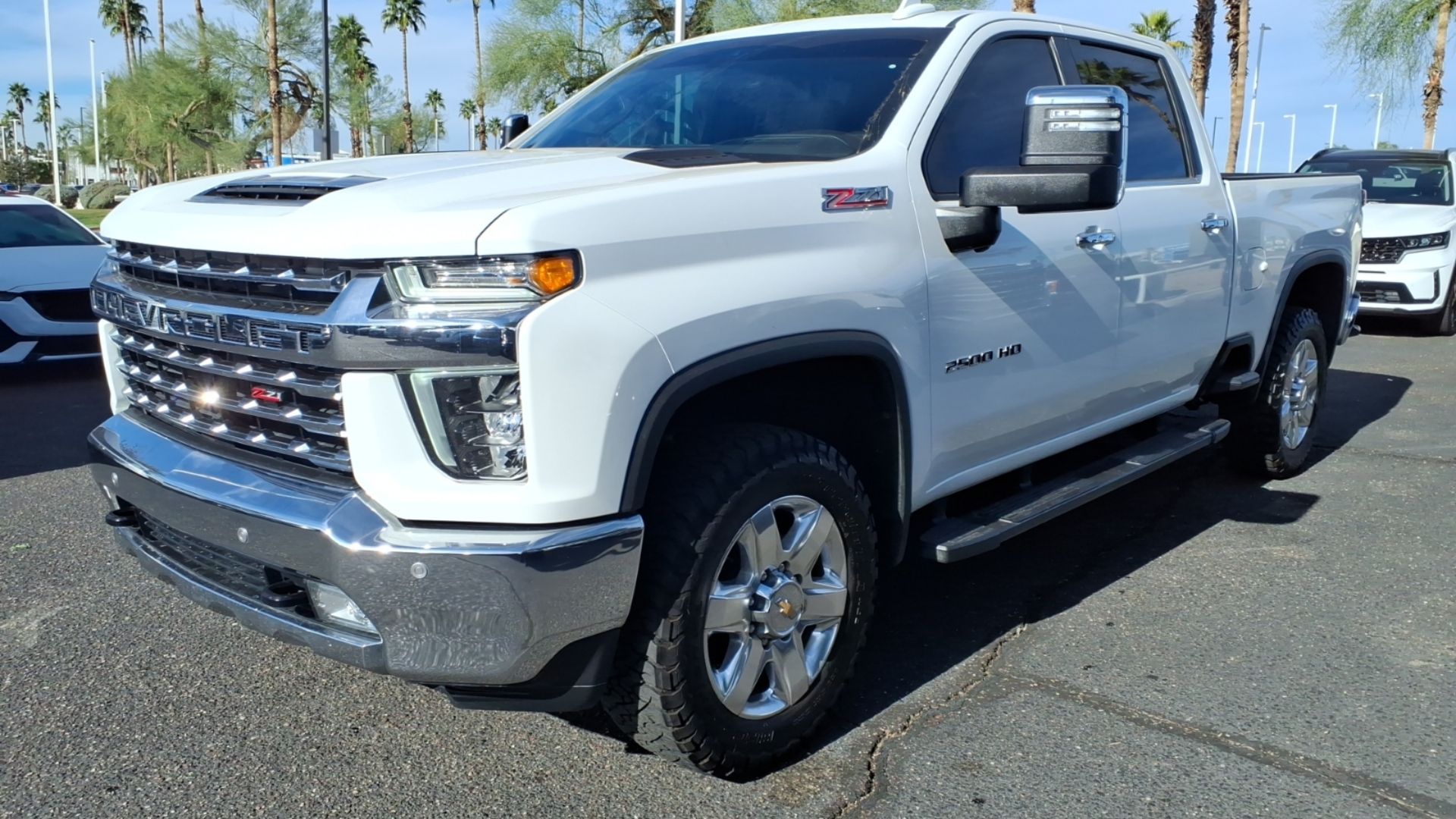
Chevrolet Silverado 2500HD (Diesel)
Modern diesel trucks hate short trips more than most drivers realize. DPF systems clog, regeneration cycles fail, and repair costs escalate quickly. Without regular highway runs, daily commuting actively harms the engine and emissions equipment.
Why Some Cars Should Stay Weekend Toys
Cars are not appliances but mechanical systems with specific expectations built into their design. Ignore those expectations long enough, and reliability, performance, and enjoyment all suffer. Daily driving isn’t always bad, but forcing the wrong car into that role almost always is, especially for enthusiasts who care about longevity.
You May Also Like: