How the Manual Transmission Went From Normal to Nearly Extinct
Not that long ago, driving a manual was just part of learning how to drive in America. Today, it feels like a niche skill, and the stick shift has quietly slipped from everyday life into enthusiast territory.
When Manuals Were Just “How Cars Worked”
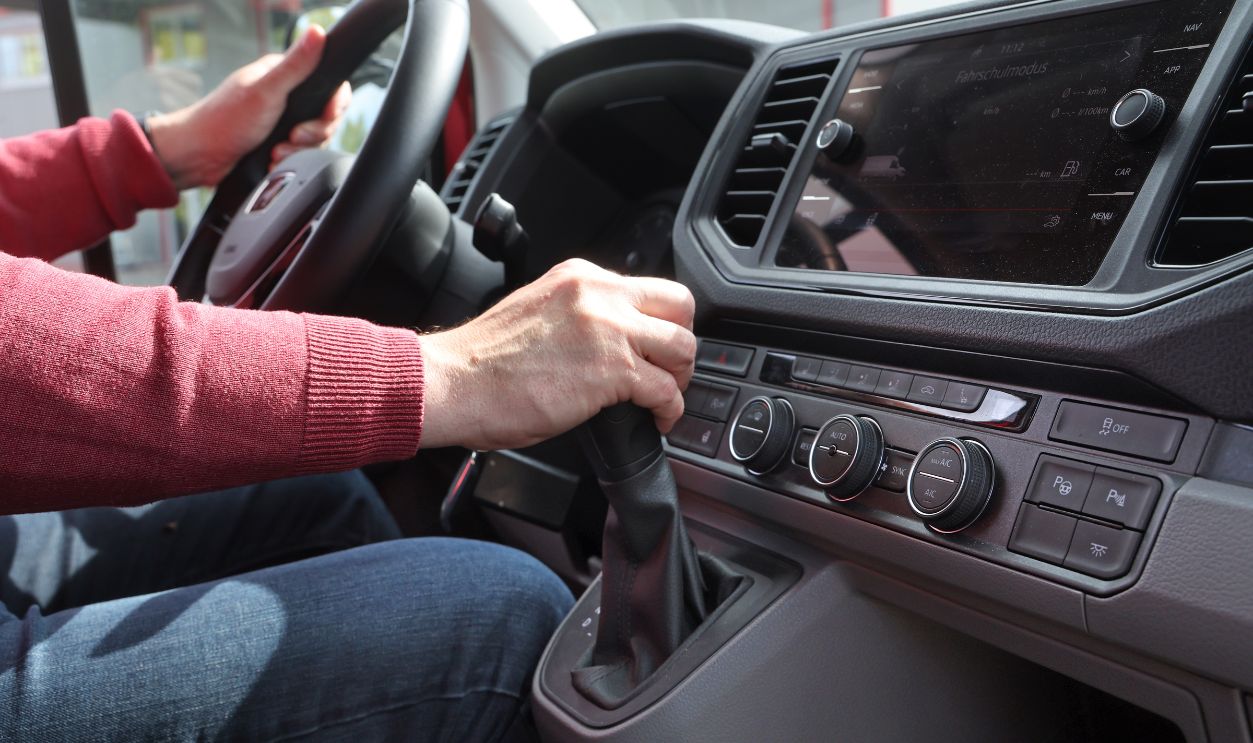
For decades, manual transmissions were the default choice. They were cheaper to build, easier to maintain, and more efficient than early automatics. Most drivers never thought twice about it because there was no real alternative.
 picture alliance, Getty Images
The Moment Automatics Stopped Feeling Like a Compromise
Early automatics were slow, inefficient, and unreliable. That changed over time, and once automatics became smoother and more dependable, many drivers saw no reason to keep shifting for themselves.
The 1990s: When the Decline Really Took Hold
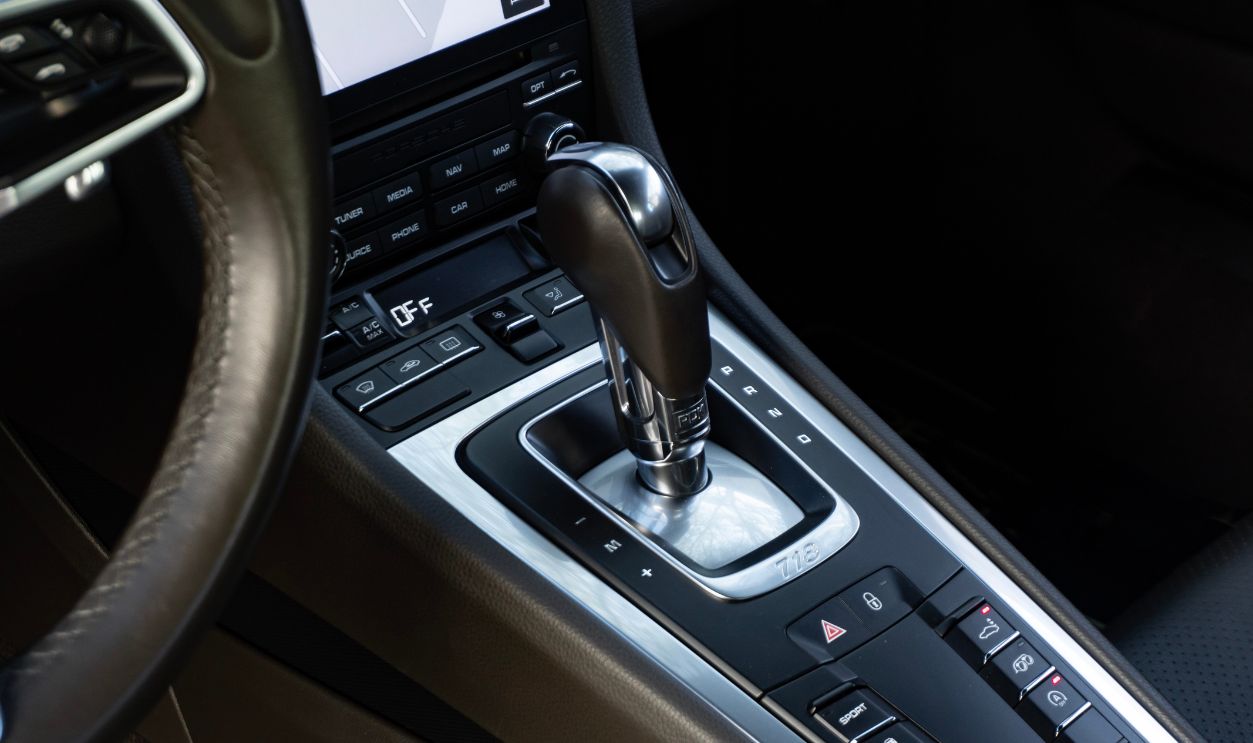
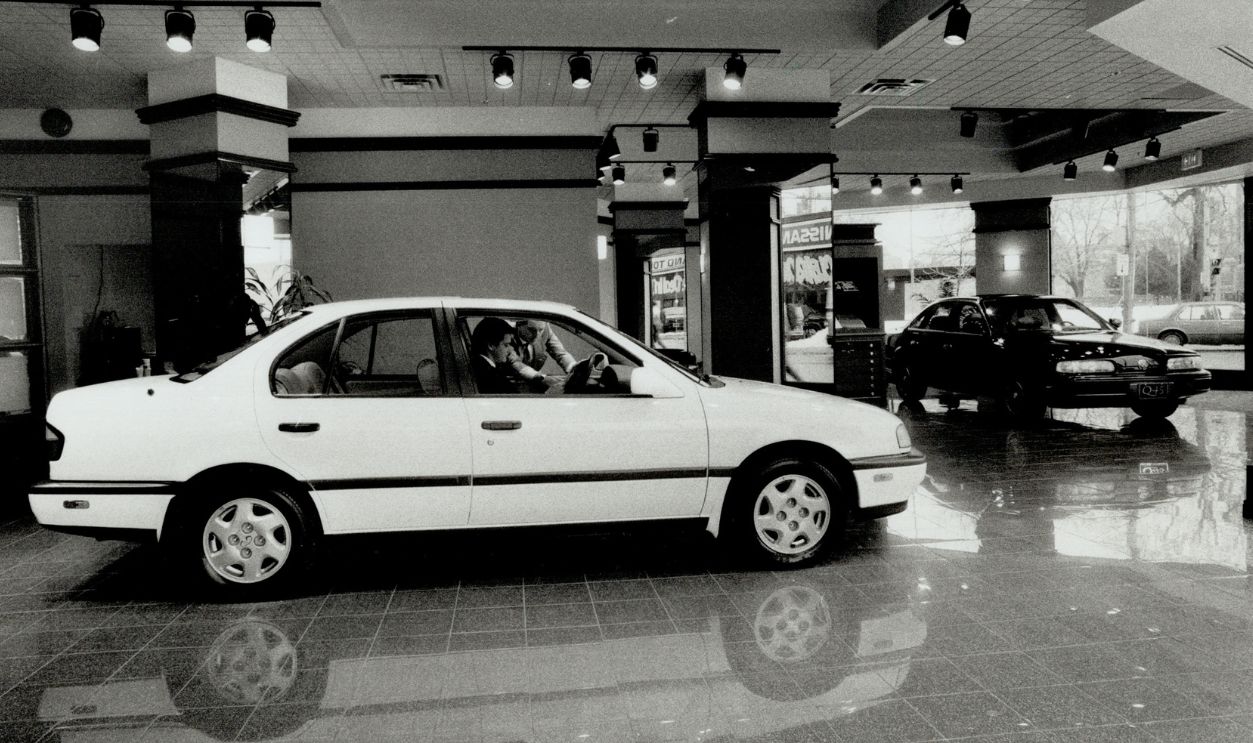
The manual transmission’s downfall accelerated in the 1990s. Automatics improved quickly, while traffic increased and daily commutes became longer and more frustrating.
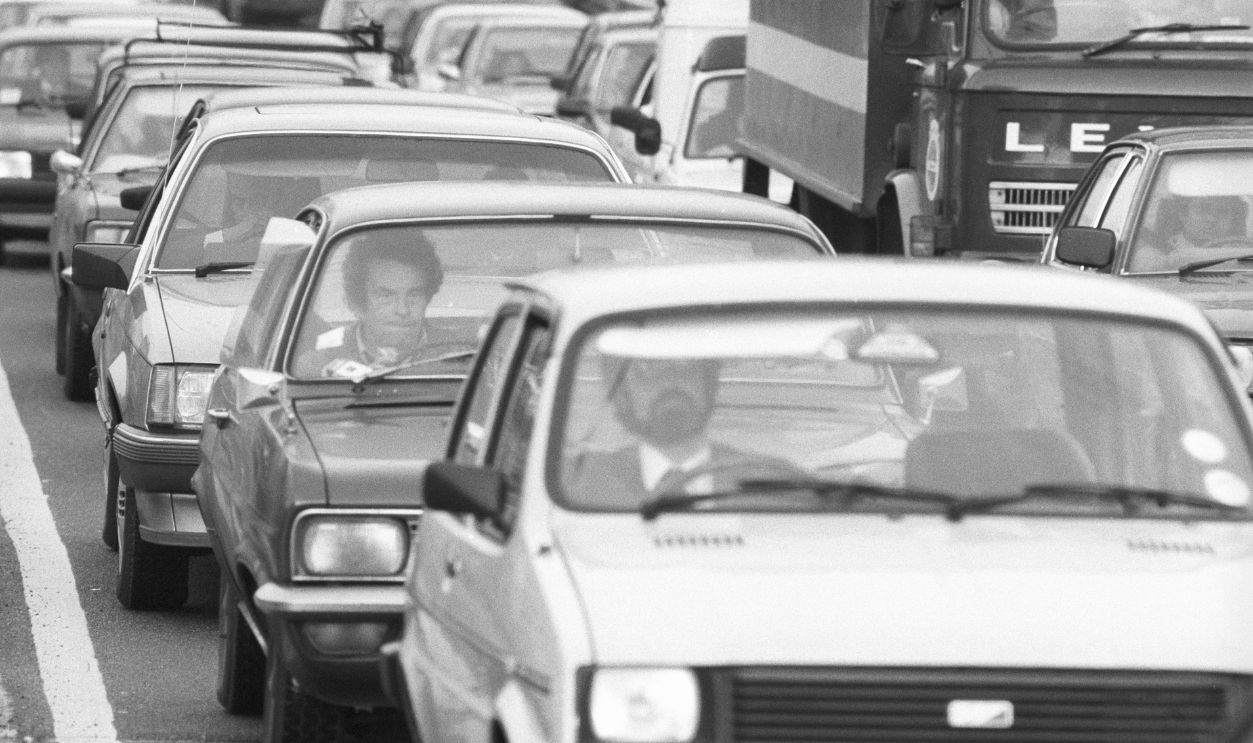 Express Newspapers, Getty Images
Technology Didn’t Just Catch Up — It Passed Manuals
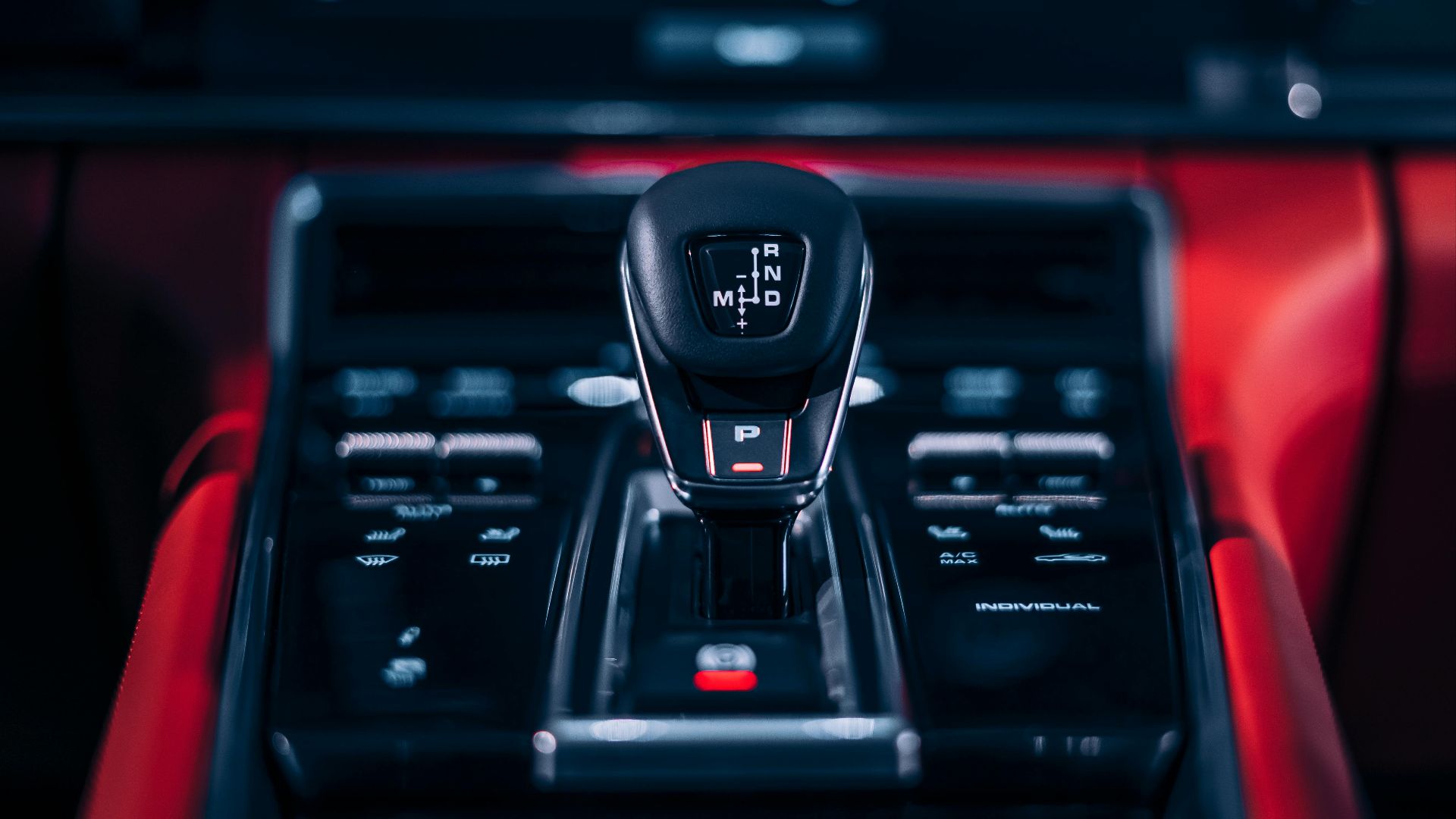
Modern automatics now shift faster and more precisely than most human drivers. Dual-clutch and advanced torque-converter systems removed the performance advantage manuals once had.
Traffic Made Clutch Pedals Feel Like Work
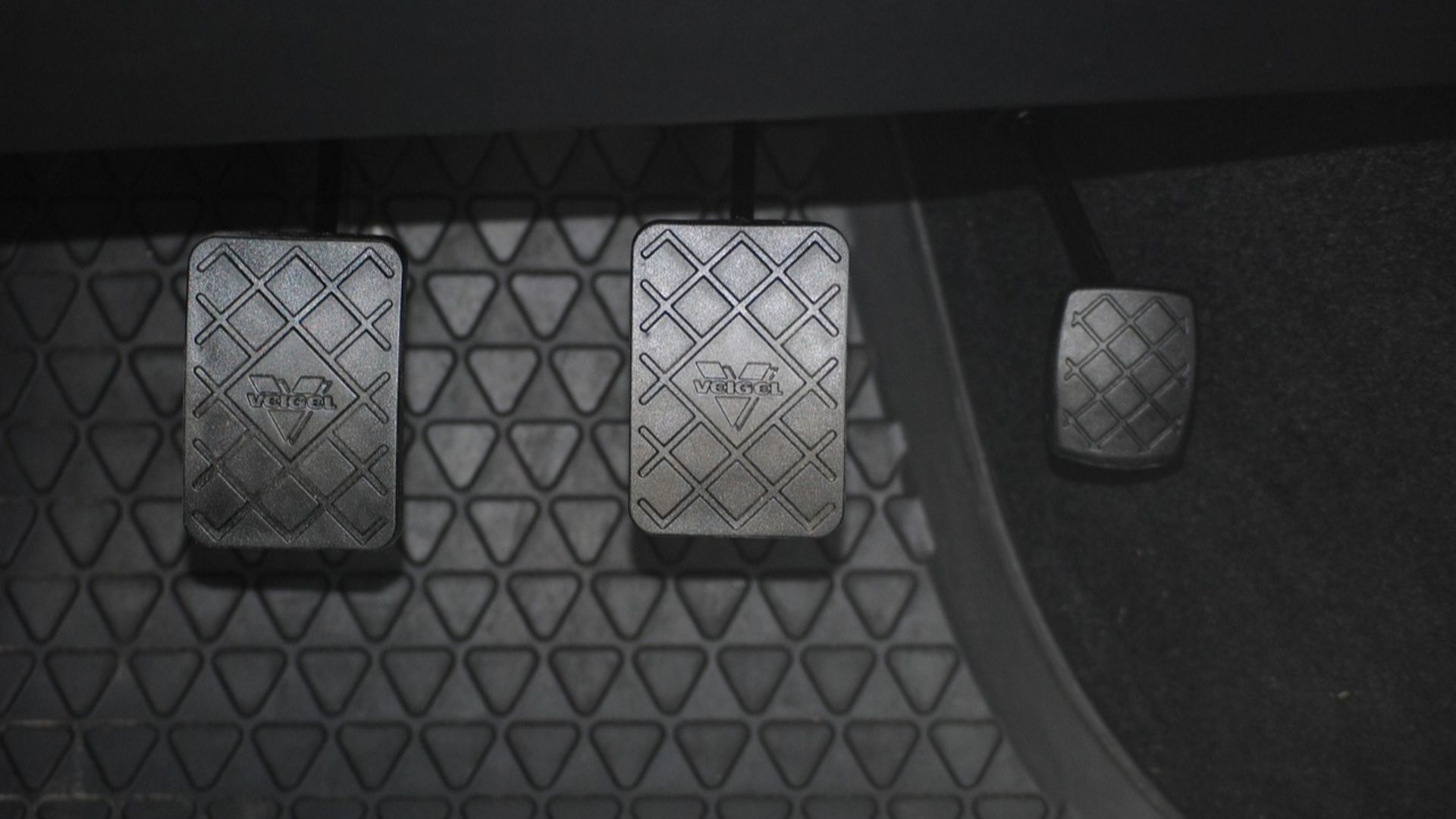
Stop-and-go traffic changed how people felt about driving. What once felt engaging started to feel like extra effort, especially for commuters spending hours behind the wheel.
Why Safety Tech Pushed Manuals Aside
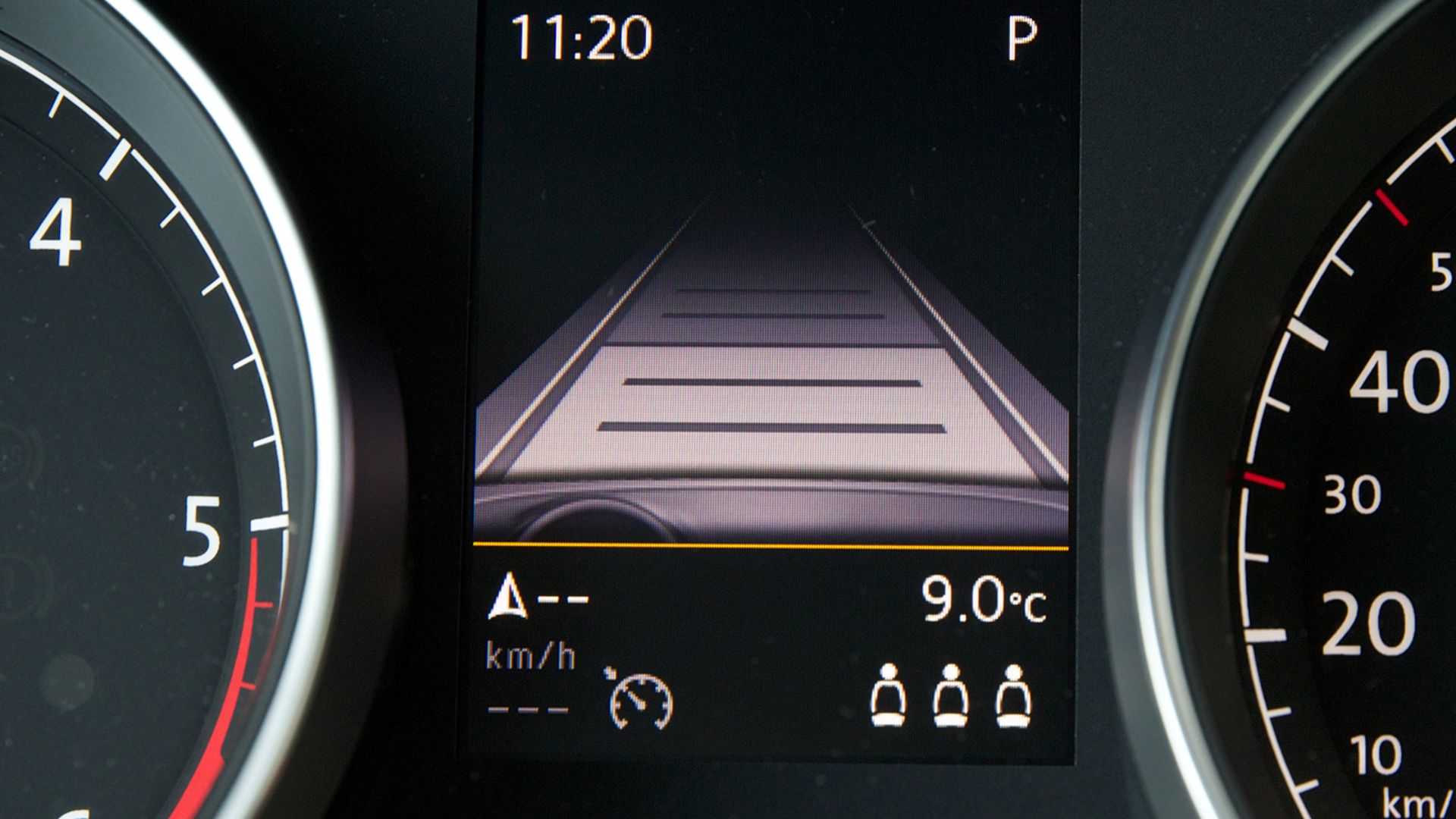
Advanced driver-assistance systems work best with automatics. Features like adaptive cruise control and automated braking are harder to integrate with a clutch pedal in the mix.
When Low Demand Became a Death Sentence
As fewer buyers chose manuals, automakers offered fewer configurations. Eventually, it became too expensive to justify keeping them at all.
Can You Still Buy a Manual in America Today?
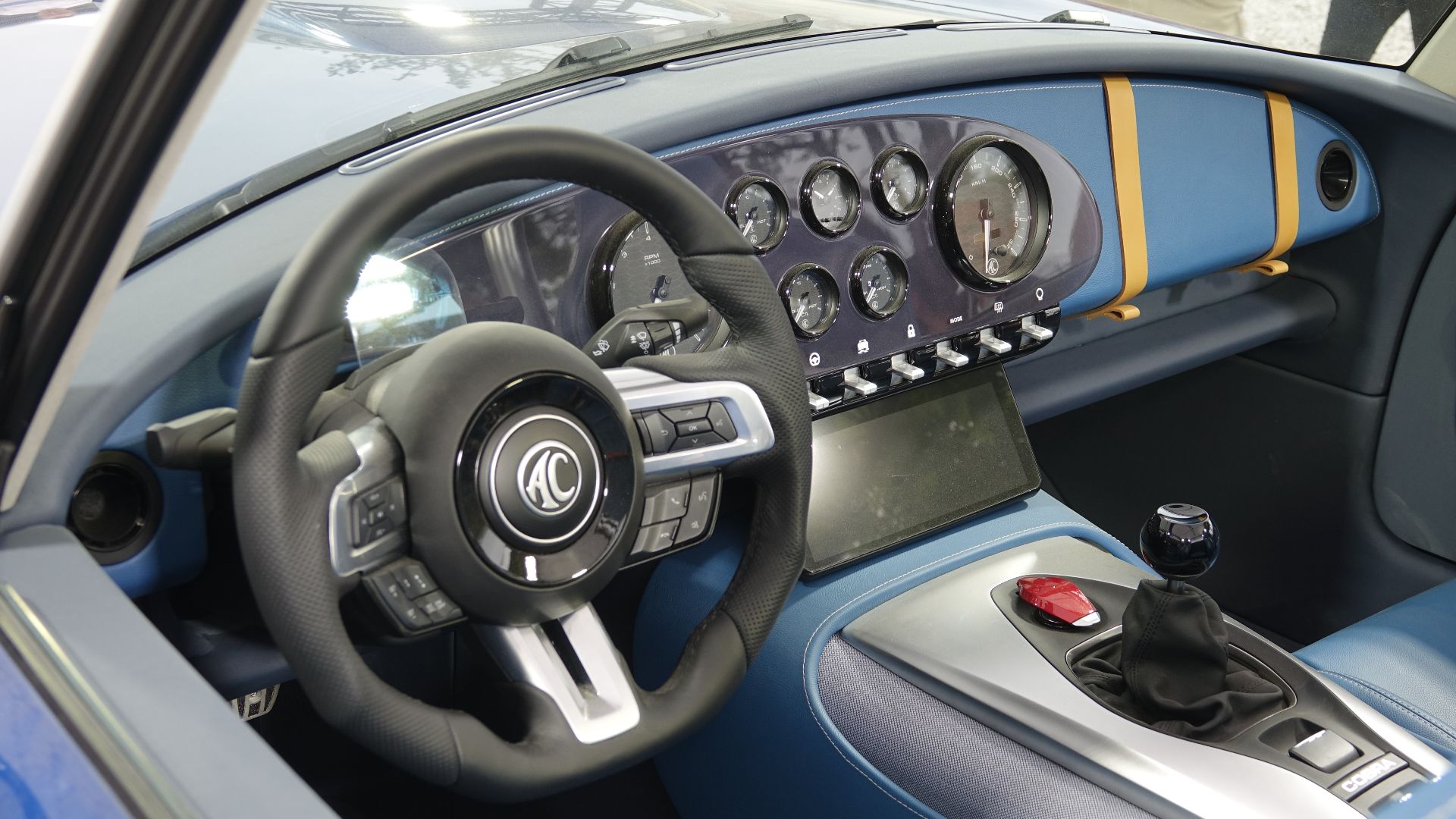
Yes, but the options are slim. A handful of sports cars, performance sedans, and select trucks still offer manuals, mostly aimed at enthusiasts rather than everyday drivers.
 Y.Leclercq©, Wikimedia Commons
What Happened to Manual Pickup Trucks?
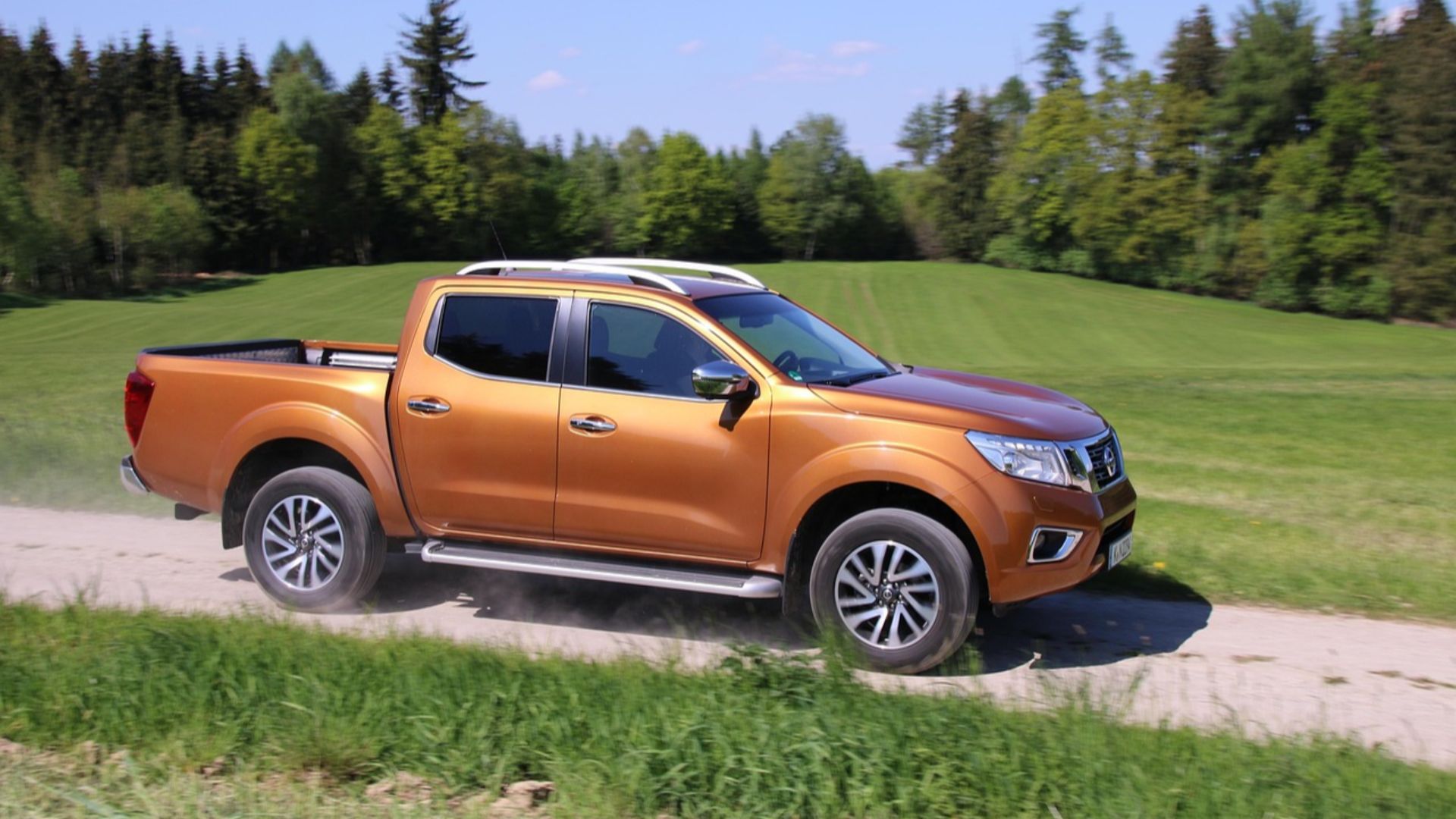
Manual trucks used to be common on job sites. Today’s automatics tow better, last longer under heavy loads, and are easier for a wider range of drivers to use.
Why Manuals Never Disappeared Everywhere
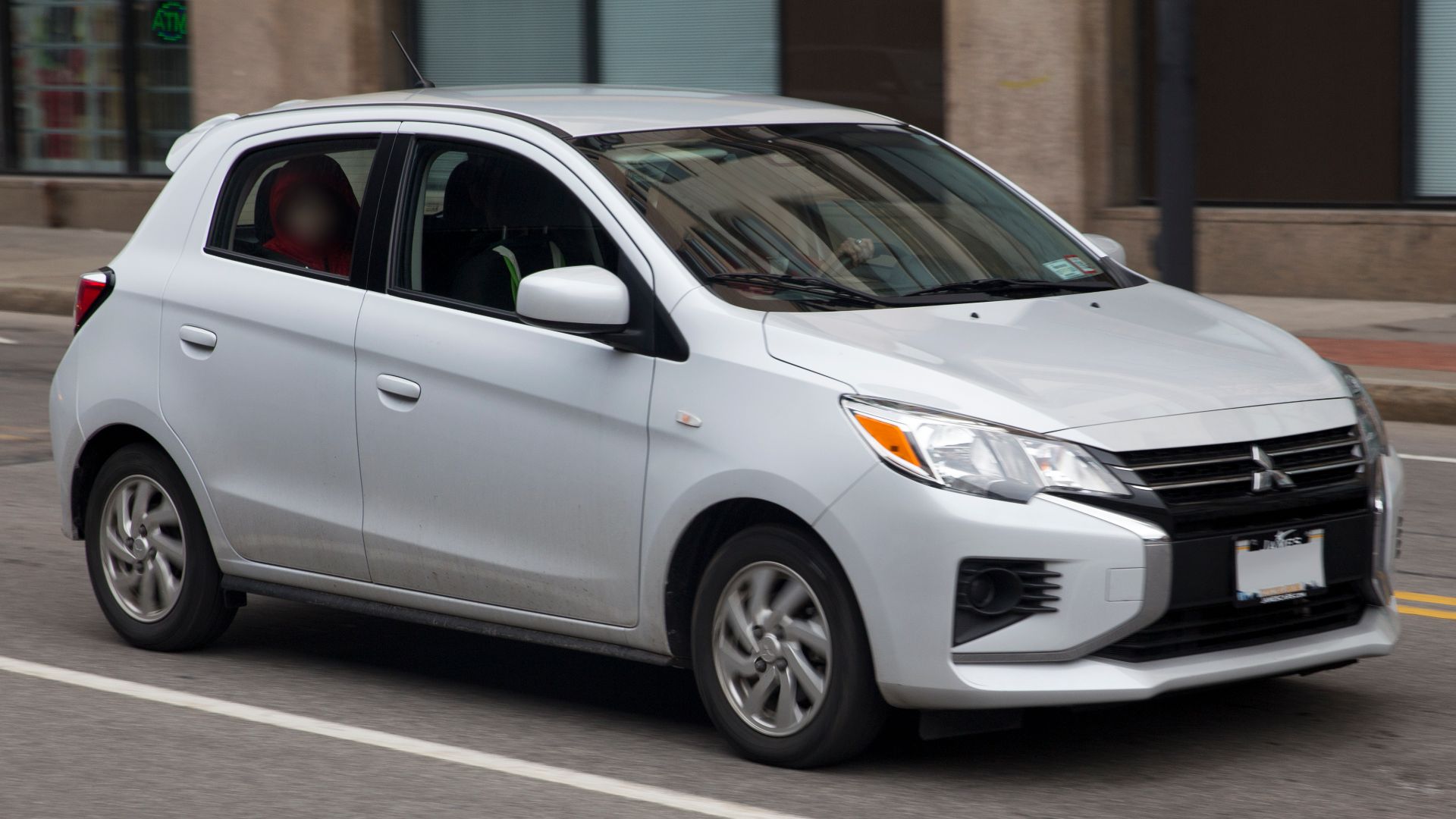
In Europe and parts of Asia, manuals are still common. Higher fuel costs, smaller vehicles, and different licensing systems kept them relevant far longer than in the U.S.
 Mr.choppers, Wikimedia Commons
Culture Plays a Bigger Role Than People Think
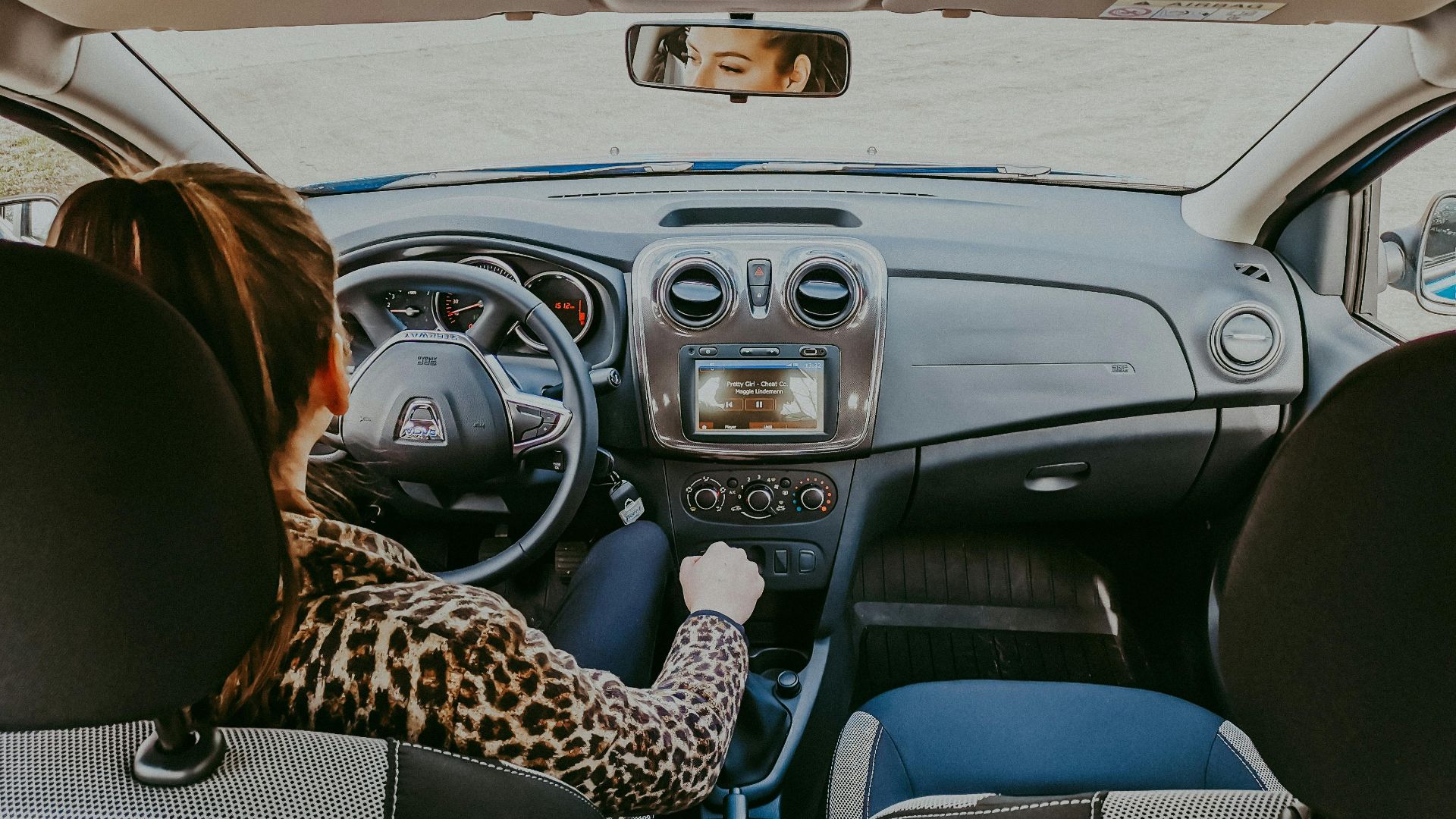
In many countries, learning to drive a manual is still expected. In America, most younger drivers never even see one, which speeds up the decline even more.
Which Generations Still Prefer Manuals?
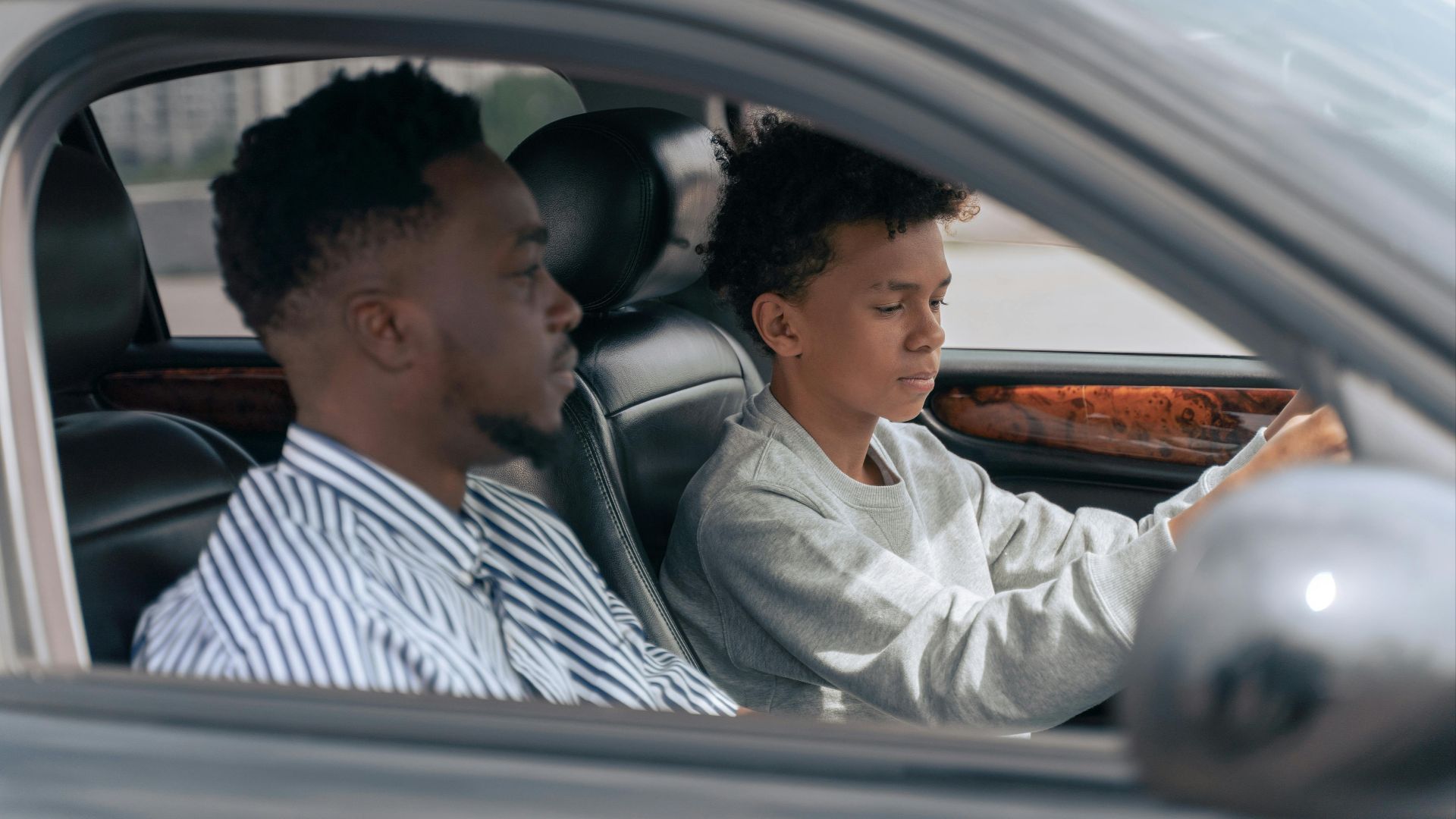
Baby Boomers and Gen X grew up with manuals and often prefer them. Millennials show renewed interest as enthusiasts, while Gen Z tends to view manuals as something novel or nostalgic.
The Irony: Manuals Got Cooler Once They Became Rare
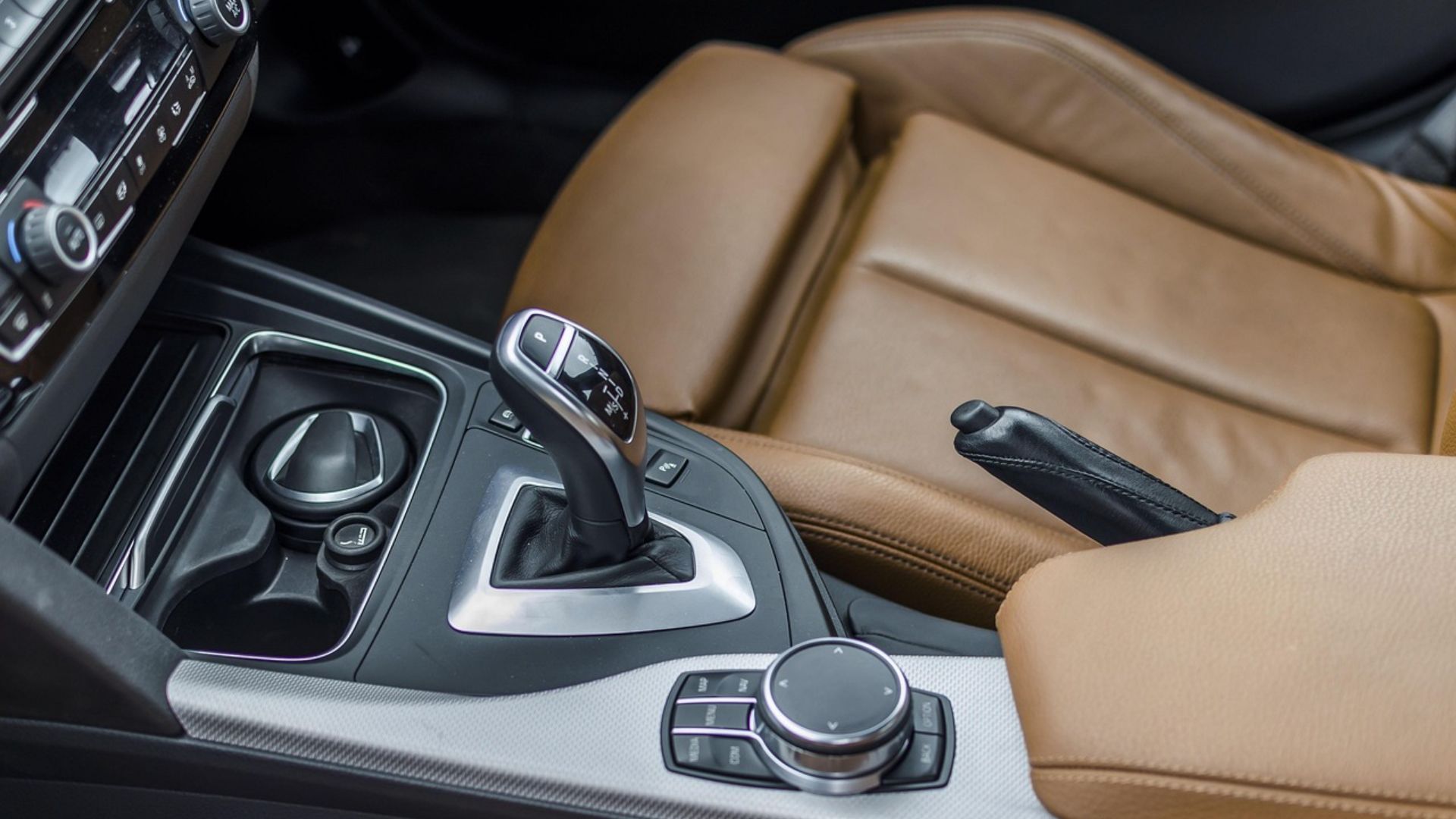
As manuals disappeared, they gained cultural value. Driving a stick now feels intentional and personal rather than ordinary.
How Long Do Manual Transmissions Actually Last?
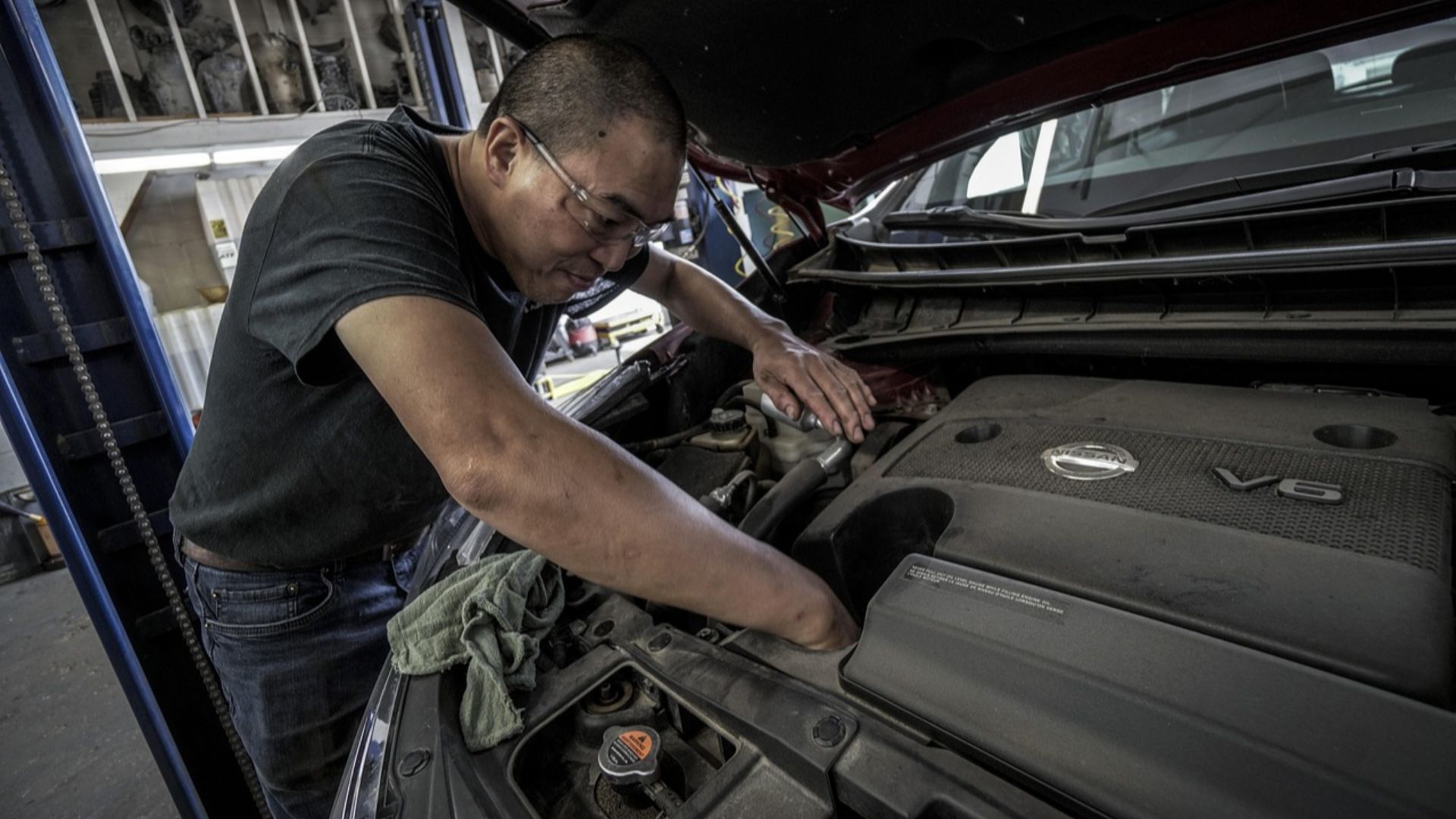
A well-maintained manual gearbox can last 150,000 to 300,000 miles or more. Clutches wear out, but the transmissions themselves are often extremely durable.
Why Automatics No Longer Wear Out Faster
Modern automatics have closed the durability gap. Better engineering and smarter software made them far more reliable than older generations.
Why Automakers Finally Let Manuals Go
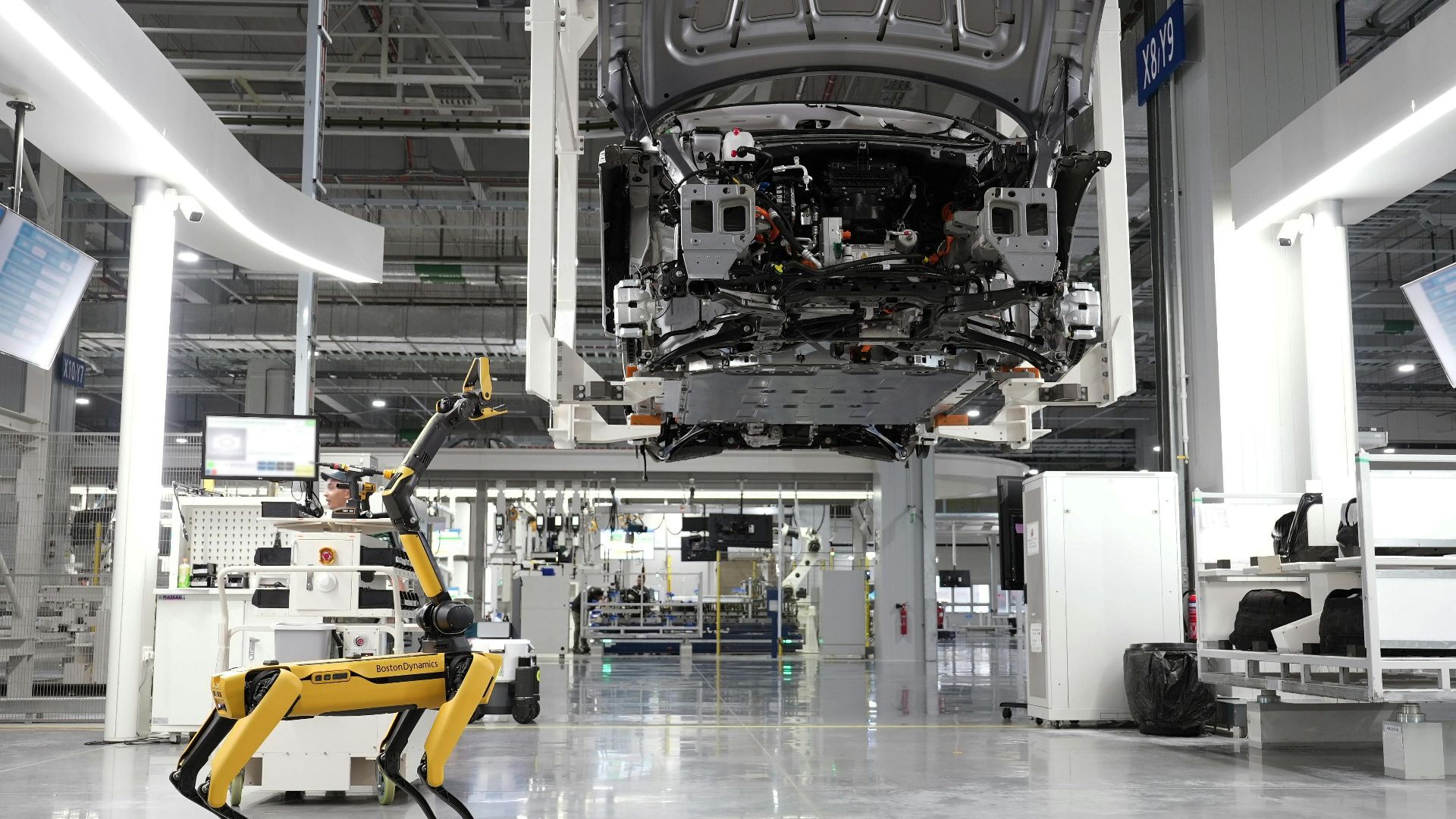
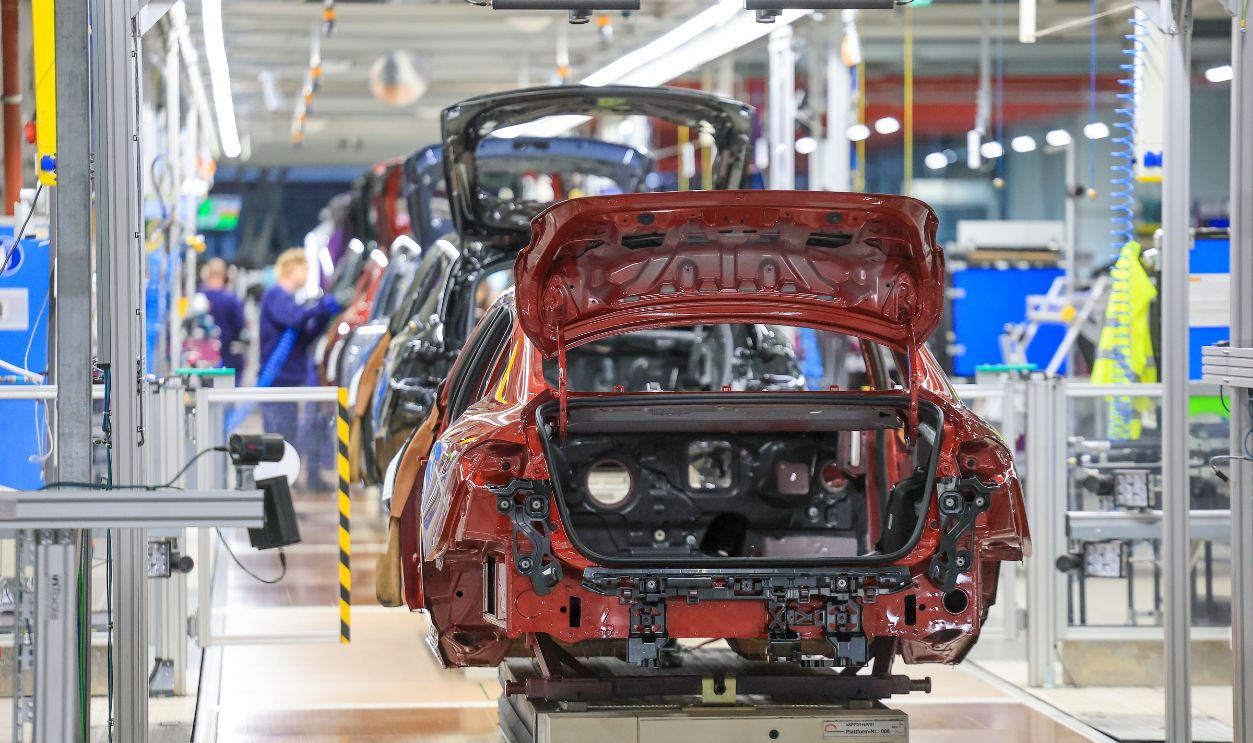
Offering multiple transmissions costs money. When only a small percentage of buyers choose manuals, manufacturers see little reason to keep them.
 picture alliance, Getty Images
Electric Vehicles Changed the Conversation Entirely
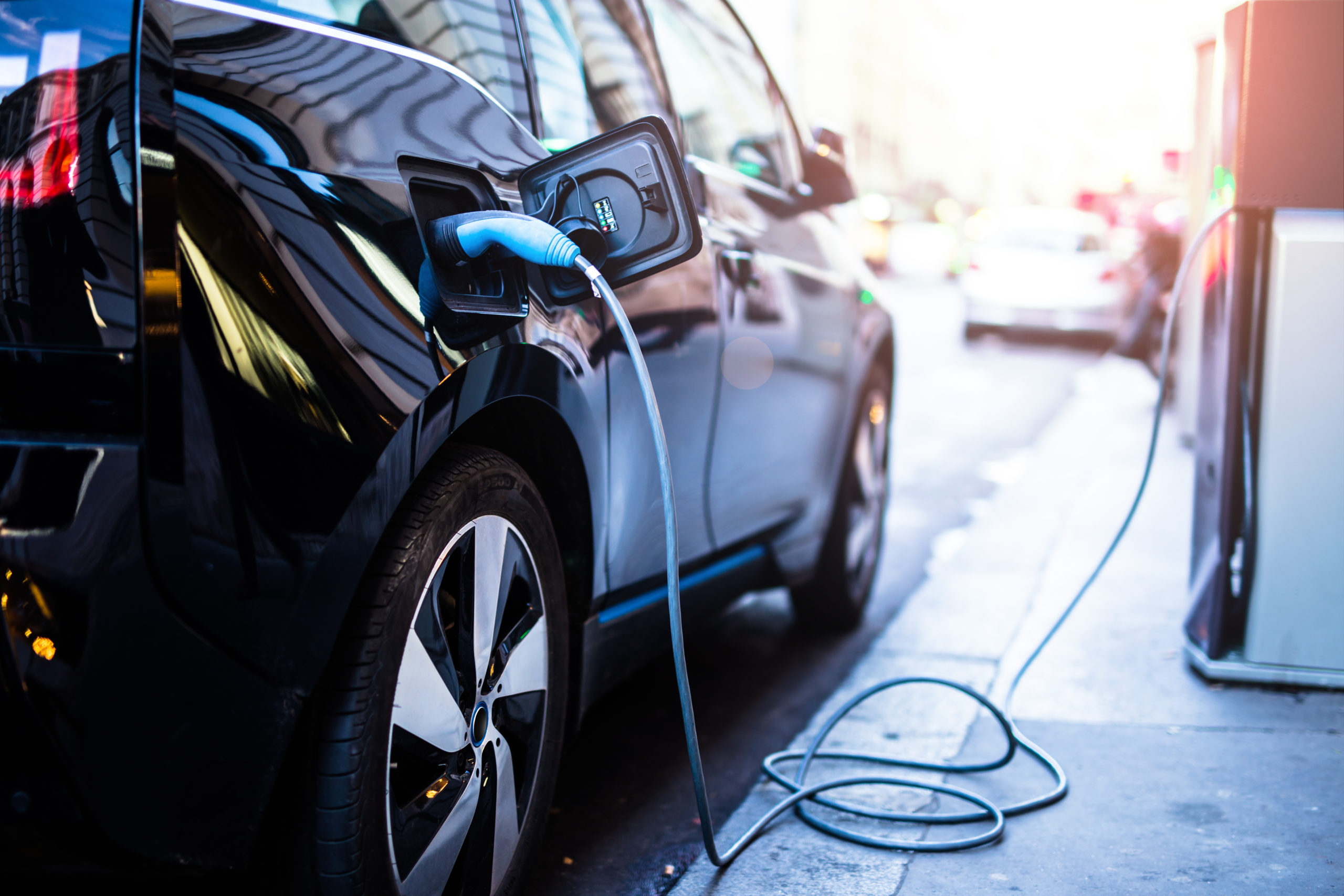
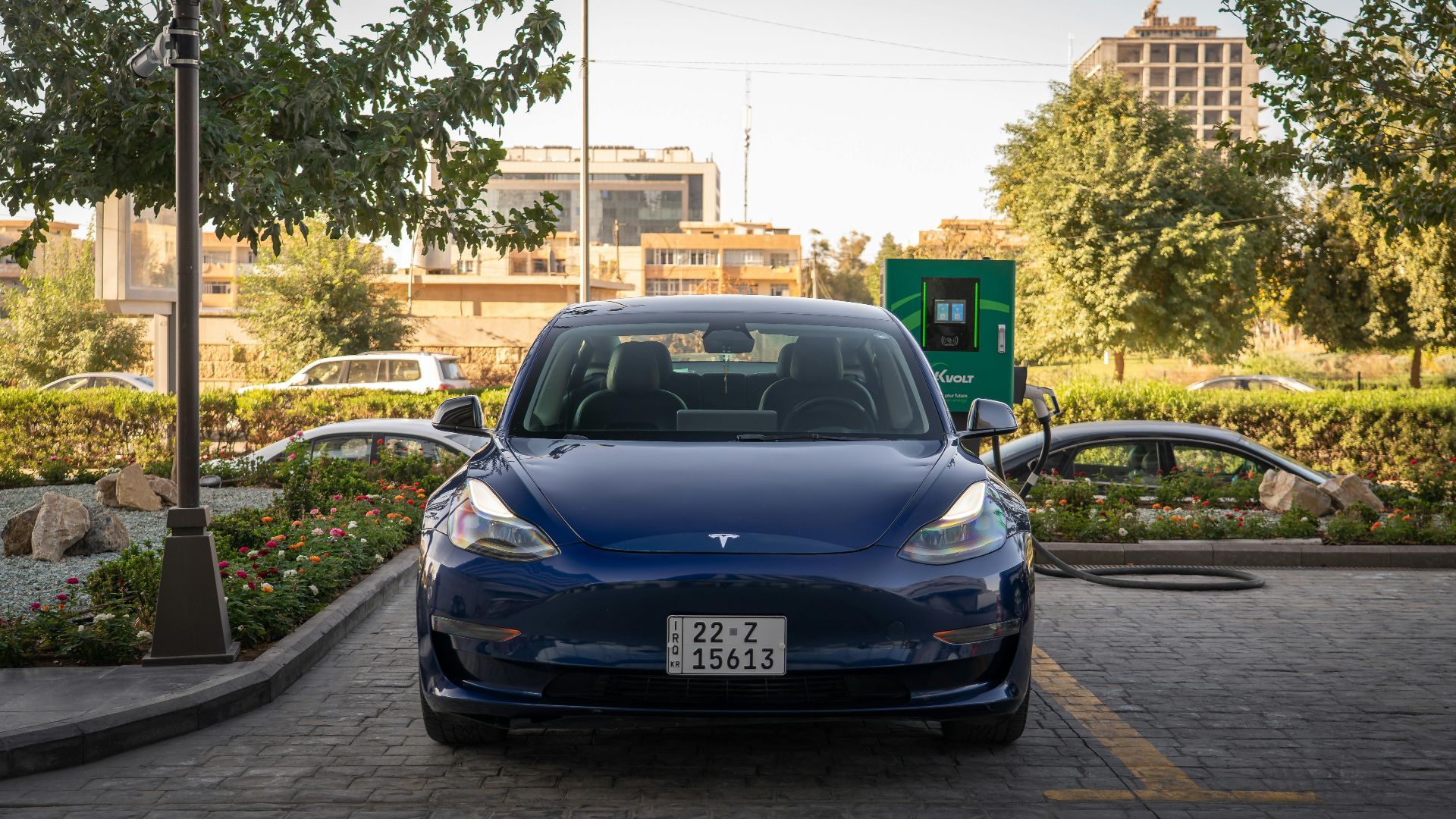
EVs do not need multi-speed transmissions at all. As electric vehicles become more common, the idea of shifting gears fades even further.
Are Manuals Headed for Total Extinction?
Probably not completely. Some brands remain committed to offering manuals as long as enthusiasts keep buying them.
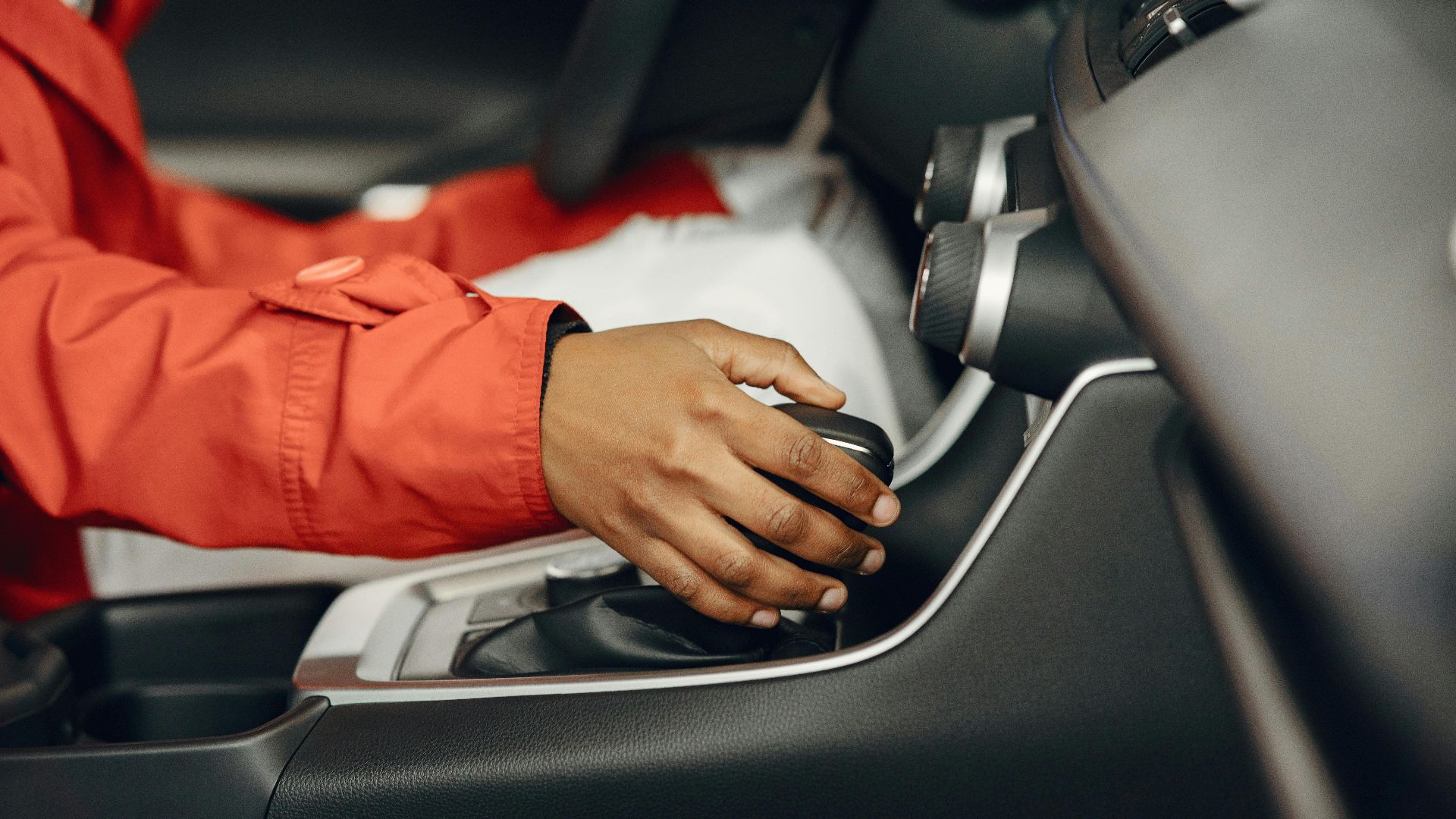
From Everyday Tool to Enthusiast Luxury
Manuals are no longer practical for most drivers, but they are deeply meaningful to the people who love them. Much like vinyl records, they survive because of passion.
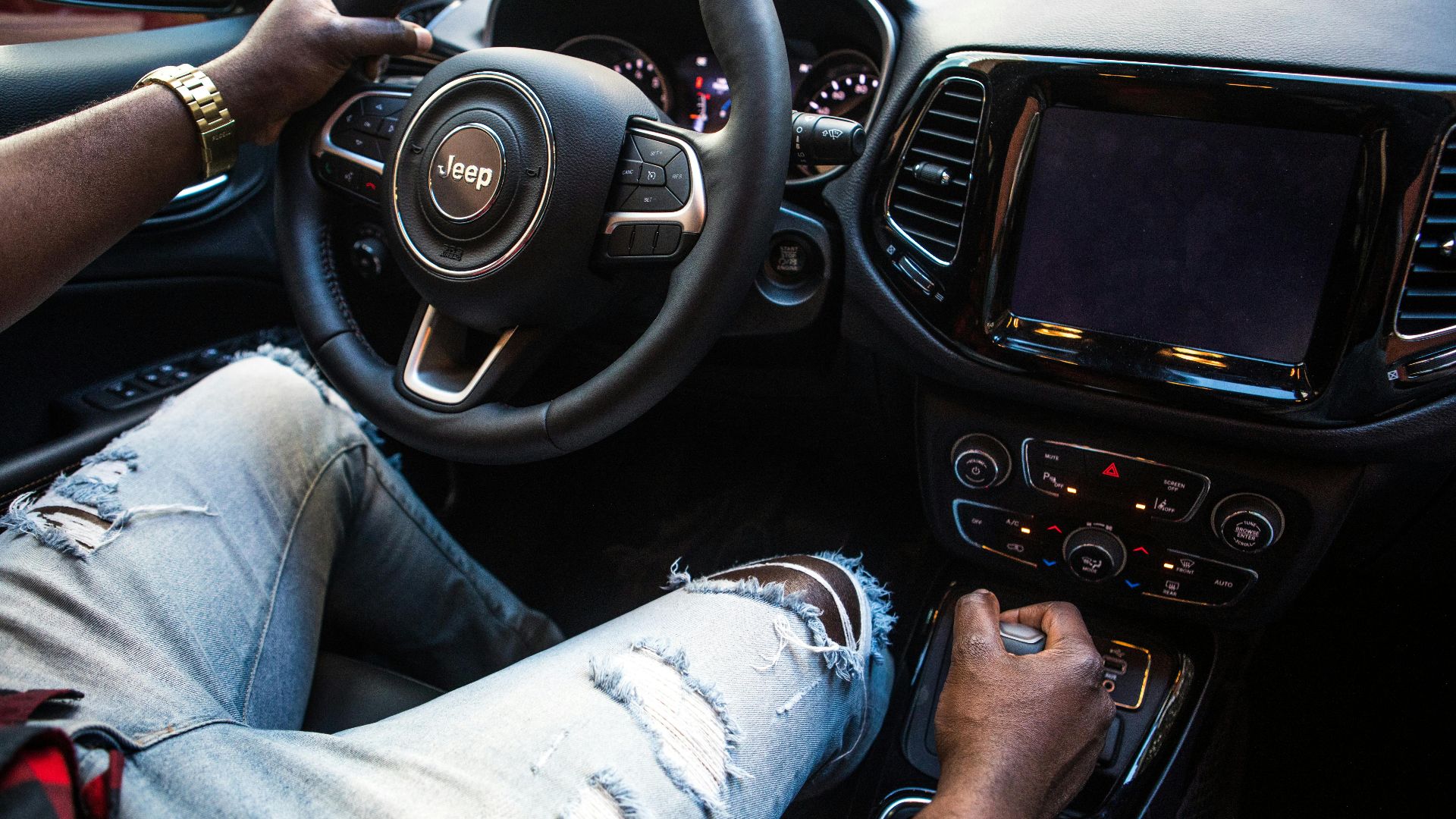
What the Future of the Stick Shift Really Looks Like
The manual transmission is unlikely to return to mainstream America. Instead, it will live on as a niche option for drivers who value connection over convenience.
You May Also Like:
The Coolest Pickup Trucks You Can Still Buy With A Manual Transmission
Manual Transmission Is Getting Hard To Find, But These Models Will Still Offer It In 2026
Automotive Brands That Understand Real Performance Demands Manual Transmission