When a Truck Was Still a Truck
Before pickups became rolling luxury lounges, they had bench seats, metal dashboards, long shifters, and beds that regularly carried something dirtier than groceries. These trucks once filled farms, job sites, and suburban driveways—but no one really talks about them anymore. How many do you still remember?
#25. Mazda B1600
Before Mazda became closely associated with sporty cars, it sold a hardworking little pickup called the B1600. Its 1.6-liter four-cylinder engine and four-speed manual transmission were hardly thrilling, but the truck was inexpensive, economical, and wonderfully easy to park.
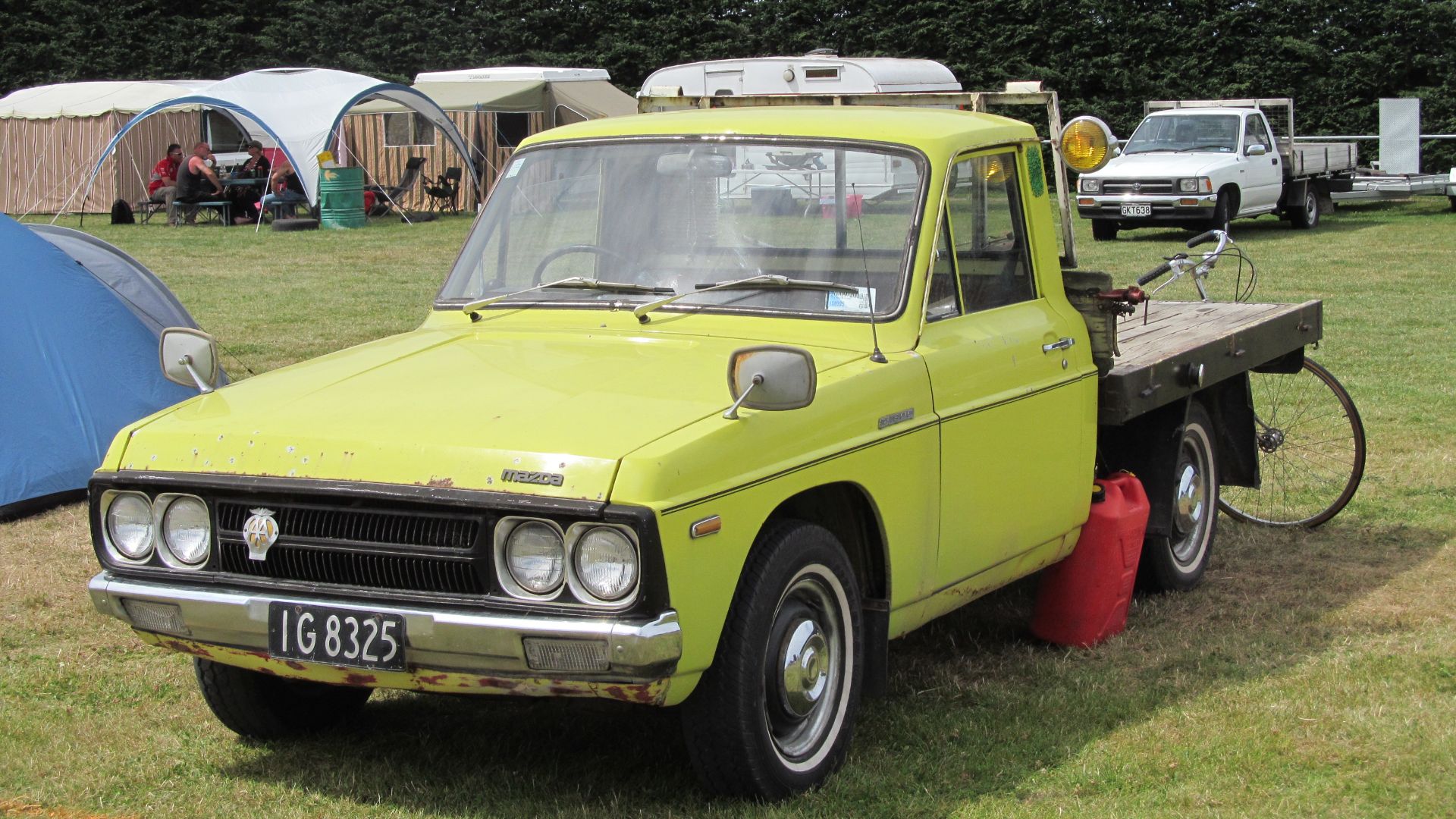 Riley from Christchurch, New Zealand, Wikimedia Commons
#24. Mazda Rotary Pickup
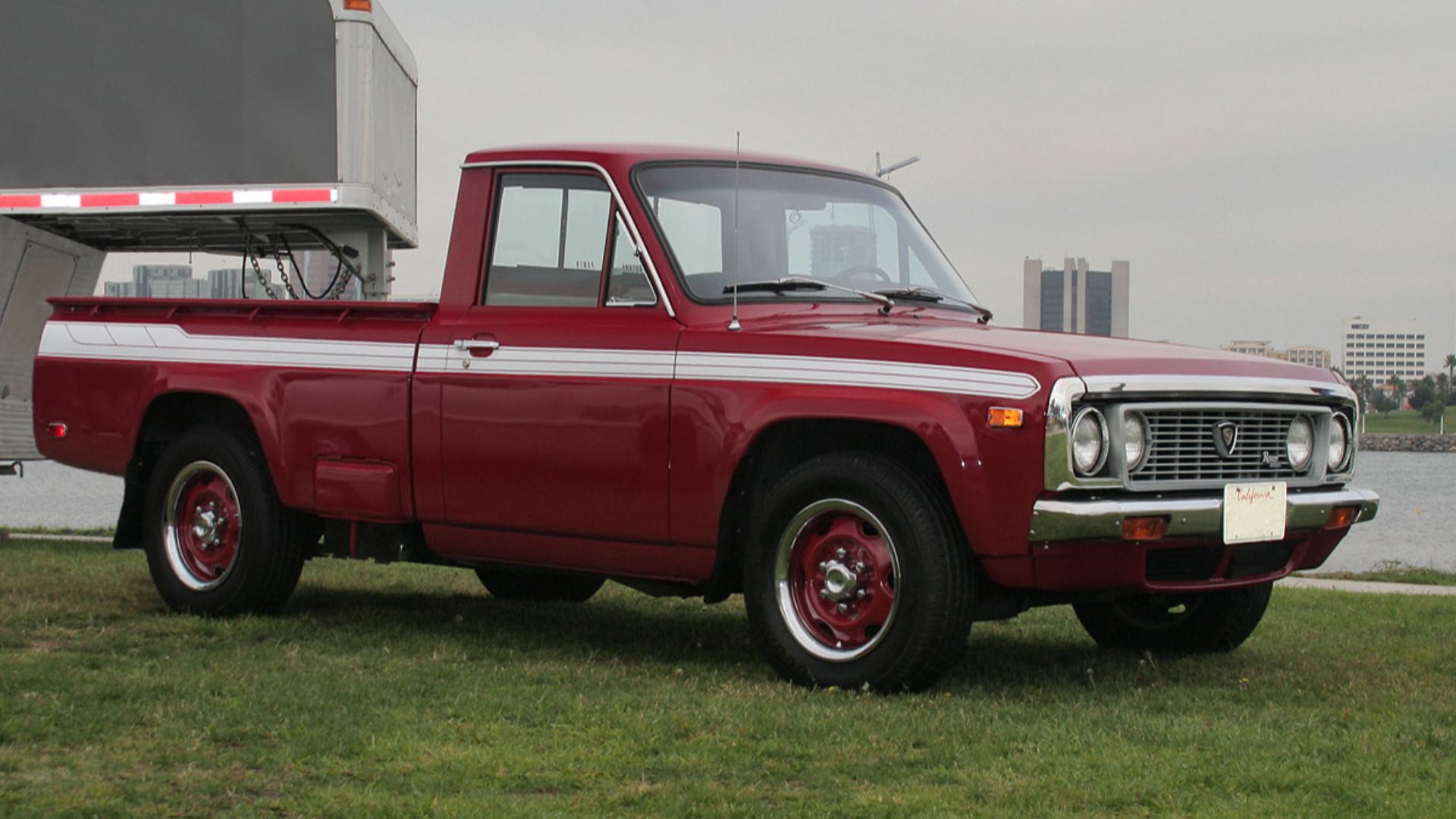
Mazda launched the Rotary Pickup, often called the REPU, in North America in April 1974. Its 13B rotary engine gave this tiny hauler an unusually smooth, energetic personality—and a thirst for gasoline that became rather inconvenient during the decade’s fuel crises.
#23. Subaru BRAT
Arriving for 1978, the BRAT combined a small cargo bed, a 1.6-liter flat-four engine, and selectable four-wheel drive. Its strangest feature was a pair of rear-facing plastic seats mounted in the bed, complete with handles for passengers to grip. Safety standards were certainly…different.
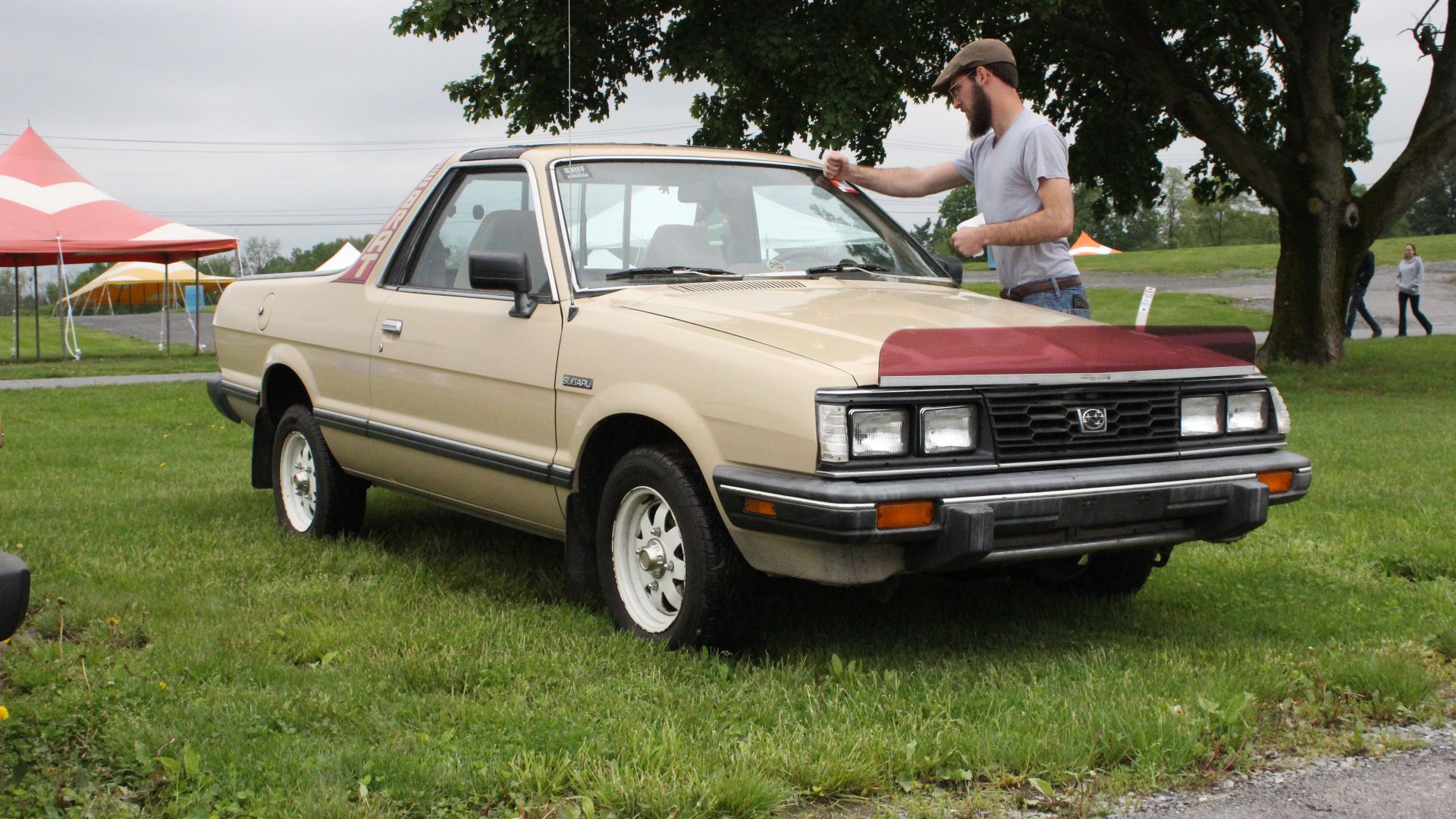 Jacob Frey 4A, Wikimedia Commons
#22. Dodge D50
Dodge needed a compact truck, so it turned to Mitsubishi and introduced the D50 for 1979. Buyers could choose a 2.0-liter or optional 2.6-liter four-cylinder engine, making it considerably thriftier than Dodge’s full-size pickups. The later Ram 50 is better remembered, but this started everything.
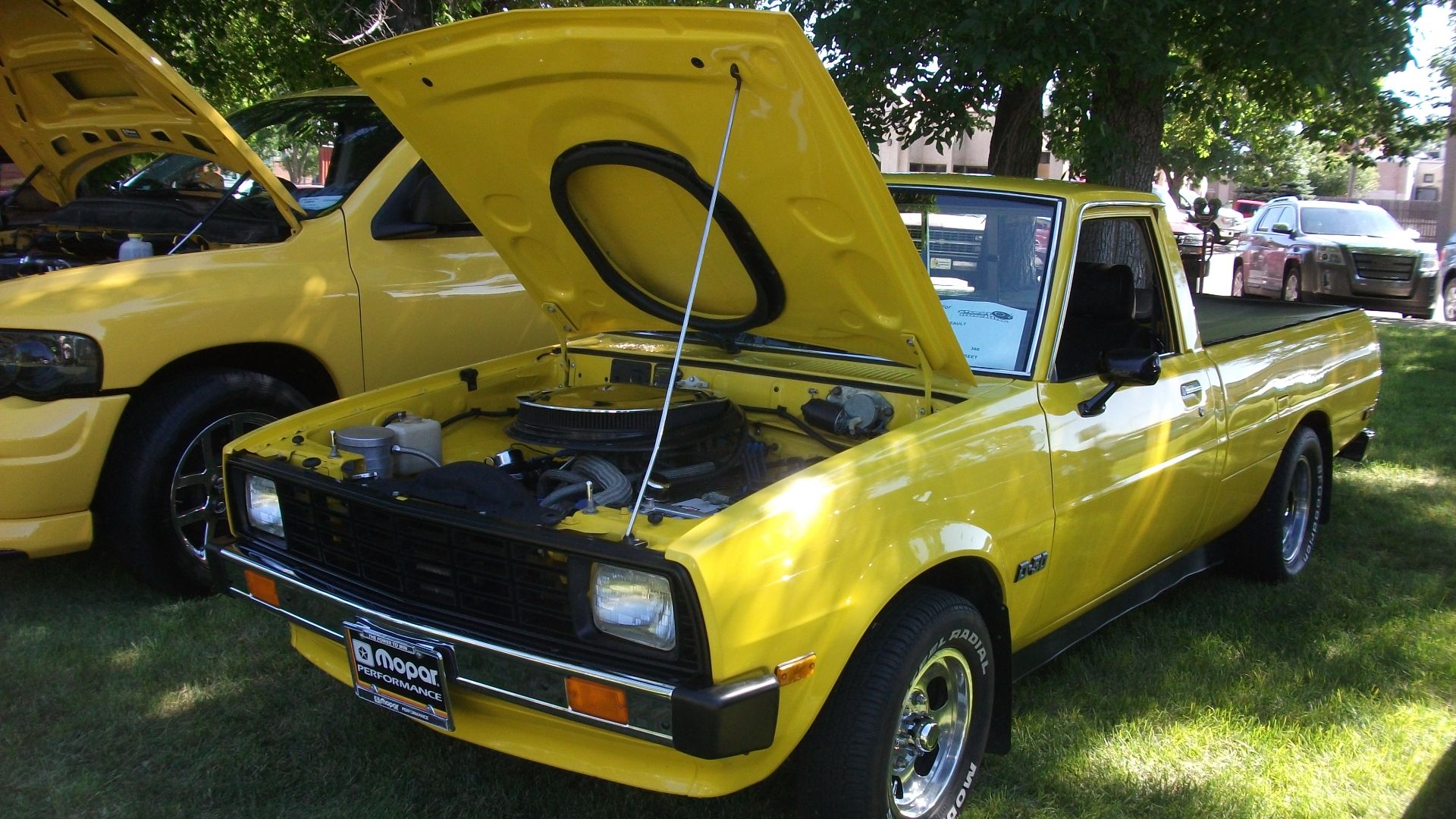 dave_7 from Lethbridge, Canada, Wikimedia Commons
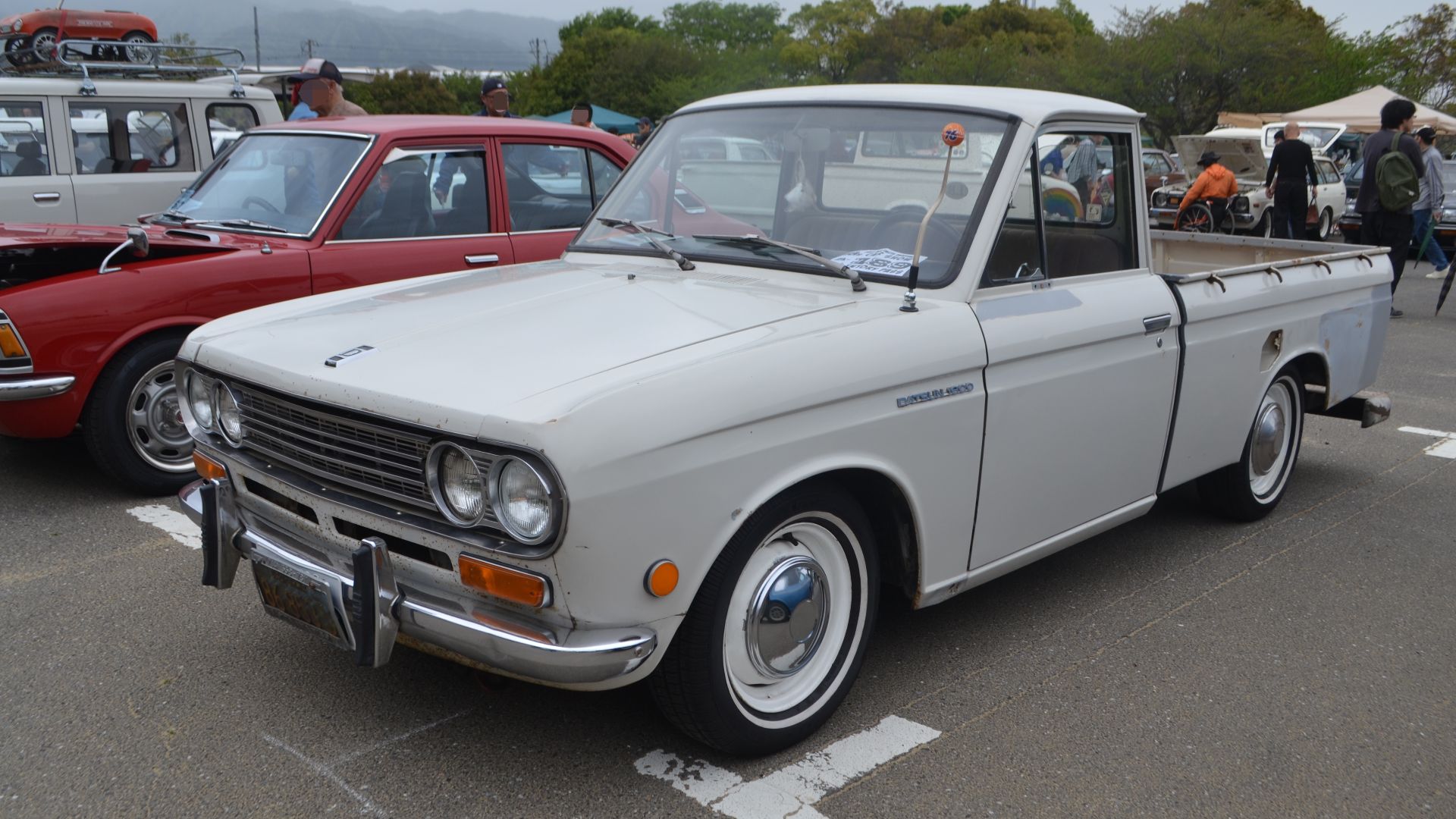
#21. Datsun 521
The Datsun 521 entered the 1970s looking refreshingly small beside America’s enormous pickups. With its 1.6-liter engine, four-speed manual, and straightforward rear-wheel-drive layout, it became a favorite among commuters and small-business owners before the newer 620 replaced it in 1972.
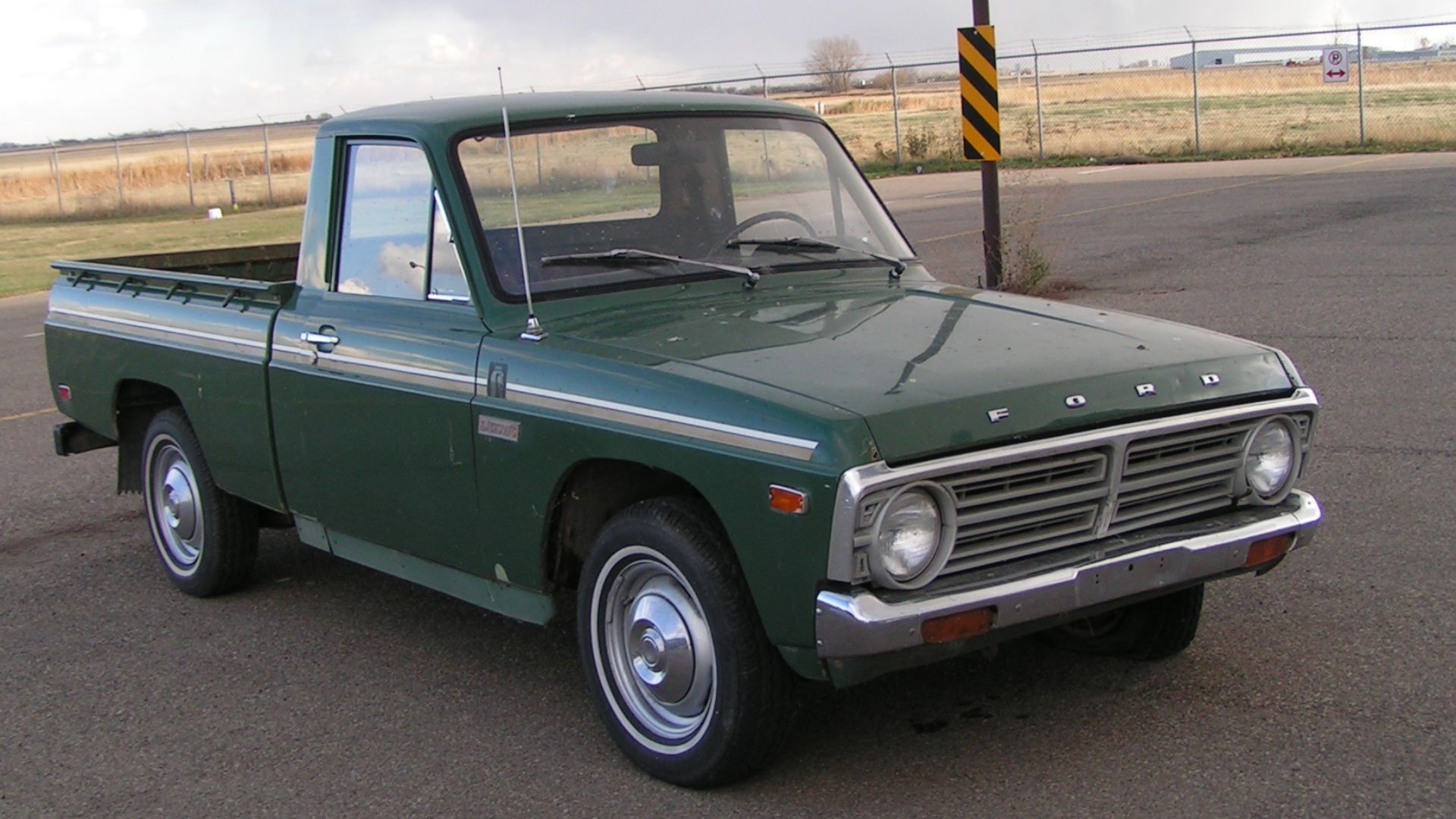
#20. Ford Courier
Ford introduced the Mazda-built Courier for 1972 to challenge the increasingly popular Japanese mini-trucks. Its original 1.8-liter engine produced about 74 horsepower, while its payload capacity approached 1,400 pounds. It was small, slow, and surprisingly willing to work all week.
 dave_7 from Lethbridge, Canada, Wikimedia Commons
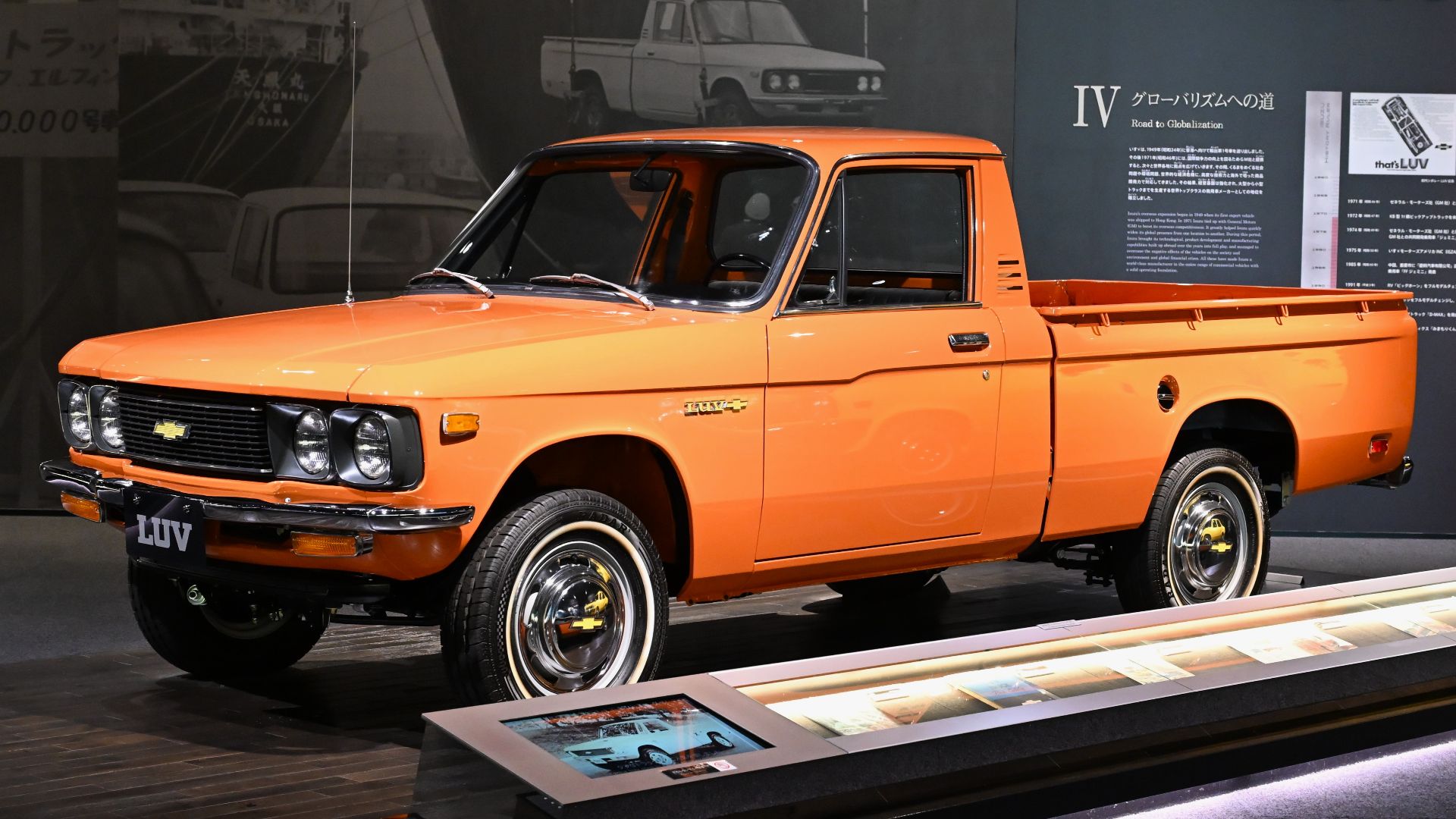
#19. Chevrolet LUV
The Chevrolet LUV arrived for 1972, although Isuzu actually built it in Japan. Its name stood for “Light Utility Vehicle,” which was more creative than simply calling it “the little truck.” The economical four-cylinder pickup gave Chevrolet an immediate answer to Toyota and Datsun.
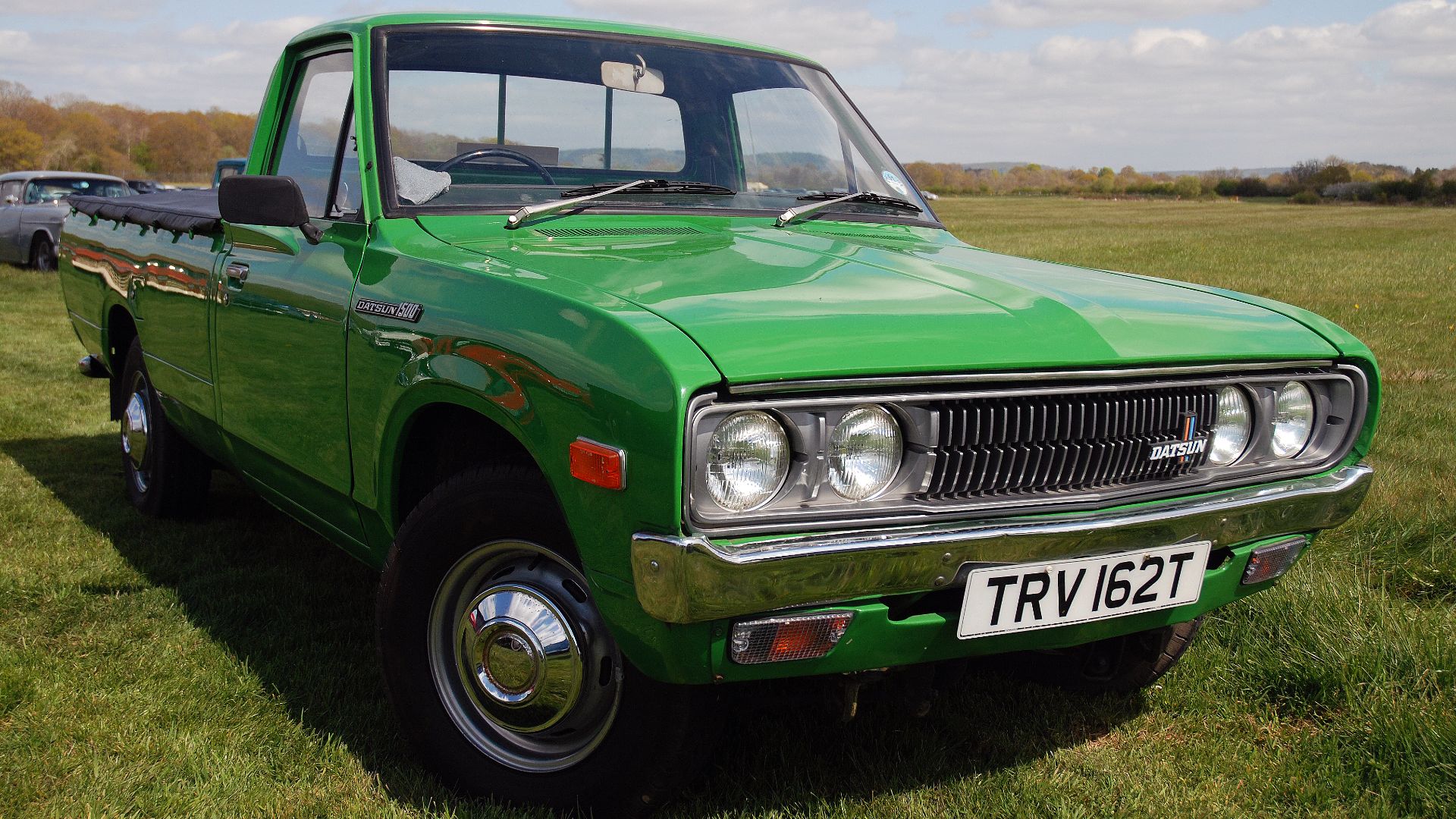
#18. Datsun 620
Introduced in 1972, the Datsun 620 became one of the decade’s most recognizable compact pickups. Its curved fenders, useful bed, and economical four-cylinder engines won plenty of American buyers. The roomy King Cab version arrived for 1977 and helped popularize extended-cab compact trucks.
 allen watkin, Wikimedia Commons
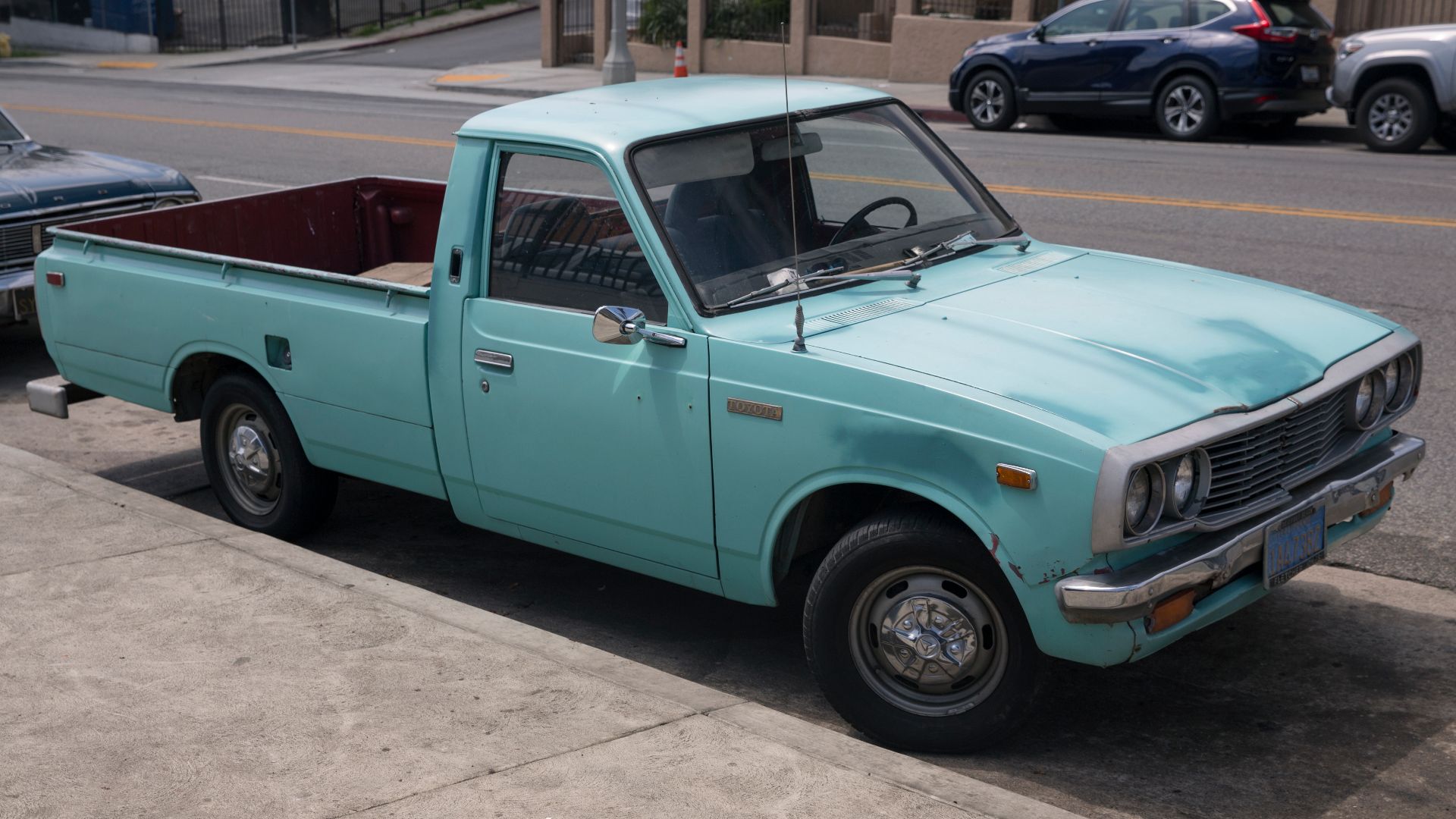
#17. Toyota Hilux
Most American buyers simply knew it as the Toyota Pickup, but elsewhere it carried the Hilux name. The second generation arrived in 1972, followed by a more comfortable third generation in 1978. By decade’s end, Toyota had also added the four-wheel-drive version enthusiasts still chase today.
 Mr.choppers, Wikimedia Commons
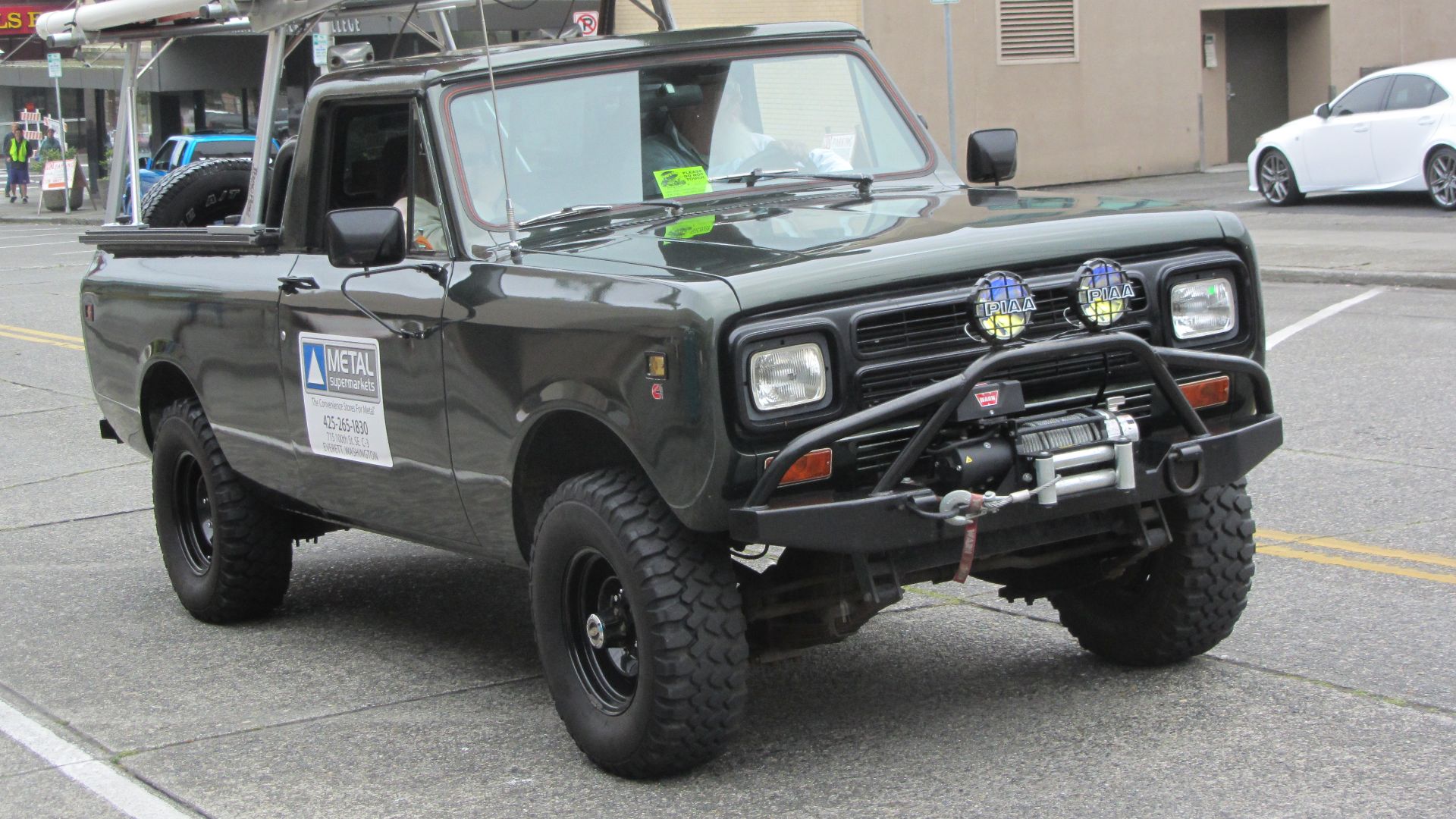
#16. International Scout II Terra
International Harvester stretched the Scout II to create the Terra pickup in 1976. Its 118-inch wheelbase, removable roof section, and available four-wheel drive made it part work truck and part weekend toy. Unfortunately, rust sent far too many of these fascinating machines to an early grave.
 JOHN LLOYD from Concrete, Washington, United States, Wikimedia Commons
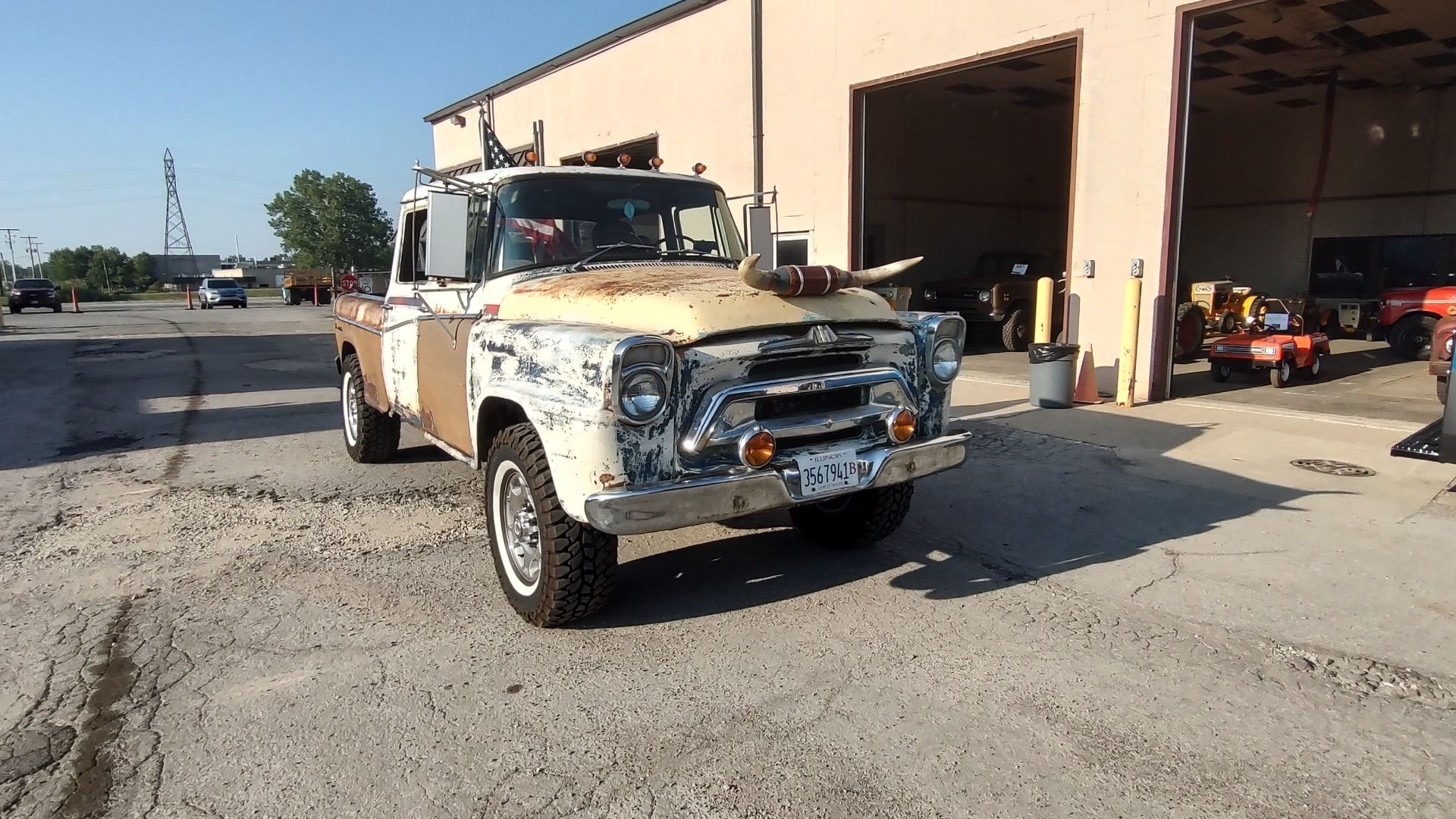
#15. International Travelette
Long before crew-cab pickups dominated school parking lots, International Harvester offered the four-door Travelette. It could carry six people and was available with two- or four-wheel drive. Production ended in 1975, leaving behind one of the decade’s most capable—and now most overlooked—family workhorses.
 JackFromWisconsin, Wikimedia Commons
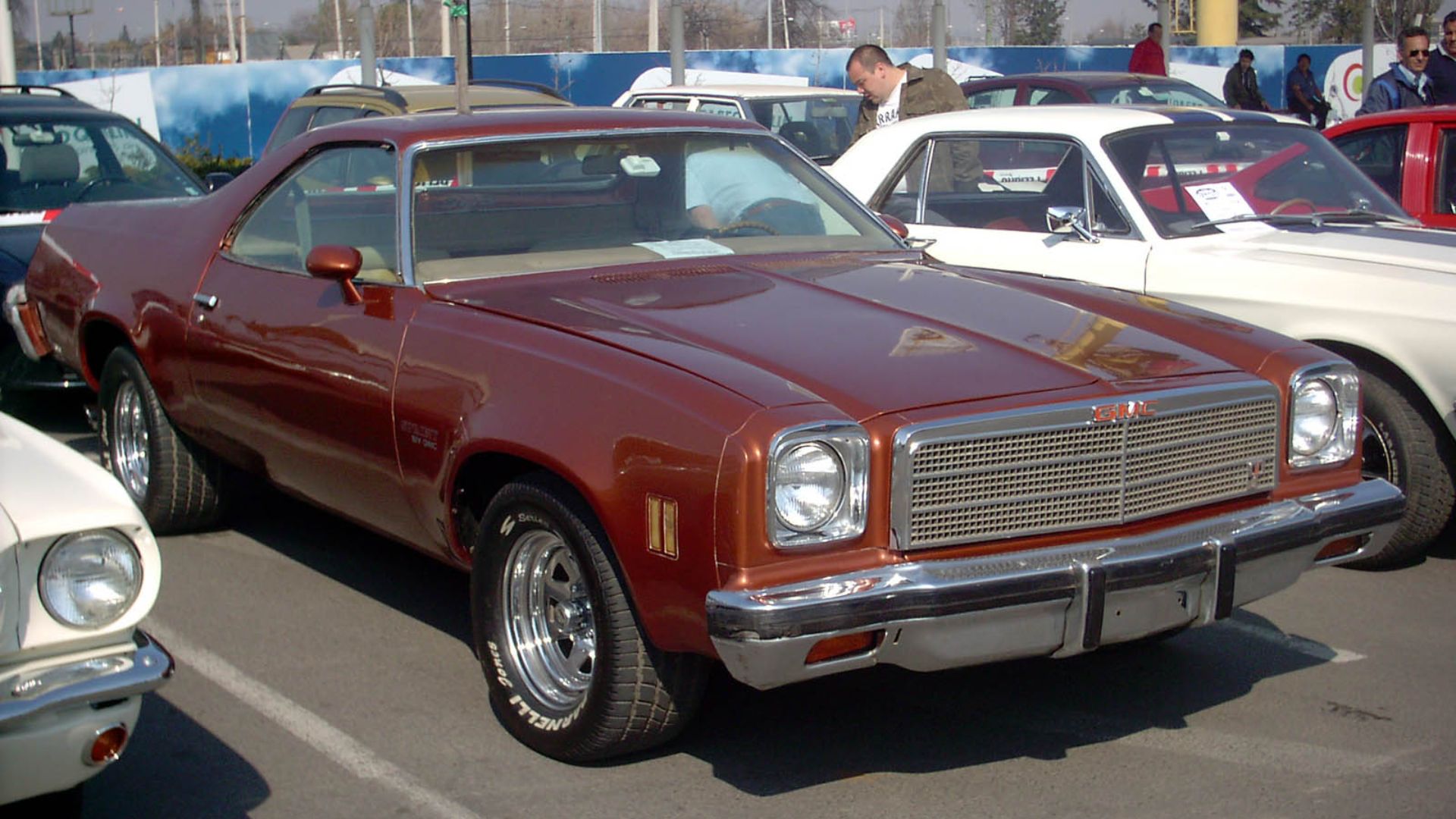
#14. GMC Sprint
The GMC Sprint was essentially GMC’s version of the Chevrolet El Camino, combining passenger-car comfort with an open cargo bed. Introduced for 1971, it could even be ordered with serious V8 power. GMC renamed it Caballero for 1978, and the original Sprint name quietly disappeared.
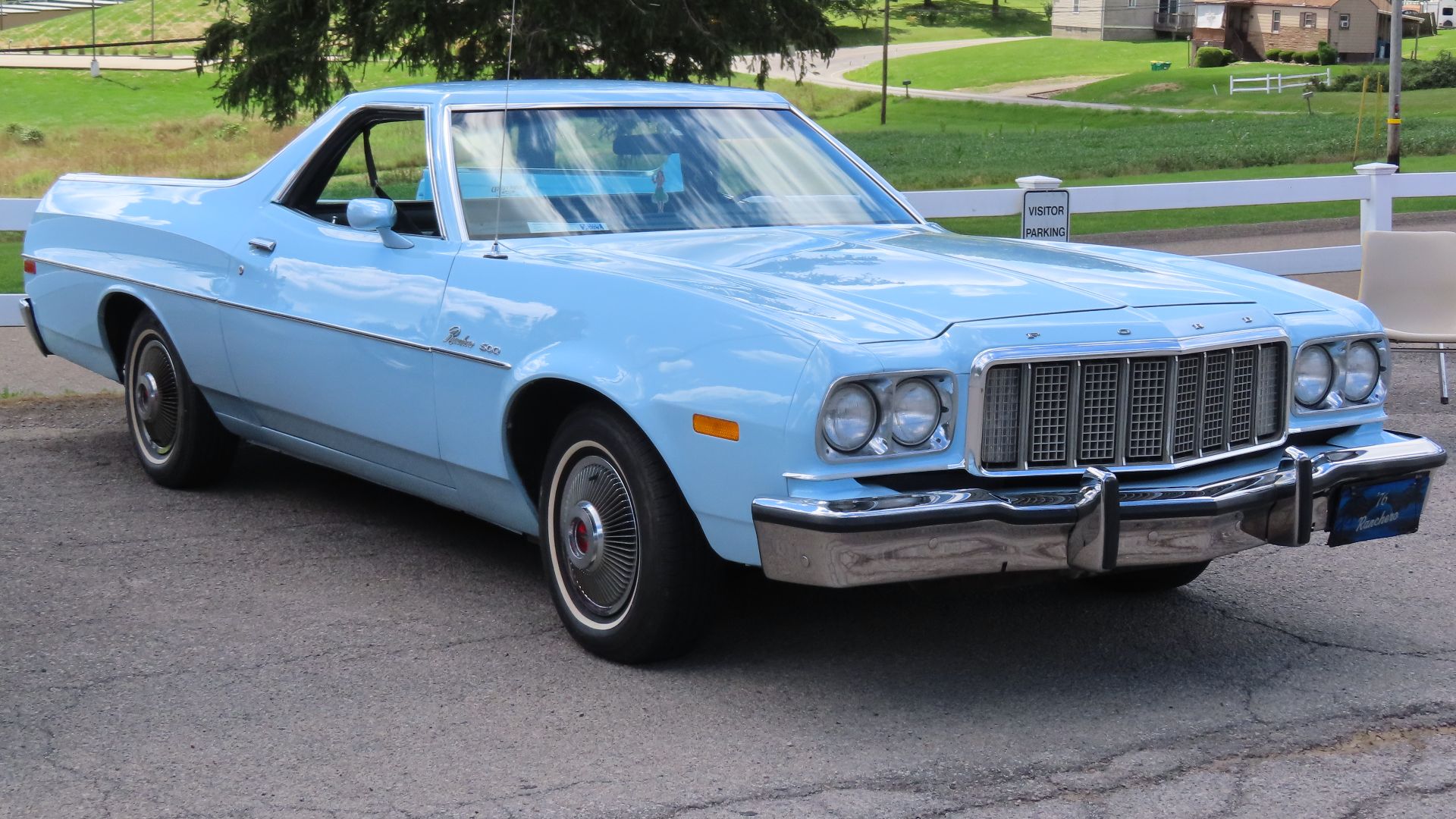
#13. Ford Ranchero
The Ranchero spent the 1970s growing from a sleek Torino-based hauler into a truly enormous personal pickup. Buyers could choose everything from sensible six-cylinder engines to thumping V8s. Ford discontinued it after 1979, just as compact trucks were becoming the more practical choice.
 MercurySable99, Wikimedia Commons
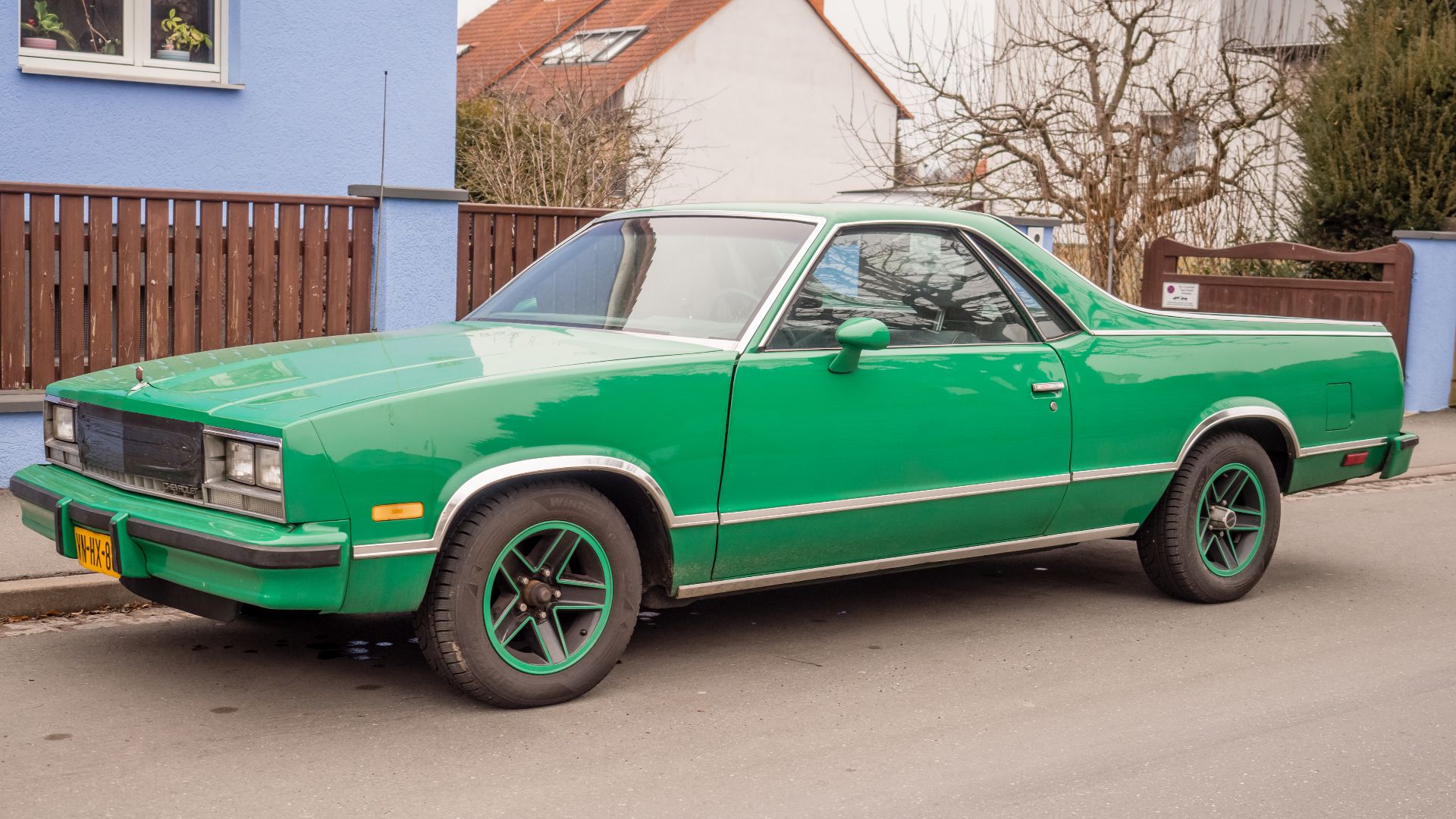
#12. Chevrolet El Camino
The El Camino was the truck for someone who wanted to haul lumber on Saturday and look stylish on Sunday. Early-1970s versions could be ordered with muscular V8s, including the mighty 454. After 1973, it became larger, softer, and wonderfully representative of the decade.
#11. GMC Gentleman Jim
GMC offered the Gentleman Jim for just one model year: 1975. Its black-and-gold appearance, special striping, bucket seats, and upscale interior made it an early luxury-oriented pickup. The name sounded like a country singer, but the truck anticipated where the entire market was heading.
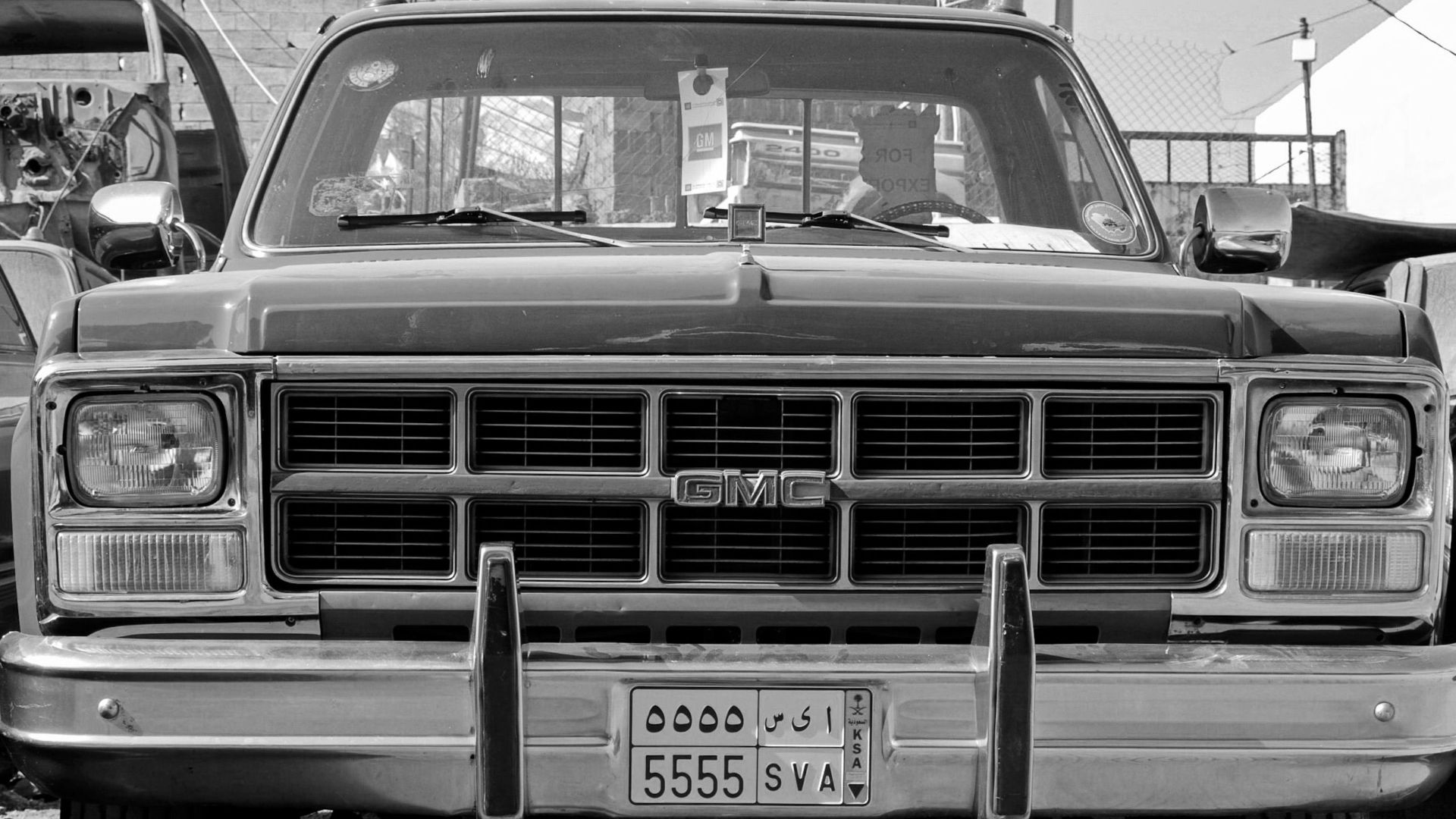
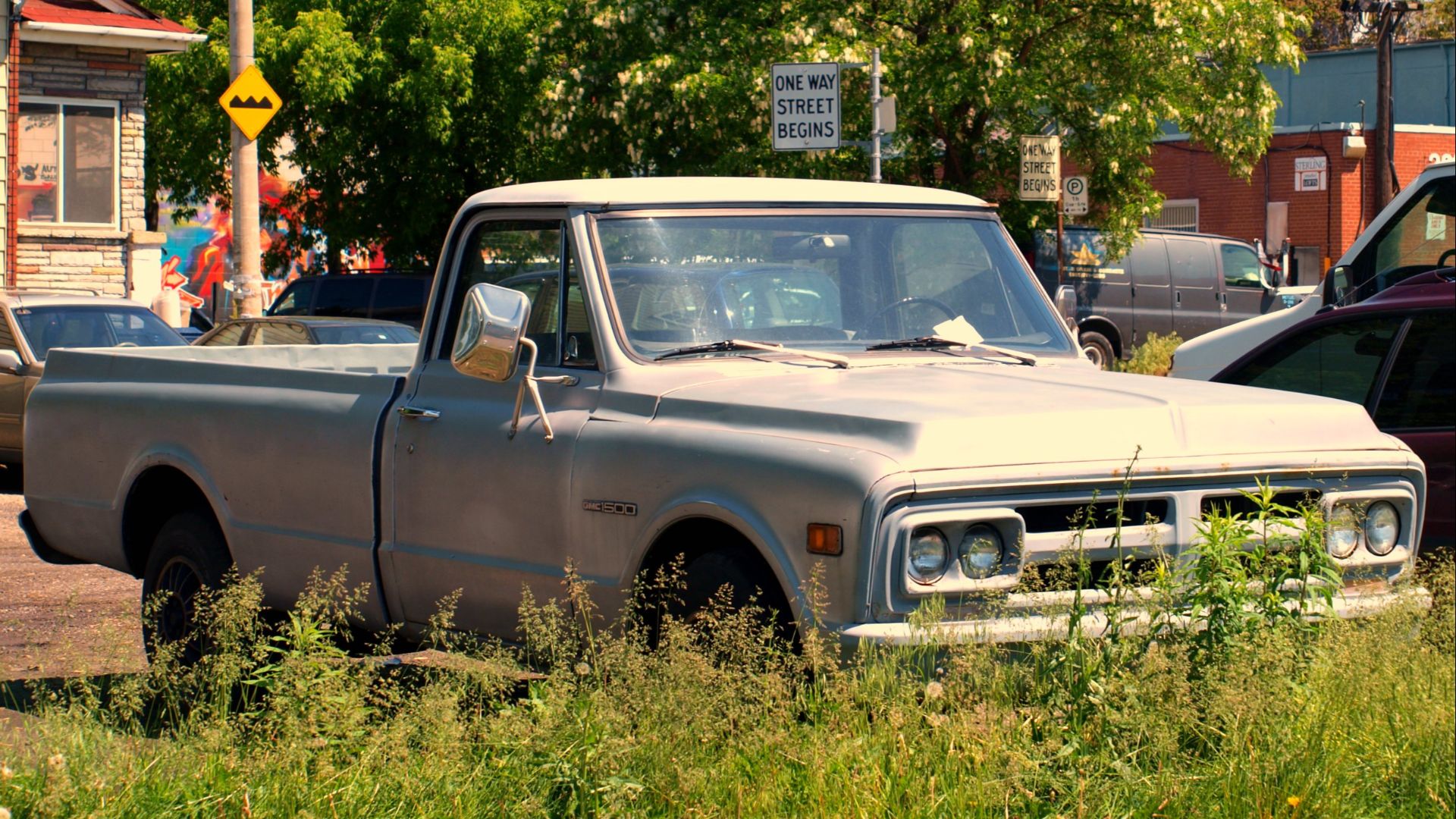
#10. GMC C/K
GMC’s C/K pickups shared much with Chevrolet’s trucks, but their Sierra, High Sierra, and Sierra Classic trims gave them a distinct identity. The redesigned 1973 models brought roomier cabs and more refined interiors. Somehow, Chevrolet’s versions now receive nearly all the nostalgic attention.
 Michael Gil from Calgary, AB, Canada, Wikimedia Commons
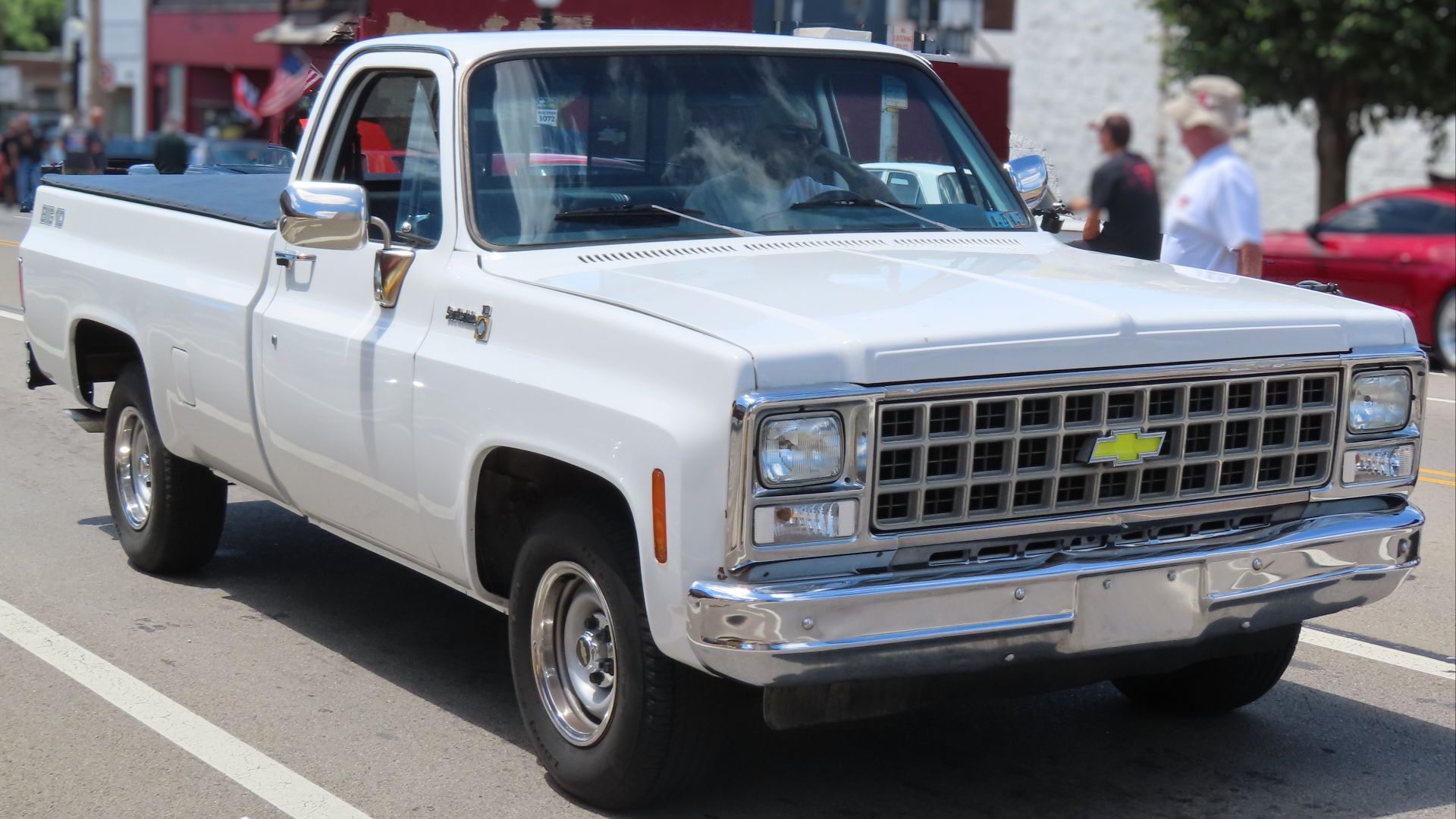
#9. Chevrolet Big 10
Introduced for 1975, the Big 10 used heavier suspension, brakes, and tires to push its gross vehicle weight rating slightly above 6,000 pounds. That classification helped it avoid certain emissions requirements imposed on lighter trucks. It was half-ton comfort with some three-quarter-ton hardware underneath.
 MercurySable99, Wikimedia Commons
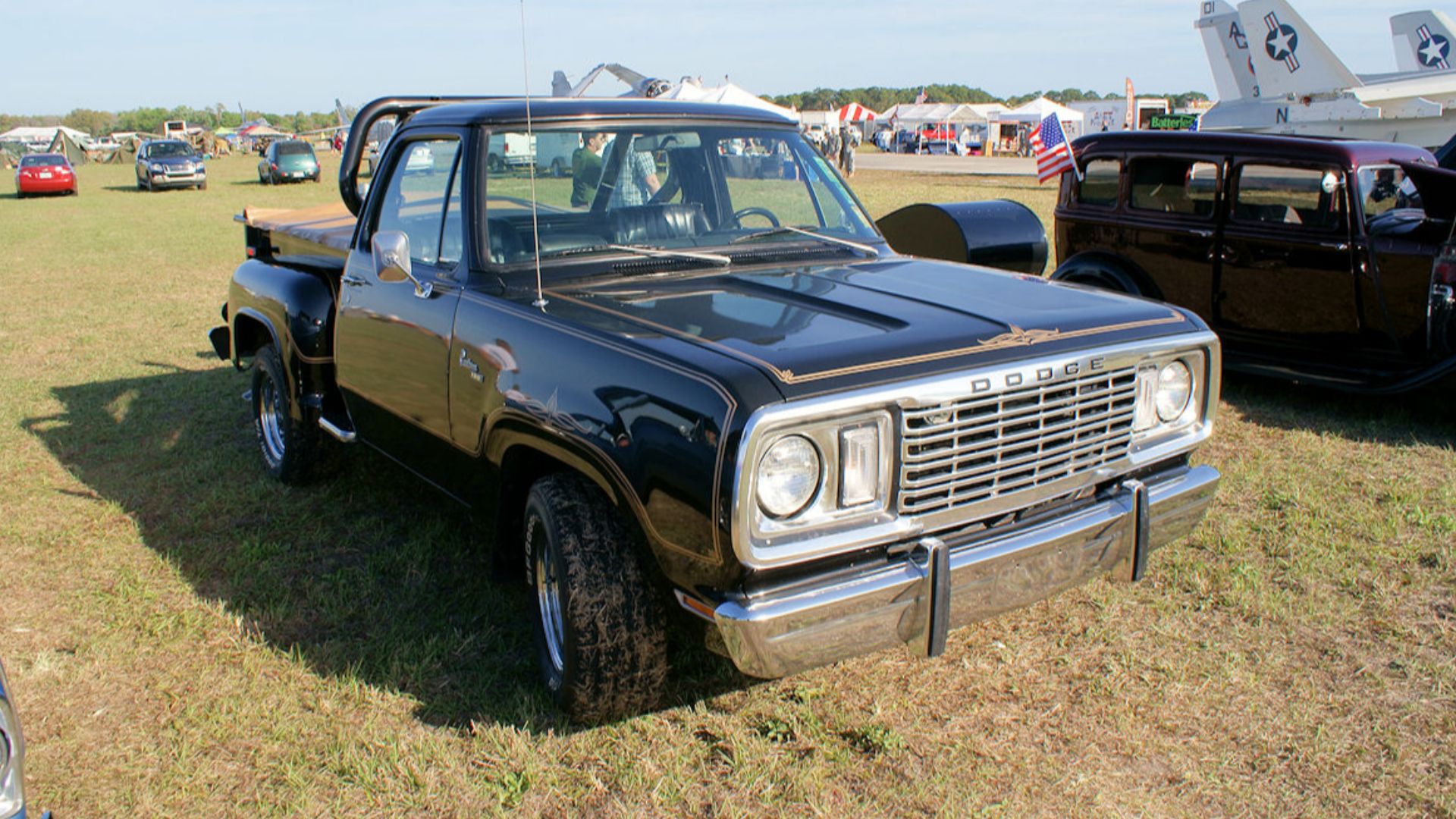
#8. Dodge Warlock
The Warlock took Dodge’s practical pickup and added bucket seats, gold striping, fancy wheels, wooden bed rails, and a wonderfully theatrical name. After appearing as a show vehicle in 1976, it reached regular production for 1977. Nobody bought a Warlock because they wanted to blend in.
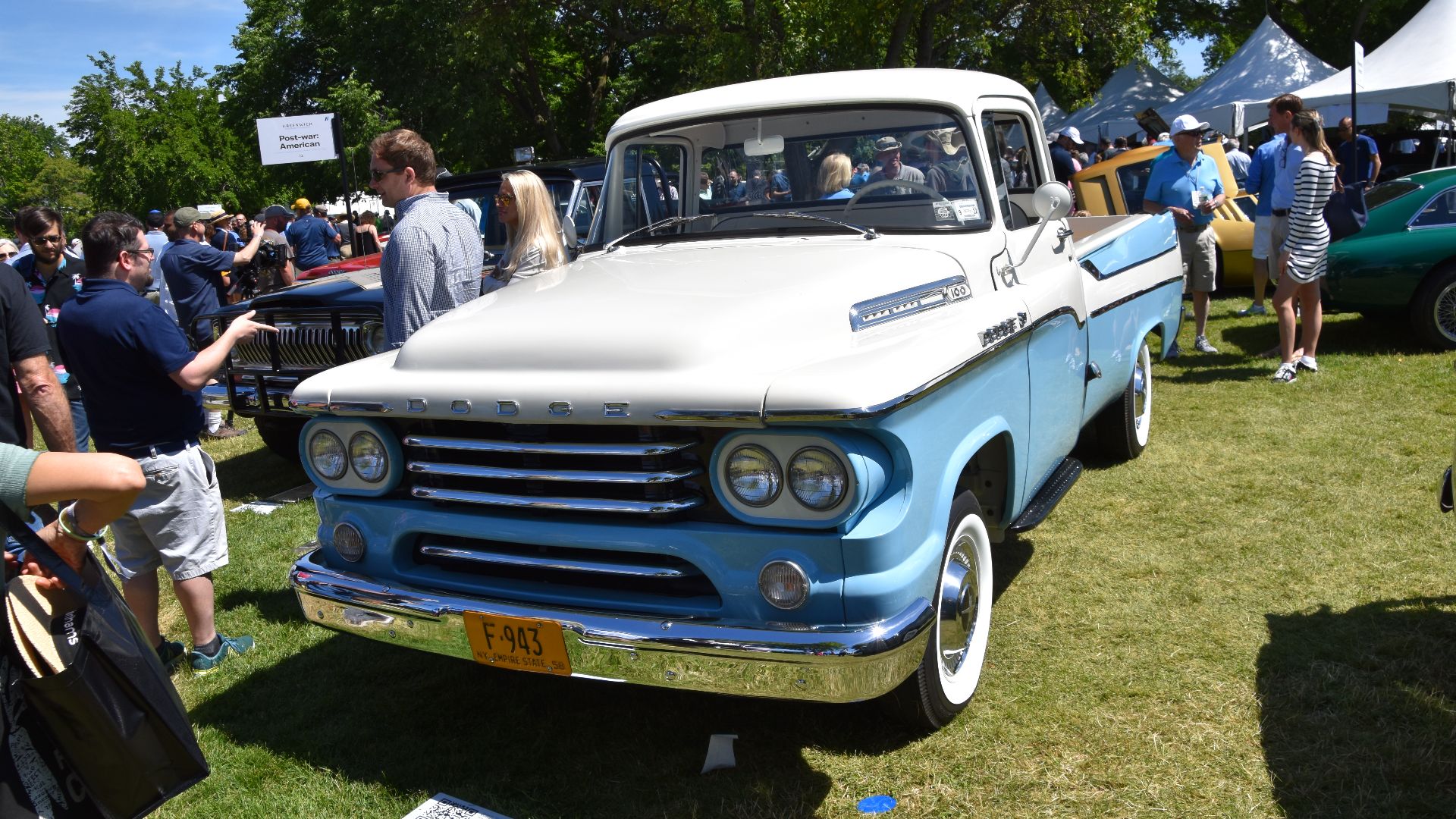
#7. Dodge D100
Redesigned for 1972, the rear-wheel-drive D100 competed against the Ford F-100 and Chevrolet C10. Engines ranged from the famously durable 225 Slant Six to several V8s, including the dependable 318. It worked hard, cost less than some rivals, and rarely received equal bragging rights.
 Charles from Port Chester, New York, Wikimedia Commons
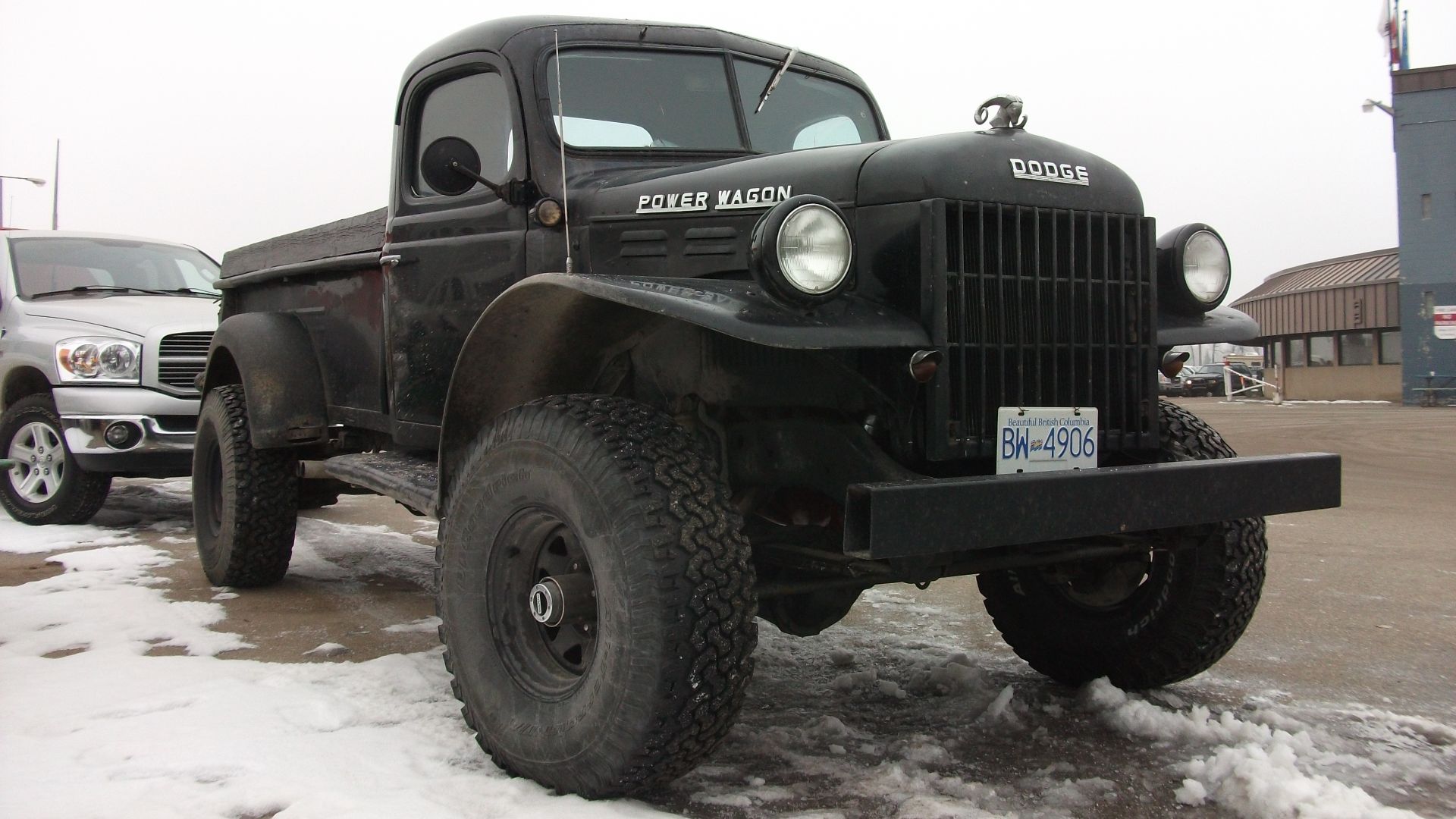
#6. Dodge Power Wagon
Dodge’s W-Series four-wheel-drive trucks carried the legendary Power Wagon name into the 1970s. Their tough axles, tall stance, and available V8 power made them natural choices for farms, snowy roads, and rough job sites. They were built for places where tow trucks feared to wander.
 dave_7 from Lethbridge, Canada, Wikimedia Commons
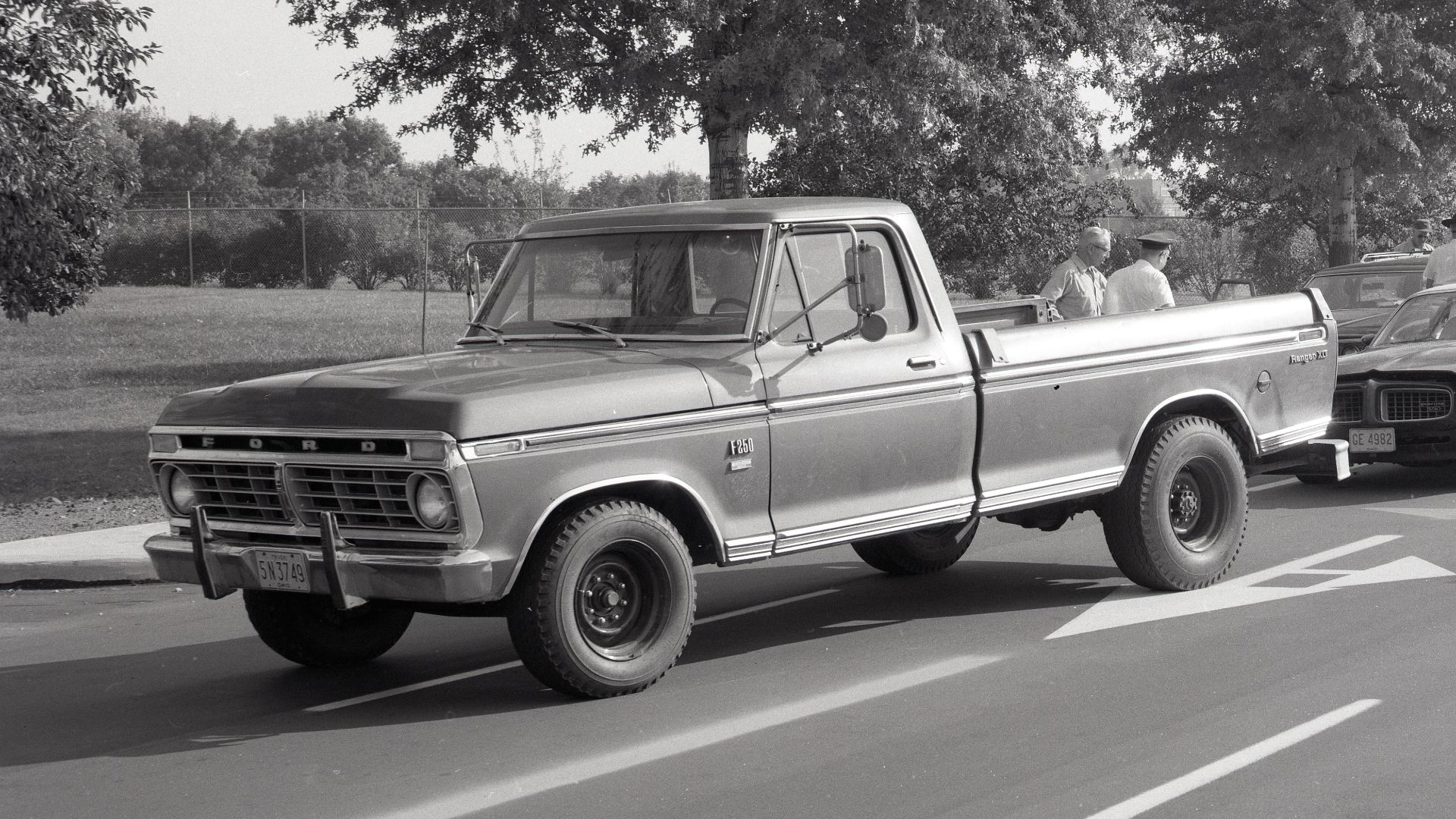
#5. Ford F-250 “Highboy”
Ford never officially called it the Highboy, but truck owners knew exactly what the nickname meant. These F-250 four-wheel drives sat unusually tall and used a separately mounted transfer case. The classic configuration disappeared midway through 1977, creating today’s highly sought-after “Highboy” cutoff.
 Martin Brown, Wikimedia Commons
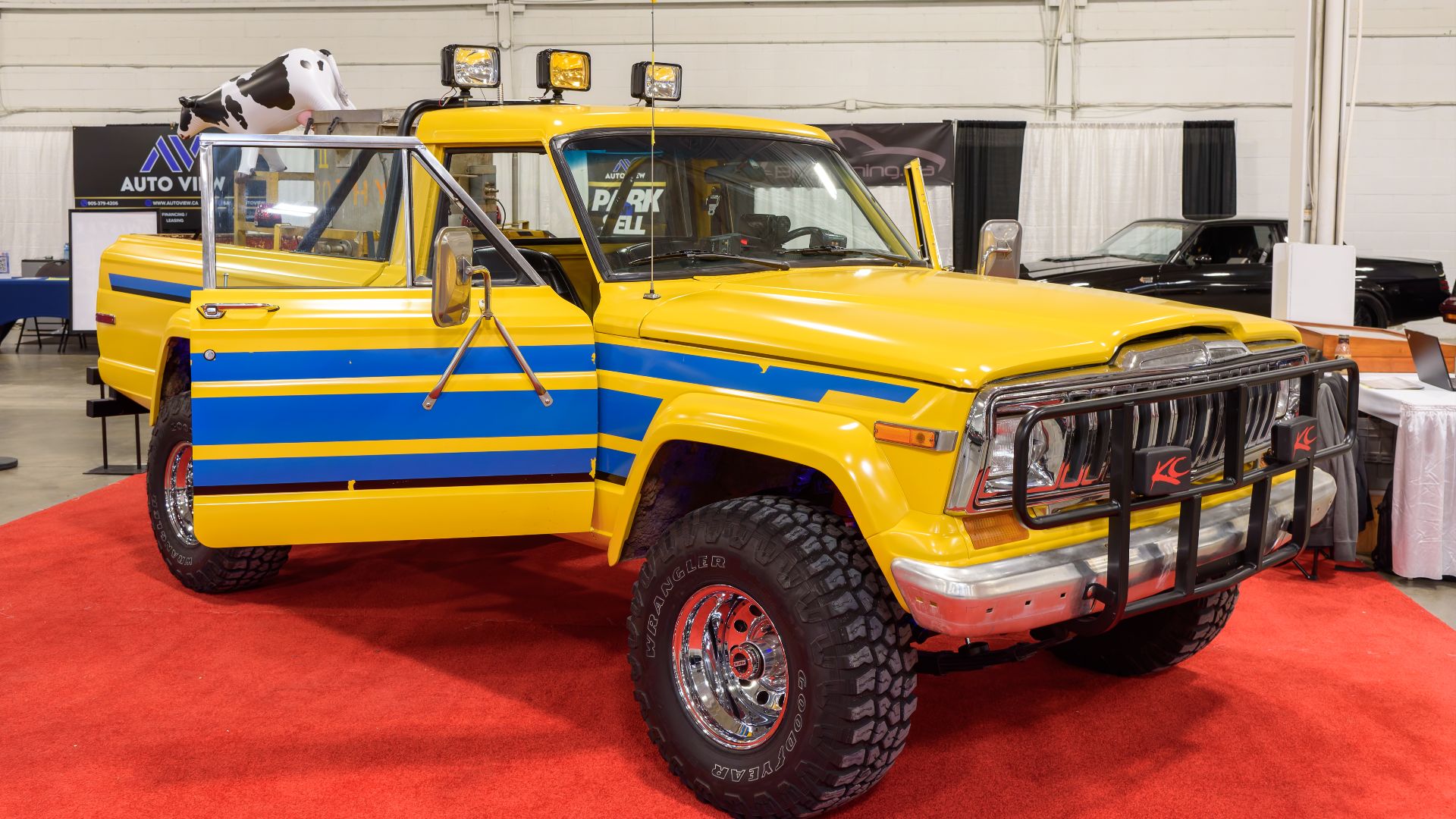
#4. Jeep J-10 Honcho
The colorful Honcho package appeared in 1976 on Jeep’s J-10 pickup. Depending on the version, buyers received bold gold striping, wide wheels, off-road tires, and even Levi’s-branded interior material. It looked ready for an adventure before anyone had invented the word “overlanding.”
 Mustang Joe, Wikimedia Commons
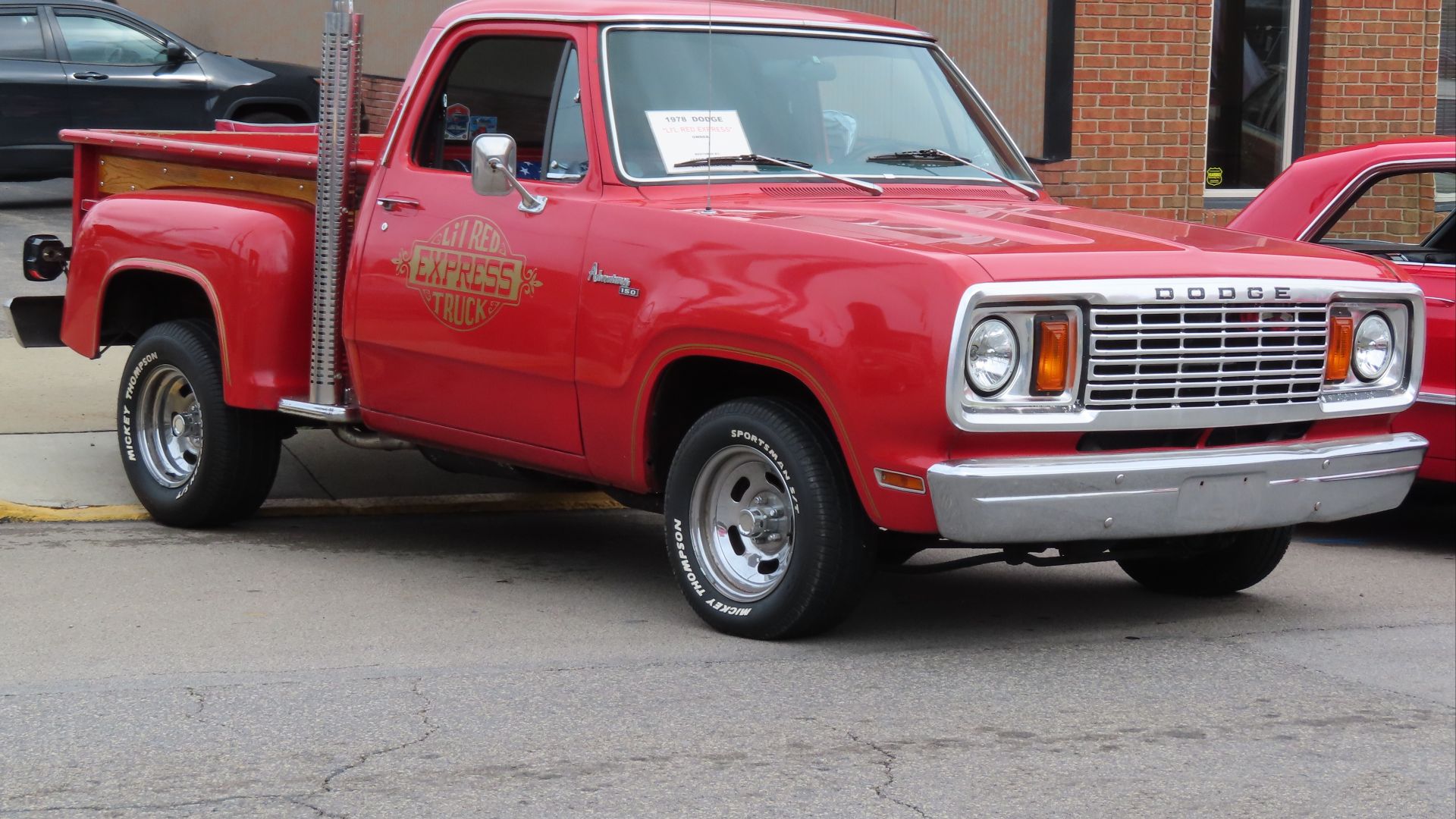
#3. Dodge Li’l Red Express
Dodge turned the pickup world upside down with the Li’l Red Express in 1978. Its 360-cubic-inch V8, bright red paint, wooden bed trim, and vertical exhaust stacks made it impossible to ignore. Only 1978 and 1979 models were built, making survivors increasingly collectible.
 MercurySable99, Wikimedia Commons
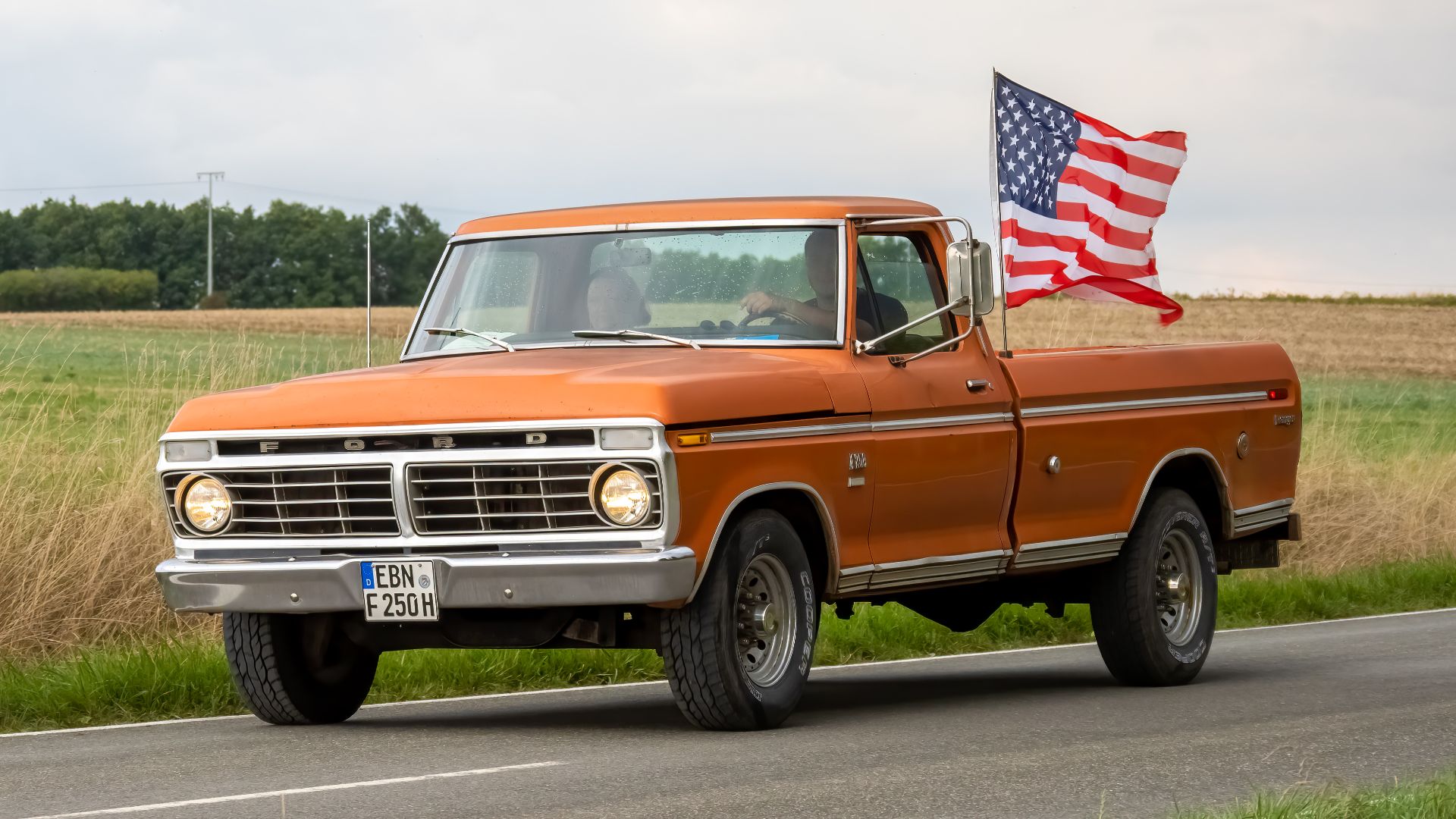
#2. Ford F-100
The F-100 was practically part of the American landscape during the 1970s. A redesigned generation arrived for 1973, and Ford added its first SuperCab for 1974. Whether powered by an inline-six or a burbling V8, these trucks seemed to survive everything except road salt.
#1. Chevrolet C10
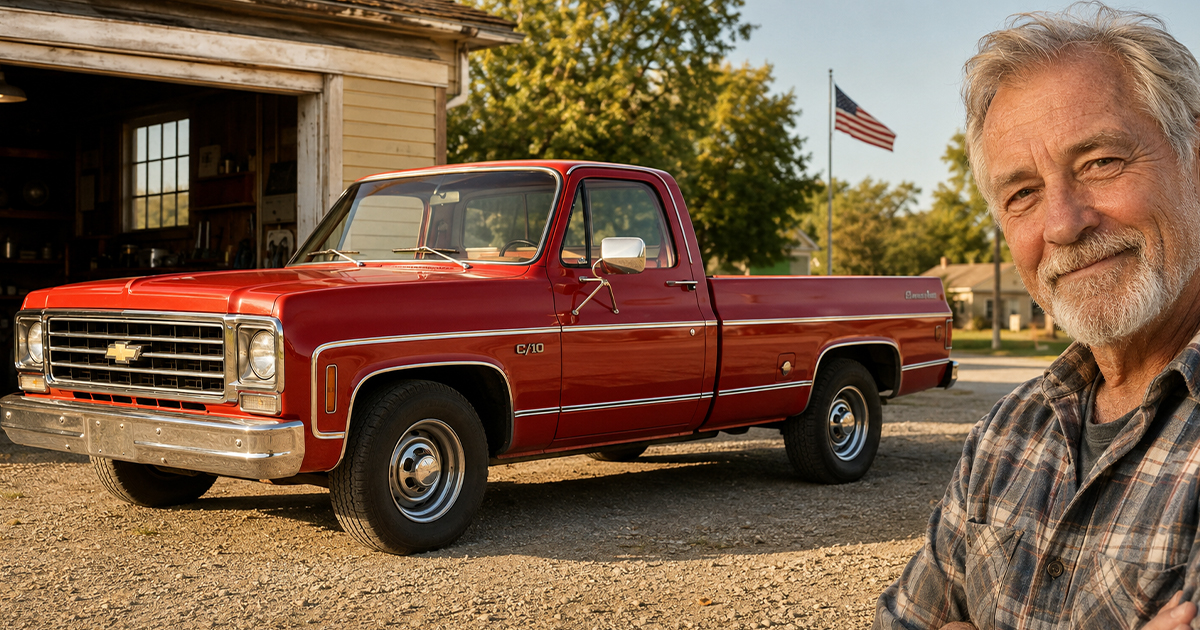
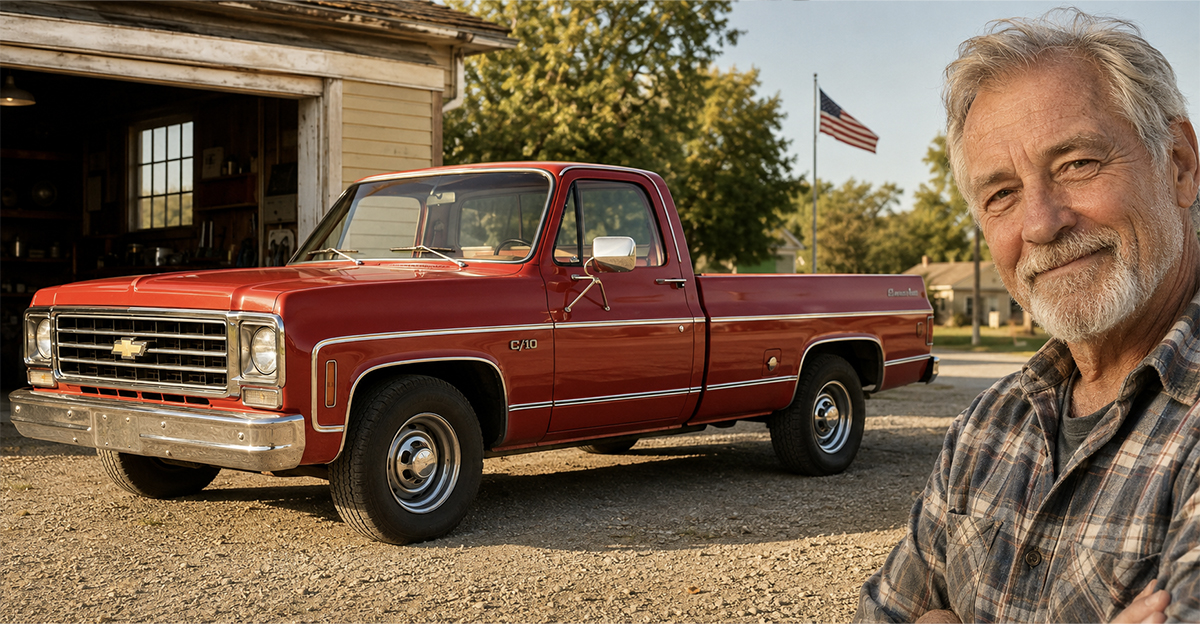
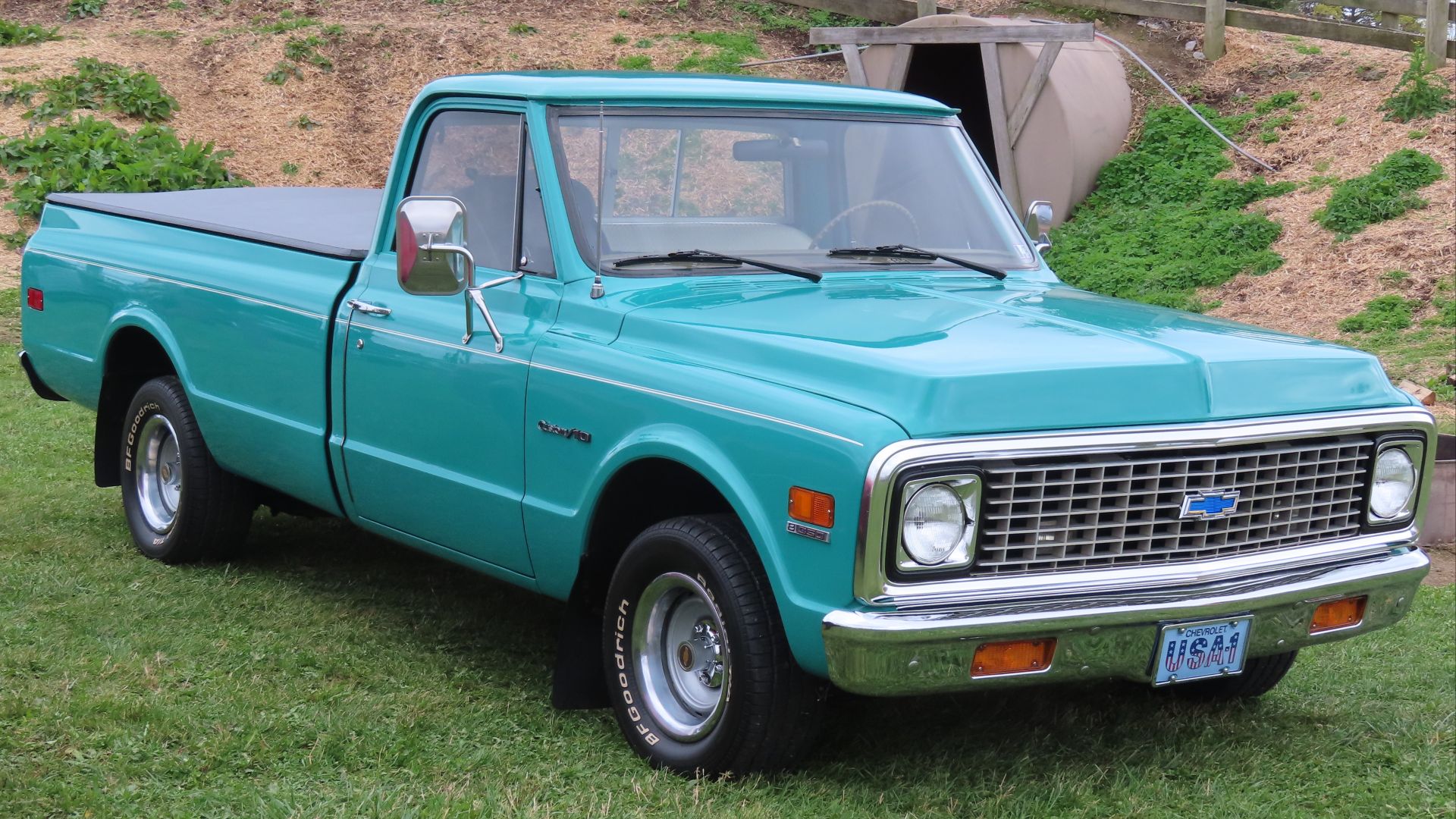
Few trucks define the 1970s quite like the Chevrolet C10. The handsome 1967–1972 generation opened the decade, while the new “Squarebody” arrived for 1973. Available with Stepside or Fleetside beds and engines reaching 454 cubic inches, the C10 turned ordinary work into an American memory.
 MercurySable99, Wikimedia Commons
You May Also Like:
Pickup Trucks That Are Still Running Strong After 400,000 Miles
The Most Reliable Diesel Trucks For 2025, According To Edmunds
Classic Pickup Trucks Are Skyrocketing in Value—Here’s What’s Driving It