
When Your Green Light Turns Into Red And Blue
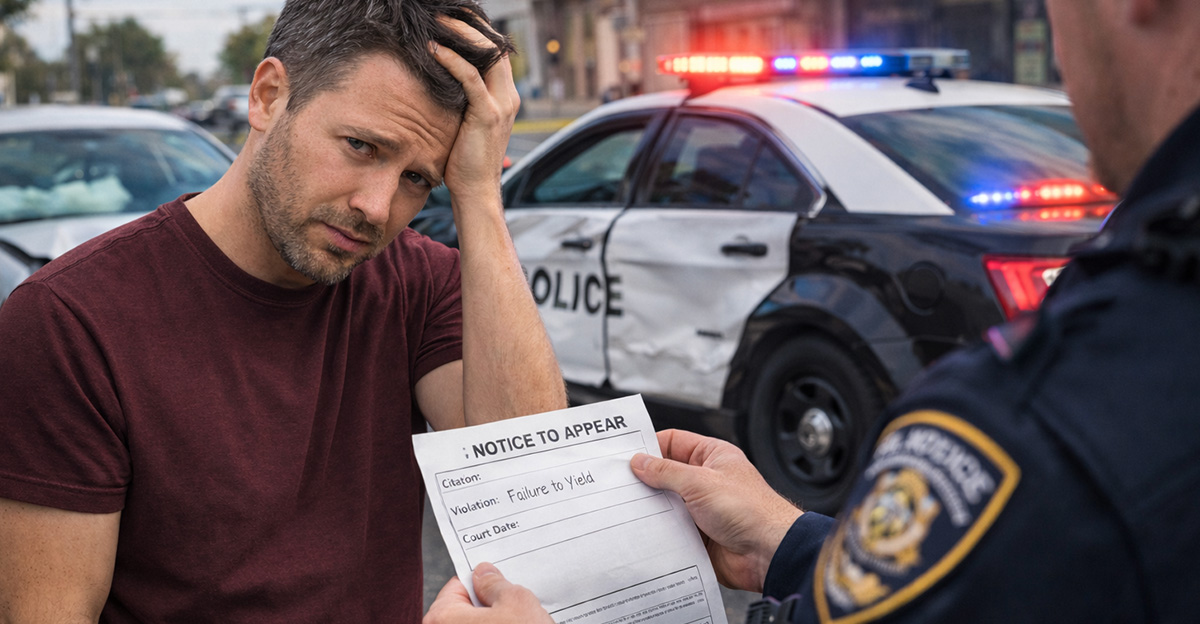
You’re cruising through an intersection on a fresh green light, already thinking about what’s for dinner, when—bam—a police cruiser suddenly veers left in front of you. Crunching metal, flashing lights, and your heart in your throat. Then comes the real gut punch: you get a ticket. Wait… what? You had the green. So now you’re left wondering, did I actually commit a crime? Let’s break down what this situation really means, what your rights are, and what you should do next.
Take A Breath And Check For Injuries
Before you think about tickets, fault, or court dates, check yourself and everyone else for injuries. Call 911 if anyone is hurt and request medical attention. Even if it feels minor, adrenaline can mask pain, and having injuries documented right away is crucial if things escalate legally or financially later on.

Don’t Skip The Scene Basics
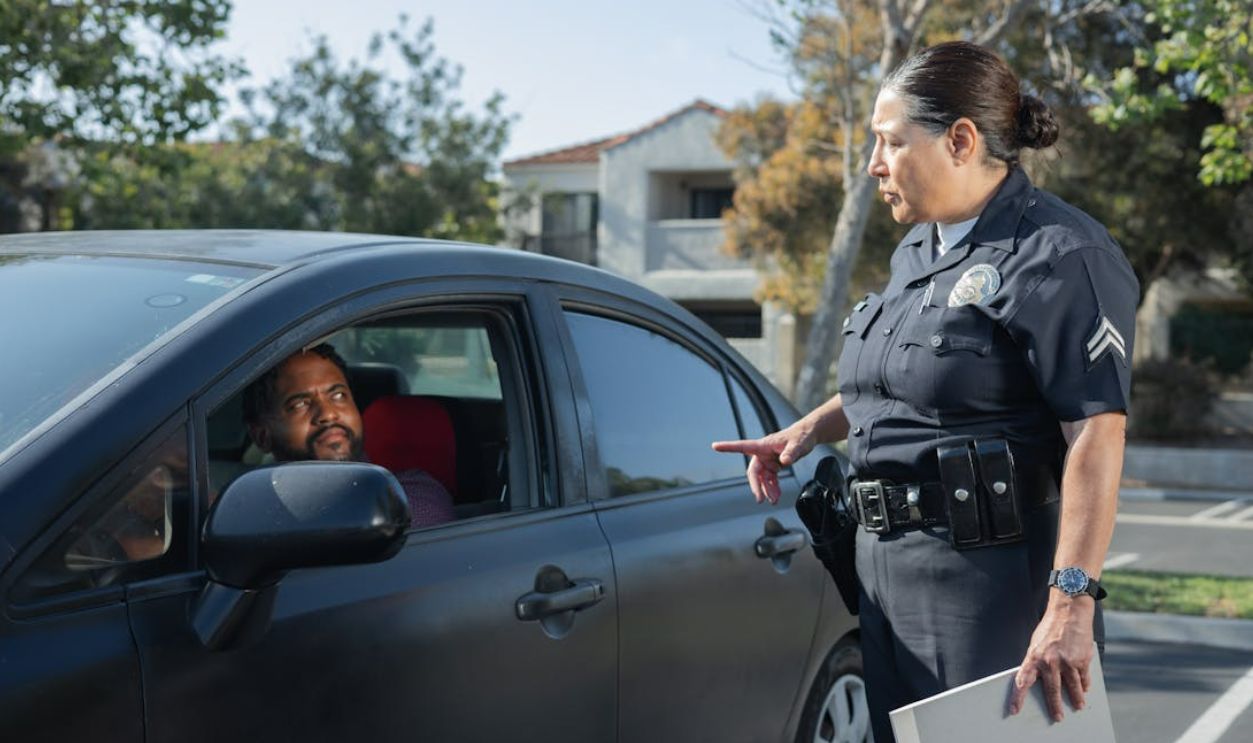
Yes, it’s a police car—but this is still a car accident. Exchange information just like you would with any other driver. Get the officer’s name, badge number, patrol car number, and the police department involved. If another officer responds to the scene, clarify who is writing the report and how you can obtain a copy.
Document Everything Immediately
Use your phone like it’s your legal sidekick. Photograph vehicle damage, skid marks, traffic lights, lane markings, weather conditions, and the intersection from multiple angles. If the cruiser didn’t have lights or sirens activated, note that. The more details you capture, the less you’ll rely on memory later.

Look For Witnesses
Independent witnesses can make or break a case. If anyone saw the crash, politely ask for their name and contact information. Bystanders often disappear once the flashing lights settle down, so move quickly. Neutral third-party accounts can be especially valuable when the other driver is law enforcement.

Check For Traffic Cameras Or Dashcams
Intersections frequently have traffic cameras, and nearby businesses may have surveillance footage. Ask around immediately and request that footage be preserved. If you or the police vehicle had a dashcam, that footage could be key evidence in determining what really happened.
Understand What The Ticket Actually Says
Not all tickets are created equal. Were you cited for failure to yield? Reckless driving? Improper turn? The specific charge matters. Most traffic tickets are infractions—not crimes—but some can rise to misdemeanor levels depending on the allegation and your state’s laws.

Traffic Infraction Versus Criminal Offense
Here’s the big distinction: a traffic infraction (like running a red light) is typically not a crime—it’s a violation that may carry fines and points. A criminal offense involves intent or dangerous conduct and may lead to a court appearance or even a criminal record. The wording on your citation will tell you which category you’re dealing with.

Green Light Doesn’t Always Mean Go No Matter What
Even with a green light, drivers still have a duty to avoid collisions if possible. If the police car was responding to an emergency with lights and sirens activated, you may legally be required to yield—even if you technically had the right of way. That nuance is where many disputes begin.
Was The Officer Responding To An Emergency?
This question is crucial. If lights and sirens were active, most states require drivers to yield immediately. However, if the cruiser suddenly turned without signals or emergency equipment activated, that changes the analysis significantly. Your evidence and witness statements will matter here.

Police Officers Aren’t Automatically At Fault—Or Automatically Right
Contrary to popular belief, officers are not immune from traffic laws. They can be found at fault in accidents. However, they are granted certain legal privileges when responding to emergencies. The key question becomes whether those privileges were properly exercised.
Get The Official Accident Report
Request a copy of the crash report as soon as it becomes available. Review it carefully. Does it accurately describe what happened? Are there errors or missing details? If something seems off, you may be able to file a supplemental statement or correction.
Notify Your Insurance Company Promptly
Even if you believe you weren’t at fault, notify your insurer right away. Delaying could complicate your claim. Provide them with all documentation, photos, and witness contacts. Let them handle communication with the police department’s insurance or risk management office.

Understand Government Liability Rules
When you’re in an accident with a government vehicle, different rules may apply. Many states have specific procedures and shorter deadlines for filing claims against public entities. Missing those deadlines could bar you from recovering damages entirely.

Consider Consulting A Traffic Attorney
If you received a citation—or if fault is being disputed—it’s wise to consult a traffic attorney. Many offer free consultations. They can explain whether the ticket is purely civil or carries criminal implications and help you evaluate whether fighting it makes sense.

Decide Whether To Fight The Ticket
You generally have the option to plead guilty and pay the fine or contest the ticket in court. Paying the ticket may be convenient, but it can also be treated as an admission of fault, which could impact your insurance premiums or any civil claims.

Gather Your Evidence For Court
If you choose to contest the citation, organize your evidence like you’re building a mini documentary. Photos, diagrams, timestamps, witness statements, and any available video footage should all be neatly prepared. Clear, calm presentation goes a long way in traffic court.

Subpoenaing Video Or Officer Testimony
In some cases, your attorney may subpoena dashcam footage or radio dispatch logs to confirm whether the officer was responding to an emergency. These records can clarify whether lights and sirens were activated at the time of the crash.

Don’t Forget About Insurance Premiums
Even if the ticket isn’t criminal, it could add points to your license and raise your insurance rates. Fighting a questionable citation may save you hundreds—or thousands—over the long run if it prevents a fault finding on your driving record.

Separate The Ticket From The Accident Claim
The traffic ticket and the insurance claim are related but distinct processes. You could win in traffic court and still face insurance disputes—or vice versa. Treat each track carefully and make decisions strategically.
 Collins Media KS, Shutterstock
Know Your Right To Due Process
You are entitled to contest the ticket, review evidence, question witnesses, and present your side. Even if the other driver is a police officer, you still have the same constitutional rights as any other defendant in traffic court.

Stay Professional And Calm
Emotions can run high in situations involving law enforcement. Stay polite and composed in all interactions. Aggression or hostility won’t help your case and could complicate matters unnecessarily.
 Fractal Pictures, Shutterstock
Watch The Deadlines
Traffic citations come with response deadlines, and government claims often have strict notice requirements. Mark every date on your calendar. Missing a filing deadline could eliminate your ability to contest the ticket or recover damages.

When It Might Actually Be A Crime
In rare cases, a citation could involve allegations like reckless endangerment or evading an emergency vehicle, which may be misdemeanors. If your ticket includes court-mandated appearances or mentions criminal statutes, consult an attorney immediately.
 Photo By: Kaboompics.com, Pexels
Protect Yourself Financially
Keep copies of all repair estimates, medical bills, rental car receipts, and correspondence. If the police vehicle was at fault, you may be entitled to compensation—but documentation will be your strongest ally.
 Karolina Grabowska www.kaboompics.com, Pexels
What If You Truly Did Nothing Wrong?
If evidence clearly shows the officer turned improperly without emergency signals and you had the green light, you may have strong grounds to challenge both the ticket and liability finding. Courts rely on facts—not assumptions about who wears the badge.

The Bigger Picture Of Fault
Car accidents are rarely black and white. Some states apply comparative fault rules, meaning responsibility can be shared. Even if you’re found partially responsible, that doesn’t automatically make you criminally liable.
Wrapping It All Up Without Flashing Lights
So, did you commit a crime? In most cases, probably not—most traffic tickets are civil infractions, not criminal charges. But the details matter, especially when a police vehicle is involved. The smartest move is to document everything, understand the exact charge, consult legal guidance if needed, and respond within deadlines. A green light may have started this mess, but informed decisions will help you steer it toward the best possible outcome.

You May Also Like:
When A Detroit Designer Built A Car Entirely Out Of Soybeans
The True Origin Of The Term ‘Muscle Car’—And Who Really Invented It