A Simple Mistake Became A Legal Problem
You accidentally hit a parked car. Though you tried to find the owner of the parked car, you had no luck. Thinking you’d done what you reasonably could, you left the scene. Now you’re being charged with a hit-and-run, and what you thought was a minor incident has suddenly turned into a serious legal and financial situation.

Leaving The Scene Can Be A Crime
In most jurisdictions, leaving the scene of an accident involving property damage without taking the proper steps is considered a hit-and-run. Even if no one was hurt, the law usually requires you to stop, identify yourself, and make a reasonable effort to inform the vehicle owner or authorities before you leave the scene.
What The Law Typically Requires You To Do
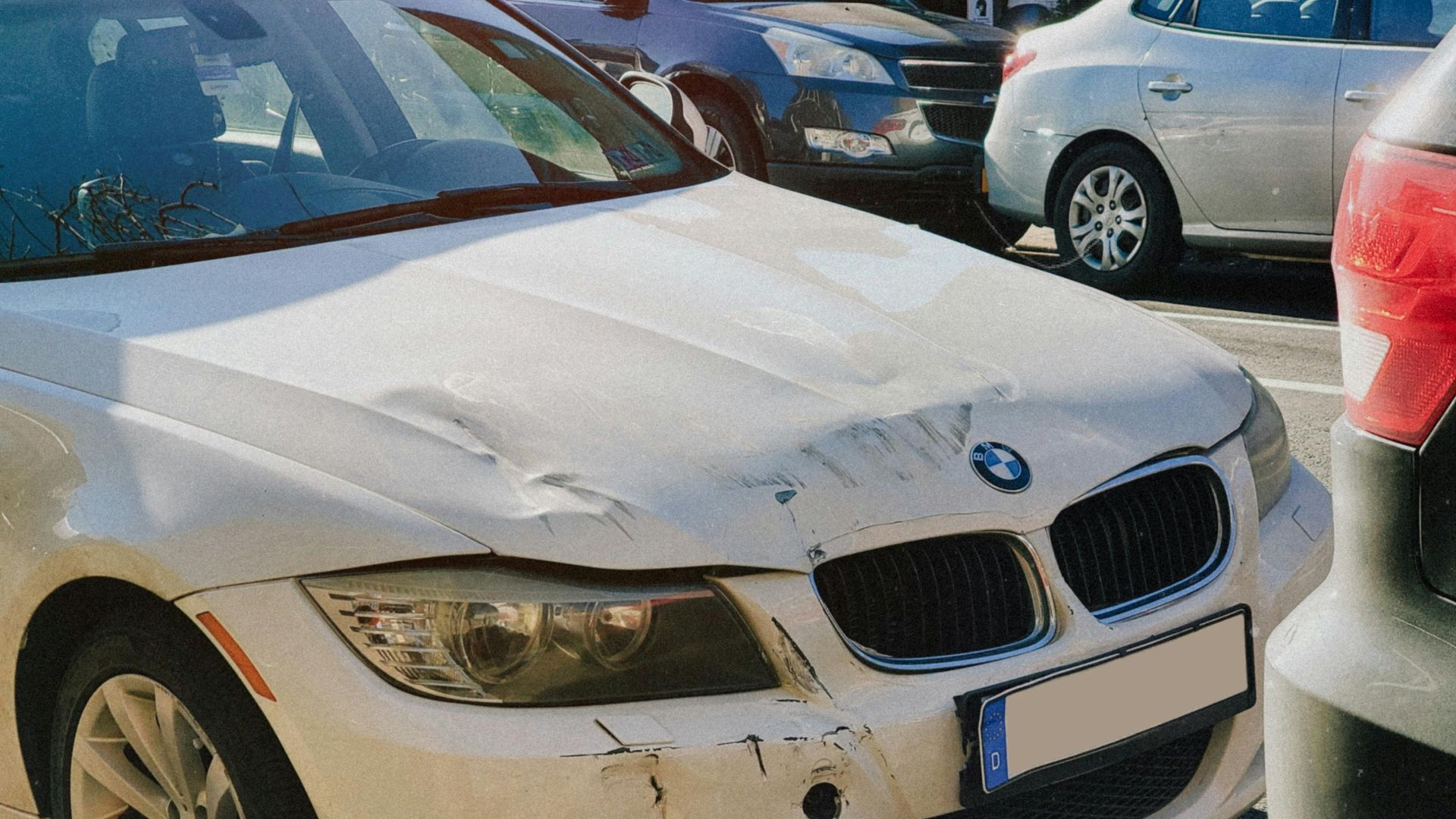
After hitting a parked car, you’re generally expected to stop right away, assess the damage, and try to locate the owner of the other vehicle. If the owner can’t be found, many states require that you leave a written note with your contact and insurance information in a visible place on the damaged vehicle.
Importance Of Leaving A Note
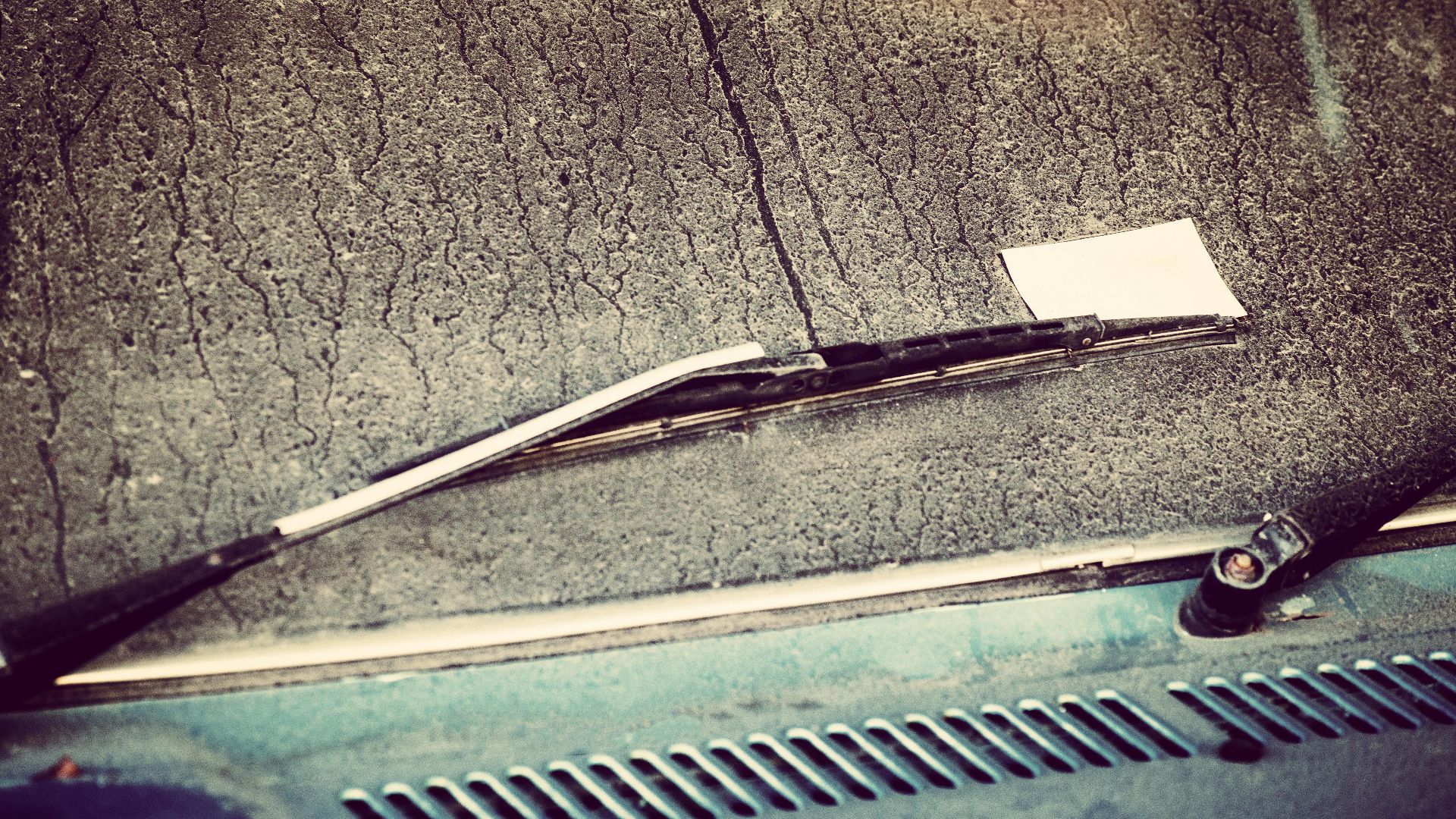
Failing to leave a note is one of the most common reasons drivers face hit-and-run charges in these kinds of minor-damage situations. A simple written notice with your name, phone number, and insurance details can indicate that you weren’t trying to avoid responsibility and may greatly lower your legal exposure.

When To Contact The Police
If you can’t locate the owner and aren’t sure about next steps, contacting local law enforcement is often your best bet. Filing a report generates an official record of the incident and shows that you acted in good faith rather than trying to leave unnoticed.

Why You May Still Be Charged
Even if your intentions were good, if you fail to follow the exact legal steps you could still end up getting charged. Law enforcement often focuses on whether proper procedures were followed rather than your intent. That’s why these situations can escalate so quickly in spite of all your efforts to do the right thing.
Role Of Surveillance And Witnesses
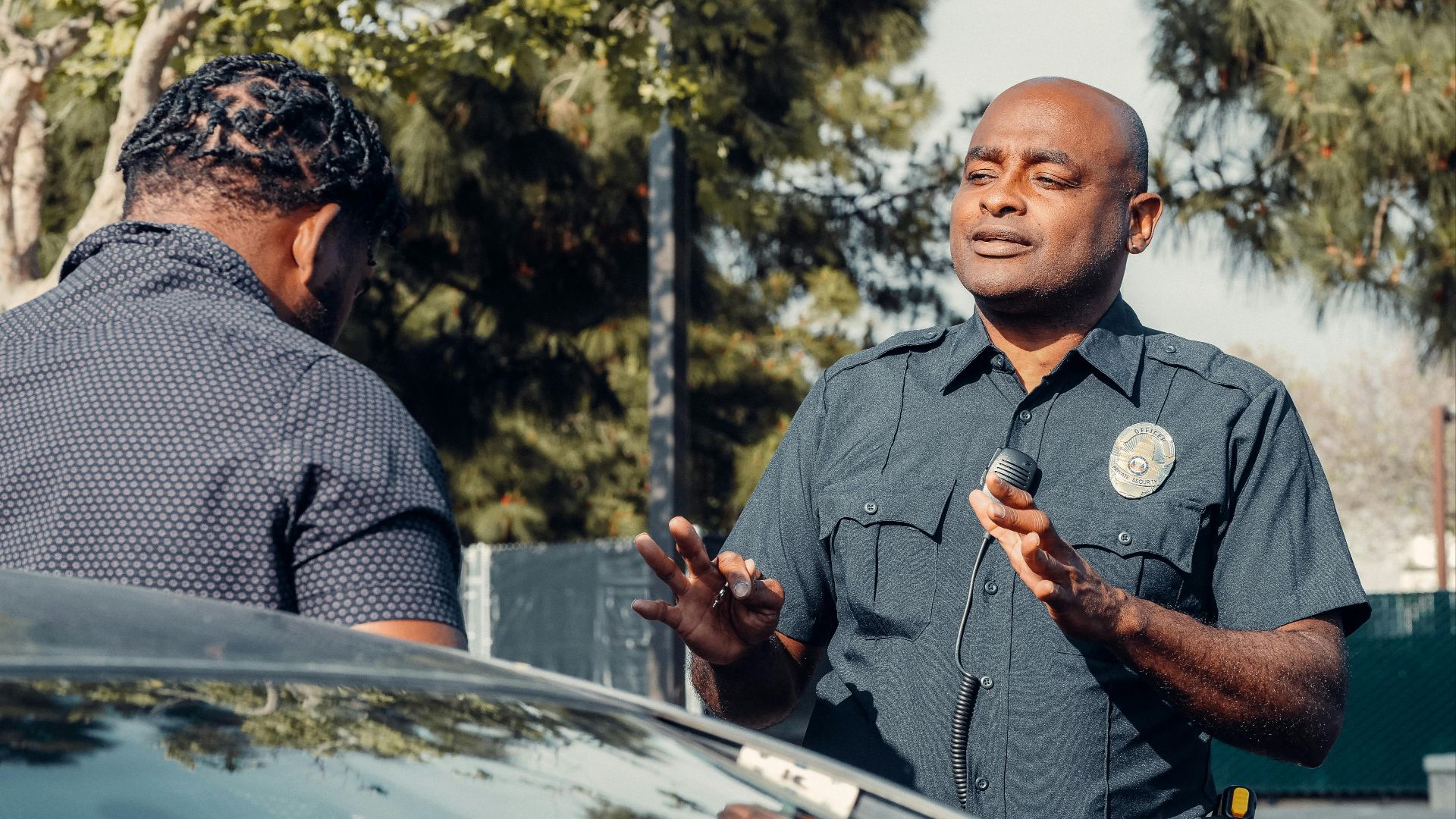
Parking lots, residential streets, and businesses often have cameras or witnesses who may have seen the incident. This evidence can lead to you being identified after the fact. Once authorities figure out that you left without proper notice, they may pursue hit-and-run charges based on that evidence.

How Serious The Charge Can Be
A hit-and-run involving only property damage is typically treated as a misdemeanor, but penalties can still include fines, points on your license, increased insurance rates, and even possible license suspension depending on your jurisdiction and driving record.
Contact Your Insurance Company Fast
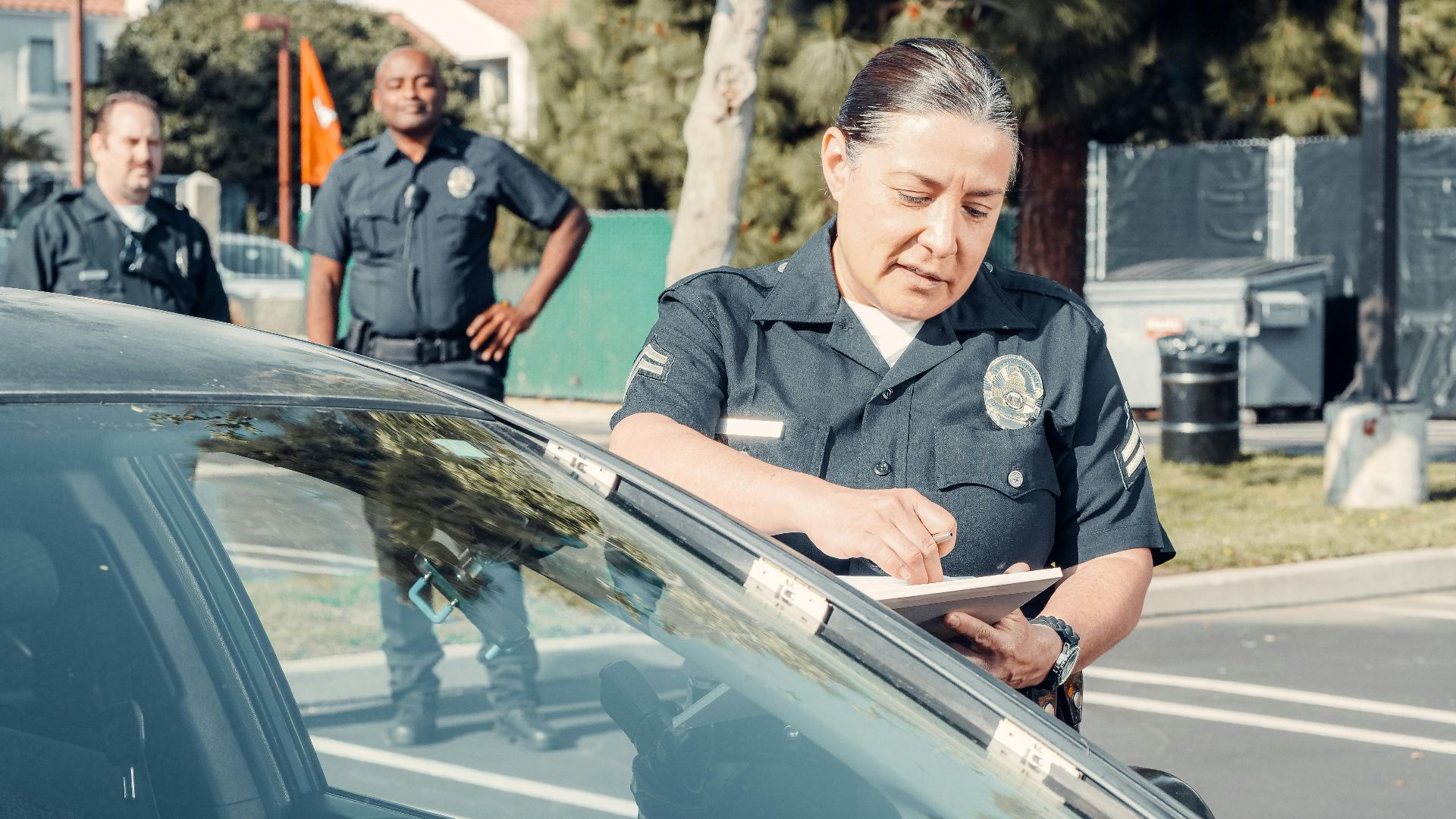
You should let your insurance company know what happened as soon as possible. Reporting the incident promptly shows transparency and may help your insurer handle any damage claims. Delaying notification can complicate your coverage or give the insurer grounds to question your claim.

Don’t Ignore The Charge
Ignoring a hit-and-run charge will only make the situation worse. Not responding to a citation or court notice can bring additional penalties, including warrants or further license issues. Taking the matter seriously from the start gives you the best chance of resolving it in your favor.

Consider Speaking With An Attorney
Even though this may seem like a minor incident, a hit-and-run charge can have lasting consequences. Consulting with a traffic or criminal defense attorney can help you understand your options, estimate the strength of the case against you, and potentially reduce or dismiss the charges.

Your Intent Still Matters
While the law focuses primarily on your actions, your intent can still play a role in how the case is handled. If you made an honest attempt to find the owner or were unsure of the proper procedure, this could be considered by prosecutors or judges when determining penalties or negotiating outcomes.

Gather Any Evidence Of Your Efforts
If you made any attempt to locate the owner, such as asking nearby residents or checking local businesses, make sure you document those efforts. Even informal attempts can help demonstrate that you weren’t trying to evade responsibility, which may support your defense.
Be Careful What You Say
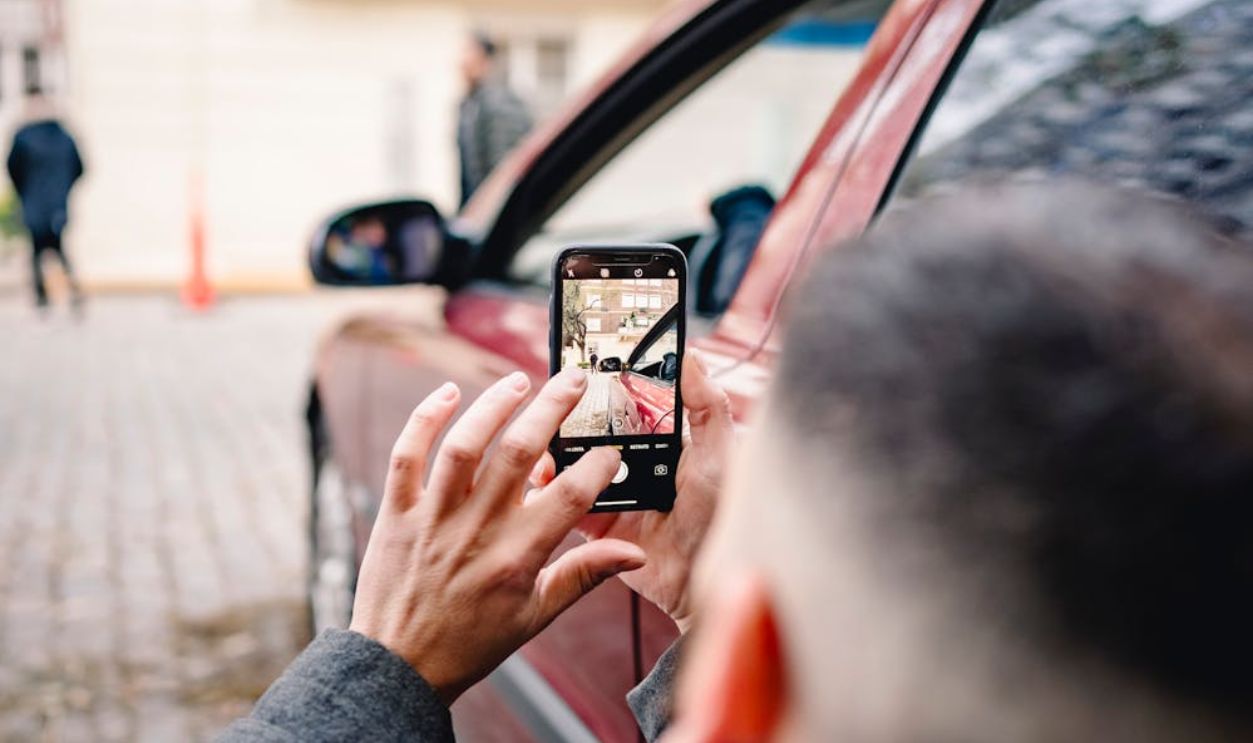
If you talk with law enforcement or insurance representatives, stick to clear and factual statements. Avoid speculating or admitting fault in any way that could be misinterpreted. It is often a good idea to seek legal advice before giving detailed statements about the incident.

Understand The Insurance Impact
A hit-and-run charge can increase your insurance rates by a lot, even if the damage was minor. Insurers may look on that as a higher-risk behavior, leading to increased premiums or changes to your coverage terms after the claim is processed.

Possible Ways To Resolve The Case
Depending on your record and the circumstances, you may have options to resolve the charge through fines, traffic school, or diversion programs. In some cases, charges can be reduced if you show responsibility and cooperate fully with authorities.

Prevent This Situation In The Future
If you’re ever involved in a similar situation again, the safest approach is just to leave a detailed note and contact local authorities right away. Take both steps to ensure that you meet legal requirements and protects you from misunderstandings that can lead to charges.
 Daniel Ramirez, Wikimedia Commons
Why Small Incidents Can Escalate Quickly
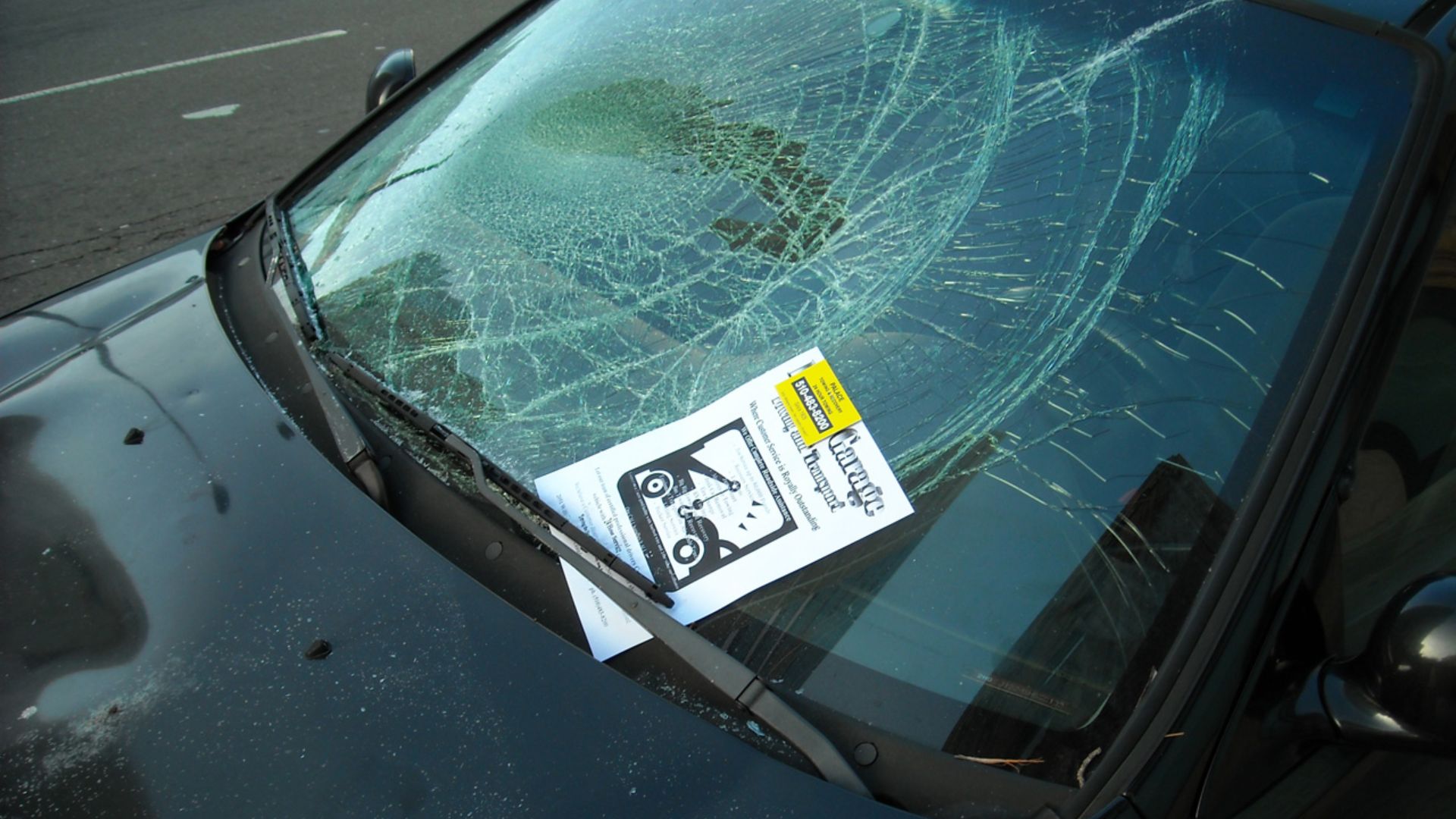
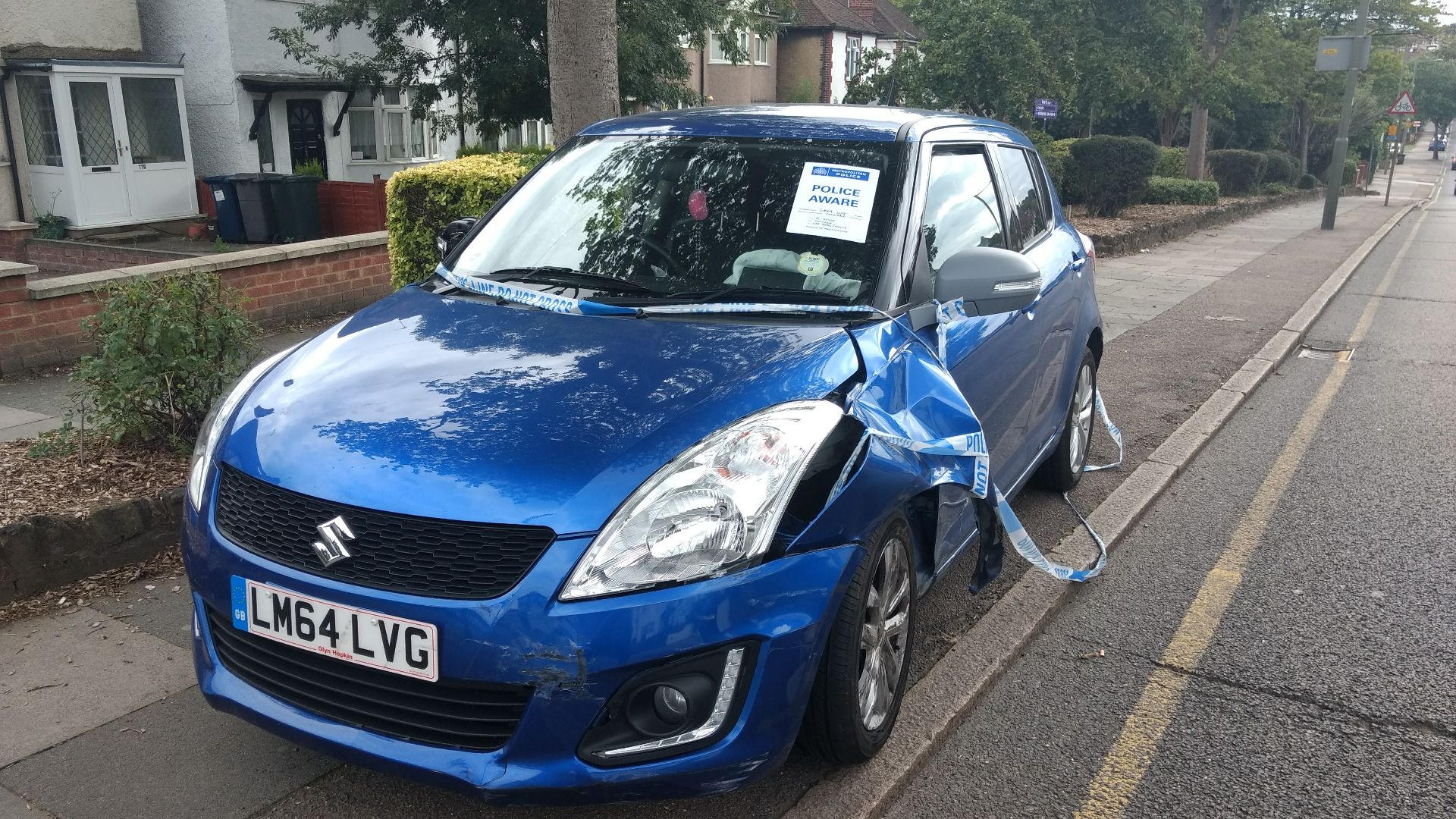
What starts out as a minor parking lot accident can quickly morph into a legal issue if proper procedures are not followed. Understanding how quickly these situations escalate can help you take the right steps in the future and avoid unnecessary complications.
 Philafrenzy, Wikimedia Commons
Staying Calm And Taking Action
Facing a hit-and-run charge can feel overwhelming, but staying calm and taking proactive steps is key. Address the issue promptly, seek guidance if needed, and focus on resolving the situation rather than reacting emotionally to the stress.

Bottom Line On Hit-And-Run Situations
Even if you never intended to leave the scene improperly, failing to follow required steps bring you some serious consequences. Locally no one was hurt in the accident. But the best path forward is to respond quickly, document everything, and handle the situation responsibly to minimize legal and financial impact.

You May Also Like:
I went through a car wash and now my roof leaks, which wasn’t happening before. Who’s responsible?