When Your Roof Started Leaking After A Car Wash
You went through a routine brush car wash expecting a clean car, not a water leak from the roof. Now you’ve noticed moisture where there was none before. Understanding who’s financially responsible is not a simple matter. Is it your insurance, the car wash owner’s liability insurer, or no one at all? Let’s break this down.
 Jacques Durocher, AdobeStock; Factinate
How Car Wash Damage Can Happen
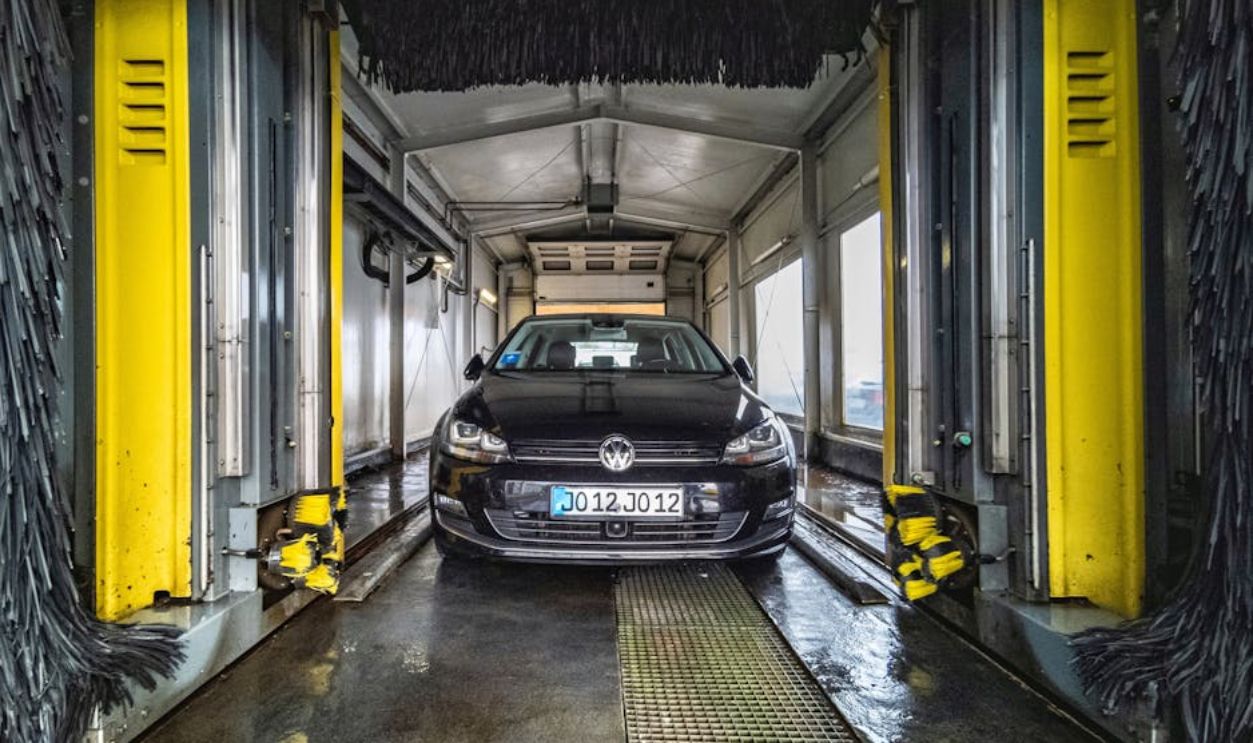
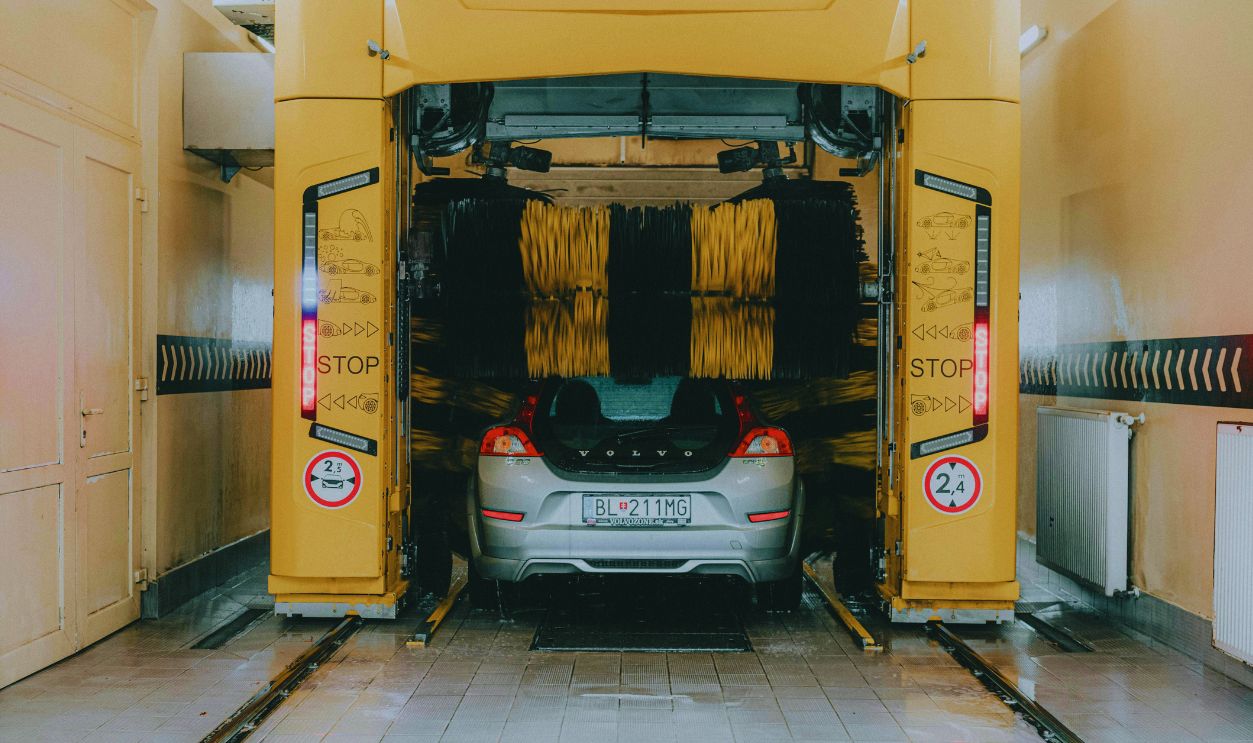
Automatic car washes use machinery, brushes, rollers, and powerful sprays. If any of these components are misaligned, worn, or malfunctioning, they can damage seals, trim, or weatherstripping that perform the important function of keeping water out of your car. Sometimes water leaks happen because a seal was weakened or because equipment placed too much pressure on a previously tight area.
First Step: Inspect And Document
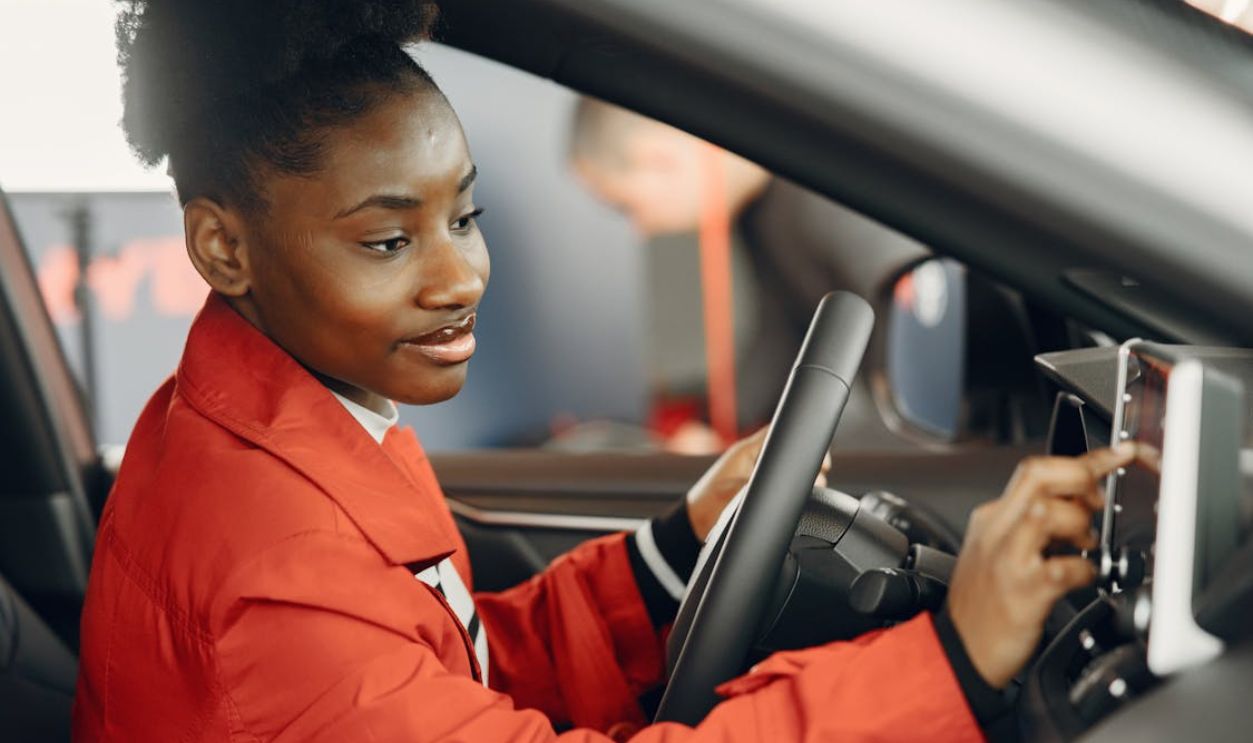
Before you drive off the car wash property, do a thorough inspection of your vehicle. Check inside the cabin for moisture and on the exterior for any dents or misaligned trim. Take detailed photos from multiple different angles and note the time. Immediate documentation generates a stronger record if you need to file a complaint or insurance claim later.
Report Damage Immediately
Notify car wash management as soon as you notice the issue. Ask them to complete an incident report and request a copy. Getting their acknowledgment while you’re still on the property helps you establish that the leak was connected to the wash process rather than some other event that happened after you drove away.

Request Security Footage
If security cameras are installed, request that the staff preserve and set aside the footage of your vehicle. Video evidence could show whether brushes struck your roof or whether water pressure appeared to be excessive. It’s important to act quickly on this because many businesses overwrite their surveillance recordings within days.

Review Any Posted Waivers
Many car washes post signs or print disclaimers that state they’re not responsible for damage. But these kinds of posted waivers often don’t protect a business from real negligence. If poor maintenance or malfunctioning equipment caused the problem, those signs don’t necessarily automatically shield them from liability.

See Whether Equipment Malfunctioned
If a brush was misaligned, a roller struck your antenna, or a moving component caught a roof seam, that could indicate some kind of maintenance failure. Evidence of malfunction strengthens your case that the business is responsible rather than just the ordinary wear on your vehicle.
 Helena Jankovicova Kovacova, Pexels
Check Your Insurance Coverage
Comprehensive coverage typically pays for non-collision damage, including certain water intrusion claims. If you carry that level of protection, you could file a claim while responsibility gets sorted out. Review your deductible and policy details before make that decision, though.

Understand Subrogation
If your insurer pays for repairs, they may later pursue reimbursement from the car wash’s insurer. This process is what’s known as subrogation. You may first pay the deductible, but you could recover it if your insurance company successfully collects from the business.

When Car Wash Insurance May Apply
If clear evidence shows that the car wash’s equipment caused the damage, you can pursue compensation straight from the car wash’s commercial liability insurer. This would allow repairs to be paid without using your own coverage or affecting your claim history.

Liability Laws Differ
Liability standards and enforceability of waivers vary depending on your state or province. Some regions have stronger consumer protections than others, especially if negligence is involved. Research local laws or talk to an attorney if the financial impact is significant.

Be Prepared For The Business To Deny Responsibility
It’s common for a car wash to deny fault and suggest that the leak was already there. That’s why immediate documentation is so important. Photos, timestamped images, witness statements, and incident reports can all counter a denial.

Capture Before And After Evidence
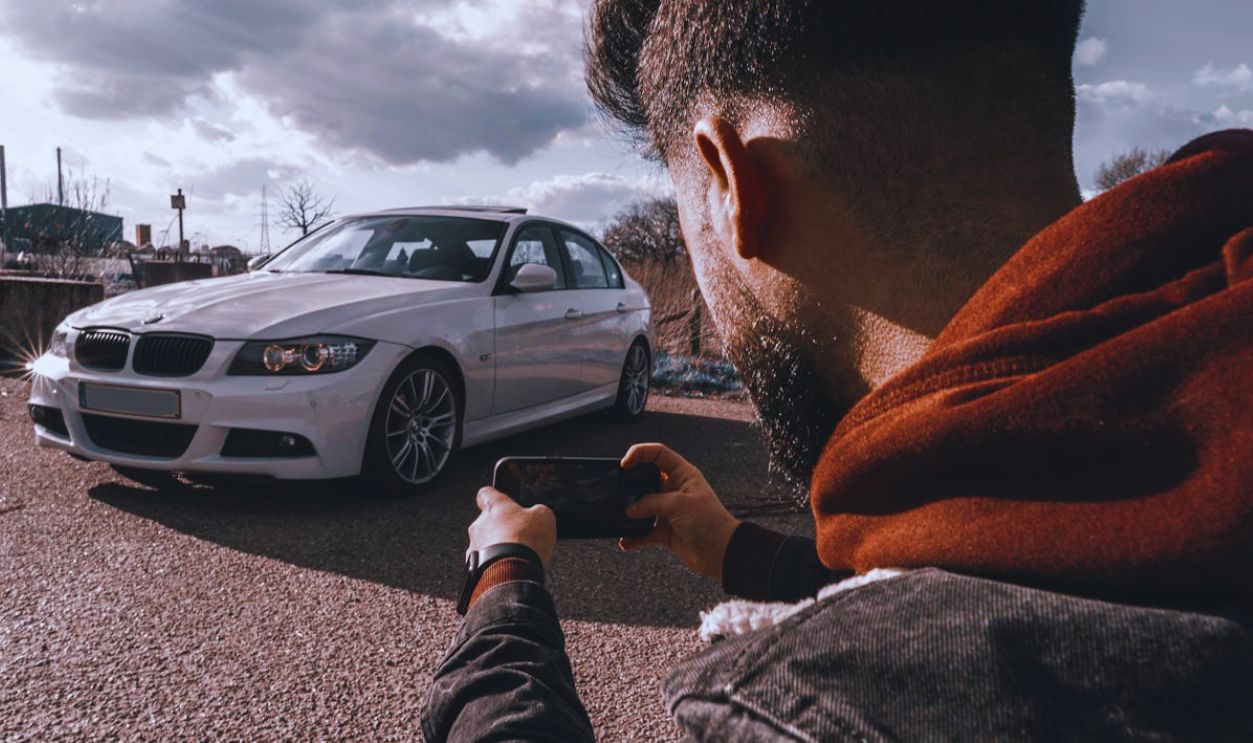
In the future, if possible, take quick photos of your vehicle before you enter an automatic wash and again afterward. This habit gives you clear visual proof of any change and strengthens your future claims if damage occurs.
Consider Garagekeepers Insurance
Some car wash operators carry garagekeepers insurance, which covers vehicles while in their care or control. If they maintain this policy, it may apply to your specific situation and handle the repair costs directly.

Don’t Delay Filing A Claim
Whether you plan to contact your insurer or the business, report the damage as soon as you can. Delays may weaken your position because opposing parties can argue that something else caused the leak after you left the property.

Evaluate The Repair Costs
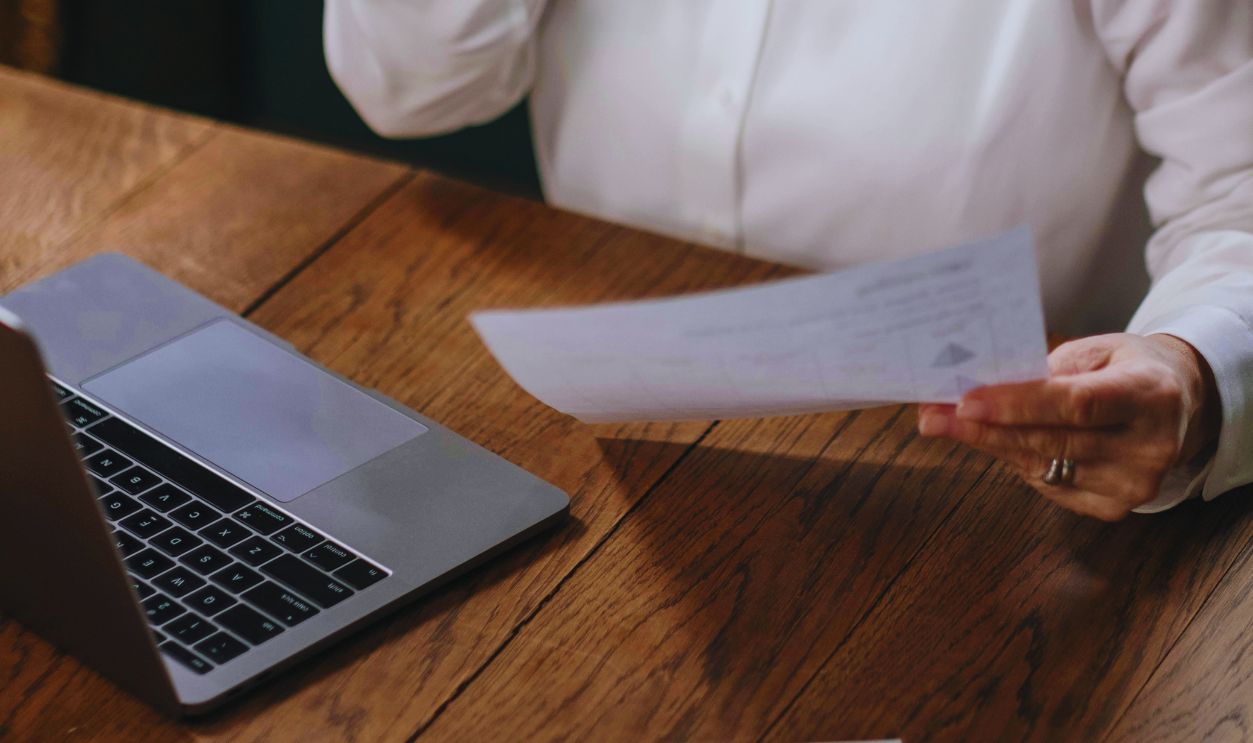
Roof leaks can range from minor seal replacement all the way up to more expensive headliner and electrical damage. Get a written repair estimate so you understand the financial impact before you rush off to involve insurance or pursue the business directly.
Watch For Preexisting Wear Arguments
Both insurers and car washes may claim the leak resulted from aging weather seals rather than their own actions. If your vehicle had no previous history or signs of leaks, emphasize that in your documentation and maintenance history.

Small Claims Court
If the repair cost is manageable but the business still won’t cooperate, small claims court might be the way to go. Courts frequently look at whether a business exercised reasonable care in maintaining its equipment.

Protect Your Communication
Always keep communication professional and in writing. Avoid emotional accusations or finger-pointing, and just stick to the facts. Clear, calm documentation shows you’re acting reasonably and this gives you the best possible position if the dispute continues.

Decide If Using Insurance Makes Sense
If the damage is minor and less than your deductible, filing a claim may not even be worth it. Balance the deductible cost, potential rate impact, and the time involved against just paying for the repair.

Prevent Future Issues
If your vehicle has older seals, custom roof components, or sunroof assemblies, consider touchless washes or hand washing in the future. Taking preventative steps can lower your risk of similar water intrusion problems later.
You May Also Like: