The Short Answer Is Yes
Automatic headlights are a convenience feature, not a substitute for the driver’s judgment. You generally remain responsible for using the legally required lights, even when the automatic system fails to activate them. The precise requirements and penalties depend on where you are driving.
Why Automatic Lights Can Miss Bad Weather
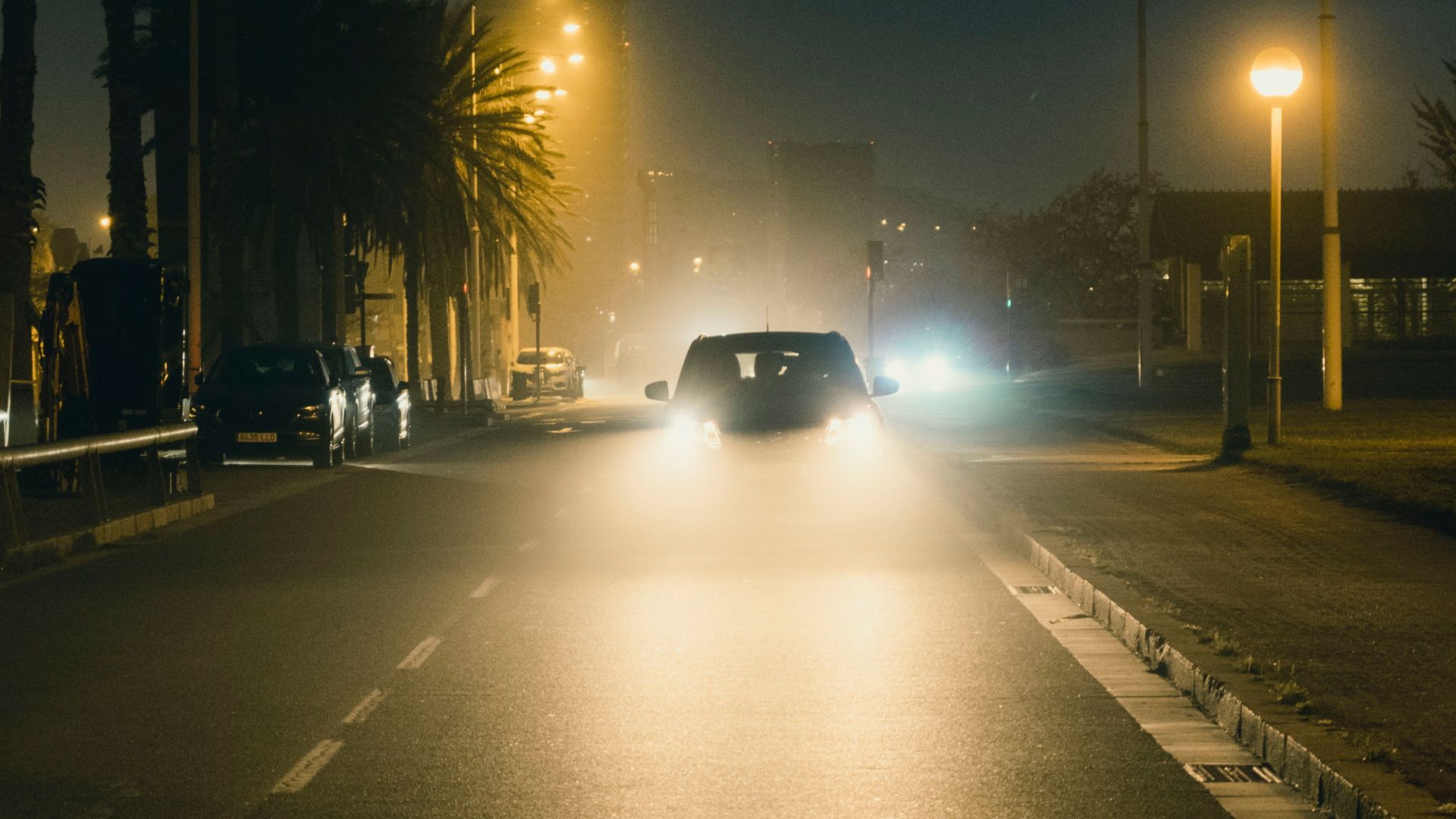
Most automatic headlights respond primarily to the amount of ambient light detected by a sensor. Fog, snow, mist, and daytime rain can severely reduce visibility without making the sky dark enough to trigger the system. Your car may therefore remain on daytime running lights when full lighting is needed.
Daytime Running Lights Are Not Enough
Daytime running lights make the front of a vehicle easier to see during daylight hours. They may provide less forward illumination than low beams, and some vehicles do not illuminate their taillights with them. They are insufficient for darkness or bad weather.
The Dashboard Can Be Misleading
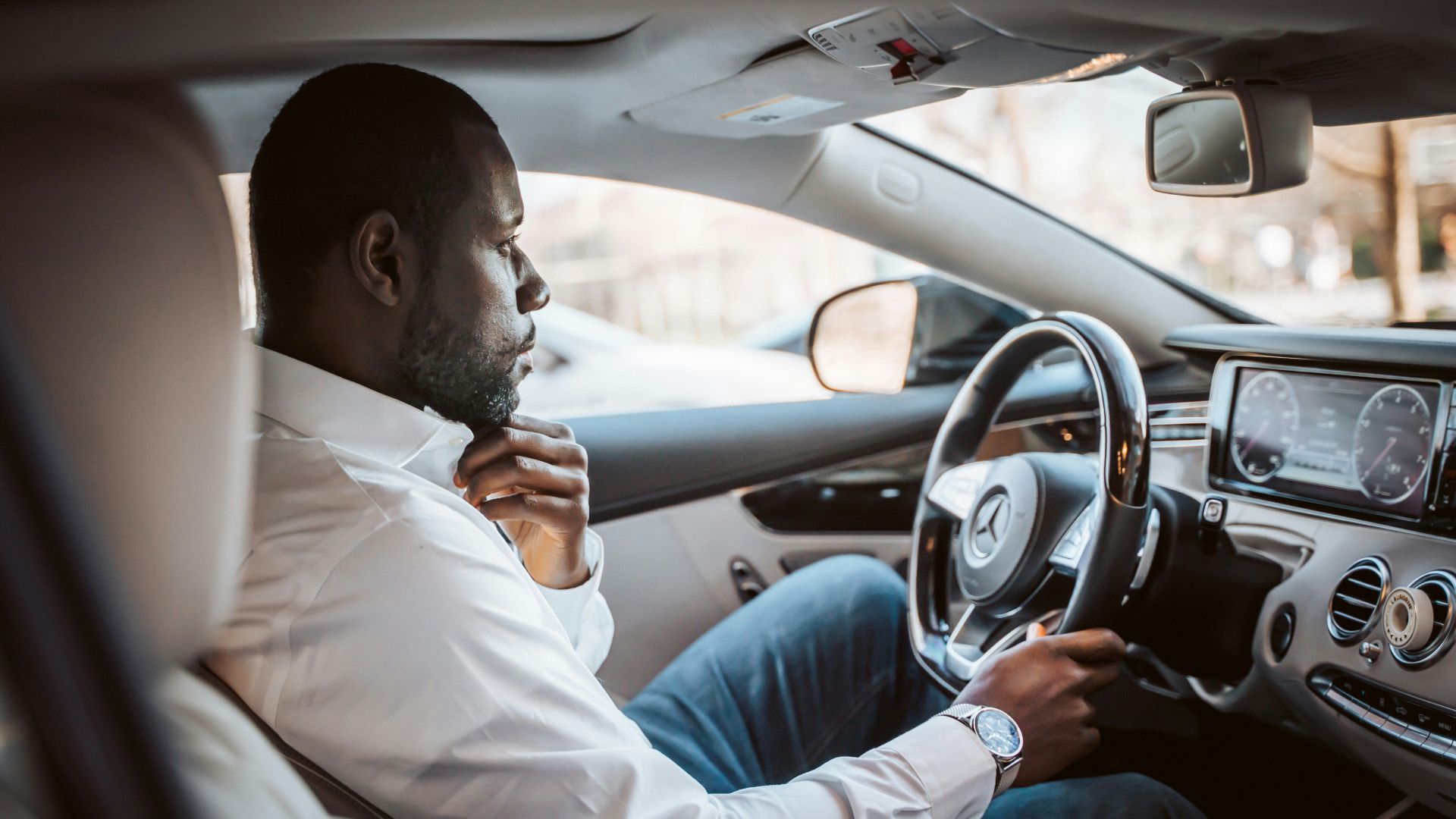
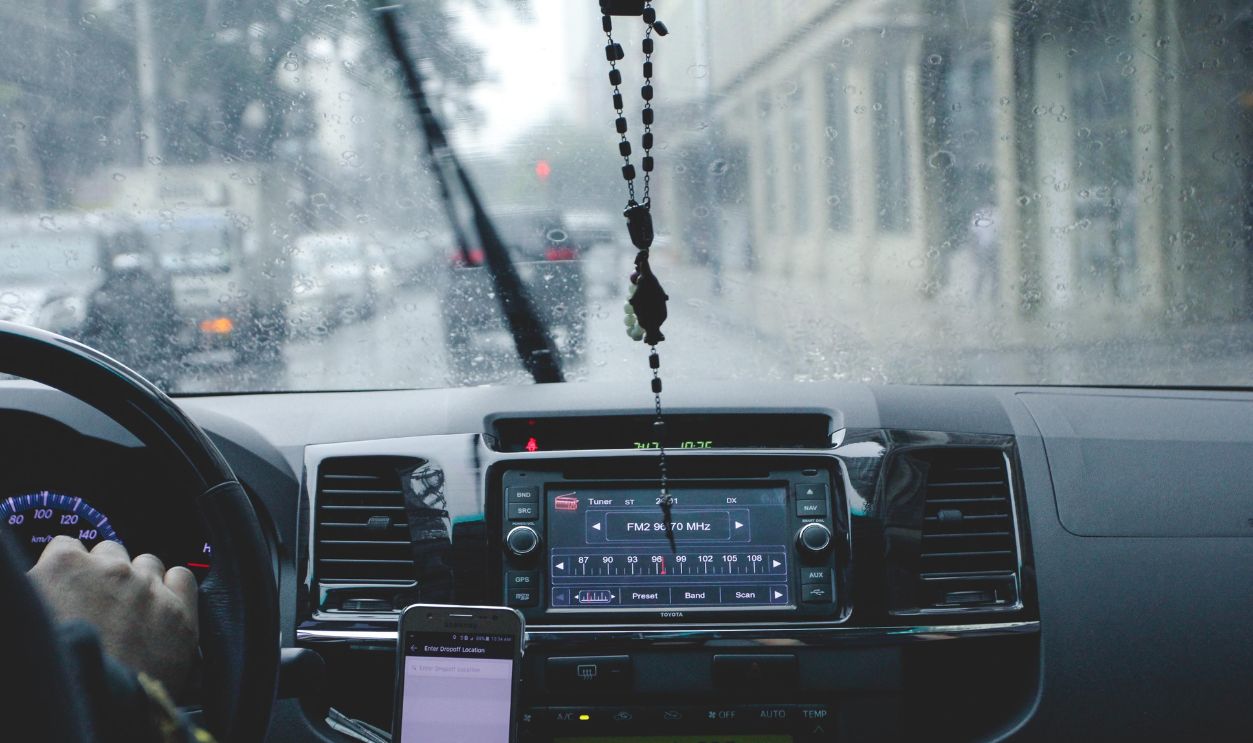
A brightly illuminated instrument panel does not prove that your headlights and taillights are operating. Some dashboards remain lit whenever the engine is running, which can create a false sense of security. Check the headlight indicator and switch position rather than relying on the dashboard’s brightness.
The Driver Still Makes The Final Call
Vehicle technology does not transfer control or legal responsibility away from the person behind the wheel. Automatic lighting systems can help, but drivers must intervene when weather or visibility demands it. Forgetting to override the system generally does not excuse a lighting violation.
Laws Differ By Location
Headlight rules are established primarily by provinces, territories, states, and other local jurisdictions. Some laws specify particular hours, while others require lights whenever visibility falls below a stated distance. Always check the rules that apply where you live and anywhere you plan to travel.
Ontario Uses A Visibility Standard
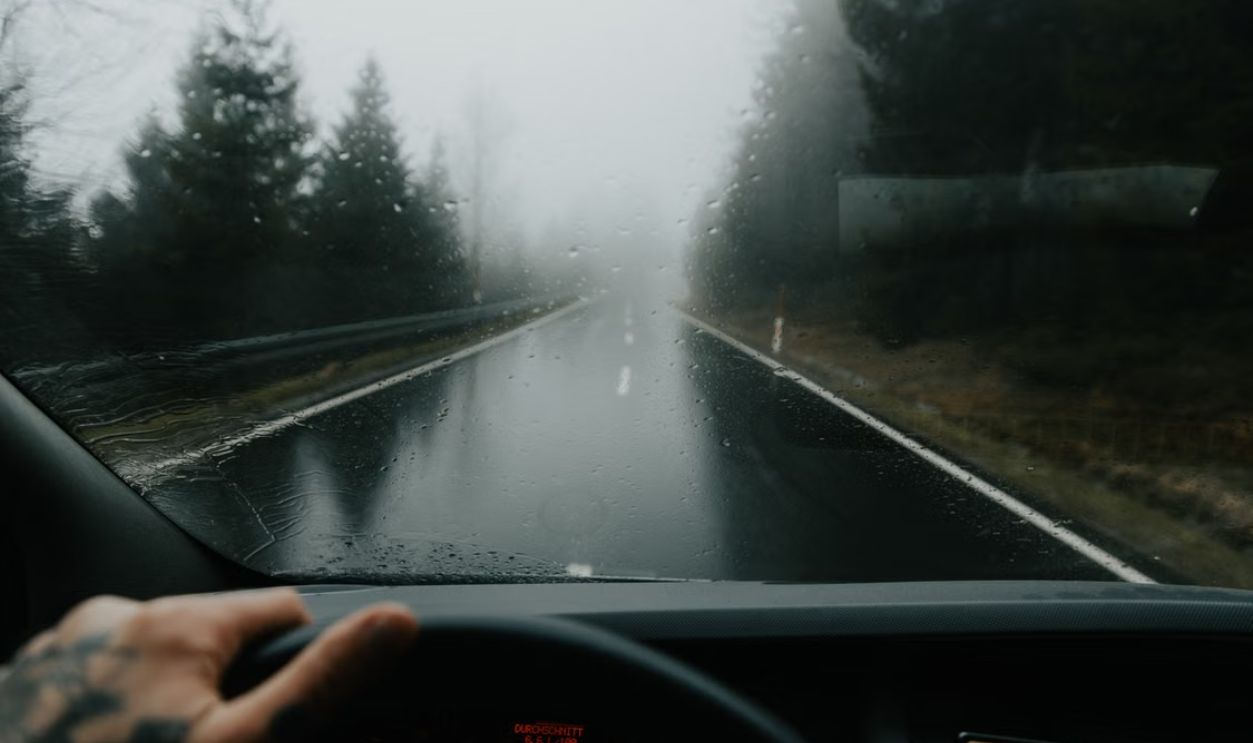
Ontario’s driver handbook says headlights must be used from one-half hour before sunset until one-half hour after sunrise. Lights are also required whenever poor light or weather prevents people or vehicles from being clearly seen at 150 metres. Fog and blowing snow can easily create such conditions during the day.
Other Provinces Have Their Own Rules
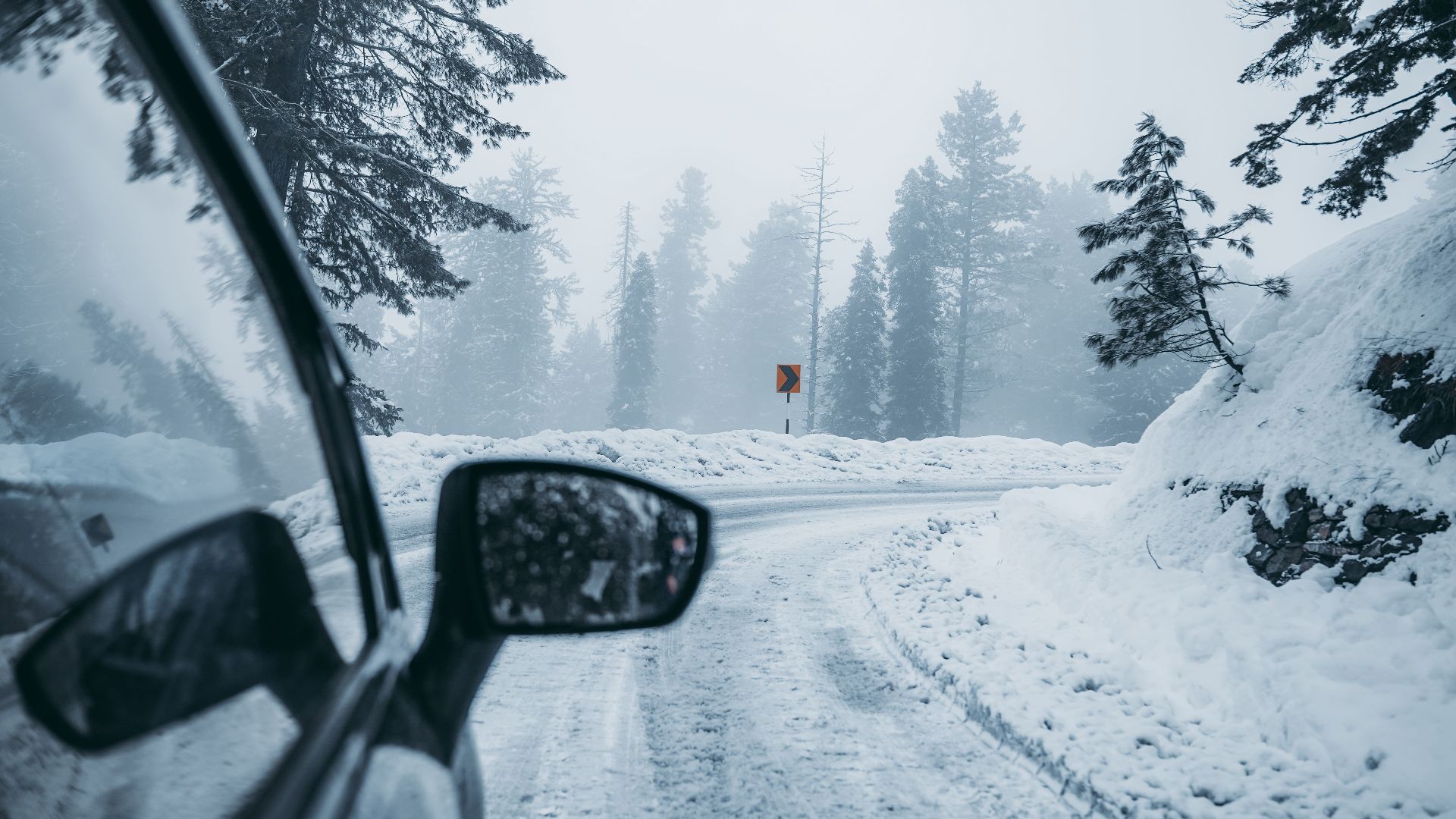
Canadian lighting requirements are not completely uniform at the provincial level. Alberta’s official winter-driving guidance tells motorists to keep their headlights on and not rely on daytime running lights. It also recommends low beams instead of high beams in fog or heavy snow.
Many States Link Lights And Wipers
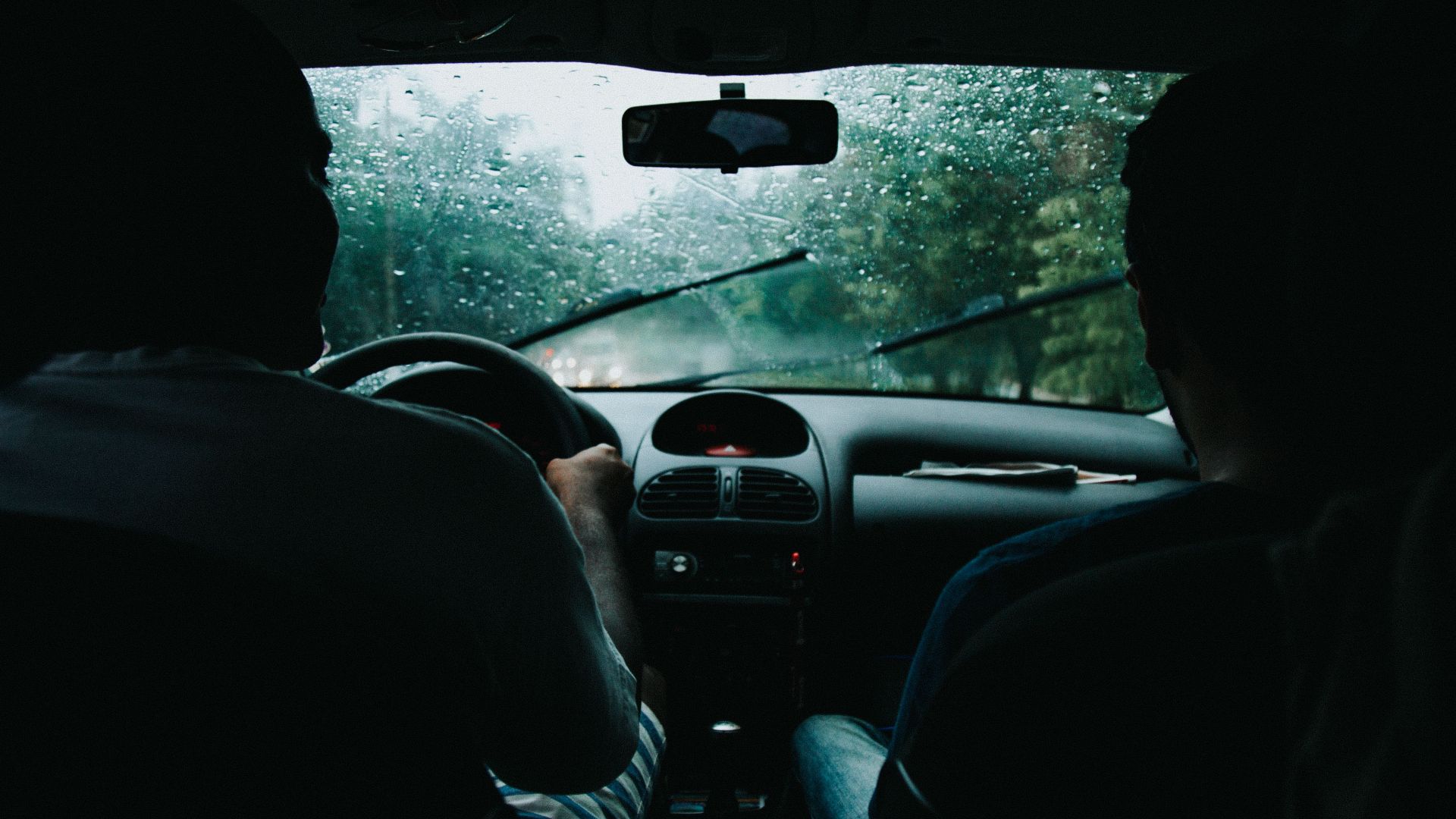
Several U.S. jurisdictions require headlights when weather makes continuous windshield-wiper use necessary. New York officials explicitly remind motorists that state law requires headlights whenever the wipers are operating. This provides drivers with a simple rule that does not depend on how dark the sky appears.
California Defines Inclement Weather
California requires at least two illuminated headlamps during darkness or inclement weather. Its law includes conditions requiring continuous wiper use because of rain, mist, snow, fog, or other atmospheric moisture. It also covers weather that prevents a driver from clearly discerning a person or vehicle 1,000 feet away.
A Ticket Is Still Possible
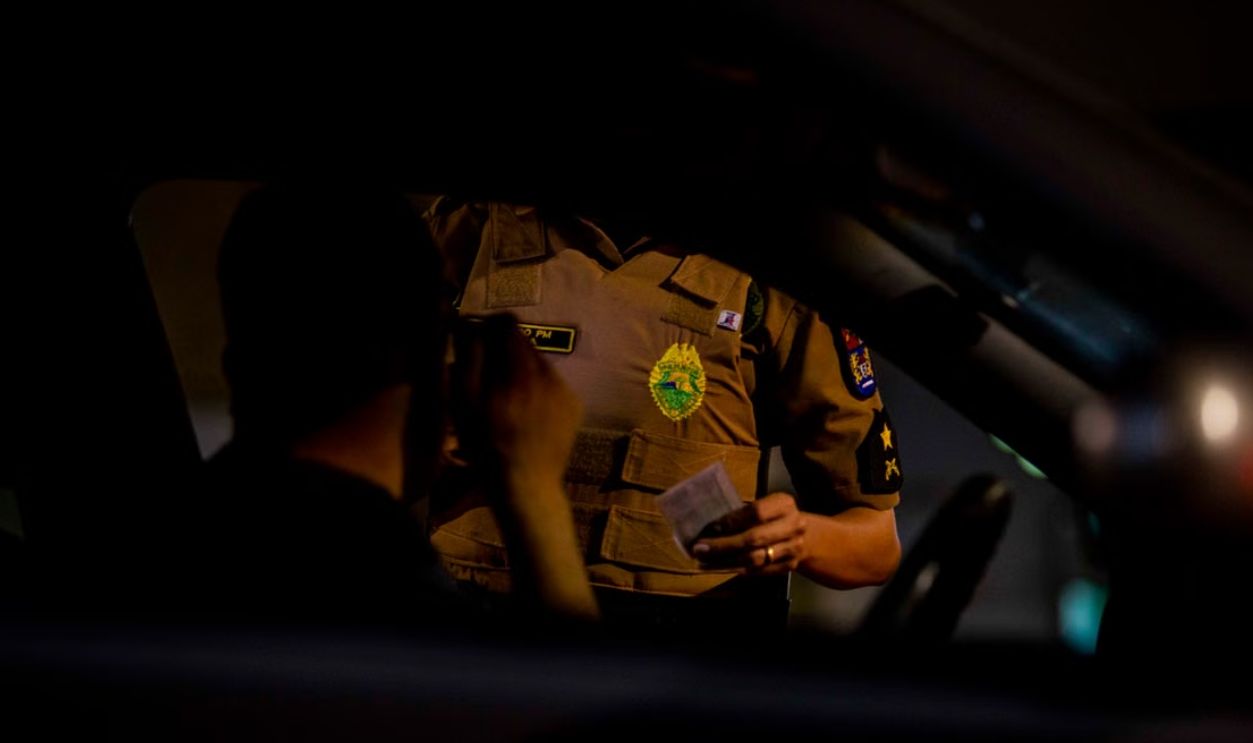
An officer can issue a citation when a driver fails to use lights required by local law. The presence of an automatic setting does not normally determine whether the vehicle complied. What matters is which required lights were actually illuminated under the conditions.
A Crash Raises Bigger Questions
Driving without proper lights can make your vehicle harder for other road users to detect. If that contributes to a collision, the lighting failure may become relevant when insurers or courts assess responsibility. The outcome will depend on the evidence, local law, and circumstances surrounding the crash.
Taillights Matter Just As Much
Headlights help you see, but the complete lighting system also helps other drivers see you. In fog or blowing snow, an unlit rear end can blend into the gray or white background. Manually selecting the low-beam setting will normally activate the taillights and other required marker lights as well.
Full Headlights Beat The Auto Setting
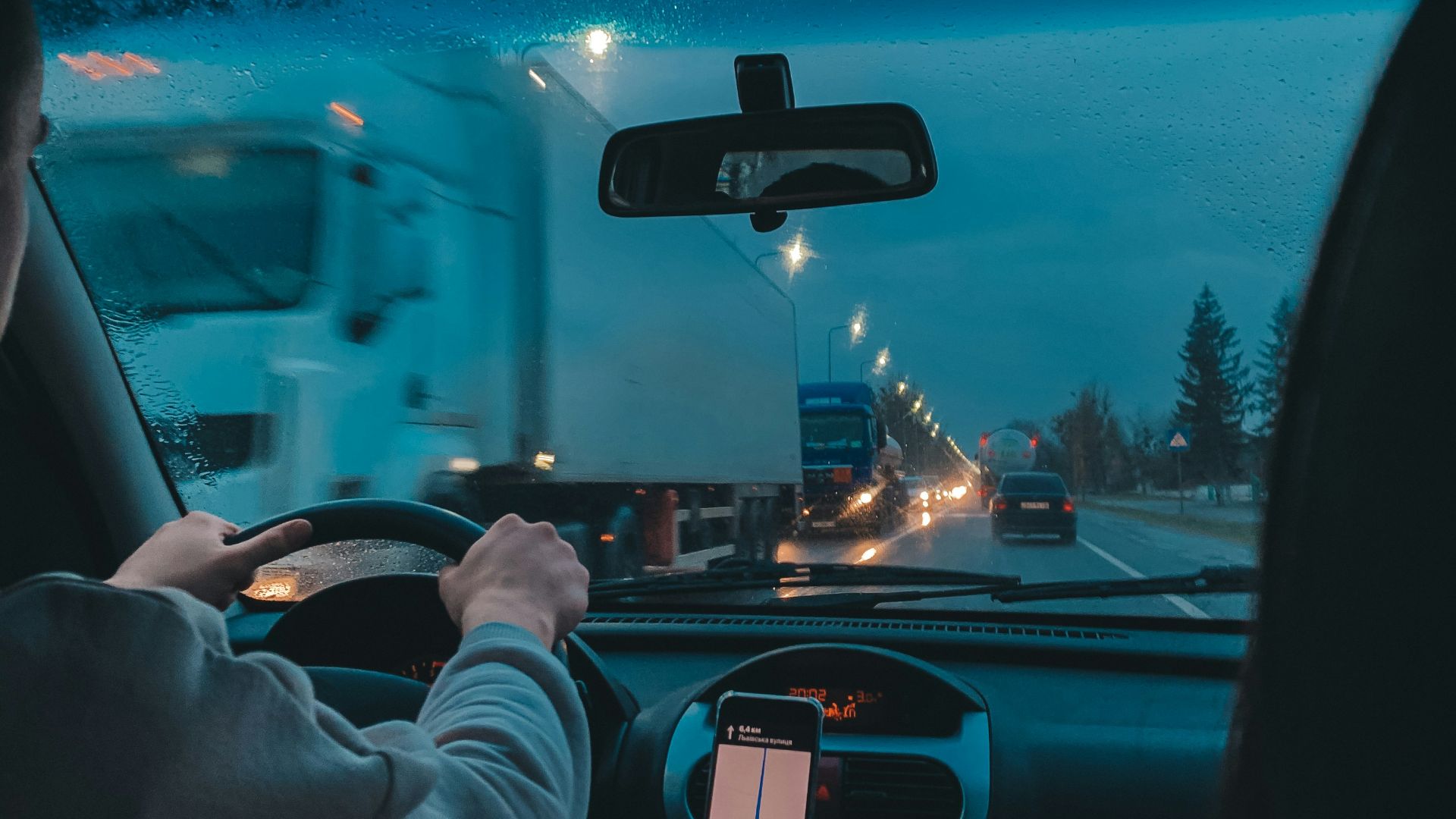
When visibility begins deteriorating, move the switch from AUTO to the regular low-beam position. This removes any uncertainty about whether the light sensor has recognized the conditions. Confirm that the proper headlight symbol appears on the instrument panel.
Low Beams Work Better In Fog
High beams direct more light outward and upward than low beams. Fog, rain, and snow can reflect that light toward the driver, making the roadway harder to see. Transport Canada recommends low beams in these conditions.

Fog Lights Have A Limited Role
Front fog lights use a wide, low beam intended to illuminate the road immediately ahead. They can supplement low beams where their use is permitted, but they are not always a legal replacement for headlights. Their operation and effectiveness also vary among vehicles.
Rear Fog Lights Require Restraint
Rear fog lights are brighter than ordinary taillights and can make a vehicle more visible in dense fog or snow. Transport Canada says they should be used only in poor-weather conditions because other drivers can mistake them for brake lights. Switch them off once visibility improves.
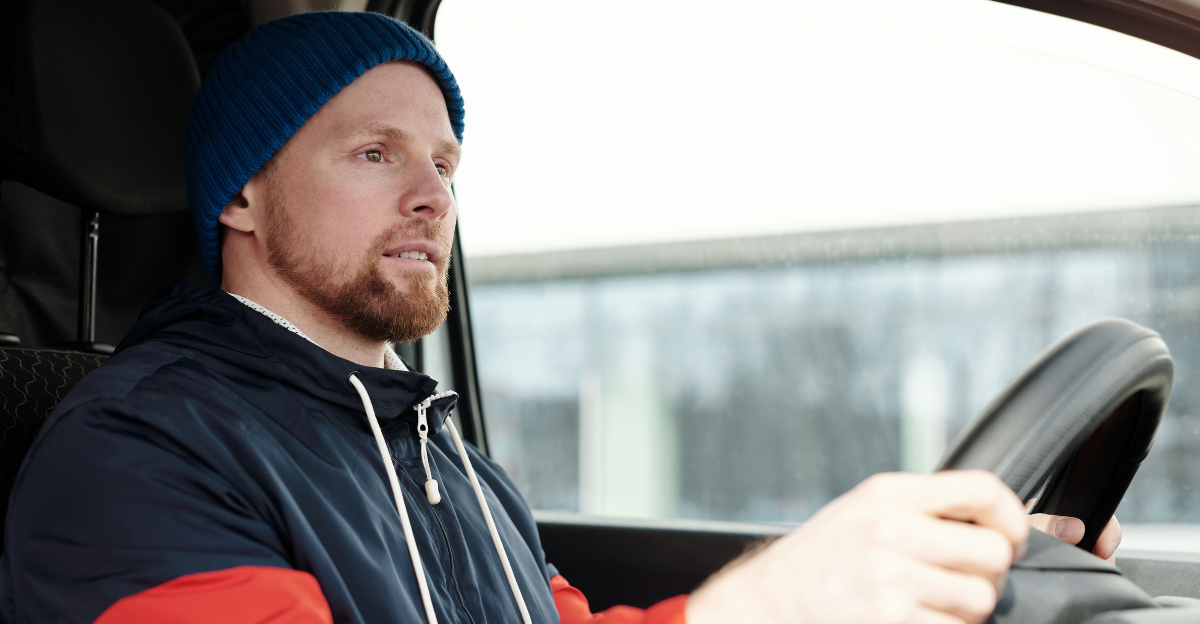
Snow Can Cover Working Lights
A correctly selected lighting system cannot help much when snow or ice blocks the lamps. Clear the headlights, taillights, turn signals, and license plate before leaving. Check them again during longer trips because road spray and slush can accumulate quickly.
Keep The Sensor Clear Too
An automatic-light sensor may be located on top of the dashboard near the windshield, although its position varies by vehicle. Avoid covering it with papers, dashboard accessories, or other objects. Consult the owner’s manual before cleaning it or attempting to diagnose unusual behavior.
Learn What Your Symbols Mean
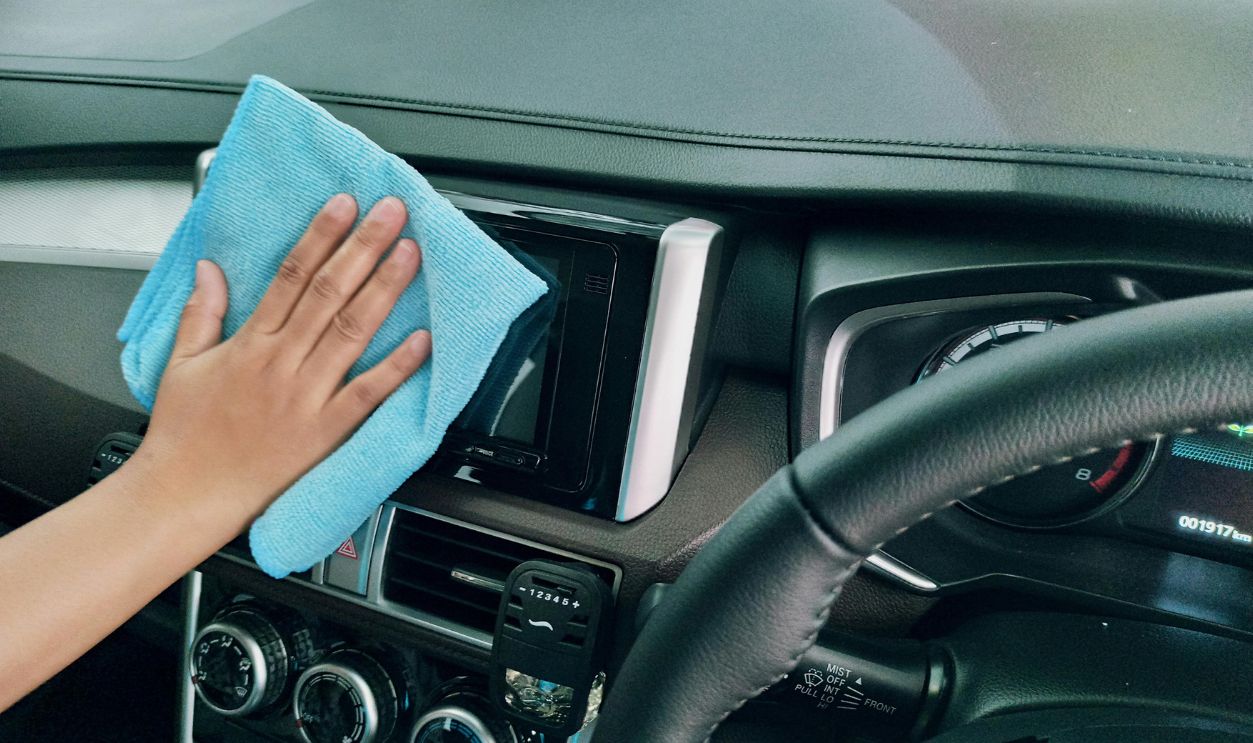
Lighting symbols are not always intuitive, especially in an unfamiliar or recently purchased car. The indicators for daytime running lights, low beams, high beams, fog lights, and automatic operation are different. The owner’s manual explains which symbols your particular vehicle uses.
Build A Simple Weather Habit
A reliable habit is to turn on the low beams whenever fog, snow, rain, or road spray reduces visibility. Drivers in places with wiper-linked laws can use an even simpler reminder: wipers on, headlights on. Make the change before entering traffic rather than waiting for conditions to worsen.
Do Not Forget To Switch Back
After manually activating the headlights, remember that some vehicles will leave them on after the engine stops. Others shut them off automatically or sound a warning. Returning the switch to AUTO later can prevent a depleted battery, but only after the bad weather has passed.
Test The System Safely
You can check automatic operation by observing whether the lights activate when entering a dark garage or covered parking area. Ask someone to confirm whether both the headlights and taillights come on. Never cover the sensor while driving or perform a test that distracts you from traffic.
Have Persistent Problems Inspected
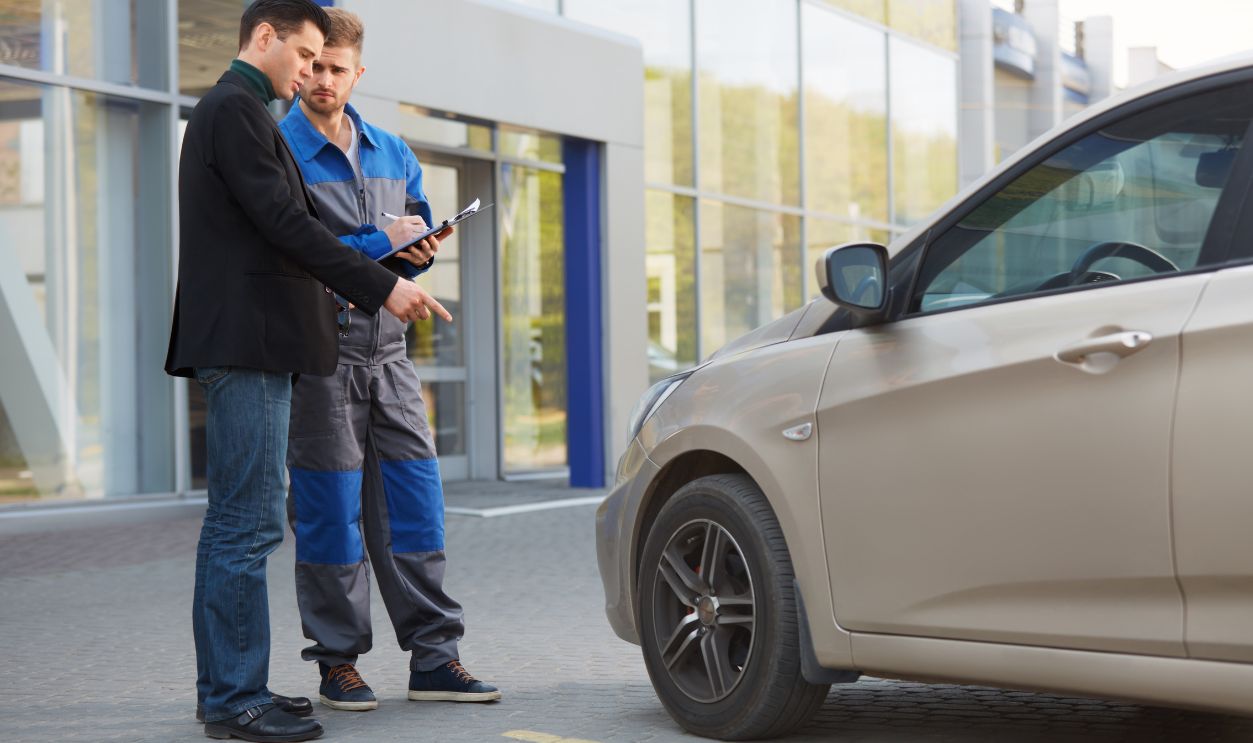
A system that behaves differently from the description in the owner’s manual may have a dirty sensor, altered settings, wiring trouble, or another fault. A qualified technician can inspect the switch, sensor, lamps, and associated electronics. Do not assume that every missed activation is simply an unavoidable limitation.
Newer Canadian Vehicles Offer More Protection
Canada introduced updated lighting requirements for new vehicles in September 2021 to reduce so-called phantom vehicles. Compliant vehicles must use automatic rear lighting with daytime running lights, automatically activate headlights and other lights in darkness, or keep the dashboard dark until the driver turns on the lights. These safeguards improve awareness but do not eliminate the need for driver judgment in daytime weather.
Other Driver-Assistance Systems Also Struggle
Bad weather can interfere with more than automatic headlights. Cameras and sensors supporting lane assistance or automatic emergency braking may have difficulty in rain, snow, ice, or fog. Drivers should remain attentive and ready to take control when conditions deteriorate.
Visibility Calls For More Than Lights
Slow down and increase your following distance when fog or snow reduces the view ahead. Keep the windshield, mirrors, cameras, and vehicle lights clear, and make sure the wipers and defrosters work properly. If you cannot see well enough to drive safely, find a suitable place away from traffic and wait for conditions to improve.
The Safest Answer Is Manual Control
Yes, you are generally still responsible if your automatic headlights remain off and you forget to intervene. Treat the AUTO position as a helpful backup rather than permission to stop thinking about visibility. When fog or snow appears, manually select the low beams and verify that your complete lighting system is on.
You May Also Like:
How Gran Turismo Turned Jann Mardenborough Into A Real Racing Driver