Barefoot Behind the Wheel—Illegal… or Just Uncomfortable?
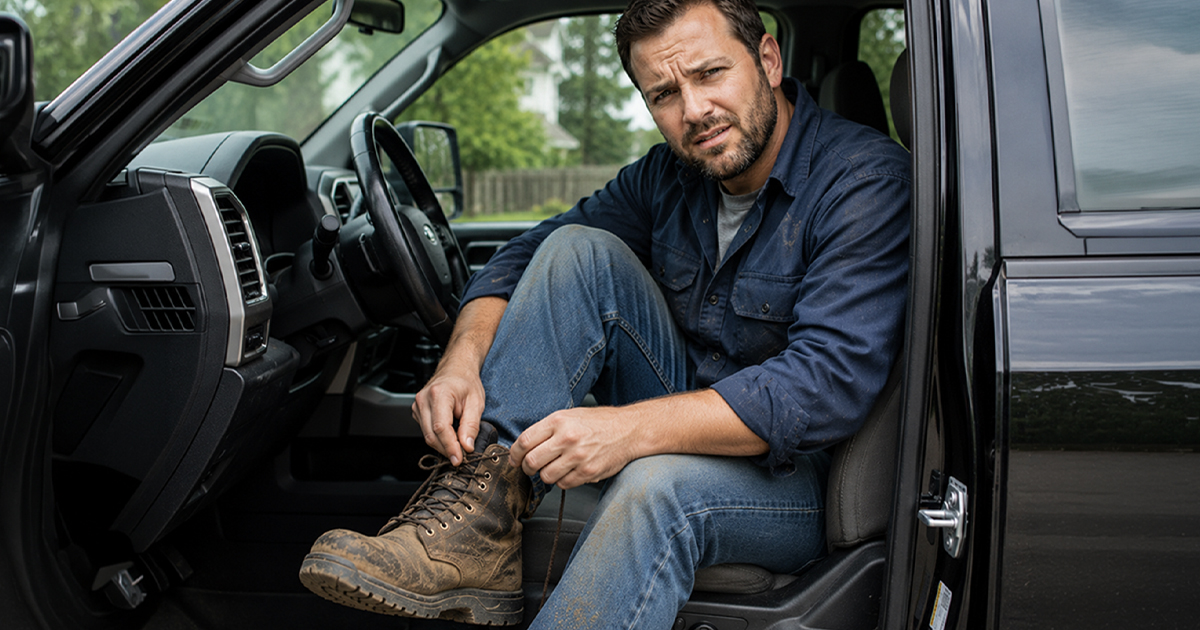
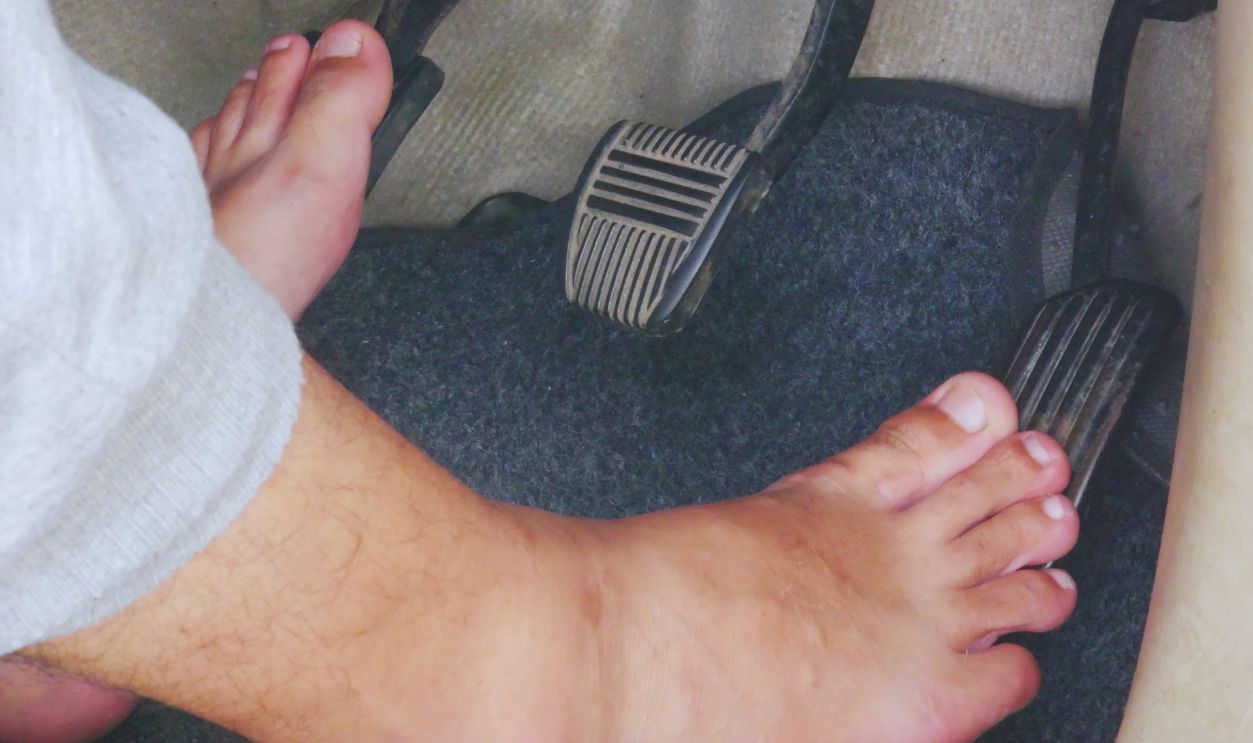
You kick off your work boots after a long day, hop in the car barefoot, and start driving home. Feels great, right? Then your wife drops the warning: “I think that’s illegal.” Now you’re wondering… is there actually a law about what you wear on your feet?
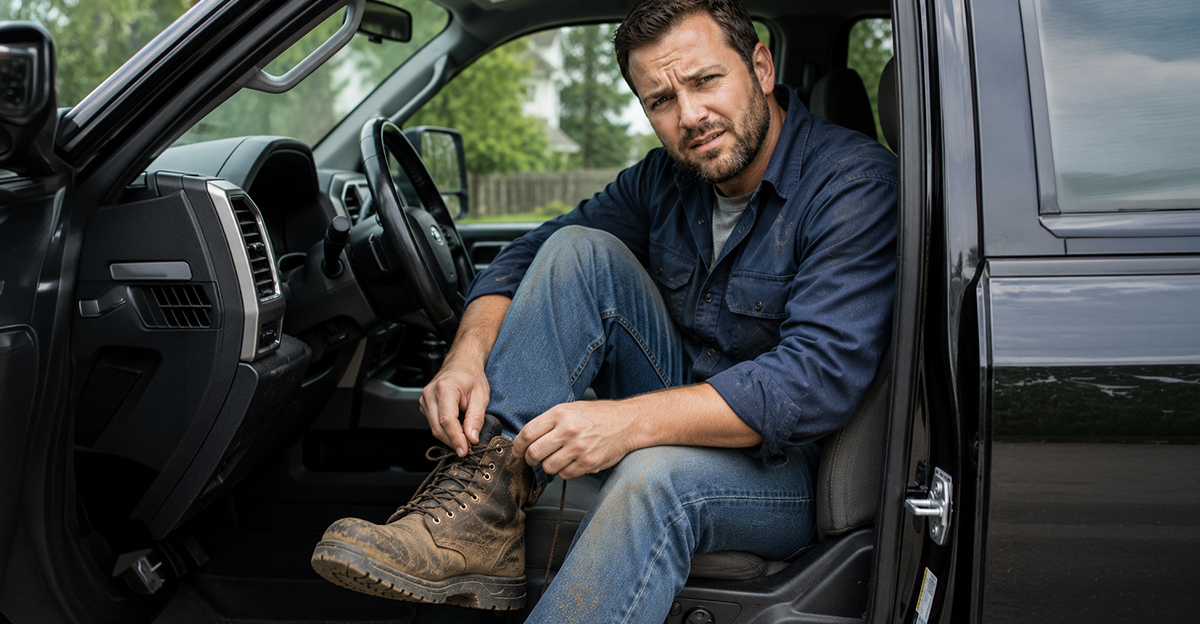
Why Driving Barefoot Feels Totally Fine
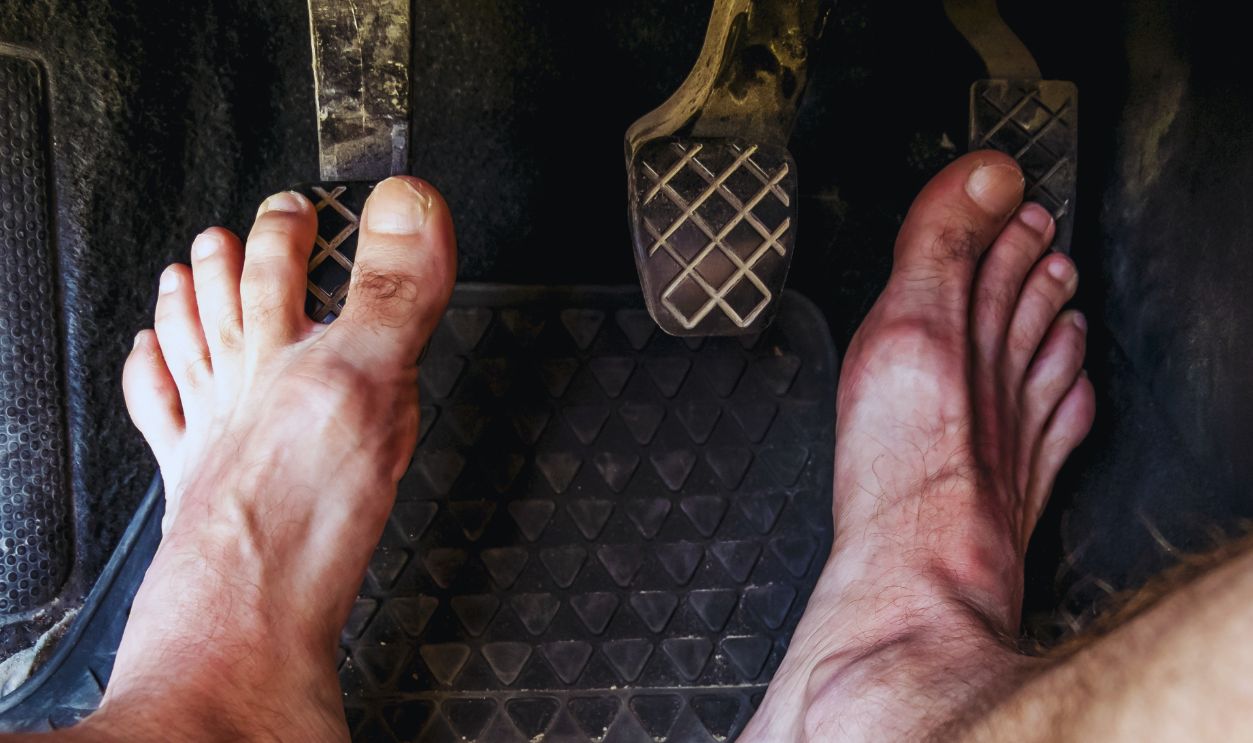
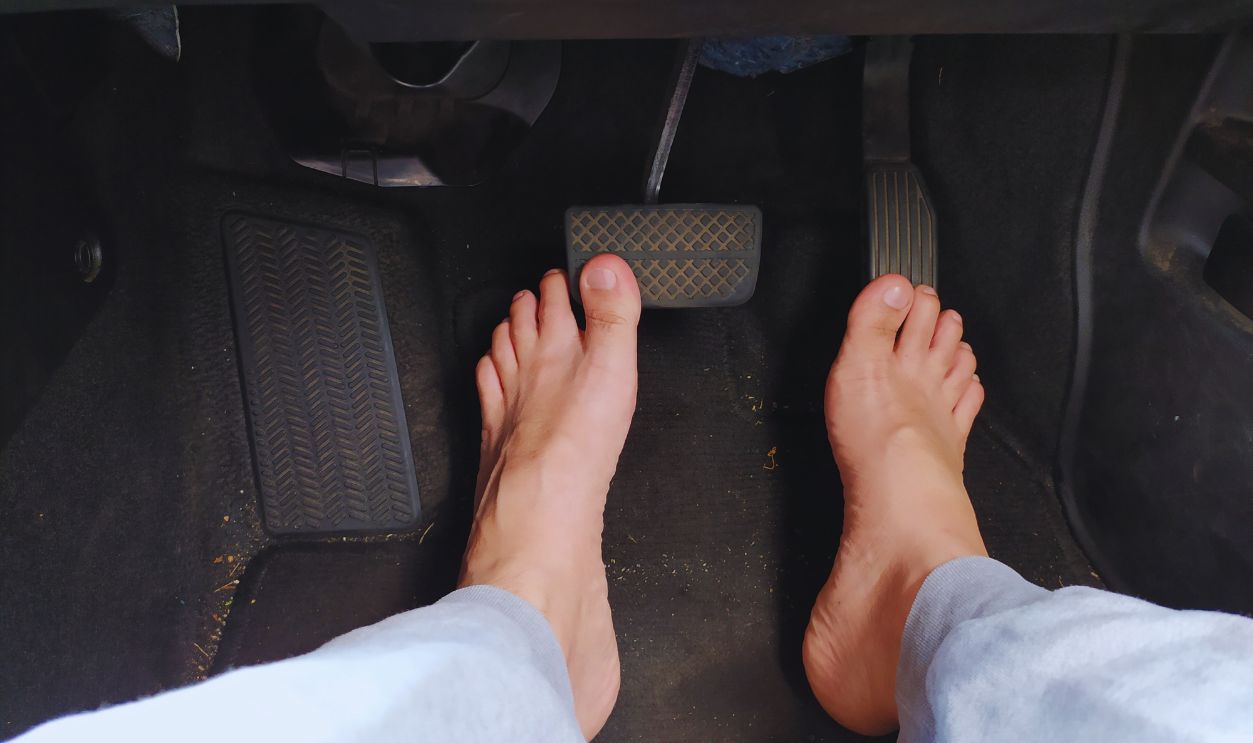
Let’s be honest—driving barefoot can feel more natural than clunky boots. Better pedal feel, more comfort, less stiffness. A lot of drivers swear by it after a long day.
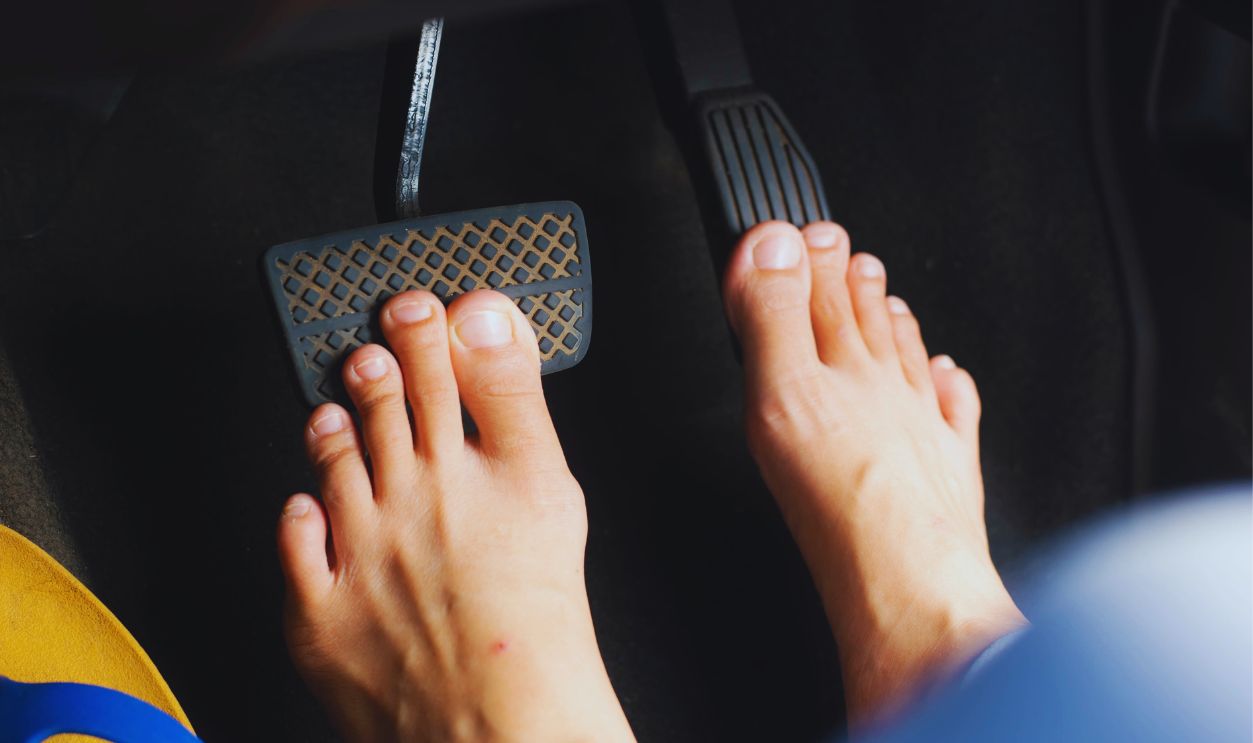 Parkin Srihawong, Shutterstock
So Where Did This “It’s Illegal” Idea Come From?
This is one of those driving myths that just won’t die. Like driving with the interior light on or crossing state lines with dome lights glowing—it sounds believable, but is it actually true?

Do Any States Ban Barefoot Driving?
No US state has a specific law that outright bans driving barefoot. Not one. You won’t find a statute saying “thou shalt wear shoes.”

Then Why Do People Get Warned About It?
Because just because something isn’t illegal doesn’t mean it’s risk-free. Law enforcement and safety experts still have opinions—and those opinions can matter.

Could You Still Get Pulled Over?
Technically, yes—but not for being barefoot alone. An officer can stop you for unsafe driving behavior. And if barefoot driving contributes to that, it becomes relevant.
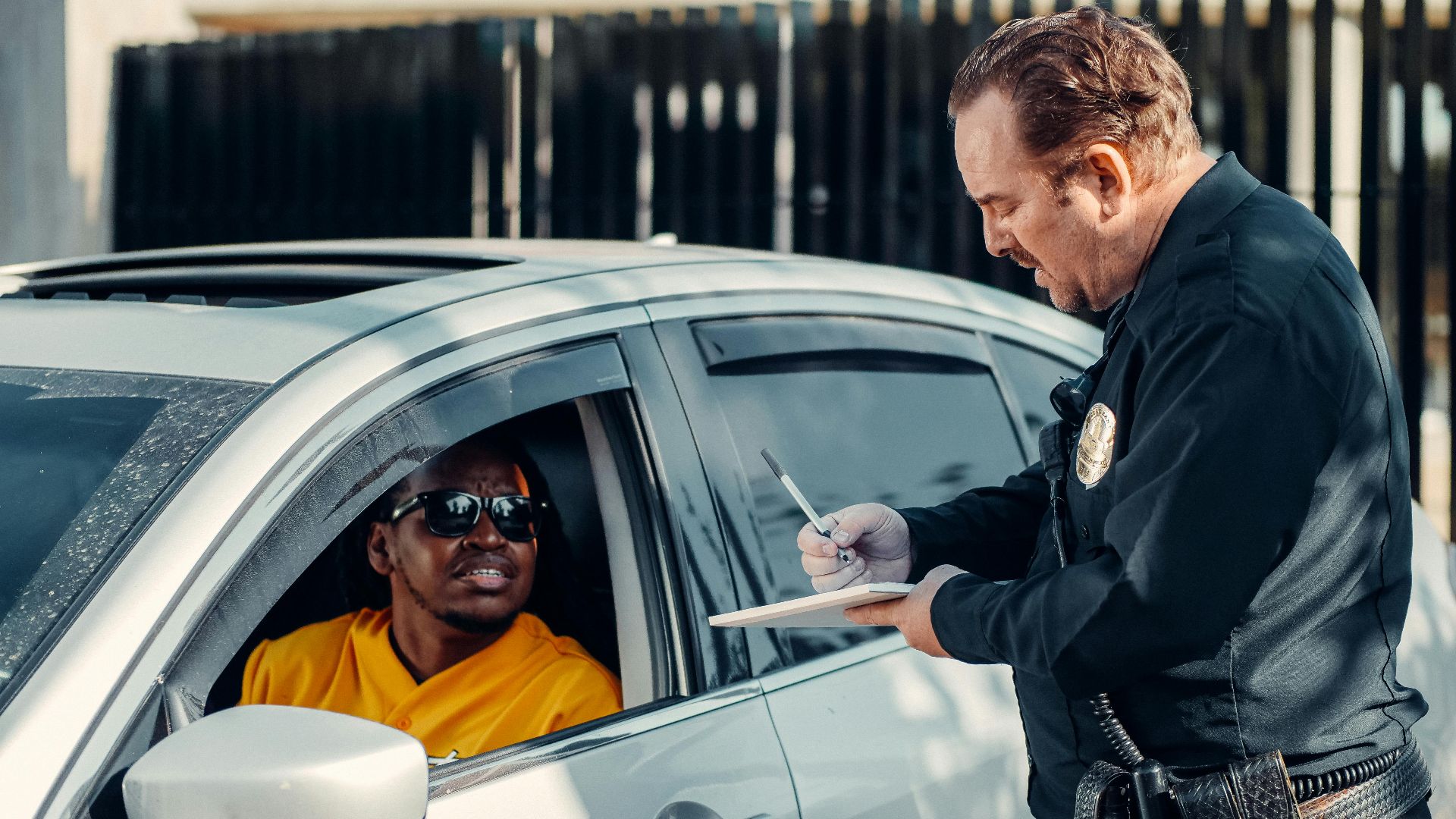
What Counts as “Unsafe” Driving?
If your foot slips off the pedal, you hesitate braking, or lose control—even slightly—that could fall under careless or reckless driving laws.
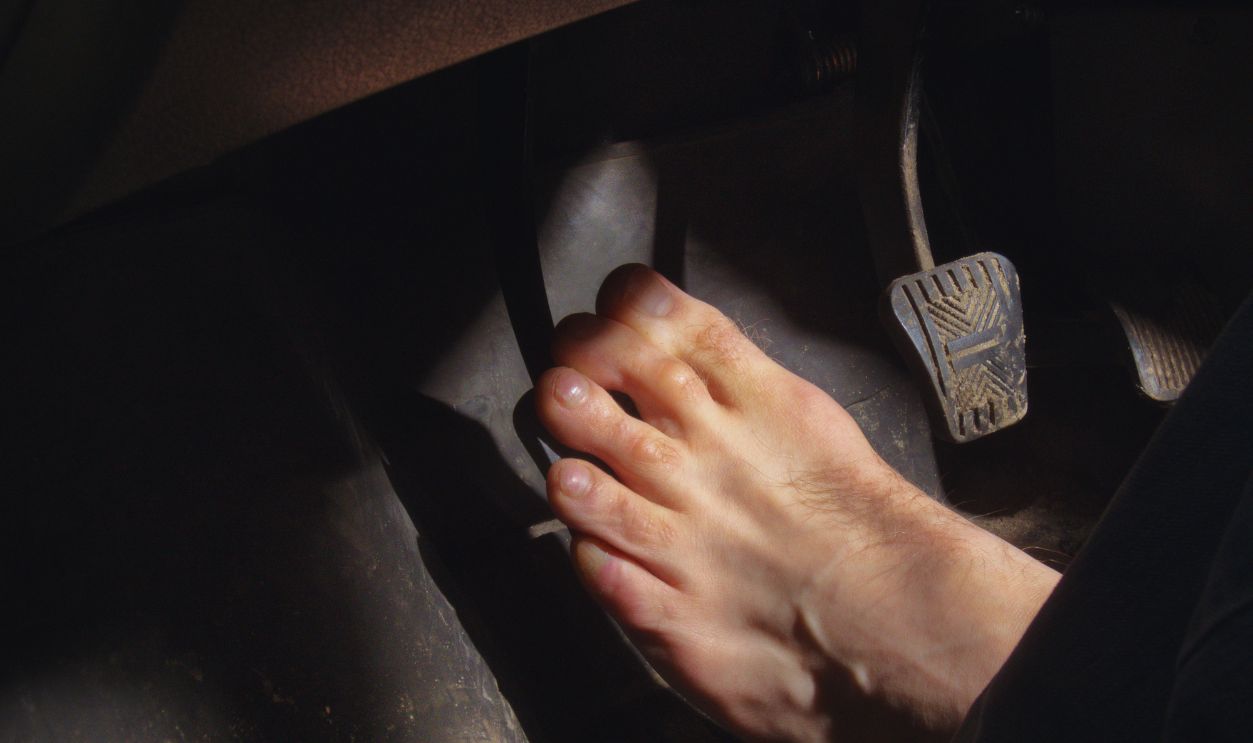
So Barefoot Isn’t Illegal… But It Can Become a Problem
Exactly. It’s not the lack of shoes—it’s the consequences. If your driving is affected, the law starts to apply.
What About Fines?
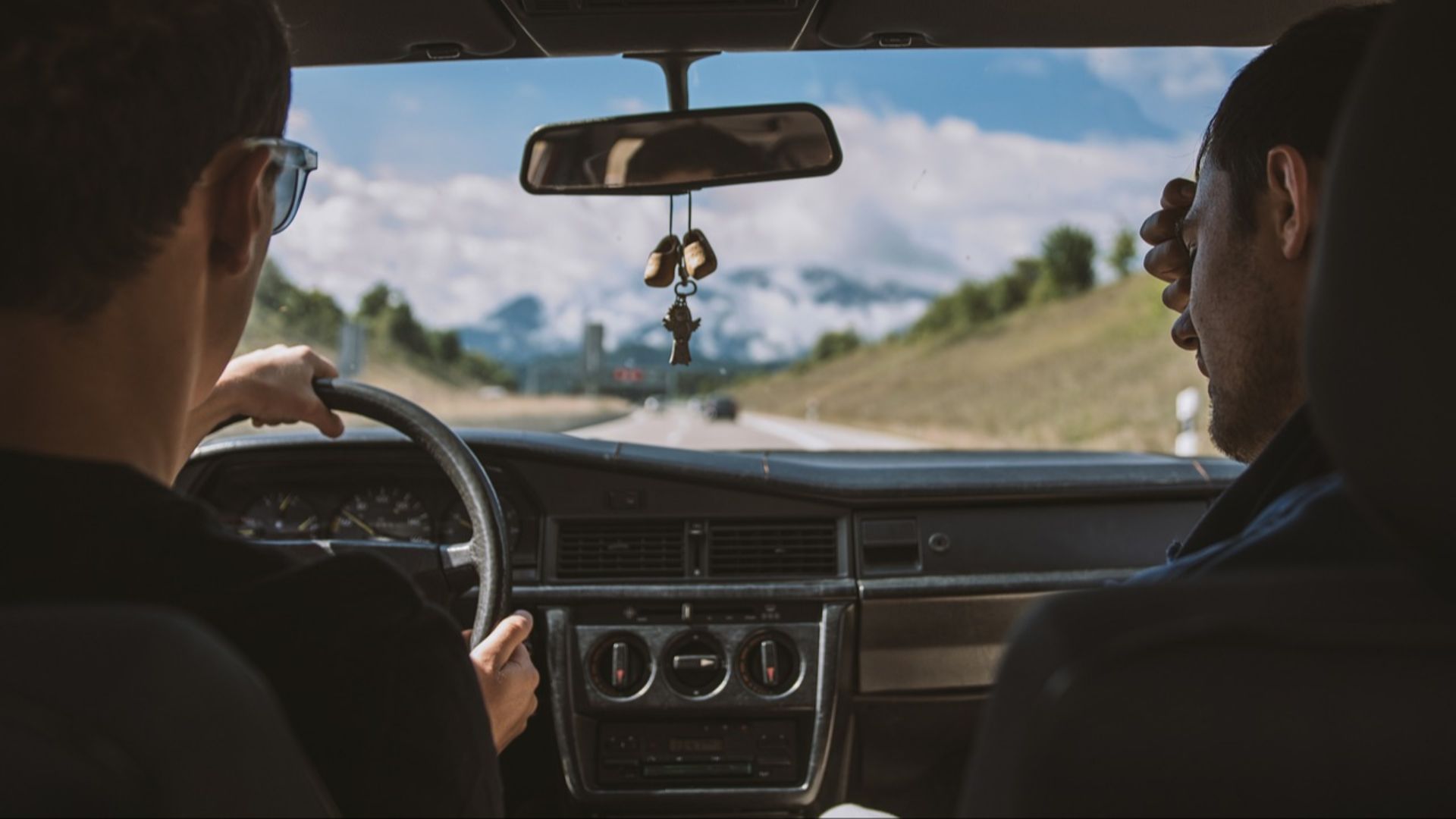
This is where it gets real. If you’re cited for careless or reckless driving, fines can range from about $50 to $500+, depending on the state—and that’s before court fees or points on your license.

Could Insurance Get Involved Too?
Yes. If you’re in an accident and barefoot driving is considered a contributing factor, it could complicate your claim or even increase your premiums.

Why Some Experts Actually Warn Against Barefoot Driving
Bare feet can slip more easily—especially if they’re wet or sweaty. There’s also less protection if something sharp is on the floorboard.
But Here’s the Twist—Boots Can Be Worse
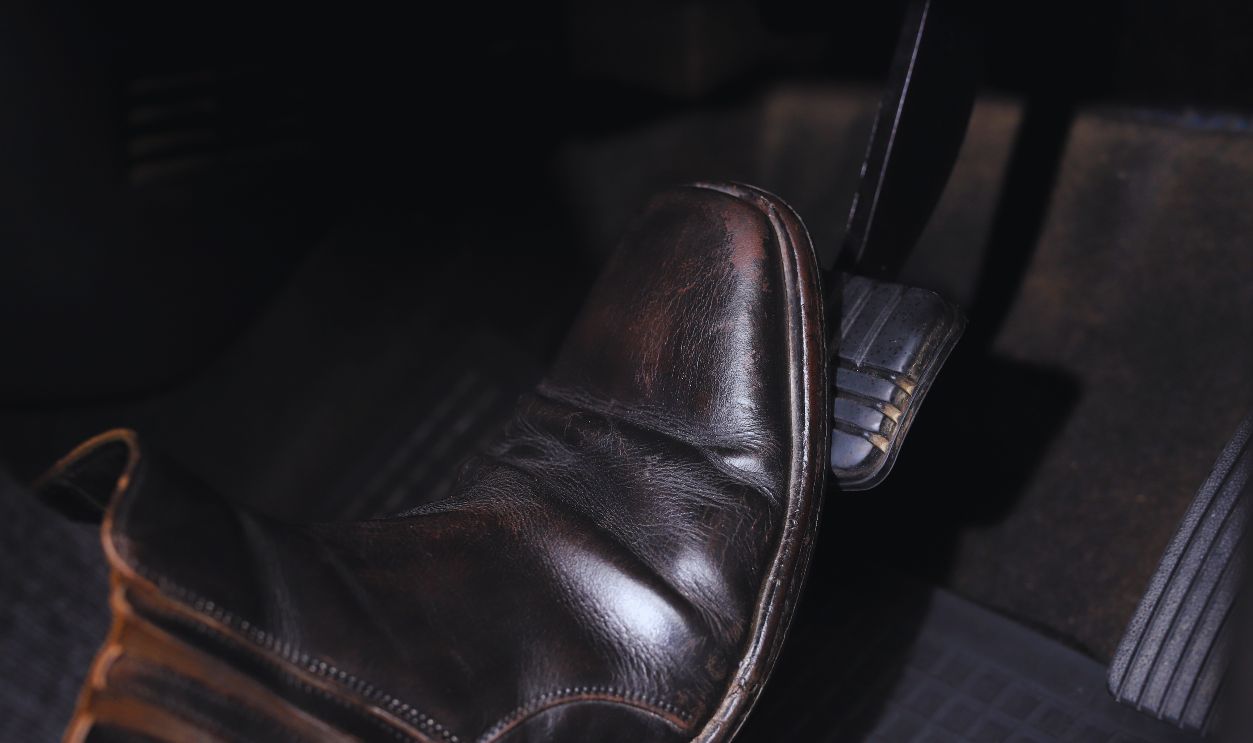
Ironically, heavy work boots or thick soles can reduce pedal sensitivity and increase stopping distance. So the “safer” option isn’t always obvious.
 Kamonwan Wankaew, Shutterstock
So What’s Actually Recommended?
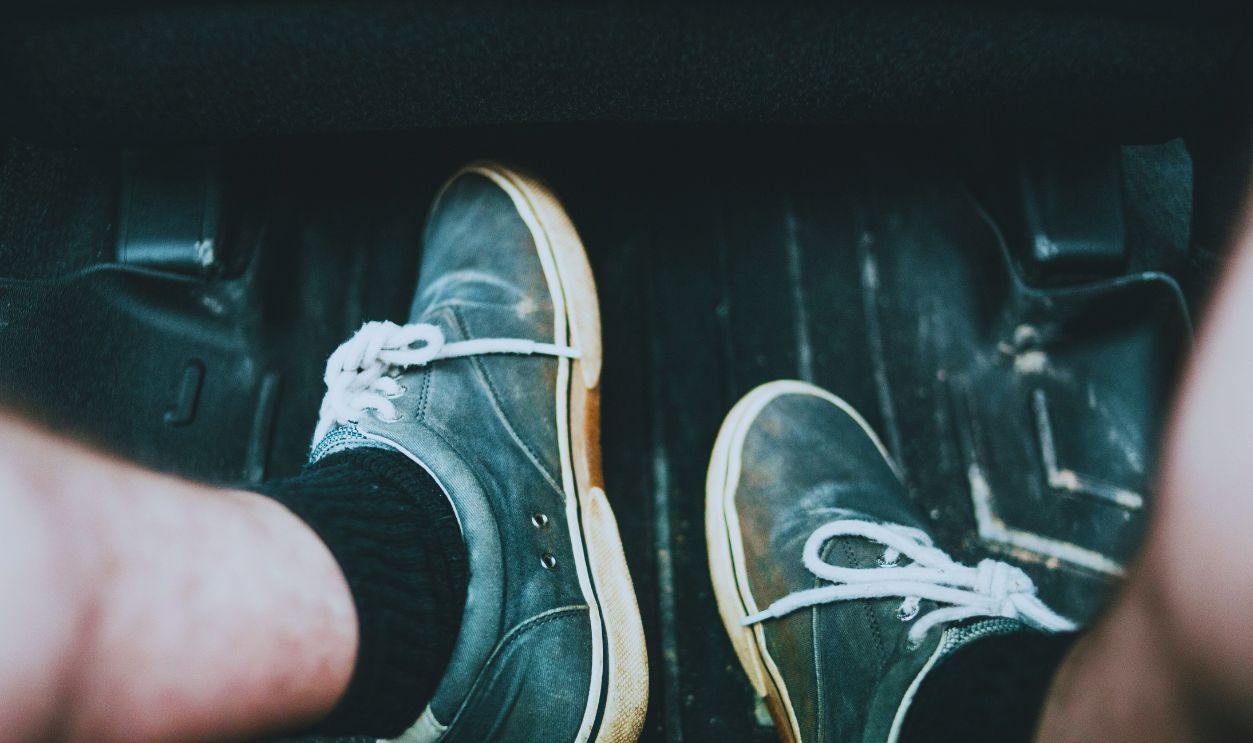
Light, flexible footwear with good grip—like sneakers—is generally considered the safest option. Not barefoot, not bulky boots—something in between.
Have People Actually Been Ticketed for This?
Not for being barefoot alone—but there are cases where drivers involved in accidents were cited, and their lack of footwear was mentioned as a contributing factor.

Why This Still Feels Confusing
Because the law doesn’t directly address it. There’s no clear “yes or no”—just a gray area based on how safely you’re driving.

Could an Officer Use It Against You?
If you’re already being cited for something else, yes. It can be used to support a claim that you weren’t in full control of the vehicle.

So… Is Driving Barefoot Illegal?
No, it’s not illegal in any state.
But if it leads to unsafe driving, you can absolutely be ticketed under broader traffic laws—and those fines can add up quickly.
The Bottom Line for Your Feet
You won’t get pulled over just for kicking off your shoes—but you’re not completely off the hook either. It all comes down to control and safety.
One Last Thought Before You Hit the Gas
Next time you drive barefoot, ask yourself—am I more comfortable… or just more relaxed? Because if something goes wrong, that little detail might matter more than you think.

You May Also Like: