Four-Way Confusion
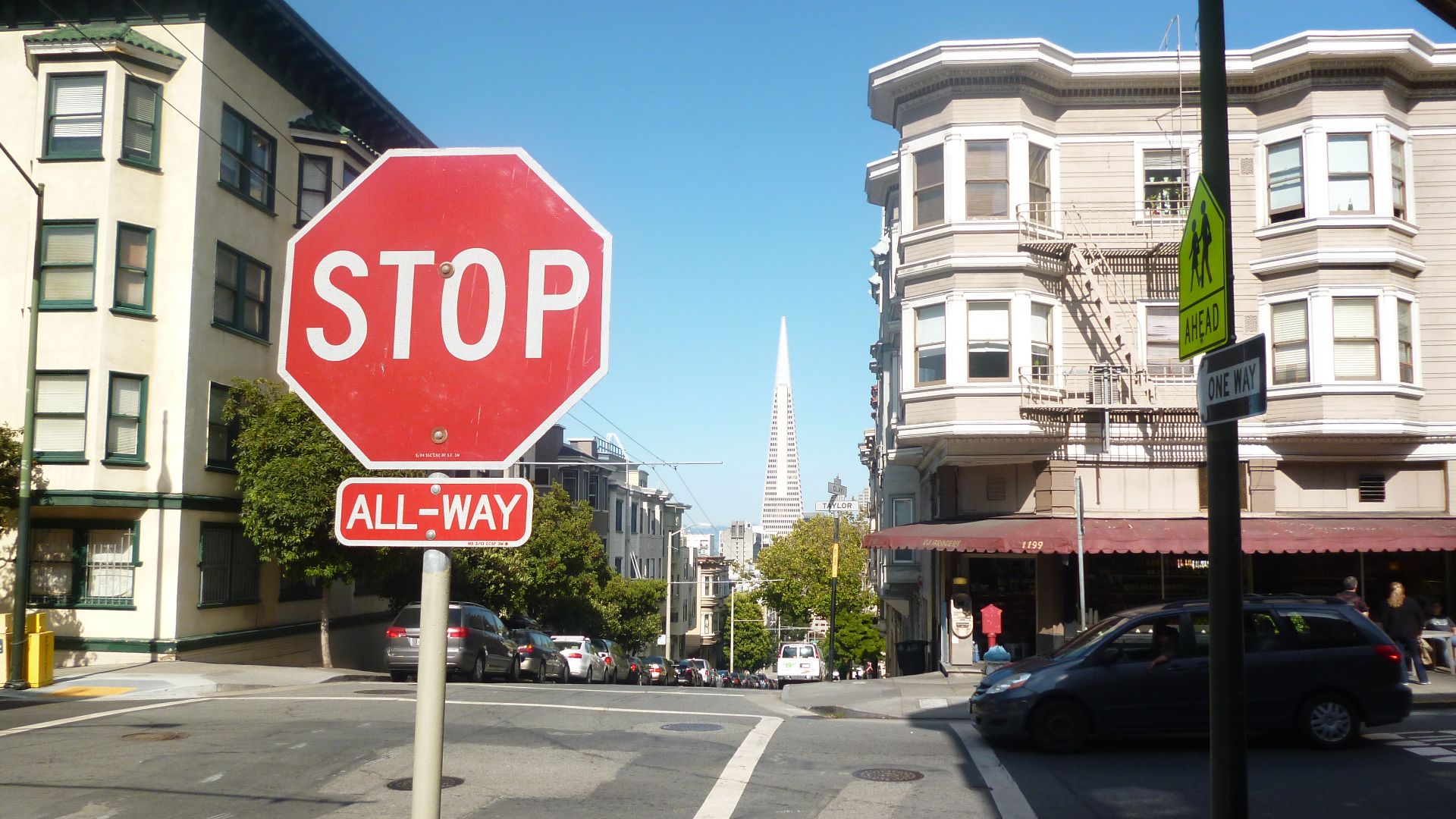
You’re used to pulling up to a four-way stop expecting a simple, predictable exchange, but more and more often these days you’re finding you get hesitation, awkward waves, sudden lunges, or complete freezes. You’re left wondering whether people forgot the rules or never learned them properly in the first place. You’re not alone in your confusion.

How Four-Way Stops Are Supposed To Work
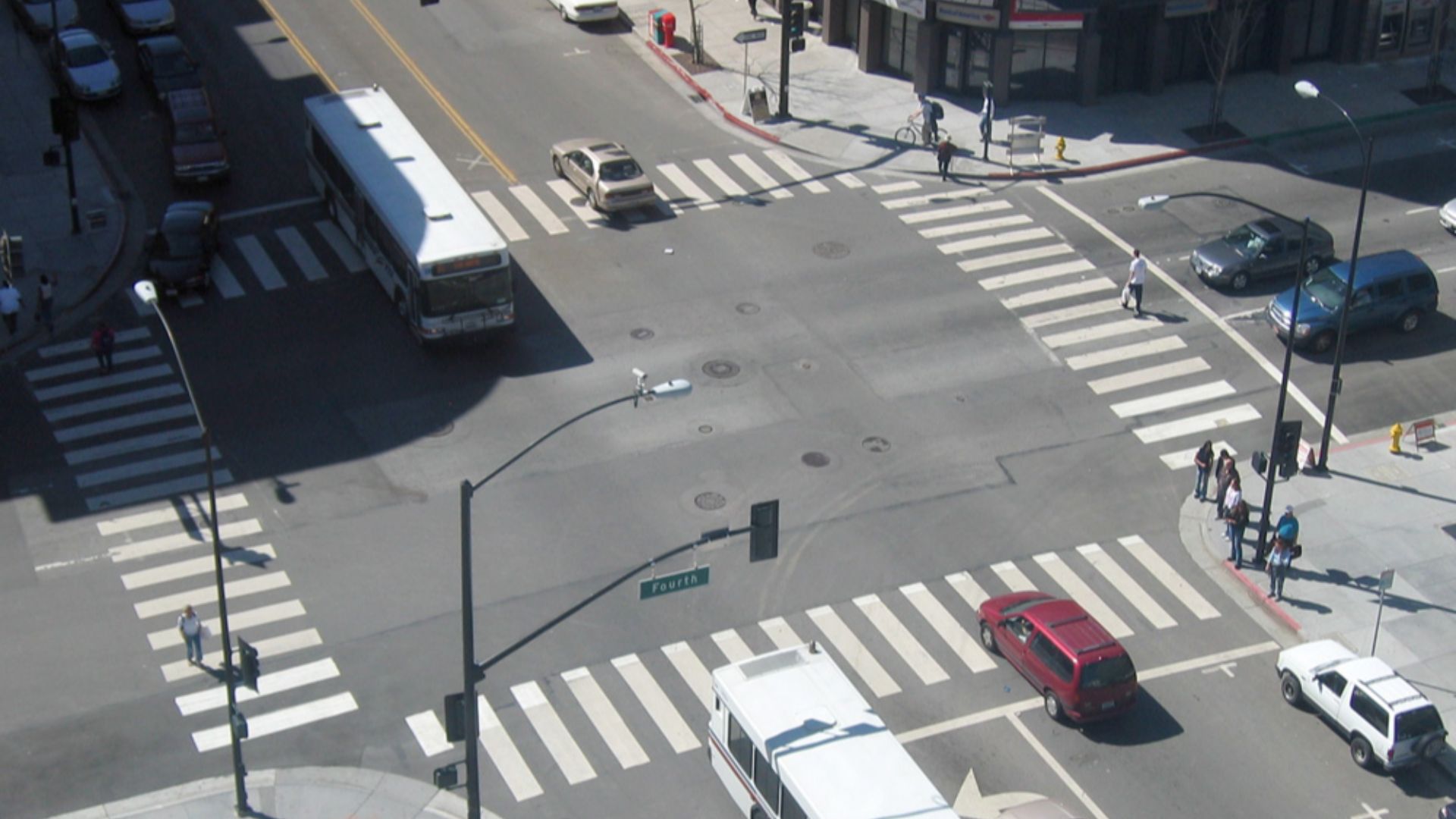
The rule couldn’t be more straightforward: first vehicle to arrive goes first. If two vehicles arrive at the same time, the driver on the right has the right of way. When everyone follows this sequence, traffic flows smoothly and safely without anyone needing to rely on guesswork.
 Jeremy Kemp, Wikimedia Commons
Why The Rules Feel Forgotten
The rules haven’t changed, but let’s face it: driving culture has. Many drivers seem to act like every intersection is a social negotiation instead of a legal process. When people abandon rule-based behavior, hesitation replaces predictability, which makes everyone around them less confident and more prone to making boneheaded mistakes.
Reduced Emphasis In Driving Tests
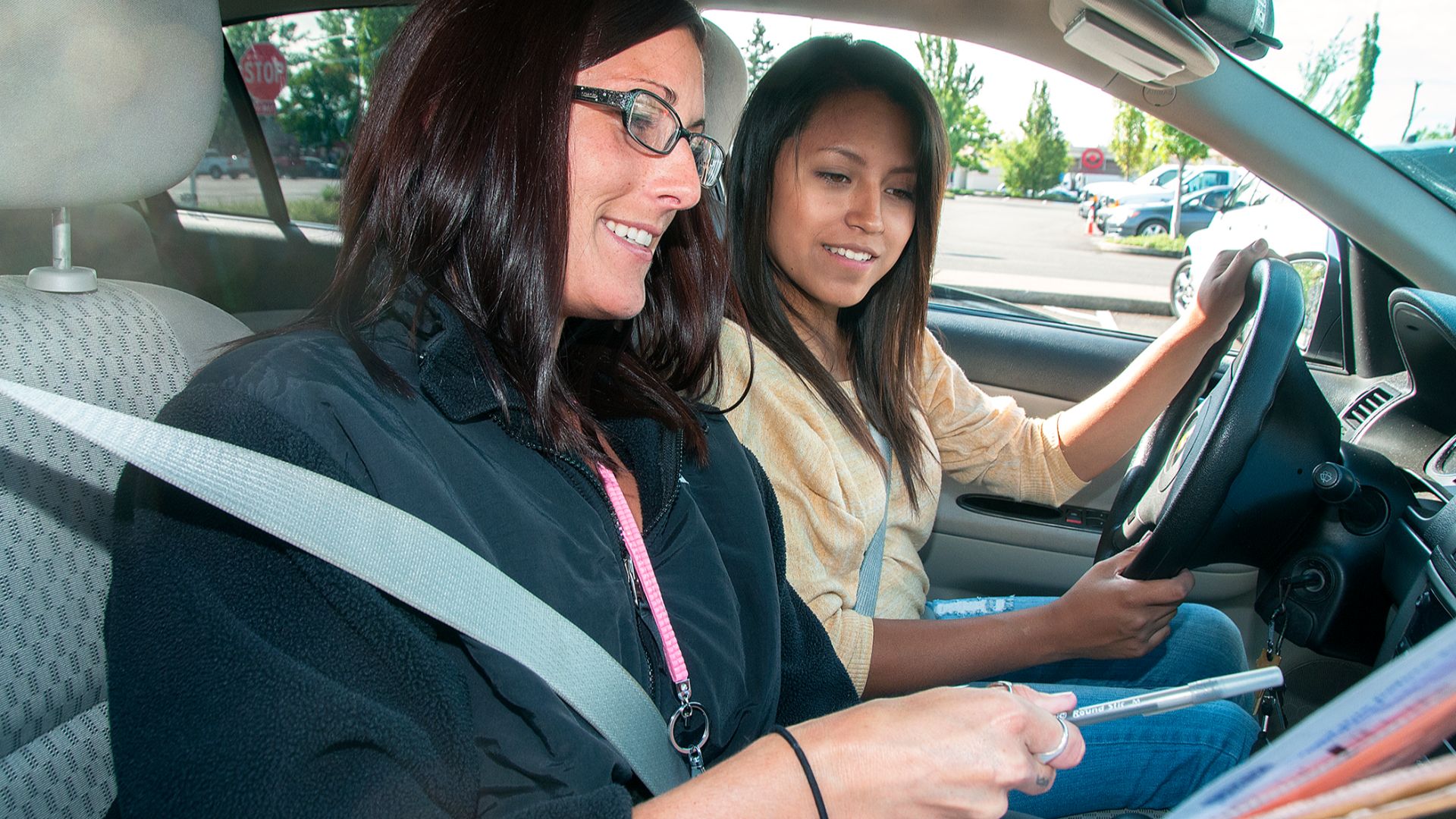
In a lot of regions, driving tests emphasize basic vehicle control over real-world decision-making. Applicants may pass without showing that they understand four-way stop scenarios. Over time, this means new drivers understand the concept in theory but lack the confidence and repetition needed to execute it correctly in traffic.
 Oregon Department of Transportation, Wikimedia Commons
Decline Of Formal Driver Education
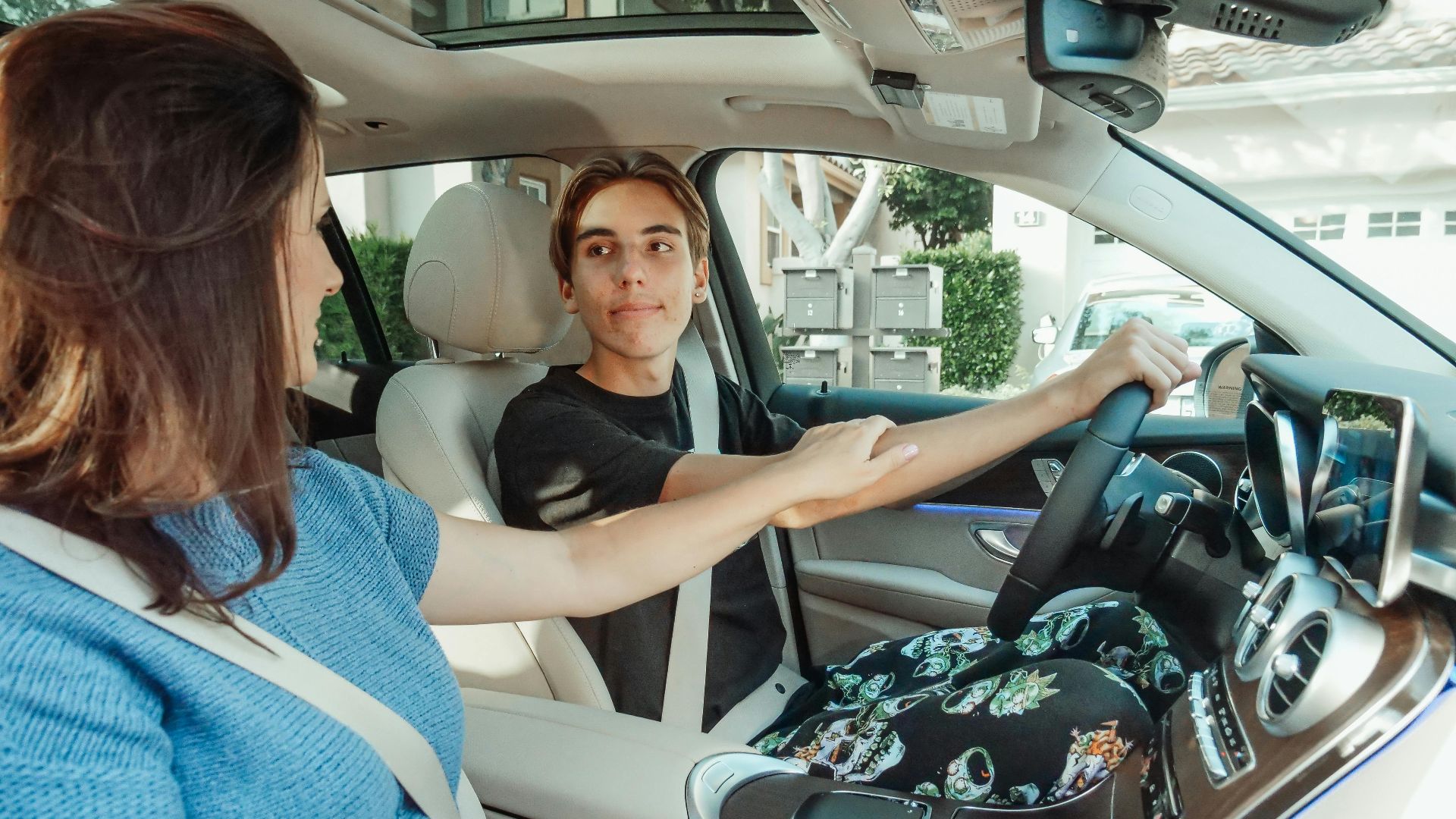
Fewer drivers get in-depth classroom instruction the way they did decades ago. Some people learn primarily from their parents or from informal practice, which can pass down bad habits. If the person teaching you doesn’t understand four-way stops, that confusion often gets inherited and reinforced instead of corrected.
Overreliance On Courtesy Instead Of Rules
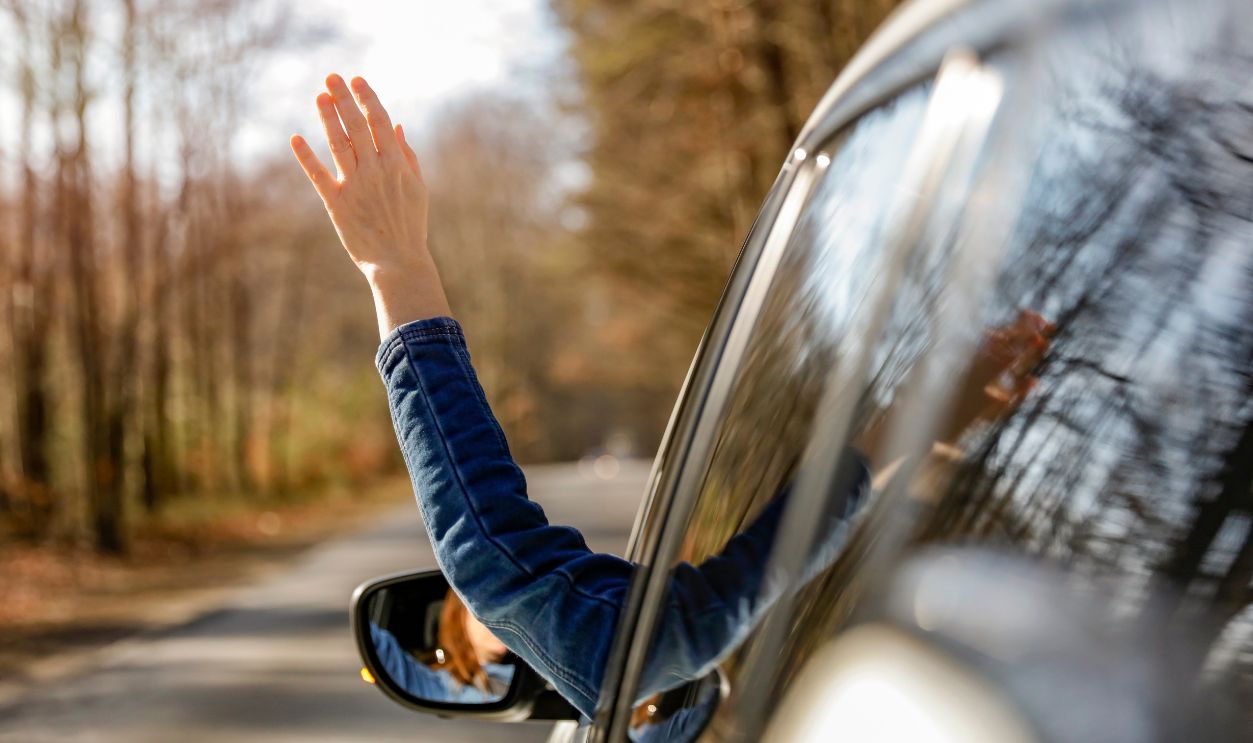
You see drivers waving others through out of turn, trying to be polite. While this is all seems nice, it actually undermines the system. Courtesy driving replaces clarity with ambiguity, forcing other people to guess your intentions. Predictability, not politeness, is what really keeps intersections safe in the long run.
Fear Of Looking Aggressive
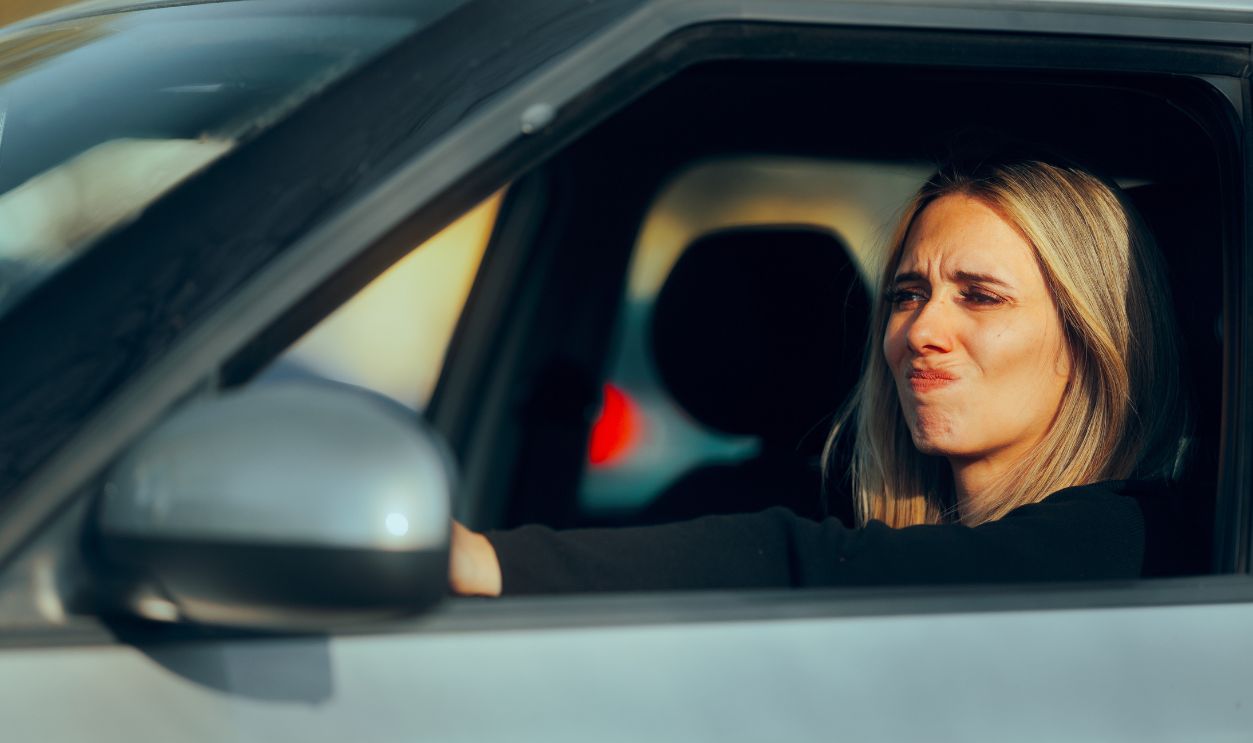
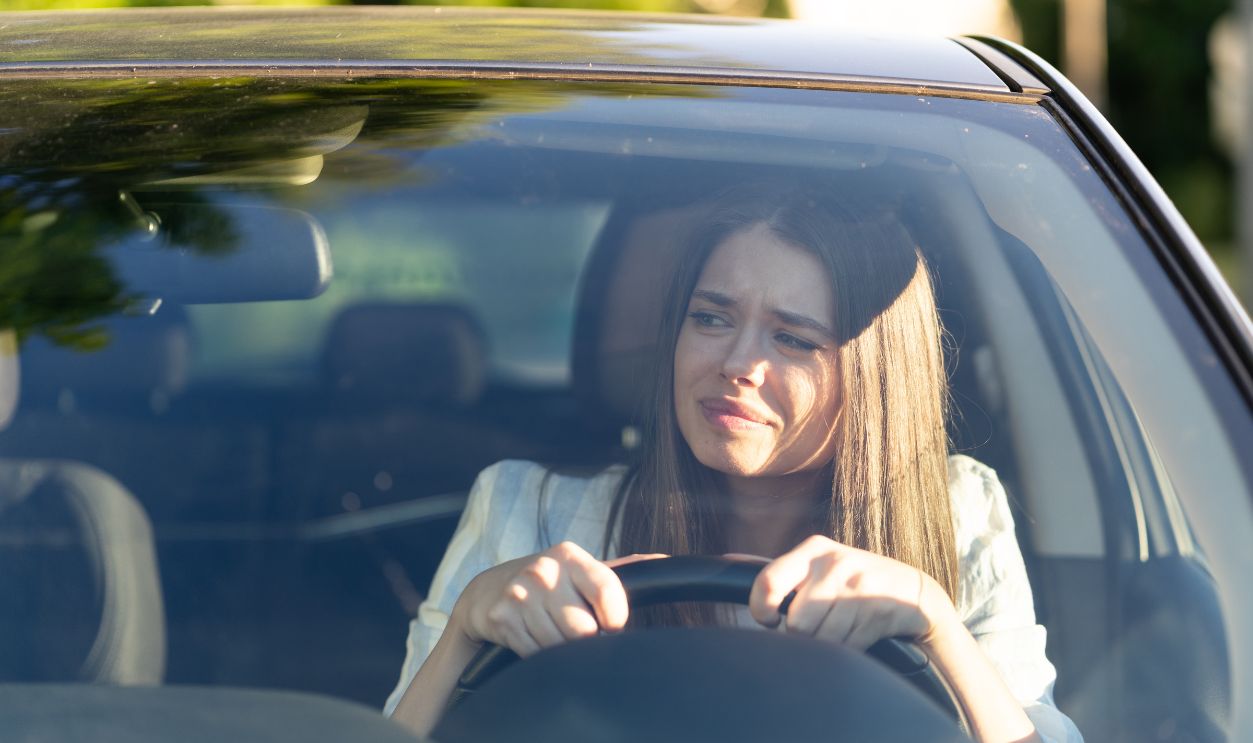
Many drivers hesitate because they don’t want to look rude or pushy. This fear causes them to surrender the right of way unnecessarily. Ironically, that hesitation generates tension in other drivers and increases collision risk, because other drivers expect you to move when it’s legally your turn.
 Nicoleta Ionescu, Shutterstock
Distracted Driving Makes Timing Harder
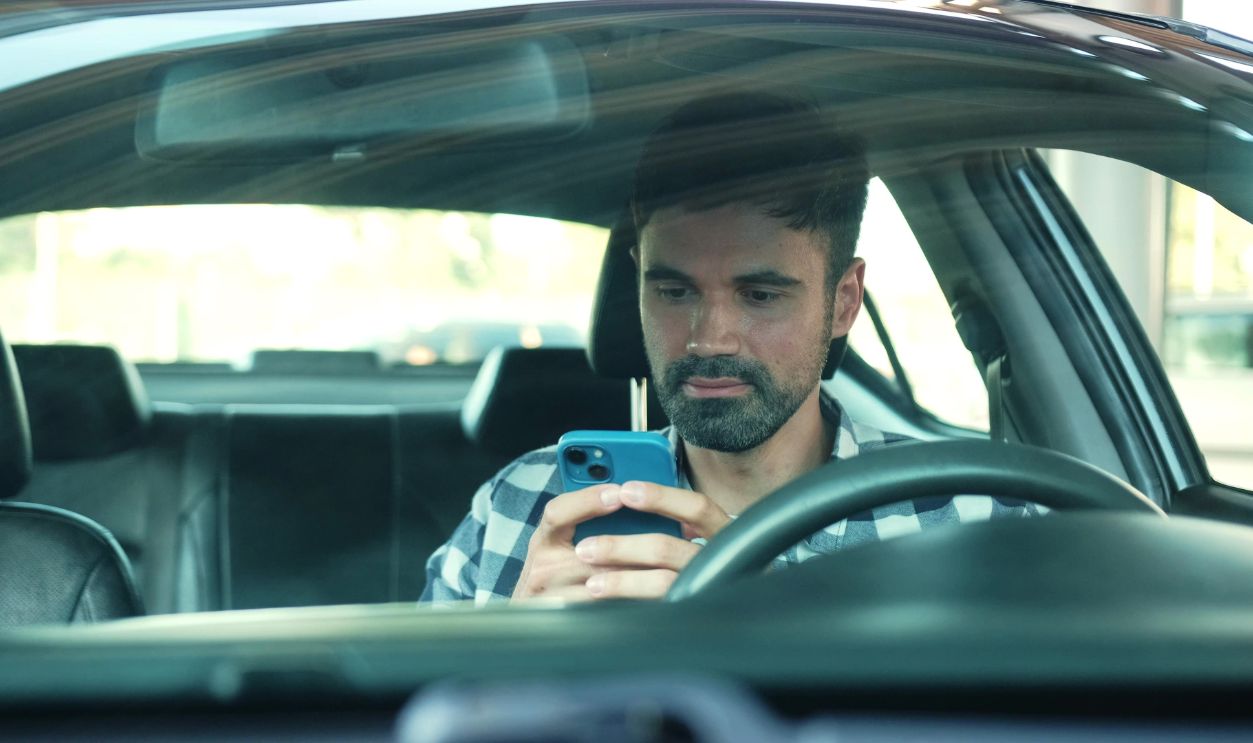
Phones, in-car entertainment screens, and in-car alerts break a driver’s situational awareness. If you’re only half-focused on what you’re doing, you might not register who arrived first or even notice another vehicle coming up to the stop. That delay turns simple sequencing into confusion.
 Nataliya Dmytrenko, Shutterstock
Larger Vehicles And Visibility Issues
Modern vehicles are taller and bulkier on average, which can limit sightlines at intersections. When you can’t clearly see other cars rolling in, judging arrival order gets harder. Drivers can hesitate or misjudge turns, especially in urban neighborhoods with parked cars or an overabundance of visual clutter.
Navigation Apps Disrupt Flow
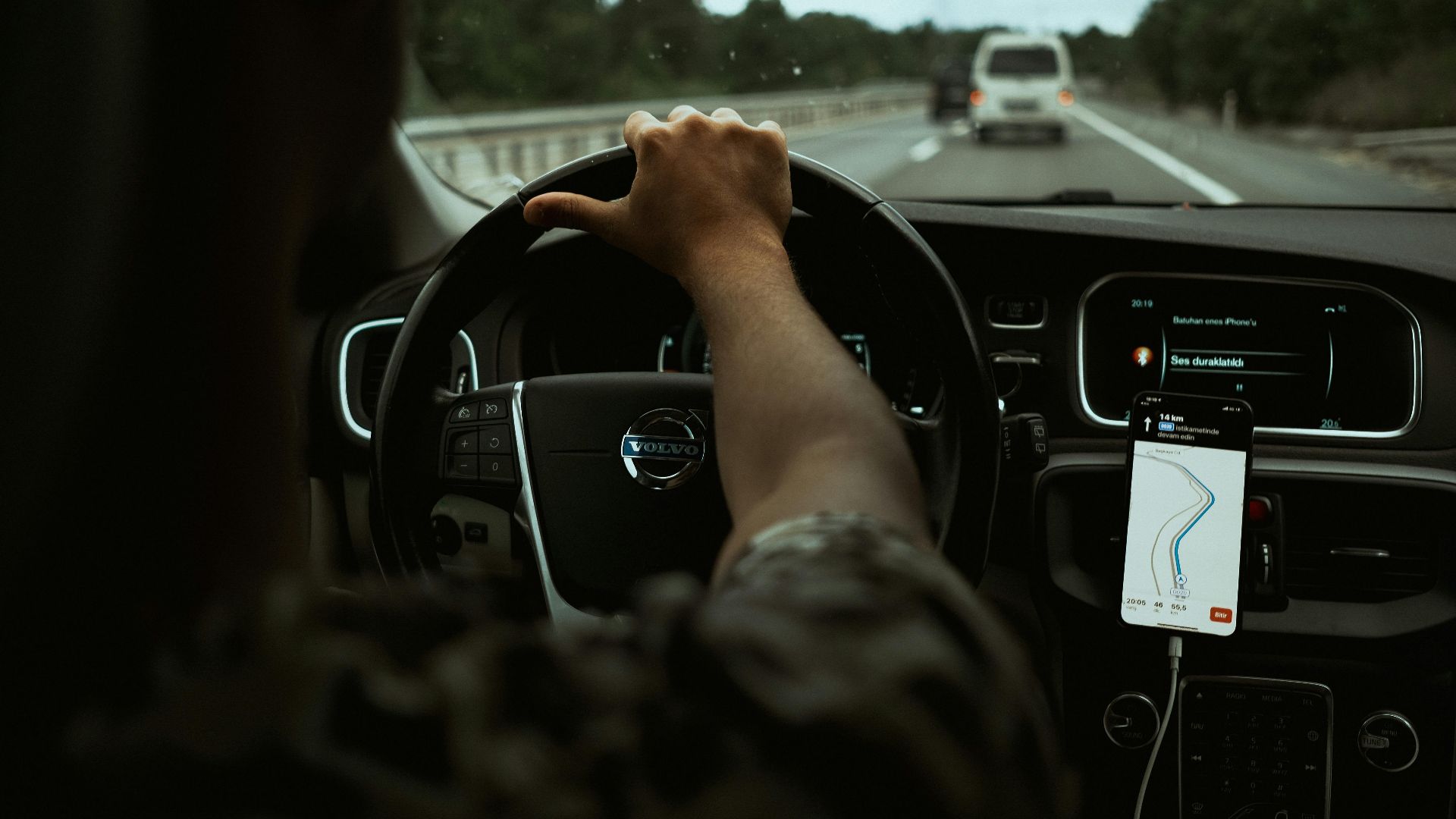
Turn-by-turn navigation and its constant nattering of verbal instructions can distract you from your surroundings. If your app suddenly tells you to turn, you may stop thinking in terms of the big picture and focus only on executing your move. That tunnel vision makes it harder to observe who actually has priority at a four-way stop.
Inconsistent Enforcement Sends Mixed Messages
Four-way stop violations are rarely enforced unless a crash occurs. Because the consequences of doing something wrong feel unlikely, people’s habits degrade. When drivers rarely get ticketed for rolling stops or improper yielding, the incentive to master or respect the rules gradually fades.
Rolling Stops Make Everything Worse
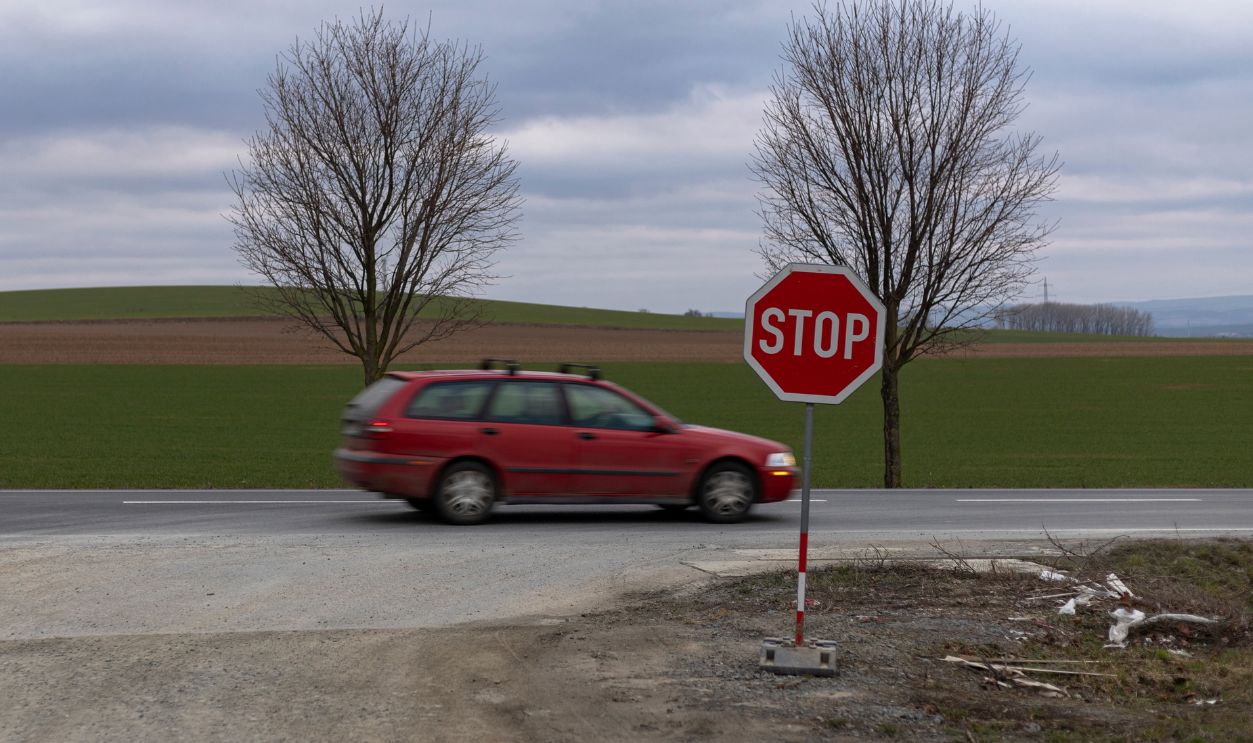
Many drivers don’t come to a complete stop, assuming others will accommodate them. This behavior destroys the arrival-order system entirely. If one driver stops fully and another driver rolls through, the stopper loses confidence in the rules. The intersection turns into a guessing game instead of a structured exchange.
Regional Driving Cultures Differ
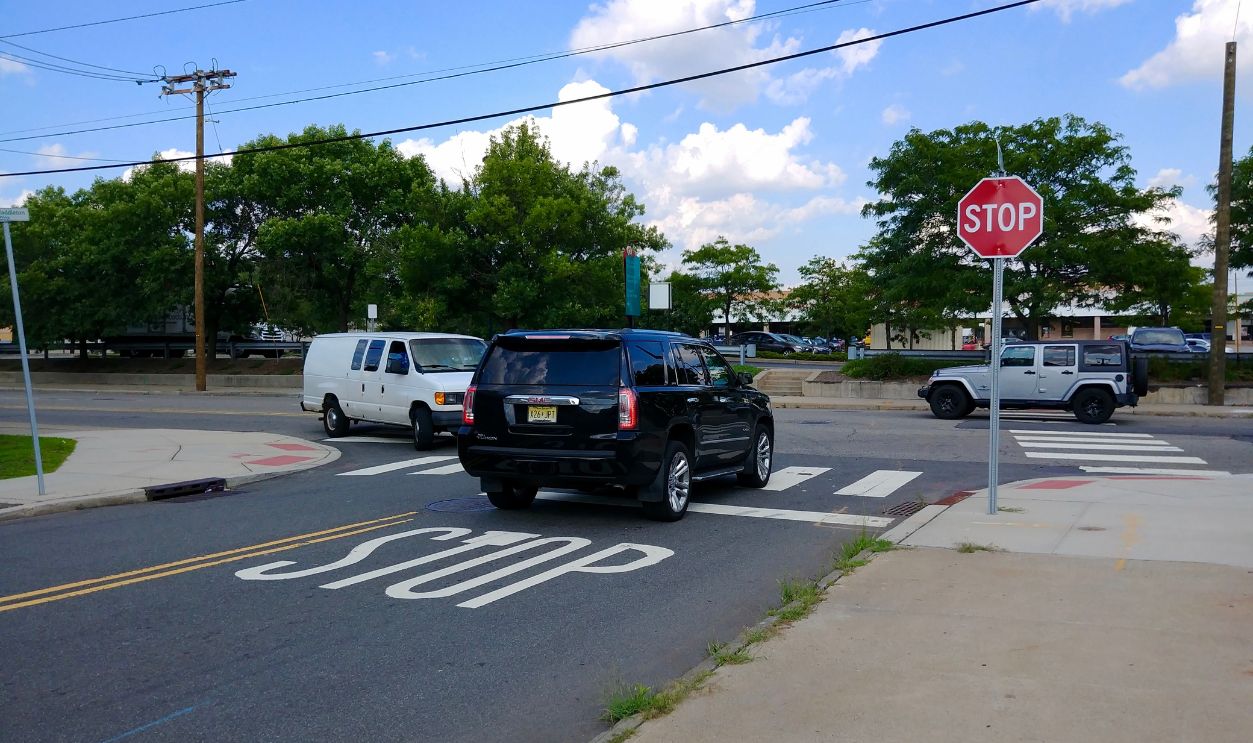
You may notice four-way stops work better in some towns than they do in others. Local norms shape behavior. In places where assertiveness dominates, hesitation gets punished. In places where politeness dominates, assertiveness feels awkward. Either extreme is detrimental to consistent driving habits.
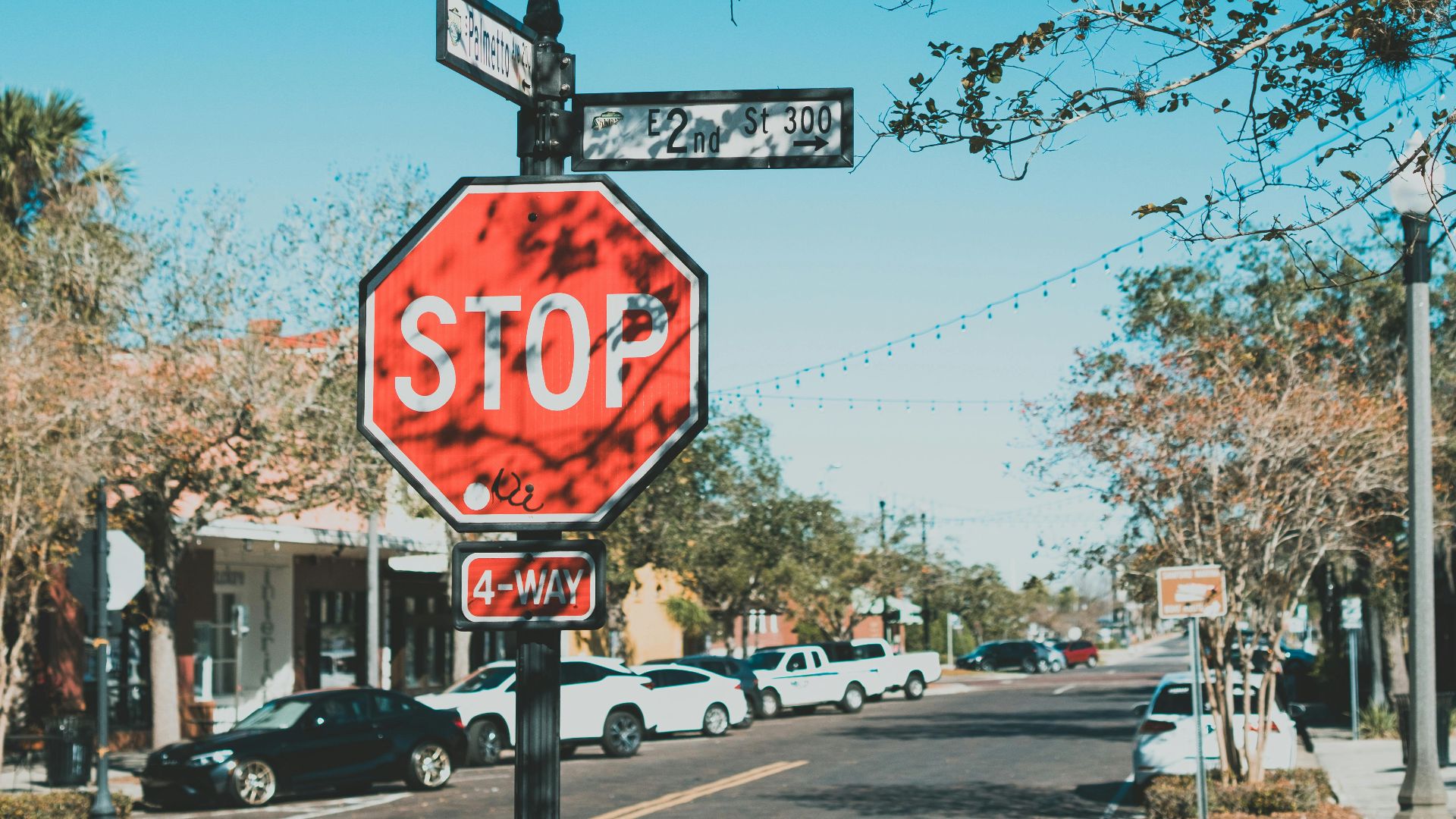
Pedestrians Add To The Confusion
When pedestrians are present, drivers often freeze or make unpredictable moves. Some wave walkers through when it is unsafe, others ignore them entirely. On the other hand, some pedestrians display no awareness whatsoever of what’s going on. Add a cyclist weaving through out of turn and it’s no wonder things get confusing at times.
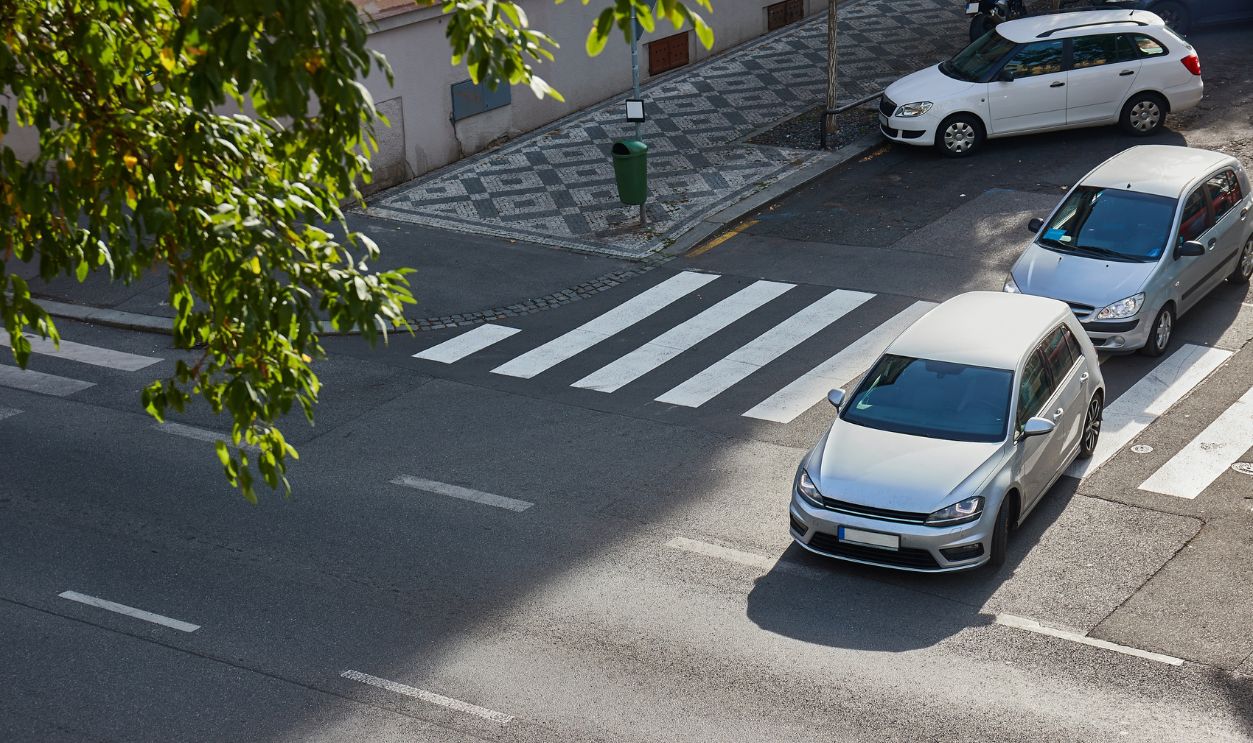
Autonomous Features Change Expectations
Modern cars now increasingly assist with braking and alerts, which over time subtly shifts responsibility away from the driver. When people start trusting too much in technology to intervene, they may pay less attention to procedural rules like four-way stops, assuming the car will protect them from making a bad decision.
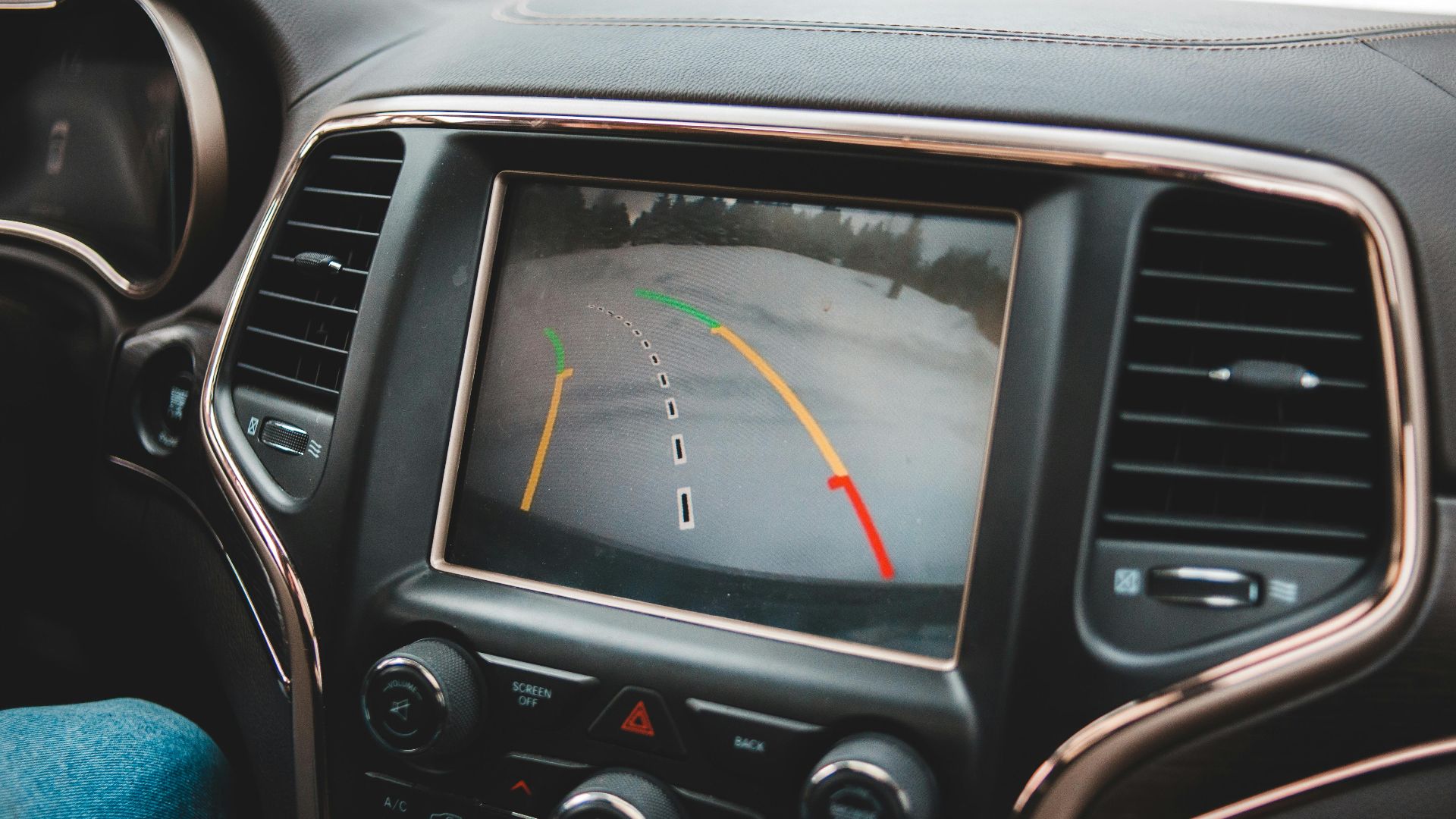
Pandemic-Era Habit Changes
Driving patterns changed a lot during and after the coronavirus era. Less traffic reduced reinforcement of good habits, and some drivers went back to the road rusty or impatient. The reset period might have accelerated sloppy behavior that never really fully corrected itself afterward.
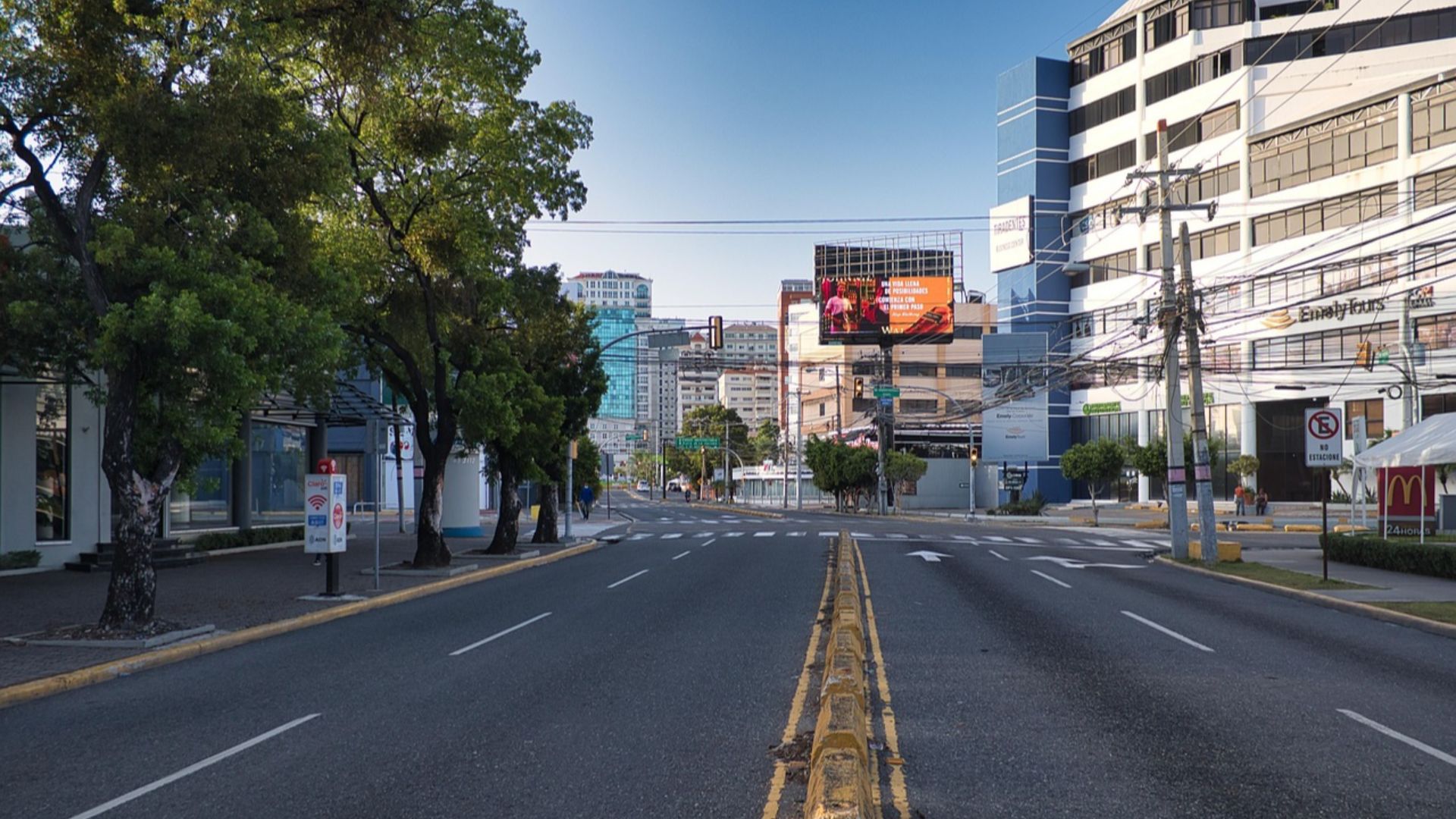
Lack Of Visual Feedback
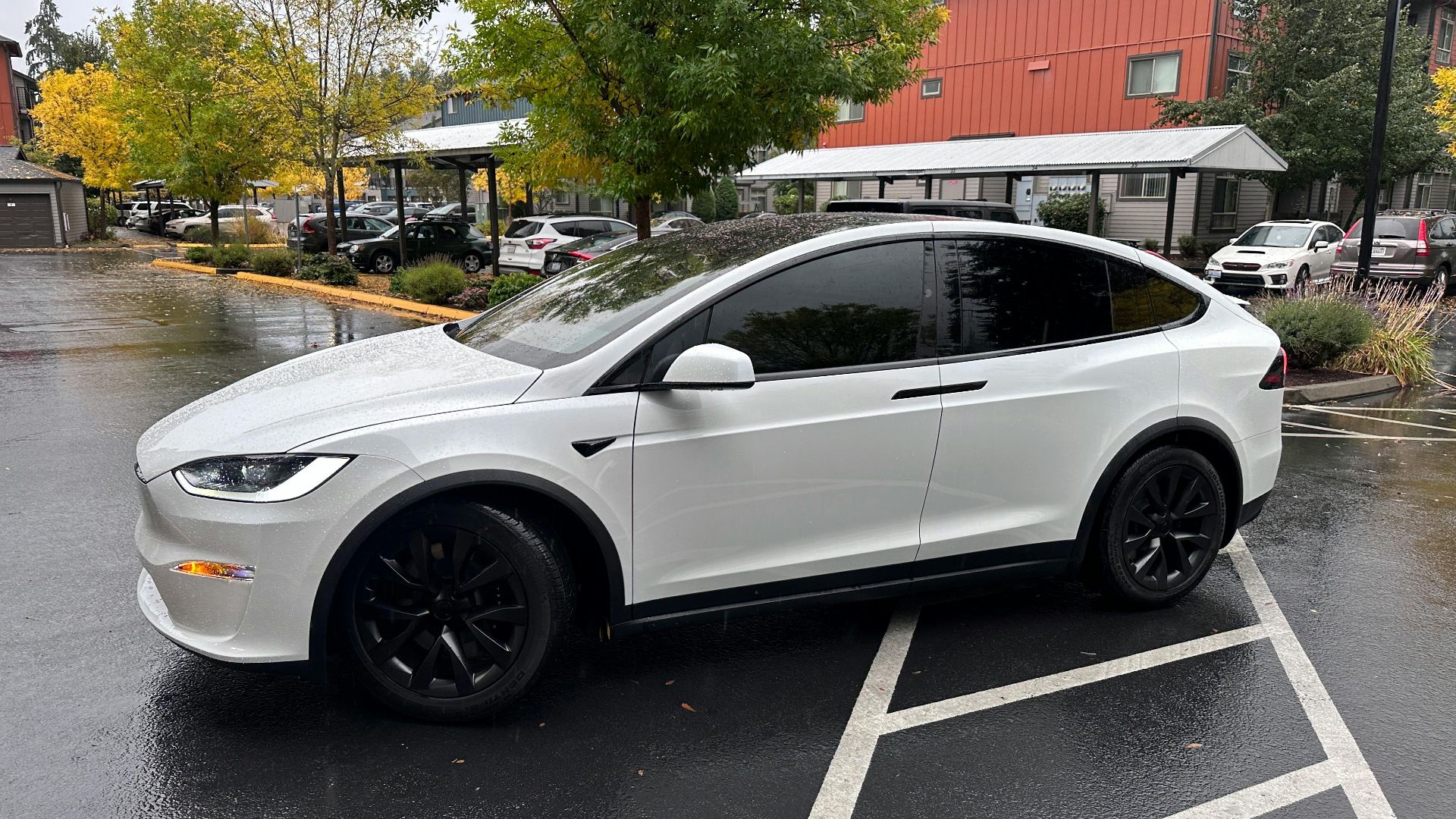
Four-way stops rely heavily on eye contact and subtle motion cues from other drivers. Heavily tinted windows, high dashboards, and distracted faces reduce that feedback. When you are unable to read another driver’s intent, hesitation feels safer than commitment, even if you technically have the right of way.
Why This Feels Worse Than It Used To
Four-way stops depend on a mutual shared understanding. When even a minority of drivers ignore or forget the rules, the entire system starts to break down. You remember when it worked because enough people followed the same mental playbook. That shared baseline seems to have largely gone away.
What You Can Do As A Driver
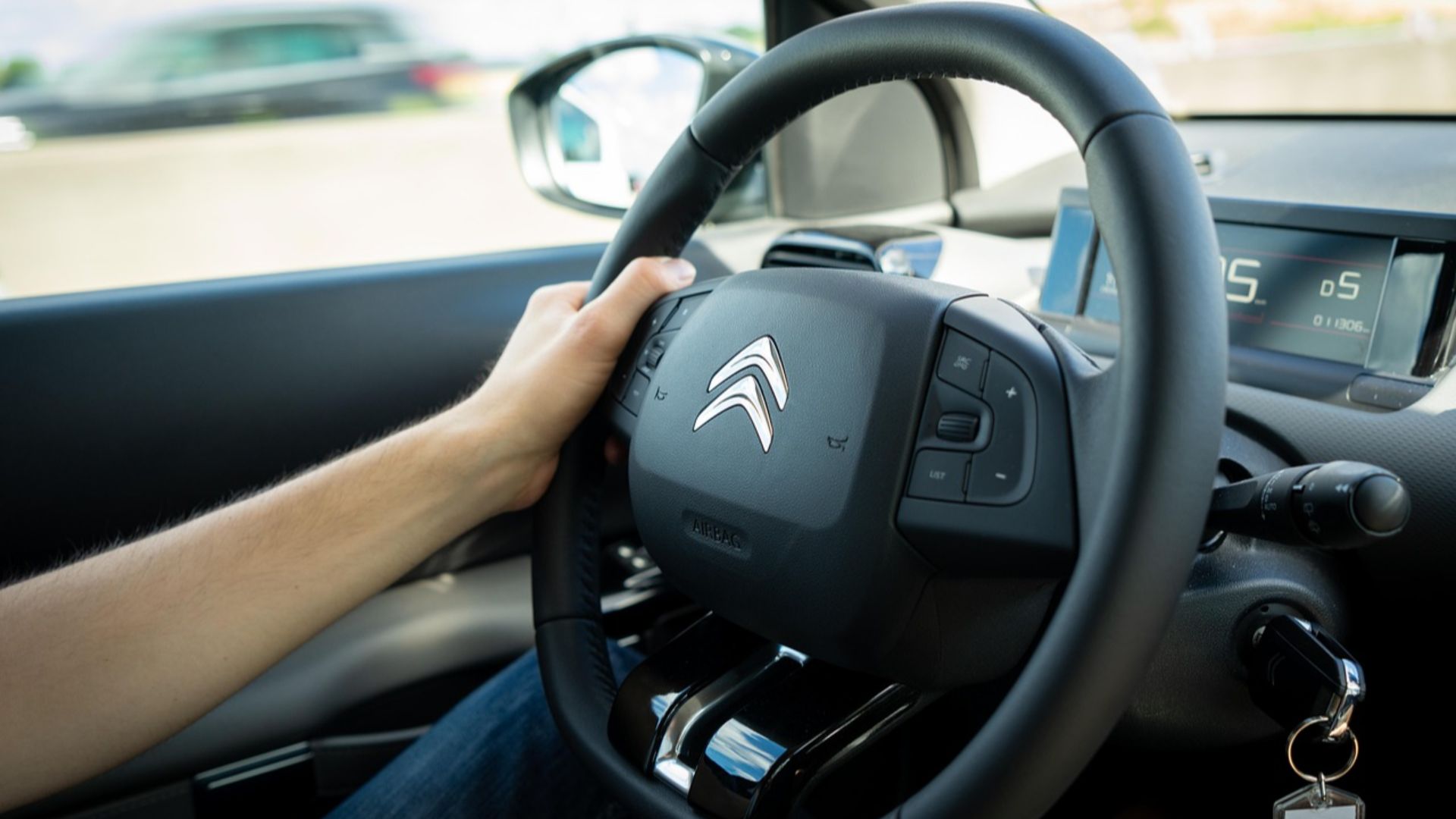
You can’t fix everyone else, but you can be predictable. Always come to a full stop, move confidently when it’s your turn to go, and avoid excessive hand waving. Clear, decisive actions on your part remove confusion and help reestablish order, even if the others are uncertain or behaving inconsistently.
You’re Not Imagining Things
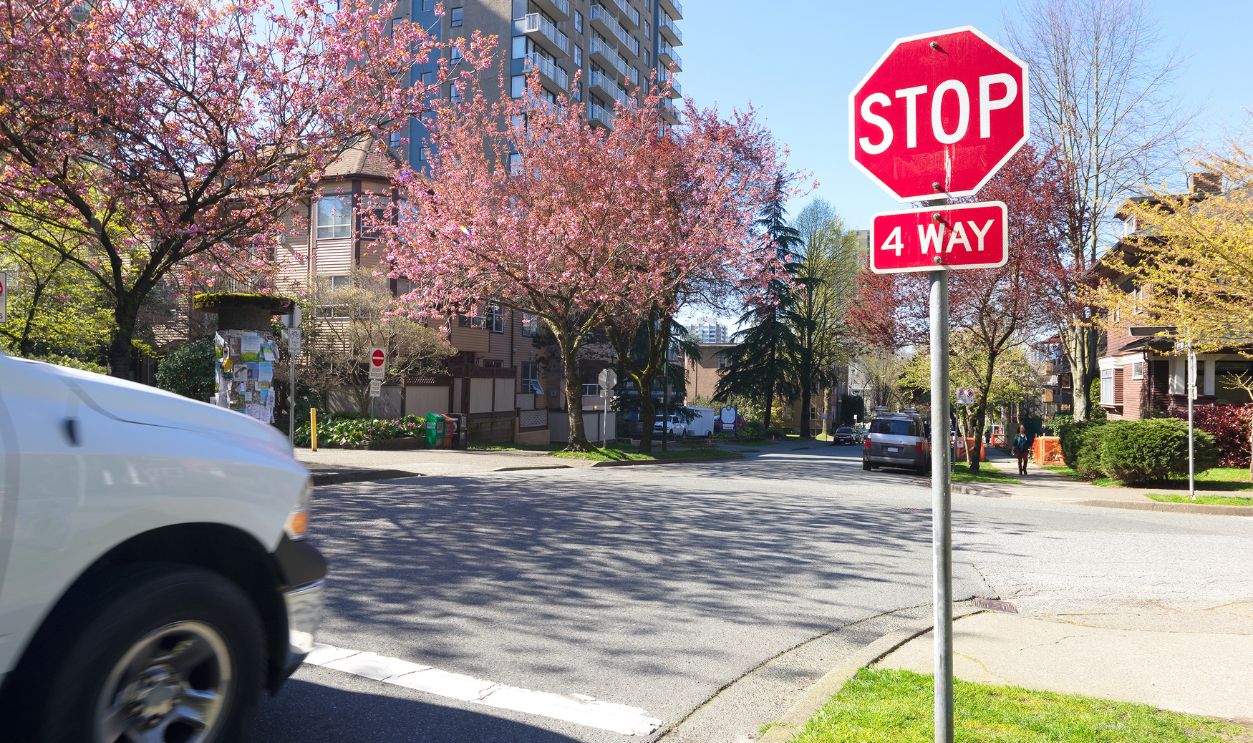
People haven’t forgotten how four-way stops work so much as they have stopped trusting rules to carry the moment. Poor training, distraction, and misplaced efforts at being polite are all contributing factors. When predictability disappears, chaos feels inevitable. The solution isn’t to pile on a bunch of new rules, but to re-establish respect for the old ones.
 YourBestPhoto.ca, Shutterstock
You May Also Like:
Baby boomers are all stunned at young drivers’ inability to perform these basic driving tasks.
Simple Tricks To Make Anyone A Better Driver In 2026, Because It’s Like Mad Max Out There