When Diesel Torque Took Over Drag Racing
For a brief but unforgettable stretch of time, diesel engines shocked the drag racing world. What started as a joke turned into record-breaking, torque-heavy monsters that embarrassed gas-powered builds and rewrote expectations at the strip.

Before Diesel Was Cool, It Was Considered Slow
For decades, diesel engines were seen as noisy, smoky, and strictly for work trucks. Nobody expected them to perform in motorsports, let alone drag racing. That perception made what happened next even more shocking when diesel builds started posting serious numbers.
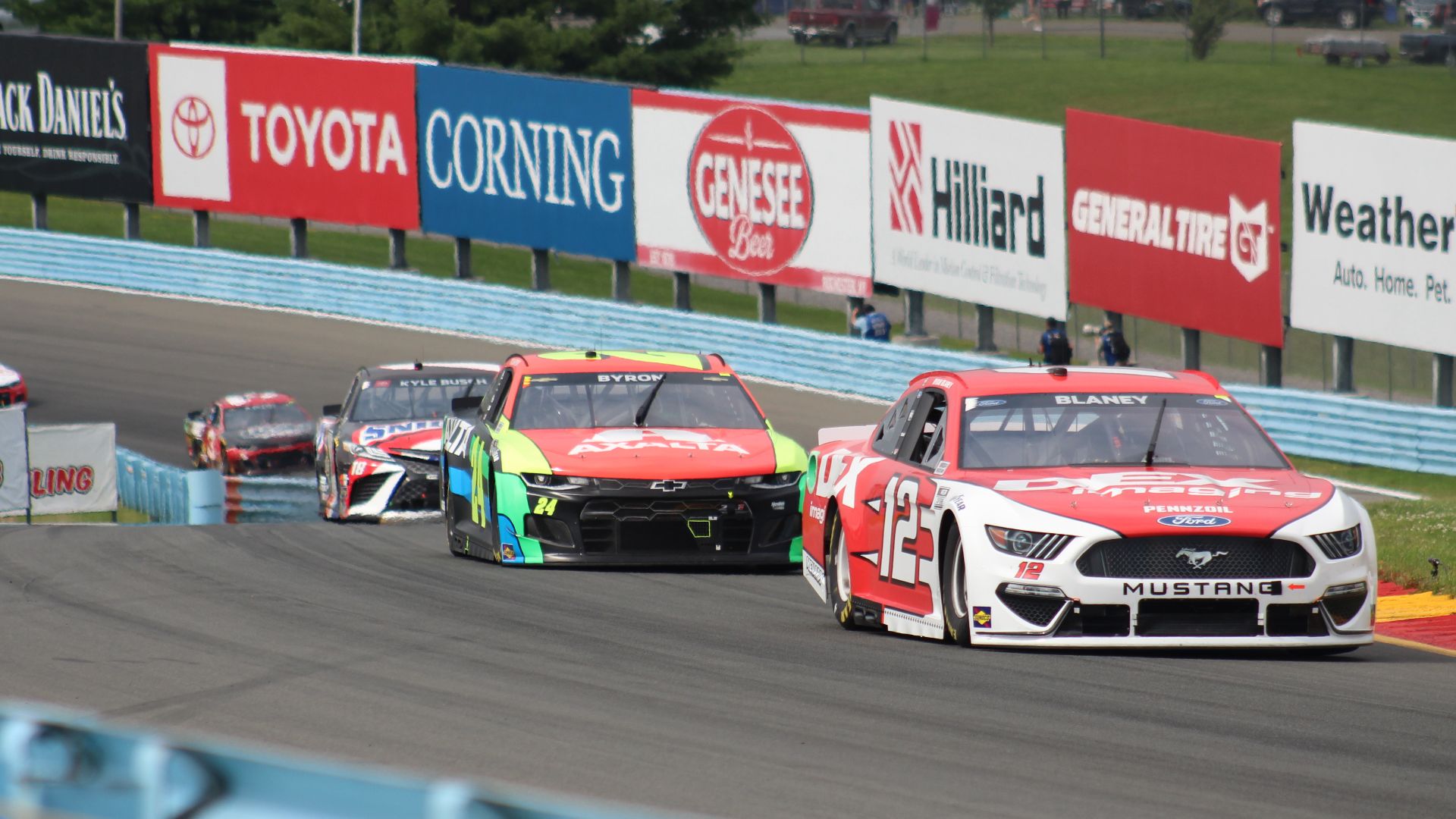 Zach Catanzareti Photo, Wikimedia Commons
The Rise of Torque Changed Everything
Diesel engines produce massive torque at low RPM, which is exactly what drag racing rewards. When builders learned how to manage traction and boost, diesel launches became violent, efficient, and brutally fast off the line.
The Early 2000s Diesel Drag Awakening
The early 2000s marked the turning point. Modified diesel pickups started showing up at the strip, running times nobody thought possible for compression-ignition engines. These weren’t flukes—this was the beginning of a movement.
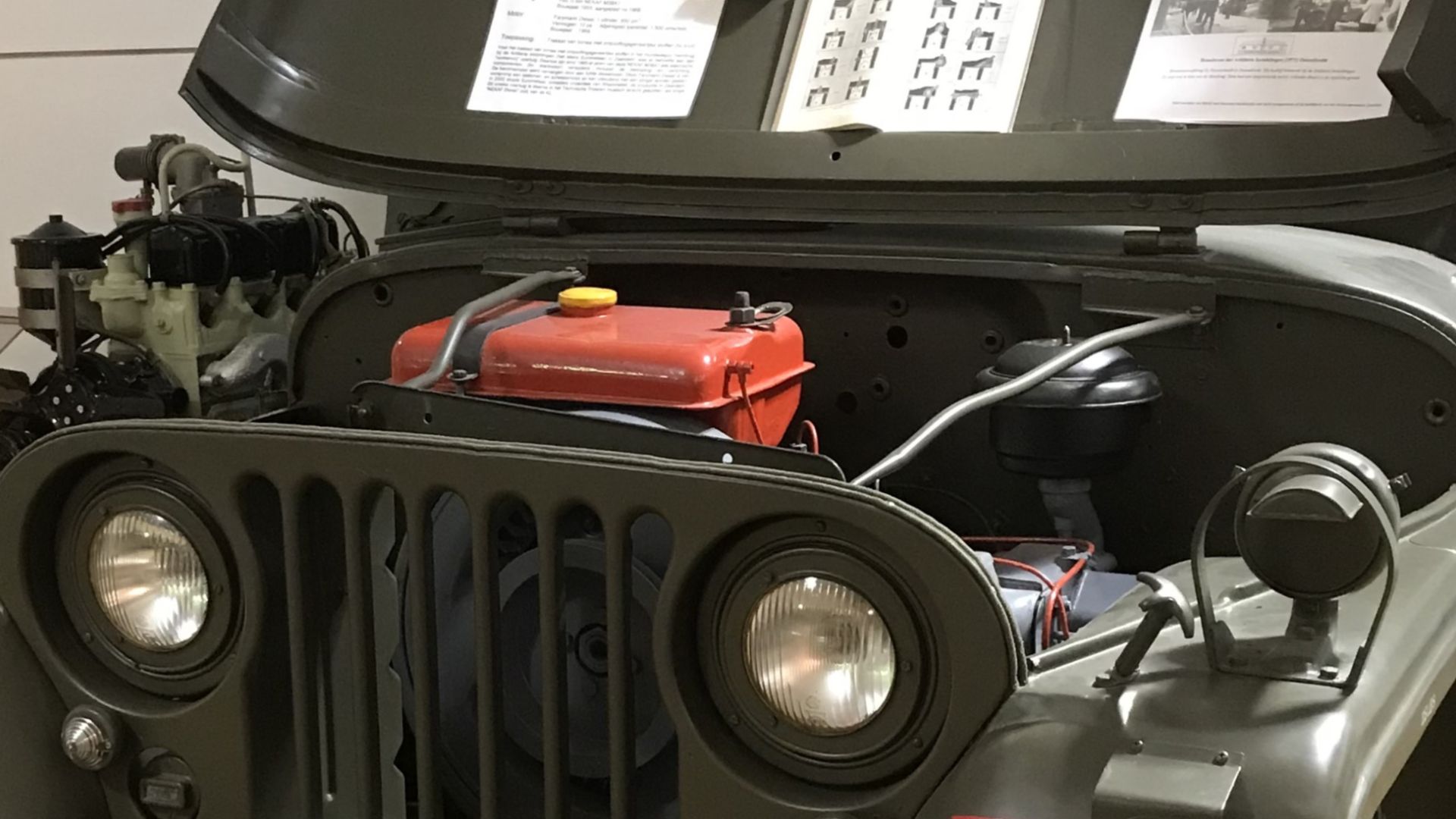
 Mr.choppers, Wikimedia Commons
Cummins 5.9L: The Engine That Started It All
The 12-valve and later 24-valve Cummins 5.9L inline-six became the foundation of diesel drag racing. With forged internals, P-pump fueling, and massive turbo setups, these engines handled 1,000+ horsepower reliably.
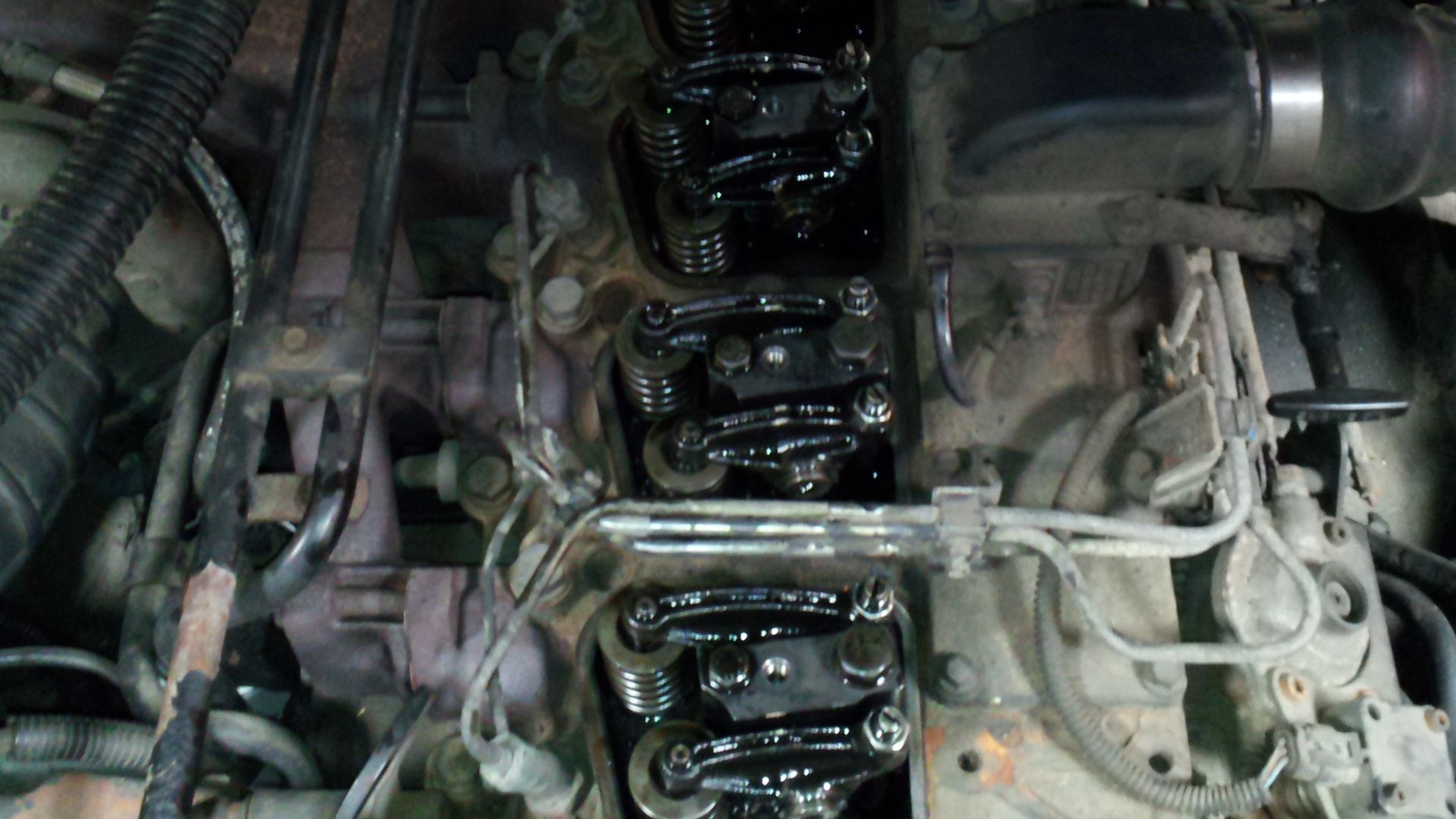 Dana60Cummins, Wikimedia Commons
Twin Turbos Turned Smoke Into Speed
Early single-turbo setups couldn’t move enough air. Once compound and twin-turbo systems became common, diesels exploded in performance. Boost pressures exceeding 100 psi became normal, transforming trucks into full-on drag machines.
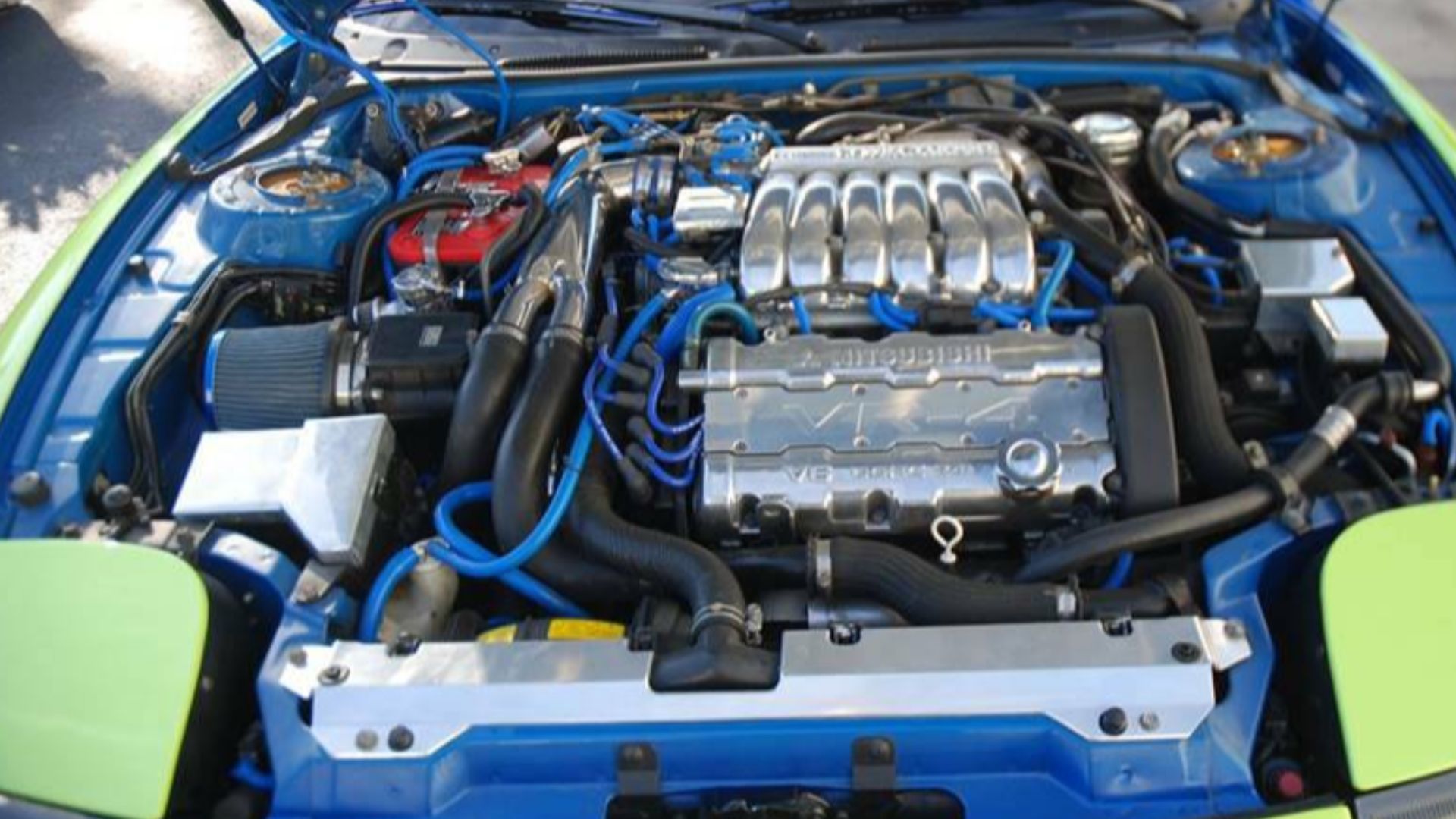 Danielslack1, Wikimedia Commons
Fueling Systems Got Extreme
High-pressure common rail systems and mechanical P-pumps were pushed far beyond factory limits. Dual CP3 pumps, oversized injectors, and methanol injection allowed insane fueling rates while keeping combustion stable at extreme boost levels.
Diesel Trucks Started Running 10s—Then 9s
By the mid-2000s, diesel drag trucks were consistently running 10-second quarter miles. It didn’t stop there. As traction and tuning improved, 9-second passes became common, shocking anyone who still thought diesels were slow.
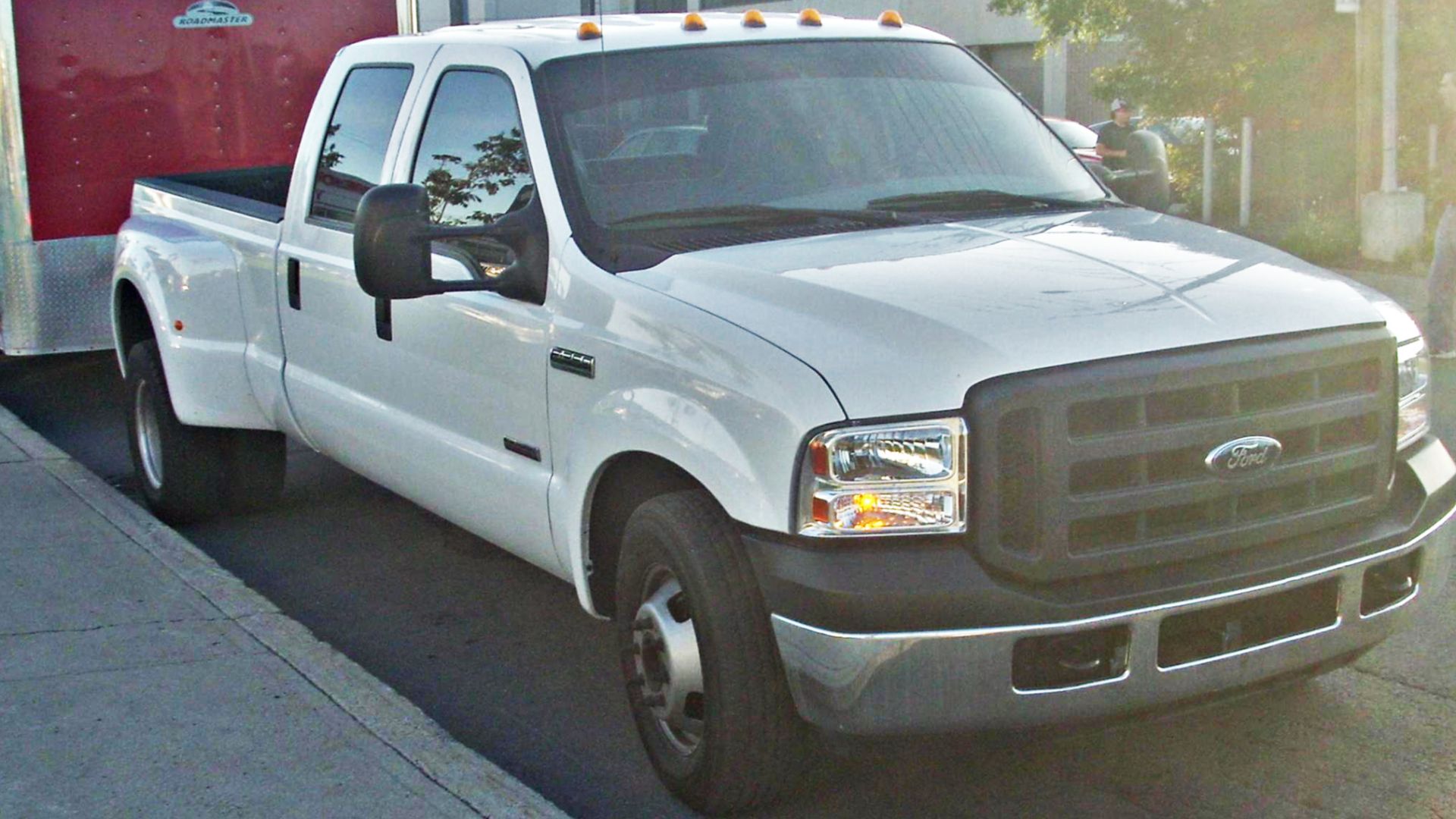
Scheids Diesel and Organized Competition
Events like the Scheid Diesel Extravaganza gave diesel drag racing a real stage. Purpose-built diesel drag trucks emerged, with stripped interiors, full cages, and setups designed solely to dominate the quarter mile.
 Mr.choppers, Wikimedia Commons
The Ford Power Stroke Joins the Fight
Ford’s 7.3L and later 6.0L Power Stroke engines entered the scene with strong bottom ends and impressive tuning potential. Built versions with head studs, upgraded turbos, and aggressive fueling made serious power when reliability issues were addressed.
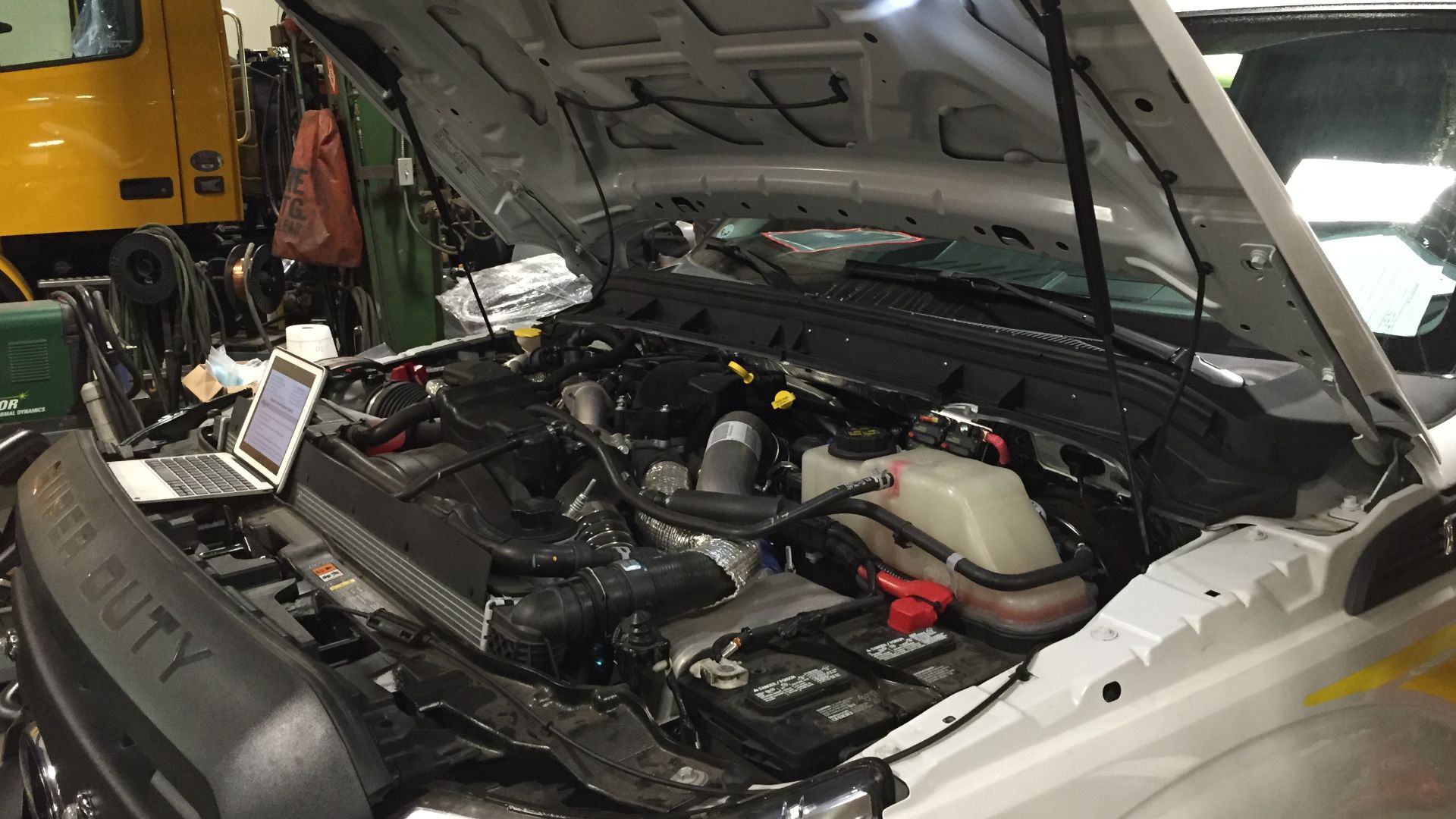 Bureau of Land Management Oregon and Washington from Portland, America, Wikimedia Commons
Duramax Proved Diesels Could Rev
GM’s Duramax V8 changed the game by revving higher than most diesels. With aluminum heads, high-flow injectors, and strong aftermarket support, built Duramax engines pushed past 4,500 RPM and deep into the 9-second zone.
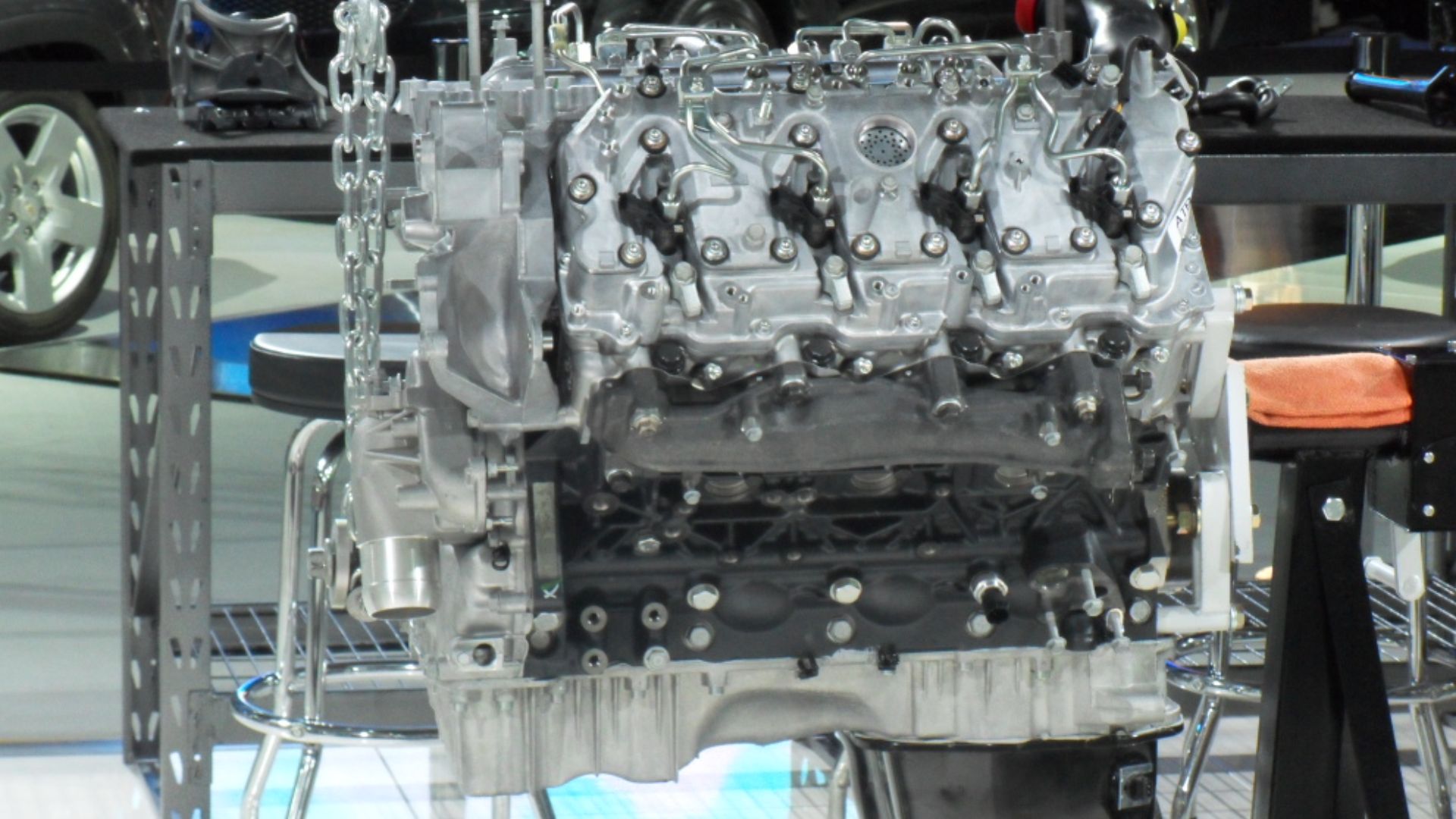 Tino Rossini from Toronto, Canada, Wikimedia Commons
Diesel Drag Cars, Not Just Trucks
Eventually, diesel engines found their way into lightweight drag cars. Tube chassis builds with Cummins or Duramax power proved that diesels weren’t limited by weight—only by imagination and traction.
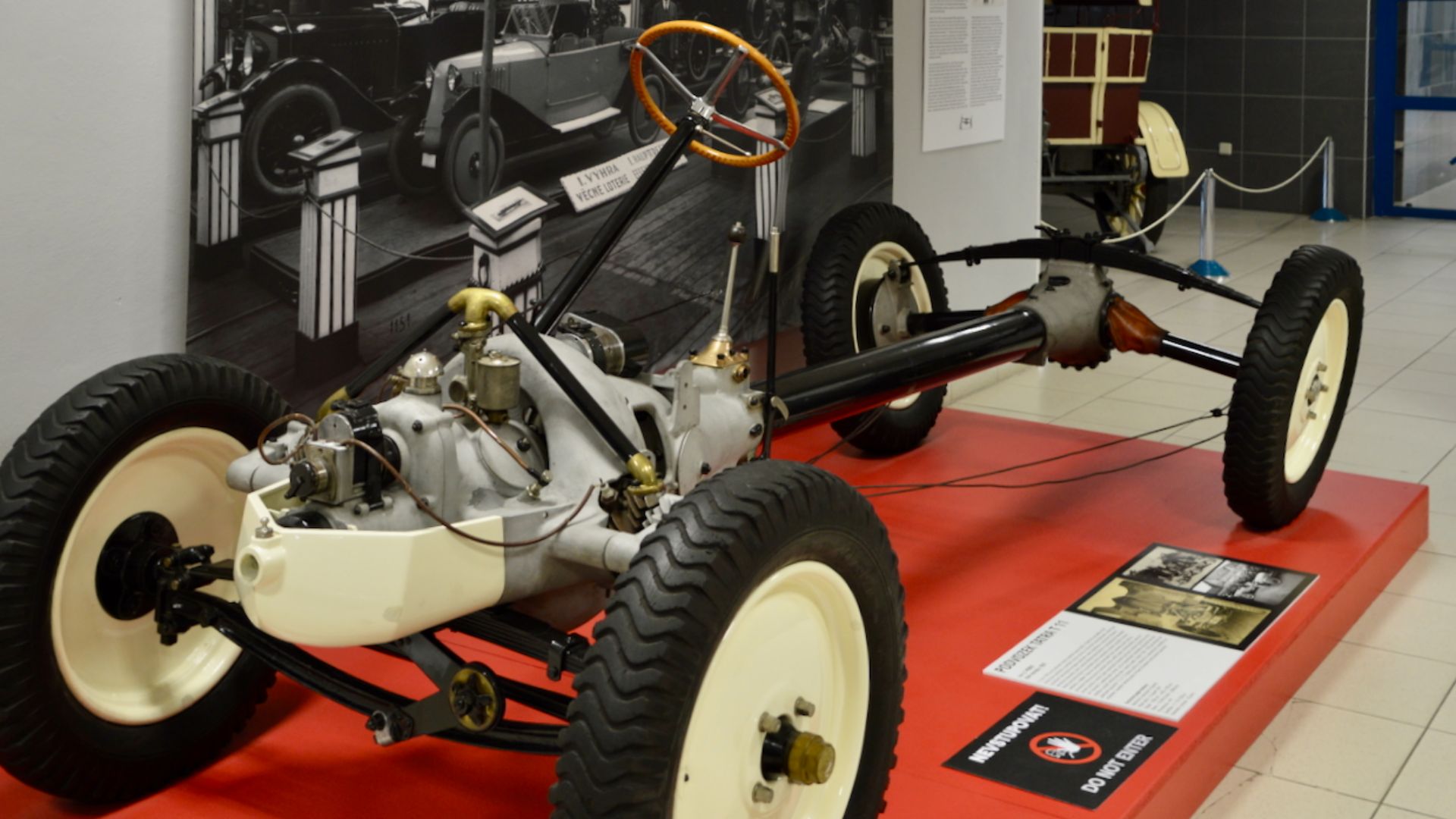
Record-Breaking Diesel Quarter Miles
By the 2010s, top diesel drag vehicles were running low 7-second passes at over 180 mph. Engines making 2,000+ horsepower became reality, turning diesel drag racing into a serious motorsport discipline.
 Steffen Prößdorf, Wikimedia Commons
Why Diesel Was So Hard to Beat
Diesel engines combined massive torque, durability, and boost tolerance. While gas engines chased RPM, diesels focused on controlled combustion under extreme pressure, creating insane acceleration once traction was solved.
 Charlie from United Kingdom, Wikimedia Commons
The Cost of Pushing Diesel This Far
These builds weren’t cheap. Custom blocks, billet crankshafts, fire-ringed heads, and exotic fuels became necessary. Diesel dominance came with massive budgets and constant maintenance at the top level.

Why Diesel Drag Racing Faded From the Spotlight
As emissions regulations tightened and racing costs skyrocketed, diesel drag racing became more niche. Many builders shifted toward sled pulling or street performance, where diesel torque still shines.
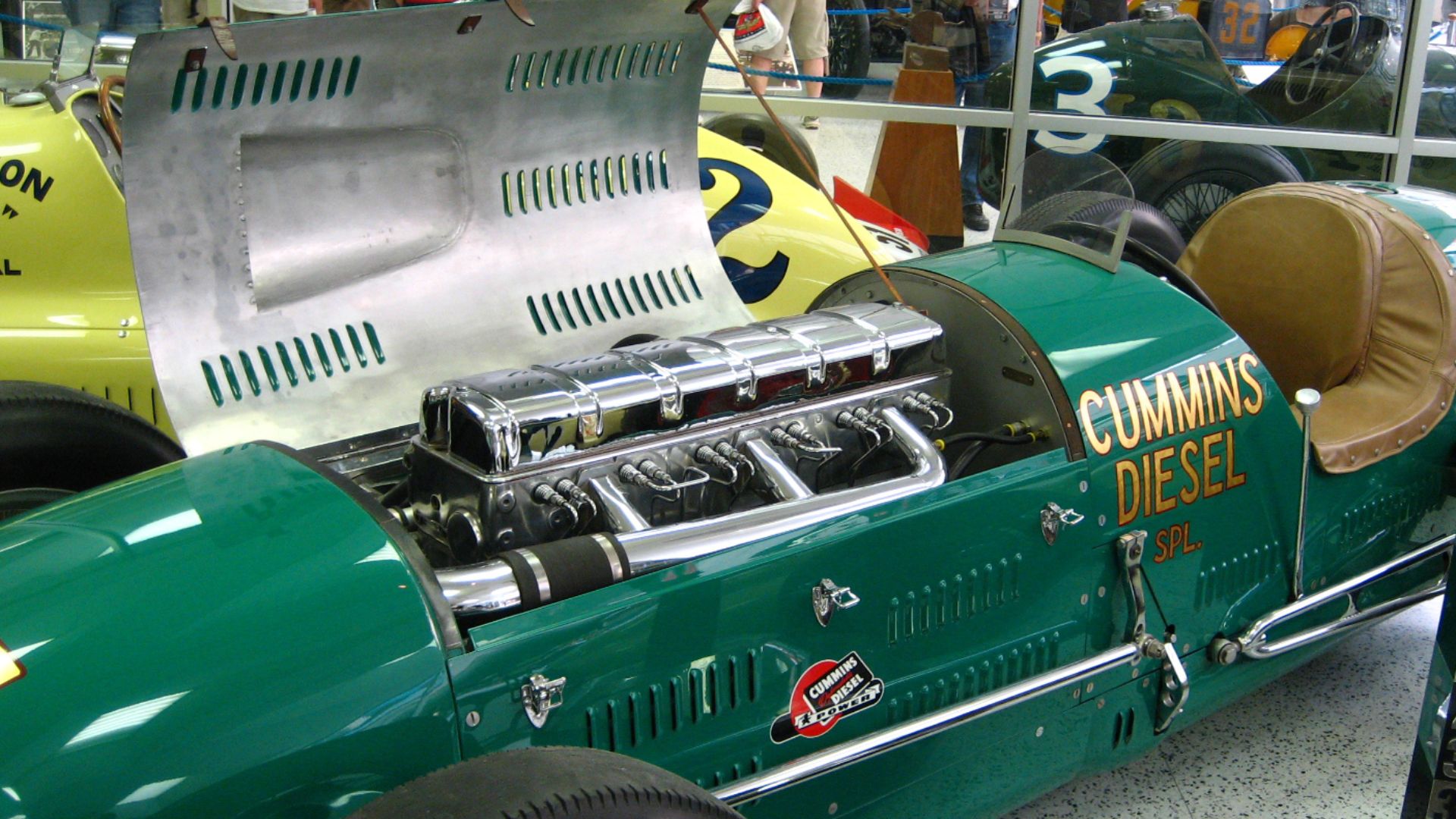
Modern Diesels Are More Restricted
Newer diesel engines are heavily emissions-controlled, making extreme drag builds harder and more expensive. Removing or modifying emissions equipment pushed many builds off public tracks and into private events.
 Mateusmatsuda, Wikimedia Commons
Where the Legends Are Now
Many iconic diesel drag trucks are retired, preserved, or still racing in exhibition events. They’re reminders of a time when diesel shocked the racing world and rewrote what was considered possible.
Why Diesel Still Commands Respect
Even today, diesel engines dominate torque-based motorsports. Their drag racing era proved that performance isn’t about fuel type—it’s about engineering, creativity, and pushing limits.
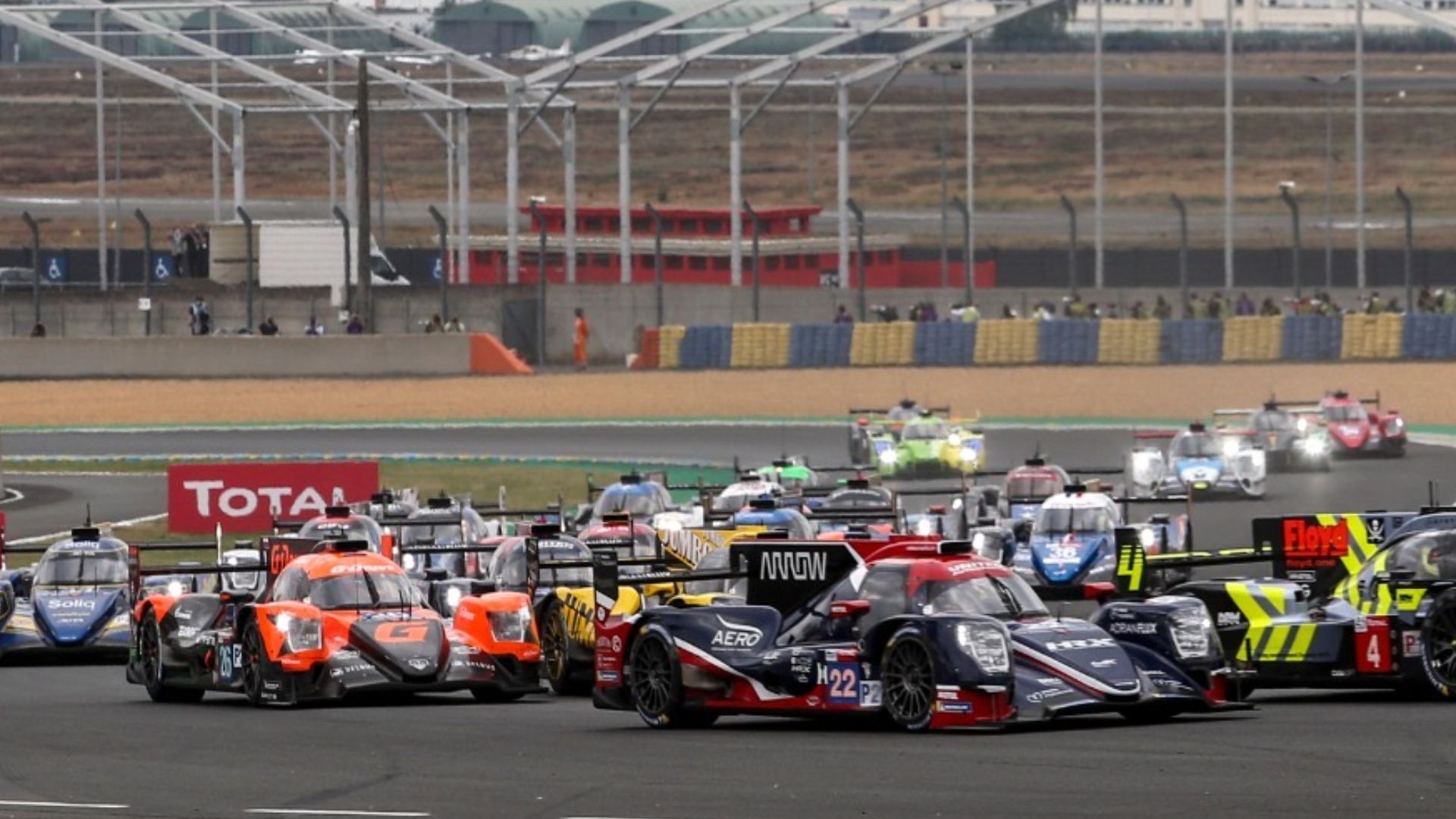 United Autosports, Wikimedia Commons
The Legacy Diesel Left Behind
Diesel drag racing changed how enthusiasts view compression-ignition engines forever. It proved that torque can win races, smoke can mean speed, and underdogs can dominate when innovation leads the way.
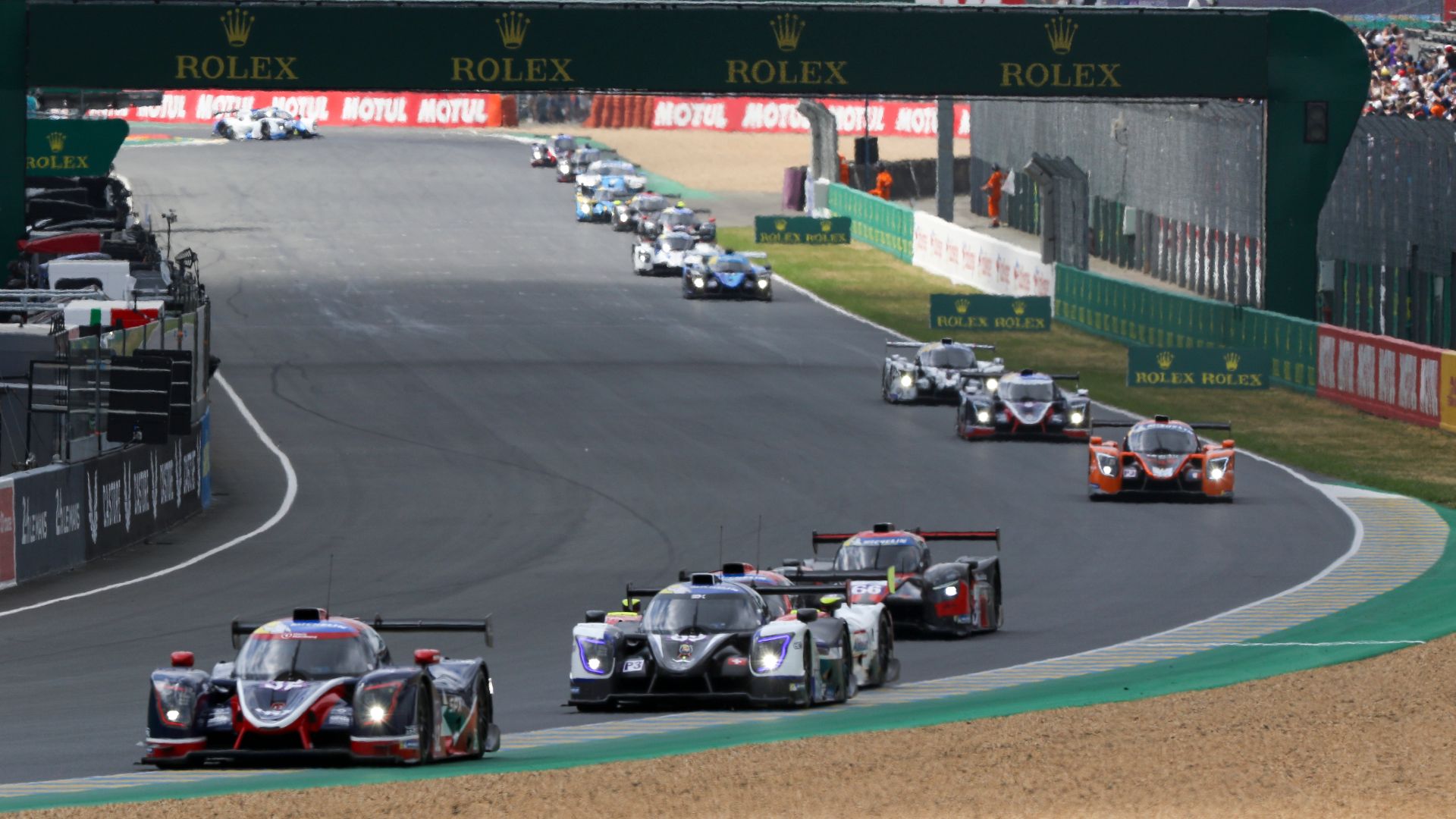 United Autosports, Wikimedia Commons
You May Also Like:
The Worst Diesel Pickup Trucks Ever Made, According To Mechanics
The Most Reliable Diesel Trucks For 2025, According To Edmunds