Becoming A Better Driver Starts With Small Wins
Most people think great drivers are born with lightning-fast reflexes and nerves of steel. In reality, the best drivers are simply the ones who stack a lot of small, smart habits together. If you’re a newer driver, the good news is this: you don’t need years of experience or a fancy car to drive well. You just need awareness, patience, and a willingness to improve. The following tips are easy to apply, often overlooked, and proven to make a real difference. Master these, and you won’t just feel more confident—you’ll actually be safer, smoother, and more enjoyable to share the road with.
Adjust Your Seat And Mirrors Every Single Time
Before you even turn the key, take a moment to set yourself up properly. Your seat should allow you to reach the pedals comfortably with a slight bend in your knees, and your steering wheel should be within easy reach without locking your arms. Mirrors aren’t “set it and forget it” either. Adjust them so you minimize blind spots and don’t have to crane your neck to see clearly. This small ritual instantly puts you in control.
Look Further Down The Road Than You Think
New drivers often stare at the pavement right in front of the hood. Experienced drivers scan far ahead. The further you look, the more time your brain has to react to what’s coming. By watching traffic lights, brake lights, and road conditions in the distance, you’ll brake more smoothly, steer more confidently, and avoid last-second panic moves.

Learn To Love Smooth Inputs
Jerky steering, harsh braking, and sudden acceleration are signs of inexperience. Smooth drivers are safer drivers. Ease onto the pedals, unwind the wheel gradually, and treat every control like a volume knob—not an on/off switch. Passengers notice smoothness immediately, and so does your car.
Keep Both Hands On The Wheel (Most Of The Time)
Yes, you can steer with one hand—but that doesn’t mean you should. Keeping both hands on the wheel gives you better control and faster reaction times if something unexpected happens.A relaxed “9 and 3” grip is ideal for most modern cars and helps prevent over-steering in emergency situations.

Signal Earlier Than You Think You Need To
Turn signals aren’t just for you—they’re for everyone else. Signaling early gives other drivers time to adjust and reduces confusion. Even if you think no one is around, signal anyway. Good habits practiced consistently become automatic when it matters most.

Stop Treating Speed Limits As Suggestions
Speed limits exist for a reason, especially in residential areas and near schools. Driving slightly slower often makes you safer without costing meaningful time. You’ll also notice that staying closer to the speed limit lowers stress, improves fuel economy, and gives you more reaction time.

Learn How Your Brakes Actually Feel
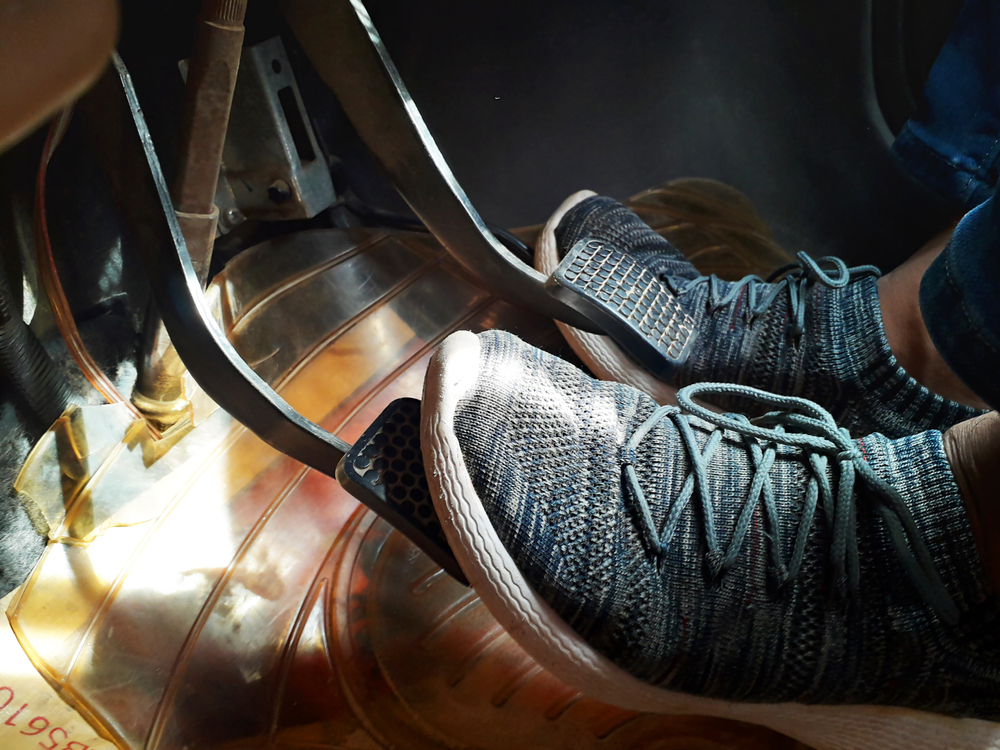
Every car’s brakes feel different. Spend time learning how much pressure it takes to stop smoothly versus quickly. Practice gentle braking and controlled hard stops in safe conditions. Knowing your braking limits builds confidence and prevents panic when you need to stop fast.

Check Your Blind Spots Like You Mean It
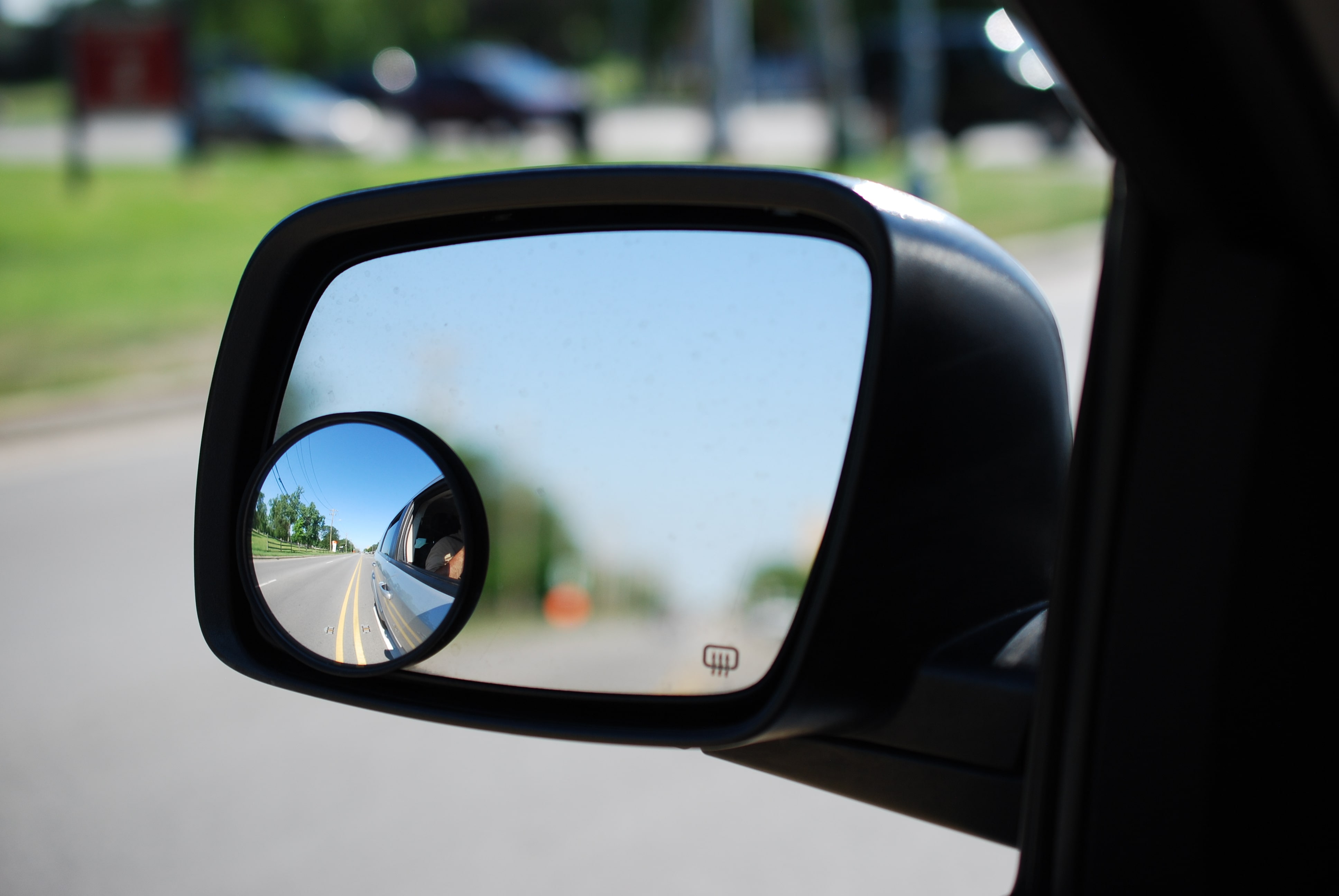
Mirrors don’t show everything. Always do a quick shoulder check before changing lanes or merging, even if the mirror looks clear. This habit alone prevents countless accidents—and it takes less than a second to do properly.

Leave More Space Than You Think You Need
Following too closely is one of the most common mistakes new drivers make. The extra space gives you time to react if traffic suddenly slows or stops. A good rule of thumb is the three-second following distance, adjusted for speed and weather conditions.

Learn To Predict Other Drivers’ Mistakes
Assume other drivers might do something unexpected—because sometimes they will. Watch wheels, not just turn signals. Notice drifting lanes, sudden braking, or hesitation. Defensive driving isn’t about fear; it’s about awareness.
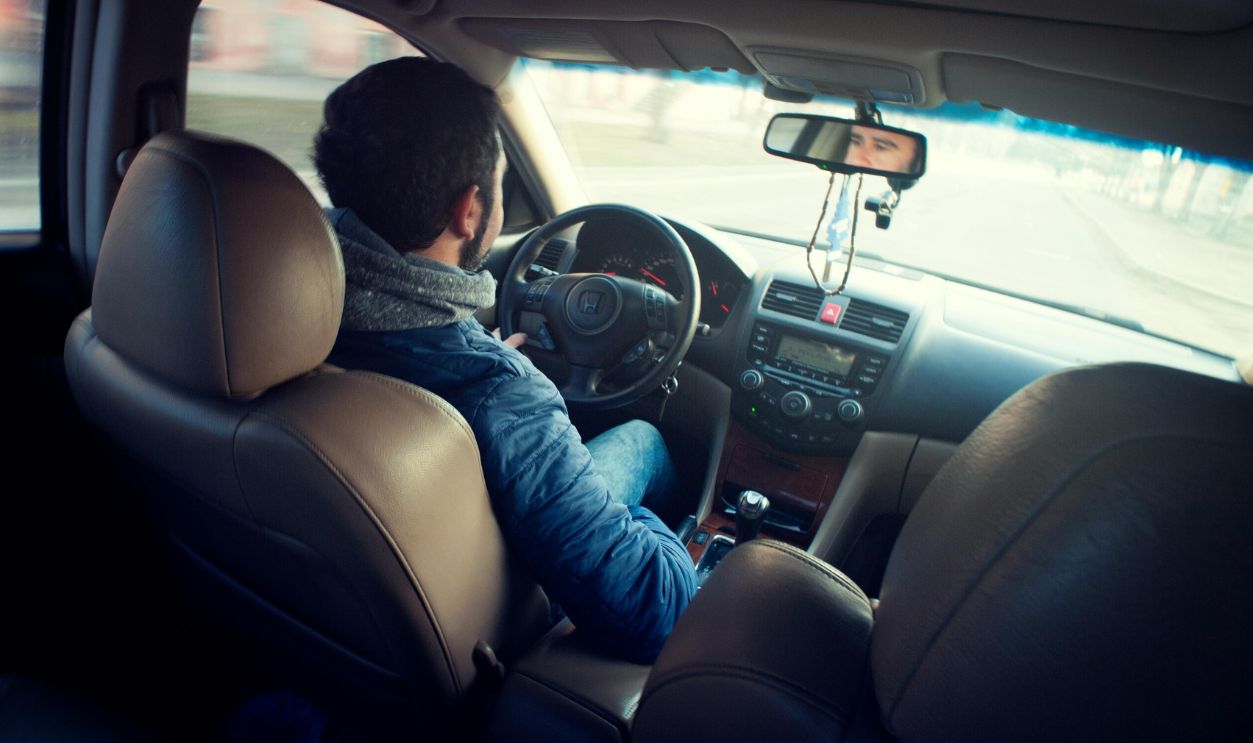
Don’t Rush Yellow Lights
A yellow light is a warning, not a challenge. If you’re unsure whether to go, slowing down is usually the safer choice. Rushing yellow lights leads to hard braking, red-light running, and close calls that are entirely avoidable.

Practice Parking When You Don’t Have To
Empty parking lots are free driving classrooms. Use them to practice parallel parking, reversing, and tight turns without pressure. The more comfortable you are with parking, the less stressful everyday driving becomes.

Keep Your Phone Out Of Reach
Even “quick glances” add up. Put your phone somewhere you can’t easily grab it—glove box, bag, or center console. A distraction-free driver is a dramatically better driver, especially when reaction time matters.

Understand Your Car’s Size And Corners
Knowing where your car’s corners are helps with parking, lane positioning, and tight spaces. Over time, this sense becomes instinctive. If you’re unsure, practice slow maneuvers until you trust your spatial awareness.

Drive To Conditions, Not Just Rules
Rain, snow, fog, and darkness all demand adjustments. Slowing down, increasing following distance, and turning on headlights early can prevent trouble. Good drivers adapt constantly instead of relying on one default driving style.

Learn Basic Car Maintenance Signals
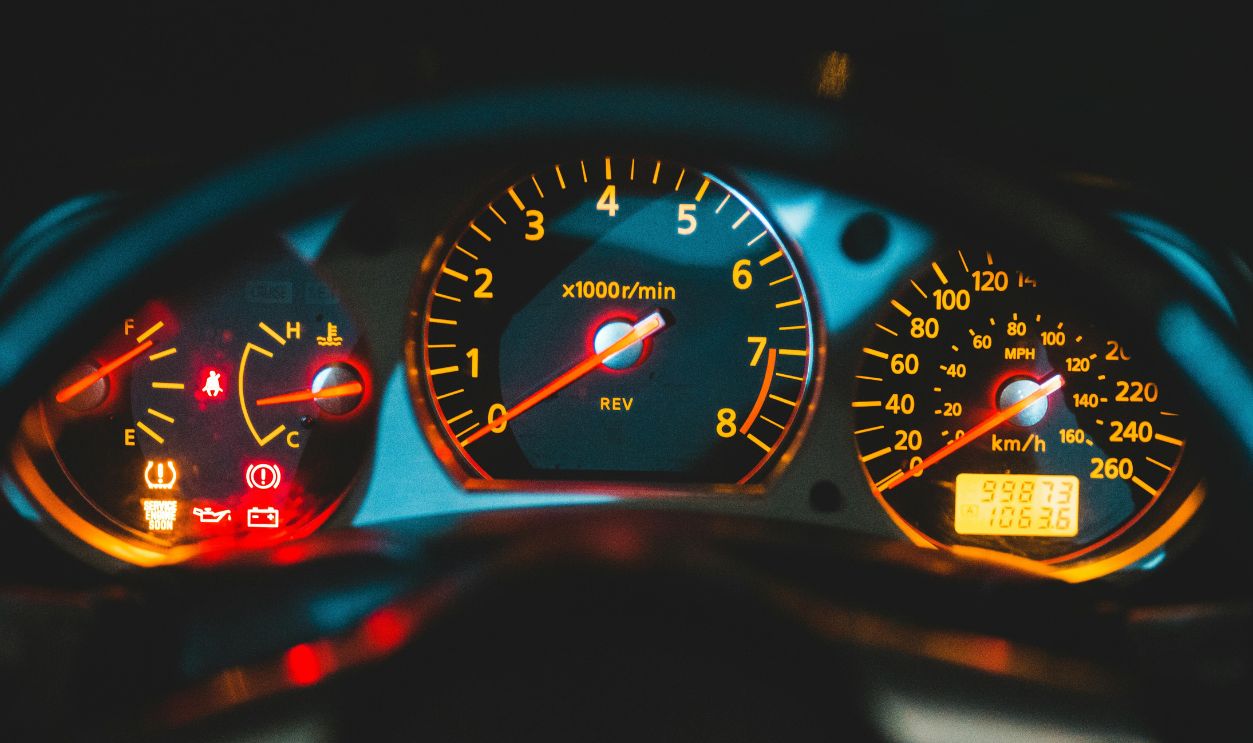
You don’t need to be a mechanic, but you should recognize warning lights, strange noises, and changes in handling. A well-maintained car responds more predictably—and predictability makes you a better driver.
Stay Calm When Others Aren’t
You will encounter aggressive drivers. Don’t engage. Let them pass, give space, and protect your peace. Staying calm keeps you focused and prevents small incidents from turning into dangerous situations.
Get Comfortable With Highway Merging
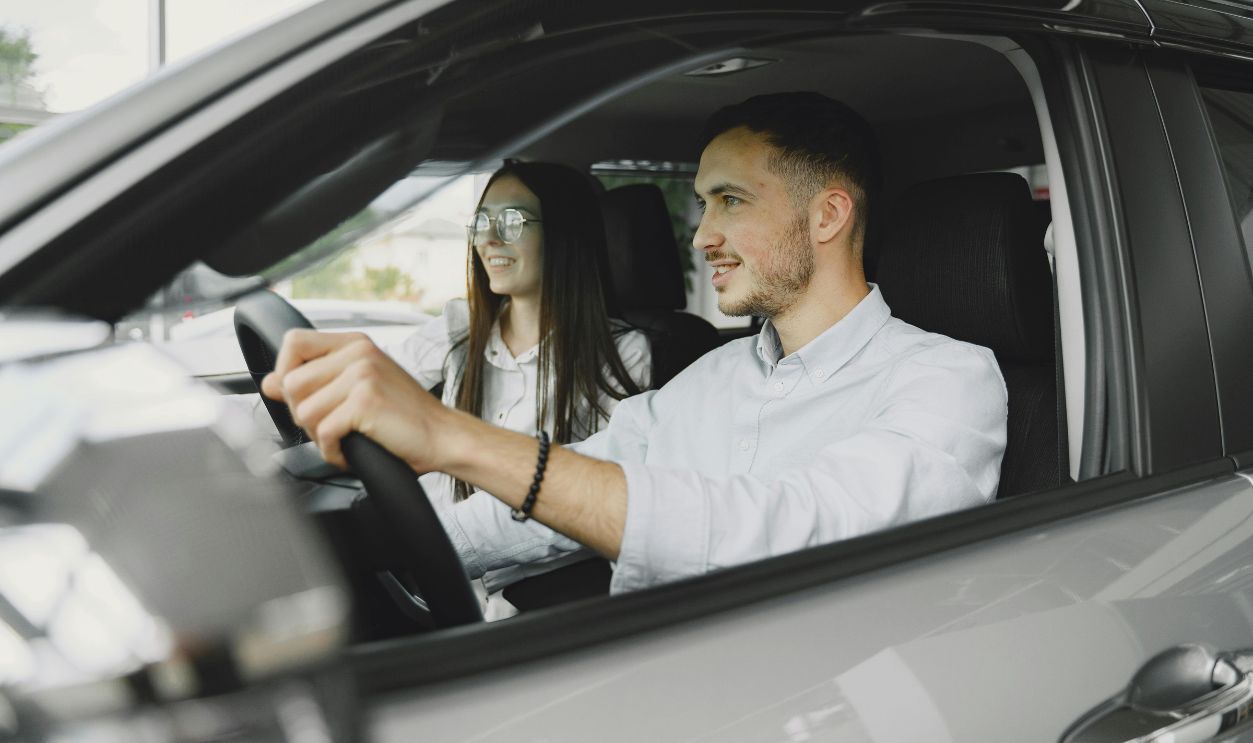
Merging isn’t about stopping and hoping—it’s about matching speed and committing. Practice accelerating confidently and finding gaps early. Once you understand the rhythm, highway driving becomes far less intimidating.

Avoid Overcorrecting Your Steering
If you drift slightly, don’t panic and yank the wheel. Small, measured corrections keep the car stable and controlled. This is especially important at higher speeds or on slippery roads.

Listen To Feedback From Experienced Drivers
If someone you trust offers advice, listen with an open mind. Even seasoned drivers continue learning. Driving is a lifelong skill, not something you “finish” learning after a test.

Plan Your Route Before You Drive
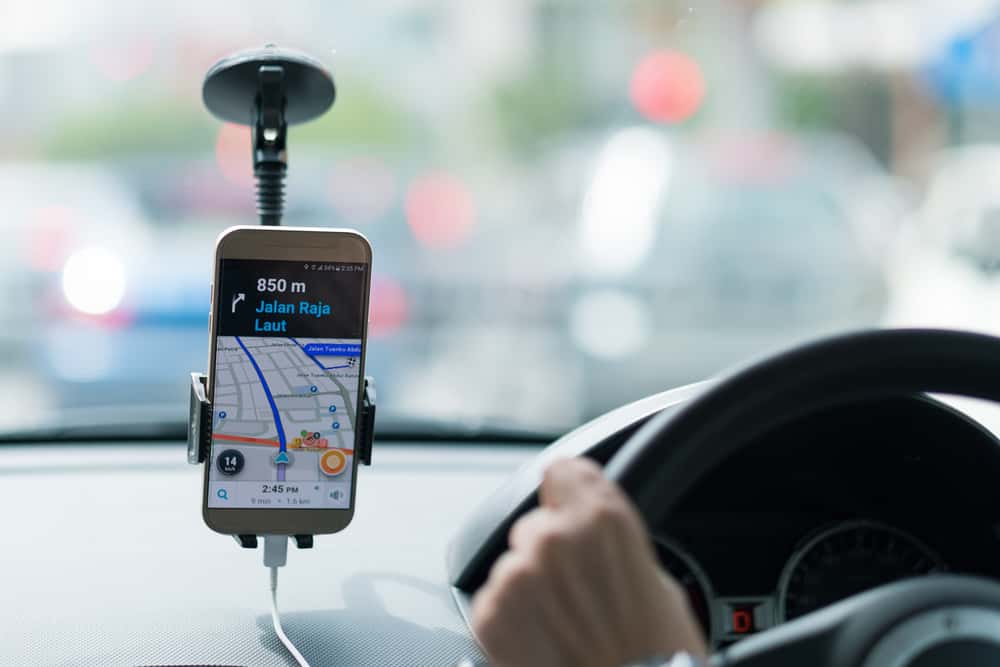
Knowing where you’re going reduces stress and distractions. Set navigation before moving and glance only when safe. A calm, prepared driver makes better decisions.
Practice Driving At Different Times Of Day
Night driving, rush hour traffic, and quiet early mornings all feel different. Exposure builds confidence. The more situations you experience, the more adaptable you become.

Treat Driving As A Skill, Not A Chore
When you view driving as something worth improving, you naturally become more attentive and engaged. Great drivers aren’t perfect—they’re intentional.

Be Patient With Yourself
Mistakes happen. Every experienced driver has stalled, curbed a wheel, or missed a turn. Learning takes time, and confidence grows with practice.

Small Habits Create Great Drivers
Becoming a better driver isn’t about mastering one big trick—it’s about stacking small habits that make you safer, smoother, and more confident behind the wheel. If you start applying even a handful of these tips consistently, you’ll notice the difference almost immediately. Driving is freedom, responsibility, and skill all rolled into one. Treat it with care, keep learning, and you’ll be surprised just how good you can become.

You May Also Like:
Everything That Starts Failing When You Leave Your Car Parked Too Long
Why Pontiac Named A Car After A Native American Chief—And Later Regretted It