
A Test Score Vs A Scary Reality
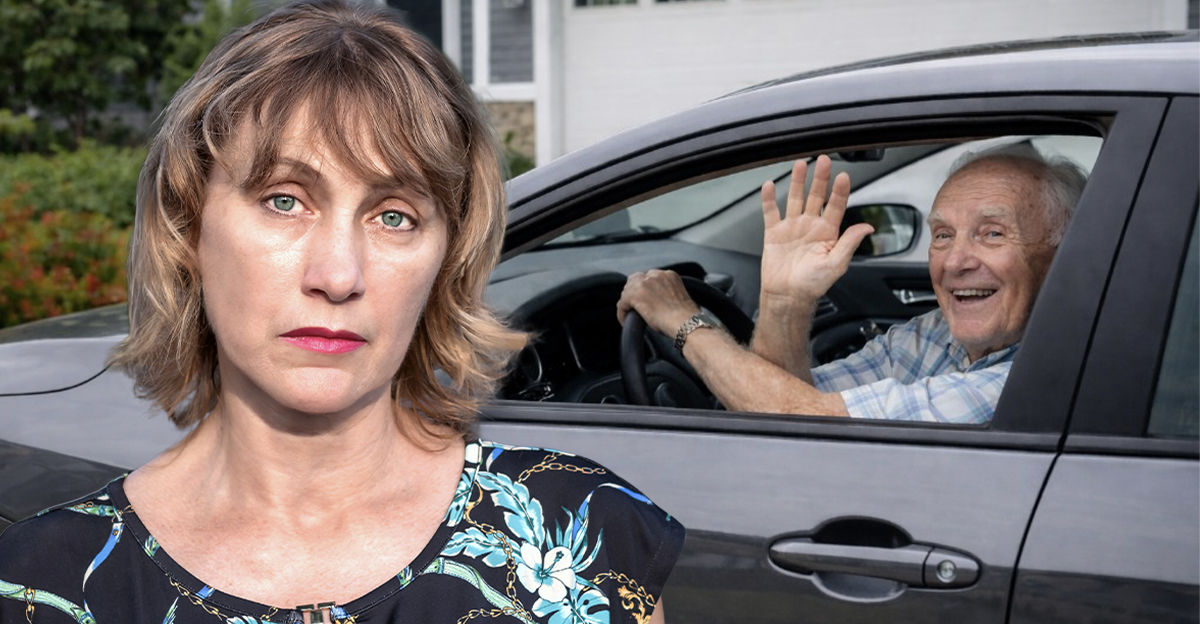
You trusted the results when your eighty-six-year-old dad passed his cognitive driving test with flying colors. Then came the red light he blew right through without slowing down while you were sitting right beside him. That heart-stopping moment reframed everything. A test score might say one thing, but real-world driving behavior showed a risk that’s impossible to ignore anymore.
How Long Driving Has Defined Him
For most of his adult life, driving symbolized independence, competence, and adulthood. He raised a family, worked a career, and navigated life behind the wheel without incident or accident. Recognizing how deeply driving is tied to his identity matters, because any next step you take will feel like a personal attack.

What Cognitive Tests Actually Measure
Cognitive driving tests assess memory, reaction time, and judgment in controlled settings. They don’t measure split-second decision-making at busy intersections or the fatigue of being in heavy traffic. Passing means he met minimum standards, but that doesn’t mean his driving is risk-free, especially under unpredictable conditions.
 Roman Samborskyi, Shutterstock
Age-Related Decline Is Uneven
At advanced ages, decline doesn’t always happen unevenly. Vision, reflexes, attention, and decision-making can slip independently. Your dad might still score well cognitively while struggling with peripheral vision or delayed braking. The red-light incident suggests an obvious gap between testing and real-world performance.

Process The Emotional Shock
Sitting in the passenger seat during a dangerous mistake hits a lot differently from hearing about it after the fact as an anecdote, possibly embellished for comedic effect. You weren’t daydreaming about a hypothetical risk; you experienced it. That fear matters. It signals that your role may be have to shift from child to protector, even if that reversal feels uncomfortable or like a betrayal.

Talk While It's Still Fresh
Soon after the incident, emotions are a lot closer to the surface. Calmly describe exactly what happened and how it made you feel. Avoid pointing the finger of blame. Focus on safety, not blame. Your goal is to open dialogue, not win an argument or trigger his defensiveness reflex.

His Own Perception Of The Event
Before you try to propose a solution, ask how he experienced the moment. Did he see the light? Did he feel rushed or confused? His answers are important. Awareness of mistakes suggests adaptability. Denial or minimization may be a hint of a deeper risk requiring outside involvement.

A Comprehensive Driving Evaluation
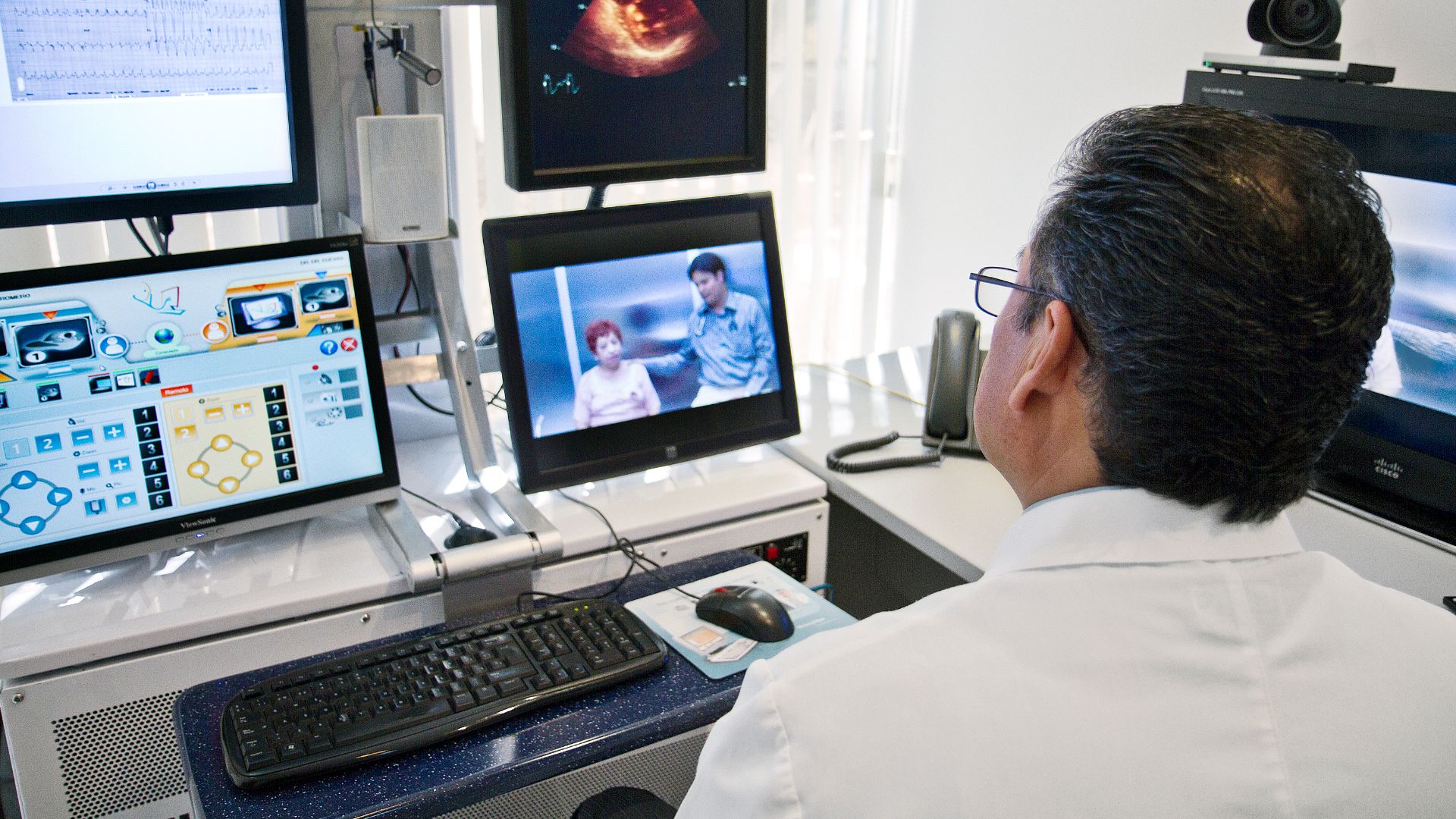
Unlike basic cognitive tests, a comprehensive driving evaluation assesses your real-world skills, vision, reaction time, and on-road behavior. These tests are often administered by occupational therapists or driving specialists. A professional assessment will give objective guidance and reduce emotional strain.

Consult His Primary Care Physician
Bring the incident to his doctor’s attention, even if he passed all his previous tests. Physicians can review medications, vision changes, or neurological factors that affect his driving. A medical recommendation carries the weight of authority and supports decision-making based on safety considerations above all.
 Intel Free Press, Wikimedia Commons
Explore Gradual Driving Restrictions
If stopping him from driving altogether feels premature, consider staged limits. Daytime-only driving, avoiding highways, or staying within familiar routes can reduce risk. These compromises preserve his independence while reducing the chances of another dangerous situation.

Look For Patterns, Not Isolated Events
One mistake can be alarming, but patterns of repeat performance matter most. Missed signs, close calls, dents, confused navigation, or near misses suggest a clear decline. Documenting patterns helps clarify decisions and gives you something to refer back to in difficult conversations when emotions may run high.

Involve Other Family Members
If siblings or relatives are involved, make sure you are all on the same page before you confront him as a group. Mixed messages undermine credibility. Unified concern framed around safety and love is a lot harder to dismiss and spreads the emotional responsibility onto all of you.

Understand Legal And Liability Risks
If your dad causes an accident, liability may extend beyond him. Injuries, lawsuits, and insurance consequences could affect family finances. Recognizing these risks isn’t heartless; it’s the most responsible thing you can do and a necessary preventative. The damage of not doing anything could have far worse consequences than removing your dad’s driving privileges.

Prepare Alternative Transportation Options
No longer being able to drive doesn’t feel quite so bad if alternatives exist. Research ride services, community shuttles, family schedules, and delivery options. Finding alternate solutions alongside your concerns shows him respect and preserves his independence.

When To Set A Firm Boundary
If unsafe behavior continues, you may need to refuse to ride along with him or you could insist on restrictions. Drawing a boundary like this protects you and communicates seriousness. It’s not punishment, but a response to a proven risk.

When To Involve Authorities
In extreme cases, it may be necessary to report your concerns to licensing authorities or physicians. This is a last resort when all other efforts have failed. Safety sometimes requires external enforcement.

Cope With Guilt And Second-Guessing
Guilt is common. You might worry about overreacting or betraying him. Remember that preventing harm is an act of care. Doing nothing after a close call like that will weigh on your mind as you know it’s only a matter of time before it happens again.
 Kateryna Hliznitsova, Unsplash
Make It About Protection
Frame decisions as protecting him from harm, stress, and legal consequences. Try to avoid discussing the subject in terms of stripping him of his independence. Emphasize dignity and safety, and you’ll help reduce resistance during what promises to be a difficult transition.

Accept That Roles Change Over Time
Every family faces moments when roles reverse. Accepting that shift doesn’t mean you lose respect for who he’s been. It reflects who you are now: someone stepping up to protect both your family and public safety.

Choose Safety Over Comfort
Ultimately, the red light changed the equation. You can’t unsee it. Your responsibility now is to act thoughtfully, firmly, and with compassion. The safest choice may be uncomfortable, but it’s a lot better than living with the consequences of the next mistake you didn’t prevent in time.

You May Also Like:
I let my friend borrow my car and they got a speeding ticket. Am I responsible for it?