Can You Make Your Neighbor Change It?
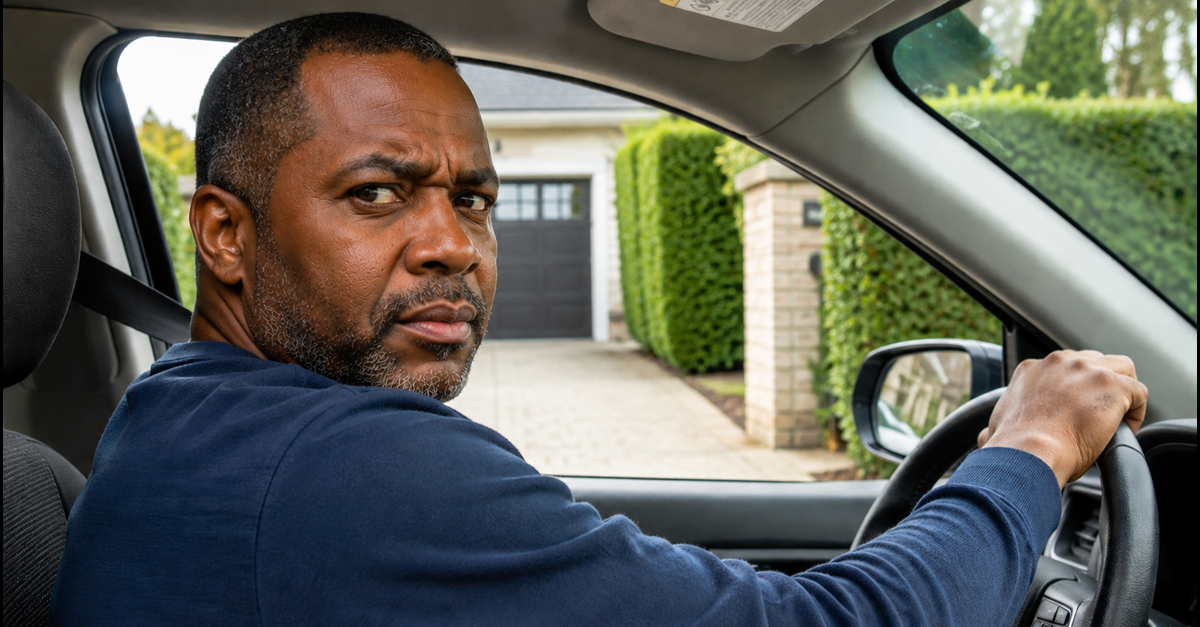
Maybe, but not just because the landscaping annoys you. The stronger question is whether it creates a safety hazard or violates a local rule. That distinction matters before you ask anyone to change anything.
A Blocked View Is A Safety Issue
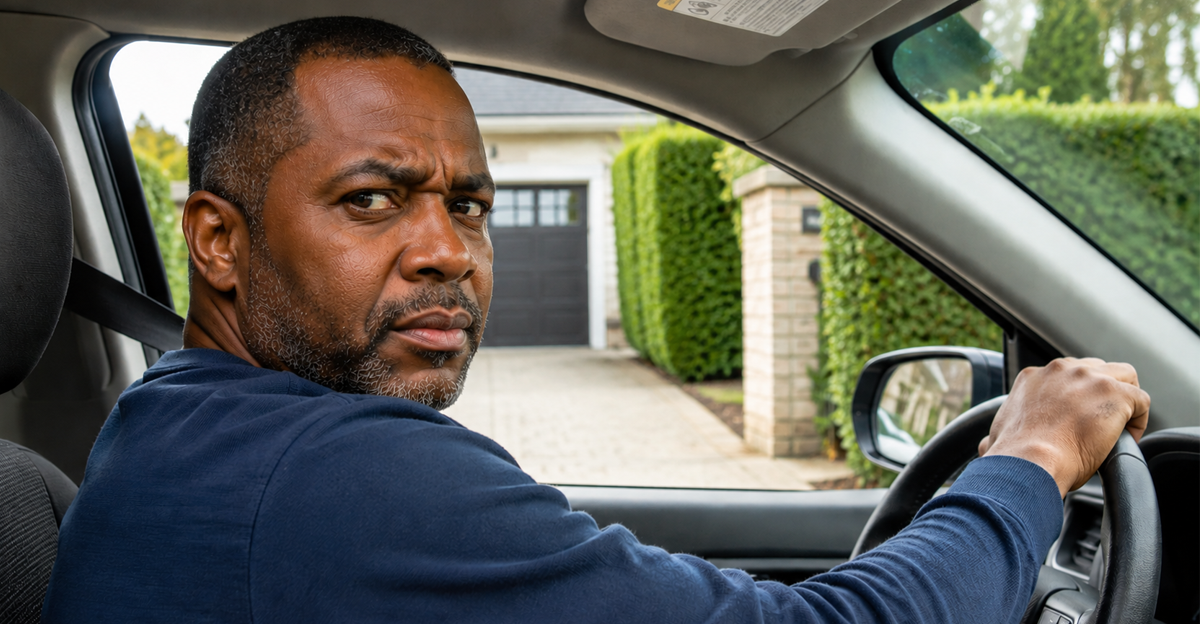
Backing out of a driveway already comes with limited visibility. NHTSA tells drivers to walk around the vehicle, look behind them, and back slowly because children and pedestrians can be hard to see. Landscaping that blocks the sidewalk or street view can make that routine riskier.

Your Backup Camera Does Not Solve Everything
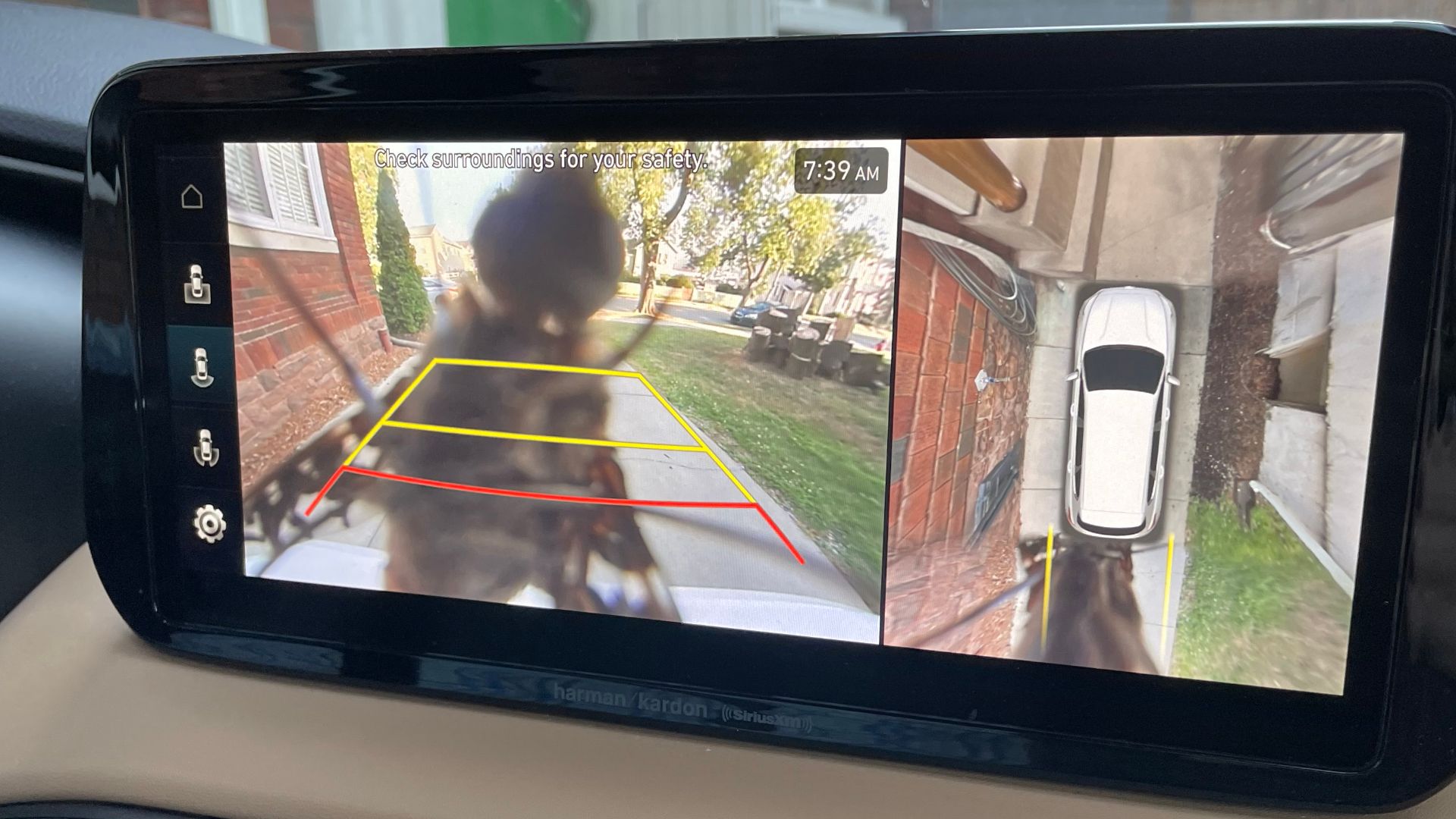
Backup cameras help, but they do not replace your eyes. Federal rules require rear visibility technology on new vehicles under 10,000 pounds manufactured on or after May 1, 2018. Even NHTSA warns drivers not to rely only on detection devices.
 Aerra Carnicom, Wikimedia Commons
Sight Lines Are A Real Traffic Concept
Road engineers use sight distance to describe what a driver can see before entering traffic. FHWA guidance says driveways should let drivers see oncoming traffic clearly where the driveway meets the road. It also says tree limbs and bushes along roads and driveways should be trimmed to preserve visibility.

Local Rules Matter Most
There is no single national landscaping rule for every driveway. Cities and counties often set their own requirements for fences, hedges, shrubs, walls, signs, and other obstructions. That means your answer starts with your municipal code, not a general neighbor dispute.

Look For A Sight Triangle Rule
Many local codes use terms like clear view triangle, sight triangle, visibility triangle, or vision clearance triangle. These rules usually keep certain areas near intersections and driveways free from tall obstructions. Some ordinances specifically include landscaping, fences, signs, and utility structures.

Driveways Can Be Covered Too
Do not assume sight triangle rules apply only to street corners. Some municipal codes also cover private driveways, alleys, and private roads where they meet public streets. If your neighbor’s shrubs block your driveway view at the street, that detail can matter.

Height Limits Can Be Very Specific
Some local codes set exact height ranges for what is allowed inside the visibility area. For example, Quincy, Washington restricts obstructions between 36 inches and 8 feet within clear view triangles. Richland, Washington requires a vision clearance triangle to be free of obstructions between 3 feet and 8 feet.

Your Town May Use Different Numbers
Another city may use a different standard, which is why copying another town’s rule will not prove your case. Flagstaff, Arizona ties its clear view zones to AASHTO sight triangle criteria. The takeaway is simple: the rule must come from your own jurisdiction.

A Nice View Is Different From A Safe View
A scenic view from your home is usually treated differently than visibility needed to drive safely. Homeowners generally do not have a legal right to an unobstructed view unless a law, ordinance, or easement protects it. A driveway safety obstruction is a stronger argument than losing a pleasant view.
Check Your Property Documents
Your deed, plat, survey, or closing documents may show easements or restrictions. A view easement can protect sight lines, but they are uncommon and often hard to enforce. Still, the document is worth checking before you assume you have no rights.

HOAs Can Change The Answer
If your neighborhood has a homeowners association, the covenants, conditions, and restrictions may control landscaping height, placement, and maintenance. HOA covenants are binding documents for residents in the association. An HOA may also have a faster complaint process than city enforcement.

Do Not Trim Their Plants Yourself
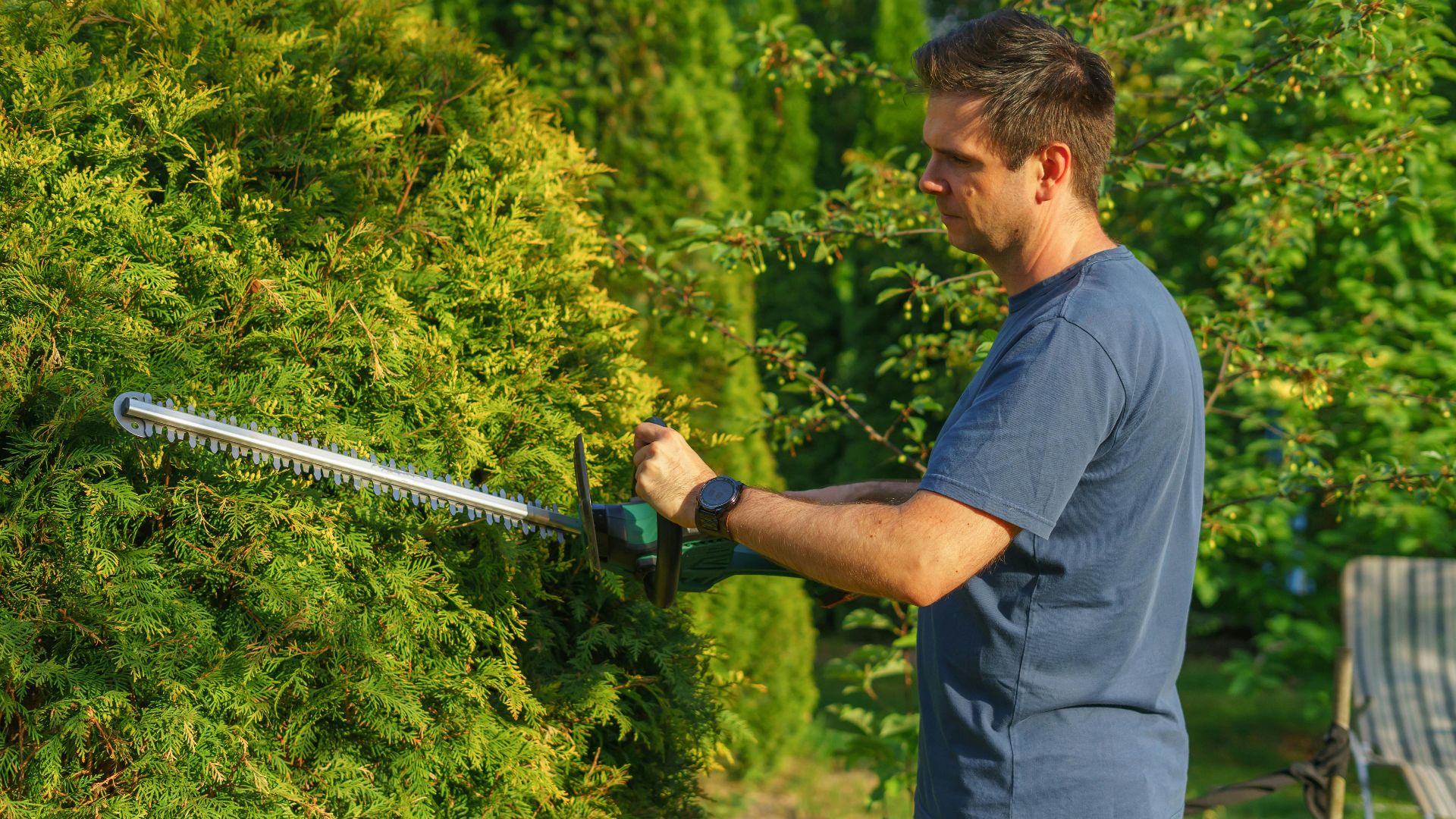
You may usually trim branches that cross onto your property, but only up to the property line. Trimming beyond the line or harming the plant can create legal trouble. If the landscaping sits fully on your neighbor’s land, do not start cutting.
Document What You See
Take photos from the driver’s seat at the normal stopping point in your driveway. Also take photos from the sidewalk or street to show whether pedestrians and drivers can see each other. Keep the images dated, calm, and factual.

Measure Before You Complain
A tape measure can turn a vague complaint into a useful one. Measure the height of the hedge, wall, planter, or shrub if you can do it from your own property or public space. Compare that measurement with your local code before contacting anyone.

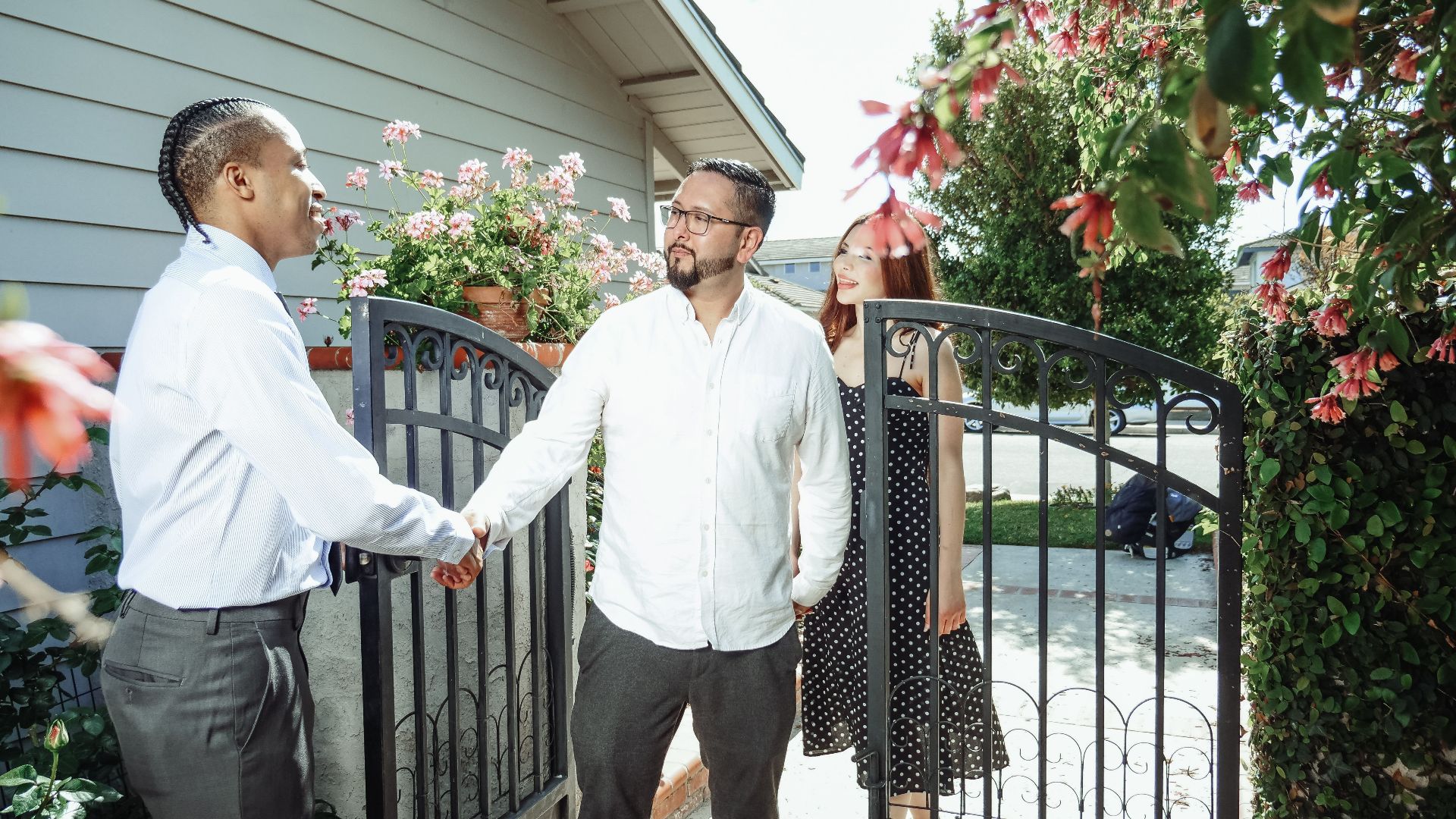
Try A Friendly Conversation First
Your neighbor may not realize the landscaping blocks your line of sight. A calm explanation about backing out safely is often better than opening with threats. You can ask whether they would consider trimming, relocating, or lowering the plants.

Offer A Practical Fix
The best solution may not require ripping anything out. Lower shrubs, limbed-up tree canopies, corner setbacks, or different plantings can preserve the landscaping while improving visibility. A specific suggestion is easier for a neighbor to accept than a broad complaint.

Call The Right Local Office
If talking fails, contact the city or county department that handles zoning, code enforcement, public works, or transportation. Ask whether your address has a driveway visibility rule or sight triangle requirement. Provide photos, measurements, and the exact location.

Stick To Safety Language
Code officials respond better to concrete safety concerns than personal frustration. Say the obstruction limits your view of pedestrians, cyclists, or oncoming traffic when backing from your driveway. Avoid claiming a legal violation unless you have already found the rule.

Ask About The Right Of Way
Some landscaping near the curb may be in the public right of way, even if a homeowner maintains it. Cities often regulate what can be placed there because it affects sidewalks, utilities, drainage, and traffic visibility. A code officer or public works staffer can tell you where that line usually falls.
Know What Enforcement Can Do
If there is a violation, the city may send a notice requiring the property owner to trim or remove the obstruction. Some codes allow the city to correct violations and bill the owner if the owner does not comply. The exact process depends on local law.

Consider Mediation Before Court
Neighbor disputes can get expensive and unpleasant quickly. Many communities, HOAs, and courts encourage mediation for property conflicts. Mediation can help both sides agree on trimming schedules, plant replacement, or visibility improvements.

Court Is A Bigger Step
If you want a court to force a neighbor to remove or trim landscaping, you may need injunctive relief rather than small claims damages. Blocked-view disputes can involve different courts depending on the remedy sought. A local real estate attorney can explain what applies in your area.

Keep Backing Safely Meanwhile
Until the obstruction is fixed, adjust your own routine. Walk around the vehicle, check mirrors, look behind you, back up slowly, and roll down windows so you can hear outside. Pulling into the driveway in a way that lets you exit forward may also reduce risk.

Vehicle Tech Can Help But Has Limits
Rearview cameras reduced police-reported backing crashes by 16 percent in an IIHS study. That is helpful, but it is not a guarantee. Drivers still need clear sight lines, mirrors, direct checks, and low speeds.

The Bottom Line
You probably cannot force your neighbor to change landscaping just because it blocks a pleasant view. You may have options if it violates a local visibility rule, HOA covenant, easement, or creates a serious safety issue. Start with documentation, check the local code, talk calmly, and escalate through official channels only when needed.

You May Also Like:
My neighbor's tree damaged my parked car, but he refuses to pay for it. Is the law on my side?