The Parking Spot Plot Twist
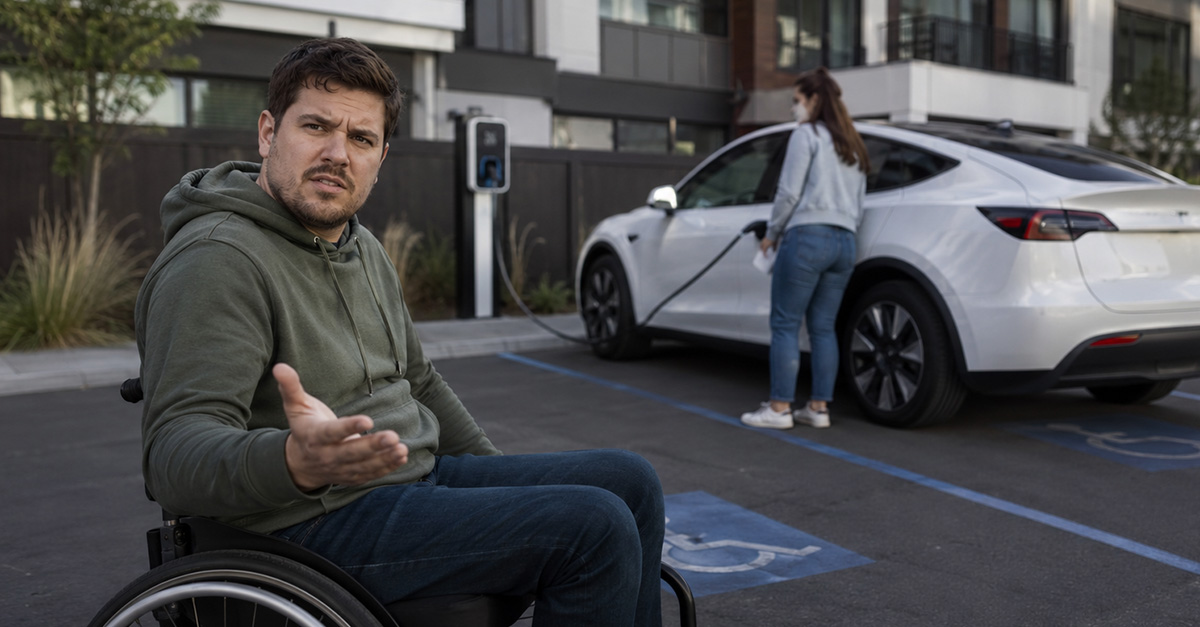
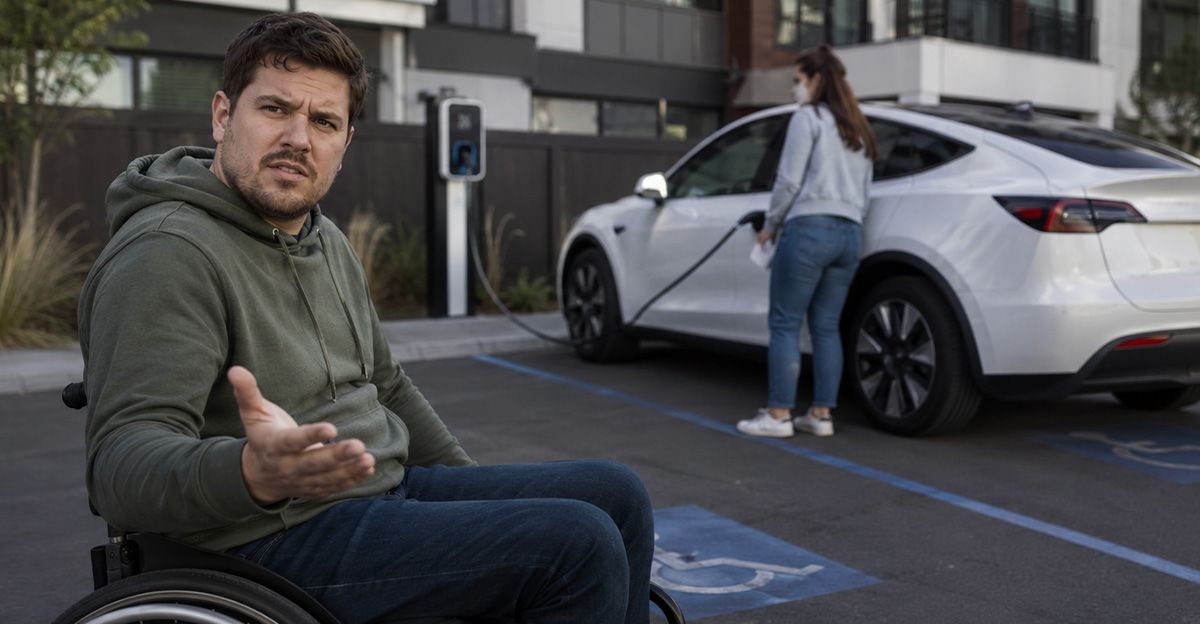
Apartment parking should not feel like a daily boss battle, but here you are: you have a disabled parking space near an EV charger, and someone keeps turning it into their personal battery buffet. The good news? You are not powerless, and this is exactly the kind of problem that can be handled calmly, clearly, and effectively.
Start With The Obvious But Important Detail
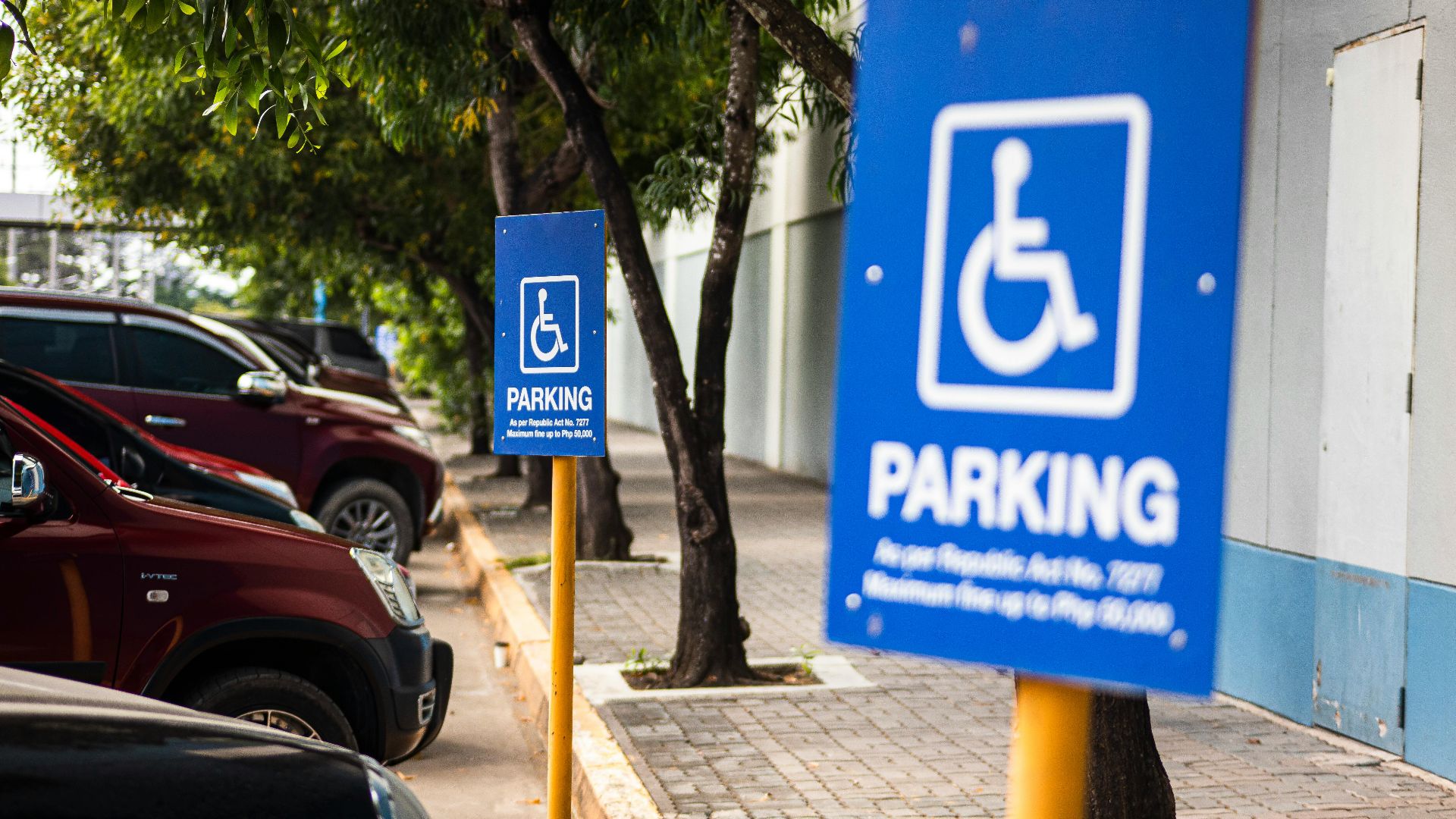
First, make sure the space is officially marked as accessible parking, not just “the spot everyone knows you use.” Signs, pavement markings, access aisles, and lease documents matter. If it is designated disabled parking, that gives your complaint more weight when you talk to management, parking enforcement, or the charging provider.
Take Photos Without Starting A War
Before marching into the leasing office like a courtroom drama hero, document what is happening. Take clear photos of the vehicle, license plate, charger, parking sign, and time of day. Do not confront the driver if you can avoid it. Your camera roll can make the case without turning the parking lot into reality TV.

Keep A Simple Parking Log
A few photos are helpful, but a pattern is powerful. Write down the date, time, vehicle description, and whether the car was actively charging. If the same car keeps appearing, note that too. A short log shows management this is not one bad afternoon. It is a repeat problem with real consequences.

Check Your Lease And Parking Rules
Your lease, parking addendum, or building handbook may already have language about assigned spaces, accessible spaces, towing, EV charging, or unauthorized parking. Apartment rules are not always thrilling reading, but they can be useful ammo. Look for words like “reserved,” “accessible,” “tow,” “permit,” “EV,” or “violation.”

Understand The EV Charger Confusion
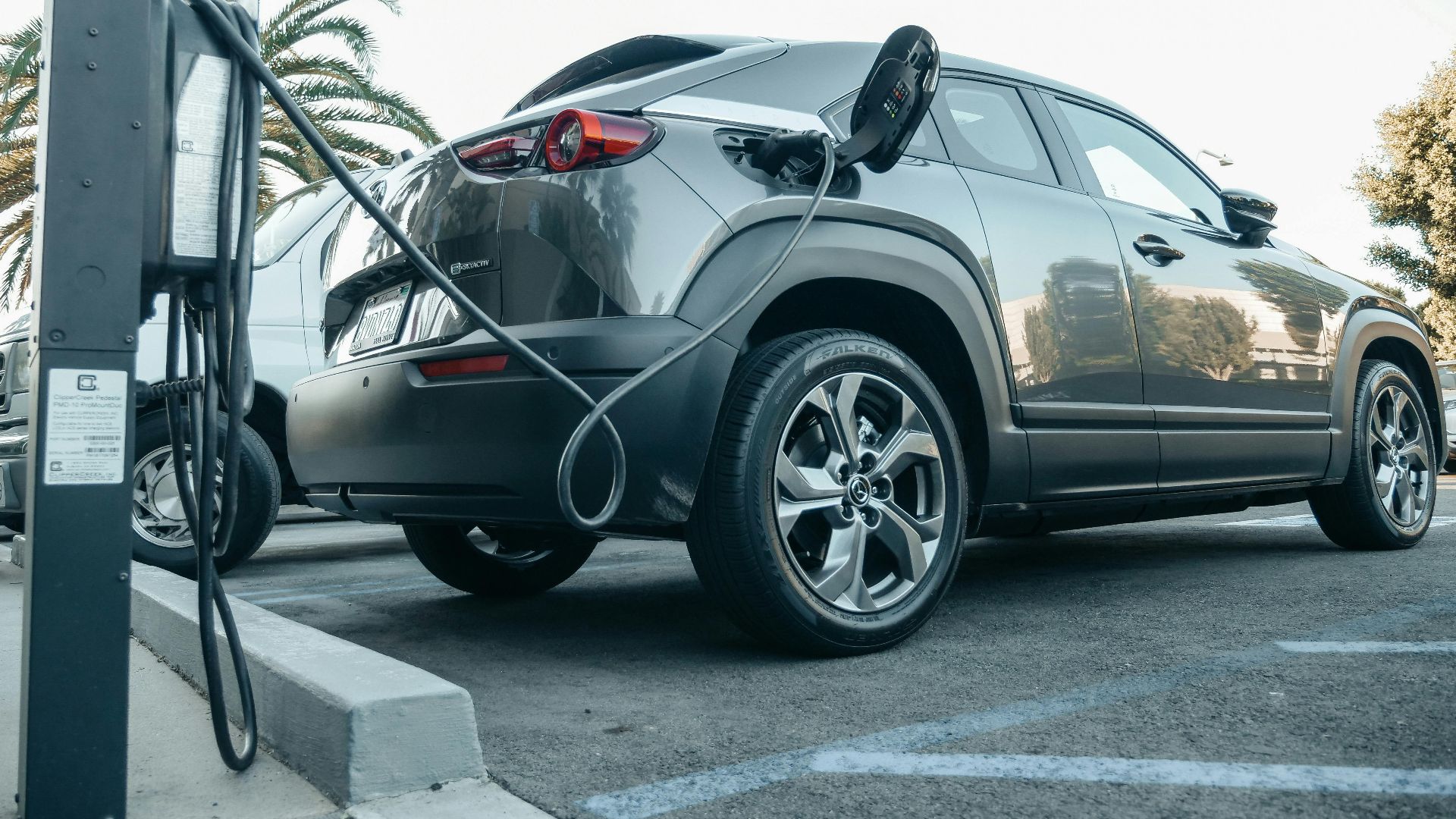
Some EV drivers see a charger and assume the nearby space exists only for charging. Sometimes that is true. Sometimes it is not. The problem happens when an accessible space is placed beside a charger without clear signage explaining who may use it. Bad design turns decent neighbors into accidental parking villains.
Know That Accessibility Still Matters
EV charging does not erase disability access. In the U.S., ADA guidance says accessible parking must be usable by people with disabilities, and federal accessibility resources also recognize that EV charging stations need accessible routes, operable equipment, and usable parking layouts.

Ask Management For Clear Signage
Your first formal request should be simple: ask the landlord or property manager to clarify the space with better signs. A sign that says “Accessible Parking Only — EV Charging Does Not Override Permit Requirement” can do wonders. Confusion shrinks when the rules are posted where drivers actually make decisions.

Request Enforcement, Not Sympathy
You deserve understanding, but what you really need is enforcement. Ask management what action they will take when the space is blocked. Will they warn, ticket, tow, disable charger access, or contact the vehicle owner? A polite complaint without consequences is just parking-lot poetry.

Send A Written Complaint
Put your request in writing, even if you already spoke in person. Email creates a timeline. Keep it calm and specific: “My accessible parking space has been blocked by EV users on these dates. Please confirm how the building will keep accessible parking available.” Clear beats angry every time.

Mention Reasonable Accommodation
If you have a disability-related need for that parking space, you can ask the housing provider for a reasonable accommodation. That might mean assigning you a different accessible spot, improving signage, enforcing the rule, or reserving the space more clearly. Housing rules vary, so keep the request practical and documented.

Ask For A Dedicated Accessible Space
If the current spot is constantly tangled up with charger traffic, request a dedicated accessible parking space away from the charger. It should still be close enough to your entrance and usable for your needs. The perfect spot is not perfect if every EV in the building treats it like a charging lounge.

Suggest A Separate EV Charging Space
The cleanest fix may be for management to separate the two functions. One space can be accessible parking. Another can be EV charging. Mixing them without clear rules is like putting a salad bar inside a fire exit: somebody will misunderstand the purpose, and the person who needs access pays the price.
Ask Whether The Charger Can Be Restricted
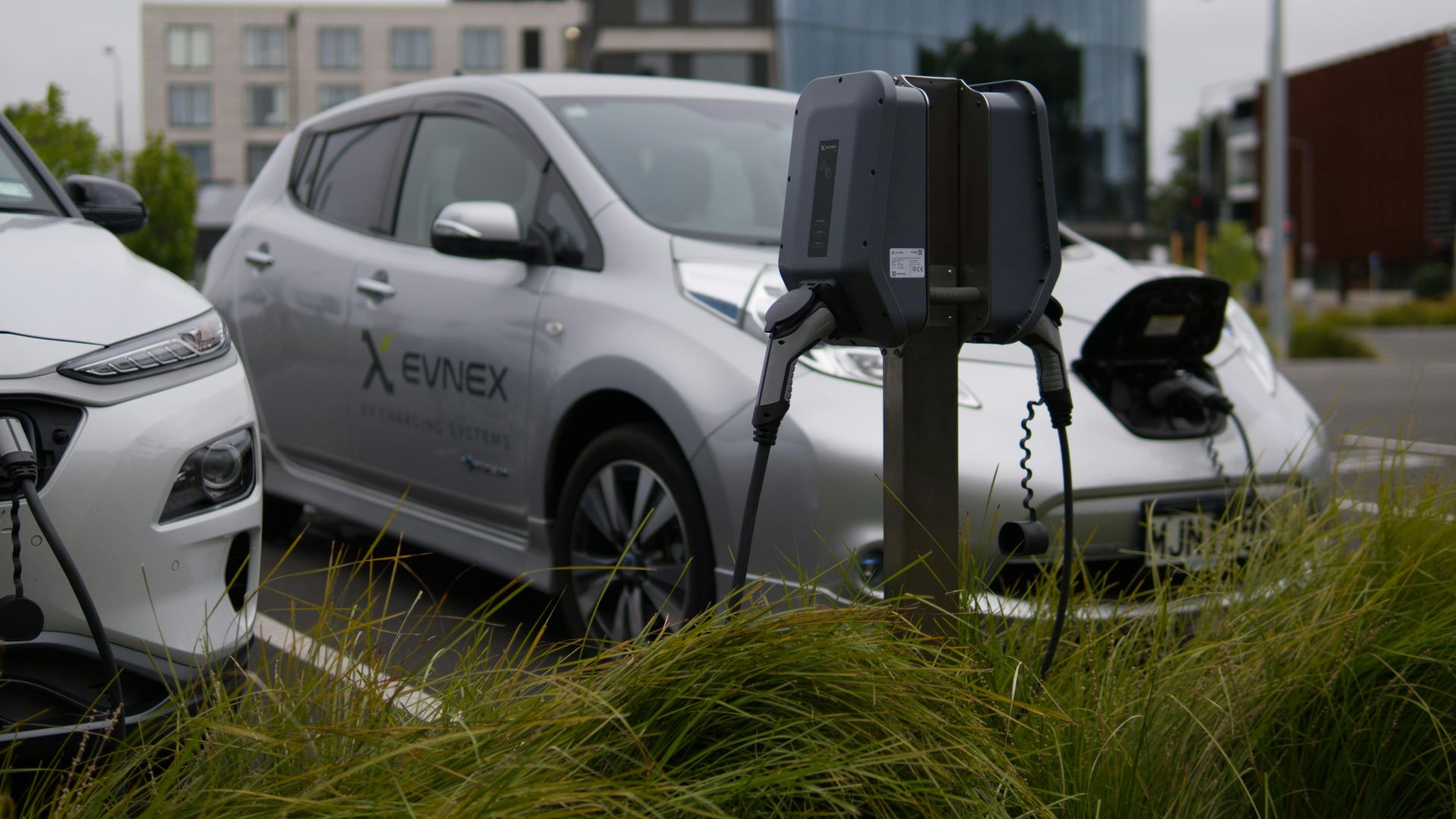
Many EV charging systems can track users, limit access, or show which account is plugged in. Ask management whether they can identify repeat offenders through the charging network. If the same person keeps parking there, this may not be a mystery. It may just be a policy waiting to be enforced.
Do Not Block The Charger Back
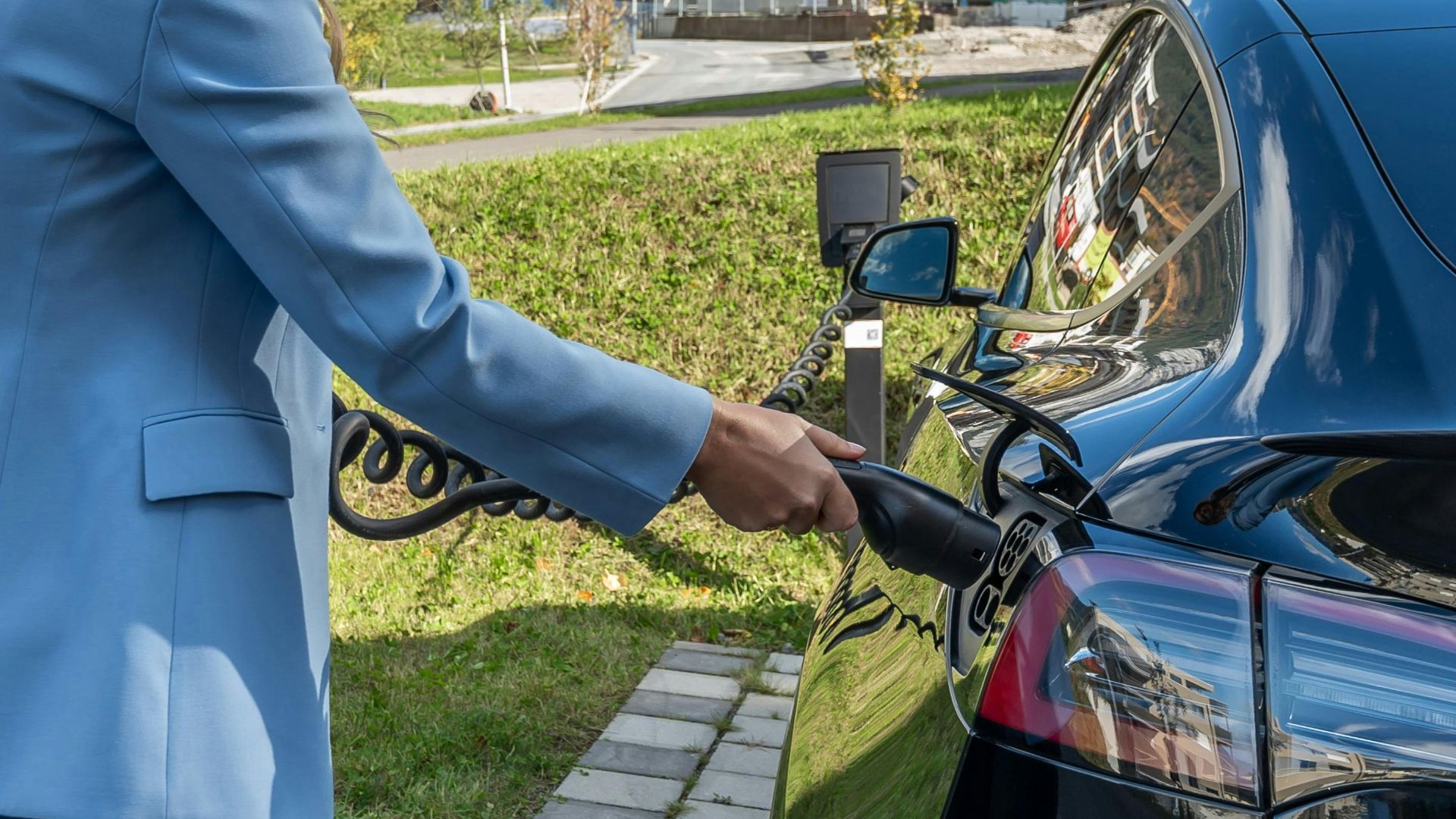
Tempting? Absolutely. Smart? Not really. Parking in a way that blocks the charger, leaves notes full of fireworks, or traps another car can backfire. Stay boring, legal, and documented. The goal is to solve the problem, not become the next subject line in a building-wide email.
Leave A Polite Note Once
A short, polite note may help if the driver genuinely does not understand. Try: “Hi, this is an accessible parking space used by residents with disabled parking needs. Please use another charging spot. Thank you.” Skip insults, threats, and windshield essays. One note is information. Ten notes is a saga.

Call Local Parking Enforcement If Allowed
Depending on where you live, local parking enforcement may be able to ticket or tow vehicles illegally parked in accessible spaces, even on some private lots. Rules vary by city, state, province, and property type, so call the local non-emergency line or parking office and ask what applies.

Ask About Towing Policy
If your building has a towing contract, ask management when it applies. Some properties hesitate to tow because it creates drama, but inaccessible parking creates a bigger problem. A posted towing policy can quickly teach EV owners that charging convenience does not outrank disabled access.

Contact The Charging Company
If the charger is run by a third-party provider, report the issue there too. Some companies can contact account holders, suspend access, or help the property owner adjust settings. Give them the station number, location, dates, and photos. Charger networks like data. Give them data.

Talk To Other Residents Carefully
You might not be the only person affected. Other disabled residents, visitors, delivery drivers, or caregivers may have seen the same issue. A calm, shared complaint can carry more weight than one voice. Just avoid turning it into a neighborhood witch hunt. The target is the policy, not gossip.

Escalate Inside The Property Company
If the leasing office shrugs, go higher. Ask for the regional manager, property owner, accessibility contact, or corporate resident relations department. Include your log, photos, and previous emails. A local office may ignore an awkward parking fight. Corporate may see liability, fairness, and a preventable headache.

Use The Magic Words Carefully
You do not need to sound like a lawyer, but certain phrases help: “accessible parking,” “disabled parking access,” “reasonable accommodation,” “documented pattern,” and “request for enforcement.” These are calm, grown-up words that tell management this is not a preference. It is an access issue.

Avoid Guessing The Driver’s Situation
It is possible the EV driver also has a disability, or thought the spot was shared. It is also possible they simply wanted a charge and ignored the sign. You do not have to solve their biography. Focus on the objective problem: the accessible spot you need is unavailable.

Ask For A Temporary Backup Plan
While management works on the fix, ask for a backup accessible space, a temporary reserved cone, a permit-only sign, or permission to use another protected spot. “We are looking into it” does not help you get groceries upstairs tonight. A temporary plan matters.

Know When To File A Formal Complaint
If management refuses to act and the space is legally required or part of your accommodation, you may need to file a complaint with a local housing authority, human rights office, disability rights agency, or ADA-related office. The ADA protects disability access in many areas of public life, and local housing laws may add more protection.
 Антон Леонардович Варфоломеев, Pexels
Consider Getting Local Advice
Because apartment parking rules vary wildly, local advice can be worth it. A tenant union, disability rights nonprofit, legal aid clinic, or municipal parking office may know exactly which rule applies in your area. You are not asking for a courtroom showdown. You are asking how to make the space usable again.

The Big Picture Is Bad Design
This problem is bigger than one inconsiderate EV owner. As EV charging expands, buildings need to design charging areas that do not accidentally steal access from disabled residents. Accessibility groups have repeatedly flagged poor charger placement, heavy cables, curb issues, and unsuitable parking layouts as real barriers.
The Bottom Line
Start with photos, a log, and a written request to management. Ask for better signage, real enforcement, and a backup accessible space while they fix it. If they stall, escalate. EV charging is great, but it should not turn disabled parking into a free-for-all. Access is not optional, even when someone’s battery is low.

You May Also Like:
The Biggest Boats Ever Sold As Family Cars—Which Ones Have You Been In?