
When A Bike Trick Becomes A Legal Question
One minute, your teenager is showing off a wheelie. The next, a police cruiser is involved and everyone’s heart rate is higher than a downhill sprint. So, is popping a wheelie on a bicycle actually illegal? The honest answer is: sometimes, sort of, and it depends where it happened.

The Wheelie Itself Is Usually Not The Whole Story
In many places, there is no law that says, word for word, “Thou shalt not pop a wheelie.” But that does not mean the move is automatically legal. Police often look at the bigger picture: location, traffic, pedestrians, speed, and whether the rider seemed in control.

Bikes Are Not Toys In Traffic Law
Parents sometimes think, “It’s just a bicycle.” Traffic codes often disagree. Once a bike is on a road, sidewalk, park path, or bike lane, it may be covered by state laws, city ordinances, or park rules. A bicycle can be treated like a real vehicle in many situations.
 Alexander Nadrilyanski, Pexels
Why Police Might Care About A Wheelie
A wheelie lifts the front wheel off the ground, which can reduce steering and braking control. That is fun in a driveway and risky near cars, pedestrians, intersections, or storefronts. An officer may see it as careless riding, unsafe operation, or creating a public hazard.

The Location Matters A Lot
A wheelie in an empty parking lot is very different from a wheelie through a crowded crosswalk. Streets, sidewalks, school zones, shopping plazas, and parks can all have different rules. The same trick may be ignored in one place and ticketed in another.

Reckless Riding Is The Big Catchall
Even when wheelies are not specifically named, “reckless” or “careless” riding rules can still apply. These laws are usually written broadly, which gives police room to decide whether a rider’s behavior created danger. That flexibility is useful, but it can also feel frustratingly vague.
 Alexander Nadrilyanski, Pexels
E-Bikes Can Raise The Stakes
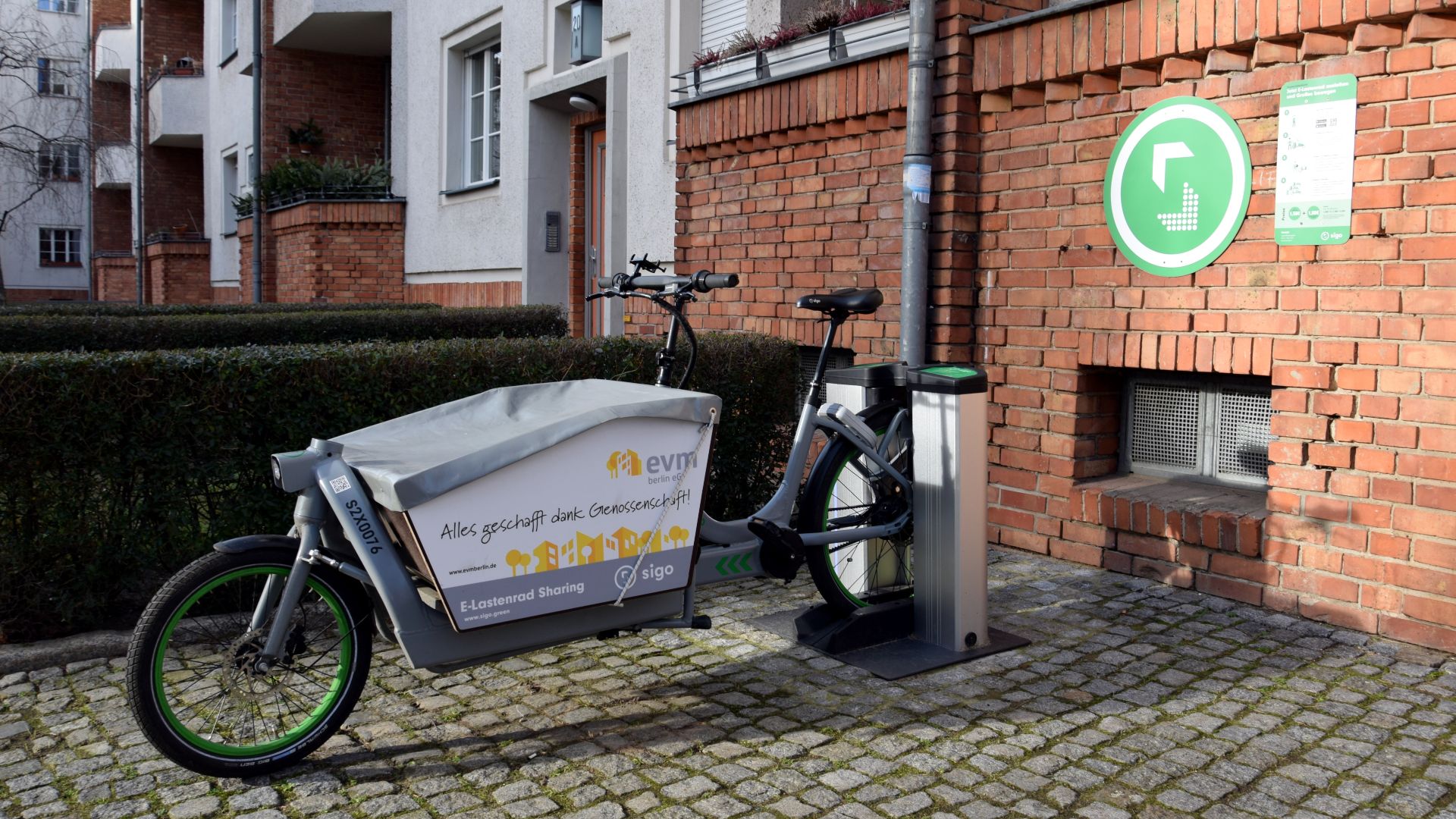
If your teenager was on an e-bike instead of a regular bicycle, the stop may be treated more seriously. E-bikes can be faster, heavier, and more regulated. Some cities have special rules for motorized bikes, throttle use, helmets, rider age, and where e-bikes can operate.
 Singlespeedfahrer, Wikimedia Commons
Sidewalks Are Their Own Jungle
Many families assume sidewalks are the safe zone, but local laws may limit or ban sidewalk cycling, especially in business districts. A wheelie on a sidewalk can look extra risky because pedestrians do unpredictable things, like stepping out of stores while carrying iced coffee and zero situational awareness.

Parks And Trails Have Rules Too
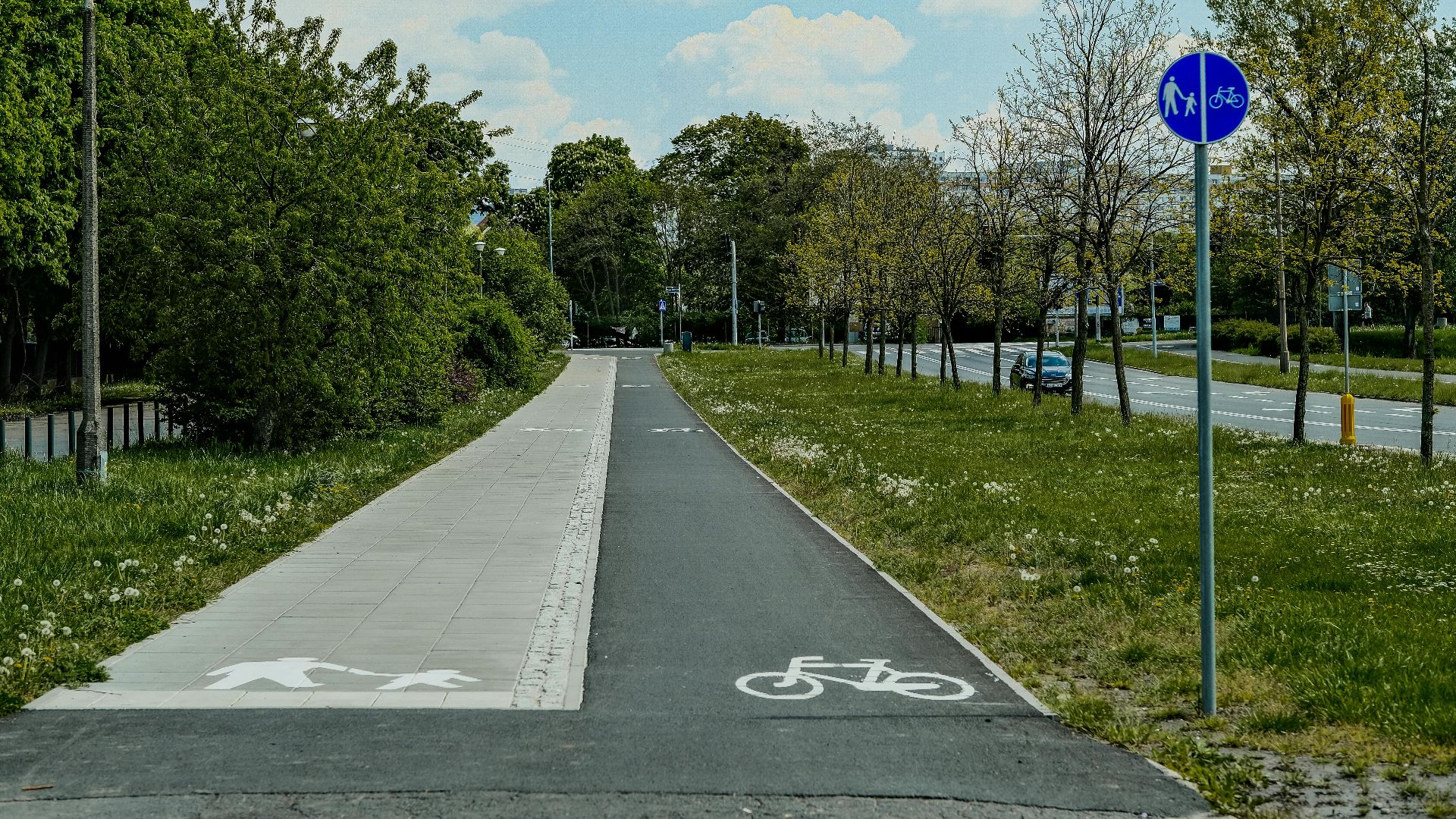
Bike paths, park roads, and multi-use trails often have posted rules about speed, stunts, yielding, and safe operation. Police, park officers, or bylaw enforcement may treat trick riding differently in these spaces because kids, joggers, dogs, and scooters are all sharing the same strip of pavement.
Was Your Teen Actually Detained?
There is a difference between an officer saying, “Hey, knock it off,” and a formal detention, ticket, search, or arrest. A quick warning may be annoying but legally minor. A stop that involves handcuffs, a search, force, or a citation deserves a much closer look.

Police Usually Need A Reason
In general, police cannot stop people completely at random. They usually need some legal basis, such as seeing a traffic violation or having reasonable suspicion of unlawful activity. If the officer saw the wheelie in a place where unsafe riding rules apply, that may be enough for a stop.

Being A Teenager Does Not Erase Rights
Teenagers have constitutional rights, even when they are sweaty, embarrassed, and wearing one AirPod. They can ask whether they are free to leave. They generally do not have to consent to a search. They should stay calm, avoid arguing roadside, and call a parent when possible.

Parents Should Start With The Paper Trail
Before marching into the station like a courtroom drama hero, collect the basics. Write down the date, time, location, officer names, badge numbers, ticket number, witnesses, and what was said. Save any helmet-cam, phone, doorbell, or dashcam footage before it disappears.

Read The Ticket Carefully
If your teenager received a ticket, the wording matters. It may say careless operation, unsafe riding, sidewalk riding, failure to obey, obstruction, disorderly conduct, or something else entirely. The charge tells you what the government thinks happened, not necessarily what it can prove.

Do Not Ignore The Court Date
A bike ticket can seem tiny, but ignoring it can create bigger problems. Missed deadlines may lead to late fees, default findings, or complications with juvenile court processes. If there is a citation, treat it like paperwork with teeth, not like a parking receipt in a junk drawer.

Can You Fight The Ticket?
Yes, many tickets can be challenged. Useful defenses may include unclear signage, mistaken facts, no actual danger, wrong location, or the officer applying the wrong rule. Photos of the area, witness statements, and video can matter. A local traffic or juvenile defense lawyer can help.

Can You Sue The Police Department?
Maybe, but “my teen was stopped” is usually not enough by itself. Lawsuits against police often require a rights violation, such as an unlawful stop, excessive force, discriminatory enforcement, an illegal search, false arrest, or serious misconduct. Hurt feelings alone usually do not win court cases.

The Department May Not Be The Right Defendant
In some places, you sue the city, municipality, individual officers, or specific officials, not the police department as a standalone entity. Civil rights cases can be technical. Filing against the wrong party or missing a notice deadline can sink a case before the facts are even discussed.

Section 1983 Is The Big Federal Tool
In the United States, many police-misconduct lawsuits are brought under Section 1983, a federal civil rights law. It allows people to sue when someone acting under government authority violates their constitutional or federal rights. That sounds simple. In real life, these cases are complex.

Qualified Immunity May Come Up
Police officers may argue that qualified immunity protects them unless they violated clearly established law. This defense can make civil rights cases harder. It does not mean police can do anything they want, but it does mean a lawyer will look closely at the facts and prior cases.

Evidence Beats Outrage
If the stop involved yelling, intimidation, a search, rough handling, or biased comments, write everything down while memories are fresh. Get medical care if anyone was hurt. Save screenshots, call logs, photos, and videos. Courts and complaint investigators respond better to evidence than to parental steam clouds.

Complaints Are Different From Lawsuits
A police complaint asks the department or oversight body to review officer conduct. A lawsuit asks a court for damages or orders. You can sometimes do both, but each has different deadlines and consequences. A lawyer can help decide which path makes sense.

Talk To Your Teen First
Before assuming your kid is a misunderstood BMX poet, ask for the full story. Were they riding into traffic? With friends? Running from police? On an e-bike? On private property? Near pedestrians? The legal answer changes fast when the facts change.

Teach The Roadside Script
A calm script can help teenagers: “Am I free to leave?” “I do not consent to a search.” “I would like to call my parent.” “I want to remain silent.” The goal is not to win an argument on the curb. The goal is to get home safely and sort it out later.

Wheelie Culture Is Real
Let’s be fair to the kids: wheelies are part of bike culture. They are skill, balance, confidence, and a little teenage peacock energy. But public roads are not stunt parks. The smarter move is finding legal spaces, bike parks, empty lots with permission, or organized riding groups.
 Jackwagonboy, Wikimedia Commons
The Practical Parent Answer
Was it illegal? It might have been, depending on local law and whether the wheelie was unsafe. Can you sue? Possibly, but only if the stop or what followed violated legal rights. The first step is gathering facts, checking the exact charge, and speaking with a local attorney.

The Bottom Line For Worried Parents
A wheelie is not automatically a crime, but it can become a legal problem when it creates danger or breaks local rules. Keep your cool, protect your teenager’s rights, save the evidence, and separate the ticket issue from any misconduct issue. Then decide whether this is a lesson, a fight, or both.

You May Also Like:
My daughter got into an accident in my car, and now I’m being sued. Do I have any recourse?