When A Family Favor Turns Into A Lawsuit
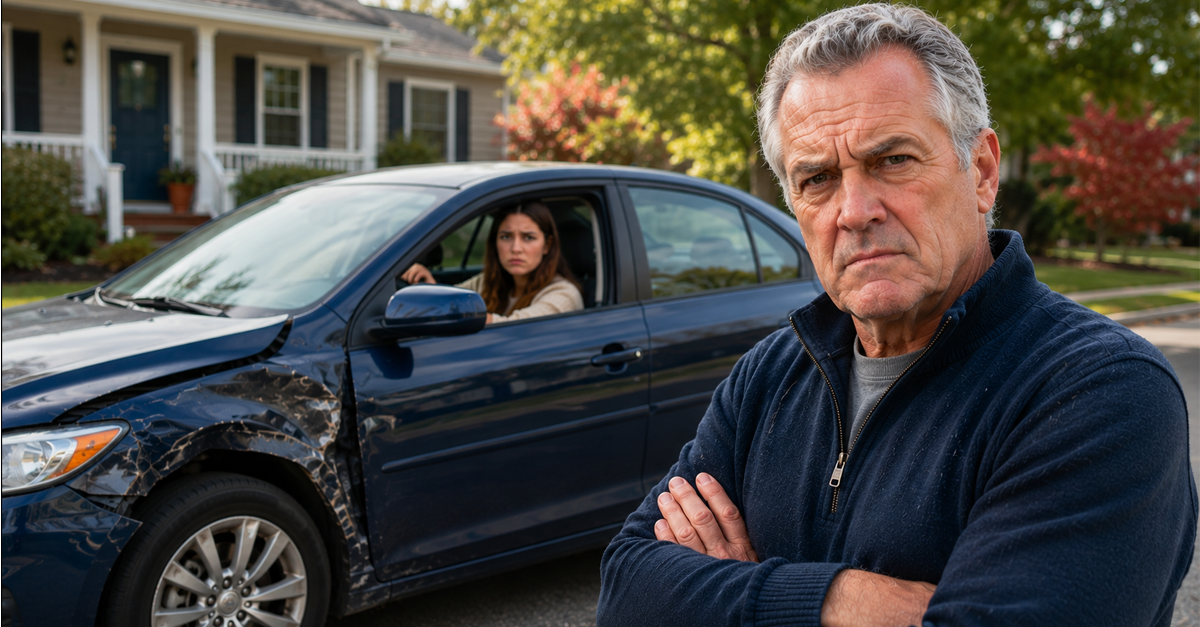
Letting your child borrow the family car feels normal for many parents. Most people never imagine that one crash could spiral into a legal nightmare. Yet lawsuits after accidents involving family members happen every day across the United States. Understanding how liability works can help parents protect themselves financially and legally.
Why You Can Be Sued Even If You Weren’t Driving
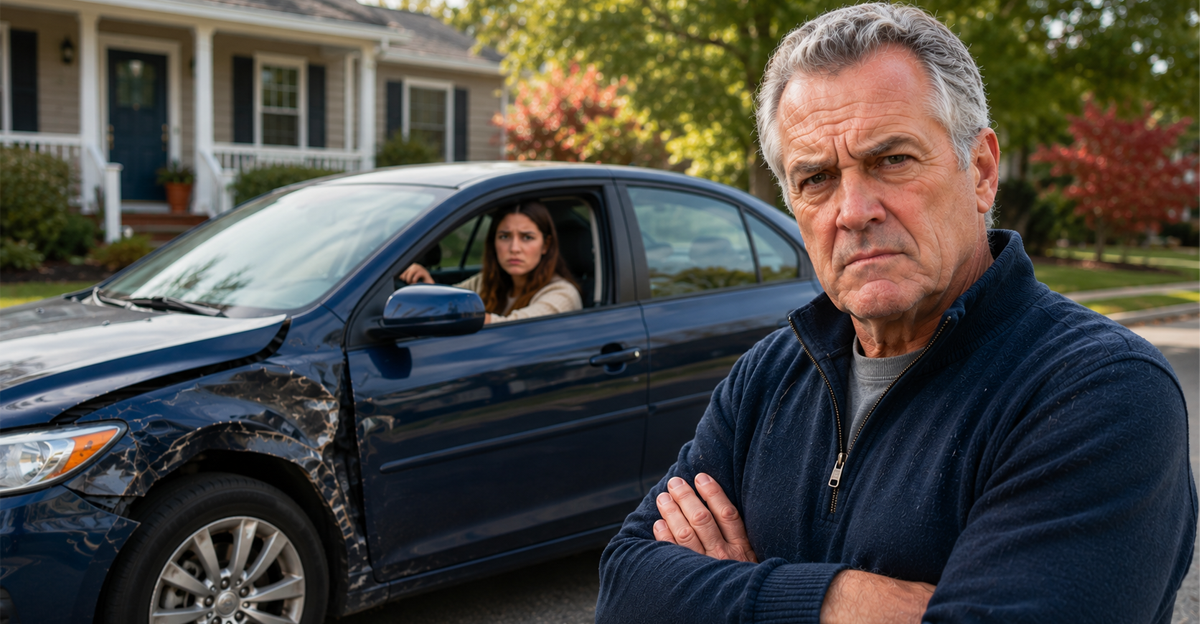
In many cases, the owner of a vehicle can be held responsible for accidents caused by someone else driving the car. Insurance usually follows the car, not the driver. That means your policy may become the primary source of compensation after a crash. Plaintiffs often sue both the driver and the vehicle owner to maximize potential recovery.
 Inside Creative House, Shutterstock
Permission Changes Everything
Whether your daughter had permission to drive your car matters a great deal. If she had your explicit or implied permission, your insurance coverage likely applies. Courts often view permission broadly, especially among family members living in the same household. Unauthorized use can change the legal picture significantly.

Understanding Vicarious Liability
Some states recognize a legal concept called vicarious liability. This means a car owner may share responsibility for another person’s negligent driving. Parents are particularly vulnerable when children or teens use family vehicles. The exact rules vary from state to state.

The Family Purpose Doctrine Explained
Several states follow something known as the Family Purpose Doctrine. Under this rule, the owner of a family vehicle can be held liable if a household member causes an accident while using the car for family-related purposes. Courts created this doctrine to ensure injured people have access to compensation. It remains controversial but still active in some jurisdictions.
 LightField Studios, Shutterstock
Negligent Entrustment Can Create Problems
A lawsuit may claim you should never have allowed your daughter to drive the car in the first place. This is called negligent entrustment. Plaintiffs may argue you knew she was reckless, intoxicated, inexperienced, or unsafe behind the wheel. If that claim succeeds, your own conduct becomes part of the case.

Your Insurance Company Will Usually Defend You
The good news is that your insurer generally has a duty to defend covered claims. That means the company hires lawyers to represent both you and your daughter. Defense costs are typically covered outside the liability limits. However, the insurer only has obligations up to your policy limits.

What Happens If Damages Exceed Your Policy Limits
Serious accidents can produce medical bills and damages that exceed basic coverage amounts. If a judgment goes beyond your insurance policy limits, your personal assets could become vulnerable. Plaintiffs may pursue savings accounts, investments, or future wages depending on state law. Umbrella insurance can help protect against catastrophic losses.

Umbrella Policies Suddenly Look Very Important
Umbrella insurance provides extra liability coverage above standard auto policies. These policies are often relatively inexpensive compared to the protection they offer. Many financial experts recommend them for homeowners and parents with teenage drivers. A large lawsuit can quickly wipe out ordinary liability limits.

State Laws Matter More Than You Think
Auto liability laws differ dramatically depending on where you live. Some states impose stronger owner liability rules than others. Comparative negligence laws also affect how damages are divided among parties. Local statutes and court precedents can change the outcome of a lawsuit.

If Your Daughter Is A Minor, The Stakes Get Higher
Parents of minors often face additional legal exposure. Many states require parents to sign a teen’s driver’s license application. By doing so, they may accept financial responsibility for damages caused by the minor driver. Courts may also view parents as responsible supervisors of inexperienced drivers.

Adult Children Create Different Legal Questions
If your daughter is an adult, liability becomes more fact-specific. Courts may examine whether she lives with you, whether she was insured under your policy, and how frequently she uses the vehicle. Adult children who borrow cars occasionally are treated differently than regular household drivers. Insurance companies pay close attention to these details.

Your Insurance Policy Language Matters
Every insurance policy contains definitions, exclusions, and coverage limits that matter after a crash. Some policies exclude drivers not listed on the policy. Others may reduce coverage for household members omitted from the policy application. Reading your declarations page and endorsements carefully is critical.

Why Plaintiffs Name Everyone In The Lawsuit
Injury attorneys routinely sue multiple parties after a serious accident. This strategy increases the chances of recovering compensation. Plaintiffs may sue the driver, vehicle owner, employers, and even third parties connected to the crash. Being named in a lawsuit does not automatically mean you were personally negligent.

Social Media Can Hurt Your Case
After an accident, families sometimes discuss the crash online without thinking twice. Social media posts can later appear as evidence in court. Photos, comments, and casual statements may be used against both the driver and the vehicle owner. Lawyers often advise clients to stay quiet online during active litigation.

Recorded Statements Can Be Risky
Insurance adjusters may ask for recorded statements soon after the crash. While cooperation is important, careless wording can create problems later. Admissions, guesses, or inconsistent descriptions may be used during settlement negotiations or trial. It is wise to consult legal counsel before discussing sensitive details.

Settlements Are More Common Than Trials
Most auto accident lawsuits never reach a courtroom verdict. Insurance companies frequently settle claims to avoid litigation expenses and uncertainty. Settlement negotiations may involve medical costs, lost wages, and pain and suffering damages. A settlement does not necessarily mean anyone admitted fault.

Comparative Negligence Can Reduce Damages
Many states use comparative negligence rules to divide responsibility among parties. If the injured person contributed to the crash, damages may be reduced proportionally. For example, speeding or distracted driving by the plaintiff could lower compensation. These rules often become central during negotiations.

Bankruptcy Is Sometimes Part Of The Conversation
In extreme cases involving catastrophic damages, families may consider bankruptcy protection. Bankruptcy can discharge certain debts tied to civil judgments. However, not all liabilities are treated equally under bankruptcy law. This is usually a last resort after exploring insurance and settlement options.

Defense Attorneys Look For Weaknesses In The Claim
Your defense team will investigate every aspect of the accident. Lawyers may examine police reports, witness testimony, traffic camera footage, and phone records. They may also challenge injury claims or argue another driver caused the collision. Strong evidence can dramatically affect settlement value.
Police Reports Are Important But Not Final
Many people assume the police report determines who wins a lawsuit. In reality, police reports are only one piece of evidence. Insurance companies and courts conduct their own evaluations. Witness credibility and additional evidence often matter more than the initial report.

You May Have More Coverage Than You Realize
Some drivers carry additional protections without realizing it. Umbrella policies, employer coverage, or household policies may provide supplemental benefits. In certain cases, multiple insurance policies can apply simultaneously. An experienced attorney can help identify every available source of coverage.

Legal Deadlines Can Sneak Up Quickly
Every state has statutes of limitations that control how long someone has to file a lawsuit. Missing deadlines can eliminate legal rights entirely. Insurance policies also require prompt notice after accidents. Delays can create unnecessary disputes with insurers.

Talking To Your Own Lawyer Is Usually Smart
Even if your insurance company provides a defense attorney, consulting a personal lawyer may still help. Independent counsel can explain your individual financial risks and rights. This becomes especially important if damages may exceed policy limits. Separate advice can help families make informed decisions.

Prevention Is Better Than Litigation
Parents should review insurance coverage regularly, especially when young drivers use family vehicles. Maintaining higher liability limits can provide peace of mind. Families should also establish clear rules about who may borrow the car. Small preventive steps can avoid massive financial headaches later.

The Bottom Line About Your Legal Options
Being sued because your daughter crashed your car does not automatically mean financial ruin. Insurance protections, state laws, and factual details all shape the outcome. Many cases settle within policy limits without devastating consequences for the family. The smartest move is to understand your coverage, cooperate carefully, and seek legal guidance early.

You May Also Like: