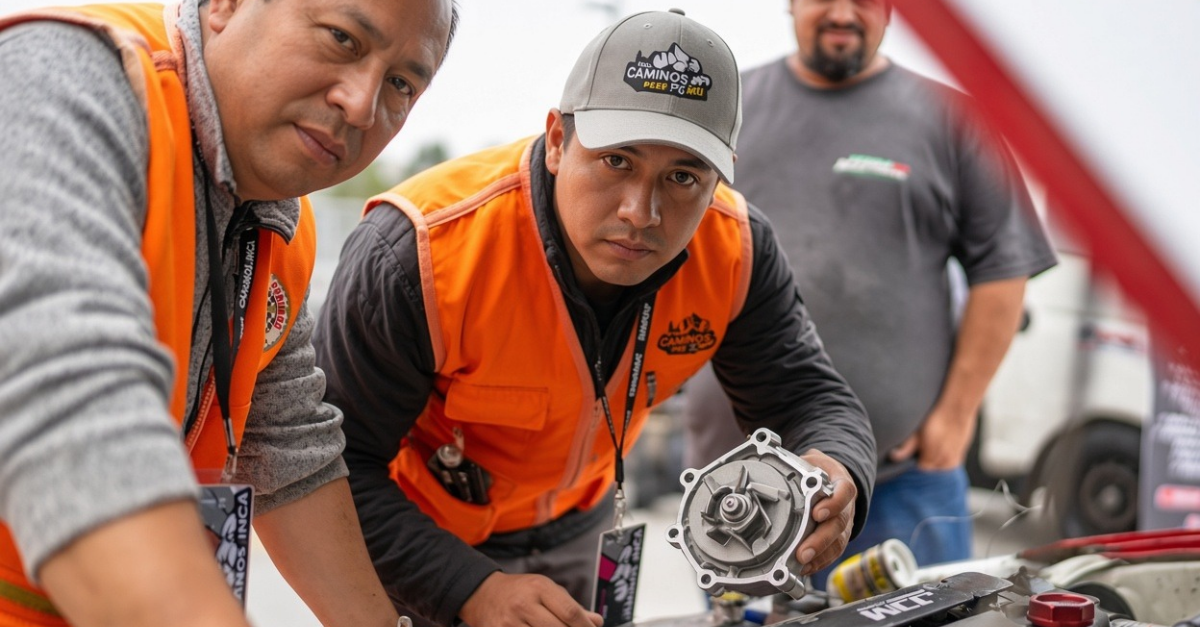
Every Rental Car Customer’s Worst Fear
You returned your rental car, handed over the keys, and walked away thinking everything went smoothly. Then weeks later, you get a message saying the car was damaged and you owe money for a scratch you’re sure wasn’t there when you dropped it off.
Unfortunately, this kind of situation happens more often than travelers expect. Rental companies sometimes inspect vehicles after they’re returned, and damage claims can show up long after your trip ends. But that doesn’t mean you automatically have to pay. If you think the damage wasn’t your fault, here’s how to challenge the charge.

Why Damage Claims Sometimes Show Up Weeks Later
Rental companies don’t always inspect cars right away when they’re returned. At busy locations, employees may only check the fuel level and mileage before moving the car to a holding area. A full inspection might not happen until the car is cleaned or prepared for the next renter. If someone later notices a scratch or dent, the company may review their records and assume the damage happened during your rental.

It Doesn’t Automatically Mean You Caused It
Just because a damage claim shows up later doesn’t mean the problem happened while you had the car. After you return a rental, the vehicle usually passes through several hands. Employees might move it around the lot, cleaning crews may work on it, or it could even be rented again before someone notices damage. In cases like this, rental companies sometimes rely on timing assumptions instead of clear proof.
 Fine Automotive Detailing, Unsplash
Your Drop-Off Documentation Is Really Important
The biggest factor in these disputes is what happened when you returned the car. If an employee inspected the vehicle and confirmed there was no damage, that record can be very helpful. Even something simple like a signed return receipt or a digital inspection report can support your claim about the car’s condition at drop-off.

Photos And Videos Can Save You
Many frequent travelers now take photos or videos of rental cars when picking them up and returning them. These images can show the car’s condition and help prove whether damage existed before or after your rental. If you snapped photos at drop-off, they may be the strongest evidence you have.

Check The Timeline Carefully
When you receive a damage notice, look closely at the timeline. Pay attention to when the company says the damage was discovered and how long after your return they contacted you. If several days or even weeks passed before the issue was reported, that gap may weaken the claim that you caused it.
 Krakenimages.com, Shutterstock
Ask For Detailed Evidence
You’re allowed to ask the rental company for more details. Request clear photos of the damage, the inspection report, and documentation showing when the issue was first discovered. If they can’t provide solid evidence connecting the damage to your rental period, their case becomes much weaker.

Review Your Rental Agreement
Your rental agreement includes the company’s policies for damage claims and inspections. Some agreements explain how long the company has to notify you about damage or how disputes should be handled. Reading through those terms can help you figure out your next steps.

Take A Close Look At The Photos
Rental companies often send photos of the alleged damage along with the claim notice. Look at those images carefully. Do they clearly show the specific car you rented? Is the damage obvious, or could it just be normal wear and tear? Sometimes the photos are vague or taken long after the rental ended.
 My Ocean Production, Shutterstock
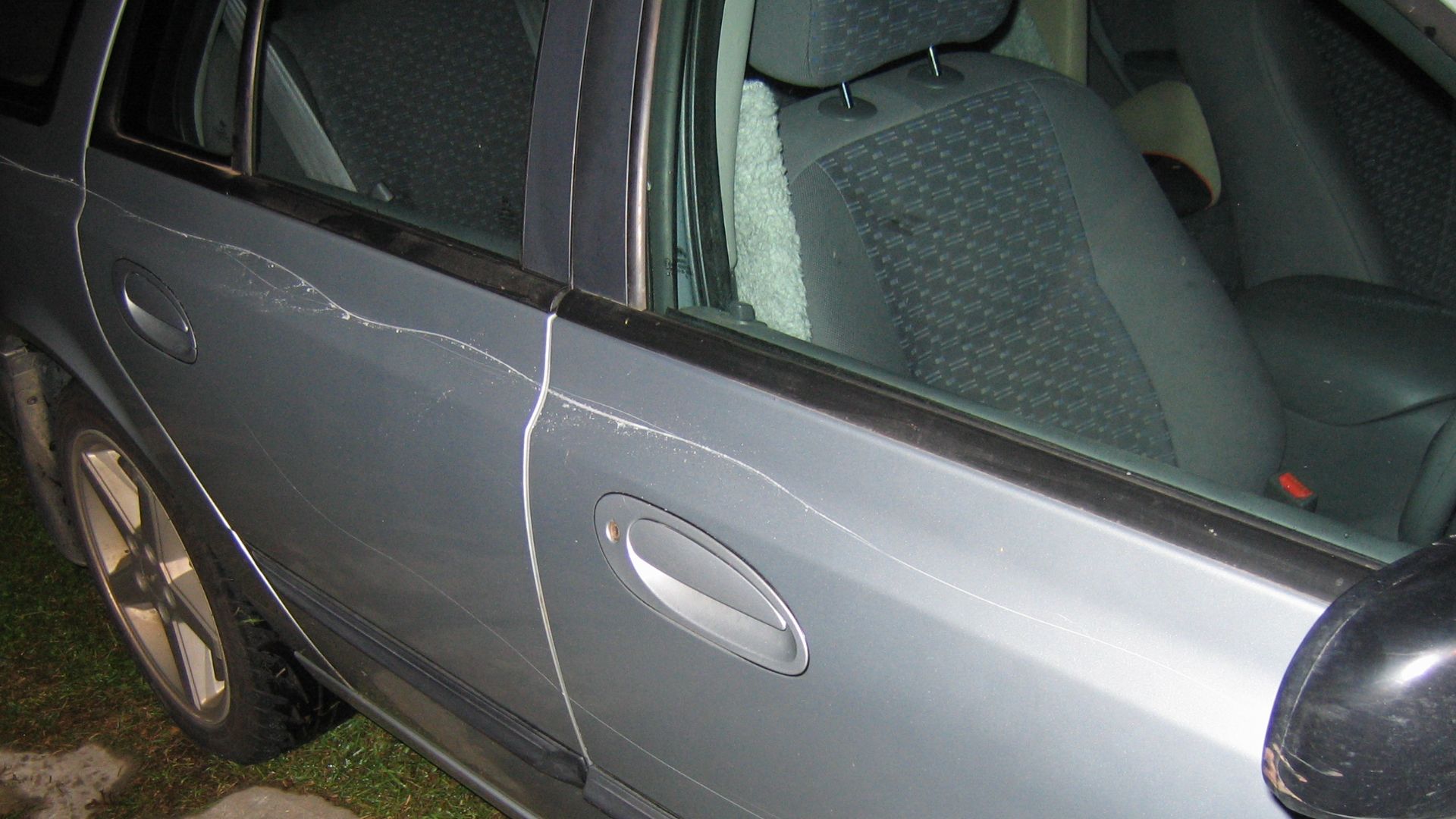
Small Scratches Might Be Normal Wear
Many rental companies don’t charge customers for tiny scratches or minor cosmetic wear. Some even have guidelines for the size of damage that qualifies for repair charges. If the scratch is very small or barely noticeable, it might fall under normal wear rather than something you should be billed for.
 Athol Mullen, Wikimedia Commons
Contact The Company Quickly
If you believe the claim is wrong, don’t wait to respond. Most rental companies provide instructions for disputing damage charges. Ignoring the notice can sometimes lead to automatic billing. Let them know you returned the vehicle without damage and ask them to review the claim.

Provide Your Own Evidence
If you have photos, videos, return receipts, or inspection reports, include them in your response. Good documentation can quickly shift the tone of the conversation. Even a timestamped photo taken in the parking lot when you dropped the car off can make a big difference.

Your Credit Card Might Cover It
Many credit cards include rental car coverage if you used the card to pay for the rental. If the company insists you’re responsible for the damage, your credit card provider may step in and handle the claim. In some cases, they’ll even cover repair costs or dispute questionable charges on your behalf.

Your Car Insurance Might Help Too
Your personal auto insurance policy may also cover rental vehicles. If the situation becomes complicated, your insurance company may investigate the claim and communicate directly with the rental company. Insurers often push back when damage claims don’t have strong evidence.

Watch Out For Extra Fees
Rental companies sometimes add administrative fees on top of repair costs when processing damage claims. These extra charges can increase the total amount significantly. If the damage itself is questionable, those added fees should also be challenged.

Escalate The Issue If Needed
If the rental company refuses to remove the charge, you may need to escalate the dispute. Many companies have customer relations departments that review complaints more carefully than the local rental office. Providing a clear timeline and your supporting documents can help your case reach someone with the authority to resolve it.

You Can Also Dispute The Credit Card Charge
If the company charges your credit card and you believe it’s incorrect, you may be able to dispute the charge. Credit card companies often investigate billing disputes involving travel services. Having documentation of the car’s condition at drop-off can strengthen your case.

Prevention Is The Best Defense
The easiest way to avoid problems like this in the future is to document the car before and after your rental. A quick walk-around video that captures every panel of the car takes less than a minute. That simple step can save you a lot of frustration later.

Final Thoughts
Getting charged weeks after returning a rental car can feel incredibly frustrating, especially if the vehicle looked perfectly fine when you dropped it off. The good news is you don’t have to accept the claim automatically. By asking for evidence, checking the timeline, and providing your own documentation, you may be able to challenge the charge successfully. When you combine that with credit card protections and insurance coverage, many questionable damage claims can be resolved in your favor.

You May Also Like: