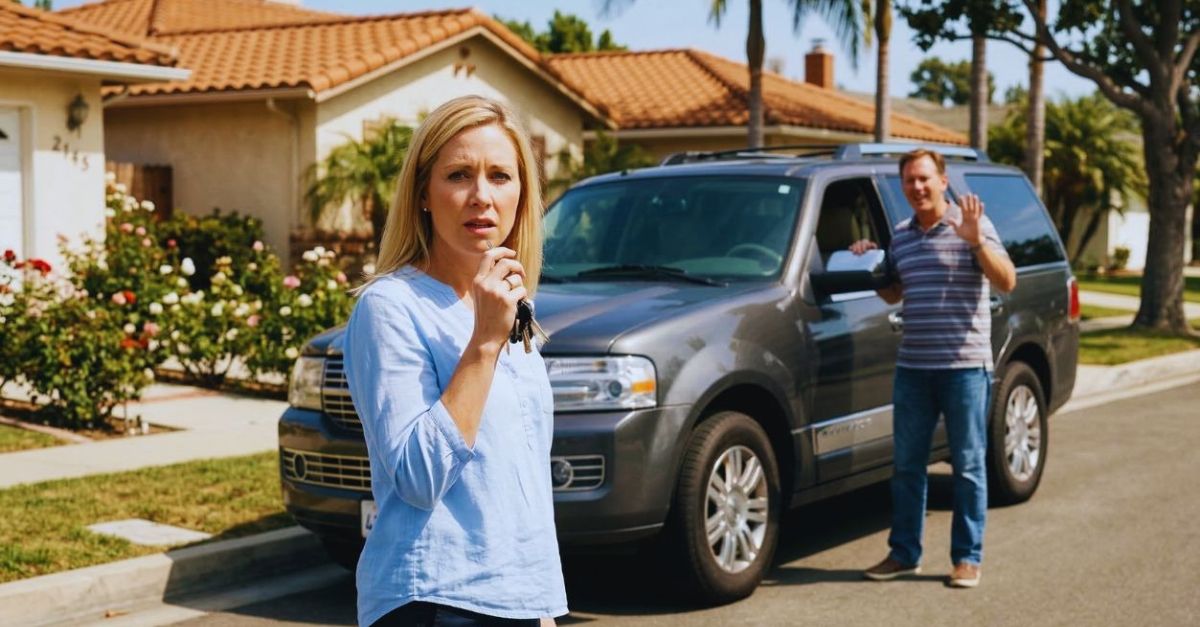
My Neighbor’s “Just A Minute” Is Still A Problem
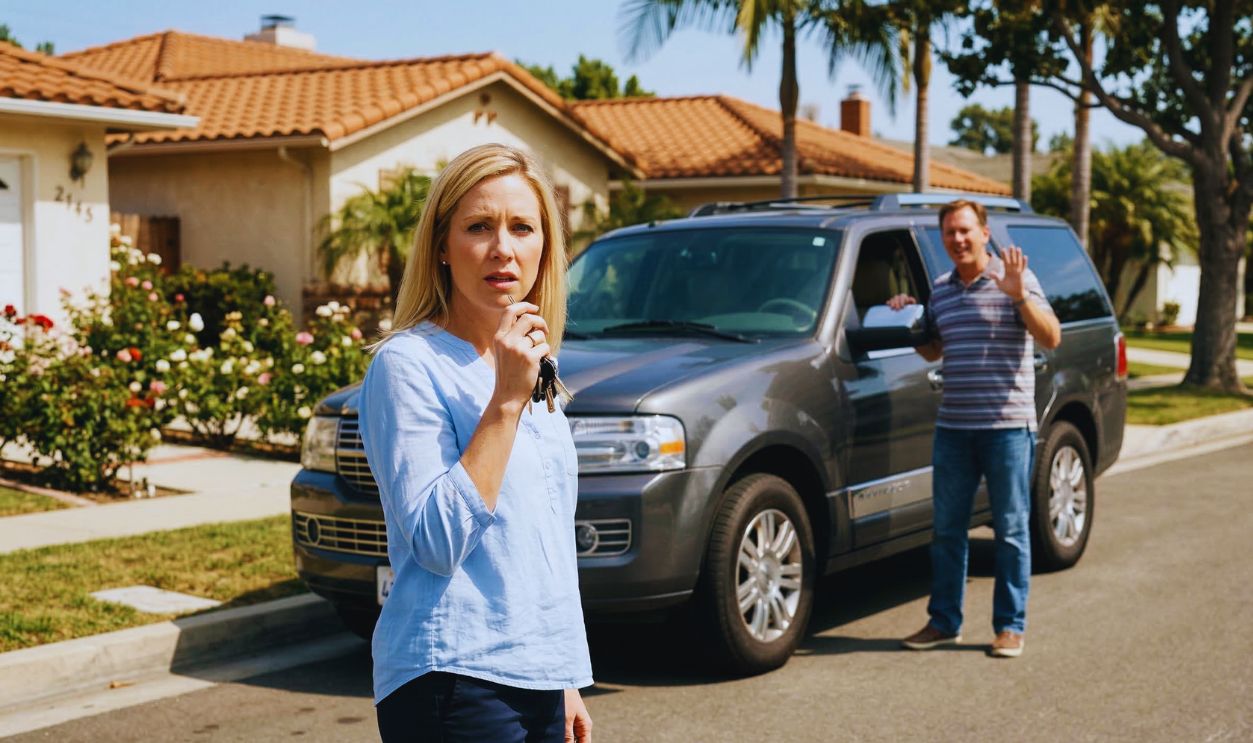
If your neighbor keeps stopping in front of your driveway “just for a minute,” you are not being petty for caring. In most places, blocking a driveway is a traffic or parking violation, even if the driver stays in the car. The trick is that the exact rule, and who enforces it, depends on where you live.
First, Confirm What’s Actually Illegal Where You Live
Parking laws are usually set by state vehicle codes plus city ordinances. Many areas ban stopping, standing, or parking in front of a driveway, whether it is public or private access. Before you act, look up your city’s parking page or your state driver handbook so you know the exact wording.

Blocking A Driveway Is Often A “No Stopping” Zone
Even when someone says they are not “parked” because the engine is running, the law may still apply. Many codes treat “standing” or “stopping” differently than “parking,” and driveway access often falls under stricter rules. That matters because a “quick stop” can still be citable.
Start With The Lowest Drama Option
If you can do it safely, talk to your neighbor when neither of you is rushed. Be specific about the behavior and the impact, like being unable to leave for work or blocking delivery access. Keep it calm, because the next steps get more official.

Try A Clear Script That Is Hard To Argue With
Say, “Please do not stop in front of my driveway, even for a minute, because I cannot get in or out.” Ask them to use their own driveway, a legal curb spot, or to pull forward past your driveway apron. If it keeps happening, tell them you will have to call parking enforcement.

Get The Facts Before You Get Mad
Sometimes people do not realize where the driveway edge actually is, especially if the curb cut is wide. Check whether your driveway line is obvious from the street. If it is confusing, a simple visual cue can stop the problem before it becomes a feud.
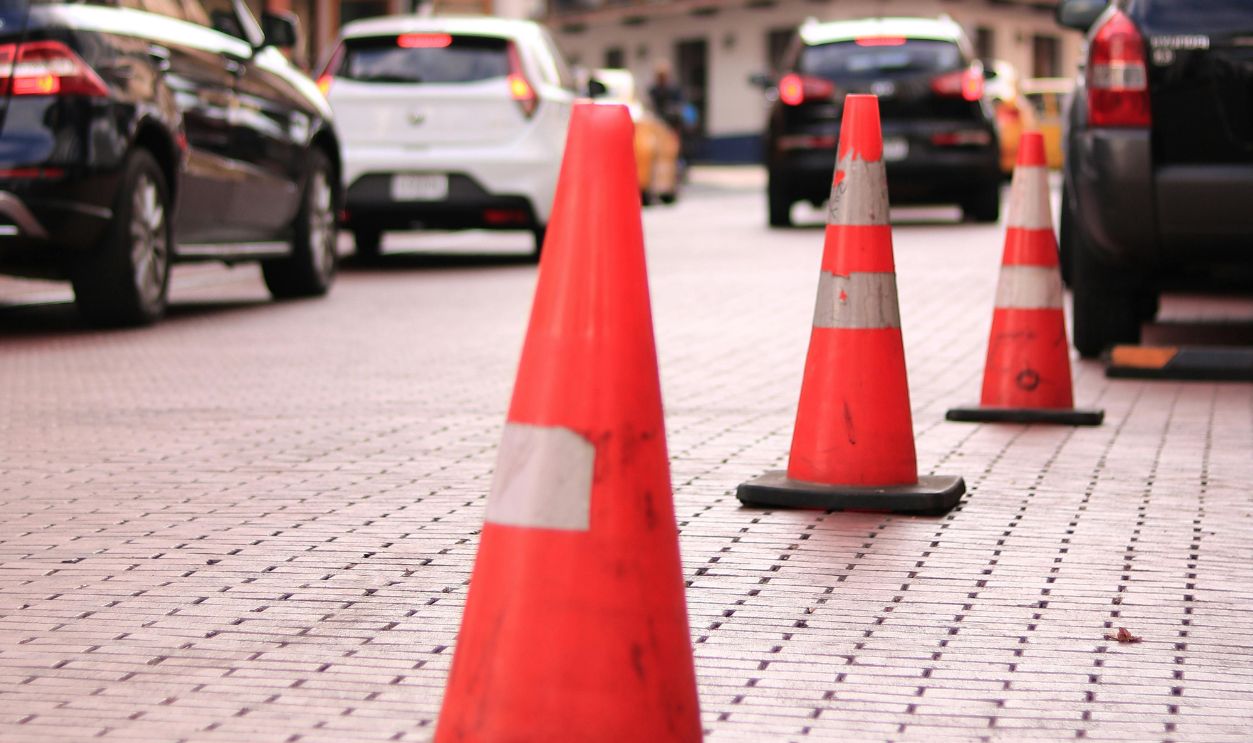
Do Not Save A Spot With Cones In The Street
In many cities, putting cones, trash cans, or chairs in the roadway to “reserve” curb space is not allowed without a permit. It can also create a hazard and shift blame onto you if something goes wrong. If you want a legal solution, stick to permitted signage and enforcement options.
Make It Obvious Without Starting A War
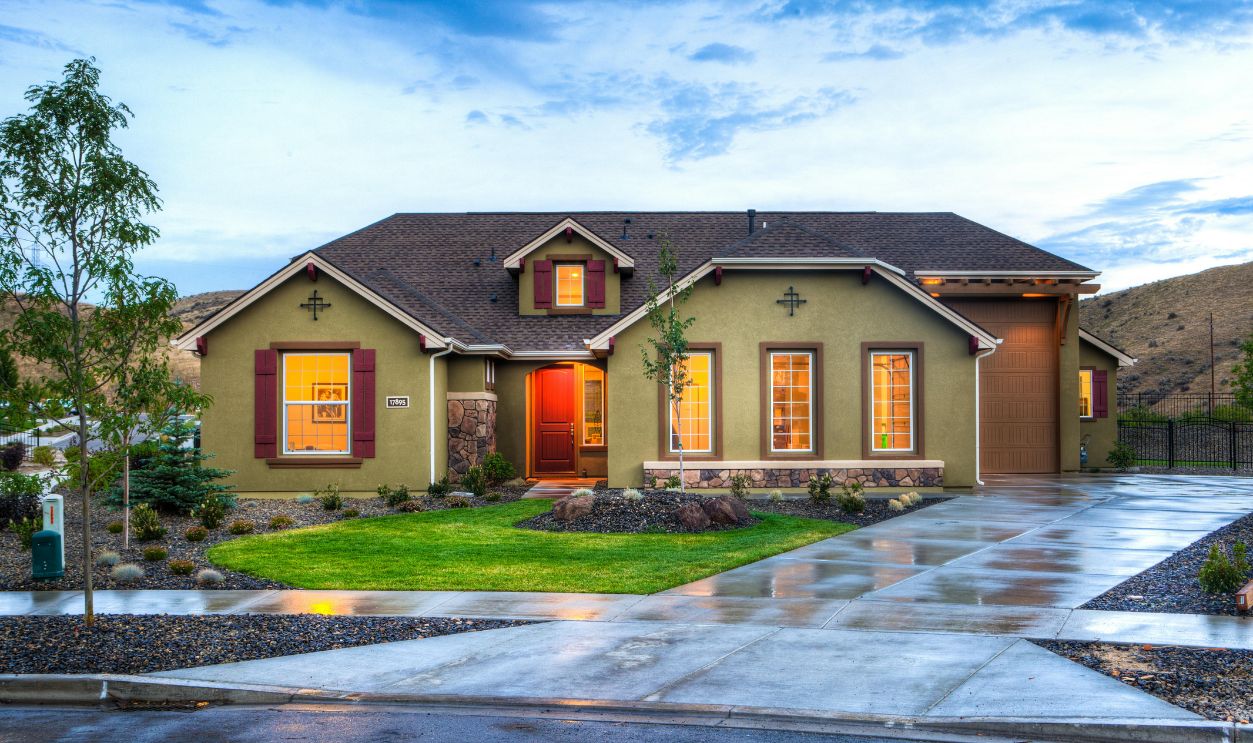
If local rules allow it, consider repainting the driveway edges on your property or improving lighting so the driveway opening is easier to see at night. Some homeowners add reflectors at the sides of the driveway entrance, but you should keep anything installed on your property. The goal is clarity, not escalation.
Know Who To Call, Because It Is Not Always 911
If you are blocked in or out and need help, most areas want you to call a non-emergency police line or city parking enforcement. Using 911 is usually reserved for urgent emergencies. Your city website often lists the right number and the hours parking enforcement is active.

When You Can Request A Tow
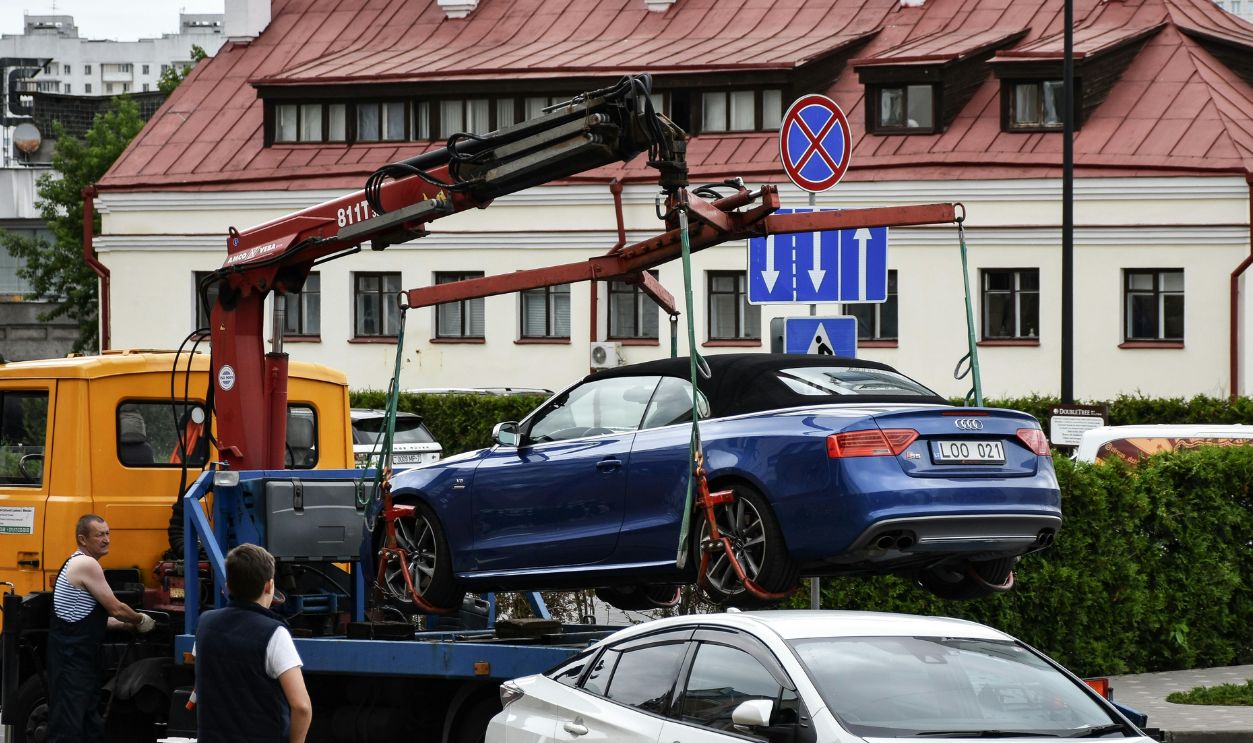
Whether a car can be towed for blocking a driveway depends on state and local rules and on who has authority to order a tow. In many places, police or parking enforcement can authorize towing when a vehicle blocks access. Some areas require a citation first, while others allow towing based on the violation.
Do Not Call A Random Tow Company First
In a lot of states, towing from public streets is regulated and typically must be ordered by law enforcement or the agency with authority. Calling a tow company without authorization can backfire, especially if the tow is not lawful. Start with parking enforcement or the non-emergency line and follow their process.
What If The Car Is Blocking Your Car In Your Driveway?
If you cannot leave, mention that you are “blocked in” when you call. That detail often makes the response faster because it affects your ability to travel. Take a breath, because the next question matters.

Document It Like You Might Need To Prove It Later
Take a photo that shows the car, the license plate, and how it blocks the driveway. Include a second photo with a wider view showing the address or a recognizable landmark. If it is a repeat problem, start a simple log with dates and times.

Check Your City’s Online Reporting Tools
Many cities now take parking complaints through apps or web forms, and some let you upload photos. That creates a time-stamped record that can help if the problem continues. If you find yourself thinking, “This will never change,” this is where change often starts.

Expect A Warning Before Tickets, But Do Not Count On It
Some departments start with a warning, especially if it is a first complaint. Others ticket right away, because blocking a driveway is a straightforward violation. Either way, consistent reporting tends to get more consistent results.
If It Is A Habit, Ask About Targeted Enforcement
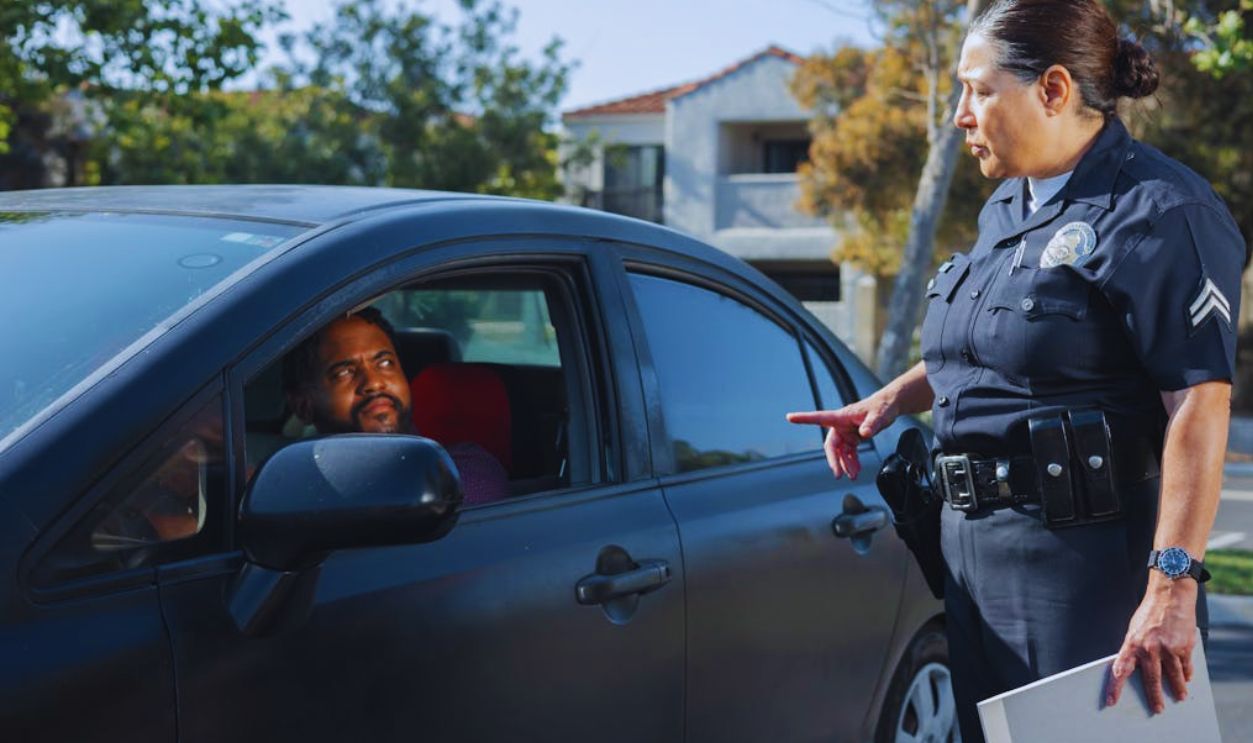
When the same vehicle repeats the issue, ask whether your city can do extra patrols at the times it happens most. Some parking divisions will note an address for recurring problems. It is not instant, but it is one of the more effective long-term moves.

Do Not Touch Their Car
Do not try to move the vehicle yourself, and do not block them in as revenge. Touching a car can expose you to claims of damage, and retaliatory blocking can get you ticketed too. Staying clean legally keeps the leverage on your side.
Resist The Temptation To “Park Them In”
It feels satisfying in your head, but it can quickly turn into a bigger conflict or even a legal mess. You could be cited for blocking a roadway or creating a hazard. The smartest play is to keep the focus on the original violation.
What About A “Tow Warning” Sign?
A sign can help, but it does not automatically give you towing authority from the street. Towing rules depend on local law and who controls the space. If you want to post signage, check city rules and homeowners association rules if you have one.

Private Road Or HOA Street Changes The Rules
If your street is privately owned, enforcement may involve your HOA, property management, or contracted security. Some private communities have their own towing agreements and signage requirements. The same behavior can be handled very differently on private property versus a city street.
If It’s A Shared Driveway, Slow Down And Read The Paperwork
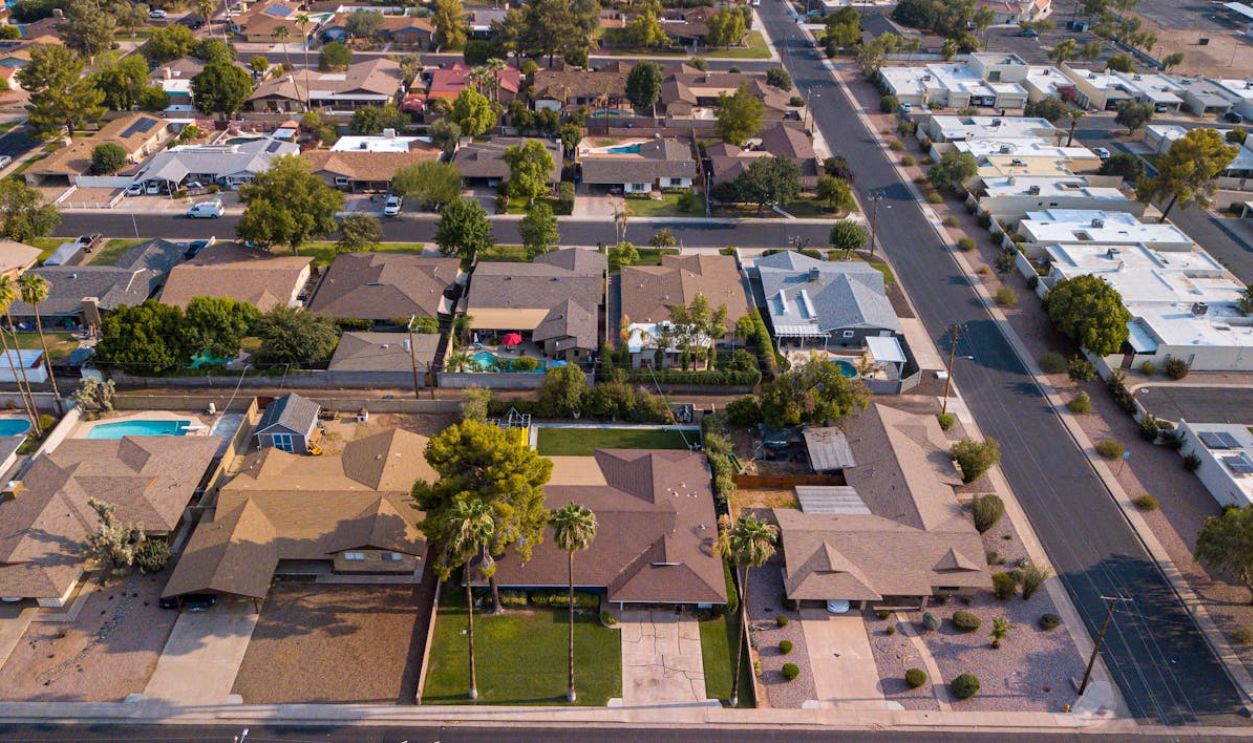
Shared driveways and easements can complicate things, because access rights may be split. A neighbor may have legal access across a portion of what looks like your driveway. If the situation is unclear, your county property records or closing documents can explain the easement.

What If It’s Deliveries, Contractors, Or Frequent Visitors?
If the neighbor claims it is always a delivery or a quick pickup, you can still insist the driveway stays clear. Suggest they use a legal loading zone, park farther down, or schedule pickups to avoid peak times. It sounds small, but one change in habit can end the whole loop.
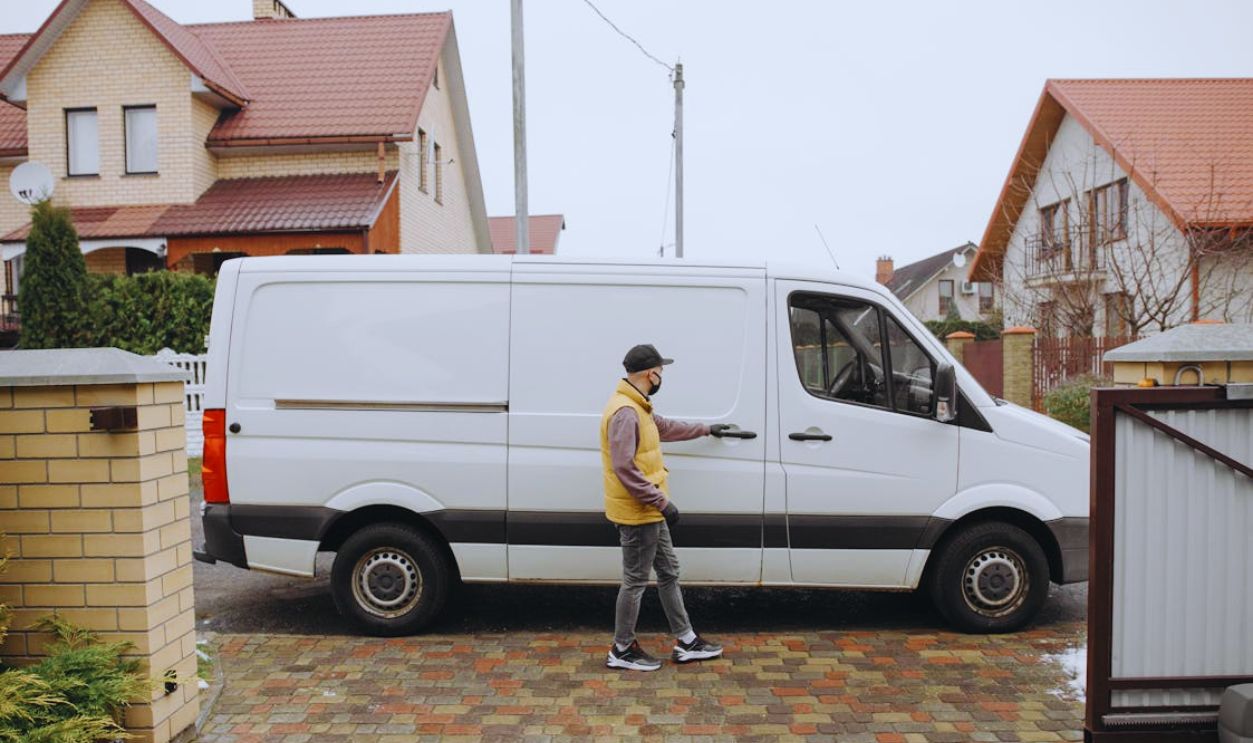
Be Careful With “Parking In Front Of My House” Claims
In most places, the curb in front of your home is public parking unless posted otherwise, so you cannot reserve it just because it is near your house. The driveway is different, because blocking it prevents access. Keeping that distinction straight makes your complaint stronger and more credible.
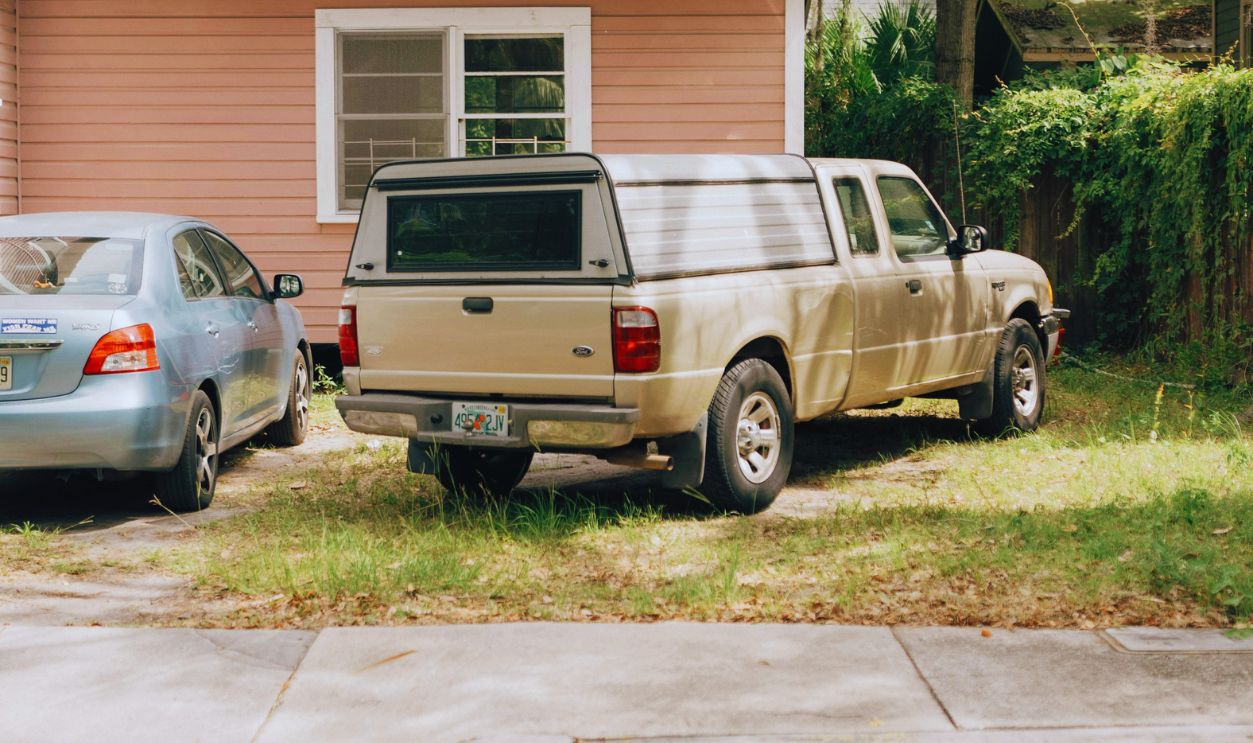
If You Need It, Use A Simple Written Notice
If friendly talks fail, a short note can help. Keep it factual, mention dates, and state what you need: “Please do not stop in front of my driveway.” If you later need to show a pattern, a dated note or email can support that.

When It Might Be Time To Ask A Lawyer
If the blocking is part of a bigger dispute, or you suspect harassment, a local attorney can explain options like a cease-and-desist letter. If there is property damage, threats, or ongoing interference with access, legal advice can be worth it. Most readers never get here, but if you do, you will want a plan.

The Practical Game Plan That Usually Works
Start by confirming your local rule and the correct enforcement contact. Talk once, document the next incident, and report repeat violations through official channels. If your neighbor keeps gambling on “just a minute,” the next call can change their odds.