The Note On Your Windshield That Starts A Fight
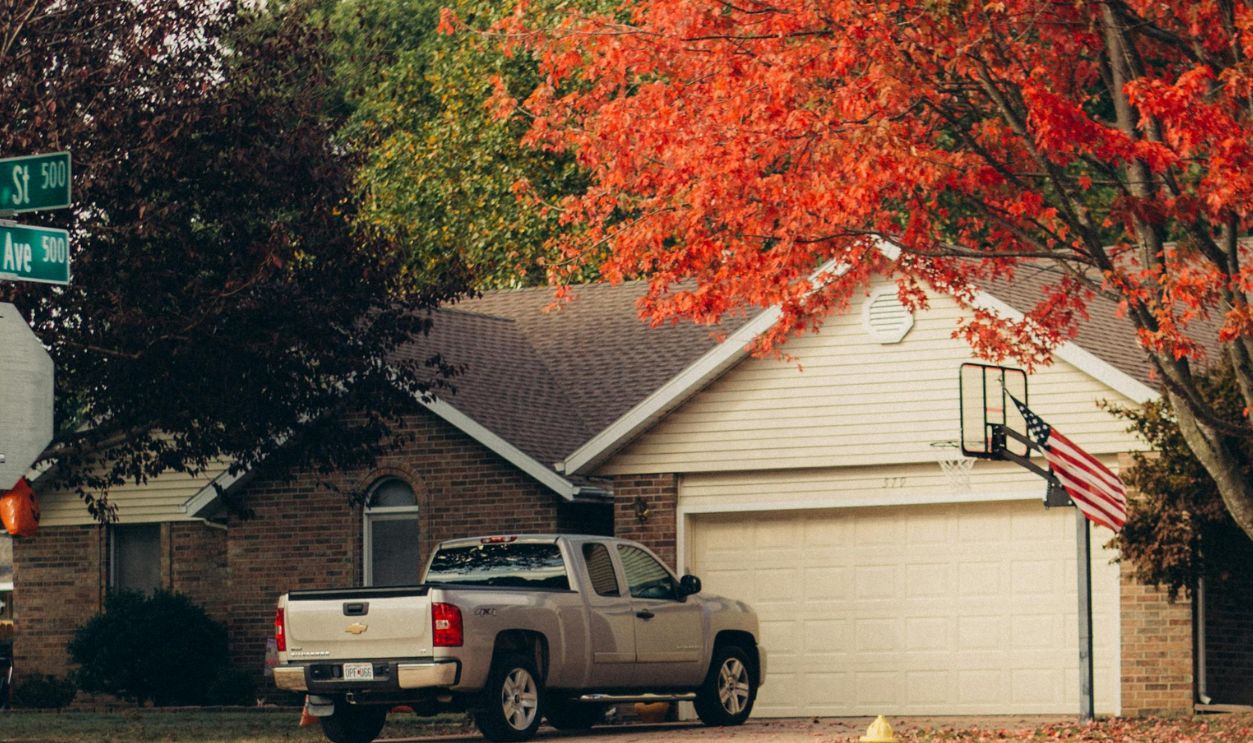
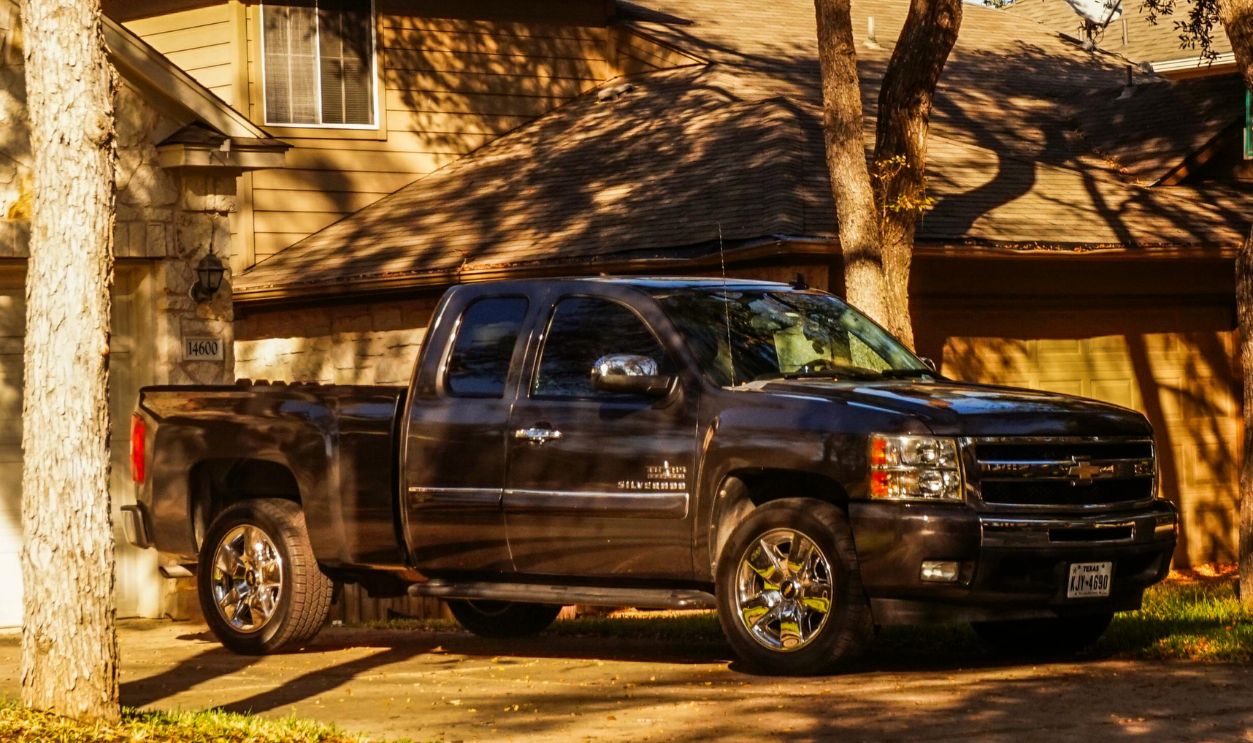
You walk out in the morning and see it: The dreaded piece of paper on your windshield. You've heard about the annoying HOA president, but this is the first time they've come for you. It's a warning from about your pickup truck sitting in your own driveway overnight.
It feels personal, it feels ridiculous, but in many communities it's actually a rule that has been enforced for years.

First Question: What Kind Of “HOA” Are We Talking About?
Homeowners associations are private organizations that govern a neighborhood through written rules. Those rules are usually in recorded documents called Covenants, Conditions, and Restrictions, often shortened to CC&Rs. When you bought the home, you typically agreed to follow them as part of the deed and community contract.

Driveway Parking Rules Are Surprisingly Common
Many HOAs regulate vehicles parked in driveways, on streets, or in visible areas. Pickups sometimes get singled out if the rules talk about “trucks,” “commercial vehicles,” or “vehicles with signage.” The key point is that enforceability usually depends on what the recorded documents actually say, not what a board member prefers.

Can They Really Ban A Pickup Overnight?
Sometimes, yes. If the CC&Rs restrict certain vehicle types from being parked overnight in driveways, an HOA may be able to enforce it. But if your rules are vague, inconsistent, or conflict with state law, enforcement can get shaky fast.

Start With The Actual Paperwork, Not The Email
Ask for the specific covenant or rule your truck allegedly violates, in writing. Then pull the CC&Rs and any adopted rules and architectural guidelines for your community. In many states, HOA governing documents are recorded with the county, and your closing paperwork may also include them.

CC&Rs Versus “Rules” And Why It Matters
CC&Rs are generally the strongest HOA documents because they are recorded and tied to the property. Board-made “rules” can still be enforceable, but they usually have to fit within authority granted by the CC&Rs and state law. If the CC&Rs are silent on driveway parking, the board may have less room to create a sweeping ban.

What Does “Pickup Truck” Mean In The Rules?
Some HOAs ban “trucks” broadly, while others focus on “commercial vehicles.” A personal pickup used for commuting is not always a commercial vehicle, even if it looks like a work truck. If the HOA is treating every pickup as “commercial,” look for actual definitions in the documents.
Commercial Vehicle Language Is Where Fights Usually Start
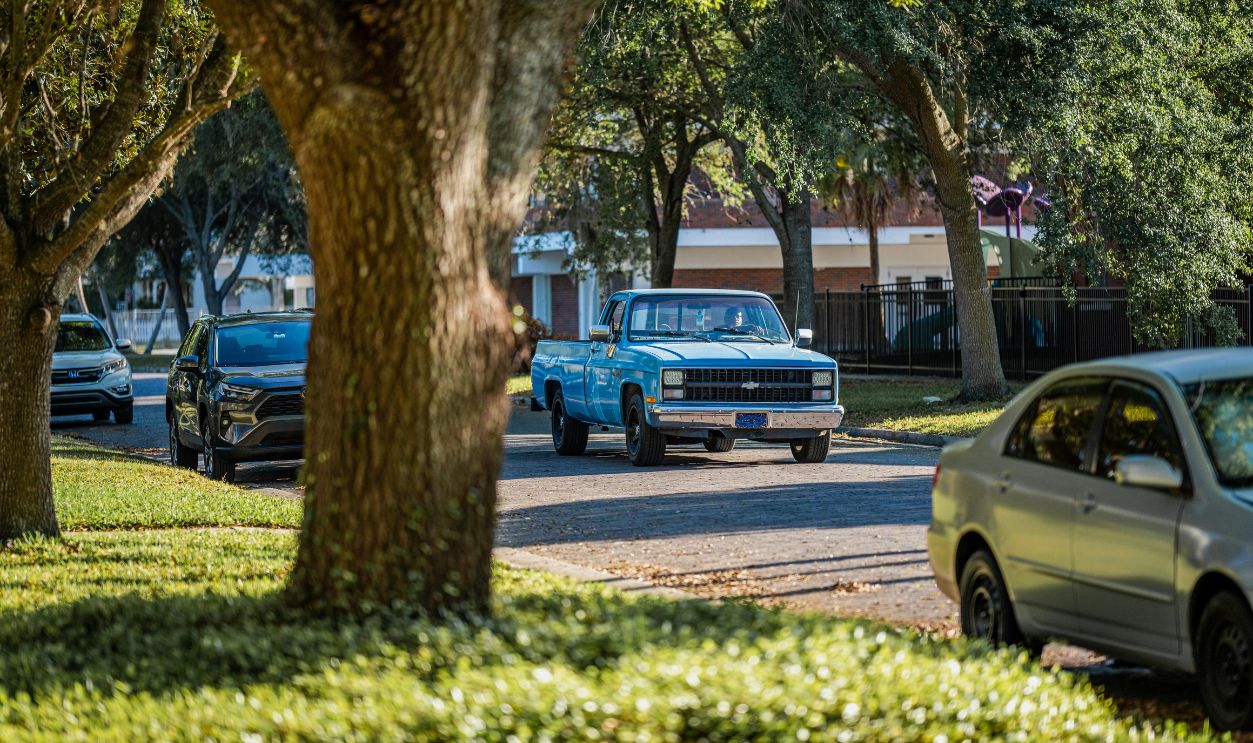
Many disputes come down to whether a vehicle is “commercial” because of weight rating, signage, tool racks, or business use. Some CC&Rs define it clearly, but many do not. If there is no definition, the HOA may have to rely on a reasonable interpretation and consistent enforcement.
State Law Can Put Limits On HOA Power
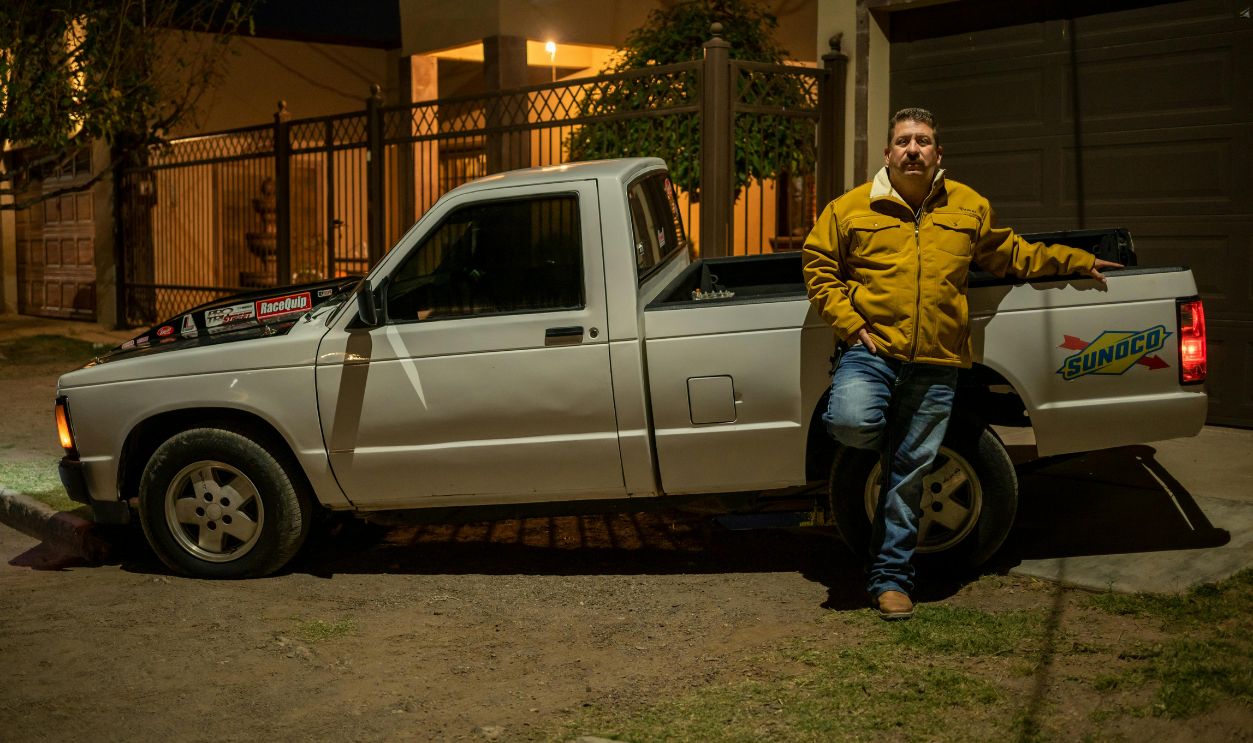
HOAs are powerful, but they are not all-powerful. Many states have statutes governing how associations adopt rules, provide notice, and conduct hearings. Some states also protect certain kinds of parking or vehicle-related rights, depending on the topic and the statute.

California Has A Well-Known “Parking” Protection
California’s Civil Code includes protections that limit HOA restrictions on certain parking in an owner’s designated parking space. That protection is commonly associated with Civil Code Section 4745, which was added as part of a legislative update that took effect in 2017. It is not a blanket “park anything anywhere” rule, but it can matter if your “driveway” is a designated parking space under the governing documents.
Florida Requires Due Process Before Fines
Florida law requires an HOA to provide notice and a hearing before many fines can be imposed. The statute most often cited is Florida Statutes Section 720.305, which lays out fine procedures and limits. Even if the rule is valid, skipping the hearing process can make enforcement harder.

Texas Has Guardrails On HOA Enforcement Tools
Texas property law includes requirements about notice and opportunities to cure for many HOA enforcement actions. Texas also restricts certain foreclosure-related actions for fines, and it requires specific procedures for collections. If you are in Texas, the process details can matter as much as the underlying rule.
Do Not Ignore The “Open Meeting” And “Rule Adoption” Requirements
Many states require boards to adopt certain rules in properly noticed meetings and to provide owners the rules in a required way. If a “no pickups overnight” rule showed up suddenly, ask when it was adopted and where it appears in the official rulebook. A rule that was never properly adopted can be challenged.

Selective Enforcement Can Be A Real Weak Spot
If your neighbor parks a pickup overnight and gets no notices, that inconsistency can matter. Many states recognize defenses based on selective enforcement or waiver when a rule is enforced against one owner but ignored for others. Document what you see, but keep it factual and avoid confrontations.
Look For Exceptions Hidden In Plain Sight
Some HOAs allow trucks if they are under a certain weight, fit inside the garage, or have no signage. Others allow temporary overnight parking for loading, emergencies, or guests. The details are often buried in the definition section or in a separate “vehicle and parking” policy.
Your City Might Have A Say Too
Some cities regulate parking on streets, but they usually do not control what a private HOA can regulate on private property within the boundaries of its authority. Still, local ordinances can affect whether the HOA is pushing you off the driveway and onto a street where parking is illegal. Always check local rules before you “comply” in a way that gets you ticketed.
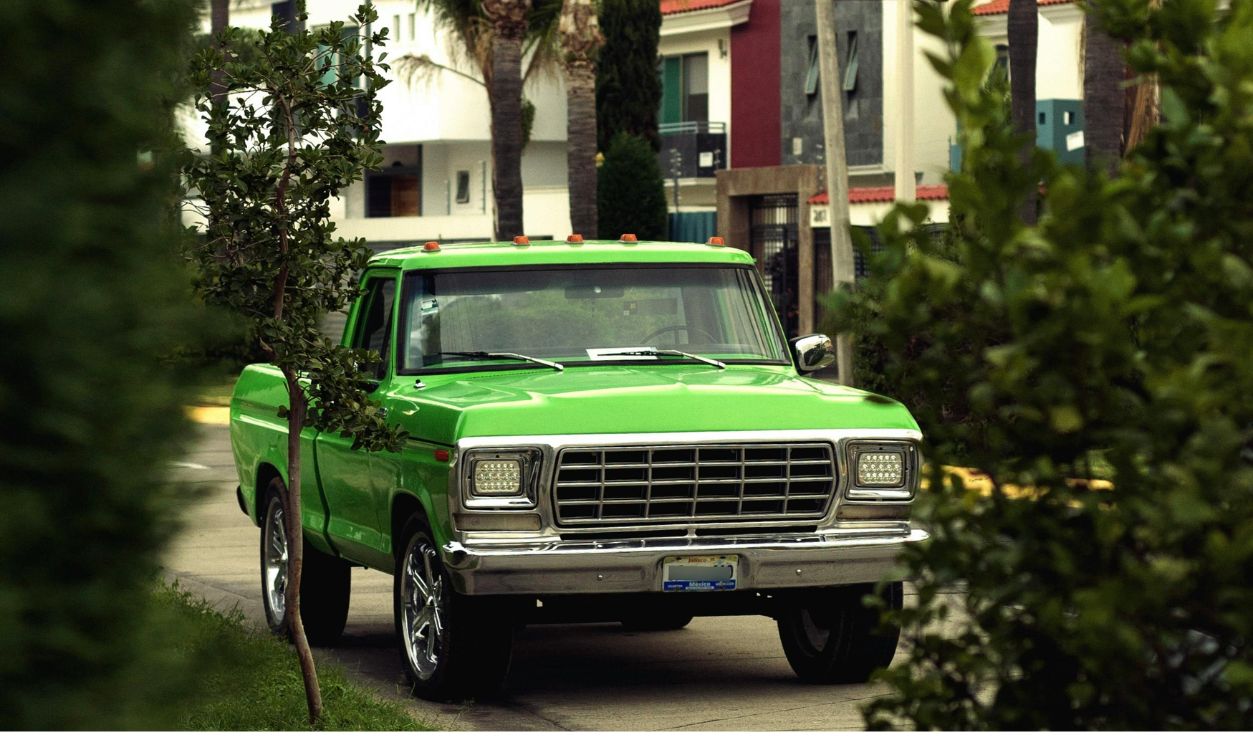 Santiago Sauceda Gonzalez, Pexels
What Enforcement Usually Looks Like
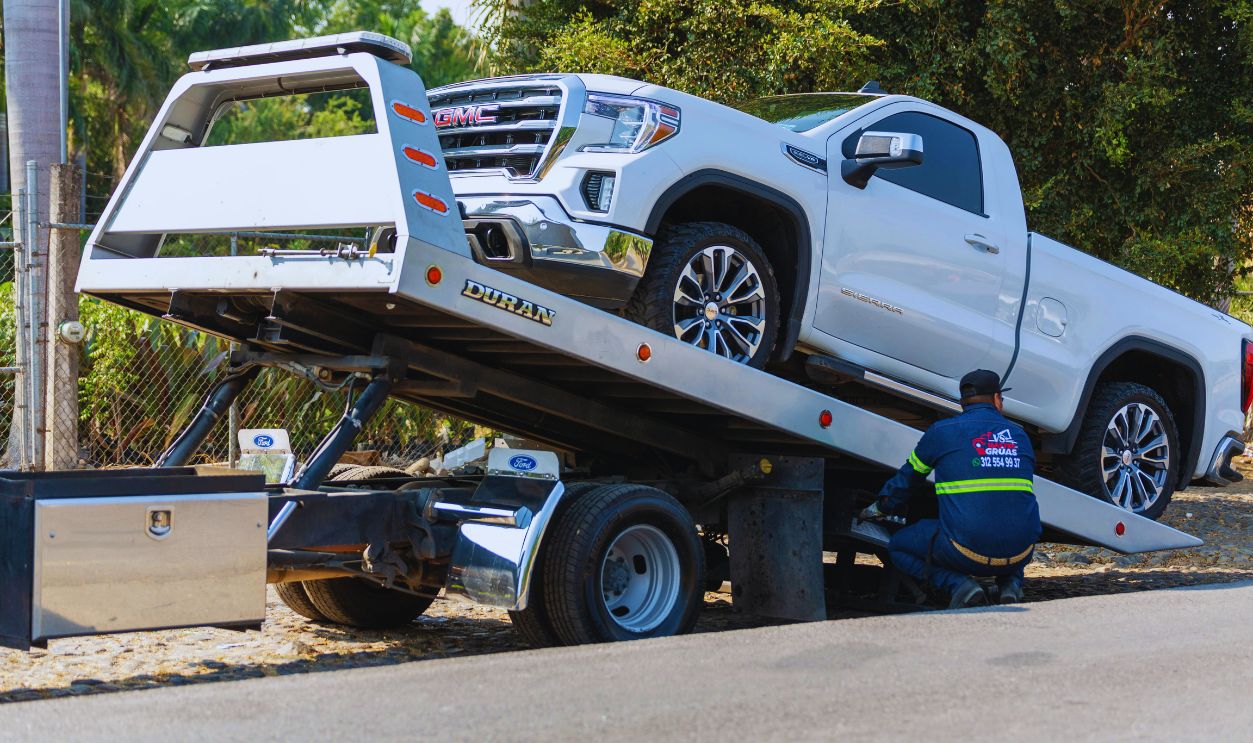
Most HOAs start with a written violation notice and a deadline to cure. If you do not comply, the next steps are often a hearing, then fines, then possible collection action depending on your state and documents. Towing is possible in some communities, but it often requires strict compliance with state towing laws and HOA procedures.
Fines Are Common, But The HOA Has To Follow Procedure
Even when an HOA can fine, it usually must follow the notice and hearing steps in state law and its governing documents. Some states cap fine amounts or require specific wording in notices. If you get a fine letter, treat it like a legal document and keep every page.

Can They Put A Lien On Your House Over Parking?
In some states and under some documents, unpaid fines can become part of a debt the HOA tries to collect. Whether a fine becomes a lien varies by state and by the governing documents. Because lien and foreclosure rules are state-specific, this is the point where many owners consult a real estate attorney.

This Is Why “Just Park In The Garage” Is Not Always Simple
Some homeowners cannot fit a modern full-size pickup in the garage, especially with storage or a work setup. Others have HOA rules about keeping garages available for parking, which can create a second violation if you use it as a storage unit. The practical reality is why these disputes get heated quickly.
A Calm Paper Trail Beats A Heated Argument
Respond in writing and ask for the exact rule citation, the enforcement history, and the hearing process. Keep your tone polite and keep it short. If you end up at a hearing, written records often matter more than speeches.

Ask For A Hearing And Bring Evidence
Many HOA frameworks provide a chance to be heard before fines are finalized. Bring photos showing your truck, whether it has signage, and whether similar vehicles are present. Bring a copy of the exact CC&R section and highlight any missing definitions or exceptions.

Reasonable Accommodation And Disability-Related Needs
If you have a disability-related reason you need the truck close by or cannot use the garage, federal fair housing law may come into play. The U.S. Department of Housing and Urban Development explains that housing providers, including many community associations, may have to consider reasonable accommodations. This is a fact-specific area where documentation and a written request matter.

Alternative Fixes That Sometimes Work
Some owners negotiate a compromise like removing signage, using a fitted cover, or parking the truck behind a gate if the property allows it. Others request a formal variance if the documents allow it. A workable compromise can be faster and cheaper than a legal fight.

When It Is Time To Call A Lawyer
If you are facing ongoing fines, threats of towing, or collection letters, a consult with a lawyer who handles HOA law in your state can be money well spent. Bring the CC&Rs, the rules, the violation notices, and a timeline of events. Many disputes turn on one sentence in the documents.

What To Do Tonight If You Need A Quick Plan
First, confirm the rule citation and whether the board offered a hearing. Second, avoid moving the truck to an illegal street-parking spot that could earn you city tickets. Third, start documenting everything so you can challenge the claim if the HOA is overreaching.

The Bottom Line For Pickup Owners
An HOA can sometimes enforce overnight driveway bans on pickup trucks, but only if the authority is actually in the governing documents and the process follows state law. The most effective move is to read the CC&Rs and make the HOA point to the exact language. If the rule is vague or enforced inconsistently, you may have more leverage than that warning notice suggests.