The Moment The Screen Goes Blank
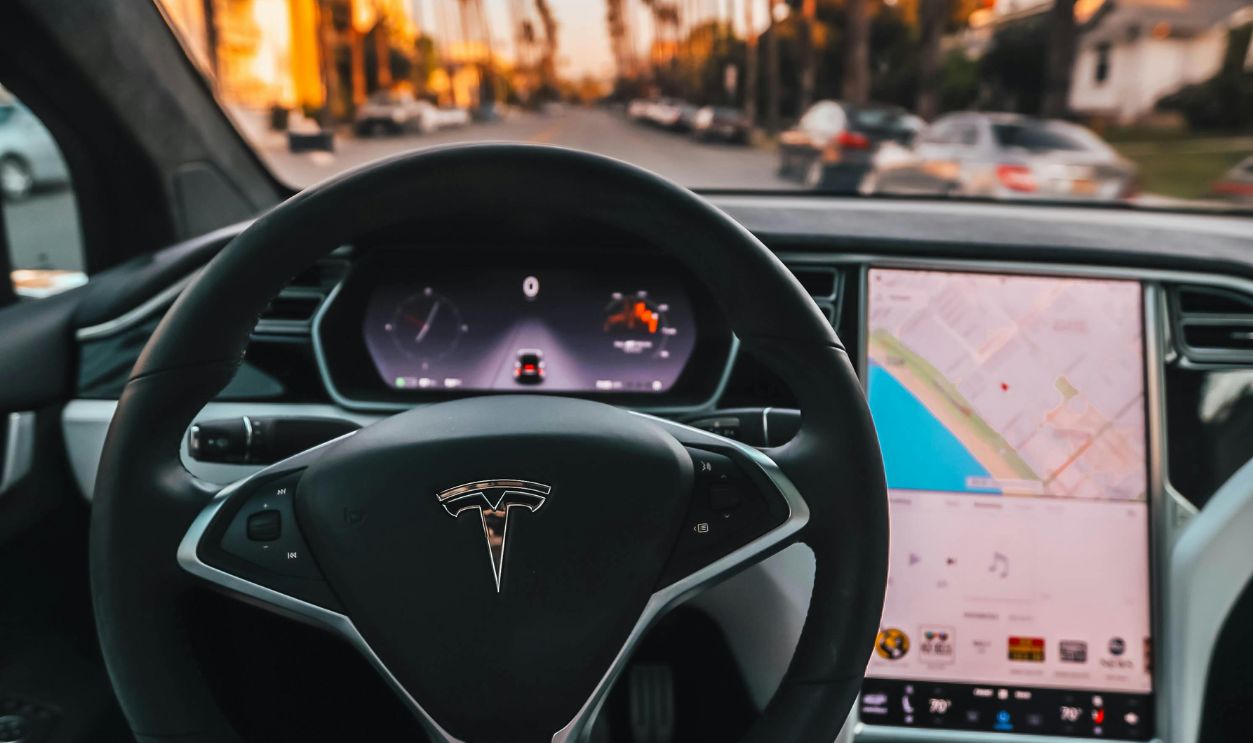
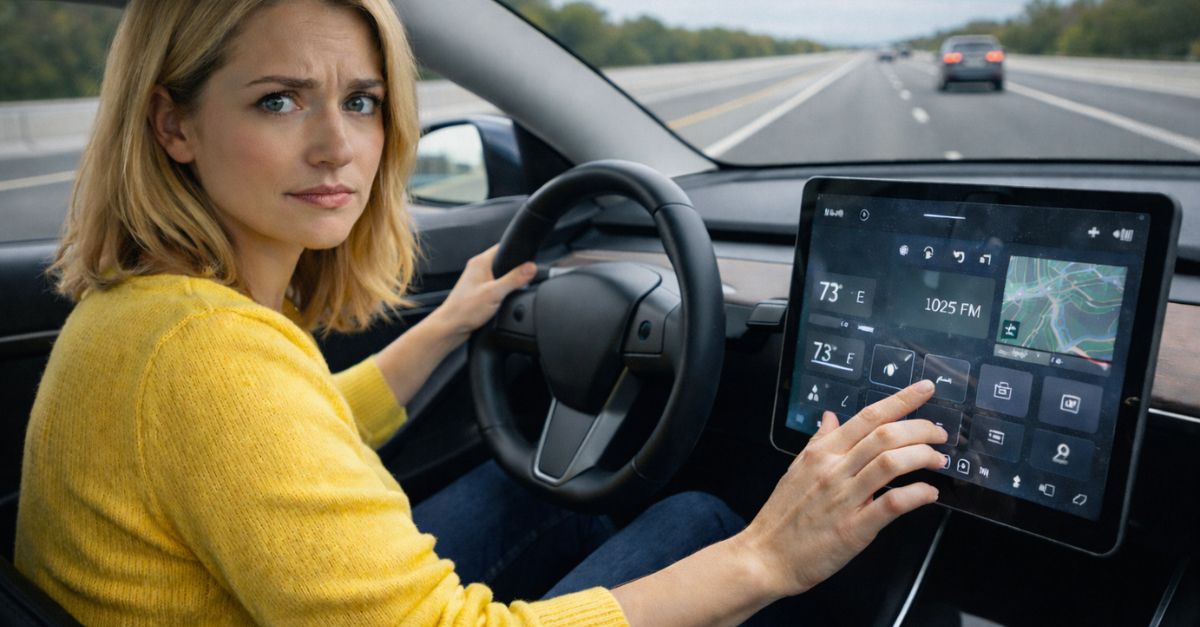
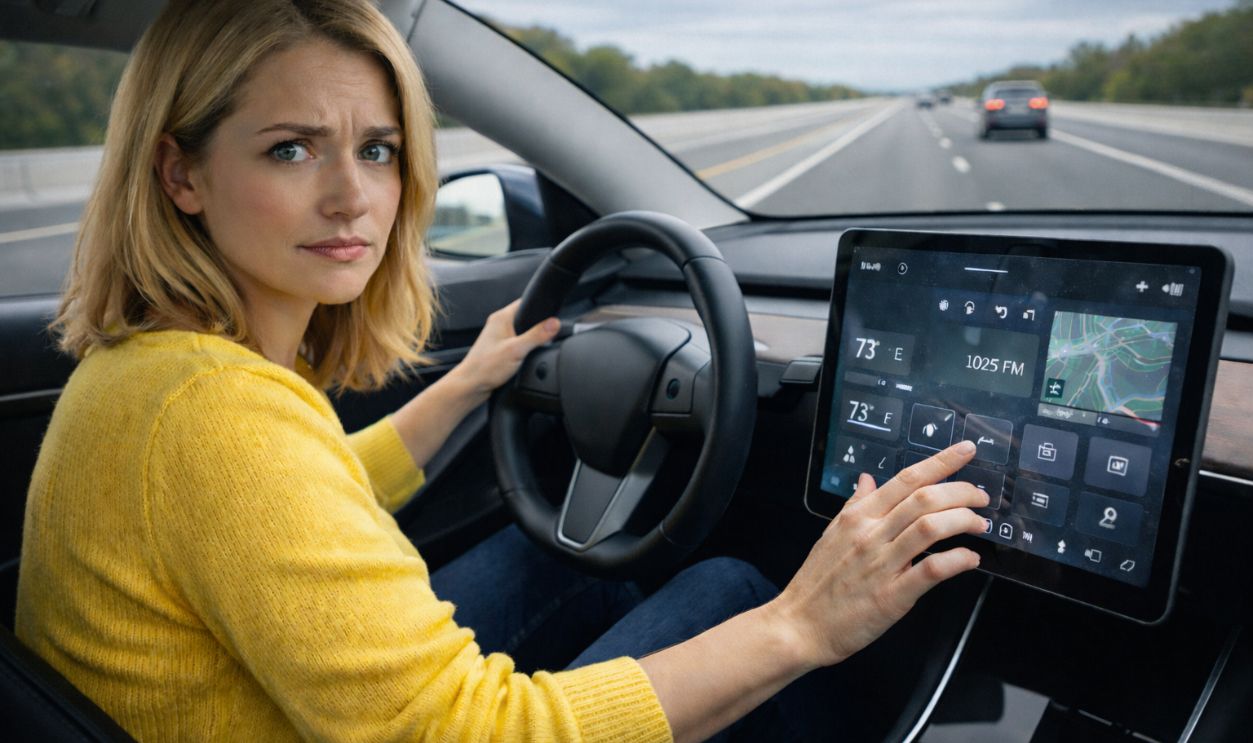
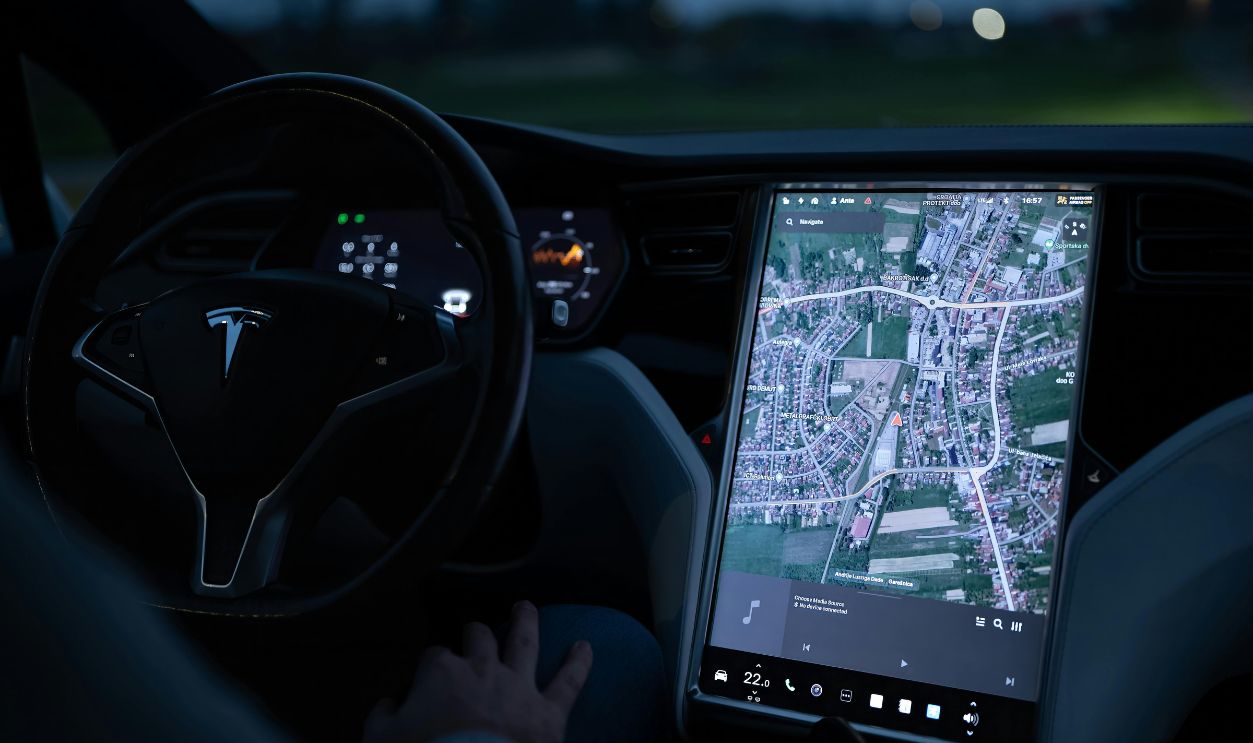
Touchscreens in your car felt like the future when they were new. But now, we all have the same fear: You're driving, and the touchscreen that runs your heat, radio, and defroster suddenly stops working. The car still moves, but the “brain” for everyday controls stops listening. That's when a modern design choice starts to feel like a safety problem.
Why Cars Put Everything In One Screen
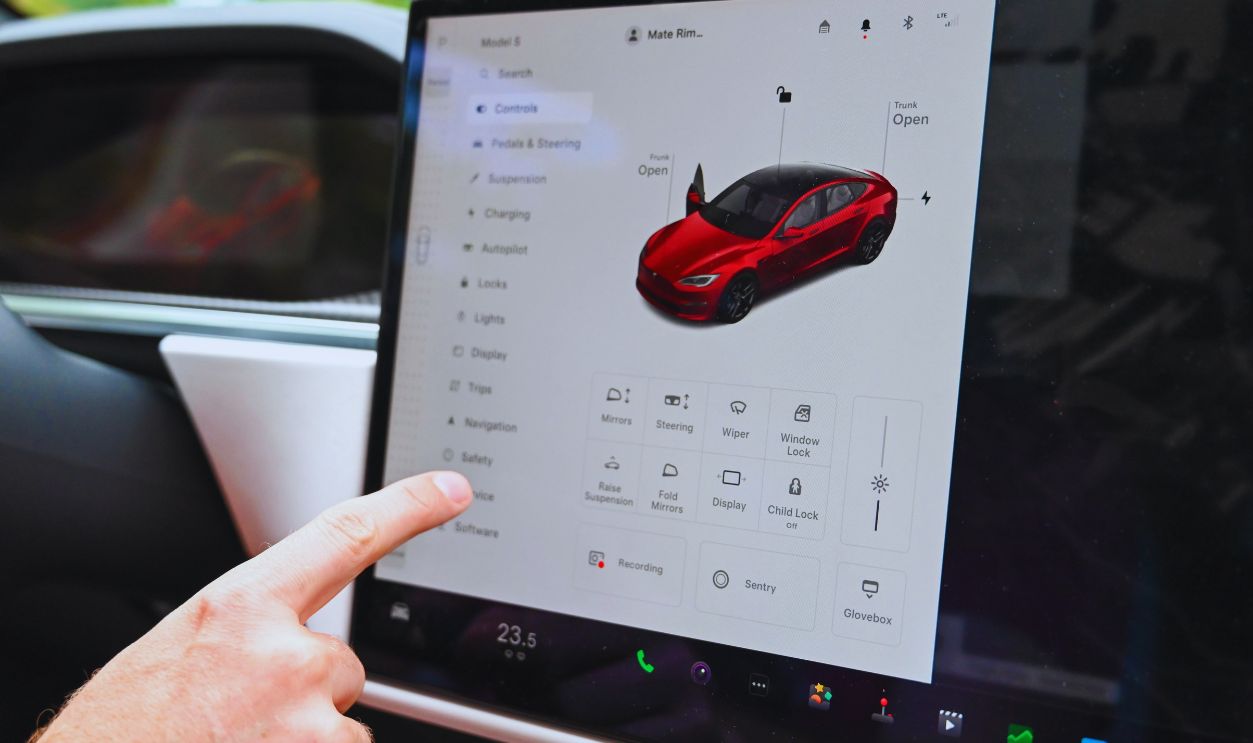
Automakers moved controls into touchscreens because software can replace lots of buttons and can be updated over the air. It can also save cost and make interiors look clean and modern. The tradeoff is that one failure can affect many features at once.
Are They Allowed To Do This?
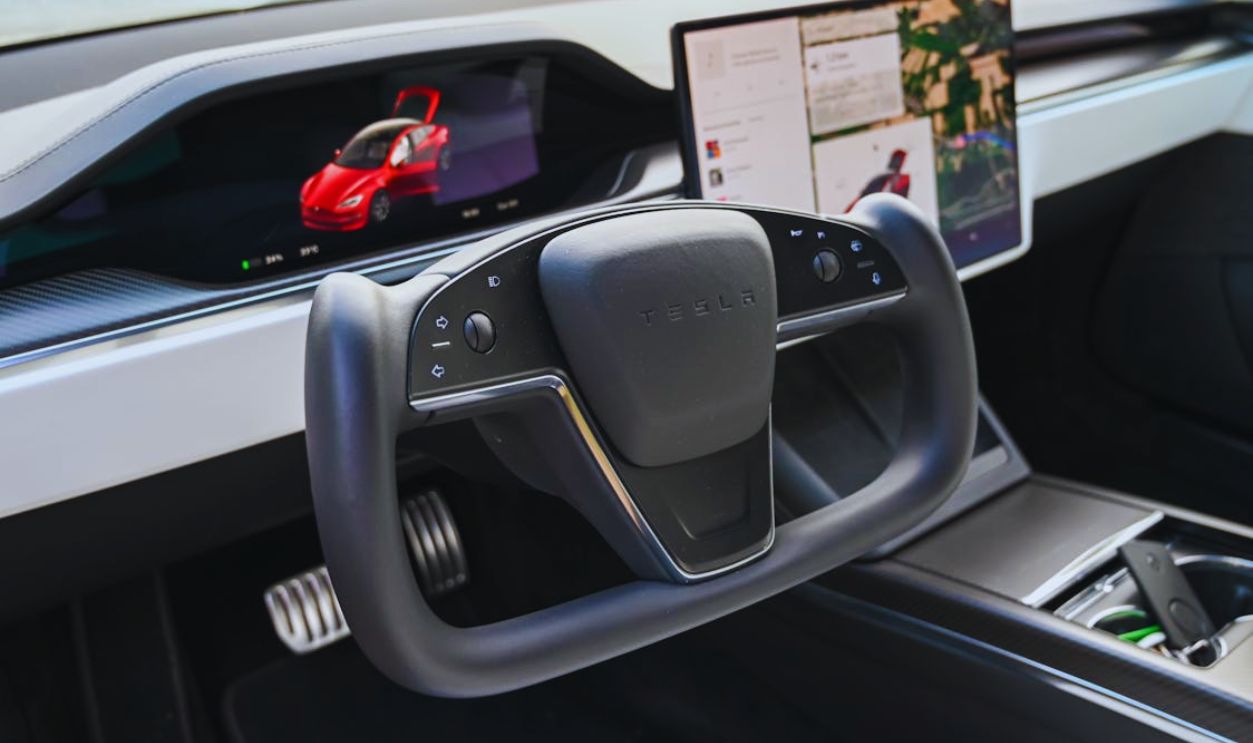
In the U.S., there is no blanket law that bans putting core cabin controls into a touchscreen. Instead, vehicles have to meet specific Federal Motor Vehicle Safety Standards, and companies must recall cars with safety-related defects. That means the “allowed” part often turns on whether regulators see a real safety risk and whether crashes or complaints point to a defect.
The Regulator That Matters In The U.S.
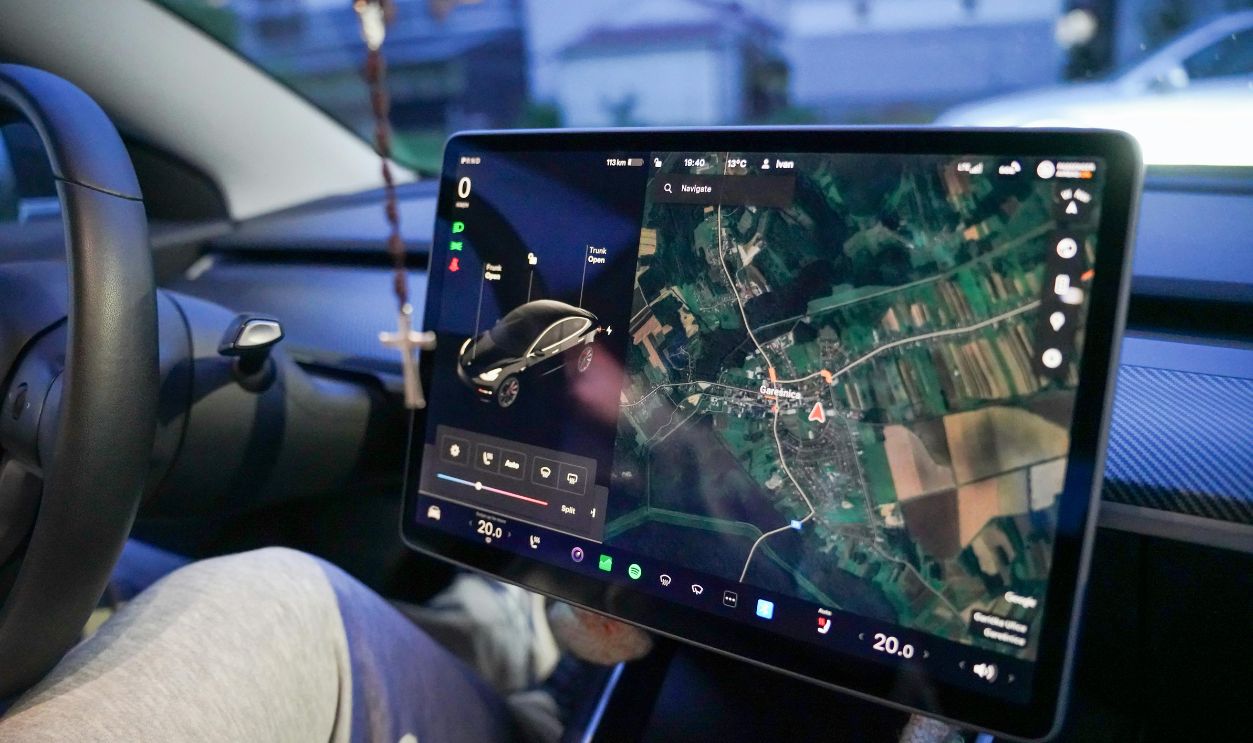
The agency that writes many vehicle safety rules and oversees defect recalls is the National Highway Traffic Safety Administration, also known as NHTSA. NHTSA can open investigations, request data, and push for recalls when a defect is safety-related. It also publishes safety standards and guidance that shape how cars are designed.
 AgnosticPreachersKid, Wikimedia Commons
What The Law Focuses On Instead Of Screens
U.S. safety rules are mostly performance-based and aimed at outcomes like crash protection, braking, and visibility. Touchscreen user interfaces are not regulated in the same direct way. If a screen failure stops a required function from working, that is when the legal stakes rise fast.
A Concrete Example: Physical Controls Got Regulator Attention
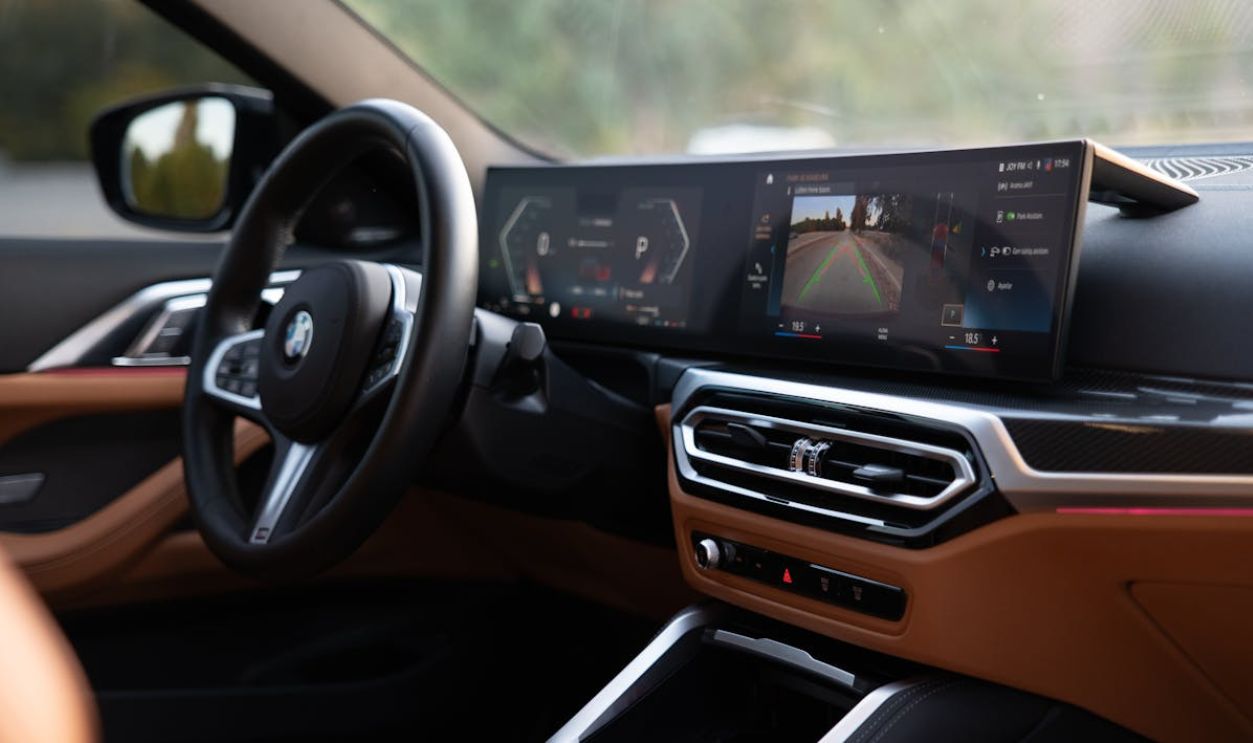
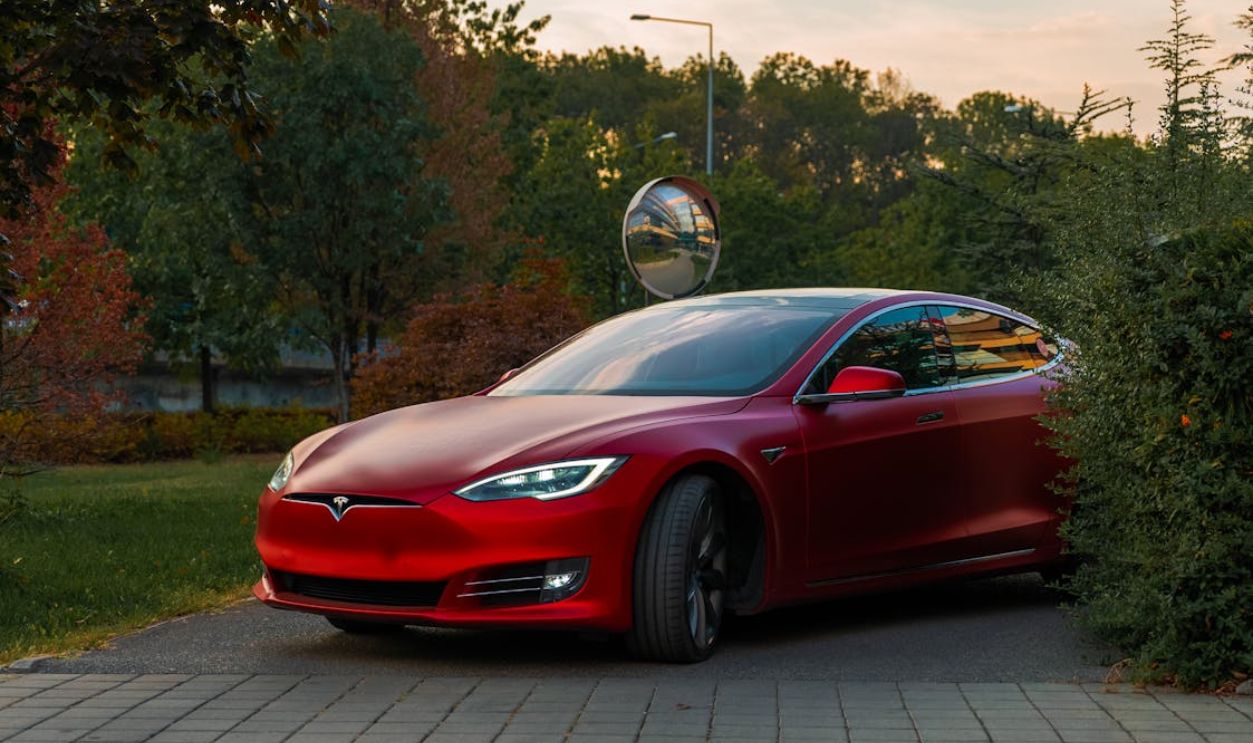
On March 9, 2023, NHTSA announced it had opened an investigation into Tesla Model Y vehicles after complaints about steering wheels that could detach. The reports said the fastener that keeps the wheel attached was missing, which is an old-fashioned mechanical issue. It was a reminder that regulators act quickly when a failure affects basic control, not just convenience features.
Touchscreens Can Still Become A Safety Issue
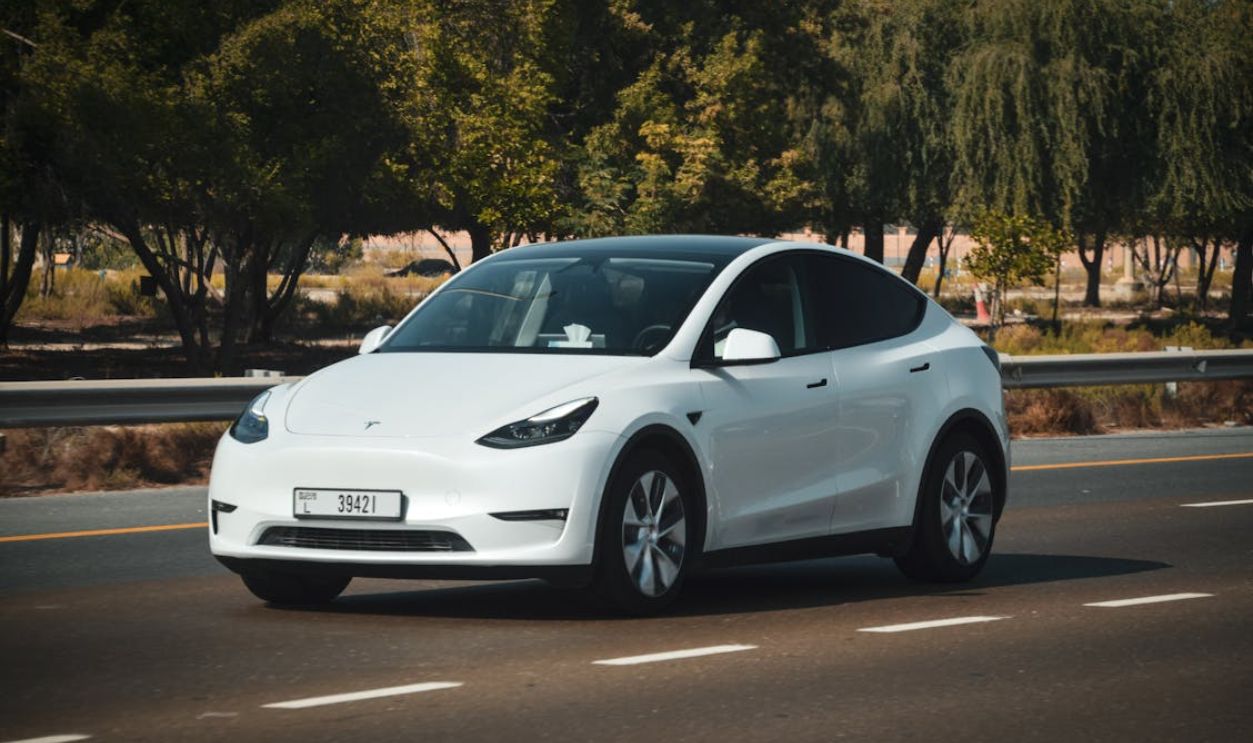
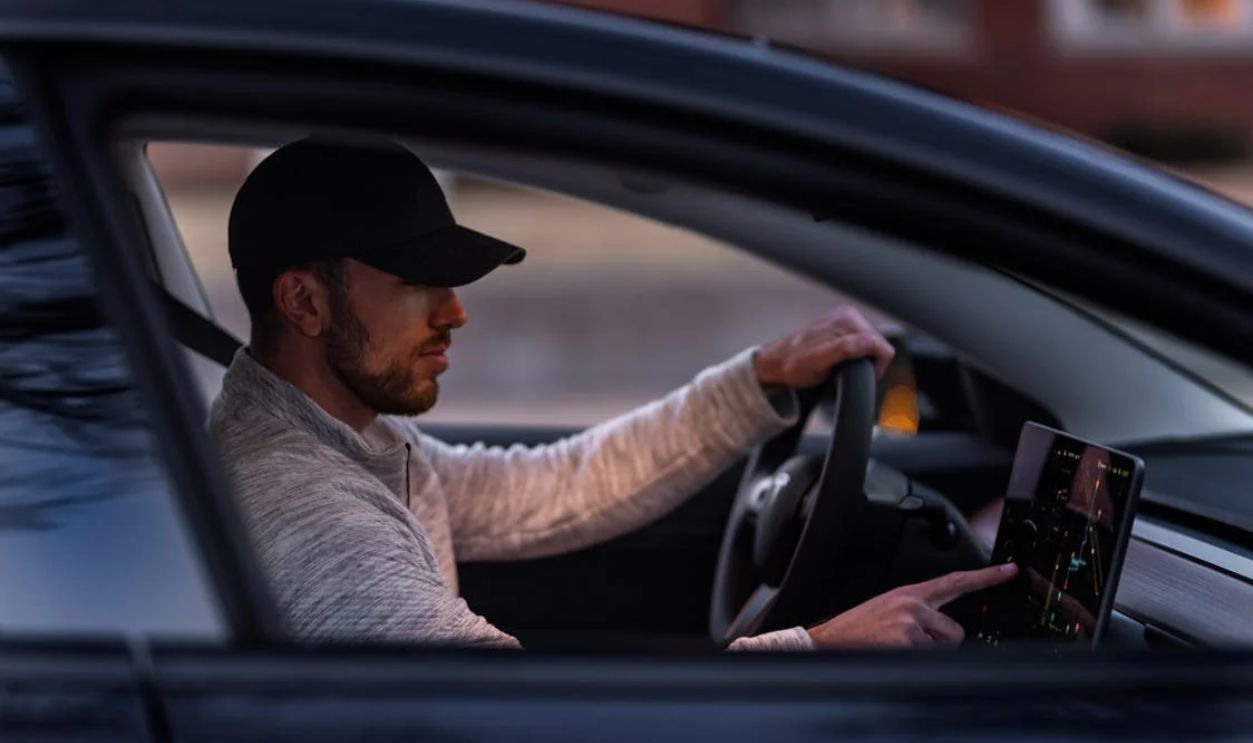
A frozen screen might be “just annoying” if it only affects the radio. It can become serious if it blocks defrost, windshield clearing, hazard lights, or other functions you need while driving. Whether it becomes a defect case depends on what stops working, how often it happens, and whether it creates an unreasonable risk to safety.
Defrost And Visibility Are A Big Deal In U.S. Rules
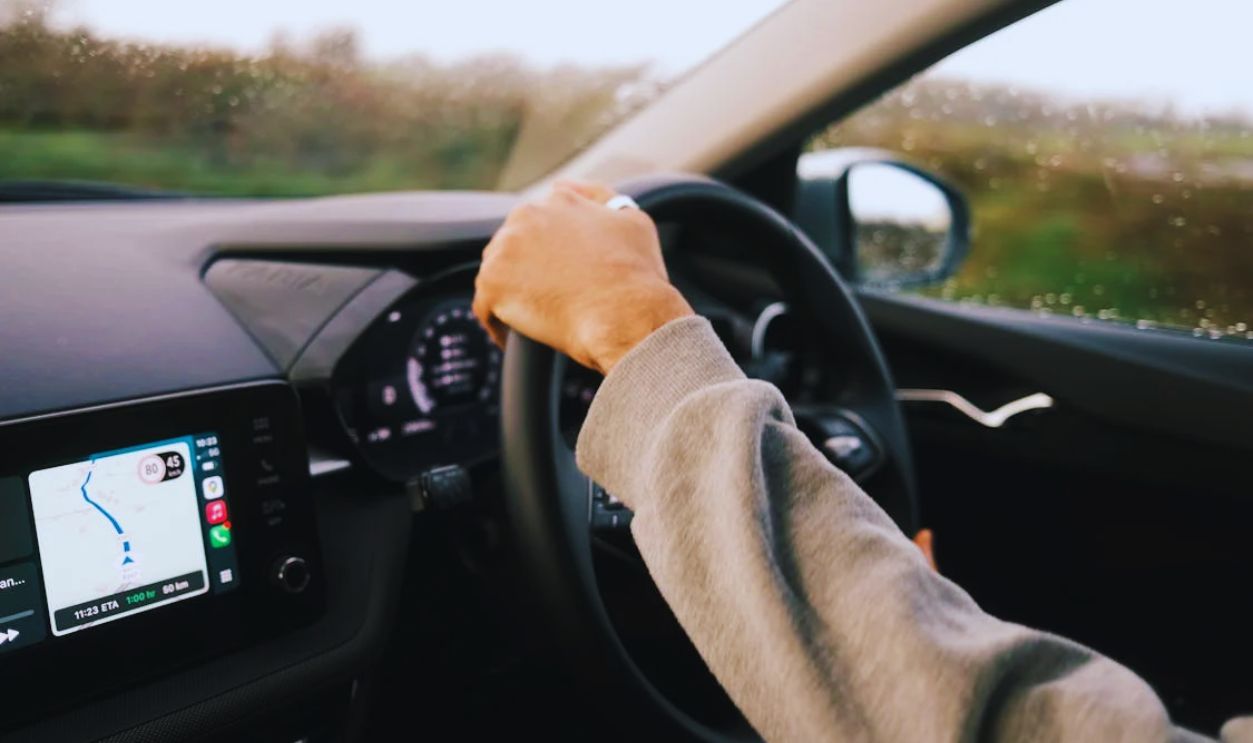
Visibility requirements are baked into federal standards, including rules that cover windshield defrosting and defogging performance. If a design makes it hard to activate those systems quickly, it can raise safety questions. This is one reason many drivers get nervous when the defrost button is buried in menus.
Europe Has Also Been Pushing Back On “All Touch”
In Europe, safety thinking has increasingly favored simple physical controls for frequent functions. The European New Car Assessment Programme, known as Euro NCAP, has been signaling that “too much touch” can hurt safety scoring. While Euro NCAP is not a lawmaker, its ratings strongly influence what automakers build.
A Key Date: Euro NCAP’s Physical Button Push
On March 27, 2024, Euro NCAP said it would begin rewarding vehicles with physical controls for key functions in its ratings starting in 2026. The group cited distraction and usability concerns and highlighted basics like turn signals, hazard lights, wipers, and SOS functions. That was one of the clearest public moves against burying everyday controls in screens.
What That Means For U.S. Drivers
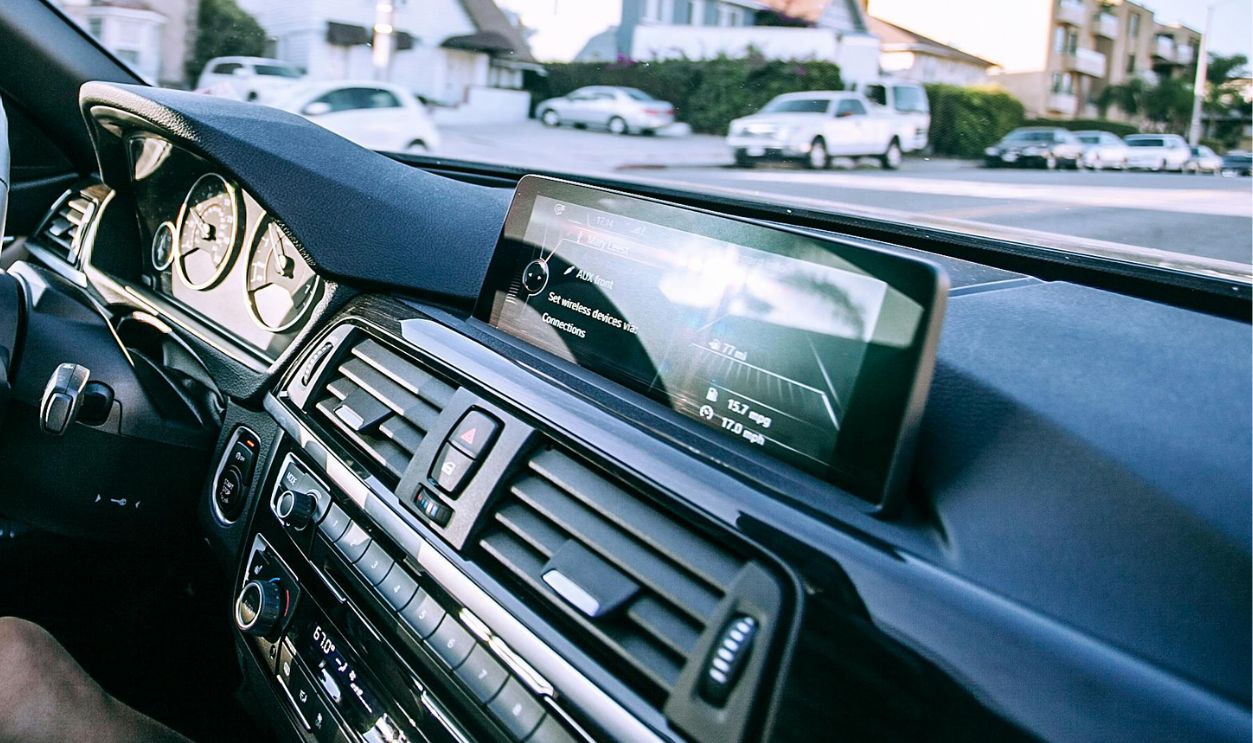
Euro NCAP does not regulate U.S. cars, but automakers sell globally and often reuse interiors across markets. When a big ratings program changes what it rewards, product plans tend to change too. That is one reason you may see more physical buttons returning over the next few model years.
Touchscreen Freezes Are Not Just A “Tesla Thing”
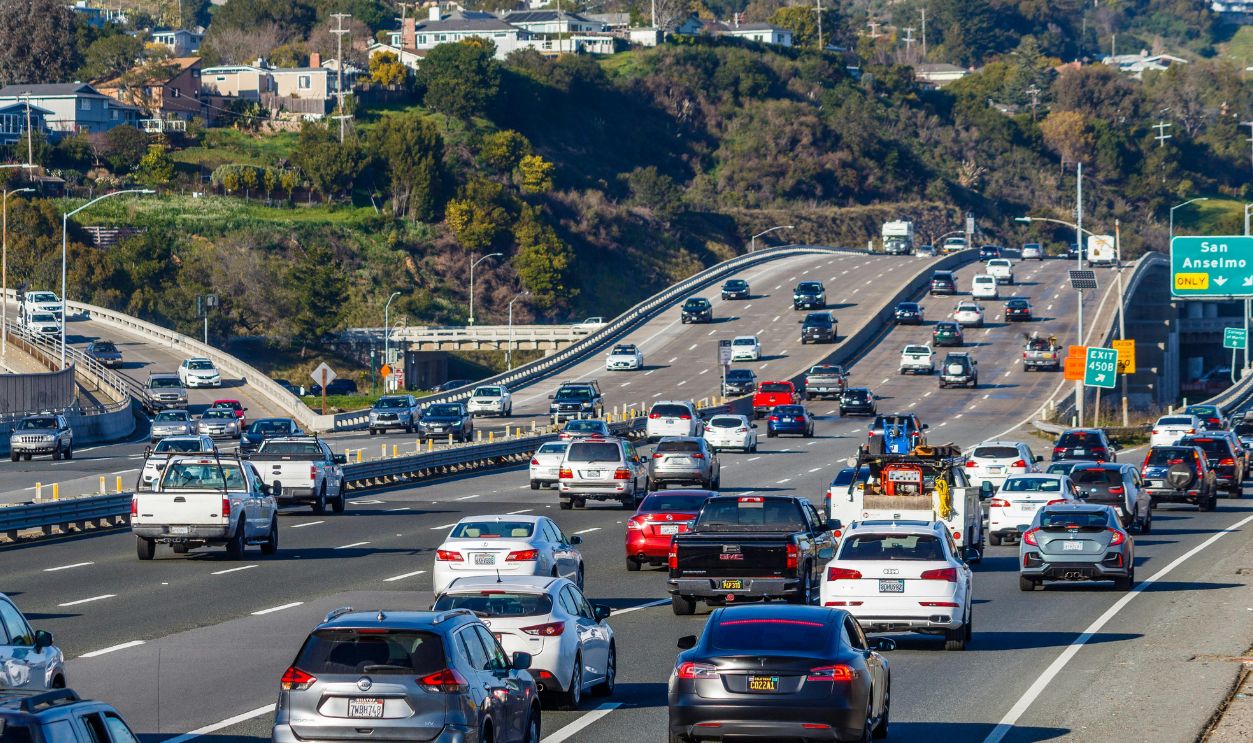
Any modern car can have infotainment bugs, memory leaks, or sensor glitches that cause a screen to lag or crash. The difference is how much the vehicle depends on that screen for essential functions. The more the screen does, the more disruptive any freeze becomes.
Recalls For Software And Screen Issues Are Real
NHTSA tracks recalls, including those involving software updates that fix safety issues. Some recalls can be handled through over-the-air updates, while others require dealer service. The important part is not whether the problem is “software,” but whether the fix is tied to safety risk.
How A Freeze Can Turn Into A Recall
Usually the path starts with owner complaints, warranty data, field reports, and sometimes crash reports. If the pattern suggests a safety-related defect, NHTSA can investigate and ask for detailed information. Automakers can also initiate a voluntary recall if they identify a safety risk themselves.

So Why Is The Industry Still Doing It?
Touchscreens let companies add features without redesigning dashboards every year. They also help unify controls across trims and reduce parts complexity. The downside is that the system becomes a single point of failure for too many tasks.
What NHTSA Has Said About Distraction
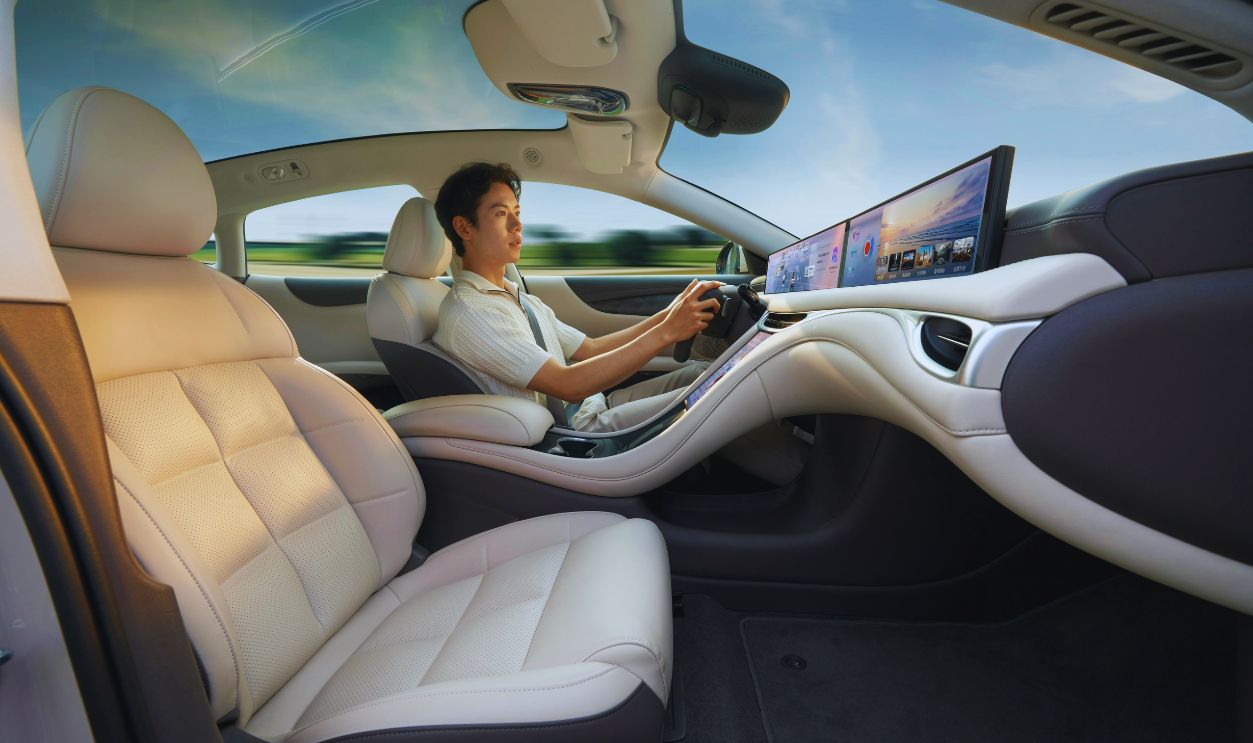
NHTSA has long warned about driver distraction and has published guidelines aimed at in-vehicle electronic devices. The guidance pushes designers to keep tasks simple and limit what drivers must do while the car is moving. Even when it is not a strict rule, it is a signal of what regulators consider risky.

The Practical Question: What Should Be Physical?
Most safety experts favor physical, easy-to-find controls for functions you might need suddenly. That includes defrost, hazard lights, wipers, and volume. If you have to hunt through menus at 65 mph, the design is working against you.
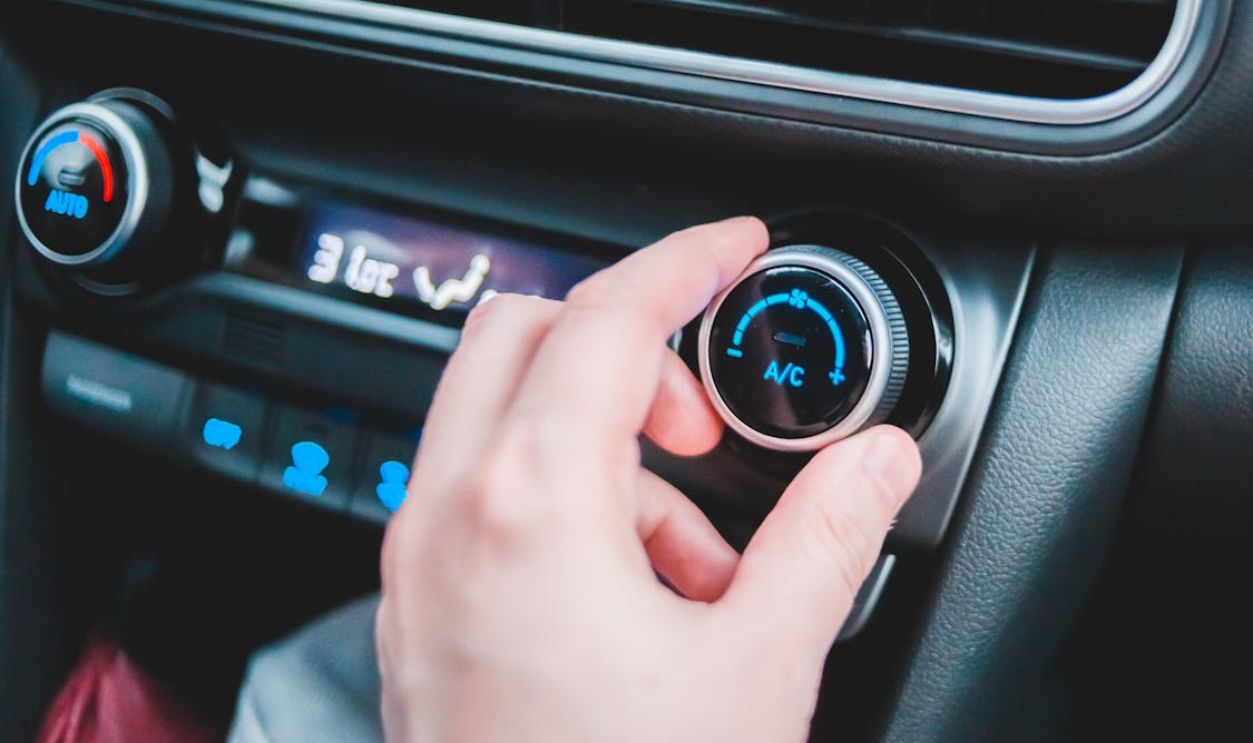
If Your Screen Freezes While Driving
First, keep your attention on the road and use any steering wheel buttons that still work. If you need defrost or hazards and cannot access them, pull over as soon as it is safe. Do not try to “fix” the screen by digging through menus while moving.

Try A Safe Reset Only When Parked
Some vehicles have a documented infotainment reset, often a press-and-hold of a volume knob or specific buttons. Only do this when you are stopped, because a reset can temporarily disable camera views and audio cues. Check your owner’s manual for the exact method for your model.
Document The Problem Like A Pro
Write down the date, time, outside temperature, and what features stopped responding. If you can do it safely later, take a photo of the frozen screen or error message. Details matter because they help dealers reproduce the failure and help regulators spot patterns.

Report It To The Dealer And The Manufacturer
If the car is under warranty, schedule a visit and ask for the repair order to state “screen froze while driving” and list what you could not control. Ask whether there are software updates, technical service bulletins, or known issues for your VIN. If it happens more than once, push for documentation each time.

Report It To NHTSA If It Affects Safety
If the freeze blocks defrost, visibility, hazard lights, or other safety-related functions, file a complaint with NHTSA. Complaints are one of the inputs that can trigger investigations. You can submit the report online and include photos and repair records.

What Counts As A “Safety Defect” In Practice
Not every glitch becomes a defect case, especially if it is rare and does not affect safety functions. But if the failure is repeatable, widespread, and creates a real hazard, it becomes the kind of issue regulators and courts care about. That is when “it’s just software” stops being a comforting answer.

Shopping Advice: Look Past The Big Screen
When you test drive, try simple tasks like turning on defrost, changing fan speed, adjusting temperature, and muting audio without looking down for long. Check whether there are physical shortcuts or redundant controls. A flashy display is fun until you need something fast.
The Industry Is Getting The Message
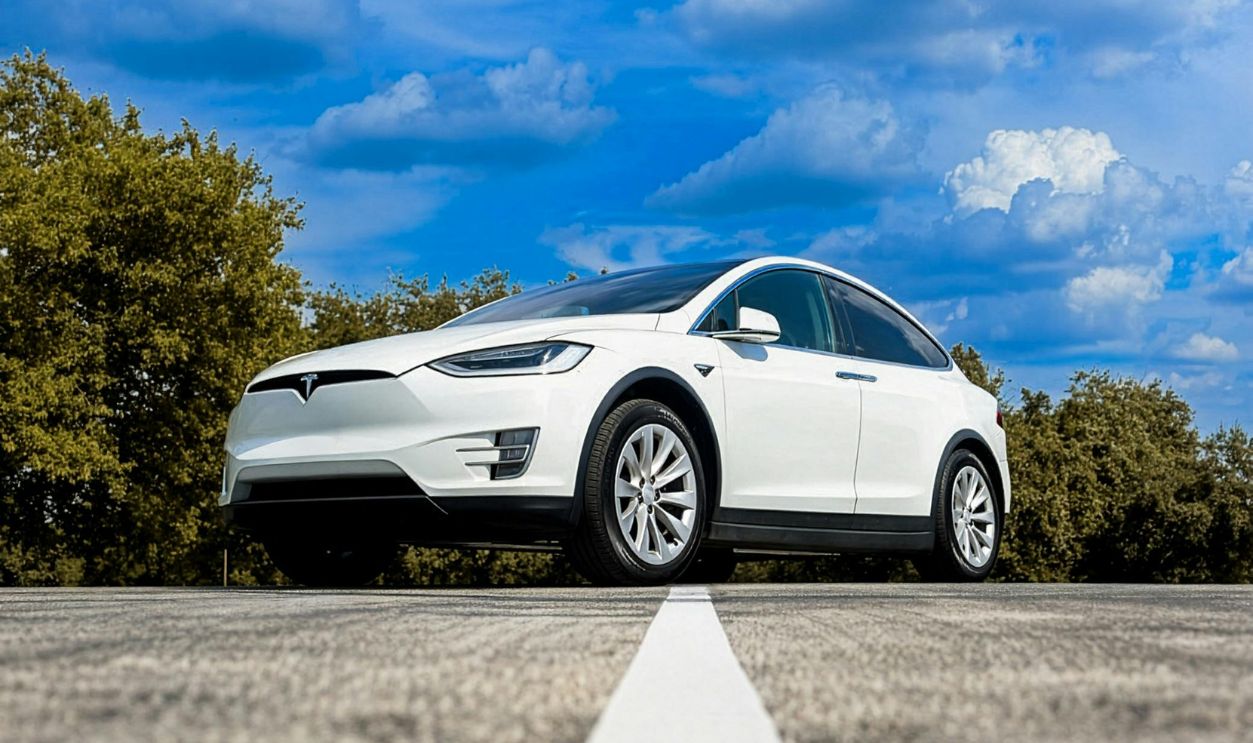
Between consumer backlash, distraction concerns, and programs like Euro NCAP changing incentives, the trend is no longer one-way. More brands are adding knobs and buttons back for frequent functions. The touchscreen is here to stay, but it may stop being the only way to do everything.

The Bottom Line
Yes, car companies are generally allowed to centralize controls in a touchscreen, but they are not allowed to sell vehicles with safety-related defects. If a frozen screen takes away functions you need to drive safely, it deserves documentation and reporting. The fastest way the industry changes is when owners make the problem impossible to ignore.