My New Vehicle Tells Me Everything Except Its Temperature
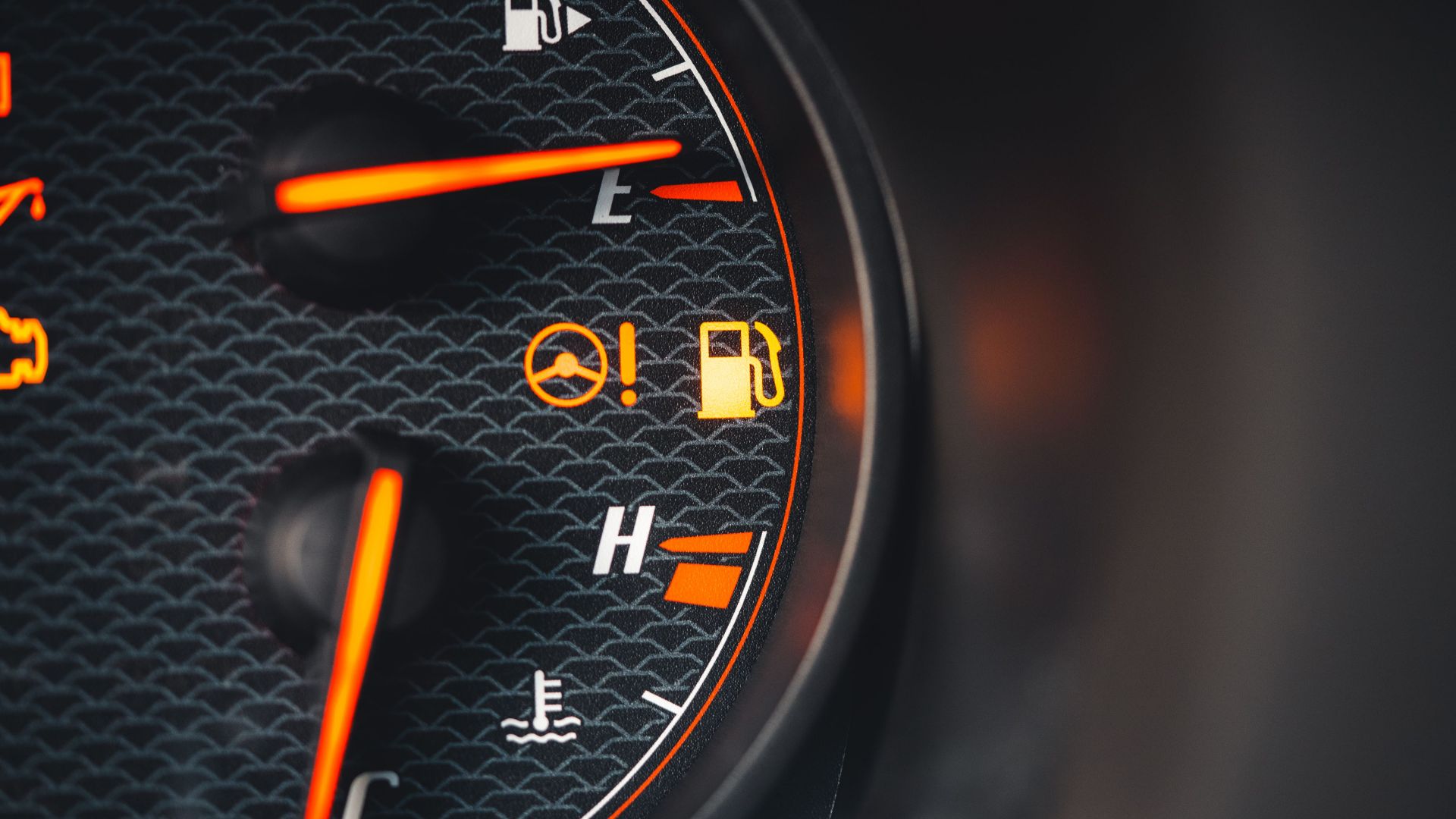
Your new vehicle can display navigation instructions, phone notifications, fuel economy charts, and animated driving modes. Yet it can't continuously show you something as basic as the engine coolant temperature. Instead, you're expected to trust a warning light that may not appear until the engine is already overheating.

The Gauge Has Quietly Disappeared
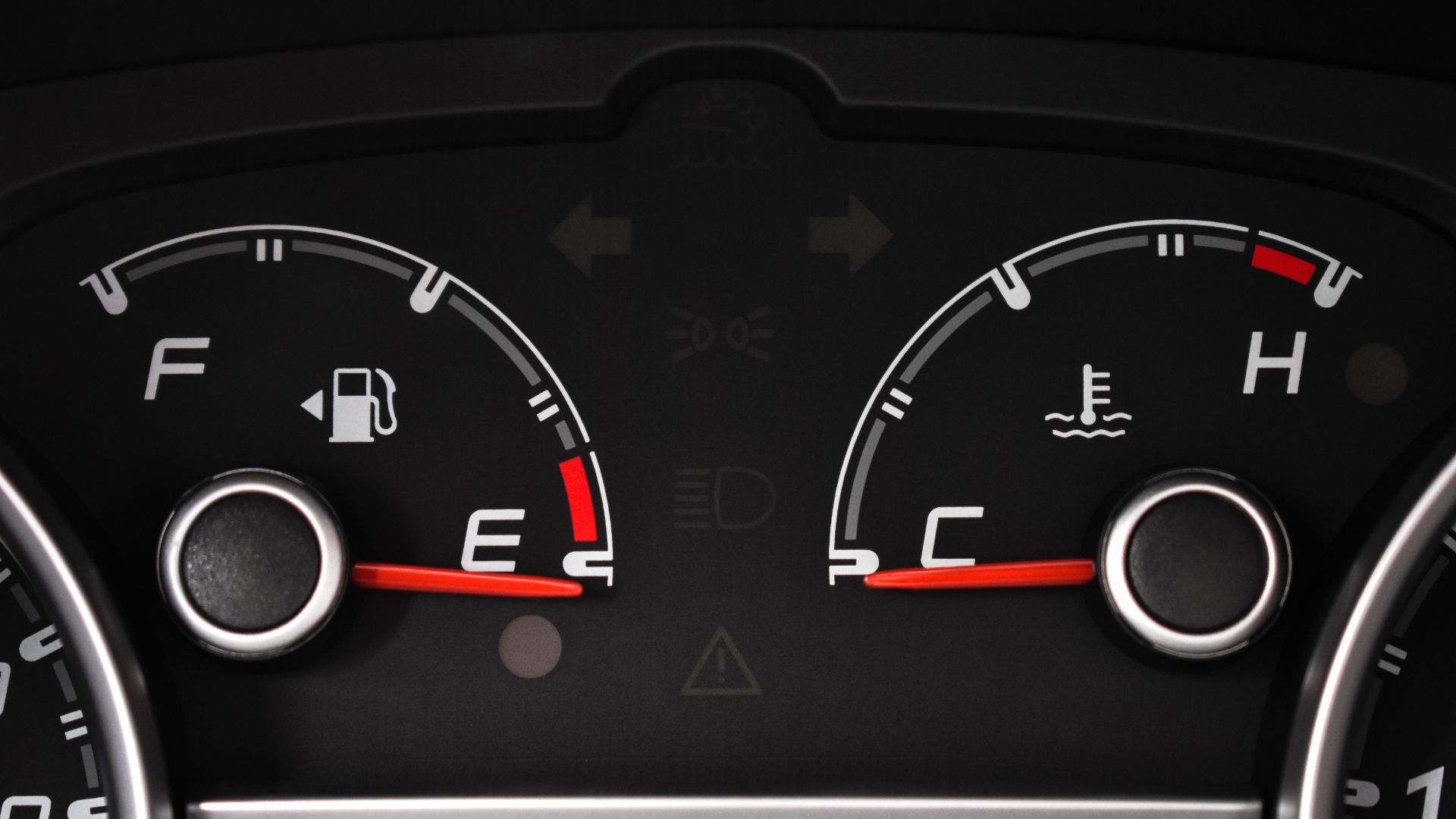
Coolant-temperature gauges were once a familiar part of the instrument panel. Many modern vehicles now replace them with a small warning symbol or an alert that appears only when the temperature becomes abnormal. The vehicle still measures engine temperature, but the driver is no longer allowed to watch it.
The Temperature Sensor Is Still There
Removing the gauge does not mean the vehicle has stopped monitoring coolant temperature. The engine-control system uses temperature information to manage fuel delivery, ignition timing, cooling fans, emissions controls, and other functions. The frustrating part is that the information usually exists inside the vehicle even when it is hidden from the driver.

A Warning Light Is Not A Gauge
A warning light communicates a condition, while a gauge shows how that condition is developing. A rising needle can reveal that an engine is becoming hotter than usual before it reaches a dangerous level. A warning light may provide only two messages: everything is fine, or something is seriously wrong.
Regulations Do Not Guarantee A Gauge
Federal Motor Vehicle Safety Standard 101 sets rules for the identification, visibility, color, and illumination of vehicle controls and displays. It defines an indicator as a device that shows the magnitude of a physical characteristic and a telltale as a signal indicating a condition or malfunction. The standard regulates installed displays, but it does not require every passenger vehicle to have a continuously readable coolant-temperature gauge.

Manufacturers Prefer Cleaner Dashboards
Automakers increasingly design interiors around large screens, smooth surfaces, and a limited number of visible instruments. Removing gauges helps create the uncluttered appearance that dominates many modern cabins. Unfortunately, visual simplicity can also mean removing information that some owners consider genuinely useful.

Most Drivers Rarely Watch The Gauge
Manufacturers may reasonably assume that many drivers do not monitor engine temperature during routine driving. Some people only look at the gauge after steam appears or a warning message interrupts them. A large red alert may therefore be more effective for the average driver than a needle that moves gradually.

Too Much Information Can Create Confusion
Drivers must already monitor speed, road conditions, mirrors, navigation prompts, and safety warnings. Dashboard designers try to avoid presenting information that most people do not need every moment. However, a small temperature reading seems modest compared with the menus, graphics, and entertainment features now competing for space.

Digital Clusters Should Offer More Choice
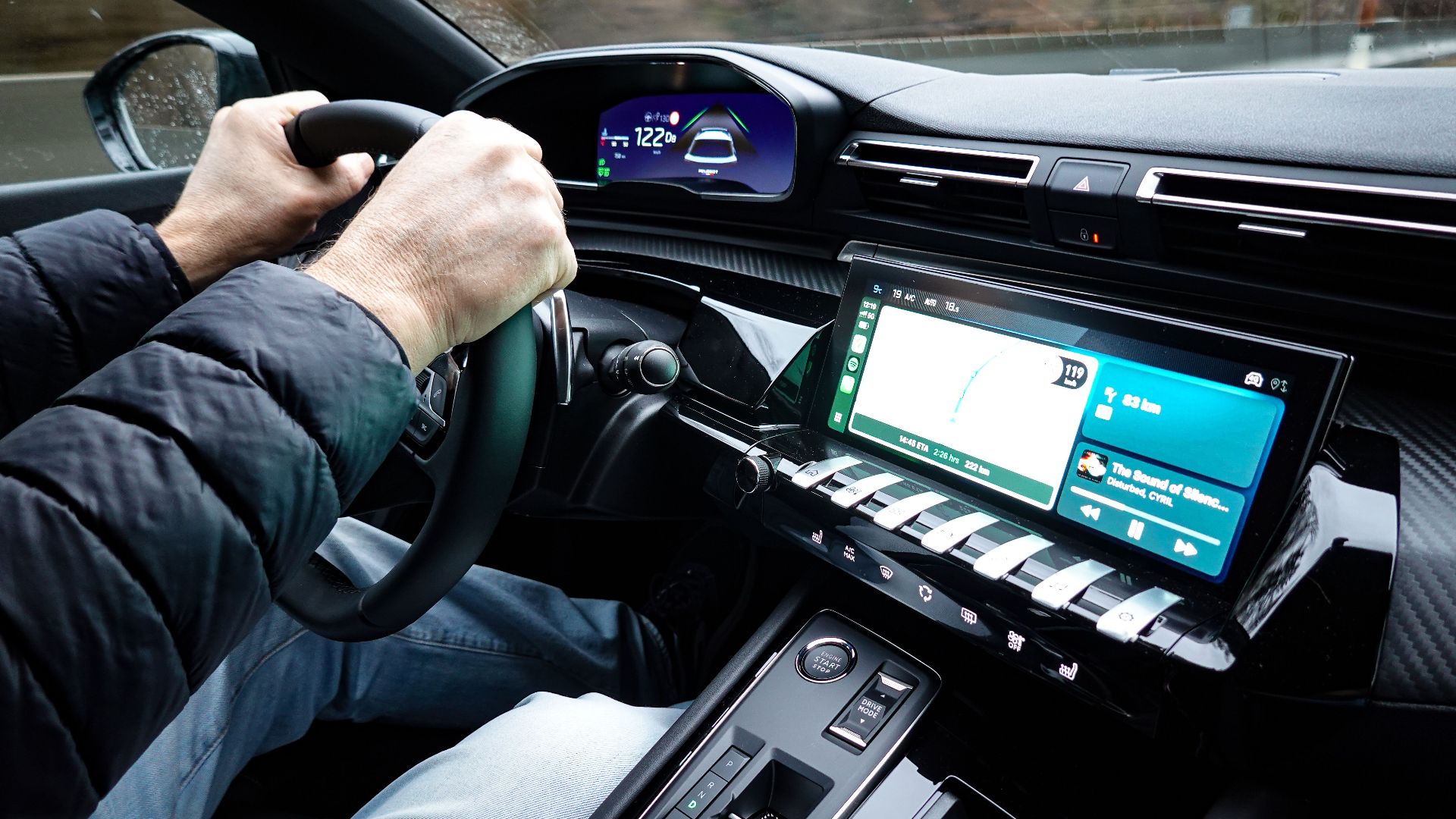
A digital instrument panel does not face the same space limitations as a traditional collection of physical gauges. It can display different information depending on the selected layout or driving mode. Coolant temperature could easily be offered as an optional screen without forcing every driver to view it constantly.

Some Vehicles Bury The Reading
Certain vehicles provide coolant temperature, oil temperature, or transmission temperature through configurable information menus. That arrangement is better than eliminating the data entirely. It still turns a once-glanceable reading into something the driver may have to locate through several screens.

The Car Knows More Than It Shows
Modern vehicles exchange information between numerous electronic control modules. Engine temperature may be used by the powertrain computer, cooling-fan controller, climate-control system, and diagnostic system. The instrument cluster displays only the small portion of that data selected by the manufacturer.
Even Traditional Gauges May Be Damped
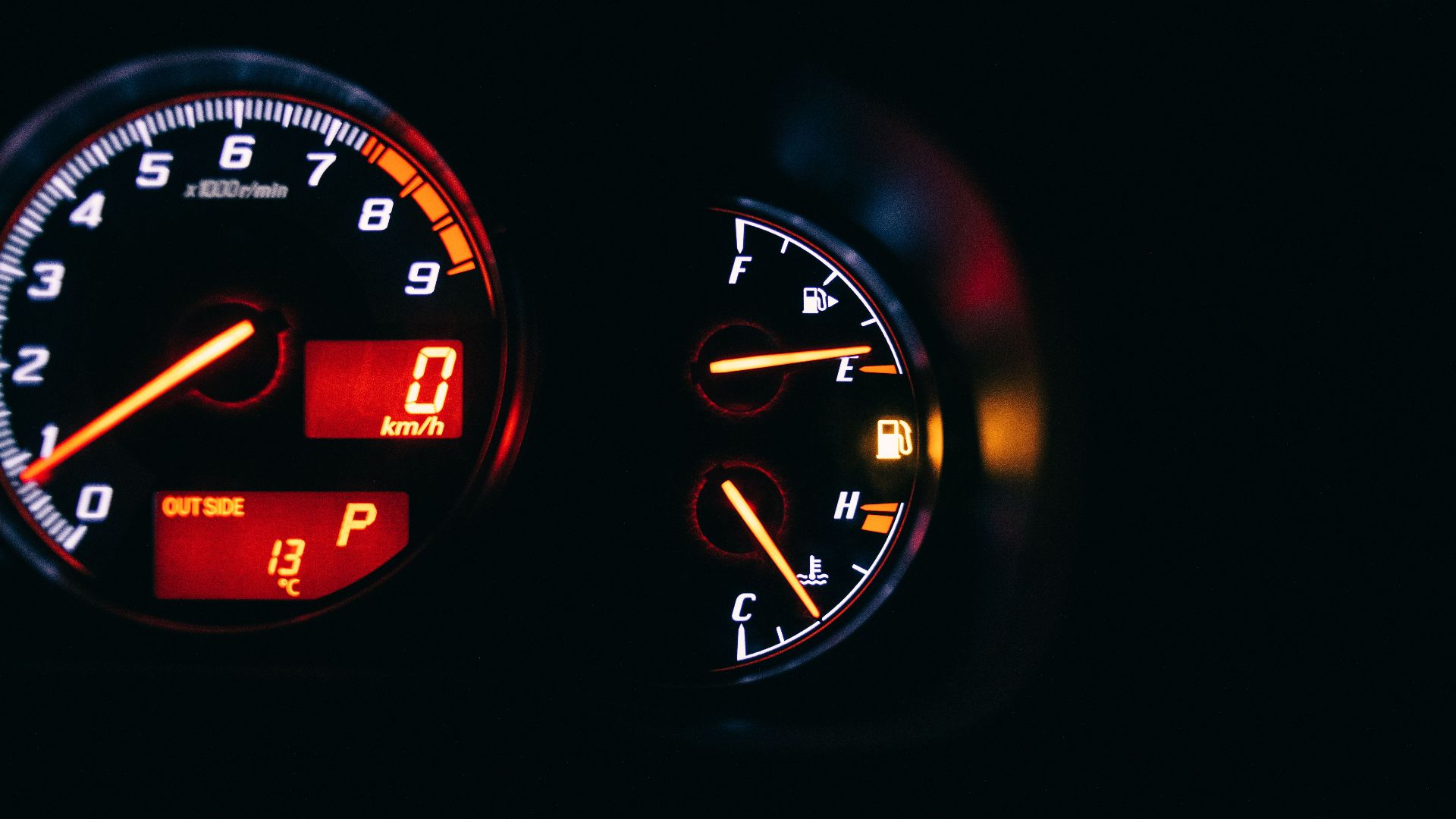
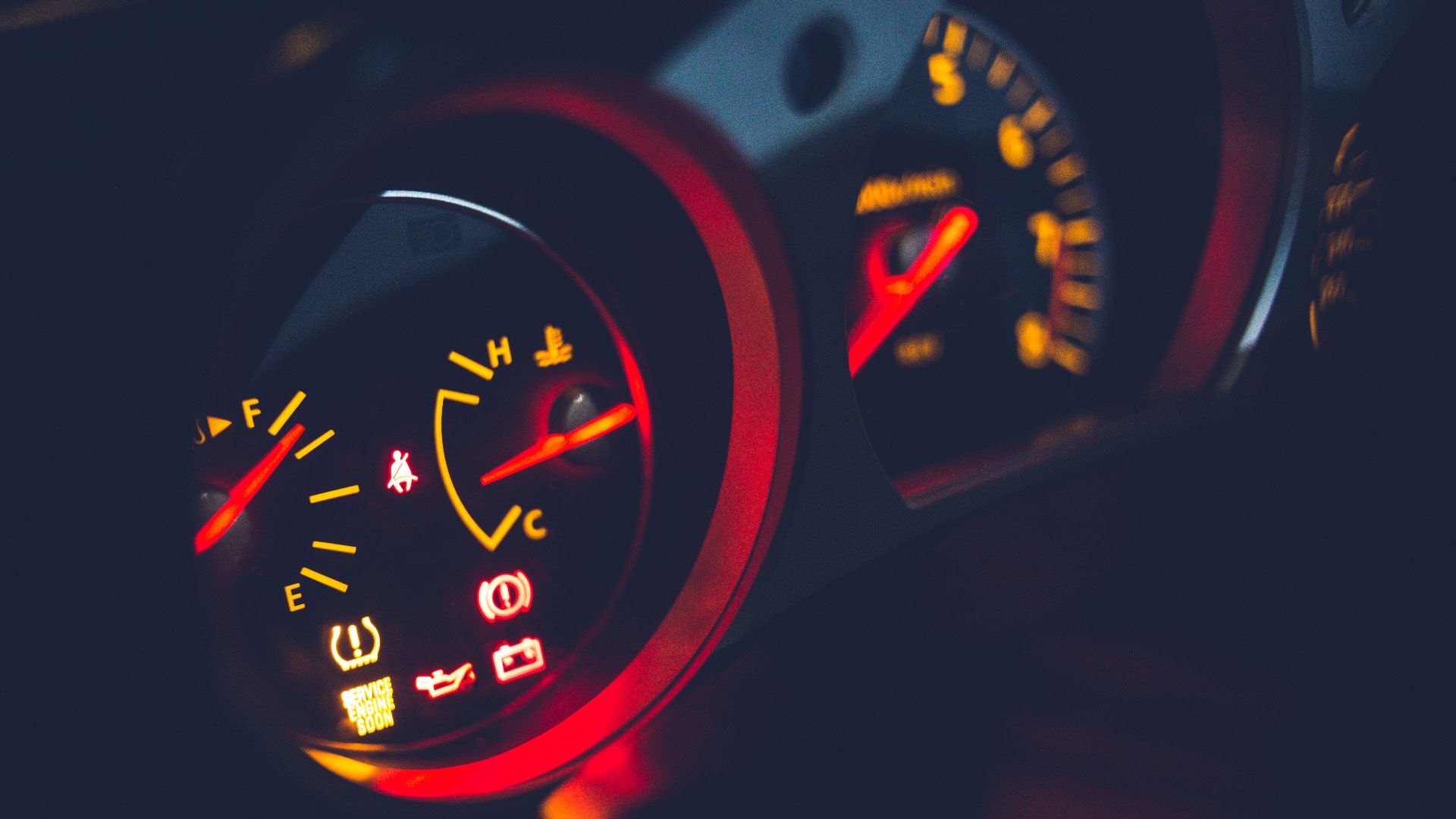
A dashboard gauge is not necessarily a precision instrument. Manufacturers can calibrate it so the needle remains near the center across a fairly broad normal temperature range. This prevents routine fluctuations from alarming drivers, but it also means the gauge may reveal less than its appearance suggests.
Reassurance Can Hide A Developing Problem
A heavily damped gauge may barely move until the coolant temperature is already outside its normal window. At that point, the display functions more like an early warning light than a true measuring instrument. Even so, it still offers more context than a symbol that suddenly appears without warning.

Temperature Changes Can Reveal Patterns
An engine that consistently runs hotter than it once did may have a developing cooling-system problem. A vehicle that struggles to warm up may have a thermostat that is stuck open or another temperature-control issue. A gauge cannot diagnose the cause, but it can show that normal behavior has changed.

The Cooling System Has A Precise Job
Internal-combustion engines produce large amounts of heat that must be controlled. Coolant absorbs heat from the engine and carries it to the radiator, where the heat is transferred to passing air. The system must prevent overheating while also allowing the engine to reach an efficient operating temperature.

The Thermostat Controls Coolant Flow
When an engine is cold, the thermostat limits coolant flow through the radiator so the engine can warm up efficiently. As coolant temperature rises, the thermostat progressively opens and allows more flow through the radiator. A visible gauge lets the driver observe whether that warm-up process appears normal.
Traffic Can Expose A Fan Problem
A failed cooling fan may not cause an obvious problem while the vehicle is travelling quickly. Natural airflow can keep the radiator cool enough at highway speeds. The temperature may begin climbing only when the vehicle slows down or becomes stuck in traffic.

Heavy Loads Produce More Heat
Towing, climbing long grades, carrying heavy cargo, and driving in high temperatures can increase the cooling system's workload. Trucks and performance vehicles often provide additional temperature displays because their drivers are more likely to encounter those conditions. Ordinary passenger vehicles can still face the same stresses during vacations, heat waves, or mountain trips.

Cooling Problems Often Develop Gradually
Overheating is not always caused by a sudden catastrophic failure. Coolant can escape slowly through a small hose leak, a weak connection, a damaged radiator, or another compromised component. Watching temperature behavior can sometimes provide an early clue that the system is losing its ability to control heat.

Low Coolant Is A Serious Concern
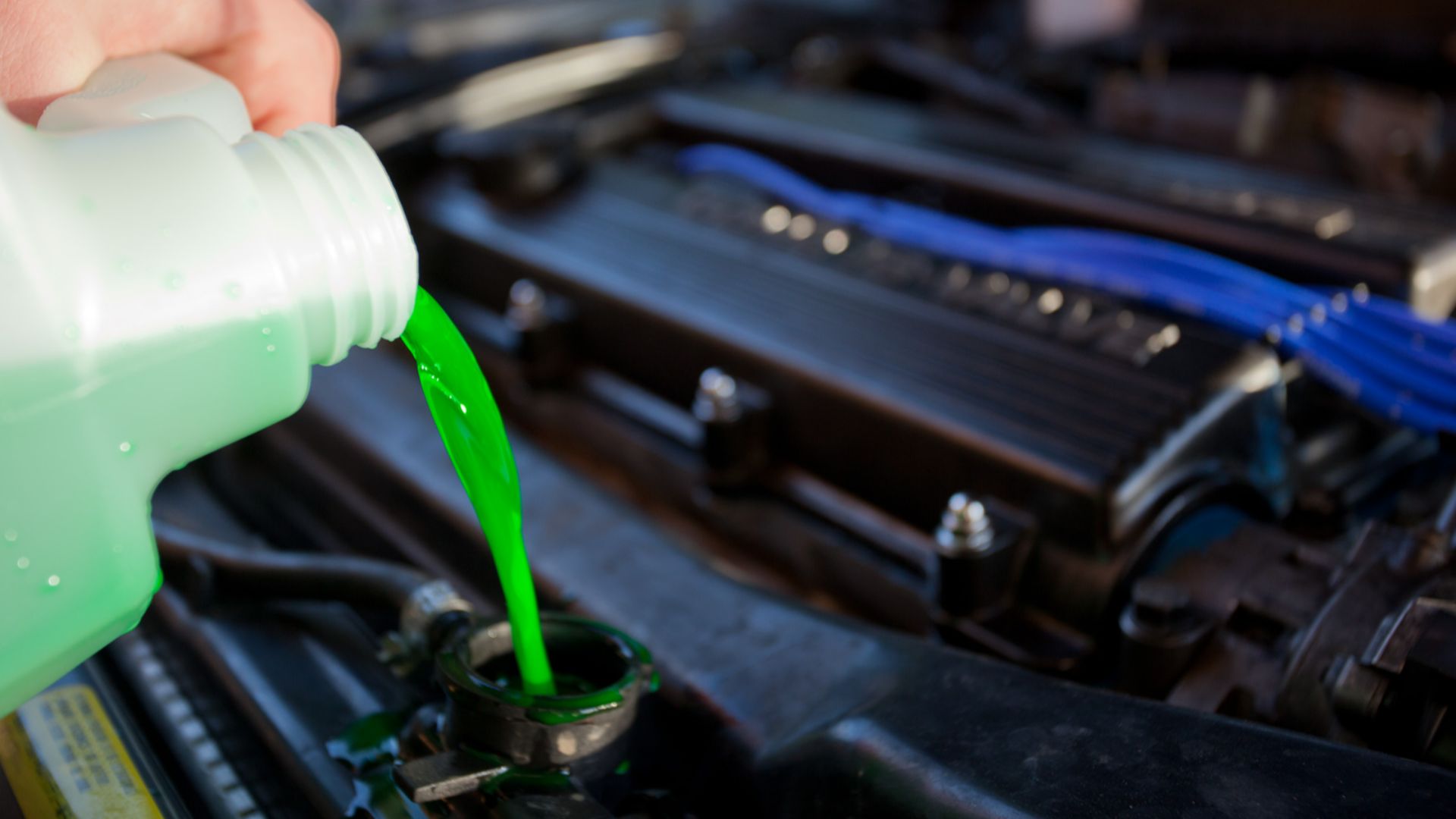
Coolant must remain at the correct level for the system to absorb and transfer heat effectively. A continuing drop in the reservoir level can indicate a leak that needs professional attention. Simply adding more coolant without finding the cause may postpone the problem rather than solve it.
The Warning May Arrive During An Emergency
A high-temperature warning is intended to demand immediate attention. By the time it appears, the safest response may be to pull over and shut the engine off as soon as conditions permit. That leaves less time to make a calm decision than a gauge that has been rising gradually.

Overheating Can Cause Major Damage
Continuing to operate an overheating engine can damage gaskets, seals, cylinder heads, and other components. Severe heat can distort metal parts and turn a cooling-system fault into an expensive engine repair. Drivers should never assume that an overheating warning can be ignored until the next service appointment.

Steam Means It Is Time To Stop
Steam from beneath the hood is a clear sign that the cooling system requires immediate attention. Other warning signs can include a sweet smell, visible fluid, unusual noises, reduced cabin heat, or a red temperature symbol. The vehicle should be stopped safely rather than driven until the symptoms become worse.

Never Open A Hot Cooling System
A hot cooling system can contain pressurized coolant at temperatures capable of causing serious burns. Removing a radiator cap or opening a pressurized reservoir can release hot liquid and steam. The system should be allowed to cool completely before any inspection is attempted.

An OBD Reader Can Find The Missing Number
Standardized onboard diagnostic data commonly includes an engine coolant temperature parameter. A compatible scan tool or Bluetooth adapter can display the temperature numerically, although support and available information vary by vehicle. It is useful for diagnosis, but owners should not need an extra device to see data the vehicle already collects.

Drivers Deserve More Than A Warning Light
Manufacturers keep removing temperature gauges because they believe most drivers prefer cleaner dashboards and simpler displays. The engine still monitors coolant temperature continuously, but many companies now choose to show only a warning when something is seriously wrong. That approach may reduce clutter, but it also removes useful information that many owners would rather have available.

You May Also Like:
Ken Miles Helped Ford Beat Ferrari—But Never Lived To See His Greatest Legacy