That 5 AM Rumble Gets Old Fast
Your alarm clock is supposed to wake you up, not your neighbor's diesel pickup. Yet every morning at 5 am, the truck fires up and sits rumbling for half an hour before going anywhere. It is fair to wonder whether that is just inconsiderate or actually illegal.

The Short Answer Is: It Depends
There is no single idling limit that applies to every private vehicle in the United States. States and cities use different rules, and some target only diesel engines, commercial vehicles, buses, or heavier trucks. A 30-minute warm-up could be illegal in one place and allowed in another.
 https://kaboompics.com/, Pexels
Start With State And Local Law
The Department of Energy tracks state and local idle-reduction laws because the rules vary so much. Some jurisdictions limit idling to only a few minutes, while others regulate only certain vehicles. The first step is finding out exactly which rules apply where the truck is parked.

Thirty Minutes Can Be Way Over The Limit
Where a general anti-idling rule applies, half an hour is often far beyond the legal limit. Several states use limits of three or five minutes, although exceptions can apply. That makes the wording of the local law more important than simply knowing an idling law exists.

New Jersey Is Particularly Strict
New Jersey generally limits gasoline and diesel vehicles to three consecutive minutes of idling. Diesel vehicles get some exceptions, including a longer warm-up after sitting for at least three hours when temperatures fall below 25°F. Even then, the cold-weather allowance is 15 minutes, not 30.
Maryland Uses A Five-Minute Rule
Maryland generally prohibits a stationary motor vehicle from idling for more than five consecutive minutes. Exceptions include traffic, mechanical problems, certain equipment, and bringing the vehicle to the manufacturer's recommended operating temperature. Calling it a warm-up does not automatically make a 30-minute idle legal.

Massachusetts Also Caps Idling
Massachusetts generally limits motor vehicle idling to five consecutive minutes. There are exceptions for situations such as servicing the vehicle or powering necessary equipment. Violations can lead to fines.

New Hampshire Changes The Limit With The Weather
New Hampshire's diesel rule changes with outside temperature. Above 32°F, the general limit is five minutes per hour, while temperatures between 32°F and minus 10°F allow up to 15 minutes. Below minus 10°F, that idling limit does not apply.

In Some States, Truck Size Is Crucial
New York's statewide rule applies to on-road heavy-duty vehicles with a gross vehicle weight rating above 8,500 pounds. Those vehicles generally cannot idle for more than five consecutive minutes, subject to exceptions. A lighter diesel pickup may fall outside that specific statewide restriction.

Pennsylvania Has A Similar Weight Threshold
Pennsylvania's state anti-idling rule generally applies to diesel vehicles over 10,000 pounds GVWR. Covered vehicles usually cannot idle for more than five minutes in a continuous 60-minute period unless an exception applies. The truck's legal weight rating can therefore change the answer completely.

Illinois Shows How Specific These Laws Can Get
Parts of Illinois restrict certain diesel vehicles to 10 minutes of idling in a one-hour period. The rule applies only in specified counties and townships and includes several exceptions. It is a good example of why the word "diesel" alone tells you very little.
Texas Can Produce The Opposite Result
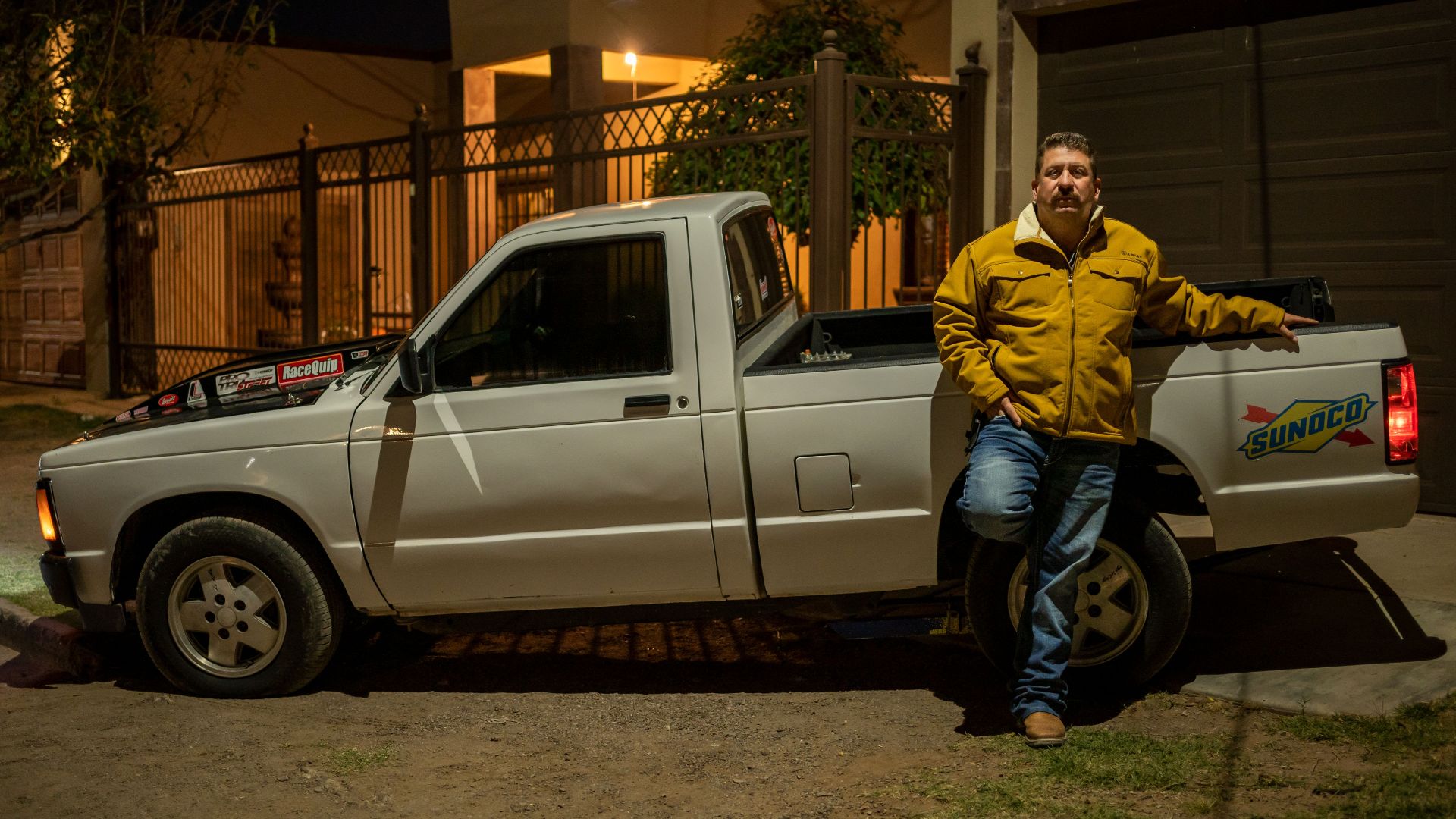
Texas allows participating cities and counties to impose a five-minute idling restriction. However, vehicles weighing 14,000 pounds or less are among those exempted under that framework. A large-looking diesel pickup may therefore still fall outside the rule.

Pickup Versus Commercial Truck Matters
The badge on the grille is not enough to tell you whether an anti-idling law applies. Rules may depend on gross vehicle weight, commercial status, fuel type, vehicle use, or location. You need the truck's legal category, not just its appearance.

Cities Can Be Stricter Than States
New York City generally prohibits parked, standing, or stopped vehicles from idling longer than three minutes, subject to exceptions. Residents can also report vehicles that exceed the city's limits. A local ordinance can therefore be stricter than the broader state rule.

The 5 AM Part Creates Another Issue
Even if the truck does not violate an anti-idling law, the noise may fall under a separate local ordinance. Many cities use stricter standards overnight or early in the morning. In Seattle, for example, some unreasonable noises are treated differently between 10 p.m. and 7 a.m.

A Loud Exhaust Can Change The Picture
An unusually loud or modified truck can raise issues separate from idling time. Vehicle codes may require working mufflers and prohibit excessive or unusual exhaust noise. Washington State, for example, requires highway vehicles to have an exhaust system designed to prevent excessive noise.

Cold Weather Is Not A Blank Check
Some laws allow longer idling in very cold weather, but the rules differ widely. New Jersey provides a limited exception below 25°F, while New Hampshire uses several temperature ranges. "It's cold and it's a diesel" is not a universal excuse for idling 30 minutes.

Modern Diesels Usually Do Not Need Half An Hour
The old habit of letting a diesel warm up for a long time does not fit every modern truck. Ford guidance for some diesel models says to idle for about 15 seconds after startup before increasing engine speed. Several minutes may be recommended in extreme cold, but not a routine 30-minute warm-up.

Long Idling Can Even Work Against The Engine
Ford also warns that extended cold-weather idling does not bring the engine to normal operating temperature. Prolonged idling can contribute to deposits and other problems. Leaving the truck running longer is not necessarily better for it.
The Emissions System Does Not Love It Either
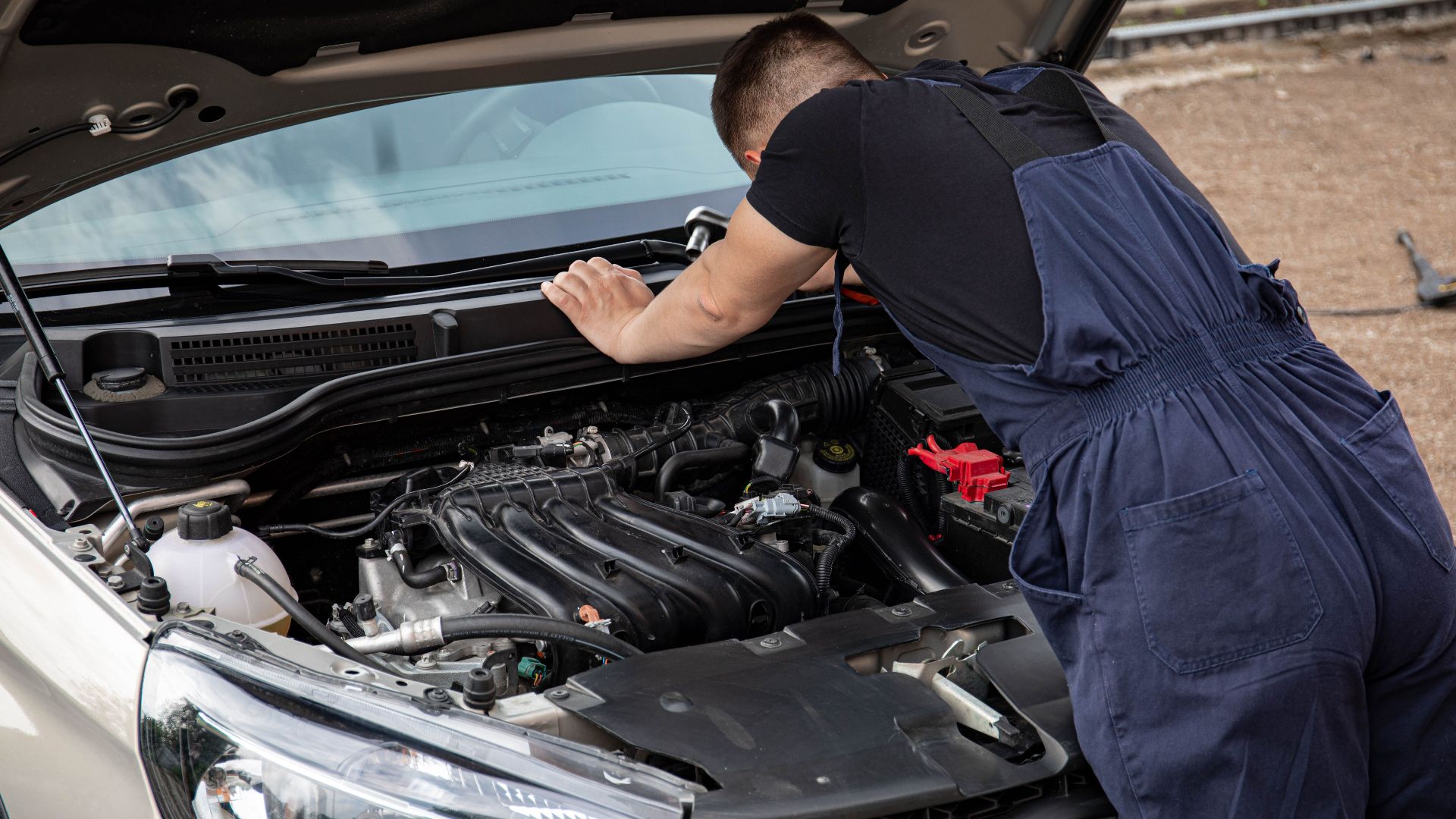
Modern diesel pickups use diesel particulate filters to trap soot and periodically burn it away. However, extended idling can prevent the DPF from cleaning itself properly. In some cases, repeated low-speed use and idling can eventually create filter problems.
Half An Hour Also Burns Fuel For Nothing
The Department of Energy says idling wastes fuel and increases engine wear. Idling vehicles collectively burn billions of gallons of gasoline and diesel each year without moving. Federal guidance generally encourages drivers to avoid unnecessary idling.

Restarting Is Not The Fuel Hog People Think
A common argument is that restarting wastes more fuel than simply leaving the engine running. Department of Energy research says an engine idling for as little as about 10 seconds can use more fuel than stopping and restarting. The exact amount varies by vehicle and conditions.

Diesel Exhaust Is More Than An Annoying Smell
Diesel combustion produces particulate matter, nitrogen oxides, hydrocarbons, carbon monoxide, and other pollutants. The EPA says diesel pollution can harm human health and the environment. The agency recommends avoiding unnecessary vehicle idling to reduce emissions.

Repeated Exposure Is Why Neighbors Care
EPA research has linked chronic diesel exhaust exposure with serious respiratory risks, while short-term exposure can cause irritation in some people. Modern diesel emissions systems are much cleaner than older ones, so today's trucks are not directly comparable to decades-old engines. Still, unnecessary daily idling adds emissions that would otherwise not be there.

Document The Pattern Before Making A Complaint
If it happens every morning, keep a simple record of the dates, start times, and roughly how long the truck idles. Note whether it is on a driveway, street, or other property and whether loud revving or exhaust noise is involved. Those details can help you compare the behavior with the exact local rules.

Check The Exact Rule Before Calling Anyone
Start with your state environmental or transportation agency, then check your city or county code. Pay attention to exemptions involving vehicle weight, cold weather, repairs, passenger comfort, and auxiliary equipment. If there is a violation, use the reporting process listed by the responsible agency.

So, Can Your Neighbor Really Do This?
Possibly, but 30 minutes is long enough to violate anti-idling laws in a number of places if the rule covers that truck. Elsewhere, the vehicle's weight or private-use status may put it outside the main restriction, although a noise ordinance could still apply. The exact state and local rules are what decide it.

You May Also Like:
My neighbor’s tree dropped a huge branch on my car. Who actually has to pay for the damage?
Why Juan Manuel Fangio Is Still Formula One's Greatest Benchmark