My Neighbor Has Turned My Driveway Into A Car Wash
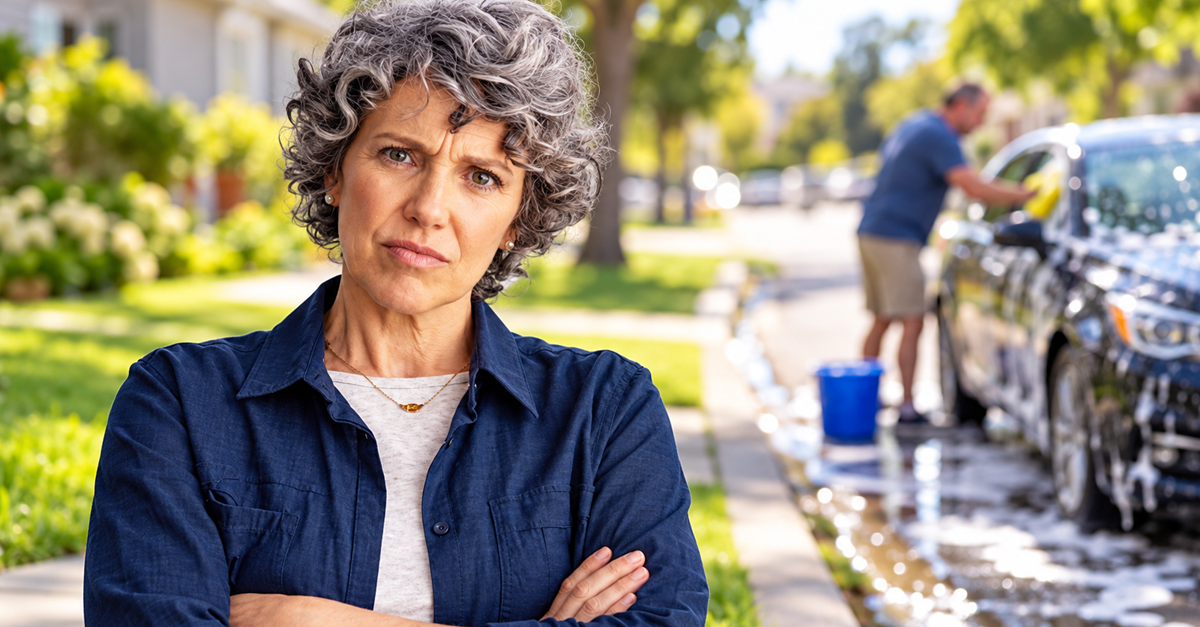
Imagine watching your neighbor wash his car outside your house every weekend, knowing you'll be the one cleaning up the trail of soap and dirty water left behind. It's frustrating enough that he's making a mess on your property, but he seems to think that parking on a public street gives him the right to do whatever he wants.
You shouldn't have to clean up after someone else's car wash, but can you actually make him stop?
The Law Might Be On Your Side
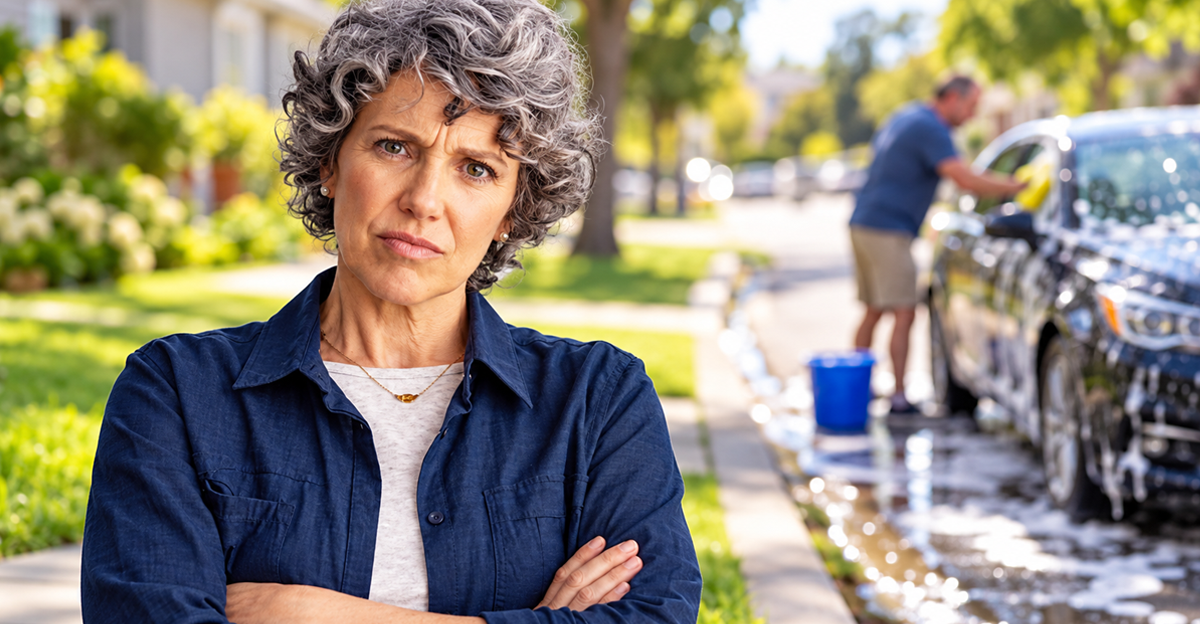
Your neighbor may have every right to park outside your house, but that doesn't mean he can do anything he pleases. Car washing can raise separate legal issues, especially when wastewater reaches someone else's property or a storm drain. Depending on local regulations, you may have more grounds to complain than you realize.
First, Who Owns The Street?
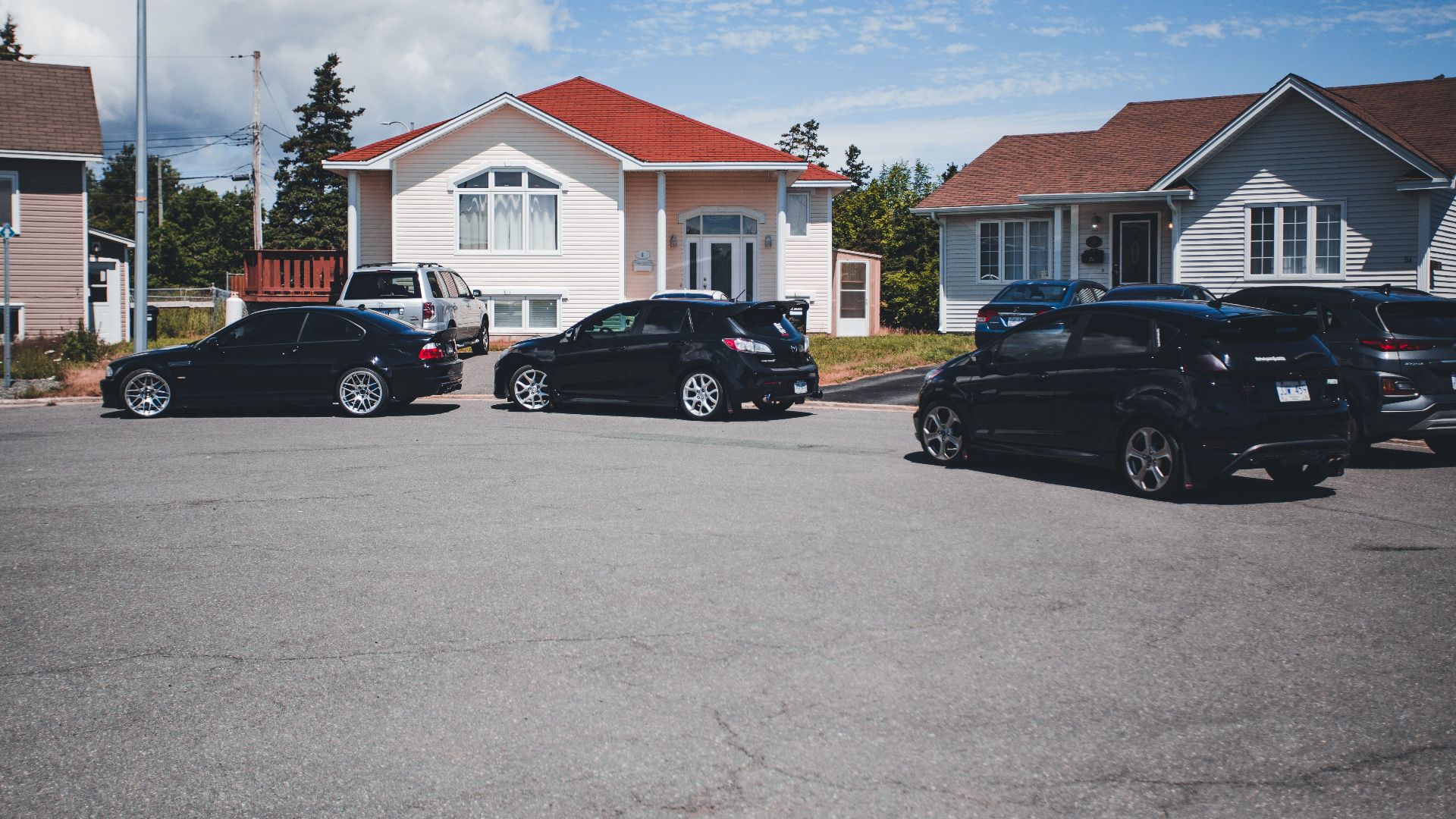
In most residential neighborhoods, the street outside your home is public property or subject to a public right-of-way. That generally means you can't claim the parking space directly in front of your house as your own. If your neighbor is parked legally, you usually cannot make him move simply because you'd prefer the space to remain empty.
But Parking And Washing Are Different Matters
Having permission to park somewhere doesn't automatically give someone permission to wash a vehicle there. Municipalities can regulate activities that affect public streets, drainage systems, and nearby properties. Even if your neighbor isn't breaking any parking rules, his washing routine could create a separate problem.
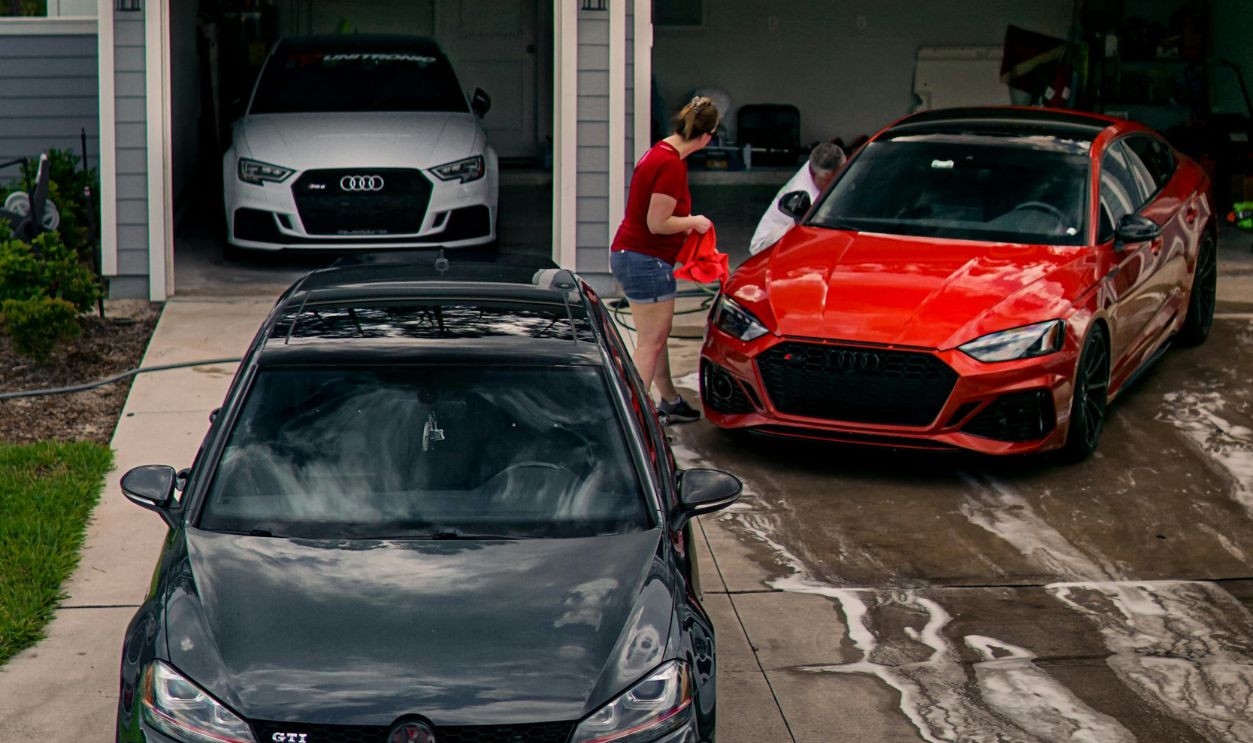
The Dirty Water Is The Real Issue
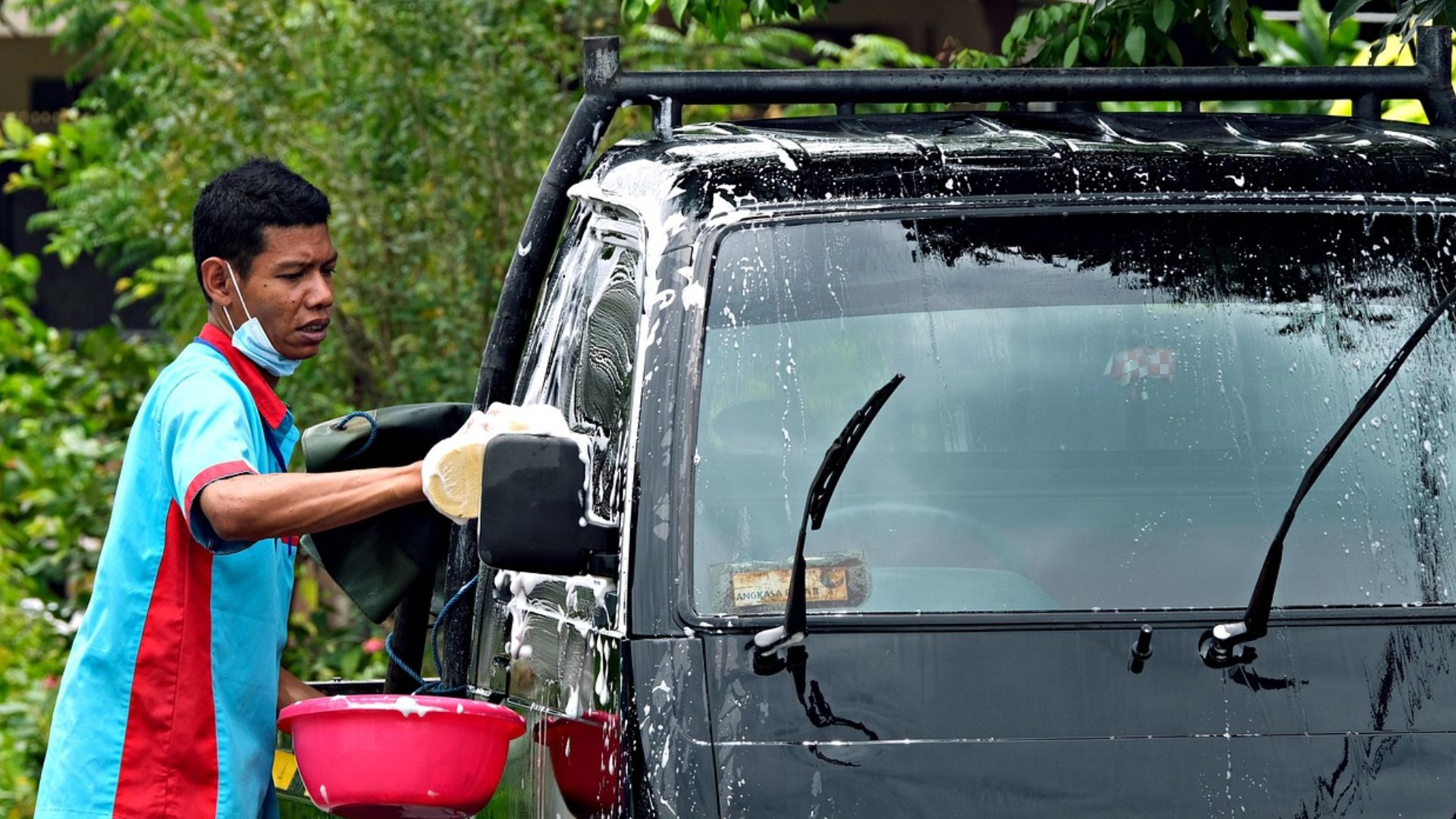
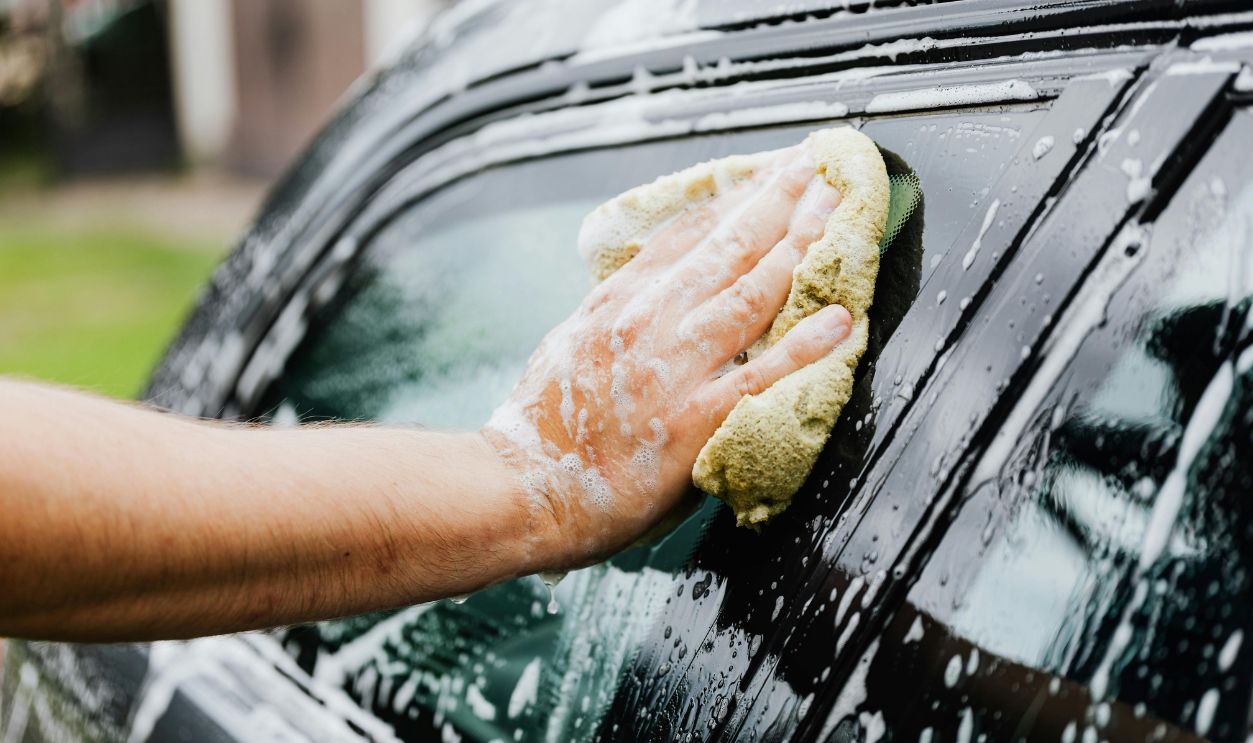
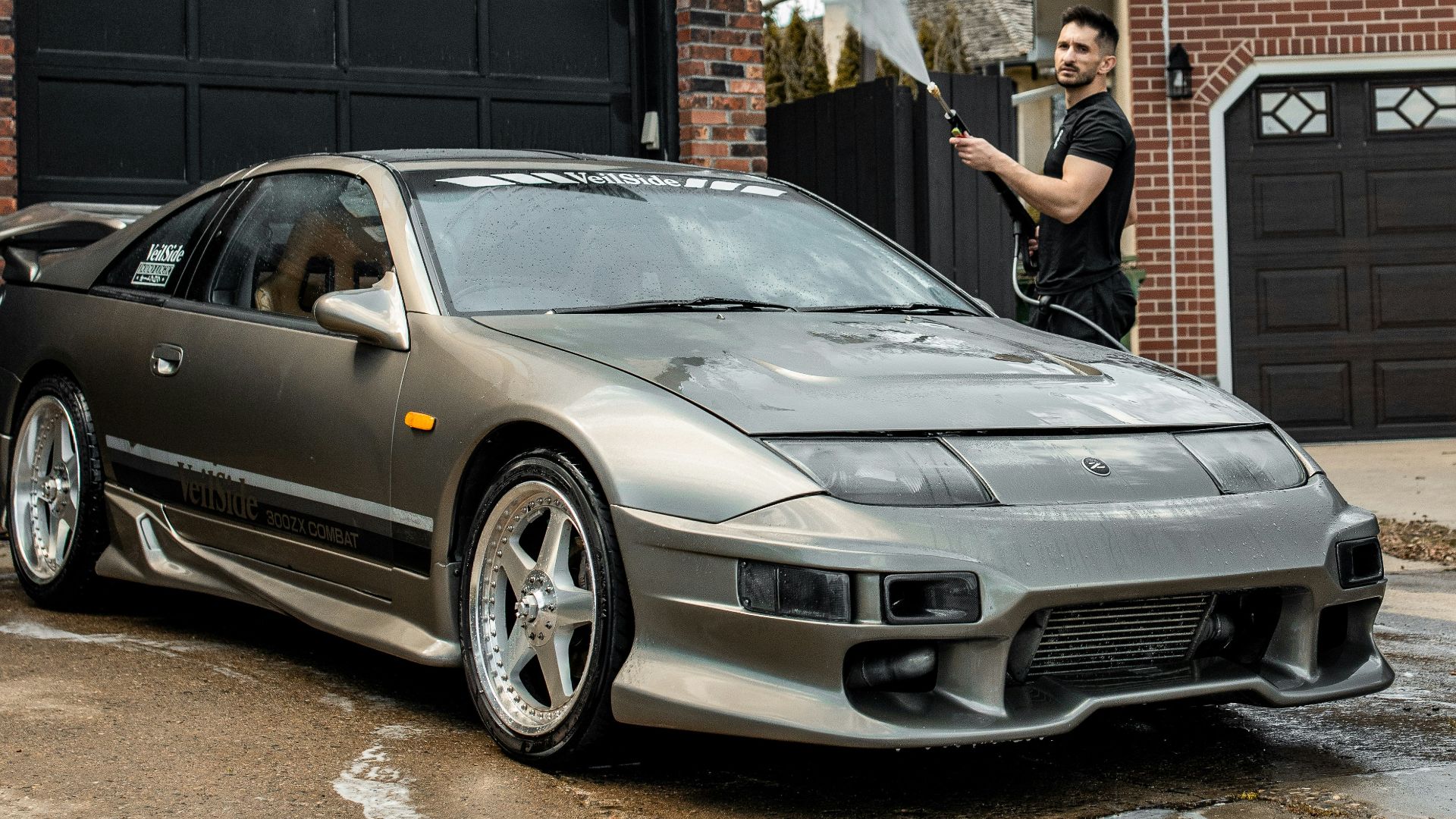
Car-washing wastewater contains more than a little soap. According to the Environmental Protection Agency, washing vehicles can release detergents, oil, grease, metals, and other pollutants. When that mixture flows down a driveway or street, it can carry contaminants into the surrounding environment.
 https://kaboompics.com/, Pexels
Your City Might Already Prohibit It
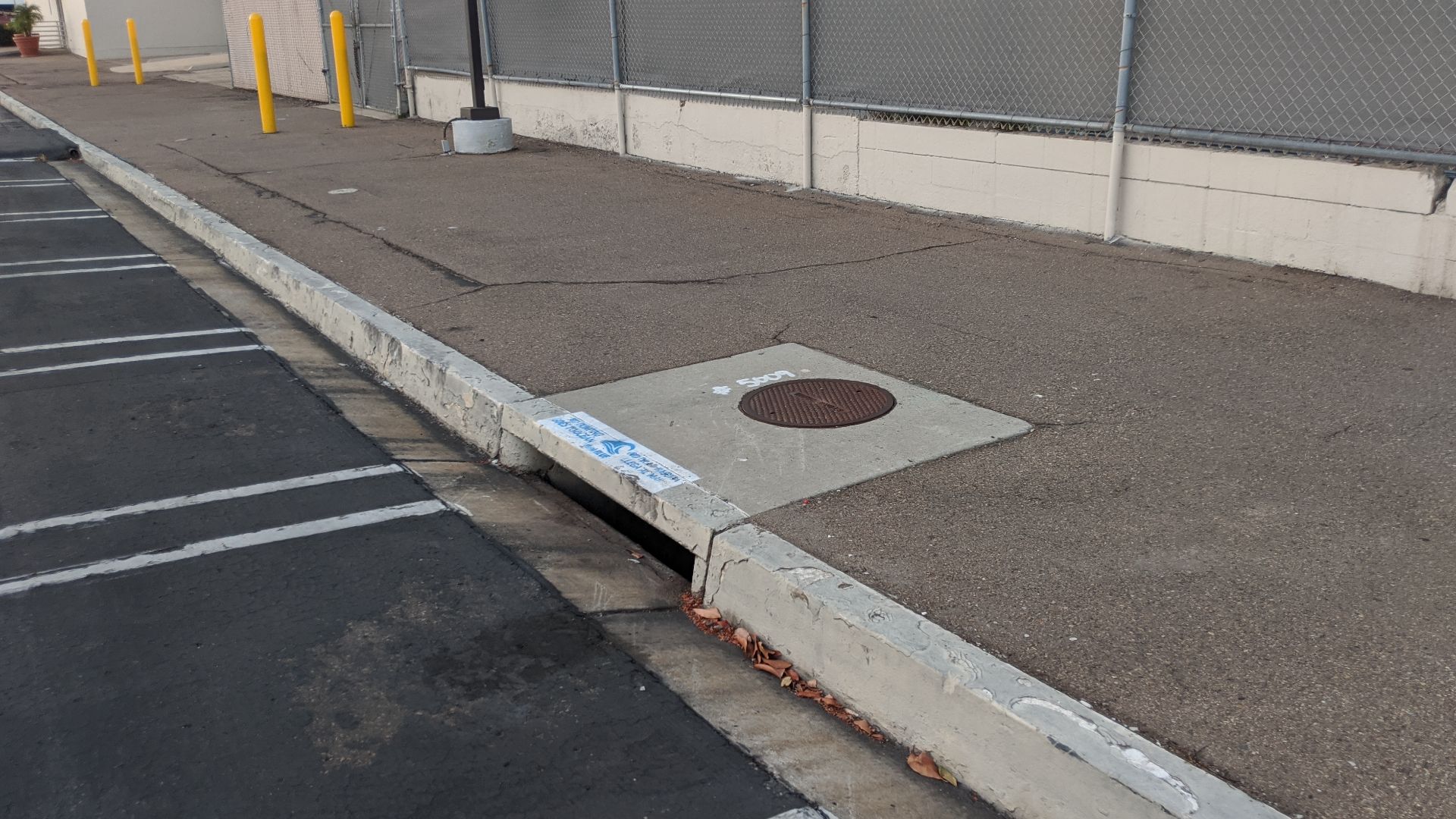
Many municipalities have rules governing what can enter public storm drains. Some specifically prohibit soapy water and other contaminants from flowing into their drainage systems. That means your neighbor's seemingly harmless weekend routine could violate local environmental regulations.
Seattle Has A Warning For Car Owners
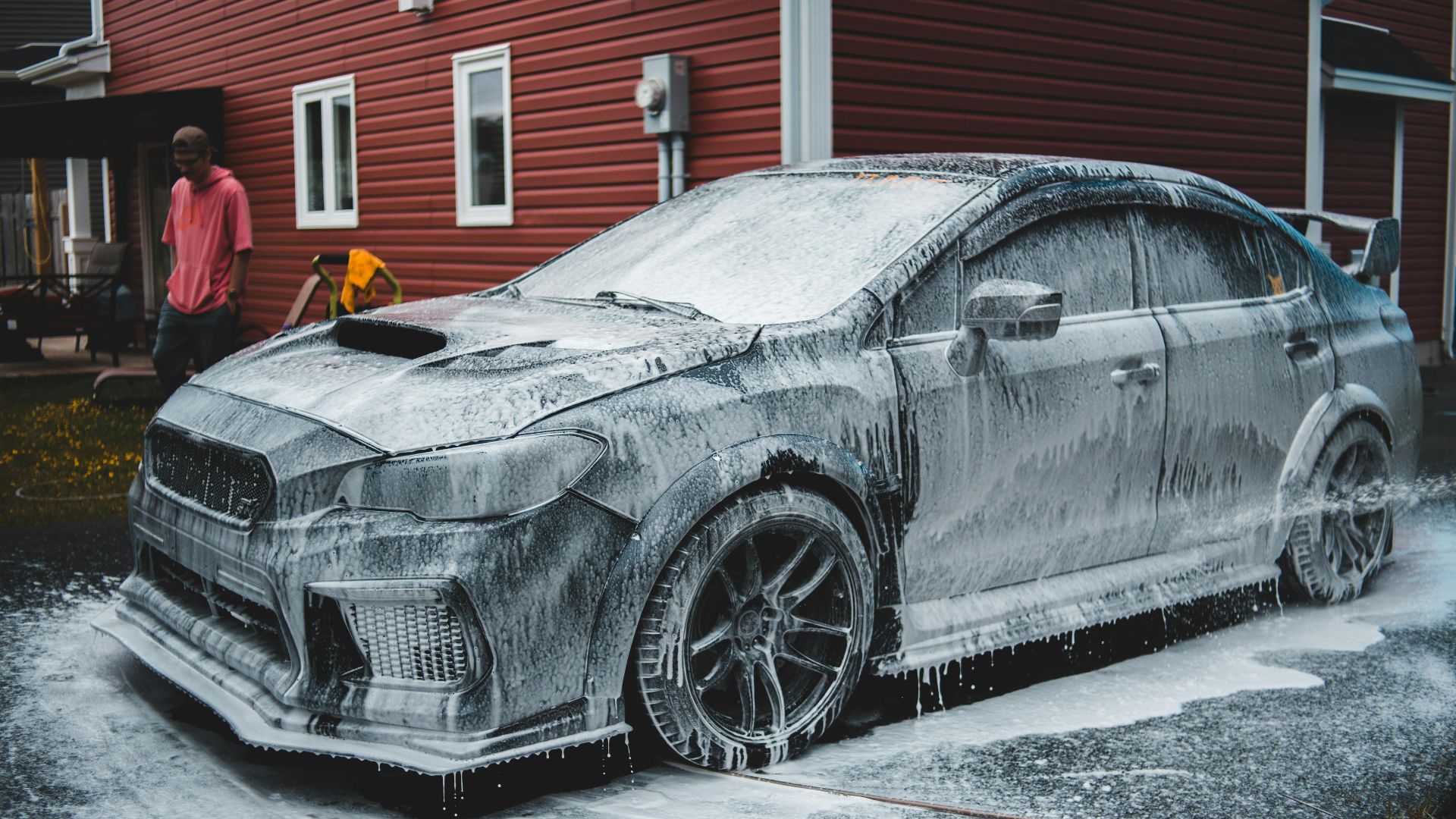
Seattle Public Utilities advises against washing vehicles on paved surfaces where soap and grime can reach storm drains. The agency explains that this runoff can flow into nearby lakes, streams, and Puget Sound. Instead, it encourages residents to use commercial car washes that manage their wastewater.
Toronto Has Similar Restrictions
Toronto explicitly prohibits soaps, automotive fluids, and cleaning products from entering outdoor catch basins. The city says only rainwater and melted snow should enter these drains. Residents who wash their vehicles must prevent contaminated wastewater from reaching the storm sewer system.
But Washing A Car At Home Isn't Automatically Illegal
Before reporting your neighbor, there's an important distinction to understand. The EPA provides recommendations for washing vehicles at home while reducing pollution. Local rules determine whether washing in the street is permitted and how the resulting wastewater must be handled.
What If The Water Never Reaches A Storm Drain?
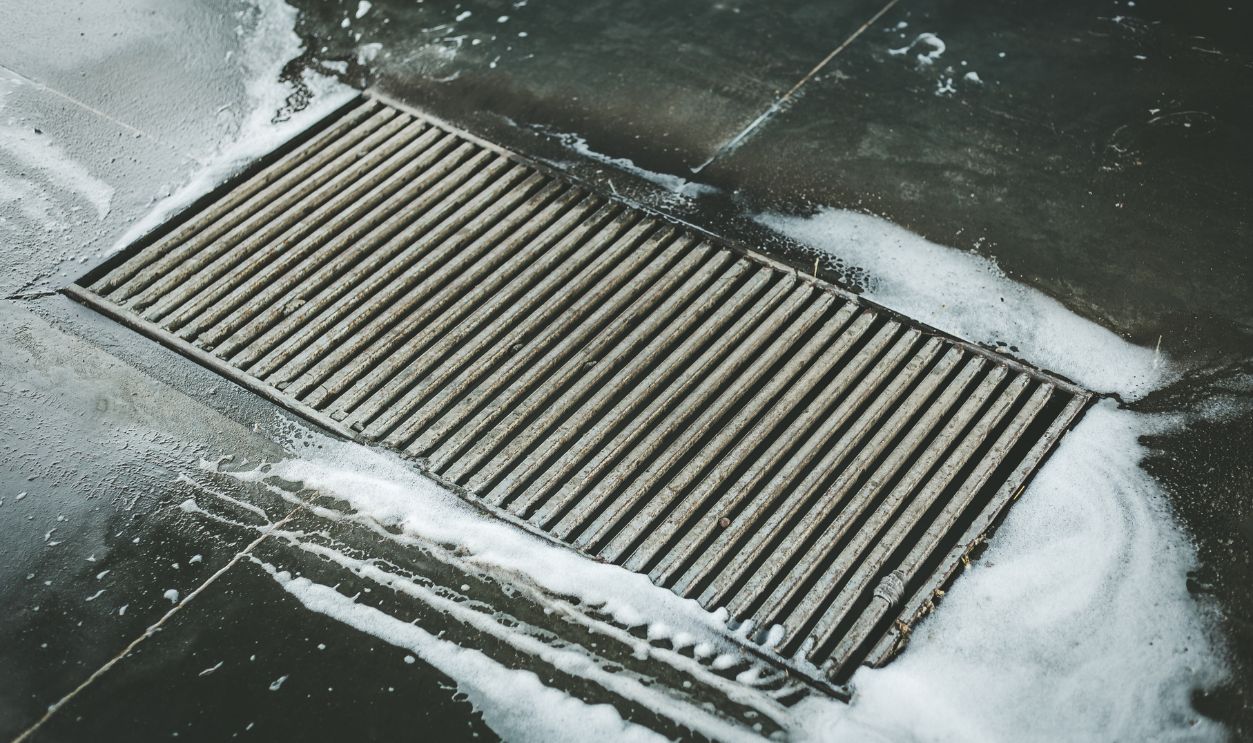
Even when dirty water doesn't enter a storm drain, repeatedly sending it onto someone else's property may create a legal issue. Property owners can sometimes challenge activities that substantially interfere with their use and enjoyment of land. Whether the runoff qualifies depends on its frequency, severity, and the applicable law.
Your Driveway Is A Different Story
A public street and a privately owned driveway aren't legally the same thing. Your neighbor's right to use the street doesn't automatically extend to interfering with your private property. If his washing repeatedly leaves your driveway dirty or unusable, you may have grounds to seek a remedy.
Make Sure You Know Where Your Property Begins
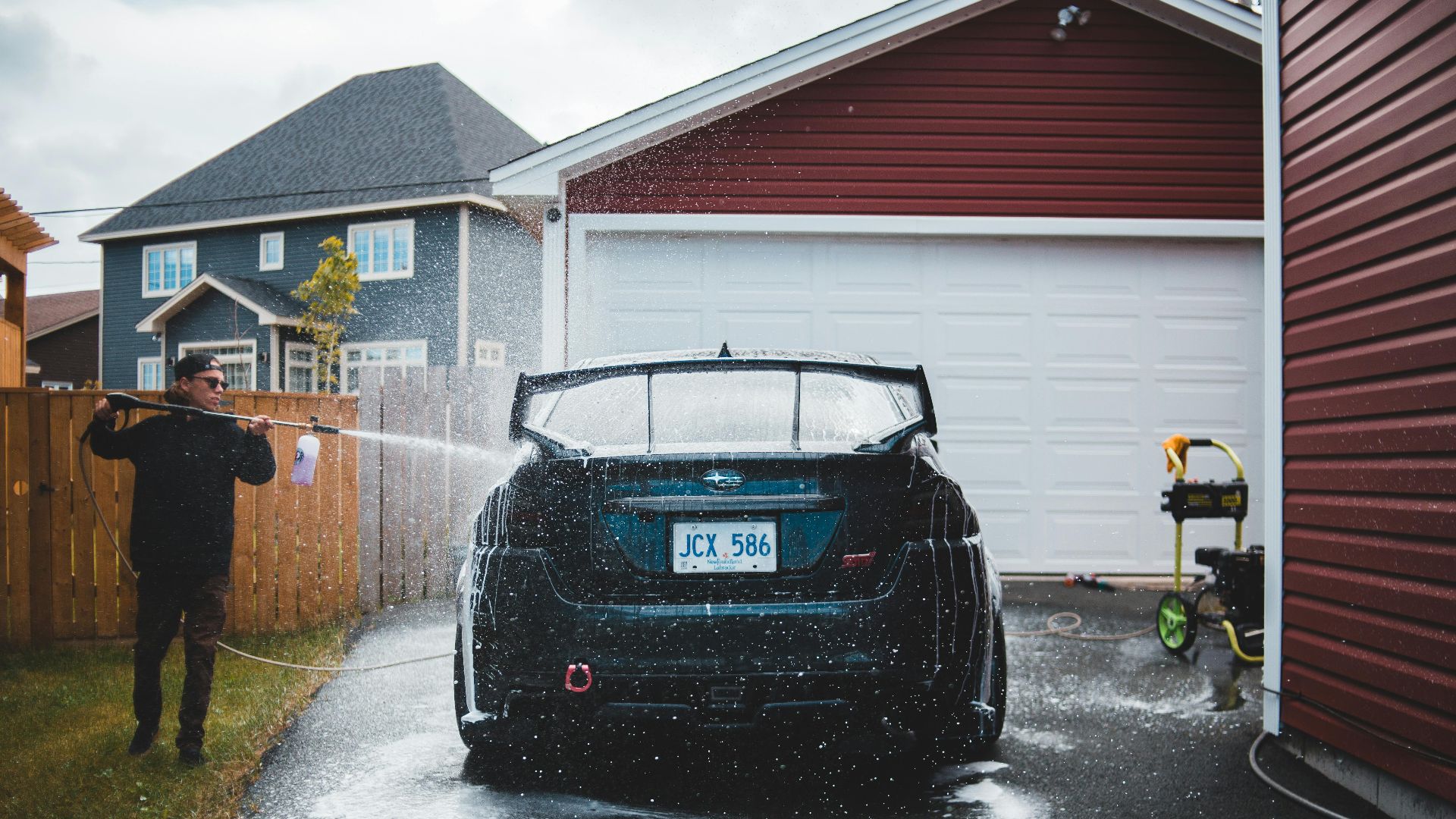
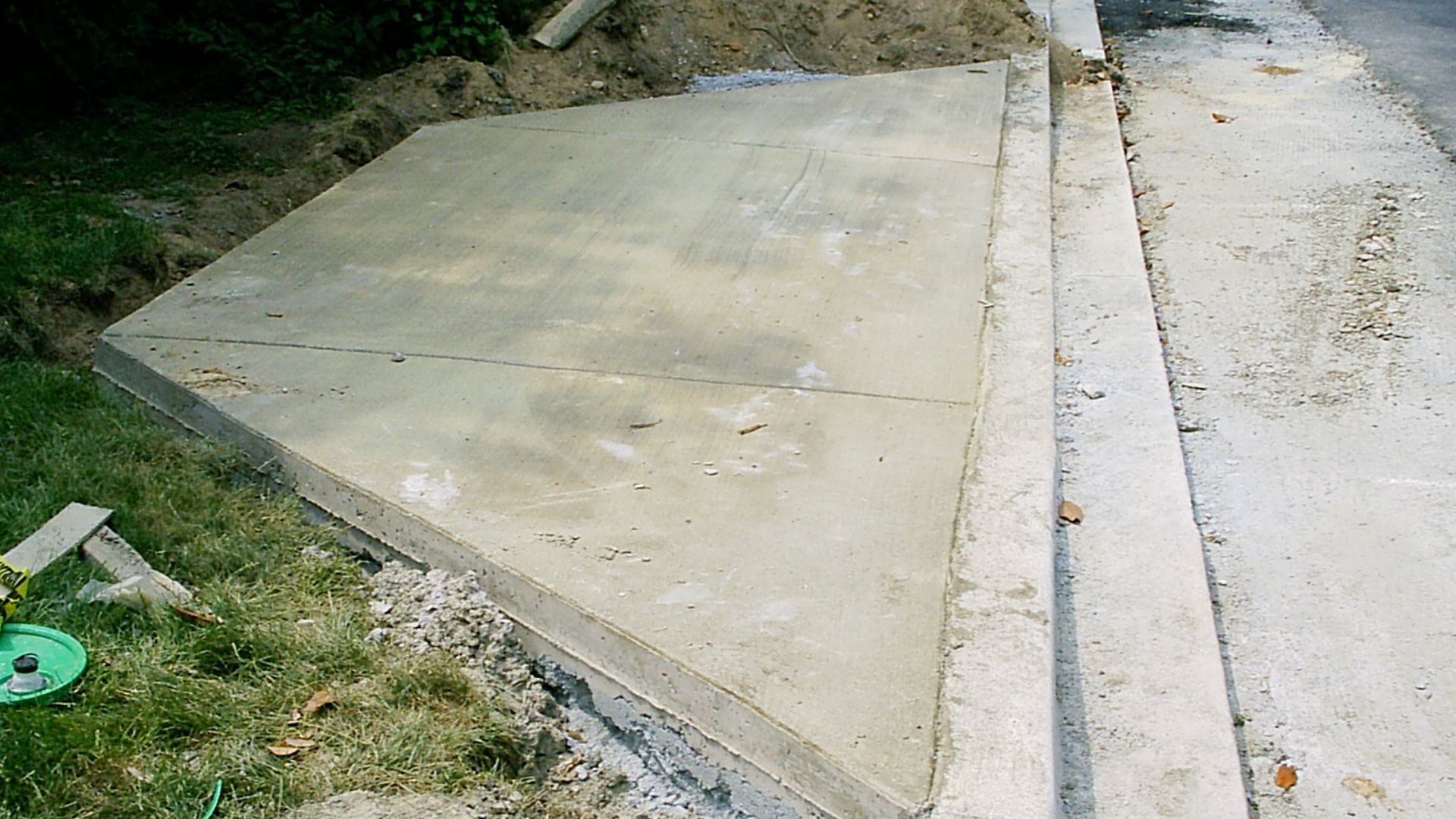
One detail could complicate your complaint. The section of driveway closest to the street may lie within a municipal right-of-way, even if you're responsible for maintaining it. Checking your property survey or asking your municipality can help establish which portion is privately controlled.
A Little Water Probably Won't Win A Lawsuit
Not every neighborhood irritation amounts to a legal nuisance. Courts generally look for substantial and unreasonable interference with someone's property. An occasional splash of water is unlikely to carry the same weight as repeated dirty runoff that disrupts your use of the driveway.
 https://kaboompics.com/, Pexels
But Repeated Messes Can Change Things
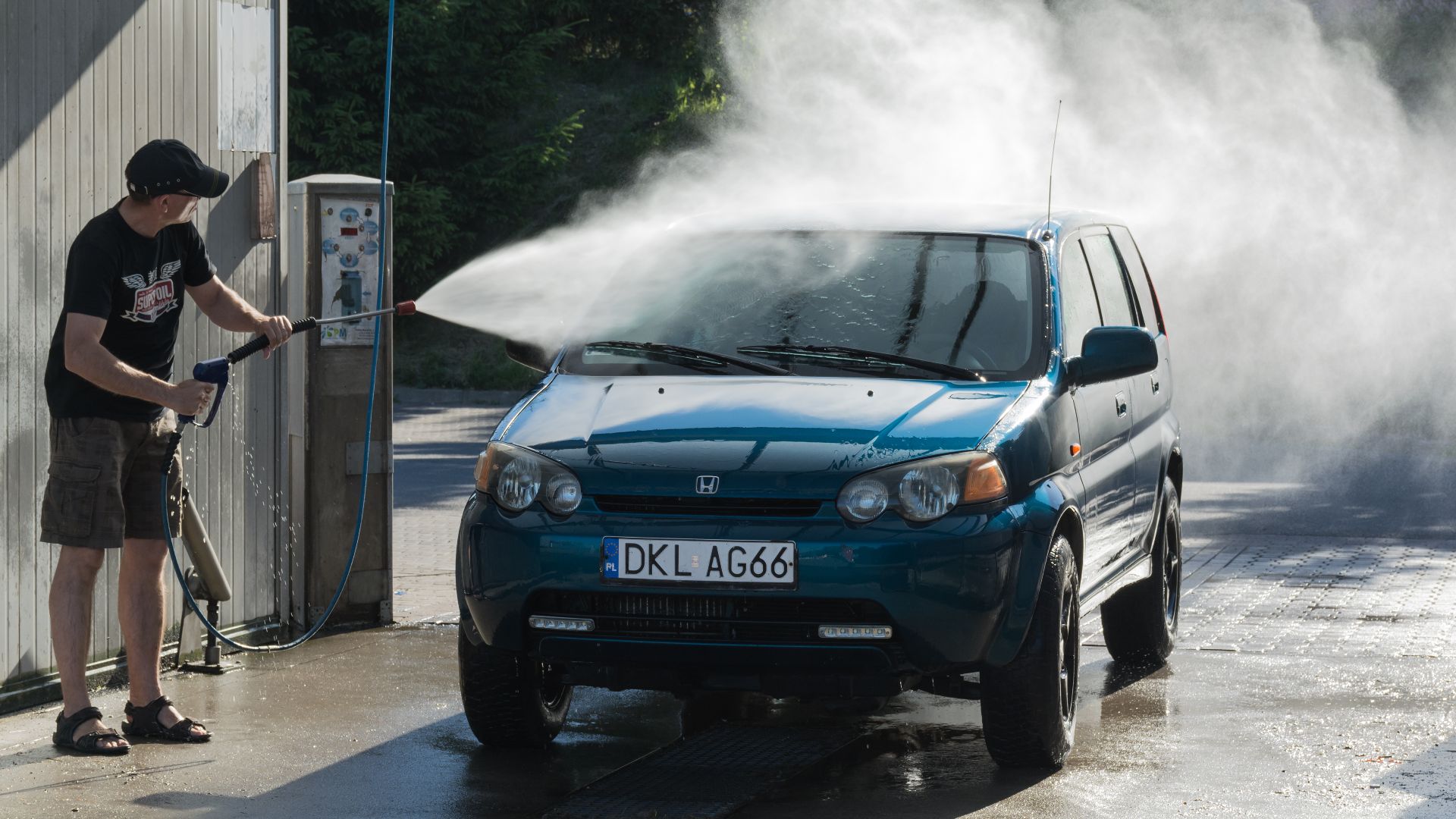
Imagine having to wash away soap residue every weekend just to keep your driveway clean. A persistent problem can be more legally significant than an isolated incident, particularly if it causes measurable harm. Cornell Law School's Legal Information Institute identifies unwanted water entering another person's property as a possible nuisance, depending on the circumstances.
 Jacek Halicki, Wikimedia Commons
What If The Soap Damages Your Driveway?
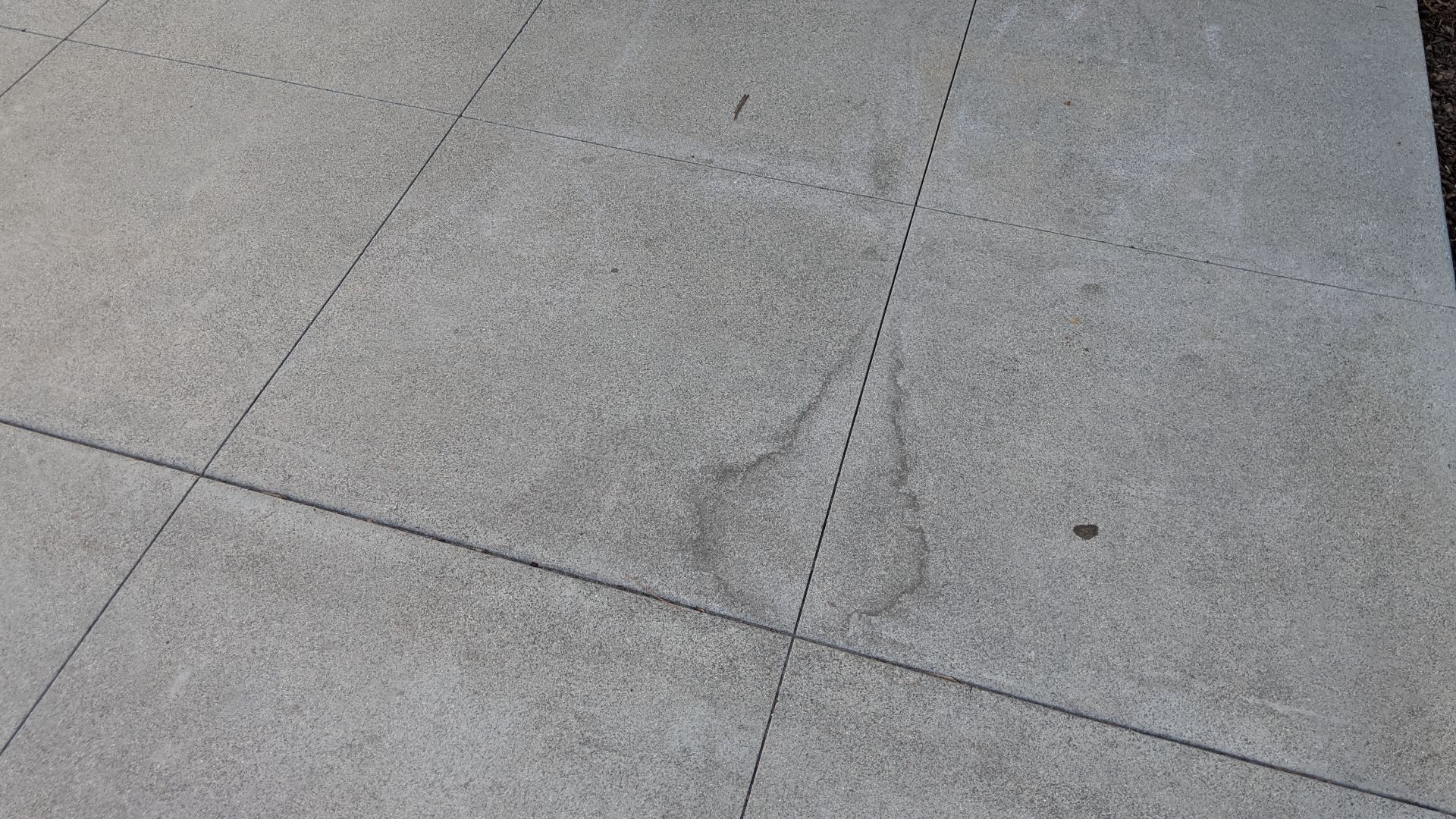
Visible residue doesn't necessarily prove that your driveway has suffered permanent damage. However, if you believe the washing has damaged the surface, document the condition and consider getting a professional assessment. Evidence connecting your neighbor's actions to actual damage could strengthen a potential claim.
Don't Assume Biodegradable Soap Makes It Okay
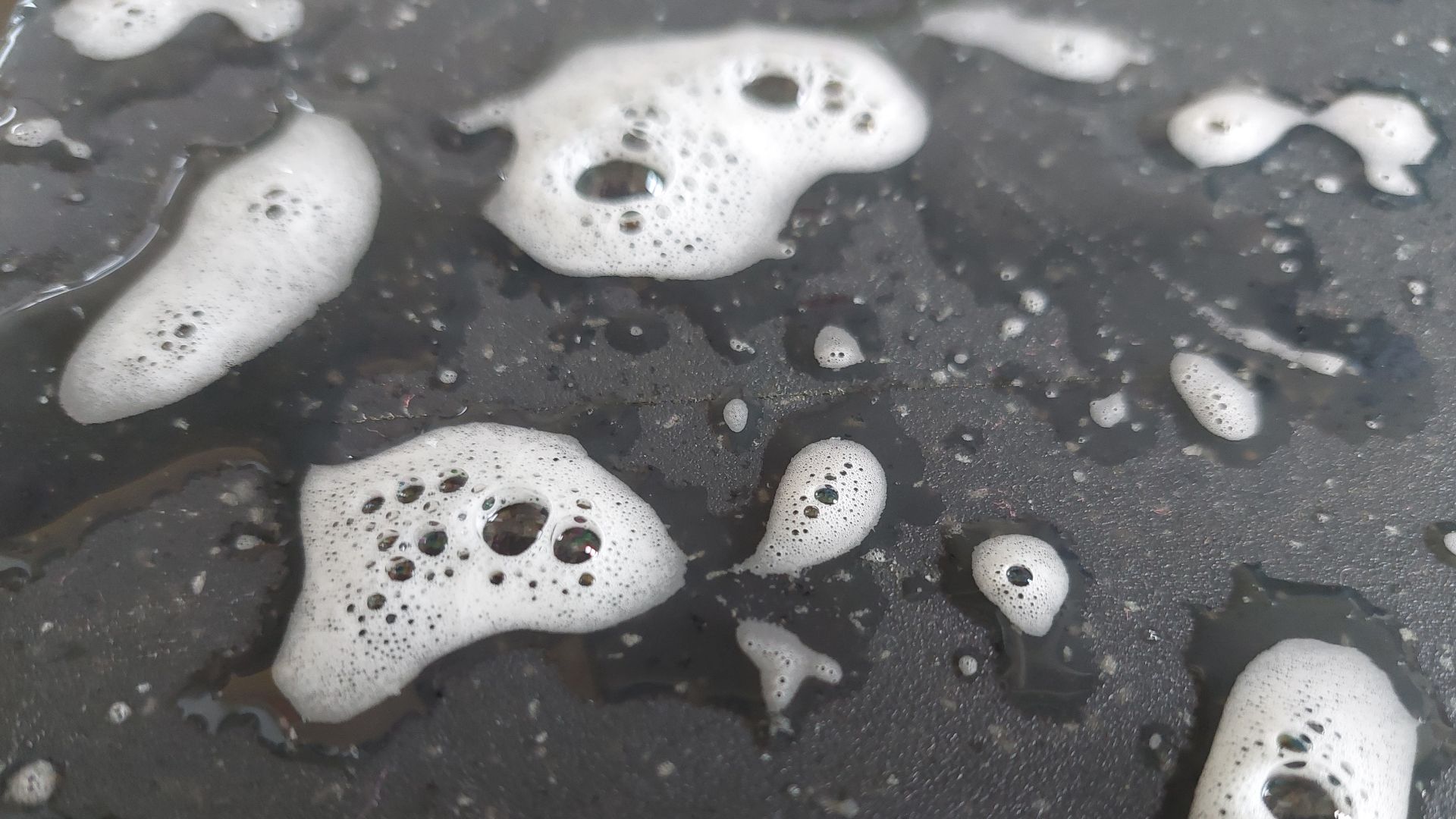
Your neighbor might argue that his cleaning products are biodegradable or environmentally friendly. The EPA recommends less-toxic, phosphate-free products, but also stresses keeping wash water away from storm drains. Even environmentally preferable soap doesn't automatically make contaminated runoff acceptable under local regulations.
He Could Wash His Car Somewhere Else
There may be a simple solution that doesn't involve abandoning his weekend routine. The EPA recommends directing wash water onto suitable permeable surfaces, such as grass or gravel, where permitted. Washing in a location that prevents runoff onto your driveway and into storm drains could resolve the problem.
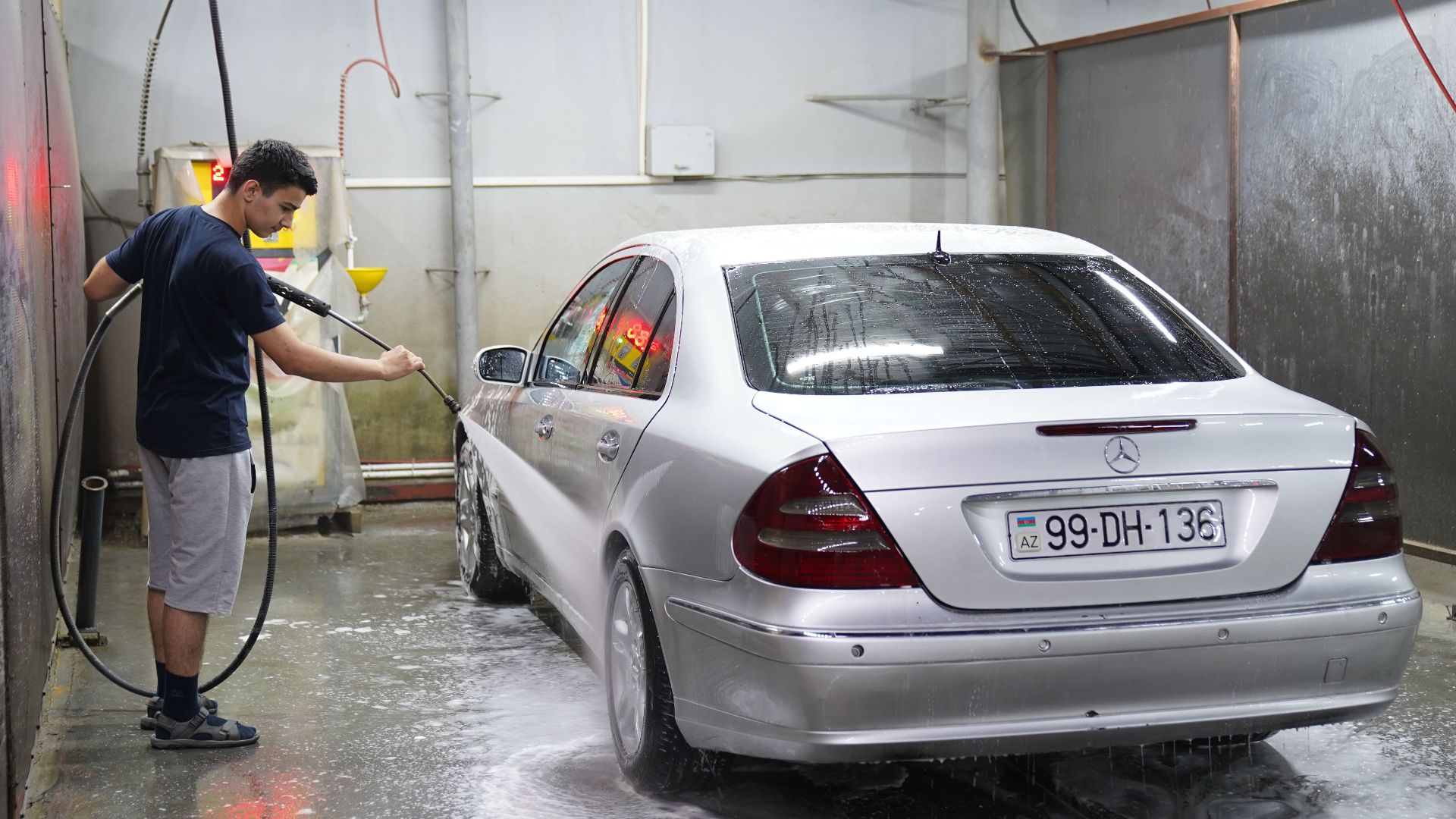
A Commercial Car Wash Is An Even Better Option
Commercial car washes are designed to handle wastewater more effectively than washing on a residential street. Seattle Public Utilities says these facilities reuse wash water before sending it into the sewer system for treatment. Suggesting a commercial wash gives your neighbor a practical alternative without turning the disagreement into a bigger fight.
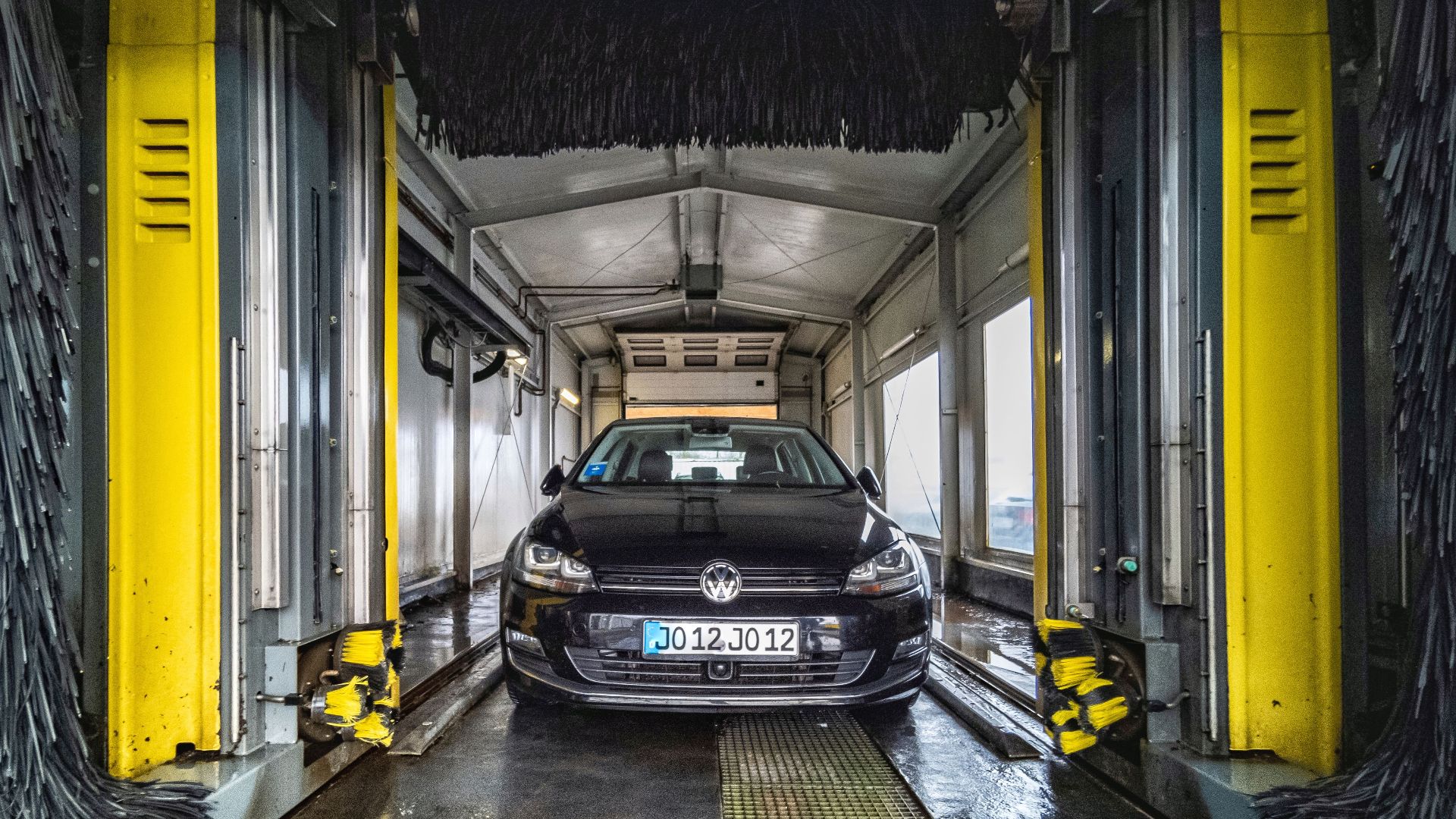
Before You Report Him, Have One Conversation
It's tempting to call the authorities after cleaning up someone else's mess for the tenth time. However, calmly explaining that his wash water keeps reaching your driveway may be enough to change his behavior. Ask him to wash somewhere else or find a way to contain the runoff, rather than starting with threats.

If He Refuses, Start Taking Pictures
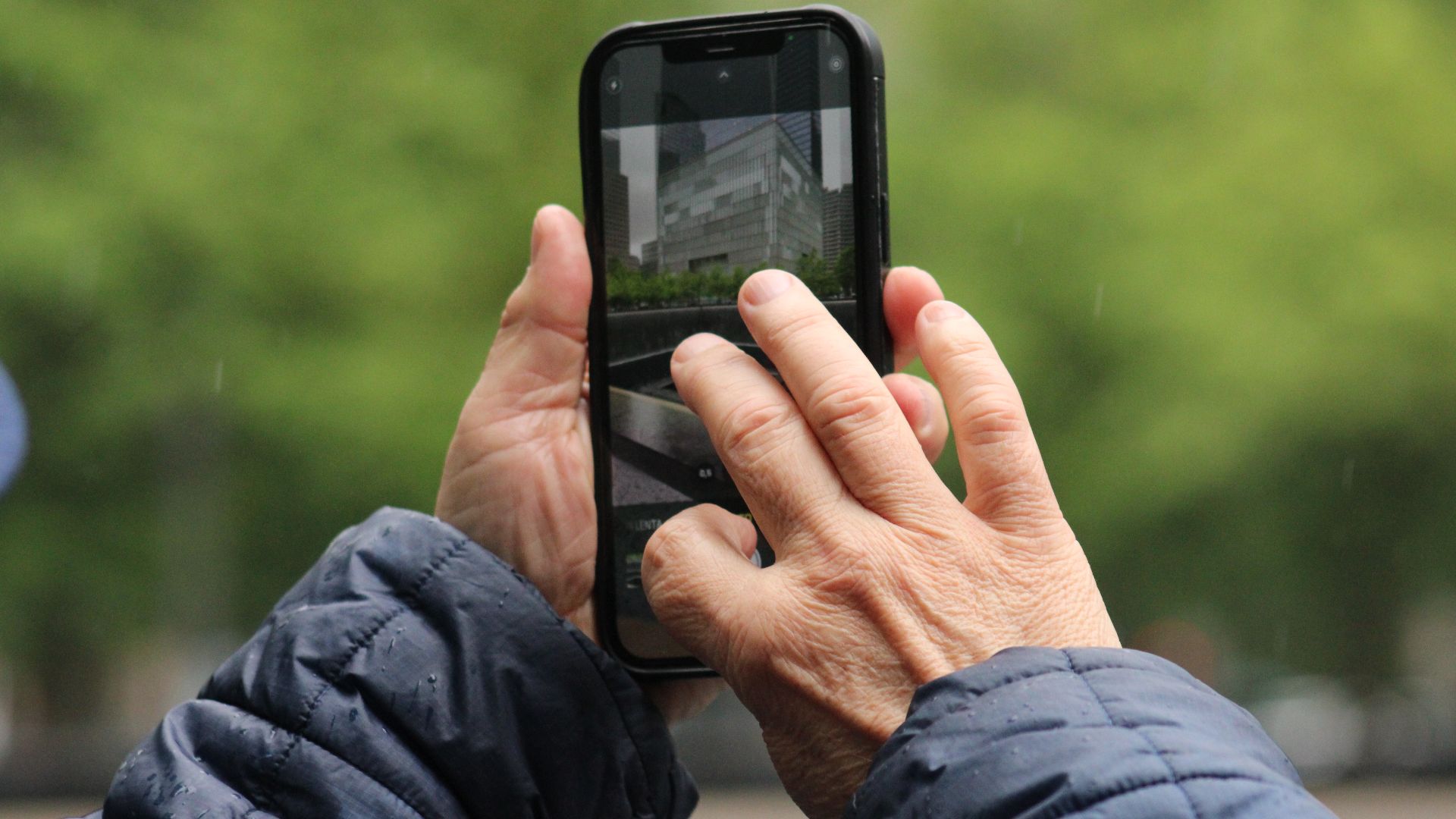
When a neighbor ignores a reasonable request, documentation becomes important. Photograph the water flowing onto your driveway, any residue left behind, and the condition of the surface afterward. Keep a record of the dates, frequency, and any cleaning expenses so you can explain exactly what's happening.
 Boaventuravinicius, Wikimedia Commons
Here's Who You Should Actually Call
If your neighbor's wastewater is reaching a storm drain, your municipal public works or environmental department is a sensible starting point. Seattle Public Utilities accepts reports of water pollution, including concerns involving soapy or muddy water. Toronto similarly directs residents to report suspected spills to 311, although reporting procedures differ elsewhere.

Could Washing His Car Earn Him A Fine?
Potentially, if his actions violate an enforceable local ordinance. Whether penalties apply depends on the municipality's rules, any exemptions, and what officials establish during an investigation. Reporting the problem doesn't guarantee a ticket, but it can bring the situation to the attention of the appropriate department.

Should You Call The Police Instead?
For a routine car-washing dispute, police generally aren't the best first contact. Local environmental or code-enforcement officials are better suited to investigating prohibited wastewater discharges. If your neighbor becomes threatening or violent, however, the situation is no longer simply about a dirty driveway.
Can You Make Him Pay For The Cleanup?
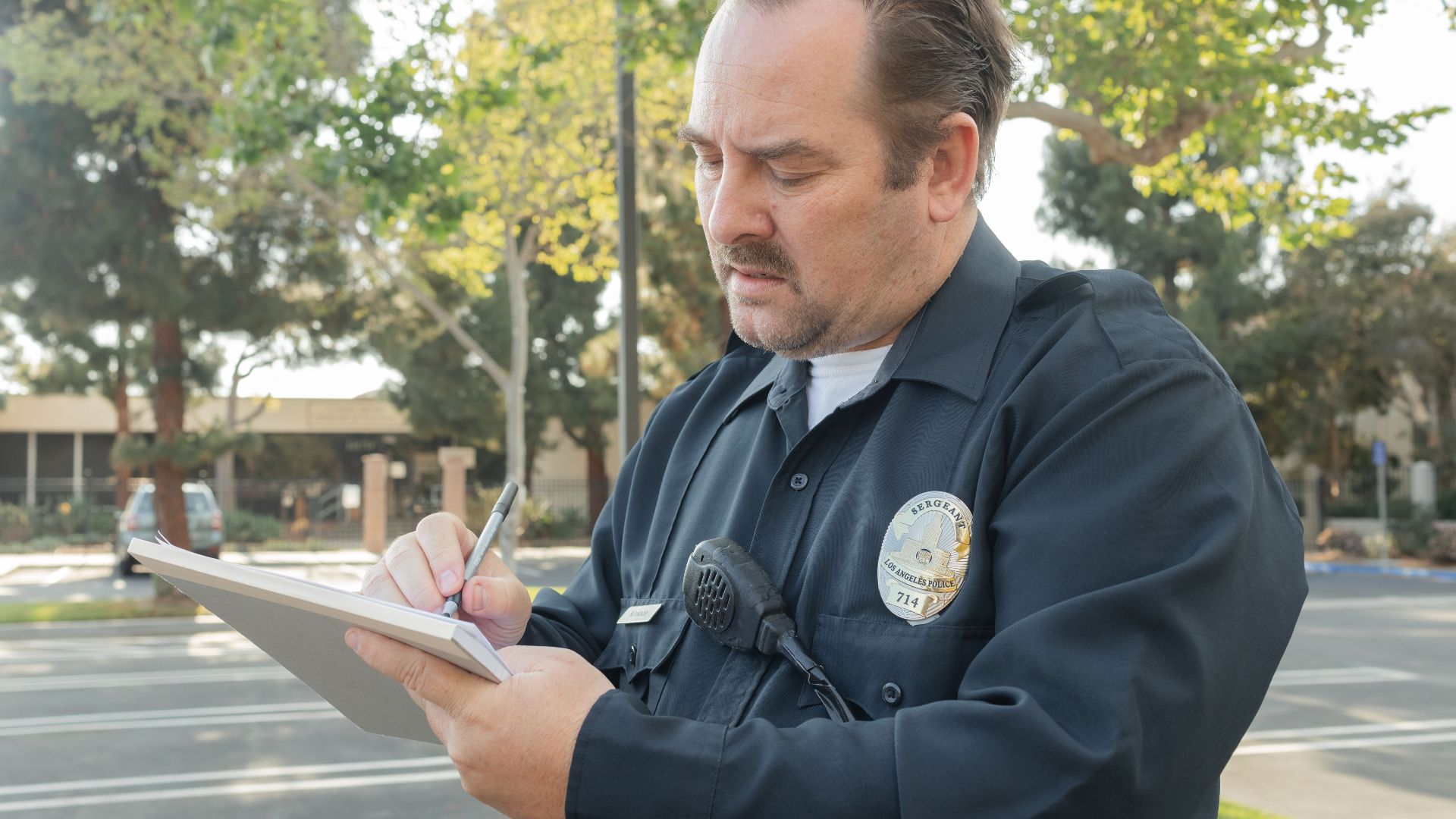
If your neighbor's actions cause a legally recoverable loss, compensation may be possible through a civil claim. You'll need evidence of the loss and a legal basis for holding him responsible, rather than simply arguing that his behavior is inconsiderate. Keep relevant receipts, photographs, and estimates, especially if the driveway requires professional cleaning or repairs.

Could You Take Him To Small Claims Court?
Small claims court may be an option if you have a qualifying monetary claim and supporting evidence. Filing rules, dollar limits, and the kinds of disputes these courts hear vary by jurisdiction. Before filing, consider whether your documented losses justify the expense and effort, and remember that a money judgment may not stop future washing.

Could A Judge Actually Order Him To Stop?
In some circumstances, courts can issue injunctions requiring someone to stop an activity that unlawfully interferes with another person's rights. However, an injunction isn't automatic, and courts consider whether monetary compensation would adequately address the harm. For a relatively minor neighborhood dispute, pursuing such an order may be more complicated and expensive than other solutions.

Whatever You Do, Don't Block The Street
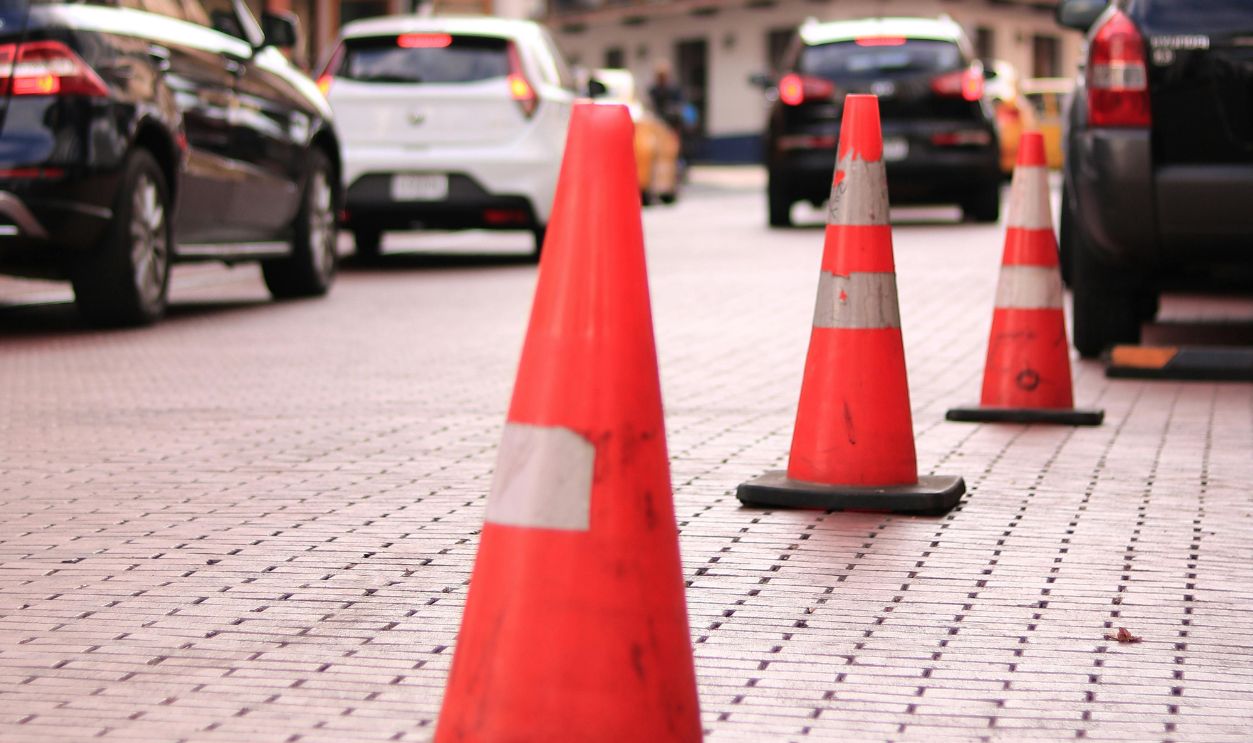
Putting cones outside your house or deliberately obstructing the parking space might feel like an easy solution. Unfortunately, you generally can't reserve a public parking spot simply because it's outside your property. Blocking the street or interfering with your neighbor's vehicle could create a separate legal problem for you.
There's Still A Way To Avoid A Neighborhood War
If direct conversation fails, community mediation may offer a less confrontational alternative to litigation. A neutral mediator can help both parties agree on where the car will be washed and how wastewater will be managed. An agreement that keeps the soap off your driveway may be more valuable than spending months arguing over who's right.

So Can You Actually Make Him Stop?
You may be able to stop the unwanted runoff, even if you can't stop your neighbor from parking outside your home. Local wastewater regulations, nuisance law, or evidence of property damage could provide grounds for action, depending on where you live. The smartest approach is to document the problem, check local rules, and escalate through the appropriate channels if a reasonable request doesn't work.

You May Also Like:
The Bestselling Cars In America The Year You Graduated High School
Plymouth Beat Ford To Market With The Barracuda—So Why Did The Mustang Become The Icon?