Your Street Isn't His Personal Storage Lot
Your neighbor has a work trailer, and somehow your house has become its permanent parking spot. Day after day, you're stuck looking at his business equipment while he insists he's doing nothing wrong because it's a public street. You don't own the curb, but surely that doesn't mean he can claim it indefinitely.
So, how much freedom does he really have to turn your neighborhood into his personal storage yard?

You Don't Actually Own The Curb
Here's the frustrating part: your neighbor generally has as much right to use public parking as you do. The space outside your house usually isn't reserved for you, even if you've parked there for years. However, his right to park comes with restrictions that could work in your favor.
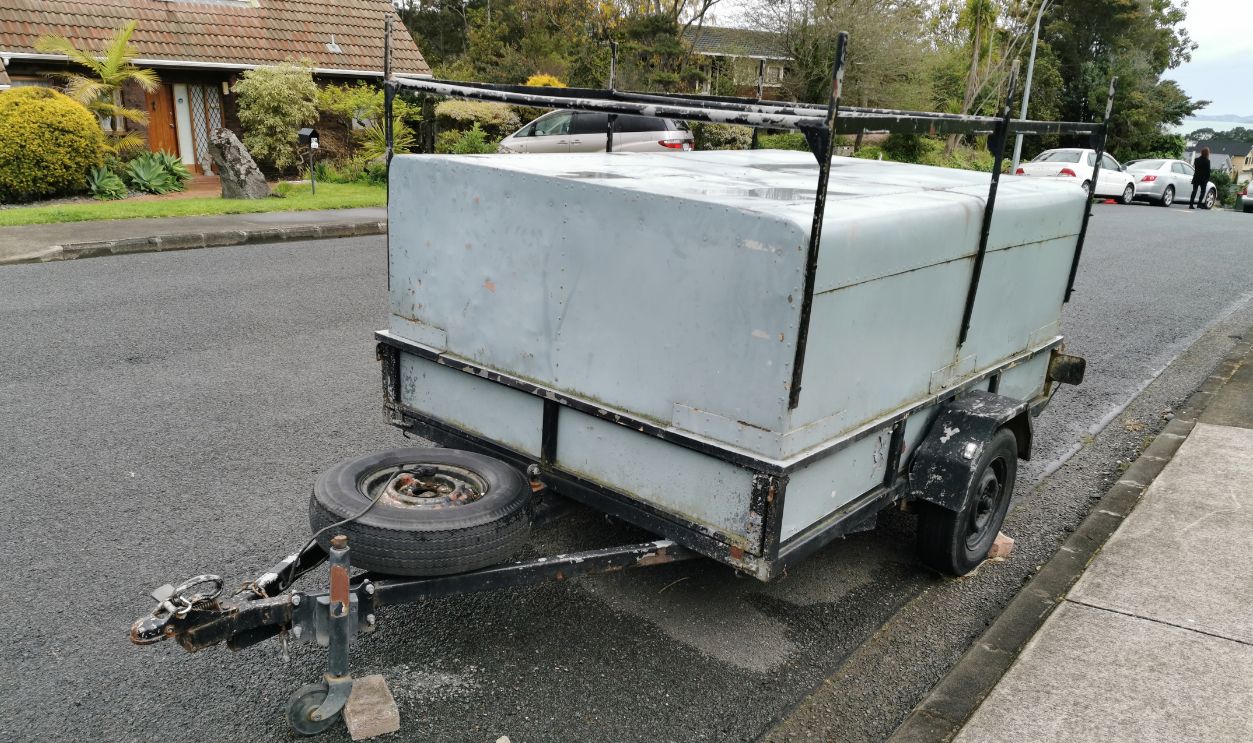
The Rules Aren't The Same Everywhere
There's no single nationwide law governing work trailers on residential streets. Some cities prohibit certain trailers entirely, while others focus on parking duration or vehicle size. Whether your neighbor is breaking the law depends on your municipality's specific regulations.
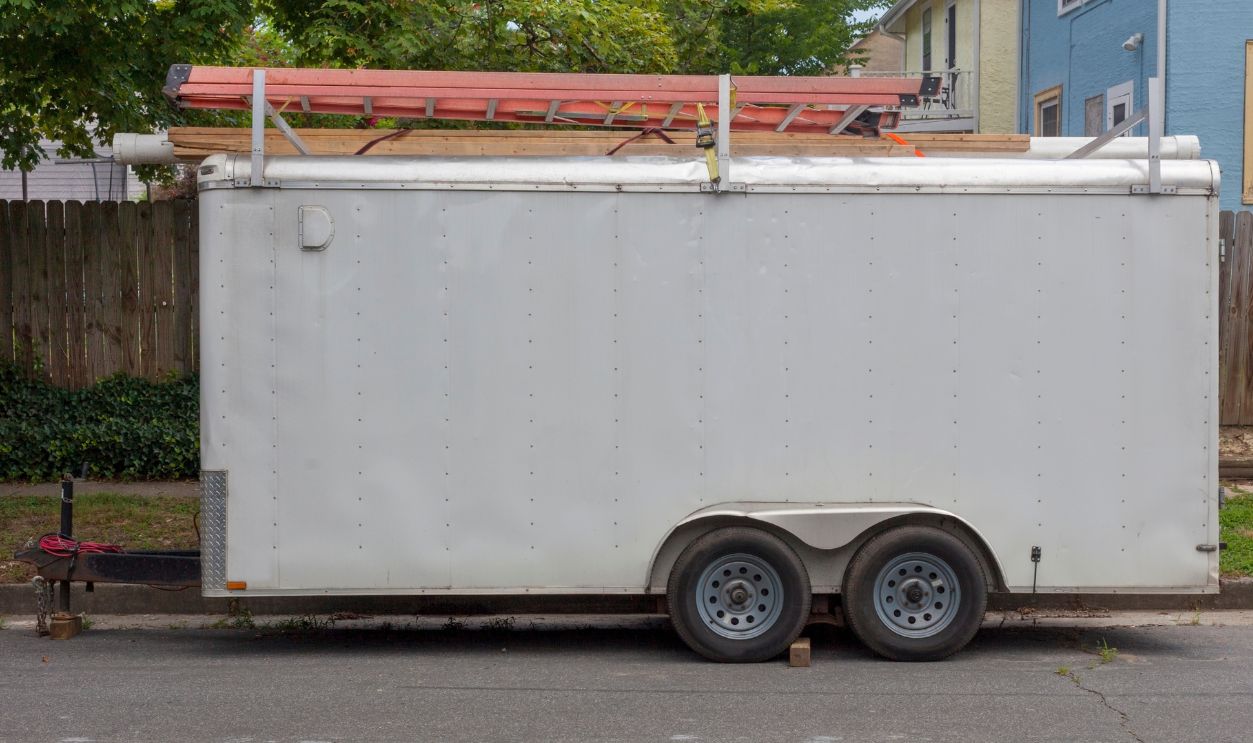
What Kind Of Trailer Is He Parking?
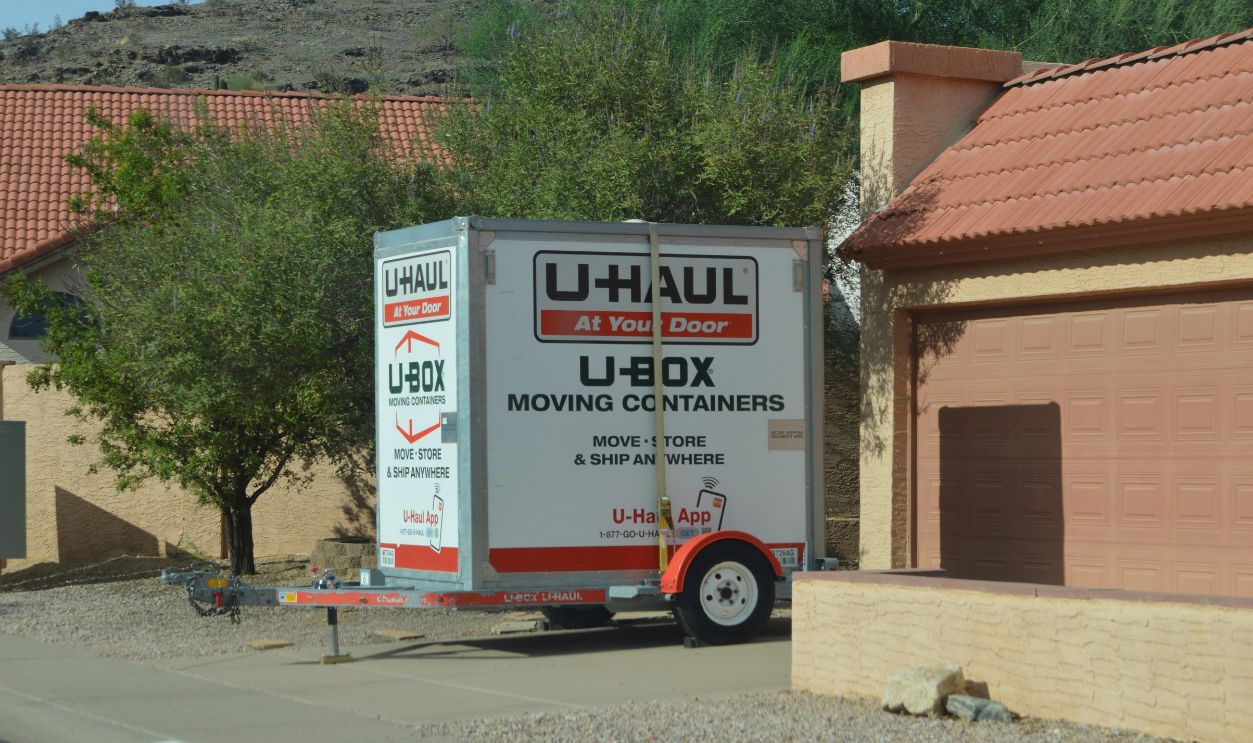
Before checking the rules, identify exactly what your neighbor is leaving outside. An enclosed contractor trailer, small utility trailer, and heavy equipment trailer may fall under different local definitions. Those distinctions can determine which parking restrictions apply.
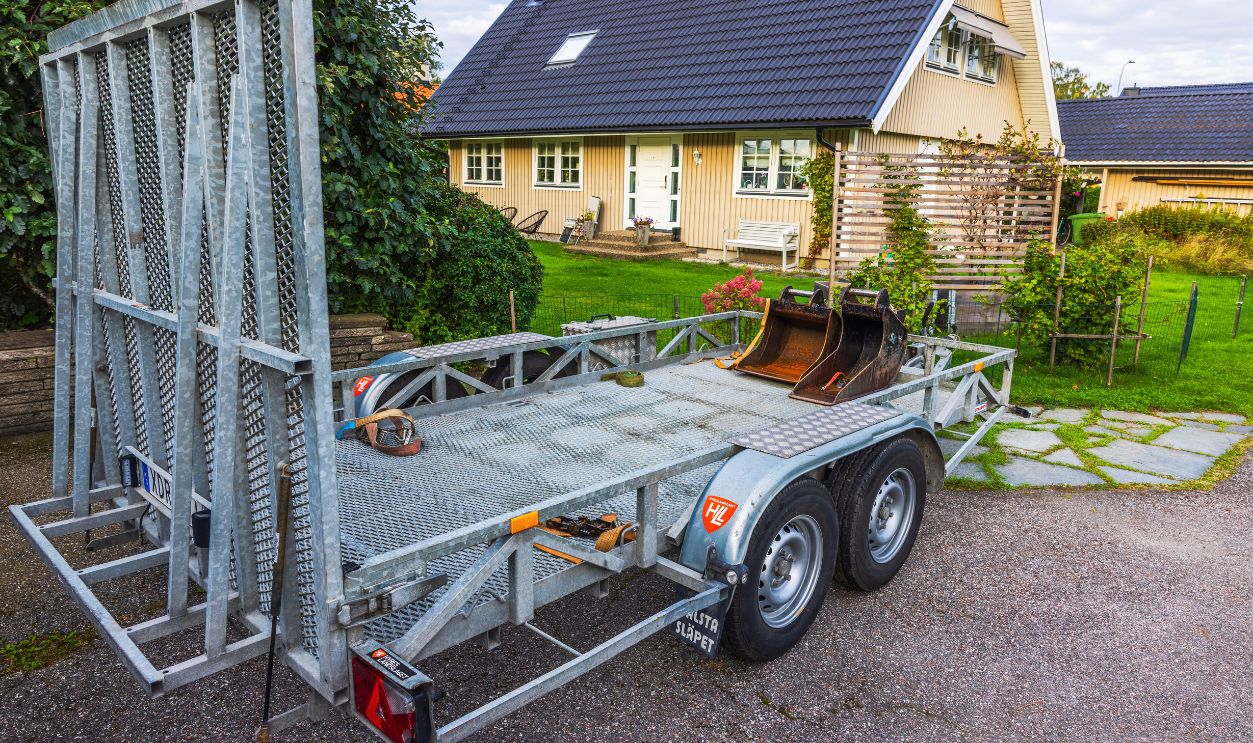
An Unhitched Trailer Could Be Illegal Immediately
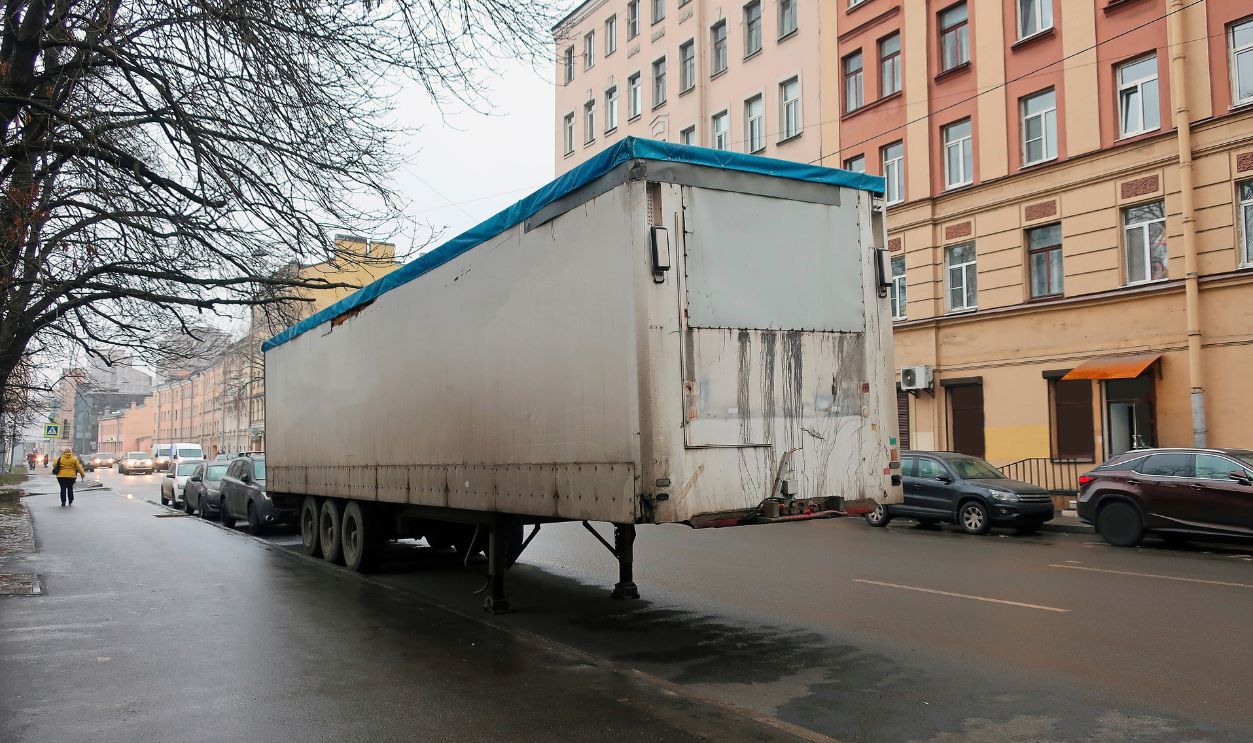
If your neighbor disconnects his trailer and leaves it on the street, he could already be breaking the rules. Irvine, California, prohibits detached trailers from parking on city streets, with violators subject to citations. In cities with similar restrictions, leaving the trailer unhitched can trigger a violation regardless of how long it stays.
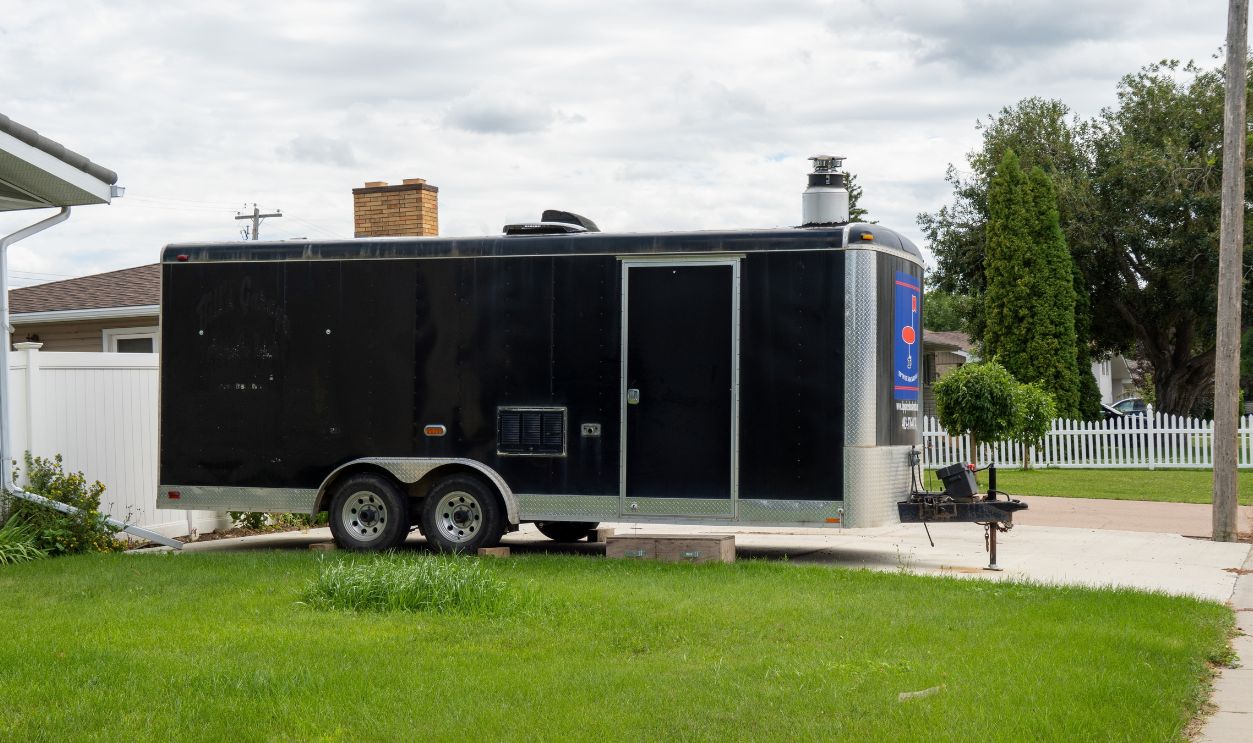
That Oversized Trailer Raises Another Question
Even an attached trailer can cause problems if the setup exceeds local size limits. Seattle prohibits vehicles wider than 80 inches from parking on most streets and alleys between midnight and 6 a.m. Irvine also prohibits vehicles taller than 84 inches from parking on public roadways.
Even The License Plate Can Make A Difference
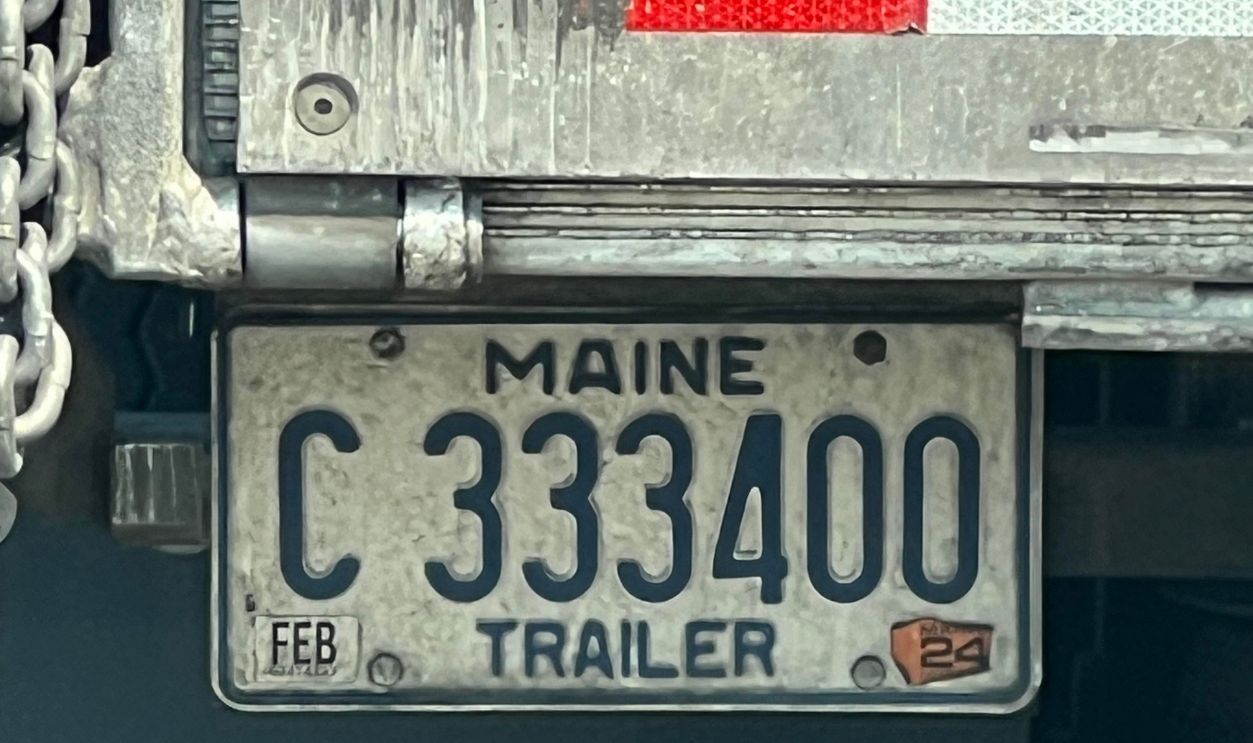
Check whether your neighbor's trailer has a valid license plate. Seattle warns that vehicles parked on public streets with missing plates or expired registration tabs may be ticketed. A missing or expired plate doesn't automatically establish a violation everywhere, but it's another detail worth reporting.
 Dylanhatfield.com, Shutterstock
Running A Business Changes The Equation
Commercial vehicles can face restrictions that don't apply to ordinary passenger cars. New York City generally limits commercial vehicle parking to three hours unless signs permit otherwise. Whether your neighbor's trailer qualifies depends on the city's legal definitions, not simply whether he uses it for work.
The Parking Clock Might Already Be Running
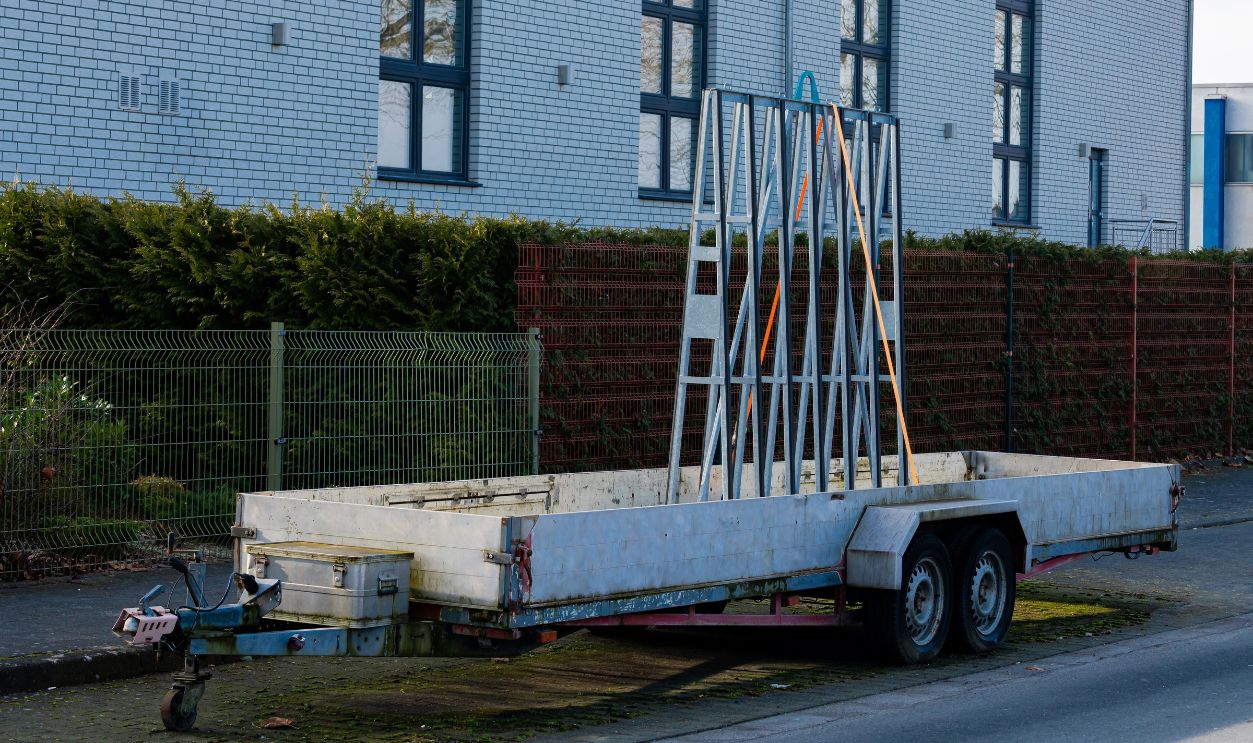
Your neighbor doesn't necessarily have to leave the trailer for days before exceeding a parking limit. Toronto generally restricts public street parking to three hours unless an exception applies. Other cities impose different limits, so even a single afternoon could be enough to cause trouble.
Seventy-Two Hours Isn't A Free Pass Everywhere
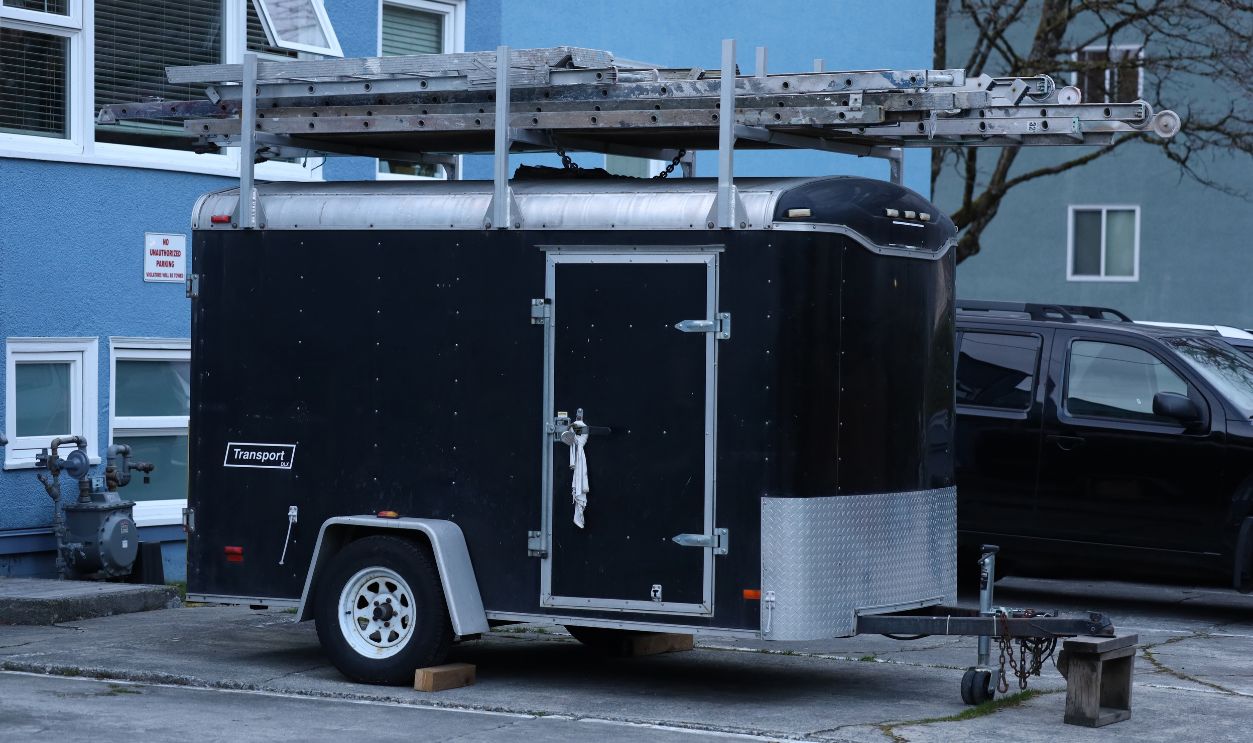
You may have heard that vehicles can remain parked for 72 hours without consequences. Seattle has a 72-hour limit, while New York City generally prohibits leaving any vehicle in the same spot for more than seven consecutive days, with stricter rules for commercial vehicles. Neither city's limit gives drivers unlimited permission to store trailers on residential streets.
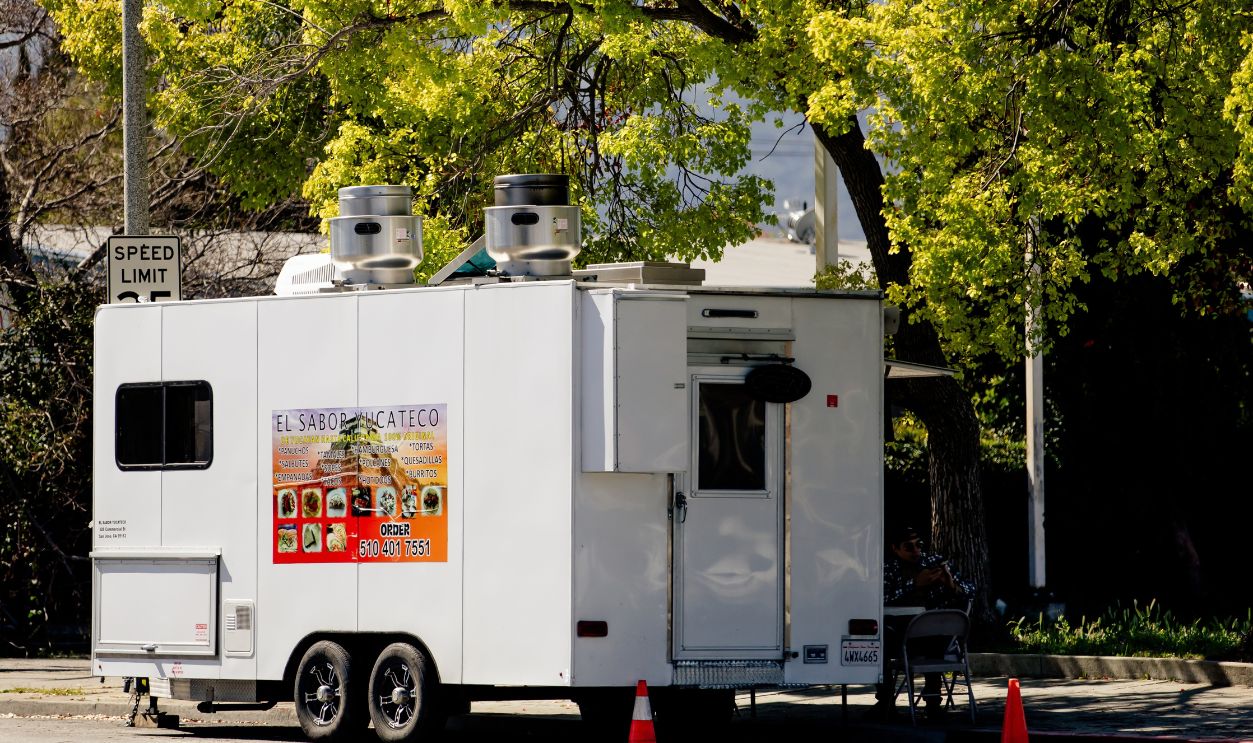
Moving It A Few Feet Might Not Work
Your neighbor might try shifting the trailer whenever someone complains. Seattle requires vehicles to leave the blockface at least once every 72 hours, so moving a few spaces on the same side of the block isn't sufficient. If your municipality uses a similar rule, you'll want to document where the trailer actually moves.
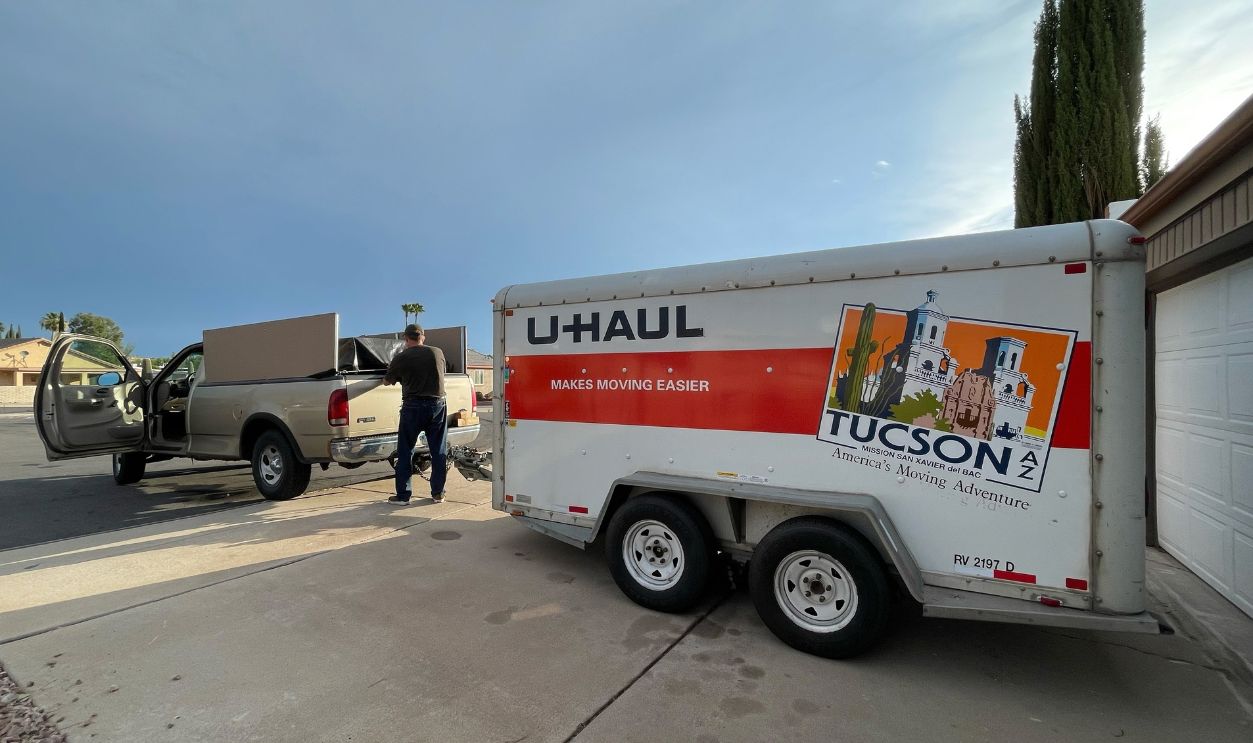
Overnight Parking Could Be The Real Problem
Maybe your neighbor only brings the trailer home after work and leaves it until morning. New York City generally prohibits commercial vehicles from parking on residential streets between 9 p.m. and 5 a.m., subject to exceptions. His daytime parking arrangement might therefore be legal even when his overnight routine isn't.
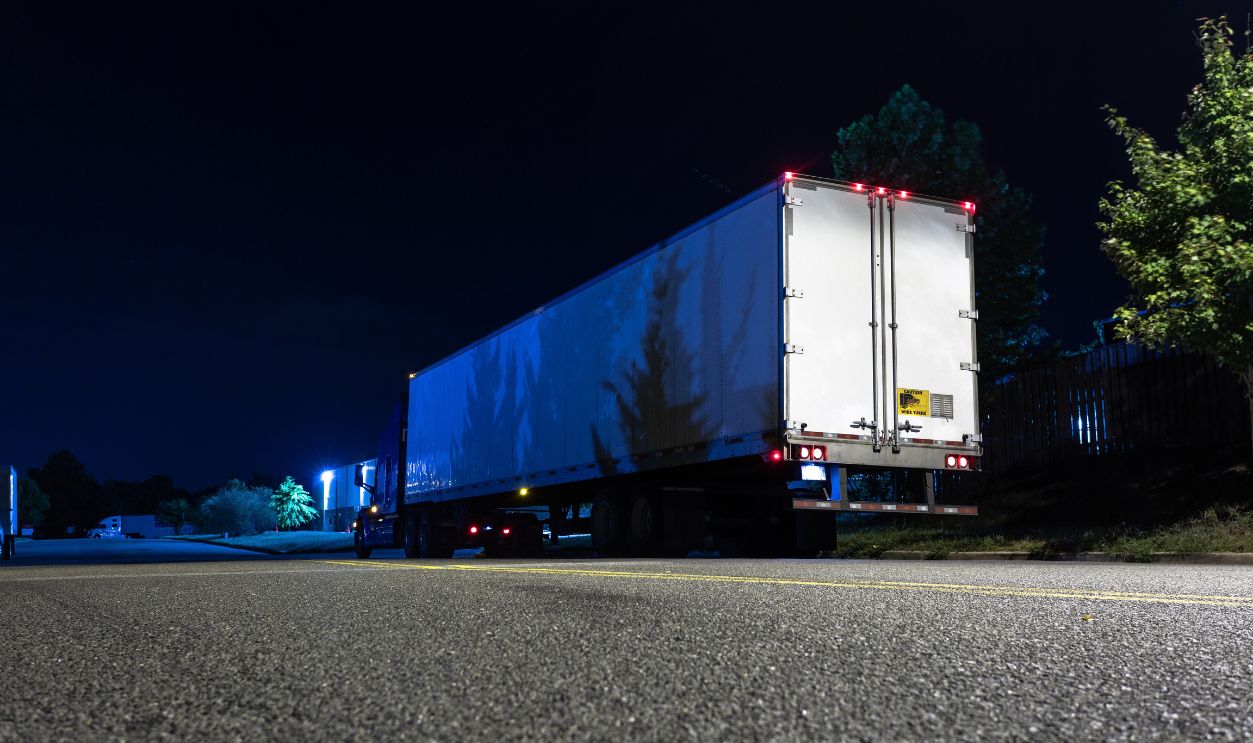
What If He Claims To Have A Permit?
Your neighbor might insist that a permit allows him to park there. But permits typically come with conditions, and having one doesn't necessarily authorize long-term equipment storage. Toronto, for example, excludes recreational vehicles, including trailers, from its temporary on-street parking permit program.

Contractors Sometimes Get Special Treatment
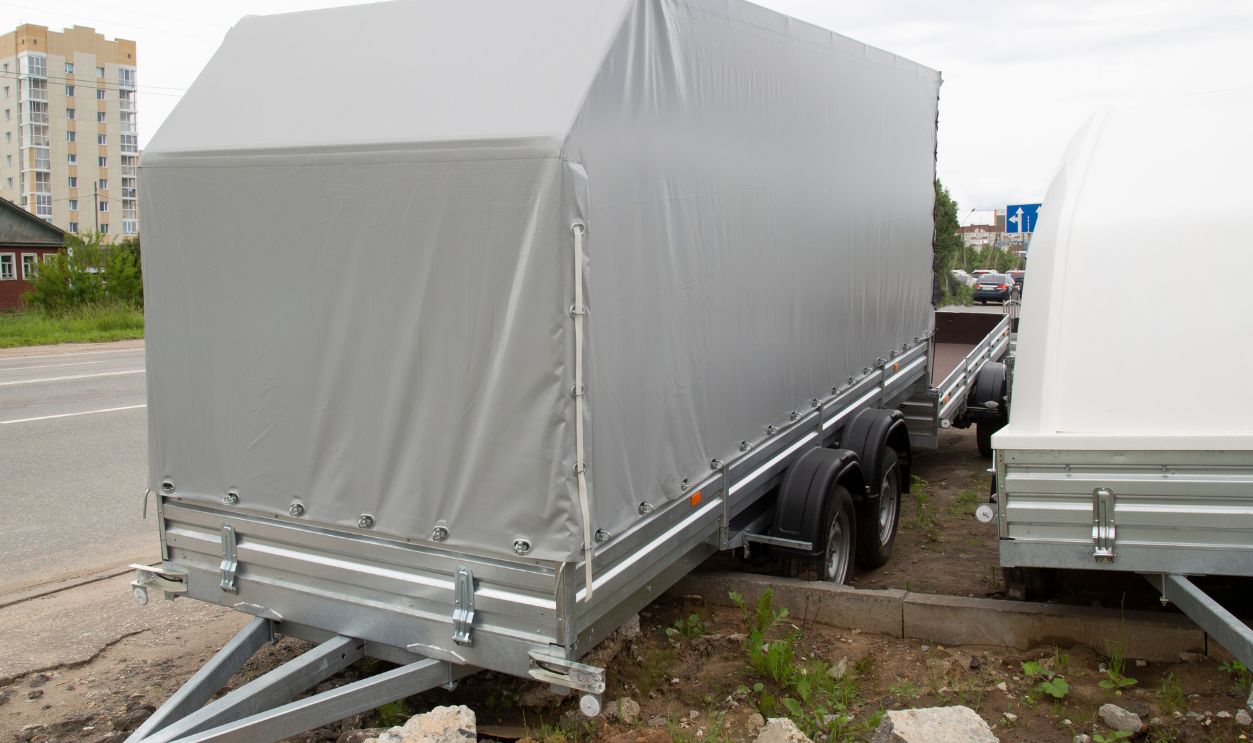
There's a difference between parking equipment while working and storing it between jobs. Municipalities may authorize temporary street use for construction, deliveries, or utility work under specified conditions. Your neighbor's claim that he needs the trailer for his business doesn't automatically establish that he has permission to leave it outside your house.
 Potashev Aleksandr, Shutterstock
Blocking Your Driveway Is A Separate Issue
Even if the trailer satisfies the general parking rules, its position could create another violation. Seattle requires parked vehicles to remain at least five feet from driveways. If your neighbor's trailer encroaches on a required clearance, you may have grounds for a complaint regardless of how long it's been there.
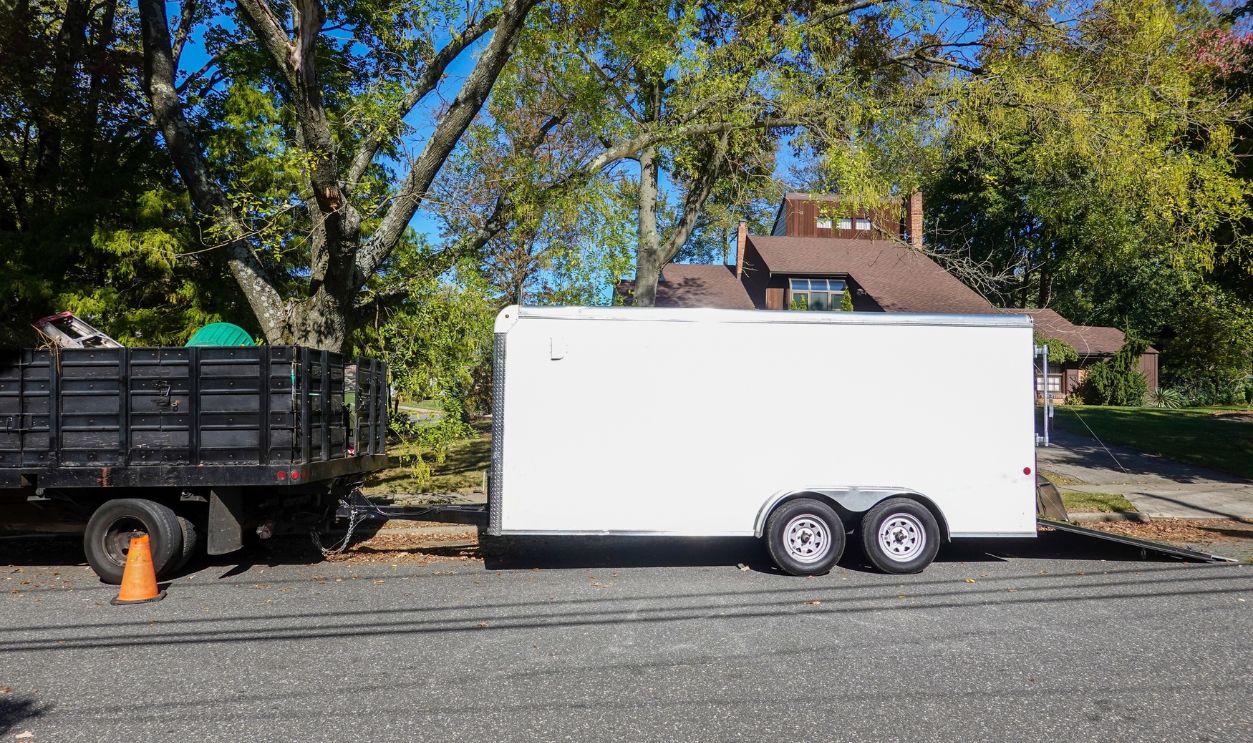
What If You Can't See Around It?
A large enclosed trailer can make backing out of your driveway more difficult. It may obstruct your view of approaching vehicles, cyclists, or pedestrians, particularly on a busy street. Poor visibility alone doesn't automatically prove a parking violation, but it's a legitimate concern to explain when asking officials to review the situation.
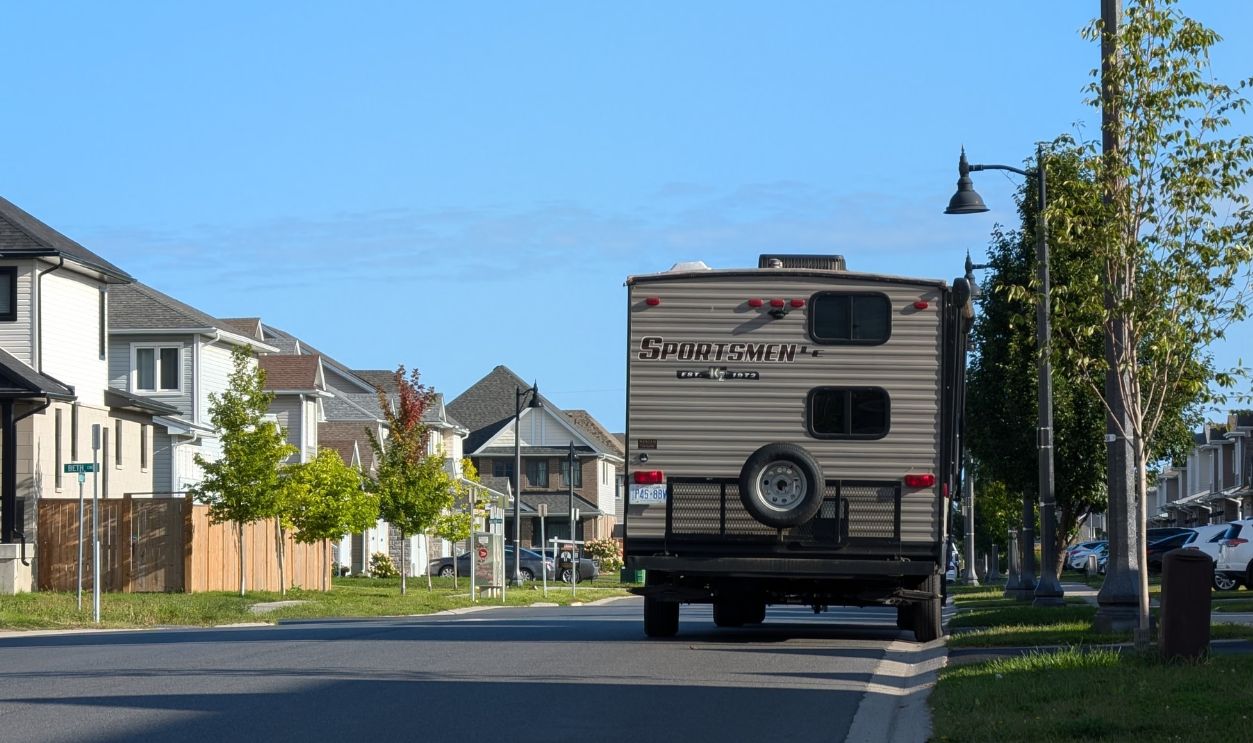
Fire Hydrants And Crosswalks Matter Too
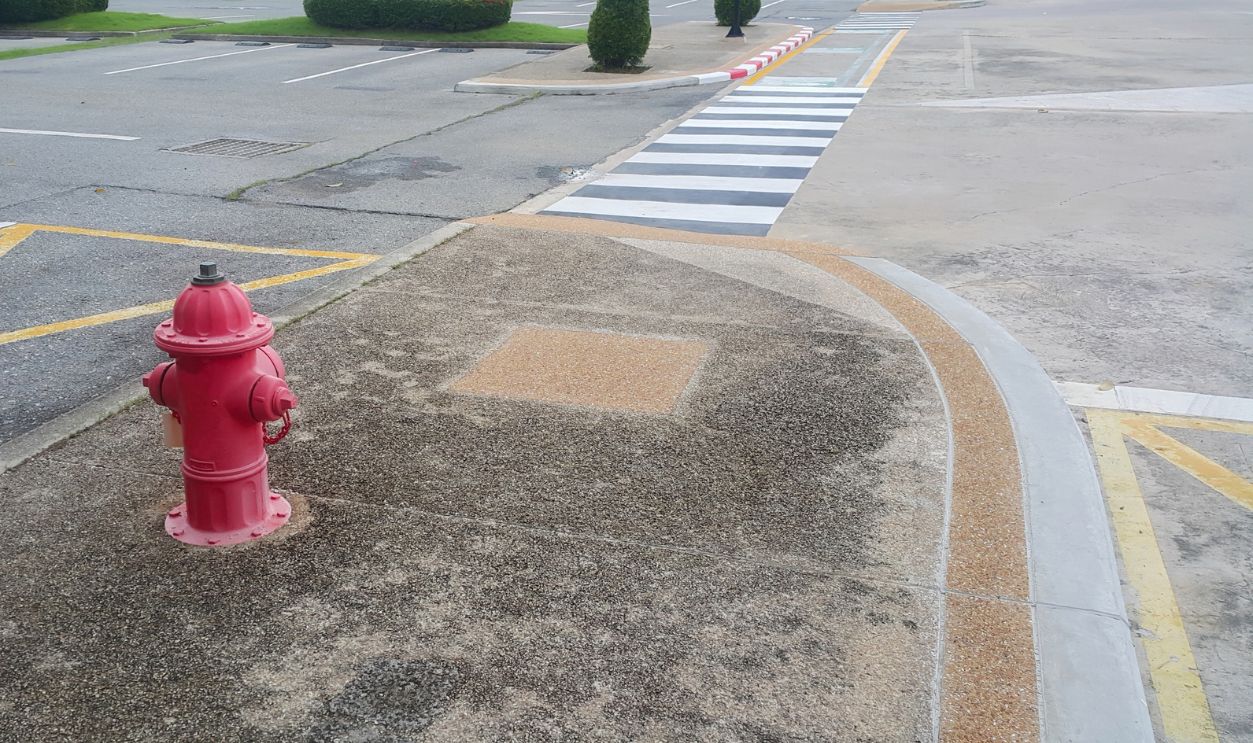
Your neighbor's trailer might be parked too close to something that needs to remain accessible. Seattle requires vehicles to stay at least 15 feet from fire hydrants, 20 feet from crosswalks, and 30 feet from stop or yield signs. Those restrictions can apply even when the trailer hasn't exceeded a parking time limit.
A Legal Spot Can Become Off-Limits
Temporary parking restrictions can make an otherwise acceptable space unavailable. Seattle allows restrictions for activities such as utility work, street cleaning, and special events, sometimes with just 24 hours' notice. If your neighbor leaves his trailer unattended, he risks missing a new restriction and potentially facing a ticket or tow.
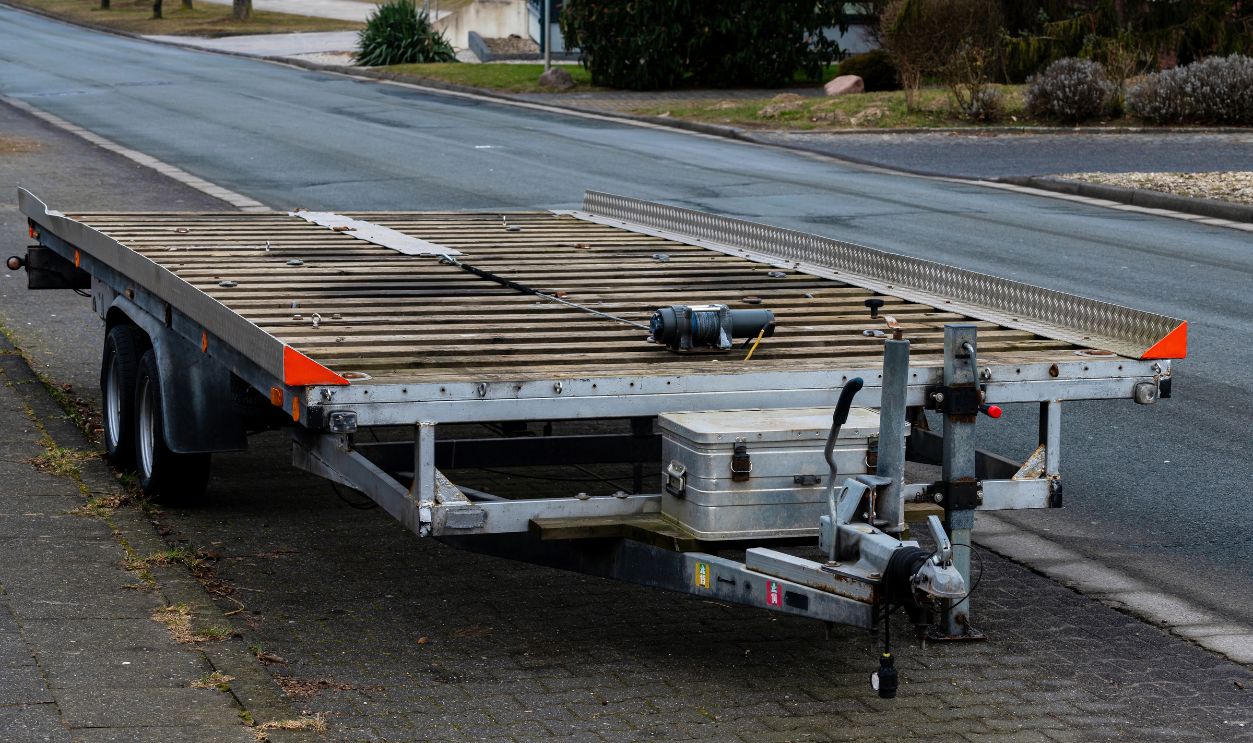
What If He's Technically Doing Nothing Wrong?
Here's the answer you probably won't like: your neighbor might actually be entitled to park there. If his trailer complies with every applicable regulation, you generally can't force him to move simply because you'd prefer the space. Annoying parking behavior and illegal parking aren't necessarily the same thing.
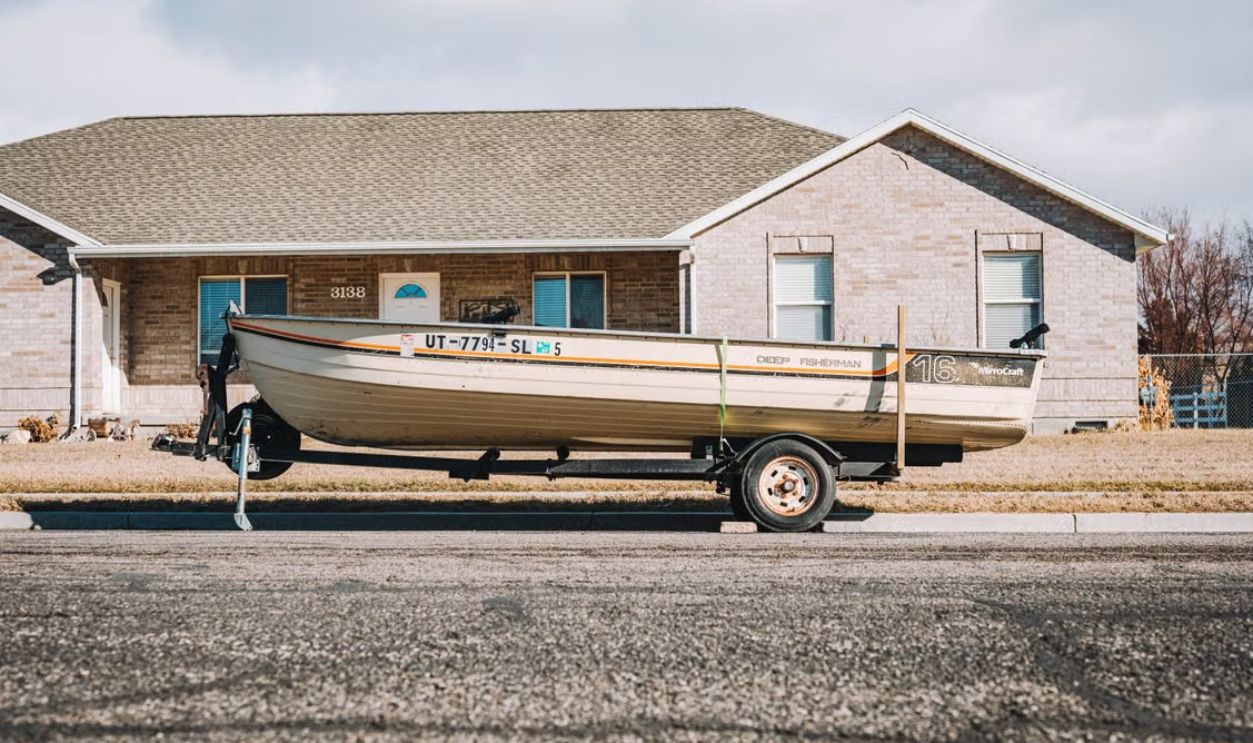
A Conversation Might Be Worth Trying
Before filing a complaint, consider speaking with your neighbor if you feel comfortable doing so. Explain how the trailer affects your parking or driveway access, and ask whether he has another place to store it. A practical request might get better results than immediately accusing him of breaking the law.

But You Don't Have To Keep Arguing
If your neighbor refuses to cooperate, you don't need to settle the legal question yourself. Parking enforcement officials can investigate whether his trailer violates local regulations. That gives you an alternative to repeatedly confronting someone who insists he has every right to stay.

Find The Rule Before Making Your Complaint
Your first step should be checking your municipality's official parking regulations. Search for rules covering detached trailers, commercial equipment, oversized vehicles, and parking duration. Having a specific suspected violation to describe makes your complaint clearer and easier to assess.

A Few Photographs Could Help Your Case
If the trailer regularly stays outside for days, document what you observe. Record its location, license plate, and the dates and times it's parked there. Photographs can help show whether the trailer remains in the same position or creates a clearance problem.
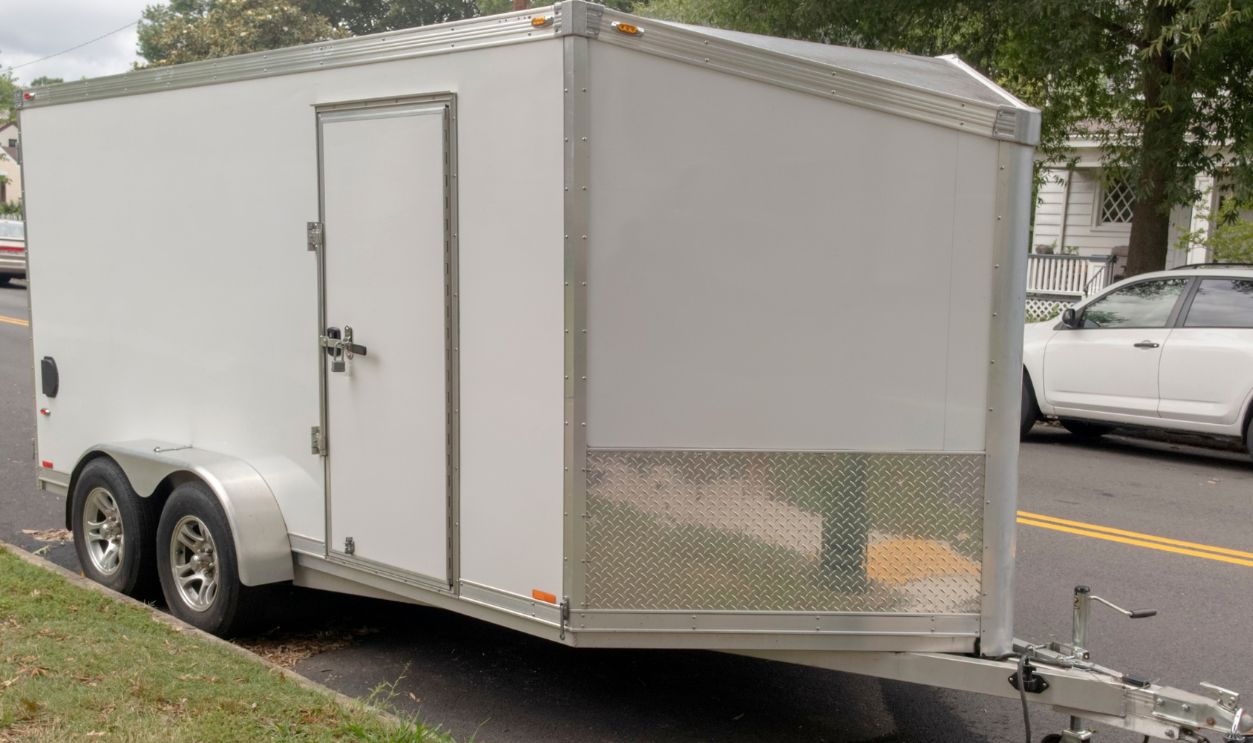
You Can Report It Without Calling 911
Routine parking disputes generally belong with municipal parking enforcement or a non-emergency reporting service. Seattle, for example, accepts reports of vehicles left beyond 72 hours through its Find It, Fix It app or designated phone numbers. Describe the trailer and suspected violation, then let officials determine whether enforcement is warranted.
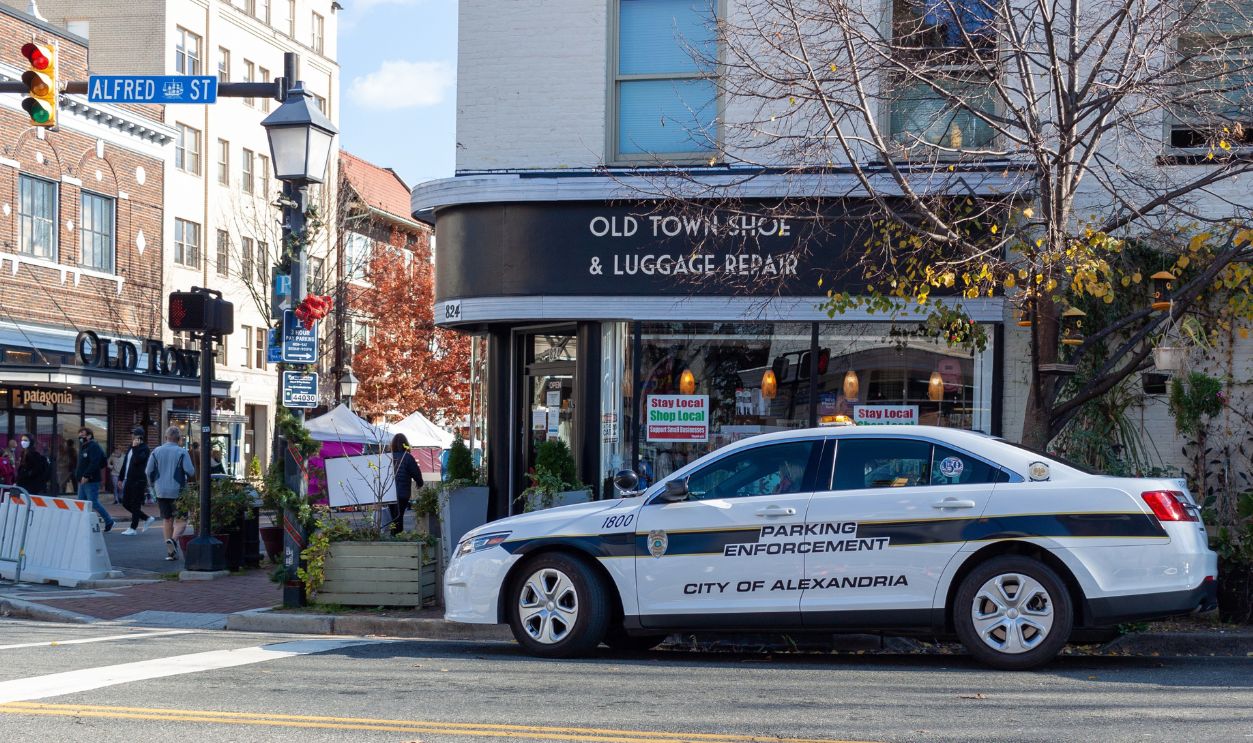
Don't Expect An Immediate Tow Truck
Even if the trailer violates a parking rule, removal might not happen immediately. Seattle's 72-hour enforcement process generally starts with a warning notice, giving the owner a chance to move the vehicle. Ticketing or towing may follow, depending on the circumstances and applicable rules.
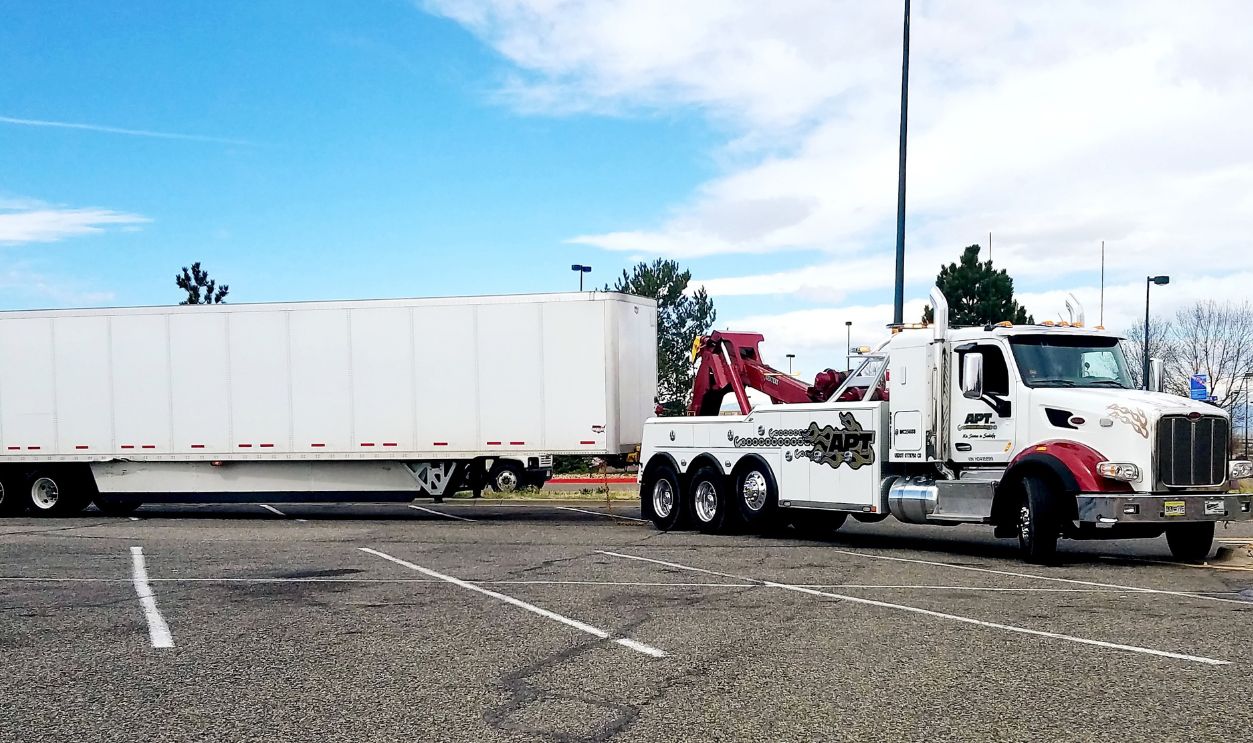
What If He Keeps Bringing It Back?
Suppose your neighbor moves the trailer after a warning, then returns a few days later. That doesn't automatically establish another violation, especially if a new permitted parking period has begun. Keep a record of subsequent incidents so you can report any fresh violations accurately.
 Around the World Photos, Shutterstock
You Can't Put Up Your Own No Parking Sign
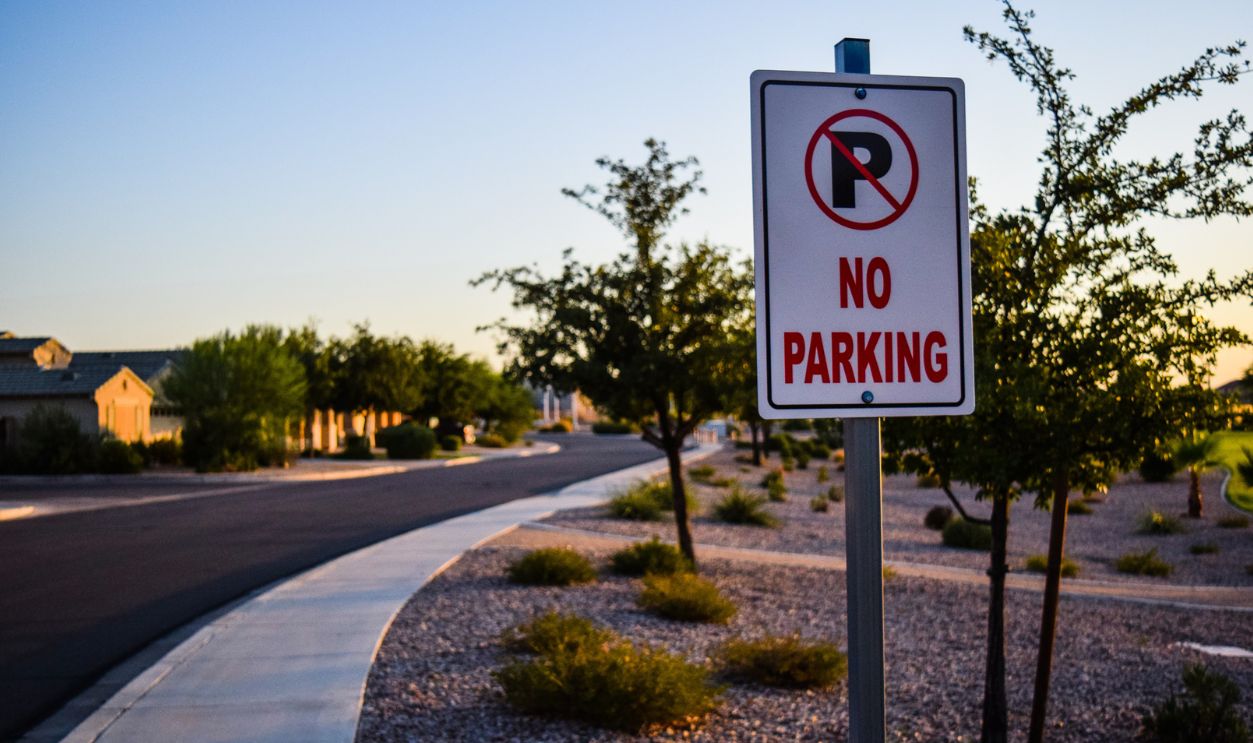
You might be tempted to install a sign declaring the curb outside your house off-limits. But private homeowners can't simply create enforceable parking restrictions on public streets. If the existing rules allow the trailer, ask your municipality about the process for requesting a parking regulation change instead.
 jlevinephotography, Shutterstock
So Can Your Neighbor Really Leave It There?
The answer is not automatically, regardless of how confidently your neighbor claims the street belongs to everyone. Restrictions on detached trailers, vehicle dimensions, commercial parking, and parking duration could all make his arrangement illegal. You can't reserve the public curb for yourself, but he can't treat it as unrestricted storage either. Check your local rules, document any violations, and let parking enforcement settle the question.
You May Also Like:
My car failed inspection because of a tiny rust hole. What happens if I ignore it?
The 25 Greatest Bikes In Billy Joel’s Legendary Motorcycle Collection