
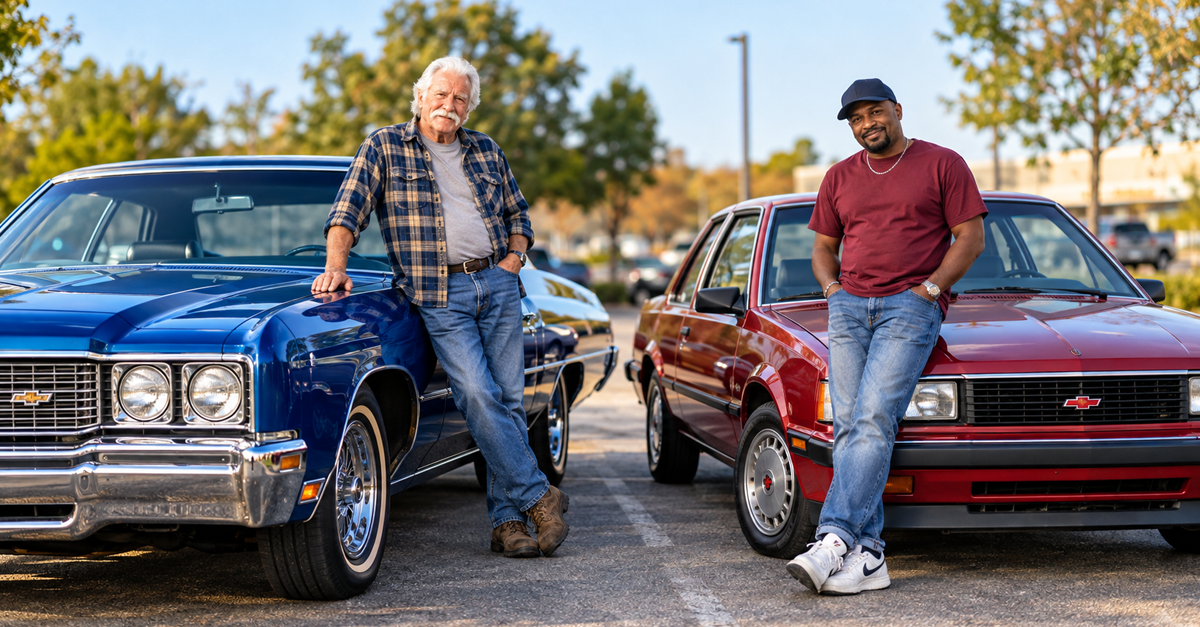
What Was Your Graduation Year's Top Car?
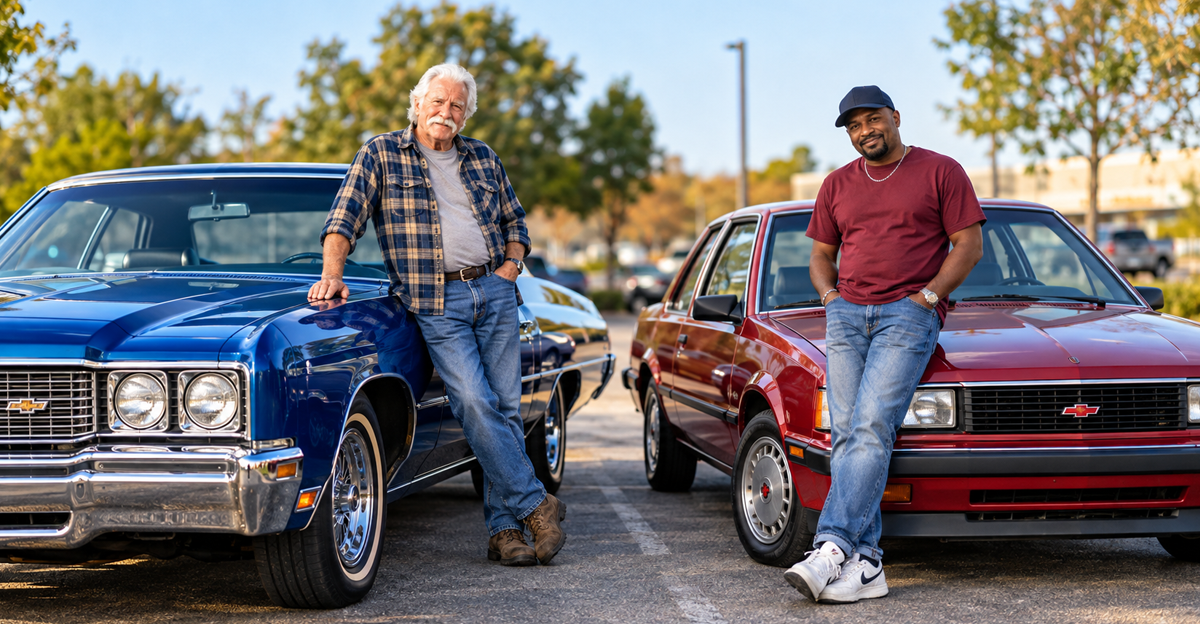
Graduation year meant freedom, big plans, and maybe your first set of car keys. But while some teenagers dreamed of Mustangs and Corvettes, the cars Americans actually bought told a very different story. From enormous Chevrolet sedans to compact Fords, America's favorites changed dramatically between 1970 and 1998. We looked back at decades of car sales data to find the biggest sellers from each graduation year.
So, which car ruled the roads when you walked across the graduation stage?
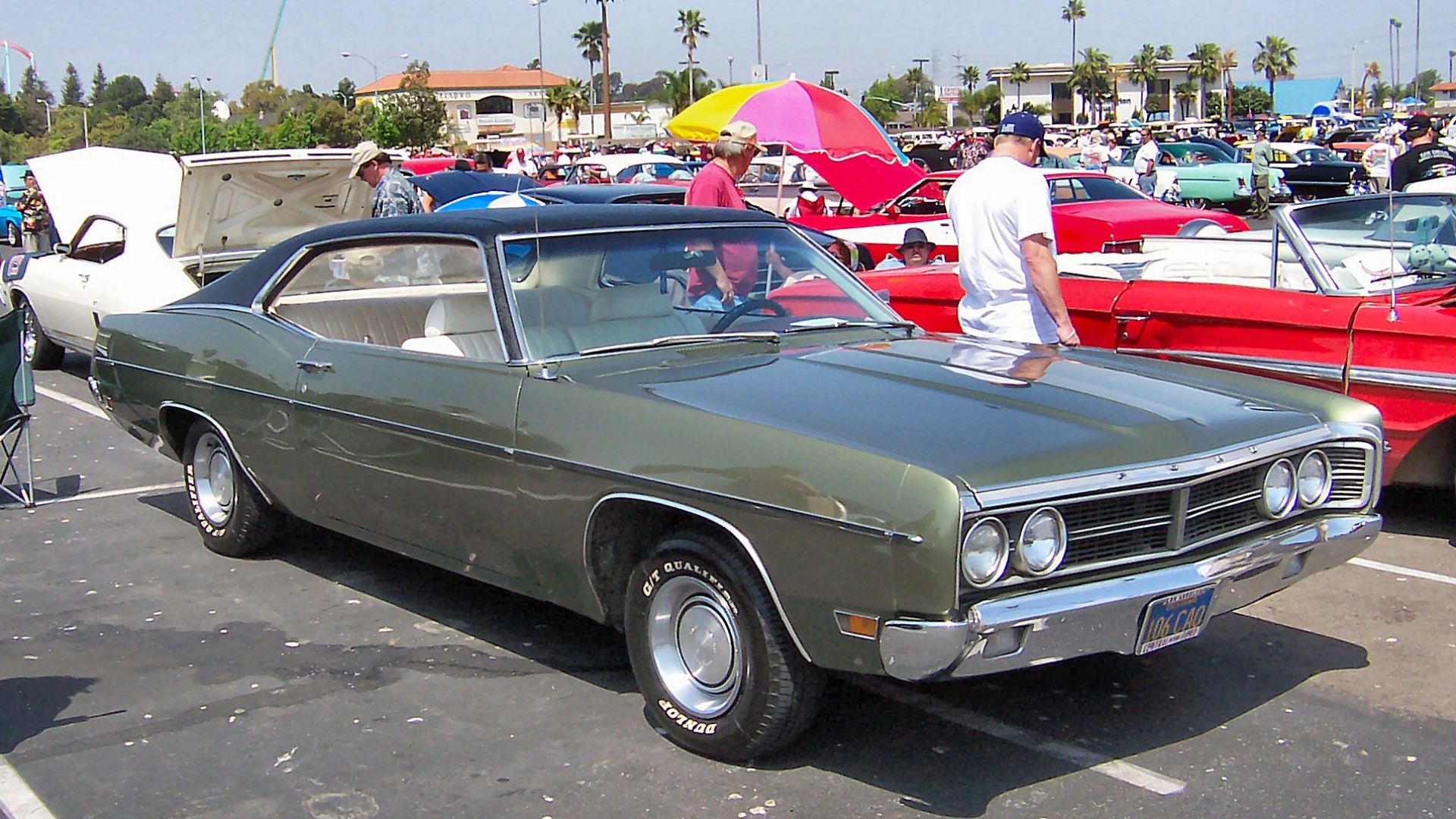
1970: Ford Galaxie 500 — Approx. 318,000 Sold
If you graduated in 1970, Ford's Galaxie 500 was one of the defining cars of the moment. A lengthy General Motors strike helped Ford's full-size lineup overtake Chevrolet in historical sales rankings. The Galaxie offered generous room, traditional styling, and six-cylinder or V8 power. For many families, a big Ford still represented the American dream.
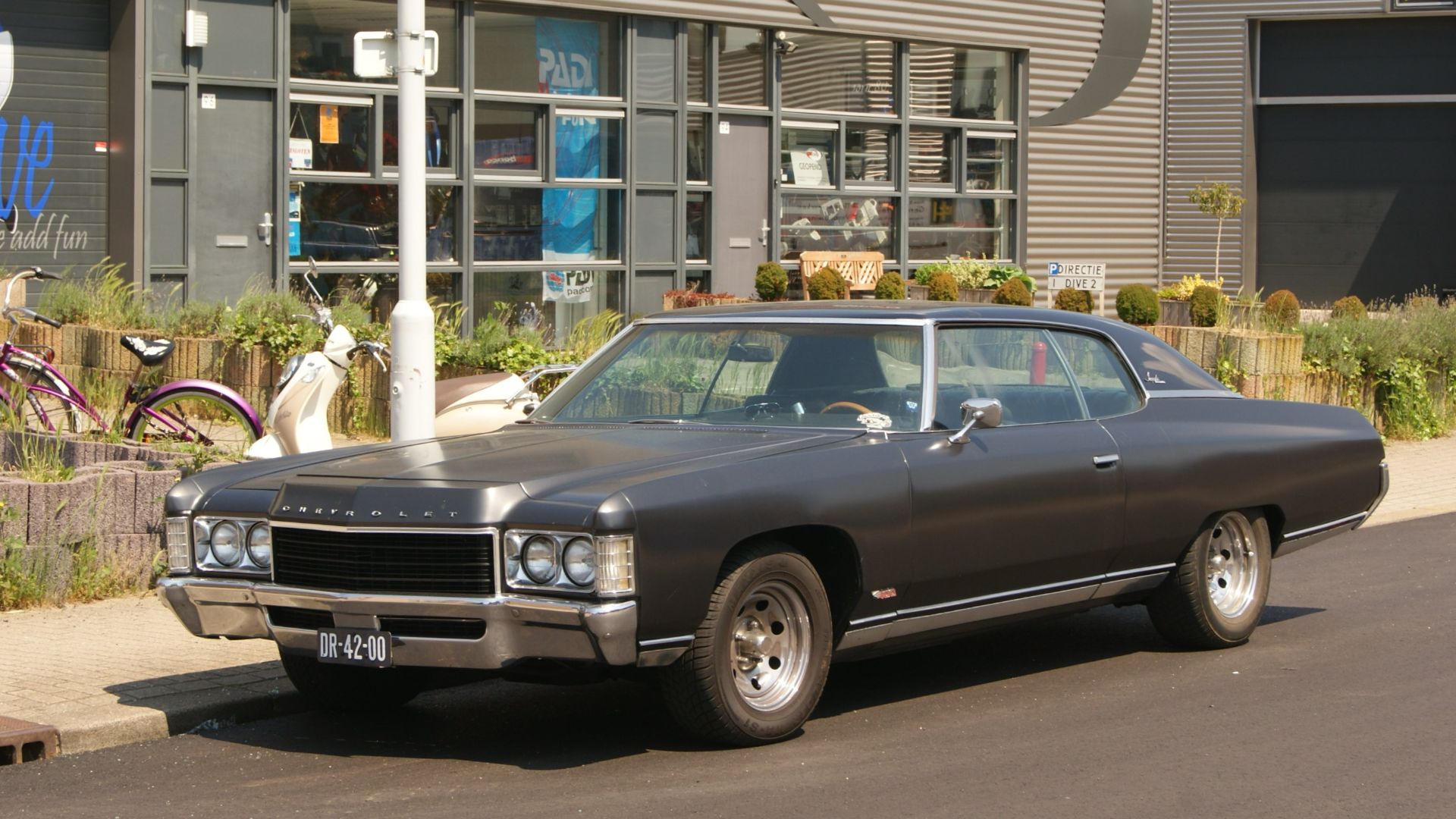
1971: Chevrolet Impala — Approx. 428,000 Sold
Chevrolet returned to prominence with a completely redesigned Impala for 1971. The full-size model offered an enormous interior, dramatic styling, and plenty of V8 power. Buyers could choose sedans, coupes, and a convertible, making the Impala a versatile family favorite. It represented an era when bigger was still considered better.
 Niels de Wit from Lunteren, The Netherlands, Wikimedia Commons
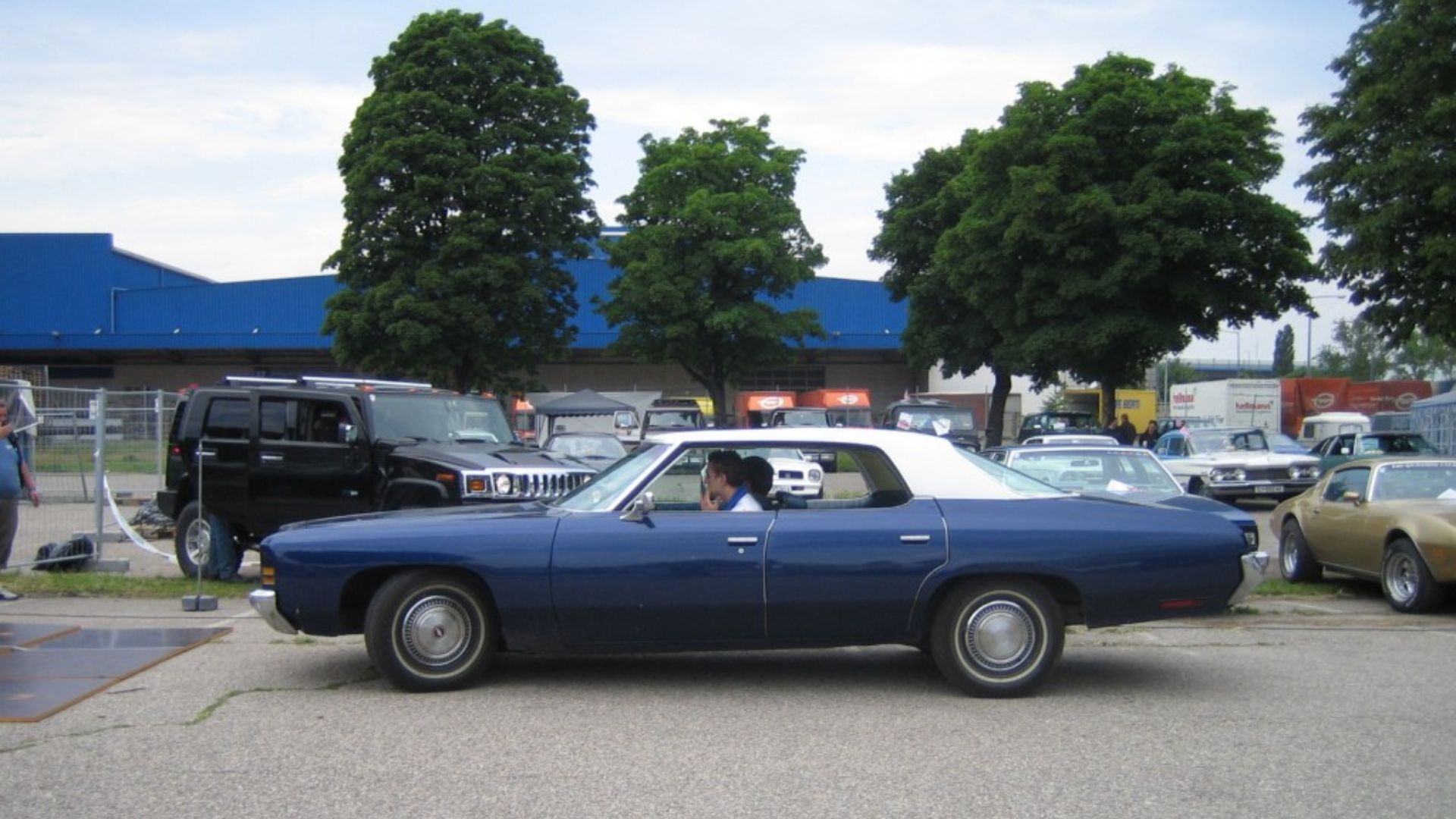
1972: Chevrolet Impala — Approx. 598,000 Sold
The Impala enjoyed another strong year in 1972, with production nearing 600,000 cars. Its long hood, spacious cabin, and powerful V8 options reflected America's continuing love of large automobiles. Chevrolet also offered the final Impala convertible of the decade. For graduates imagining endless highway trips, this was a familiar sight.
 Florian Sampl, Wikimedia Commons
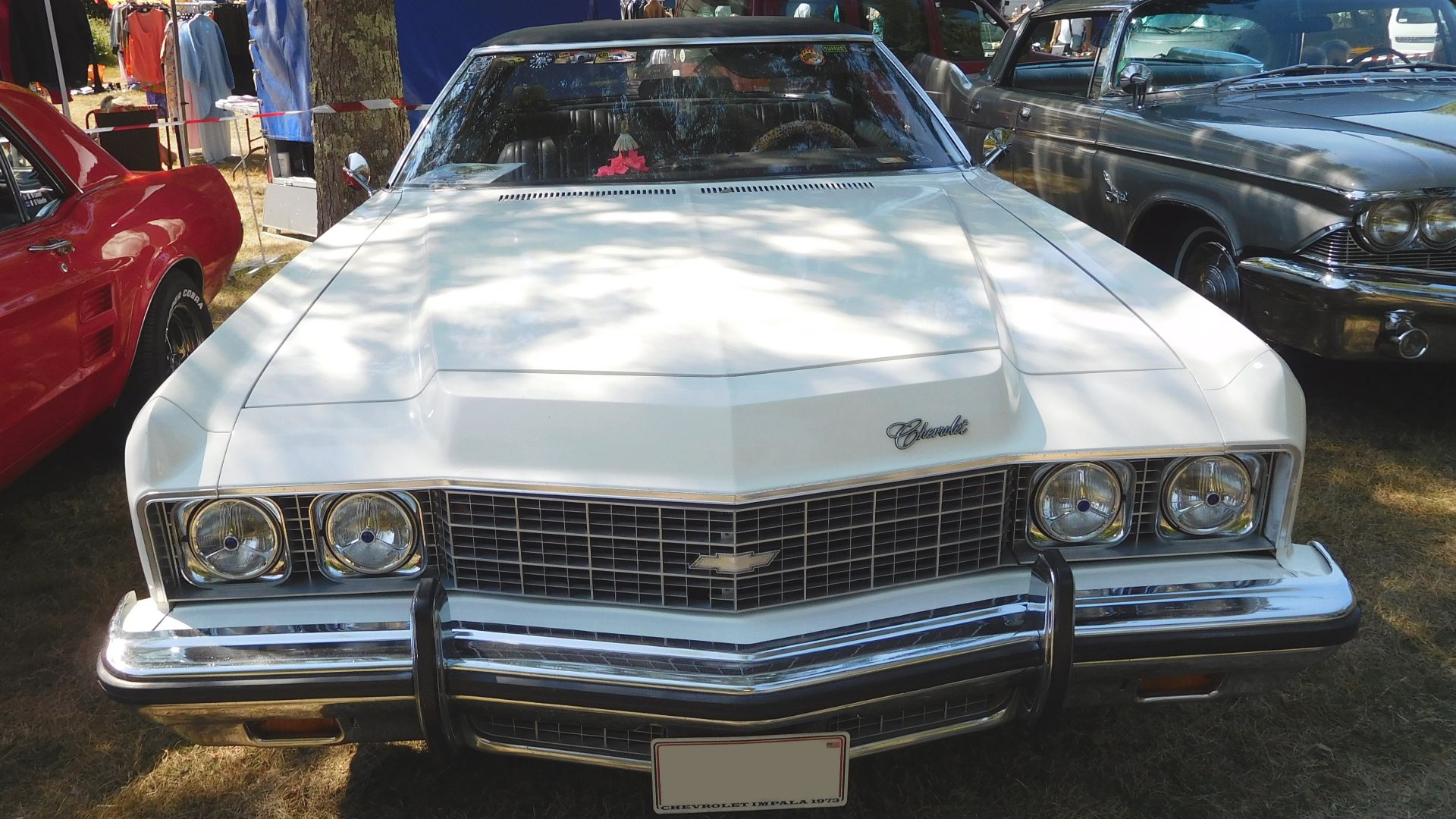
1973: Chevrolet Impala — Approx. 640,000 Sold
The Impala remained enormously popular in 1973, even as the automotive landscape was beginning to change. New federal bumper requirements gave the car an even heavier appearance. Then the oil crisis arrived, forcing Americans to reconsider their appetite for oversized cars.
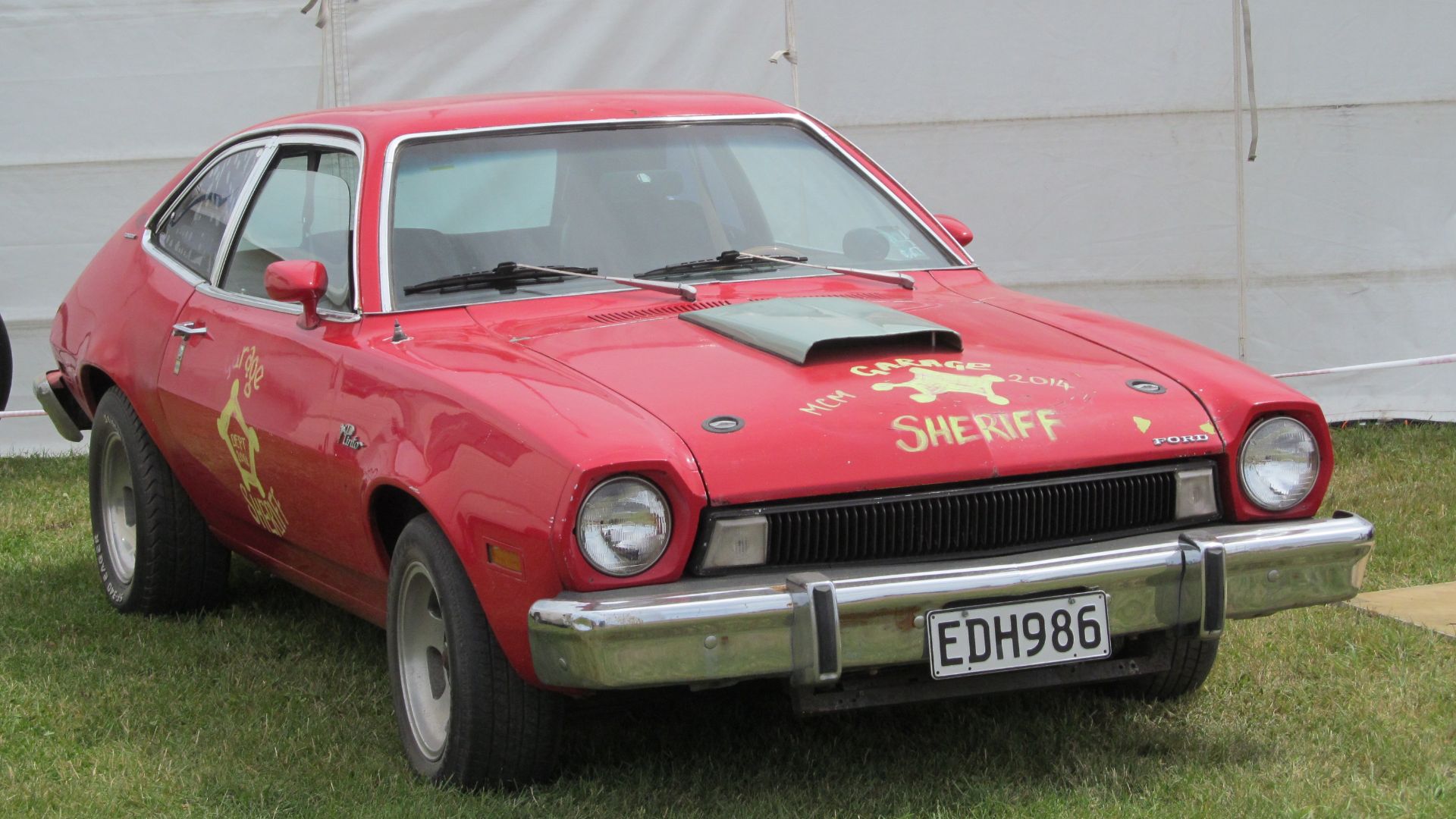
1974: Ford Pinto — 360,688 Sold
The Ford Pinto reflected America's growing interest in smaller, more economical cars. Rising fuel prices made its compact dimensions and modest running costs particularly appealing. Ford offered simple transportation at a time when many drivers were reconsidering large V8 sedans. Although later remembered for major safety controversies, the Pinto was the bestselling domestic passenger-car model in this historical ranking.
 Riley from Christchurch, New Zealand, Wikimedia Commons
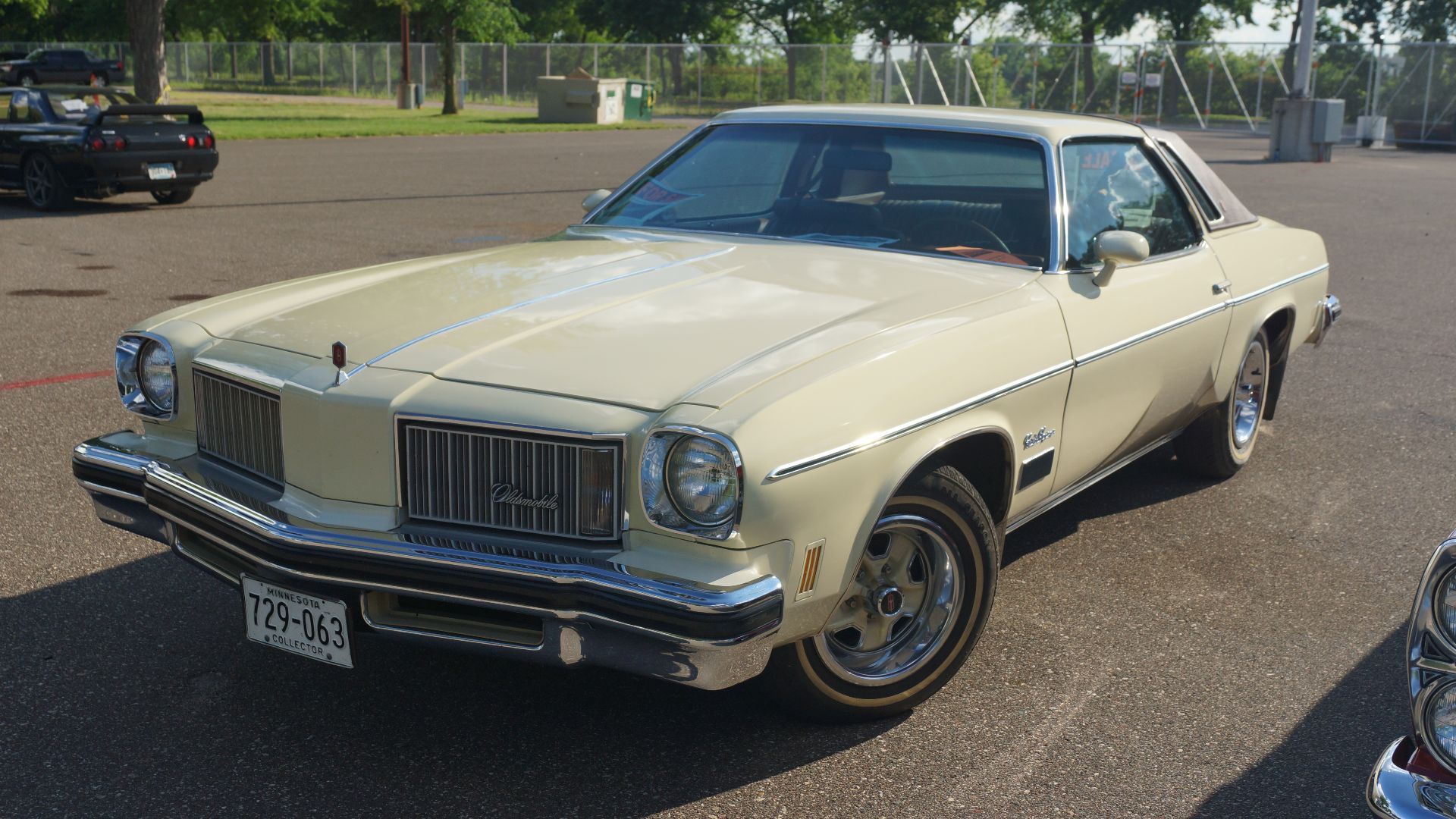
1975: Oldsmobile Cutlass — 324,610 Sold
Oldsmobile's Cutlass became America's bestselling domestic passenger-car model in 1975, signaling a shift toward midsize personal luxury. Its comfortable interior, distinctive styling, and available V8 engines appealed to buyers wanting something more upscale. The Cutlass Supreme coupe was especially popular with drivers who appreciated a touch of luxury. Oldsmobile was entering one of its most successful periods.
 Greg Gjerdingen from Willmar, USA, Wikimedia Commons
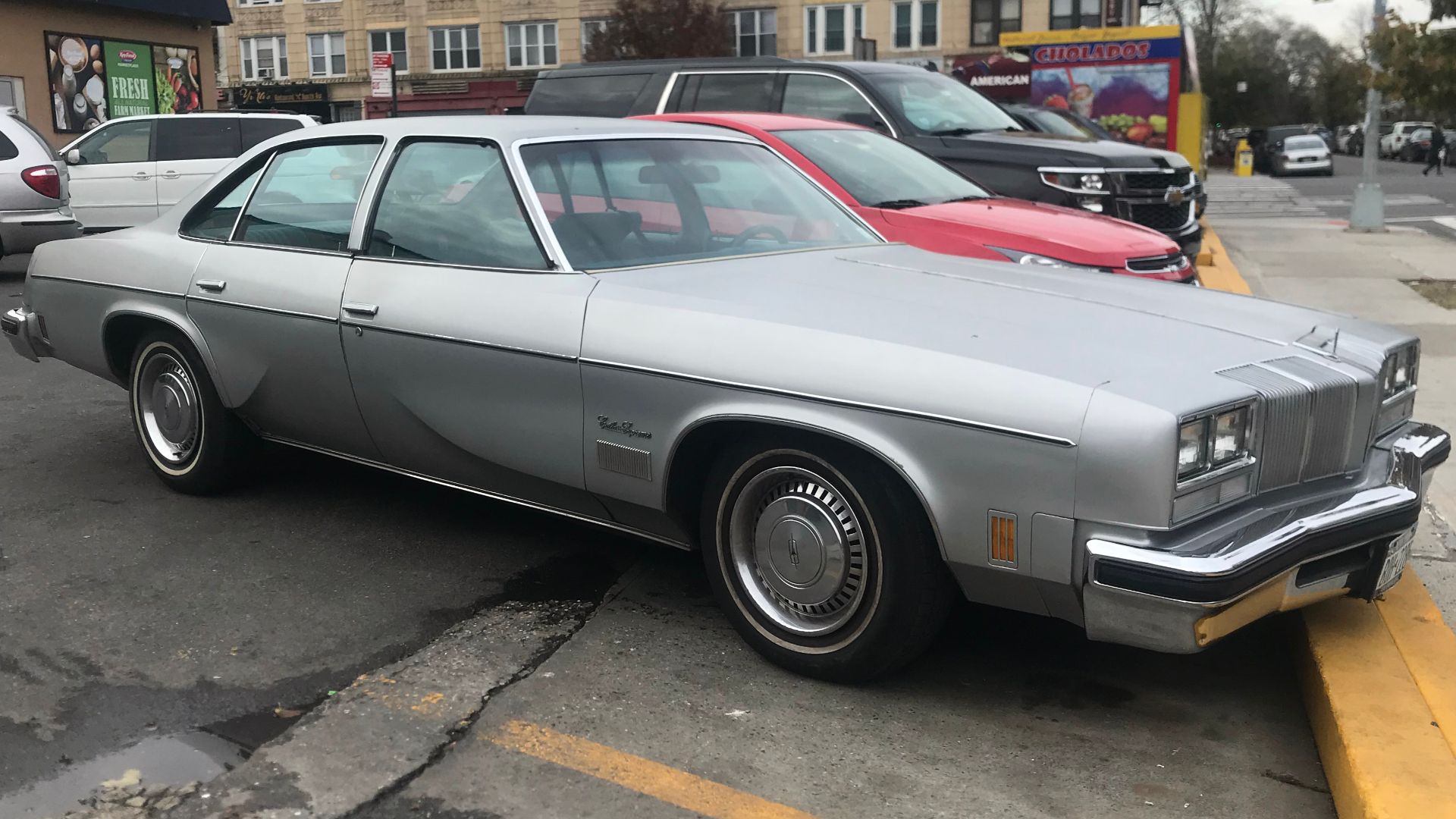
1976: Oldsmobile Cutlass — 495,976 Sold
The Cutlass strengthened its position in 1976, with sales approaching half a million. Its formal roofline, prominent grille, and plush interior made it a favorite among American buyers. Multiple body styles helped attract customers with different needs and budgets. Oldsmobile had transformed an ordinary midsize nameplate into a genuine sales phenomenon.
 Mr.choppers, Wikimedia Commons
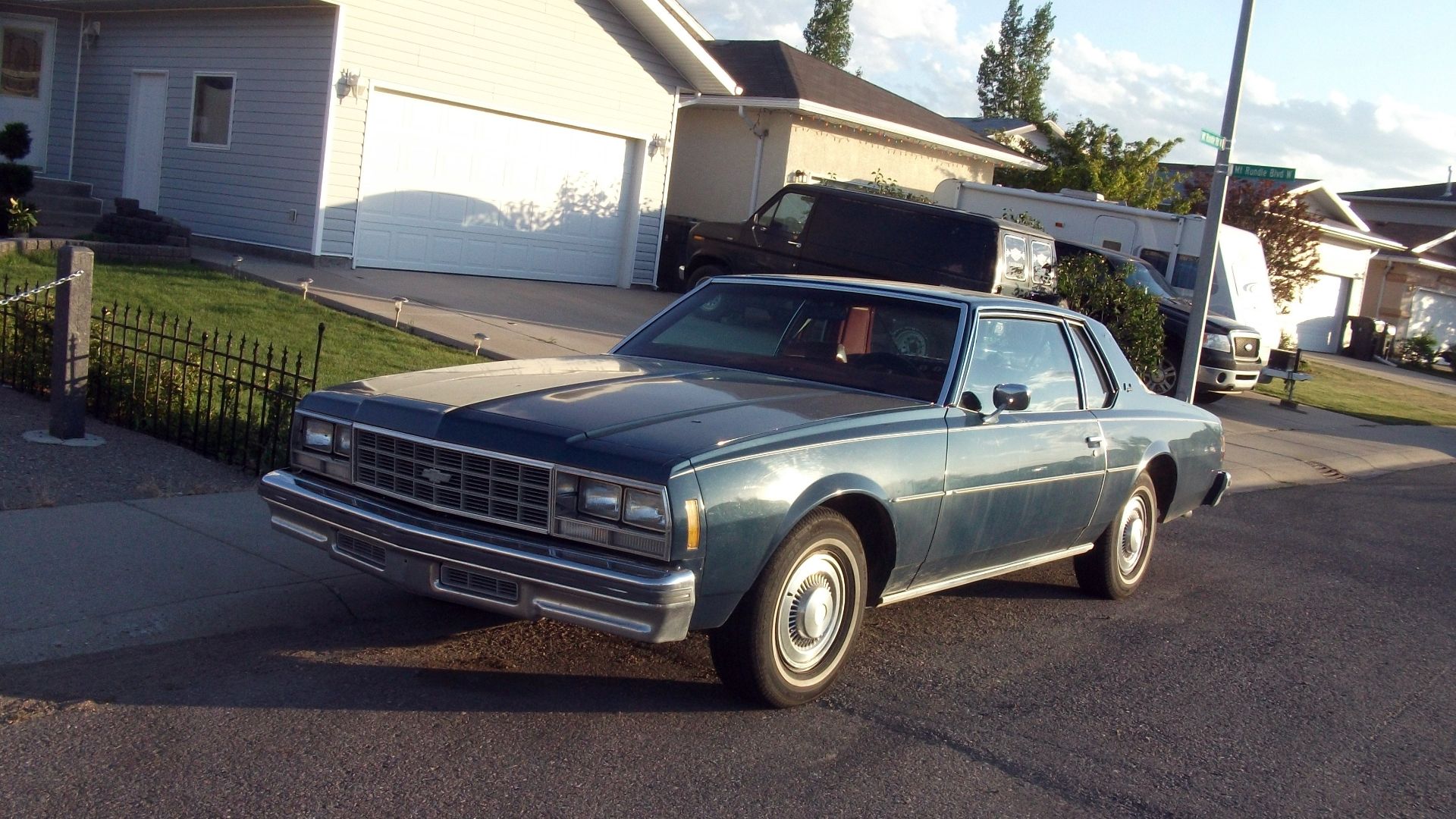
1977: Chevrolet Impala/Caprice — 657,151 Sold
Chevrolet made a bold move in 1977 by downsizing its full-size Impala and Caprice models. The redesigned cars were shorter and lighter but retained much of their predecessor's interior space. Together, the two models sold 657,151 units, putting them at the top of the sales charts. It proved that Americans could embrace smaller cars without sacrificing comfort.
 dave_7 from Lethbridge, Canada, Wikimedia Commons
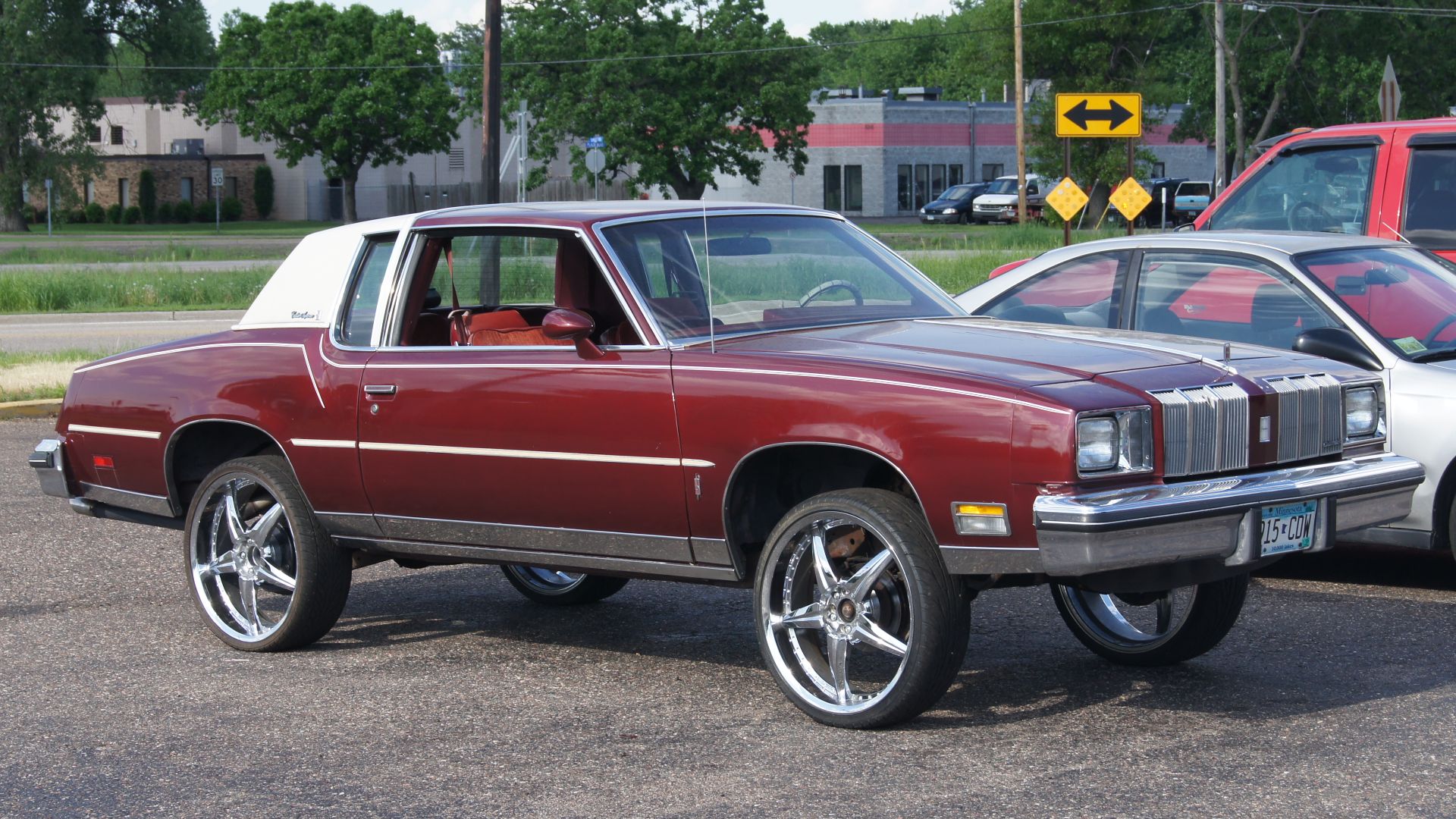
1978: Oldsmobile Cutlass — 520,279 Sold
The Oldsmobile Cutlass returned to the top in 1978, despite undergoing a dramatic redesign. General Motors downsized its midsize lineup, giving the Cutlass smaller proportions and more angular styling. Some versions featured an unusual fastback roofline, while the Supreme coupe kept a more traditional appearance. Buyers clearly approved, making the Cutlass America's bestselling passenger-car nameplate.
 Greg Gjerdingen from Willmar, USA, Wikimedia Commons
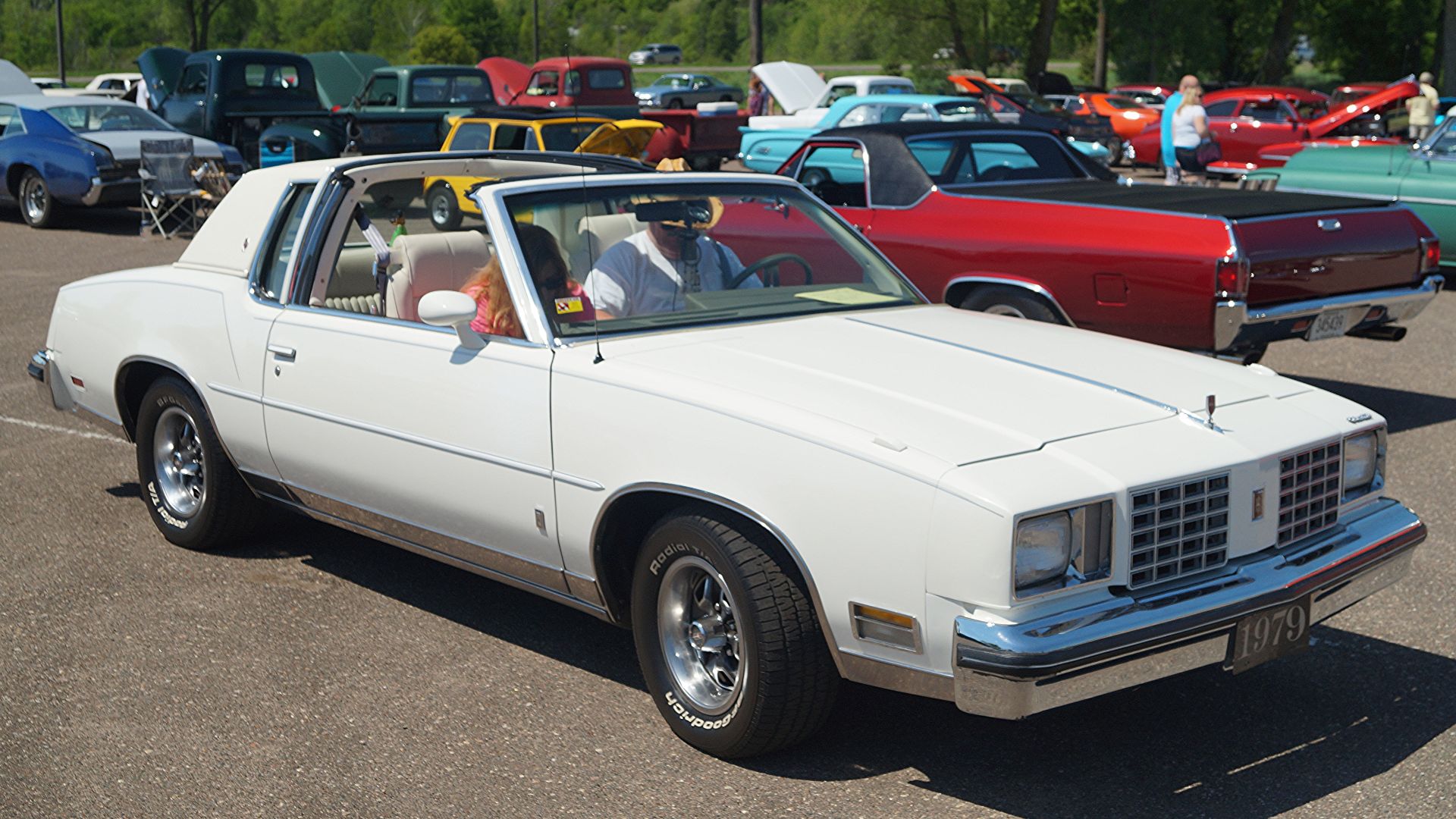
1979: Oldsmobile Cutlass — 518,160 Sold
The Cutlass continued its impressive run in 1979, remaining a fixture in American driveways. Its comfortable ride, upscale touches, and range of body styles appealed to middle-class buyers. The Cutlass Supreme coupe perfectly captured the personal-luxury trend of the late 1970s.
 Greg Gjerdingen from Willmar, USA, Wikimedia Commons
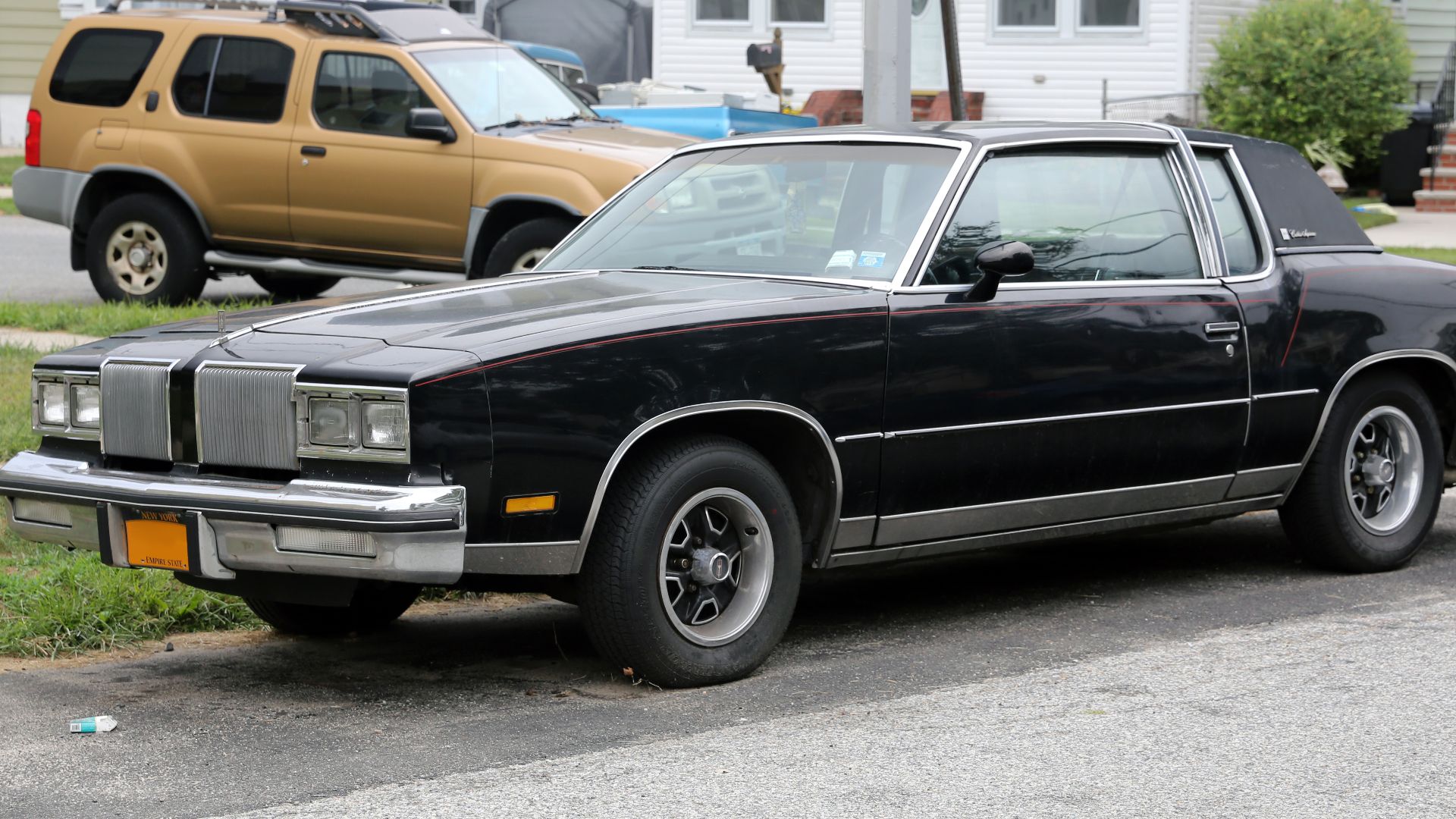
1980: Oldsmobile Cutlass — 469,573 Sold
A new decade arrived, but the Oldsmobile Cutlass was still America's bestselling passenger car. Its traditional styling and comfortable ride appealed to drivers who weren't ready to abandon Detroit's familiar formula. Sales declined from 1979, although the Cutlass retained its leading position. Meanwhile, automakers were increasingly investing in smaller, front-wheel-drive models.
 Mr.choppers, Wikimedia Commons
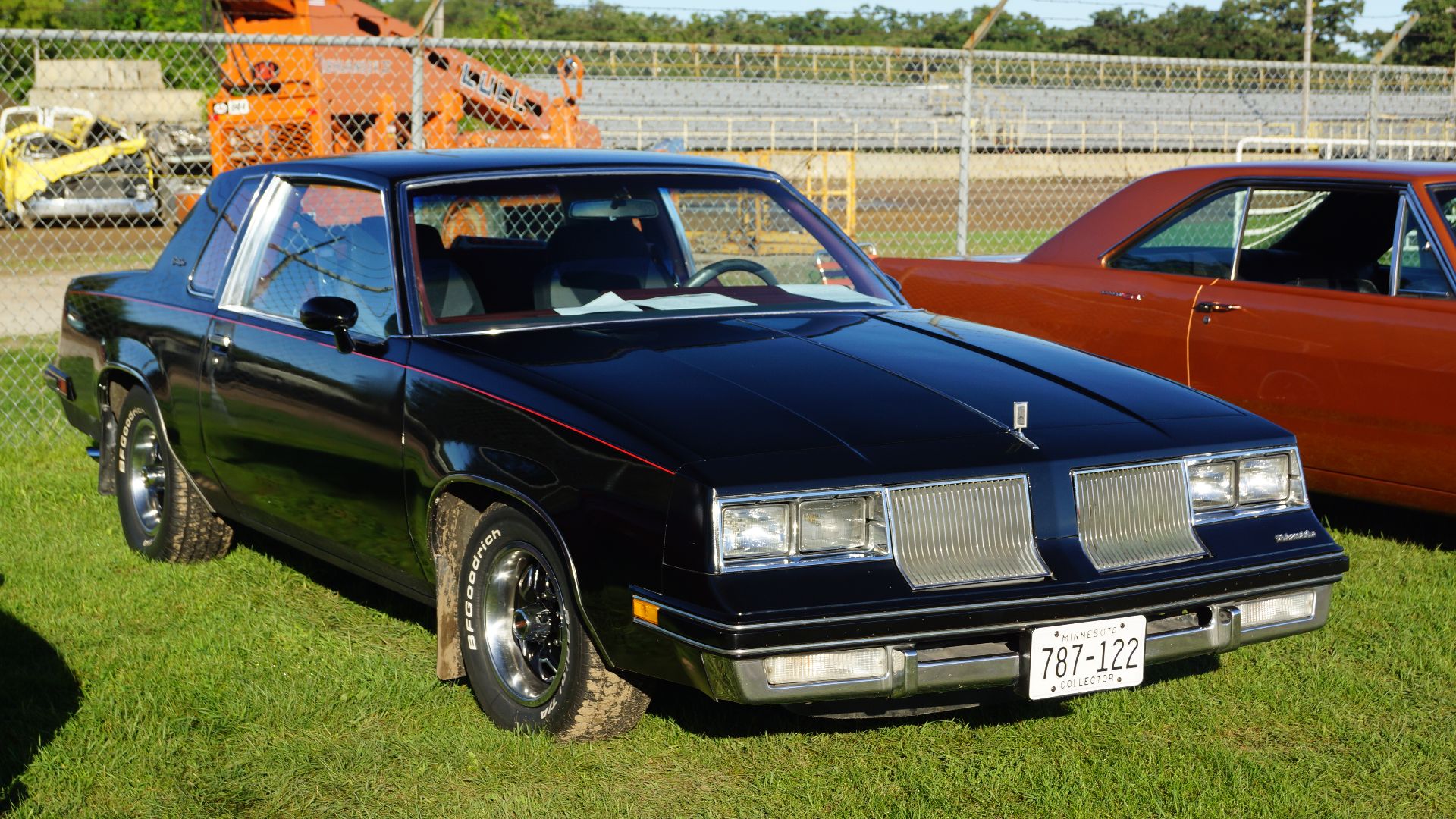
1981: Oldsmobile Cutlass — 454,188 Sold
The Cutlass claimed its fourth consecutive sales crown in 1981. Buyers continued to appreciate its rear-wheel-drive layout, comfortable cabin, and familiar styling. But rising competition from smaller, more efficient cars was changing the marketplace. The Cutlass was about to face a challenger that represented the future of everyday transportation.
 Greg Gjerdingen from Willmar, USA, Wikimedia Commons
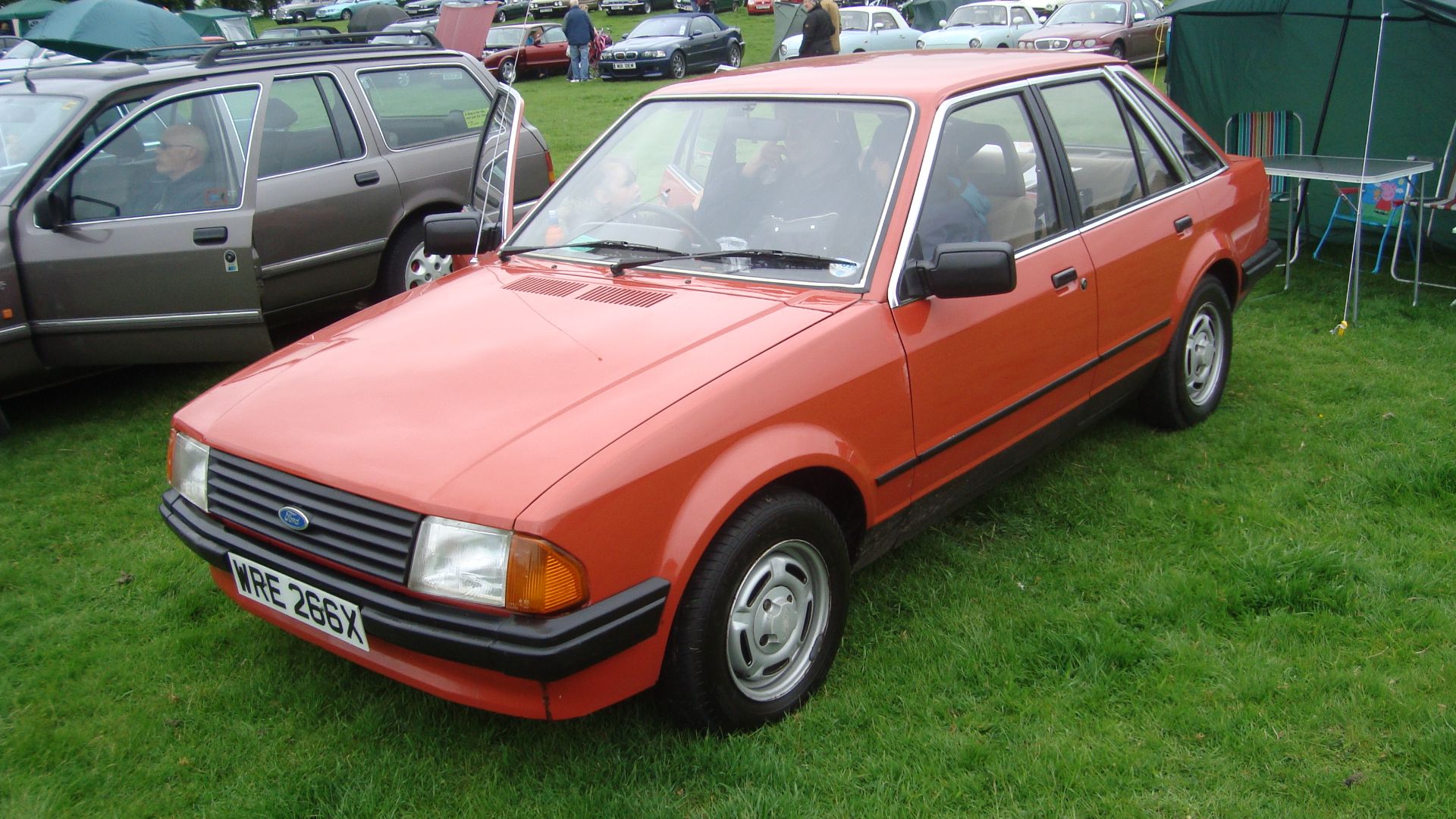
1982: Ford Escort — 337,667 Sold
The Ford Escort ended the Cutlass's winning streak in 1982. Introduced the previous year as the Pinto's replacement, it offered front-wheel drive, compact dimensions, and practical hatchback and wagon designs. Its affordability appealed to buyers struggling through a recession. Suddenly, America's favorite passenger car was a small economy model rather than a comfortable Oldsmobile.
 Kieran White from Manchester, England, Wikimedia Commons
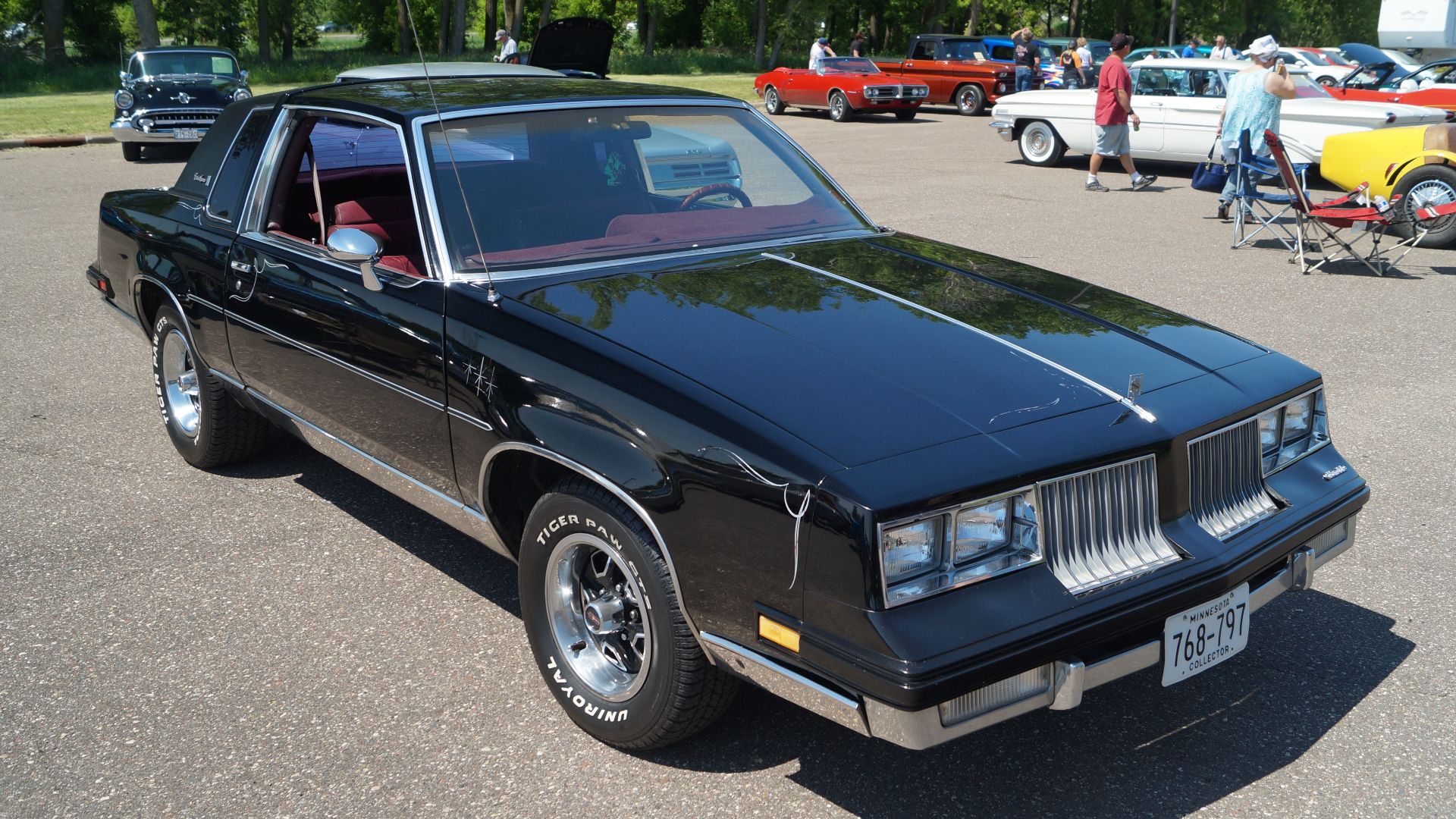
1983: Oldsmobile Cutlass Supreme — 331,179 Sold
The Oldsmobile Cutlass Supreme staged an unexpected comeback in 1983. Its traditional rear-wheel-drive layout and upscale styling still appealed to buyers who preferred familiar American cars. Remarkably, it reclaimed first place without including the newer front-wheel-drive Cutlass Ciera. This would be Oldsmobile's final year at the top of the passenger-car sales charts.
 Greg Gjerdingen from Willmar, USA, Wikimedia Commons
1984: Chevrolet Cavalier — 383,752 Sold
Chevrolet's Cavalier took the sales crown in 1984, reflecting America's growing preference for affordable compacts. Its front-wheel-drive platform offered practical transportation with a relatively spacious interior. Chevrolet provided several body styles, making the Cavalier suitable for young commuters and families alike. Detroit's newer generation of economy cars was finally coming into its own.
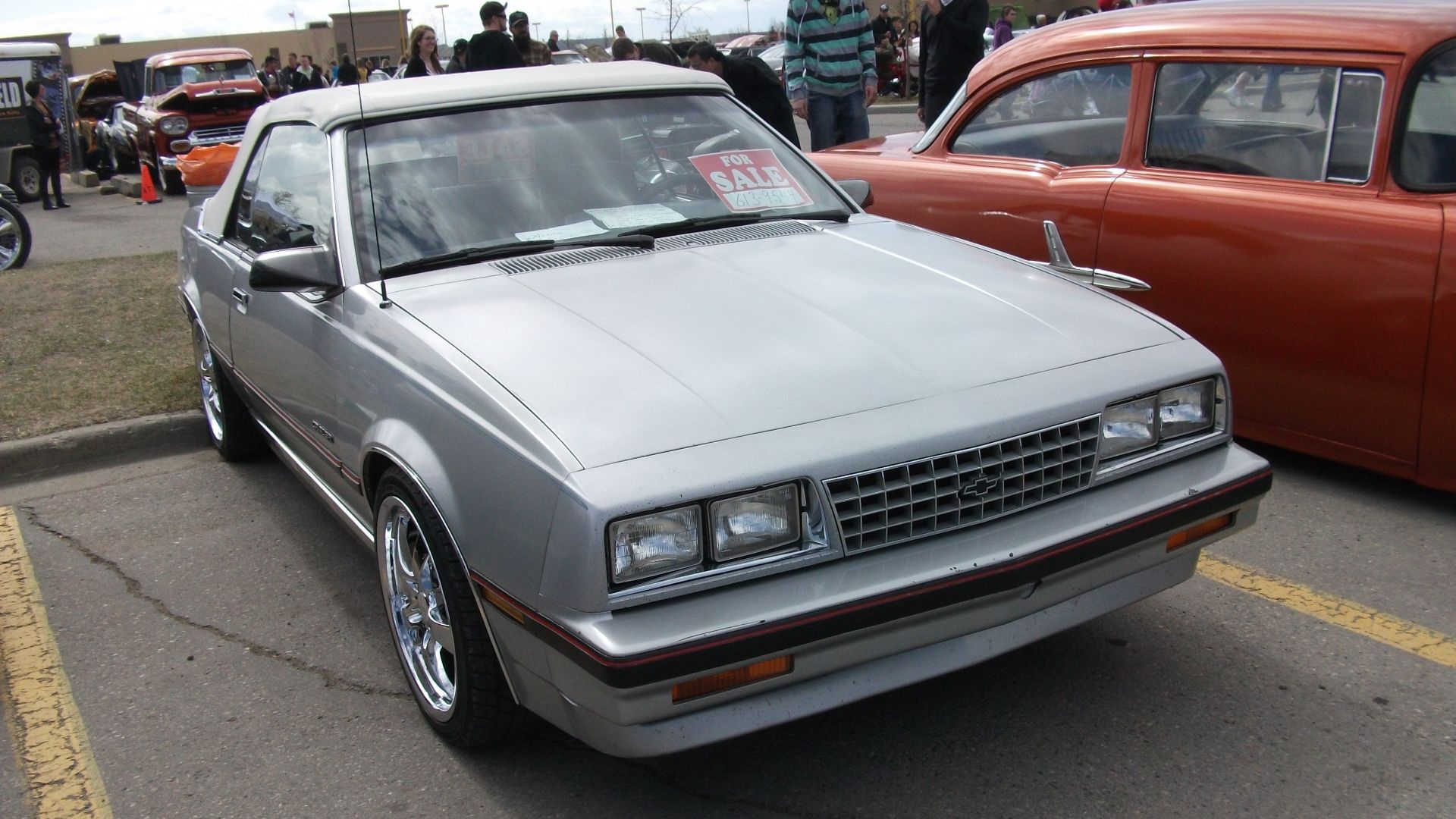
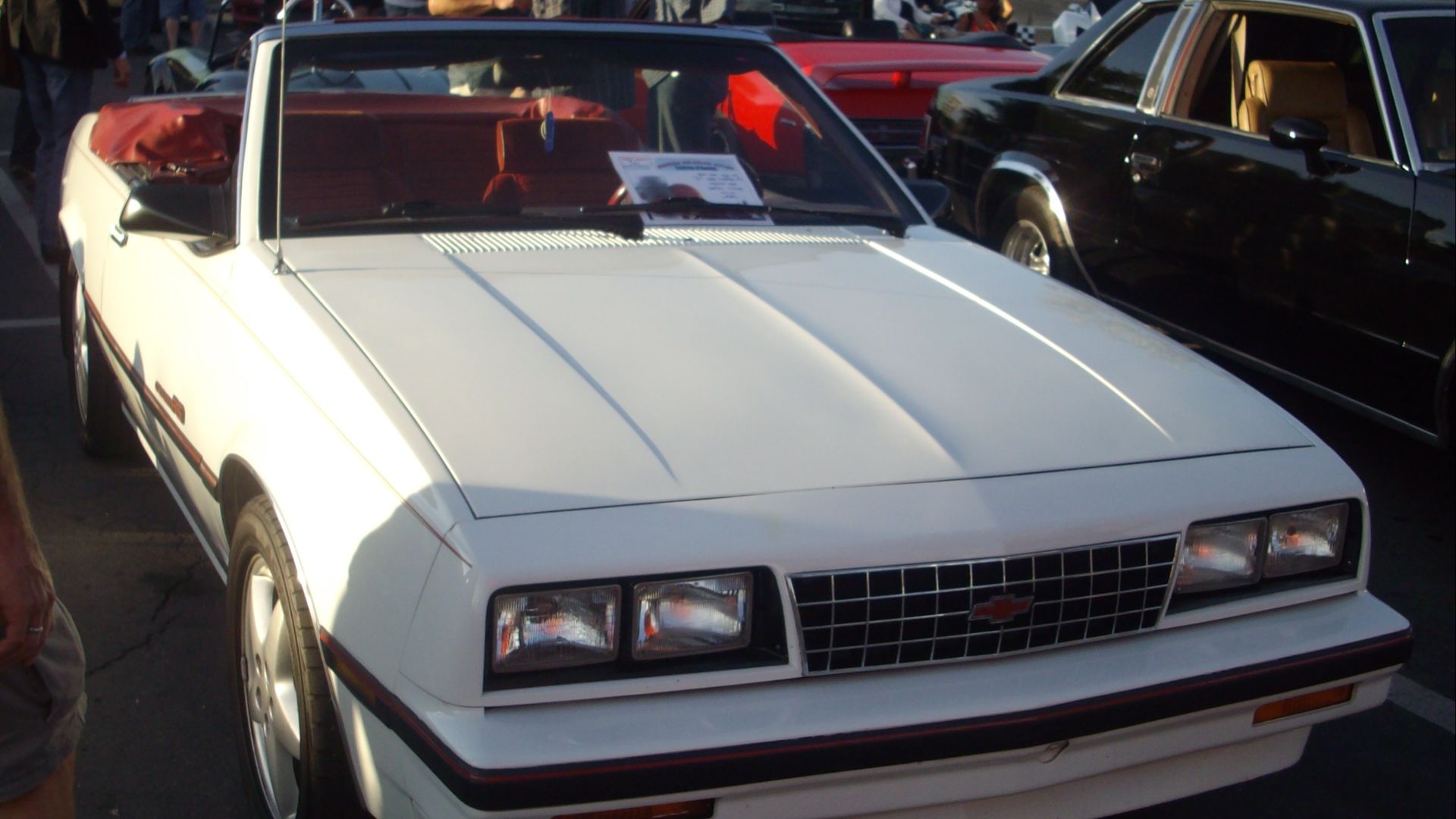
1985: Chevrolet Cavalier — 422,927 Sold
The Cavalier strengthened its lead in 1985, selling more than 420,000 units. Chevrolet offered an impressive five body styles, including a coupe, sedan, hatchback, wagon, and convertible. The sportier Z24 also joined the lineup, giving buyers something more exciting than basic transportation. For many mid-1980s graduates, the Cavalier would soon become a familiar sight in college parking lots.
 Bull-Doser at English Wikipedia, Wikimedia Commons
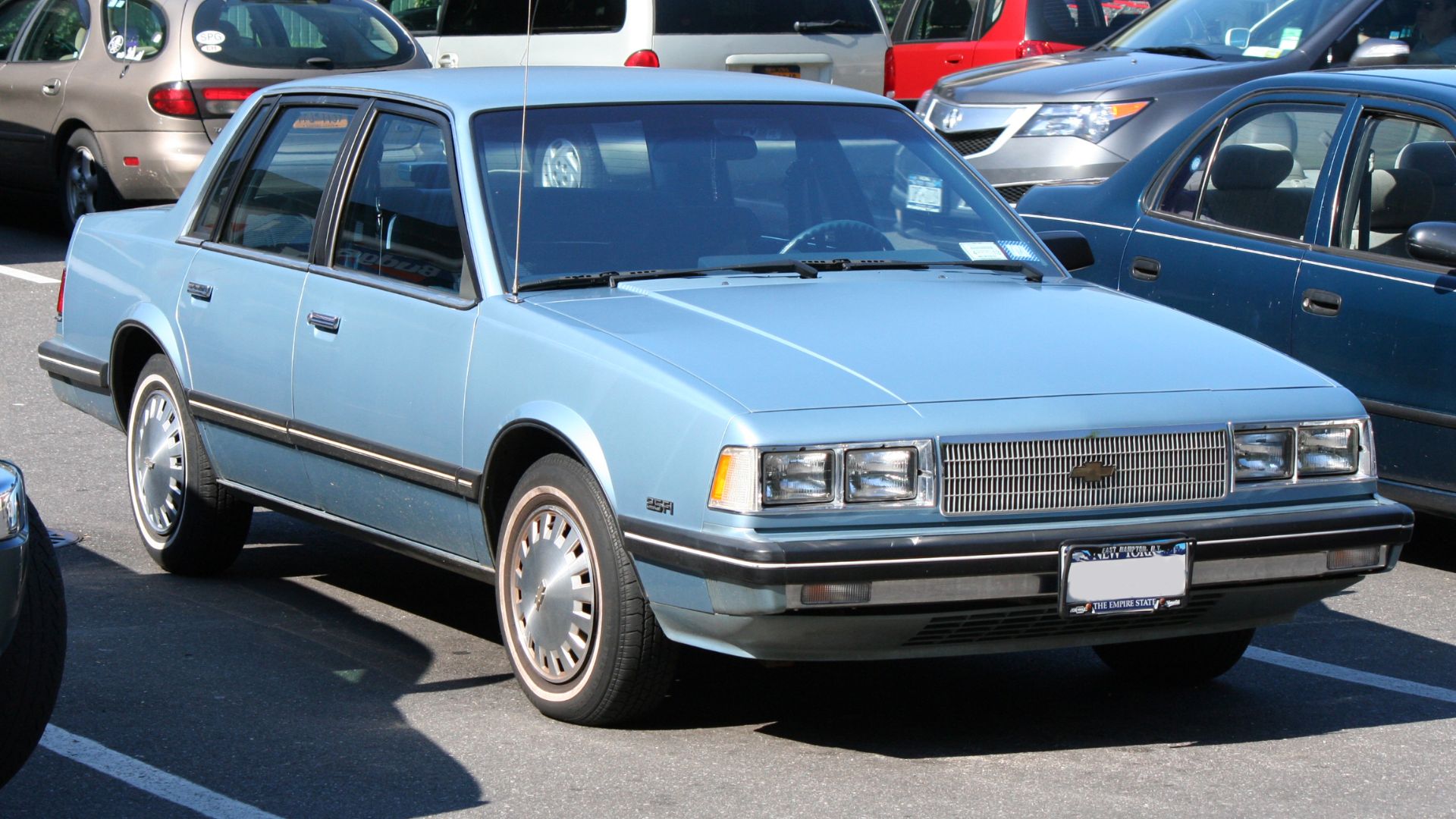
1986: Chevrolet Celebrity — 408,946 Sold
Chevrolet's Celebrity became America's bestselling passenger car in 1986, proving midsize family sedans still mattered. Its front-wheel-drive layout offered useful interior space without the enormous proportions of older American cars. Conservative styling and available sedan and wagon versions made it a practical family choice. But Ford had introduced a revolutionary new sedan that would soon challenge the Celebrity's traditional appearance.
 Mr.choppers, Wikimedia Commons
1987: Ford Escort — 392,360 Sold
The Ford Escort reclaimed first place in 1987, five years after its original sales victory. Its affordable price, compact dimensions, and practical hatchback designs continued to attract budget-conscious Americans. Ford's newer Taurus was attracting enormous attention with its aerodynamic styling, but the Escort still outsold it. Together, the two models made Ford a formidable force in family transportation.
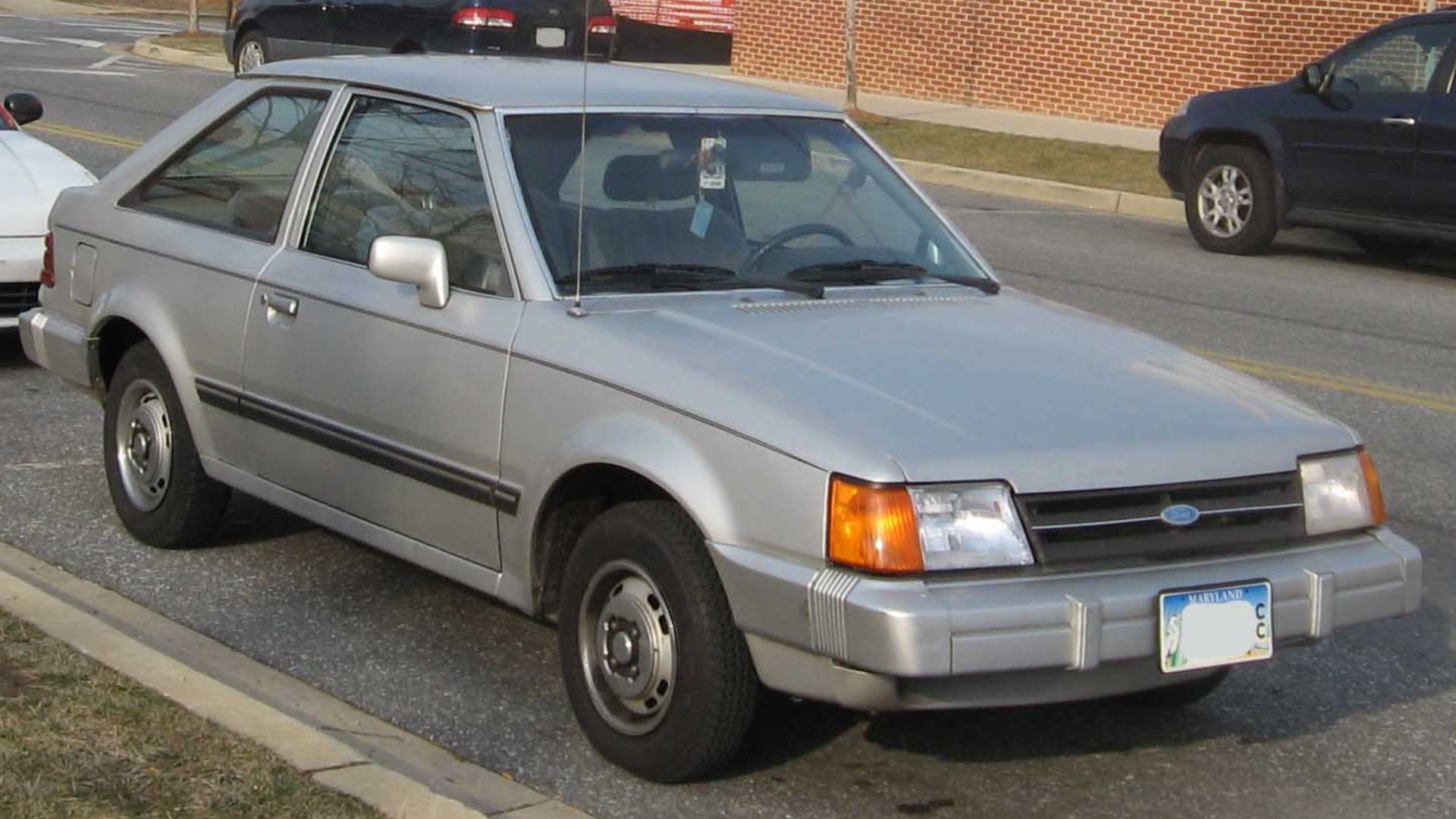
1988: Ford Escort — 381,330 Sold
The Escort held onto first place in 1988, once again beating the larger Taurus. Budget-conscious buyers could purchase a basic Escort Pony for as little as $6,632. Its straightforward design appealed to drivers who prioritized affordability and everyday practicality. But the following year would bring a major turning point for Japanese automakers.
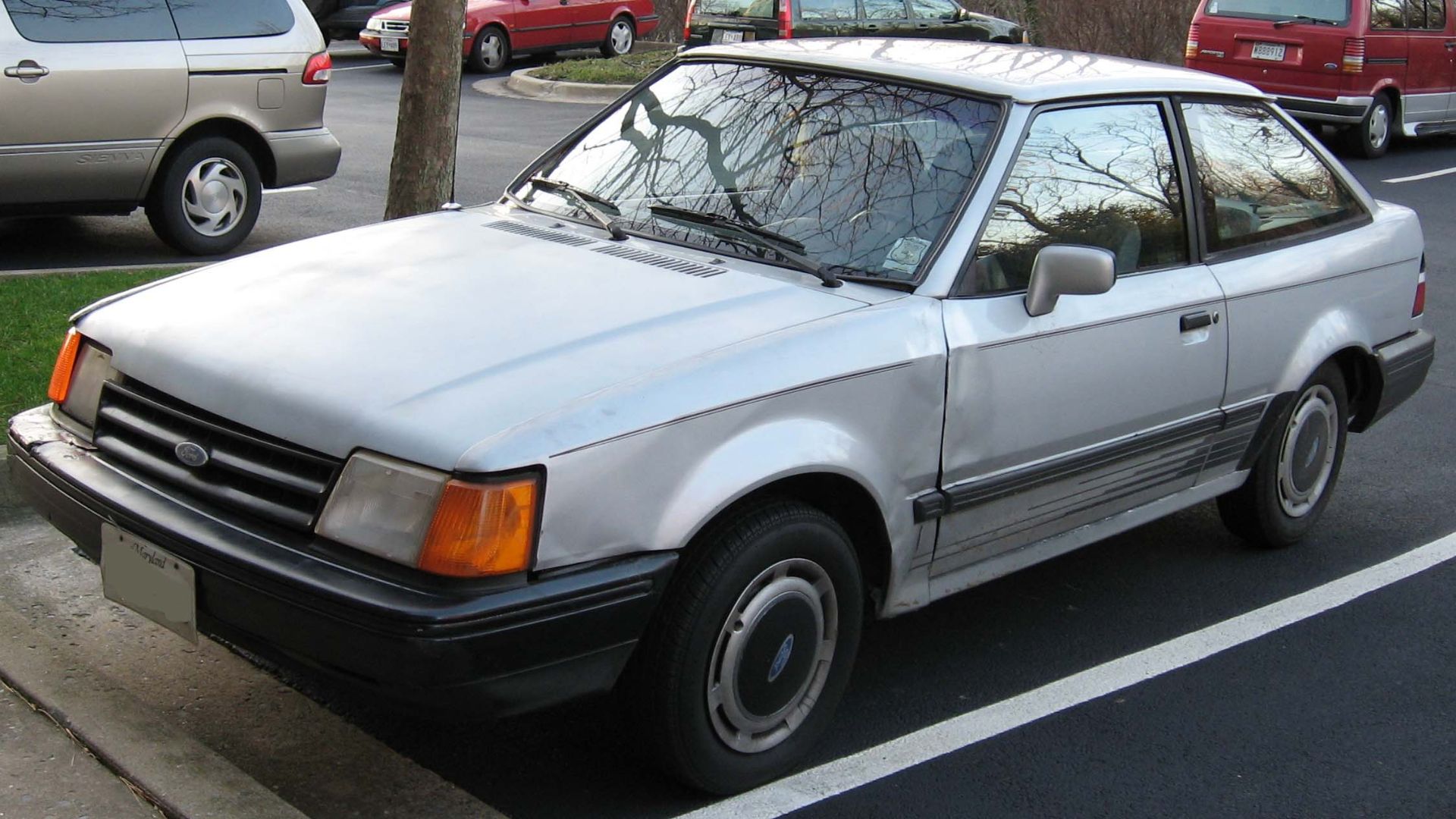
1989: Honda Accord — 362,707 Sold
The Honda Accord became America's bestselling passenger car in 1989, marking a significant shift in buyer preferences. Its third-generation design offered refined handling, efficient engines, and a reputation for thoughtful engineering. Sedan, coupe, and hatchback versions gave customers plenty of choice. Honda had established itself as a serious challenger to Detroit's traditional dominance.
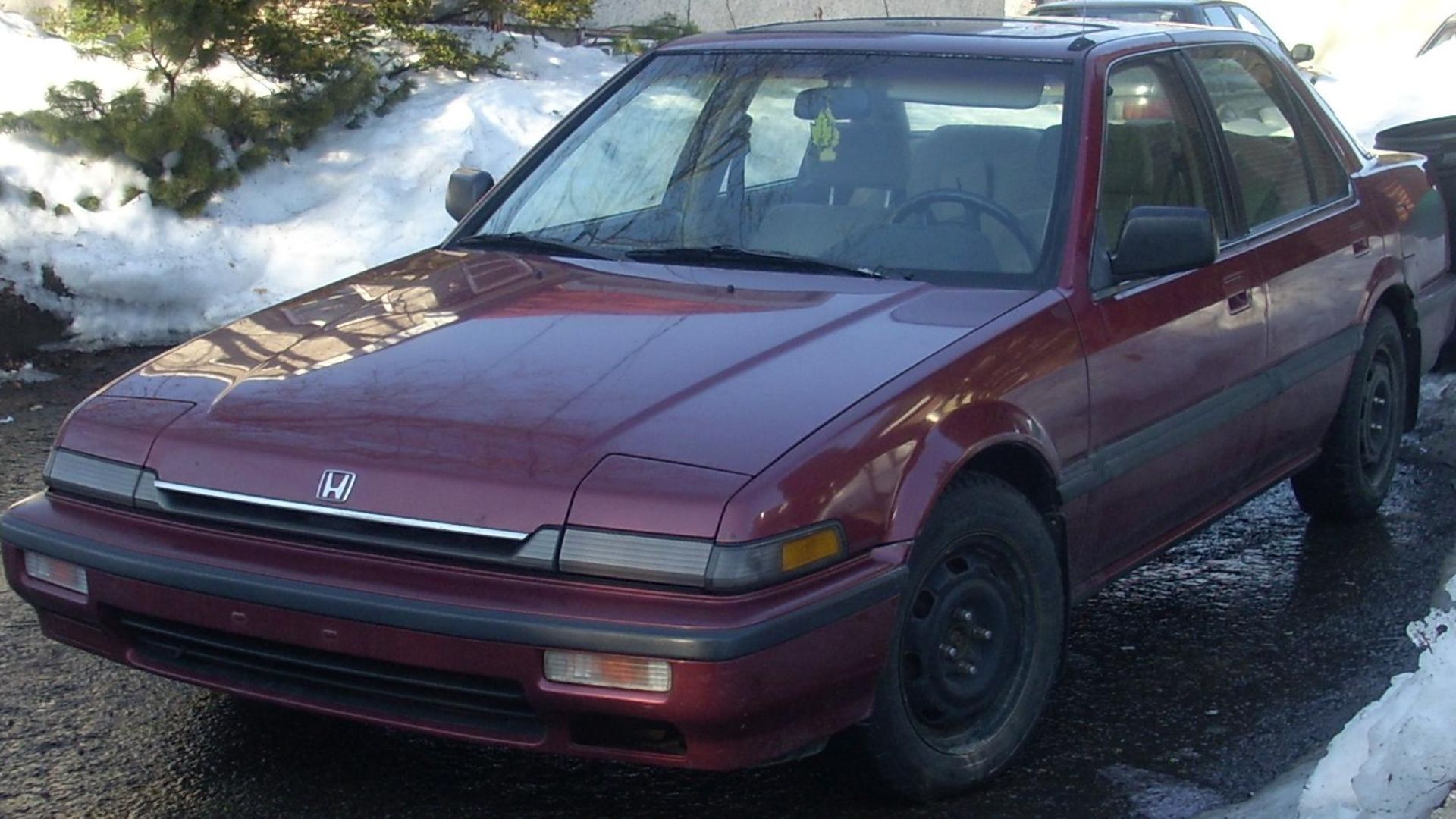
1990: Honda Accord — 417,179 Sold
Honda redesigned the Accord for 1990, giving it a larger body and more spacious interior. The fourth-generation model moved firmly into midsize territory while retaining its reputation for efficiency and refinement. Sales surged beyond 400,000 units, placing it comfortably ahead of the Ford Taurus.
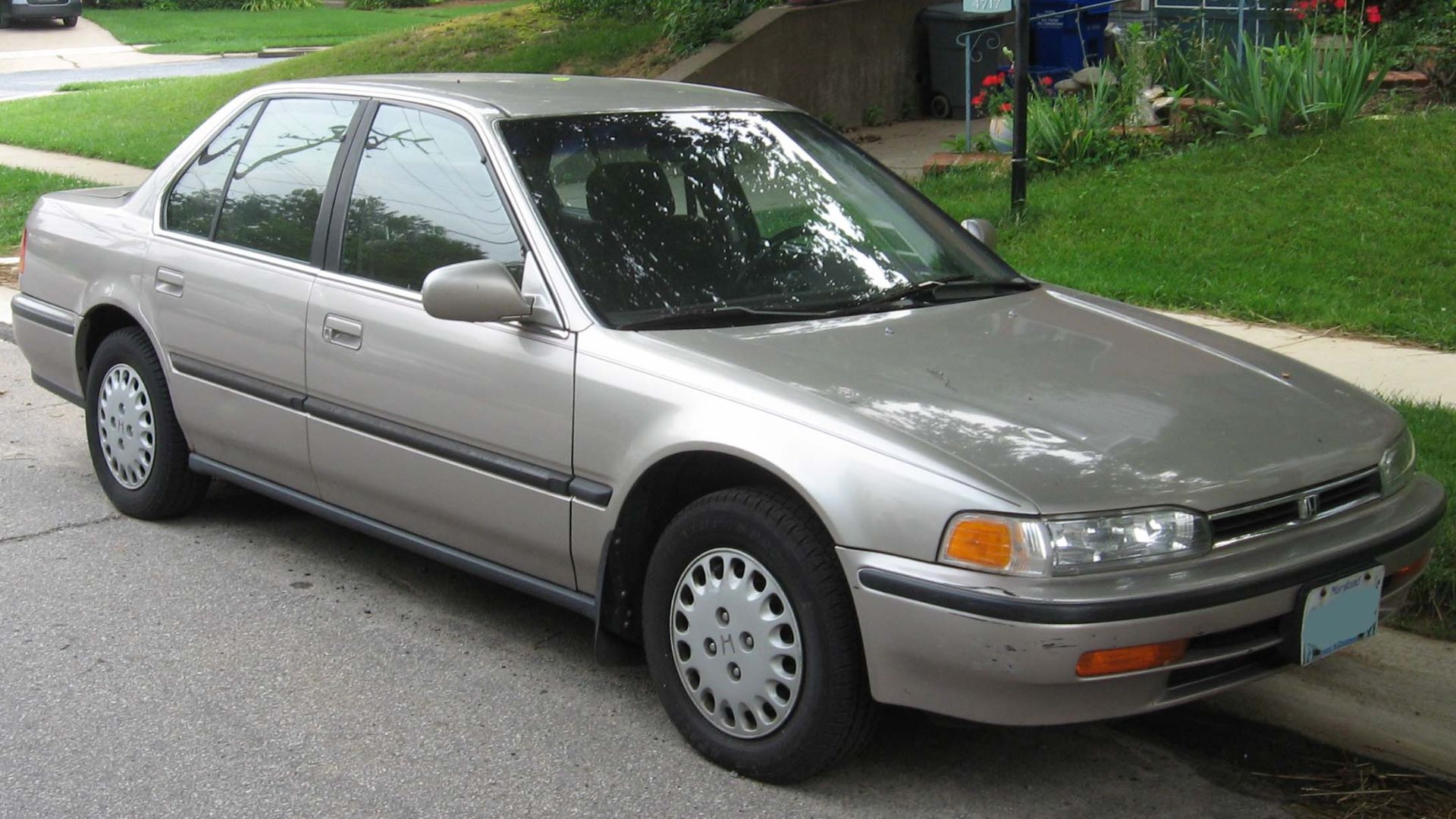
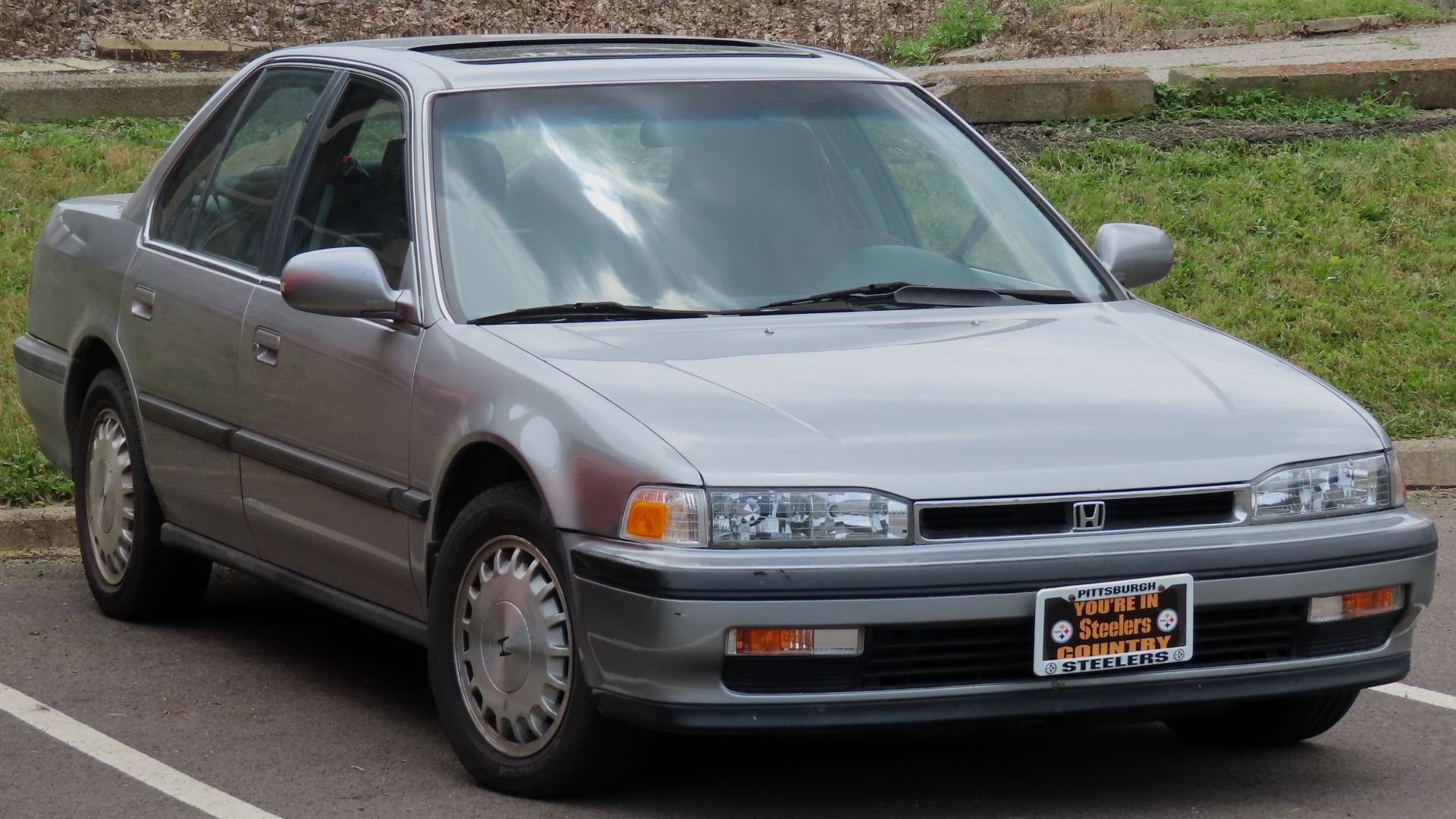
1991: Honda Accord — 399,297 Sold
The Accord continued its remarkable run in 1991, claiming its third consecutive sales crown. Its comfortable interior, efficient four-cylinder engines, and polished road manners appealed to American families. Although sales slipped slightly, Honda maintained a substantial lead over the Ford Taurus. That advantage would disappear the following year as Ford's popular sedan made its move.
 MercurySable99, Wikimedia Commons
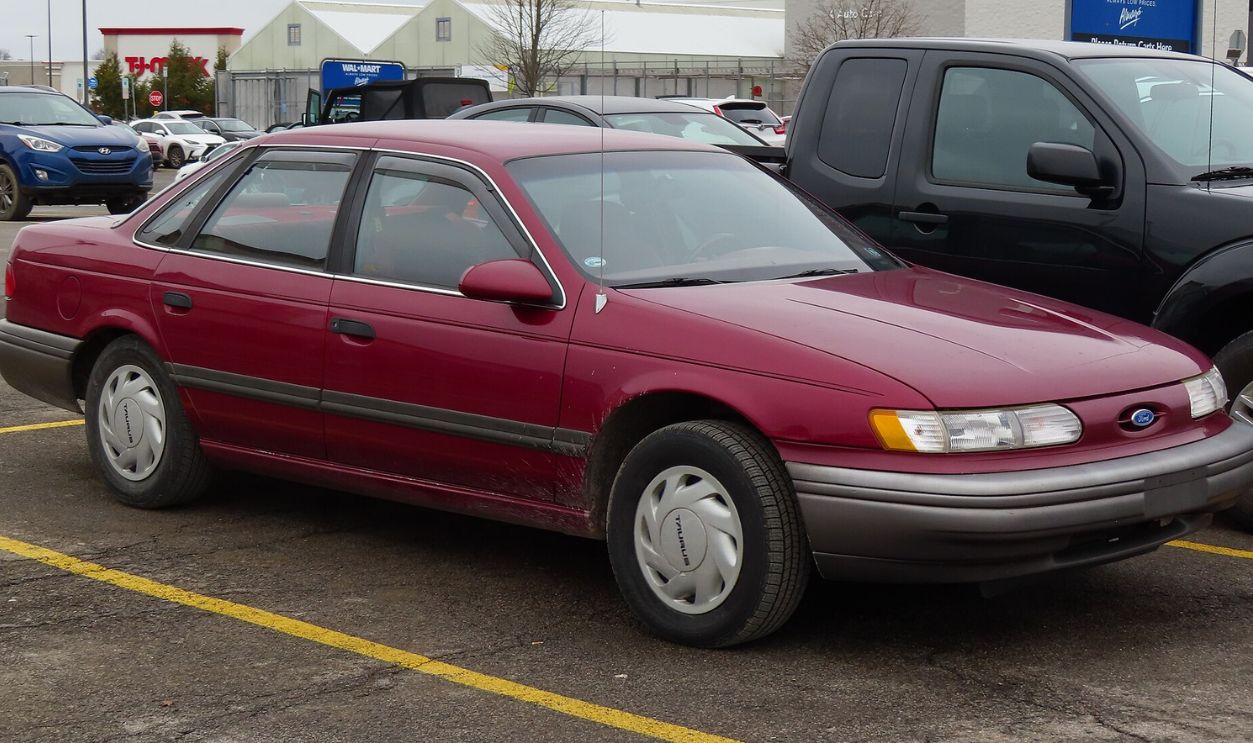
1992: Ford Taurus — 409,751 Sold
The Ford Taurus finally overtook the Honda Accord in 1992, giving Ford a major sales victory. Its aerodynamic design had helped revolutionize American family sedans after its introduction in 1985. A substantial update kept the Taurus competitive against increasingly sophisticated Japanese rivals. Fleet sales contributed to its success, but Ford proudly celebrated the achievement.
 MercurySable99, Wikimedia Commons
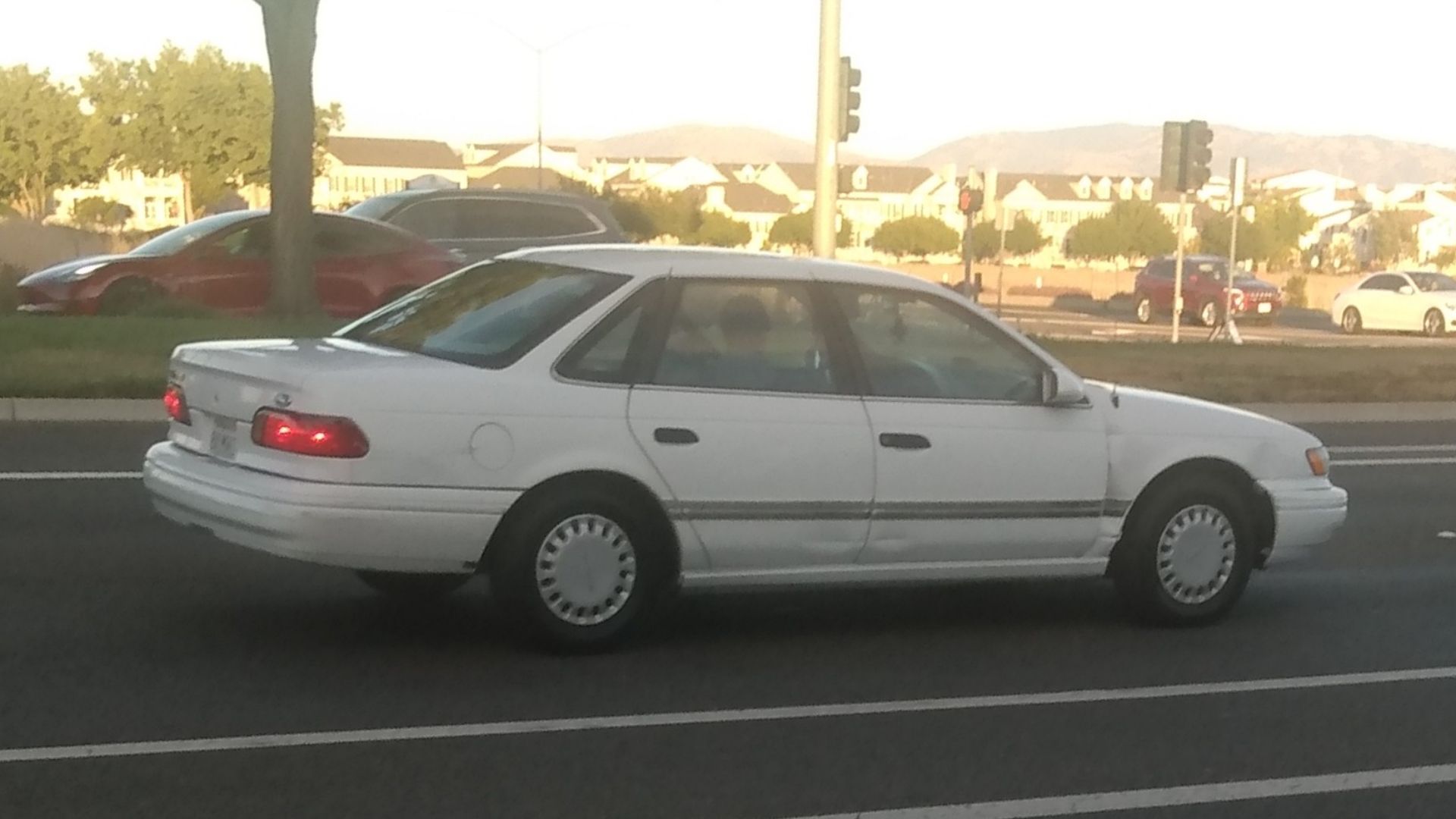
1993: Ford Taurus — 360,448 Sold
The Taurus remained America's bestselling passenger car in 1993, despite declining sales. Its distinctive rounded styling, comfortable interior, and broad model range attracted family buyers. The performance-oriented SHO also gave enthusiasts something to appreciate. From suburban driveways to rental-car lots, the Taurus had become one of America's most recognizable sedans.
 DestinationFearFan, Wikimedia Commons
1994: Ford Taurus — 397,037 Sold
The Taurus enjoyed another successful year in 1994, with sales approaching 400,000. Its spacious interior, front-wheel-drive platform, and familiar styling kept it competitive against newer Japanese rivals. Even as the Honda Accord improved, Ford's midsize sedan remained on top.
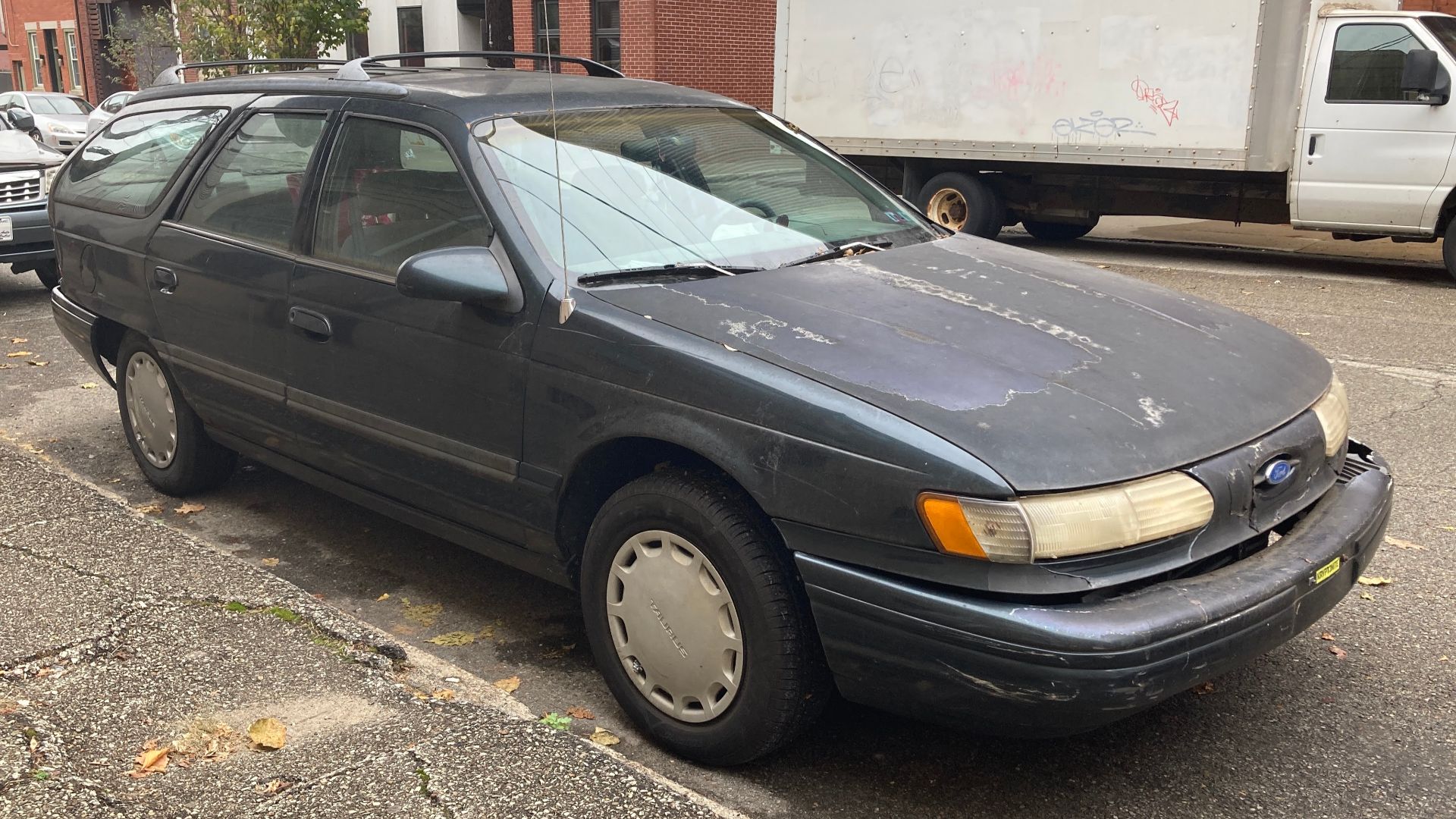
1995: Ford Taurus — 366,266 Sold
The Taurus completed its fourth consecutive year as America's bestselling passenger car in 1995. Sales declined, but its comfortable cabin and practical design still attracted a broad audience. Ford was preparing a major redesign, making this the final year of the familiar second-generation body style. What came next would become one of the decade's most controversial automotive makeovers.
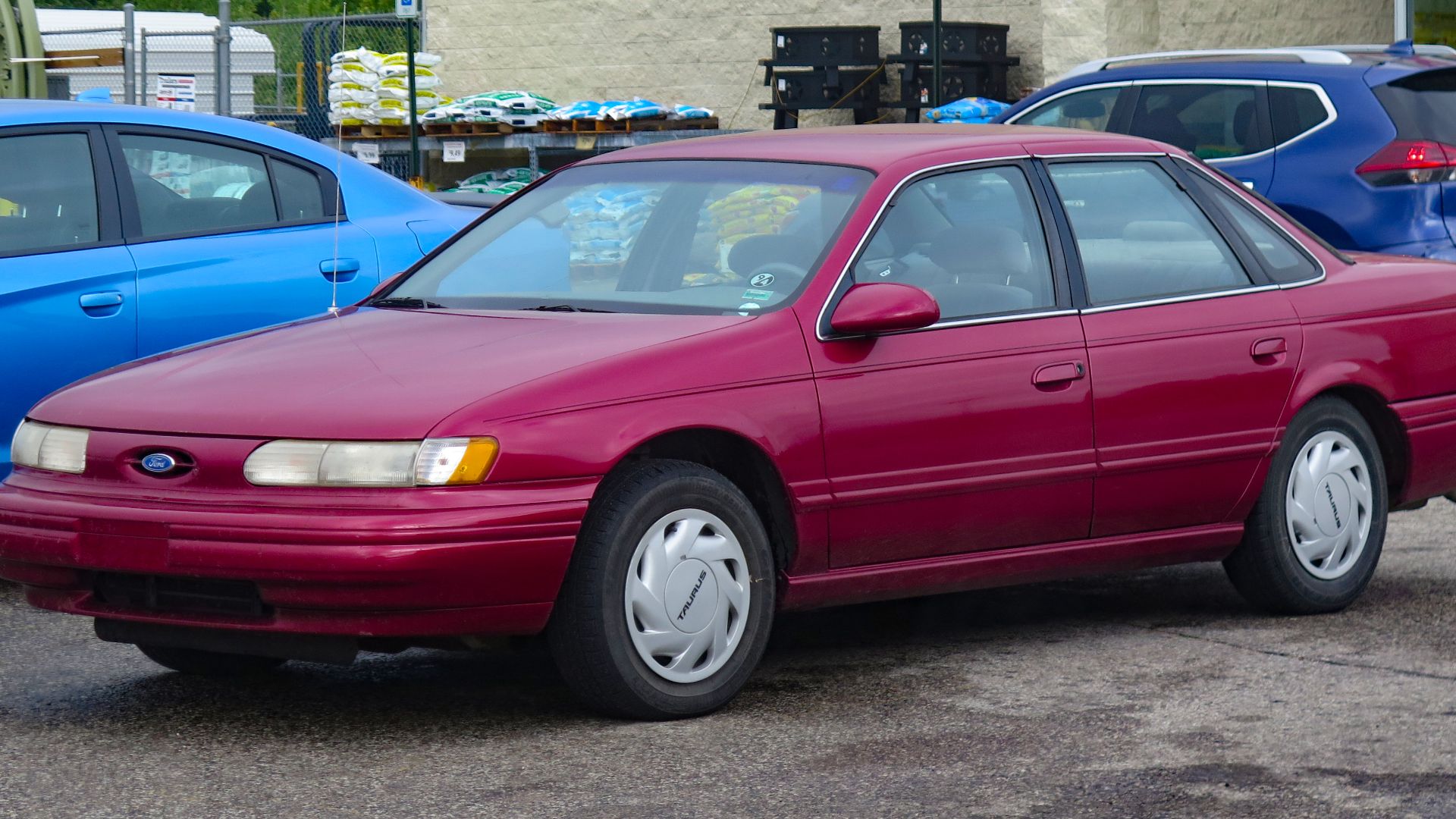
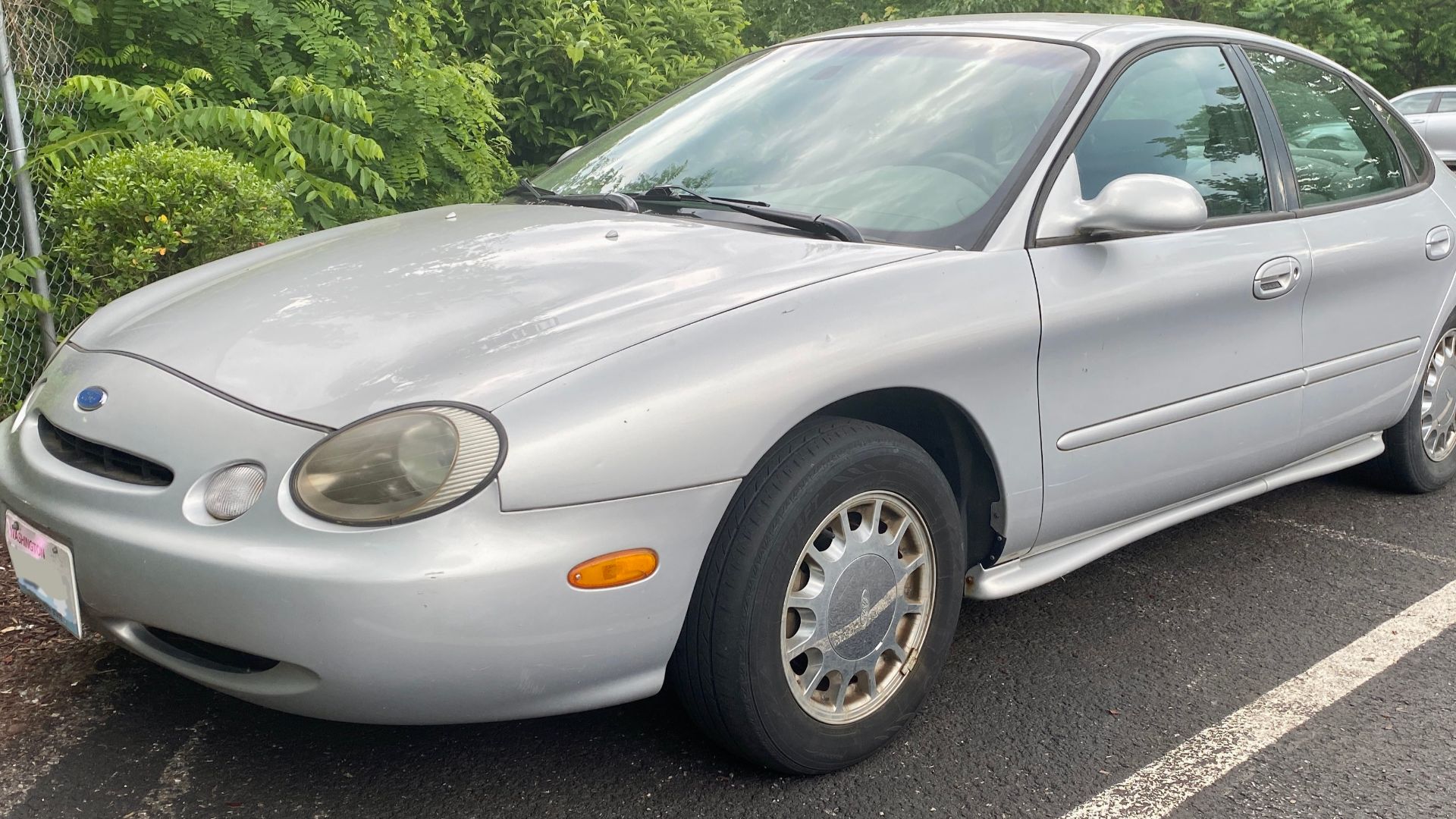
1996: Ford Taurus — 401,049 Sold
Ford unveiled a completely redesigned Taurus in 1996, and its dramatically rounded styling immediately divided opinion. Oval shapes appeared throughout the exterior and interior, giving the car an unmistakable appearance. Despite criticism of its unconventional design, sales climbed above 400,000 units. The Taurus earned its fifth consecutive sales crown, although its reign was nearly over.
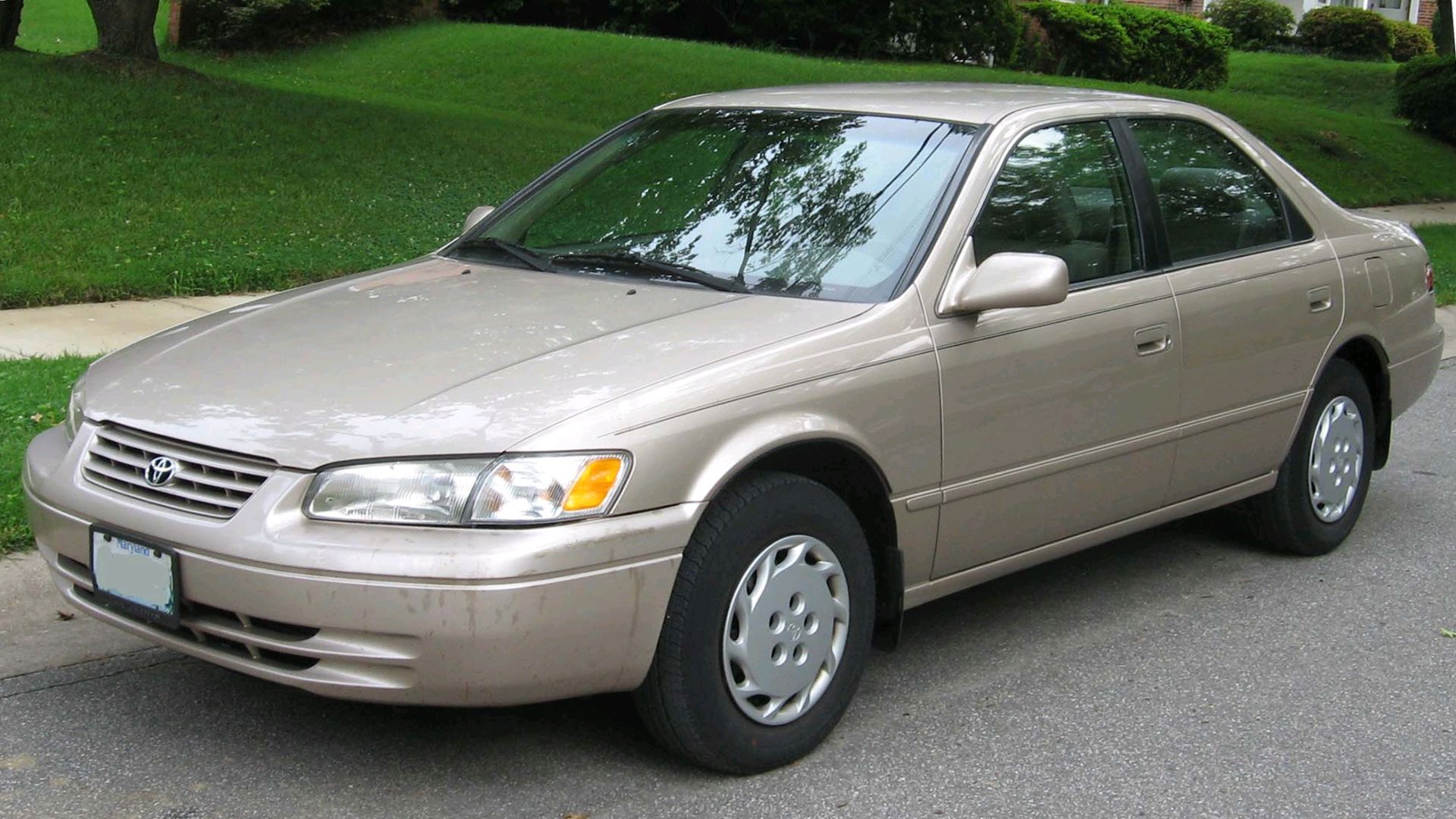
1997: Toyota Camry — 397,156 Sold
The Toyota Camry overtook the Ford Taurus and Honda Accord in 1997, becoming America's bestselling passenger car for the first time. Its redesigned fourth-generation model offered understated styling, a comfortable ride, and a reputation for reliability. Buyers could choose between efficient four-cylinder engines and a more powerful V6. The victory marked a major milestone for Toyota in the American market.
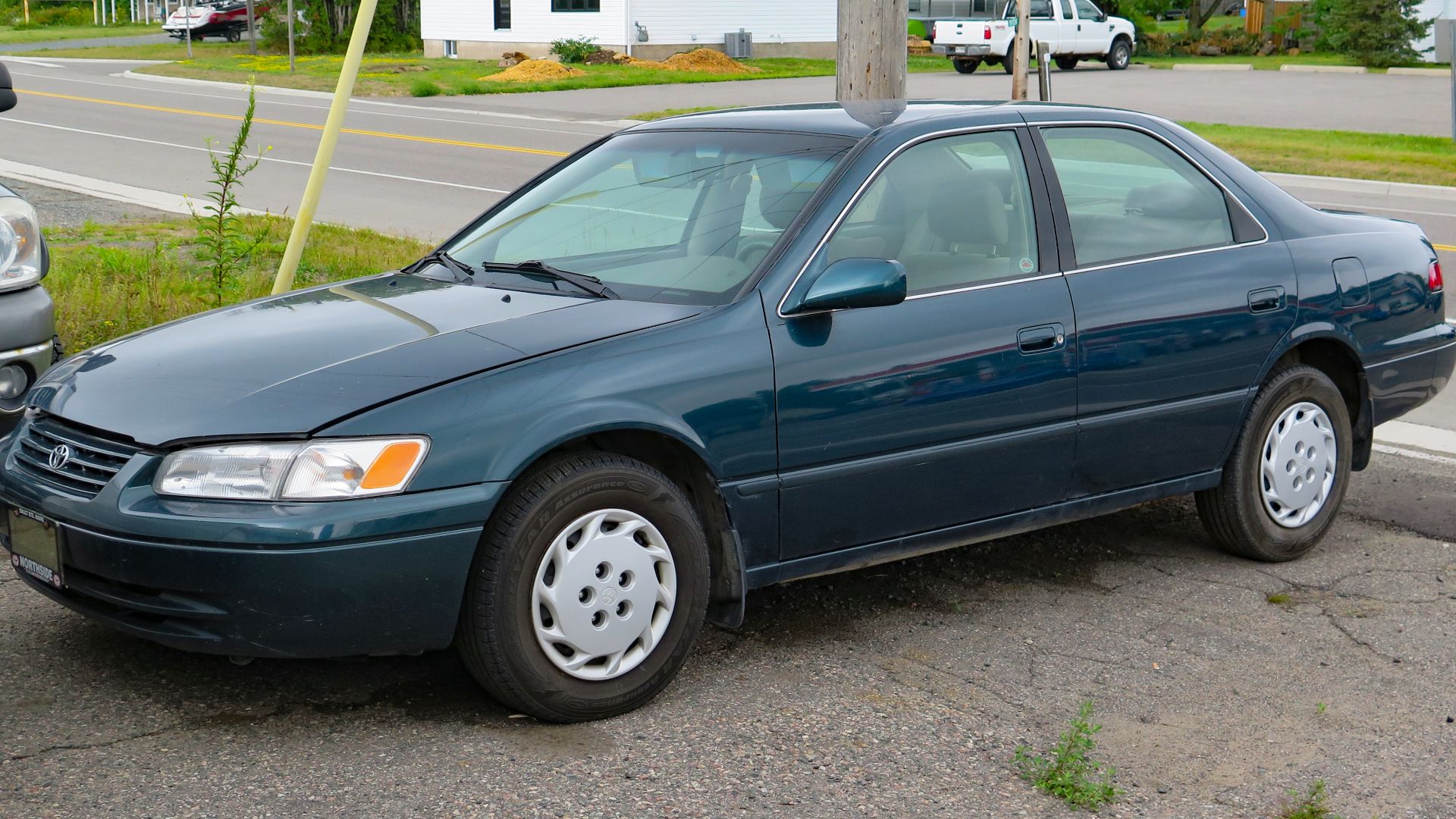
1998: Toyota Camry — 429,575 Sold
The Toyota Camry strengthened its lead in 1998, selling nearly 430,000 vehicles. Its combination of comfort, practicality, and dependable engineering continued to attract American families. The Honda Accord finished second, while the Ford Taurus slipped to third. By the time the class of 1998 graduated, Toyota had firmly established itself as a leader in America's midsize-car market
From Big V8s To Japanese Family Sedans
The bestselling cars of the 1970s looked nothing like those dominating the late 1990s. Large American sedans gradually gave way to compact Fords, practical Chevrolets, and eventually Japanese family cars. Changing fuel prices, technology, and buyer priorities transformed the American automobile market.
Looking back at your graduation year, was that year's bestseller the car you remember most, or did you dream of driving something completely different?
You May Also Like:
Saab Built Cars Like Nobody Else—Which One Would You Bring Back?
The Rarest Cars In Guy Fieri’s Garage—Ranked By Flavor And Firepower
.jpg)
