These Features Promise Peace of Mind, but the Reality Is a Bit More Complicated
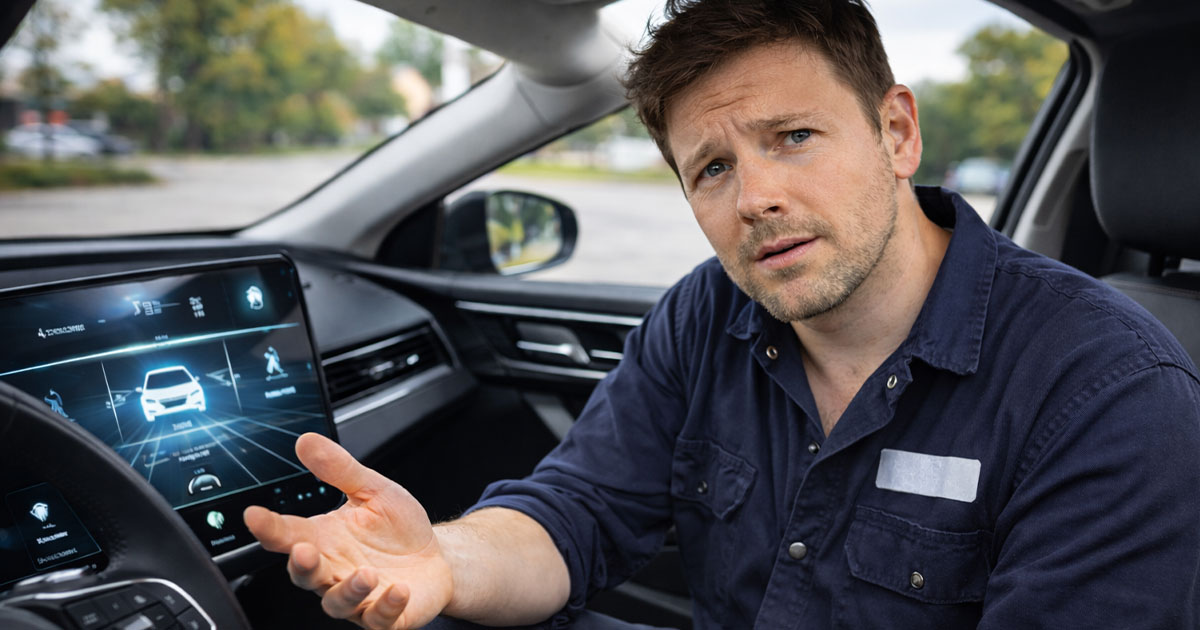
Lane centering, adaptive cruise, and hands-on “autopilot” systems are now baked into everyday cars. They sound futuristic and reassuring, but recent studies and a growing list of real-world crashes suggest these systems don’t always behave the way drivers think they will.
What ADAS Is Supposed to Do (In Theory)
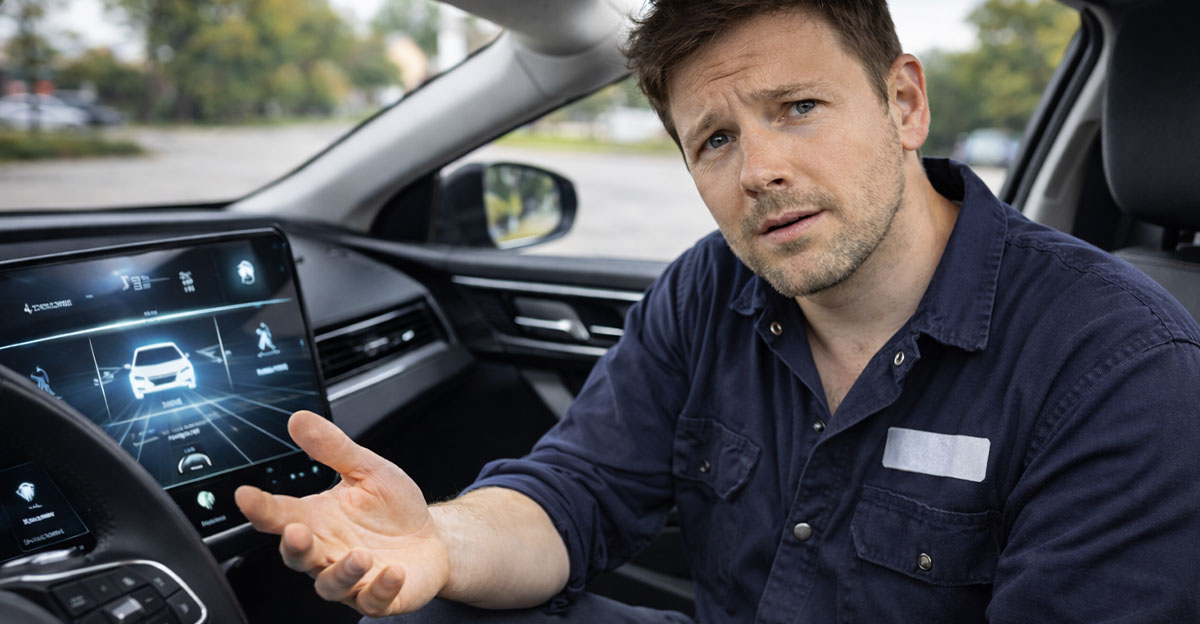
Advanced Driver Assistance Systems are meant to help, not replace, the driver. Think of them as an extra set of eyes and reflexes that step in when you miss something. They work best as backup systems, quietly assisting while you stay fully engaged behind the wheel.
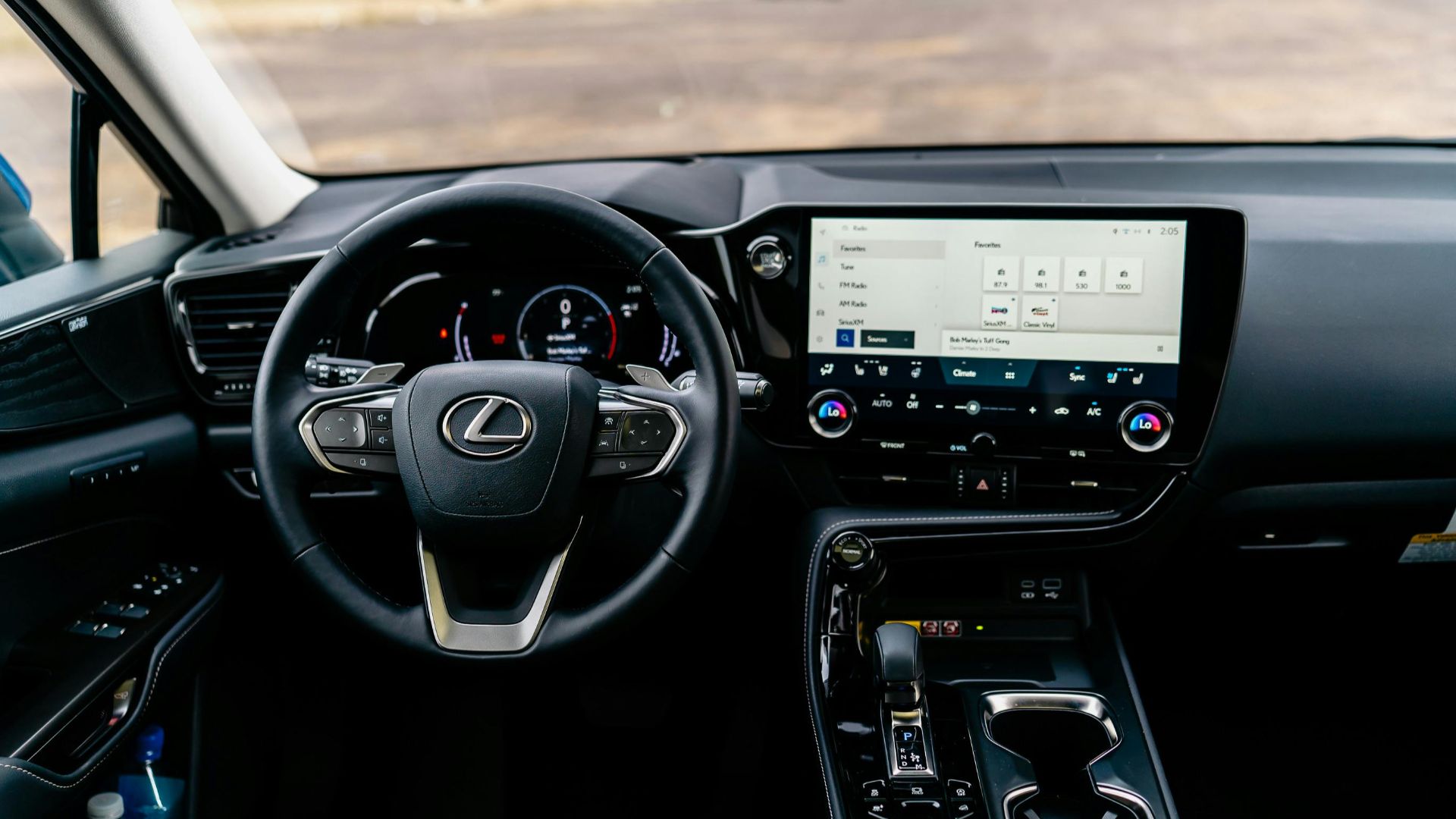
Why Drivers Get Comfortable Way Too Fast
ADAS works smoothly most of the time, and that’s part of the problem. When your car stays perfectly centered for miles, it starts to feel smarter than it actually is. Before long, drivers relax just enough to let their guard down.

Regulators Started Seeing Patterns They Didn’t Like
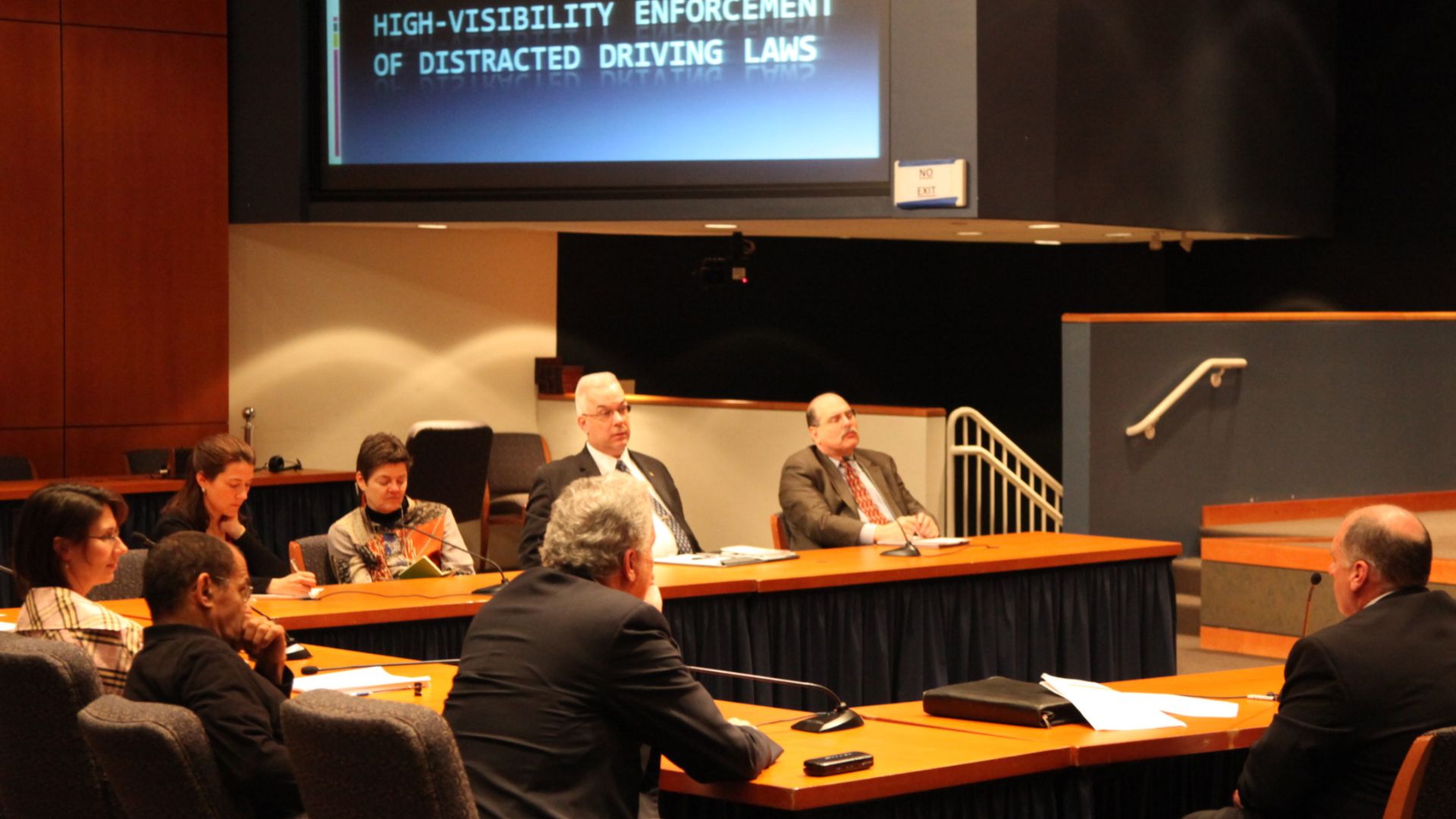
In 2021, the National Highway Traffic Safety Administration noticed something troubling. Multiple crashes involved cars with active driver-assist systems hitting stopped emergency vehicles, often at highway speeds. That was the moment the government started paying closer attention.
Tesla’s Autopilot Became the Lightning Rod
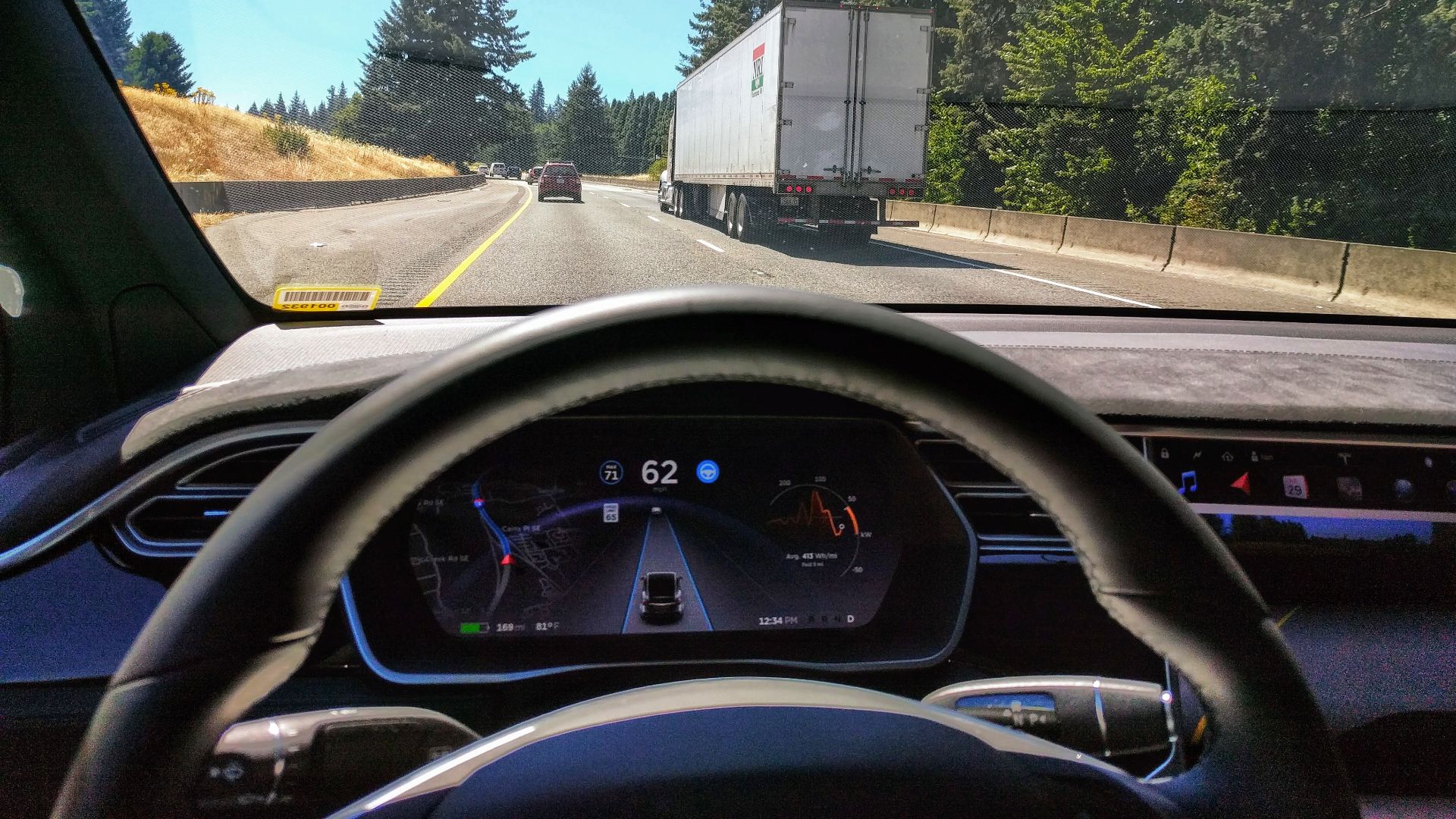
Tesla drew the most scrutiny simply because there are so many of them on the road. By 2022, the NHTSA linked Autopilot to hundreds of crashes and at least 13 deaths, prompting a major investigation into how drivers were using the system.
 Ian Maddox , Wikimedia Commons
A Crash That Turned Into a Courtroom Case
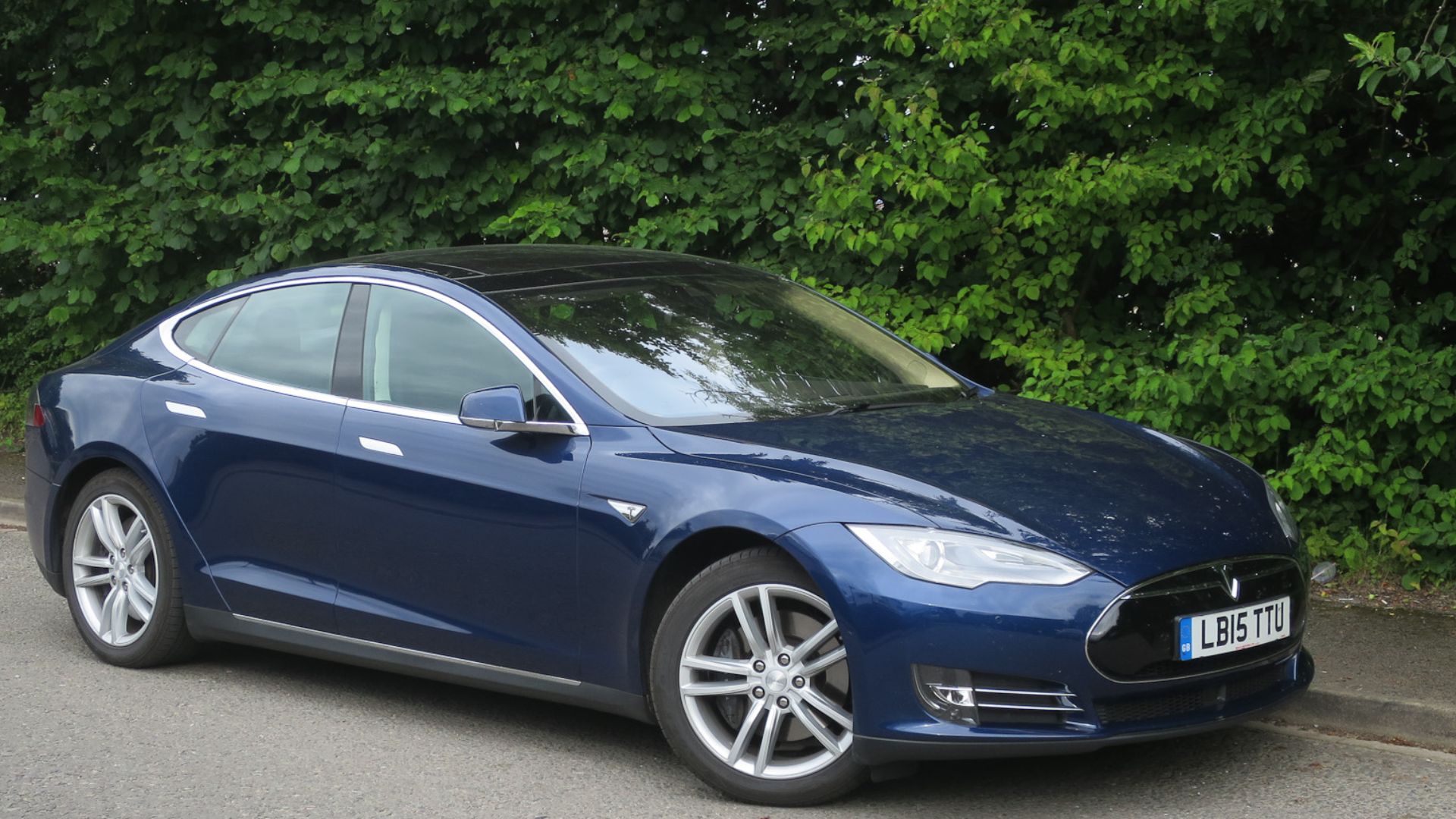
A 2019 Florida crash involving a Tesla Model S made headlines when the driver was killed after striking a tractor-trailer. A jury later found Tesla partially responsible, saying the system’s design and messaging played a role in how the driver relied on it.
 Hugh Venables , Wikimedia Commons
The Cybertruck Incident Didn’t Help Public Confidence
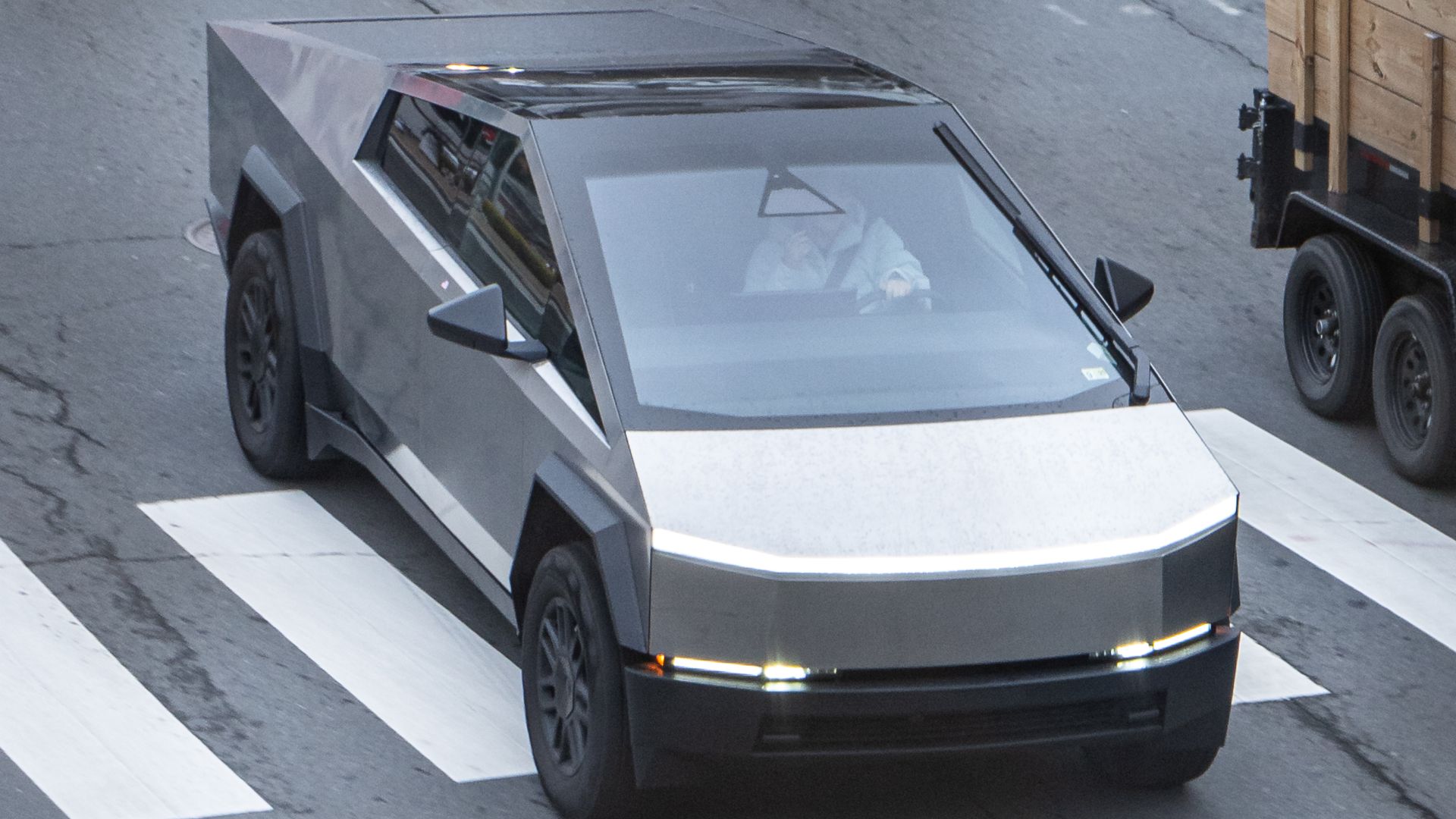
In late 2023, a Tesla Cybertruck crash while using driver-assist features sparked fresh concern. Early reports suggested the system struggled with road conditions, proving that even brand-new platforms are still learning how to interpret the real world.
 OWS Photography, Wikimedia Commons
Cars Don’t See the Road Like Humans Do
ADAS relies on cameras, radar, and software, not instinct. Bright sunlight, shadows, faded lane markings, and stationary objects can confuse systems that otherwise perform well in ideal conditions. Humans make mistakes too, but we’re better at guessing intent.

What the Studies Actually Say
Research published in Accident Analysis & Prevention found that some ADAS features reduce certain types of crashes, while others show little benefit once driver behavior is factored in. In short, the tech helps sometimes, but not as universally as marketing suggests.

Drivers Change Their Behavior Without Realizing It
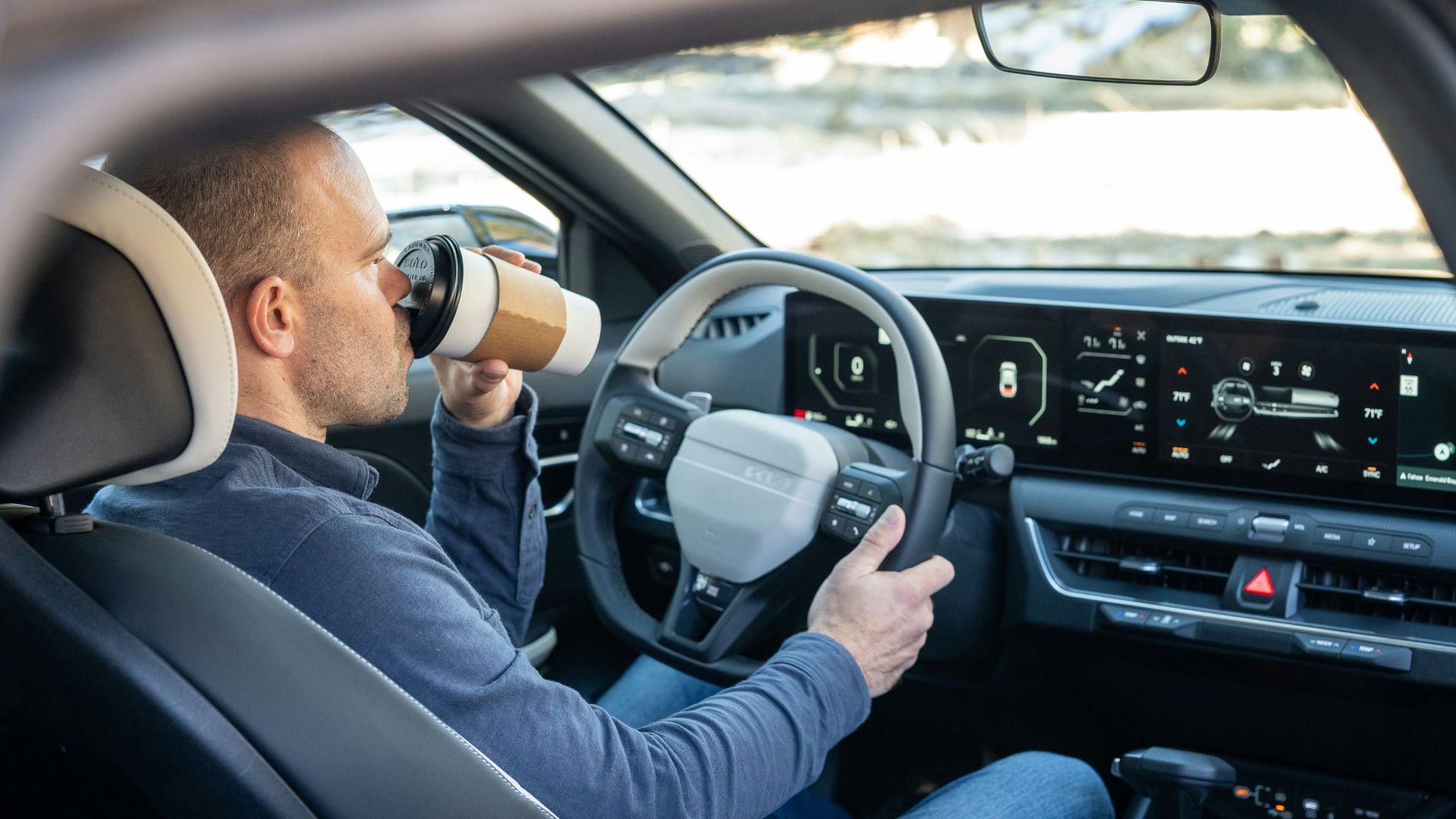
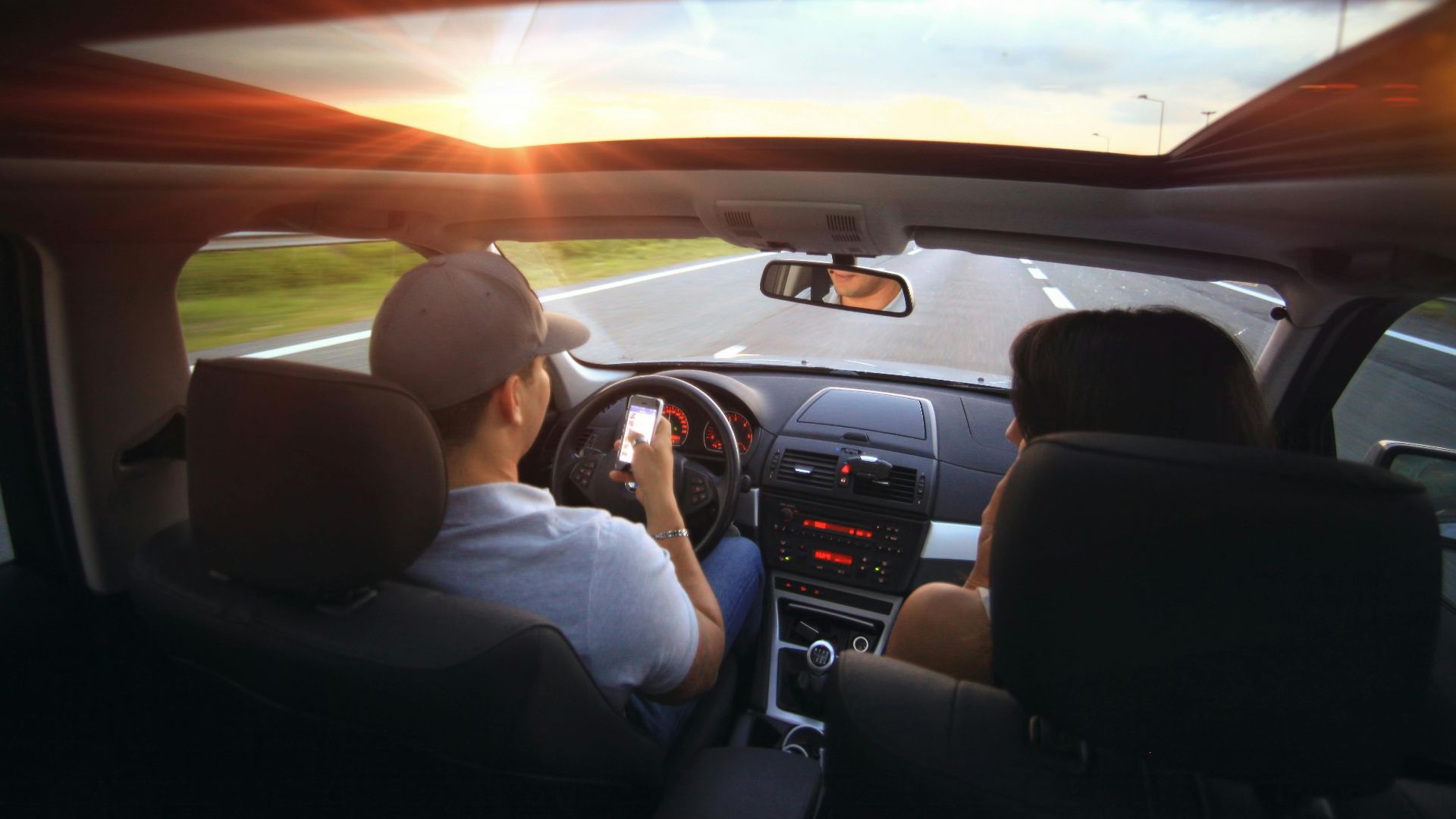
Multiple studies show drivers look away from the road more often when ADAS is active. Phones come out, attention drifts, and reaction times slow. The car feels like it’s got things covered, even when it really doesn’t.

“Hands-On” Still Means Hands On
Most ADAS systems are Level 2, meaning the driver is responsible at all times. Crash investigations repeatedly show drivers weren’t paying enough attention, despite warnings that the system is not fully autonomous.
Automatic Braking Isn’t Magic Either
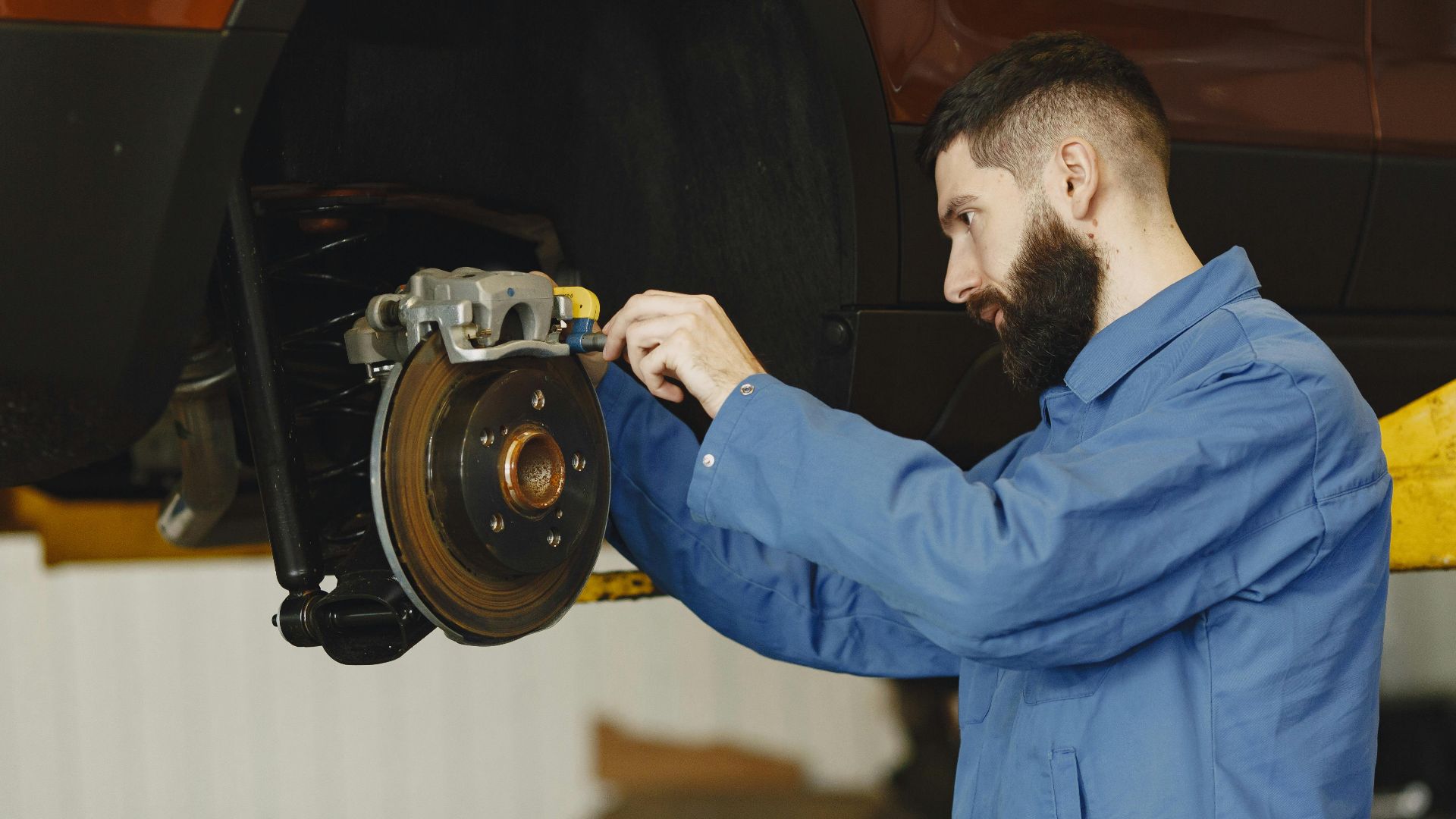
Automatic emergency braking sounds foolproof, but it isn’t. Testing by Consumer Reports and IIHS shows inconsistent performance with stopped vehicles, motorcycles, and cross-traffic, especially at higher speeds or in poor lighting.
When the System Hesitates, Things Go Wrong Fast
At highway speeds, even a brief delay matters. Several documented crashes happened because drivers assumed the car would brake or steer, only realizing too late that it wasn’t going to do either.

Crash Reporting Doesn’t Show Everything
The NHTSA requires reporting crashes involving ADAS, but changes to reporting rules mean some minor incidents are no longer public. That makes it harder to understand how often systems fail outside of major accidents.

This Isn’t Just a Tesla Problem
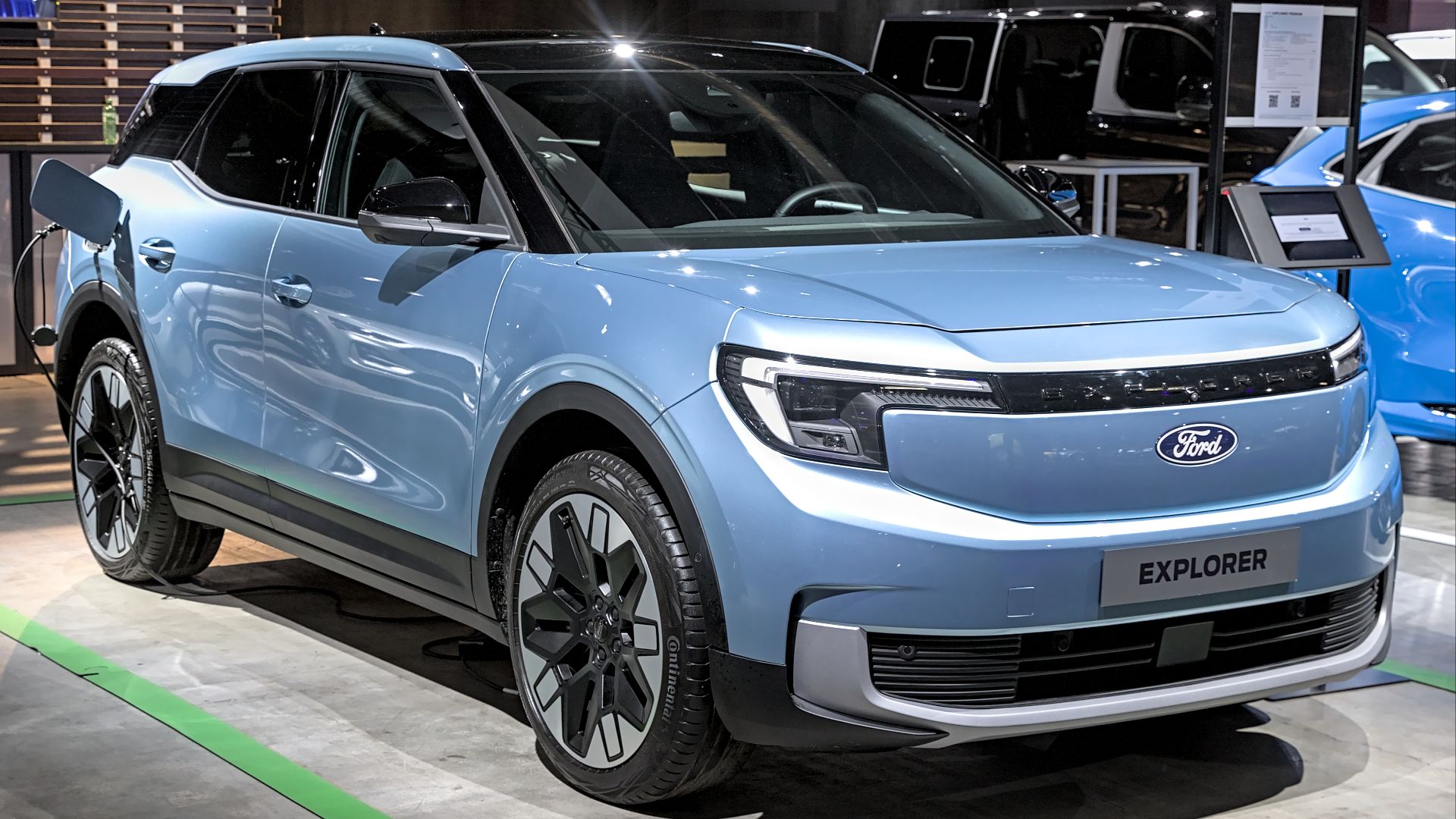
Honda, Subaru, Ford, and others have all had ADAS-related incidents. Tesla gets the spotlight, but no manufacturer has perfected these systems yet. Different brands struggle in different ways.
 Alexander-93, Wikimedia Commons
Why Automakers Keep Pushing ADAS Anyway
Despite the issues, ADAS does reduce some types of crashes and helps drivers stay alert on long trips. Automakers also see it as a stepping stone toward future automation, even if today’s versions aren’t flawless.

Nobody Really Trains Drivers on These Systems
Most people learn ADAS by experimenting on the road, which is not ideal. Owners’ manuals exist, but let’s be honest — most people don’t read them cover to cover.
Overconfidence Is the Real Villain Here
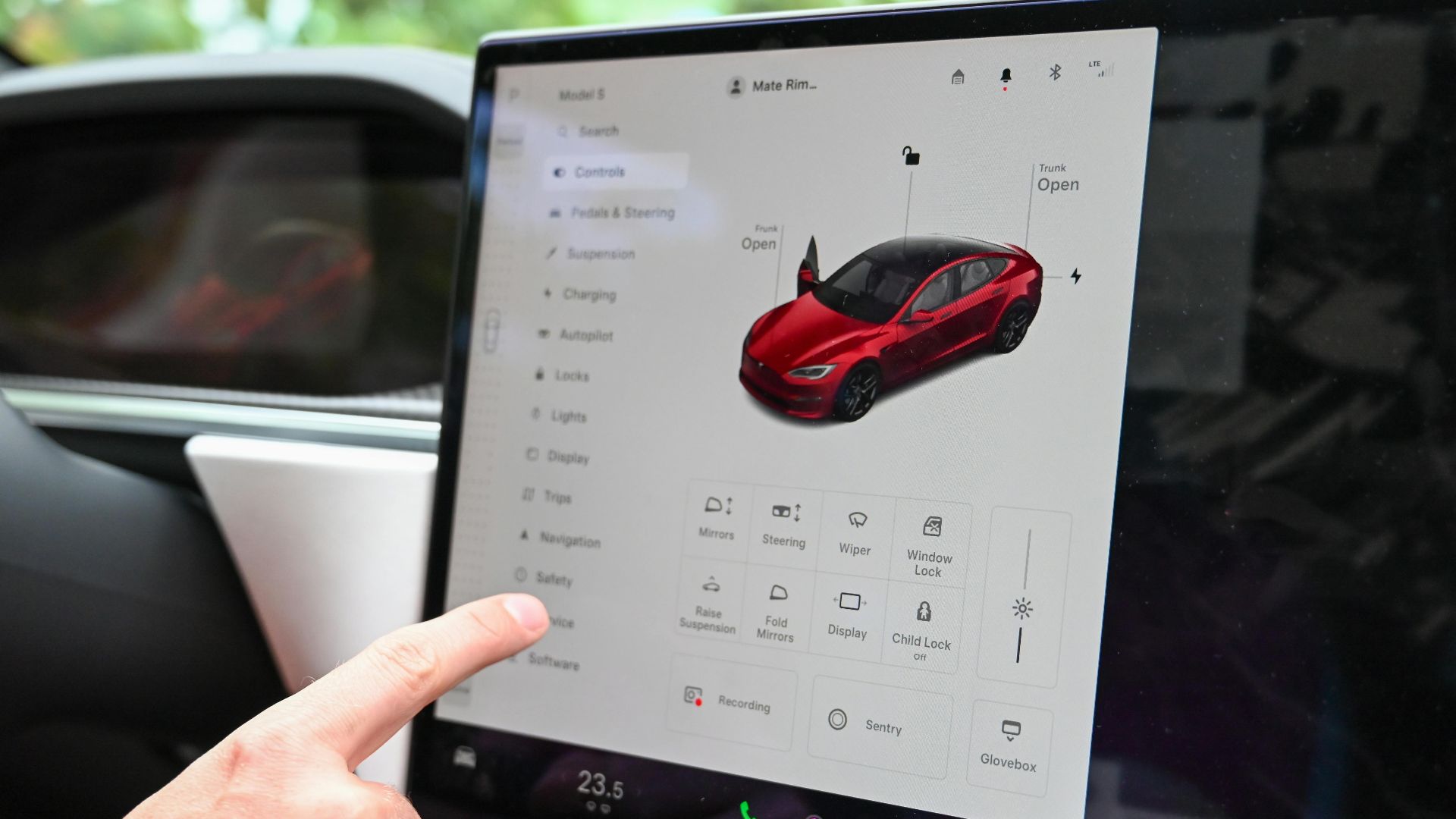
Safety experts agree the biggest danger isn’t the technology itself. It’s drivers trusting it more than they should. When confidence rises faster than capability, problems follow.

ADAS Works Best as a Safety Net
Used correctly, these systems can help catch mistakes and reduce fatigue. Problems start when drivers treat them like a replacement for attention rather than a backup for it.
Regulation Is Playing Catch-Up
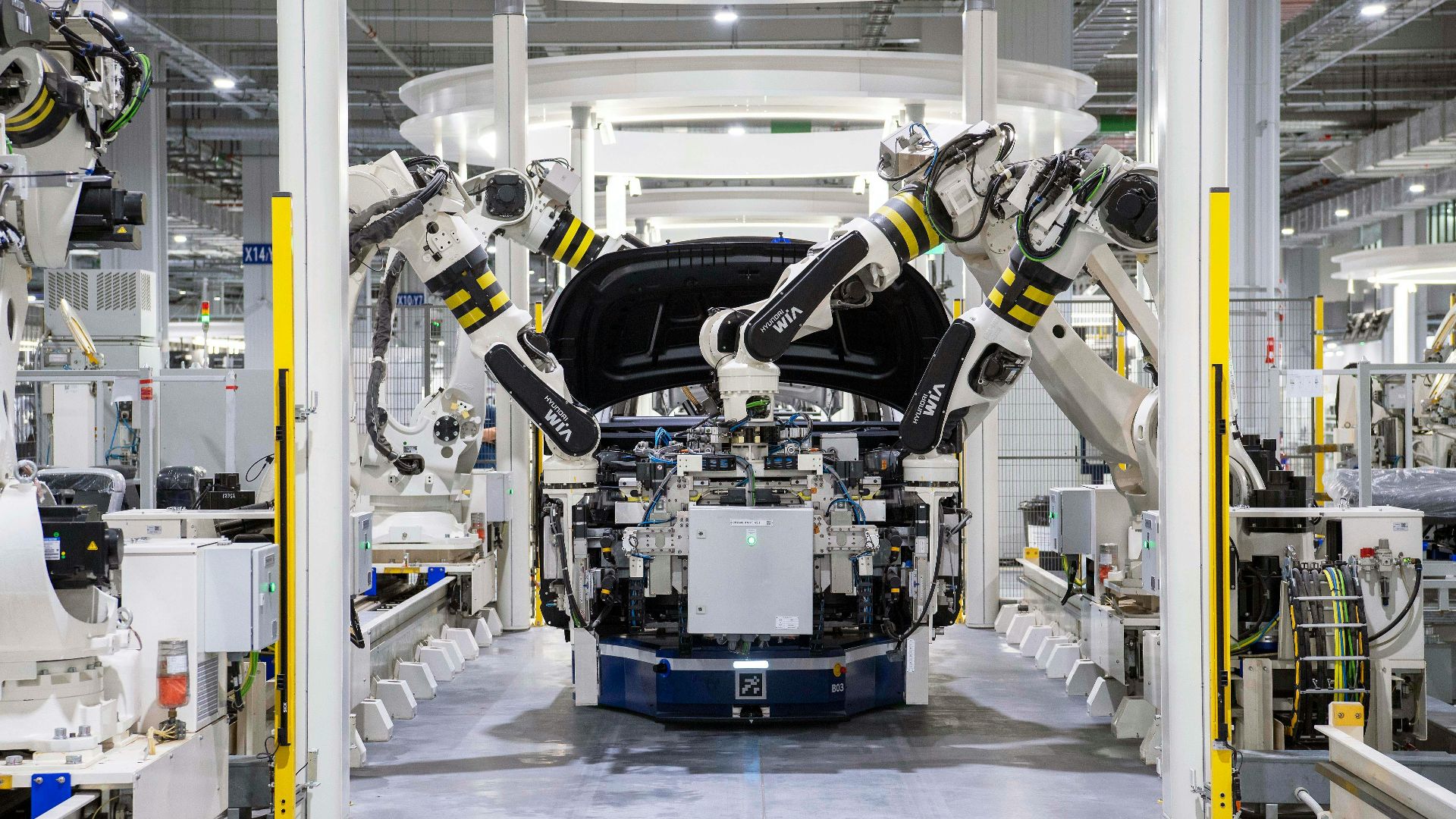
Technology is evolving faster than laws can keep up. Regulators are still studying real-world data while millions of cars with these systems are already on the road.
So Are These Systems Actually Dangerous?
They can be, especially when misunderstood. Most failures happen at the intersection of human behavior and system limitations, not because the tech is outright broken.
The Real Takeaway for Drivers
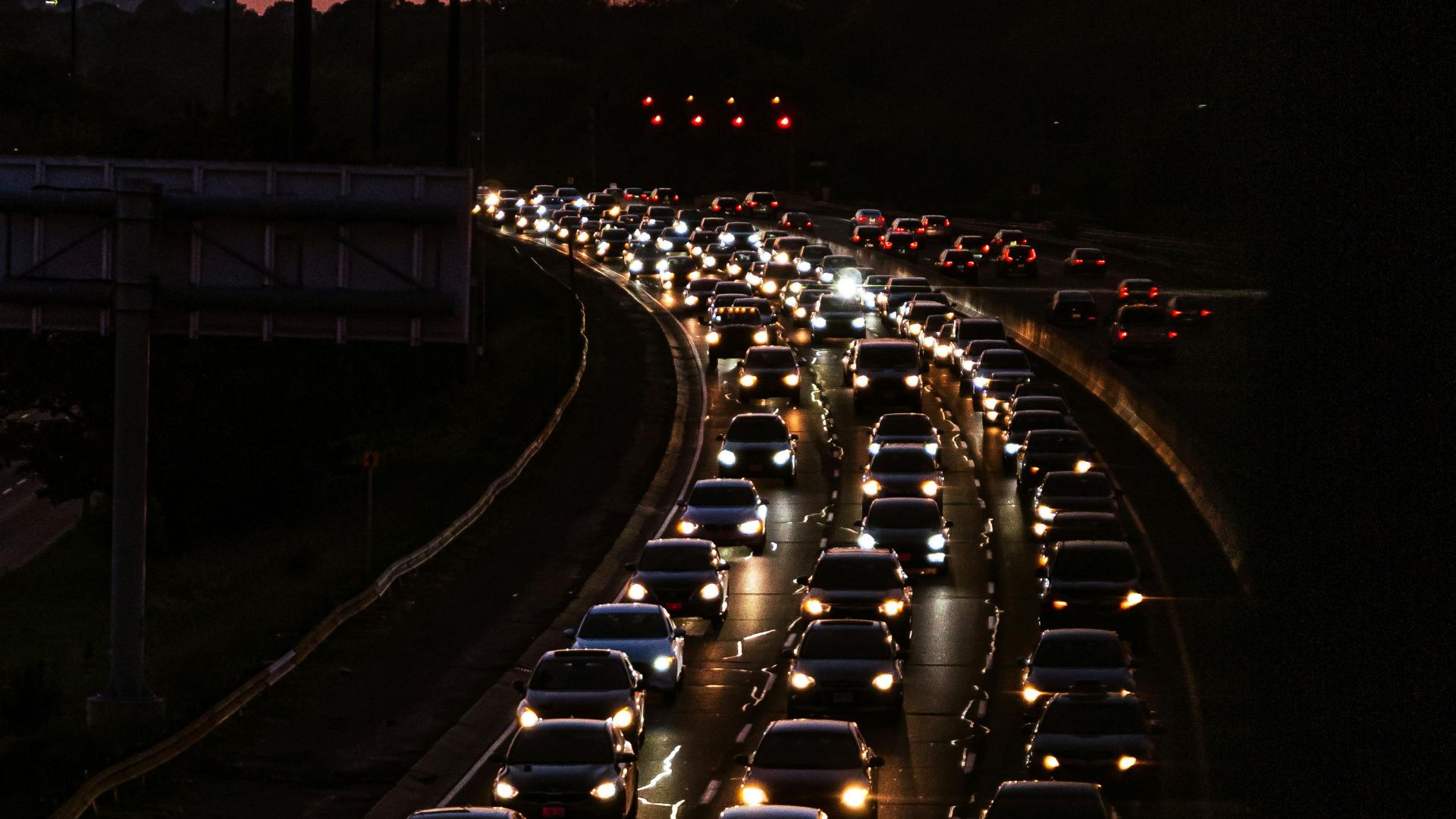
ADAS can help, but it isn’t a co-pilot you can trust blindly. Staying engaged, knowing the limits, and keeping expectations realistic is still the best safety system available.

You May Also Like:
Why Did Americans Give Up On Manual Transmissions?
Classic Pickup Trucks Are Skyrocketing in Value—Here’s What’s Driving It
Pickup Trucks With The Worst Depreciation, According To Industry Experts