Why Premium Gas Feels Like A Luxury Purchase
You pull up to the pump, glance at the price board, and suddenly “Supreme” starts sounding less like fuel and more like a designer accessory. So why does your mechanic insist on it, and why does it cost so much more than regular gas? The answer comes down to chemistry, engine design, production costs, and a little bit of market strategy.

Your Mechanic Is Not Just Being Dramatic
When a mechanic says your car should use Supreme or premium fuel, they usually are not trying to empty your wallet for fun. Some engines are built to run best on higher-octane gasoline, and using the right fuel helps them perform the way the engineers intended. In some cases, it can even prevent long-term wear or power loss.

The Big Difference Is Octane
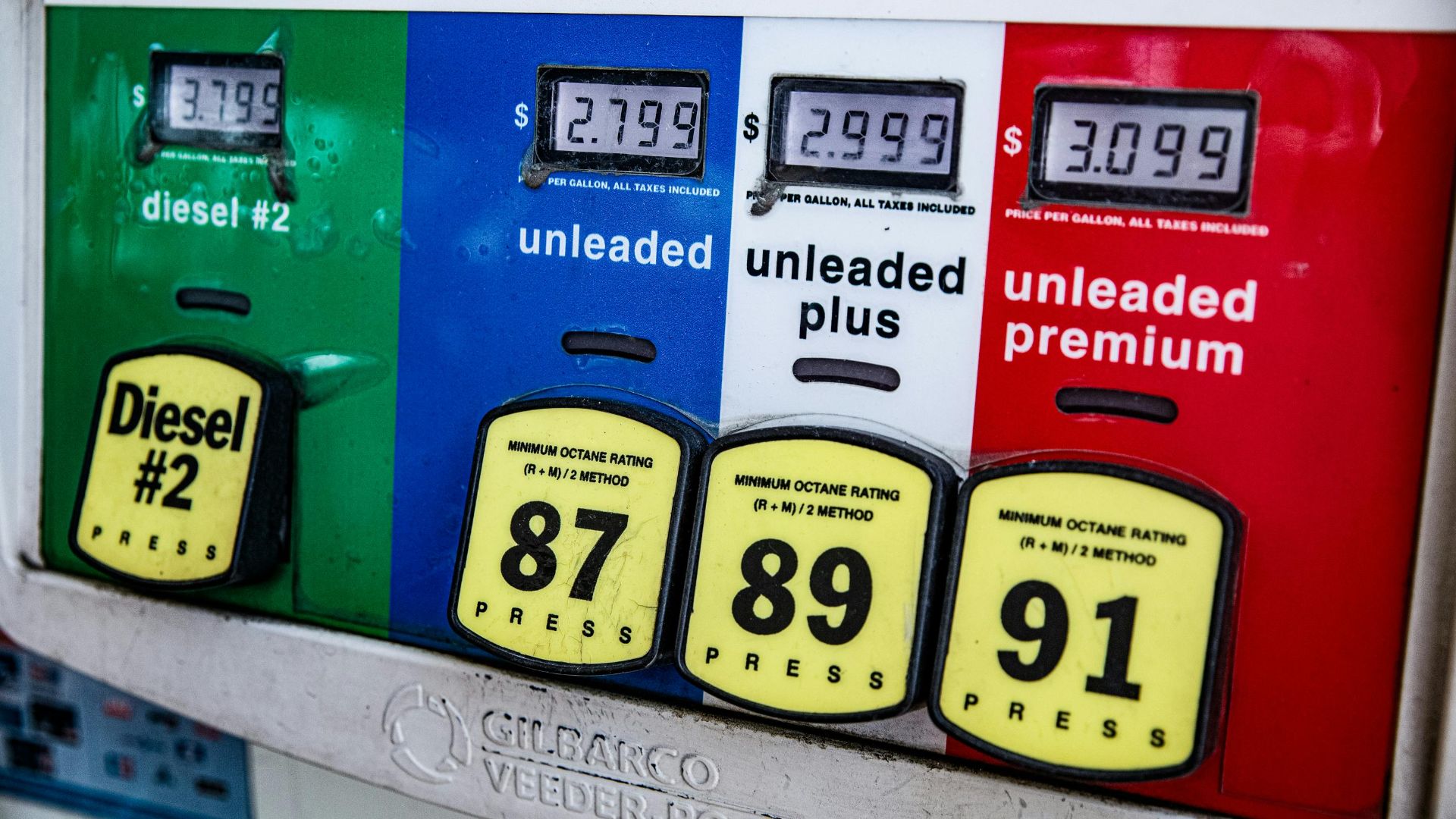
The main thing separating regular gas from Supreme is octane. Octane is a rating that shows how well fuel resists knocking inside the engine. Regular fuel usually has a lower octane number, while Supreme sits at the top of the pump with a higher one, which makes it better suited for engines that run hotter and under greater pressure.
Octane Is Not Extra Power In A Bottle
A lot of drivers think premium gas is automatically more powerful, like it gives every car an instant energy drink. That is not really how it works. Premium fuel does not contain magical extra horsepower for every vehicle. Instead, it helps certain engines safely make the power they were already designed to produce without misfiring or knocking.

What Engine Knock Actually Means
Knock sounds like something tiny, but it is a big deal in engine terms. It happens when fuel ignites too early or unevenly inside the combustion chamber. Instead of a smooth, controlled burn, you get a rough shock wave. That can hurt efficiency, reduce performance, and over time contribute to engine damage if it happens often enough.
Why Some Cars Need Higher-Octane Fuel
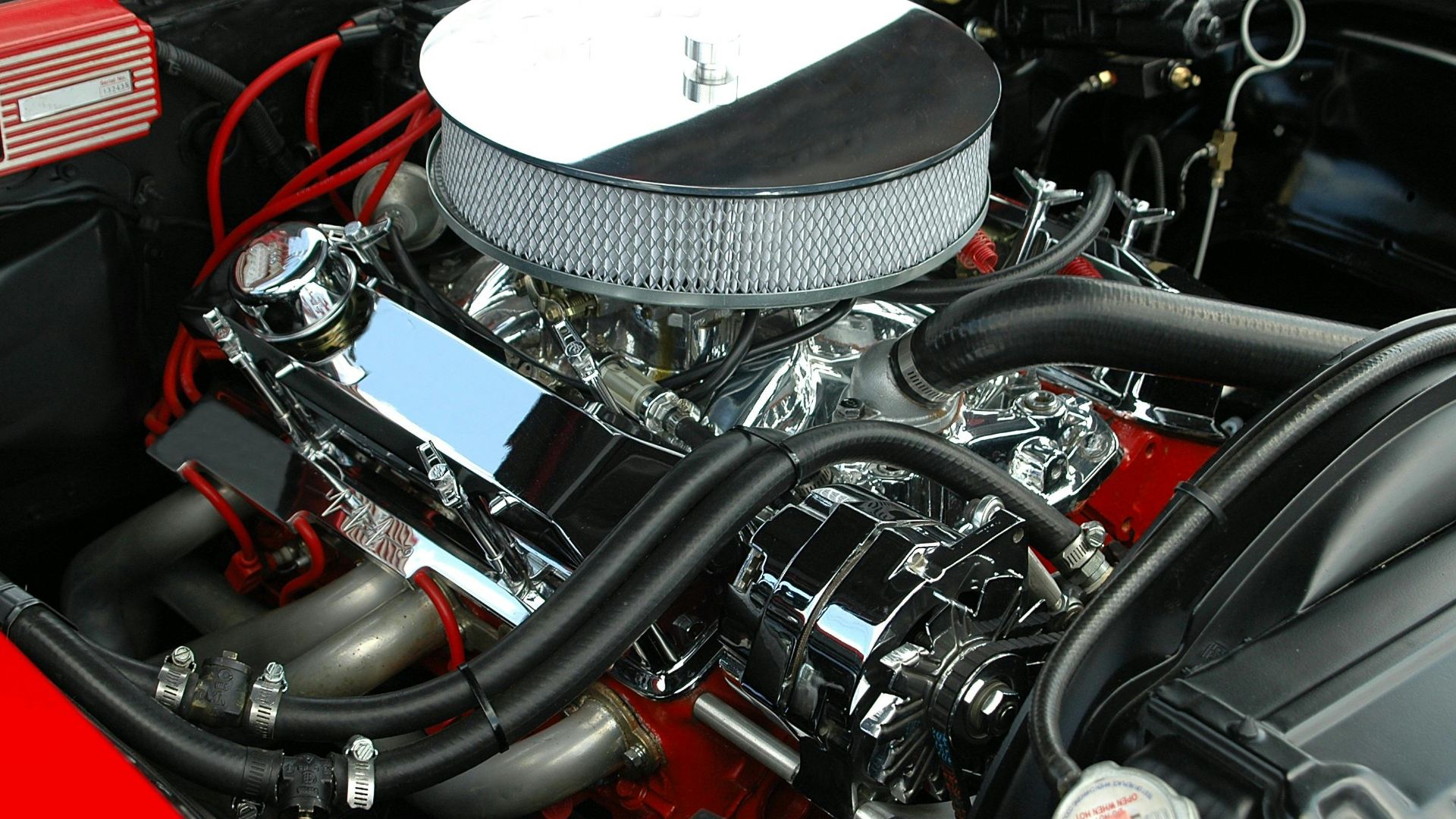
Cars with turbochargers, superchargers, or high-compression engines often need premium because they squeeze the air-fuel mixture harder before ignition. That creates more heat and pressure, which raises the risk of knock. Higher-octane fuel is more stable under those conditions, so it keeps everything running smoother when the engine is working at a higher level.

It Is All About Compression And Heat
Think of your engine like a pressure cooker. The more pressure and heat inside, the more likely the wrong fuel is to misbehave. High-performance engines are designed to push harder because that is how they make more power and efficiency. Supreme fuel is built to stay calm under that pressure, while regular gas may start acting up.
Supreme Gas Is Harder To Produce
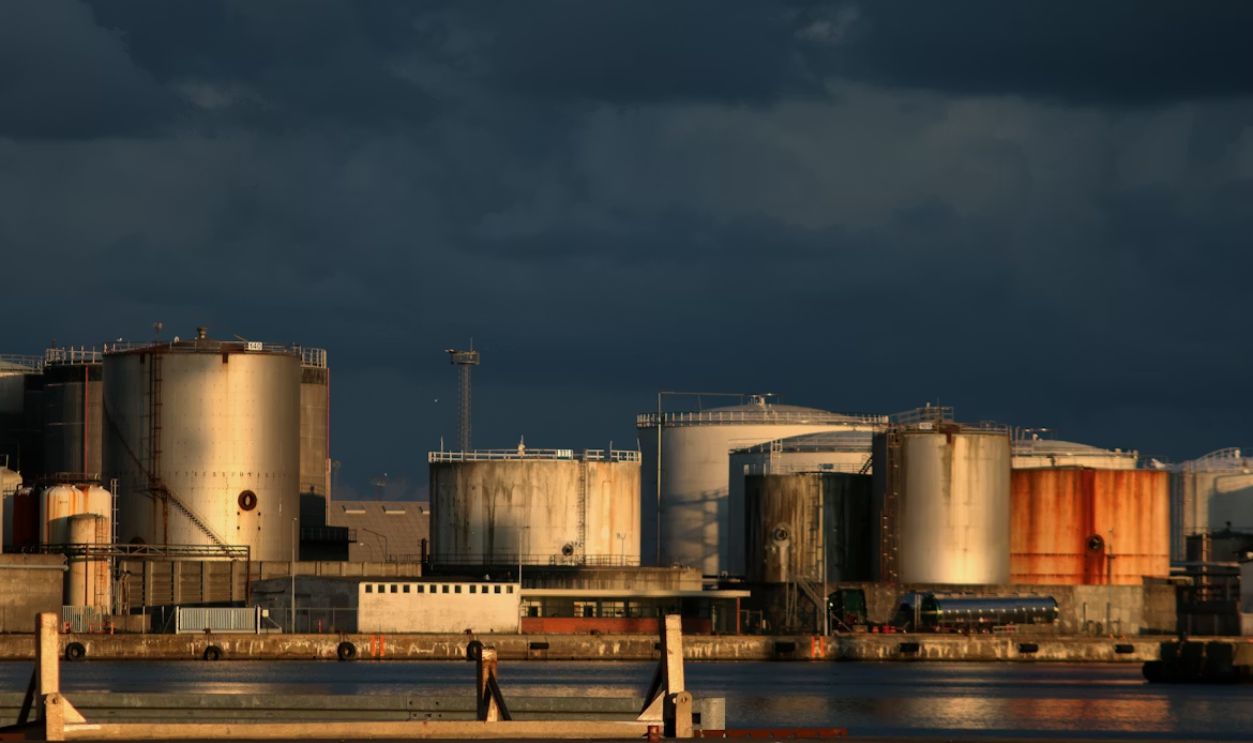
Here is where the higher price starts making sense. Premium fuel is not just regular gas with a fancier label. Refiners have to blend gasoline components carefully to reach a higher octane level. That process can involve more expensive ingredients, more refining complexity, and tighter quality control, all of which add cost before the fuel even reaches the station.
Better Ingredients Usually Cost More
Just like baking a cake with premium butter and fancy chocolate costs more than using basic pantry stuff, making higher-octane fuel often requires costlier blendstocks and additives. The fuel has to meet stricter performance standards, which means refineries cannot simply toss in whatever is cheapest. The recipe matters, and the premium recipe is usually more expensive.
Additives Also Play A Role
Supreme fuel often includes detergent packages and other additives meant to help keep fuel systems and intake components cleaner. Different brands market these benefits differently, but the general idea is that premium blends may come with extra chemical helpers. Those additives are not free, and while they are not the whole reason for the price jump, they do contribute.
It Sells In Smaller Volumes
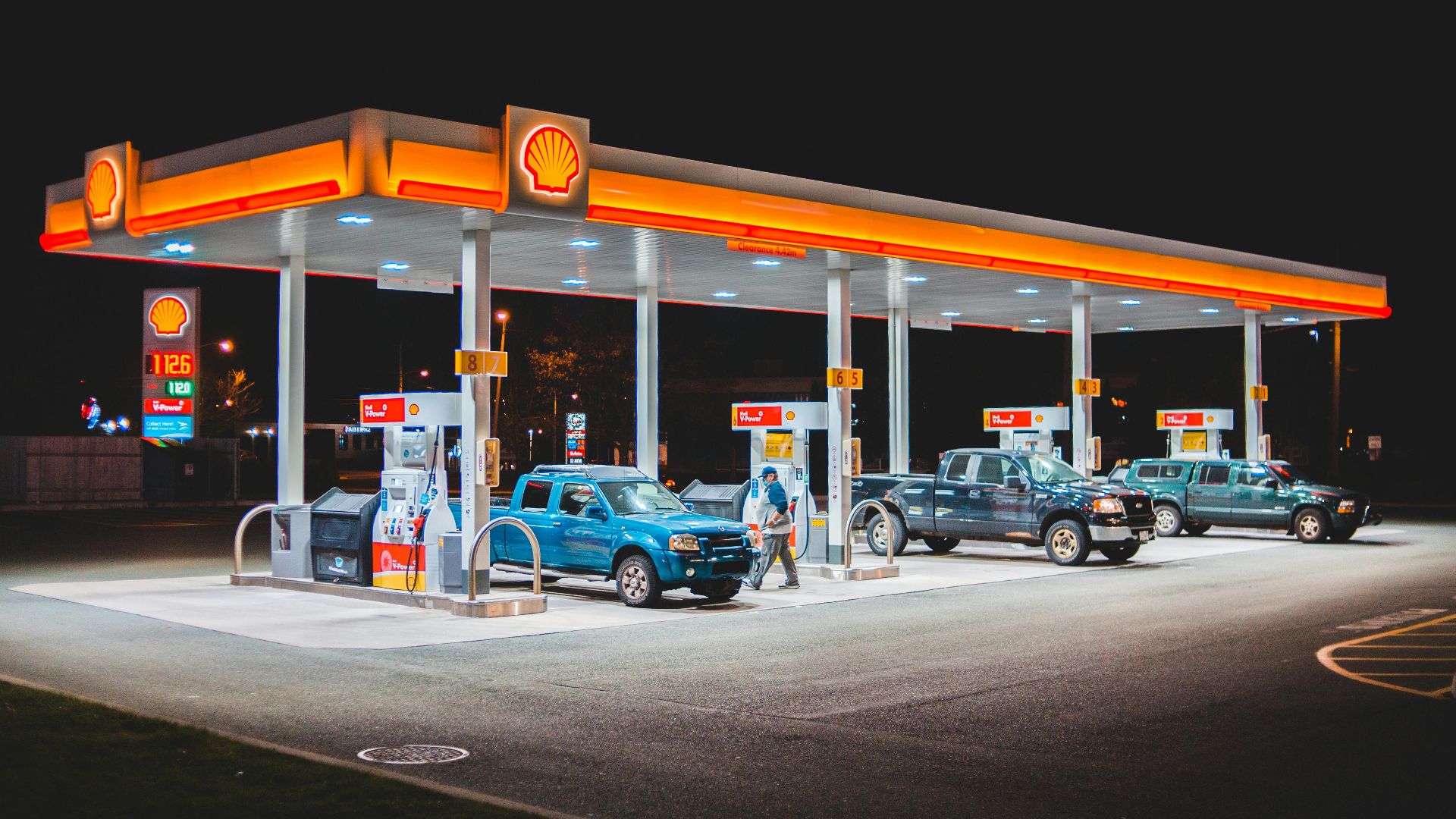
Regular gas is the people’s champion. It is the fuel most drivers buy, which means stations move a lot of it every day. Supreme sells in lower volumes, so it does not benefit from the same kind of scale. When a product moves slower, the cost per gallon often rises because storage, transport, and turnover are less efficient.
Storage Adds Its Own Costs
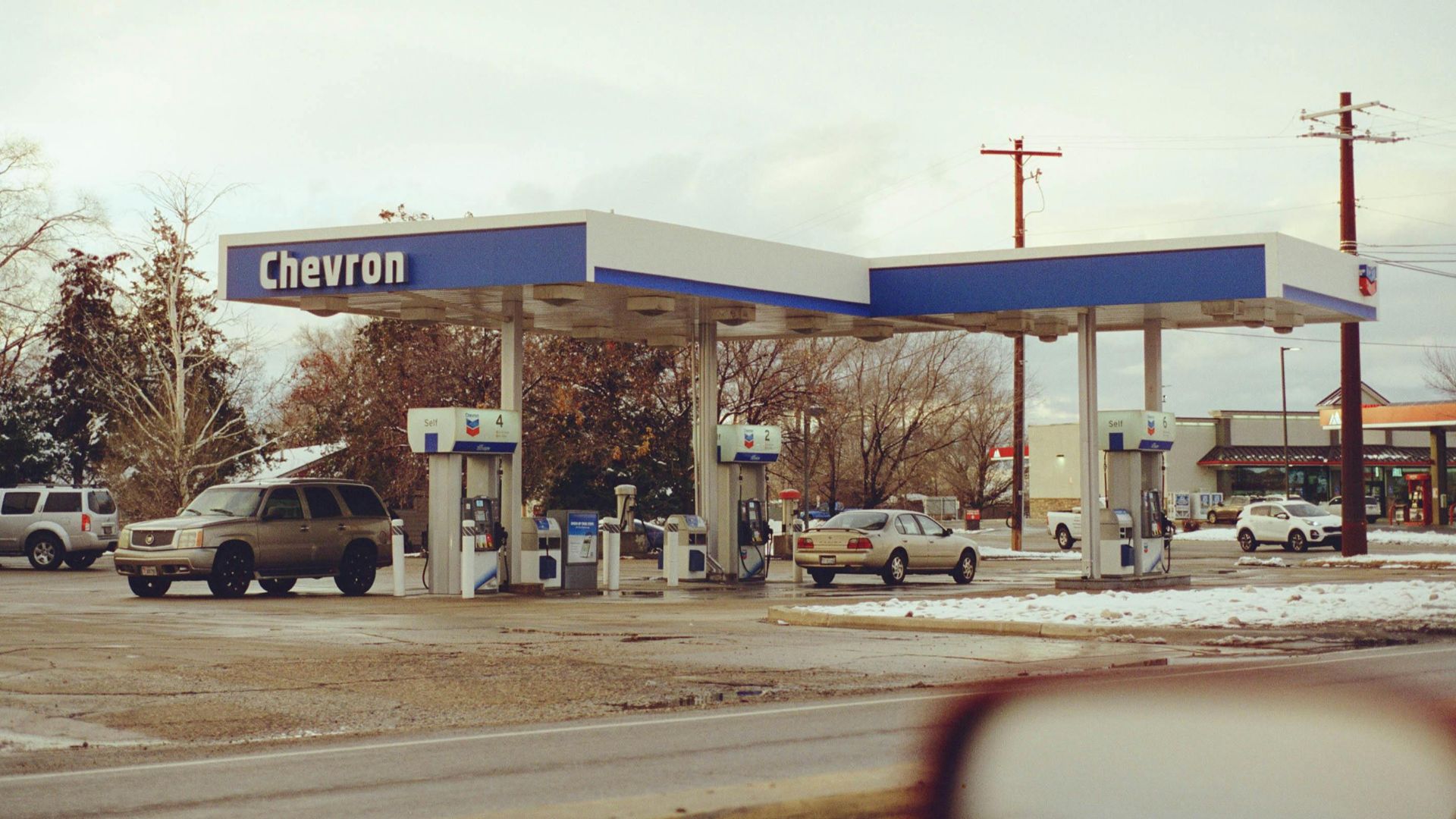
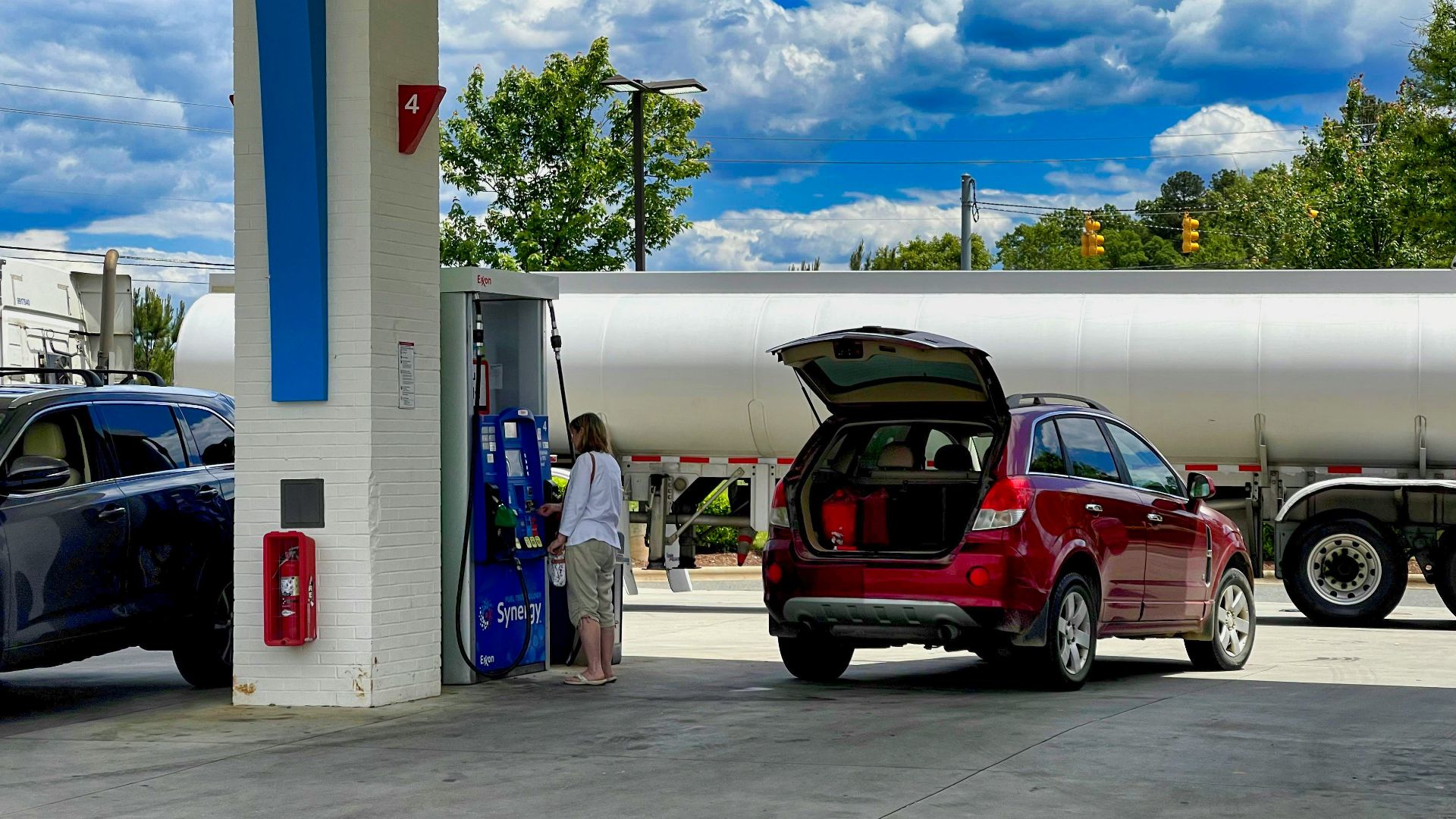
Gas stations have limited underground tanks, and each fuel grade takes up precious real estate. Supreme may sit longer than regular, but the station still has to dedicate equipment, maintenance, and storage space to it. If fewer people buy it, the station often charges more per gallon to make that tank worth keeping around.

Transport And Distribution Matter Too
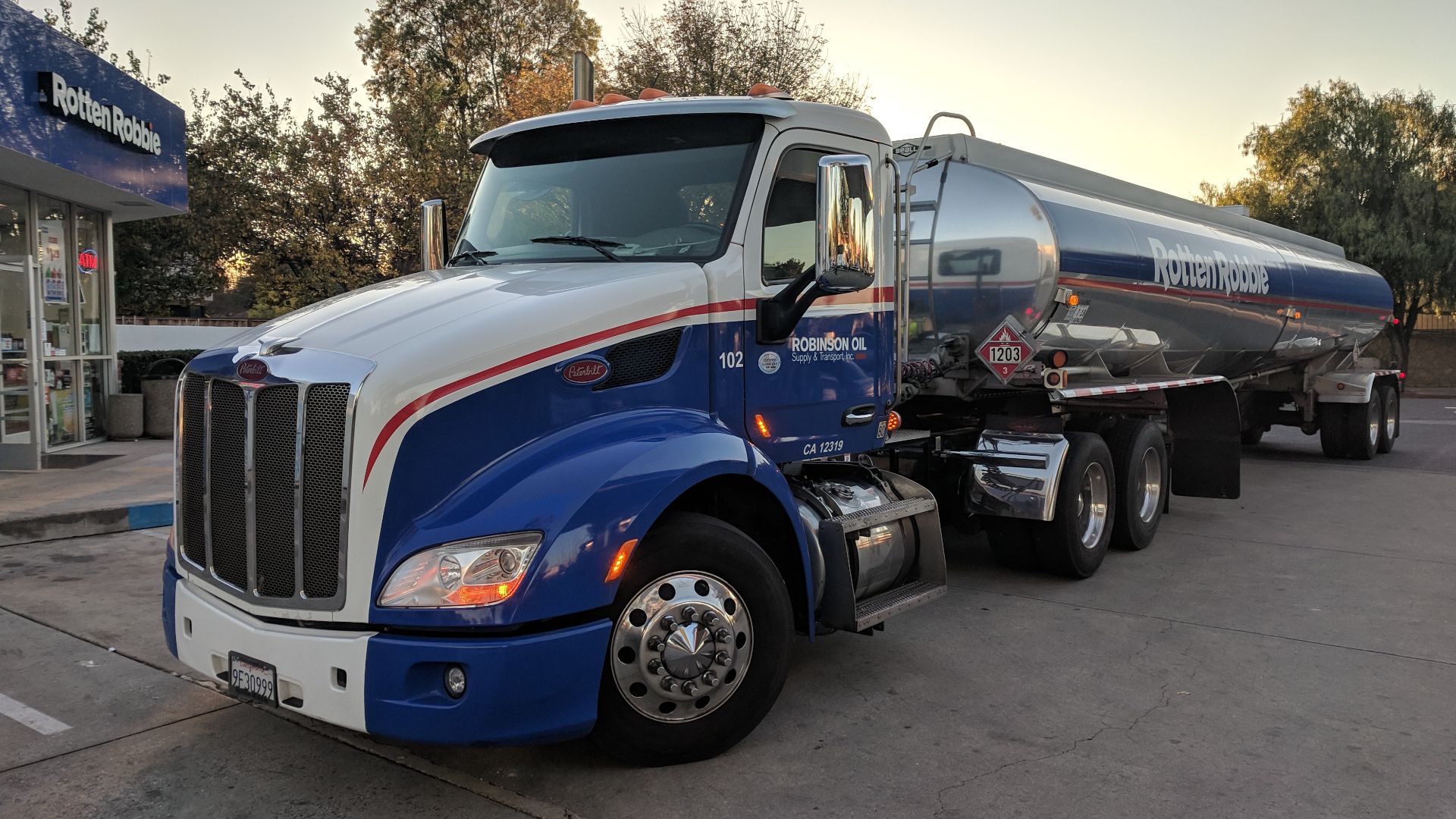
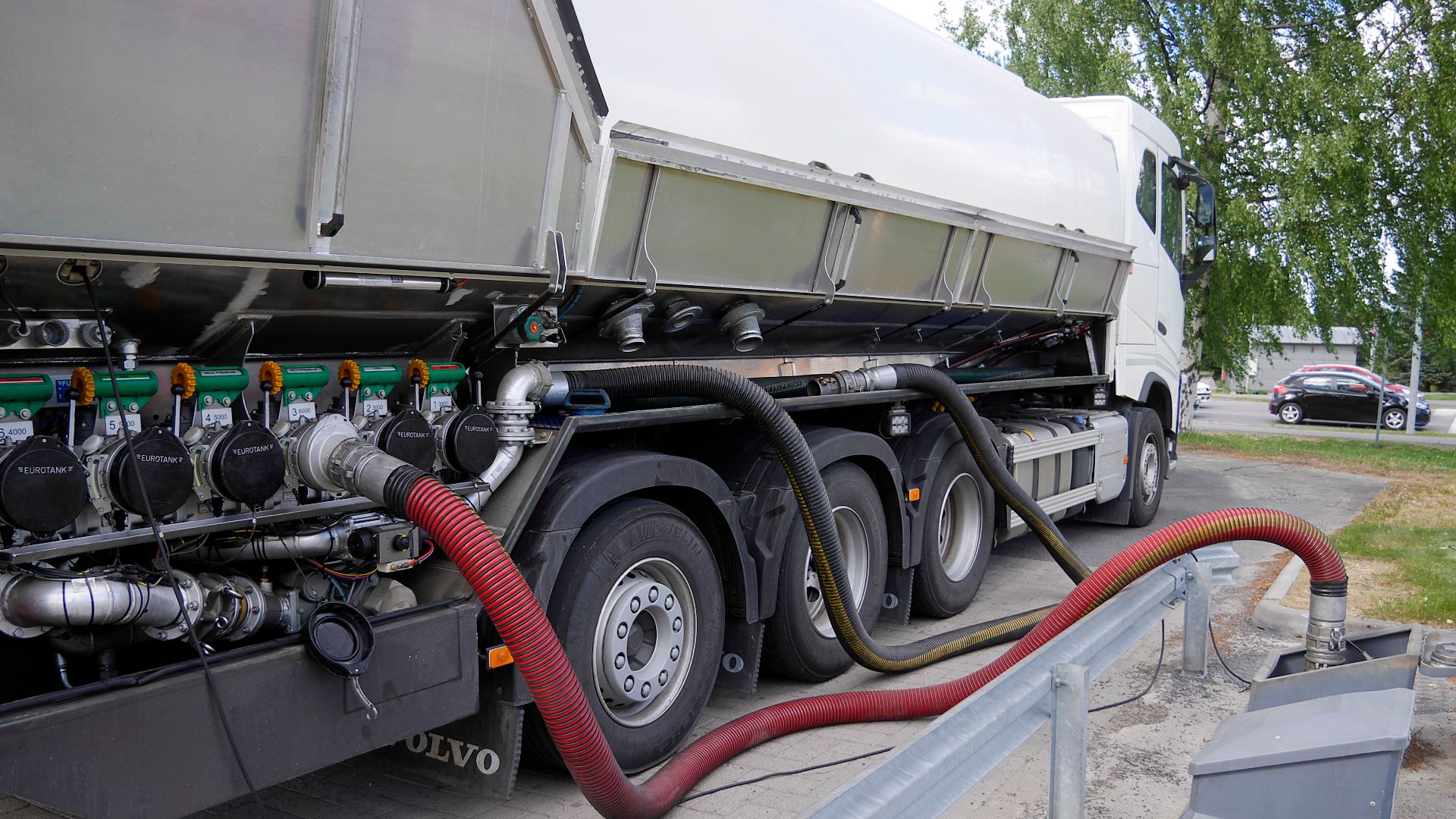
Fuel does not teleport from the refinery to your local pump. It is transported, blended, stored, and delivered through a big network that costs money to run. Premium fuel often moves in smaller quantities and has to be kept properly separated by grade. Those extra logistics may not sound glamorous, but they quietly add to the final price you see.
 Grendelkhan, Wikimedia Commons
Seasonal Fuel Blends Can Push Prices Higher
Gasoline formulas change throughout the year to meet weather conditions and emissions requirements. That means refineries and distributors are constantly adjusting what they produce and where it goes. When you add a premium grade into that already complicated dance, the supply puzzle gets trickier, and complicated supply chains rarely lead to bargain pricing.
 Harrison Keely, Wikimedia Commons
Demand Helps Set The Price
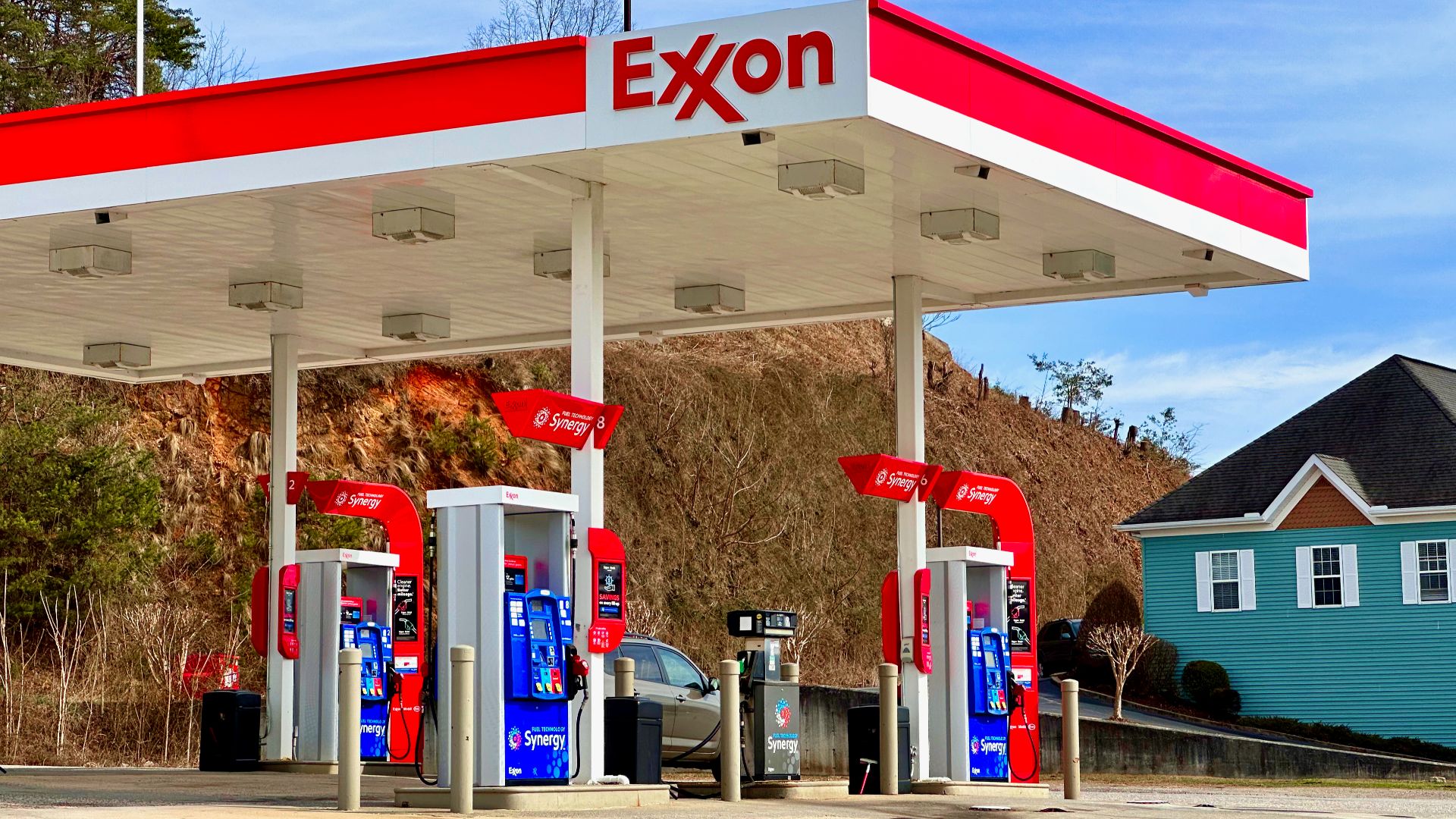
If enough drivers are willing to pay more for Supreme, stations have little reason to narrow the gap. Premium buyers are often driving performance cars, luxury vehicles, or turbocharged crossovers, and they are usually expecting a higher fuel bill anyway. In simple terms, the market knows Supreme customers are less likely to walk away over a few extra cents.

Branding Makes It Feel Even Pricier
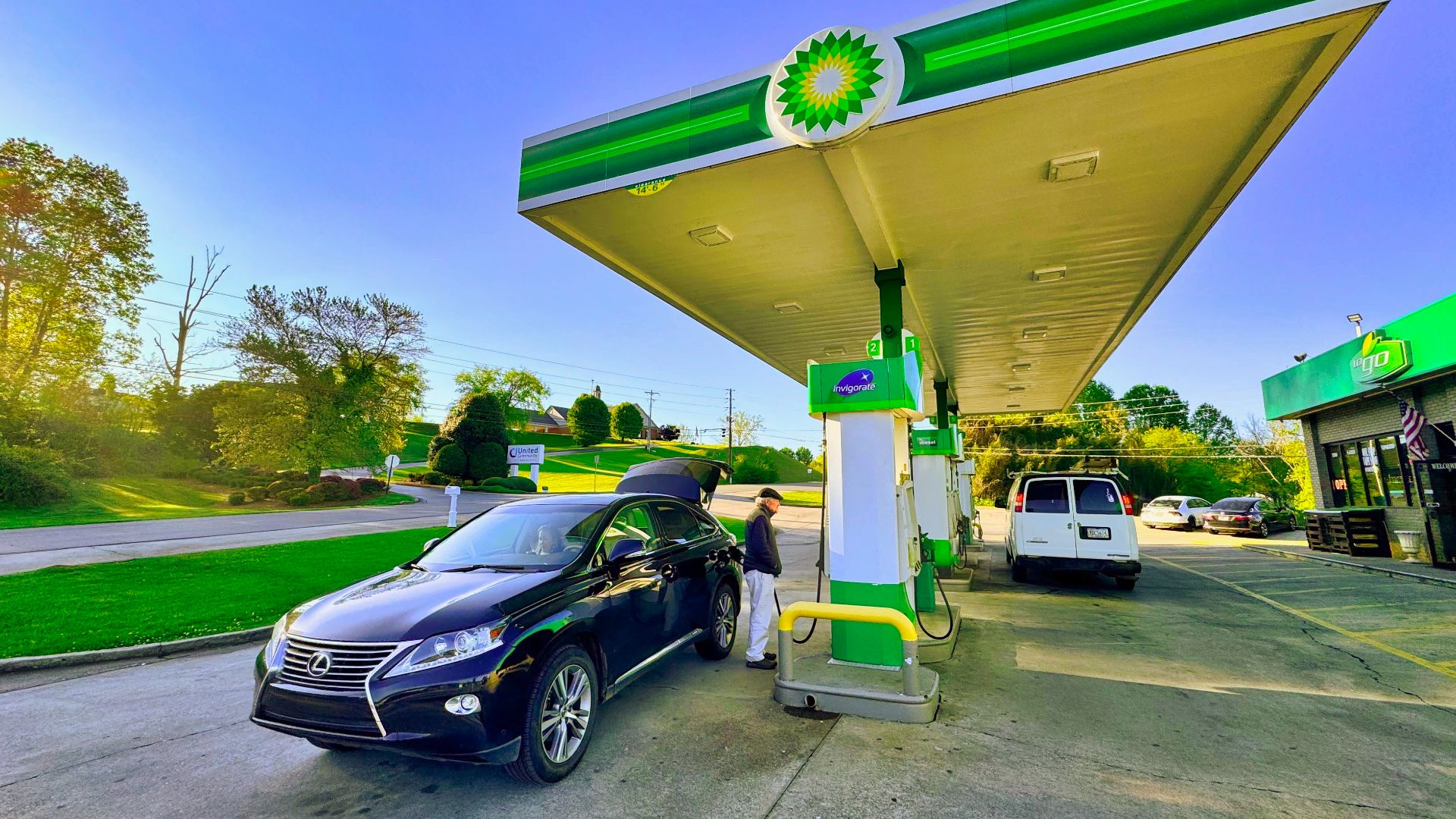
Let’s be honest: words like “Supreme,” “Premium,” and “Ultra” do not exactly scream budget-friendly. Fuel companies know presentation matters. Even though the real reasons for the higher cost are technical and logistical, the branding also reinforces the idea that this is the top-shelf choice. And once something gets marketed as top shelf, the price usually follows.
 Harrison Keely, Wikimedia Commons
Taxes And Regional Costs Can Widen The Gap
Depending on where you live, the difference between regular and Supreme can feel mild or downright rude. Regional fuel standards, transportation costs, local taxes, and supply issues can all widen the spread between grades. So while the chemistry is one reason premium costs more, the local market can make that difference look even bigger.
 Santeri Viinamaki, Wikimedia Commons
Premium Is Not Better For Every Car
This is where people waste money. If your owner’s manual says regular is fine, filling up with Supreme probably will not transform your car into a race machine. In many everyday vehicles, the extra octane simply is not needed. The engine cannot really take advantage of it, so your wallet gets lighter while your commute stays exactly the same.
But It Can Be Better For The Right Car
On the other hand, if your car is designed for premium fuel, using it can help preserve performance, fuel economy, and smooth operation. Some modern engines can adjust timing to tolerate regular, but that often means reduced power or efficiency. So in those cars, premium is not a luxury upgrade. It is more like giving the engine what it asked for.
 Staffan Andersson, Wikimedia Commons
“Required” And “Recommended” Are Not The Same
This is one detail drivers often miss. If premium is “required,” you should take that seriously because the engine was built around that fuel. If it is only “recommended,” the car may still run on regular, but with some trade-offs. Checking your owner’s manual matters more than pump gossip, mechanic mythology, or that one uncle who swears all gas is identical.

Modern Cars Can Adapt, But Not Perfectly
Many newer vehicles have sensors and computers smart enough to detect knock and adjust ignition timing. That means the car may protect itself if you use lower-octane fuel. Sounds great, right? Yes, but there is usually a catch: less power, reduced responsiveness, and sometimes worse mileage. The engine survives, but it may not be having a great time.

Fuel Economy Does Not Always Save The Day
Some drivers hope premium will pay for itself through better fuel economy. Sometimes there is a small improvement, especially in cars tuned for it, but it is rarely dramatic enough to cancel out the higher pump price. So while Supreme may help your engine run as intended, it usually is not a secret coupon hiding in liquid form.

Refiners And Retailers Both Take A Slice
The higher price of Supreme is not caused by one villain in a cartoon gas station uniform. Refiners charge more because the product is more costly to make, and retailers charge more because it moves slower and targets a buyer who expects a premium product. By the time it gets to the pump, several layers of cost and markup have stacked up.
Why The Price Gap Feels So Annoying
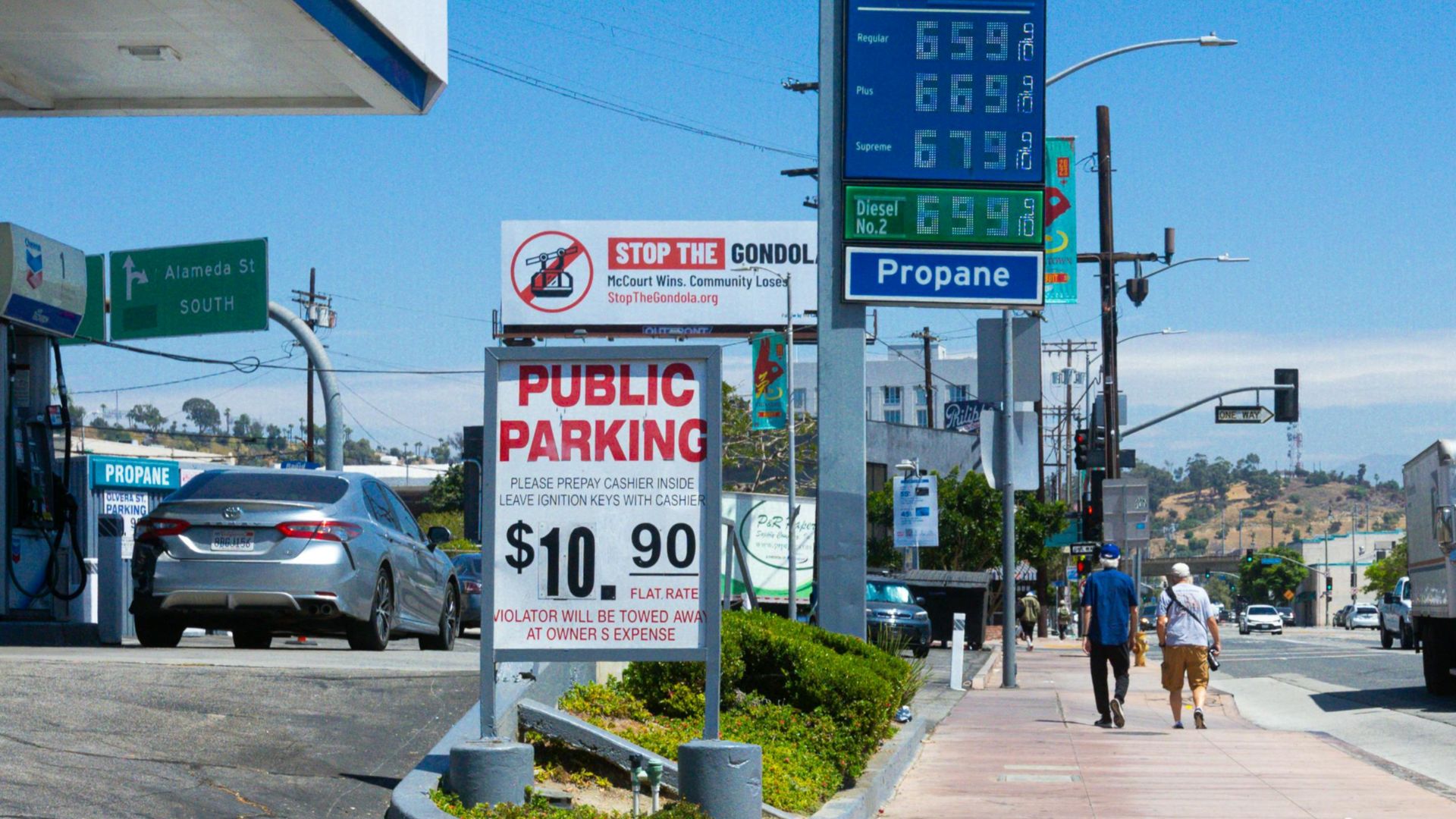
The jump from regular to mid-grade might feel manageable, but the leap to Supreme often feels personal. That is because drivers compare the numbers side by side on a giant sign before they even touch the nozzle. The difference looks dramatic in that moment, even if the total cost per tank is less terrifying than the per-gallon gap suggests.
Think Of It Like Specialty Coffee
Regular gas is your basic drip coffee. Supreme is the carefully sourced single-origin pour-over with tasting notes and a price that makes you blink twice. Does everyone need it? Absolutely not. But for the people and machines built to appreciate the difference, it serves a purpose. The problem is that your car, unlike you, cannot just decide to switch preferences.

The Smart Move Is To Follow The Manual
Your best guide is not the marketing on the pump and not even the loudest opinion in the repair shop. It is the owner’s manual. That is where the people who designed your engine explain what fuel it needs. If it calls for premium, the higher price is part of the deal that comes with owning that kind of vehicle.

The Real Reason Supreme Costs More
In the end, Supreme fuel costs more because it is engineered to resist knock in demanding engines, requires more careful refining and blending, often includes extra additives, sells in smaller volumes, and travels through a pricier supply chain. So yes, the extra cost can sting, but if your car truly needs it, that higher price is buying protection, performance, and peace of mind.

You May Also Like:
My car smells like gas when I start it. Can I drive it or should I call for help?
Pickup Trucks That Mechanics Trust Most—And Actually Drive Themselves