Retirement Math Hits Different
Retirement changes the math. Income shifts, priorities settle, and every major purchase carries more weight than it once did. That makes vehicle choice more than a lifestyle decision; it becomes a financial strategy. Some SUVs deliver comfort and presence but also come with higher costs, larger footprints, and added complexity. Before signing anything, take a closer look at what ownership really means. Your future self will thank you.
 Vauxford, CC BY-SA 4.0, Wikimedia Commons, Modified
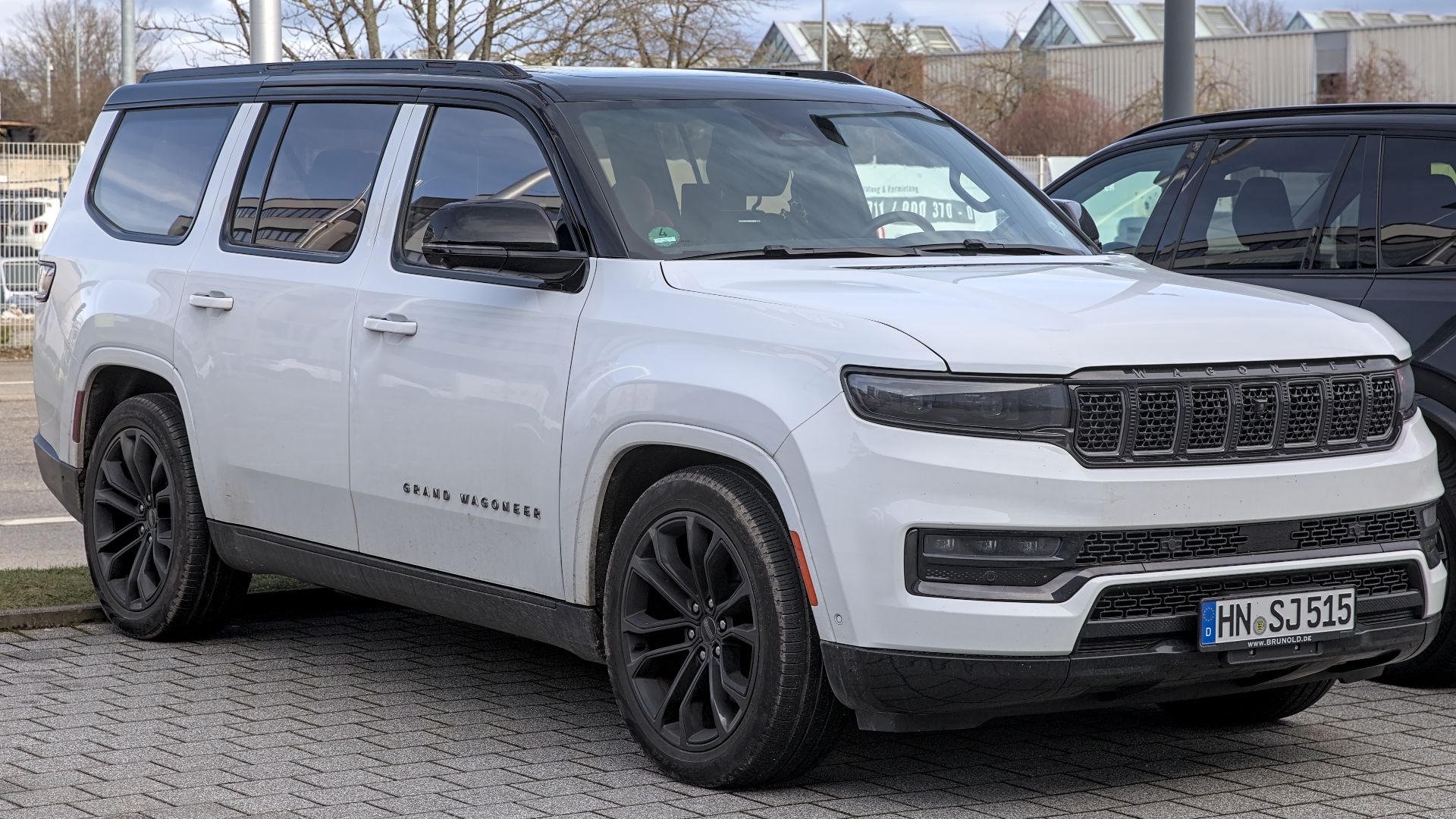
Jeep Grand Wagoneer
Retirement budgets may balk at premium SUVs. The Grand Wagoneer starts around $63,000 but can exceed $100,000 in higher trims, and premium fuel adds steady expense. Beyond the purchase price, luxury components increase long-term service bills. For many retirees, that financial weight feels unnecessary.
 Alexander-93, Wikimedia Commons
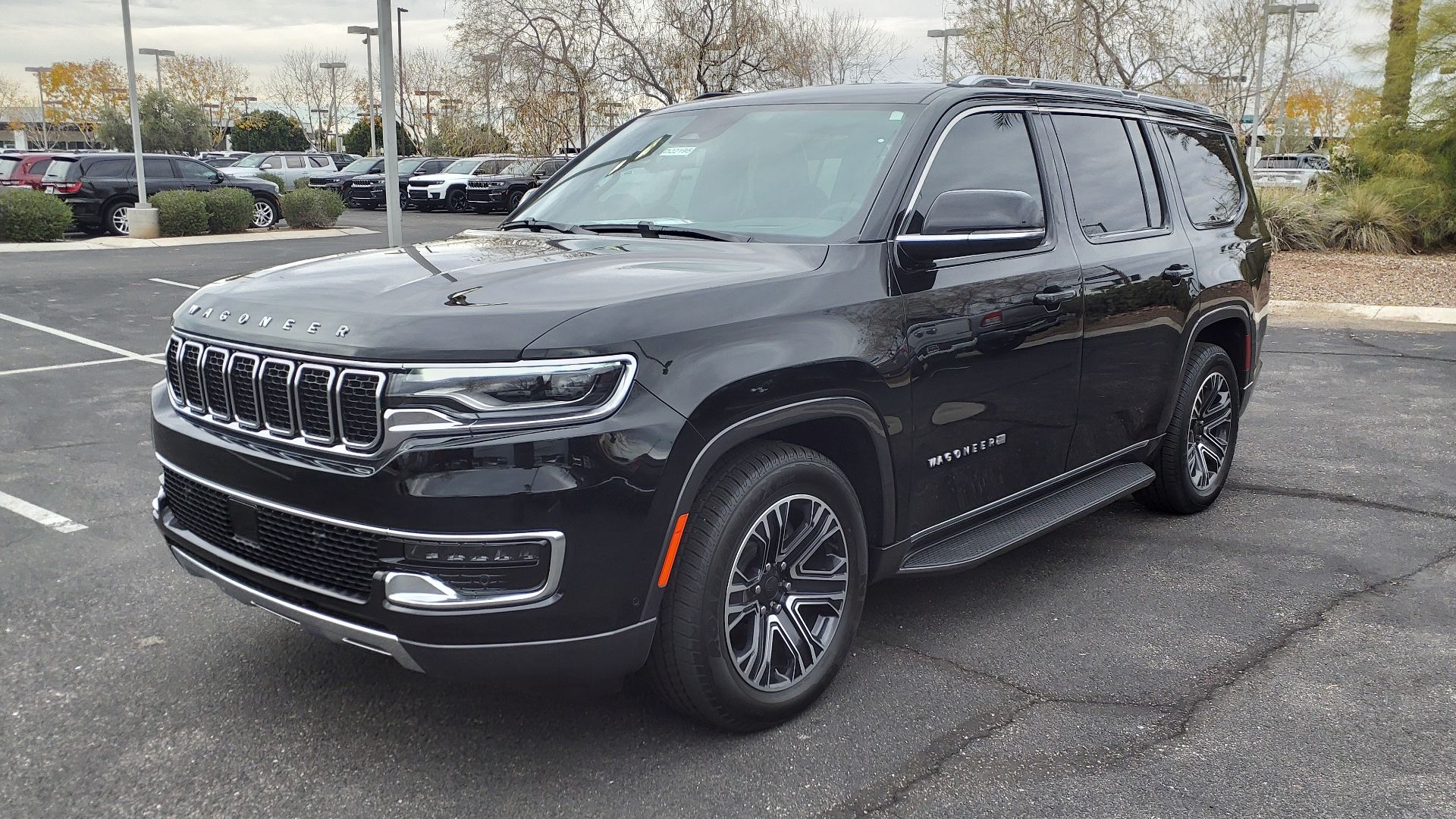
Jeep Wagoneer
Twin-turbo V6 engines typically average fuel economy in the mid-teens to low-20s. Over ten years, fuel expenditures can differ by thousands compared with midsize crossovers. Moreover, higher emissions ratings often correlate with increased annual operating costs, especially during periods of elevated gasoline prices.
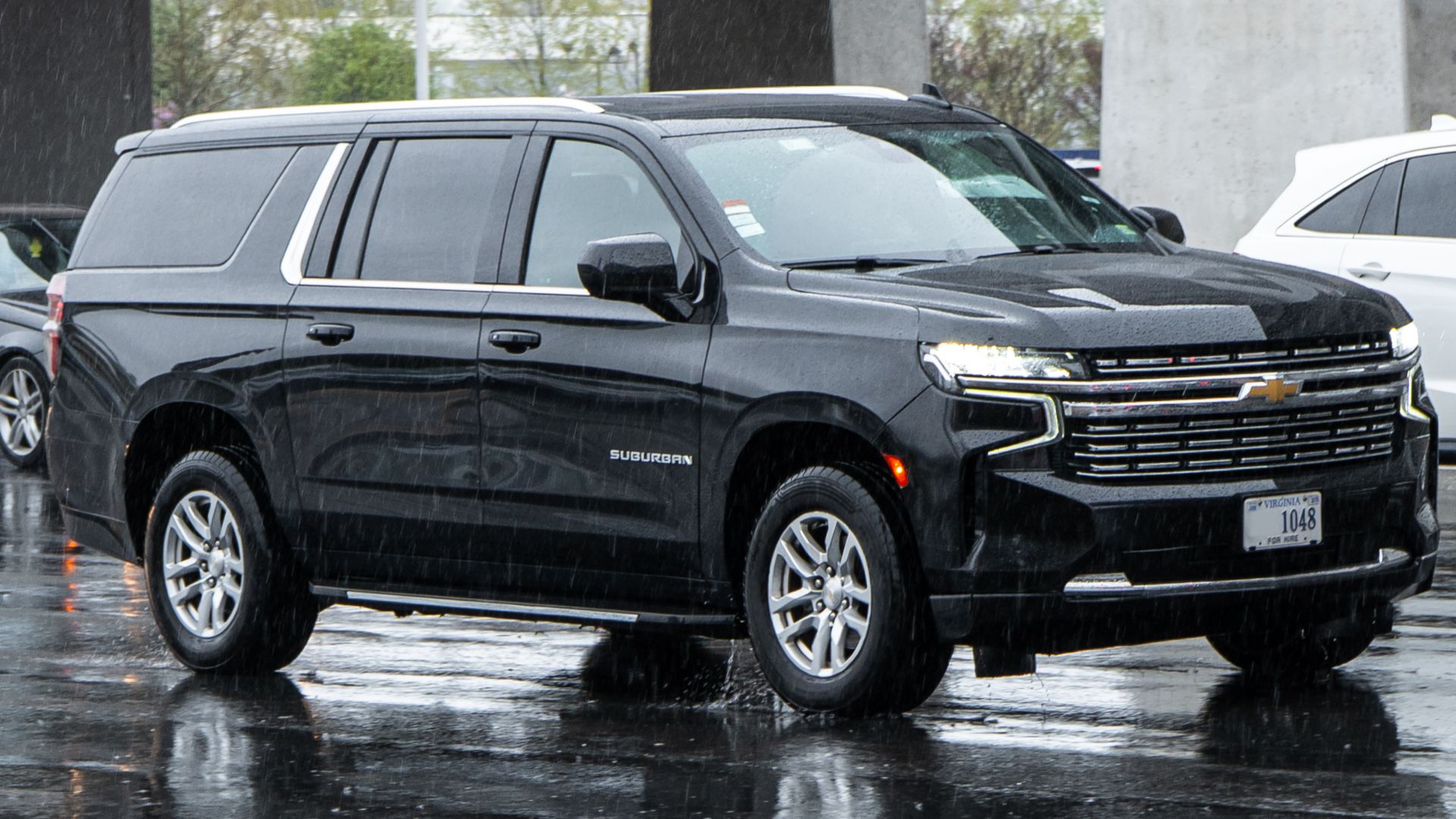
Chevrolet Suburban
Ever tried parking something nearly nineteen feet long at the grocery store? The Suburban stretches 226 inches, which complicates tight urban spaces. Meanwhile, turning radius requires more room than many retirees expect. Daily errands also become more stressful than they need to be.
 OWS Photography, Wikimedia Commons
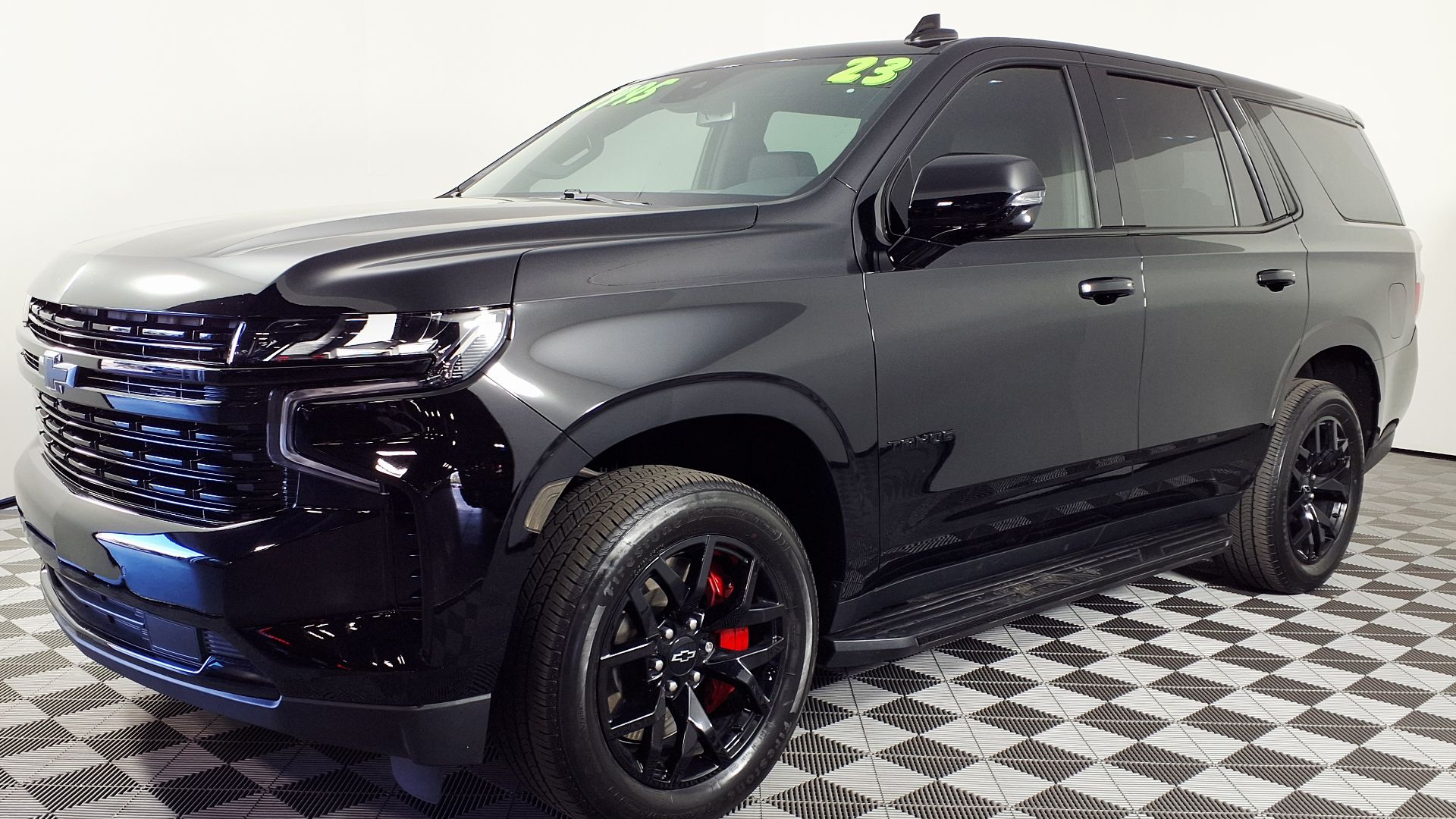
Chevrolet Tahoe
Body-on-frame construction gives the Tahoe strong towing capability. However, that design can produce a firmer ride on uneven pavement. Suspension tuning prioritizes durability over softness, which may reduce comfort during frequent short trips common in retirement.
GMC Yukon XL
Bigger sounds impressive until most seats remain empty. Yukon XL offers expansive cargo space designed for large families and heavy hauling. Yet many retirees drive with only one or two passengers. Paying for unused capacity rarely supports long-term financial efficiency.
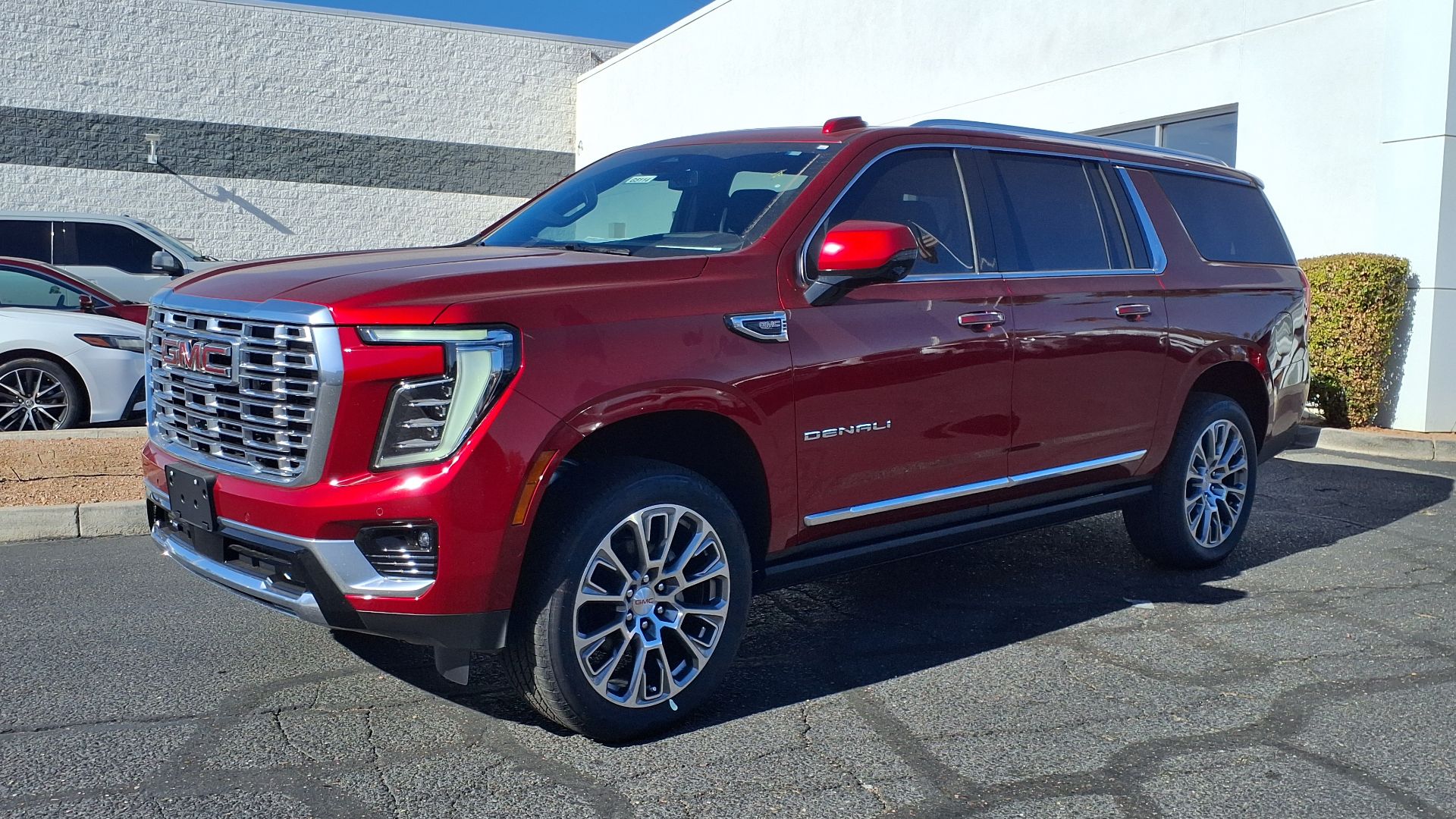
GMC Yukon
Insurance providers calculate premiums using vehicle value, repair cost, and size. Full-size SUV cars such as the Yukon often land in higher premium brackets. Even minor collisions can involve expensive body panels and sensors, which raise claim payouts and policy rates.
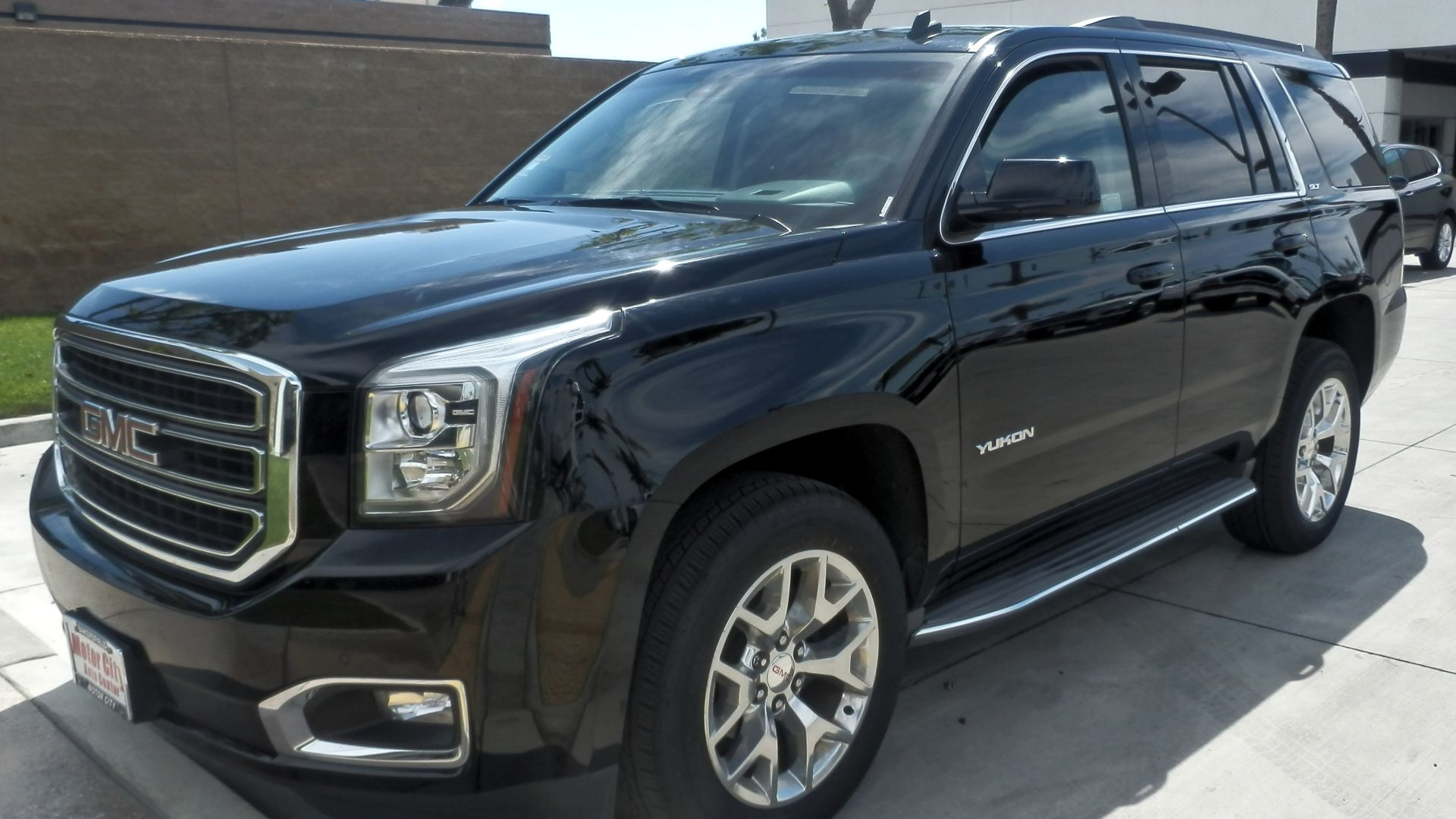 Alexander Migl, Wikimedia Commons
Ford Expedition Max
Large SUVs depreciate quickly during early ownership years. Industry data shows full-size models often lose significant value within five years. Consequently, resale returns may disappoint retirees who later choose to downsize. High initial purchase prices amplify that financial loss.
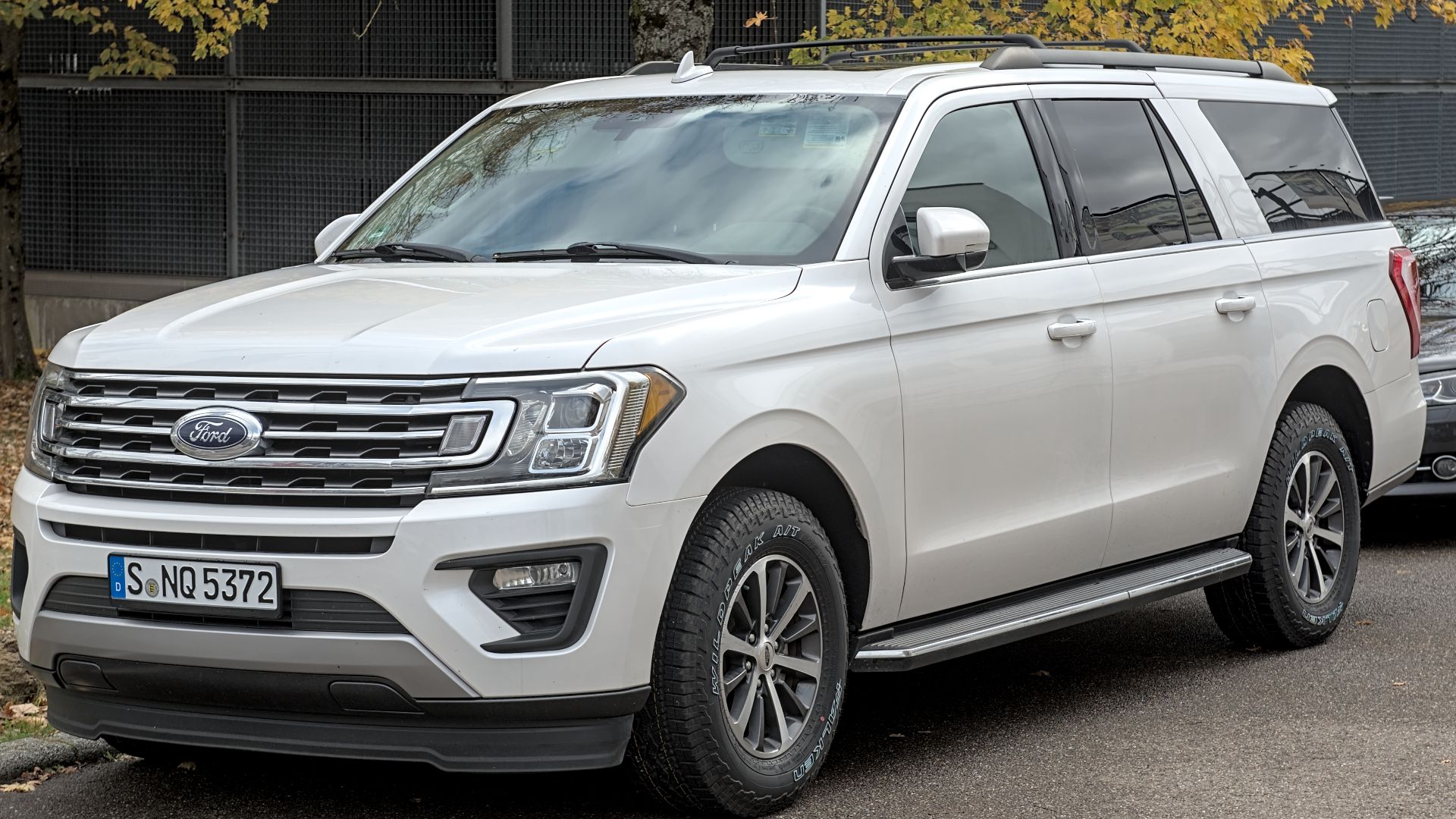 Alexander Migl, Wikimedia Commons
Ford Expedition
Substantial curb weight affects braking distance and maneuverability. The Expedition exceeds 5,400 pounds in many configurations, which changes handling dynamics in tight parking lots. Retirees who prefer easy steering response may find smaller crossovers more manageable.
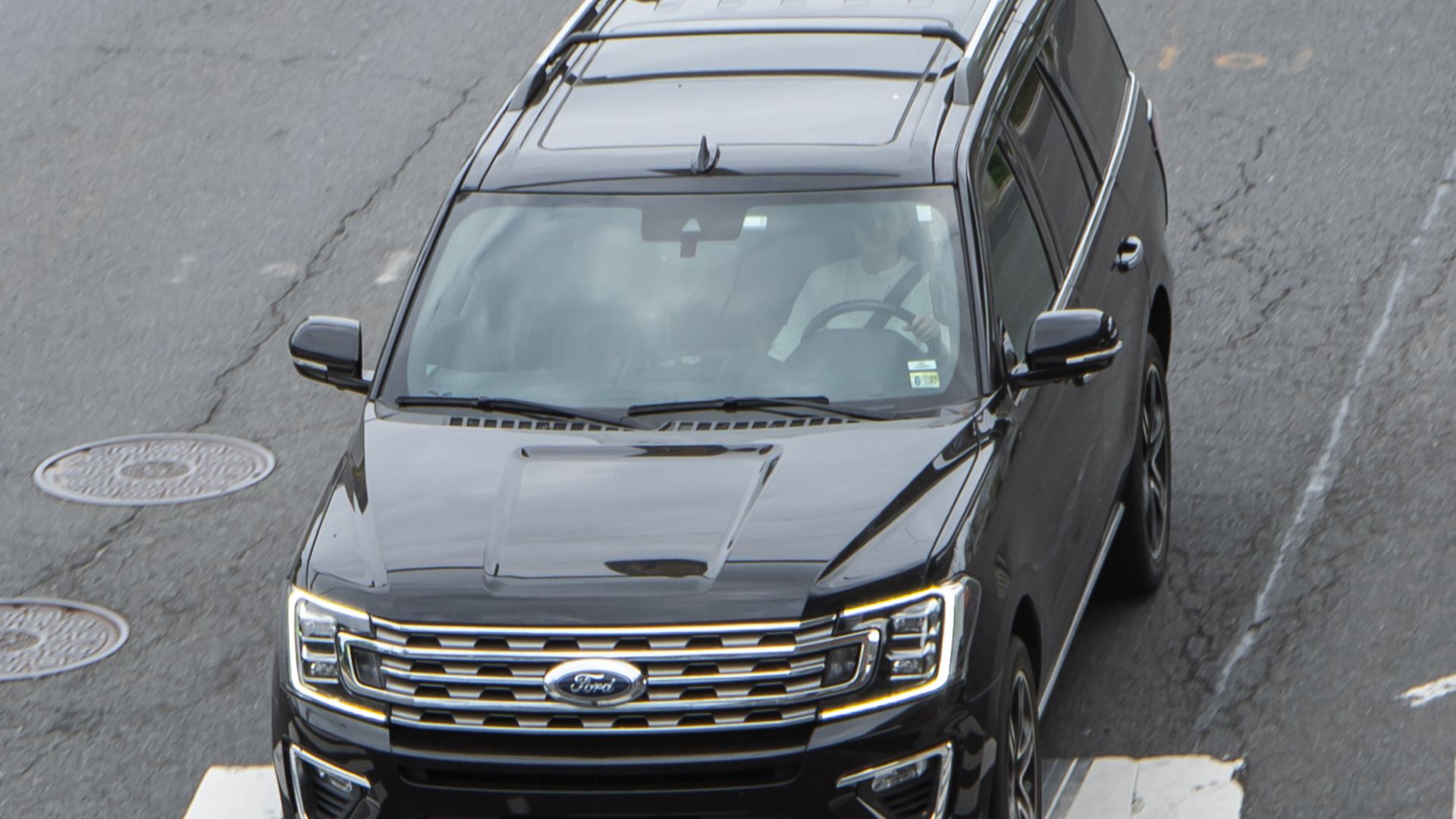 OWS Photography, Wikimedia Commons
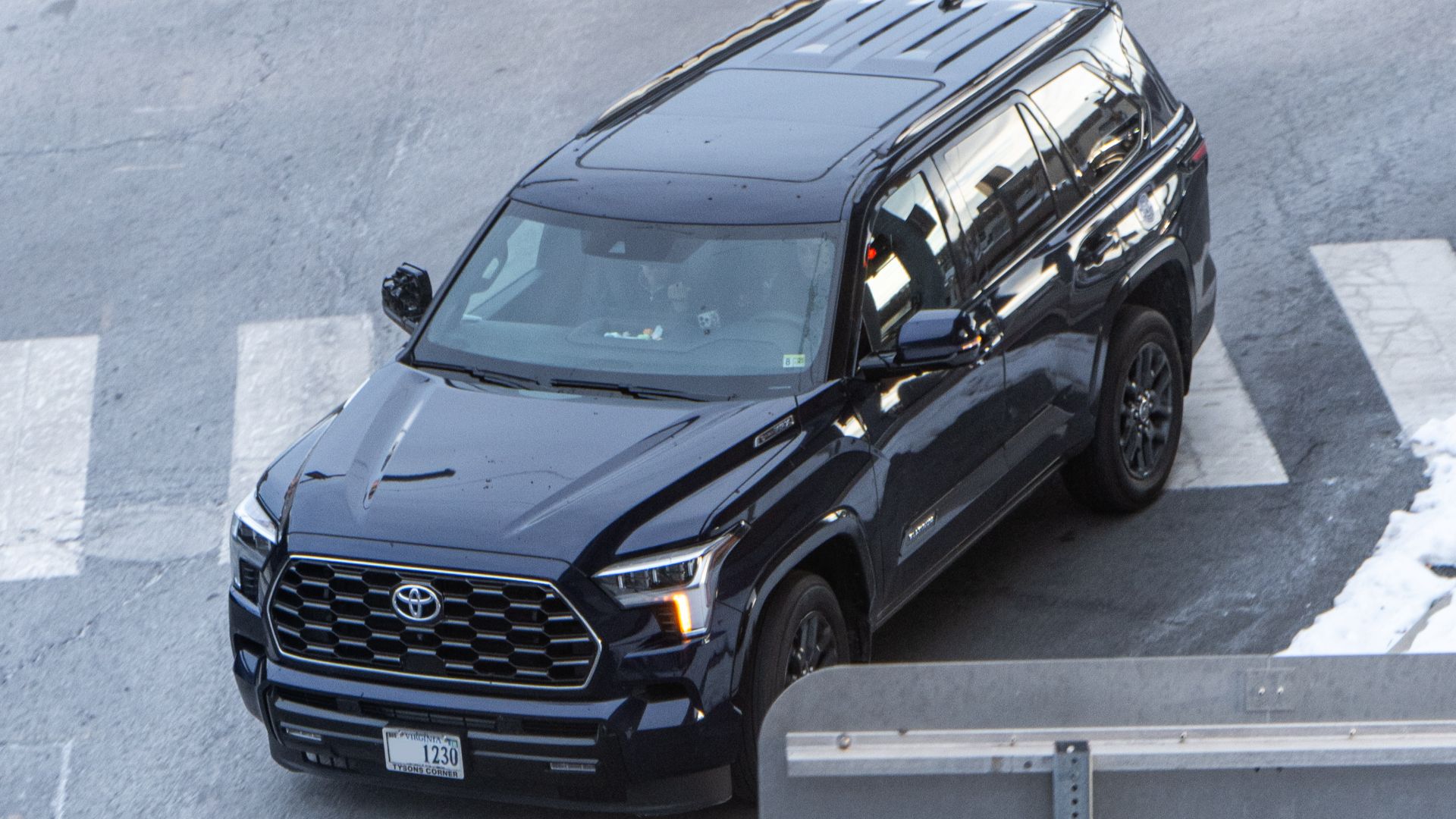
Toyota Sequoia
Hybrid twin turbo technology sounds appealing at first glance. However, long-term ownership introduces potential complexity in battery systems and turbocharged components. While reliability remains strong overall, advanced systems can increase repair costs once warranty coverage expires.
 OWS Photography, Wikimedia Commons
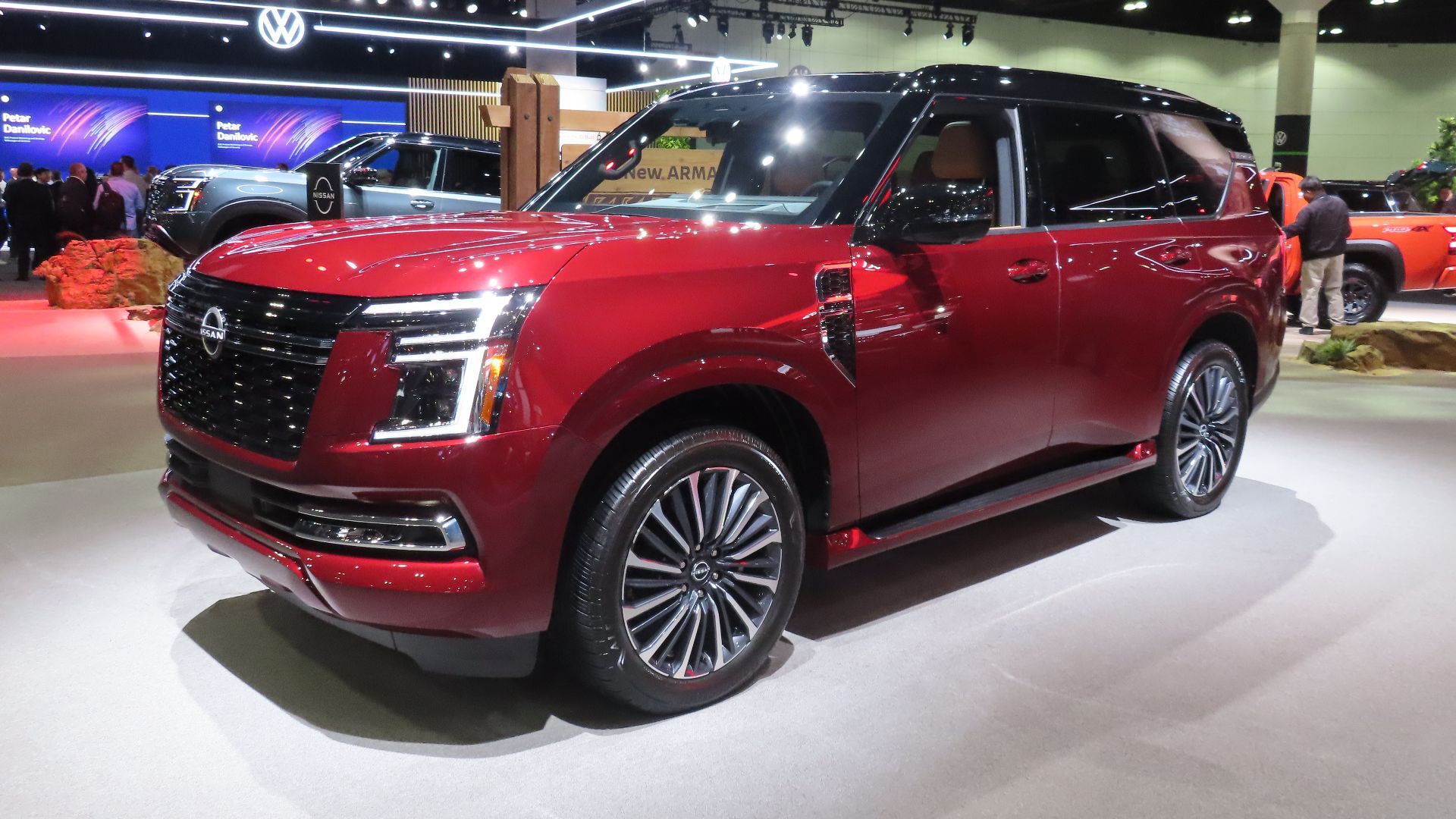
Nissan Armada
Fuel economy ratings hover around the mid-teens in combined driving. Over time, higher gasoline consumption adds measurable strain to fixed incomes. Meanwhile, competitors in the midsize segment deliver significantly better efficiency without sacrificing everyday comfort.
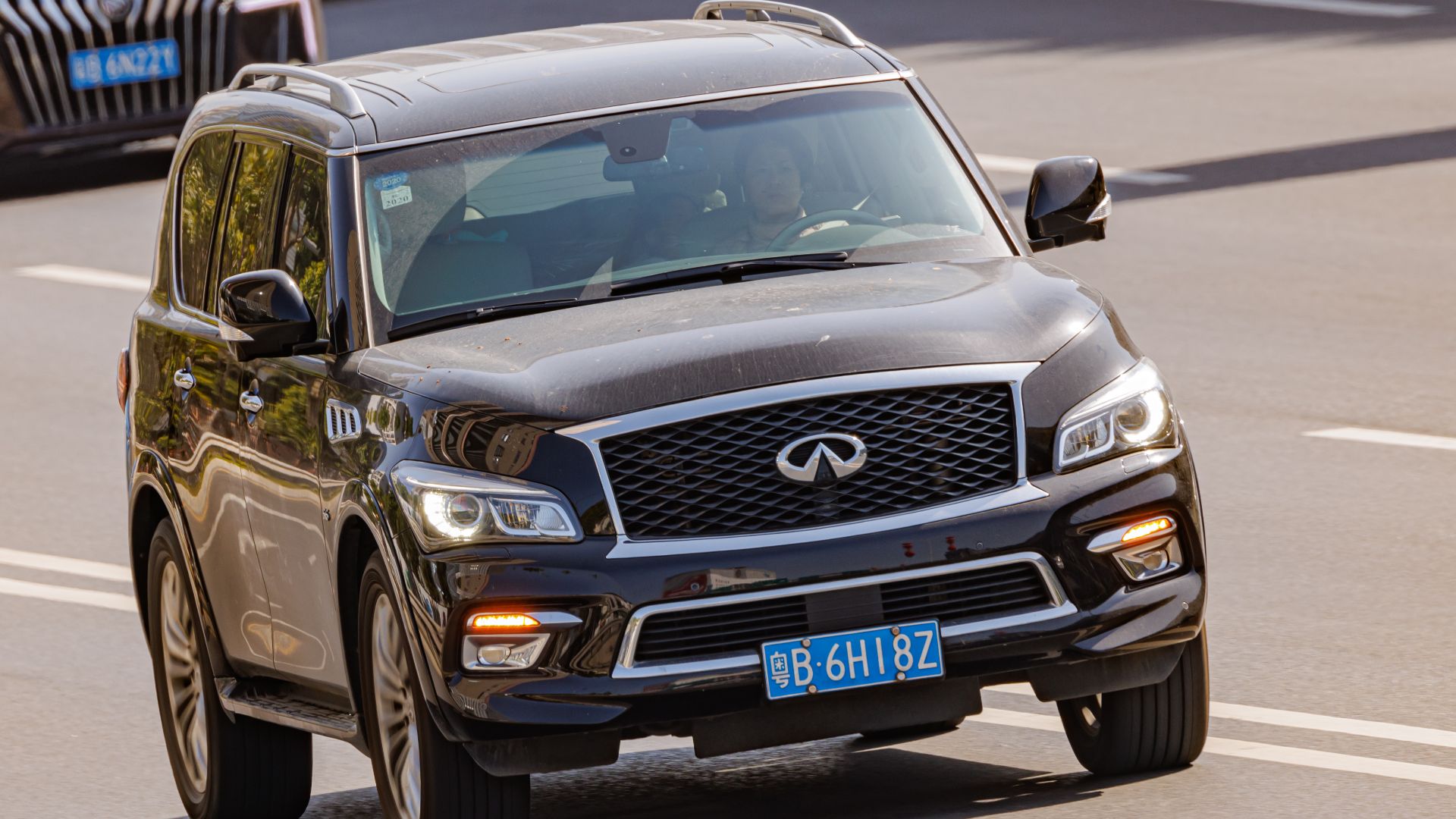
Infiniti QX80
Luxury ownership carries ongoing obligations. The QX80 features a powerful twin-turbo V6 and premium interior materials, which often translate into higher service costs. Moreover, specialized parts and dealership labor rates exceed those of mainstream brands. Retirees seeking predictable expenses may prefer simpler alternatives.
 Dinkun Chen, Wikimedia Commons
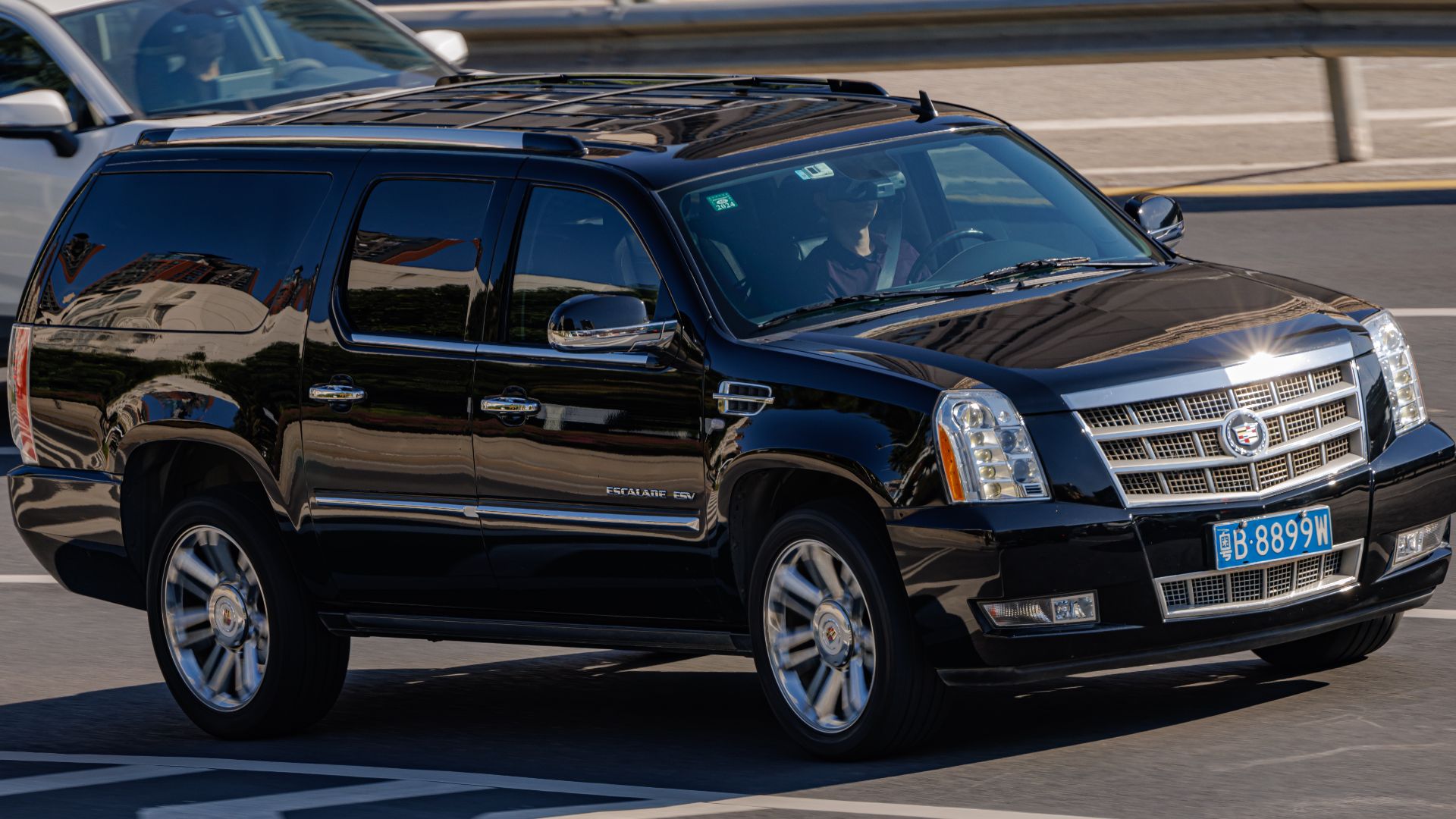
Cadillac Escalade ESV
Extended wheelbase dimensions affect more than appearance. The Escalade ESV measures 227 inches. Because storage space can be limited in retirement developments, parking convenience becomes a daily consideration rather than an occasional inconvenience.
 Dinkun Chen, Wikimedia Commons
Cadillac Escalade
Status feels rewarding at first glance. However, advanced digital dashboards and driver assistance systems increase the complexity of electronic systems. Diagnostic procedures after warranty expiration frequently require dealership equipment. Repair invoices can also climb quickly, especially for sensor calibration and infotainment malfunctions.
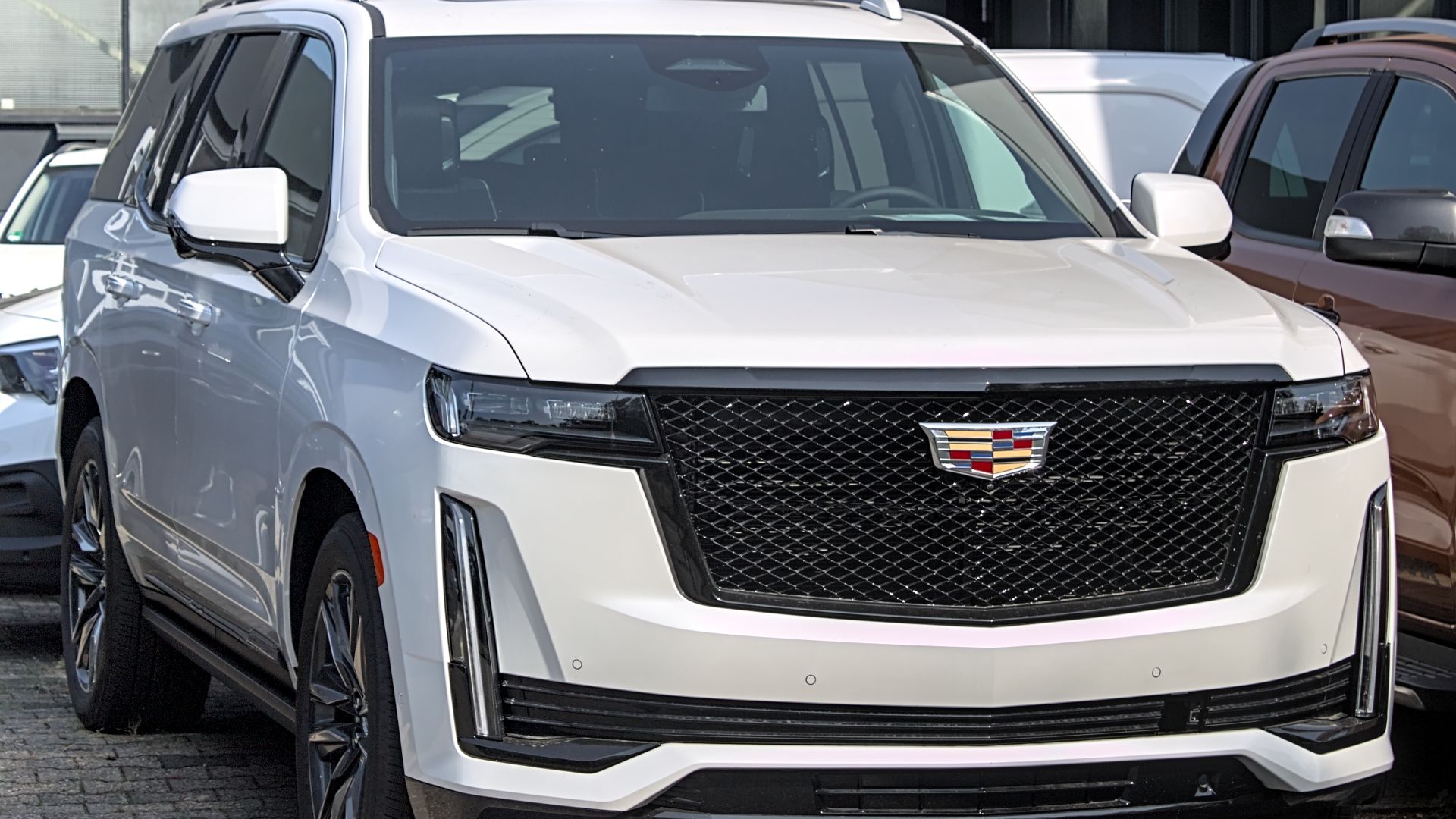 Alexander-93, Wikimedia Commons
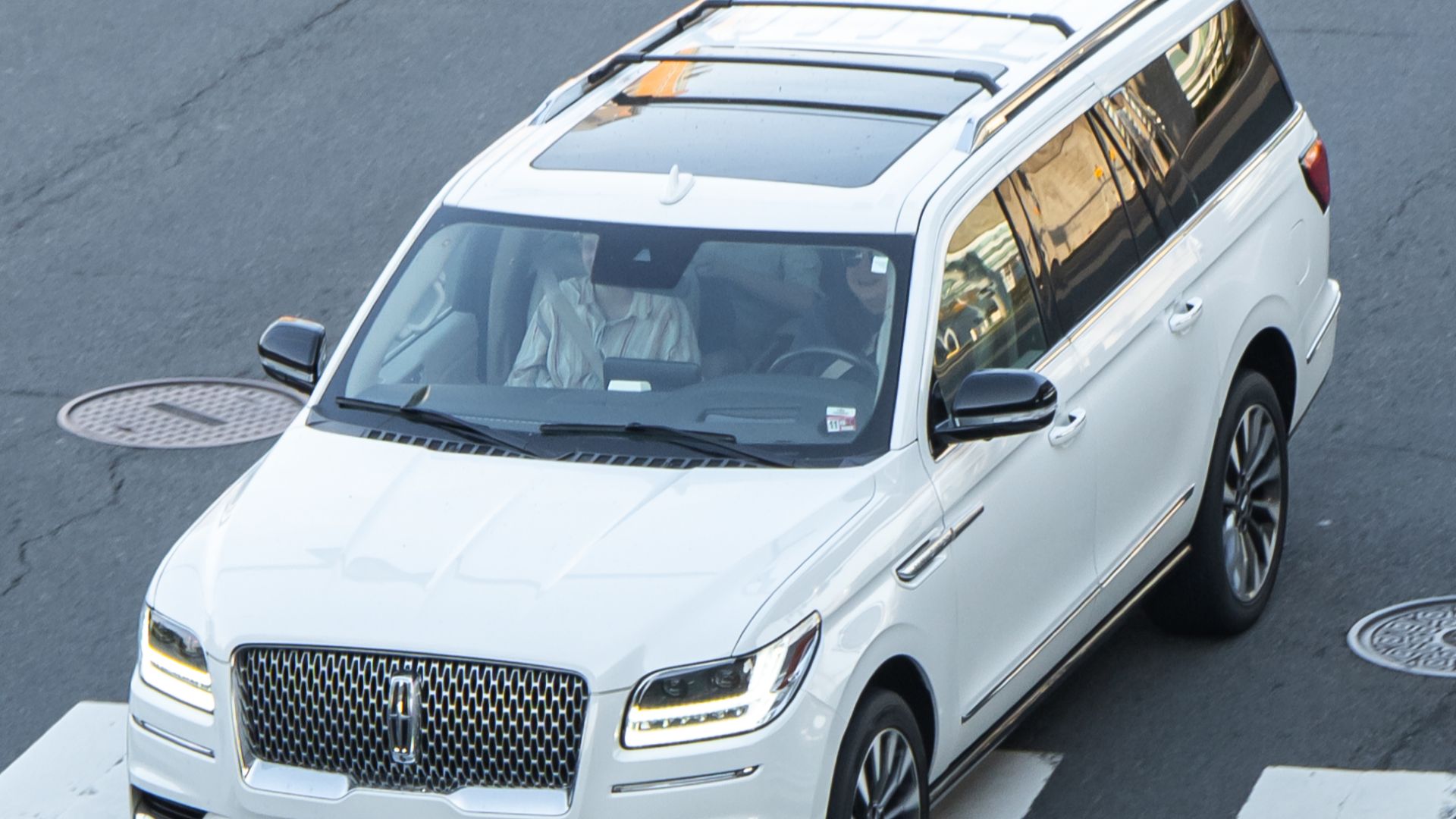
Lincoln Navigator L
High transaction prices place the Navigator L among the most expensive mainstream SUVs. Financing larger sums often results in elevated monthly payments and long loan terms. Meanwhile, retirees typically prioritize liquidity and flexibility over large vehicle investments.
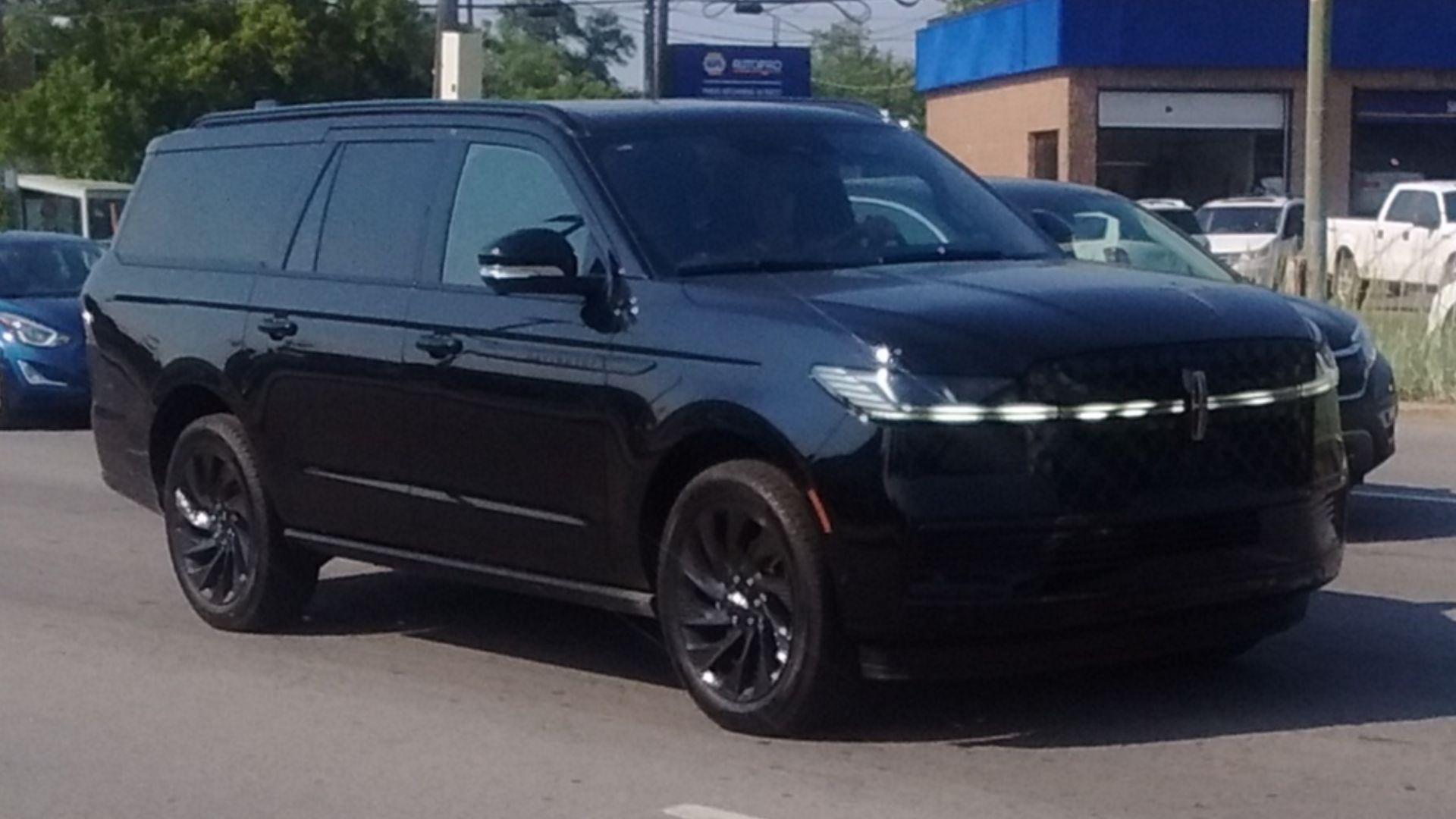
Lincoln Navigator
Powerful twin turbo engines deliver impressive acceleration. Yet most retirees rarely need rapid highway merging performance. Additional horsepower often means greater fuel consumption and higher replacement costs for performance-oriented components over time.
 OWS Photography, Wikimedia Commons
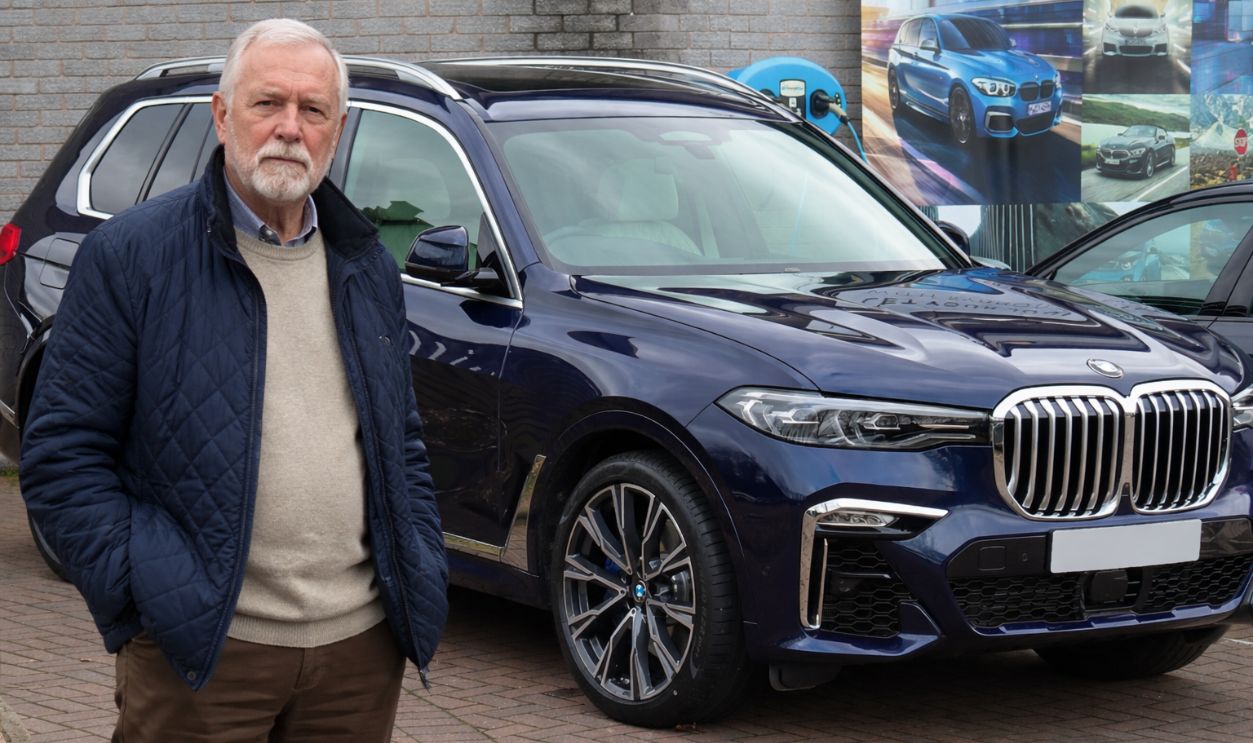
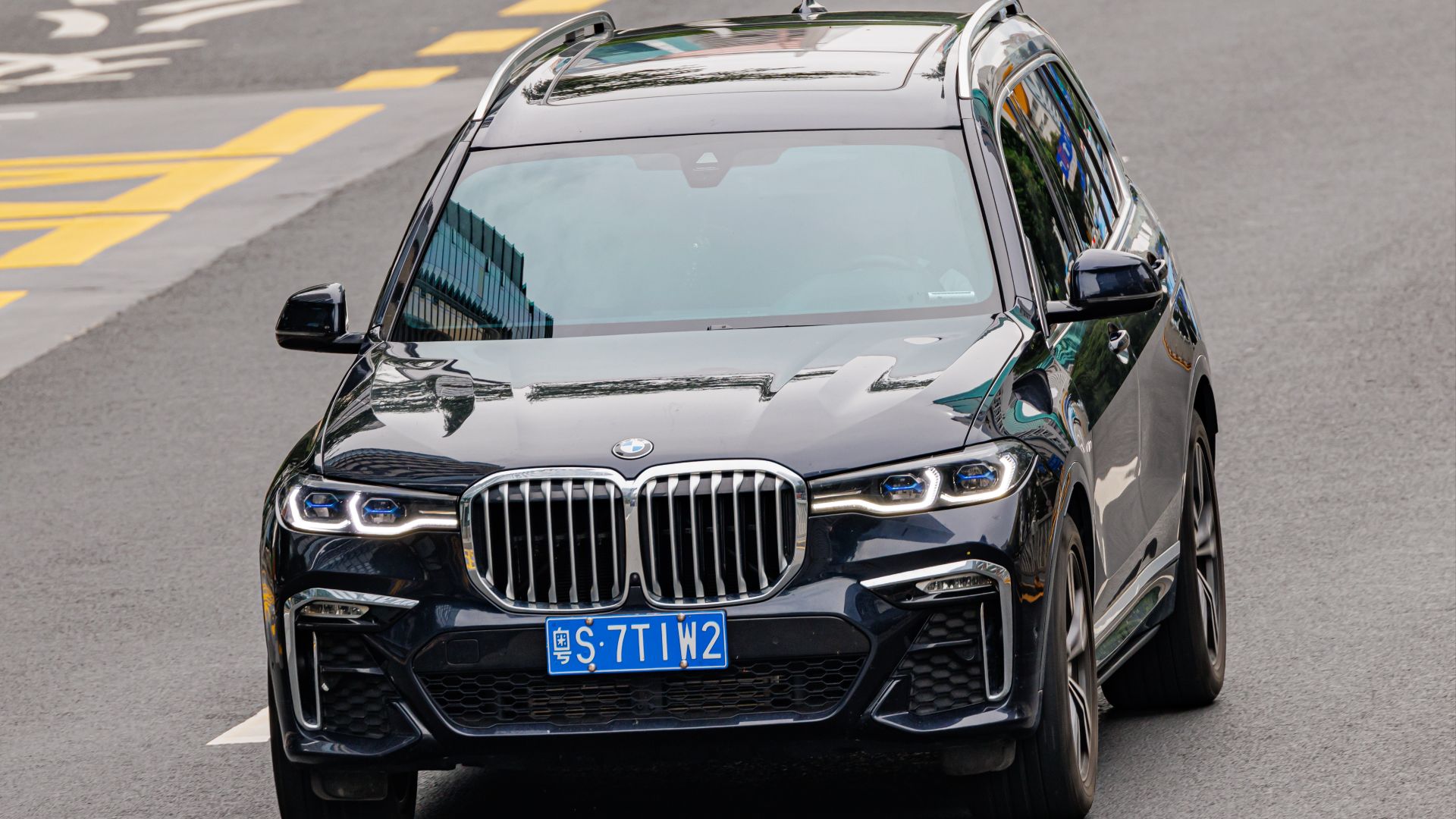
BMW X7
Air suspension systems provide a smooth ride during early ownership years. Over time, however, component wear can require costly replacements. European luxury vehicles often carry premium parts pricing, and extended warranty coverage may become a practical necessity.
 Dinkun Chen, Wikimedia Commons
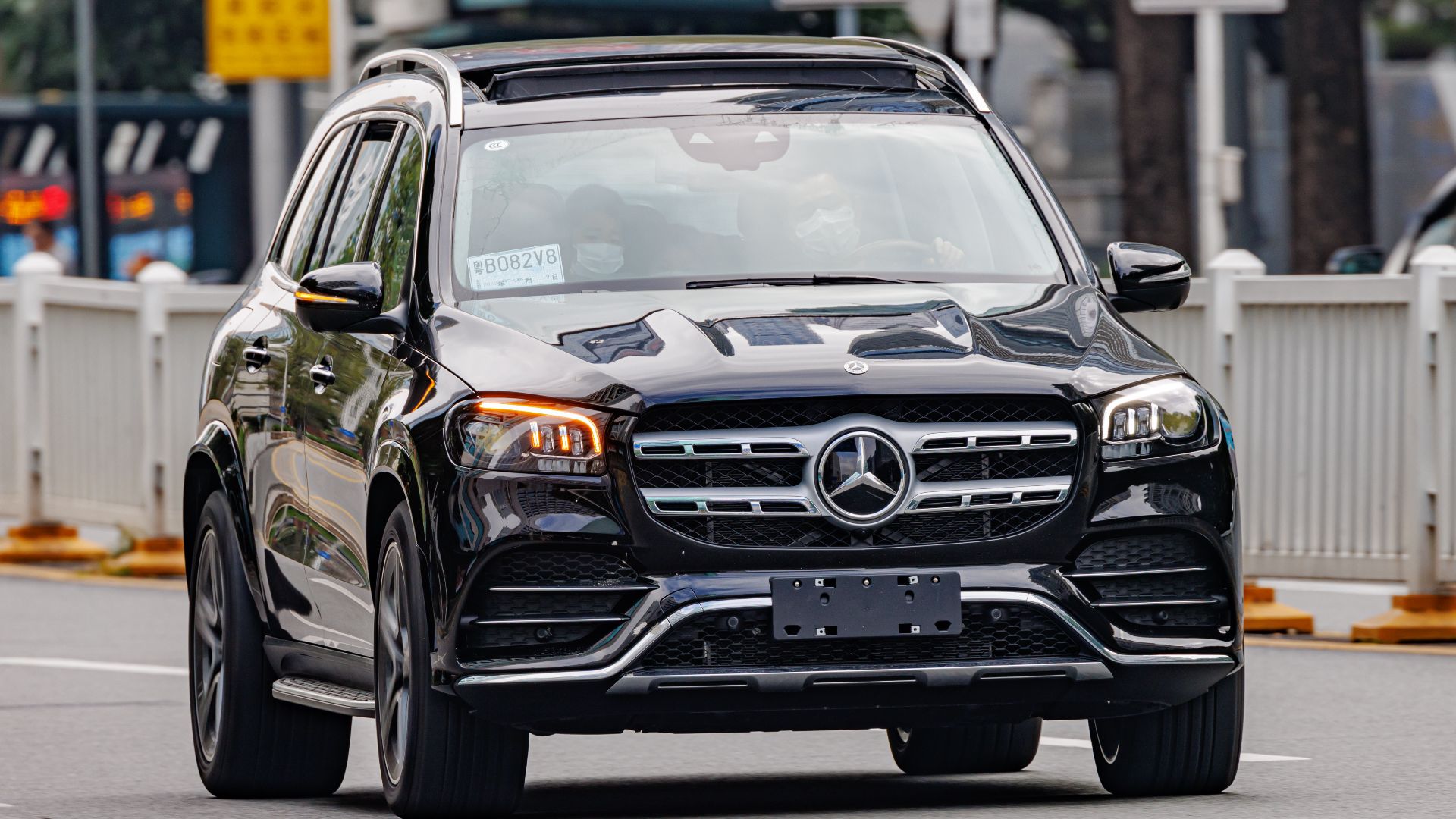
Mercedes Benz GLS
Depreciation curves for luxury SUVs frequently outpace those of mainstream competitors. Industry resale data shows significant value loss within the first several years. Retirees planning to resell later may recover less equity than anticipated.
 Dinkun Chen, Wikimedia Commons
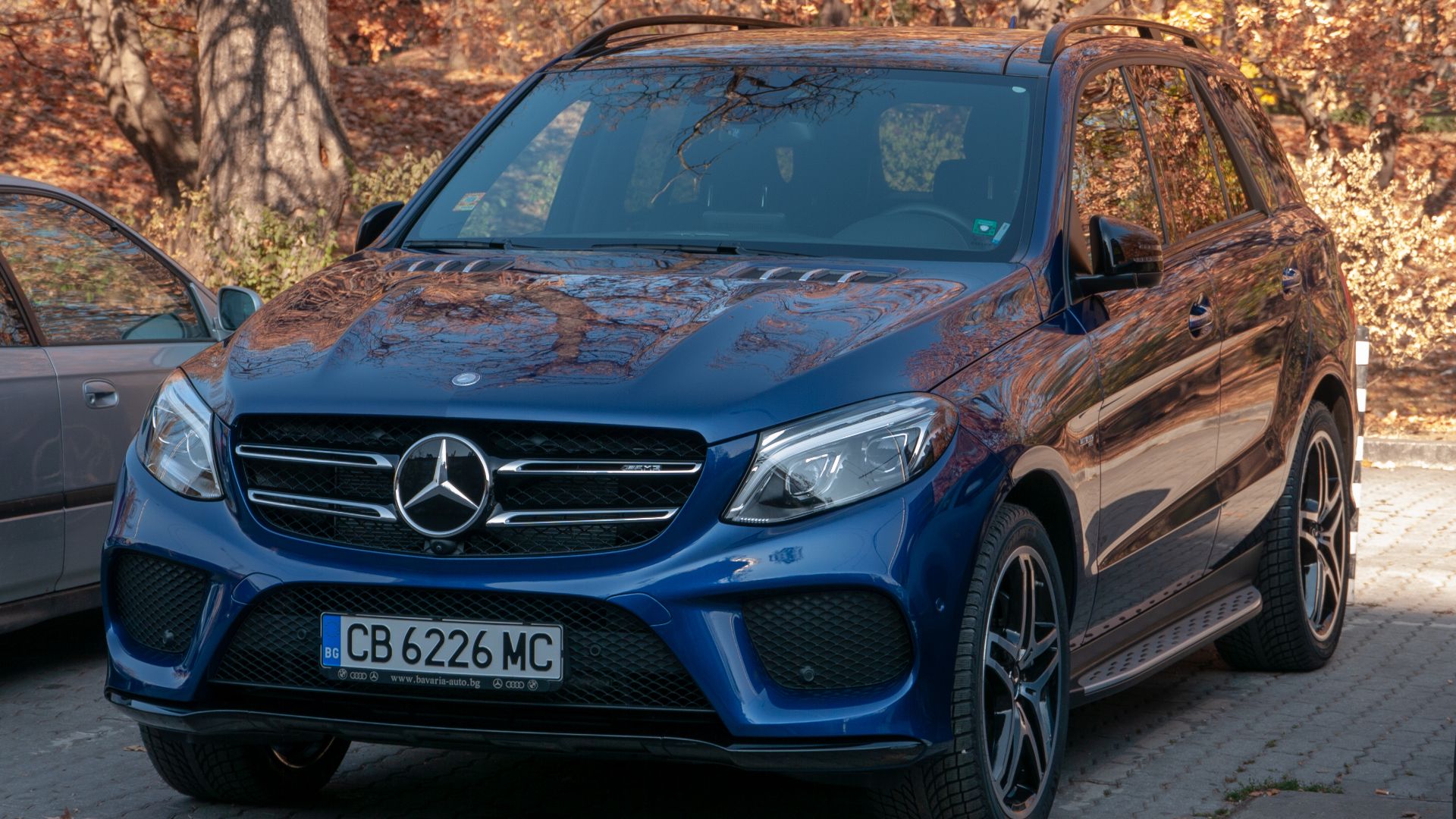
Mercedes-Benz GLE
Complex infotainment interfaces and layered menu systems demand adjustment. Although technology enhances convenience, software updates and module failures increase long-term ownership risk. Simpler cabin layouts often reduce maintenance exposure while maintaining comfort.
 Matti Blume, Wikimedia Commons
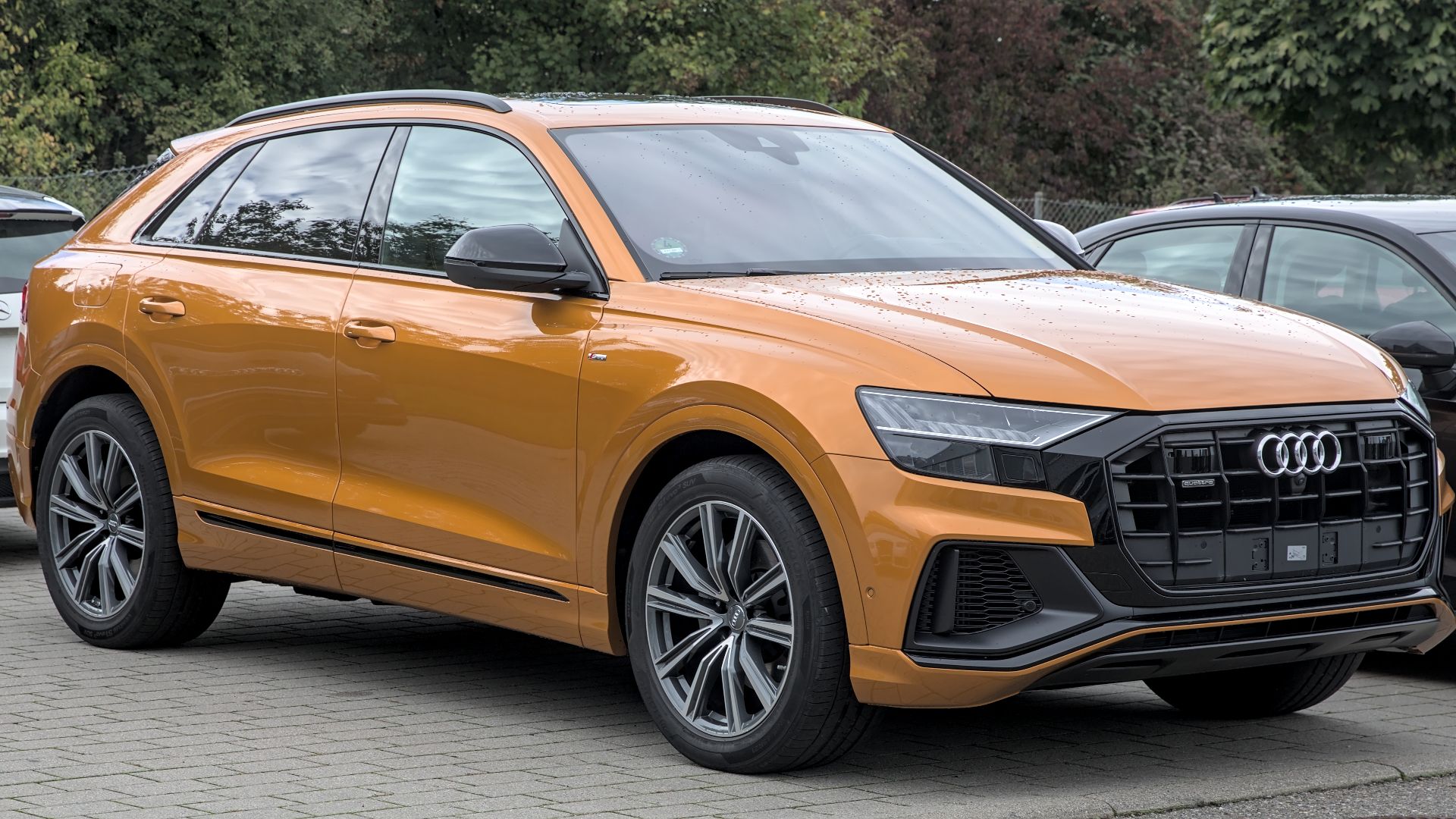
Audi Q8
Performance-oriented tuning emphasizes speed and handling dynamics. However, aggressive wheel sizes and low-profile tires raise replacement costs. Tire wear tends to occur more quickly in heavier luxury SUVs, adding recurring expense during ownership.
 Alexander Migl, Wikimedia Commons
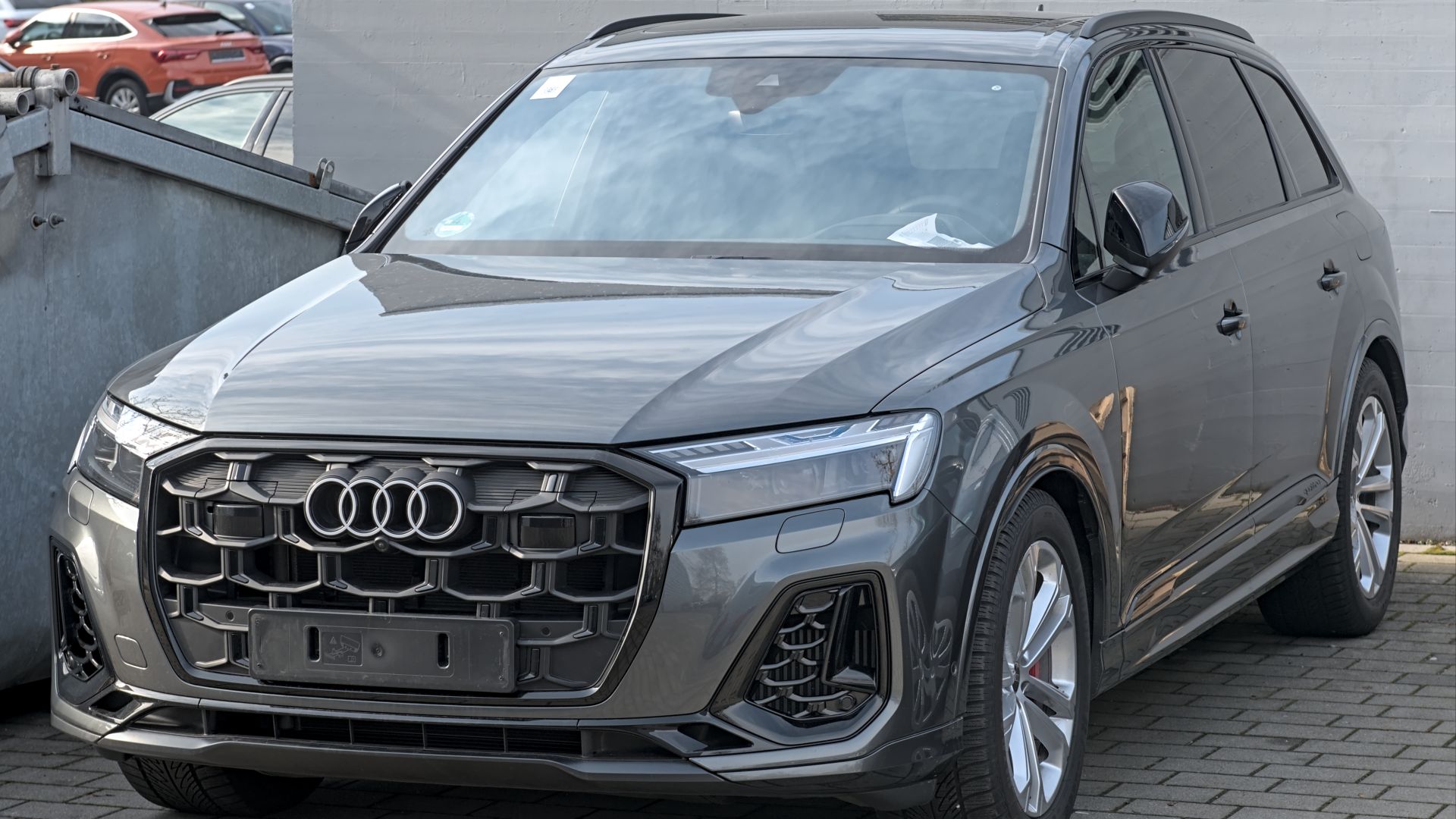
Audi Q7
Three-row seating remains tight compared with full-size competitors. Families with frequent passengers may find limited legroom in the third row. Paying premium pricing for occasional use rarely aligns with retirement budgeting priorities.
 Alexander Migl, Wikimedia Commons
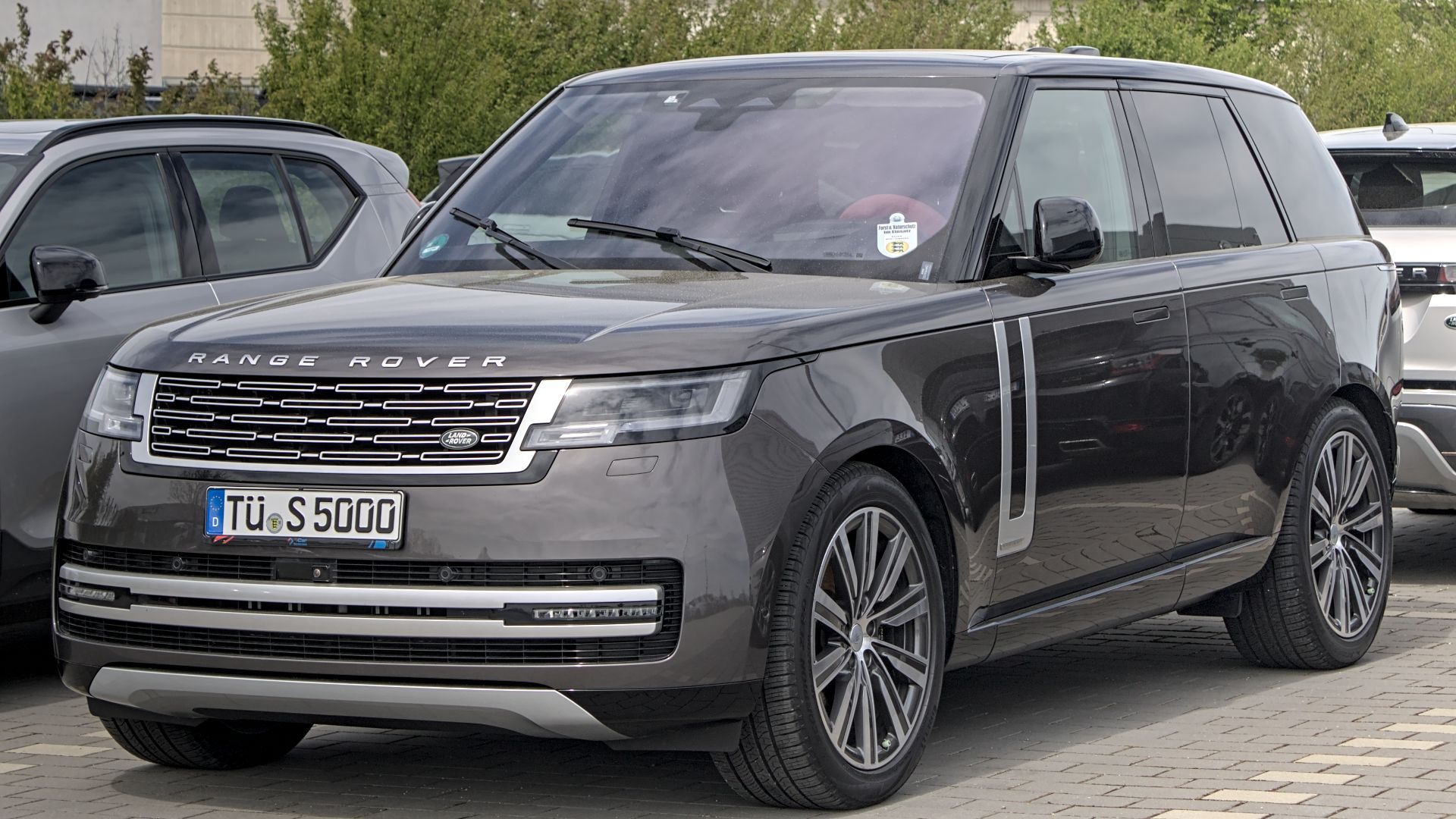
Land Rover Range Rover
Few vehicles project prestige quite like the Range Rover. However, long-term reliability studies frequently place it below industry averages. Repair frequency and parts pricing can elevate annual ownership costs. Retirees seeking predictability may prefer models with stronger durability records.
 Alexander-93, Wikimedia Commons
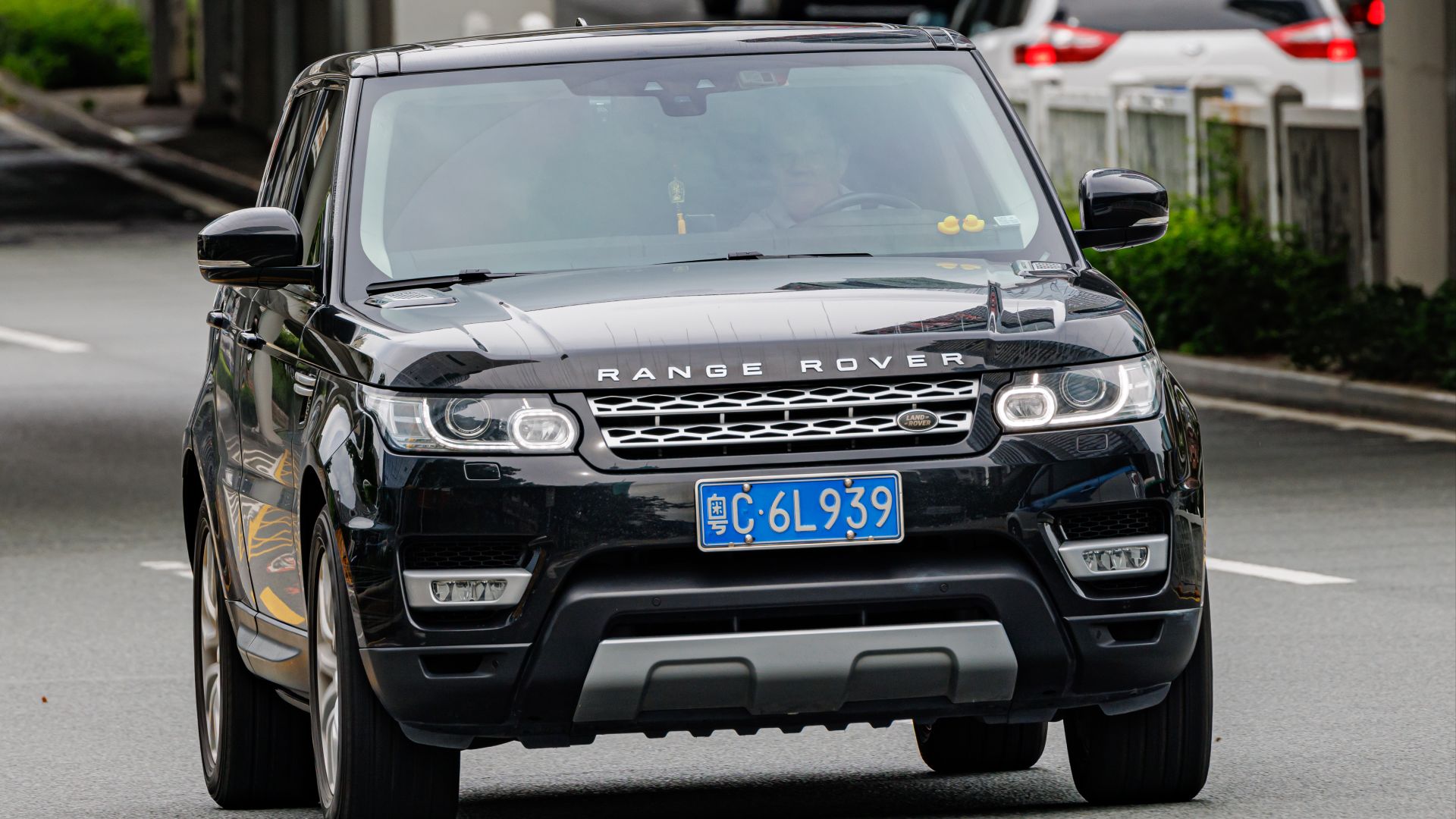
Land Rover Range Rover Sport
Performance suspension systems prioritize handling precision. Consequently, ride firmness may feel less forgiving on uneven pavement. Larger performance brakes and specialized components also increase service expense over time, particularly after warranty coverage ends.
 Dinkun Chen, Wikimedia Commons
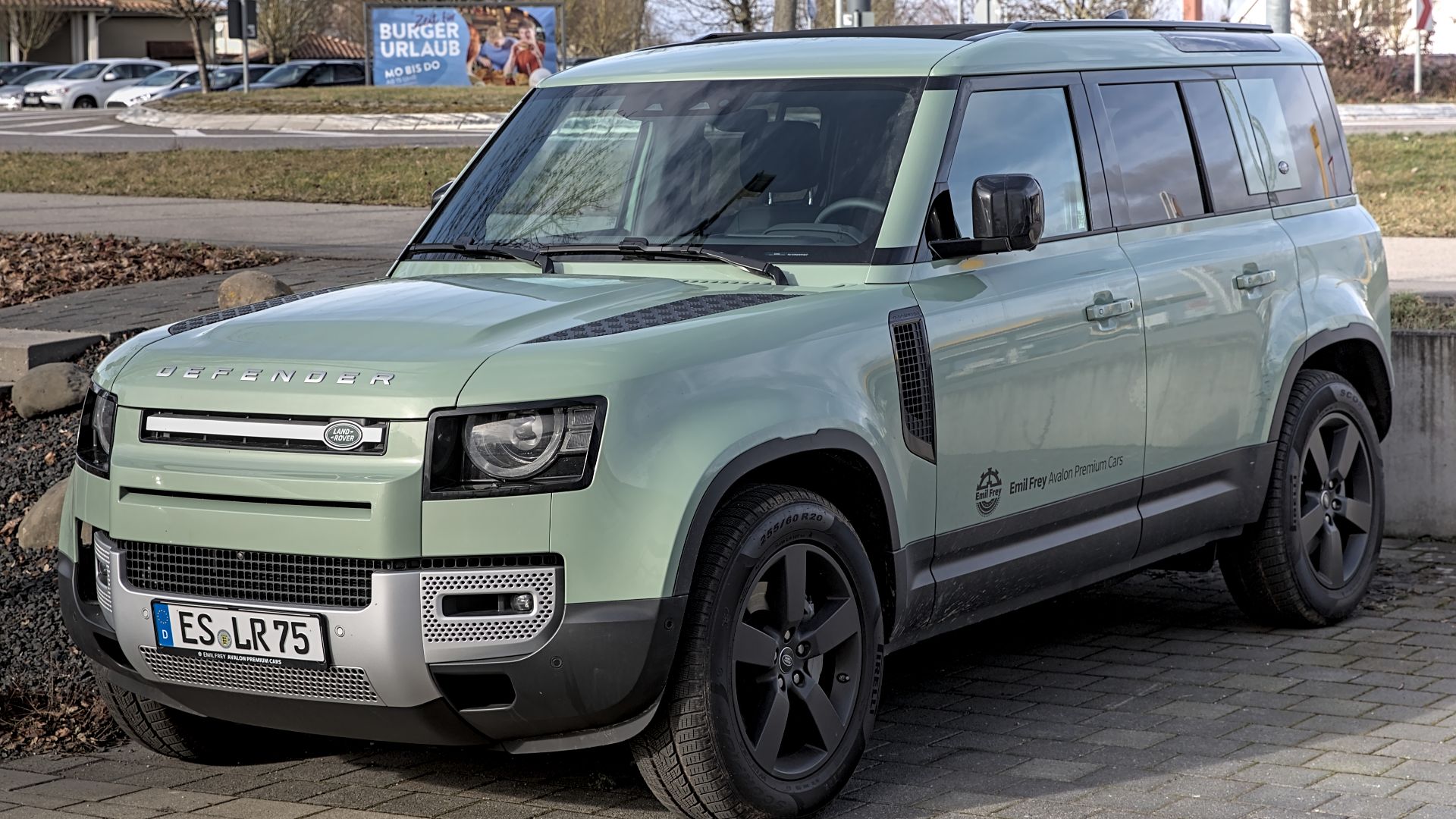
Land Rover Defender 110
Adventure branding appeals to outdoor enthusiasts. Yet most retirees spend more time on paved roads than rugged trails. Off-road hardware adds weight and complexity without delivering daily benefit, which can inflate ownership costs unnecessarily.
 Alexander-93, Wikimedia Commons
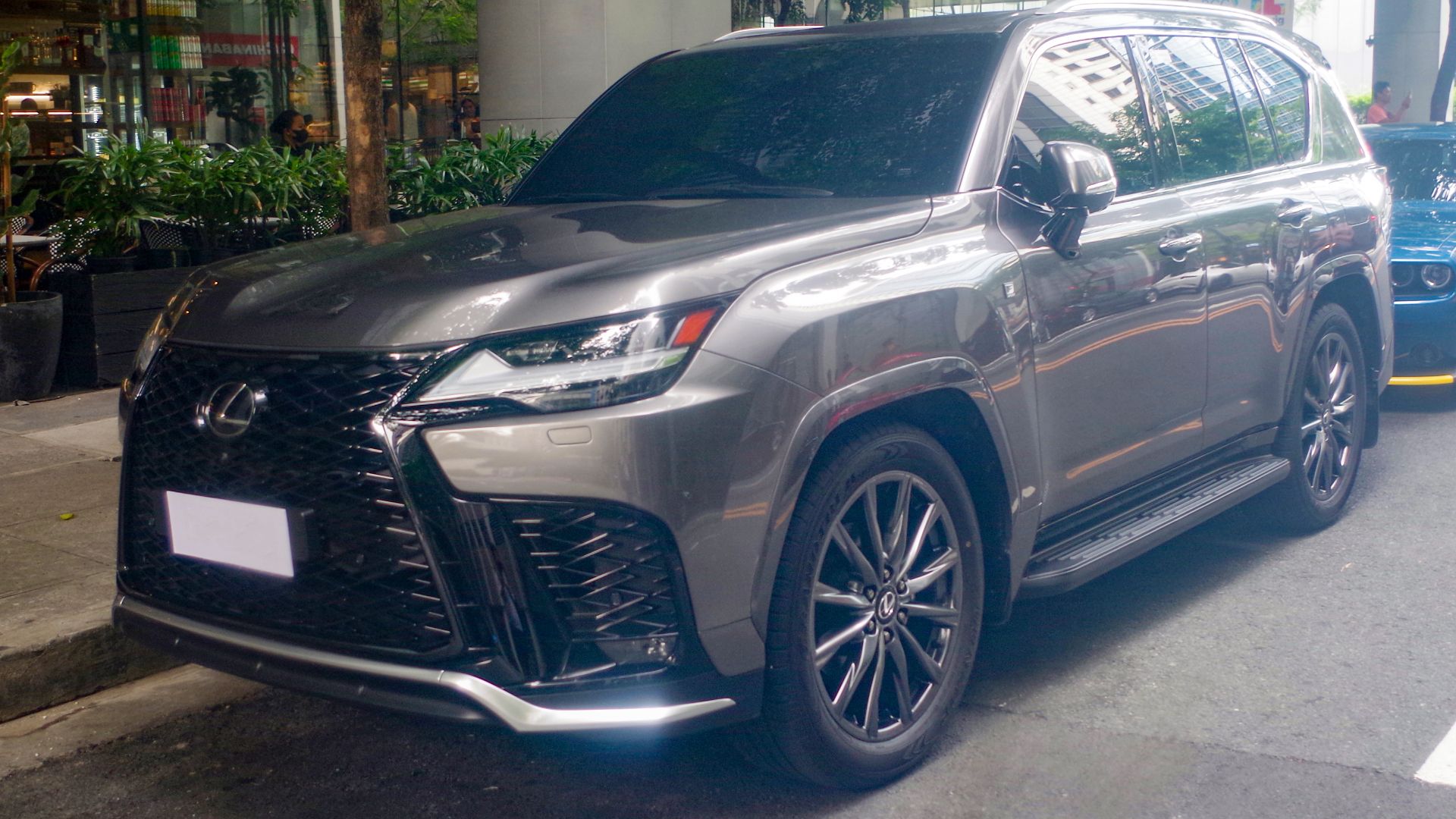
Lexus LX
Premium pricing reflects luxury positioning and advanced Four Wheel Drive capability. However, many retirees rarely use serious off-road systems. Higher curb weight and lower fuel efficiency compared with midsize crossovers can strain long-term fuel budgets.
 Ethan Llamas, Wikimedia Commons
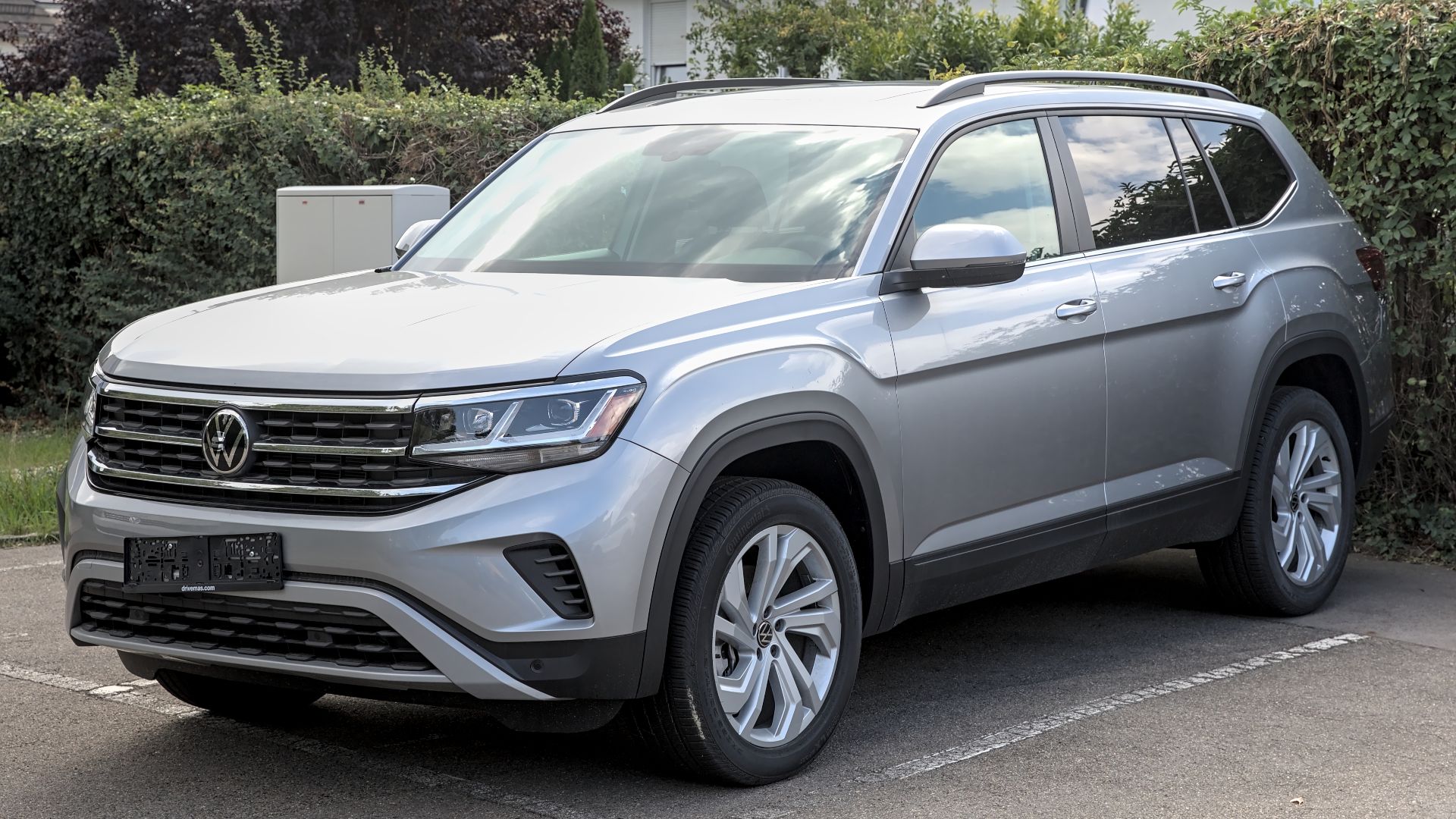
Volkswagen Atlas
Resale performance influences the total cost of ownership. Market data shows the Atlas typically depreciates faster than several competitors in its class. Consequently, owners may recover less value during trade-in, which affects overall financial efficiency in retirement.
 Alexander Migl, Wikimedia Commons