When Your Vehicle Suddenly Becomes “A Problem”
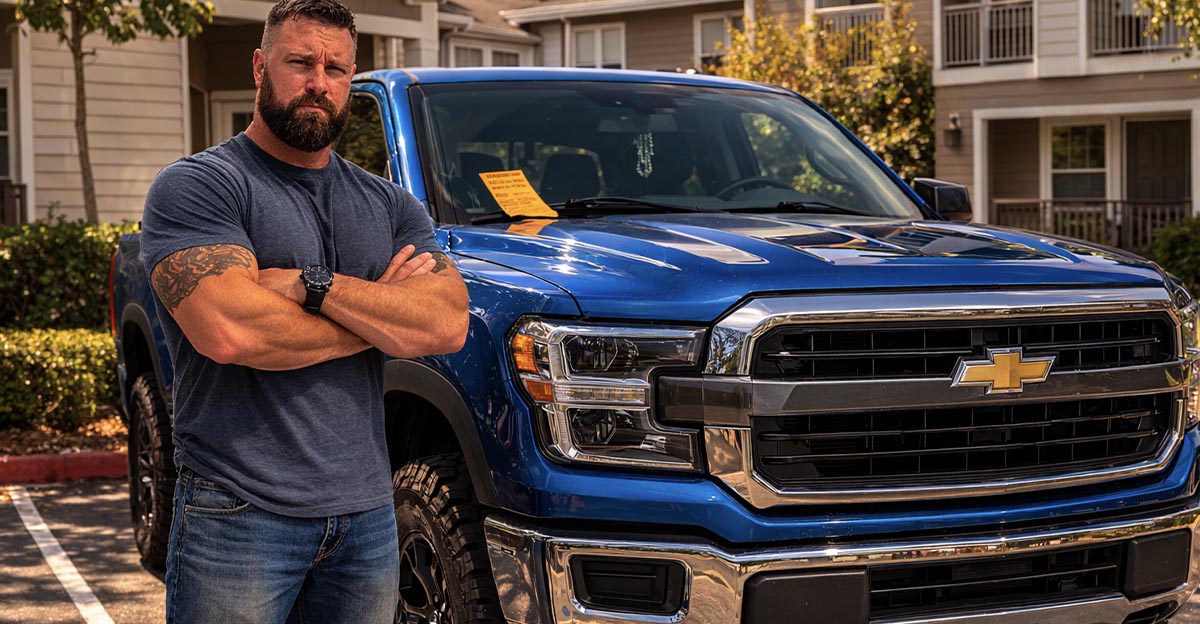
You park your truck in the community lot like you always do. Then one day you receive a letter from your homeowners association saying your vehicle is “too large” and violates their parking rules. The notice might include a warning, a deadline to move the vehicle, or even a fine. You may be wondering whether an HOA can actually punish them for the type of vehicle they drive. The answer depends on the community’s governing documents, how the parking rules are written, and the laws in your state. Let's delve into it.
Why HOAs Create Parking Rules
Homeowners associations exist to manage shared communities and uphold standards for appearance and safety. When you buy property in an HOA neighborhood, you agree to follow its rules, often outlined in documents called CC&Rs, which stand for: Covenants, Conditions, and Restrictions. These documents legally bind homeowners and often include rules about parking and vehicle types. Parking rules are a common area where HOAs try to regulate behavior to keep streets clear, prevent overcrowding, and maintain the look of the neighborhood.
Many HOAs Restrict Certain Vehicle Types
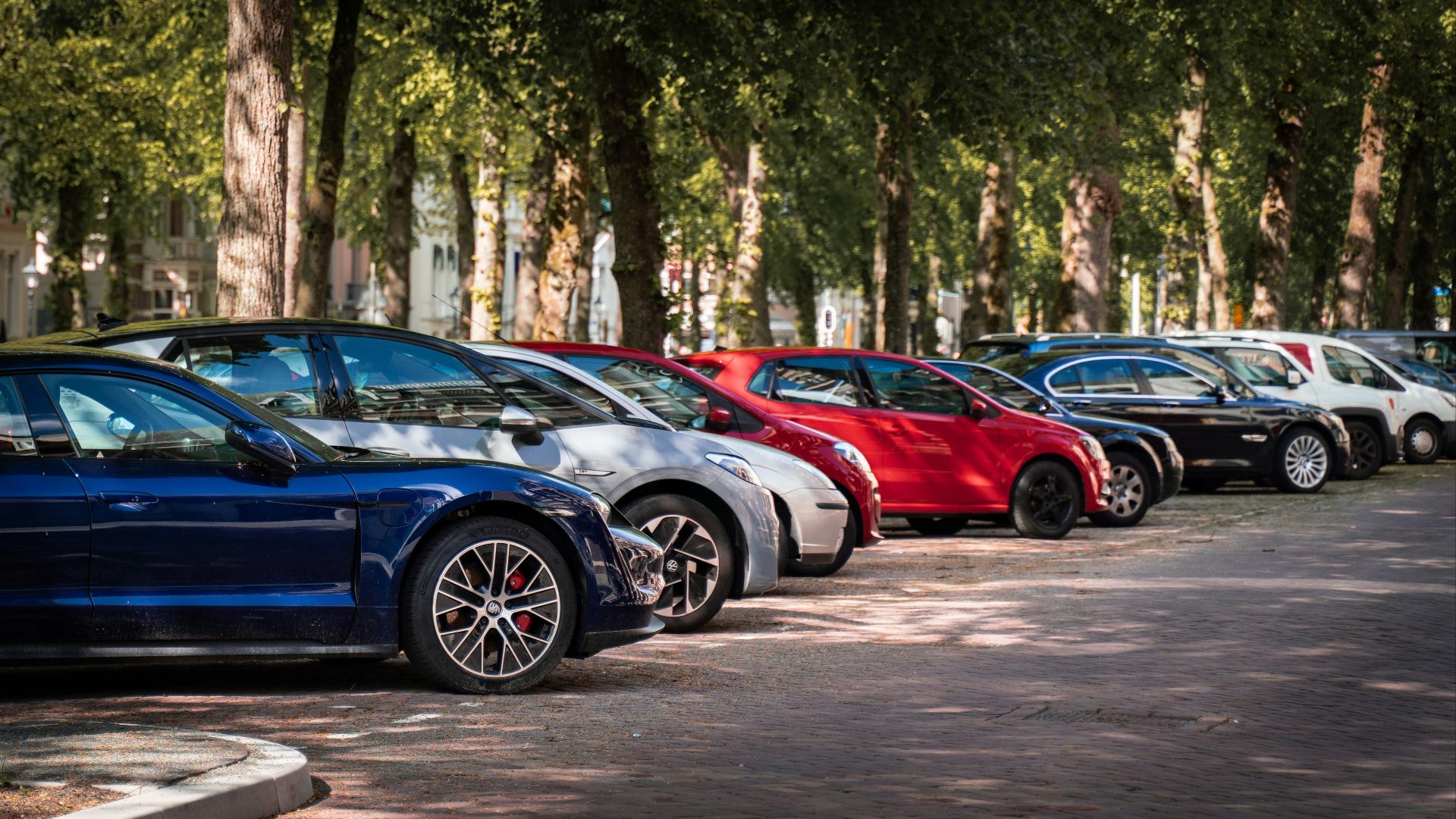
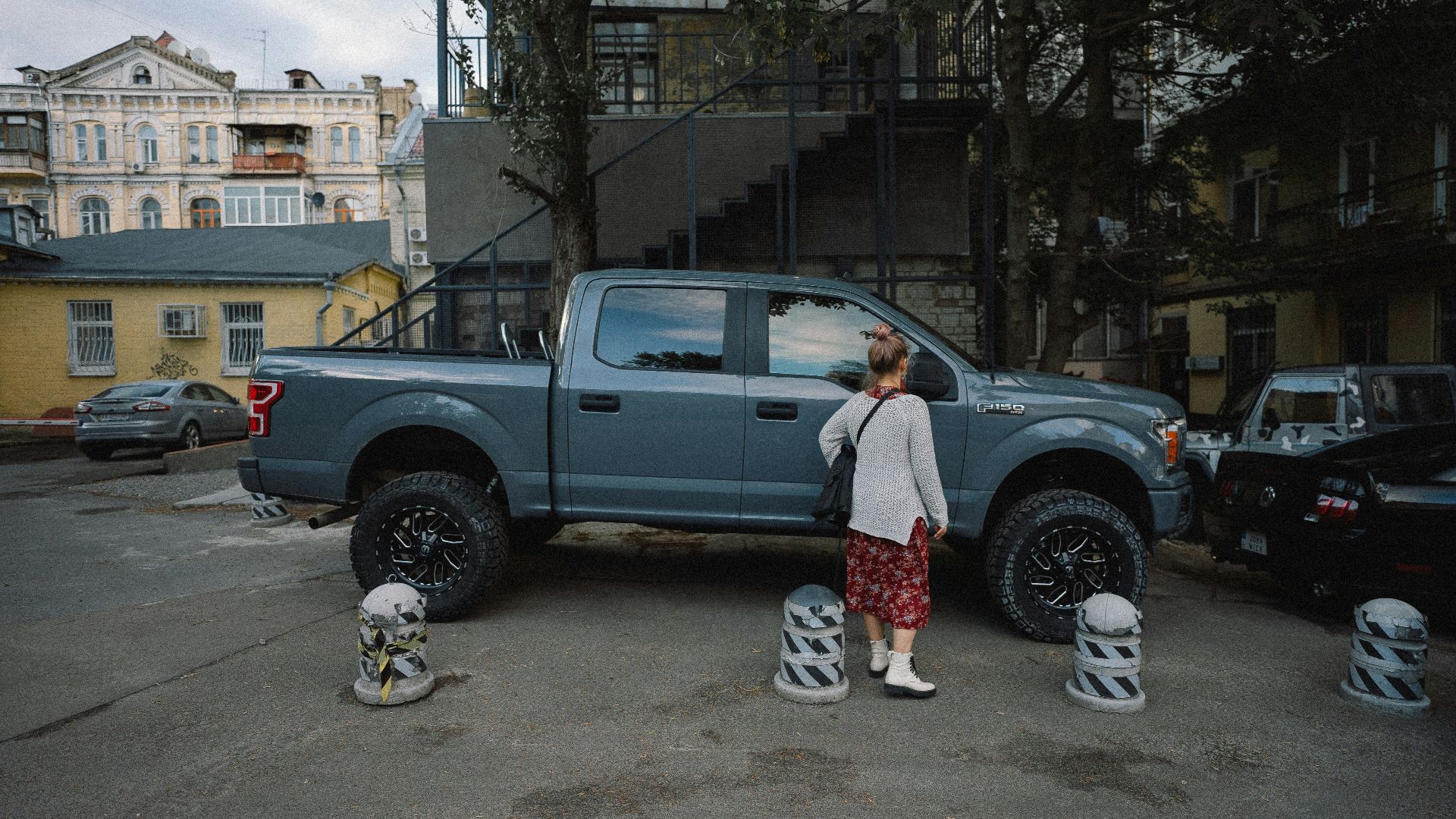
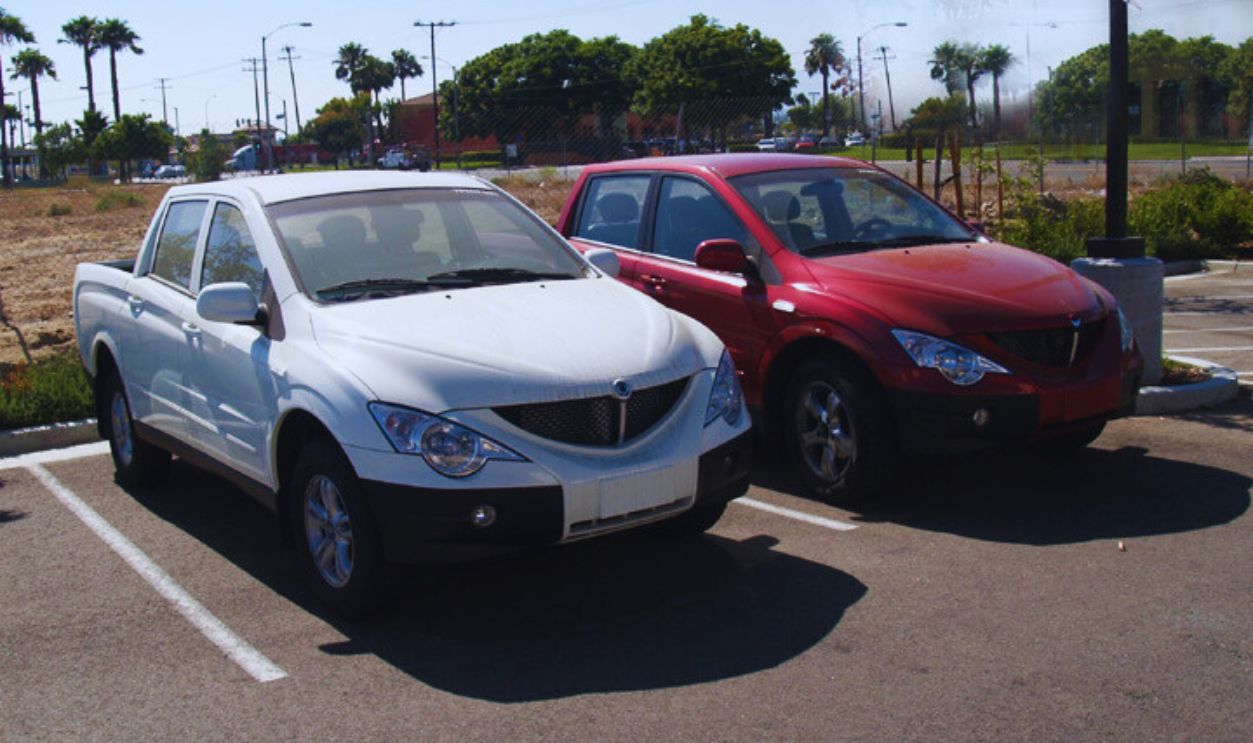
It is not unusual for associations to restrict specific types of vehicles. Some communities limit RVs, trailers, boats, commercial vans, or oversized trucks from parking in common areas. Others set size limits for vehicles allowed in shared parking lots. The reasoning often centers on aesthetics, safety, and available space. Larger vehicles may block sight lines, make parking difficult for others, or simply not fit within standard parking spaces.
The Rules Must Be Written Somewhere
An HOA cannot usually invent a rule on the spot. For a fine to be enforceable, the restriction typically needs to be clearly written in the community’s governing documents or official rules and regulations. Those documents should spell out what vehicles are allowed, where they can park, and what happens if someone violates the policy.

Where You Park Matters
The location of the parking spot is a major factor in whether the HOA has authority over it. If you are parking in a shared lot or on private streets owned by the association, the HOA usually has broad authority to regulate parking and enforce violations. However, if the street is public and maintained by the city, the HOA may have little or no power to control parking there.
HOAs Can Fine Residents For Violations
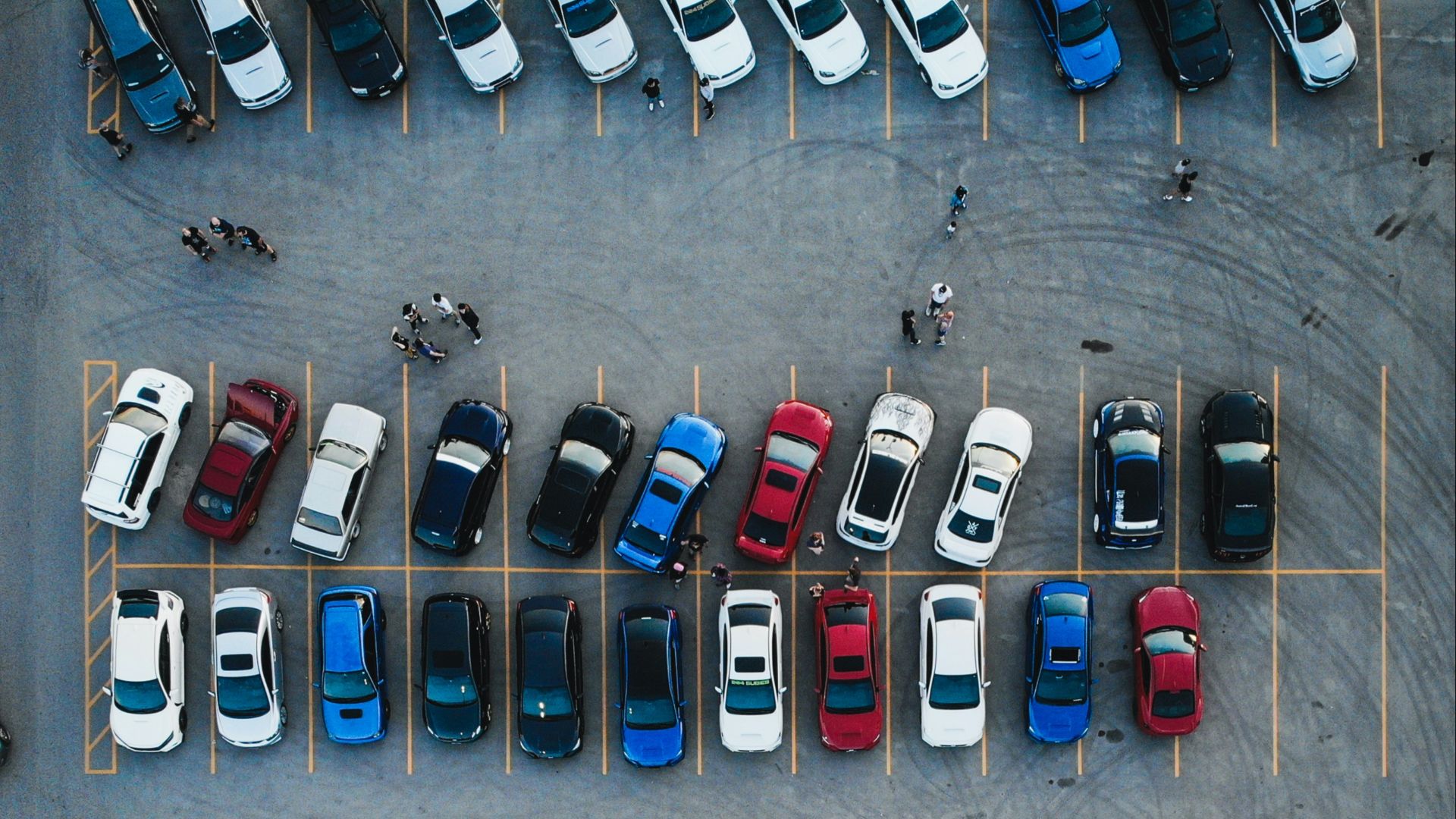
If parking restrictions are clearly written in the rules, the HOA may have the authority to issue fines when someone violates them. Associations commonly use warning letters first, followed by monetary penalties if the issue is not corrected. In some communities, repeated violations can even lead to towing from shared areas.
 Krakenimages.com, Shutterstock
Oversized Vehicle Rules Can Be Vague
One challenge in disputes like this is that HOA rules sometimes use vague language. Terms like “oversized vehicle,” “commercial vehicle,” or “large truck” may appear in the rules without clear definitions. When definitions are unclear, enforcement can become inconsistent and open to interpretation.
Some States Limit HOA Parking Restrictions
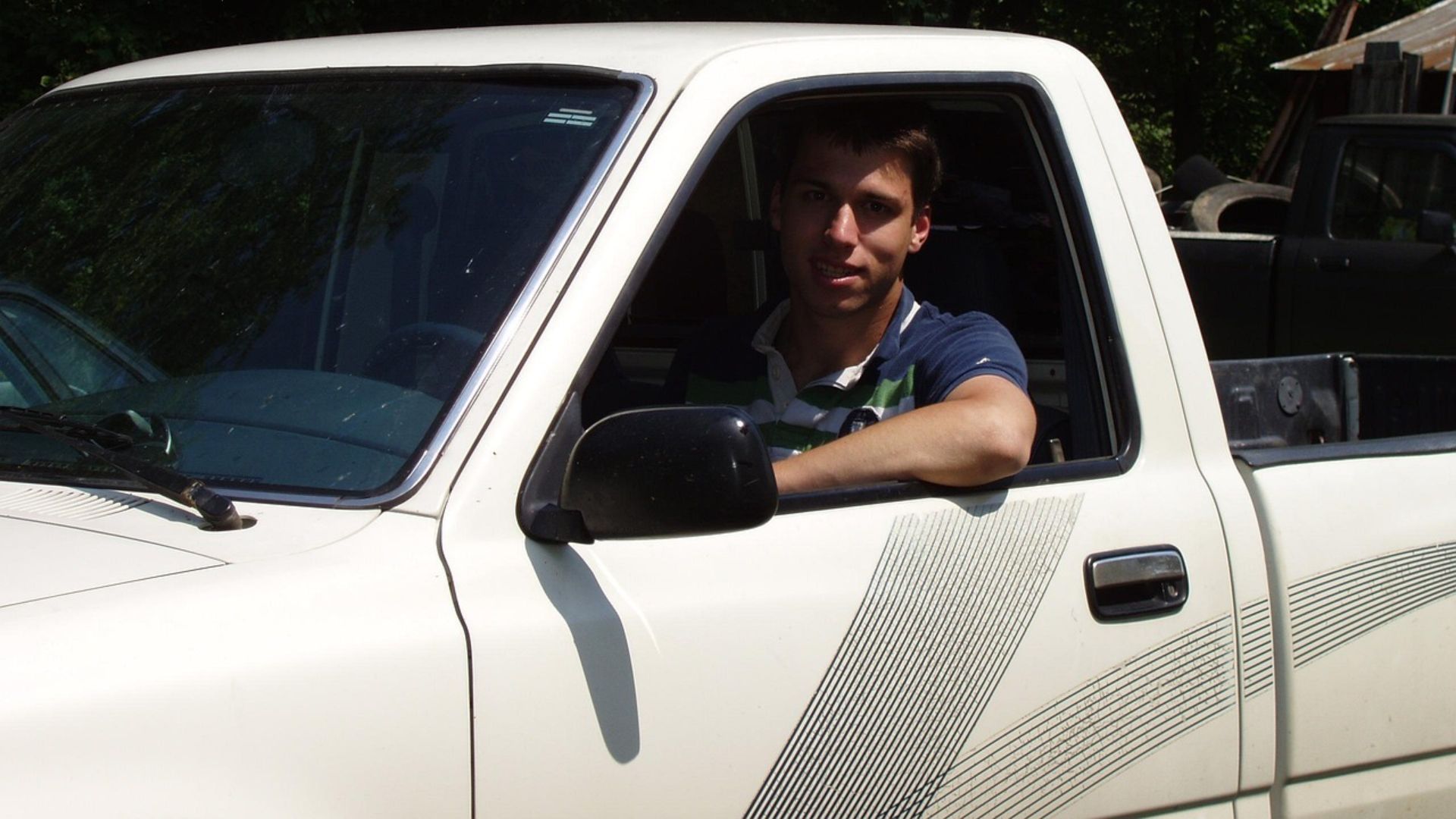
State laws sometimes limit how far HOAs can go when restricting vehicles. In certain places, new laws have been passed that protect homeowners’ rights to park standard pickup trucks or work vehicles in their own driveways. However, those protections vary widely from state to state, and they may not apply to shared parking areas.
The Size Of The Parking Space Matters Too
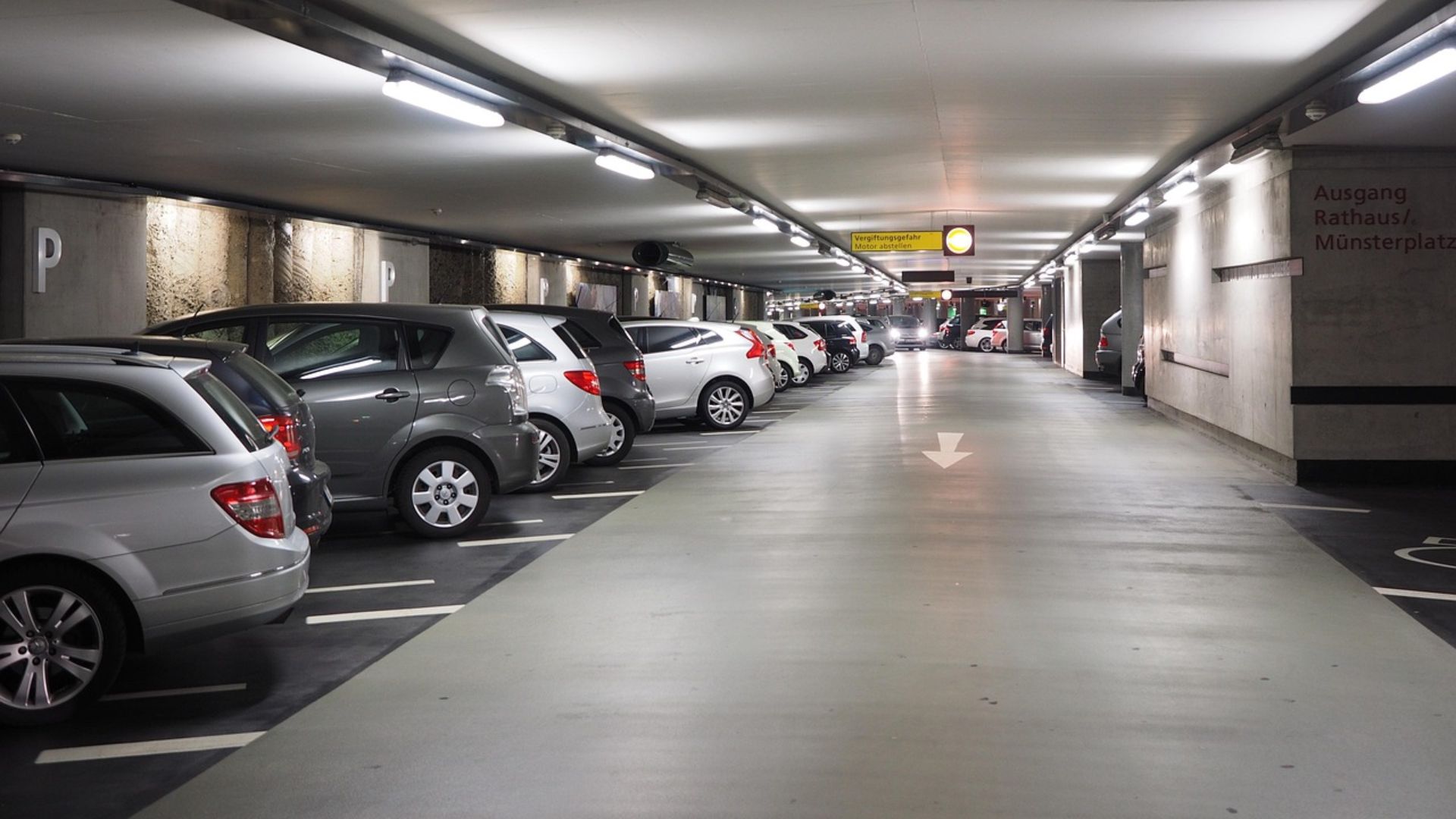
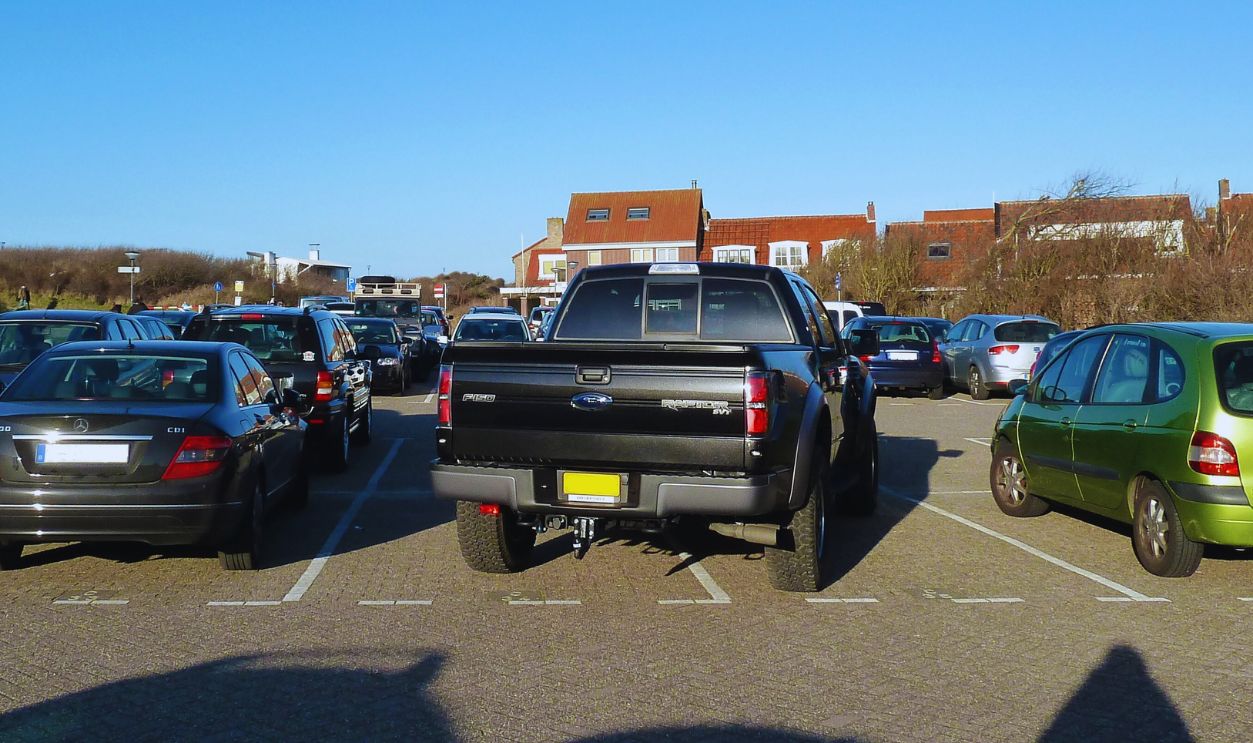
Sometimes the issue is not the type of vehicle but whether it fits within the designated parking space. If a truck extends beyond the painted lines or blocks other vehicles, the HOA may argue that it creates a safety or access problem. That type of rule is often easier for an association to enforce.

Check Your HOA Documents First
Before assuming the HOA is wrong, it is important to review your community’s governing documents carefully. Look for sections covering parking rules, vehicle restrictions, or oversized vehicles. Pay attention to exact wording, definitions, and enforcement procedures.

Look For Grandfather Clauses
Some HOA rules include “grandfather clauses” that allow existing vehicles to remain even after new rules are introduced. If you owned the truck before the rule was created, you may be protected by such a provision. These clauses are not always present, but they can make a big difference when they exist.

Ask The HOA For Clarification
If the rule is unclear, ask the board or property manager for clarification in writing. Request the exact section of the rules that your truck supposedly violates. Sometimes disputes happen simply because a rule was misinterpreted or applied incorrectly.

Document Your Vehicle And Parking Spot
Taking photos of your truck in the parking space can help if you need to challenge the violation. Images can show whether the vehicle actually fits within the space or whether it blocks access. This kind of documentation can be helpful during hearings or appeals.
HOAs Must Enforce Rules Consistently
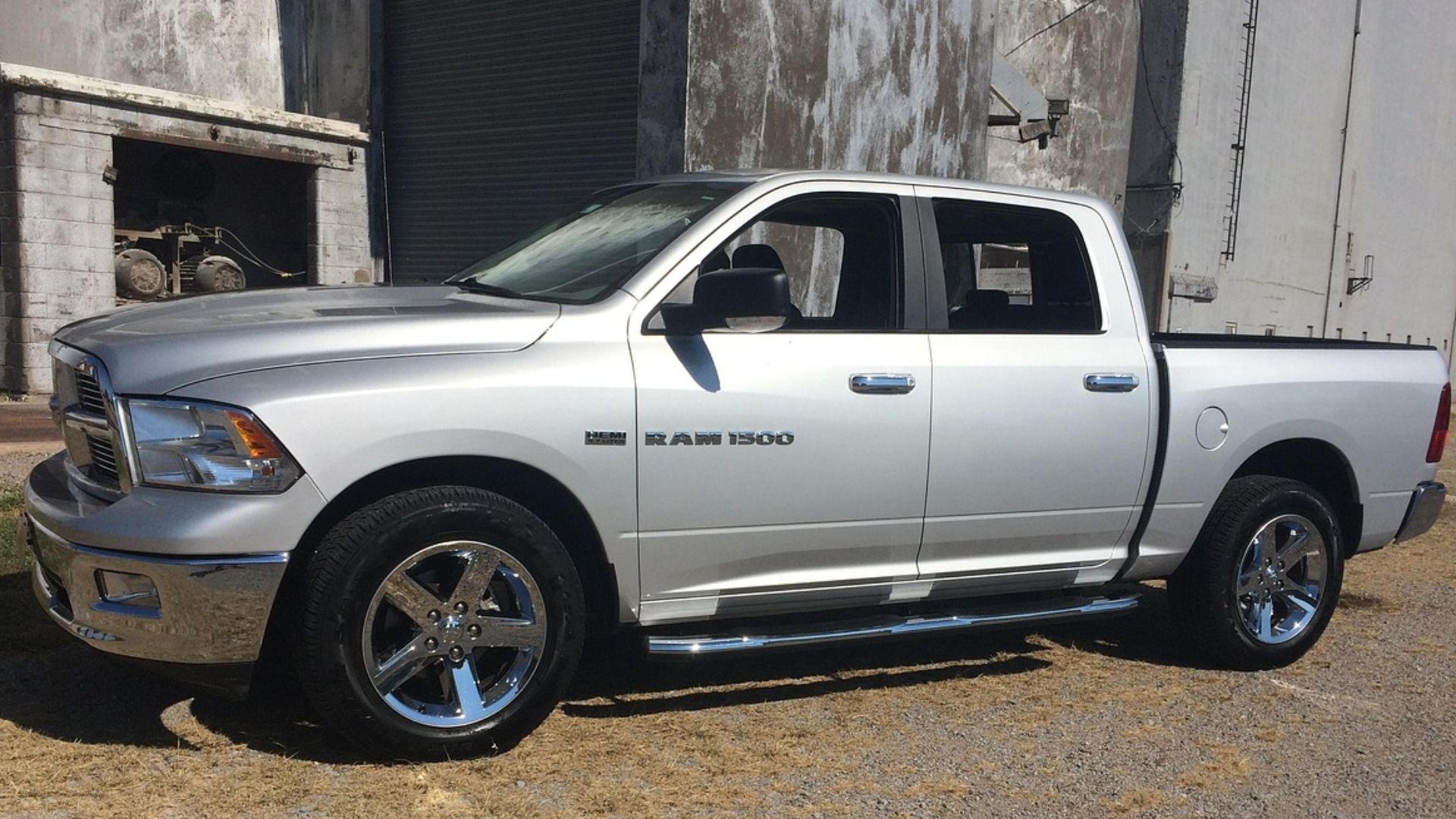
Even if a rule exists, the HOA must apply it consistently. If other residents have similar trucks parked in the same area without being fined, that inconsistency may weaken the association’s position. Uneven enforcement is a common source of successful challenges to HOA violations.

Many HOAs Offer Appeal Processes
Most associations have a formal process that allows homeowners to appeal fines or violations. This may involve presenting your case at a board meeting or submitting written evidence explaining why the rule should not apply to your situation. Appeals are often the first step before considering legal action.

You Can Request An Exception Or Variance
Some HOAs allow residents to request special exceptions, sometimes called variances. If your truck is necessary for work or daily life, the board may be willing to grant permission under certain conditions. For example, they might allow the vehicle in a specific location rather than the main lot.
 David van der Mark, Wikimedia Commons
Legal Advice May Be Necessary In Extreme Cases
If the fines continue or the HOA threatens towing, consulting a local attorney who understands HOA law may be worthwhile. Laws governing community associations vary by state, and a lawyer can explain your specific rights. Legal guidance is especially helpful when the rules appear unclear or improperly enforced.

Prevention Is Often Easier Than Fighting
If you know your truck may push the limits of HOA rules, it may be worth discussing the issue with the association before problems arise. Some communities have alternative parking areas for larger vehicles or allow off-site storage arrangements. Working with the HOA early can sometimes avoid ongoing disputes.
 Bill Dale at English Wikipedia, Wikimedia Commons
Final Thoughts
An HOA may have the authority to fine you if your truck violates clearly written parking rules in the community’s governing documents. These rules often apply to shared parking lots and private streets controlled by the association. However, the rules must be clear, applied consistently, and compliant with state law. If you get a violation notice, review the documents, gather evidence, and use the HOA’s appeal process. In many cases, disputes about large vehicles come down to how the rules are written and how fairly they are enforced.

You May Also Like:
I went through a car wash and now my roof leaks, which wasn’t happening before. Who’s responsible?