When Someone Else Is Using Your Condo’s Only EV Charger
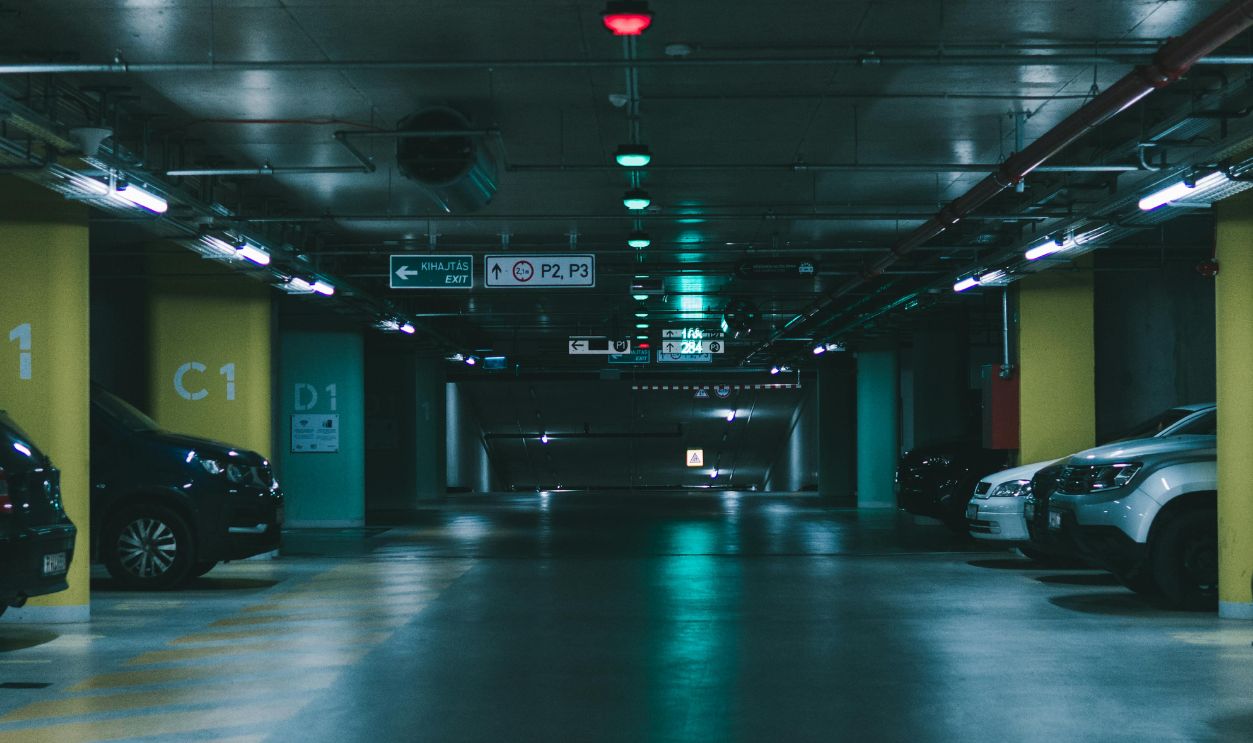
You finally make the switch to electric. The quiet ride, the instant torque, the smug feeling of passing gas stations—it’s all part of the EV lifestyle. But then one evening you pull into your condo parking garage expecting to plug in… and a Tesla is already there, happily sipping electrons from your charger. If you’re the only EV owner in the building, that moment can feel confusing, frustrating, and maybe even a little territorial. Before you leave an angry note or start plotting revenge, it helps to understand what’s really going on—and what your smartest next move might be.
The Moment You Realize Something’s Off
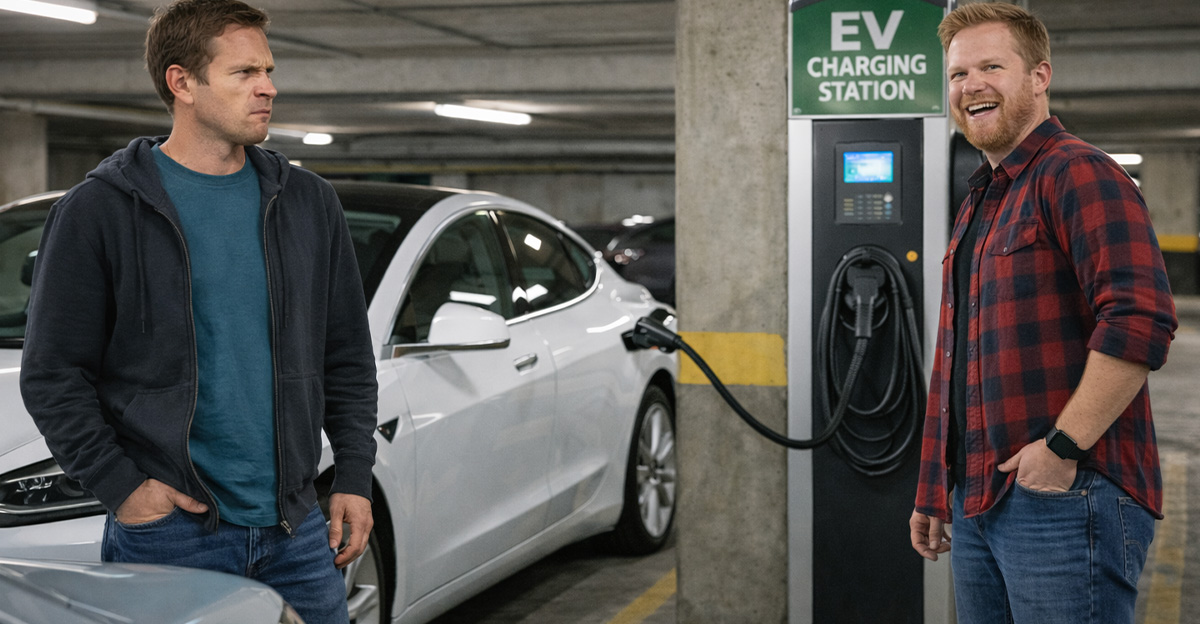
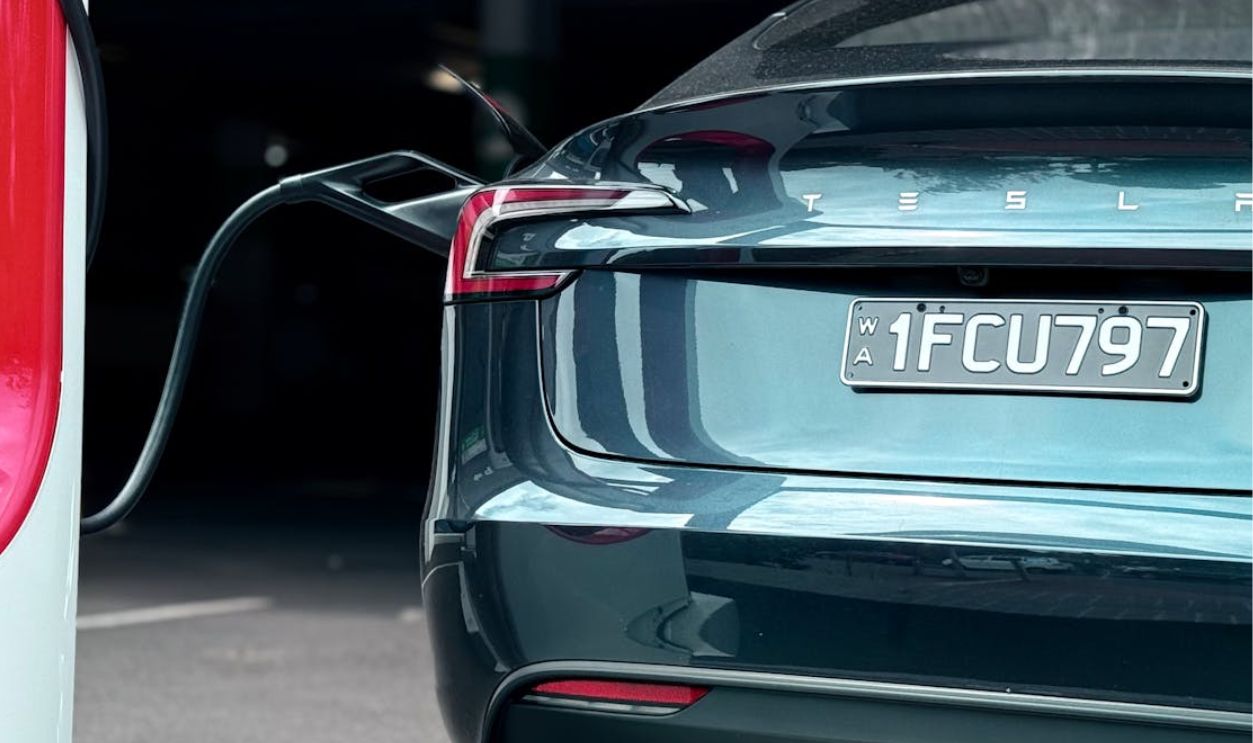
You roll into your usual spot expecting your nightly charge, but there it is: a shiny Tesla plugged into the charger you’ve been using for months. Maybe it’s parked slightly crooked or maybe it looks completely comfortable, like it belongs there. Either way, your brain starts doing the math—Wait… I thought I was the only EV owner here.
First Reaction: Don’t Panic
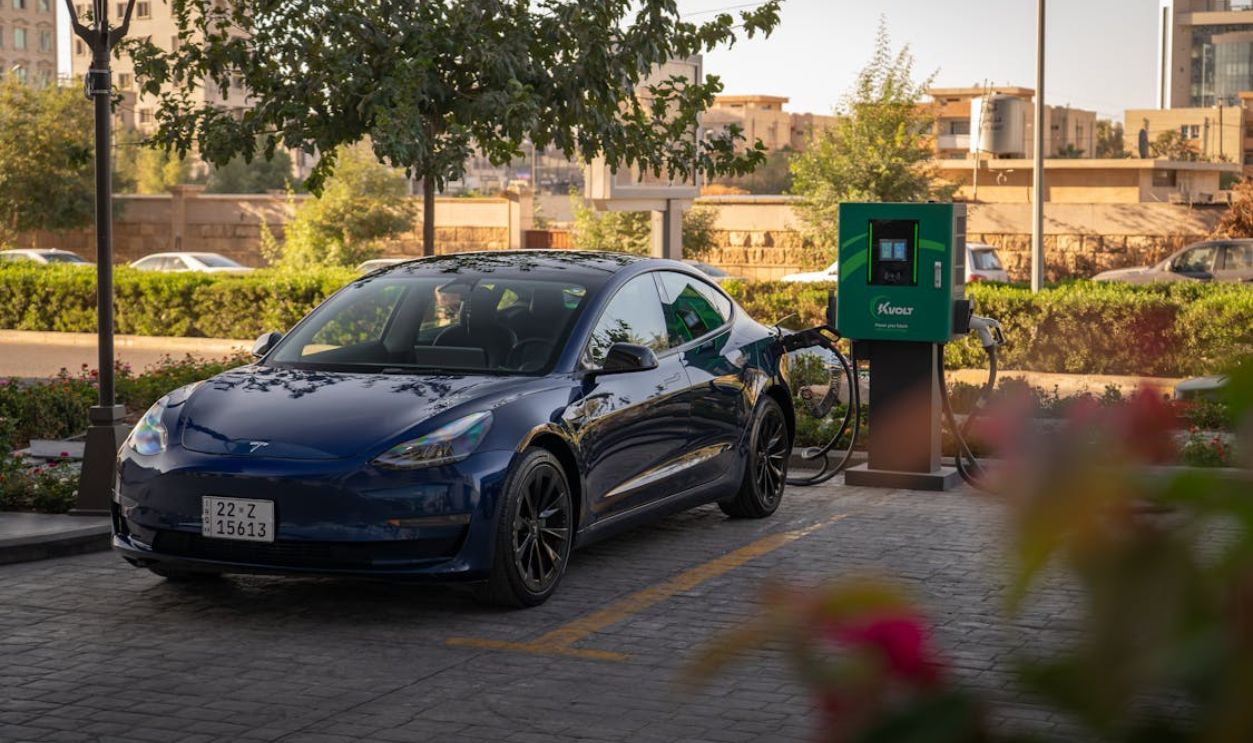
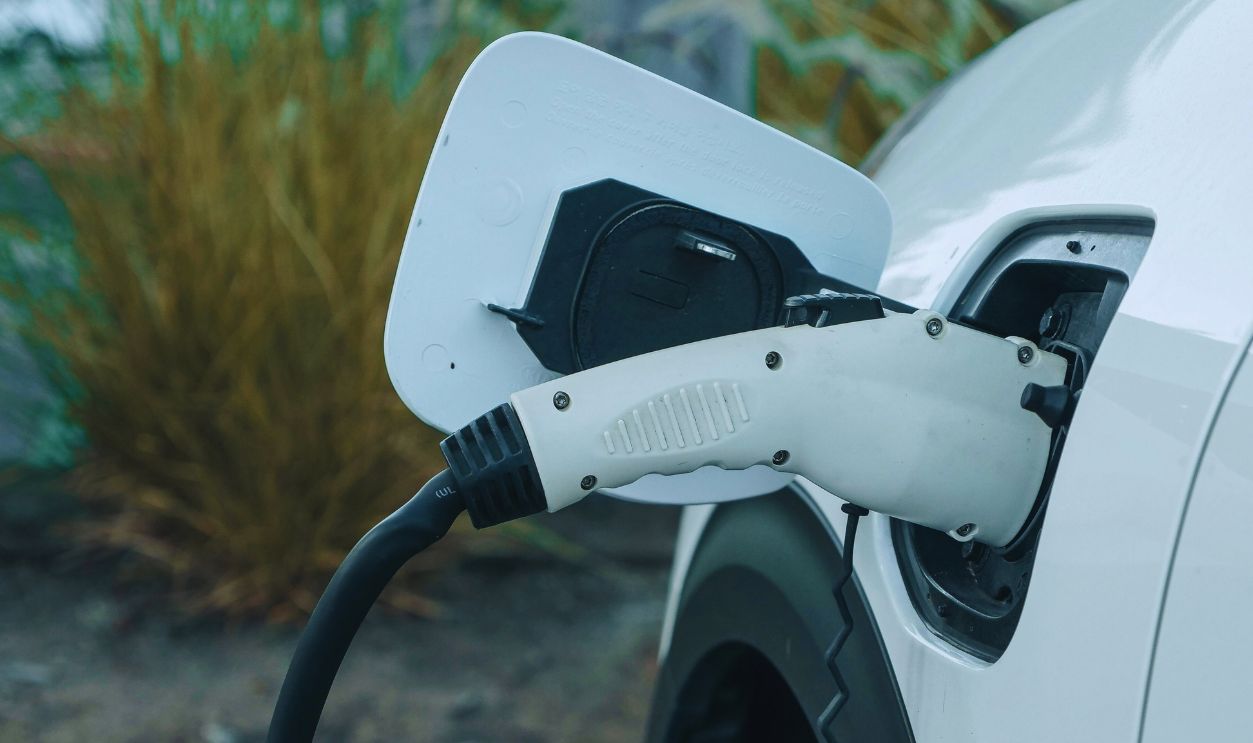
Your initial reaction might be frustration, but take a breath before you do anything dramatic. In most condo situations, shared infrastructure like chargers is technically part of the building’s amenities unless it was explicitly installed as a private unit. That Tesla driver might not even realize they’re stepping on anyone’s toes.
Ask Yourself: Is It Actually “Your” Charger?
Before claiming territory, consider how the charger was installed. Did you personally pay for it and have it wired to your unit’s electricity? Or did the condo board install it as a shared amenity that just happens to be near your parking space? The answer will change how you approach the situation.
If You Paid For The Charger
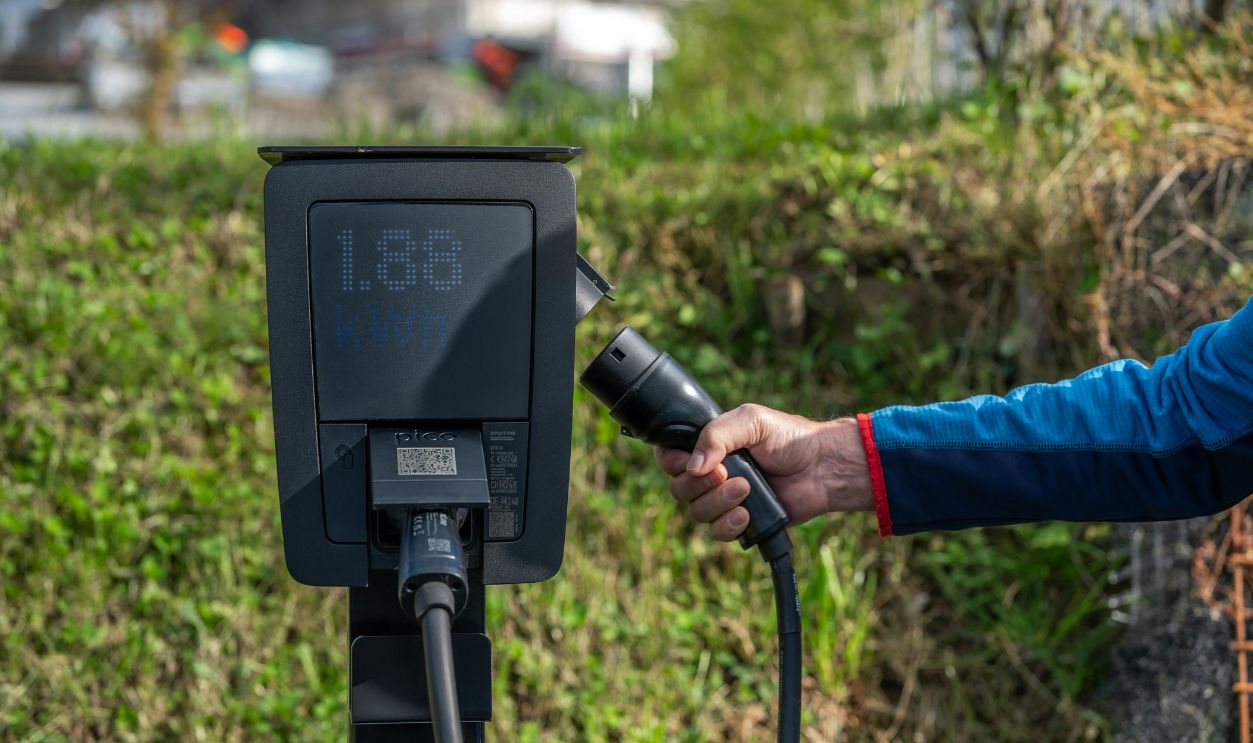
If the charger is wired to your electrical meter and you paid for installation, then someone else plugging in is essentially using your electricity. That doesn’t automatically mean the other driver is acting maliciously—they may simply assume it’s a communal charger—but it does mean you’re well within your rights to address the issue.
If The Charger Belongs To The Building
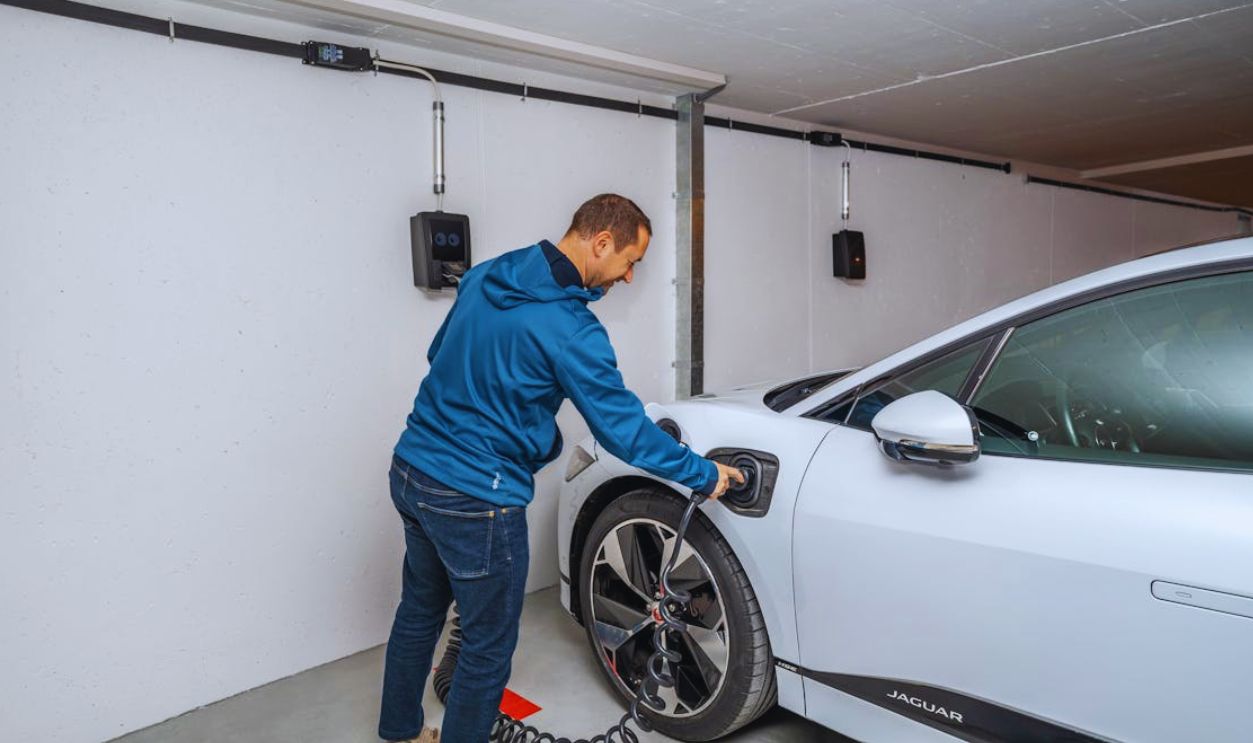
On the other hand, if the charger is owned by the condo association, the situation becomes more of a shared resource problem. Today you’re the only EV owner, but tomorrow there might be three or four. In that case, it’s less about ownership and more about fair usage.
Don’t Jump Straight To Confrontation
Marching up to someone and accusing them of stealing your power rarely leads to productive conversations. Even if you’re in the right, an aggressive approach can turn a simple misunderstanding into a neighborly feud. Remember: you may be seeing this person in the elevator for years.

Consider That The Driver Might Be Visiting
One common explanation is that the Tesla belongs to a guest. Many EV drivers instinctively plug in wherever they see an available charger, especially if they’re visiting someone and assume the charger is public or shared. It might not even belong to someone who lives in the building.
Check For Any Posted Rules
Take a quick look around the charging area. Are there signs explaining who can use the charger? Some condos label chargers with specific unit numbers or rules like “Resident EV Charging Only.” If there’s no signage, confusion is practically guaranteed.

Leave A Friendly Note First
If you can’t immediately find the owner, a polite note is often the easiest solution. Something simple like: “Hi! This charger is connected to my unit’s electricity. Could you please unplug when finished? Feel free to contact me if you’d like to coordinate charging.” Friendly beats furious every time.

Avoid Passive-Aggressive Messages
We’ve all seen those windshield notes that escalate quickly—ALL CAPS, exclamation marks, maybe a threat about towing. Resist the urge. A neighbor who feels attacked will likely respond defensively, and suddenly your charging problem becomes a parking lot drama.

Try To Catch The Owner In Person
If you see the Tesla driver returning to their car, that’s actually the best-case scenario. A quick, calm conversation can clear things up instantly. Something like, “Hey, just so you know, that charger is connected to my electricity,” usually does the trick.

Most EV Drivers Will Understand
EV owners tend to be pretty aware of charging etiquette. If the Tesla driver realizes they’ve been using someone else’s power, chances are they’ll apologize and unplug. Many EV communities are surprisingly respectful when it comes to shared infrastructure.

The Possibility Of A New EV Neighbor
Another possibility: congratulations, you’re no longer the only EV owner in the building. Electric cars are becoming more common, and your condo might simply be experiencing its first growing pains with charging access.
When Multiple EVs Enter The Picture
If another resident now drives electric, the real issue becomes charger availability. A single charger that worked perfectly for one owner may quickly become inadequate once more people plug in—literally and figuratively.
Talk To Your Condo Board
This is where building management should step in. Condo boards often underestimate how quickly EV adoption grows. If another resident is using the charger, it may be time for the building to start planning additional infrastructure.

Suggest A Charging Policy
A clear policy can prevent future headaches. That might include time limits, reservation systems, or assigning chargers to specific parking spots. Establishing rules early helps everyone avoid awkward confrontations later.

Consider Installing A Private Charger
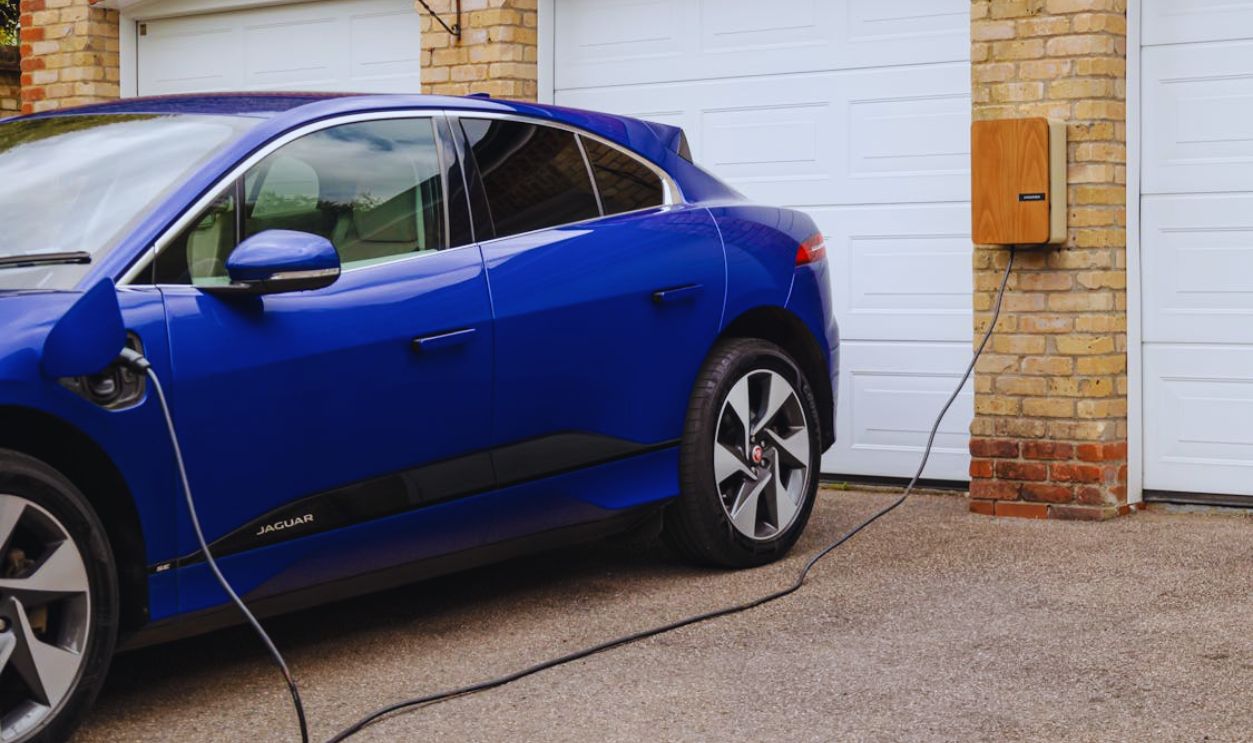
If the charger isn’t already connected to your unit’s electricity, you may want to request a dedicated setup. Many EV owners install chargers that run directly through their meter, eliminating disputes about who’s paying for the power.
Look Into Smart Chargers
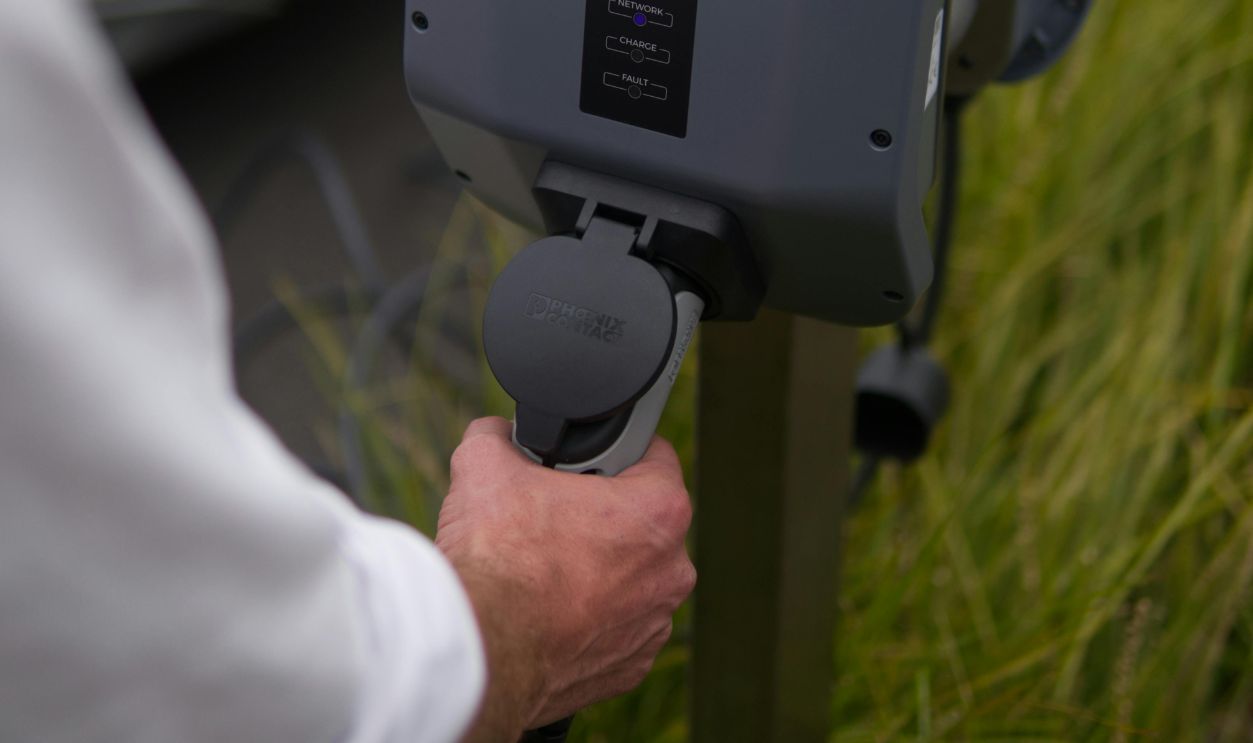
Modern EV chargers can be surprisingly sophisticated. Some allow access control through apps, RFID cards, or scheduling systems. That way, only authorized users can activate the charger, and you avoid surprise Tesla visitors.

Think About The Long-Term Future
Today it’s one Tesla. In a few years, half your building might drive electric. Condos across North America are already scrambling to retrofit parking garages with additional charging stations, and early planning makes the transition much smoother.
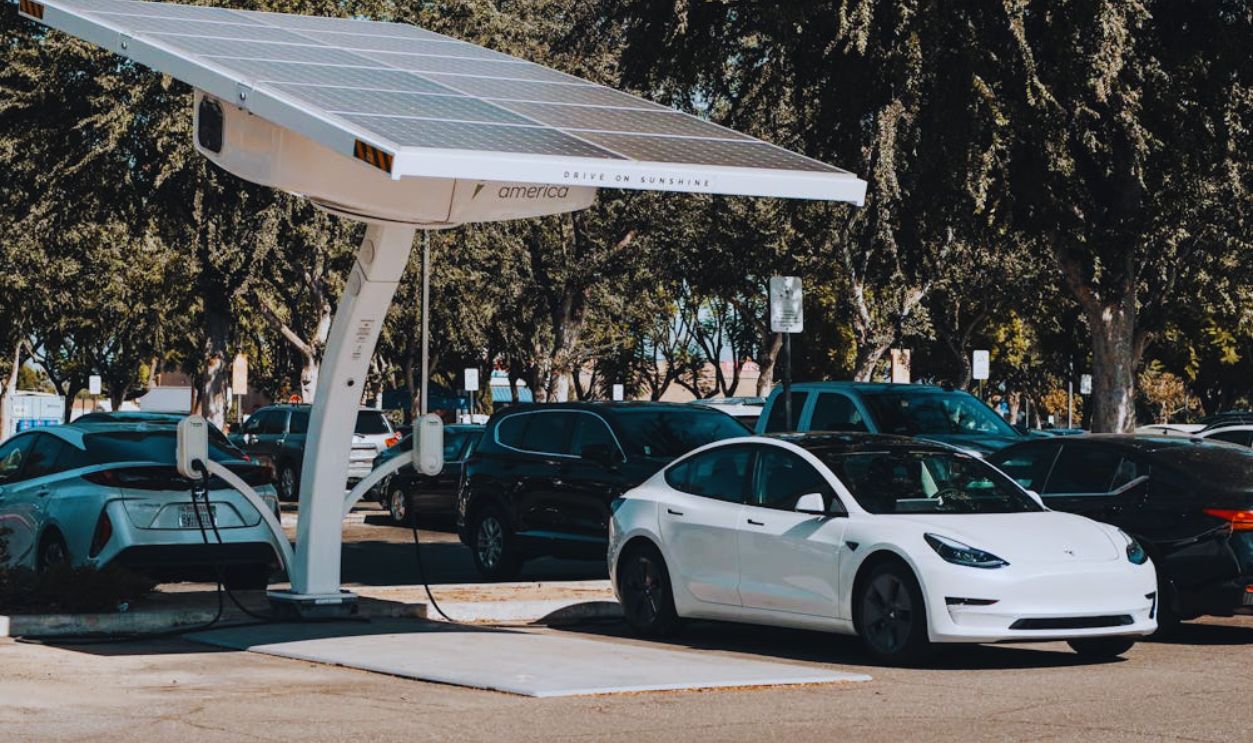
Don’t Block The Charger In Revenge
It might feel satisfying to park your car there even when you’re fully charged just to claim the space—but that’s rarely helpful. Charger hogging only escalates tensions and makes shared infrastructure harder for everyone.
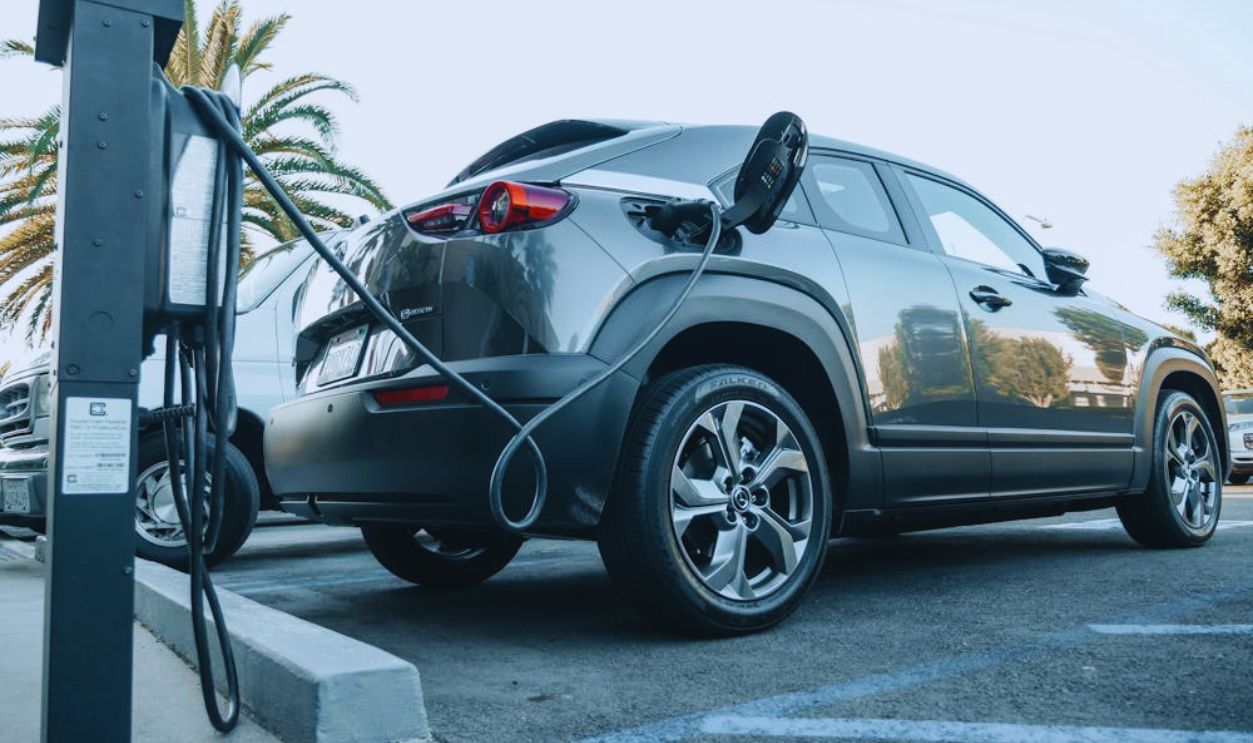
Avoid Unplugging Someone Mid-Charge
Unless the charger is clearly yours and labeled as such, unplugging another vehicle can create a new problem. Some EV owners rely on charging to get to work the next day. Even if they were wrong to plug in, it’s better to resolve things politely.
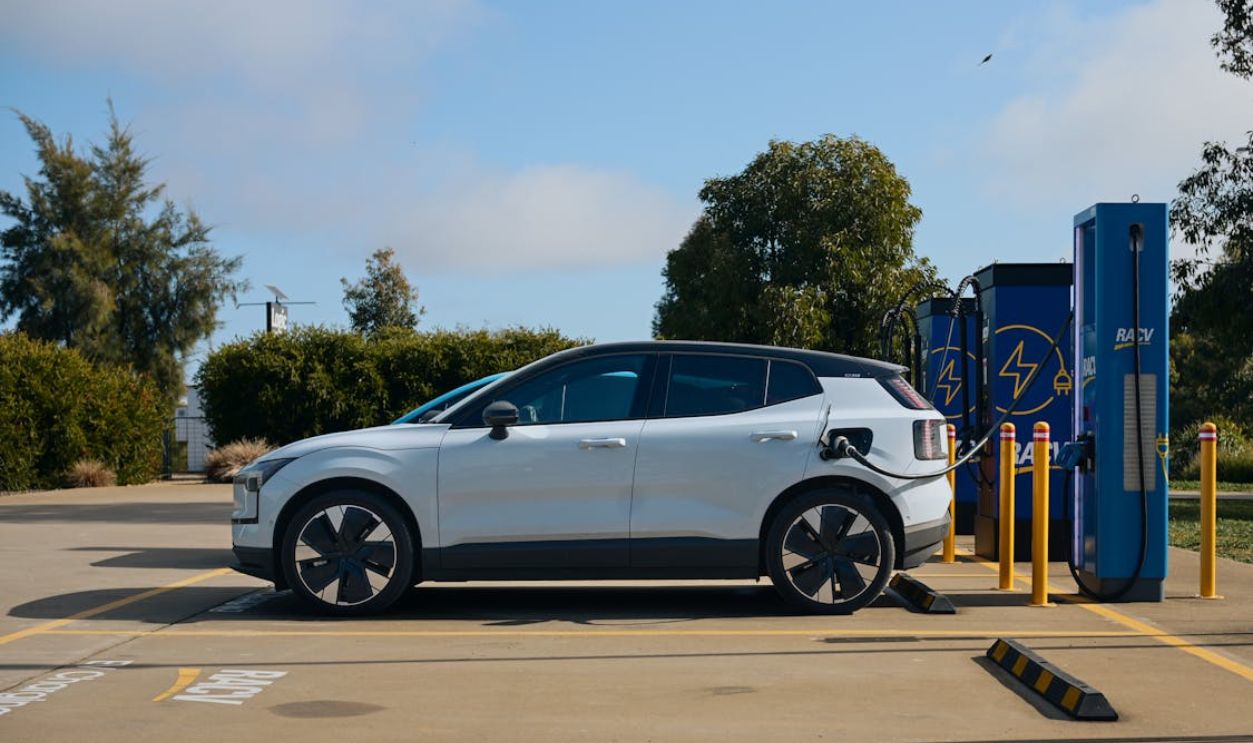
Communication Solves Most Charging Issues
The reality is that most EV charger disputes come down to a lack of communication. Without signs or policies, people make assumptions. A quick conversation or note can turn an awkward moment into a simple misunderstanding.

EV Etiquette Is Still Evolving
Because EV adoption is still relatively new, many buildings haven’t figured out the social rules yet. Gas stations never had this problem—you didn’t plug into someone’s personal pump at home. But shared chargers create a new kind of etiquette we’re all still learning.
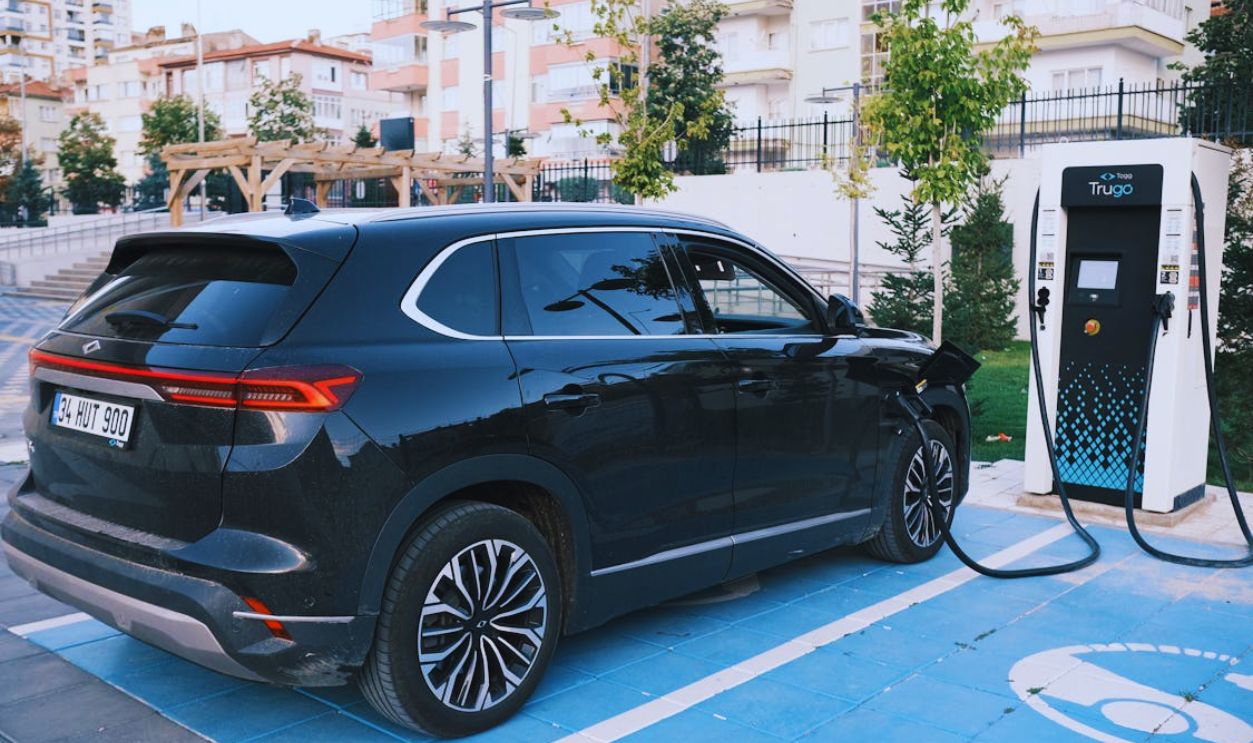
Your Condo May Need More Chargers Soon
If this Tesla encounter is the first sign of EV growth in your building, it’s also a preview of what’s coming. Proactively discussing infrastructure upgrades now can save everyone frustration later.
The Silver Lining: Your Building Is Going Electric
While the situation may be inconvenient tonight, it’s also a sign of progress. More EVs in the building means cleaner transportation, quieter garages, and eventually better charging infrastructure for everyone.
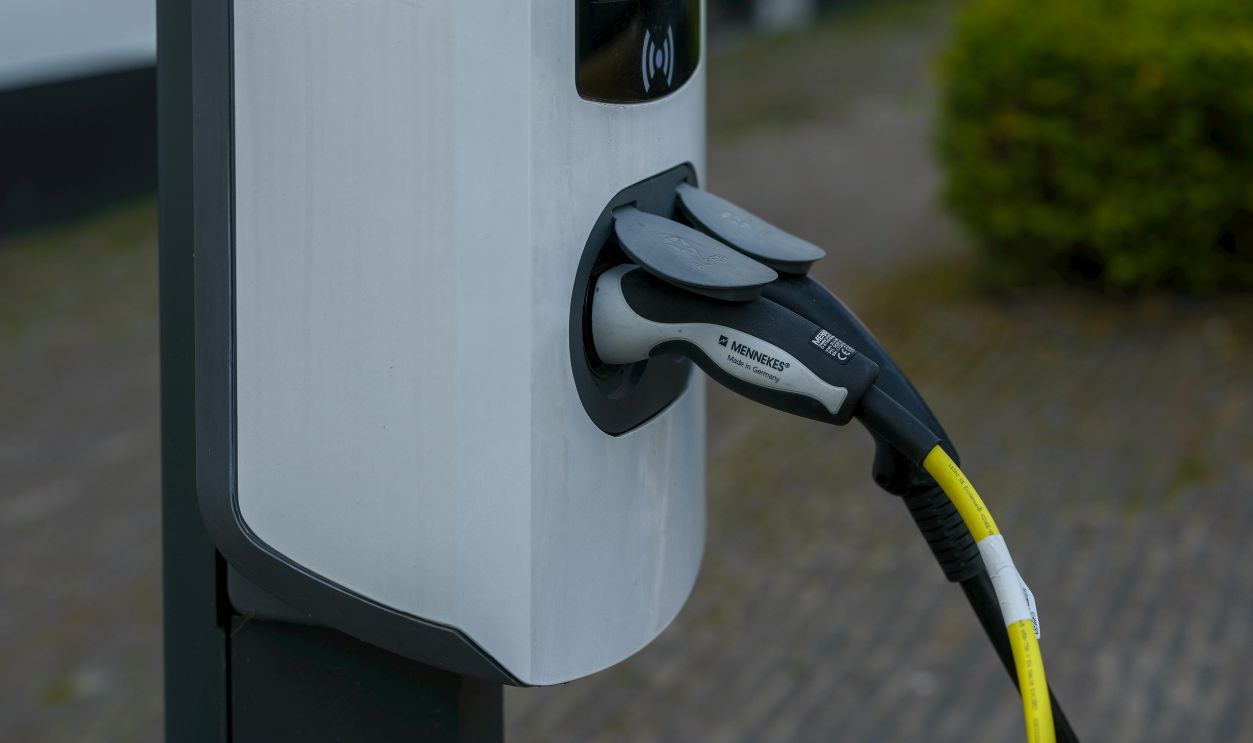 Haberdoedas Photography, Pexels
Handle It Like A Good Neighbor
Finding a Tesla plugged into your condo charger can be annoying, but it’s rarely a crisis. Start by figuring out whether the charger is private or shared, approach the situation politely, and loop in your condo board if needed. With a little communication—and maybe a few more chargers in the future—you’ll spend less time worrying about parking garage drama and more time enjoying the silent satisfaction of electric driving.
You May Also Like:
The Fiat 131 Abarth Was The Rally Legend No One Saw Coming
You Don’t Need A Detailer To Get That Showroom Shine—Just Follow These Smart Cleaning Hacks