
I Upgraded My Garage, And Now The Town Says It's Not Legal
Garage renovations are supposed to make life easier. But then a letter arrives from the town claiming the renovation violates local vehicle-storage requirements, and suddenly you're wondering if you'll have to tear everything out and start over. The good news is that many garage-related code violations can be resolved without completely rebuilding the space.
Vehicle Storage Rules Surprise A Lot Of Homeowners
Many homeowners don't realize that some municipalities require homes to maintain a certain amount of usable vehicle parking. Local zoning codes, development approvals, subdivision rules, and property standards sometimes assume that garages will remain available for parking rather than being converted entirely to other uses. These requirements often remain hidden until a complaint, inspection, permit review, or property sale brings them to light.

The Exact Violation Matters
Before assuming the worst, find out precisely what rule the town believes you've violated. Some notices involve garage conversions. Others involve minimum parking requirements, setbacks, occupancy issues, permit problems, or zoning restrictions. The solution often depends entirely on the specific violation cited.

Ask For The Relevant Code Section
Many violation notices provide only a brief explanation. Request the exact municipal code section, zoning ordinance, permit condition, or development standard that allegedly applies to your property. Reading the actual rule can sometimes reveal exceptions, grandfathering provisions, or alternative compliance options that aren't obvious from the notice itself.

Not Every Garage Must Hold A Car
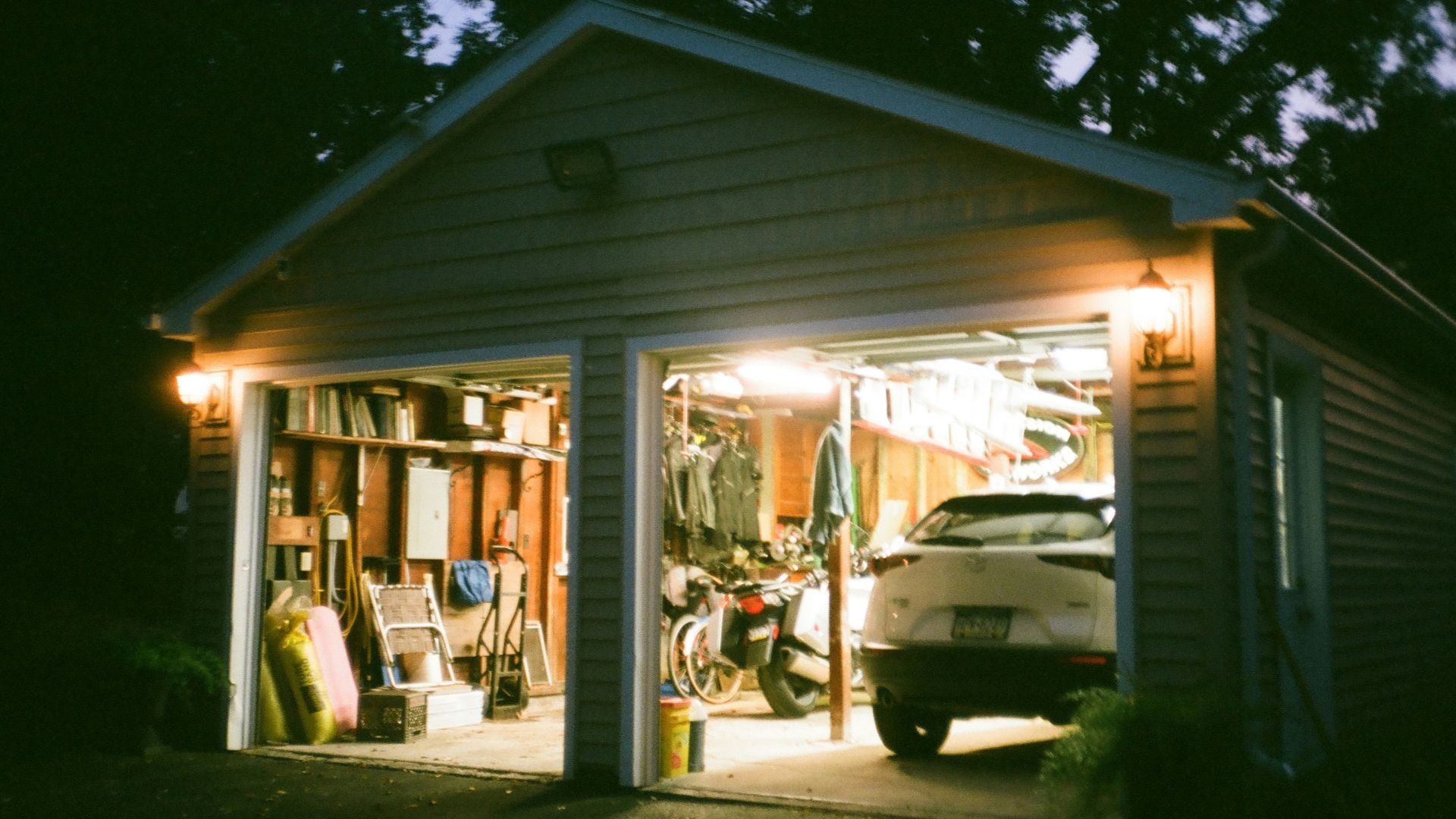
Some homeowners assume any garage automatically qualifies as legal vehicle storage. In reality, local codes often define minimum dimensions, accessibility requirements, and clear floor-space standards. A garage filled with built-in cabinets, workbenches, storage systems, or permanent fixtures may no longer satisfy the local definition even if a vehicle technically fits inside.
Finished Space Often Triggers Problems
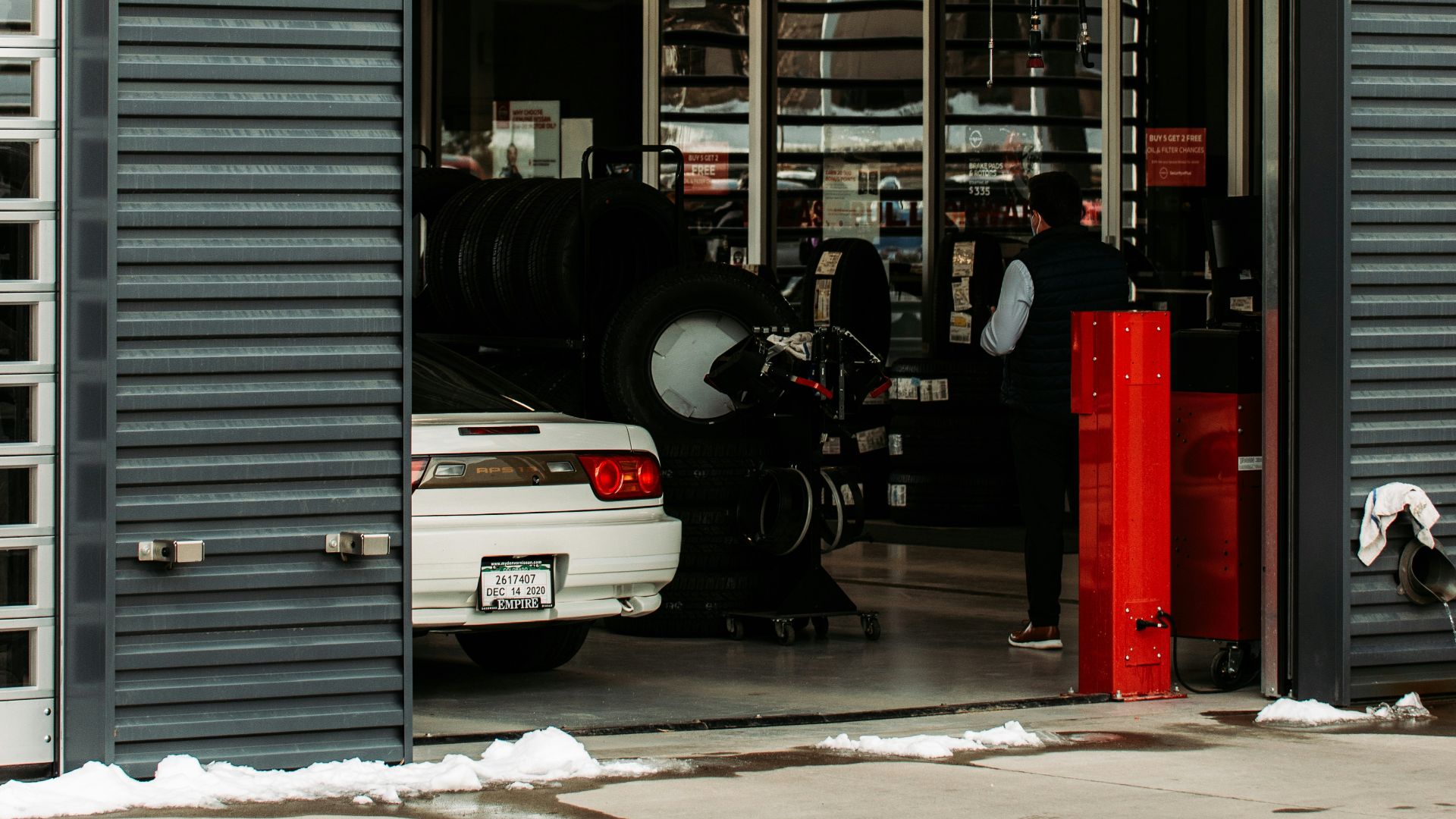
One common issue occurs when owners convert part of a garage into a finished room. Home offices, gyms, workshops, hobby rooms, entertainment spaces, and storage areas are popular projects. However, reducing the amount of usable vehicle parking below local requirements can trigger code enforcement concerns.

Permits Can Change The Analysis
Whether permits were obtained often becomes a major factor. If the renovation was approved through the proper permit process, you may have stronger arguments regarding reliance on prior approvals. If the work was completed without permits, resolving the issue can become more complicated.

Some Violations Are Purely Administrative
Not every violation means the renovation itself is unsafe or poorly built. Sometimes the issue involves paperwork rather than construction quality. Missing permits, incomplete inspections, outdated plans, or unrecorded approvals can occasionally be corrected without major demolition.

Start With A Meeting
Before hiring contractors or tearing out improvements, consider meeting with the zoning department, building department, or code enforcement office. Ask them exactly what outcome they require. In some cases, homeowners assume the solution is far more drastic than what officials are actually requesting.

Alternative Compliance May Be Available
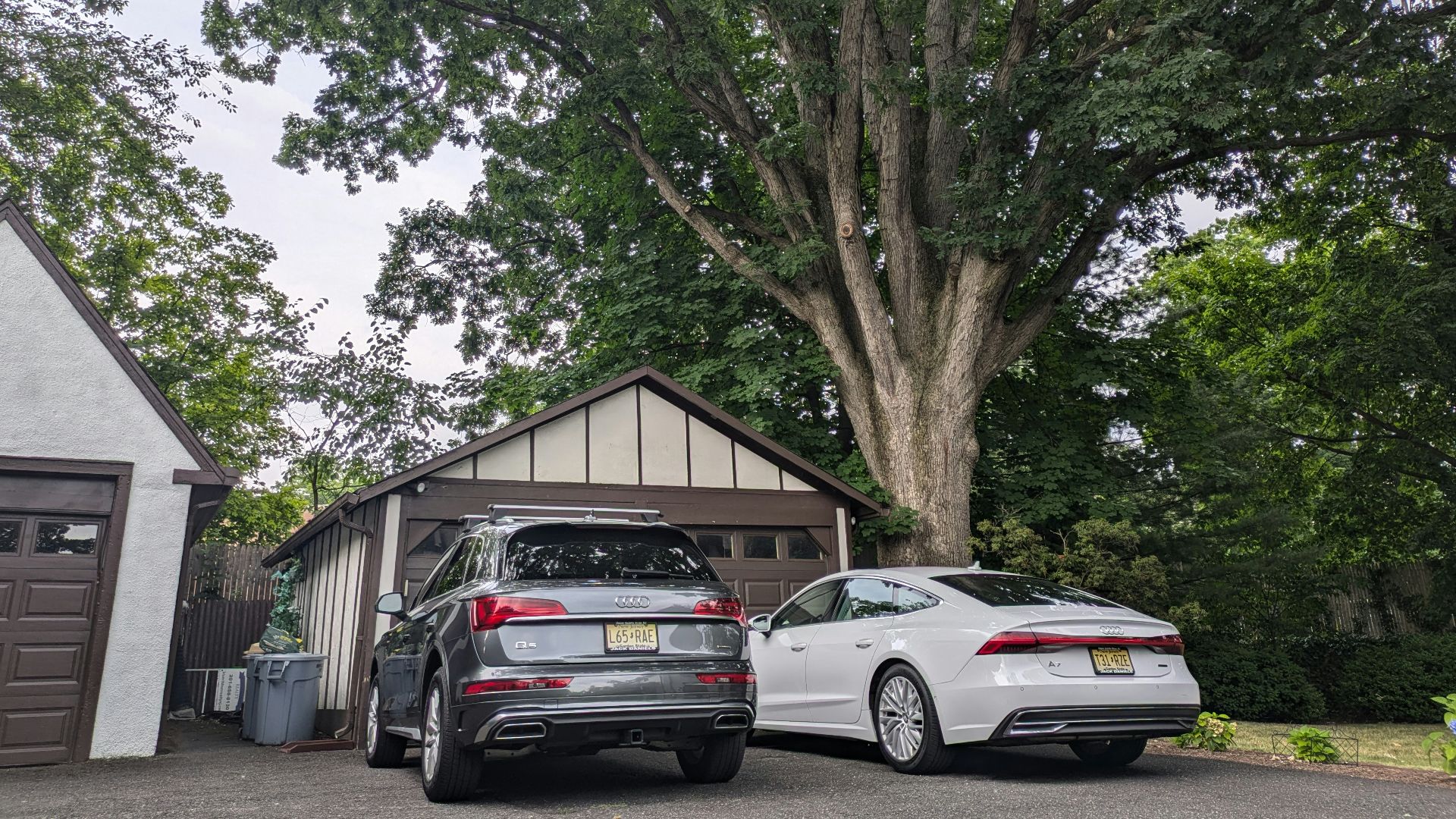
Many municipalities offer alternative compliance paths. Additional driveway parking, expanded parking pads, side-yard vehicle storage, variances, special permits, or modified site plans may satisfy the underlying requirement. The town's goal is often preserving parking capacity rather than forcing a specific garage layout.
Variances Exist For A Reason
A variance allows property owners to seek relief from certain zoning requirements under specific circumstances. Approval is never guaranteed, but homeowners sometimes qualify because of unusual lot layouts, property constraints, neighborhood conditions, or unique hardships. A successful variance may eliminate the need for major reconstruction.

Grandfathering Can Sometimes Help
If your property predates current zoning requirements, grandfathering provisions may exist. These rules vary significantly by jurisdiction. While they won't solve every problem, they are worth investigating before assuming current standards automatically apply.

The Original Approval Documents Matter
Review subdivision approvals, building permits, certificates of occupancy, and property records if available. Some developments contain specific parking requirements imposed when the neighborhood was originally approved. Understanding those documents can help explain why the town is taking its current position.

Storage Is Often The Real Culprit
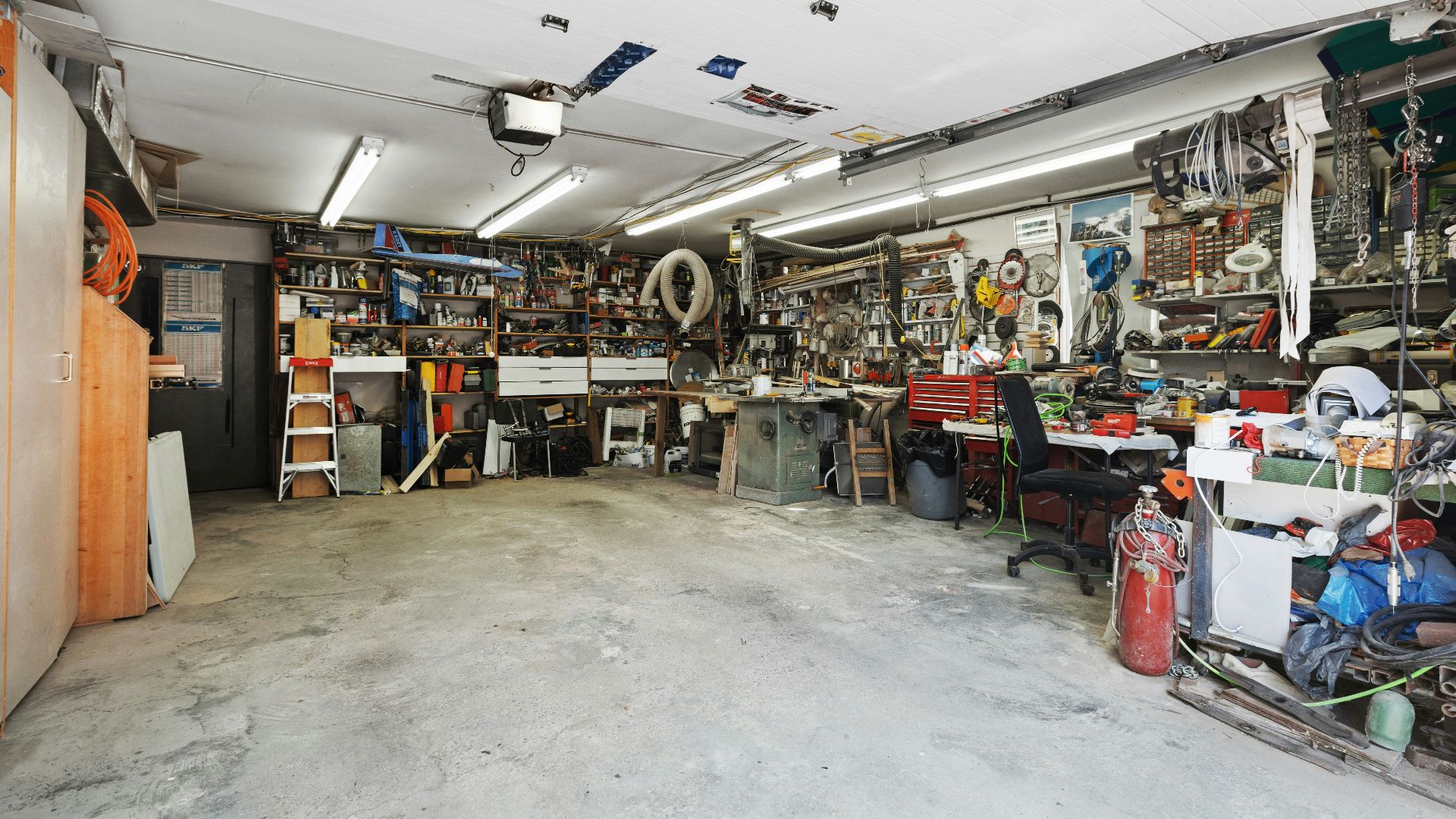
Many garages technically remain vehicle-capable but become unusable because of accumulated storage. Shelving, equipment, seasonal items, tools, and household belongings can gradually consume parking space. If storage rather than construction created the problem, the fix may be far easier than expected.
 Point3D Commercial Imaging Ltd., Unsplash
Partial Compliance May Be Enough
Some towns require only a portion of the garage to remain available for vehicle parking. If your renovation occupies one side while leaving another parking space available, there may be opportunities to modify the layout rather than remove everything. Small adjustments sometimes solve what initially appears to be a major problem.
 Priscilla Du Preez 🇨🇦, Unsplash
Document The Current Layout
Take photographs, measurements, and floor plans showing the current configuration. Accurate documentation helps during meetings with officials and can clarify whether the space actually violates the applicable requirements. Assumptions often create unnecessary disputes.

Parking Requirements Vary Widely
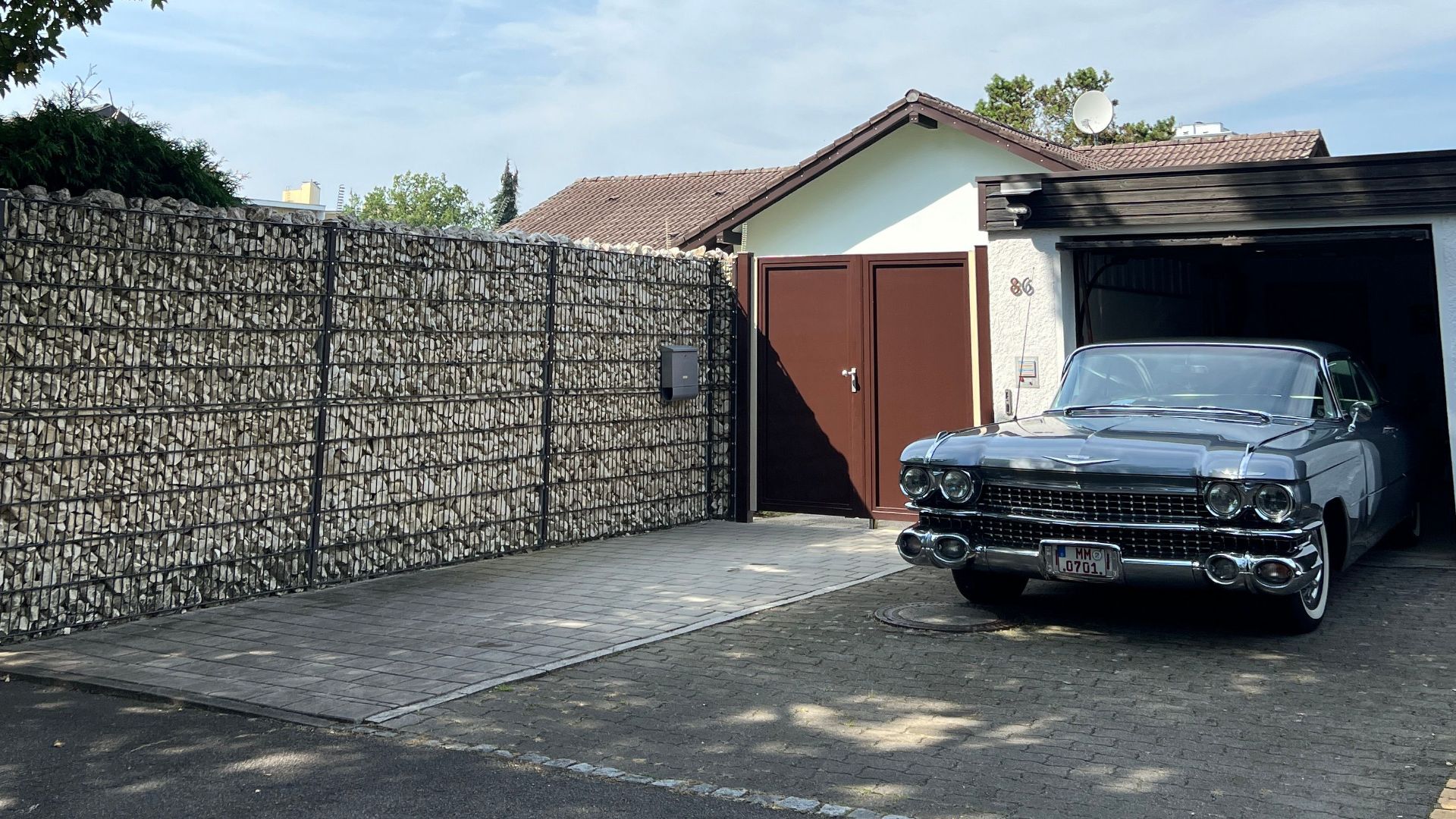
Rules differ dramatically between municipalities. Some require enclosed garage parking. Others count driveway spaces. Some allow tandem parking while others do not. Because local regulations vary so much, advice from another homeowner in a different town may not apply to your situation.
Home Sales Sometimes Expose Problems
Many garage violations surface during property sales. Buyers, lenders, inspectors, and title companies often review permits and occupancy records more closely than homeowners do during everyday life. Addressing the issue now may prevent larger headaches later.

Neighborhood Complaints Often Trigger Enforcement
In some communities, enforcement begins after a complaint from a neighbor. While that can feel unfair, the source of the complaint generally matters less than whether the violation actually exists. Focusing on the code itself is usually more productive than trying to identify who reported it.

An Architect Or Designer May Help
If modifications become necessary, an architect, designer, or experienced contractor may be able to propose creative solutions that preserve much of the renovation. Reconfiguring storage, moving walls, adjusting layouts, or redesigning built-ins may achieve compliance without a complete teardown.

Don't Ignore Deadlines
Most violation notices include deadlines for responses, appeals, inspections, or corrective actions. Missing those deadlines can limit your options and sometimes increase penalties. Even if you're still evaluating solutions, responding on time is usually important.

Appeals May Be Available
Many municipalities provide formal appeal processes. If you believe the town has misinterpreted the rules, overlooked facts, or applied the wrong standard, an appeal may be appropriate. Understanding the appeal process early can help preserve your rights.

Legal Advice Can Be Worthwhile
If the renovation was expensive or the required corrections appear significant, consulting a local land-use attorney may make sense. An attorney familiar with zoning and building regulations can often identify options that homeowners don't realize exist. Sometimes the issue is more negotiable than it initially appears.

Most Situations Don't End In Total Reconstruction
The scenario many homeowners fear is being forced to gut the entire garage. While that occasionally happens, it is far from the most common outcome. Many cases are resolved through permits, variances, alternative parking arrangements, design modifications, or partial adjustments. Exploring those options first can save significant money and frustration.
The Goal Is Finding The Smallest Fix
If your garage renovation accidentally violated local vehicle-storage rules, don't assume you're facing a complete do-over. Start by identifying the exact violation, reviewing the relevant code, meeting with local officials, and exploring alternatives such as variances, layout changes, permits, or additional parking solutions. In many cases, the path to compliance is much smaller and less expensive than homeowners initially fear.
You May Also Like: