A Garage-Sized Reality Check
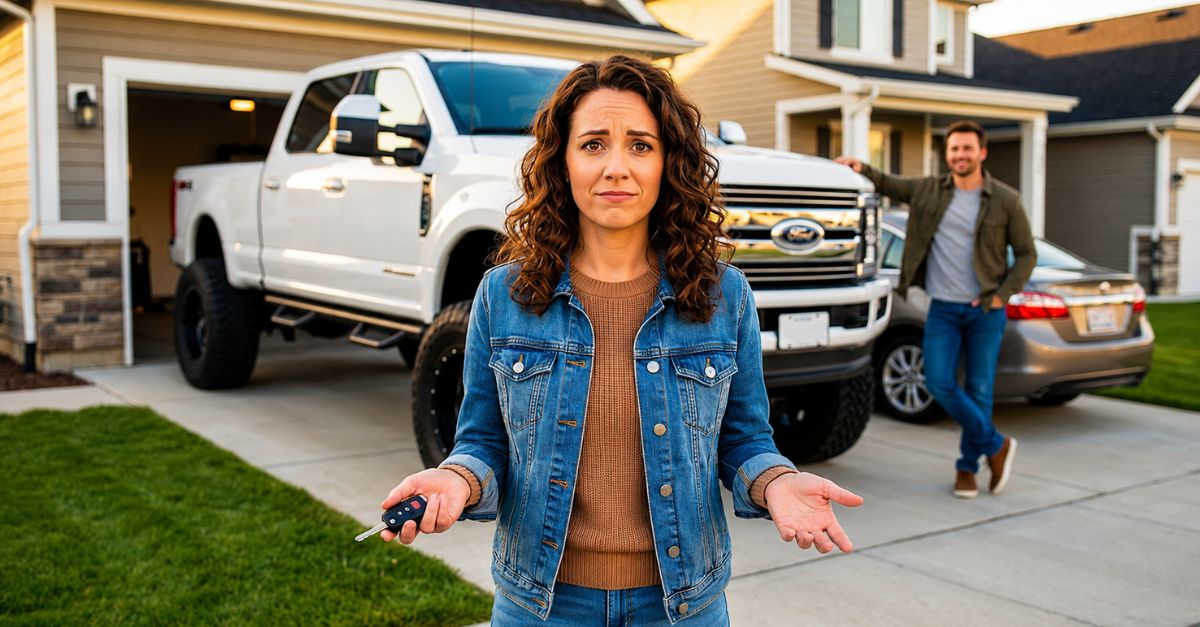
A lifted truck that barely squeezes into the garage might look impressive in the driveway, but it can be a hassle the second someone actually has to drive it. If one spouse buys a huge pickup and expects the other to use it every day, the issue is not attitude. It is practicality, safety, comfort, and whether the vehicle actually fits the life it is supposed to serve.
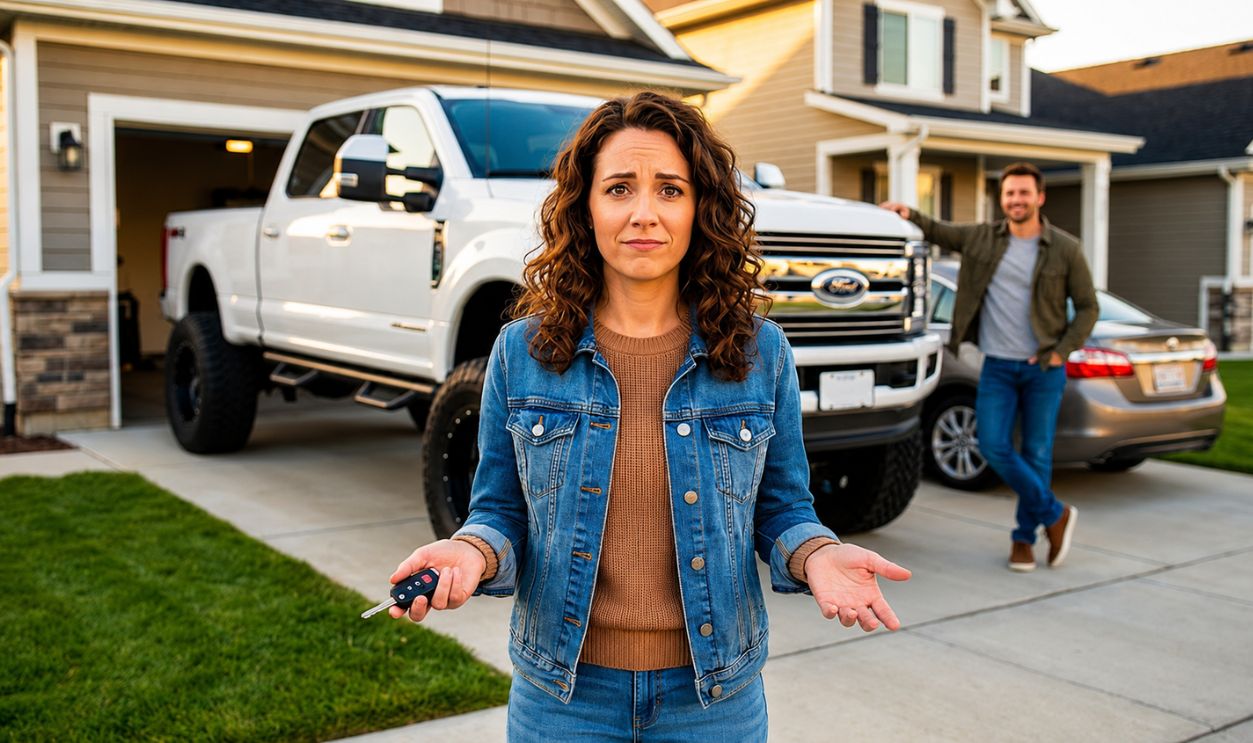
Why This Argument Keeps Happening
Fights like this are common because modern pickups have gotten much bigger over the past few decades. The Insurance Institute for Highway Safety says taller, more upright vehicles create larger front blind zones than lower cars. So if someone does not want to drive an oversized truck, that is not automatically stubbornness. It can be a perfectly sensible reaction to a vehicle that feels harder to see out of and harder to manage.

Trucks Really Have Gotten Bigger
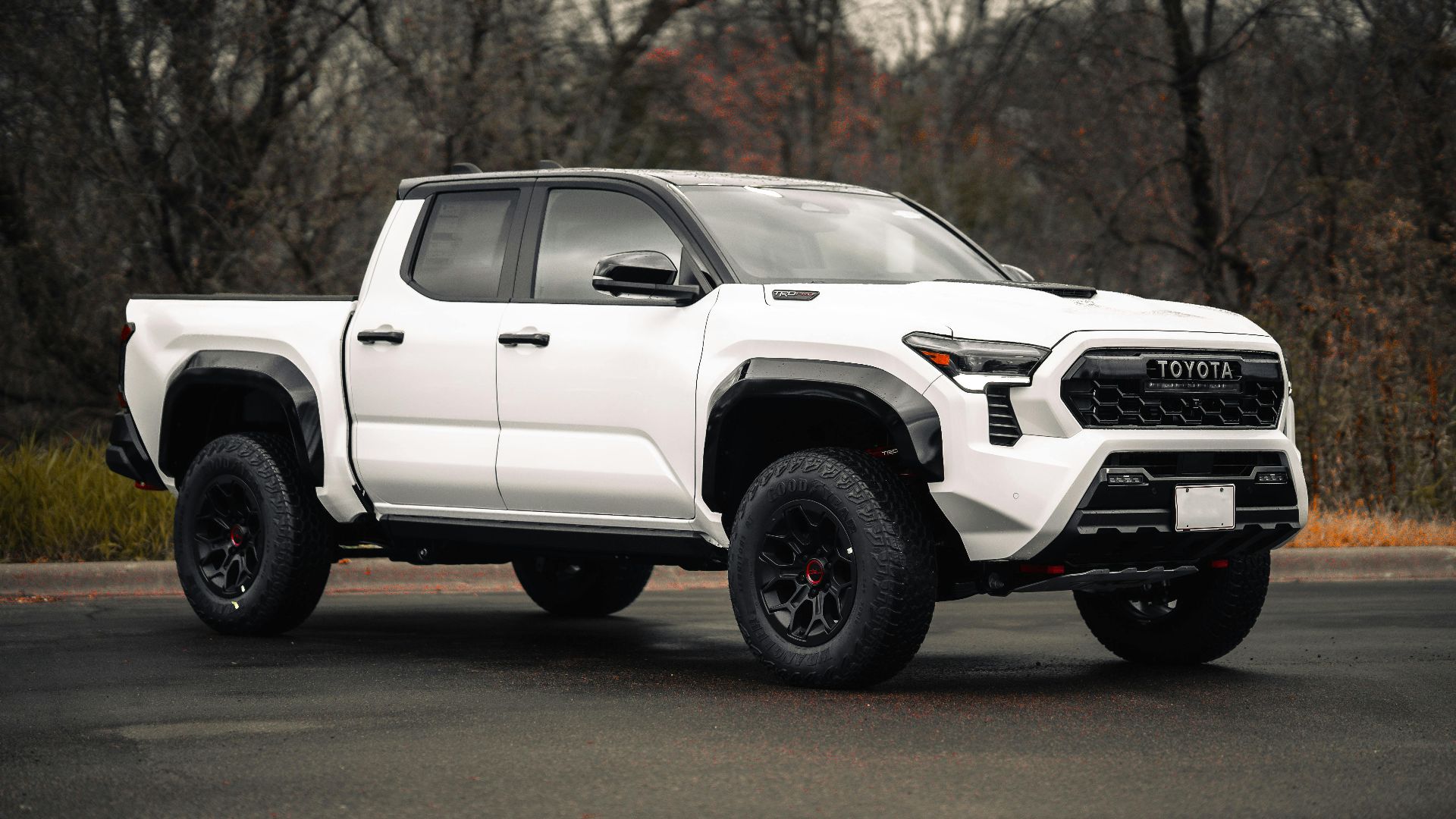
This is not just a feeling. Kelley Blue Book reported in 2023 that new vehicle prices stayed high and buyers kept favoring larger SUVs and trucks. As pickups have become taller, wider, and packed with more features, they have also become more intimidating for plenty of drivers, especially people who never wanted one in the first place.
Lift Kits Change More Than Appearance
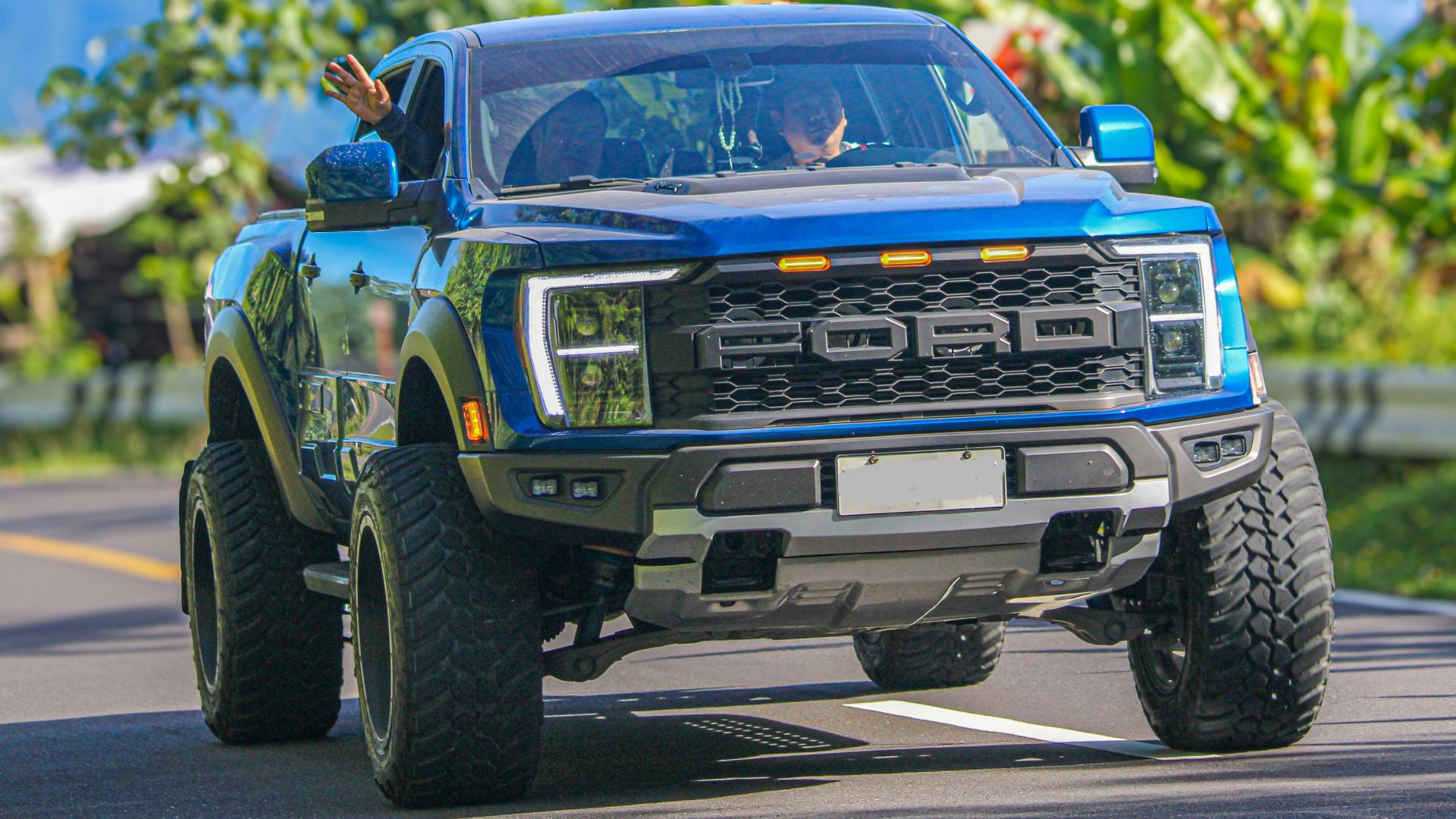
A lifted truck is not just a regular truck sitting a little higher. Extra height changes how easy it is to get in and out, shifts the center of gravity, and alters what the driver can see around the vehicle. Depending on the setup, modifications can also affect braking feel, handling, tire wear, and whether the truck fits in normal garages, parking decks, and car washes.
What Safety Regulators Have Warned About
The National Highway Traffic Safety Administration has long warned drivers to understand blind zones around larger vehicles. NHTSA also required rear visibility technology on new vehicles through a rule finalized in 2014 and fully phased in by May 2018, because backover crashes were a real safety problem. Cameras help, but they do not make a giant truck suddenly easy to drive.
 LinkedIn Sales Solutions, Unsplash
Front Blind Zones Matter
Some of the clearest research on this comes from IIHS and the Vehicle Safety Research Center. Their work has shown that taller pickups, SUVs, and vans can block a driver’s view of pedestrians directly in front of the vehicle. If a truck sits even higher because of a lift, it is easy to see why someone might not want to take it through neighborhoods, school zones, or crowded parking lots.

The Truck May Not Fit Your Actual Life
If a vehicle barely fits in the garage, that is already telling you something. Many home garages were built around older vehicle sizes, not modern full-size pickups made even taller by a lift kit and larger tires. If parking at home already feels tense, expecting someone to happily take that truck into office garages, grocery store lots, or downtown spaces is asking for more stress, not less.

Visibility Is About More Than Mirrors
A lot of drivers hear, “You’ll get used to it,” when they say a large truck makes them uneasy. But confidence does not appear out of nowhere. It comes from clear sightlines, manageable dimensions, and time behind the wheel in a vehicle that feels predictable. Big pickups often demand more from the driver on all three fronts.

Lifts Can Change Handling Too
The higher a vehicle sits, the more its center of gravity can shift. That matters during quick lane changes, emergency moves, and even normal turns. Suspension experts and manufacturers have long noted that poorly chosen or badly installed lift kits can hurt ride quality and handling, which is one more reason a reluctant spouse is not being irrational.
Insurance Can Get Complicated
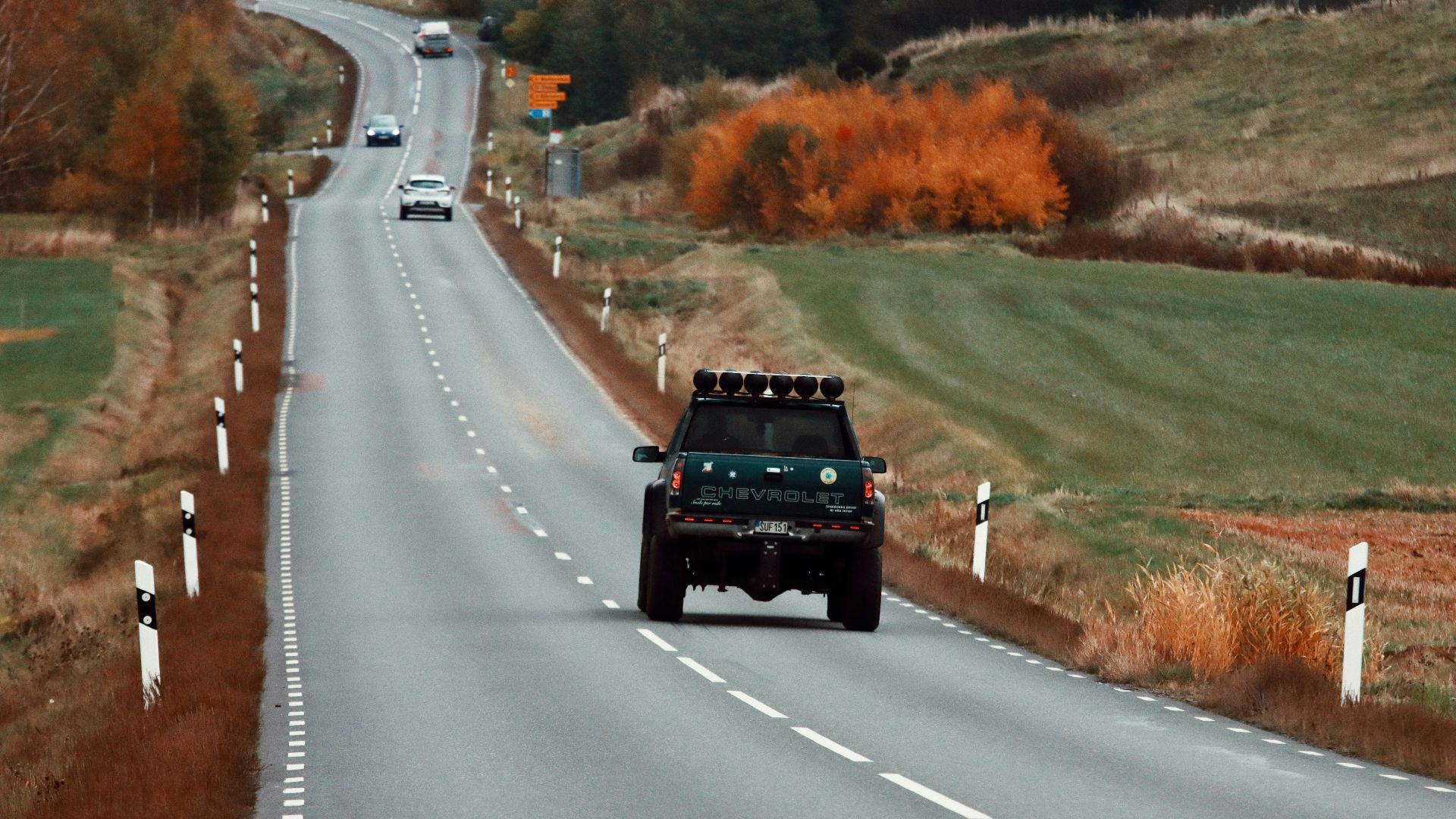
Modified vehicles can raise questions with insurance companies, especially if the changes affect value, repair costs, or crash performance. Depending on the policy, owners may need to disclose aftermarket modifications like lift kits and upgraded wheels. If a spouse did not ask for those changes and feels like the risk has gone up, that concern is worth taking seriously.

Parking Stress Is Real
Anyone who has tried to wedge a full-size lifted pickup into a narrow parking space knows how quickly a simple errand can turn annoying. The truck may technically fit, but opening doors, clearing curbs, and spotting low obstacles can become a chore. Refusing to drive a vehicle that makes every destination harder is not unreasonable. It is often just honest.
A Daily Driver Should Feel Easy To Use
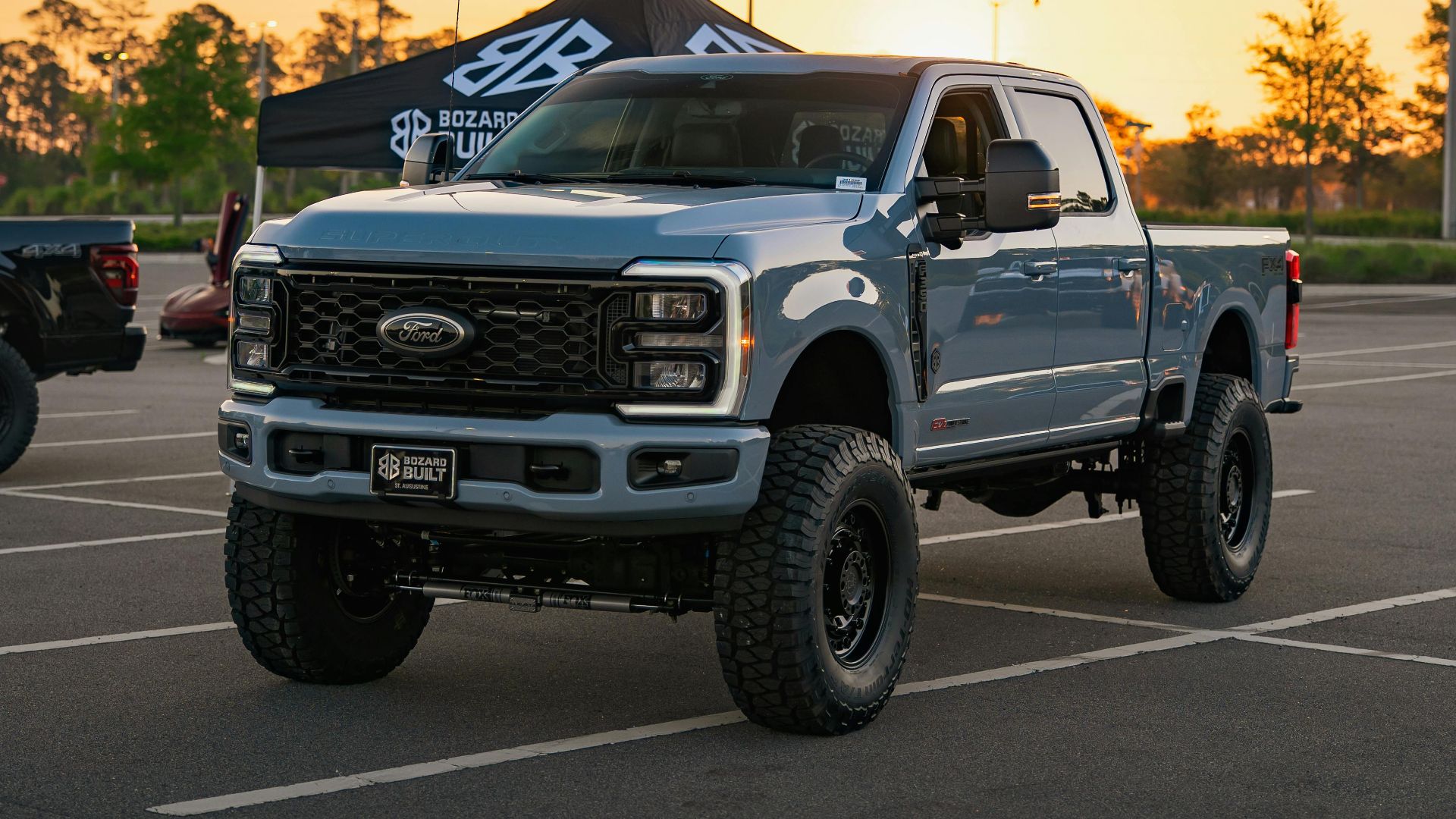
A vehicle used every day should fit the person who uses it. That means easy entry and exit, a manageable turning radius, decent outward visibility, and a basic sense of control. If one spouse bought the truck for style, image, or personal taste and the other never wanted it, there is no reason the second person has to treat it as their commuter car.

Tall Pickups Can Be Harder On People Outside Them
IIHS research has also found that taller, bluff-front vehicles can be more dangerous for pedestrians in crashes than lower-profile vehicles. That does not mean every truck is unsafe or that no one should drive one. It does mean concern about driving a very tall pickup around busy areas is grounded in real safety research, not just nerves.
Garage Fit Is More Than A Minor Annoyance
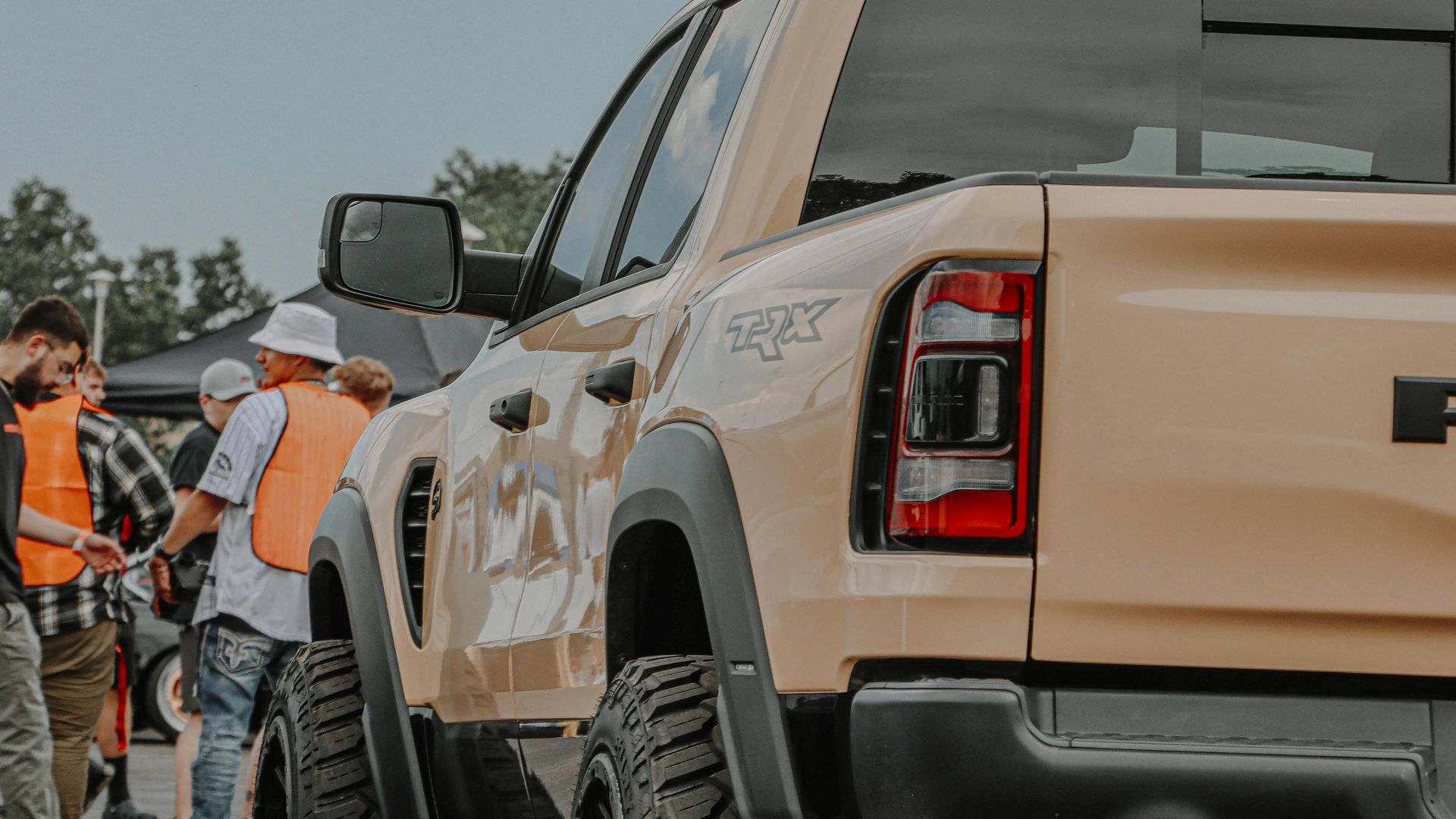
When a truck barely clears the garage opening, even a small mistake can get expensive fast. Roof accessories, antennas, oversized tires, and suspension changes can turn an ordinary pull-in into a scrape, dent, or broken trim piece. If someone is worried about damaging the house or the truck, that is not overreacting. It is common sense.
Marriage Does Not Mean Matching Vehicle Taste
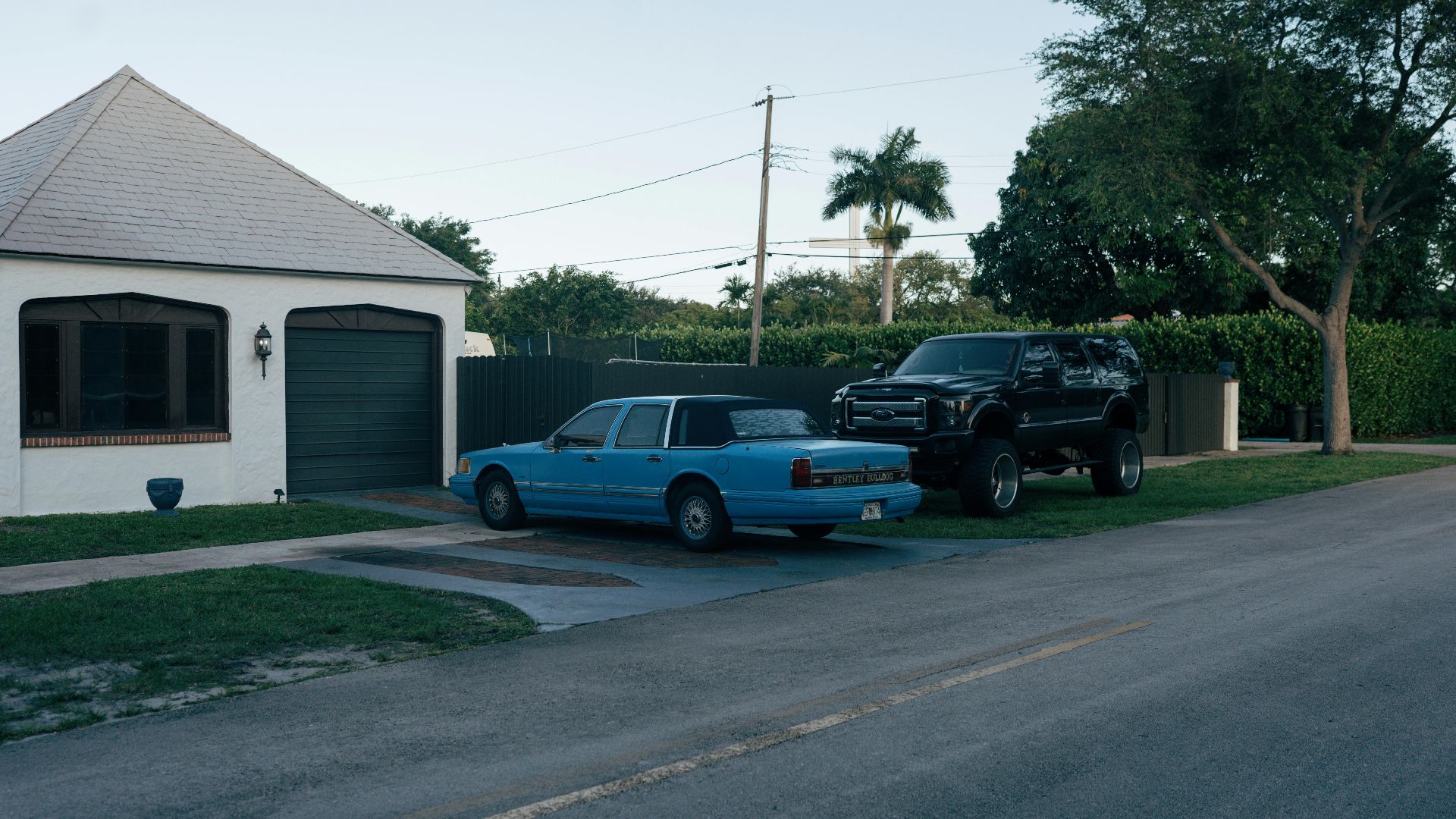
Couples share money, schedules, and household logistics, but they do not automatically share the same comfort level behind the wheel. One person may love climbing into a tall truck with aggressive tires. The other may want something easier to park and easier to see out of. Both preferences can be perfectly valid.

The Cost Of A Big Truck Adds Pressure
Larger trucks usually mean higher fuel costs, more expensive tires, and potentially higher maintenance and repair bills. Kelley Blue Book and other market reporting have consistently shown that trucks are expensive to buy and expensive to replace. That financial weight can make an owner defensive if a spouse refuses to drive it, but that reaction does not make the spouse wrong.
Confidence Cannot Be Forced
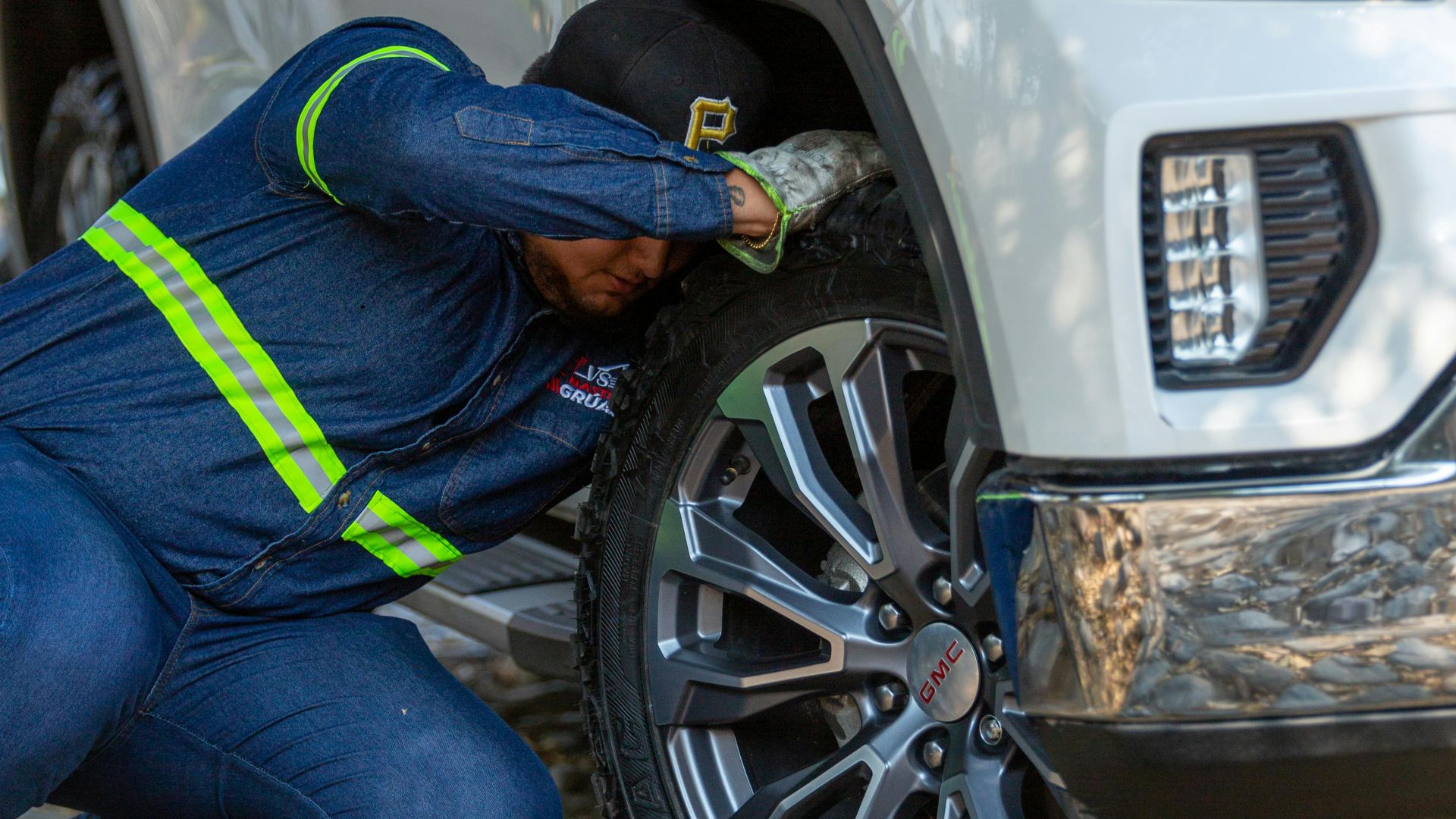
A nervous driver in a vehicle they do not trust does not become safer just because someone tells them to “get used to it.” Confidence has to grow with willingness, proper fit, and usually at least some real interest in driving that kind of vehicle. If the truck makes someone tense before they even start it, saying no may be the responsible call.

There Is A Difference Between Can And Should
Yes, plenty of people can learn to drive a lifted full-size truck. The better question is whether they should have to, especially if another household vehicle is safer, easier, and better suited to their routine. Just because a family owns a vehicle does not mean it is the right tool for every driver in the house.

Blind-Zone Tech Has Limits
Backup cameras and parking sensors are useful, and federal rules helped put them on nearly every new vehicle by 2018. But these systems are just aids. They are not a substitute for natural visibility and real driver comfort. They do not erase the mental strain of guiding a very large truck through low garages, narrow lanes, and packed pickup lines.
If The Purchase Was One-Sided, That Matters
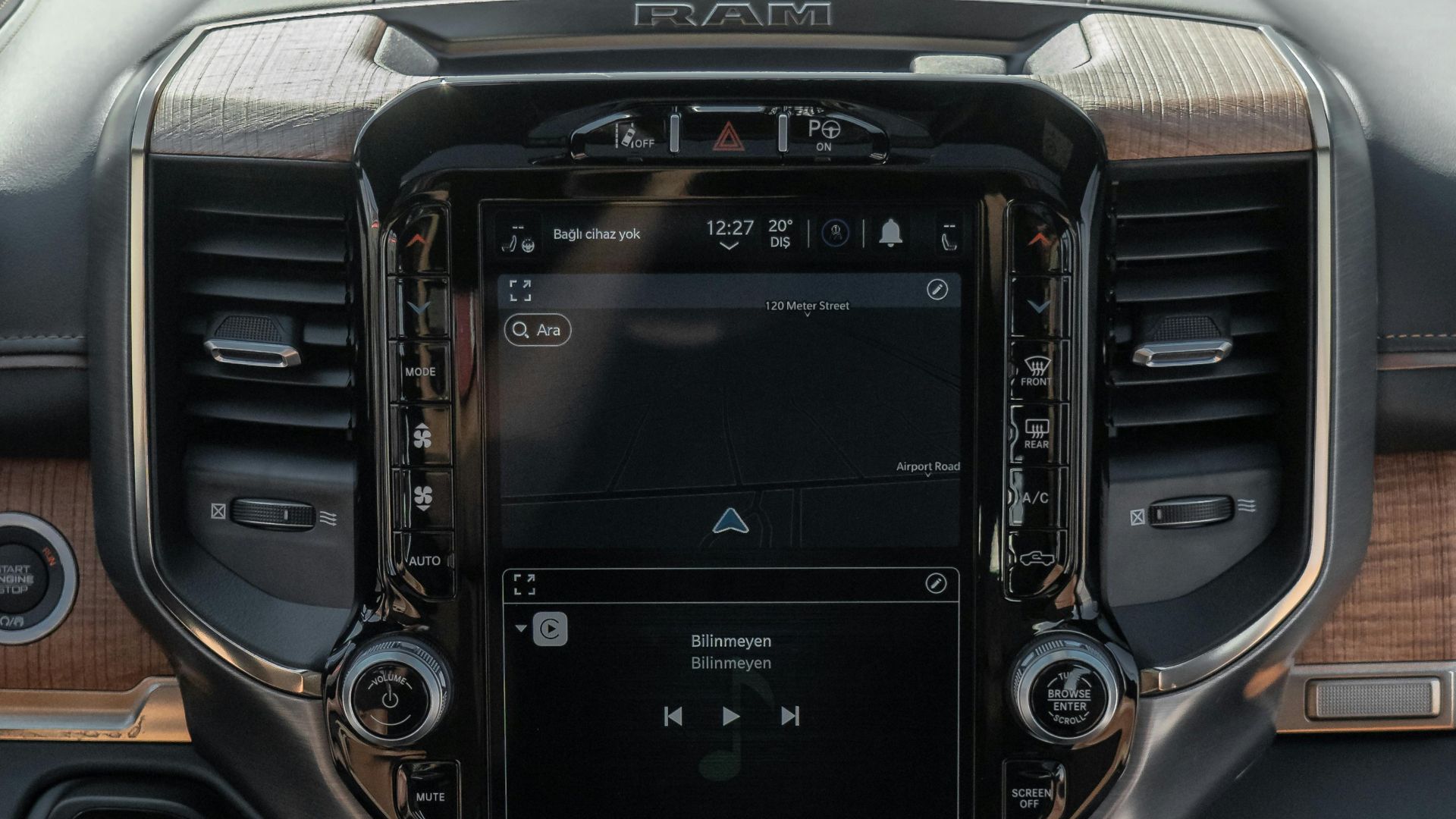
A spouse who bought a massive lifted pickup without much discussion cannot fairly act surprised when the other person does not want to drive it. Shared transportation decisions should reflect shared needs. When one person buys for passion and the other is expected to absorb all the inconvenience, resentment is almost guaranteed.

Practicality Beats Ego
This is where a lot of vehicle arguments end up. A truck may signal toughness, capability, or status, but none of that matters if the person expected to drive it feels unsafe or stressed in it. Practicality is not an insult. It is the difference between a vehicle that helps your life and one that runs it.

What A Fair Compromise Looks Like
A fair compromise may be simple. The spouse who wanted the lifted truck can drive it and take care of it, while the spouse who dislikes it uses another vehicle that better fits their comfort and routine. If the truck is the only household vehicle, then the more honest question may be whether it was the right purchase to begin with.
Use Facts Instead Of Turning It Into A Bigger Fight
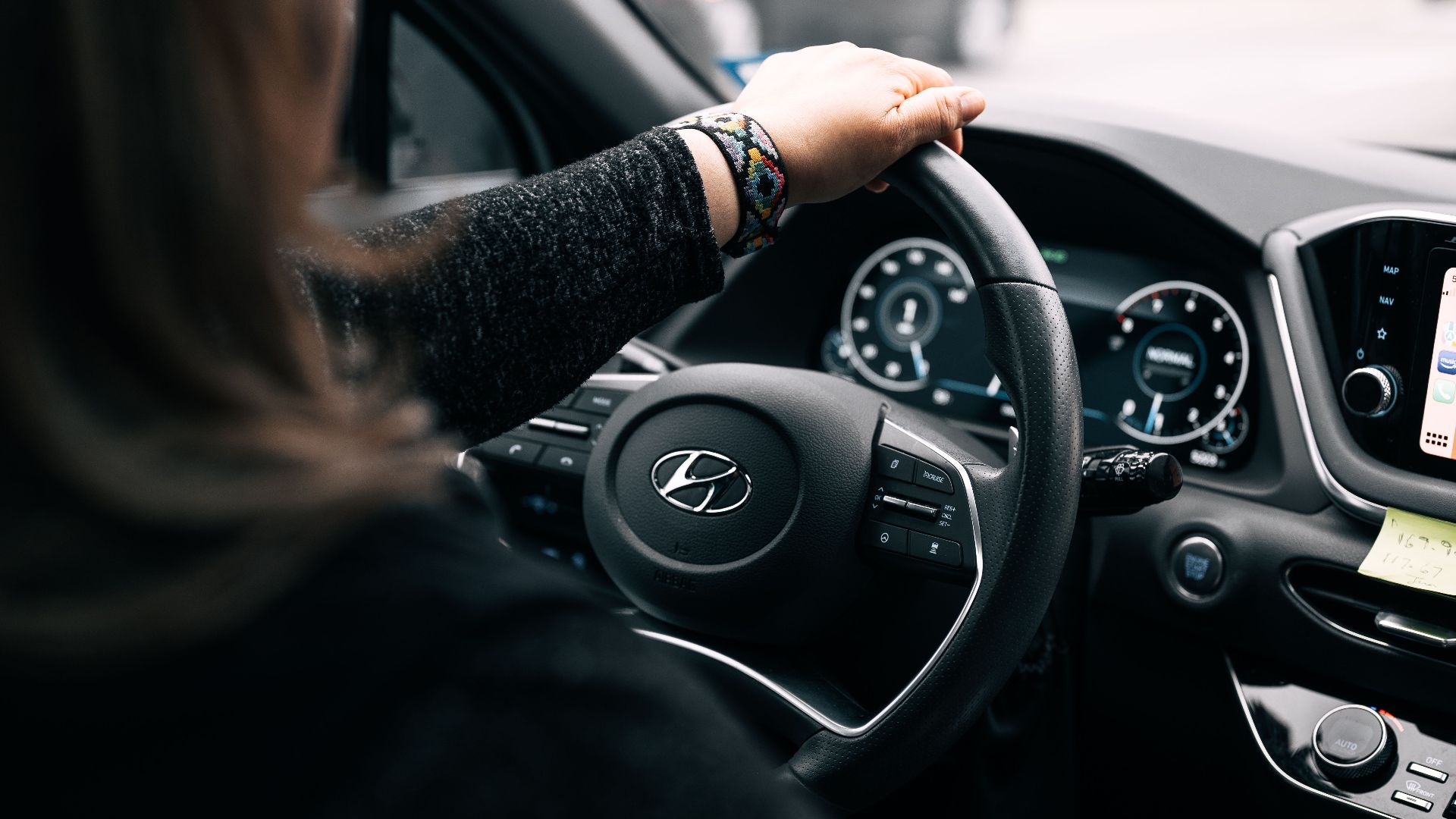
If this argument is getting heated at home, it helps to stick to specifics instead of insults. Talk about garage clearance, parking difficulty, visibility, insurance questions, fuel costs, and how the truck feels in real traffic. That keeps the discussion tied to facts instead of pride, image, or accusations that someone is being difficult.

Practice Might Help, But Only If It Is Wanted
If someone is open to getting more comfortable in a larger truck, a calm practice session in an empty lot may help. Adjusting mirrors, learning wider turns, and getting used to the truck’s width can reduce anxiety. But practice should be offered, not forced, because forced confidence usually does not last.
So, Is Refusing To Drive It Unreasonable?
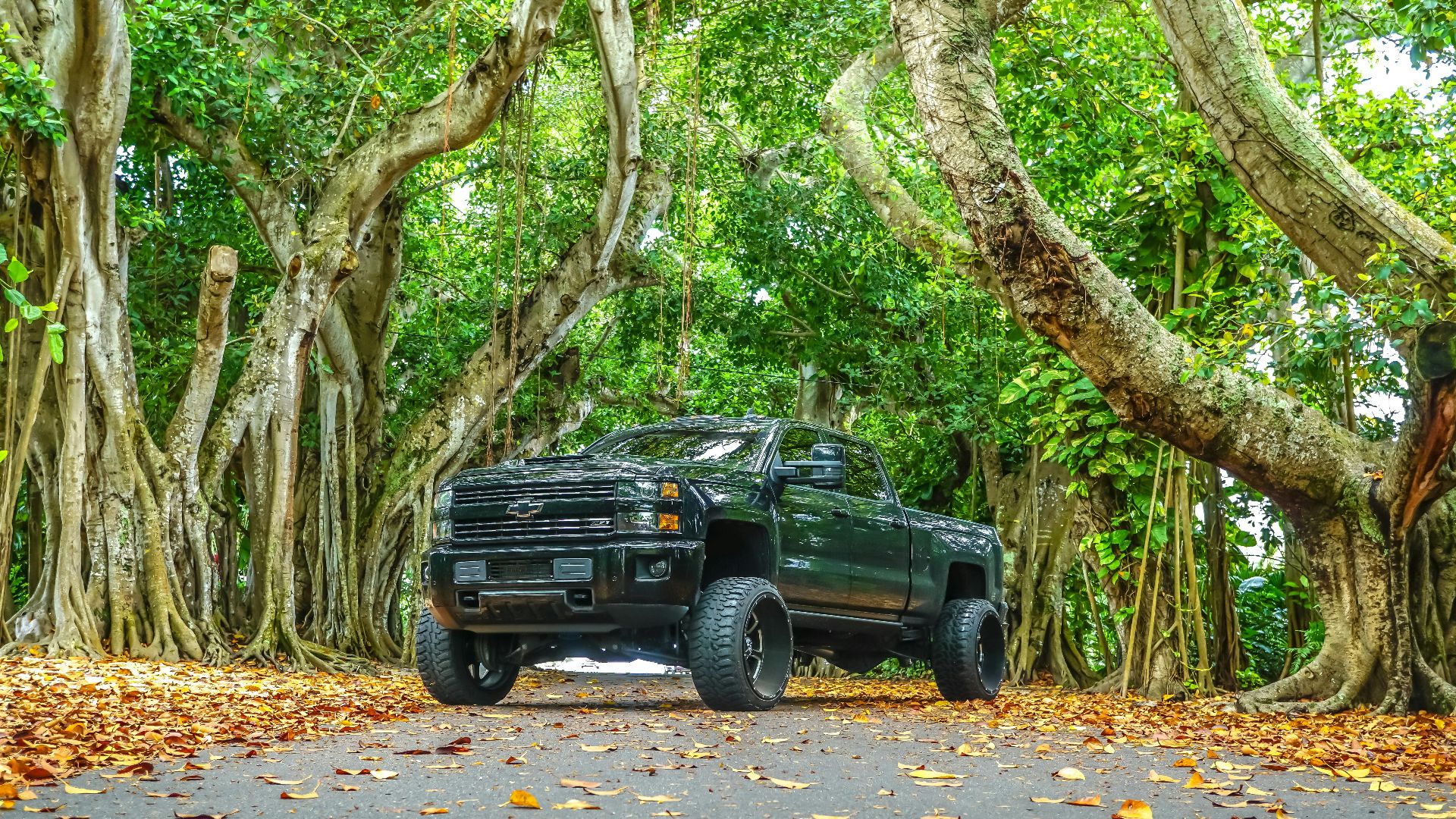
Based on what we know about truck size, blind zones, lift-related changes, and the reality of tight garages, no. Refusing to drive a lifted truck that barely fits at home is a defensible choice rooted in comfort and safety, not pettiness. No one owes enthusiasm for a vehicle that feels too large, too awkward, or too stressful for daily life.

The Bottom Line
A vehicle should make life easier, not turn every errand into a tense little obstacle course. If your husband loves his giant lifted truck, that is his call. But expecting you to drive it when it barely fits the garage and does not fit your comfort level is not a fair ask.
 Santiago Sauceda Gonzalez, Pexels