The Cord Complaint Is Real, But So Is Your Right To Ask Questions
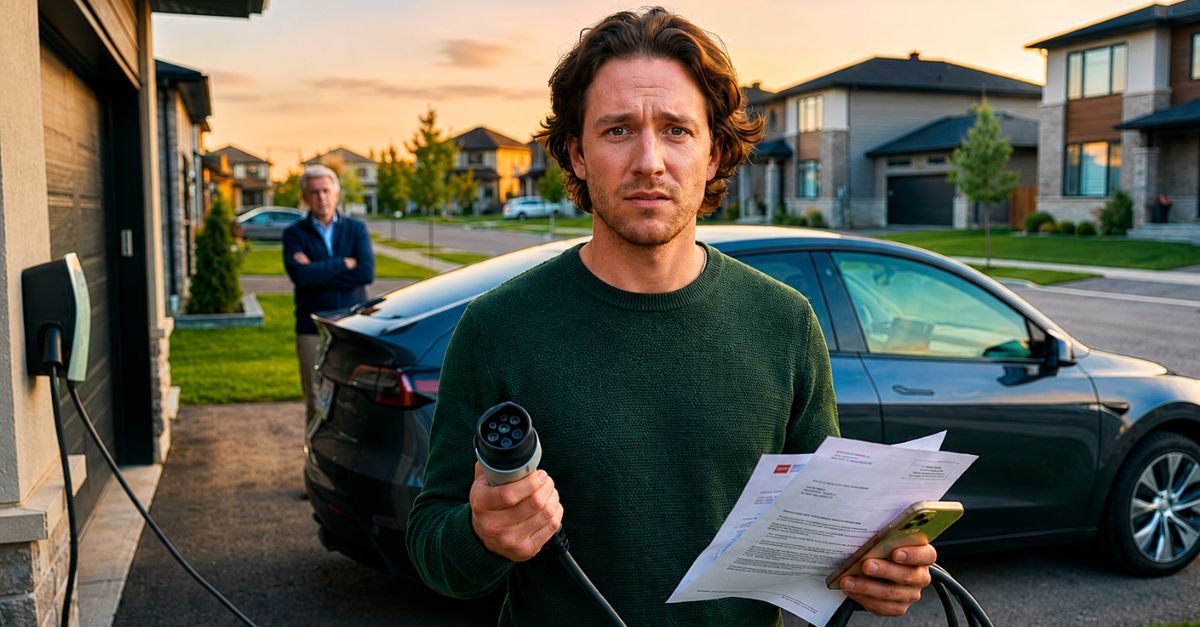
If your HOA says your EV charging cord is an eyesore, you're definitely not the first driver to hear it. The real issue is not whether the board likes how the cable looks, it's whether the HOA can legally stop you from charging your vehicle at home. Unfortunately, that's not so simple. In many states, the answer depends on state law, your HOA’s governing documents, and whether the rule is a reasonable safety measure or a flat-out roadblock.
Start With The Rulebook Before You Start The Fight
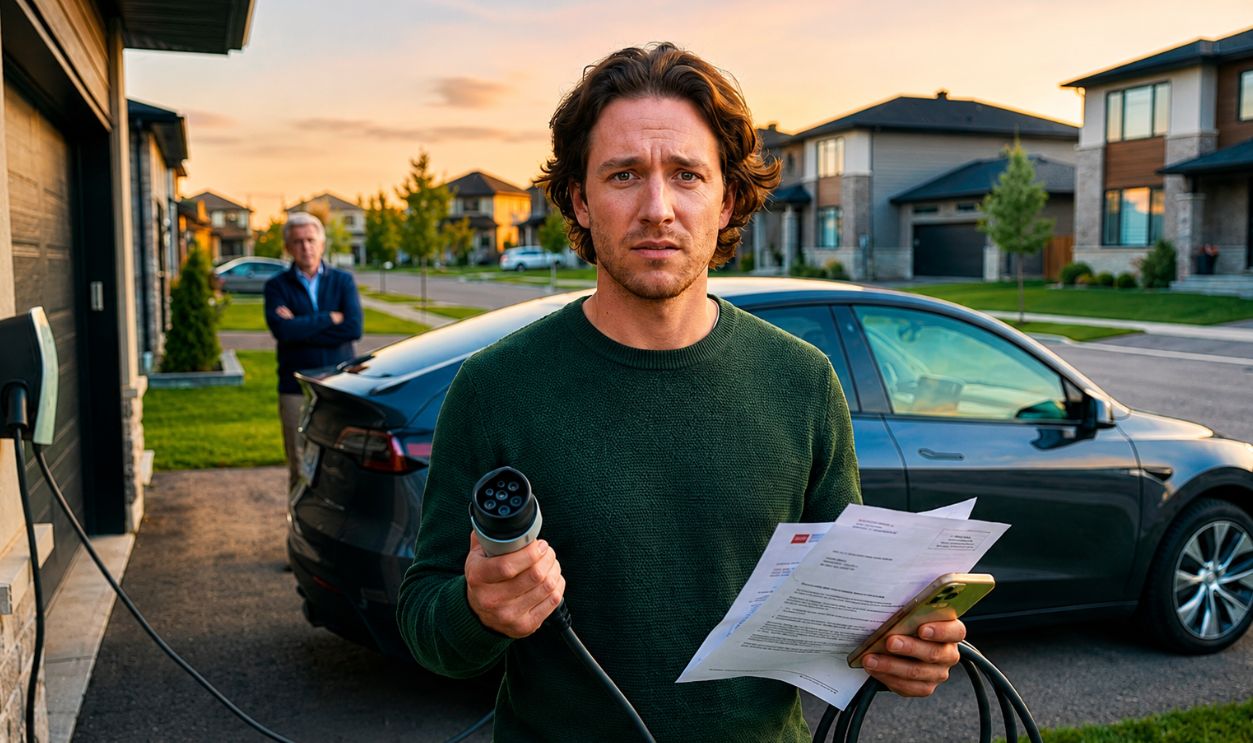
Your first stop should be your HOA’s CC&Rs, rules, and architectural guidelines. Some communities have rules about visible cords, parking areas, exterior outlets, and changes to common areas. Those rules matter, but they do not automatically override state laws that protect EV charging access.
 AI25.Studio AI GENERATIVE, Pexels
State Laws Changed The Game For EV Owners
Over the past decade, several states passed right-to-charge laws meant to stop HOAs and landlords from banning home charging outright. California was one of the first major examples. Civil Code section 4745 limits an HOA’s ability to prohibit or unreasonably restrict EV charging stations in an owner’s designated parking space.

California Put Strong Limits On HOA Restrictions
California’s HOA charging law has been updated over time, but the basic point is clear. An HOA cannot adopt or enforce a rule that effectively prohibits or unreasonably restricts the installation or use of an EV charging station in an owner’s designated parking space. The law does allow reasonable restrictions, but those restrictions cannot significantly raise the cost or significantly reduce performance.
What Counts As A Reasonable Restriction
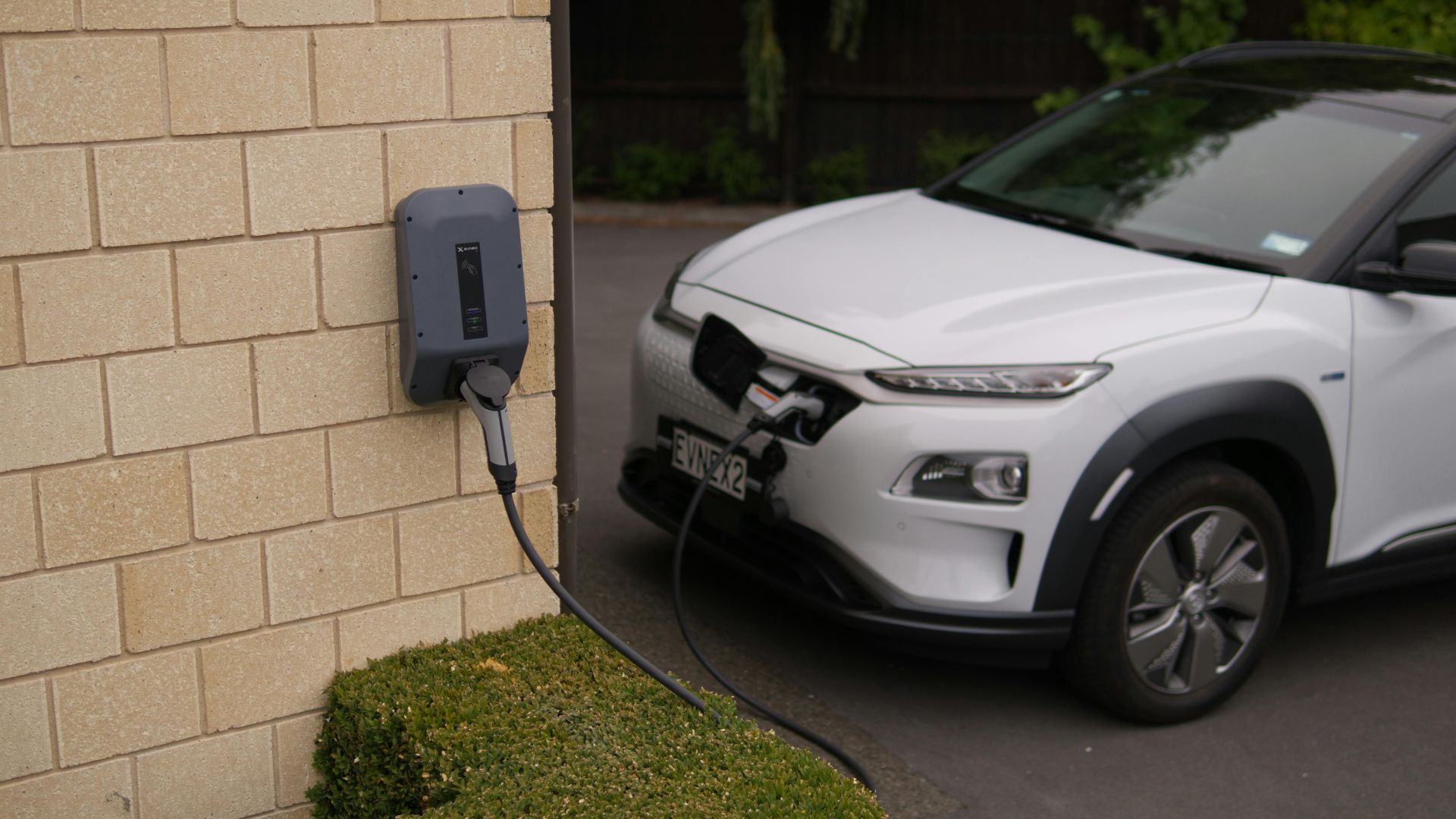
If your HOA says the cord is ugly, it may try to frame that as an aesthetic rule rather than a ban. Even then, the rule still has to be reasonable under state law. Requiring safe cord management, proper conduit, a wall-mounted unit, or a clean installation may be allowed. A blanket ban on any visible charging setup is harder to defend.

Safety Is Where HOAs Often Have The Strongest Argument
An extension cord stretched across a sidewalk or shared driveway is very different from a properly installed charging cable in a private garage or deeded parking space. HOAs can often regulate real safety hazards, trip risks, fire code compliance, and use of common elements. If the board’s concern is really about a cord crossing a walkway, that may carry more legal weight than a simple complaint about appearance.
Florida Also Protects Home Charging In Many HOA Settings
Florida law limits the ability of condominium associations, homeowners’ associations, and cooperative associations to prohibit owners or tenants from installing EV charging stations in certain situations. The protection generally applies to a limited common element parking space, a privately owned garage, or another designated area. The law also allows associations to adopt reasonable standards tied to safety, insurance, and architectural review.

Colorado Took A Similar Approach
Colorado law says common interest communities generally cannot ban EV charging stations in a unit owner’s designated parking space, garage, or carport. The statute allows reasonable restrictions, but not ones that significantly increase cost or reduce efficiency or performance. That matters because an HOA cannot simply use appearance complaints as a backdoor ban.
Oregon Gives Owners Important Protection Too
Oregon law also limits restrictions on EV charging stations in planned communities and condominiums. Associations can require compliance with real safety standards and building codes. They can also require owners to pay installation, maintenance, and electricity costs, which is often where these disputes get worked out.

New Jersey Went After Unreasonable Delays
New Jersey’s law stands out because it does more than say charging is allowed in theory. It also addresses the approval process by limiting unreasonable restrictions and setting standards for HOA review of charging applications. That matters when a board does not openly ban charging, but tries to drag things out until the owner gives up.

Texas Gives Condo Owners Leverage In Many Cases
Texas law limits a property owners’ association’s ability to prohibit certain EV charging installations, especially when they are in an owner’s designated or limited common element parking space. As in other states, there are conditions involving ownership of the space, code compliance, and payment of costs. The exact details vary, so the location of the charger and the path of the cord matter a lot.
If You Live In A State Without A Strong Right-To-Charge Law, It Gets Harder
Some states do not have clear statewide protections for homeowners in HOA communities, or they protect renters more than owners, or the other way around. In those places, the governing documents and local rules can play a bigger role. That does not mean the HOA automatically wins, but it may mean you have fewer direct legal tools to push back.

Your Parking Spot Is The Heart Of The Dispute
Whether the charger serves a private garage, deeded parking space, limited common element, or general common area can decide the issue. HOAs usually have more control over common areas than over a privately owned garage. If the cord crosses common property, shared sidewalks, or landscaped areas, the HOA often has more room to regulate the setup.
A Cord Across A Walkway Is Not The Same As A Cord In A Garage
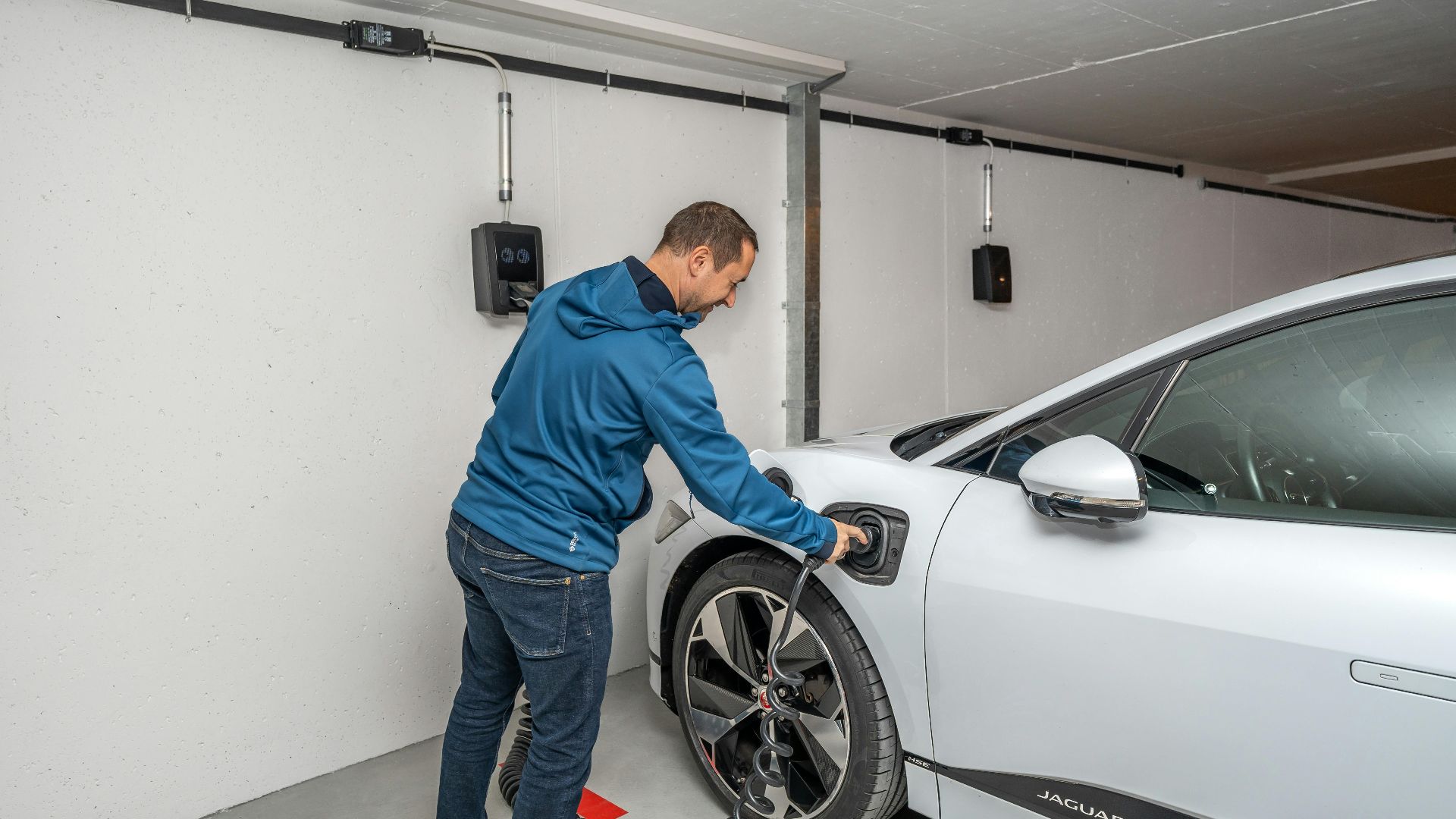
This is where many owners run into trouble. A charging cable lying across a sidewalk can create a trip hazard and raise insurance concerns, even if the car is in a permitted spot. A neatly mounted charging unit with proper cable storage in a garage or directly next to a private space is much easier to justify.

The Federal Government Wants More Home Charging, But HOA Law Is Mostly State Law
The Joint Office of Energy and Transportation and the Department of Energy both point out that home charging is a major part of EV ownership. Most EV drivers charge at home, which is why access matters so much. Still, federal policy favoring electrification does not usually override HOA property rules on its own, so state statutes remain the main battleground.

Reasonable Rules Often Include Permits, Insurance, And Licensed Electricians
Even in states with strong EV charging protections, owners are often required to use a licensed contractor, pull permits, and carry insurance if the installation affects common property. HOAs may require indemnification agreements and proof that the owner will pay for electricity, maintenance, and future removal. Those requirements can be frustrating, but they are often allowed as long as they are not used to kill the project.

An HOA Usually Cannot Demand The Impossible
A board may prefer that no one ever sees a cord, charger, conduit, or outlet. In many states, the law does not let an HOA make compliance impossible just to keep things looking perfect. If the only practical way to charge in your designated space involves some visible equipment, the real question is whether the HOA can require a cleaner setup, not whether it can wipe out the option altogether.

Documentation Wins More HOA Fights Than Anger Does
If you want the best shot at approval, build a paper trail. Gather the state statute, your CC&Rs, site photos, contractor plans, permit requirements, and a proposal showing exactly how the cable will be stored and how people will be protected. Boards are more likely to back off when the owner presents a code-compliant plan instead of a vague promise.

Offer A Cleaner Alternative Before The Board Asks
If the cord is the sticking point, propose a retractable cable system, wall holster, pedestal mount, cable cover, or charger repositioning that keeps the cable out of sight when it is not in use. A practical compromise can turn an ugly fight into a quick approval. It also shows that you are taking the concern seriously instead of brushing it off.

Ask The HOA To Put Its Denial In Writing
If the board says no, ask for the exact rule, the factual reason, and the specific changes that would make the application acceptable. Written denials are useful because they show whether the HOA is objecting to safety, common area use, architectural consistency, or EV charging itself. That distinction matters if you need to push the issue further.

Deadlines Matter More Than Many Owners Realize
Some state laws require associations to respond to charging applications within a set time or face automatic approval or legal consequences. California’s Civil Code section 4745 includes an approval timeline that owners should know before filing. If your board is dragging its feet, the calendar may become one of your strongest tools.

Landlord Rules And HOA Rules Are Not Always The Same Thing
If you own a condo, you may be dealing with both association rules and the building’s physical limits. If you rent, separate state laws may give tenants some rights to request charging, but those protections vary a lot. Make sure you are looking at the right set of rules for your situation, because owner rights and tenant rights are not always the same.

What To Do If The HOA Keeps Saying No
Start with an internal appeal if your documents allow one. After that, consider mediation, a demand letter from a local attorney, or a consultation with a state agency or homeowner rights group if one is available where you live. The goal usually is not a courtroom showdown. It is to remind the HOA that reasonable regulation is different from unlawful obstruction.

Do Not Ignore Electrical And Fire Code Realities
Even if the HOA is overreaching, your installation still has to be safe. Level 2 charging usually requires a dedicated circuit and should be installed in line with local code and manufacturer instructions. A sloppy workaround using the wrong outlet or an improvised cord route can weaken your case and create a real hazard.
The Best Argument Is Usually Practical, Not Ideological
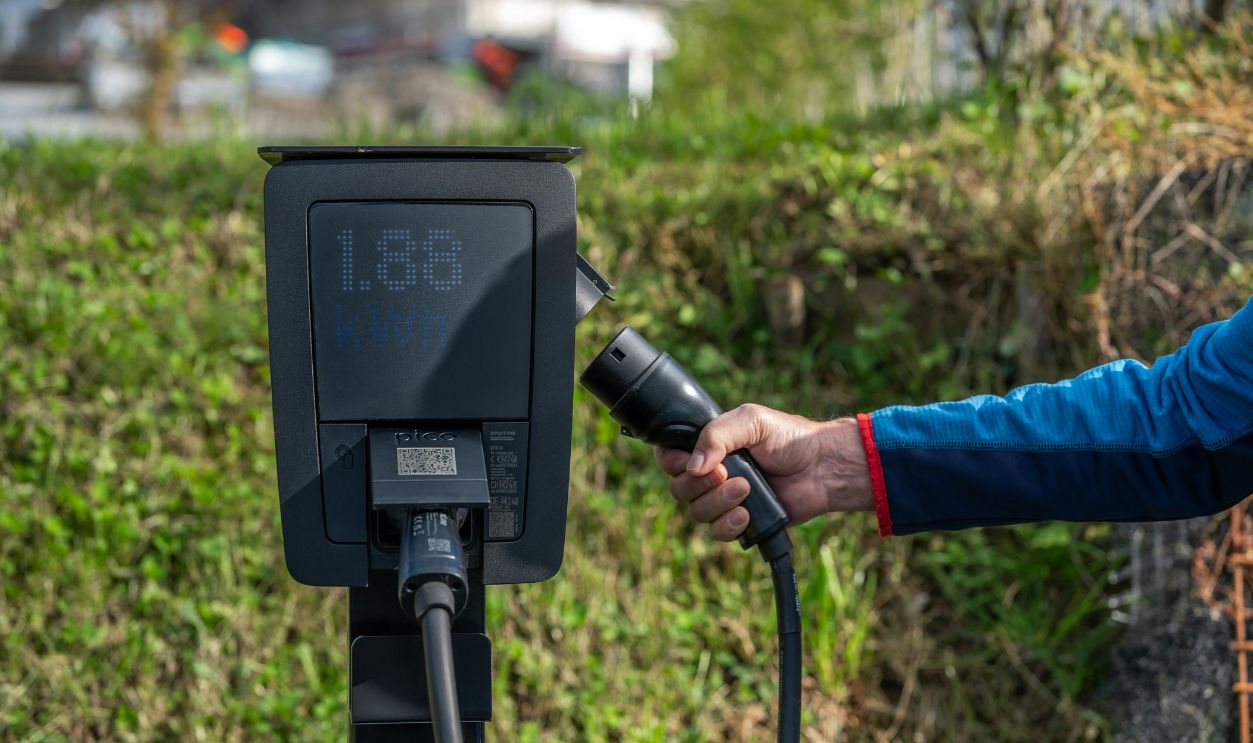
Boards often respond better to a calm proposal that protects appearance and safety than to a speech about the future of transportation. Explain how the charger will look, who will pay, how the cable will be managed, and how common areas will stay clear. When you make the board’s job easier, your odds usually improve.

So Can They Block Charging At Home
Sometimes yes, but not always, and not for every reason they might prefer. If the objection involves a real safety issue or common property the HOA controls, the board may have significant authority to regulate the setup. If the HOA is using a complaint about an ugly cord as a blanket excuse to stop charging in a protected parking space, state right-to-charge laws may give you strong grounds to fight back.

Your Next Move Should Be Smart And Fast
Read your governing documents, check your state’s EV charging law, and submit a clean, code-compliant proposal with cable management built in. Ask for any denial in writing and pay close attention to legal deadlines. The cord may be what started the argument, but the real issue is whether your HOA is regulating reasonably or trying to shut the door on home charging.