Start With The Right Goal
You probably want the city to admit the redesign failed. That may happen, but it should not be your first goal. Your stronger goal is to get the city to review the intersection using crash data, near-miss reports, and an independent safety process.
Do Not Lead With Blame
City engineers are less likely to respond well if the conversation starts with accusations. Lead with safety, evidence, and specific problems instead. Ask whether the redesign is performing as expected and what data the city is using to measure that.

Get The Before-And-After Crash Numbers
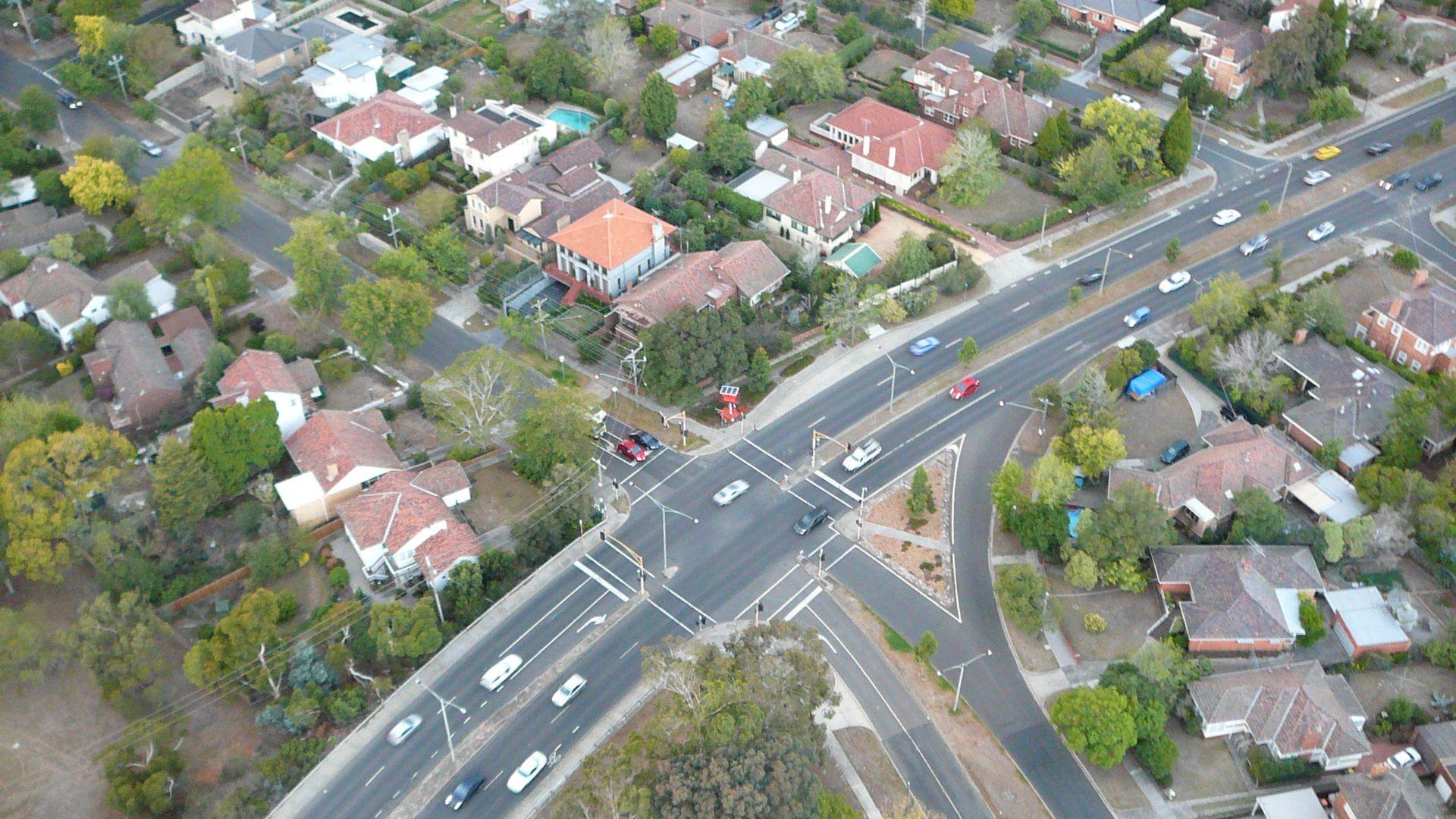
The most important question is simple. How many crashes happened before the redesign, and how many happened after it? Ask for crash counts, crash severity, crash types, and dates for at least three years before and after the change.
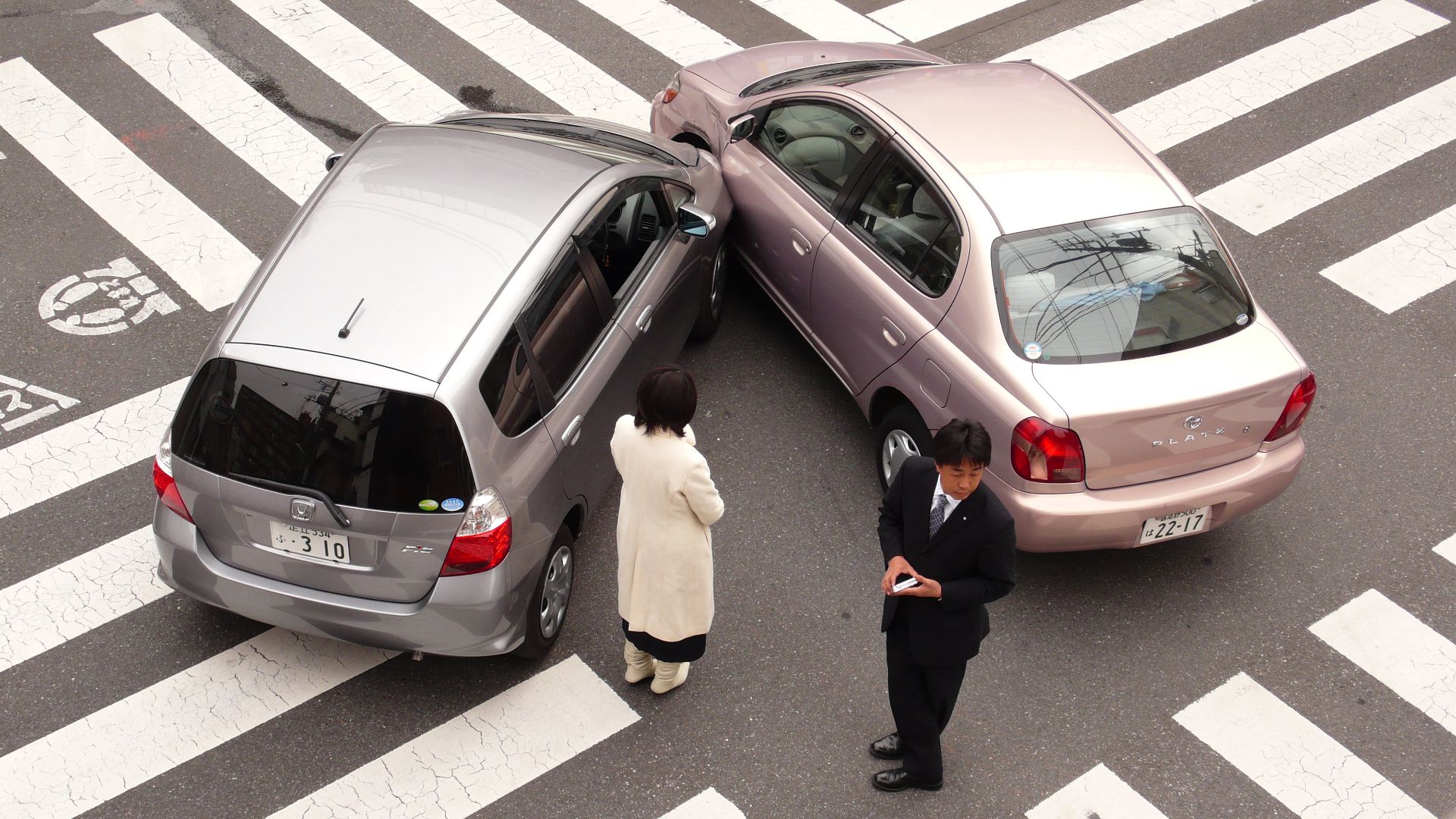 Shuets Udono, Wikimedia Commons
Look Beyond Total Accidents
A redesign can reduce one type of crash while increasing another. Rear-end crashes, angle crashes, pedestrian crashes, and turning crashes all tell different stories. Ask the city to separate the crashes by type instead of giving one combined number.
 Tangerineduel, Wikimedia Commons
Severity Matters More Than Volume
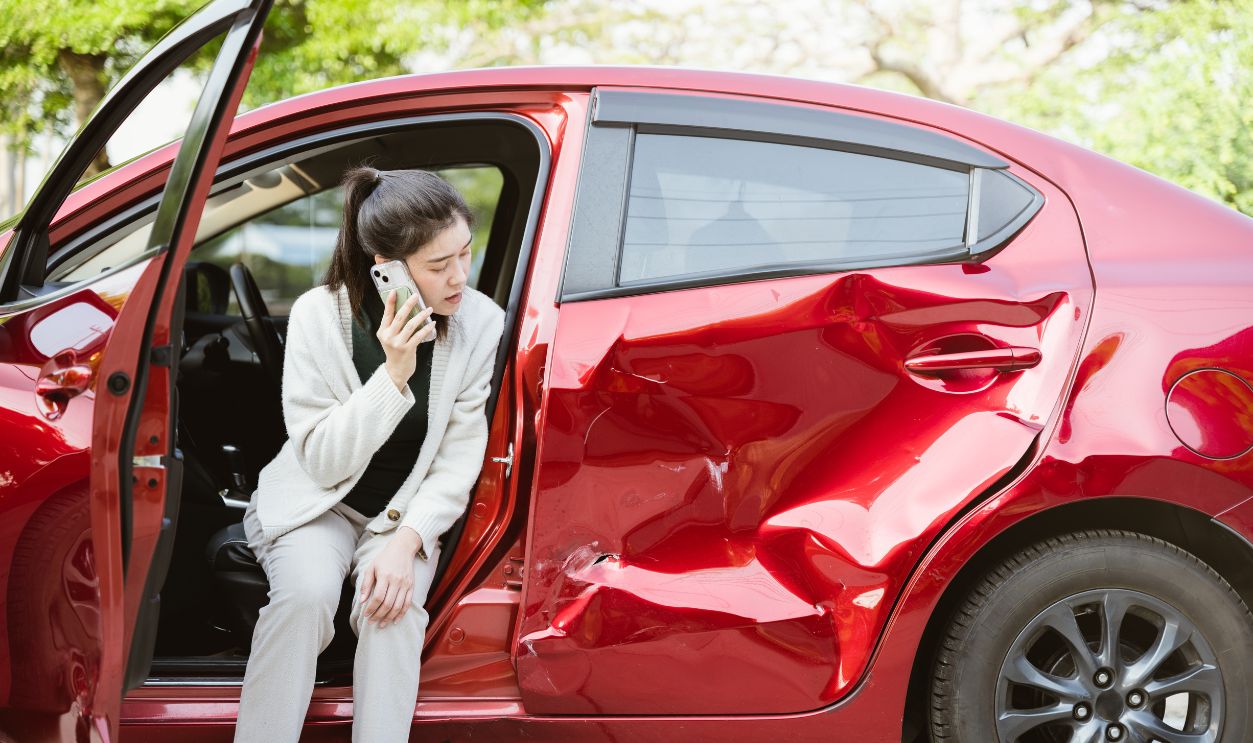
A few extra fender-benders may not mean the project failed. A rise in serious injuries is far more concerning. Federal safety programs focus heavily on fatalities and serious injuries because those outcomes show the greatest public risk.
Ask For The Original Safety Study
Most intersection redesigns begin with some kind of traffic study, safety review, engineering memo, or public works recommendation. Ask for that document. It should explain what problem the city was trying to solve and what outcome officials expected.

Find Out What Problem They Were Fixing
The city may have redesigned the intersection to slow speeding, protect pedestrians, improve bike access, reduce angle crashes, or handle turning traffic. If crashes are increasing, the original goal matters. You need to know whether the redesign failed overall or simply created a new problem.
Request The Engineering Records
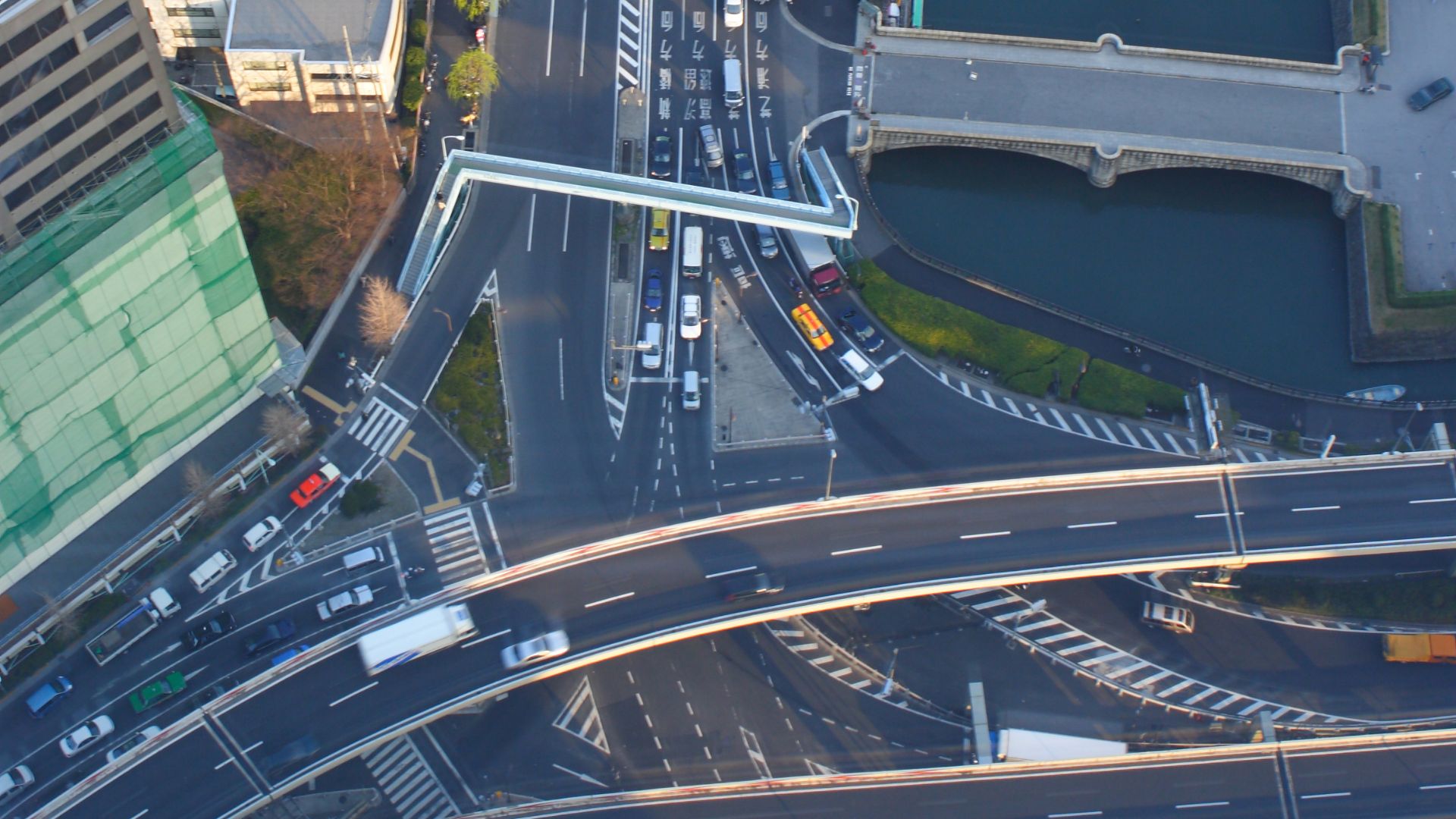
Ask for the signal timing plan, lane drawings, turning movement counts, traffic volume data, and any post-construction evaluations. These records can show whether the design was built as planned. They can also reveal whether signal timing, signage, or lane markings changed after construction.
Use Public Records Laws
If the city will not provide the records informally, make a public records request. In the United States, state open-records laws often allow residents to request local government documents. Ask for specific records, date ranges, emails, studies, crash reports, and meeting materials.

Document What Drivers Are Actually Doing
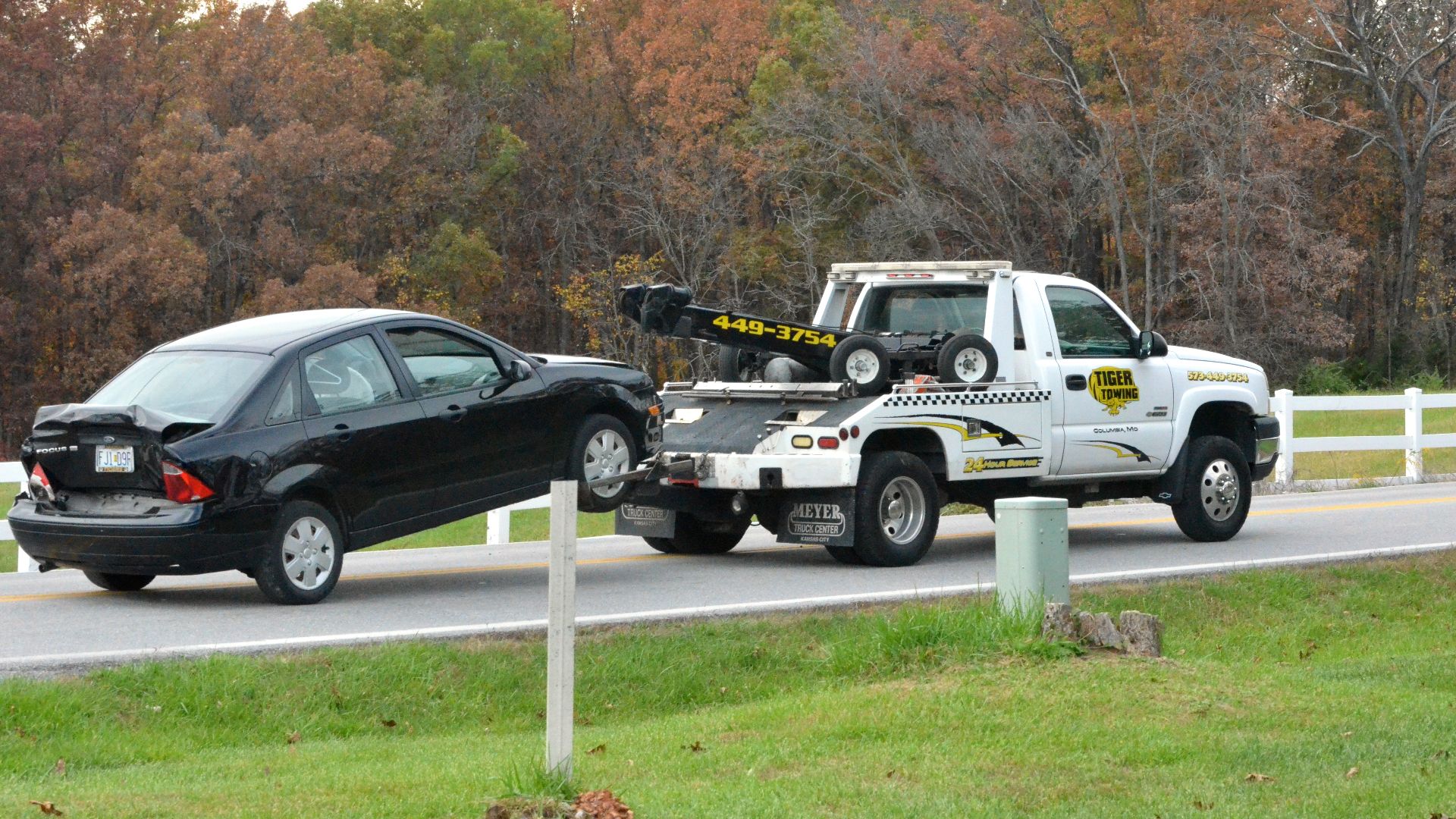
Crash data can lag, but resident observations can still matter. Take notes about confusing lane choices, sudden braking, illegal turns, blocked sightlines, or near misses. Photos and videos from public sidewalks can help, as long as you do not interfere with traffic or violate local laws.
Do Not Rely On Social Media Alone
A neighborhood Facebook thread can show public frustration, but it is not enough by itself. Cities need documented patterns. Turn complaints into a clear spreadsheet with dates, times, weather, travel direction, and what went wrong.

Bring In Near-Miss Evidence
Near misses are not always counted in official crash statistics. That does not make them irrelevant. If drivers regularly swerve, stop late, or enter the wrong lane, those observations can support a request for a formal safety review.

Ask For A Road Safety Audit
The Federal Highway Administration describes a Road Safety Audit as a formal safety examination by an independent team. It can be used on an existing road or intersection. Asking for an audit is usually stronger than asking officials to simply admit they were wrong.

Push For An Independent Review
If the same department designed the project, it may be defensive about the result. Ask whether the city will invite county, state, regional, or outside traffic-safety professionals to review it. An independent review can make it easier for officials to change course without losing face.

Use The City’s Own Safety Goals
Many cities have Vision Zero, Complete Streets, or traffic safety plans. Find the exact language in your city’s plan. Then frame your request around whether this intersection is meeting those adopted safety goals.

Compare The Design To Proven Countermeasures
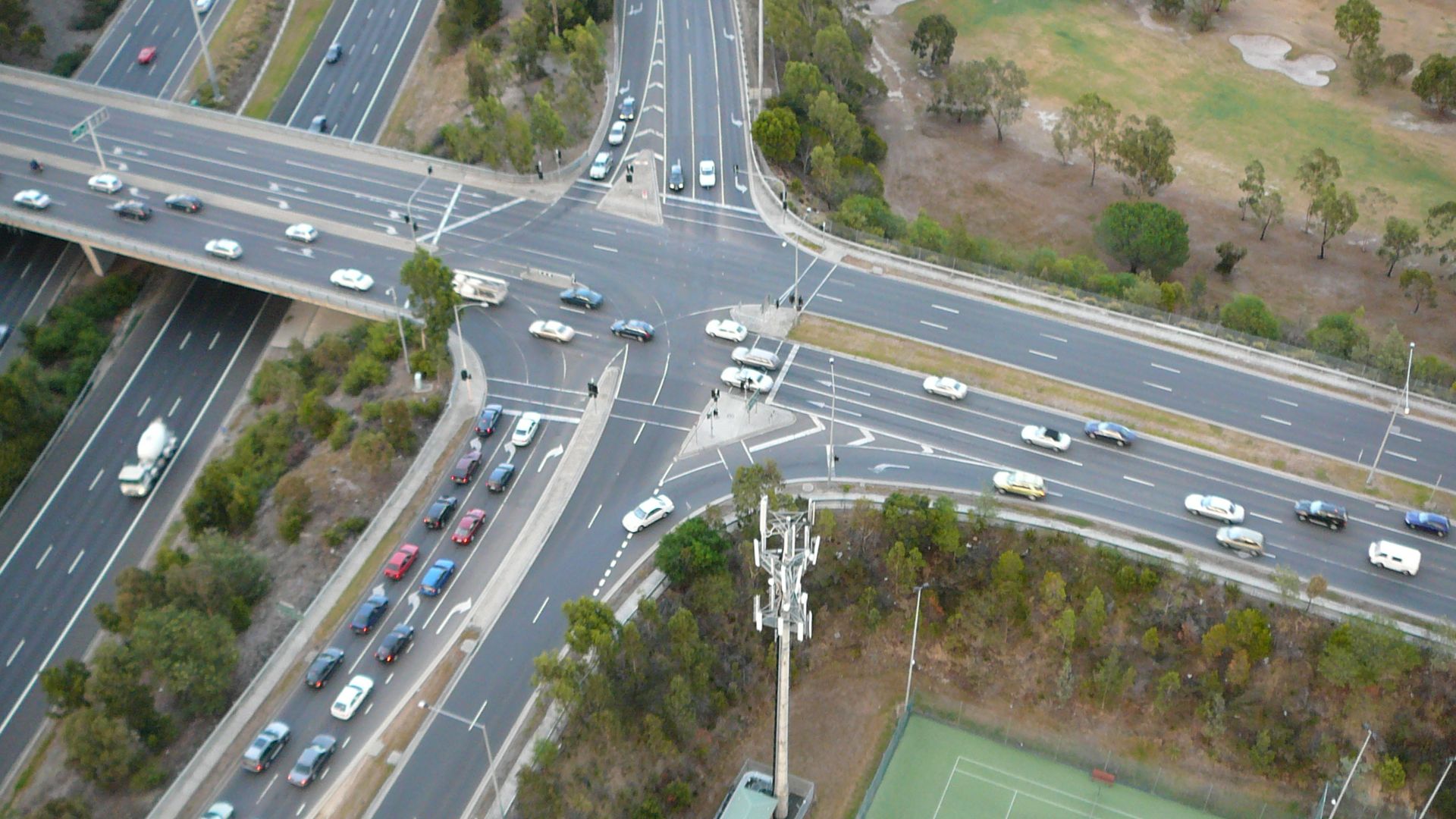
The FHWA maintains a list of Proven Safety Countermeasures for reducing roadway deaths and serious injuries. These include strategies for intersections, crossings, lane organization, and speed management. Ask whether the redesigned intersection used those countermeasures and whether the city evaluated alternatives.
 Tangerineduel, Wikimedia Commons
Check The Signal Timing
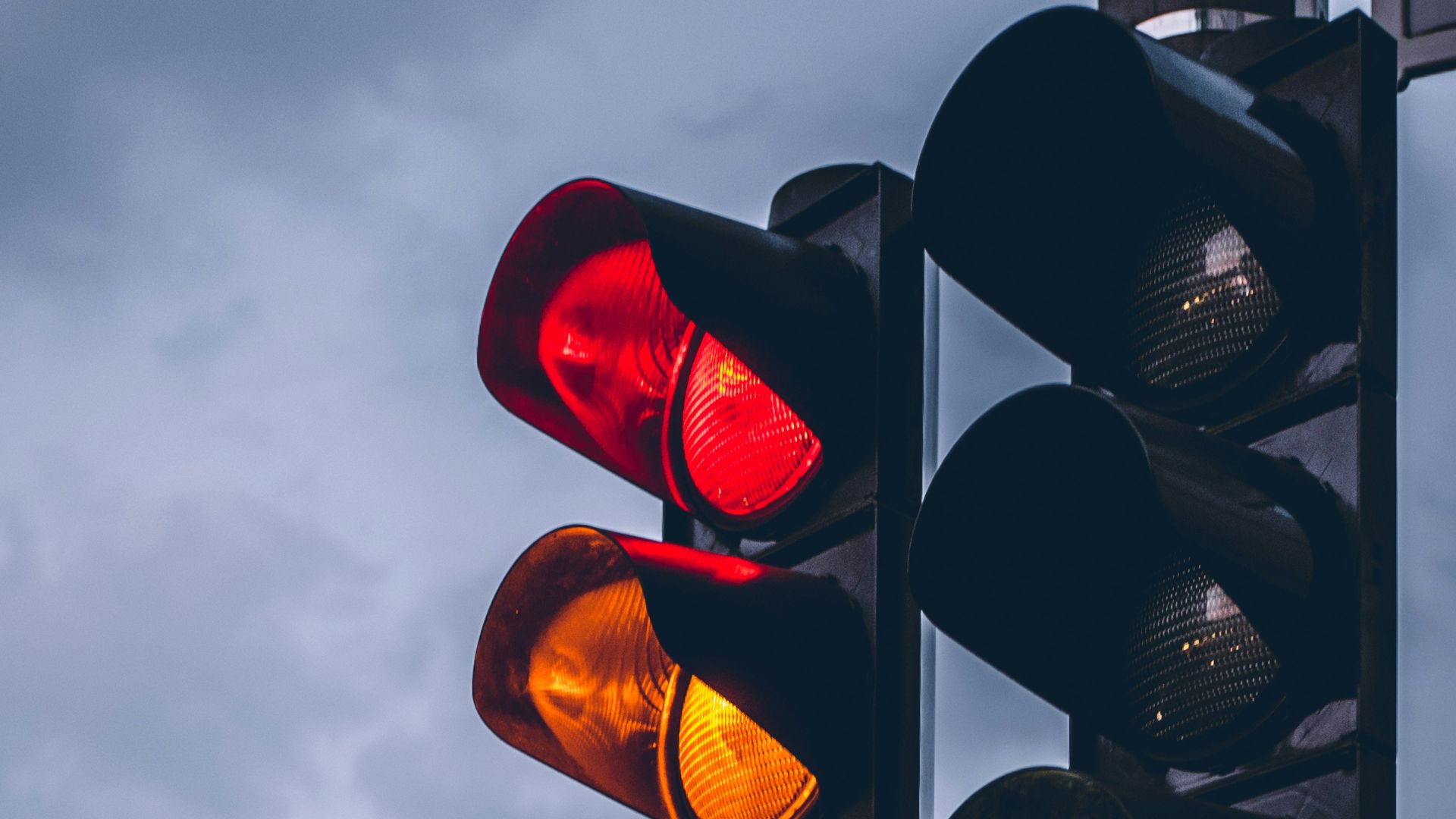
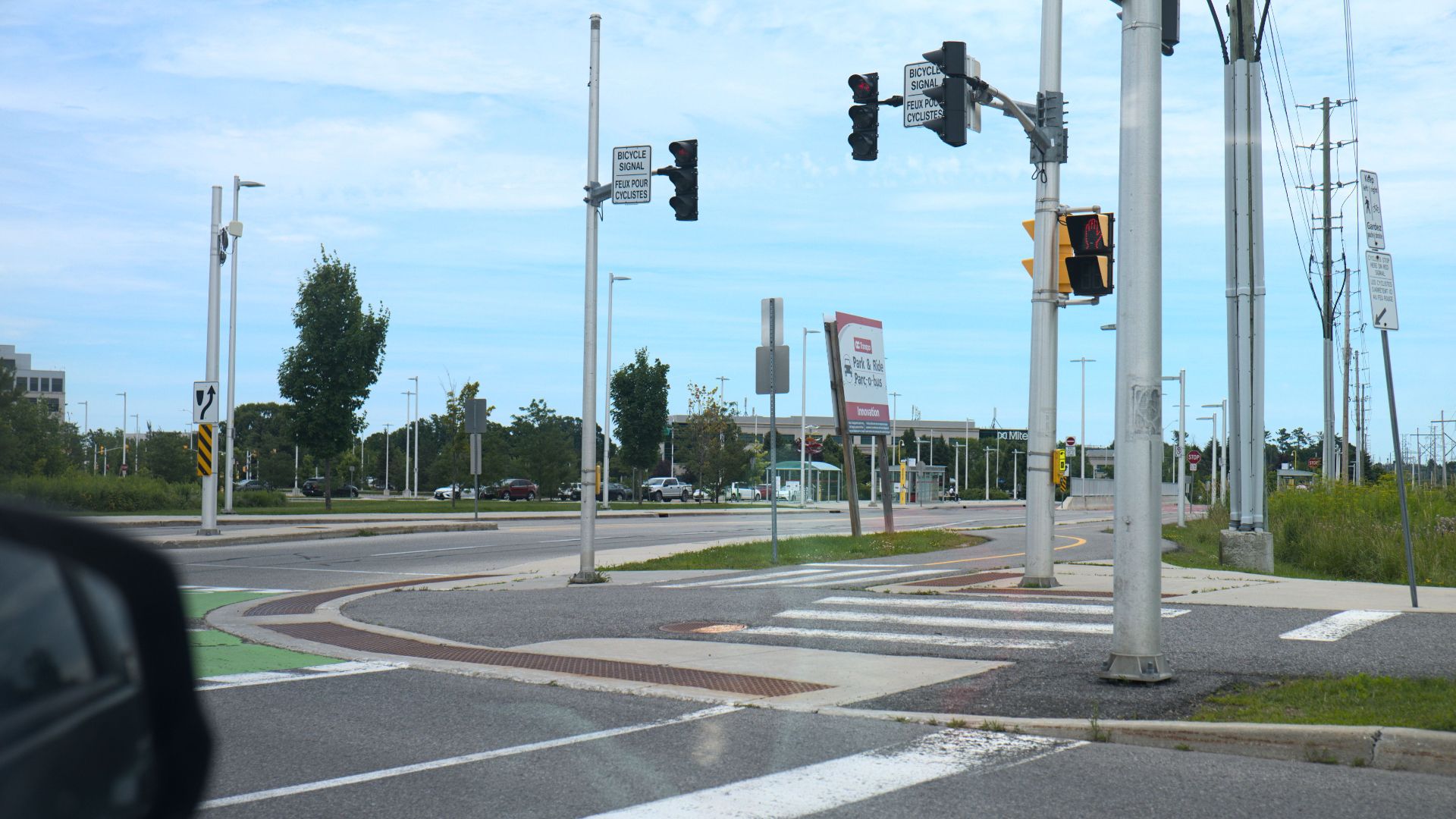
Some dangerous intersections are not bad because of concrete. They are bad because the signal timing creates confusion or conflict. Ask whether the city has reviewed left-turn phasing, pedestrian crossing time, yellow intervals, and red clearance intervals.
Look At Sightlines And Signage
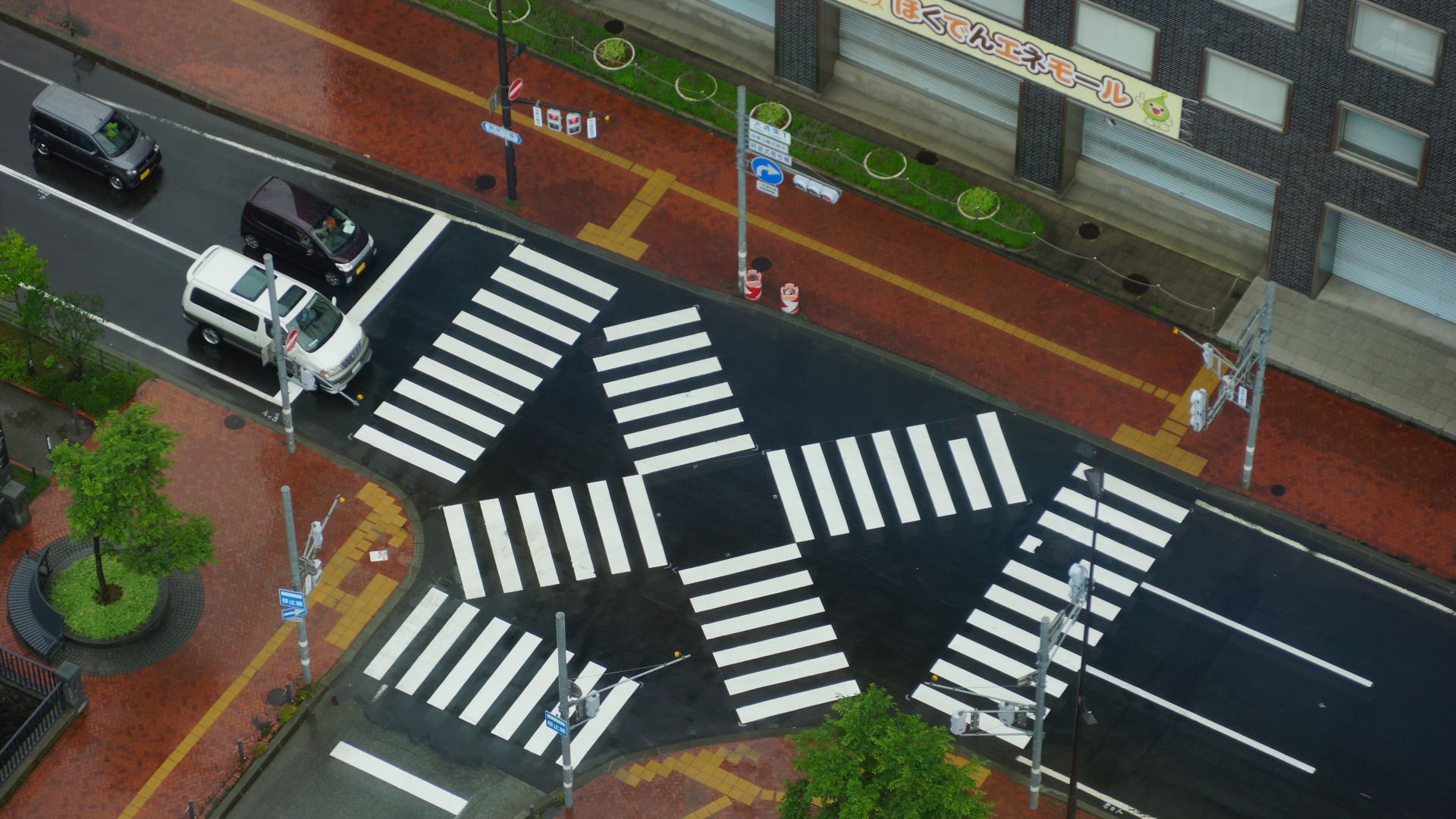
A redesign can fail if drivers cannot see signs, lane markings, pedestrians, or approaching traffic clearly. Parked cars, utility poles, landscaping, and poor lighting can all make conflicts worse. Ask the city to inspect visibility during daytime, nighttime, rain, and peak traffic.
Ask About Temporary Fixes
The city does not always need a full reconstruction to reduce danger. Temporary curb extensions, better markings, flexible posts, signal timing changes, added signs, and daylighting near corners can sometimes be installed faster. Ask for short-term fixes while the city studies permanent changes.

Go To The Right Public Meeting
Do not limit yourself to emailing one staff member. Speak at city council, transportation committee, public works committee, or traffic safety commission meetings. Bring a one-page summary, not a long speech.

Make The Ask Specific
A vague complaint is easy to ignore. Ask for three concrete actions: release the crash data, conduct an independent safety review, and report back publicly within a set time. Specific asks create accountability.

Build A Small Coalition
One resident can be dismissed as frustrated. A group of drivers, pedestrians, cyclists, nearby business owners, parents, and school staff is harder to ignore. A broad coalition shows the issue affects the whole intersection, not just one commute.

Involve The State If Needed
Some roads are controlled by state transportation departments, not cities. Even city streets may connect to state routes or receive state and federal safety funding. If local officials stall, ask which agency owns the road and whether state safety staff can review it.
Avoid Demanding One Perfect Solution
You may think the old intersection should come back exactly as it was. The data may point somewhere else. Stay open to signal changes, lane changes, visibility fixes, traffic calming, or a revised design.
Give Officials A Way To Change Course
Public agencies rarely enjoy saying, “We made a mistake.” They are more likely to say new data supports a modification. That is fine, because the goal is a safer intersection, not a public apology.

Keep The Pressure Public And Polite
Follow up after every meeting and request. Keep copies of emails, records, photos, and responses. Calm persistence usually works better than outrage because it gives officials fewer reasons to dismiss the concern.

The Bottom Line
You get a city to admit a bad redesign by making the evidence impossible to ignore. Start with crash data, request the original study, ask for an independent Road Safety Audit, and push for short-term safety fixes. The strongest argument is not that officials were wrong. It is that people are getting hurt and the intersection needs another look.
You May Also Like: