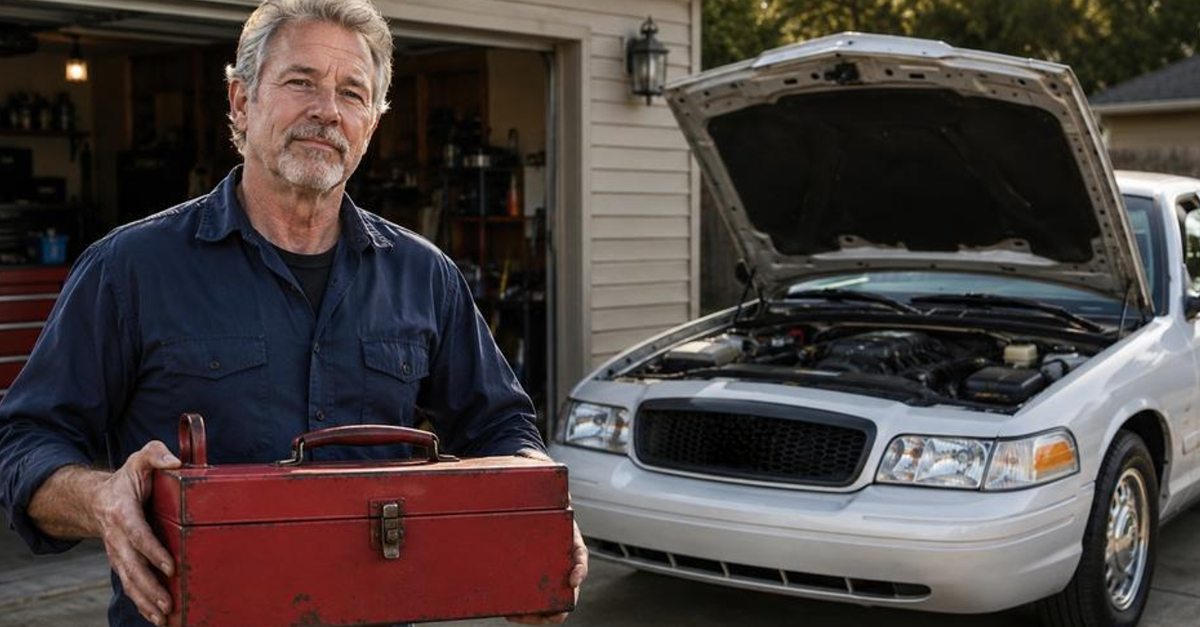
When Cars Didn't Need A Software Update
There was a time when "check engine" didn't automatically mean "schedule an appointment." Plenty of American cars could be diagnosed with your ears, fixed with a basic toolbox, and back on the road before dinner.
These were some of the last American cars that still rewarded anyone willing to get their hands dirty.
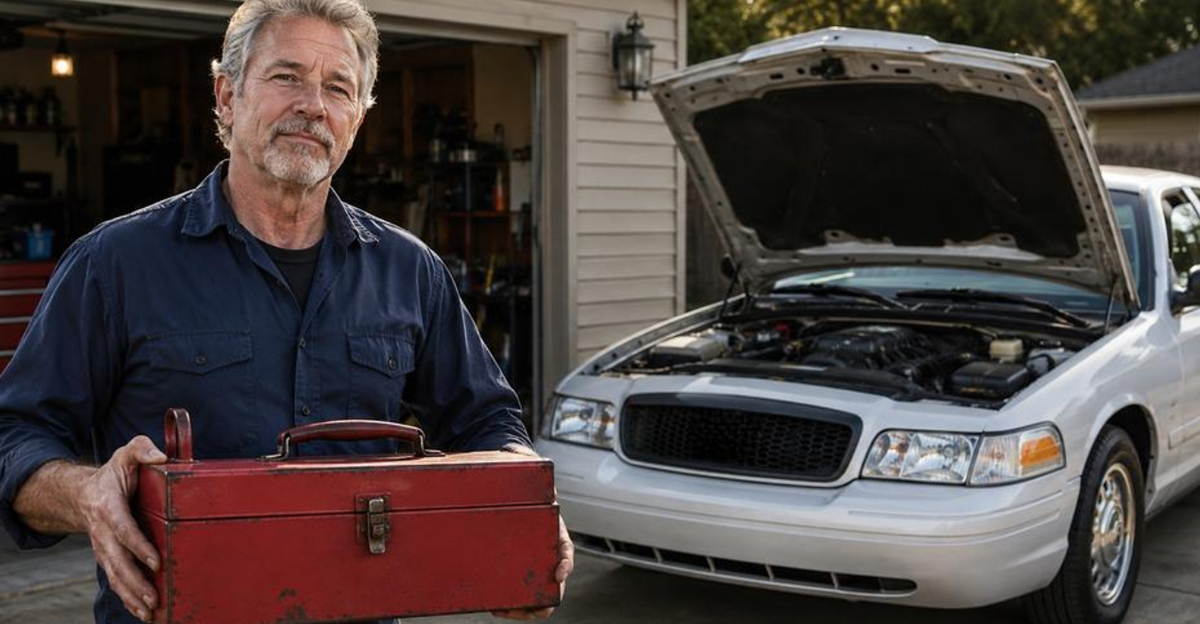
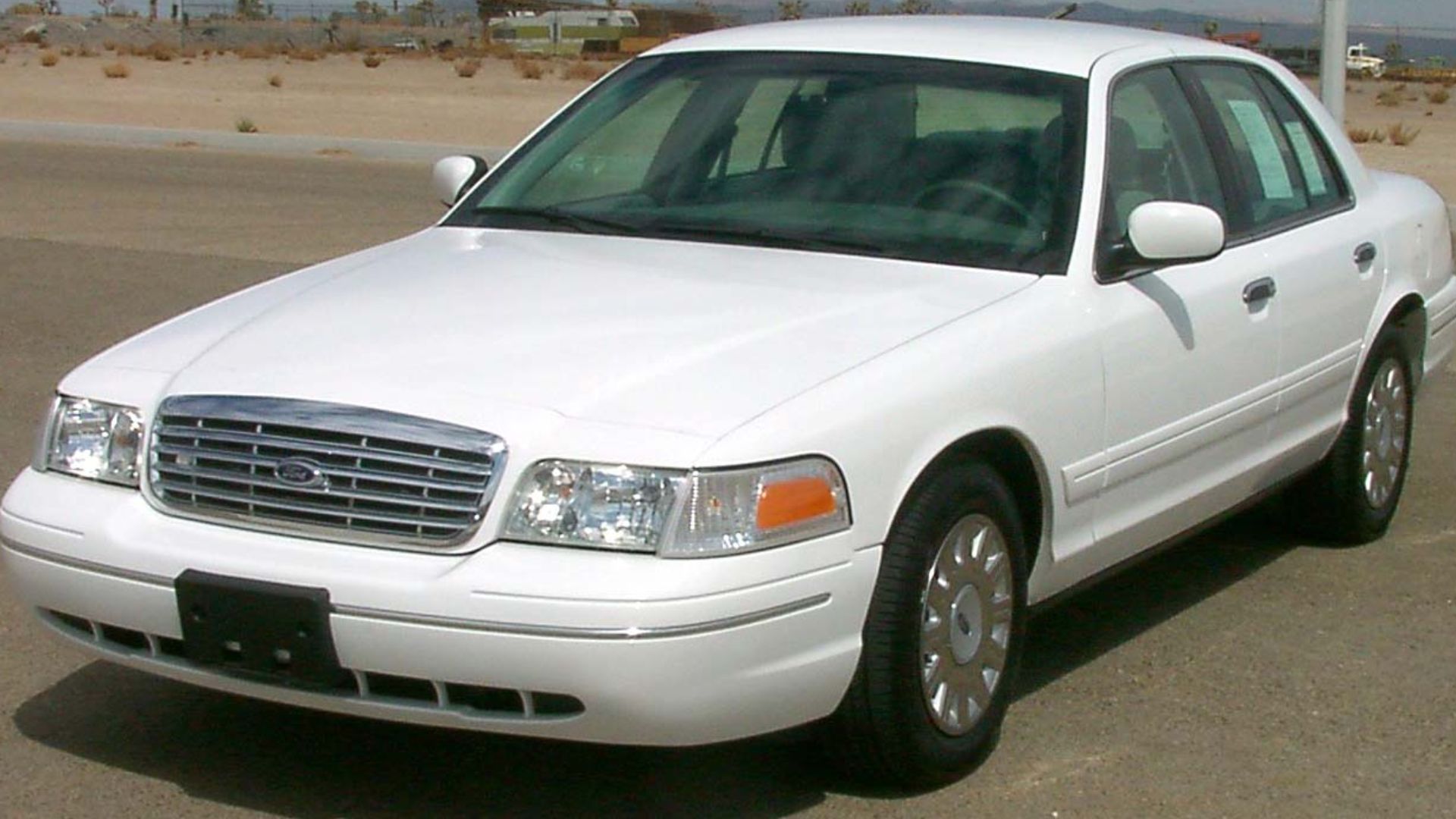
2003–2011 Ford Crown Victoria
If there were a Hall of Fame for easy-to-fix American cars, the Crown Victoria would probably be standing out front handing out maps.
The body-on-frame design gave you room to work, the 4.6-liter Modular V8 was well understood, and replacement parts were everywhere thanks to decades of police cars and taxis. There's a reason so many of these are still running today.
 U.S. National Highway Traffic Safety Administration, Wikimedia Commons
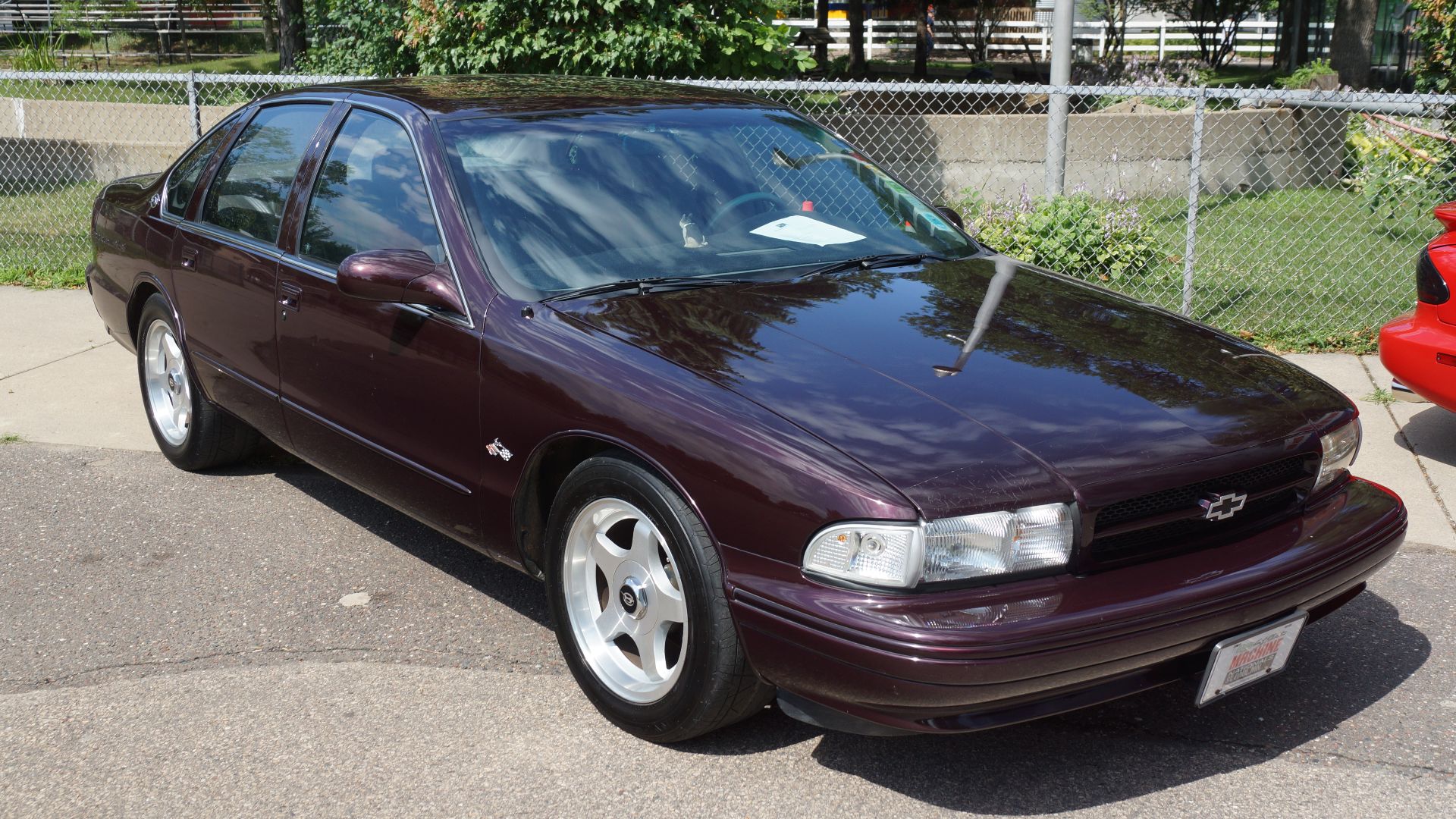
1994–1996 Chevrolet Impala SS
Underneath the cool looks was a surprisingly simple full-size GM sedan.
The LT1 V8 had its quirks—especially the OptiSpark distributor—but most maintenance jobs were straightforward with normal hand tools. Suspension parts, brakes, cooling components, and engine accessories were all reasonably accessible. It was fast enough to have fun with but simple enough that weekend mechanics weren't afraid of it.
 Greg Gjerdingen from Willmar, USA, Wikimedia Commons
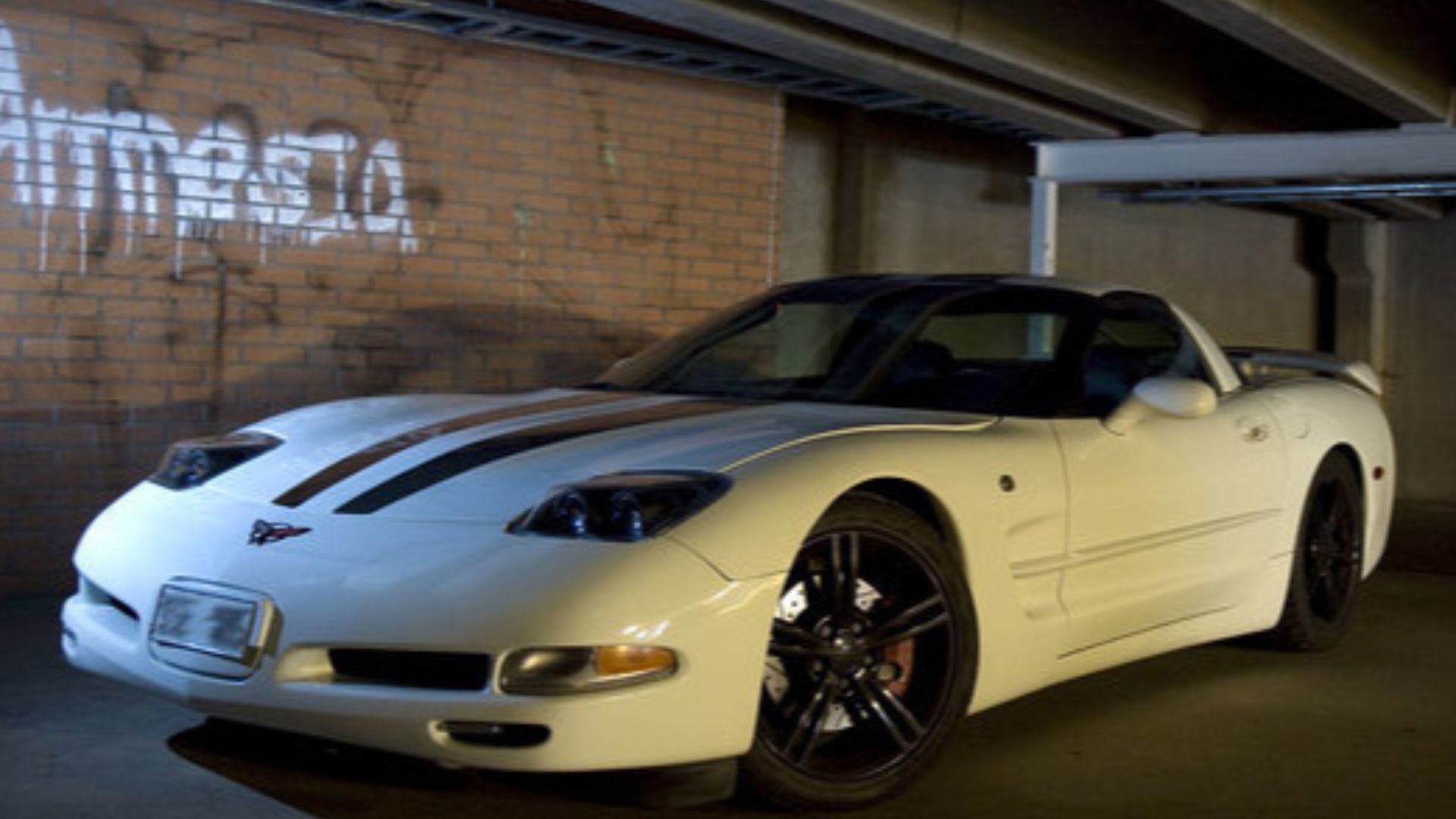
1997–2004 Chevrolet Corvette (C5)
A Corvette might sound like an odd choice, but the C5 earned a reputation for being remarkably owner-friendly.
The LS1 V8 became one of the most popular engines ever built, with endless parts availability and repair guides. While some jobs were more involved than on a family sedan, plenty of owners handled routine maintenance, cooling repairs, ignition work, and upgrades right in their own garages.
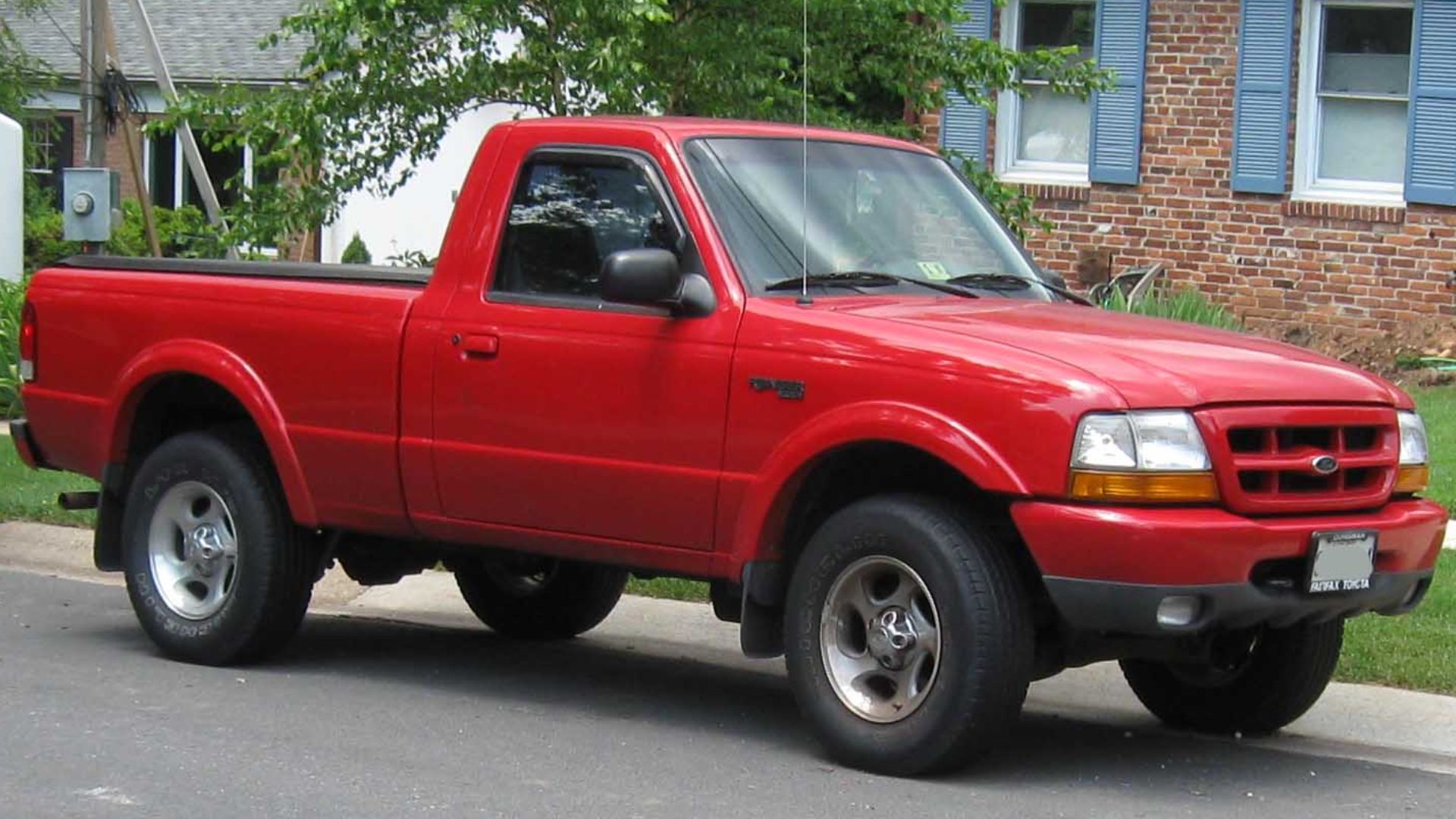
1998–2011 Ford Ranger
Need proof that simple trucks used to exist? Meet the Ranger.
Whether it had the four-cylinder or one of the V6 engines, the Ranger avoided unnecessary complexity for years. Oil changes, alternators, water pumps, brakes, starters—you could knock out many common repairs in an afternoon without needing a laptop or an engineering degree.
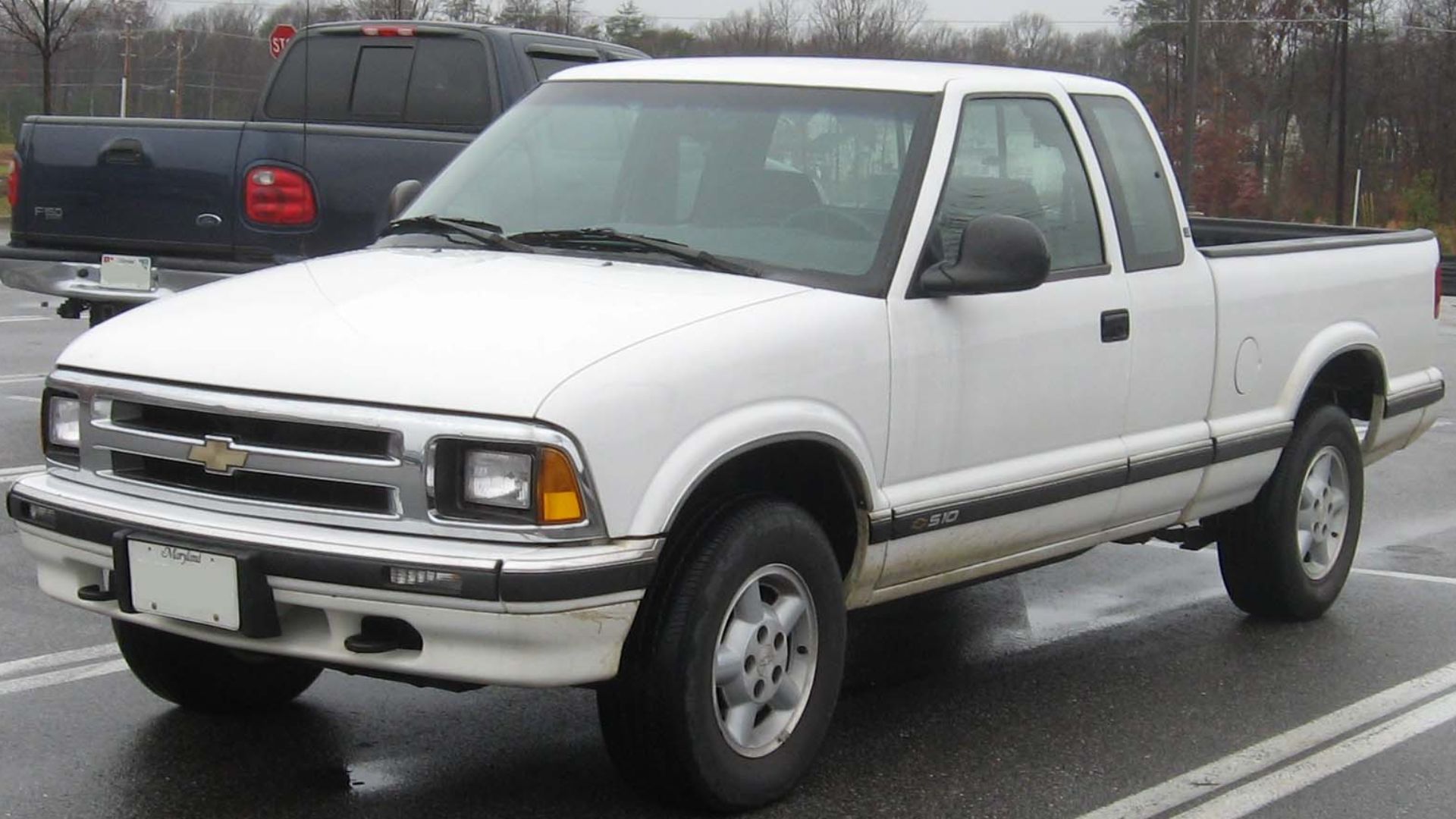
1994–2004 Chevrolet S-10
The S-10 was the kind of truck that quietly taught thousands of people how to work on vehicles.
Its 4.3-liter V6 had deep GM roots, the engine bay wasn't overly cramped, and replacement parts were inexpensive and plentiful. If something wore out, chances were your local parts store had three versions sitting on the shelf.
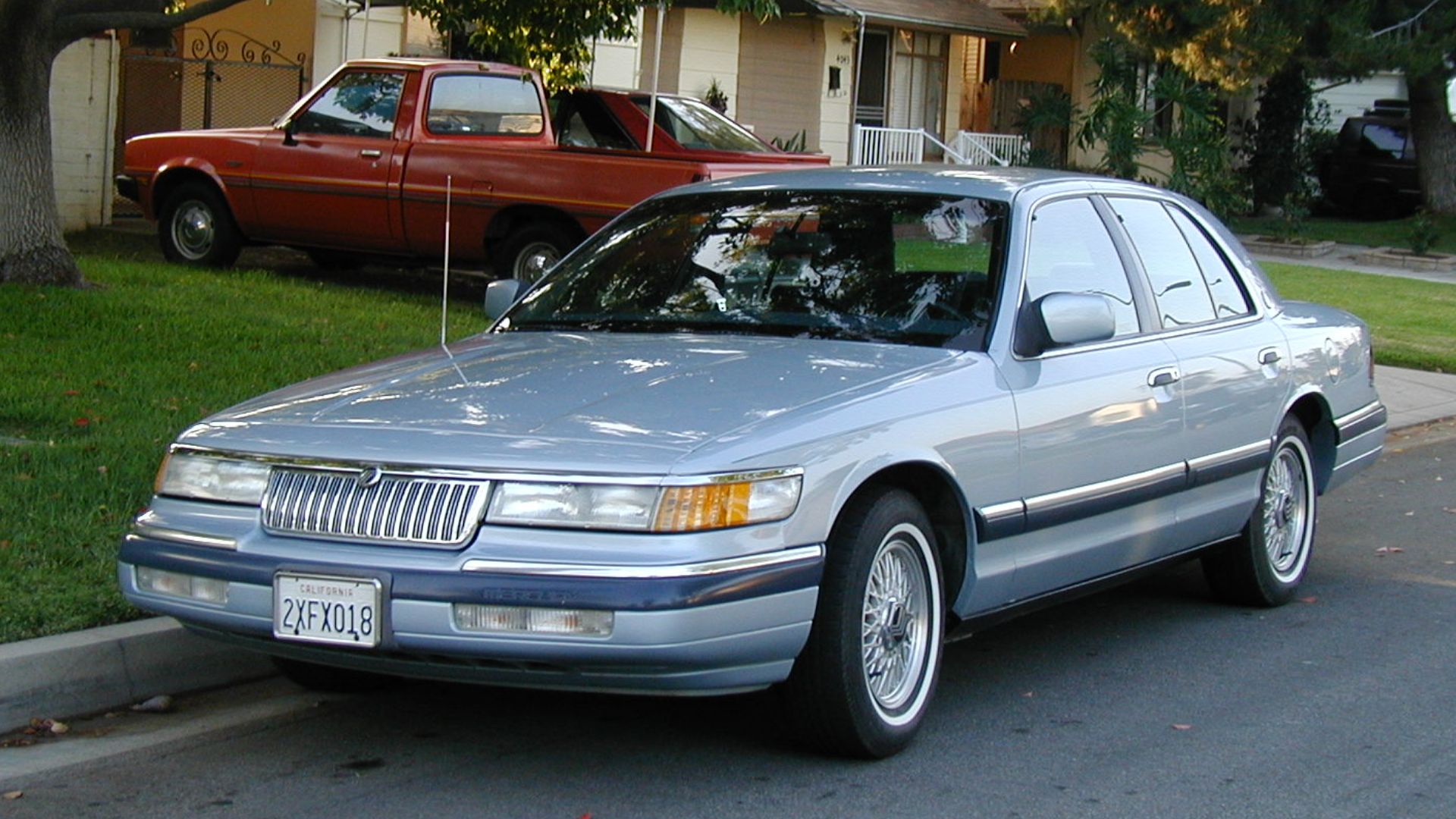
1992–2011 Ford Panther Platform Sedans
The Crown Victoria gets most of the attention, but the Mercury Grand Marquis and Lincoln Town Car deserve equal credit.
All three shared the same basic platform and mechanical components. That meant years of shared repair knowledge, affordable parts, and straightforward maintenance. Even today, plenty of owners keep them running with nothing more than a decent socket set and patience.
 Keith Burley, Wikimedia Commons
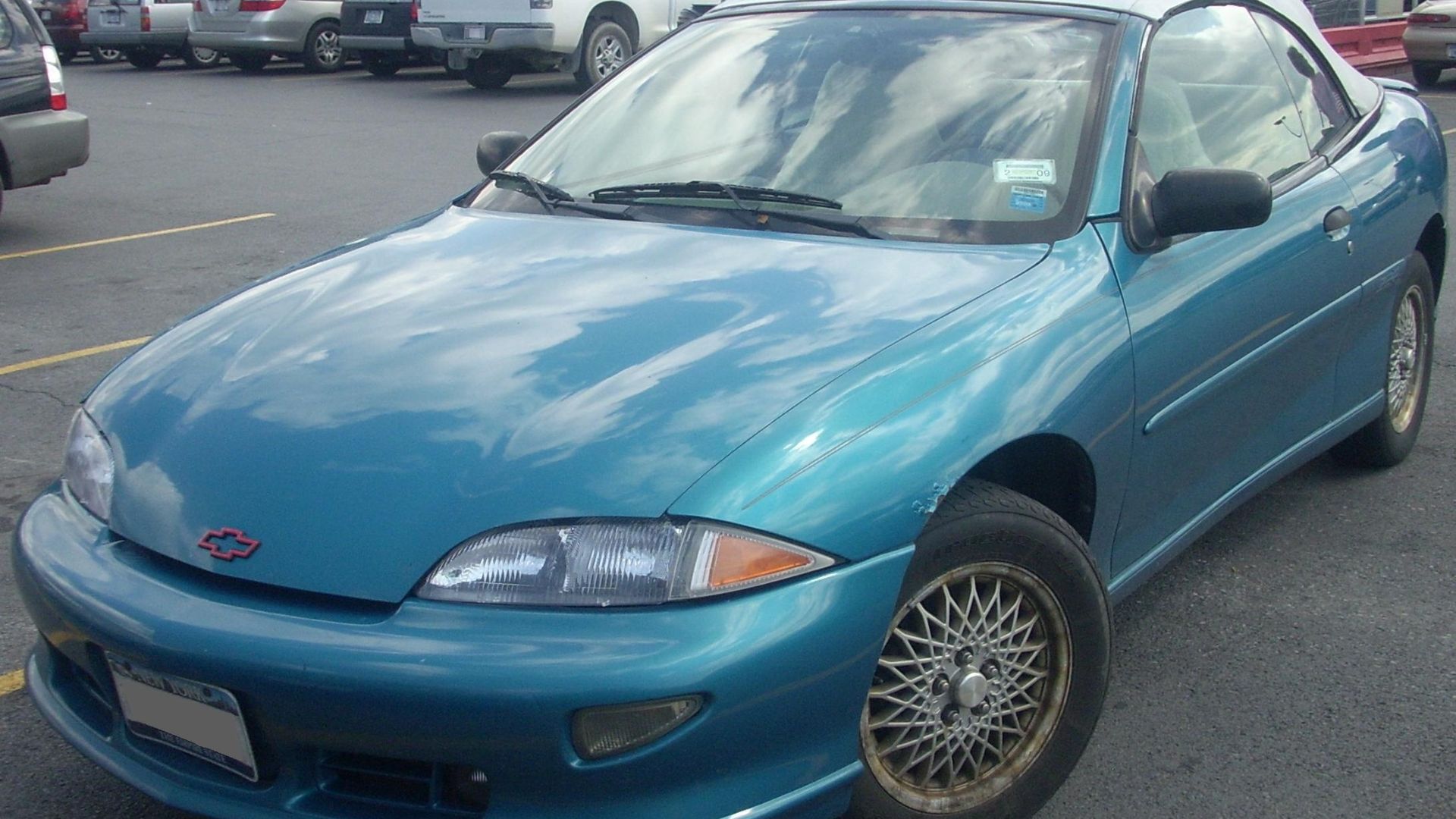
1997–2004 Chevrolet Cavalier
Nobody bought a Cavalier because it was exciting.
People bought them because they were inexpensive, reliable enough, and cheap to repair. The 2.2-liter four-cylinder engine was simple, parts cost very little, and most maintenance jobs were well within reach of anyone who enjoyed spending a Saturday in the garage.
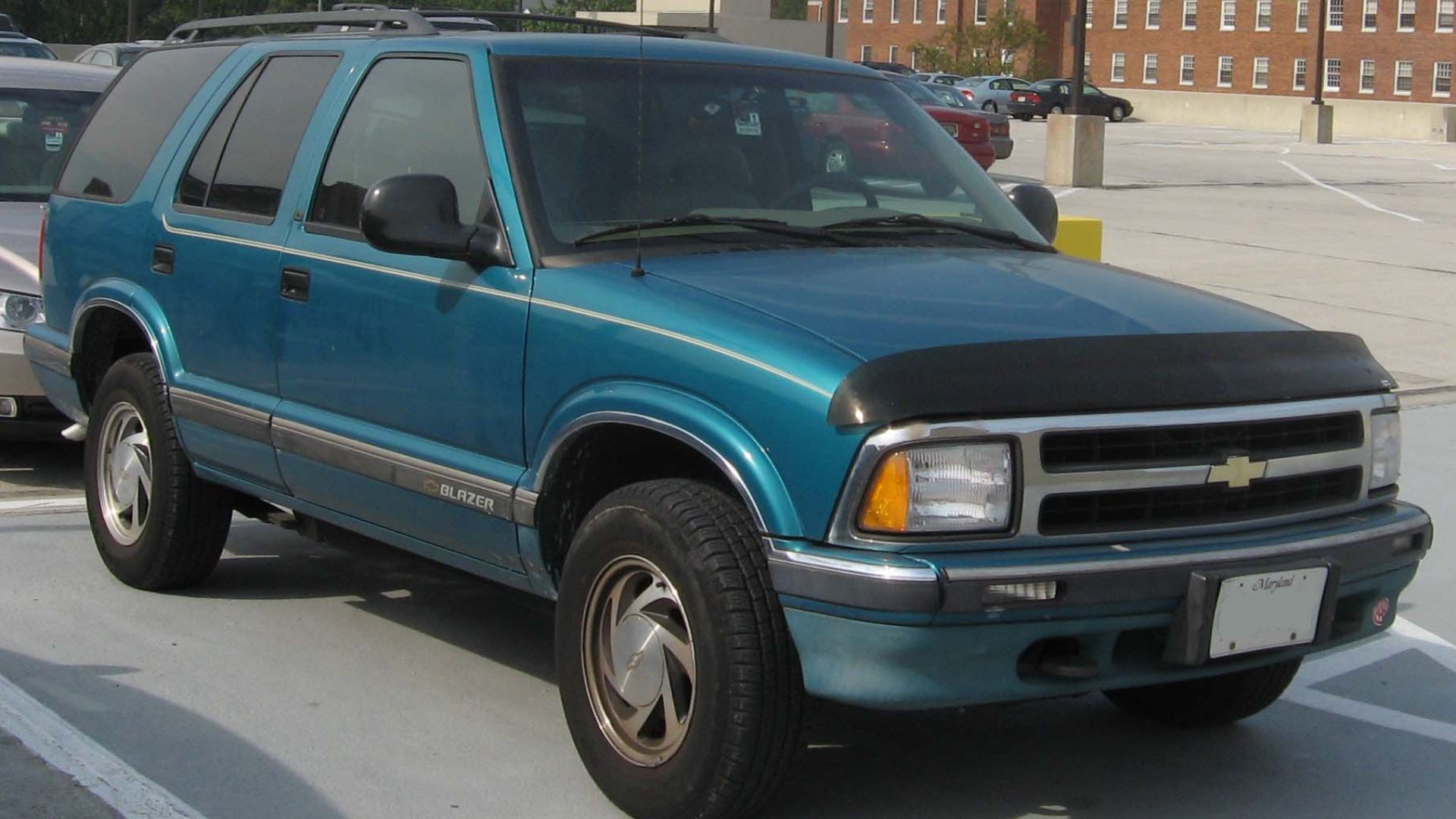
1995–2005 Chevrolet Blazer
Before SUVs became rolling computers, the Blazer kept things refreshingly simple.
Based on the S-10 pickup, it shared many of the same dependable mechanical components. Suspension repairs, brake jobs, cooling-system work, and plenty of engine maintenance could all be handled without specialized equipment.
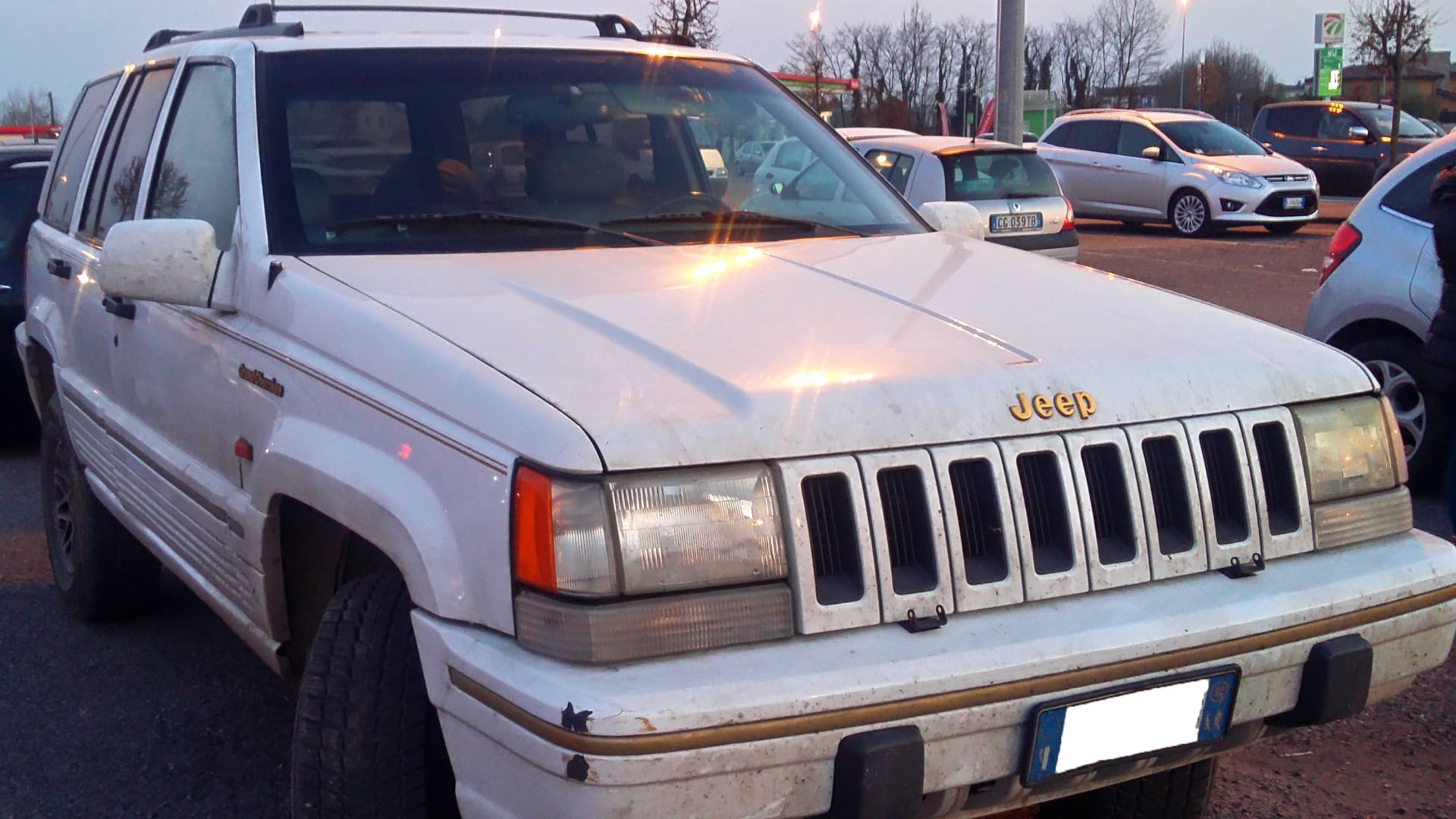
1993–1998 Jeep Grand Cherokee (ZJ)
Yes, Jeep is now part of Stellantis, but the Grand Cherokee was proudly American when these rolled off the line.
The legendary 4.0-liter inline-six remains one of the easiest engines to maintain. Even the available V8s were relatively straightforward compared to many modern SUVs packed with electronics.
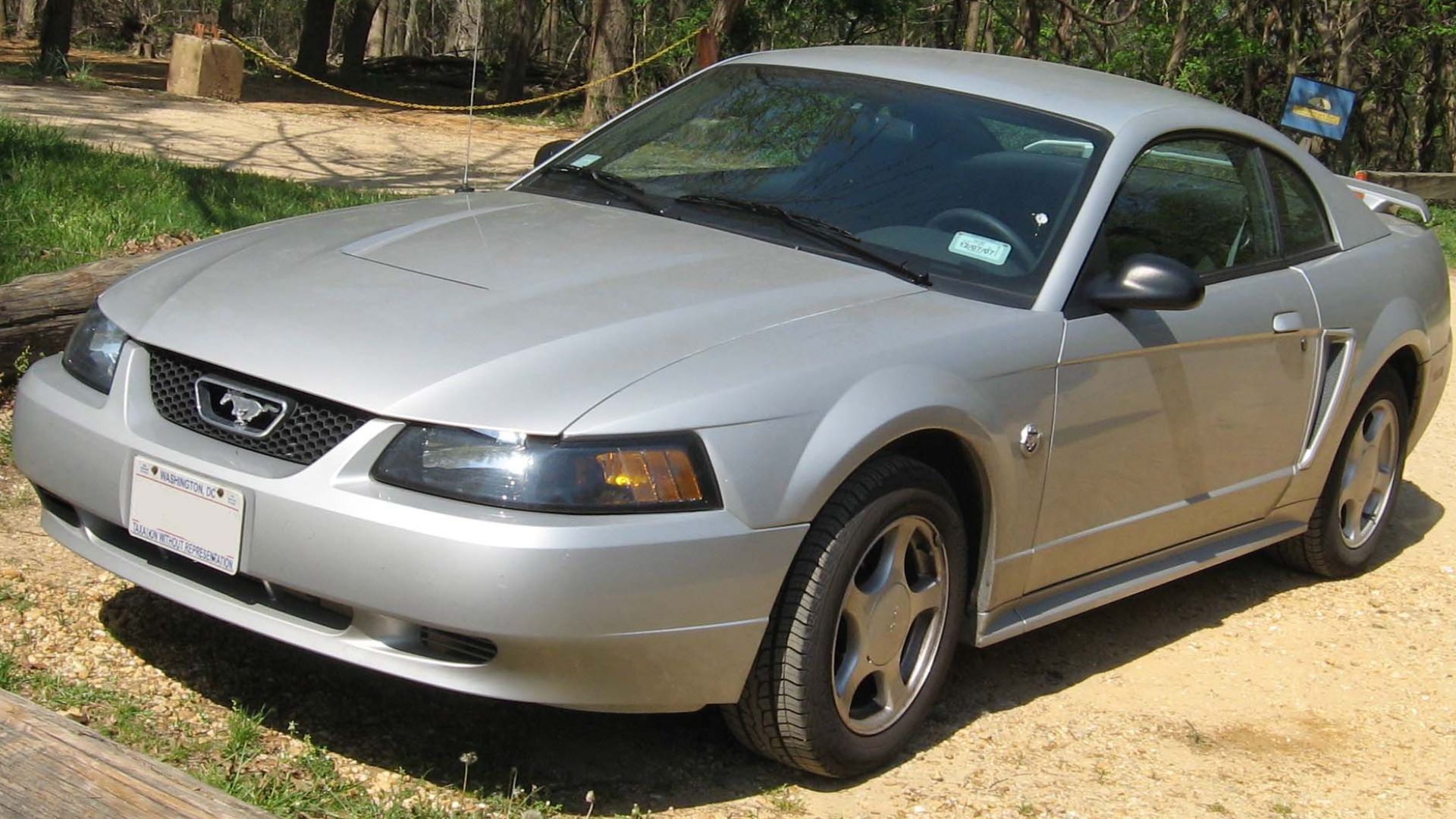
1994–2004 Ford Mustang
Mustang owners have been fixing their own cars for generations.
The SN95 generation carried that tradition forward with simple suspension designs, accessible engines, and one of the largest aftermarket support networks in automotive history. Nearly every repair imaginable has already been documented by someone willing to show you exactly how they did it.
1999–2006 Chevrolet Silverado 1500 (2007 Classic)
The GMT800 Silverado has become something of a legend among DIY mechanics.
The LS-based V8 engines are famously durable, parts remain inexpensive, and the trucks were engineered before electronics completely took over. Whether replacing a fuel pump, changing brakes, or swapping an alternator, most jobs remained refreshingly approachable.
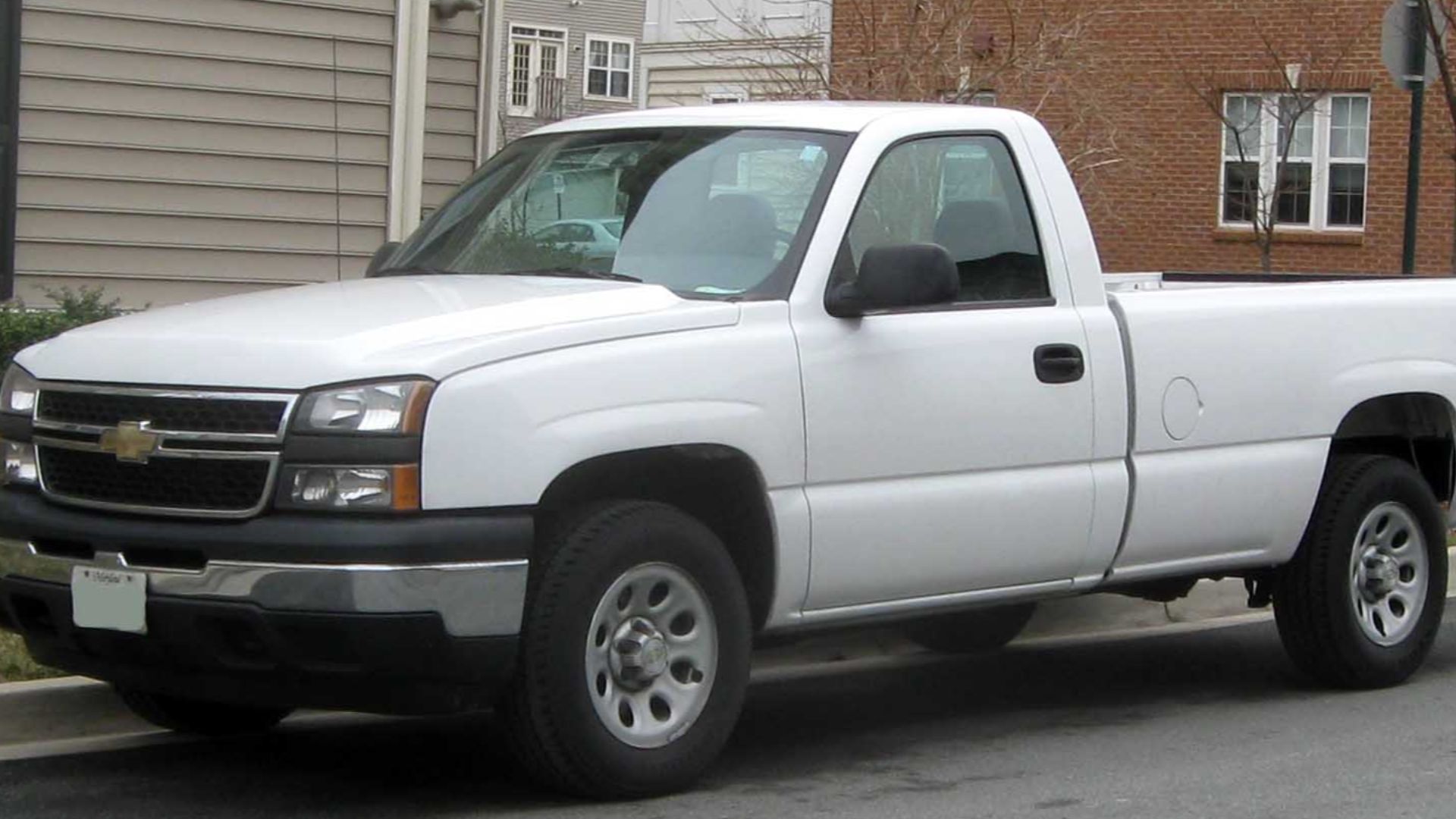
1997–2004 Dodge Dakota
The Dakota landed right in the sweet spot between compact and full-size pickups.
Whether equipped with the Magnum V6, Magnum V8, or later 4.7-liter PowerTech V8, the Dakota remained refreshingly straightforward to work on. Its roomy engine bay made routine maintenance fairly painless, and many owners still keep these trucks running themselves today.
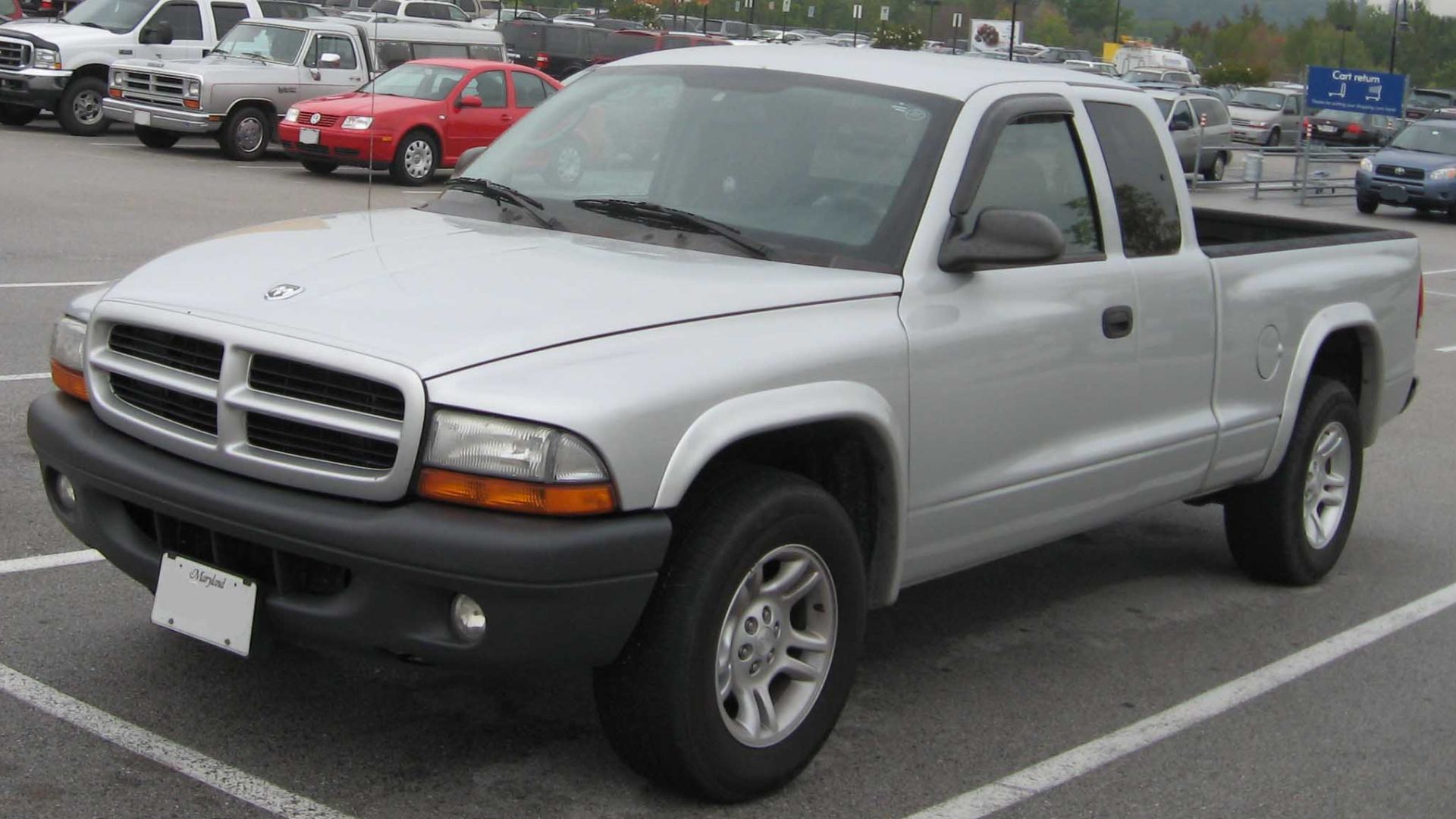
1994–2001 Dodge Ram 1500
The second-generation Ram became famous for its bold styling, but it also earned plenty of respect from backyard mechanics.
The Magnum V8 engines were simple, engine bays were spacious, and mechanical systems hadn't yet become buried beneath layers of sensors and modules. Repairs usually involved wrenches—not software updates.
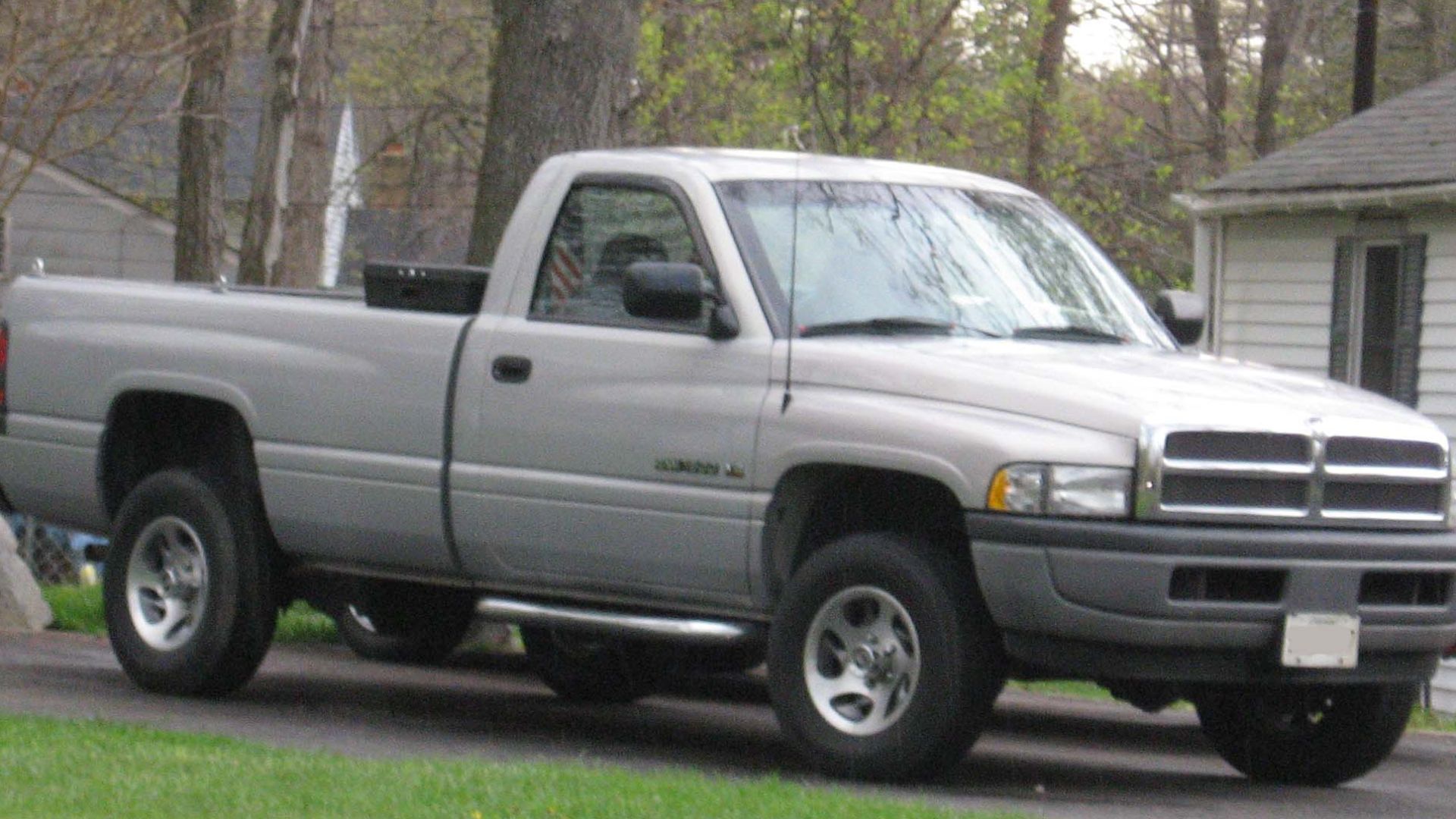
2000–2005 Buick LeSabre
The LeSabre might not win many beauty contests, but it won over people who valued simple transportation.
Powered primarily by GM's outstanding 3800 Series II V6, these cars developed a reputation for lasting hundreds of thousands of miles. Routine maintenance was inexpensive, and many repairs remained well within the abilities of first-time DIY mechanics.
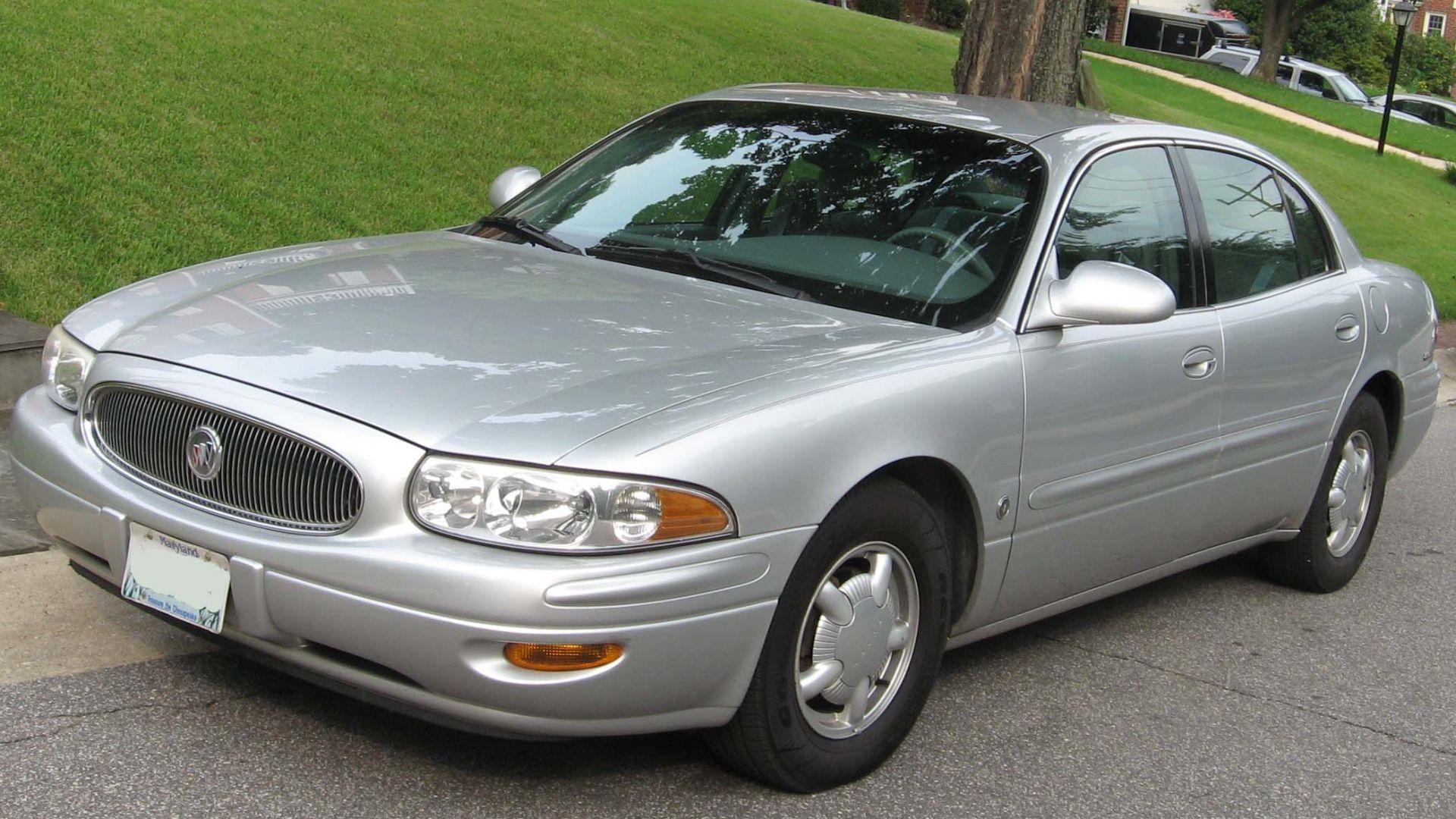
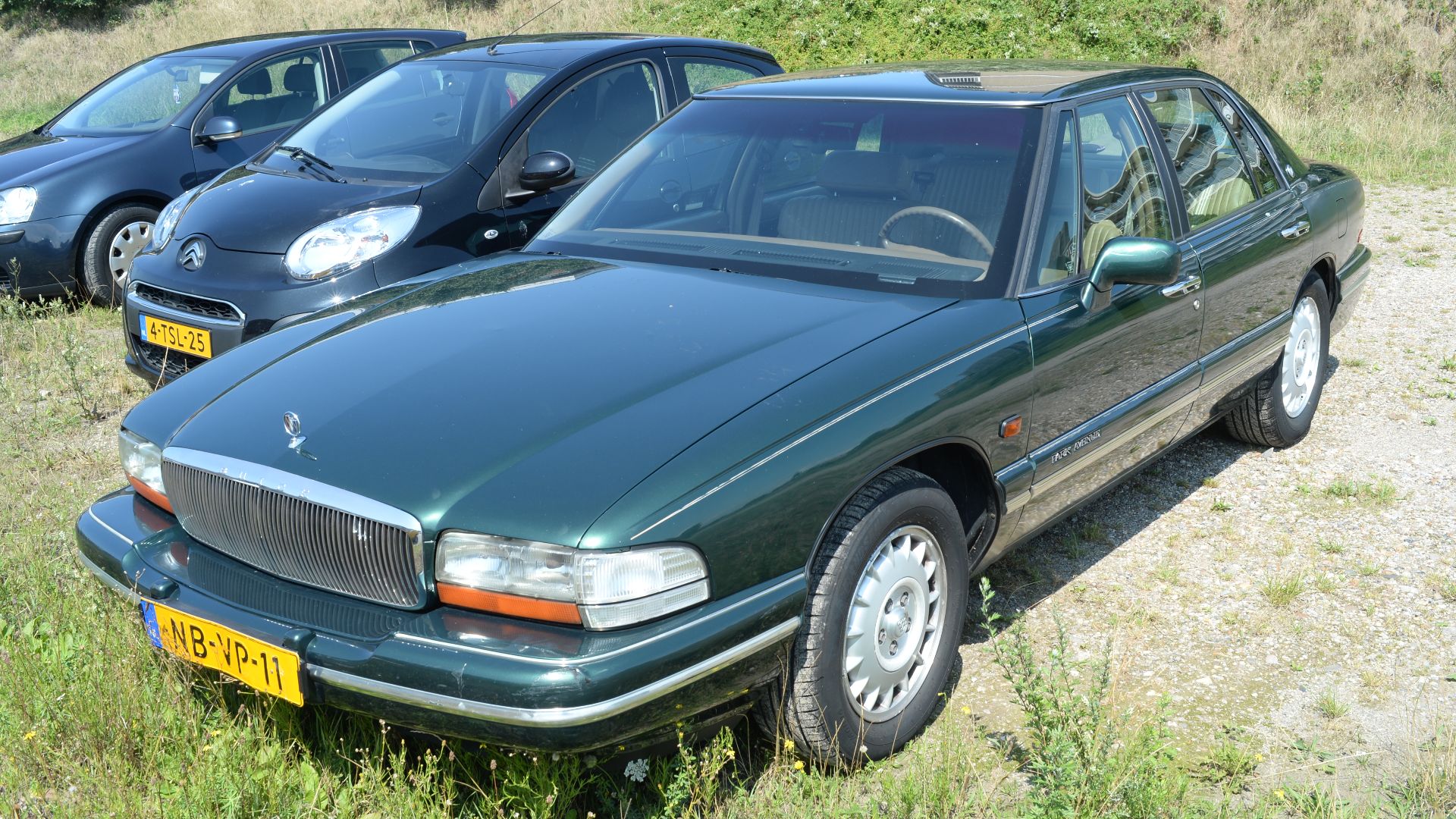
1995–2005 Buick Park Avenue
The Park Avenue paired luxury with one of GM's most dependable engines.
Most examples used the 3800 Series II V6, giving owners an abundance of affordable parts and decades of repair knowledge. It proved that comfortable didn't have to mean complicated.
 free photos & art, Wikimedia Commons
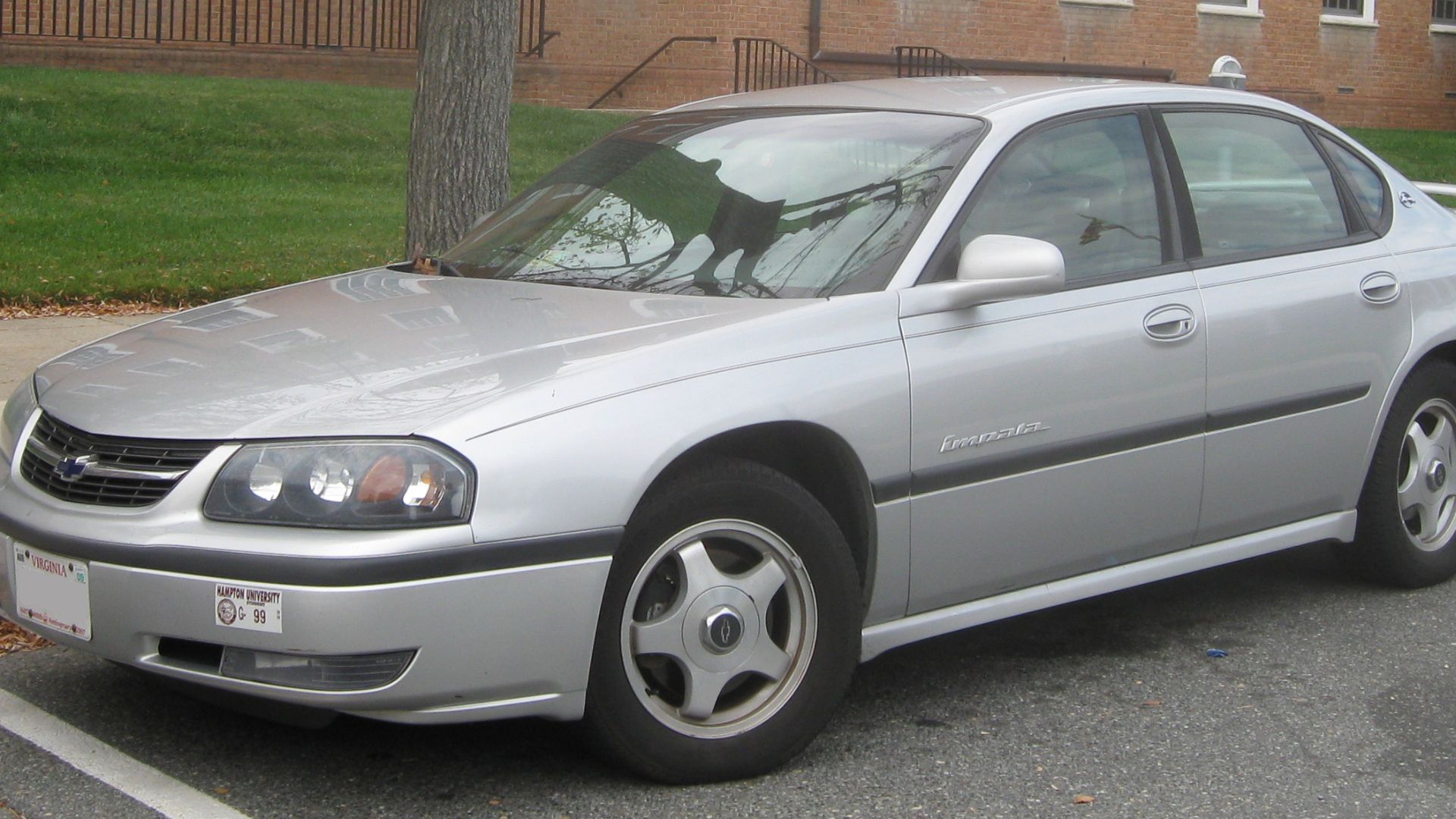
2000–2005 Chevrolet Impala
The early-2000s Impala wasn't flashy, but it was one of those cars that just kept going.
Depending on the trim, buyers got either the 3400 V6 or GM's excellent 3800 V6. Parts were inexpensive, repair information was everywhere, and plenty of owners learned basic maintenance on these dependable family sedans.
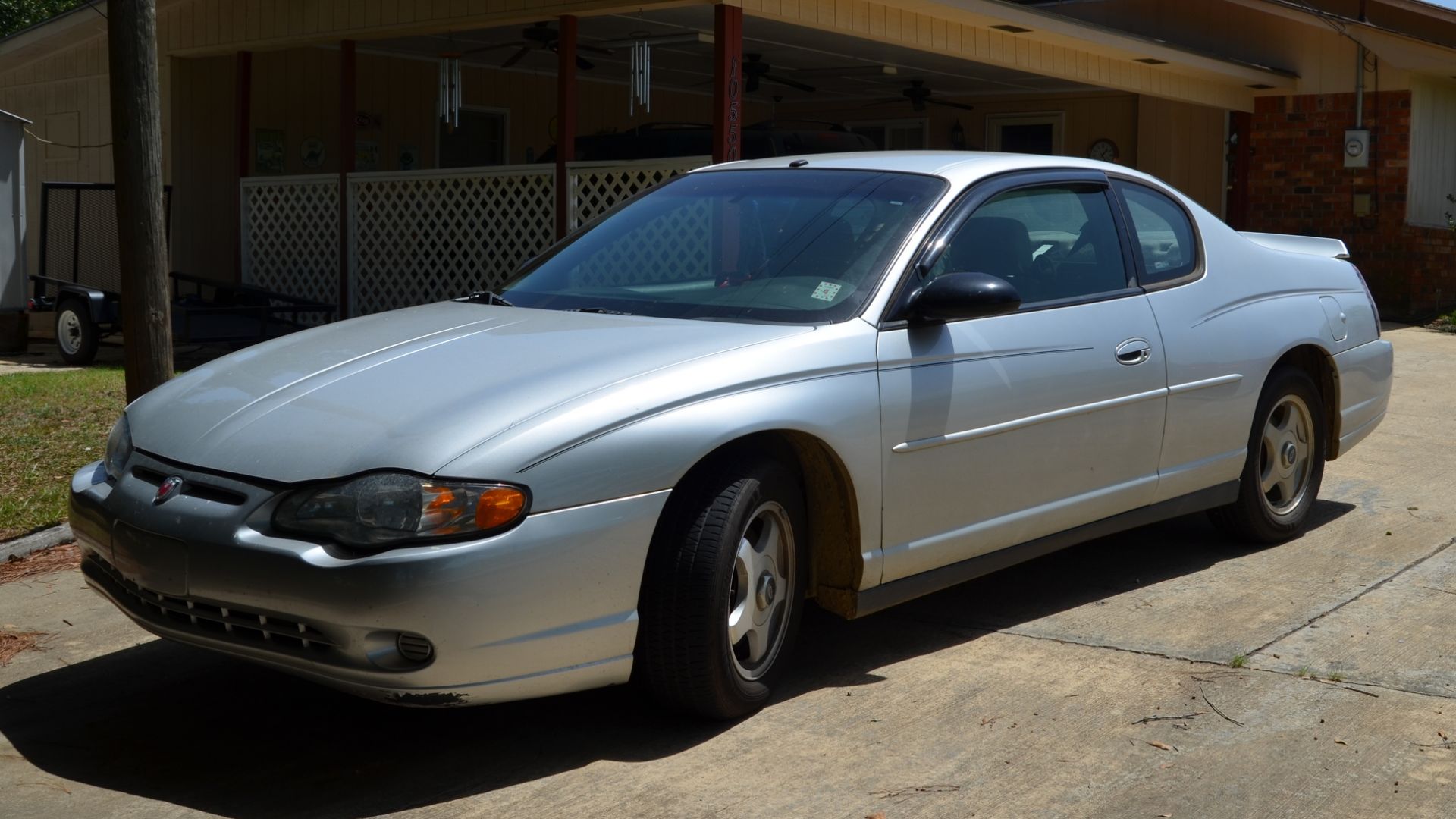
1994–2004 Chevrolet Monte Carlo
Sharing much of its mechanical DNA with other GM W-body cars made the Monte Carlo surprisingly easy to live with.
Whether replacing brakes, suspension components, or tackling engine maintenance, owners benefited from massive parts availability and years of shared repair experience across several GM models.
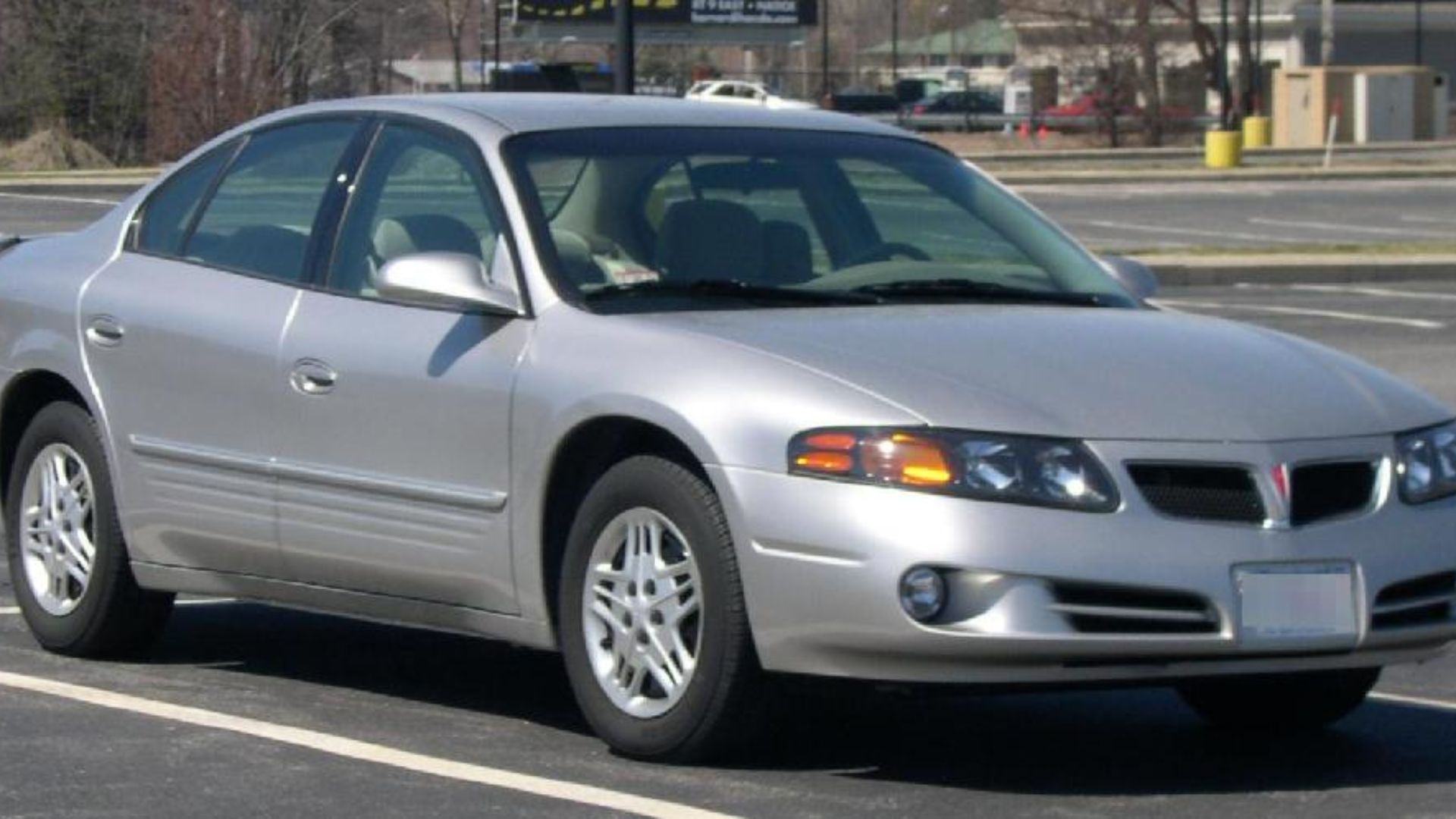
1995–2003 Pontiac Bonneville
The Bonneville quietly became one of the best bargains for people who liked fixing their own cars.
Most models were powered by GM's dependable 3800 V6. Combined with straightforward engineering and affordable replacement parts, it became the kind of car owners kept alive for decades instead of trading in.
 Sfoskett~commonswiki, Wikimedia Commons
1997–2003 Pontiac Grand Prix
The Grand Prix added a little extra personality without adding much extra complexity.
Supercharged GTP models attracted enthusiasts, while naturally aspirated versions became dependable daily drivers. Either way, repairs were generally approachable, and the aftermarket community made finding parts surprisingly easy.
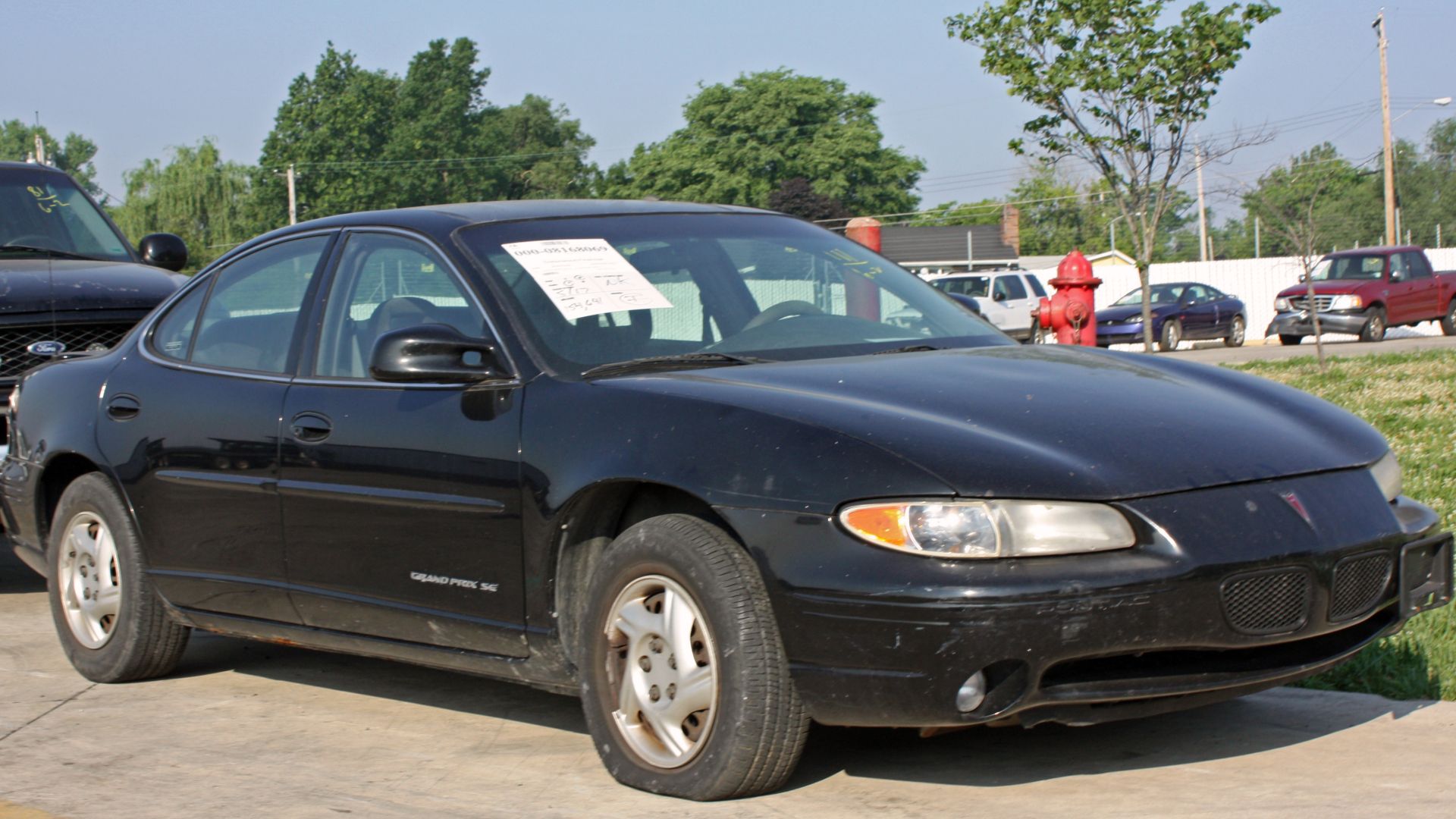 Ryanandlenny, Wikimedia Commons
1987–2001 Jeep Cherokee (XJ)
Few vehicles have earned the respect of DIY mechanics quite like the XJ Cherokee.
Its rugged 4.0-liter inline-six became almost legendary for durability. The straightforward suspension, simple drivetrain, and incredible aftermarket support mean people are still rebuilding these in home garages more than 30 years later.
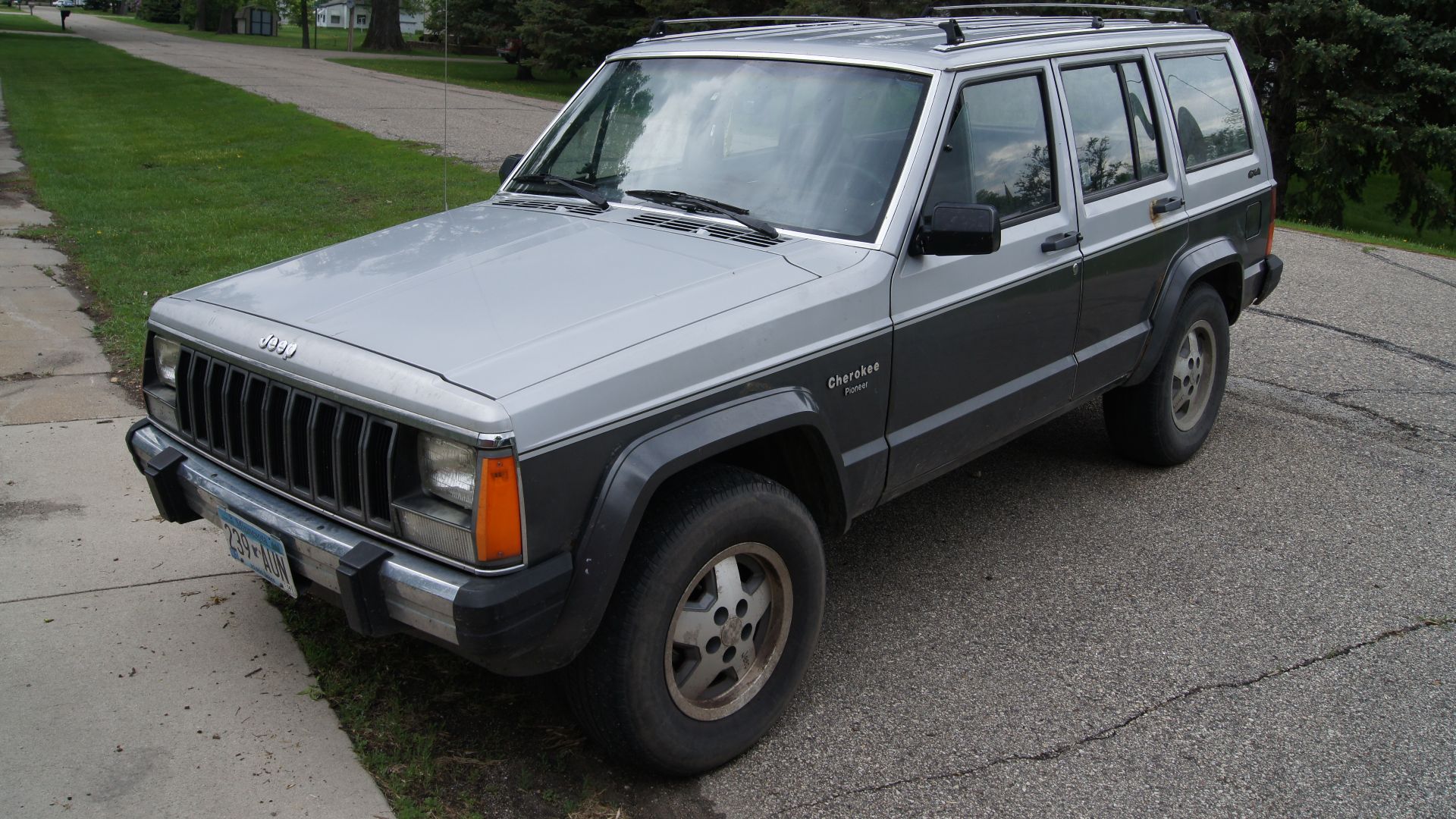 Greg Gjerdingen from Willmar, USA, Wikimedia Commons
The End Of An Era
There was a time when an ordinary driveway, a basic toolbox, and a free Saturday were enough to solve most car problems. No software subscriptions. No proprietary scan tools. Just a little patience and a few scraped knuckles.
You Might Also Like:
Cars From The 1980s That No One Remembers—Seriously, Do You Remember Even 5 Of These Vehicles?