When Simple Isn't So Simple Anymore
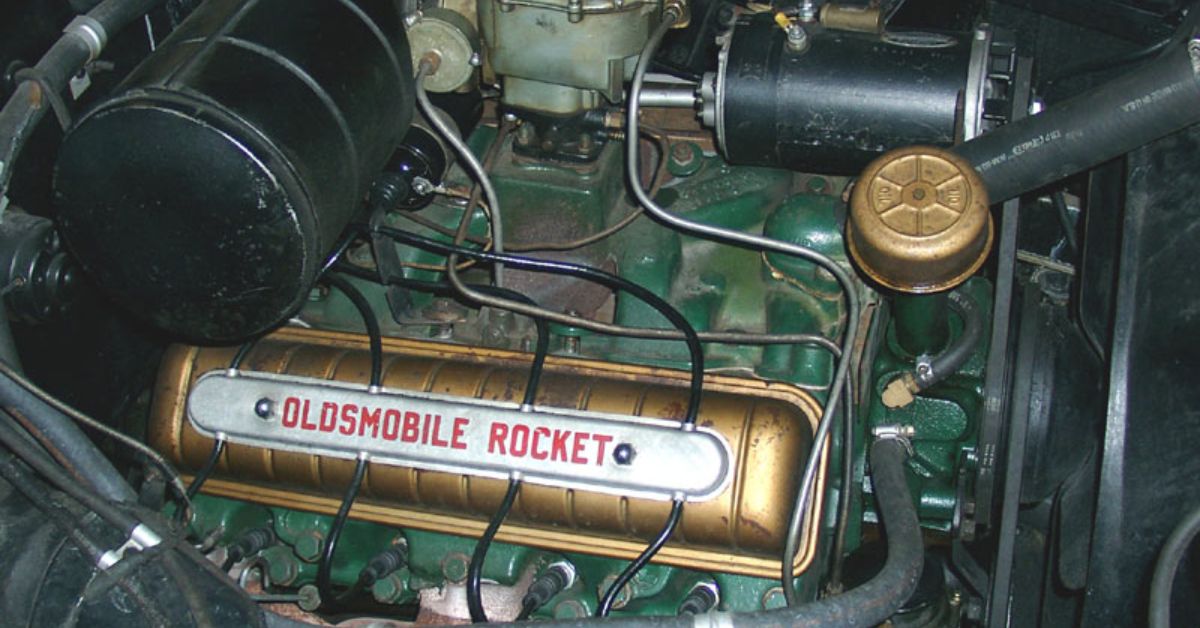
There was a time when a reasonably handy owner could tackle a surprising amount of car maintenance in the driveway. Modern cars are safer, cleaner, faster, and more efficient, but they've also transformed ordinary repairs into jobs involving computers, sensors, calibration equipment, specialized tools, and occasionally startling bills.
Changing A Headlight Bulb
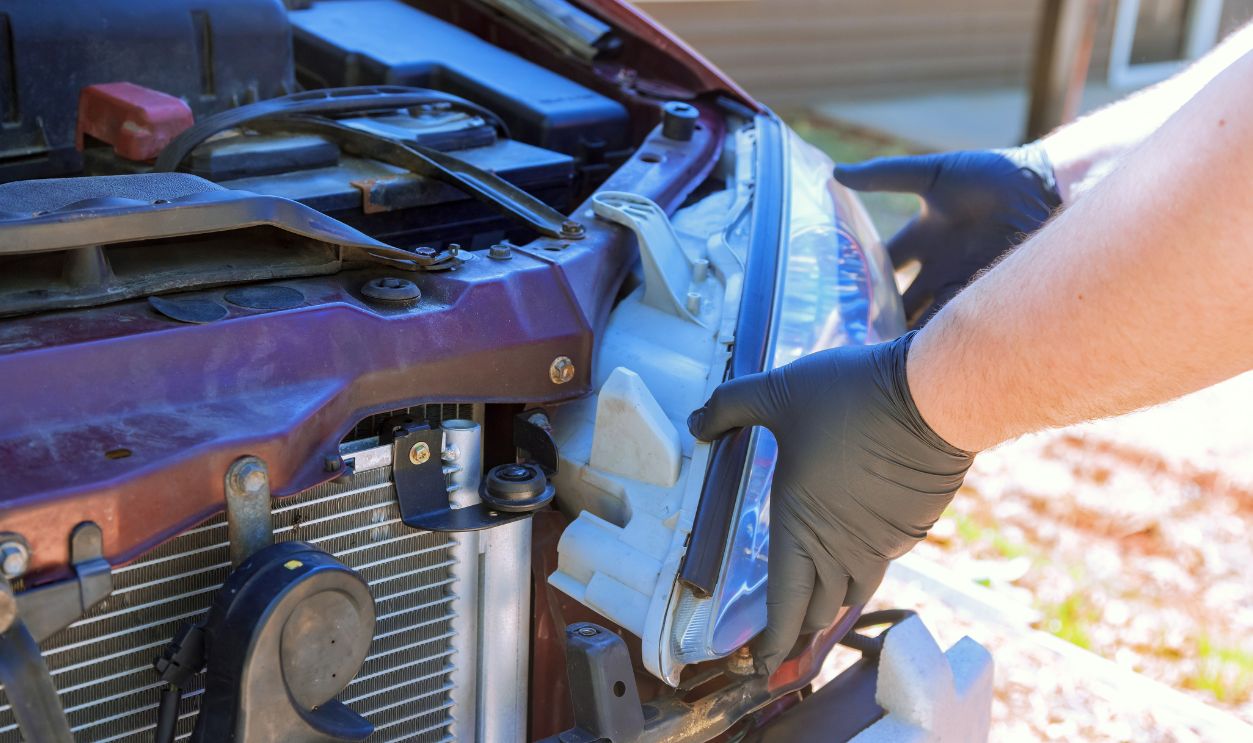
Remember opening the hood, unplugging a bulb, and installing another one? Many modern cars use sealed LED assemblies containing electronics, cooling components, and adaptive-lighting hardware. Damage can mean replacing the entire unit, and sophisticated headlights may require aiming or calibration afterward. Some assemblies cost thousands.
Replacing A Windshield
Windshield replacement once meant removing one piece of glass and installing another. Now a windshield may sit in front of cameras controlling automatic braking and lane assistance, while also incorporating rain sensors, heating elements, or other technology. Replacement can require transferring equipment and performing an ADAS (advanced driver-assistance systems) calibration.
Fixing A Bumper
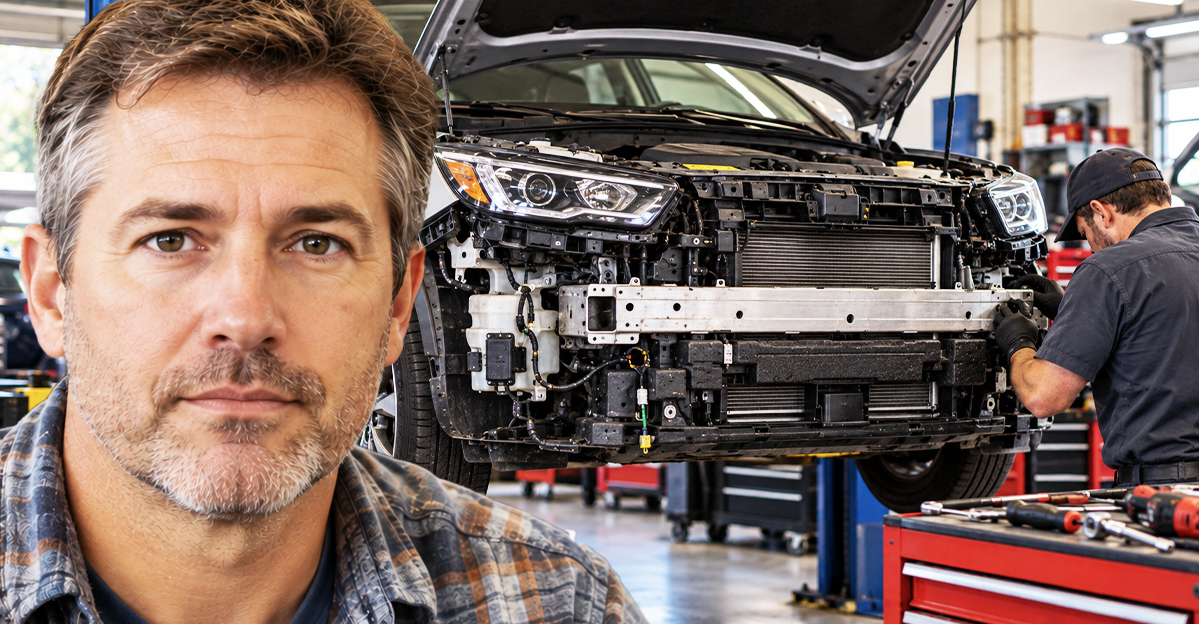
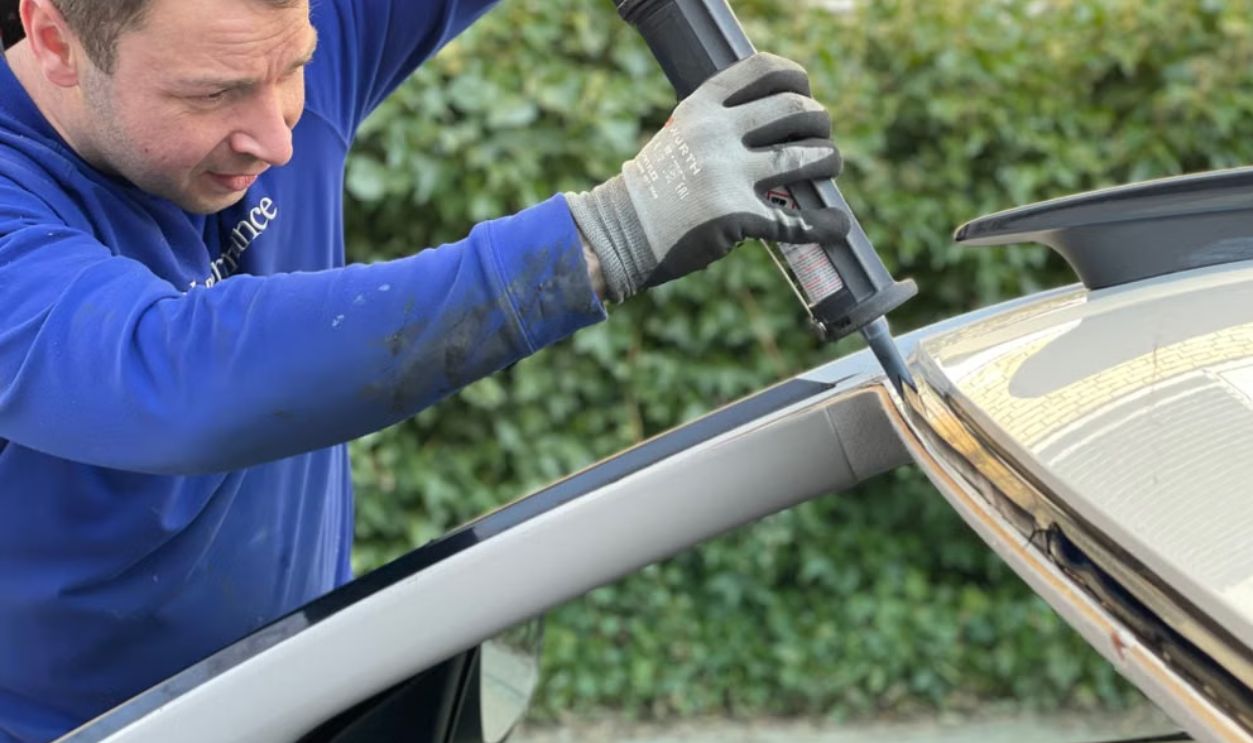
That plastic bumper cover may conceal radar, ultrasonic parking sensors, cameras, and wiring. Even relatively minor damage can disturb precisely aimed safety equipment. As a result, repairing or removing a bumper can sometimes be followed by diagnostic scans, sensor inspection, replacement, and calibration that weren't part of yesterday's bumper job.
Replacing A Side Mirror
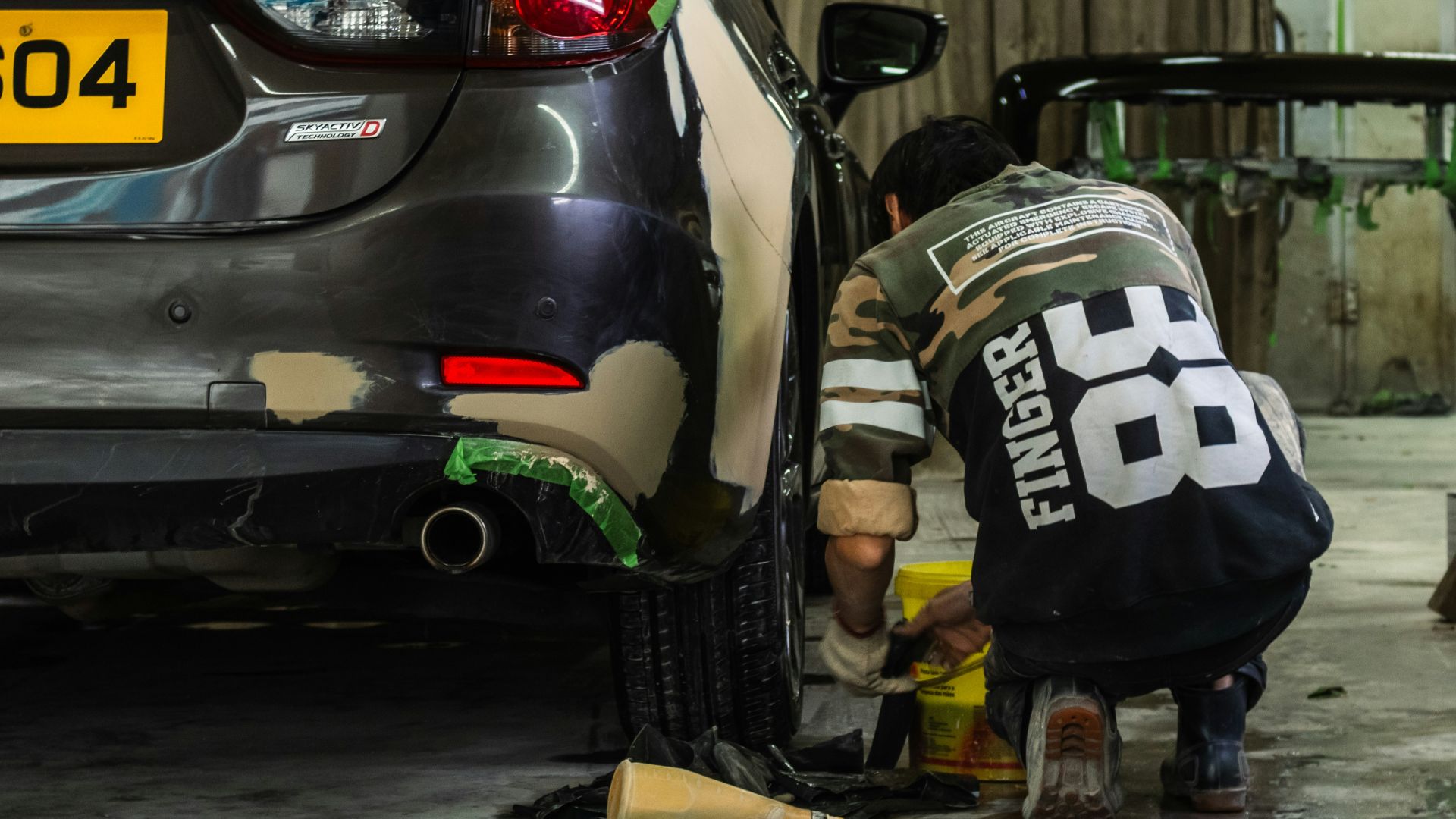
A side mirror was once basically glass, a housing, and perhaps an adjustment cable. Today's version might contain heating, power folding, turn signals, blind-spot warnings, memory functions, and a camera for a 360-degree view. Replacing a camera-equipped mirror can also mean recalibrating the around-view system.

Swapping The Battery
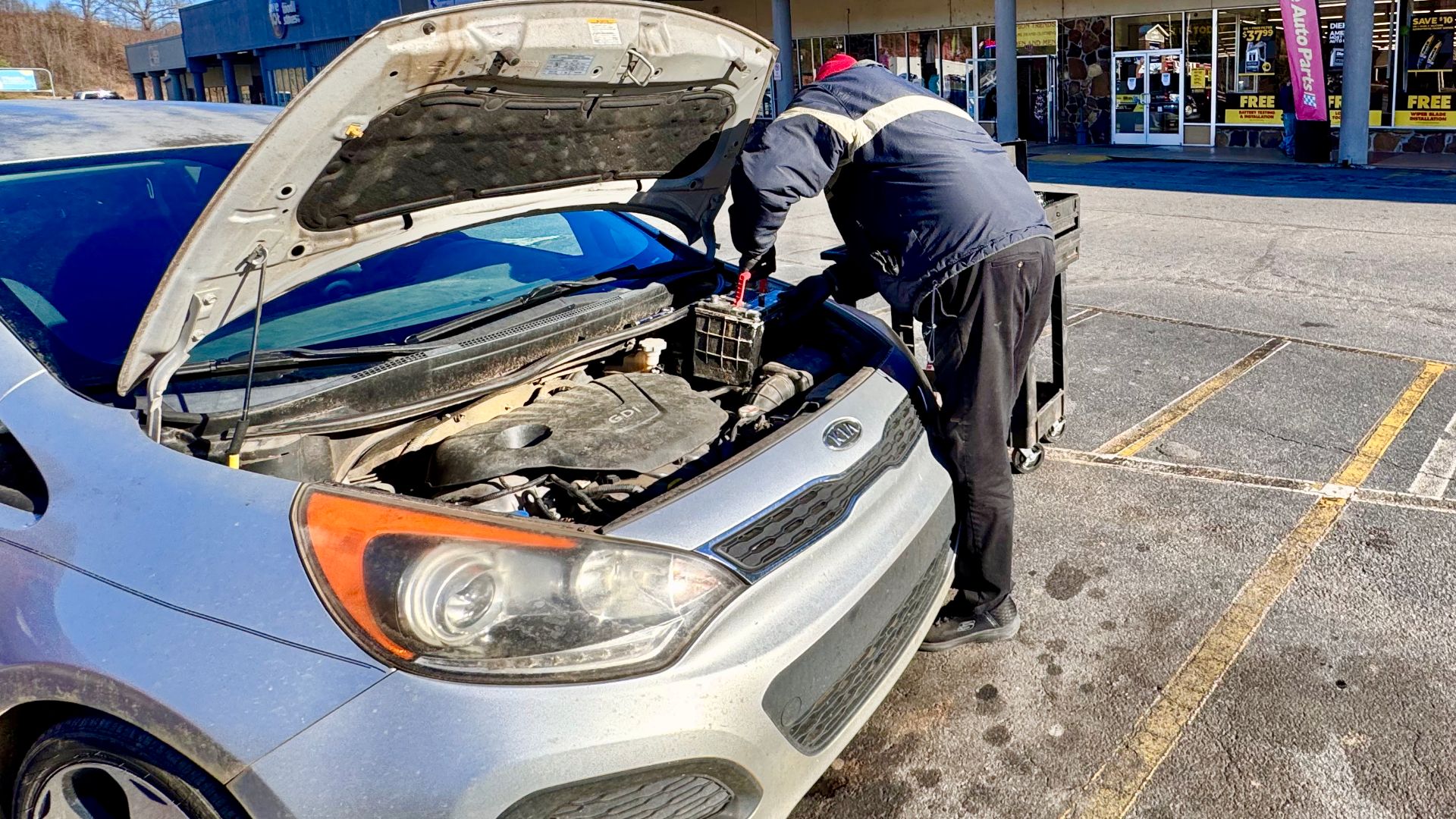
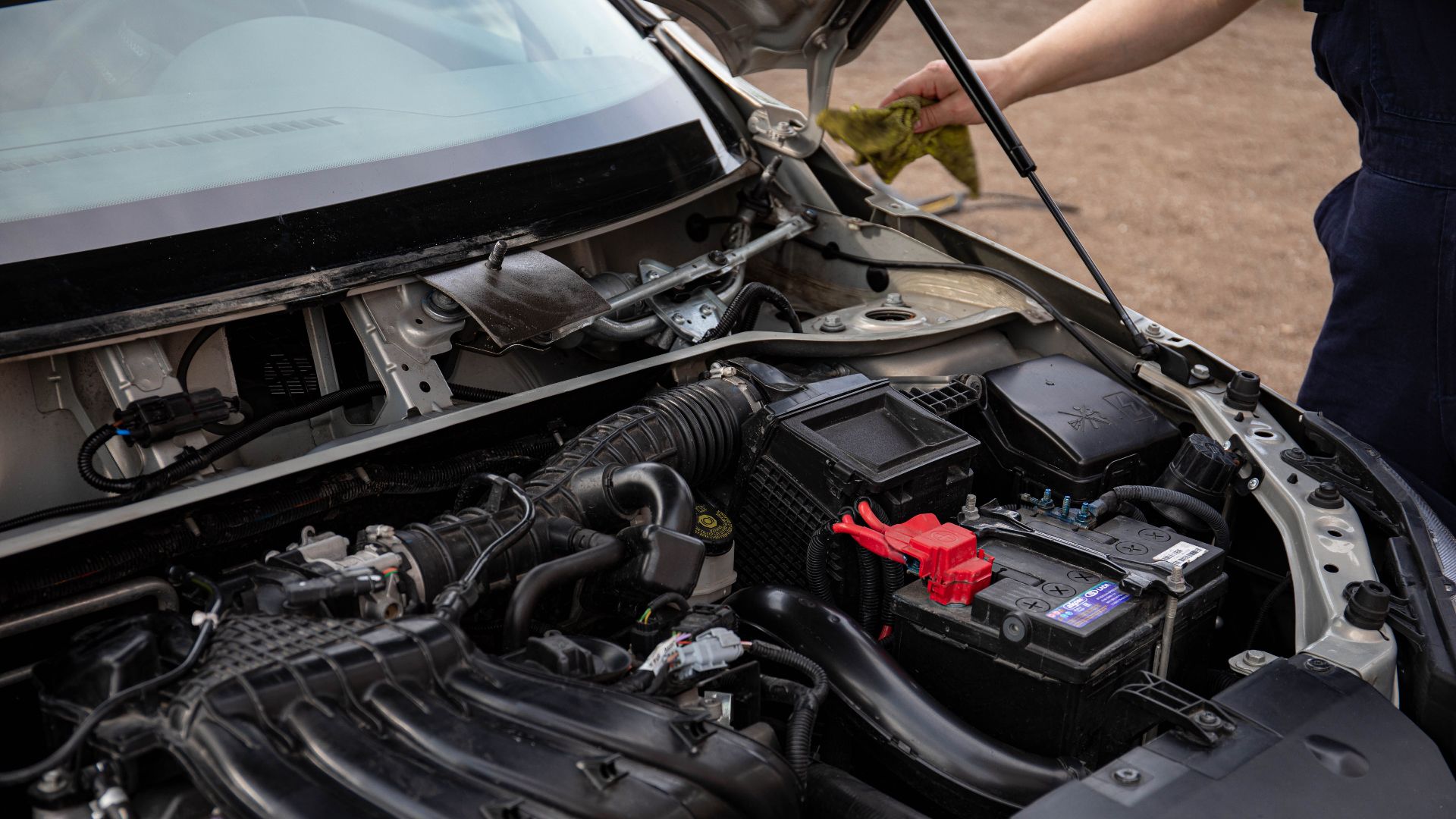
Changing a 12-volt battery still looks temptingly straightforward, but some newer vehicles use battery-management systems that monitor charging and battery condition. Depending on the vehicle, installing a replacement can involve registering or initializing the battery with the car's electronics rather than simply connecting two terminals and closing the hood.
 Harrison Keely, Wikimedia Commons
Doing A Brake Job
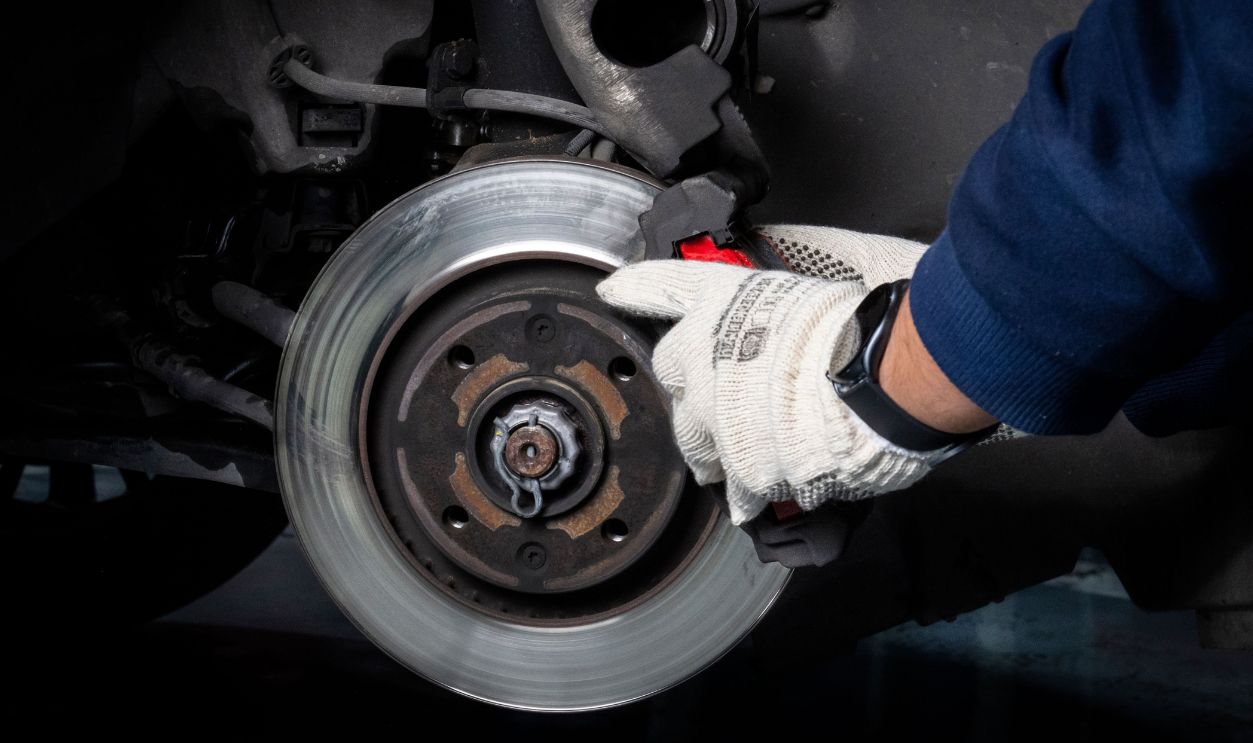
Replacing pads and rotors remains achievable on many vehicles, but electronic parking brakes add a complication. Rear calipers may need to be placed into a manufacturer-specified service mode before their pistons can be retracted. Trying the old-fashioned approach without knowing the system can damage expensive components.
Changing Spark Plugs
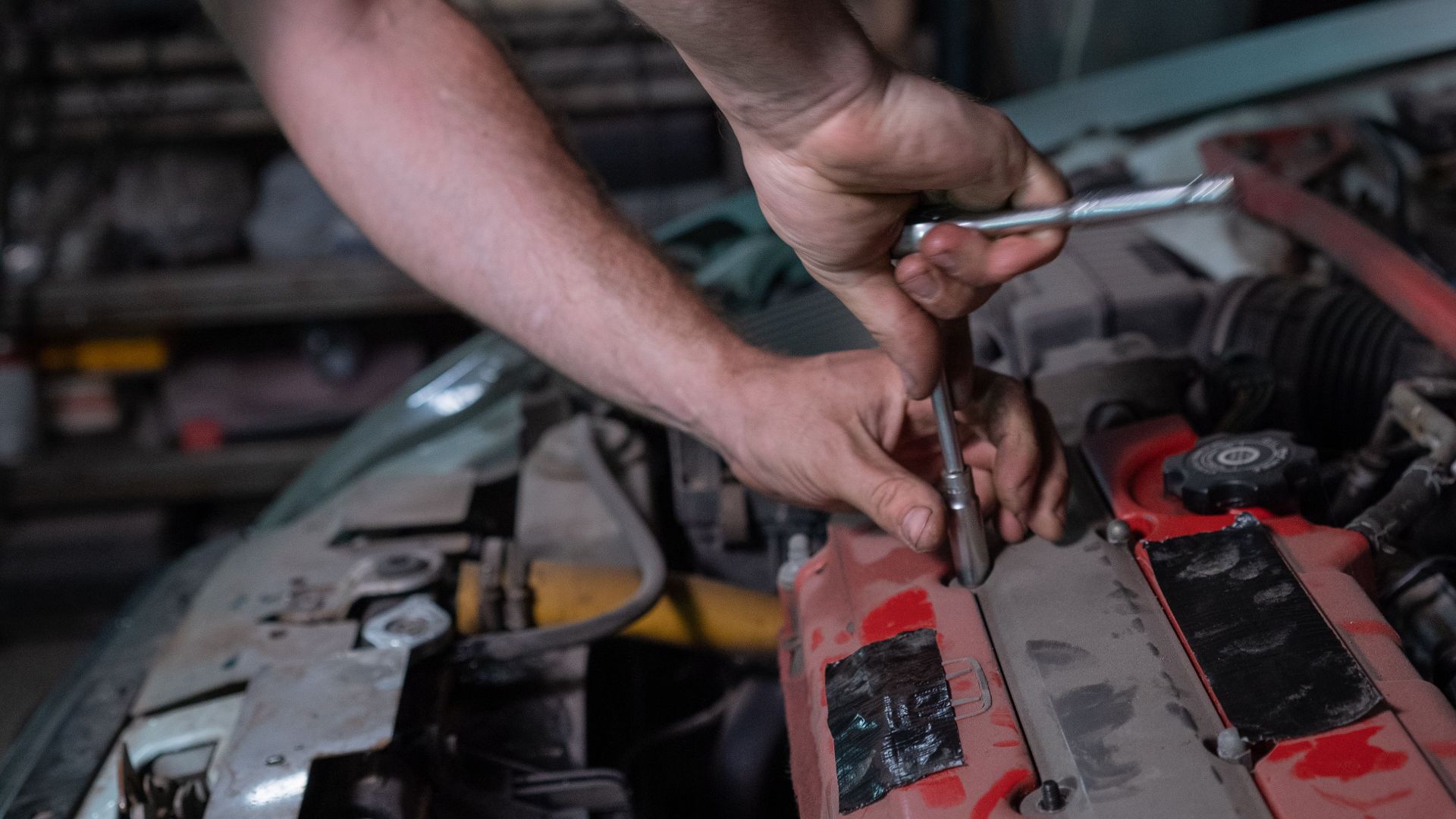
On an old inline engine, spark plugs could sit right in front of you. Modern transverse V6s and tightly packaged engine bays can make some plugs much harder to reach. Intake components, ignition coils, covers, hoses, or other hardware may have to come off before the plugs do.
Replacing The Alternator
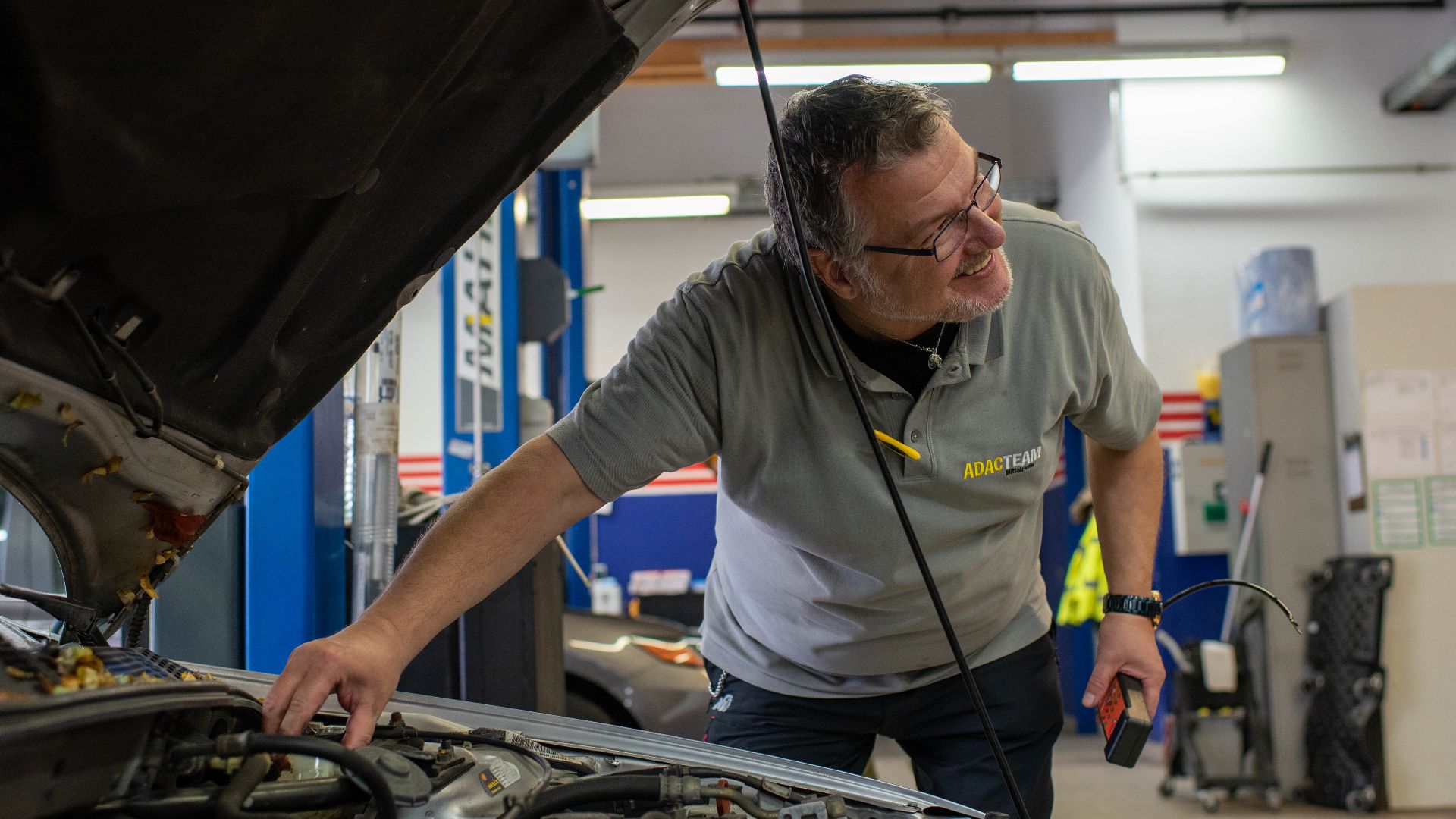
Alternators themselves aren't a new invention. Getting to one can be the problem. Modern engine compartments pack engines, emissions equipment, air conditioning, turbocharging hardware, electronics, and crash structures into limited space. A component that looks nearby may require considerable disassembly before a technician can actually remove it.
 U.S. Air Force photo by Airman 1st Class Imani West, Wikimedia Commons
Replacing The Starter
Starters once seemed designed for driveway mechanics willing to crawl underneath a car. Some modern vehicles hide them beneath intake manifolds or other components, dramatically increasing labor. Stop-start technology has also encouraged the use of starting and charging systems designed to endure far more frequent engine restarts.
Changing A Water Pump
Older water pumps were often externally mounted and relatively accessible. Modern designs can be electrically controlled, buried behind other components, or even driven internally by a timing chain or belt. That can turn a leaking pump from a straightforward accessory replacement into a substantial disassembly job.
Replacing A Thermostat
The humble thermostat has evolved too. Some engines use electronically controlled thermal-management systems rather than relying exclusively on a simple wax-pellet thermostat. Complicated housings, sensors, actuators, and cramped installation locations can mean replacing an assembly where an older car might have needed one inexpensive mechanical component.

Changing Coolant
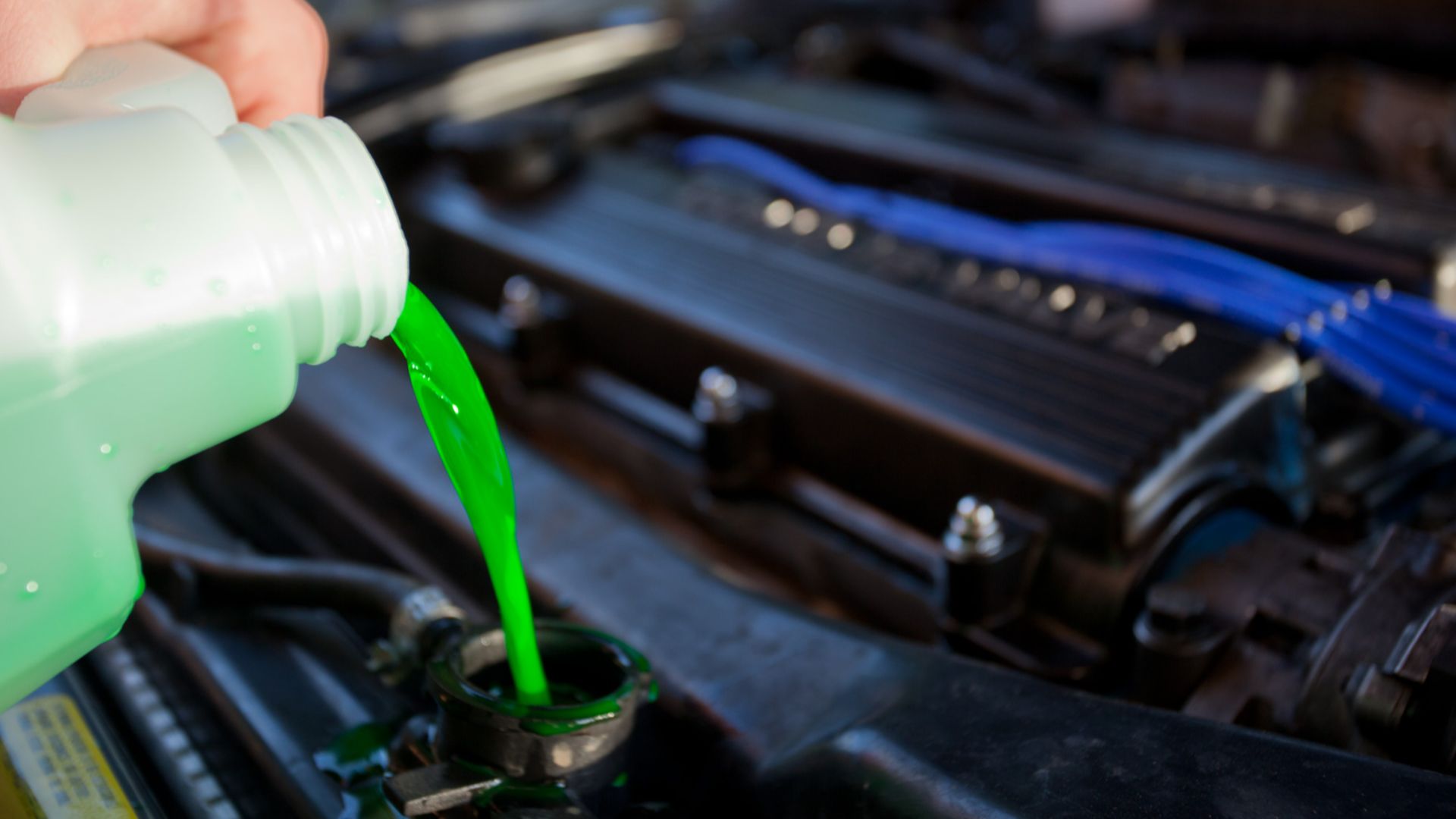
Draining old coolant and pouring in fresh fluid sounds elementary. Modern cooling systems can have multiple circuits serving engines, turbochargers, batteries, electronics, or cabin heating. Some vehicles require specific bleeding or vacuum-filling procedures because trapped air can compromise cooling performance and cause serious problems.
Changing Transmission Fluid
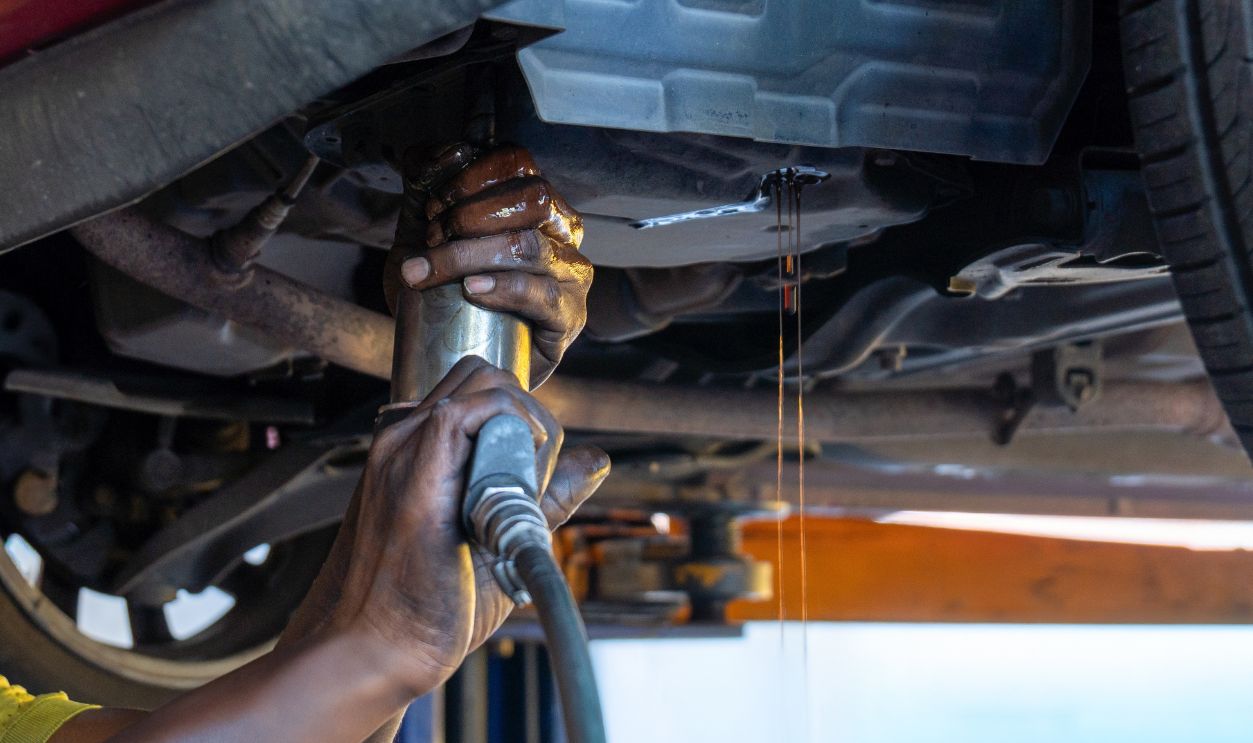
The dipstick has been disappearing from automatic transmissions. Many modern units are described as sealed or use manufacturer-specific procedures for checking fluid level at a prescribed temperature. That doesn't necessarily mean fluid can never require service, but the old drain, refill, check-the-dipstick routine no longer applies universally.
Doing An Oil Change
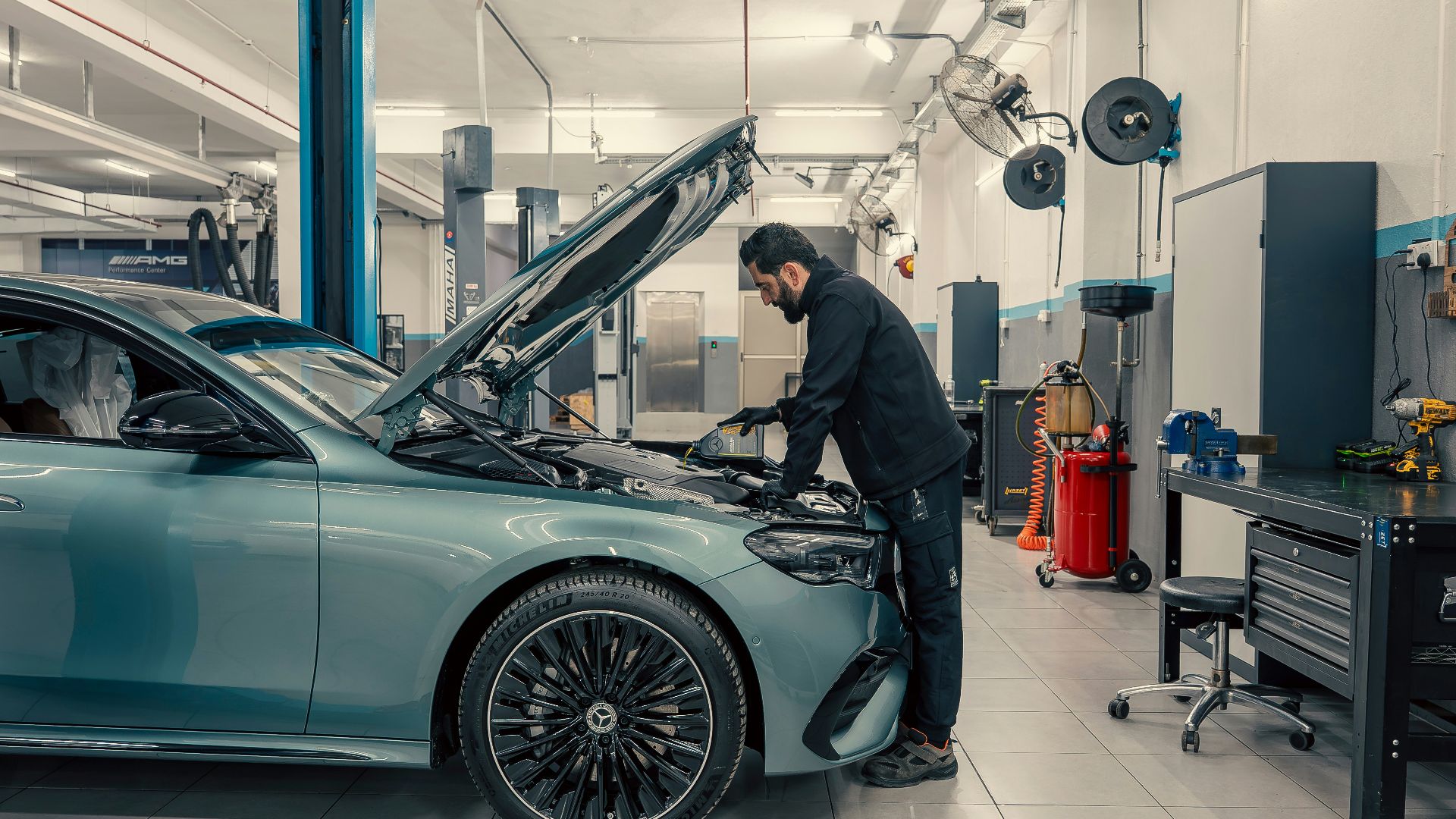
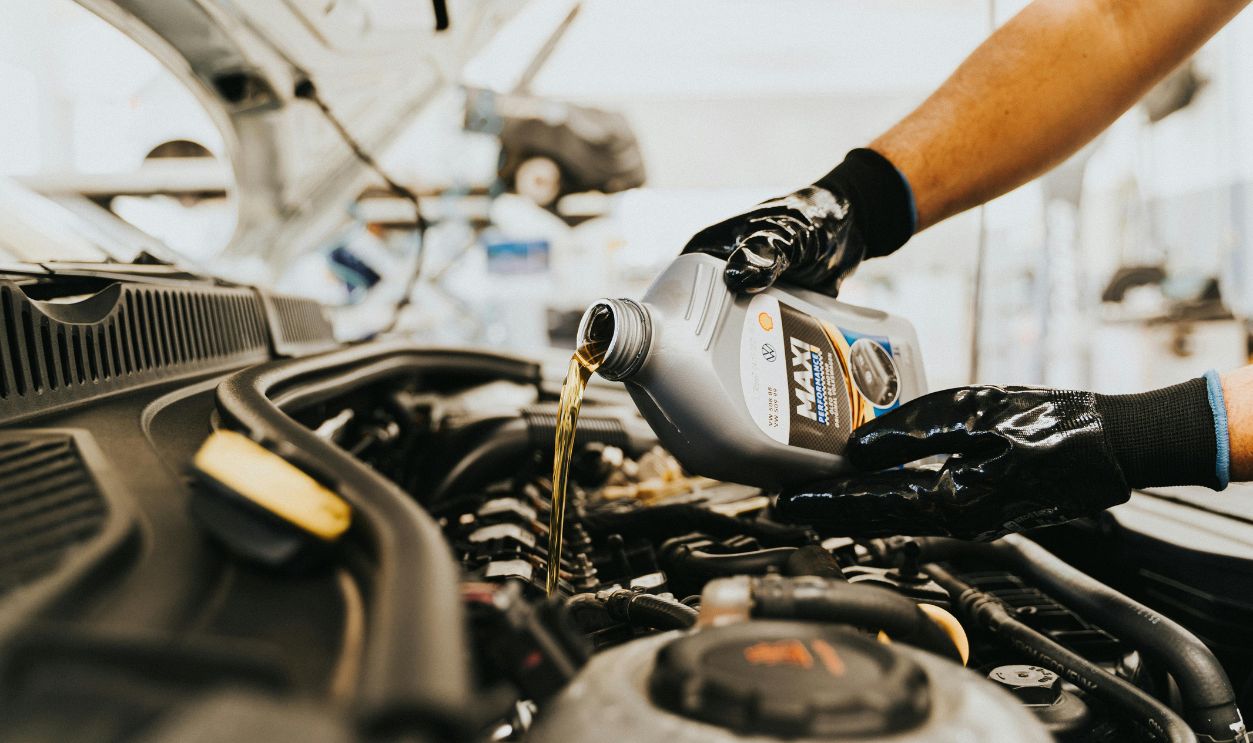
Oil changes remain one of the more approachable DIY jobs, but even they can involve underbody panels, cartridge filters, unusual drain plugs, strict oil specifications, and electronic service reminders. Some cars also make accessing the filter considerably less convenient than simply reaching underneath and unscrewing a metal canister.
Replacing A Wheel Bearing
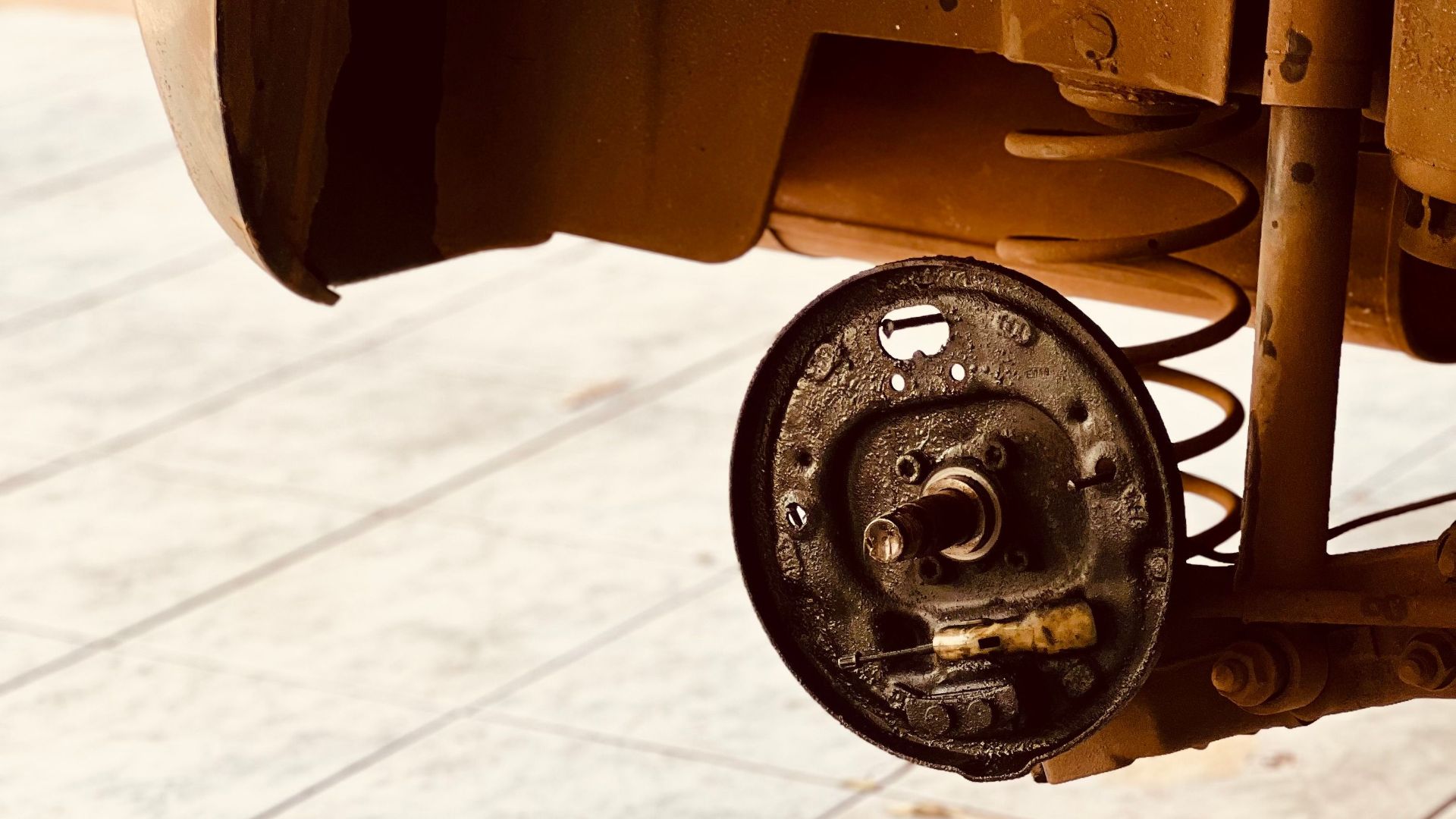
Older wheel bearings could often be cleaned, repacked with grease, adjusted, and reused. Many modern cars instead use sealed hub assemblies. Replacement may involve removing a complete hub containing an ABS wheel-speed sensor or encoder, making what was once mechanical maintenance part of the vehicle's electronic safety system.
Getting An Alignment
Wheel alignment was once largely about setting suspension geometry and making sure the steering wheel pointed straight. On ADAS-equipped vehicles, changing alignment can affect the relationship between the car and precisely aimed cameras or sensors. Manufacturer procedures may consequently require steering-angle resets or ADAS calibration afterward.
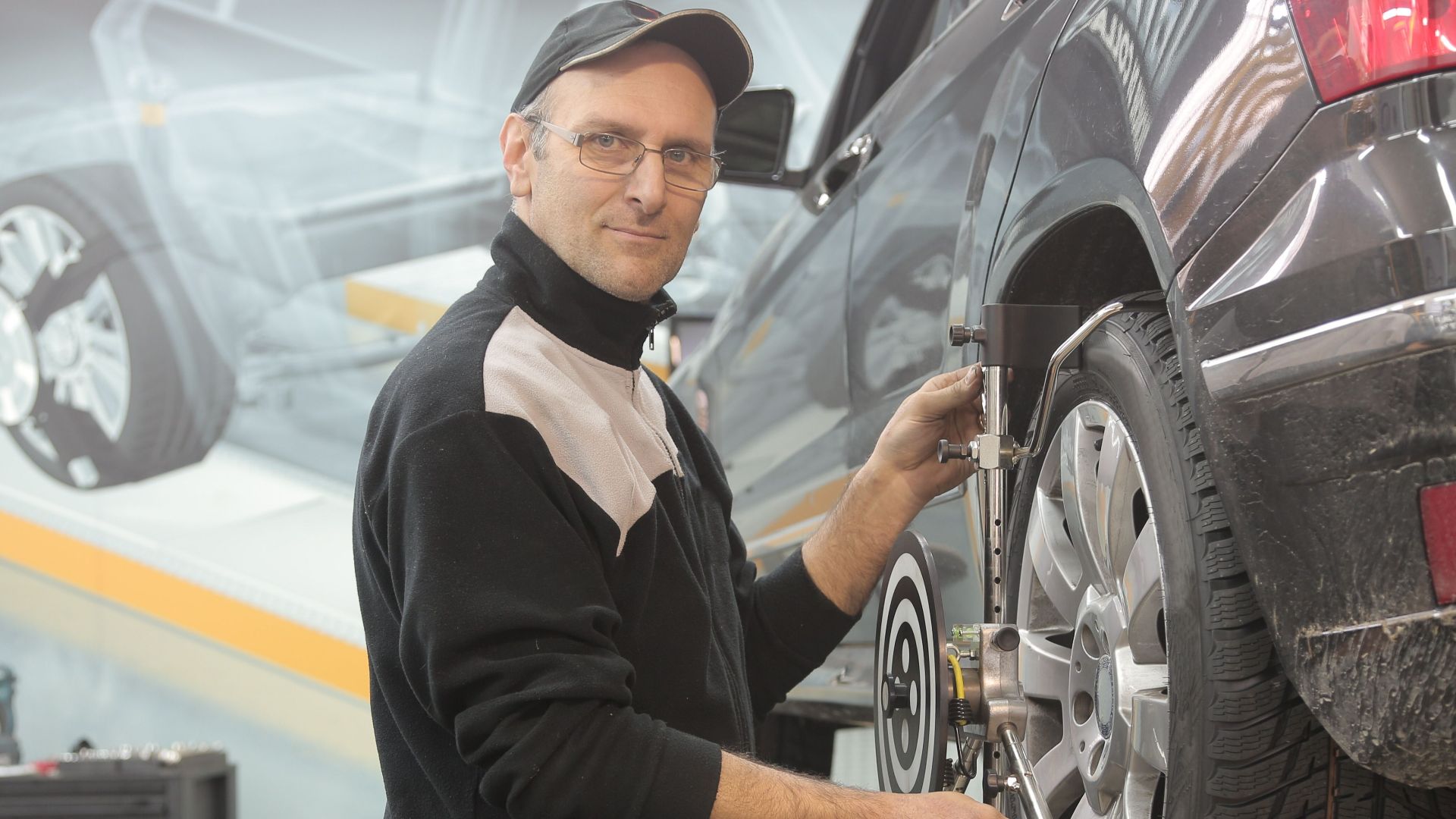
Repairing The Suspension
A shock absorber used to be a shock absorber. Modern vehicles can have electronically adjustable dampers, air springs, ride-height sensors, and adaptive suspension computers. Replacing components may therefore involve electronics, system depressurization, diagnostic procedures, or calibration in addition to the familiar nuts, bolts, and spring compressors.
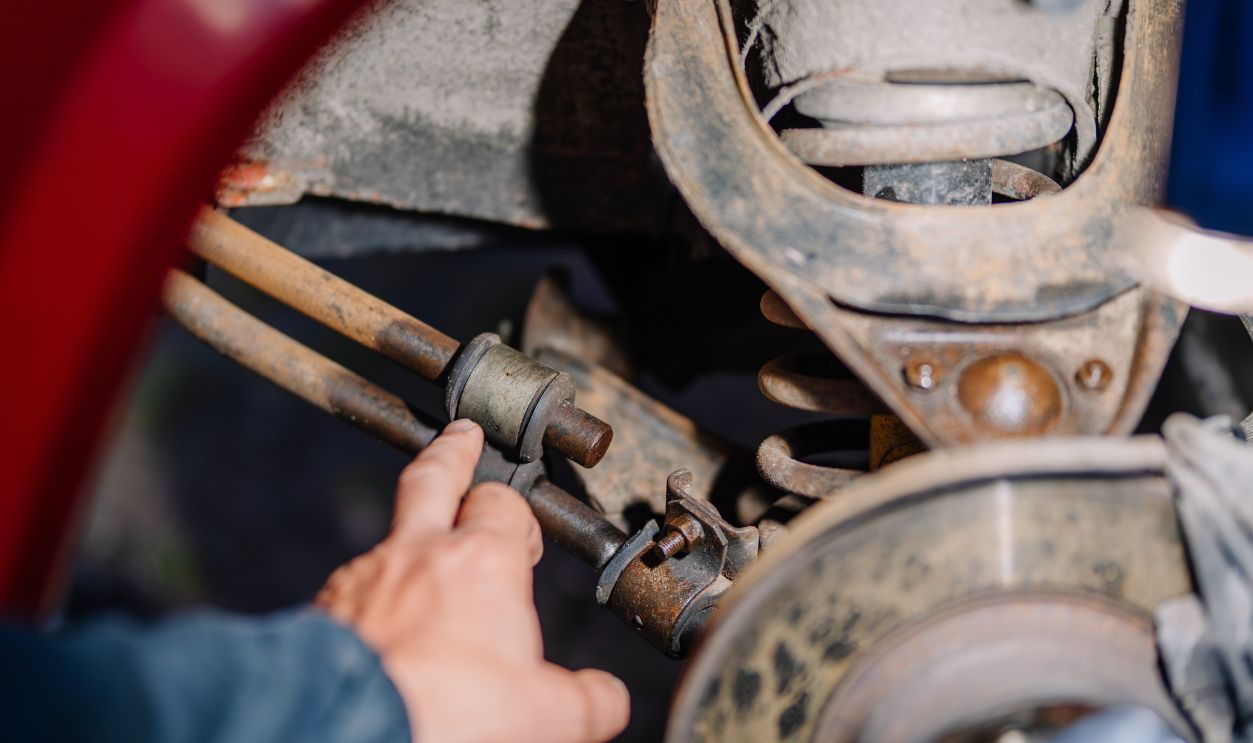
Replacing A Taillight
A burned-out taillight once meant buying a bulb for a few dollars. LED lighting has increasingly replaced individual bulbs with integrated assemblies. When LEDs or associated electronics fail on designs that aren't separately serviceable, owners can discover that they're buying a complete lamp assembly instead of one tiny bulb.

Repairing The Grille
A cracked grille sounds cosmetic until you discover what's hiding behind it. Adaptive cruise control and automatic emergency braking commonly use forward-facing radar sensors mounted behind bumper or grille areas. Disturbing the sensor or its bracket can turn replacement trim into a precision calibration job.

Replacing A Camera
A broken backup camera might seem interchangeable with replacing any small electronic camera. But vehicles with multiple cameras can combine their images to create a 360-degree overhead view. Replacing or disturbing one camera can require calibration so that all those individual images line up correctly again.
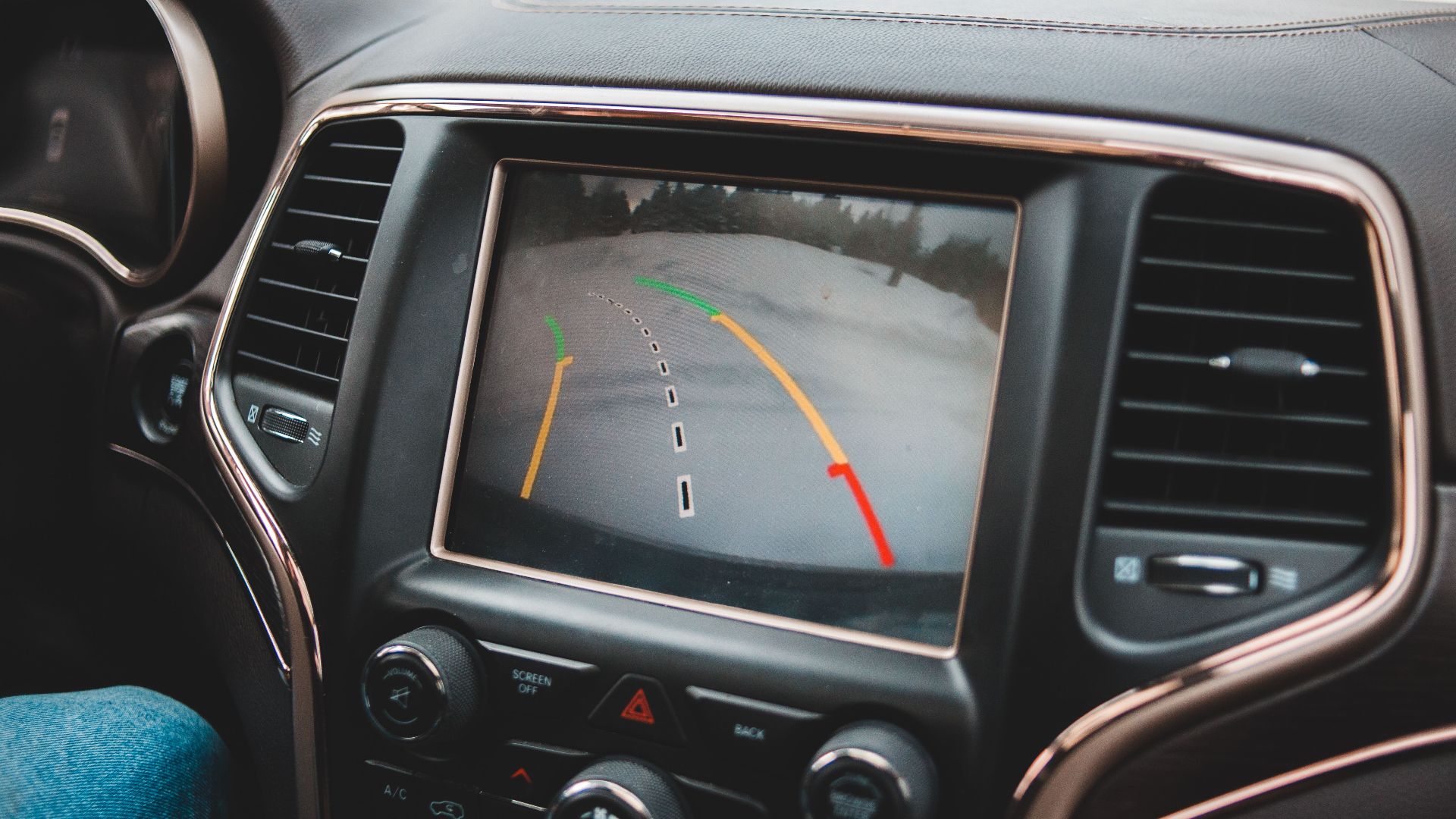
Servicing Air Conditioning
Automotive air conditioning has always required specialized equipment, but newer refrigerants and increasingly complex climate systems have raised the stakes. Hybrids and EVs can introduce electrically driven compressors and vehicle-specific oils or procedures, making A/C service an especially poor place for inexperienced owners to improvise.
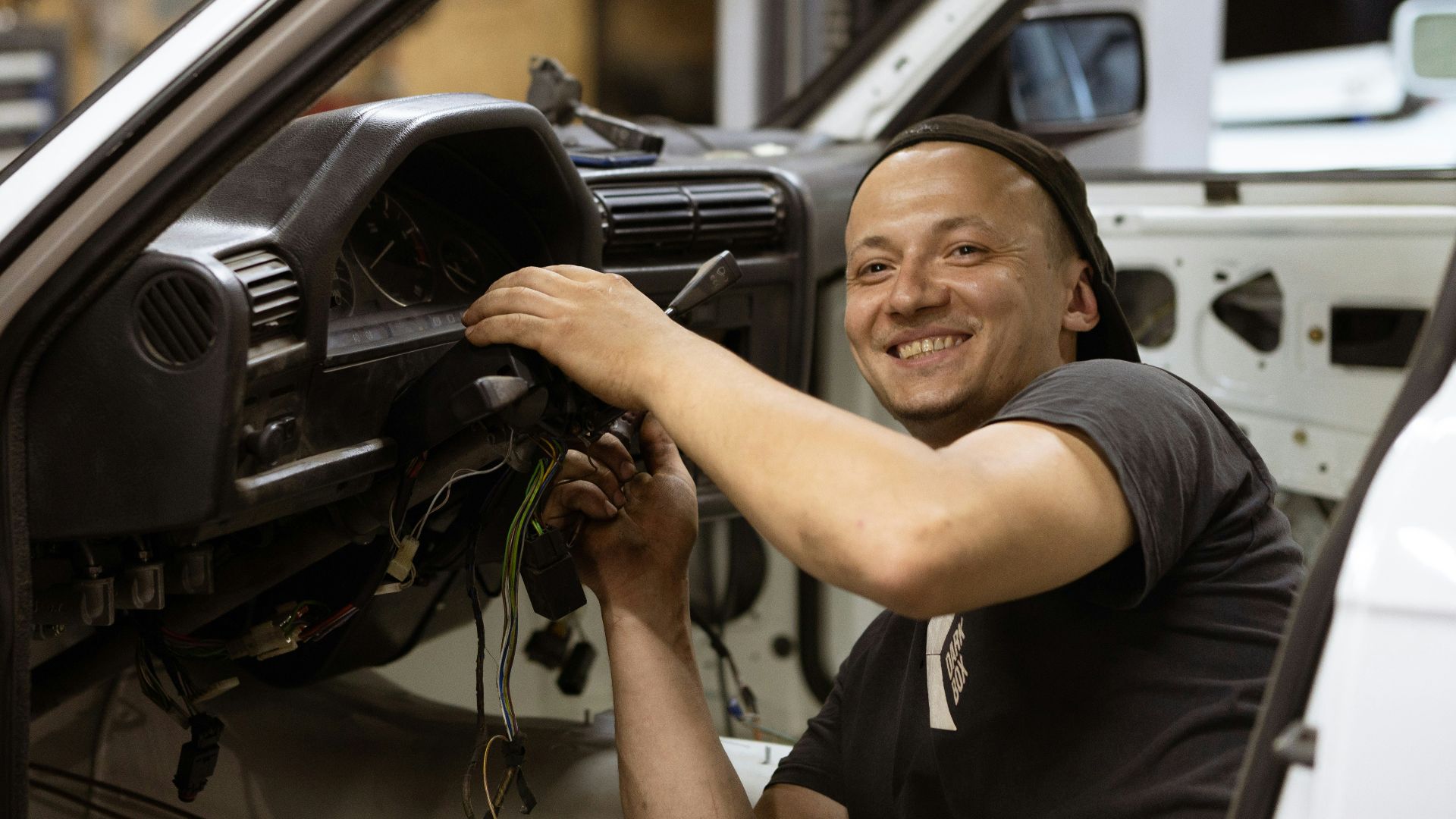
Replacing A Fuel Pump
Mechanical fuel pumps on older engines could be remarkably accessible. Modern electric pumps commonly live inside the fuel tank, often combined with the sending unit and related hardware. Depending on vehicle design, accessing one may require removing an interior access panel or lowering the entire fuel tank.
Diagnosing A Warning Light
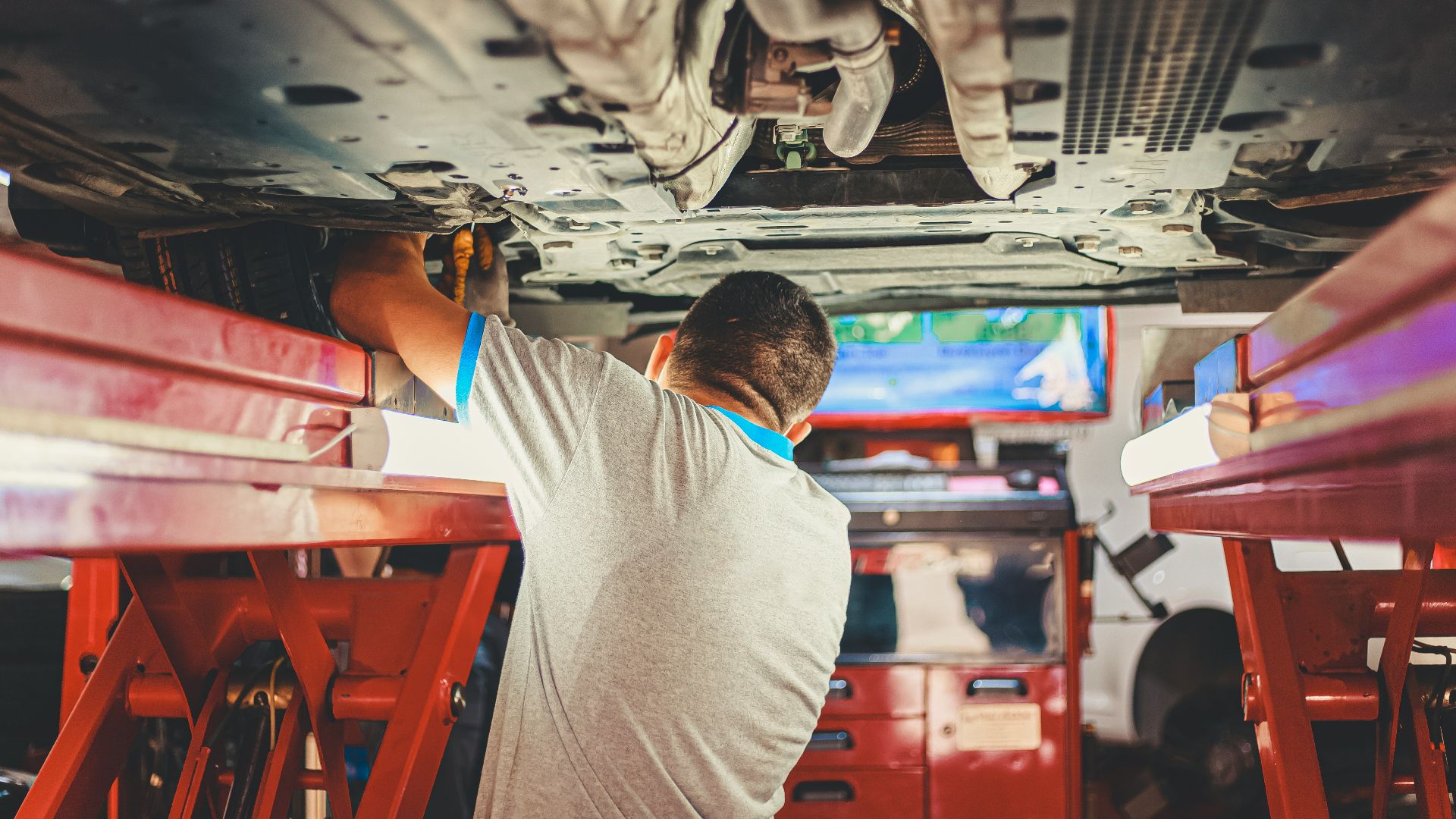
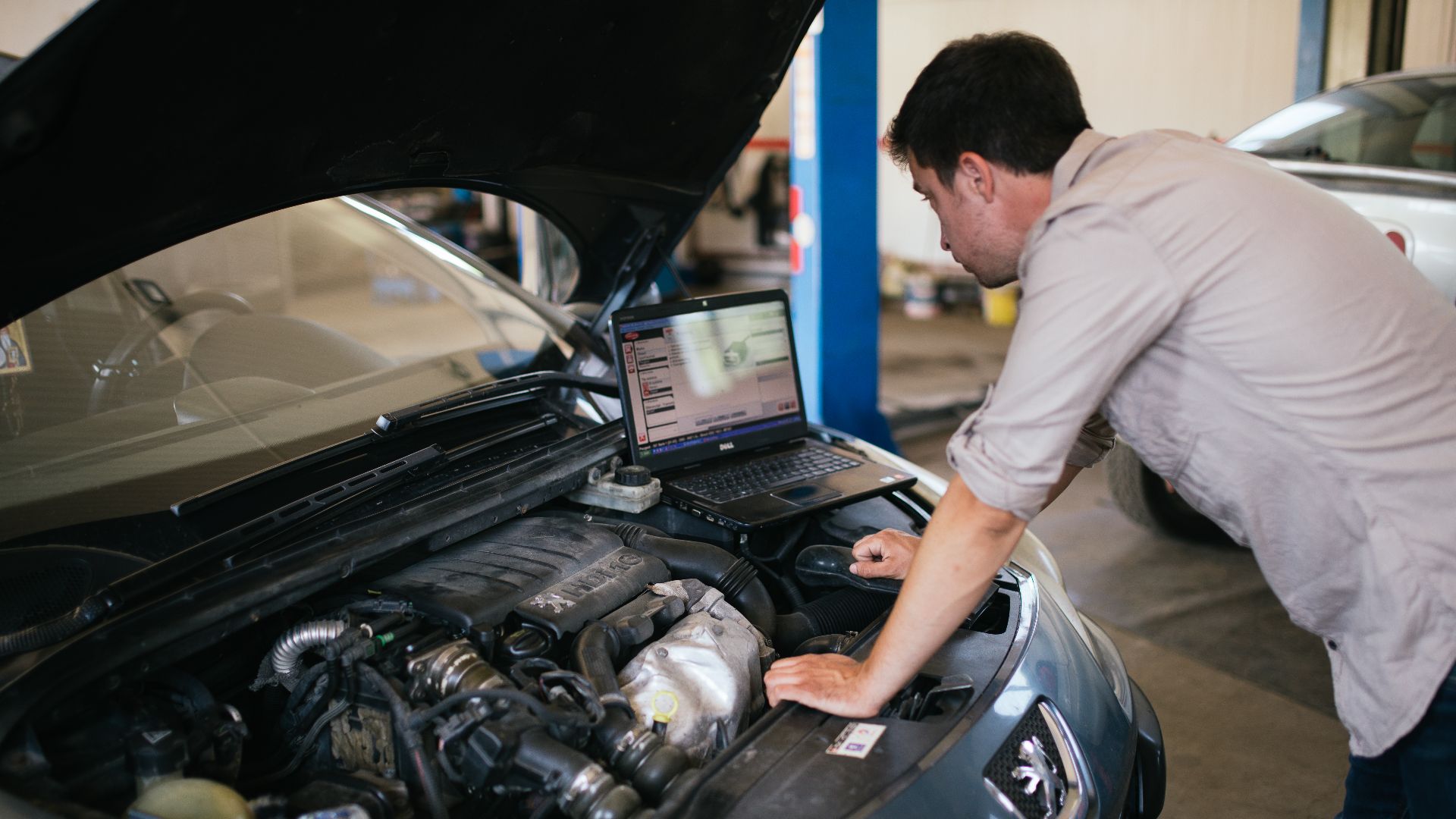
A dashboard warning once sent a mechanic looking for an obvious mechanical problem. Modern vehicles contain interconnected electronic modules controlling powertrains, safety systems, lighting, climate control, and more. Proper diagnosis increasingly starts with a capable scan tool, and a software issue can sometimes mimic a hardware failure.

Calibration Changed Repairs
One major reason simple jobs became complicated is calibration. ADAS cameras and radar units must know precisely where they're aimed. AAA notes that windshield replacement, suspension work, wheel alignment, sensor removal, tire-size changes, and even certain collision repairs can trigger calibration requirements.
 Shixart1985, Wikimedia Commons
Your Scan Tool Matters
A basic code reader remains useful, but serious DIY work increasingly benefits from a bidirectional scan tool capable of communicating with multiple vehicle modules and performing service functions. Before buying one, verify exactly what it supports on your specific year, make, model, and system rather than assuming every scanner does everything.

Know When To Stop
DIY repair isn't dead. Oil, filters, brakes, batteries, plugs, and many mechanical jobs can still be manageable on the right vehicle. The trick is checking factory procedures first. If a repair involves airbags, high-voltage EV components, ADAS calibration, or unfamiliar electronic systems, professional equipment may be worth paying for.

You May Also Like: