The Manual Says One Thing, The Mechanic Says Another
You took your car in for a simple service, maybe an oil change, maybe a tire rotation, and suddenly your mechanic is recommending a small buffet of extra maintenance. The weird part? Some of it is not in your owner’s manual. So now you’re wondering who gets the final vote: the book in your glovebox or the person holding the wrench?
The Owner’s Manual Is Your Starting Line
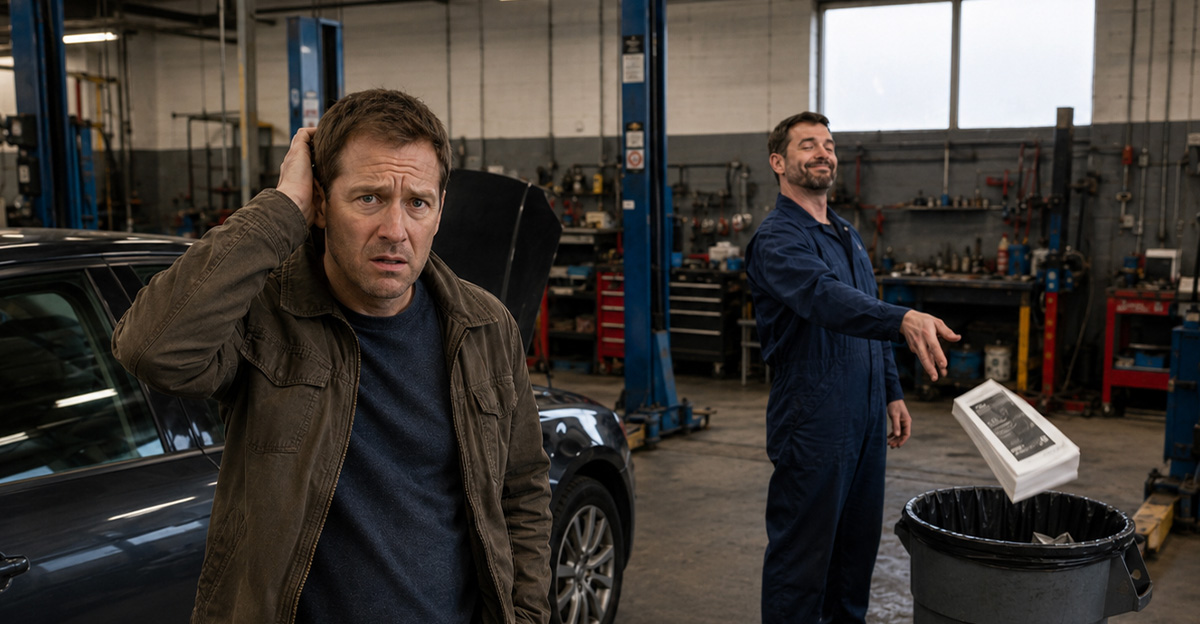
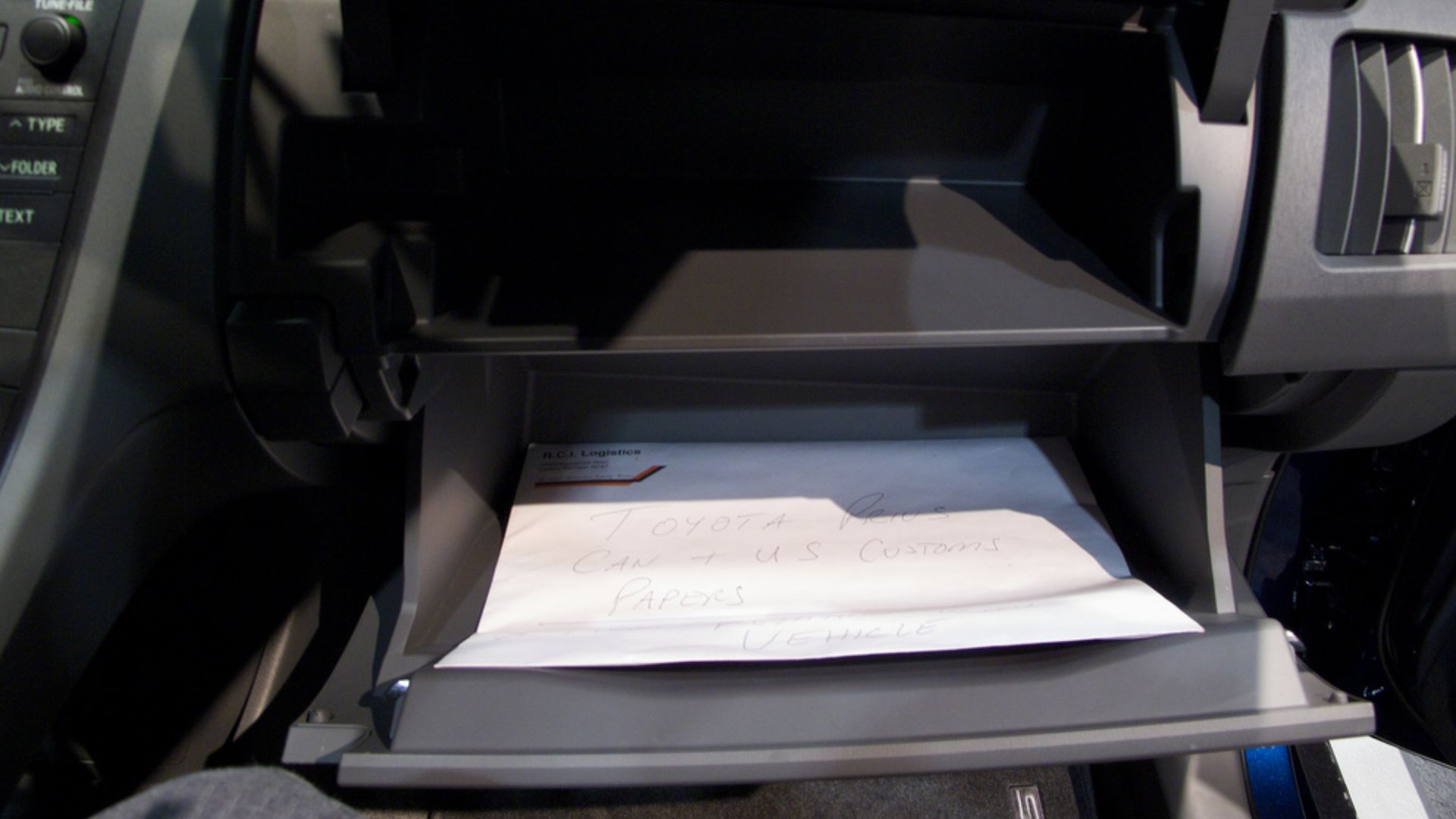
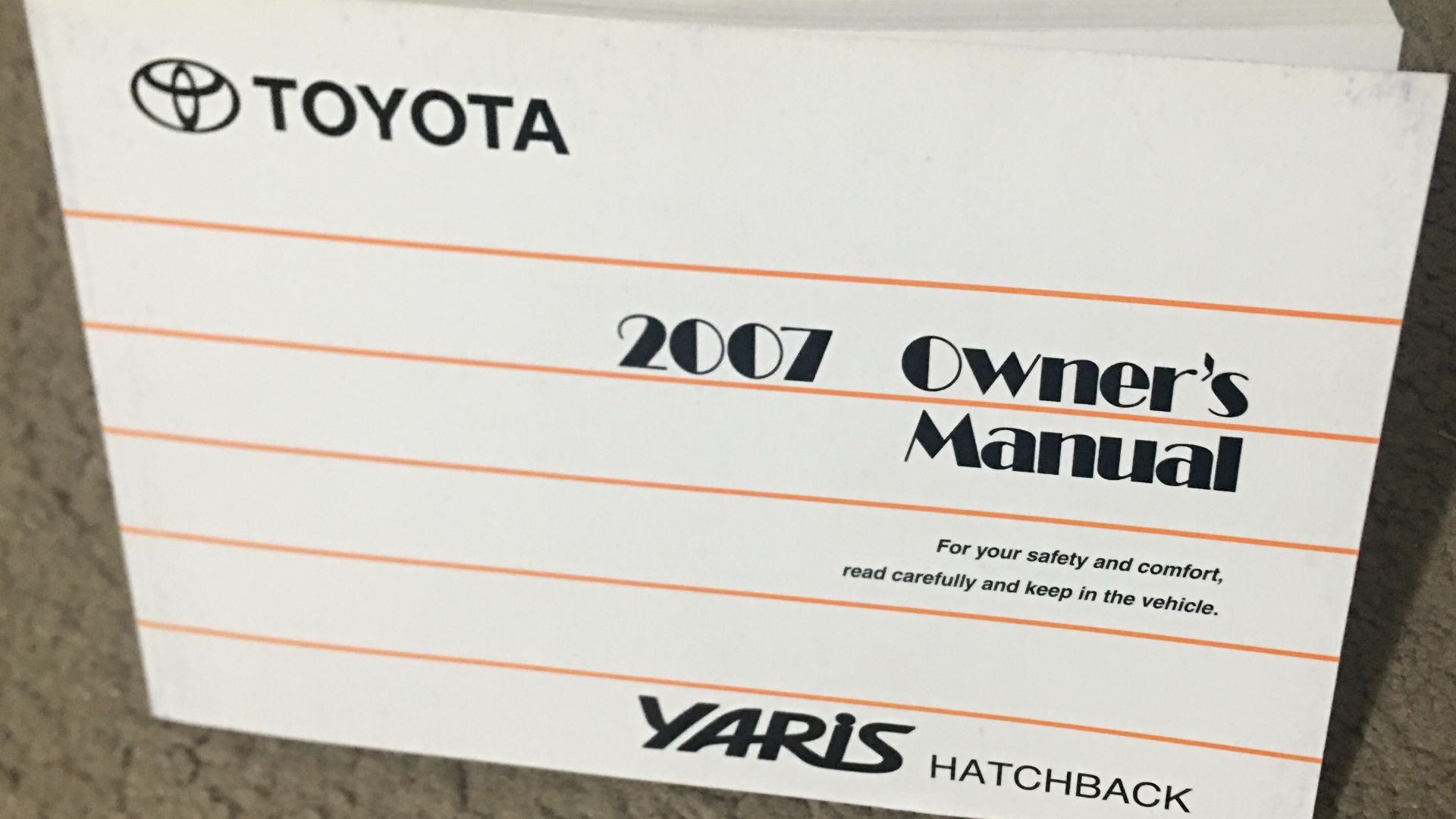
Your owner’s manual is not just filler for the glovebox. It is the manufacturer’s official guide to keeping your vehicle alive, happy, and covered under warranty. It tells you when to change fluids, inspect parts, replace filters, and handle routine service. As a rule, it is the best place to start.
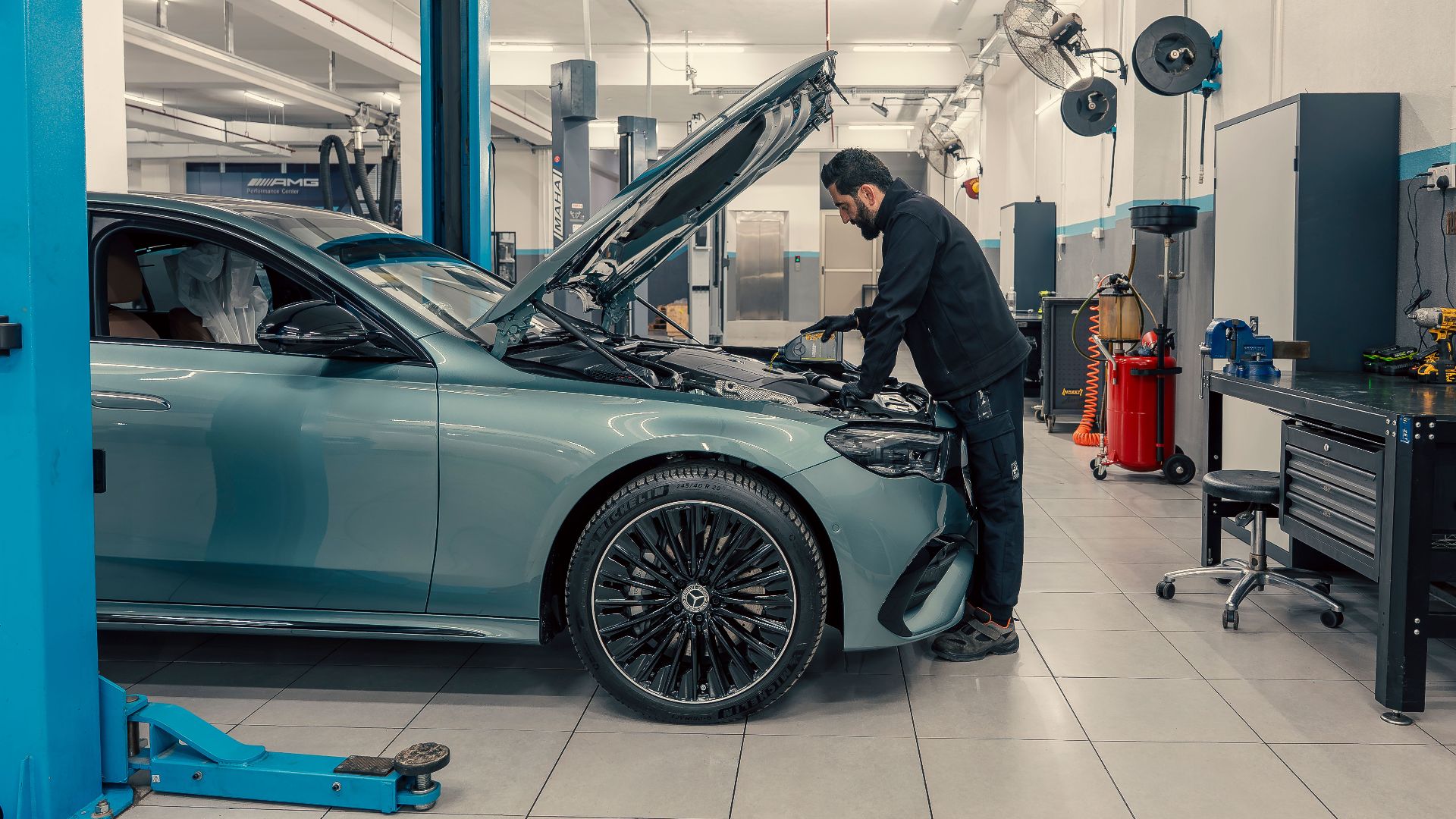
 King Huang from Calgary, Canada, Wikimedia Commons
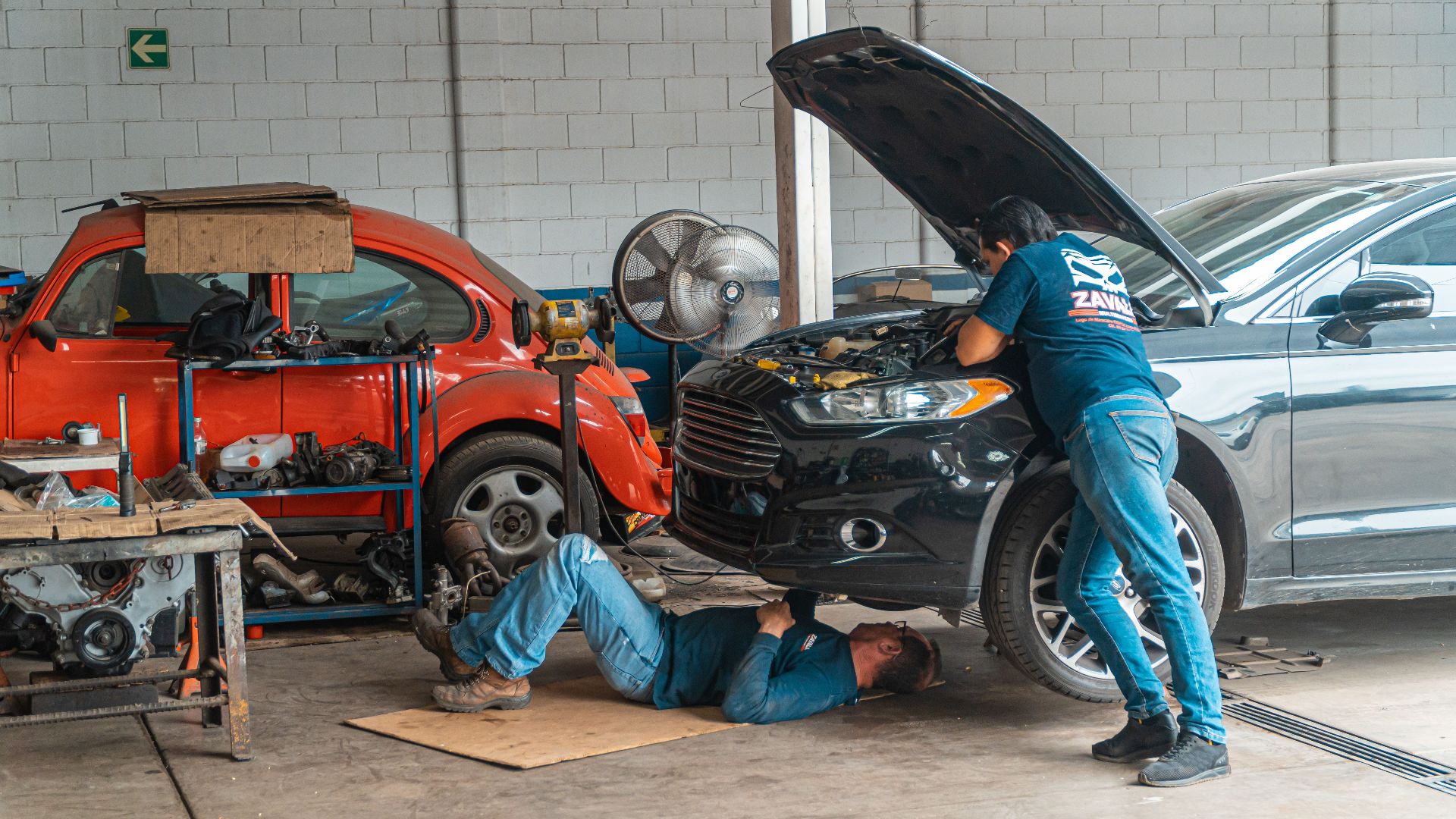
Mechanics See Real-World Problems
That said, mechanics do not work in a perfect laboratory. They see cars that idle in traffic, tow trailers, survive potholes, deal with salty roads, and live through bad weather. Your manual gives a schedule, but your mechanic sees the actual condition of your car. Sometimes, that matters.
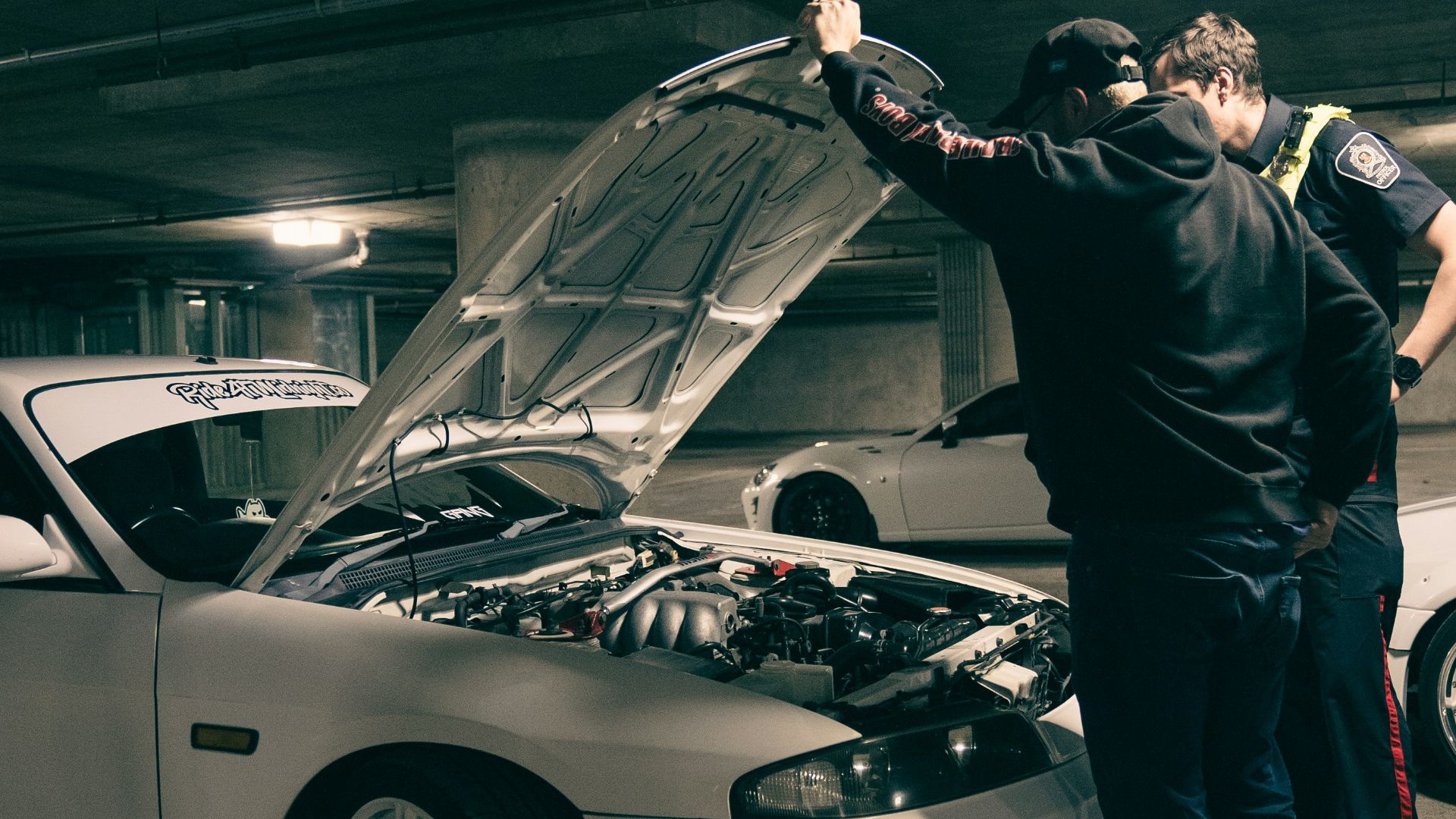
 Jose Ricardo Barraza Morachis, Pexels
Maintenance Schedules Are Not Always Universal
Many owner’s manuals include more than one maintenance schedule. There may be a normal schedule and a severe-duty schedule. Severe duty can include short trips, dusty roads, extreme heat, freezing winters, heavy traffic, or towing. In other words, “normal” driving is often less normal than people think.
 Mrbeastmodeallday, Wikimedia Commons
The Mechanic Might Be Right
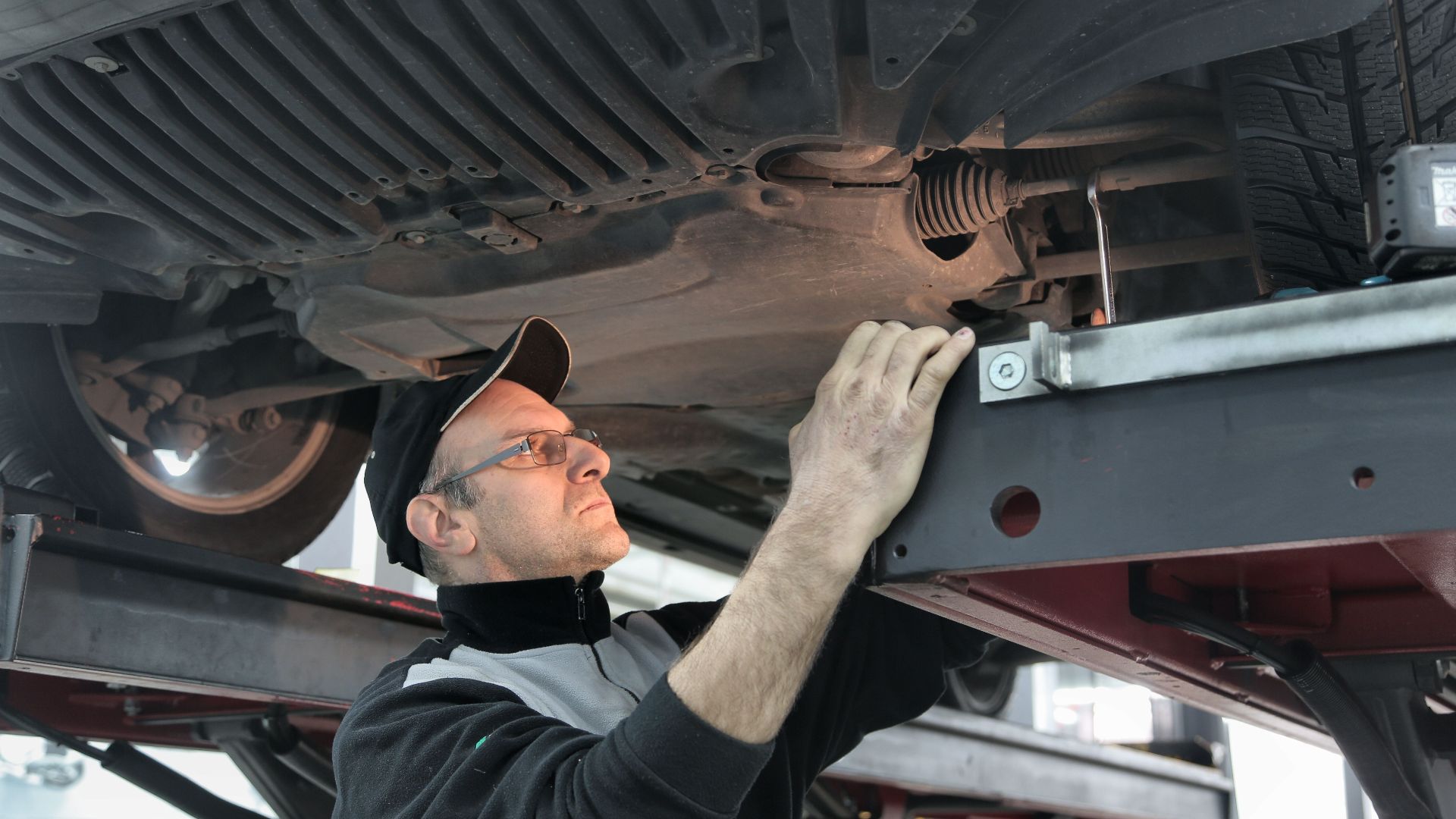
A recommendation outside the manual is not automatically a scam. Your mechanic may notice cracked belts, dirty brake fluid, worn suspension parts, leaking gaskets, or a battery that is barely hanging on. These are not always tied neatly to mileage. Cars age in real life, not just on paper.
The Mechanic Might Also Be Upselling
Now for the less fun part. Some shops do push extra services because they make money from them. Fuel system cleanings, flushes, additives, and mystery treatments can appear on an estimate even when your car does not truly need them. That does not make every mechanic shady, but it does mean you should ask questions.
Ask For The Reason
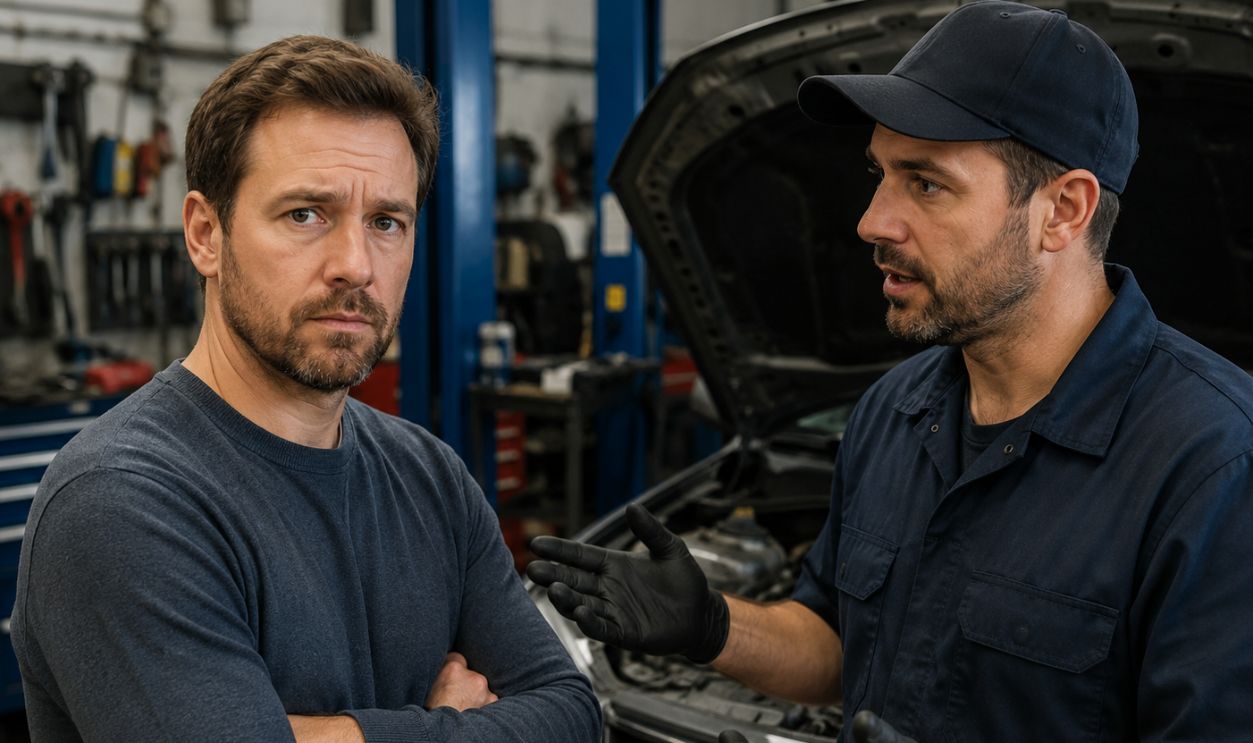
The best question is simple: “Why does this need to be done now?” A good mechanic should be able to explain the reason in plain language. “It is due by mileage” is one answer. “The fluid is contaminated” is another. “We recommend it to everyone” is not quite as convincing.

Ask To See The Evidence
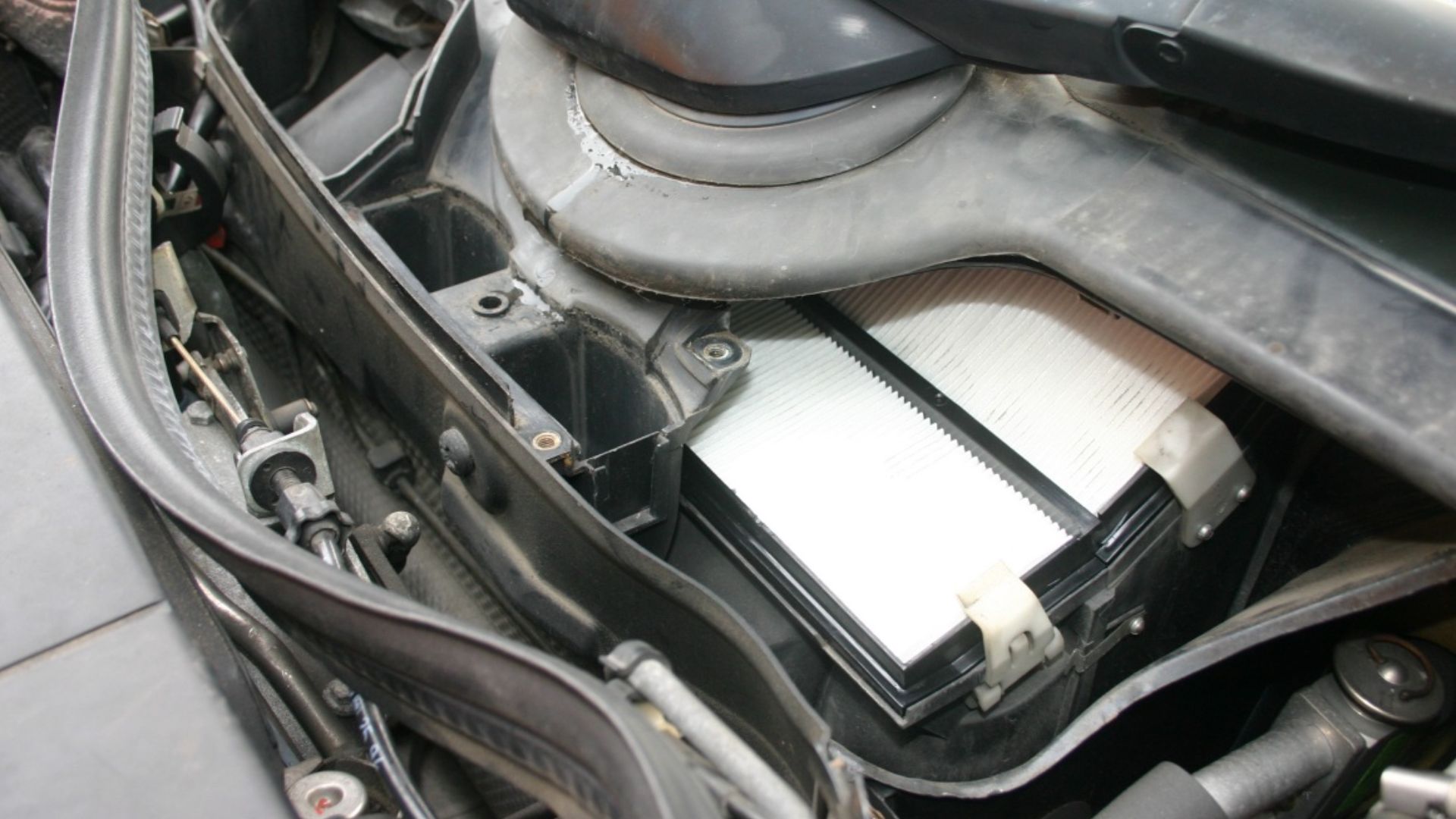
You are not being difficult by asking for proof. If the mechanic says your air filter is dirty, ask to see it. If your brake fluid is dark, ask them to show you. If a belt is cracked, they can usually point it out. Good shops are used to this and should not act offended.
 Sergei Gontsarov, Shutterstock
Separate Safety From Nice-To-Have
Not all maintenance has the same urgency. Worn brakes, bad tires, leaking brake lines, steering problems, or overheating issues can affect safety right away. A cabin air filter, cosmetic leak, or optional cleaning service may be less urgent. When money is tight, safety items should move to the front of the line.
Warranty Changes The Conversation
If your car is still under warranty, be especially careful. Following the manufacturer’s maintenance schedule is important, and you should keep receipts. A mechanic can recommend extra work, but the manufacturer’s required maintenance is what usually matters most for warranty records. Do not skip required services because a shop focused on something else.

Fluids Are A Common Battleground
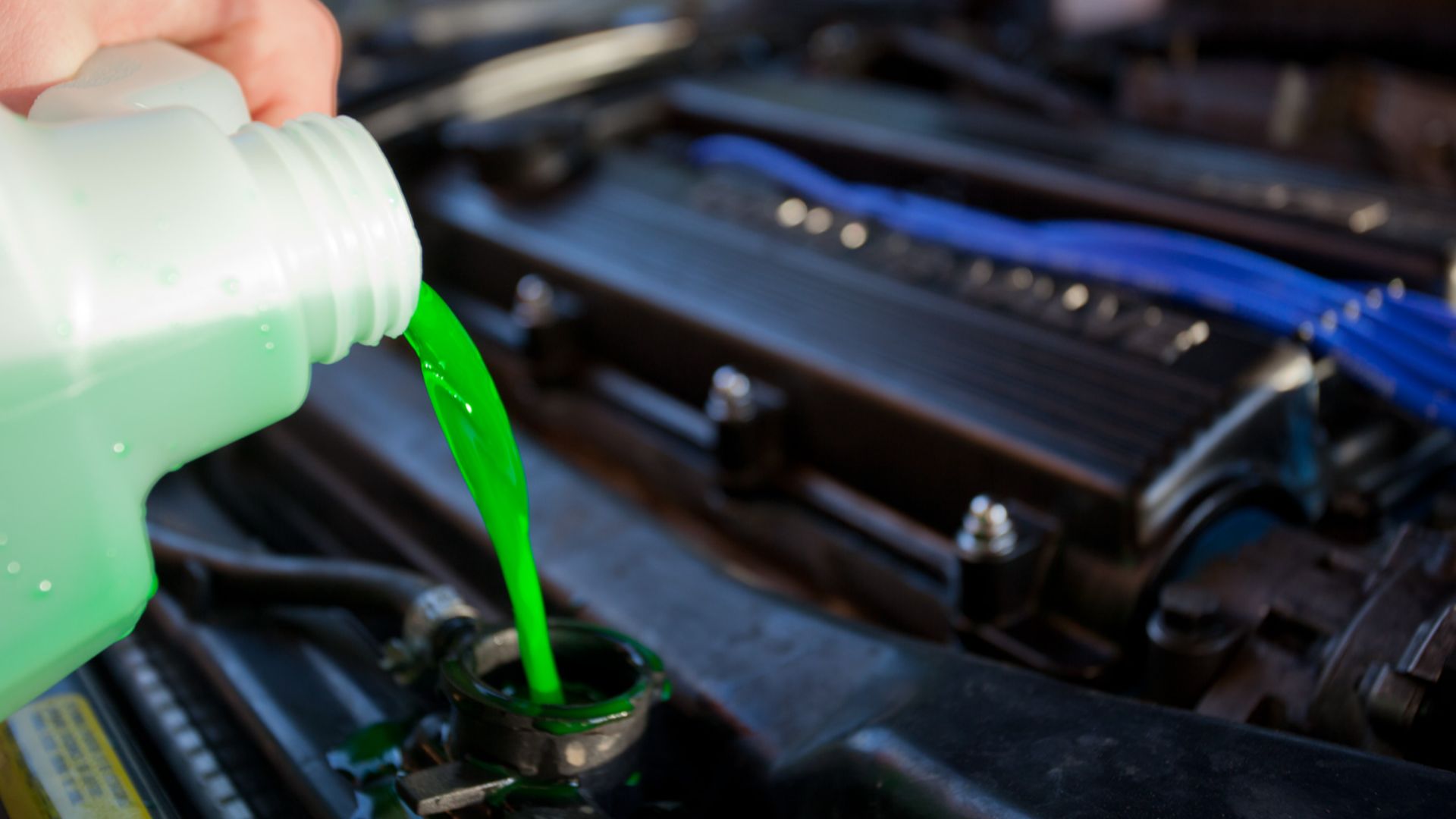
Transmission fluid, coolant, brake fluid, differential fluid, and power steering fluid often cause disagreement. Some manuals say fluids last a very long time. Some mechanics prefer changing them earlier. The truth depends on the vehicle, driving conditions, fluid condition, and how long you plan to keep the car.
Lifetime Fluid Is A Funny Phrase
When a carmaker says “lifetime fluid,” ask yourself whose lifetime they mean. The warranty period? The first owner’s lease? The car’s full life to 200,000 miles? Mechanics often recommend earlier fluid changes because they see what happens when old fluid stays in too long. Still, the service should make sense.
Watch Out For Vague Services
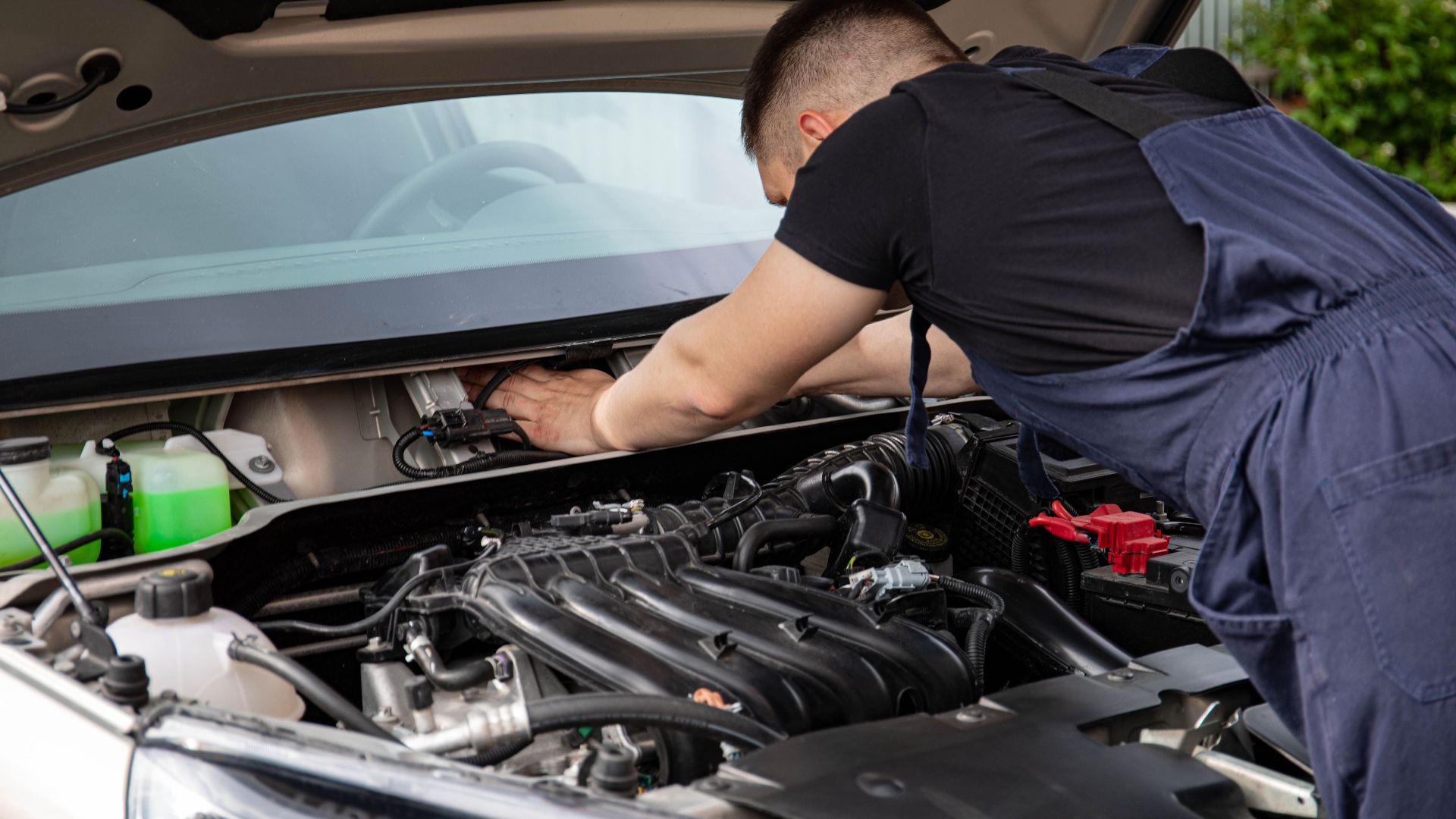
Be cautious with services that sound impressive but are not clearly explained. “Engine restoration treatment,” “premium protection package,” or “performance cleaning service” may or may not be useful. Ask what parts are being serviced, what fluid or product is being used, and what problem it is supposed to solve.

Compare The Manual And The Estimate
Put the owner’s manual and the shop estimate side by side. Which items match? Which items are early? Which items are not mentioned at all? This turns a stressful conversation into a checklist. You are not rejecting the mechanic; you are simply trying to understand the difference.

Mileage Is Only Part Of The Story
A car with 40,000 miles can need more work than a car with 80,000 miles if it has had a harder life. Short trips, long idle time, rough roads, moisture, salt, and heat all wear things down. Maintenance is about mileage, time, condition, and use.

Age Matters Too
Some parts wear out even when the car barely moves. Rubber hoses, belts, tires, seals, and batteries all age. A low-mileage older car may still need attention. That is one reason a mechanic may recommend something the manual does not highlight at your exact mileage.
Ask If It Can Wait
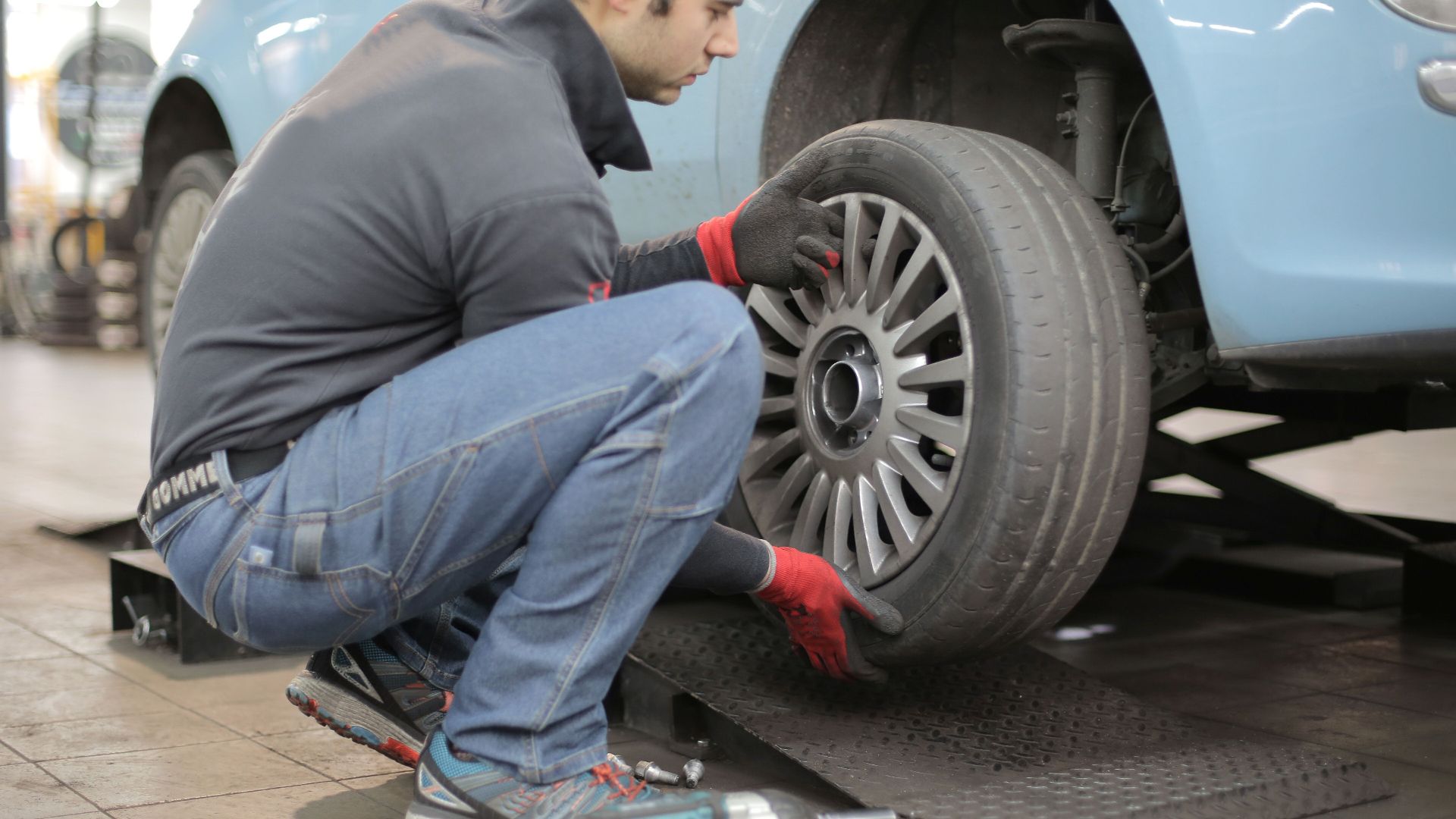
Another useful question is, “Can this wait until my next service?” A trustworthy mechanic will usually separate urgent repairs from future maintenance. They might say, “Do the brakes now, but the coolant can wait six months.” That kind of answer is a green flag.

Get A Second Opinion
If the estimate is expensive or your gut feels uneasy, get a second opinion. Another shop can inspect the same items and either confirm the advice or calm your nerves. You do not need to tell the second shop exactly what the first shop said unless you want to.

Dealerships And Independent Shops Differ
Dealerships know your brand well and have access to factory service information. Independent shops may offer more flexible advice and lower prices. Neither is automatically better. The key is whether they explain the work clearly, document it properly, and avoid pushing services you do not understand.
Records Are Your Best Friend
Keep receipts for every service, whether it follows the manual or goes beyond it. Good records help with warranty questions, resale value, and future diagnosis. If you approve extra maintenance, ask the shop to write down why it was recommended. “Customer requested” is less helpful than “fluid contaminated.”

Learn The Difference Between Inspect And Replace
Many manuals say to inspect certain items at regular intervals. That does not always mean replace them. A shop may turn an inspection into a replacement recommendation if the part looks worn. That can be valid, but make sure the condition justifies the work.
 Mangkorn Danggura, Shutterstock
Red Flags To Watch For
Be careful if a shop pressures you hard, refuses to explain, will not show you the problem, or says everything is urgent. Also be wary if every visit magically produces a long list of add-ons. Good mechanics educate you. Bad ones scare you.

Green Flags To Appreciate
A good mechanic explains the issue, shows evidence, ranks urgency, and gives options. They may even say, “You do not need this yet.” That kind of honesty builds trust. When you find a shop that talks to you like a person, hang onto them.
 Zamrznuti tonovi, Shutterstock
Do Not Ignore Everything Either
Some drivers swing too far the other way and reject every recommendation not printed in the manual. That can backfire. The manual cannot predict every leak, worn part, climate, or driving habit. Ignoring real problems because they are not listed at that mileage can get expensive fast.
 Mr.Anuwat Rumrod, Shutterstock
Use The Manual As The Referee
Think of the owner’s manual as the referee, not the only player on the field. It sets the official rules. Your mechanic adds real-world observation. When both agree, the decision is easy. When they disagree, ask for evidence, urgency, and a clear explanation.

The Smart Move Is Balance
So who should you believe? Believe the manual first, but do not dismiss a good mechanic. The right answer is usually a mix of factory guidance, vehicle condition, driving habits, and common sense. Ask questions, get proof, and never be embarrassed for wanting to understand your own car.
Trust, But Bring Receipts
Car maintenance should not feel like a magic trick where your wallet disappears. The owner’s manual gives you a solid foundation, while a skilled mechanic can spot problems the schedule misses. Trust the people who explain, document, and show their work. Your car, your budget, and your peace of mind will all be better for it.
You May Also Like:
My dealership keeps offering to buy back my vehicle. Do they know something I don't?
Forgotten Supercars Of The 1980s—How Many Of These Rare Exotics Do You Remember?