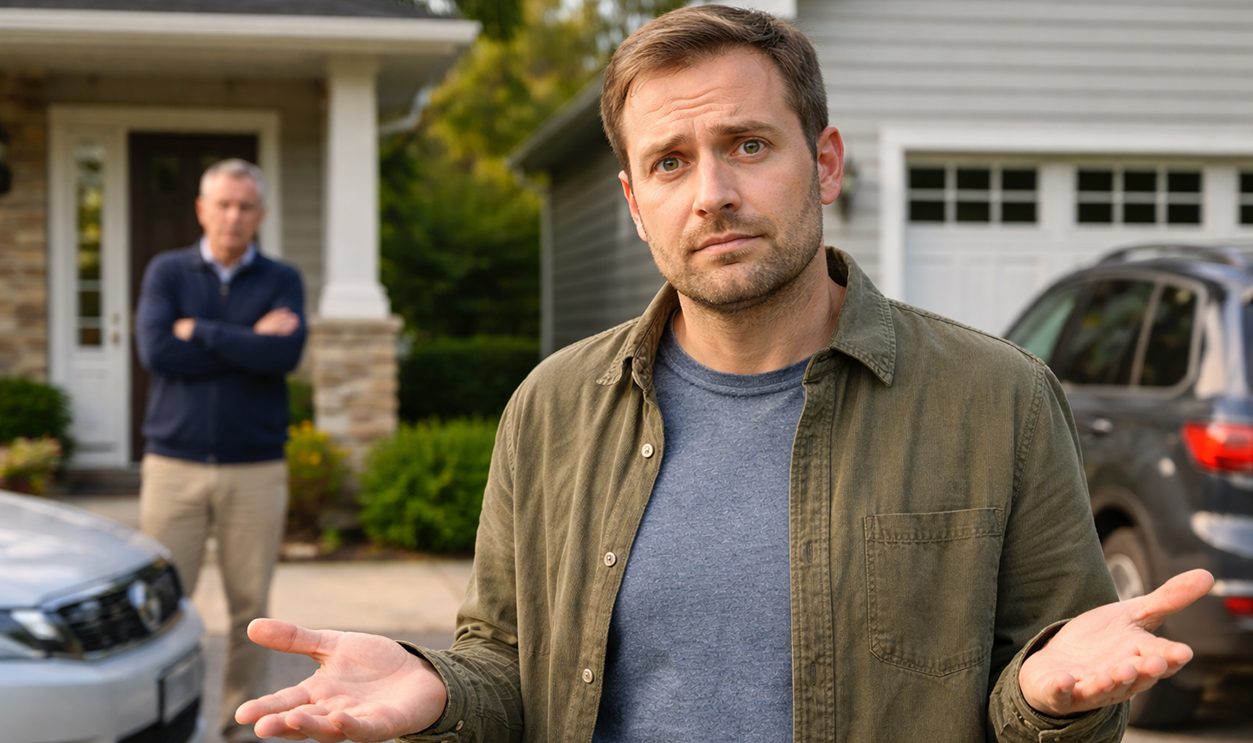
When An Awkward Accident Turns Into A Blame Game
There are few things more frustrating than coming outside to find your car hit and then being told it’s somehow your fault. Maybe your neighbor clipped your bumper while backing out, maybe they scraped your door, and now they’re insisting the damage was already there. Suddenly, what should’ve been a simple “oops, let’s exchange insurance” situation turns into a standoff.
The good news is that proving your car wasn’t damaged before the accident is usually possible, even if it feels like their word versus yours. You just need to know where to look and how to build your case.
Start With Photos You Already Have (You Probably Have More Than You Think)
Most people don’t realize how many photos of their car already exist. Think about recent pictures on your phone: holiday photos, driveway shots, photos taken when you washed the car, or even pictures from when you listed it for sale or checked parking clearance. If those photos show the area that’s now damaged and it was clearly intact before, that’s powerful evidence. Time stamps help, but even undated photos can still support your claim when combined with other proof.

Look At Pre-Accident Listings, Appraisals, Or Service Records
If you ever had your car appraised, traded in, or even just took it in for routine service, there may be written records describing its condition. Dealership service inspections, oil change reports, or maintenance invoices often note existing damage—or the lack of it. If there’s no mention of damage in those documents, that works in your favor.

Why The Type Of Damage Matters More Than The Argument
Insurance adjusters and body shops are trained to tell old damage from new damage. Fresh damage usually has sharp edges, clean breaks, and paint transfer from the other vehicle. Older damage tends to show rust, dirt buildup, faded edges, or weathering. Even if your neighbor insists the dent was already there, physical evidence often tells a different story.
Get A Body Shop Or Adjuster Opinion Early
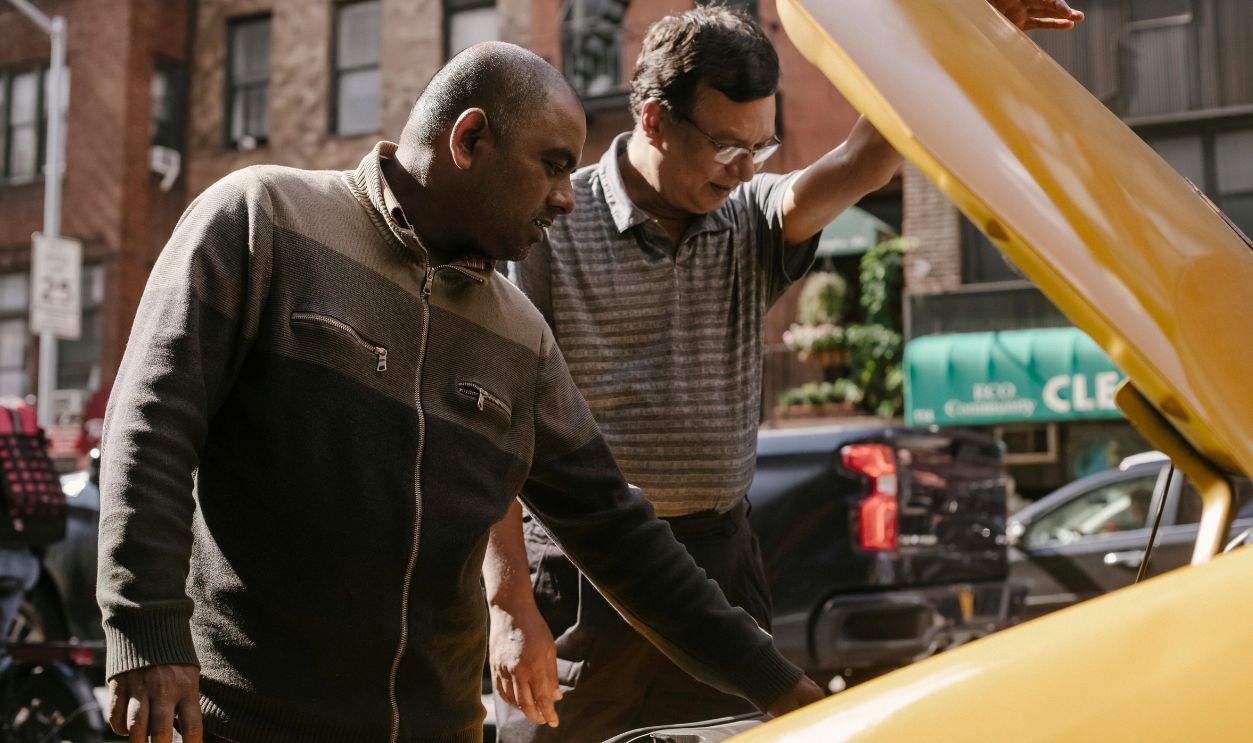
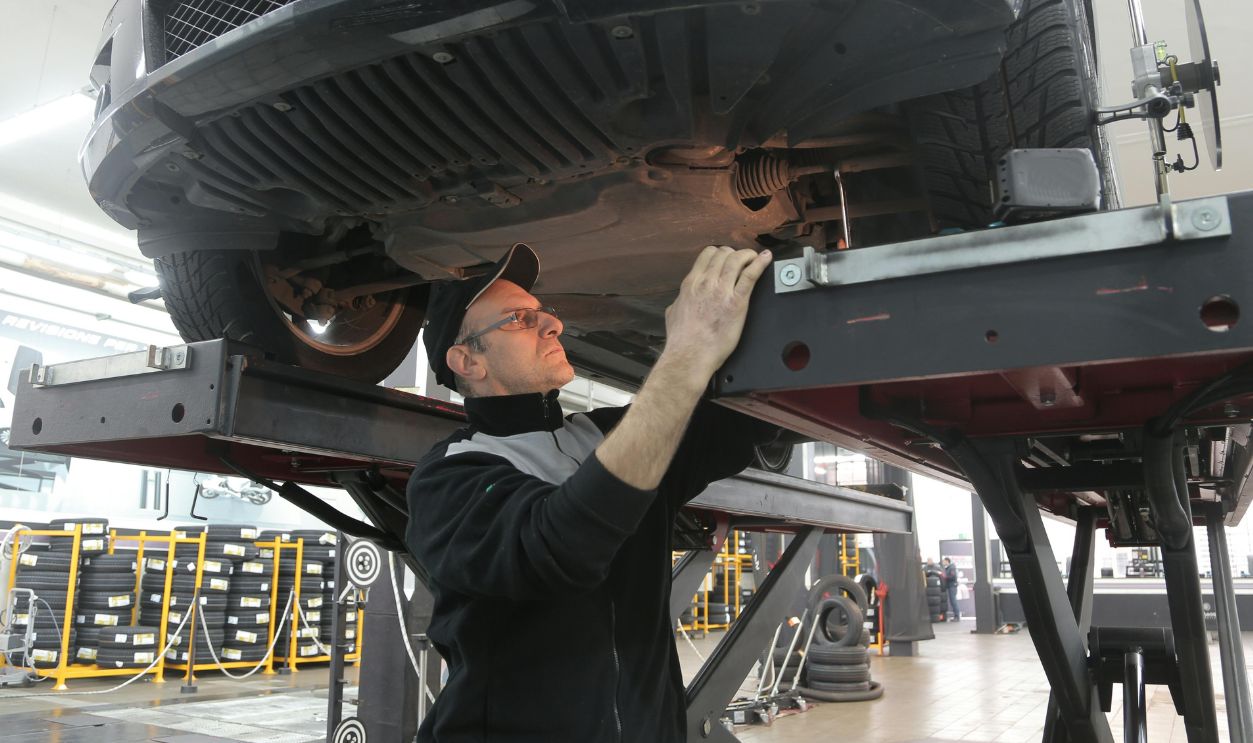
Having a professional inspect the damage as soon as possible is critical. A body shop can often determine whether the damage is recent and whether it matches the height, shape, and angle of your neighbor’s vehicle. An insurance adjuster will look for the same thing. Their written assessment can carry much more weight than either of your opinions.
Compare Damage Patterns Between The Two Vehicles
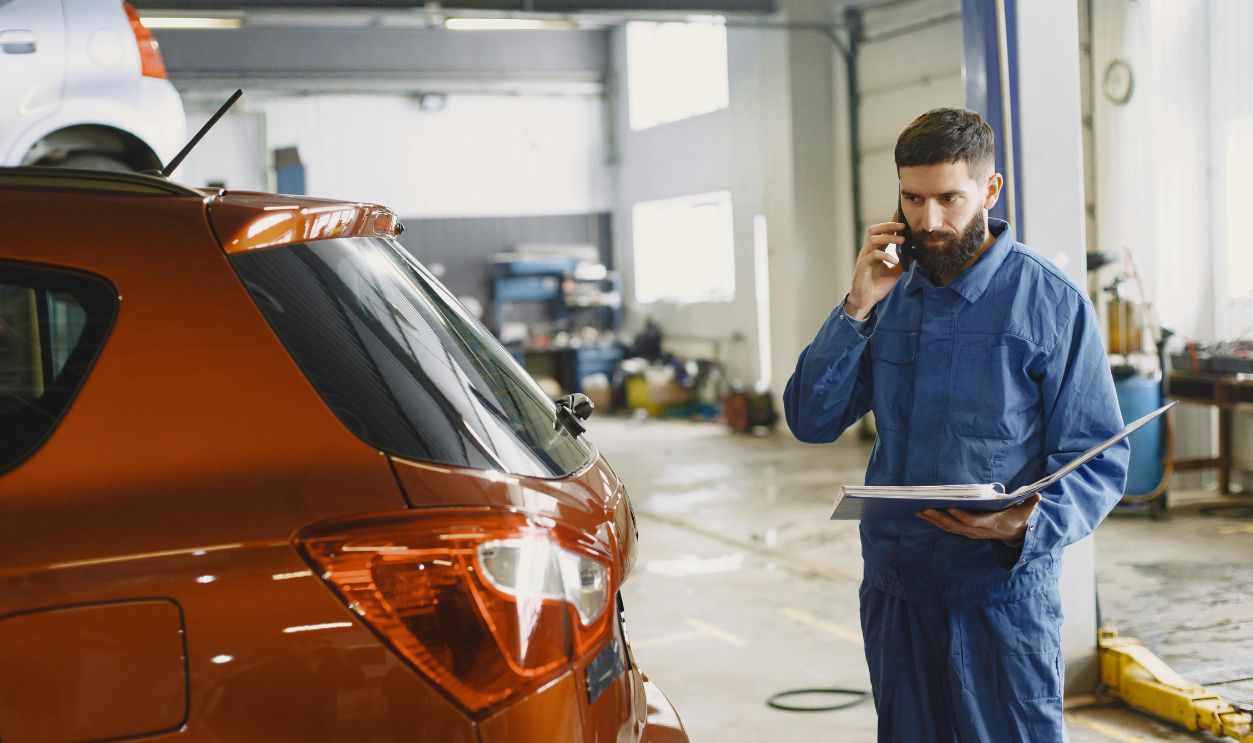
One of the strongest pieces of evidence is when the damage on your car lines up perfectly with damage on your neighbor’s car. Matching scuffs, paint color transfer, bumper height alignment, or scrape angles make it very hard to argue coincidence. If both vehicles show complementary damage, it strongly supports that the accident just happened.

Why Timing Works In Your Favor
If the damage appeared immediately after the incident, that timing matters. If you noticed the damage right after your neighbor backed into your car (or if someone else saw it happen), that timeline helps establish cause. Insurance companies rely heavily on “before and after” logic. Damage that suddenly appears right after an incident usually isn’t considered pre-existing.

Witnesses Aren’t Just for Big Accidents
If anyone saw the accident or saw your car shortly before and after it happened, their statement can help. This could be another neighbor, a family member, or even someone walking by. A short written statement confirming that the damage wasn’t there before can support your claim, especially when paired with photos or professional opinions.
 Alexander Van Steenberge, Unsplash
Doorbell Cameras And Security Footage Can Save The Day
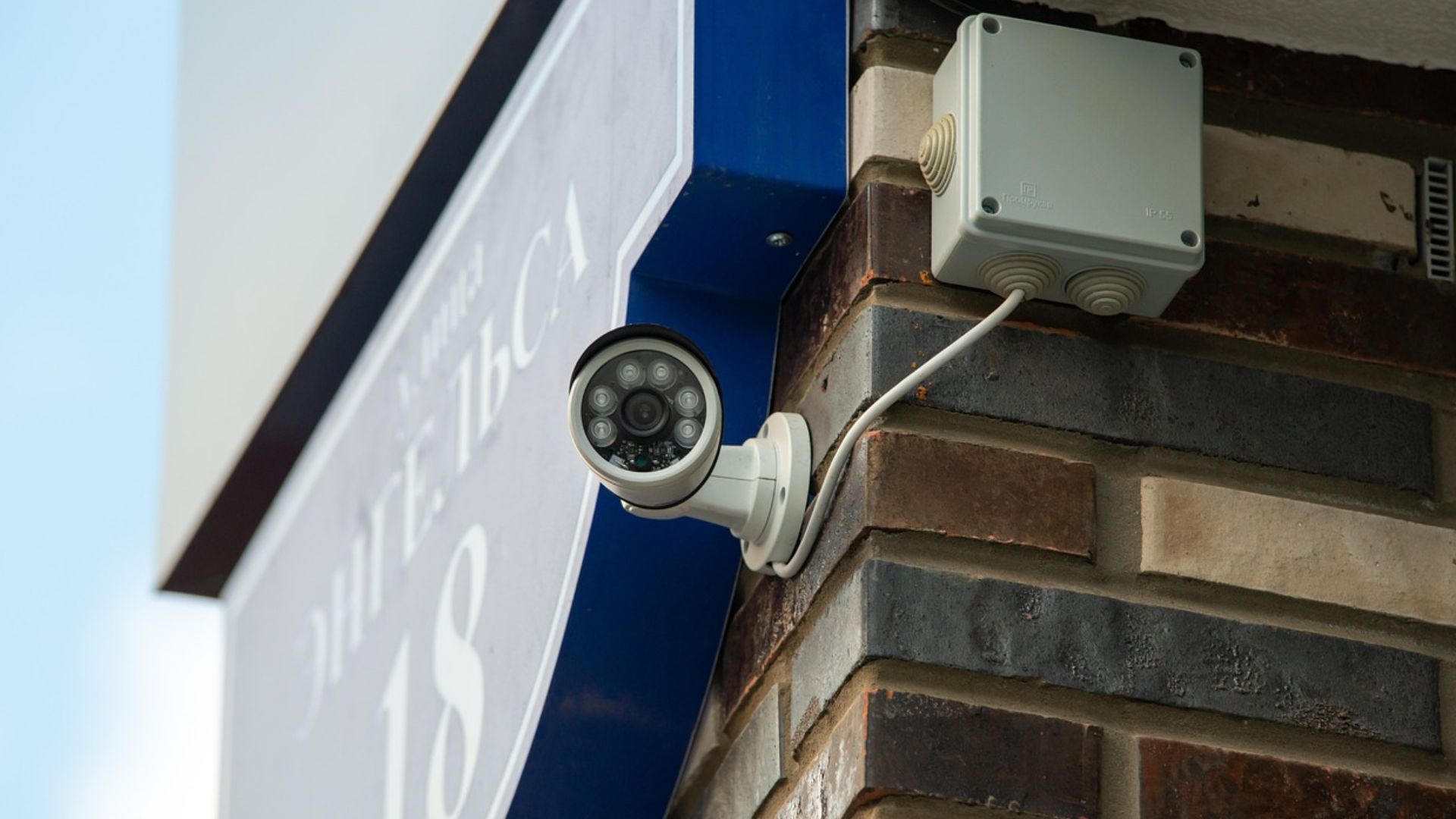
More accidents are being proven thanks to cameras. Your neighbor’s doorbell camera, another neighbor’s security system, or even a nearby business camera might have caught the incident or at least your car’s condition before and after. It’s worth politely asking around sooner rather than later, before footage is automatically deleted.
Check Parking Lot Or Street Maintenance Records
If your car was parked in a consistent location (like your driveway or a specific street spot) that consistency helps. It reduces the argument that “someone else must’ve done it earlier”. Insurance adjusters often consider whether there were realistic opportunities for prior damage to occur.

Why “It Was Already Damaged” Is A Common Insurance Defense
This phrase comes up so often that insurers expect it. But it’s not enough for someone to just say it. The person claiming pre-existing damage usually needs evidence too. If they can’t produce photos, witnesses, or documentation showing the damage existed before, their argument weakens quickly.
File An Insurance Claim Even If It Feels Awkward
People sometimes hesitate to involve insurance when it’s a neighbor. But insurance exists for exactly this situation. Filing a claim triggers a formal investigation, and that’s often what moves things forward. Adjusters are neutral third parties whose job is to determine what actually happened.

What To Do If Your Neighbor Refuses To Cooperate
If your neighbor won’t provide insurance information or denies responsibility outright, document everything and file a claim with your own insurer. Your insurer can pursue them through subrogation if the evidence supports your case. This removes you from the direct conflict and puts professionals in charge.

Police Reports Can Help, Even For Minor Accidents
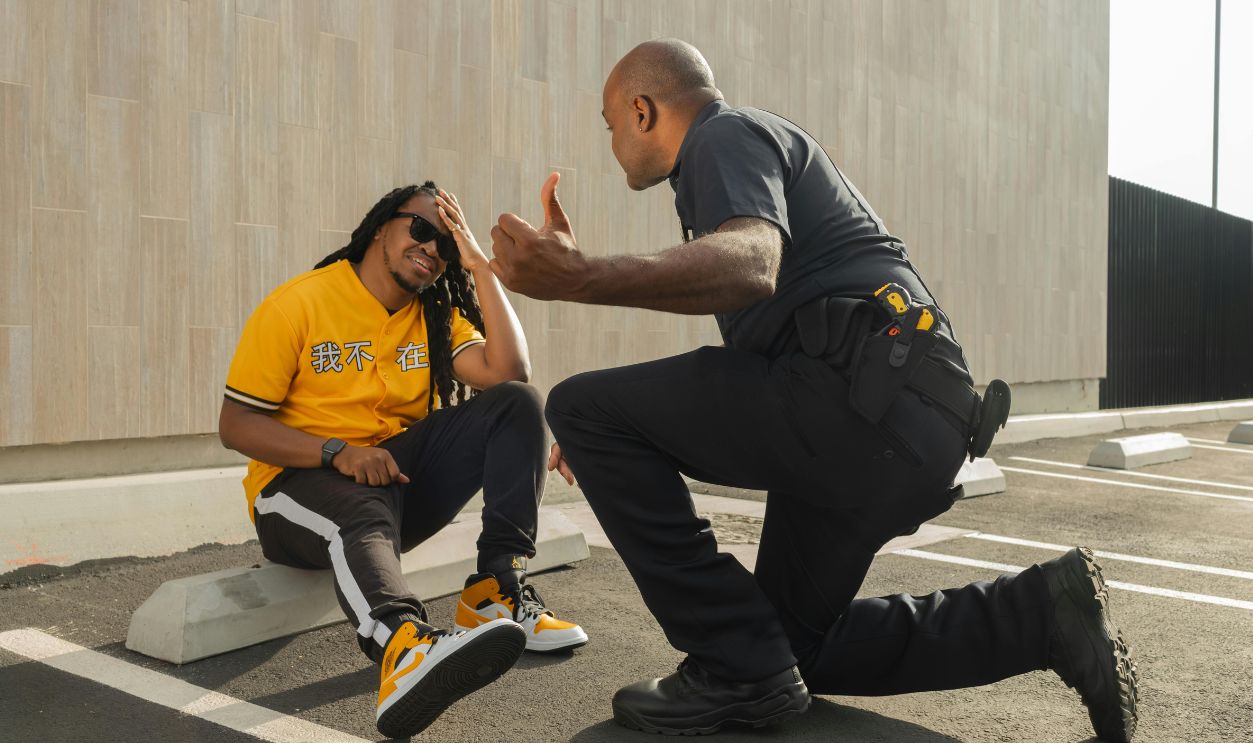
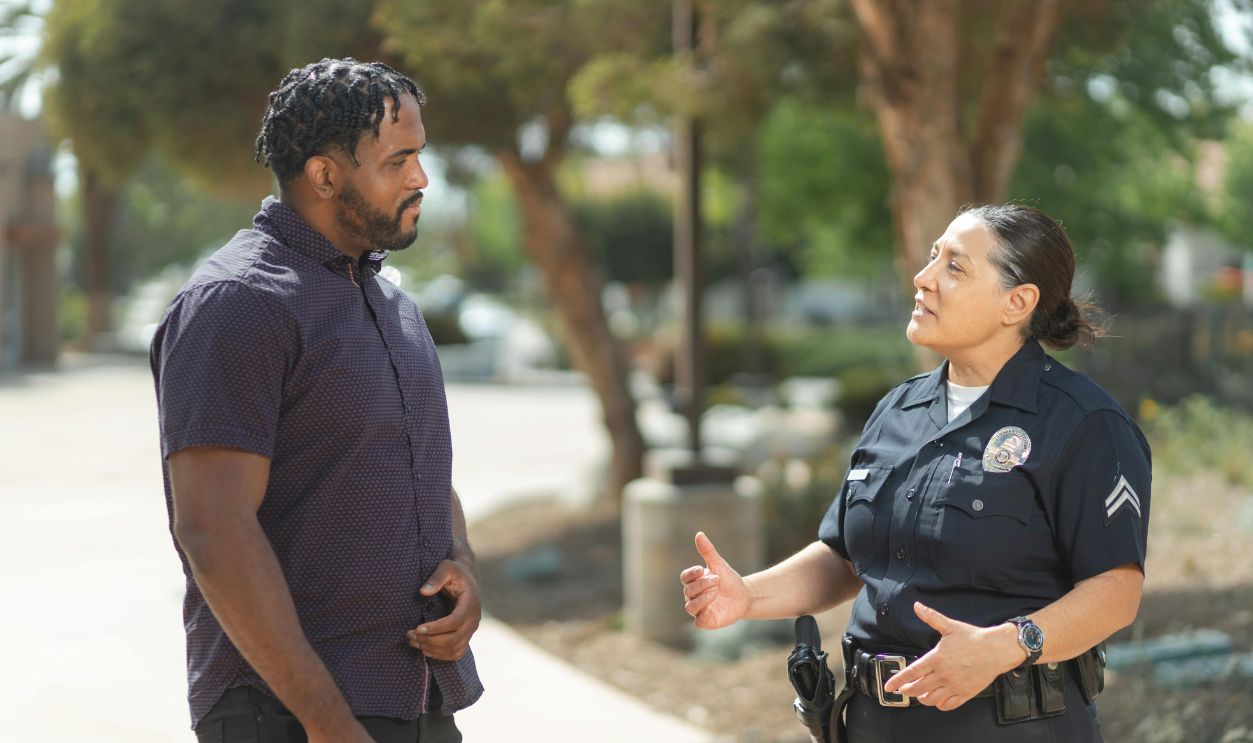
In some areas, you can file a non-emergency police report for a minor accident. Even if an officer doesn’t come to the scene, having a report on file that documents the date, time, location, and basic facts adds credibility to your claim. It establishes an official record that the incident occurred.
Why Consistency Matters More Than Perfection
You don’t need a single smoking gun to prove your case. What matters is that all your evidence tells the same story. Photos, professional assessments, witness statements, and timing should align. When everything points in the same direction, insurance companies tend to side with the version that makes the most sense.

Avoid Fixing The Damage Before It’s Documented
As tempting as it is to get the car fixed and move on, don’t repair anything until the damage has been properly documented by insurance or a body shop. Repairs erase evidence. Once the damage is gone, it becomes much harder to prove when or how it happened.

Stay Calm (Even If They’re Being Difficult)
It’s easy to get emotional when someone denies responsibility, especially if they’re a neighbor you’ll keep seeing. But calm, factual communication helps you more than anger. Stick to evidence, timelines, and documentation. Let the process—not the argument—do the heavy lifting.

Small Claims Court Is An Option If Insurance Fails
If insurance won’t cover the damage and your neighbor still refuses to take responsibility, small claims court may be an option. Judges rely heavily on photos, repair estimates, expert opinions, and timelines. The same evidence you gathered for insurance can often be used in court.

Why This Isn’t Really About “Proving Them Wrong”
At the end of the day, this isn’t about winning an argument with your neighbor. It’s about being made whole. Whether that happens through their insurance, your insurance, or a legal process, the goal is repairing your car—not convincing them to admit fault.
The Bottom Line: Evidence Beats Opinions Every Time
When someone claims your car was “already damaged,” it can feel like an impossible thing to disprove. But in reality, physical evidence, photos, professional assessments, and timing usually tell a clear story. The more calmly and thoroughly you document what happened, the easier it becomes to show that the damage is new and caused by the accident. Let the facts speak—and let the process work for you.

You May Also Like:
My catalytic converter got stolen and my insurance says it’s not covered. What now?
I'm a first-time driver. Why is my car insurance almost as much as what I paid for my car?