A Lawsuit After Settlement
Being sued after your insurance company has already paid a claim can feel confusing and alarming. In a multi-vehicle crash, however, an injured driver may still file a lawsuit against everyone they believe contributed to the accident. That does not necessarily mean you will ultimately be held personally responsible.
The Four-Car Collision
Imagine traffic slowing to a stop at a red light. One distracted driver rear-ends the car ahead, pushing it into the next vehicle, which then strikes a fourth car. Within seconds, a simple rear-end collision becomes a complicated four-car pileup involving multiple insurance companies.
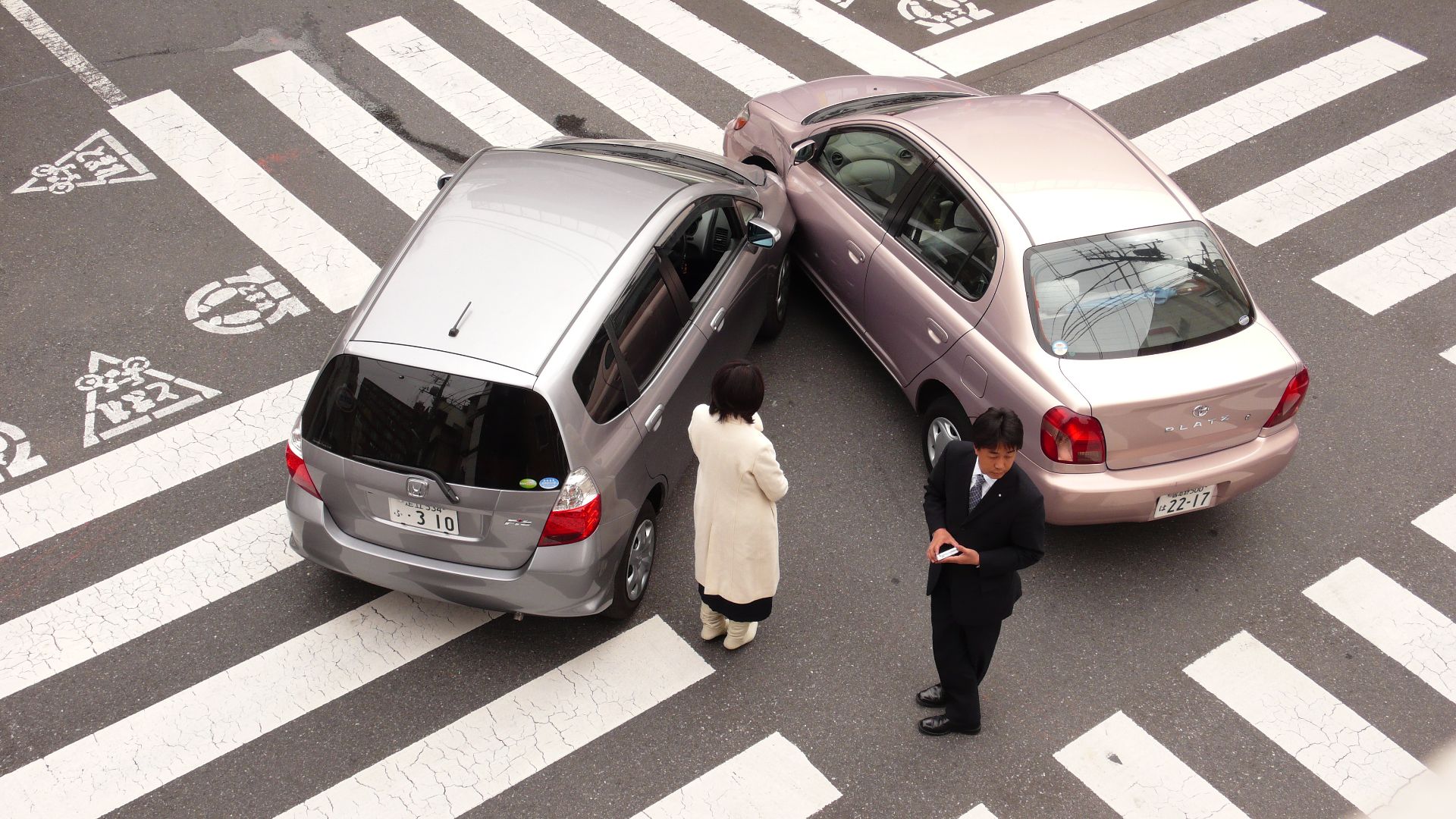 Shuets Udono, Wikimedia Commons
Sorting Out Fault
Determining fault in a chain-reaction crash is rarely as simple as identifying the last driver in line. Investigators may examine following distances, vehicle speeds, road conditions, witness statements, dashcam footage, and physical damage to determine whether more than one driver contributed to the collision.

Insurance Starts Working
After the accident, each driver's insurance company begins its own investigation. Adjusters collect statements, inspect vehicle damage, review police reports, and negotiate with one another to determine how claims should be paid under each applicable policy.

Why Lawsuits Happen
Even after insurance pays for vehicle repairs or medical expenses, an injured person may believe their damages exceed what has already been paid. They may seek additional compensation for pain and suffering, lost wages, future medical care, or other alleged losses.

Everyone Gets Named
Plaintiffs often sue every driver who might share some responsibility for the crash. Naming multiple defendants allows the court to determine each person's percentage of fault rather than forcing the injured party to guess who may ultimately be legally responsible.
Don't Panic
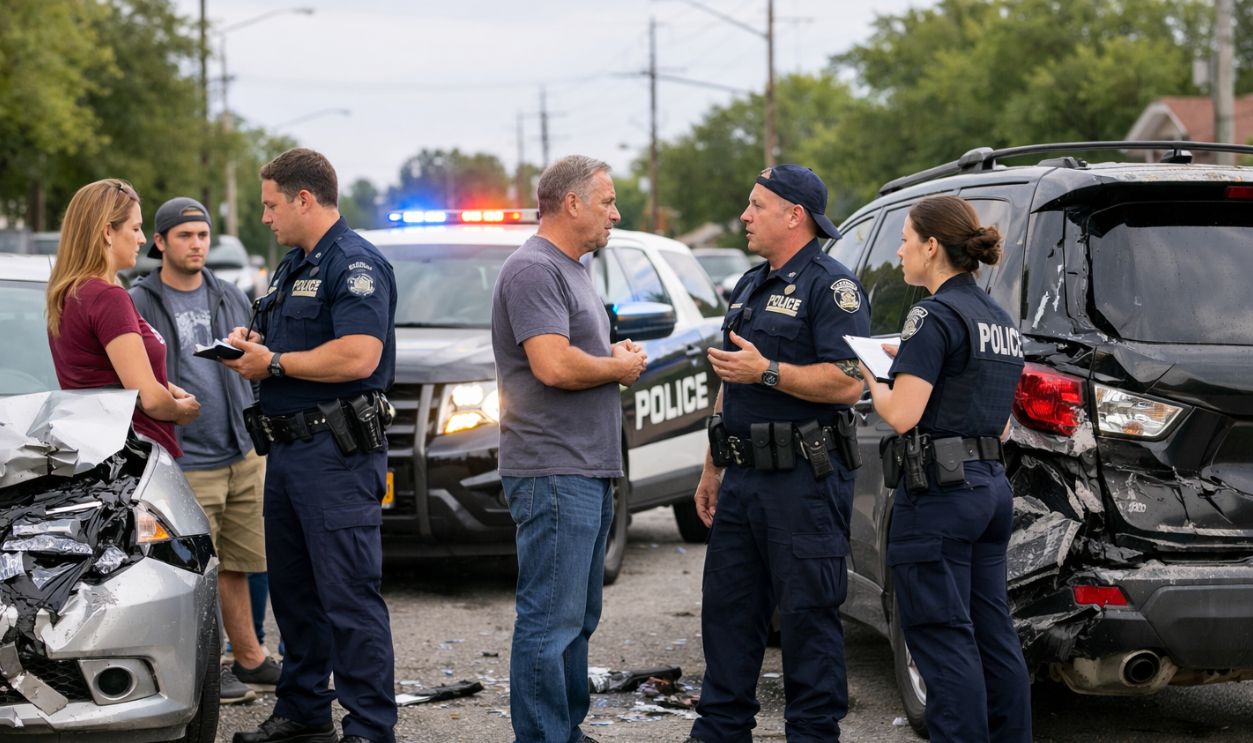
Receiving a summons doesn't mean you've already lost the case. A lawsuit simply begins the legal process. The allegations still must be investigated, defended, and, if necessary, proven before anyone becomes legally obligated to pay damages.

Notify Your Insurer
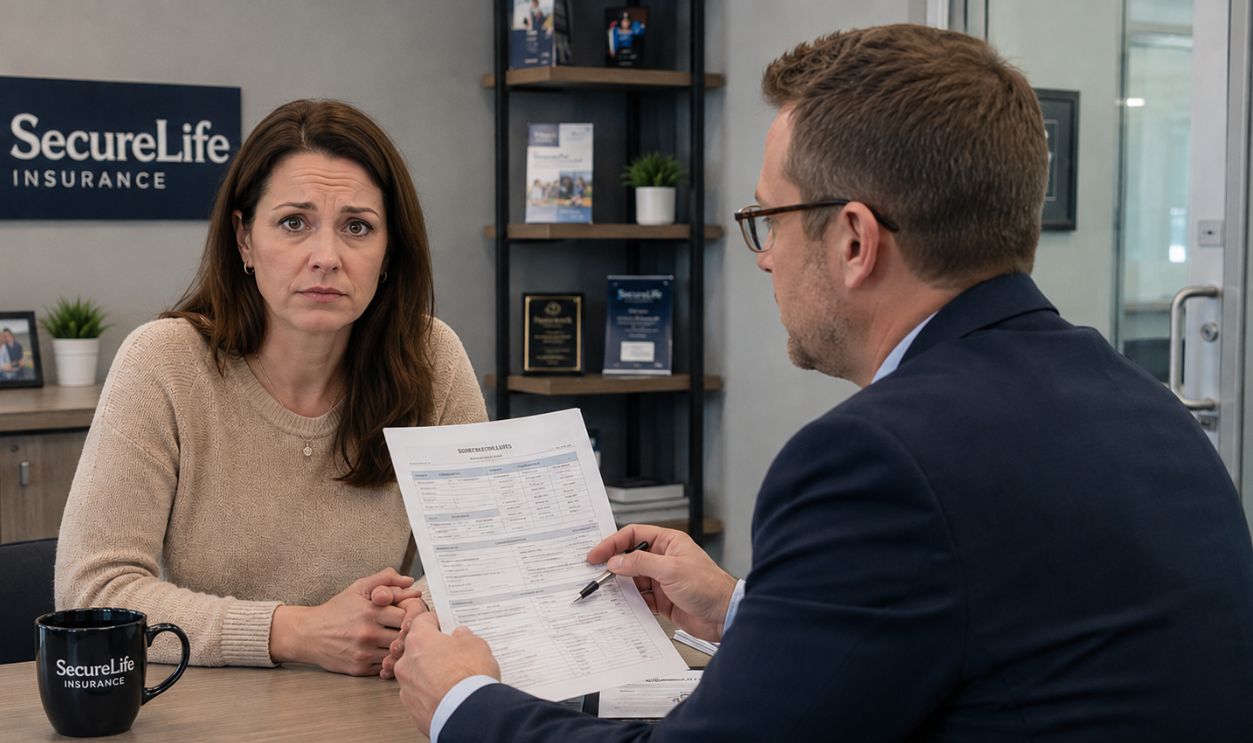
Contact your automobile insurance company immediately if you receive legal papers. Most liability policies require prompt notice of any lawsuit. Your insurer will typically assign an attorney to defend you if the claim falls within your policy's coverage.

Your Defense Attorney
In many cases, the attorney hired by your insurance company represents your interests throughout the lawsuit. That lawyer files legal responses, gathers evidence, conducts depositions, negotiates settlements, and argues your position if the case ultimately reaches trial.

Comparative Fault Rules
Most states use some form of comparative negligence, meaning fault may be divided among multiple drivers. Even if you share some responsibility, another driver may bear a significantly larger percentage of liability depending on the evidence presented.
Policy Limits Matter
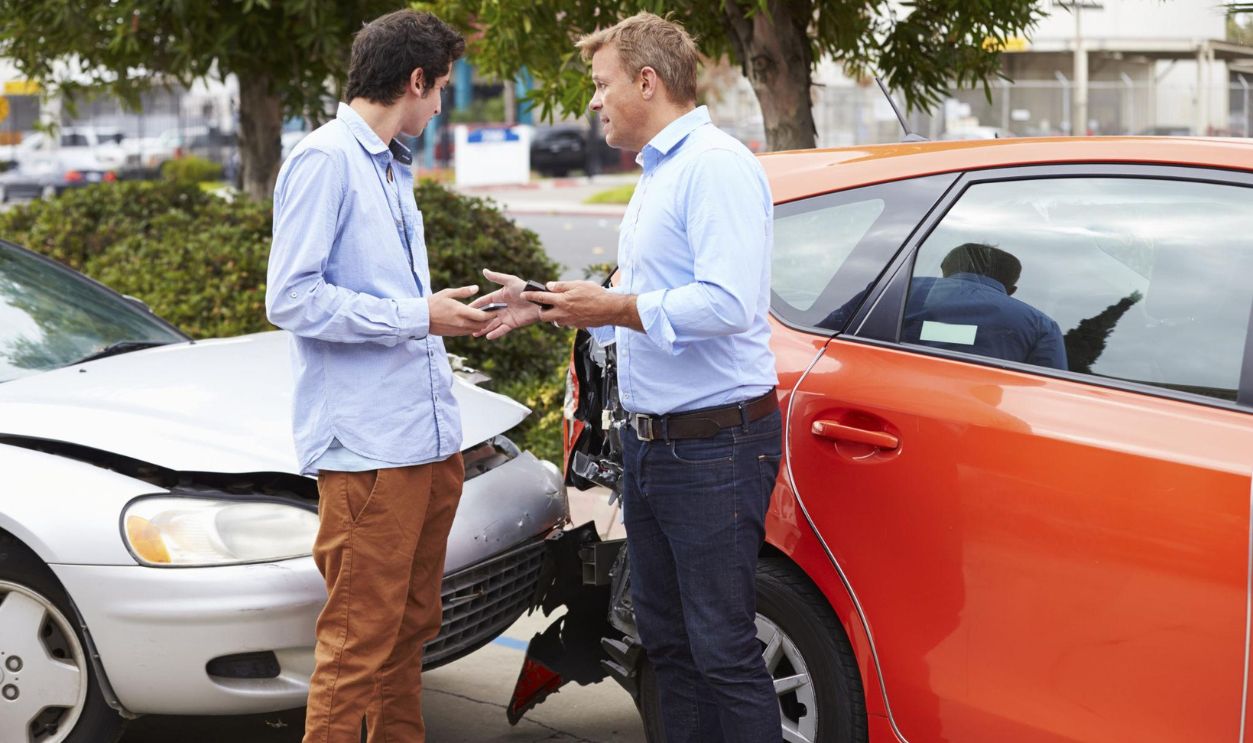
Every automobile liability policy has coverage limits. If an injured person's damages exceed those limits, complicated negotiations may follow. Multiple insurance companies sometimes contribute toward a settlement when several drivers share legal responsibility for the accident.
Personal Exposure
Fortunately, most claims settle within available insurance limits. In more serious accidents involving catastrophic injuries, however, a lawsuit may seek damages beyond a driver's policy limits. This possibility highlights the importance of carrying adequate liability coverage.

Umbrella Policies Help
An umbrella liability policy provides additional protection above your automobile insurance limits. Although many drivers never end up needing it, umbrella coverage can offer valuable financial protection if a severe accident results in unusually large legal claims.

Preserve Evidence
Keep photographs, repair estimates, insurance correspondence, medical information, and any communication relating to the accident. Even months after the collision, these records may help your attorney reconstruct exactly what happened during the chain-reaction crash.

Avoid Discussing The Case
Resist the temptation to discuss the lawsuit on social media or with anyone outside your legal team. Even casual online comments can become evidence during litigation and may complicate your defense.

Medical Claims Continue
Some injuries become more apparent weeks or months after an accident. Plaintiffs sometimes file lawsuits only after additional medical treatment reveals long-term complications that were not immediately obvious during the initial insurance claim process.

Settlement Remains Possible
Many automobile lawsuits never reach trial. Insurance companies frequently continue negotiating throughout litigation, and cases often settle before a judge or jury ever hears the evidence.
Court Decides Disputes
If settlement efforts fail, the lawsuit proceeds through discovery and possibly to trial. The judge or jury evaluates the evidence, determines fault, and decides whether any defendant owes additional compensation to the injured party.

Strong Liability Coverage
Many financial professionals recommend purchasing liability limits well above state minimum requirements. Higher limits can give you much greater protection in serious multi-vehicle accidents where medical expenses and legal claims may quickly become expensive.

Cooperate Fully
Respond promptly to any requests from your insurance company and attorney. Providing complete and accurate information allows your legal team to build the strongest possible defense while avoiding unnecessary delays in resolving the lawsuit.

Focus On The Process
Being named in a lawsuit is stressful, but it is not at all unusual after a serious multi-car accident. Insurance companies and defense attorneys handle these cases on a regular basis, and the legal system provides an orderly process for determining responsibility.

Preparation Brings Peace
The best protection begins long before any accident occurs. Maintaining adequate liability insurance, considering umbrella coverage, driving defensively, and understanding how multi-vehicle claims work can leave you far better prepared if you are ever involved in a complicated chain-reaction collision.

You May Also Like: