I Did Everything Right… Or So I Thought
When my insurer dangled a shiny “up to 30% discount” in front of me for joining its safe driving scheme, I pictured lower premiums, smug satisfaction, and maybe even a celebratory tank of premium fuel. Fast forward a year: renewal email lands, I open it with a grin… and nearly spit out my coffee. My insurance hadn’t dropped. It had gone up. So how exactly does a company promise a discount and then charge more? Buckle up—this is where car insurance math gets weird.
The Promise Of The Safe Driving Scheme
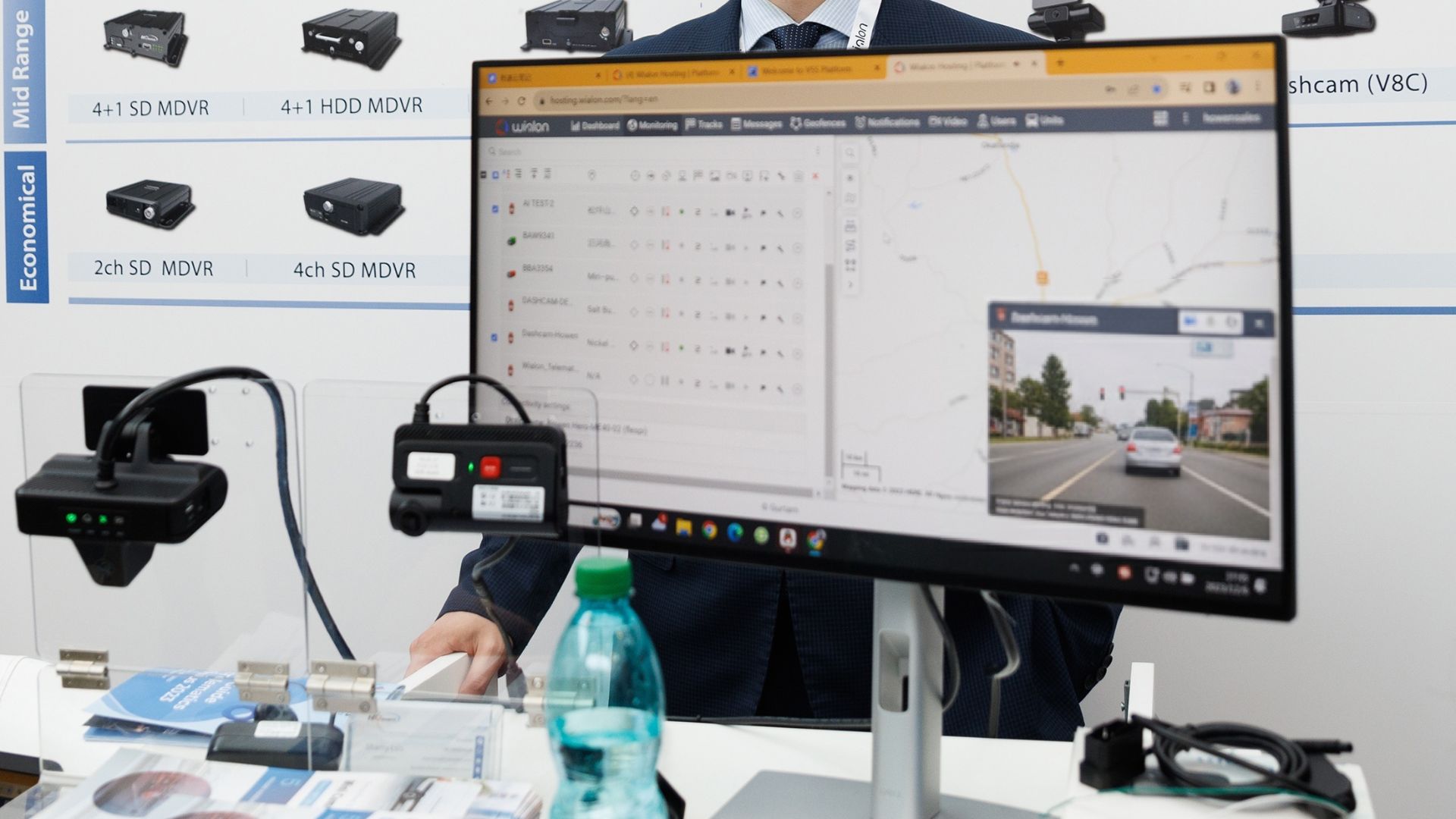
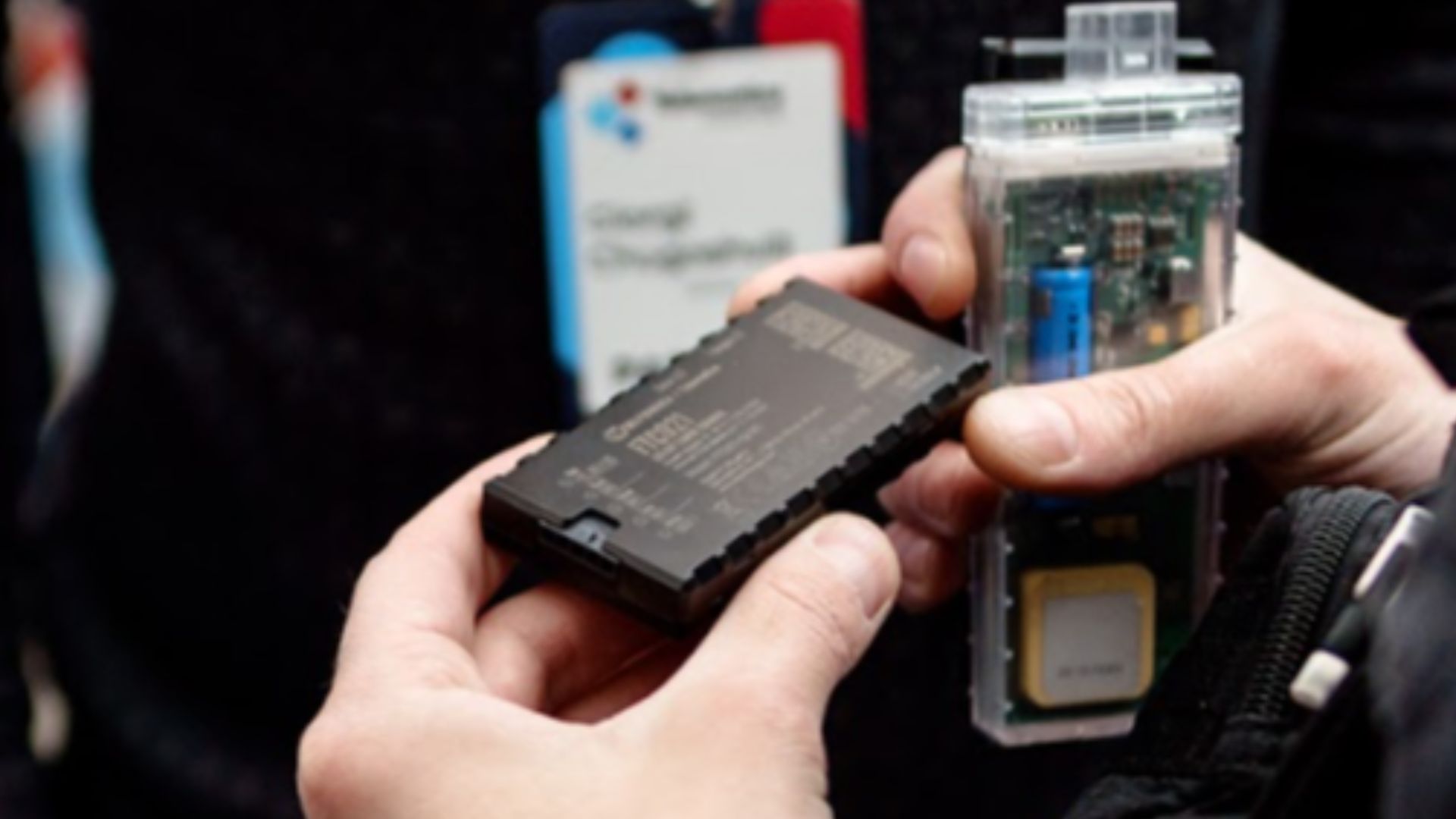
Like many drivers, I signed up for a telematics-based program—one of those “black box” or app-driven schemes that tracks speed, braking, cornering, and driving times. The pitch was simple: drive safely, get rewarded. The headline figure? Up to 30% off. The phrase “up to,” as I’d soon learn, is doing some very heavy lifting.
A Year Of Angelic Driving
For 12 months, I drove like my nan was in the passenger seat holding a tray of soup. Gentle acceleration. Smooth braking. No late-night hooning. The app regularly congratulated me with cheerful graphics and high safety scores. If driving were a video game, I’d unlocked the platinum trophy.

Renewal Day Reality Check
Then came renewal. Instead of a tidy 30% drop, my premium had risen by nearly 12%. Same car. Same address. No claims. No points. My driving score? “Excellent.” My confusion? Off the charts.

The First Lesson: Discounts Aren’t Guarantees
Here’s the cold, hard truth: a “30% discount” doesn’t mean your premium will be 30% lower than last year’s bill. It usually means up to 30% off the insurer’s newly calculated base price for this year. And that base price can change—sometimes dramatically.
The Base Premium Shuffle
Every year, insurers recalculate your “risk profile.” That includes your age, driving history, car value, postcode risk, repair costs, theft rates, and broader market trends. If the base premium goes up by 25%, and you get a 10% safe driving discount applied to that higher number, you can still end up paying more overall.

Inflation Hits The Garage
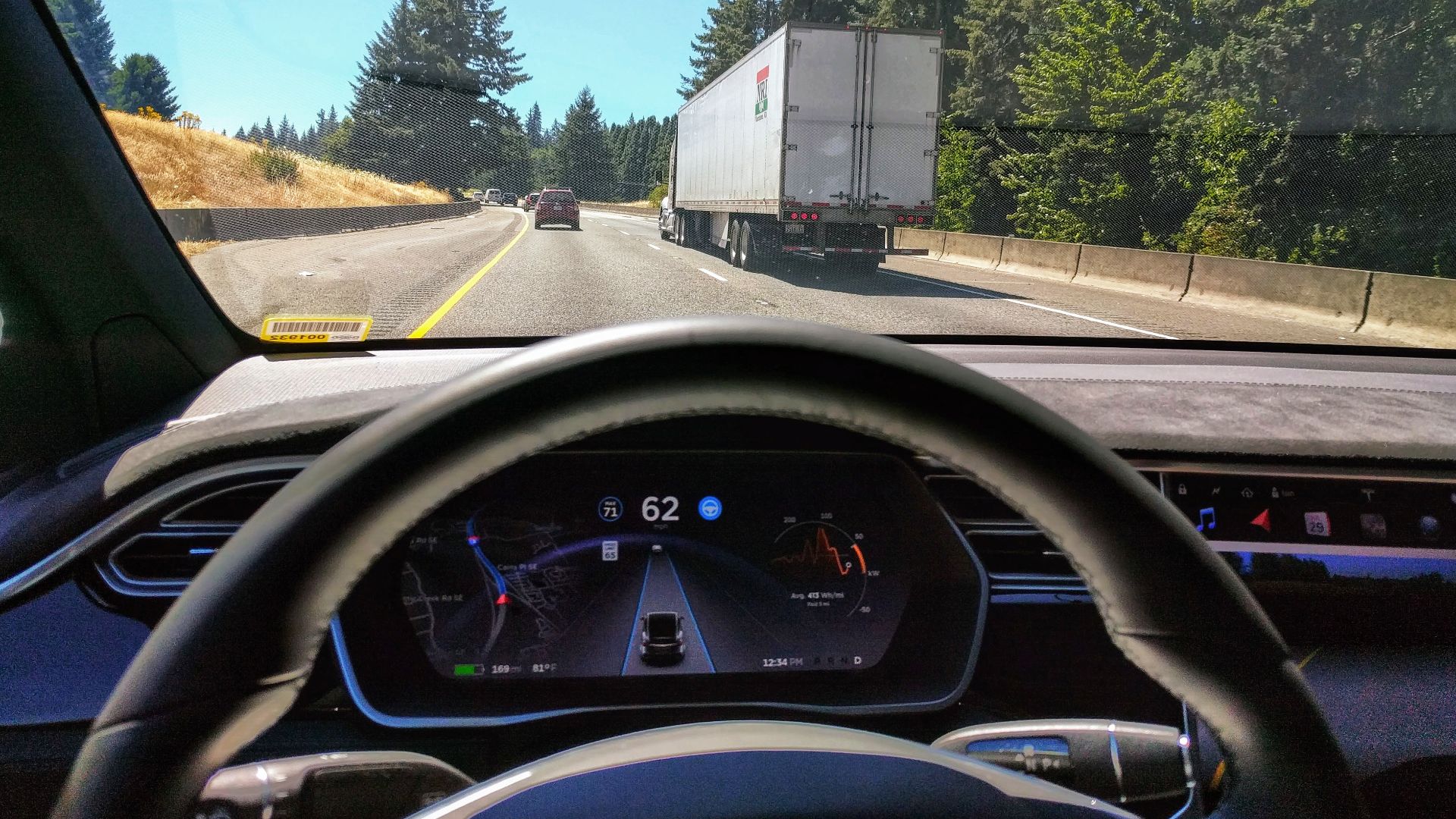
Repair costs have soared in recent years. Modern cars are packed with sensors, cameras, and driver-assist tech. A minor bumper tap can now involve recalibrating half a dozen systems. Parts are pricier, labor rates are up, and supply chains haven’t exactly been breezy. Insurers pass those rising costs on to customers—yes, even the careful ones.
 Ian Maddox , Wikimedia Commons
Your Postcode Plays A Role
You might drive like a saint, but if your neighborhood has seen a spike in thefts or claims, that affects your premium. Insurance is pooled risk. If more cars like yours are being stolen or damaged in your area, the insurer adjusts rates accordingly.

The “Up To” Trap
Let’s talk about that magical phrase: “up to 30%.” In marketing speak, that’s the ceiling, not the average. Maybe only the very safest drivers—those who never drive at night, never exceed speed limits, and rarely venture beyond short, low-risk routes—get close to that maximum.

Telematics Isn’t Just About Speed
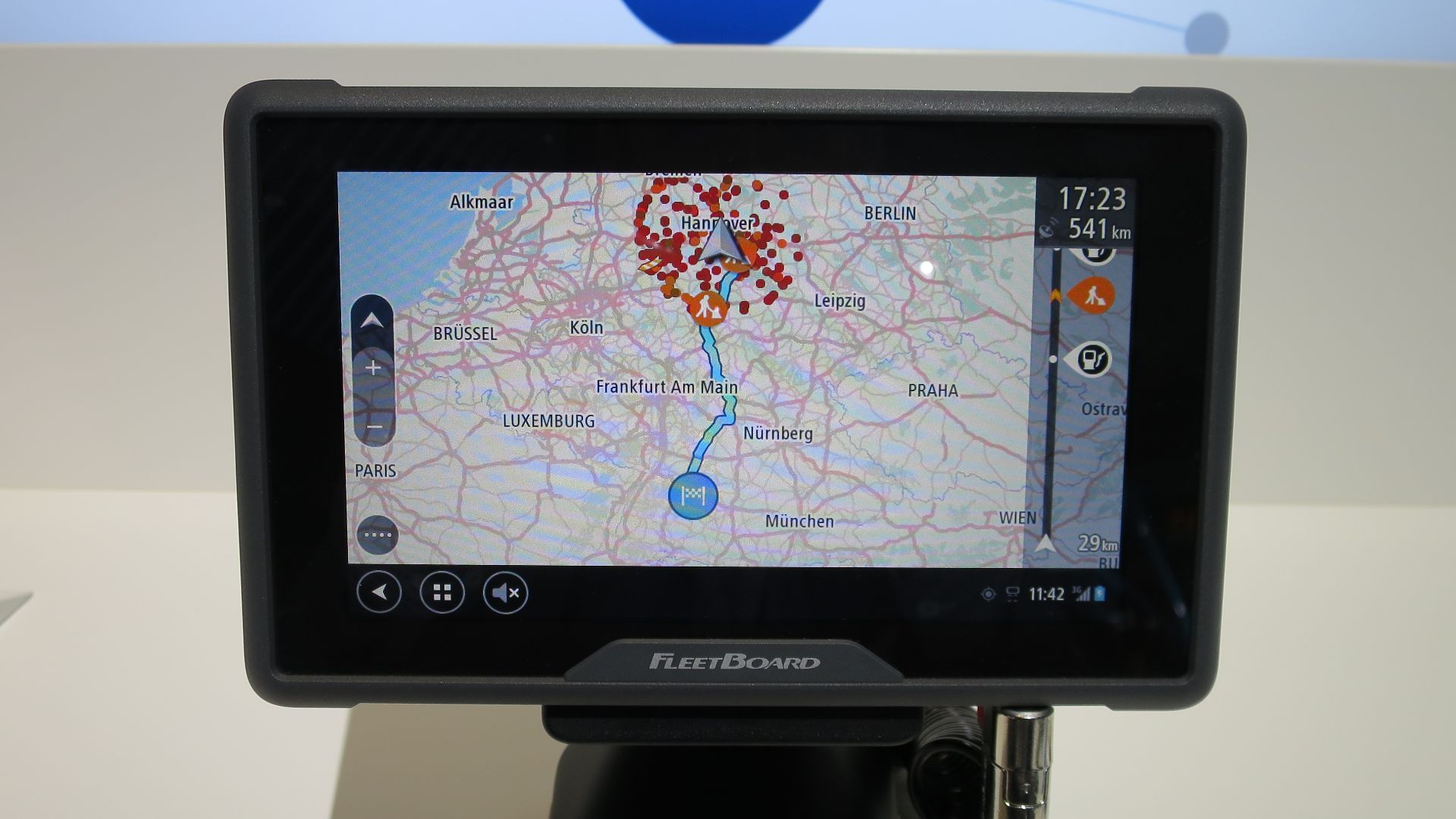
Many drivers assume if they don’t speed, they’re golden. But telematics programs analyze much more: harsh braking, rapid acceleration, cornering force, time of day, even the types of roads you use. Commute on busy urban streets at rush hour? That’s inherently riskier than a quiet rural cruise.
Night Owls Beware
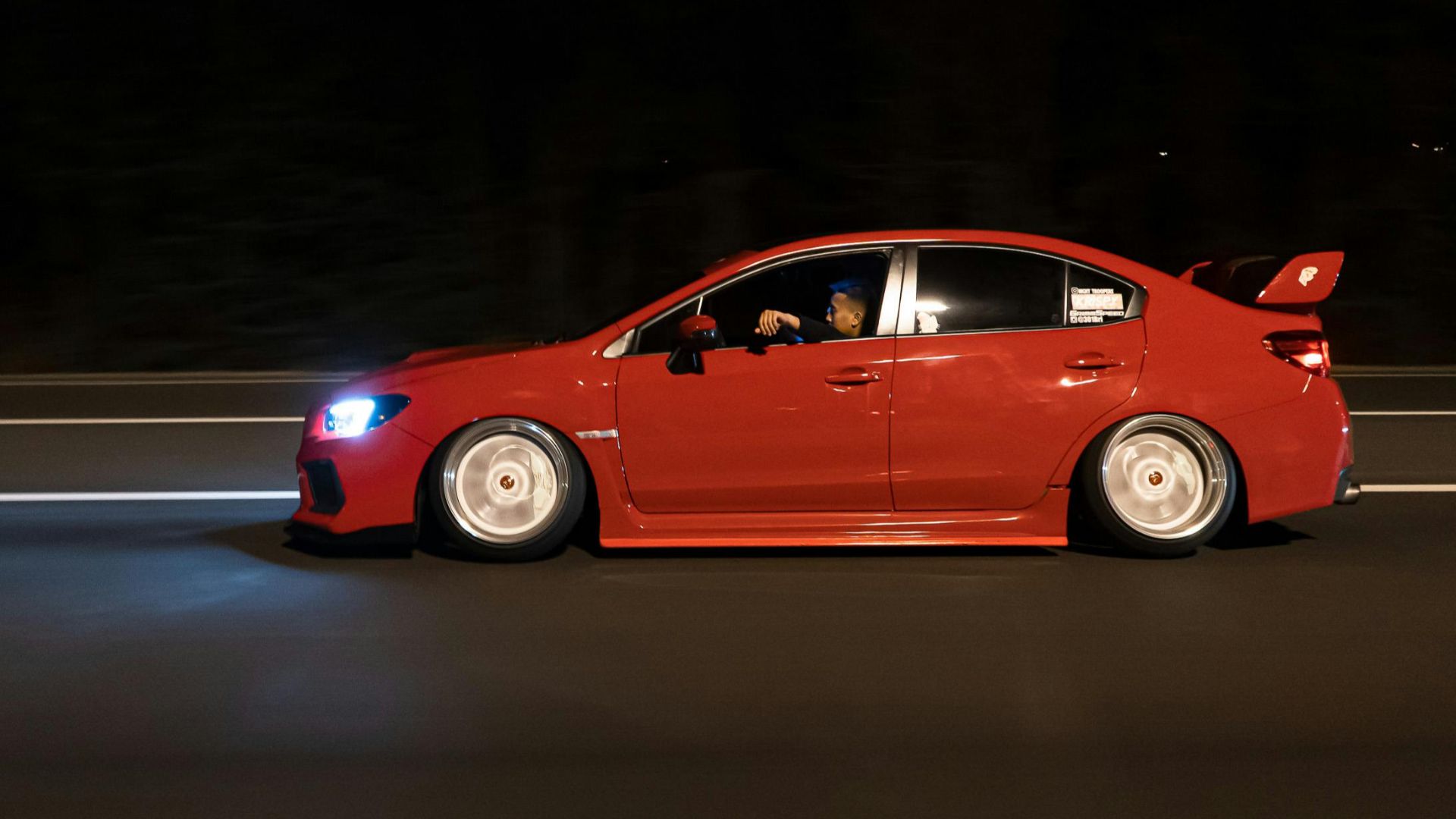
Driving late at night can ding your score, even if you’re perfectly safe. Statistically, more accidents happen after dark. So if you’re regularly on the road at 11 pm—even at the speed limit—your insurer may view that as higher risk behavior.
The Algorithm Knows All (Sort Of)
Your driving score is calculated by an algorithm. It doesn’t know that you braked hard because a child ran into the road. It just logs “harsh braking.” Over time, enough of those events can nudge your discount downward.
The Discount Is Only One Piece
Even if you did earn, say, a 15% safe driving discount, it’s just one component of a complex pricing formula. Insurers also factor in national claims data, reinsurance costs, fraud trends, and regulatory changes. Your personal excellence doesn’t exist in a vacuum.

Age Isn’t Always On Your Side
Depending on your age bracket, you might have moved into a higher-risk category. Younger drivers can see premiums fall with age, but certain milestones—like moving out of a “low-risk” bracket—can push prices the other way.

Your Car Got Older (And That Matters)
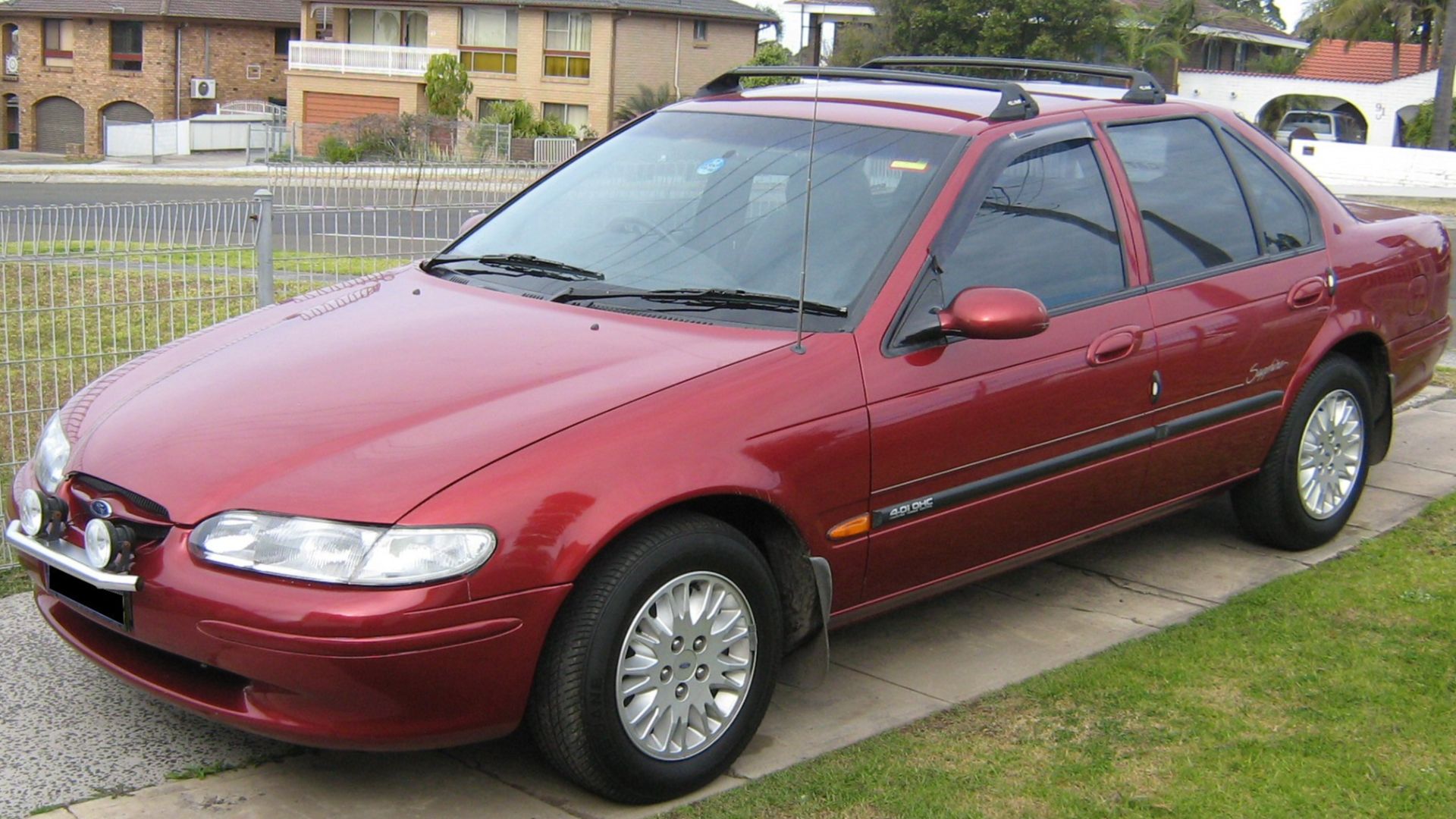
You’d think an older car would be cheaper to insure. Sometimes yes, sometimes no. If your model has become a theft favorite or parts are harder to source, insurers may rate it as more expensive to cover, even as it depreciates.
 Ozguy89 at English Wikipedia. Transwiki approved by: User:Krimpet., Wikimedia Commons
Claims You Didn’t Make
Here’s the kicker: even if you didn’t make a claim, if lots of other drivers with your car did, that affects your risk pool. Insurance is collective math. You’re partially paying for trends, not just your own behavior.
Market-Wide Price Adjustments
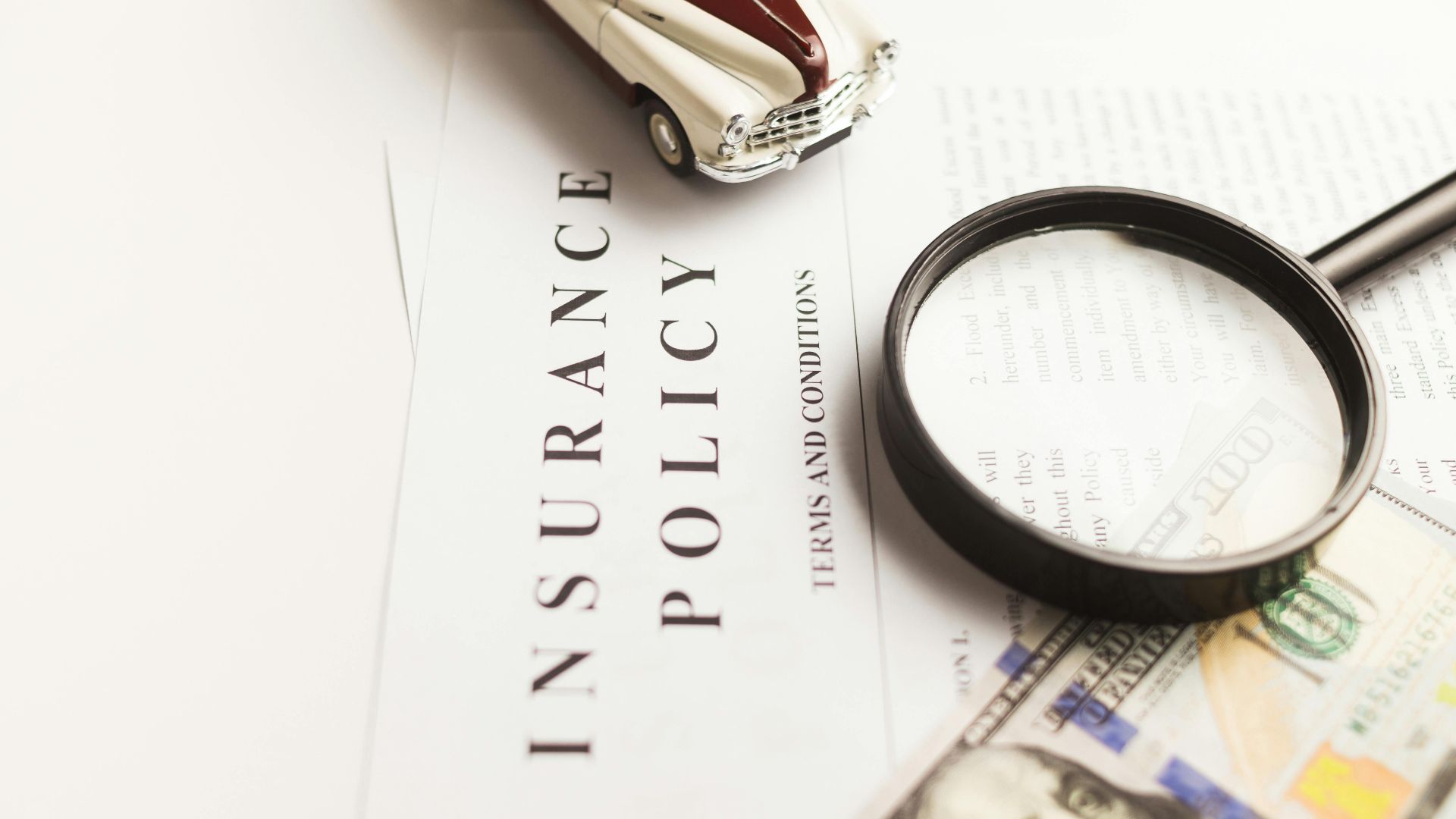
Sometimes insurers simply reprice their entire book of business. Maybe they underpriced policies last year and need to rebalance. Maybe they’ve had a rough year financially. The result? Broad premium increases across thousands of customers.
 Karolina Grabowska www.kaboompics.com, Pexels
The Loyalty Penalty Myth (And Reality)
Regulations in some regions have cracked down on insurers charging renewing customers more than new ones. But that doesn’t mean renewal prices won’t rise. It just means you shouldn’t be penalized compared to an identical new customer. If market rates have risen, yours probably has too.

Comparing Quotes Can Be Eye-Opening
When my renewal jumped, I shopped around. Surprise: other insurers were quoting similar—or even higher—figures. That’s when it clicked. My insurer hadn’t singled me out. The whole market had shifted.

How Discounts Are Applied
Another nuance: some discounts apply only to certain portions of the premium, not optional extras like breakdown cover or legal protection. So your headline discount might not affect the full amount you’re paying.

Telematics Scores Reset
Some programs reassess you each year. Your first-year discount doesn’t automatically stack onto year two. It’s recalculated annually. A great first year doesn’t lock in lifetime savings.
Risk Appetite Changes
Insurers regularly tweak their “risk appetite.” Maybe they’ve decided they don’t want as many drivers in your demographic or location. That can translate into higher renewal offers designed—subtly—to encourage some customers to move on.

You Can Challenge The Price
Here’s the empowering bit: you’re not stuck. Call your insurer. Ask how your safe driving discount was calculated. Query the increase. Sometimes a polite conversation and proof of competitive quotes can unlock a better deal.

Adjusting Your Cover Can Help
Increasing your voluntary excess, removing add-ons you don’t need, or adjusting mileage estimates can lower your premium. Just be careful not to strip away cover you’d regret losing after an accident.

When Safe Driving Still Pays Off
Even if your total premium rose, it might have risen less than it would have without the scheme. That’s the invisible benefit. You may have saved money compared to what your renewal would have been without your stellar driving data.

Read The Fine Print Next Time
Insurance is famous for its fine print, and safe driving schemes are no exception. Understanding how discounts are calculated—and what can override them—helps manage expectations.

The Big Takeaway
It feels unfair to be promised a discount and end up paying more. But in most cases, it’s not a bait-and-switch—it’s layered pricing at work. Your safe driving discount likely applied exactly as advertised, just to a new, higher baseline shaped by factors far beyond your steering wheel skills.

So, How Can They Do That?
Because insurance pricing is dynamic, data-driven, and influenced by far more than your personal driving habits. The 30% was never a guarantee off last year’s bill—it was a potential reduction within a shifting system. Annoying? Absolutely. Mysterious? Less so once you peek behind the curtain. The lesson: drive safely, shop around, read the fine print—and never assume “up to” means “at least.”

You May Also Like:
Car-Free Cities Seem Impossible To Americans—But From New York To Paris, The Car Era Is Ending
They're Called Hypercars For A Reason—The Fastest Production Vehicles Ever Released