Slow Can Still Be Illegal: Who’s Right?
Learning to drive comes with a lot of advice, and sometimes it clashes. Your dad is right that you should not drive faster than you can safely handle just because other people are impatient. But your girlfriend is right too: in some situations, driving too slowly can get you pulled over or ticketed. Safe driving is not about going as slow as possible. It is about driving at a reasonable speed for the road, weather, and traffic.
Why This Is So Confusing
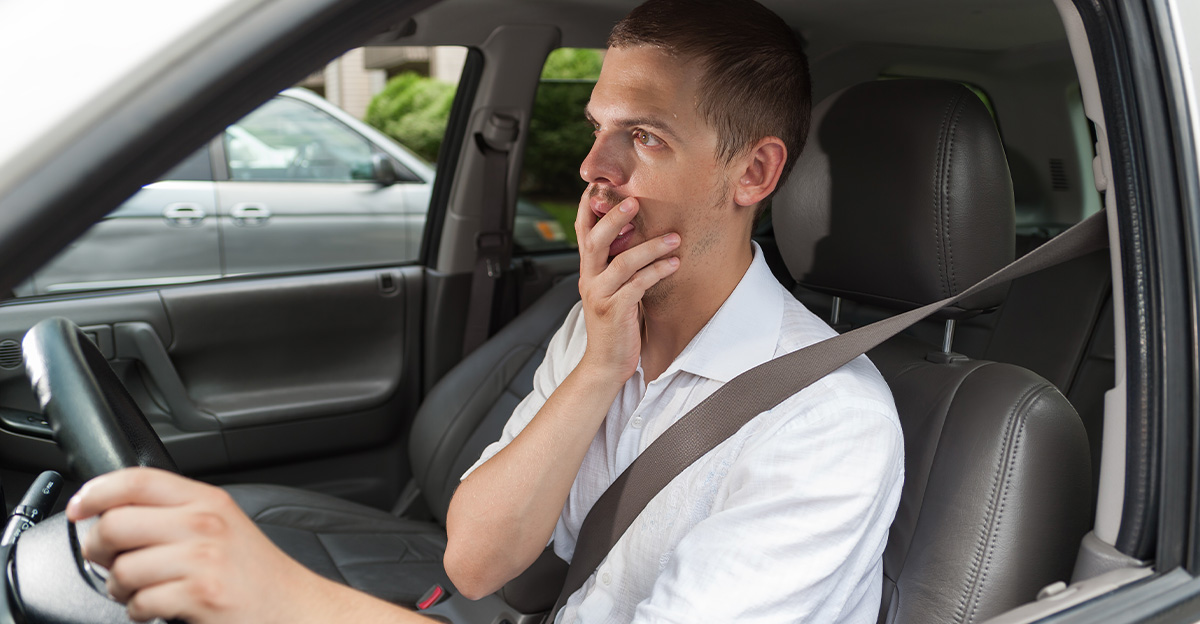
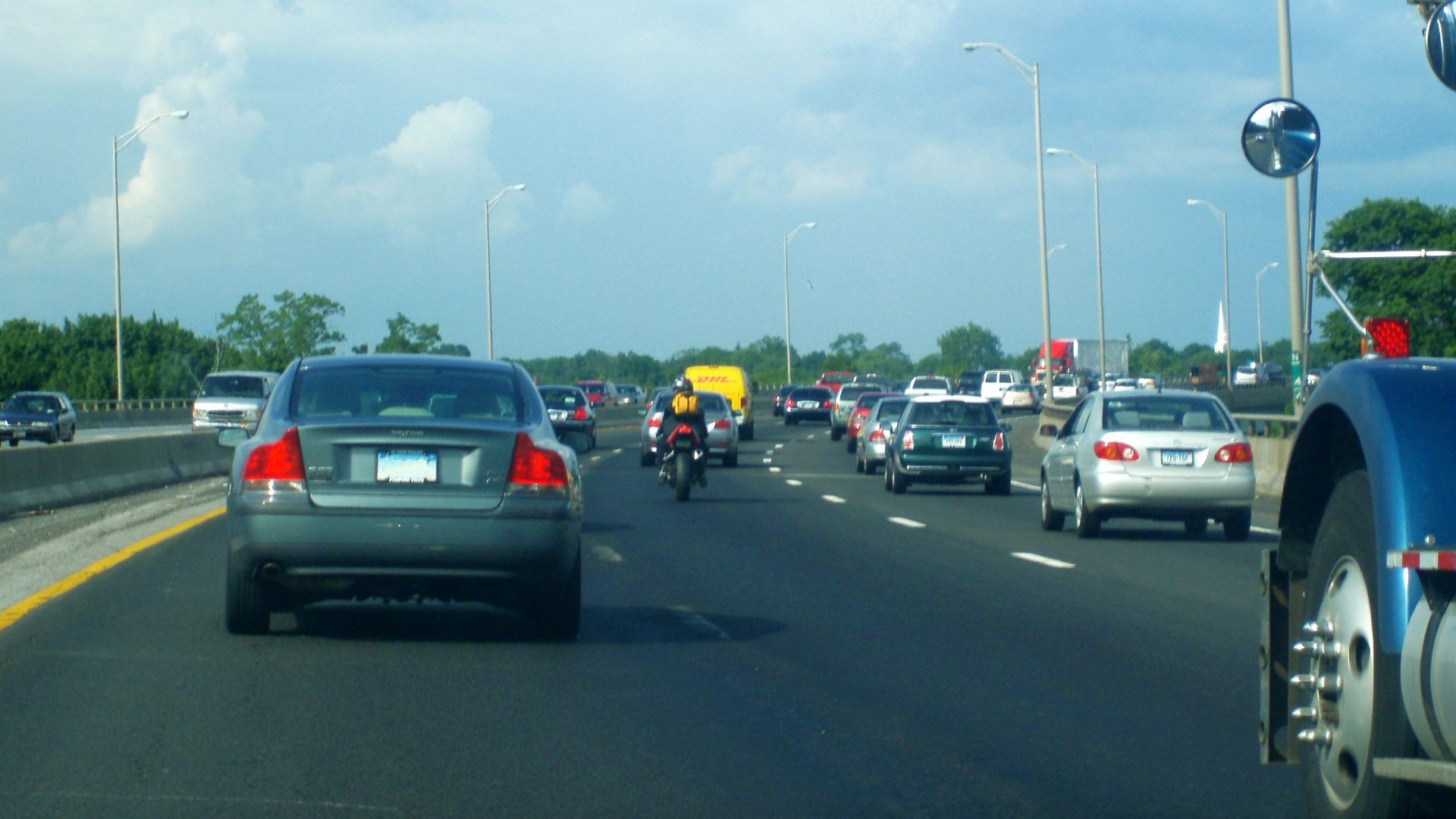
A lot of new drivers hear that slower always means safer. That sounds logical, but roads do not work that way. Traffic is safest when it moves in a steady, predictable flow. A car going way faster or way slower than everyone else can create confusion, frustration, and risky reactions from other drivers.
The Speed Limit Is A Maximum
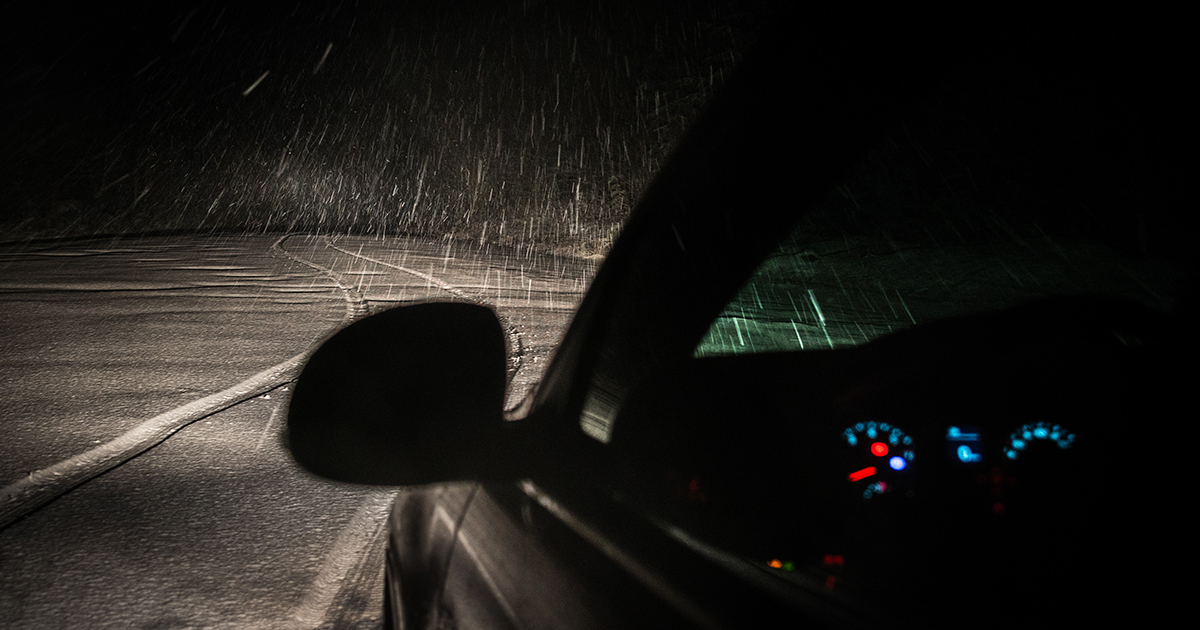
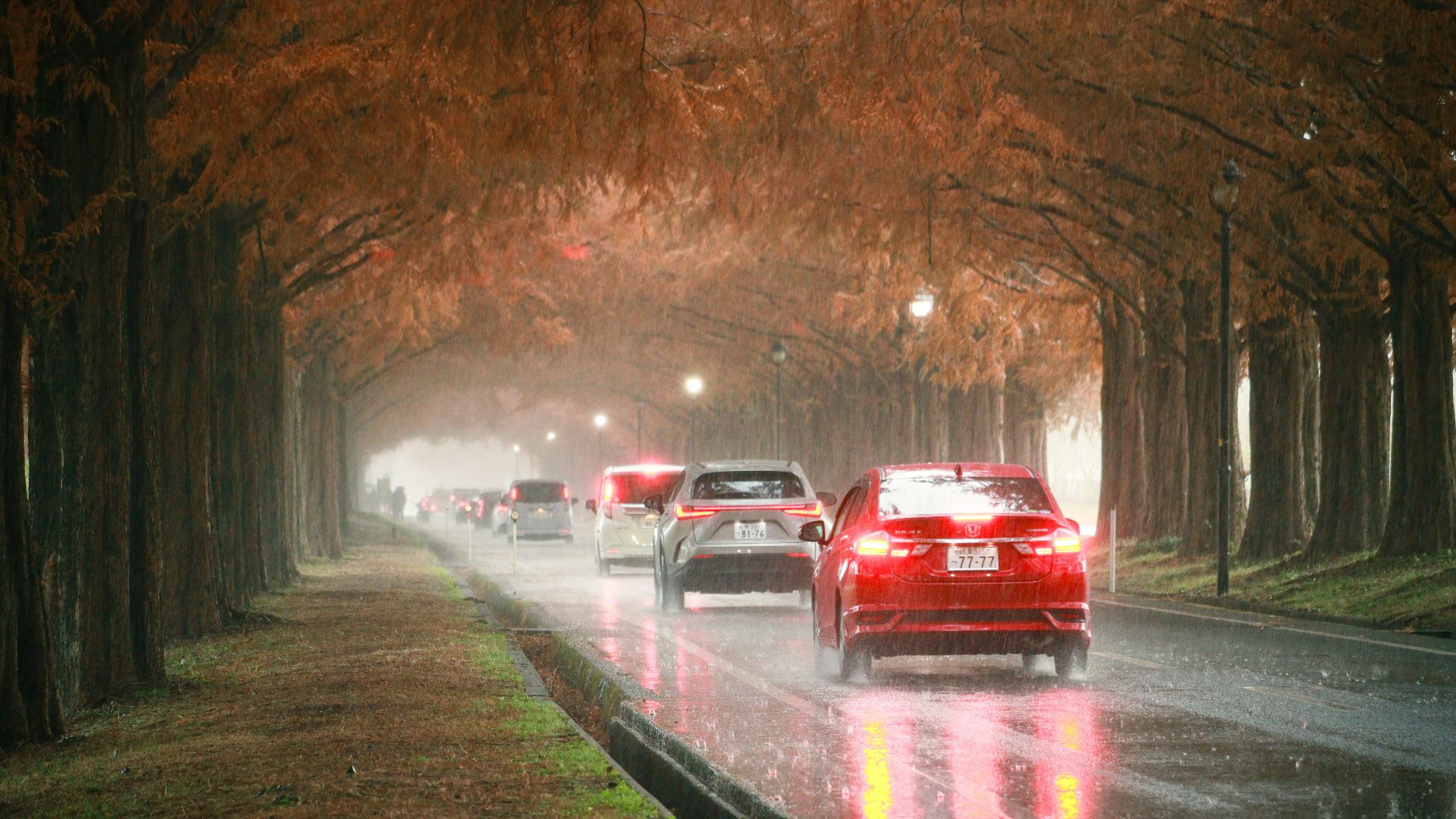
One big misunderstanding is thinking the speed limit is a number you must always hit exactly. It is not. The speed limit is the fastest you are usually allowed to go in normal conditions. If it is raining hard, foggy, icy, or dark, slowing down is often the smart and legal choice.
But You Cannot Ignore Traffic Flow
The speed limit is not just decoration either. On a clear day, driving far below it without a good reason can become a problem. You are allowed to be cautious, but you are not supposed to become a moving roadblock that makes everyone else react around you.

What Counts As Too Slow
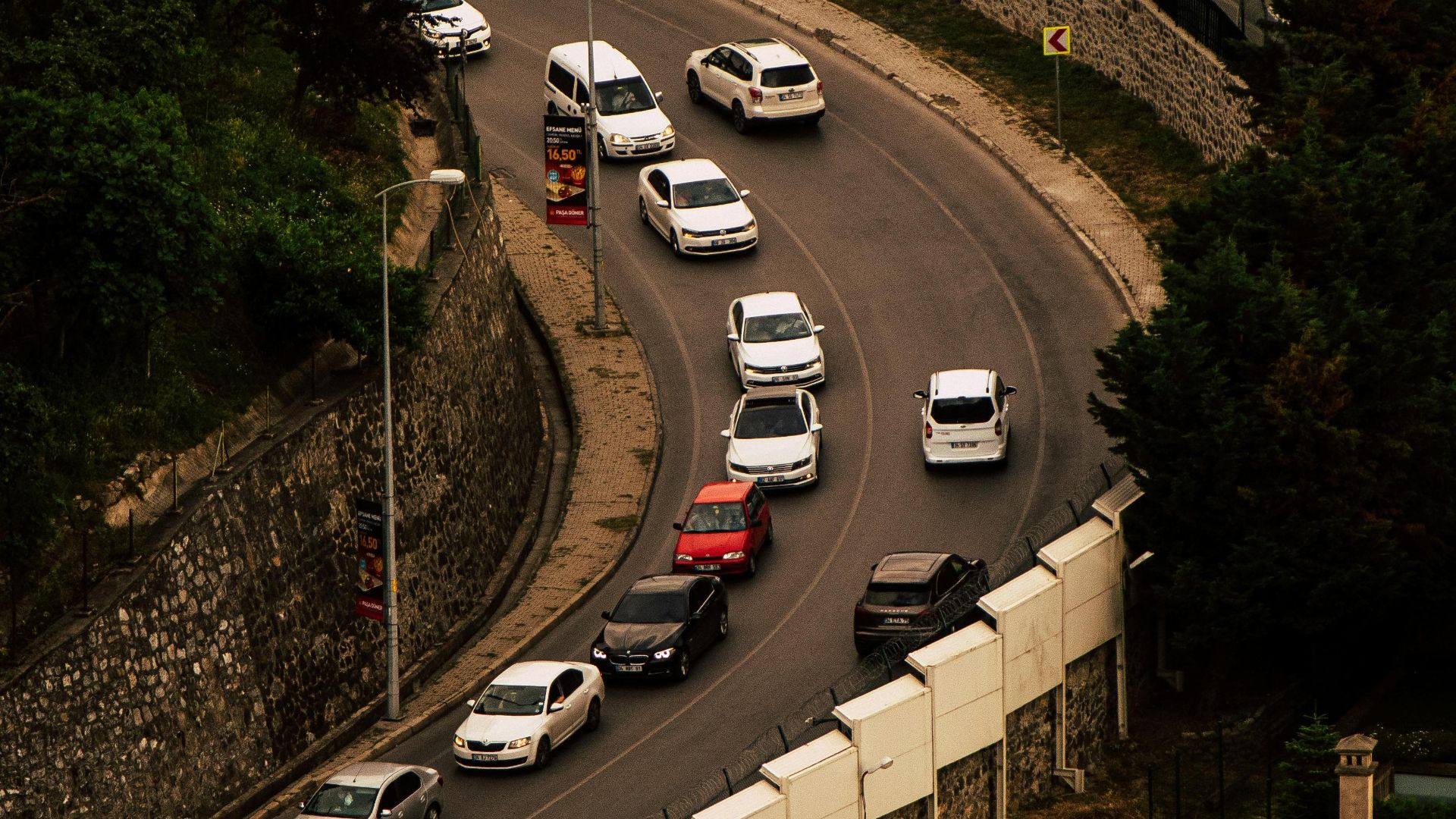
Driving too slowly usually does not mean going a little under the limit. It means going so much slower than normal traffic that you disrupt the flow. If everyone is moving near the posted speed and you are crawling far below that for no clear reason, that is when trouble starts.
Yes, You Can Get A Ticket
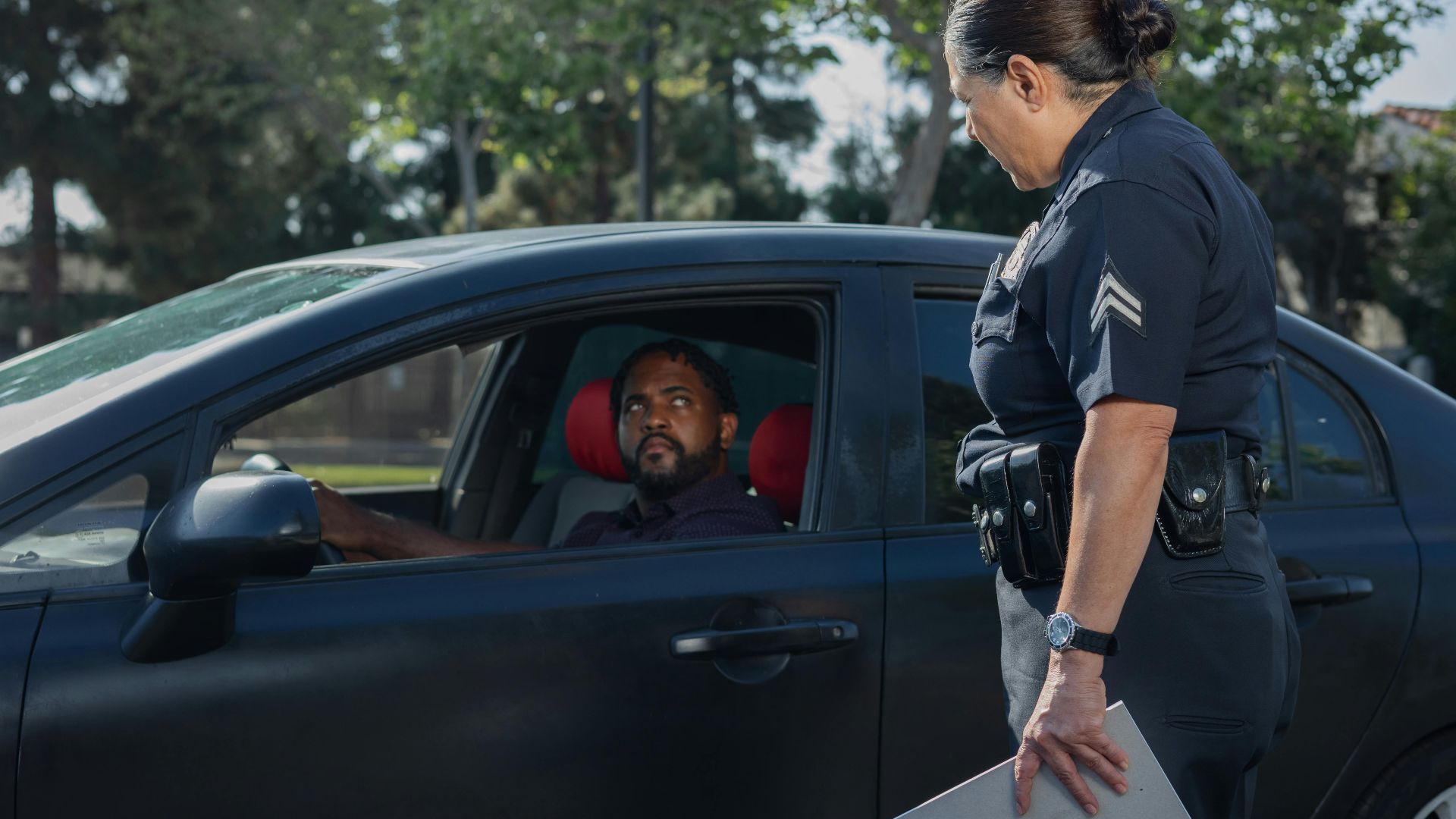
In many places, drivers can be ticketed for impeding or obstructing traffic. That does not mean police are waiting to punish anyone going 3 mph under the limit. But if your speed is unreasonable for the conditions and traffic behind you is piling up, a ticket is possible.
Slow Driving Can Be Risky Too
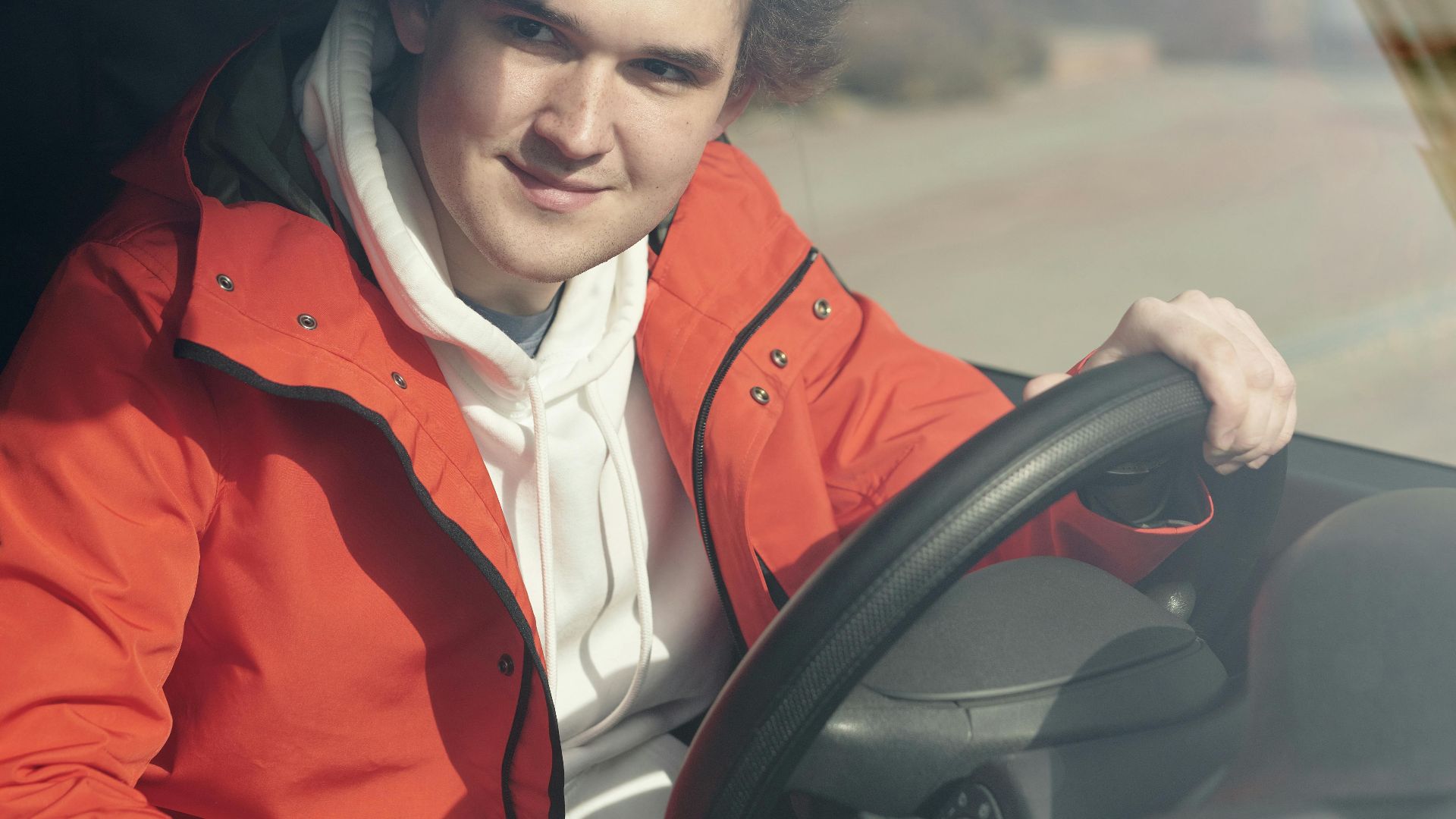
People talk a lot about speeding, but driving too slowly can cause problems as well. Other drivers may brake suddenly, tailgate, or make aggressive passes. That does not make their behavior okay, but it does show why being far below the normal flow can increase risk.
The Left Lane Is Not Your Comfort Zone
If you are in the left lane, driving slowly becomes a much bigger issue. On many roads, that lane is mainly for passing. If you stay there while faster traffic stacks up behind you, you may annoy drivers and even attract police attention. If you want to take it easy, stay right.
When Slowing Down Is Smart
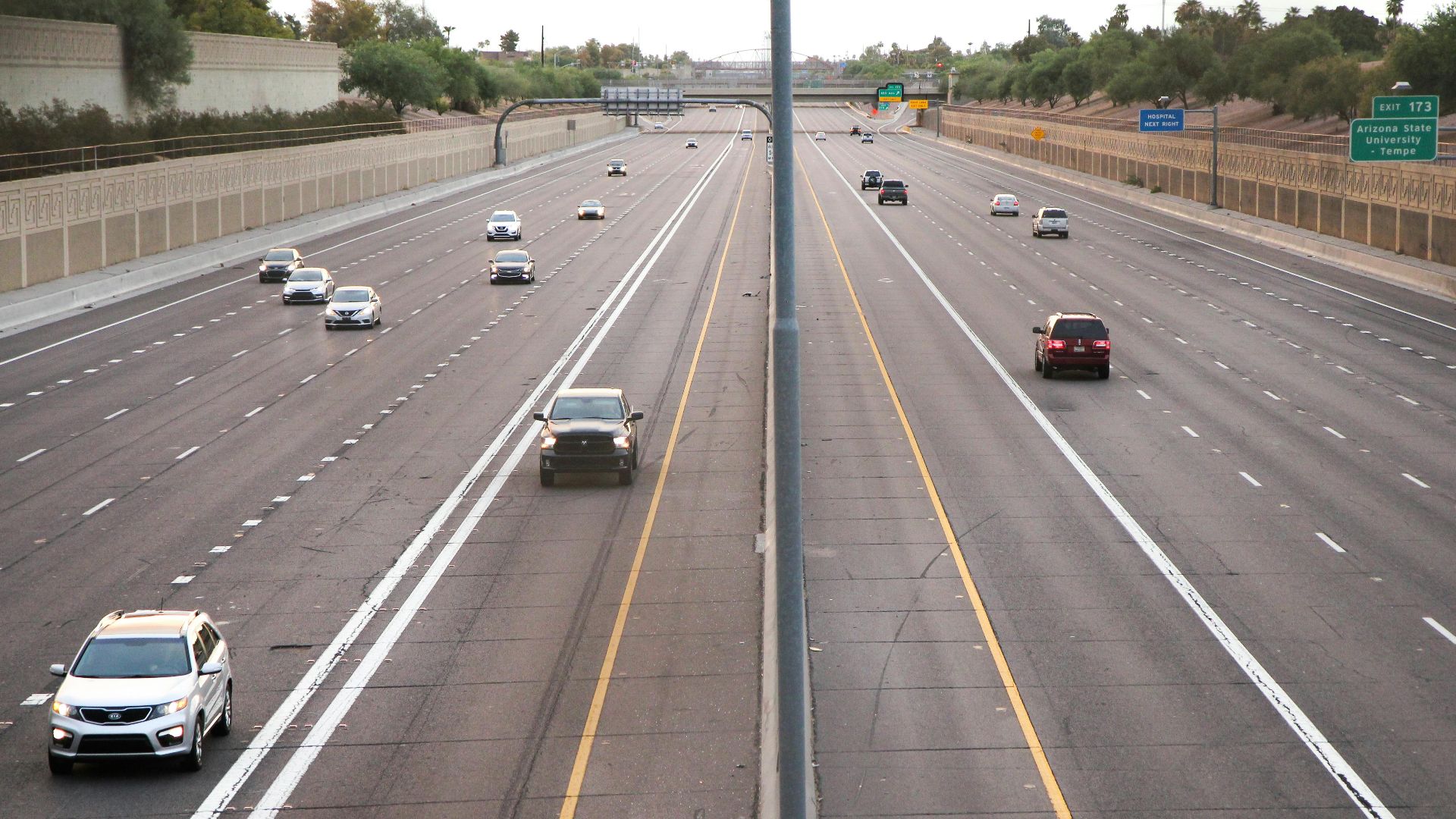
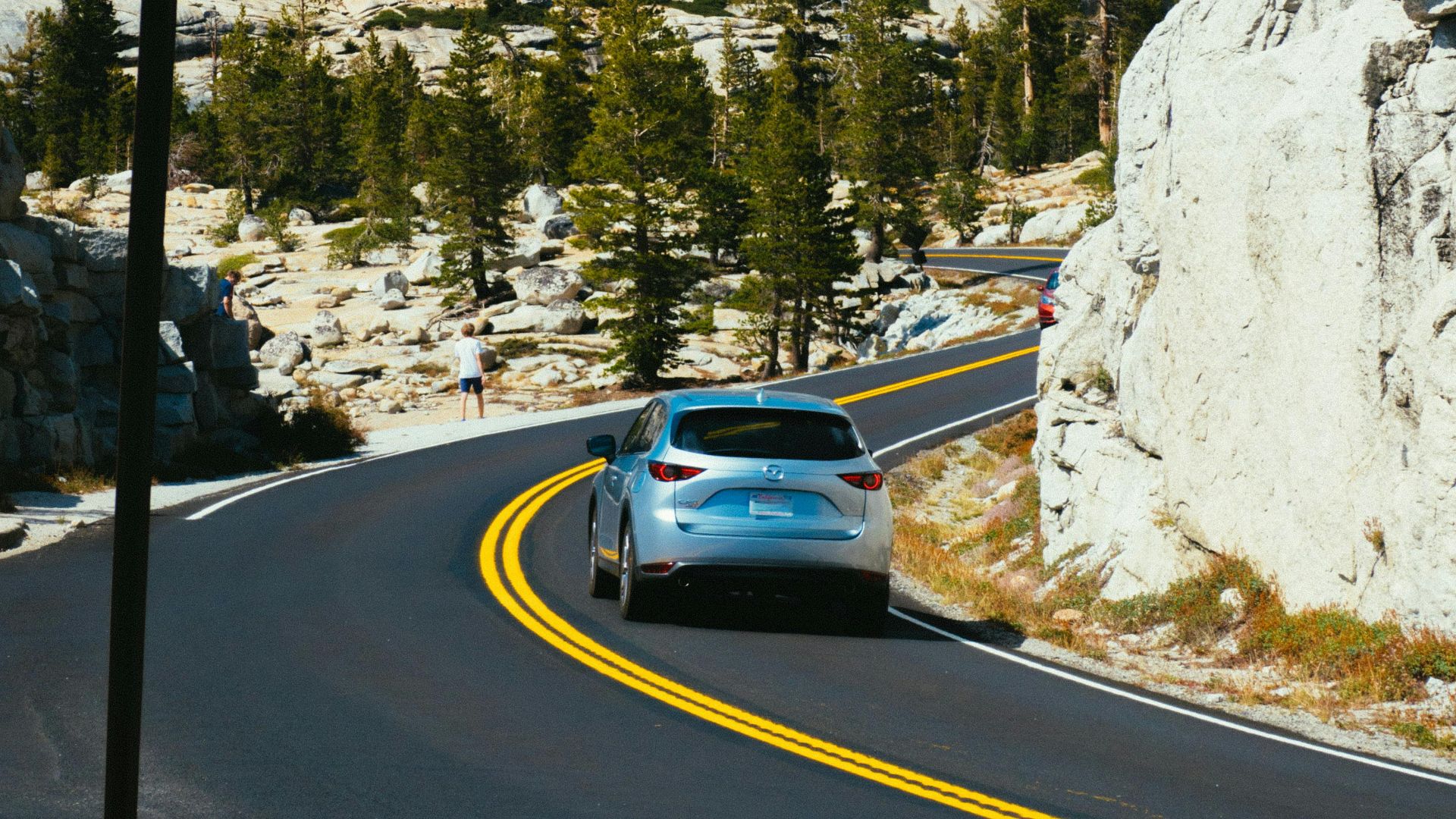
There are plenty of times when your dad’s advice makes perfect sense. Bad weather, low visibility, construction zones, sharp curves, and busy pedestrian areas all call for lower speeds. In those moments, slowing down is not timid. It is exactly what a smart driver should do.
Feeling Nervous Is Not The Same As Being Unsafe
New drivers often feel uncomfortable at normal speeds, and that is understandable. But feeling nervous does not automatically mean driving much slower is the safest choice. Sometimes the better fix is more practice, quieter roads, or less busy times of day.

Confidence Takes Time
If regular traffic speeds feel stressful, the goal should be to build skill, not avoid normal driving forever. Start on familiar roads, drive in daylight, and work your way up slowly. Confidence comes from practice, not from turning every trip into a slow crawl.
Predictability Matters
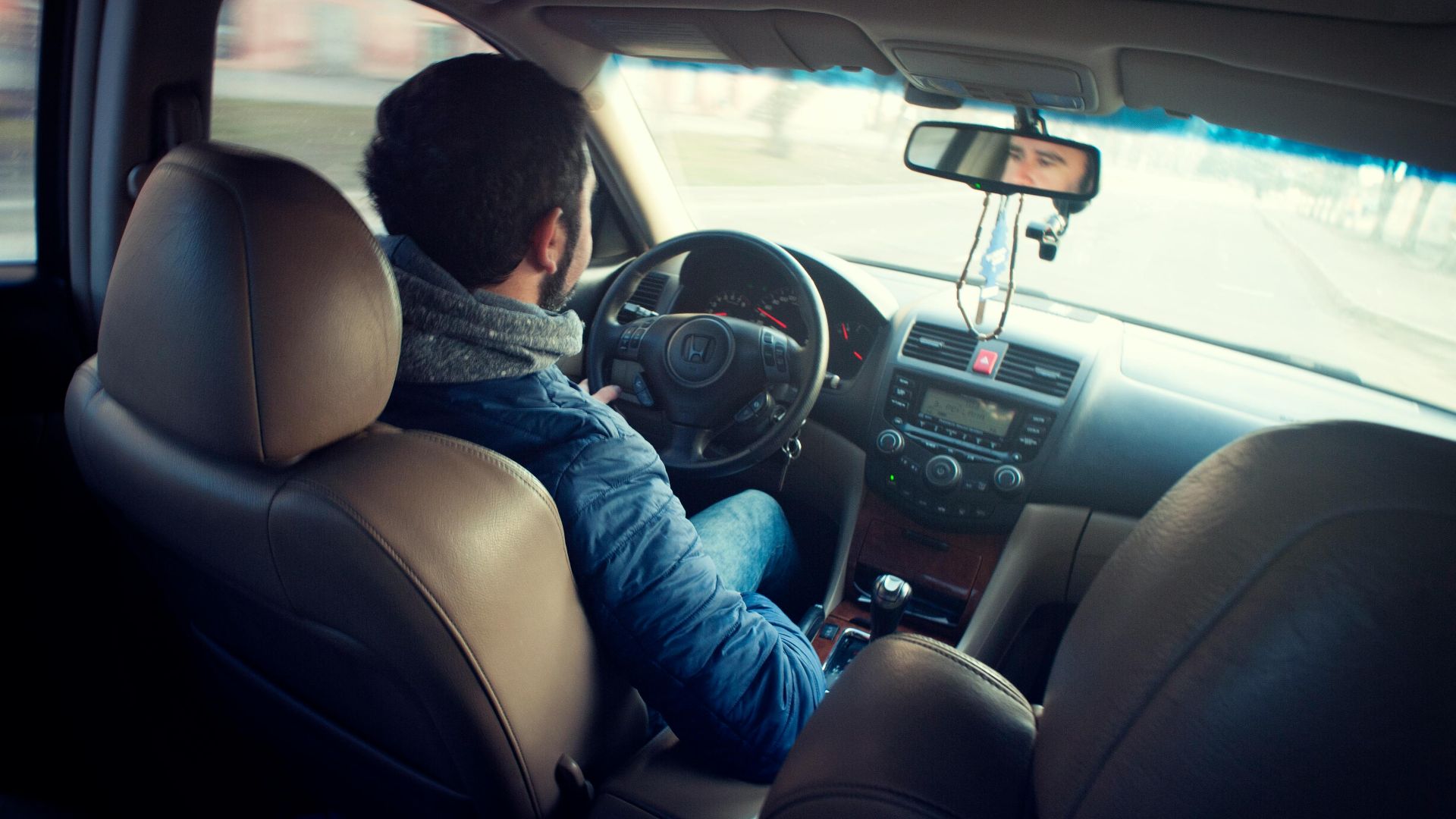
Driving is easier when everyone can guess what everyone else is doing. When you move with the normal flow, you are more predictable. When you are much faster or slower than expected, you become harder to read. That can make the road feel more chaotic.
Careful And Hesitant Are Not The Same
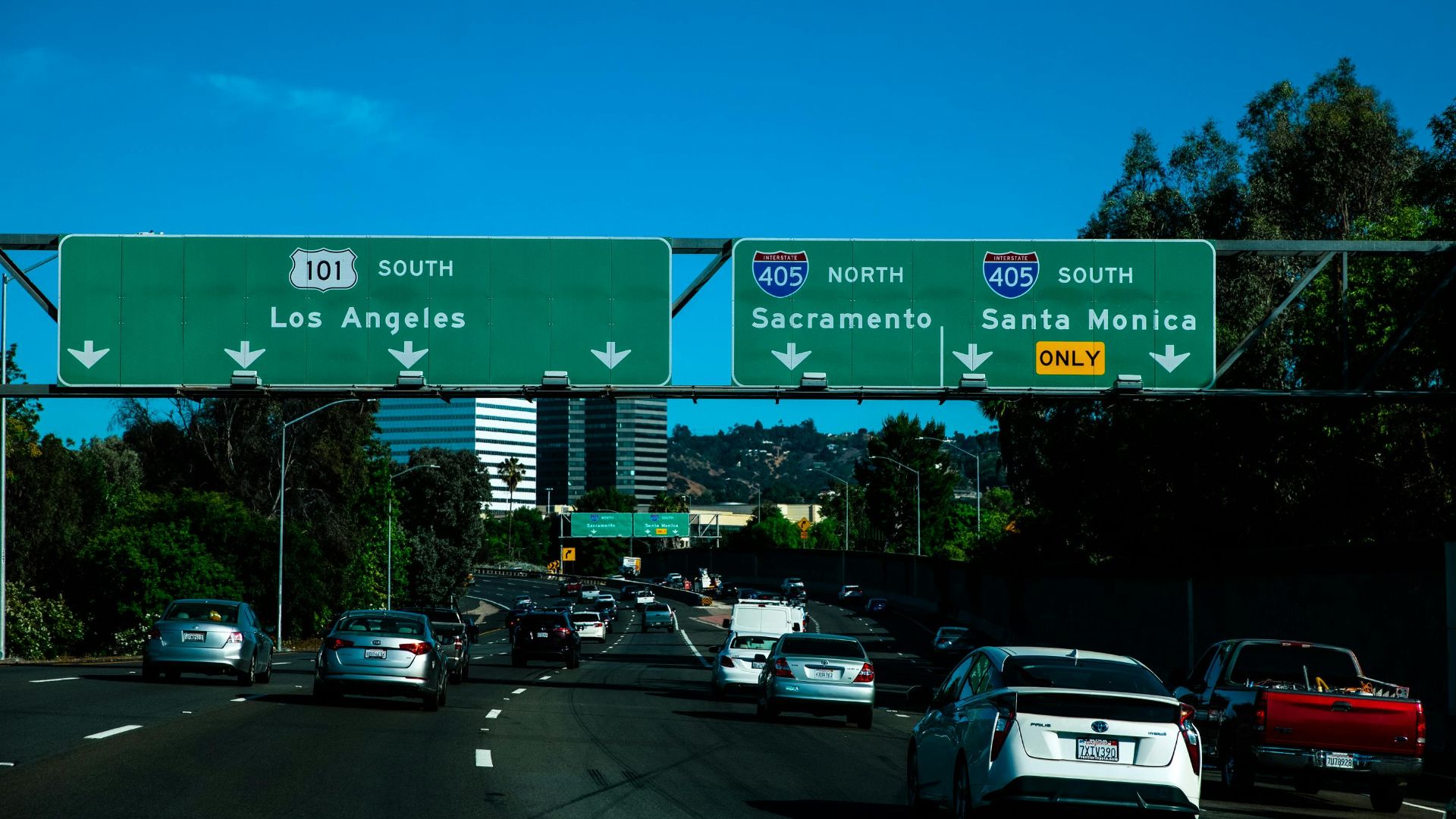
Careful driving means checking mirrors, leaving space, signaling early, and staying alert. Hesitant driving means braking for no reason, creeping into merges, or moving too slowly because you are unsure. Careful is good. Hesitant can confuse other drivers and create problems.

Merging Too Slowly Is Dangerous
One classic beginner mistake is entering a highway too slowly. A lot of new drivers think that is safer, but merging works best when you get close to the speed of traffic. Joining fast-moving cars while going much slower makes the whole situation harder and riskier.
Sometimes The Road Calls For Less Speed
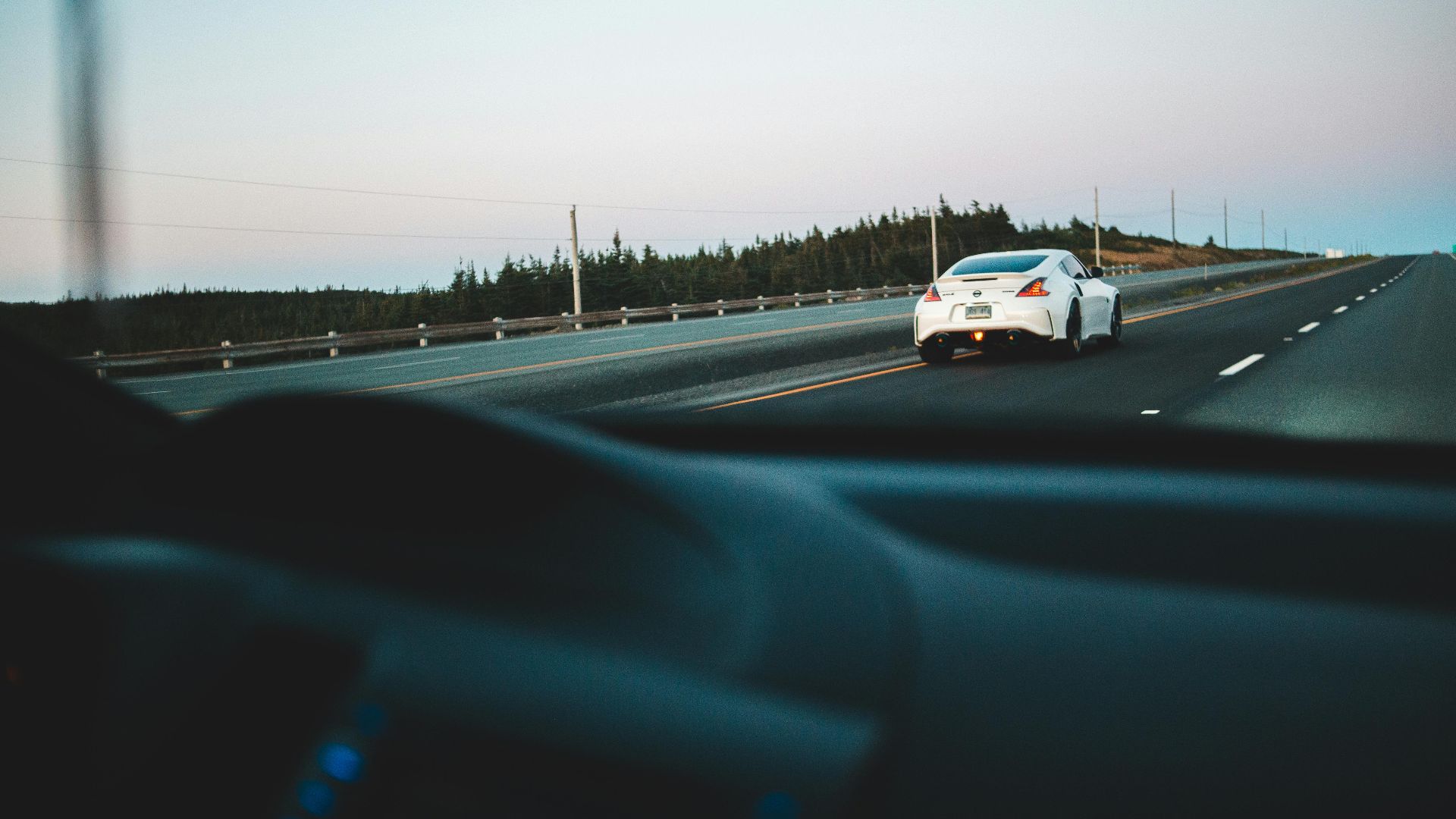
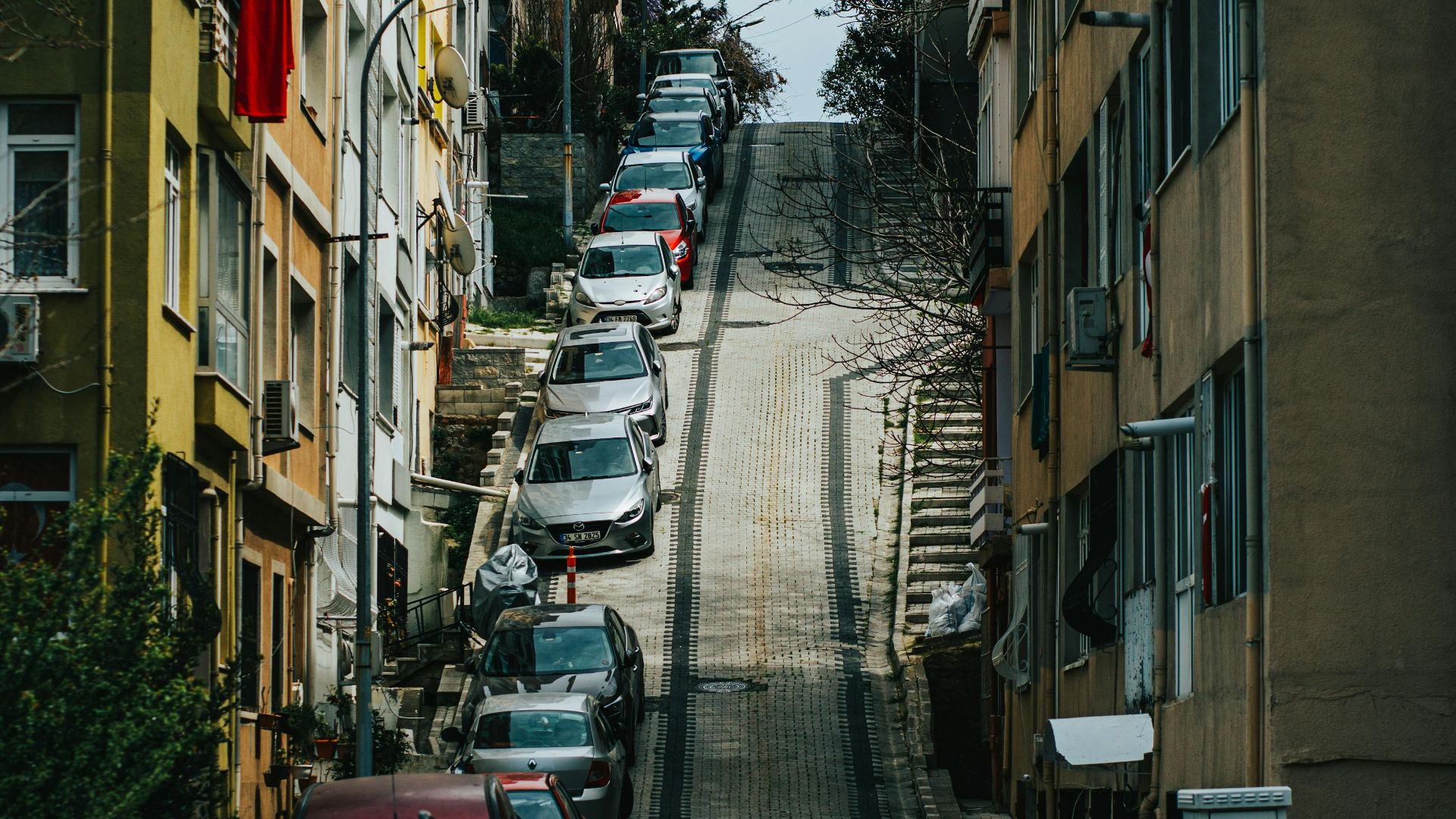
Not every slow moment is bad. Steep hills, blind curves, rough roads, and unfamiliar back roads can all justify slowing down. The question is whether your speed matches the road and conditions. Slowing for a real reason is smart. Slowing for no reason can be an issue.
Police Look At The Whole Situation
A police officer is usually not staring at one number on your speedometer. They are looking at whether your speed makes sense for the road, weather, and traffic. Going under the limit in a storm looks reasonable. Doing it on a bright, clear day while blocking traffic may not.
You Are Not Responsible For Aggressive Drivers
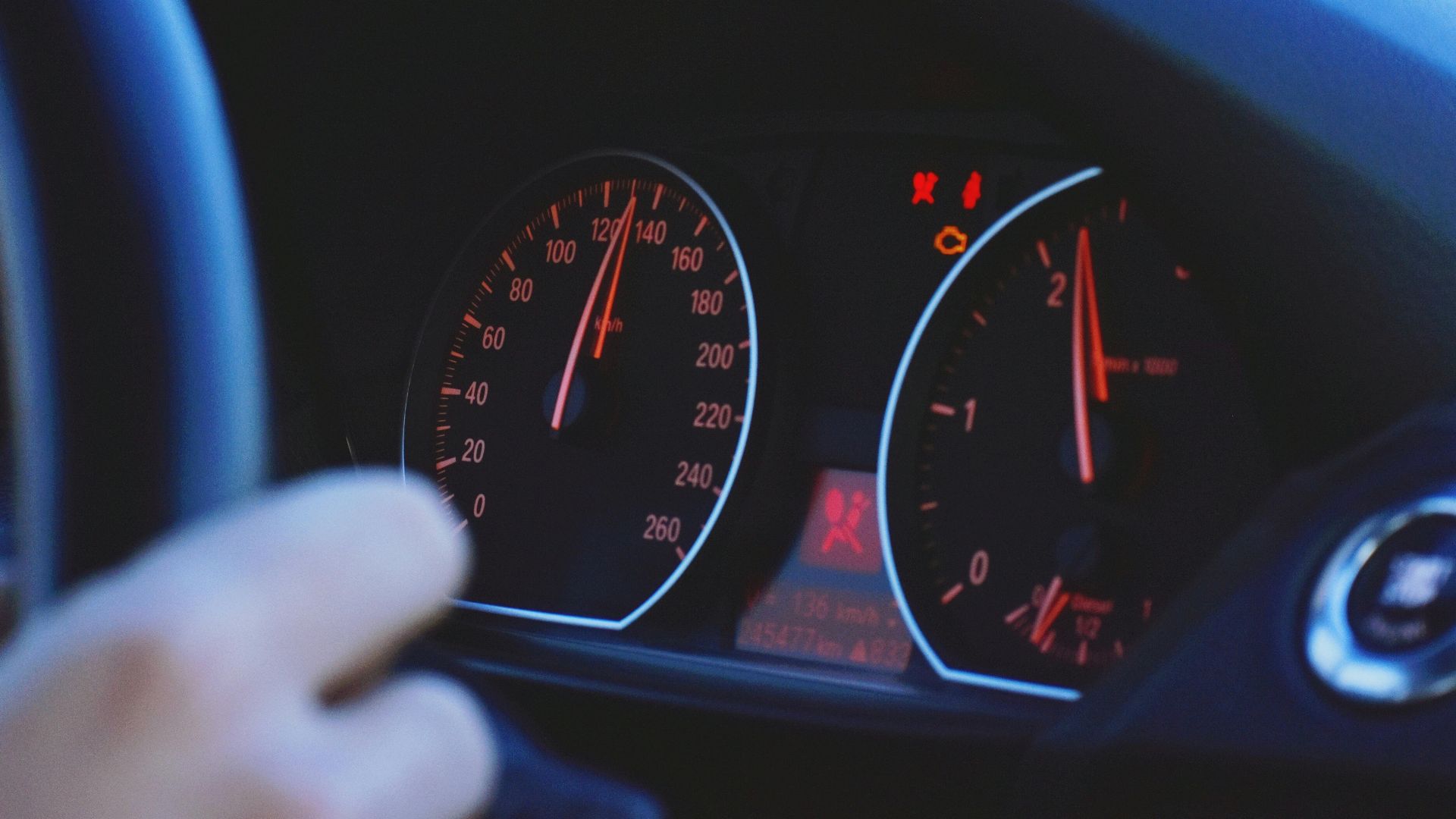
Some people are impatient no matter what. Even if you are driving normally, someone may still tailgate you like they are in an action movie. Do not panic. Stay steady, move right if it is safe, and let them go make bad choices somewhere else.

If You Need To Go Slower, Be Courteous
If you truly need to drive slower for safety, do it thoughtfully. Stay in the right lane, signal clearly, and avoid blocking passing lanes. On a two-lane road, pull over safely when possible if a long line forms behind you. Courtesy goes a long way.
Signs You May Be Going Too Slowly
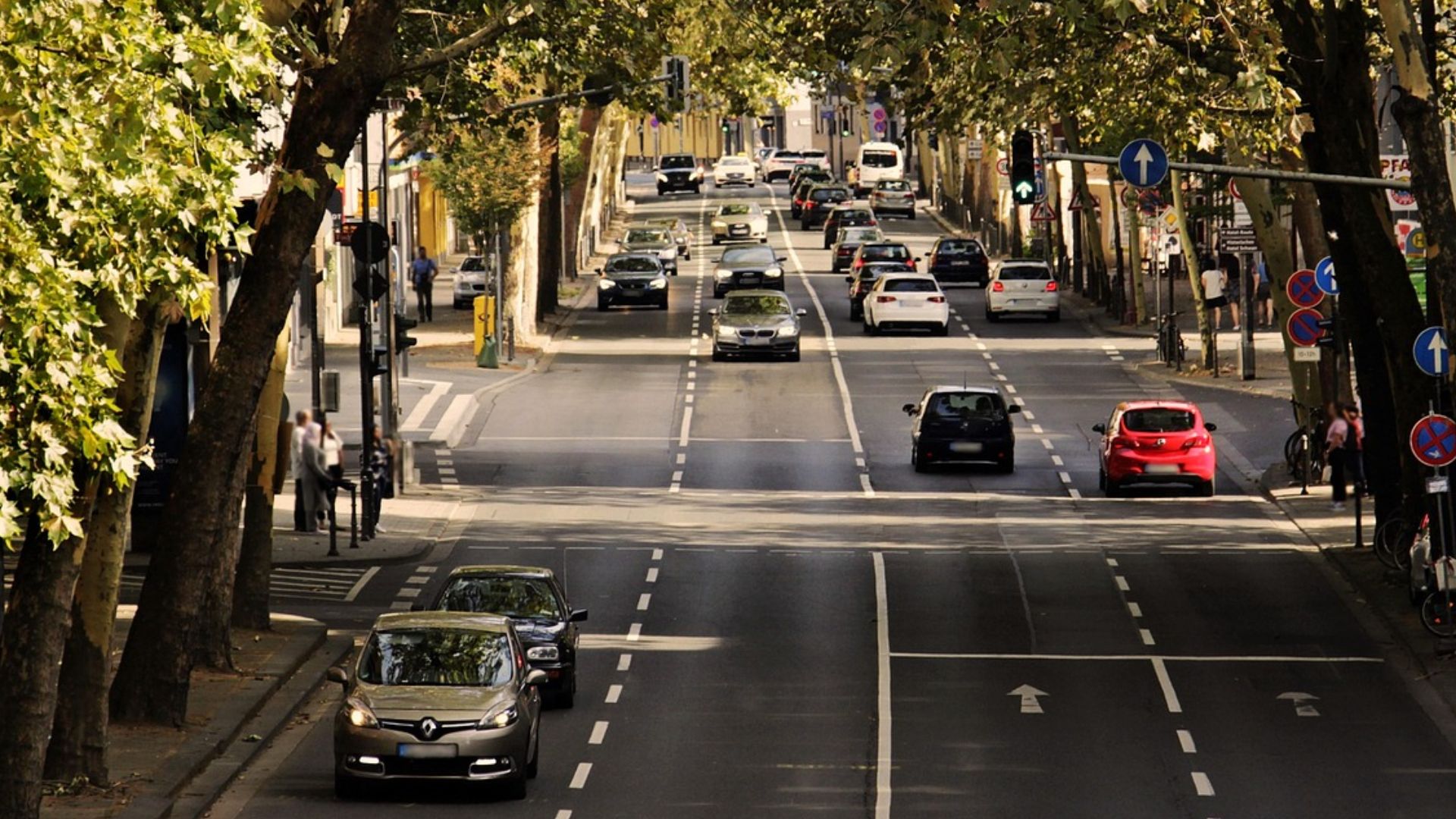
There are some obvious hints that your speed may be a problem. Cars may pile up behind you, drivers may keep passing, or people may have to brake around you. The goal is not to race. It is to move safely with traffic whenever conditions allow.
Signs You Need More Practice
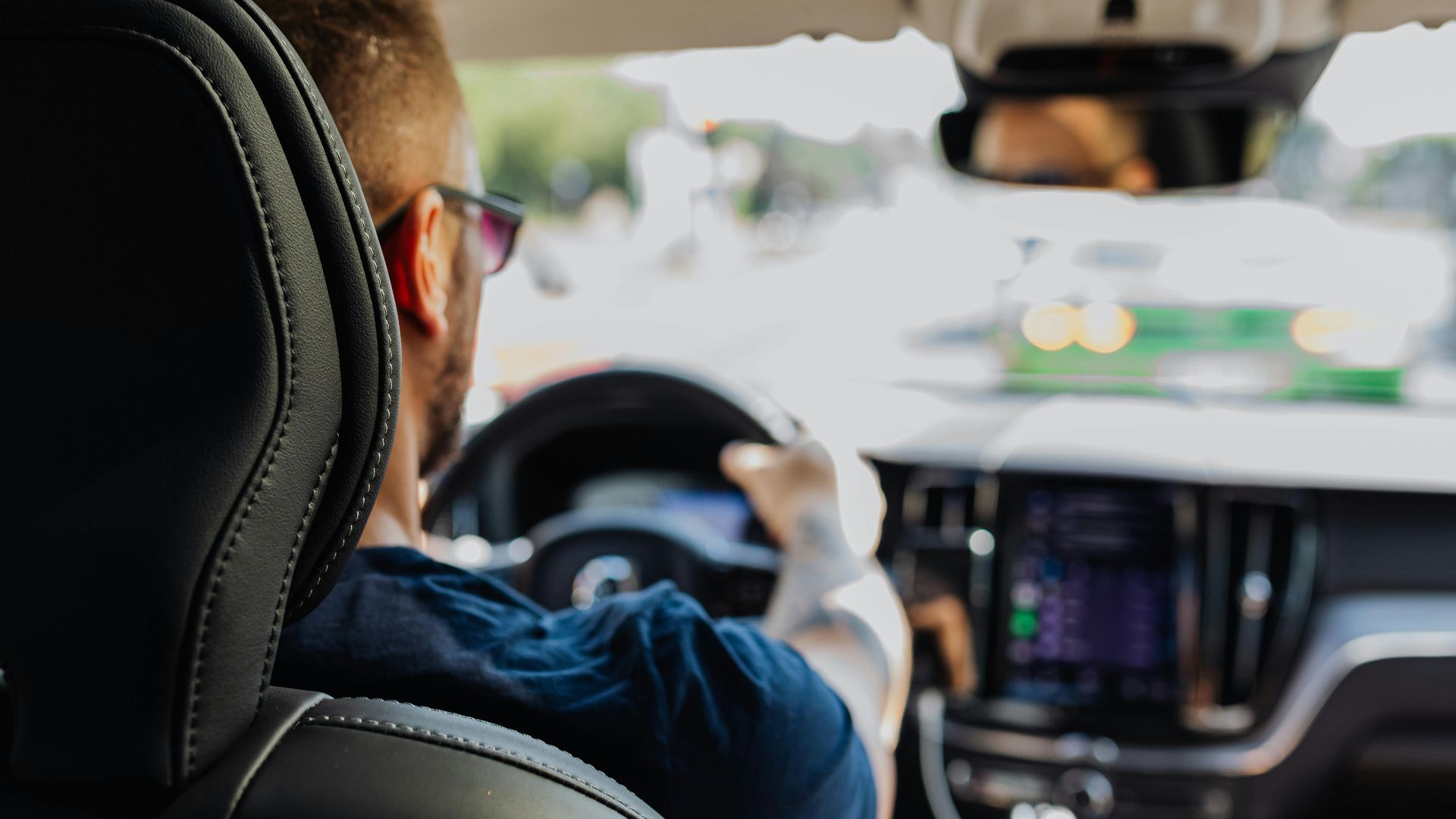
If you cannot comfortably drive near normal speeds on ordinary roads in good conditions, you probably need more practice. That is completely normal for a new driver. A few extra lessons, more supervised driving, or a defensive driving class can make a huge difference.

What Your Dad Probably Means
Your dad is likely trying to say that you should not let other drivers pressure you into going faster than you can safely handle. That is good advice. New drivers get into trouble when they try to act more confident than they really are.

What Your Girlfriend Probably Means
Your girlfriend is probably pointing out that driving far too slowly can annoy other drivers and even break the law. She is right about that too. She is not saying you should speed. She is saying you should not become the reason traffic stops making sense.

The Better Rule
A better rule is this: drive as fast as is reasonable and comfortable for the conditions while still moving with traffic. That lets you stay cautious without becoming unpredictable. It is a much better guide than “go as slow as you want.”
So Who Is Right?
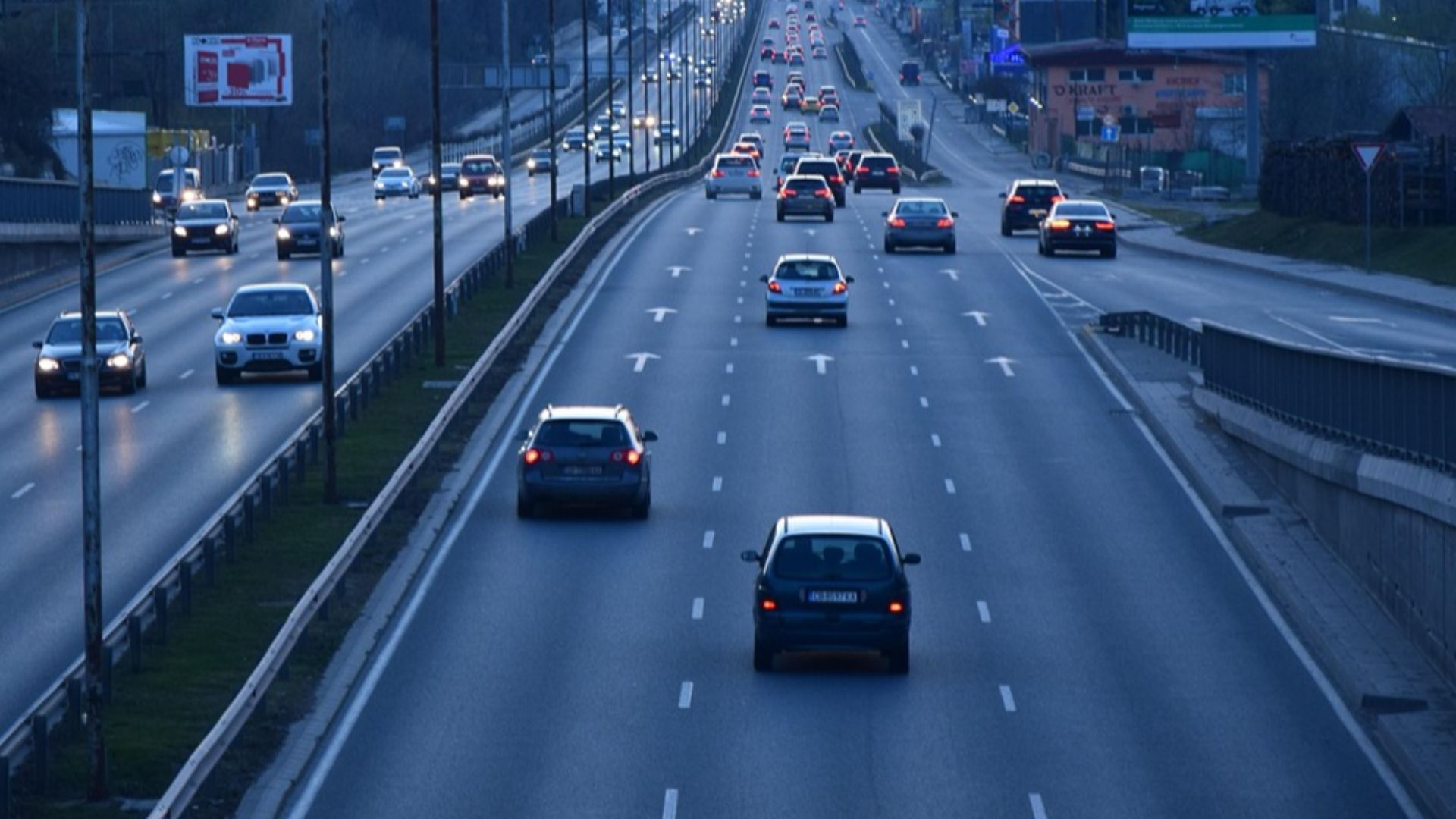
The honest answer is that both of them are partly right. Your dad is right that safety comes before pressure. Your girlfriend is right that driving too slowly can create problems and even lead to a ticket. The best answer sits right in the middle.

The Best Mindset For New Drivers
New drivers should aim to be calm, steady, and predictable. Use the right lane when you want more breathing room. Slow down when conditions demand it. Practice until normal traffic speeds feel normal instead of terrifying. That is how safe drivers are made.
Drive Safe, Not Scared
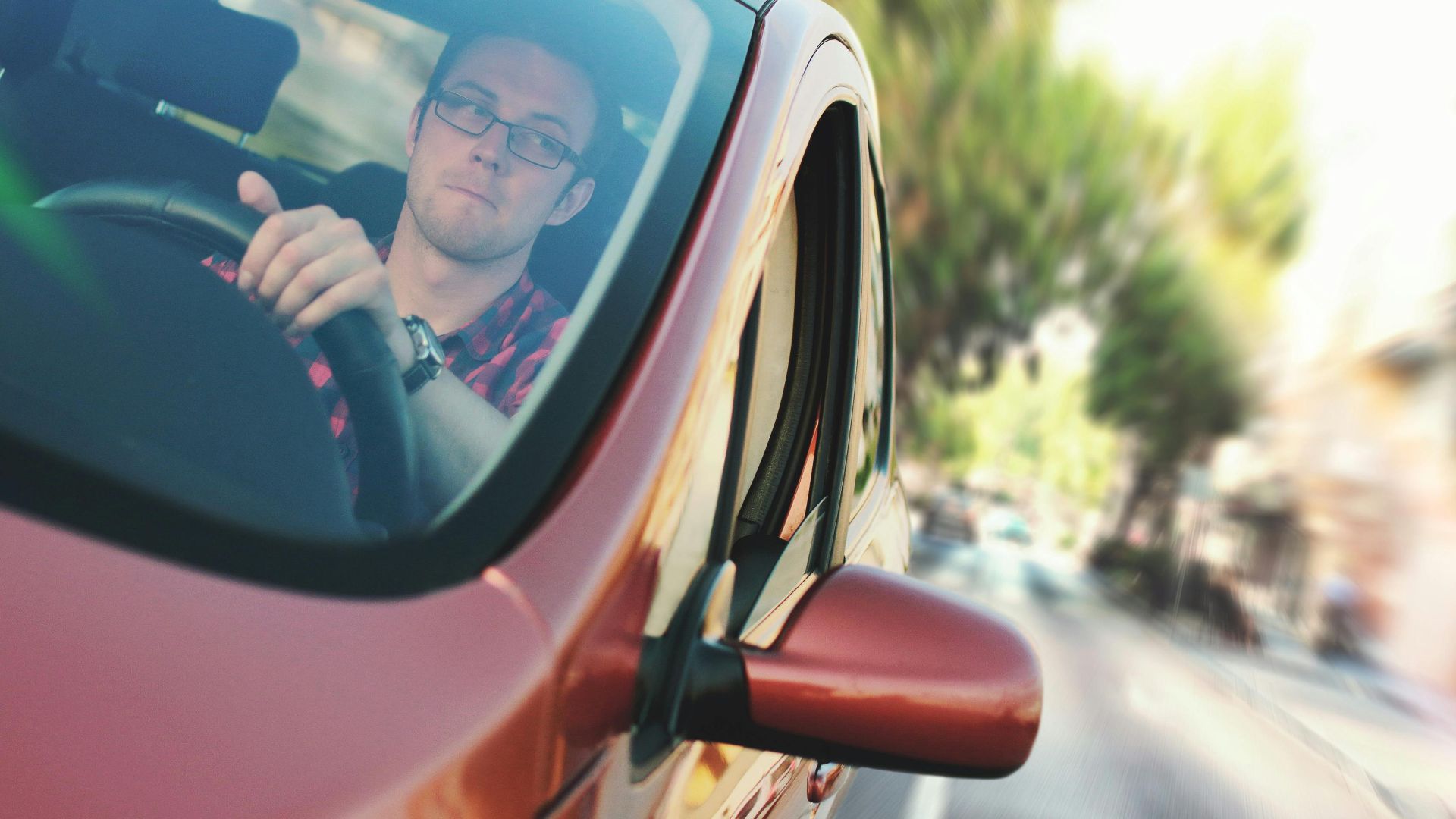
In the end, safe driving is not about being the fastest car or the slowest one. It is about being a driver other people can understand. Choose a speed that fits the road, the weather, and the traffic around you. The road does not reward “as slow as possible.” It rewards good judgment.
You May Also Like: