The Weirdest Traffic Stop Of The Week
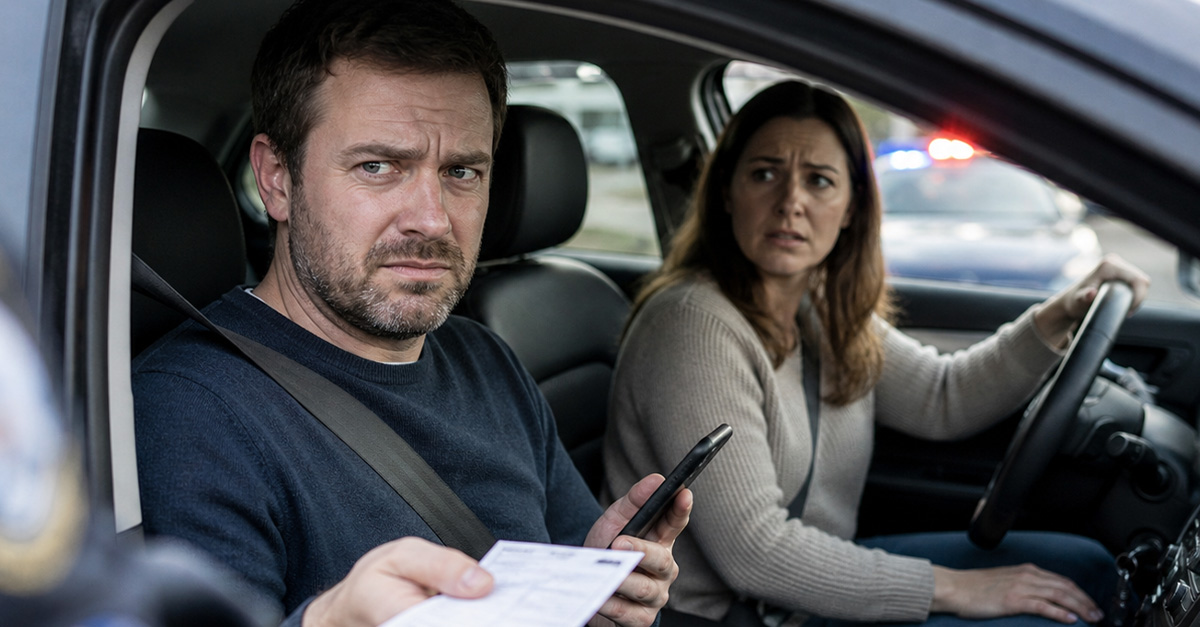
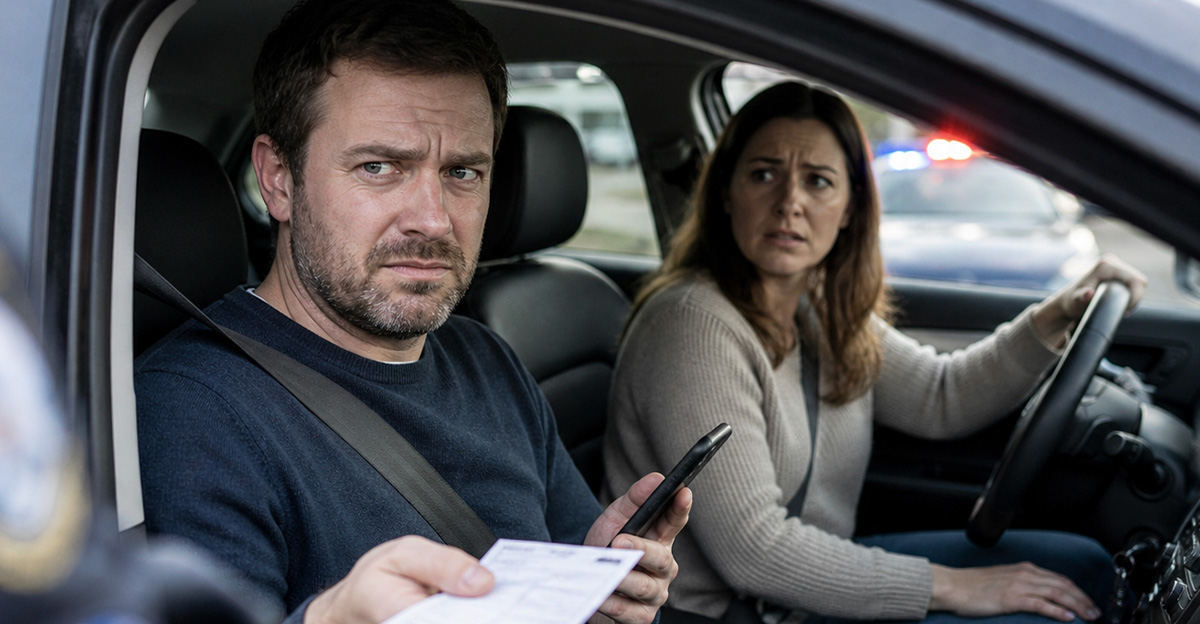
Picture this: your wife is driving, you’re in the passenger seat, and you’re scrolling, texting, or checking directions like any normal co-pilot. Then the lights flash, the officer walks up, and somehow the ticket is about your phone. Naturally, your first thought is: wait, what?
The Big Question Everyone Asks
In most places, distracted-driving laws are aimed at the driver, not the passenger. In Michigan, for example, the rule says drivers cannot use or even hold a hand-held phone or similar device while driving. Passengers using phones are not the usual target of that offence.
Why The Ticket Might Have Happened
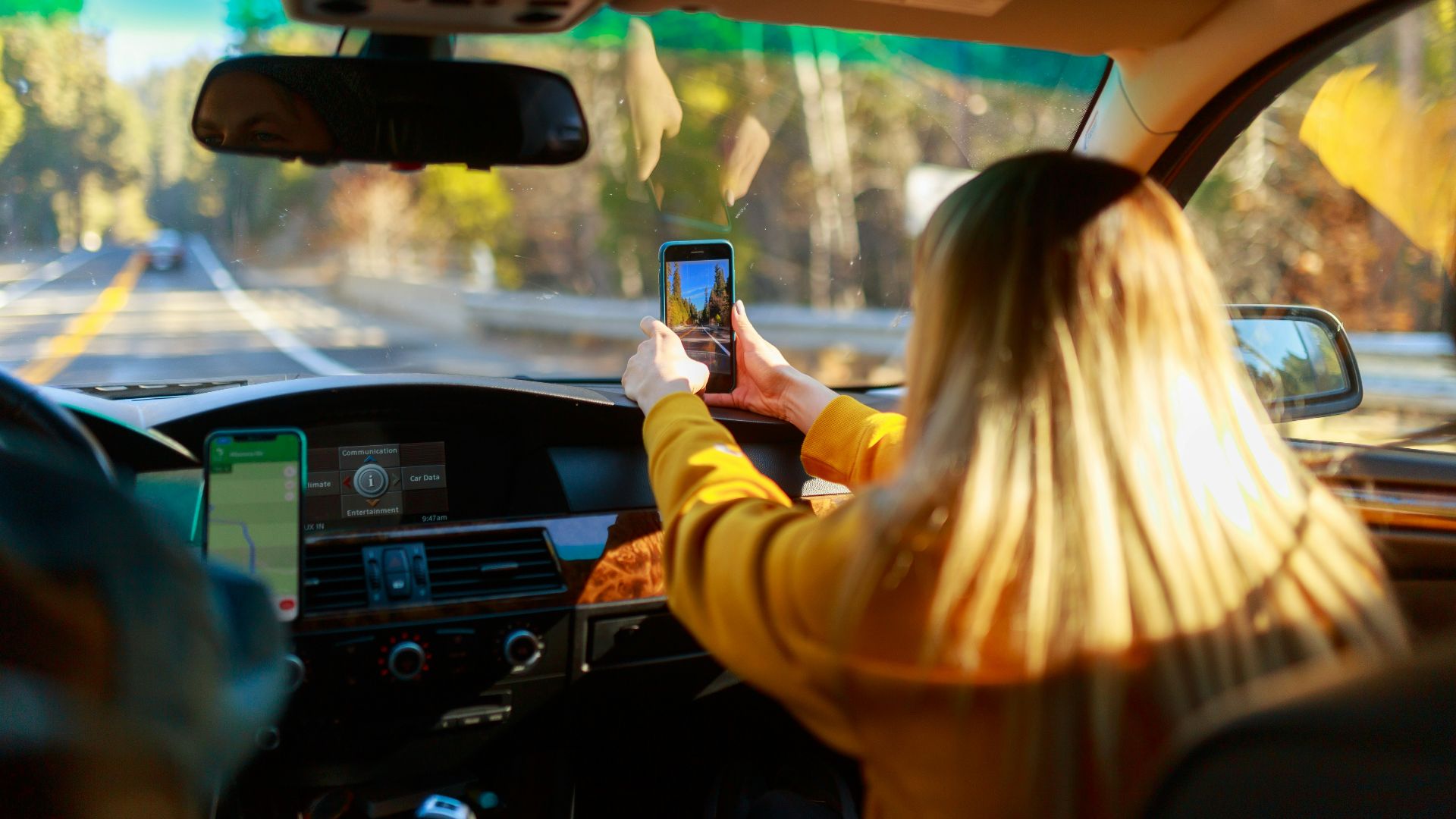
Police officers often have only a few seconds to see what is happening inside a moving car. From the roadside, a passenger’s glowing phone can look like the driver’s phone, especially at night, in traffic, or if the phone is held near the center console.
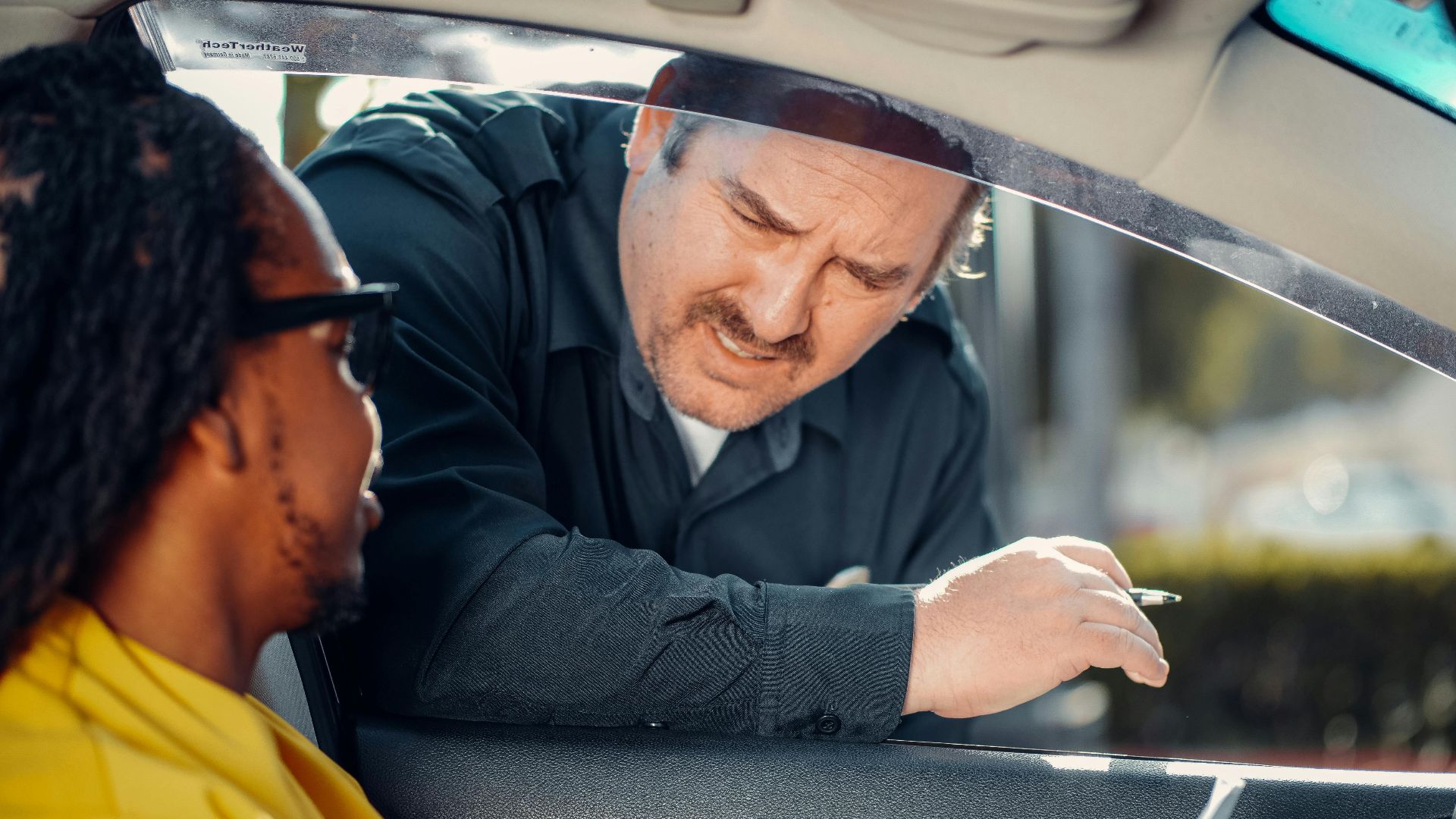
The Law Cares About Who Was Driving
The key detail is not simply “a phone was in the car.” The key detail is whether the driver was holding, using, touching, typing, dialing, texting, emailing, or viewing a prohibited device while driving. That distinction matters a lot.

Passenger Phone Use Is Usually Legal
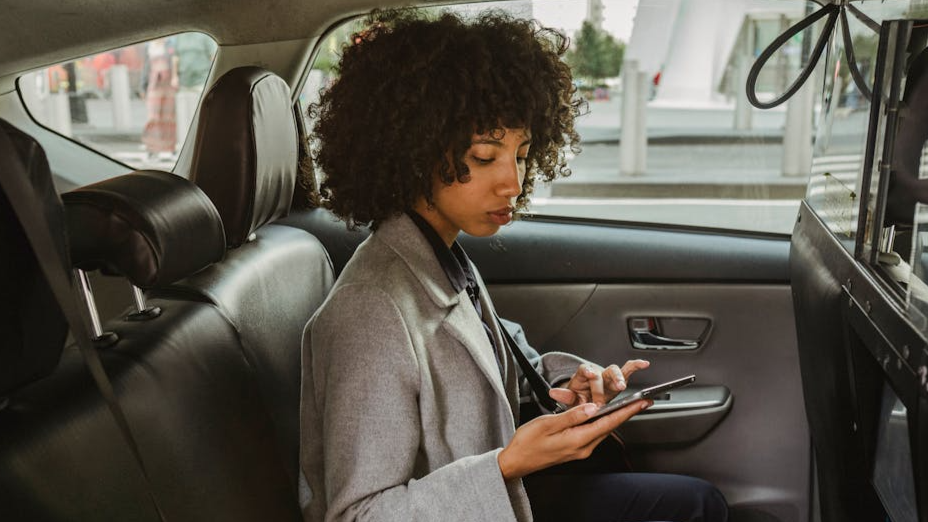
A passenger can generally use a phone, tablet, or navigation app because they are not controlling the vehicle. In fact, that is one of the smarter ways to handle road-trip tasks: let the passenger manage texts, music, maps, snacks, and family group-chat chaos.

But There Is A Catch
If the driver was looking at your phone, touching it, reading from it, or being guided by it in a way that pulled attention from the road, the situation gets messier. The phone may be yours, but the alleged distraction may still be tied to the driver.

Mounted Screens Are Different
Many laws make exceptions for proper hands-free use, mounted devices, GPS, or built-in vehicle systems, depending on the jurisdiction. Ontario allows certain hands-free use, but simply holding a phone while driving is still prohibited.
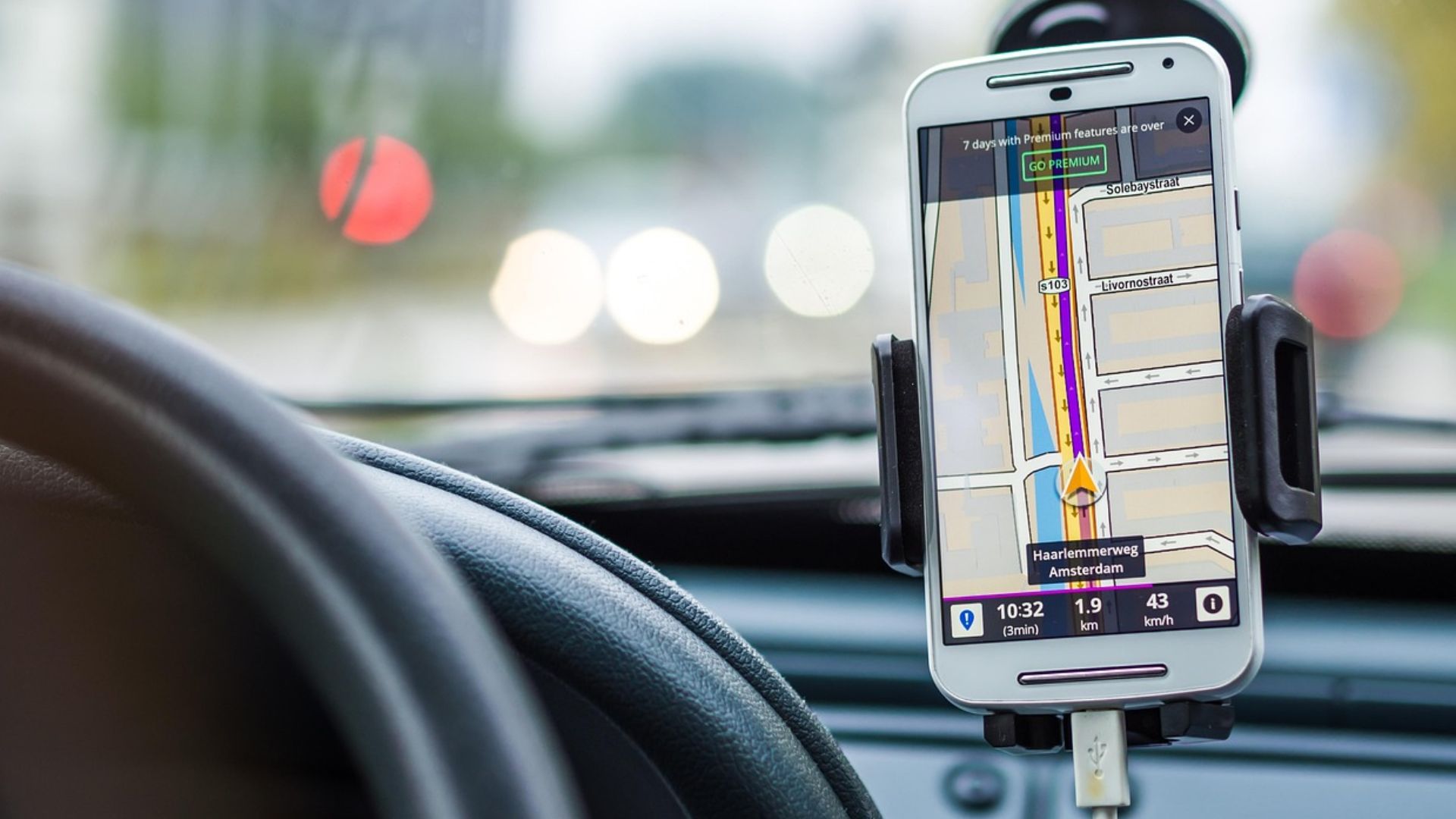
Stopped At A Light Still Counts
One common surprise: being stopped at a red light or sitting in traffic often still counts as “driving” for distracted-driving rules. So if the driver grabs the phone while the car is paused, that can still become a ticket.

Your Best Argument Is Simple
The cleanest defense is also the most obvious: the passenger was using the phone, not the driver. If your wife never held it, touched it, read from it, or interacted with it while operating the vehicle, that is the heart of the fight.
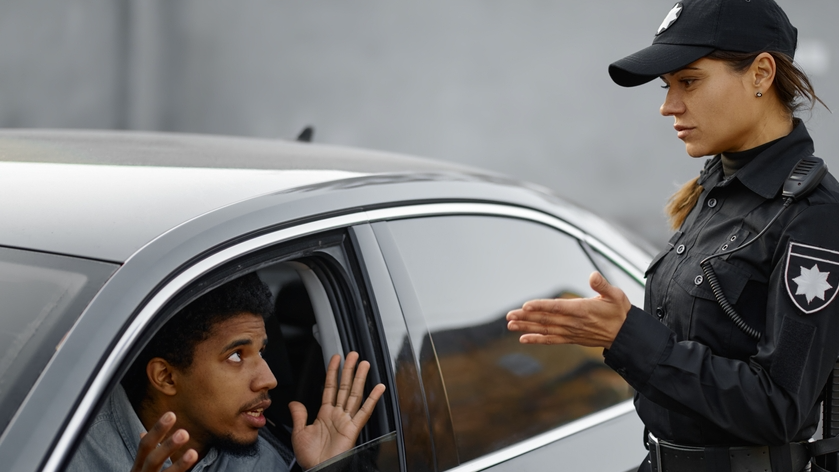
Who Actually Got The Ticket?
This part matters. If you, the passenger, were ticketed under a law that applies only to drivers, that sounds like a major issue. If your wife was ticketed because the officer thought she was using the phone, then the fight is really about mistaken identity.

Read The Charge Carefully
Before doing anything dramatic, look at the exact offence, section number, name on the ticket, vehicle information, date, time, and location. A ticket is not just a scolding on paper. It is a legal document, and the wording can shape your next move.

Do Not Rely On Memory Alone
The sooner you write down what happened, the better. Note where the phone was, who held it, what each person was doing, whether the vehicle was moving, where the officer was positioned, and what was said during the stop.

Get The Officer’s Notes
If you contest the ticket, you can usually request disclosure, which may include the officer’s notes. Those notes may reveal whether the officer claimed to see the driver holding the phone—or simply saw a phone glowing inside the vehicle.

Look For Helpful Evidence
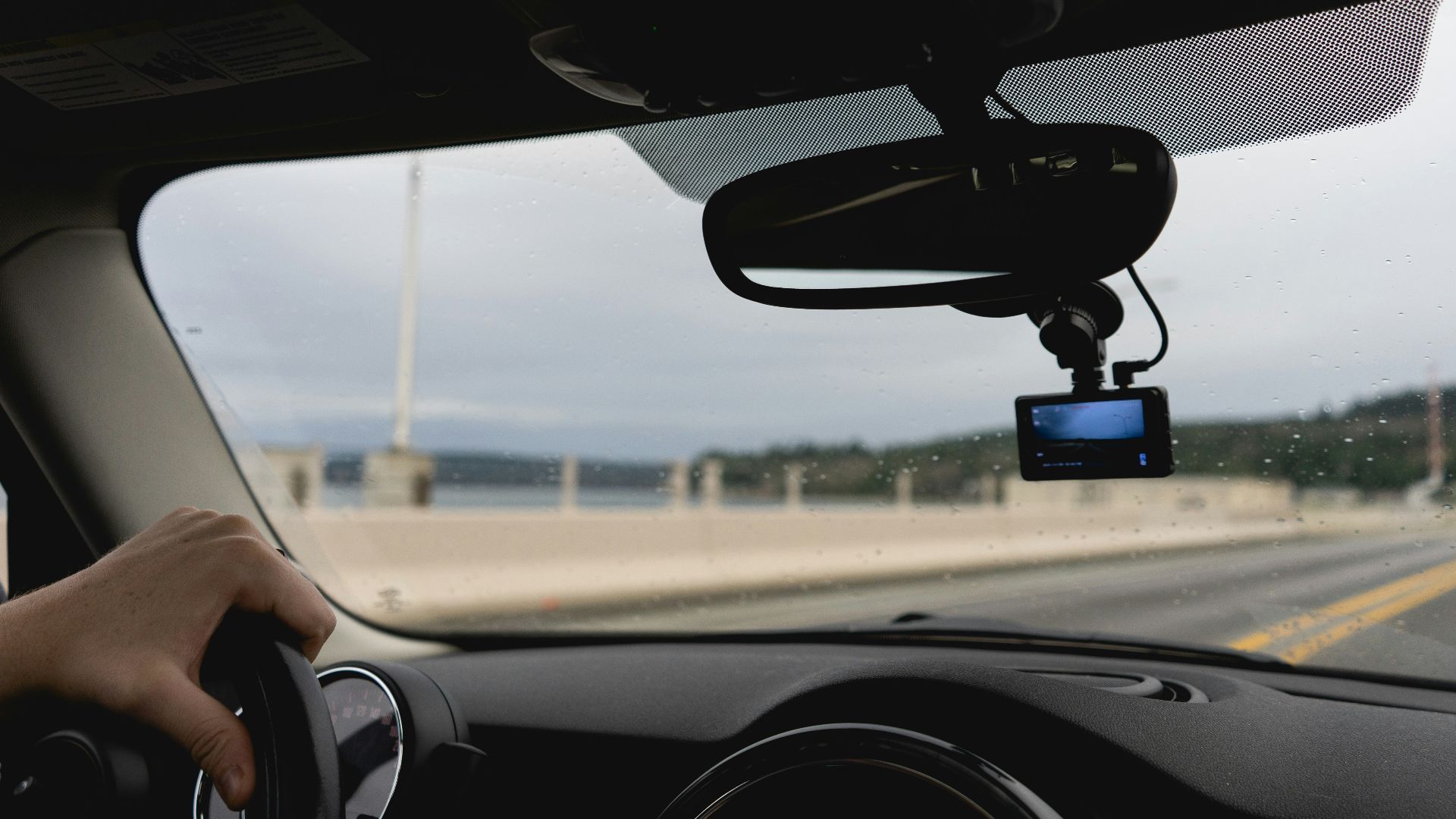
Dashcam footage, interior camera footage, phone records, map history, call logs, text timestamps, and even your passenger-side seating position can help. You are trying to show that the officer made an understandable but important mistake.
Be Careful With Phone Records
Phone records can support your story, but they can also complicate it. If they show activity at the time of the stop, that only helps if you can clearly connect the activity to the passenger, not the driver.

The Passenger Can Testify
If your wife was the driver and you were the phone user, your testimony may matter. You can explain that you were using your own device from the passenger seat and that she was focused on driving. Keep it calm, clear, and boring.

The Driver Can Testify Too
Your wife can also explain what she was doing: hands on the wheel, eyes on the road, no phone in hand. The goal is not to attack the officer. The goal is to create reasonable doubt about what the officer actually saw.

Do Not Say Too Much
At roadside stops, people sometimes talk themselves into trouble. “I was just showing her directions” sounds innocent, but it may suggest the driver was looking at the phone. In court, words matter. Stick to the facts.

Fighting It May Be Worth It
Distracted-driving tickets can bring fines, demerit points, licence consequences, and insurance headaches. In Michigan, a first conviction can mean a fine, three demerit points, and a licence suspension. That is not exactly a cute little souvenir.

The Insurance Part Can Sting
Even if the fine feels manageable, the insurance impact may be the real pain. A distracted-driving conviction can make insurers see a driver as riskier, which may raise premiums. That is why many drivers fight these tickets instead of simply paying.

Do Not Miss The Deadline
Tickets come with response deadlines. Missing one can lead to a conviction by default, extra costs, or licence problems. If you plan to fight it, respond properly and on time. The calendar is not your friend here.

Consider A Paralegal Or Lawyer
For a serious distracted-driving charge, a traffic paralegal or lawyer may be useful, especially if there are suspension risks or insurance concerns. They can review disclosure, spot weaknesses, and help present the case without turning the courtroom into a sitcom.

The Best Defense Is Specific
“I thought it was legal” is understandable, but not the strongest courtroom line. “I was the passenger, I was holding my phone, the driver never touched or used it, and the officer appears to have mistaken me for the driver” is much stronger.

When You Might Lose Anyway
If the driver glanced at the screen repeatedly, held the phone briefly, took directions from a handheld display, or admitted to using it, the case gets harder. The court may focus on driver distraction, not phone ownership.

How To Avoid This Next Time
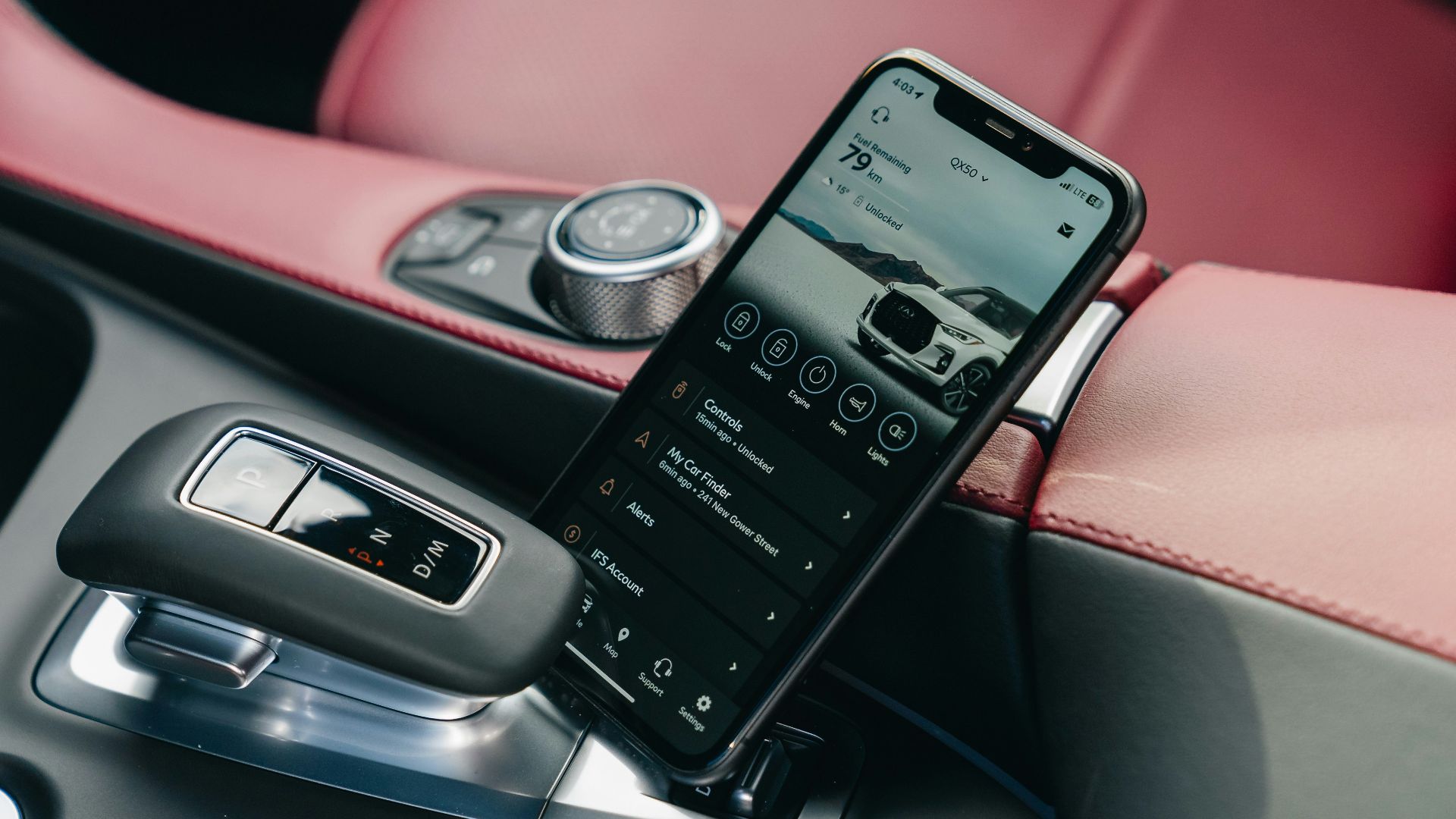
Keep passenger phone use clearly passenger-side. Do not hold the phone near the steering wheel, dashboard, or driver’s face. Use voice directions, mount navigation properly, and let the driver drive while the co-pilot handles the digital circus.
So, Can You Fight It?
Yes, you can usually challenge it, especially if the ticket was based on the passenger’s phone use rather than the driver’s. Your best path is to check the exact charge, request disclosure, gather evidence, and show that the driver did not use the device.

The Bottom Line
A passenger using a phone should not automatically equal a distracted-driving ticket for the driver. But roadside misunderstandings happen fast. If the facts are truly on your side, this may be a fight worth having—calmly, clearly, and with evidence in the glovebox.
You May Also Like:
The True Story Behind The 'Ghost Car' Displayed At The 1939 World’s Fair