The Big Fear Behind Used EV Prices
Shop for a used EV and you will hear the same warning again and again: The battery will be shot in ten years and the car will be worthless. It's a strong claim against a technology that's still pretty new, but the data we have from 2024 and 2025 points to a much more complicated reality.
Battery Degradation Is Real, But The Nightmare Version Usually Is Not
All lithium-ion batteries lose some capacity over time. That part is settled. What matters is how fast that happens in modern EVs, and whether the loss is serious enough to wreck the car’s usefulness or value.
 RudolfSimon, Wikimedia Commons
What Degradation Actually Means
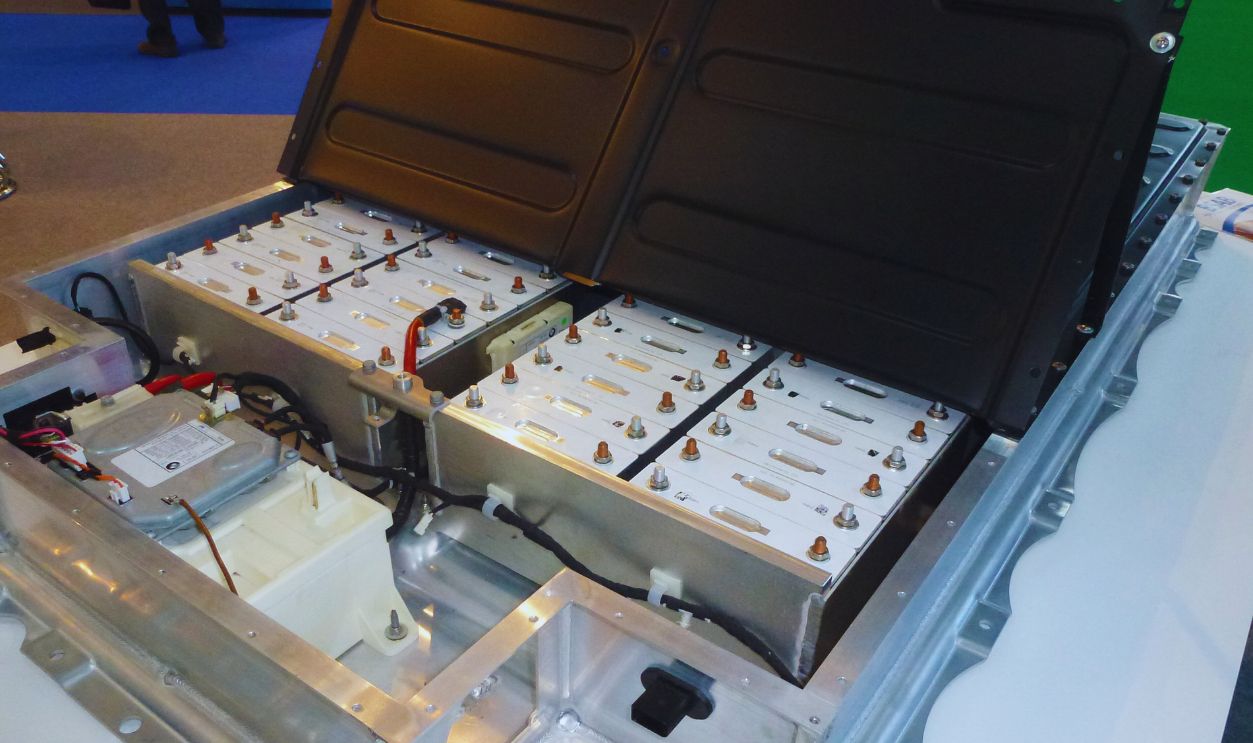
Battery degradation usually means the pack holds less energy than it did when it was new. In the real world, that means less range, not instant failure. A car that once went 300 miles might later go 270 or 255. That is a very different outcome from becoming worthless.
Geotab Put A Number On It
One of the most quoted large-scale studies came from Geotab, a fleet telematics company. It found average EV battery degradation of about 1.8 percent per year. That number gets cited a lot because it comes from real vehicles on the road, not just lab testing. If that average stays roughly consistent, many EVs would still keep most of their original battery capacity after ten years.
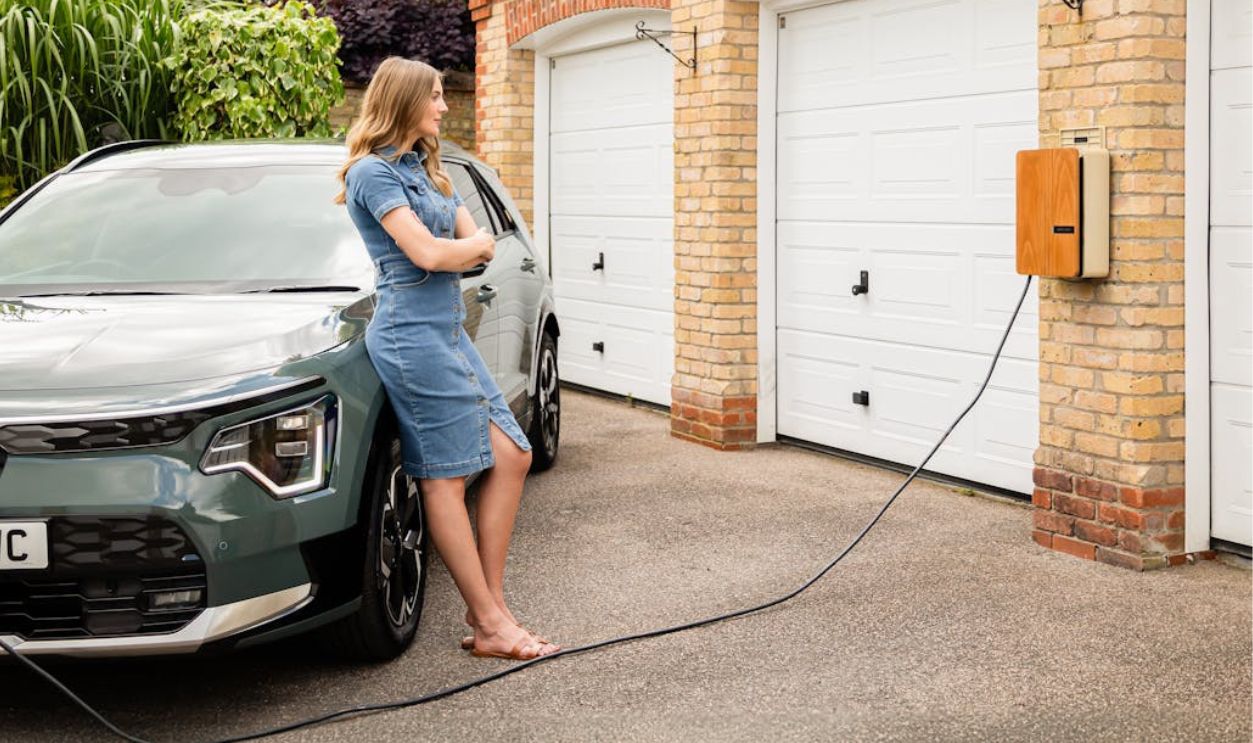
Ten Years Later Does Not Mean Dead
Using Geotab’s average as a rough guide, a battery after ten years could still have around 80 percent or more of its original capacity. Not every car will land there, since climate, charging habits, and battery design all matter. Still, it pushes back hard on the idea that all EVs are disposable after a decade.
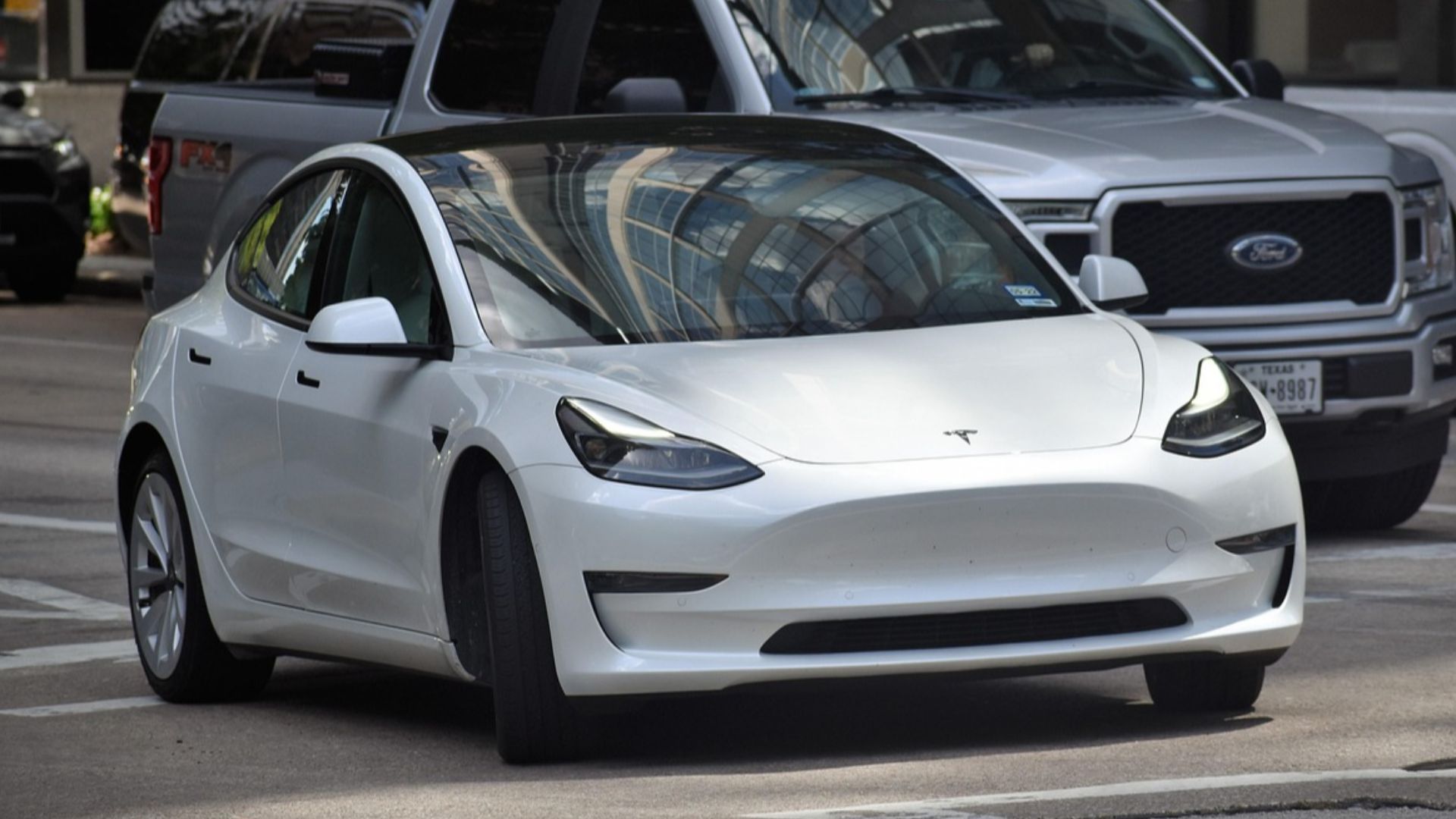
Recurrent Looked At The Used Market
Recurrent, which tracks EV battery health and used EV trends, has repeatedly found that most EV batteries are lasting much longer than many buyers expected. Its research also points out that complete battery failure outside of recalls and defects is fairly rare. That matters because gradual range loss is one thing, while total battery replacement is the scenario most people fear.
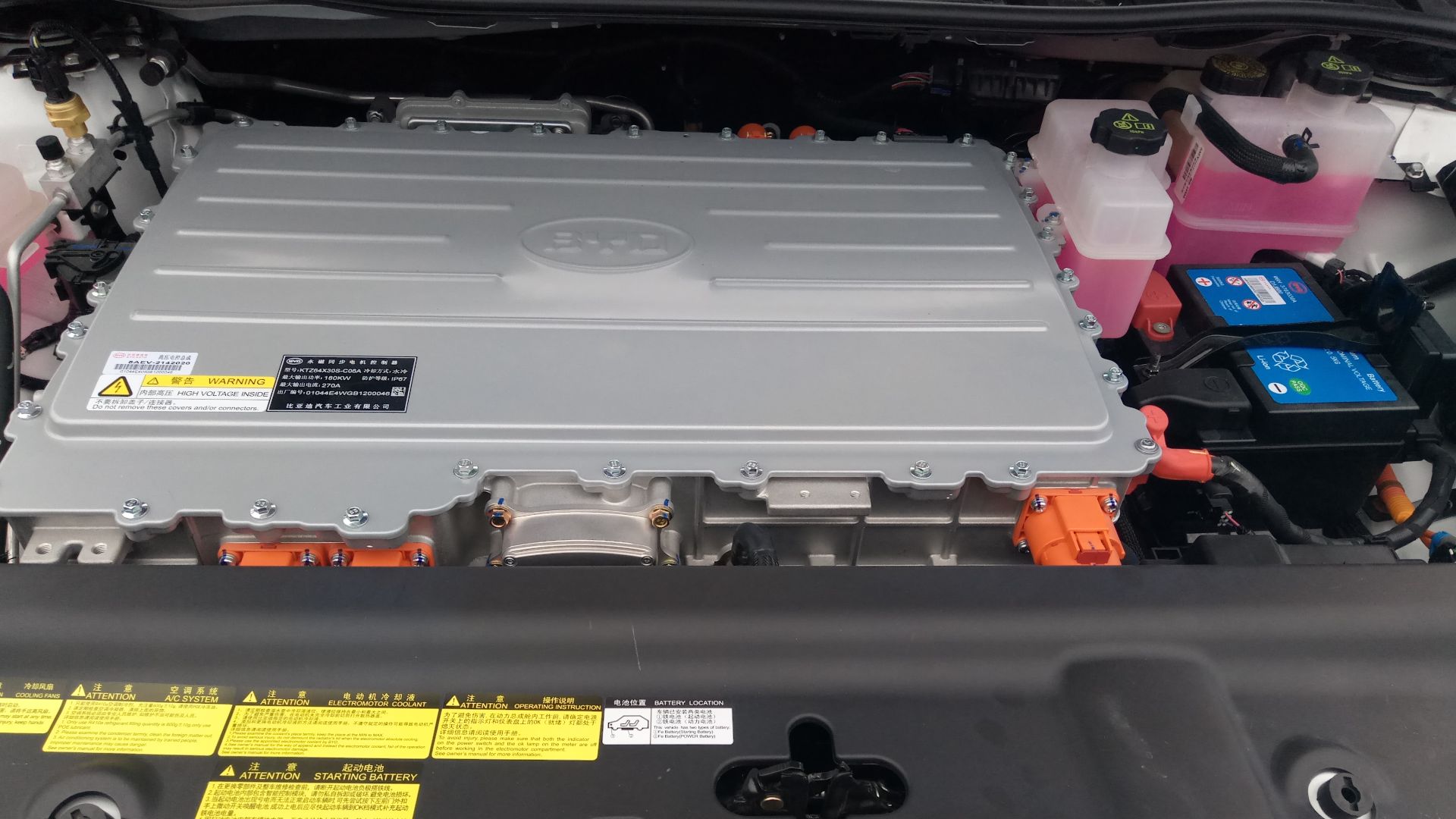
Replacement Rates Have Been Lower Than Many Expected
Recurrent has said battery replacements caused by degradation alone are uncommon in the modern EV fleet it tracks. In plain terms, most owners are not reaching a point where the battery suddenly makes the car too expensive to keep. That matters if you are worried used EV values will crater just because the car turns ten.
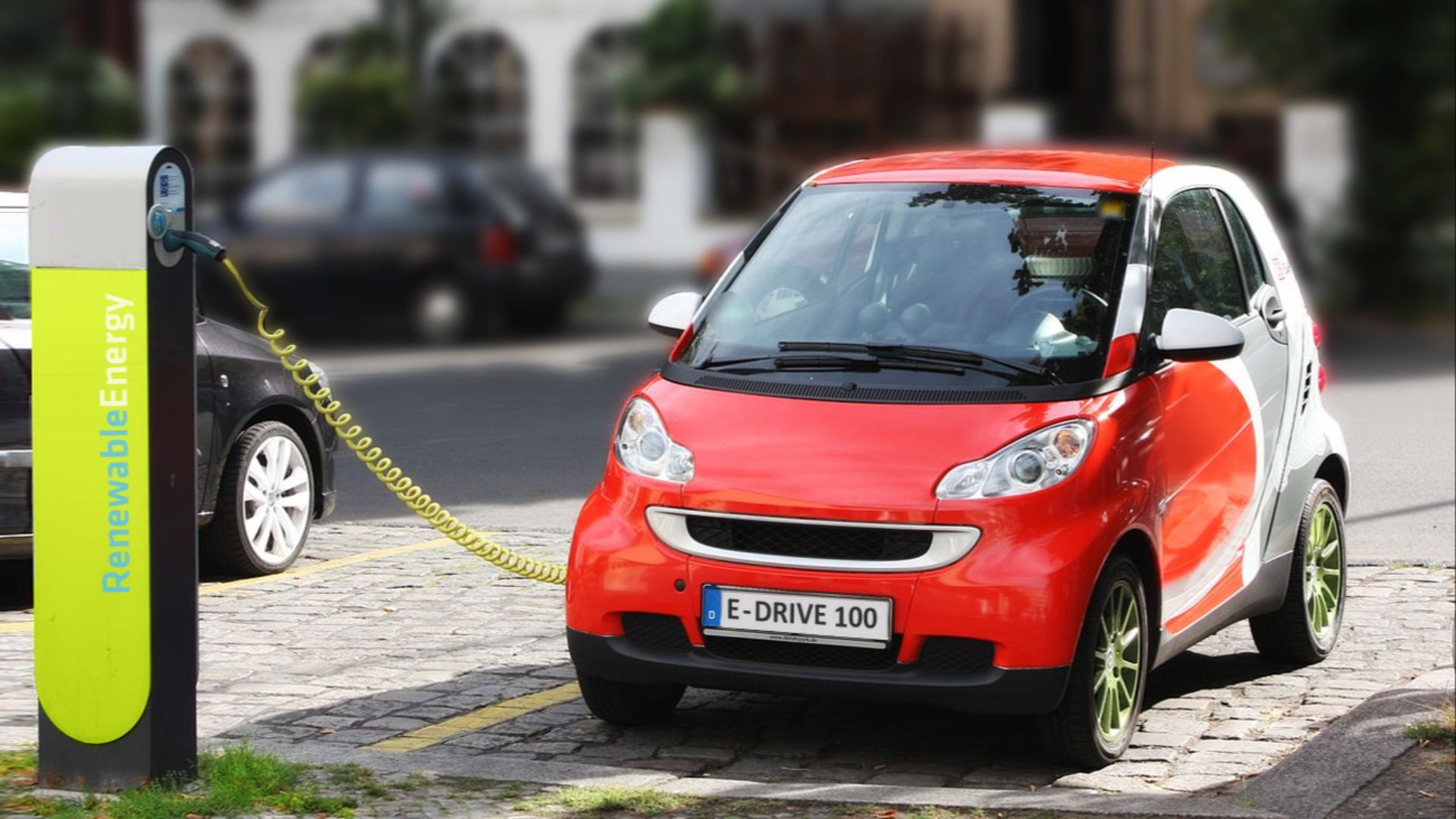 original: Michael Movchinedited by Felix Müller, Wikimedia Commons
Warranty Rules Show What Automakers Expect
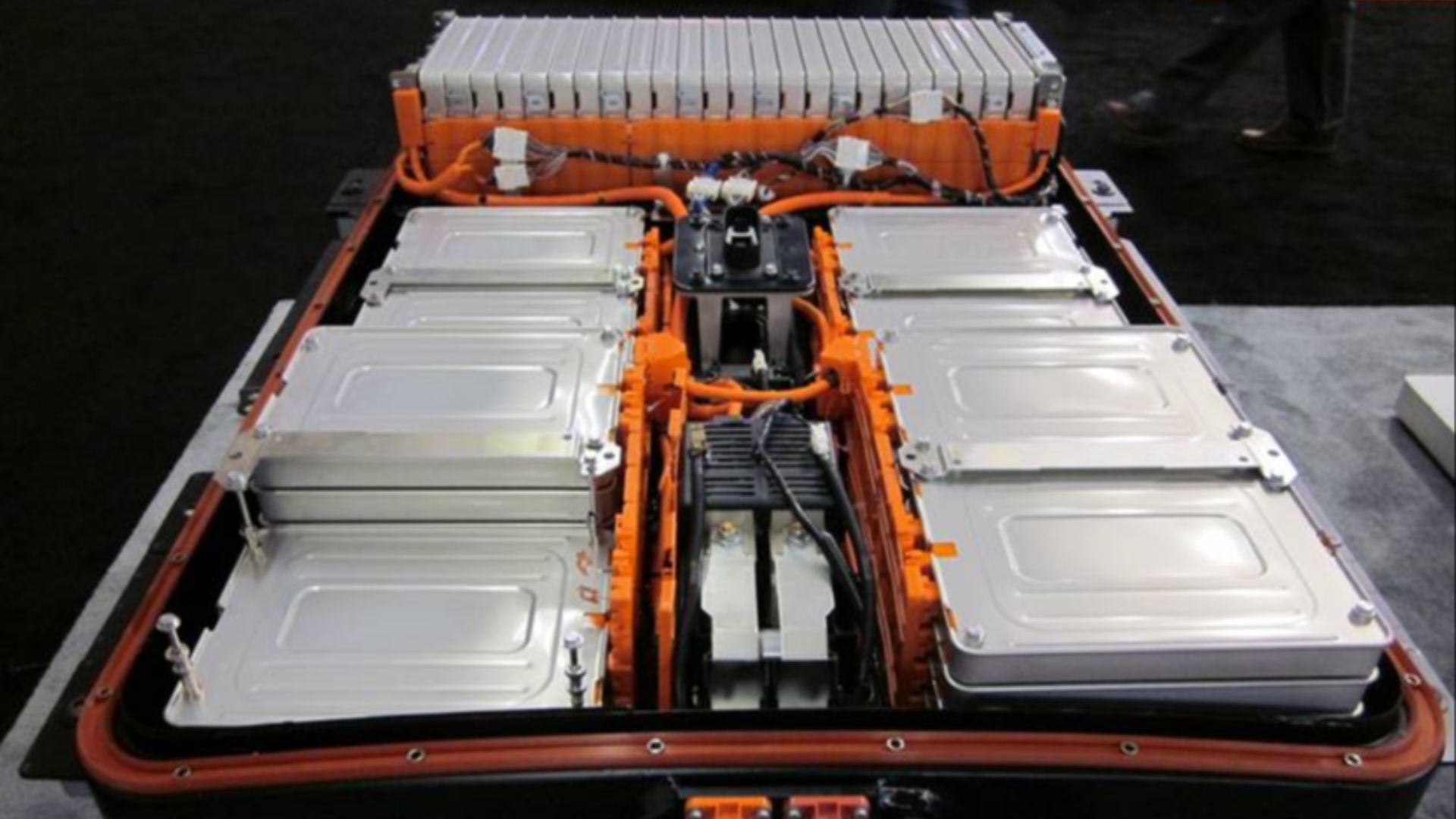
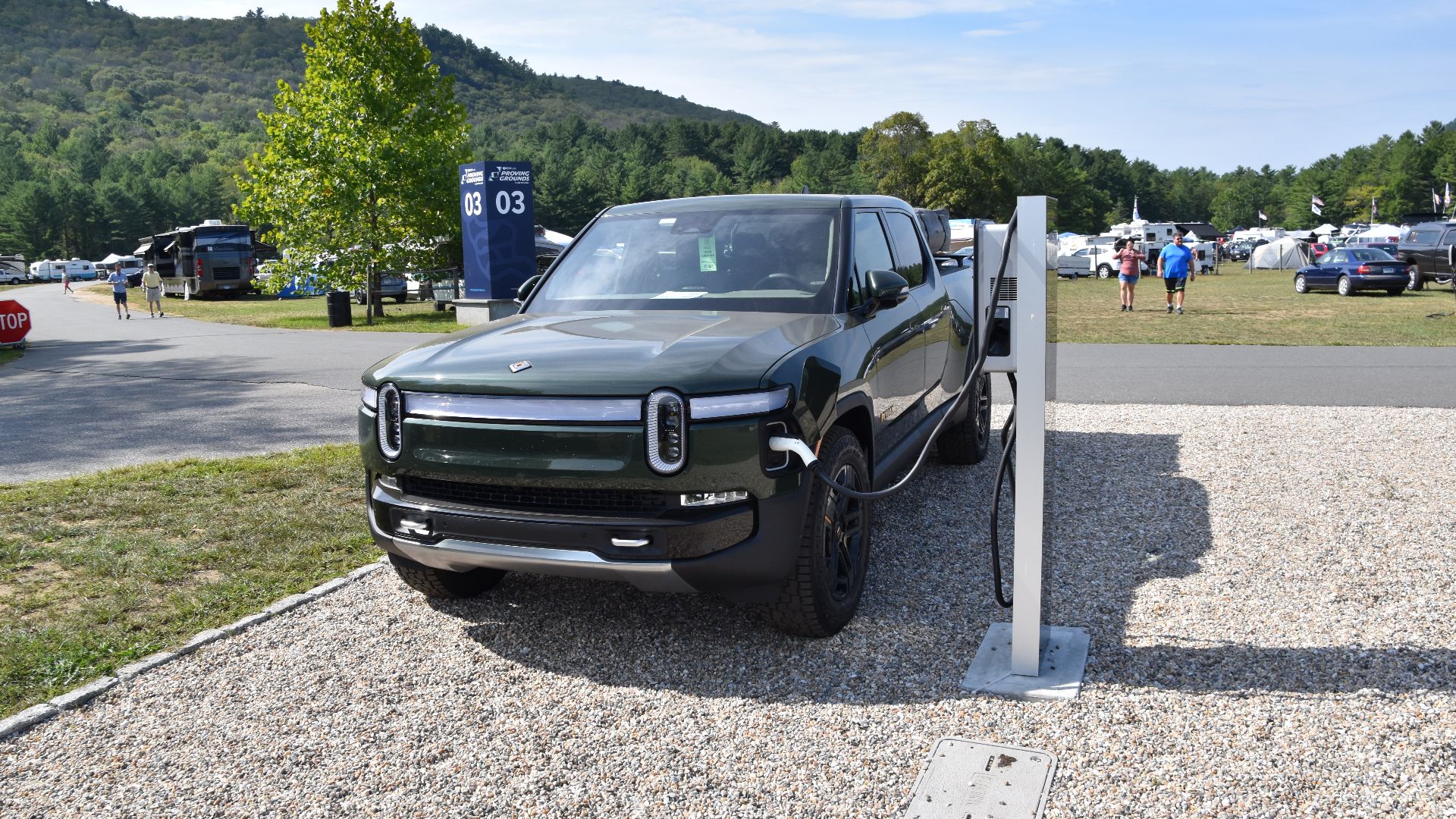
In the United States, federal rules require EV batteries to be covered for at least 8 years or 100,000 miles. In California and states that follow its emissions rules, coverage is often 10 years or 150,000 miles for certain emissions-related parts, including EV battery systems in many cases. Carmakers do not offer warranties like that because they expect every battery pack to fall apart on schedule.
 Gereon Meyer, Wikimedia Commons
Most Brands Also Set A Capacity Floor
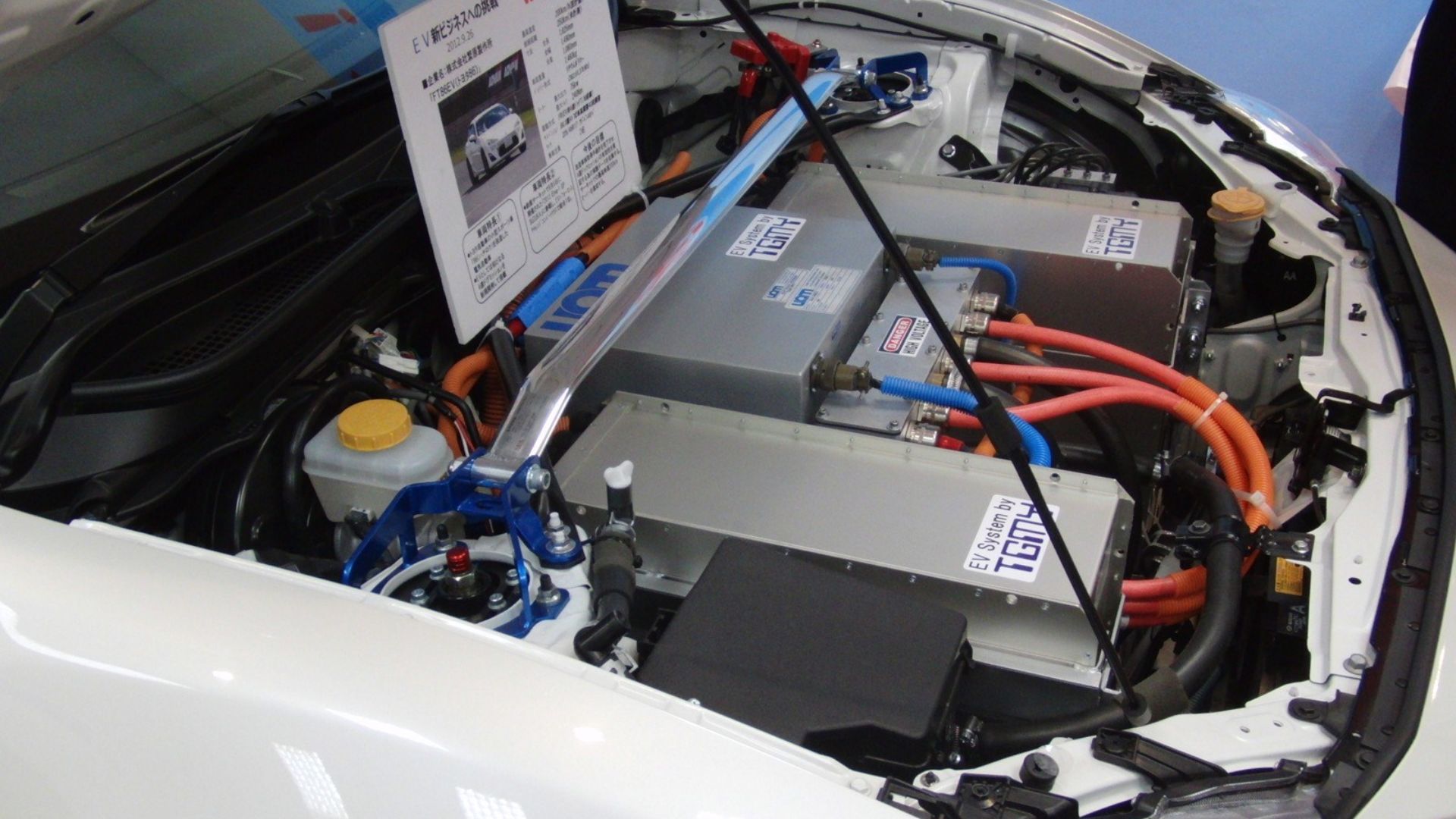
Many EV brands also say the battery should keep at least about 70 percent of its capacity during the warranty period, though the exact terms vary by model and maker. That is an important detail. It shows manufacturers expect some loss over time, but not a sudden collapse. The industry expectation is lower range, not automatic worthlessness.
 Tokumeigakarinoaoshima, Wikimedia Commons
Tesla Added More Real-World Evidence
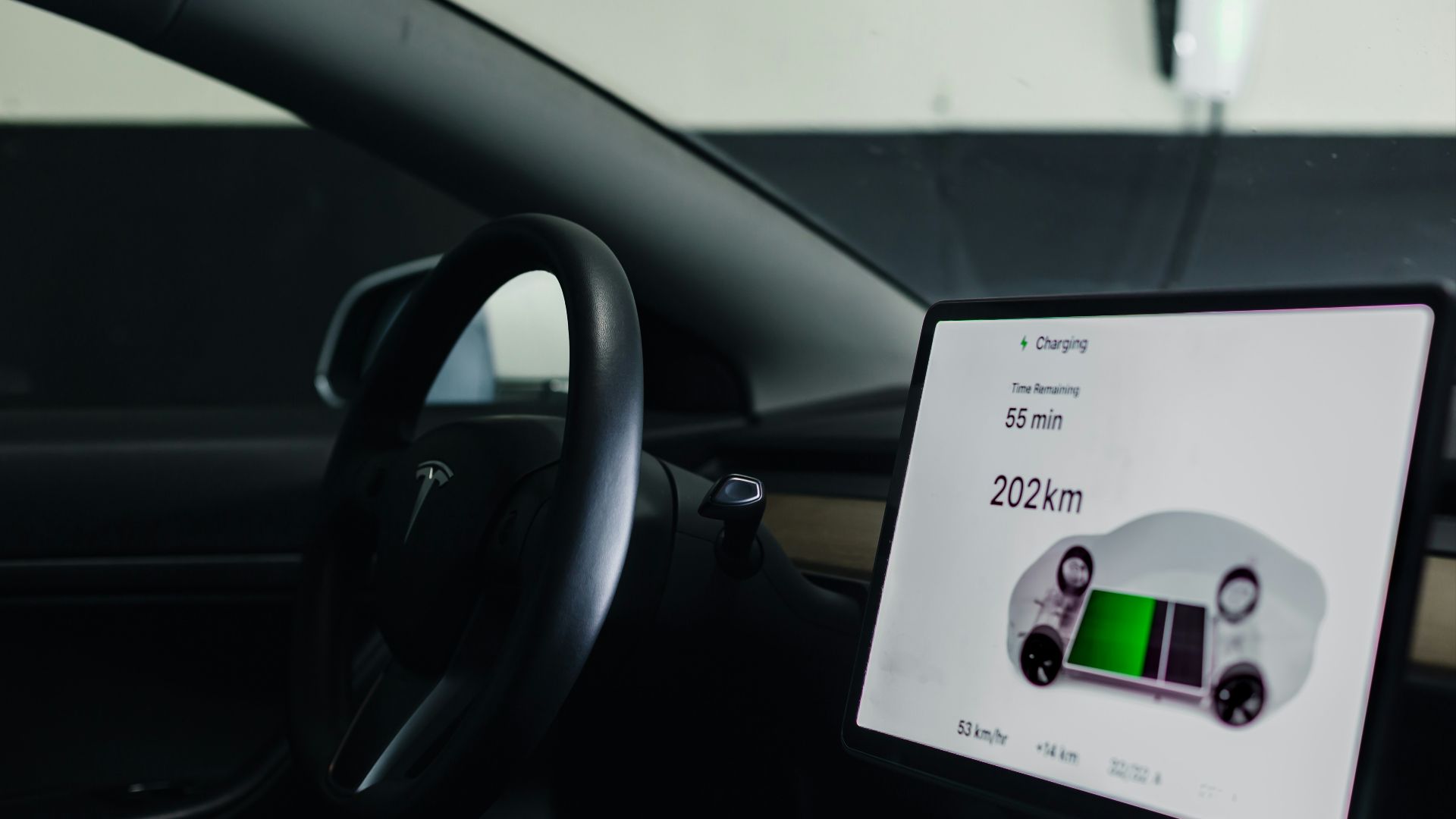
Tesla has published impact and sustainability reports with battery retention data from vehicles driven very high mileages. Its charts have generally shown that many battery packs keep a large share of their capacity well past 100,000 miles. Tesla is not the whole EV market, but its fleet is big enough that the data became a major reference point.
 Priscilla Du Preez 🇨🇦, Unsplash
High-Mileage EVs Have Been Especially Revealing
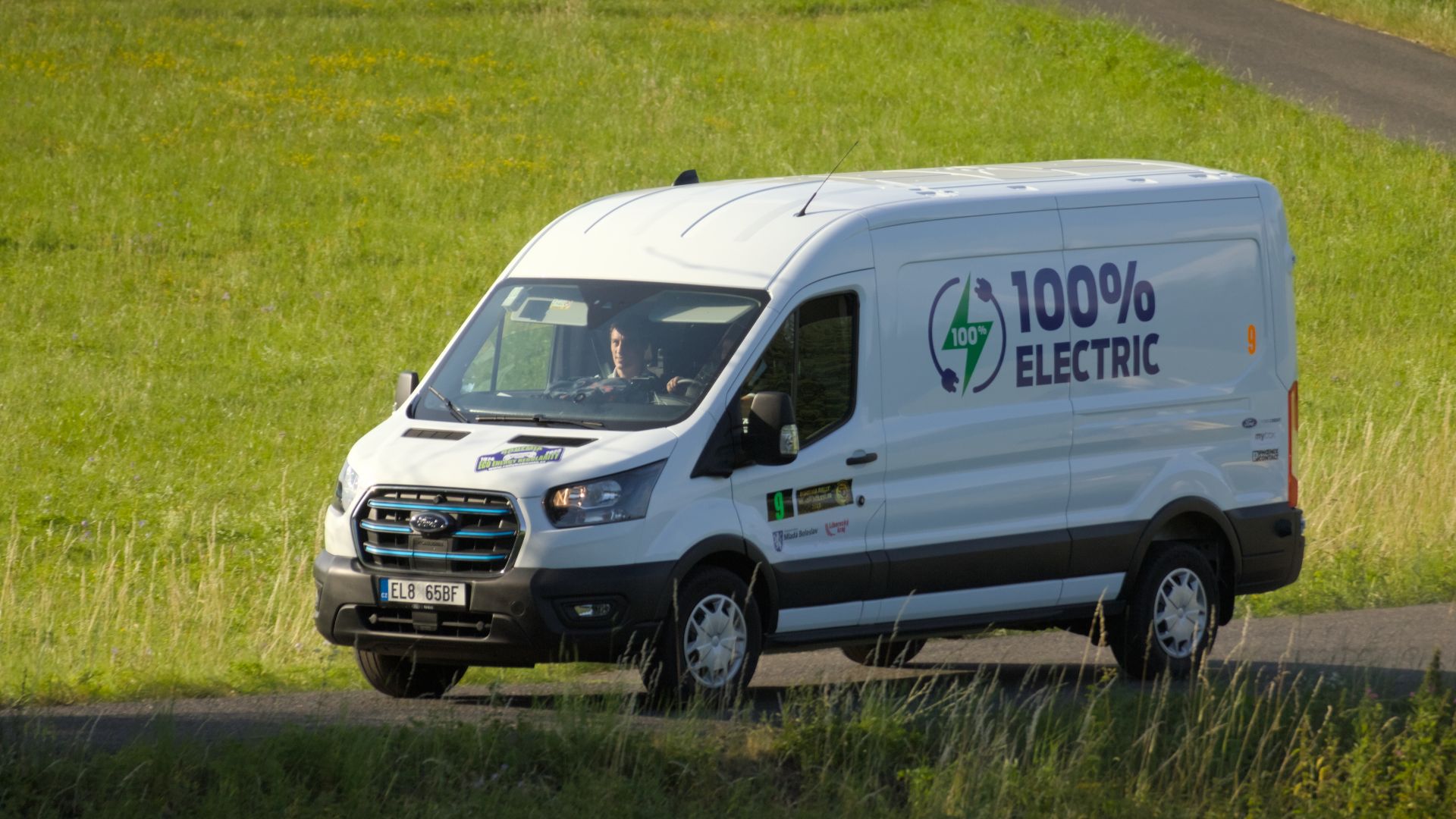
Some of the most useful EV stories come from drivers who rack up miles fast. Cars used for rideshare, delivery work, and long commutes gave an early look at long-term battery wear. Those examples often show real range loss, but not the kind of universal battery collapse the ten-year doom story depends on.
 Miloslav Rejha, Wikimedia Commons
Heat Is One Of The Real Trouble Spots
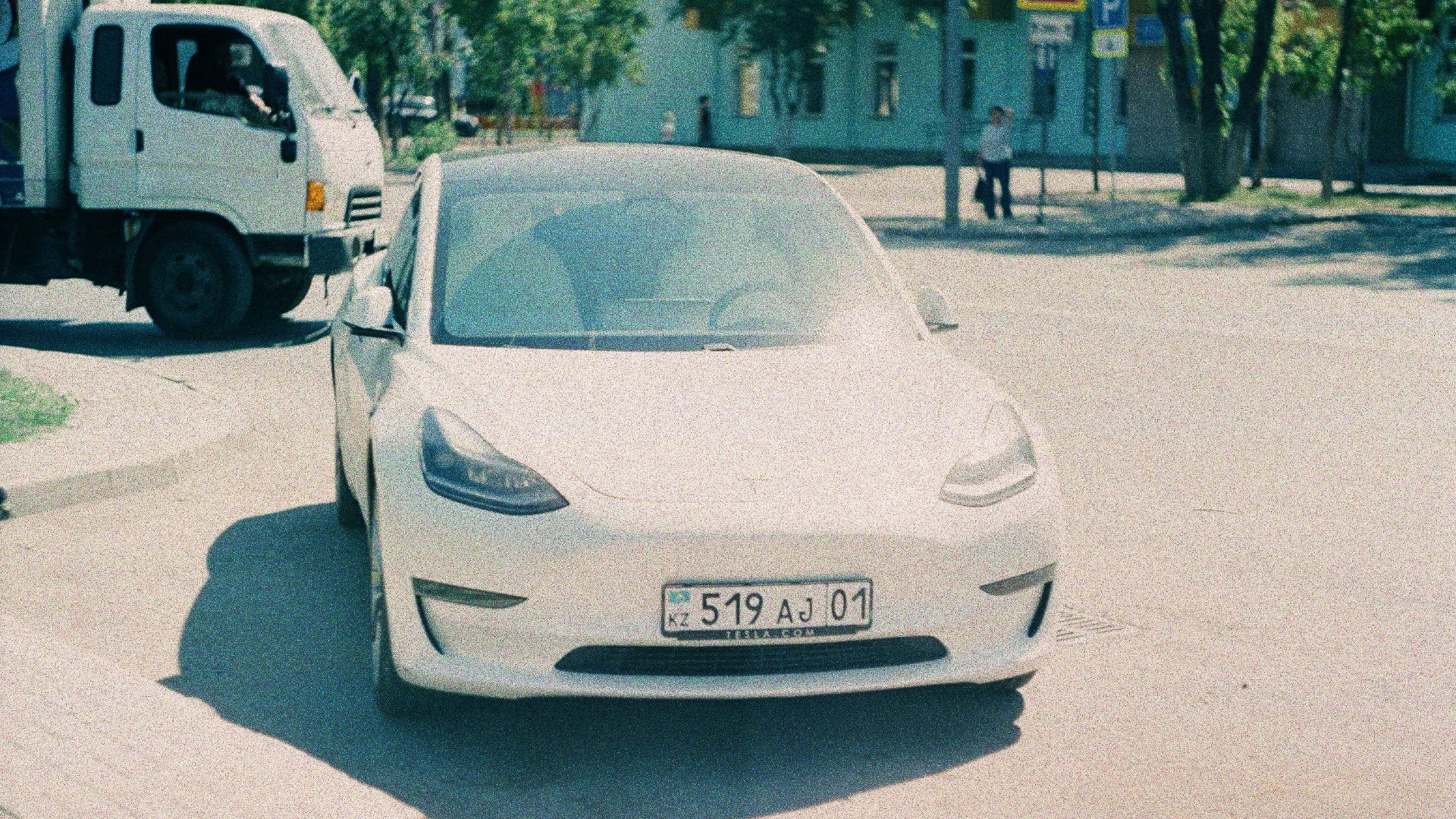
If there is one clear lesson, it is that location matters. Geotab and other researchers have found that hot climates can speed up battery degradation more than mild ones. A battery that spends years in extreme heat will usually age faster than one in a temperate area. That is one big reason blanket claims about all EVs miss the mark.
 Kuralbek Djumagaziev, Unsplash
Fast Charging Can Matter, But It Is Not A Death Sentence
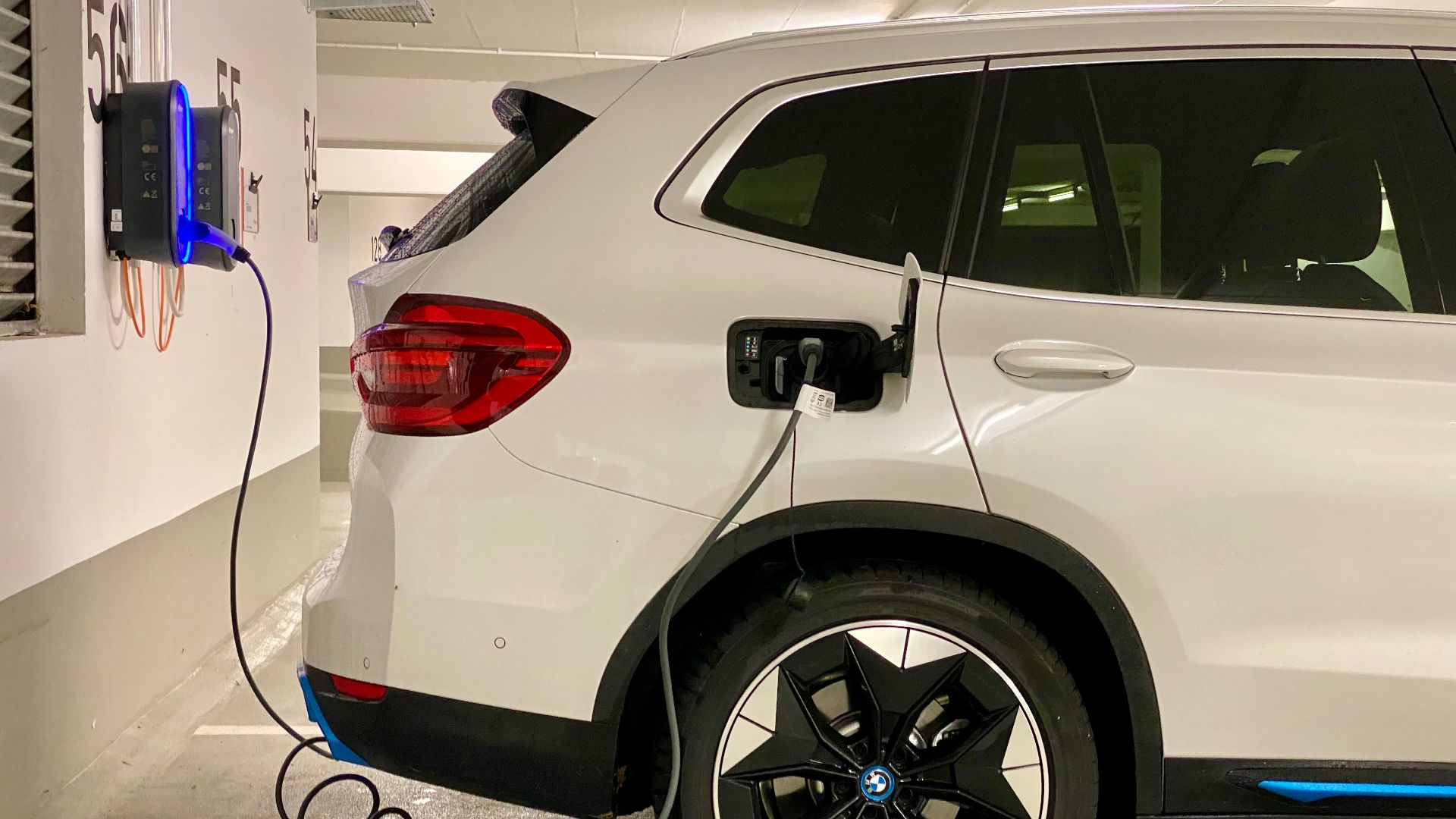
DC fast charging puts more stress on a battery than slower Level 2 charging, especially when it is paired with frequent charging to very high states of charge. Geotab found that heavy DC fast charging could be linked to somewhat faster degradation in some vehicles. Even so, the effect is usually not so severe that every fast-charged EV becomes a financial disaster.
Battery Chemistry Has Been Getting Better
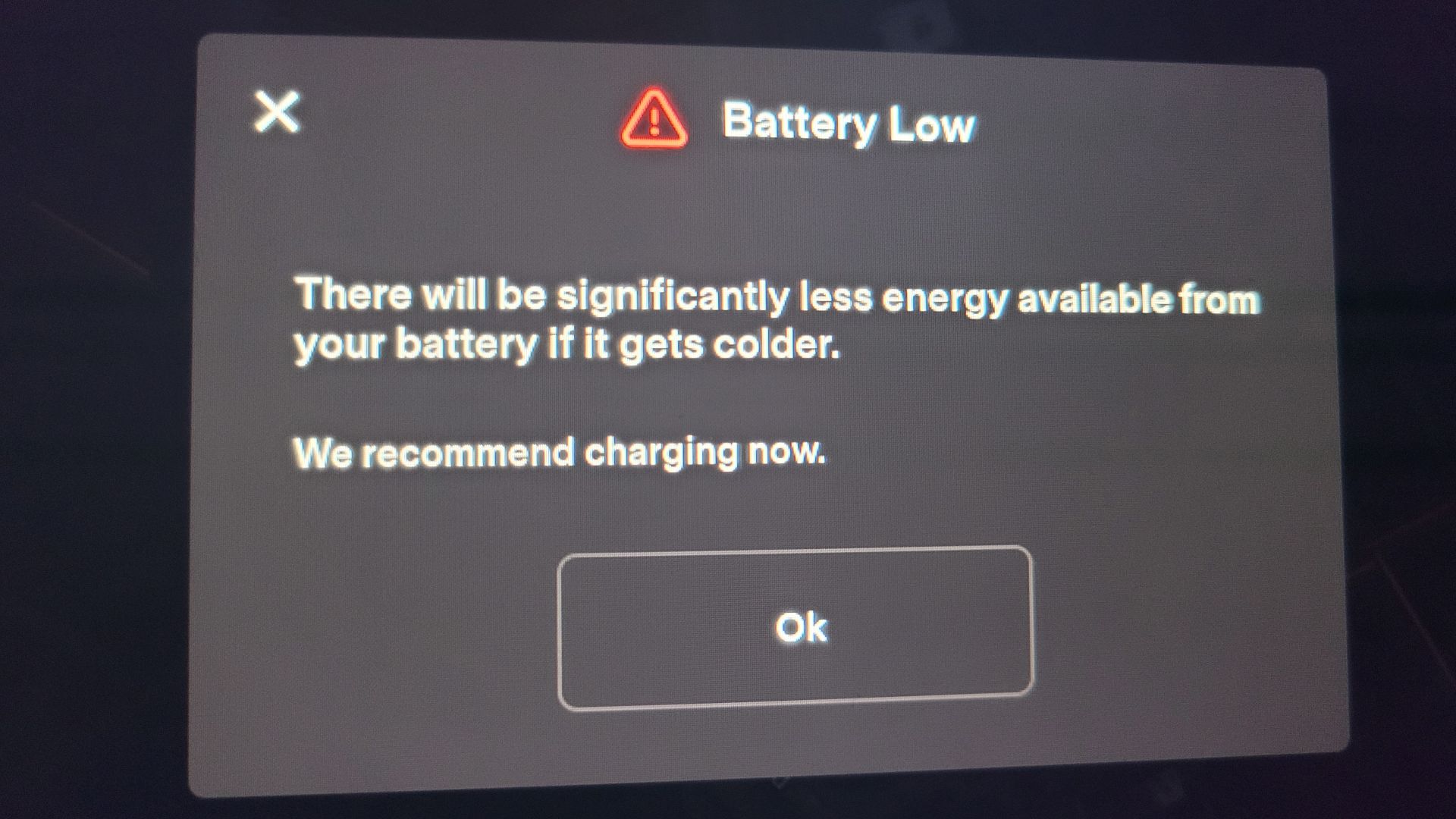
This story also depends on when the car was built. Early EVs and hybrids taught the industry some hard lessons about cooling, chemistry, and software controls. Newer models have benefited from those lessons. Better thermal management and battery software are a big part of why modern EV packs tend to age more gracefully than many early critics expected.
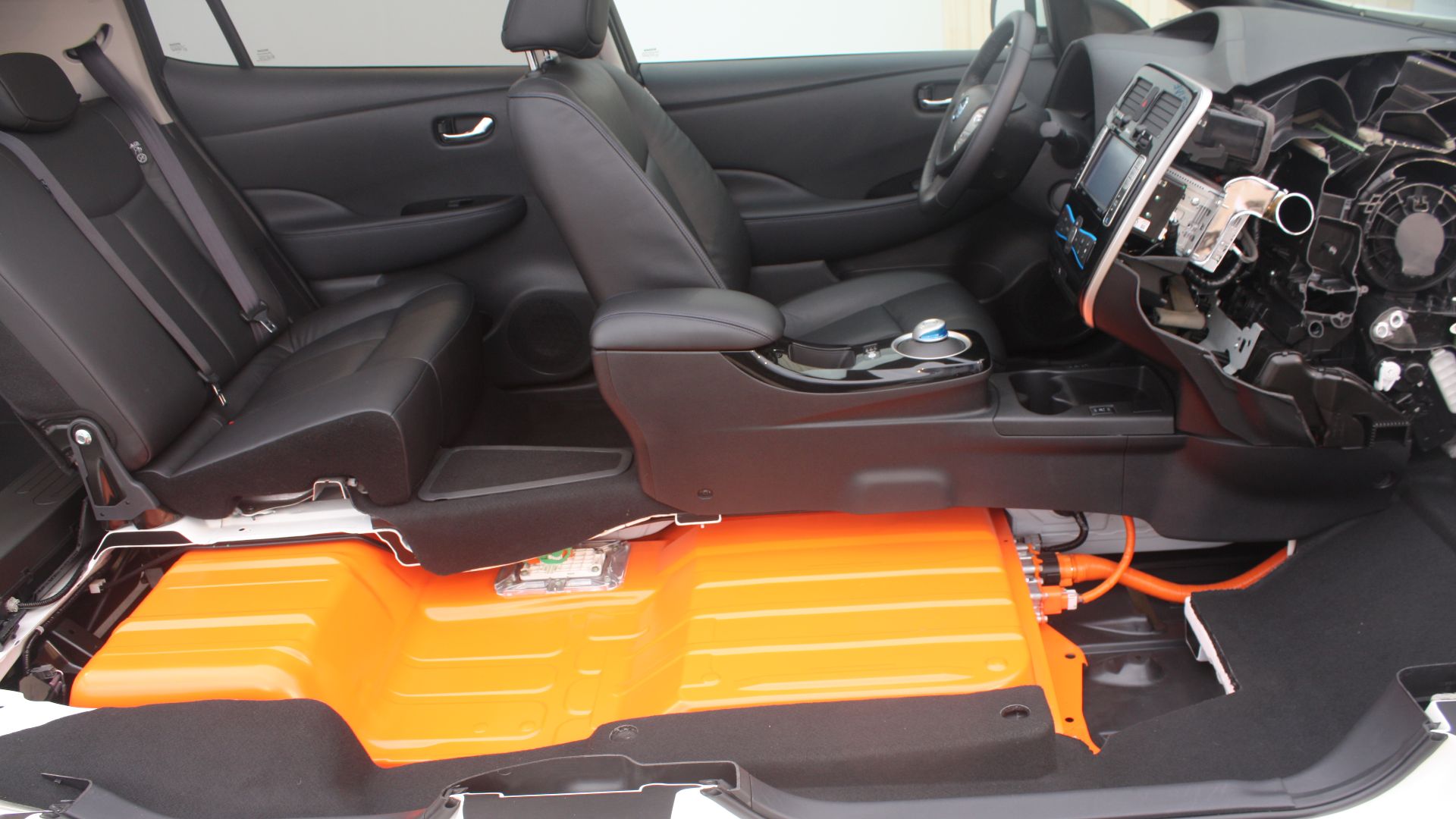
The Nissan Leaf Became The Warning Sign
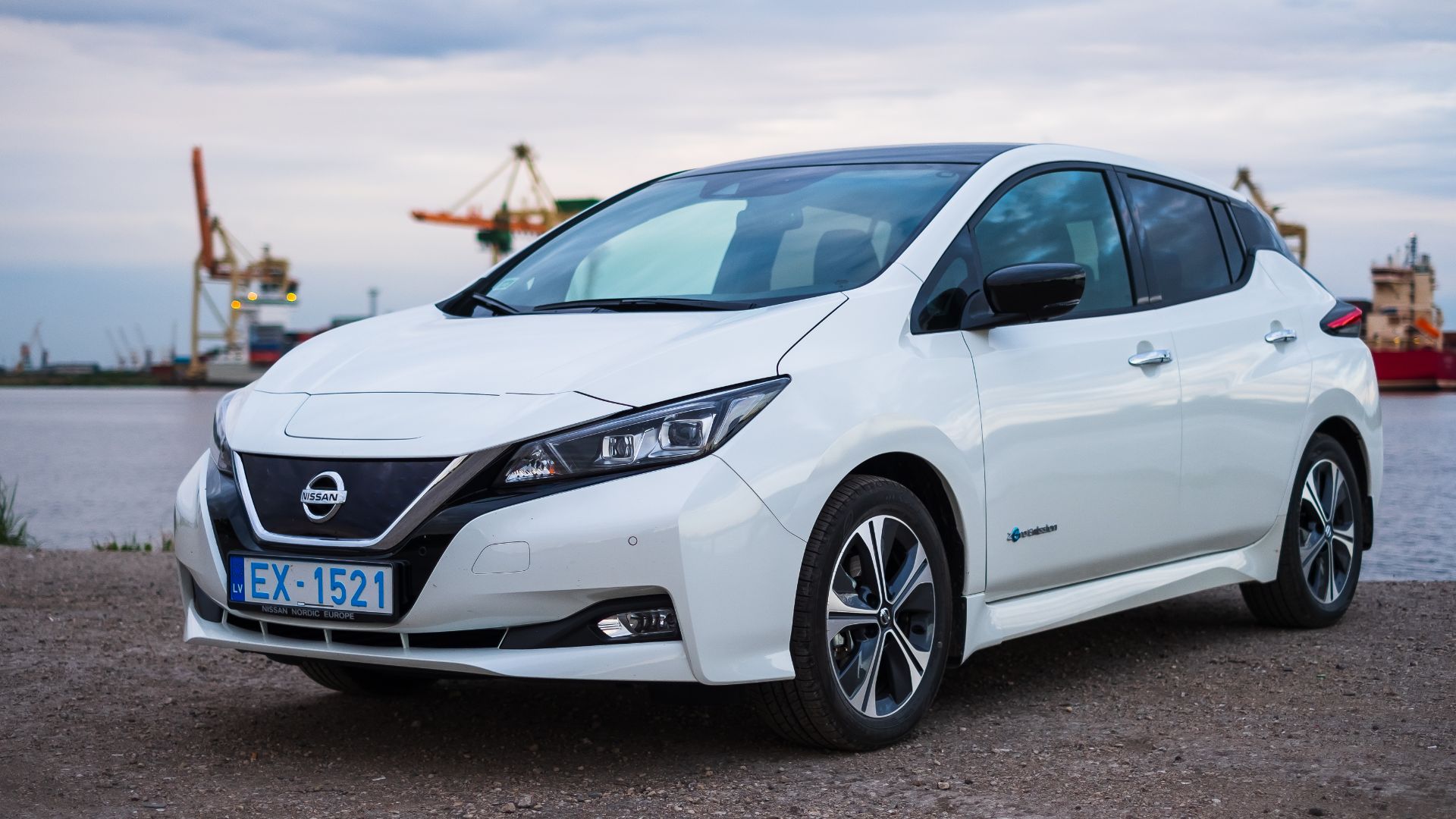
If someone points to one specific example, it is often the early Nissan Leaf. Those cars became known for battery degradation problems, especially in very hot places like Arizona, because they did not use active liquid cooling. That was a real issue, but it should be seen as an important early chapter in EV history, not proof that all later EVs will age the same way.
 Kārlis Dambrāns from Latvia, Wikimedia Commons
Arizona Exposed A Real Weakness
Leaf owners in very hot climates started reporting noticeable capacity loss early in the car’s life, and the issue drew national attention around 2012. That moment mattered because it showed how battery design could fail in the real world. It also pushed the industry toward better cooling systems and clearer warranty terms.
 Matt Howard thematthoward, Wikimedia Commons
Modern EVs Usually Reflect That Lesson
Most newer mass-market EVs use much more advanced battery cooling and management systems than the first Leaf did. That does not stop degradation, but it helps slow it down and manage it better. When people point to early Leaf problems as if they settled the issue forever, they ignore how much the technology has changed.
 Norsk Elbilforening, Wikimedia Commons
Worthless To Whom Is The Better Question
A ten-year-old EV with 80 percent battery health may be less appealing to a buyer who wants maximum range for frequent road trips. The same car may be perfectly fine for someone with a short commute, home charging, and realistic expectations. Used value depends on condition, price, charging access, software support, and demand, not just battery age by itself.
 Charles from Port Chester, New York, Wikimedia Commons
Gas Cars Do Not Get A Free Pass Either
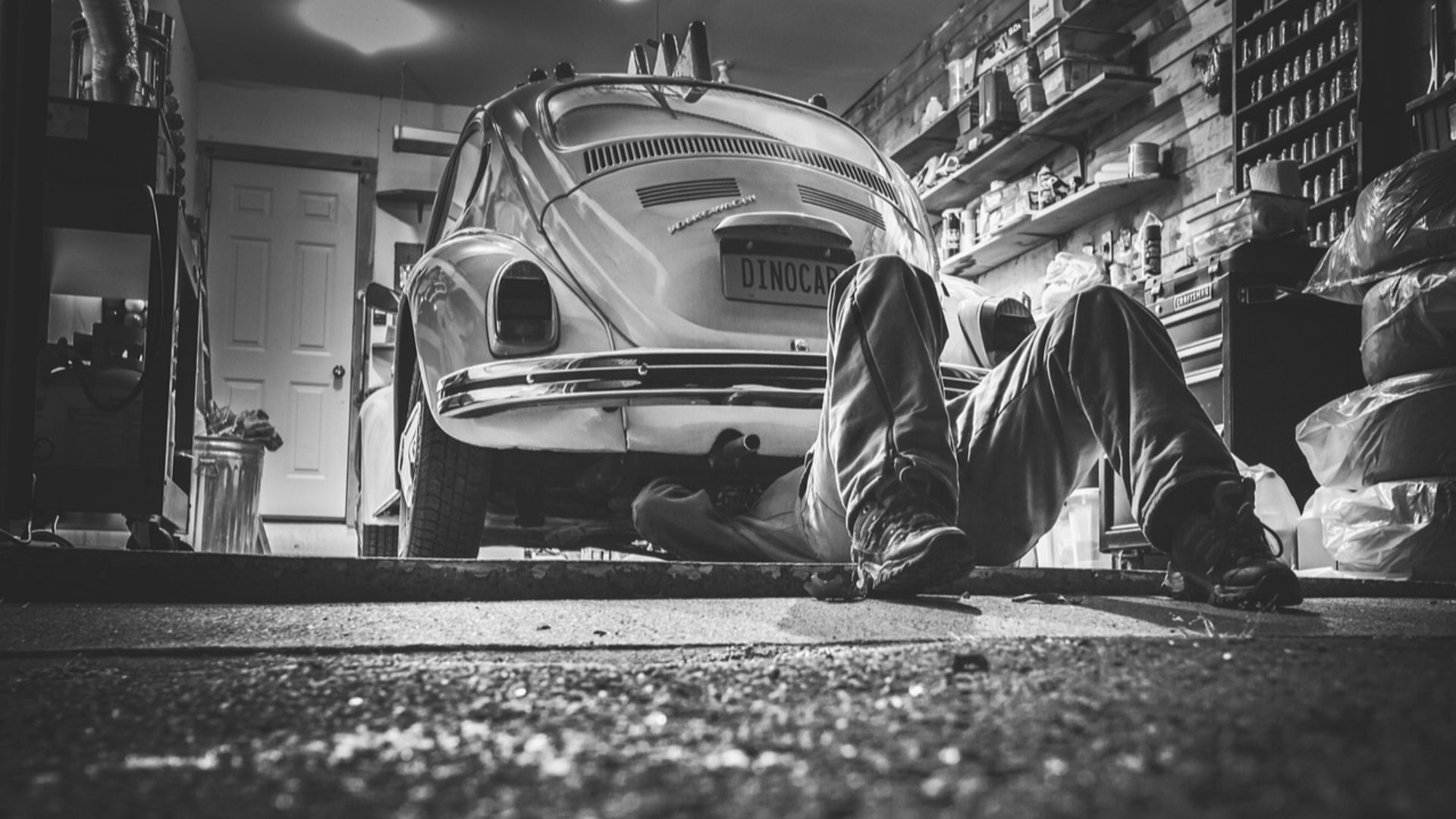
A decade-old gas car can also come with expensive problems, including transmissions, timing systems, emissions parts, head gaskets, and turbochargers. Buyers often treat those risks as normal because they are familiar. EV battery anxiety gets more attention partly because it is newer and sounds scarier, not because it is always worse.
Range Loss Is Often Easier To Live With Than Buyers Expect
For many households, daily driving is far below the maximum range of a modern EV. That means a car that loses 10 to 20 percent of its original battery capacity can still handle normal errands and commutes without much trouble. The bigger downside tends to show up on long highway trips, where every lost mile matters more.

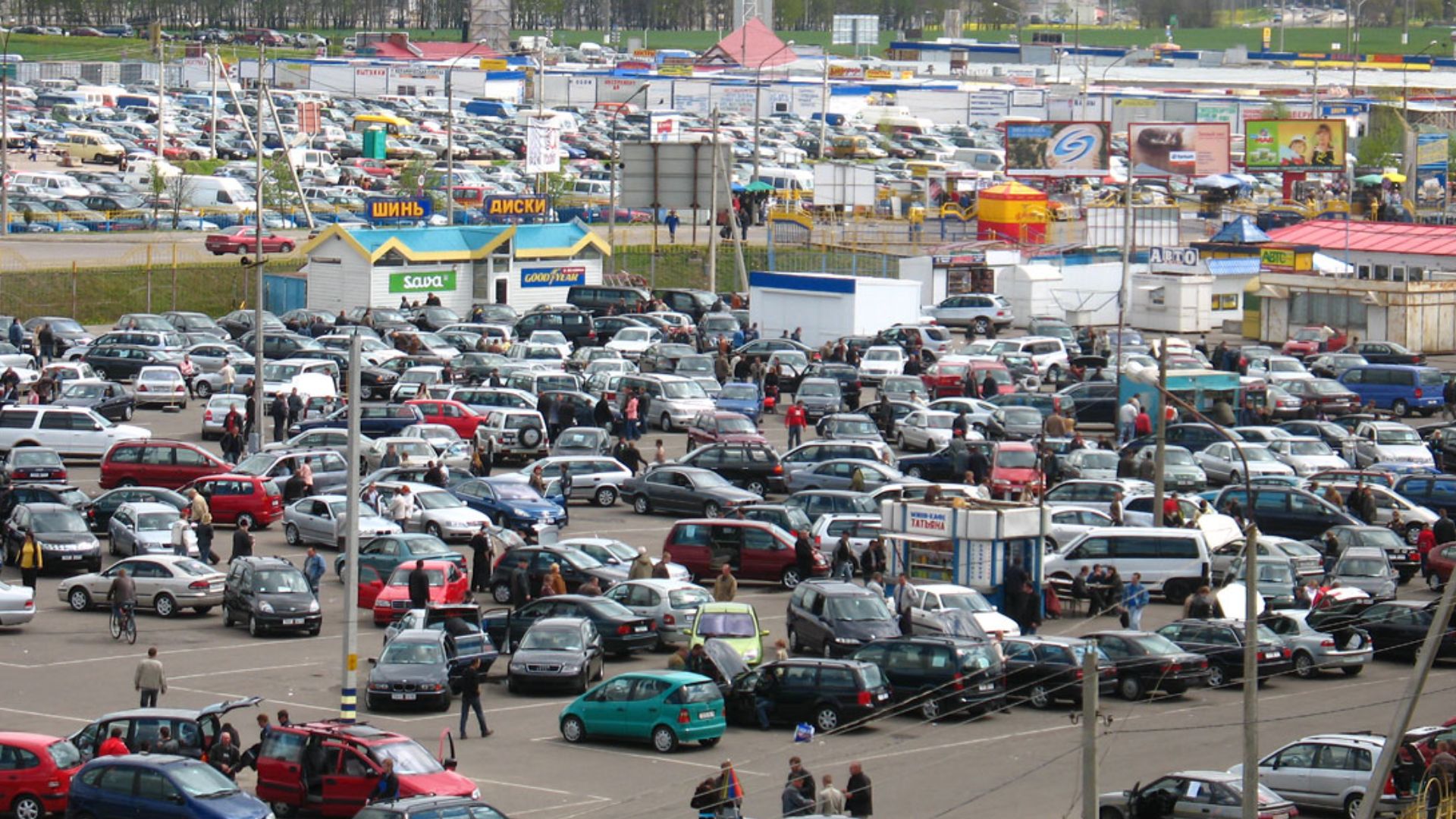
The Used Market Has Already Started Pricing This In
Used EV prices do reflect battery worries, but they also reflect tax credits, fast changes in new-car pricing, charging infrastructure, and brand-specific demand. In other words, lower resale values are not proof that batteries are all failing. They are often the result of several market forces hitting at once.
 Andrej Kuźniečyk, Wikimedia Commons
Battery Failure And Battery Degradation Are Not The Same Thing
This is an easy distinction to miss, and it causes a lot of confusion. A degraded battery still works, just with less capacity. A failed battery may need major repair or replacement, and the evidence so far suggests outright failure is far less common than many skeptics assume.
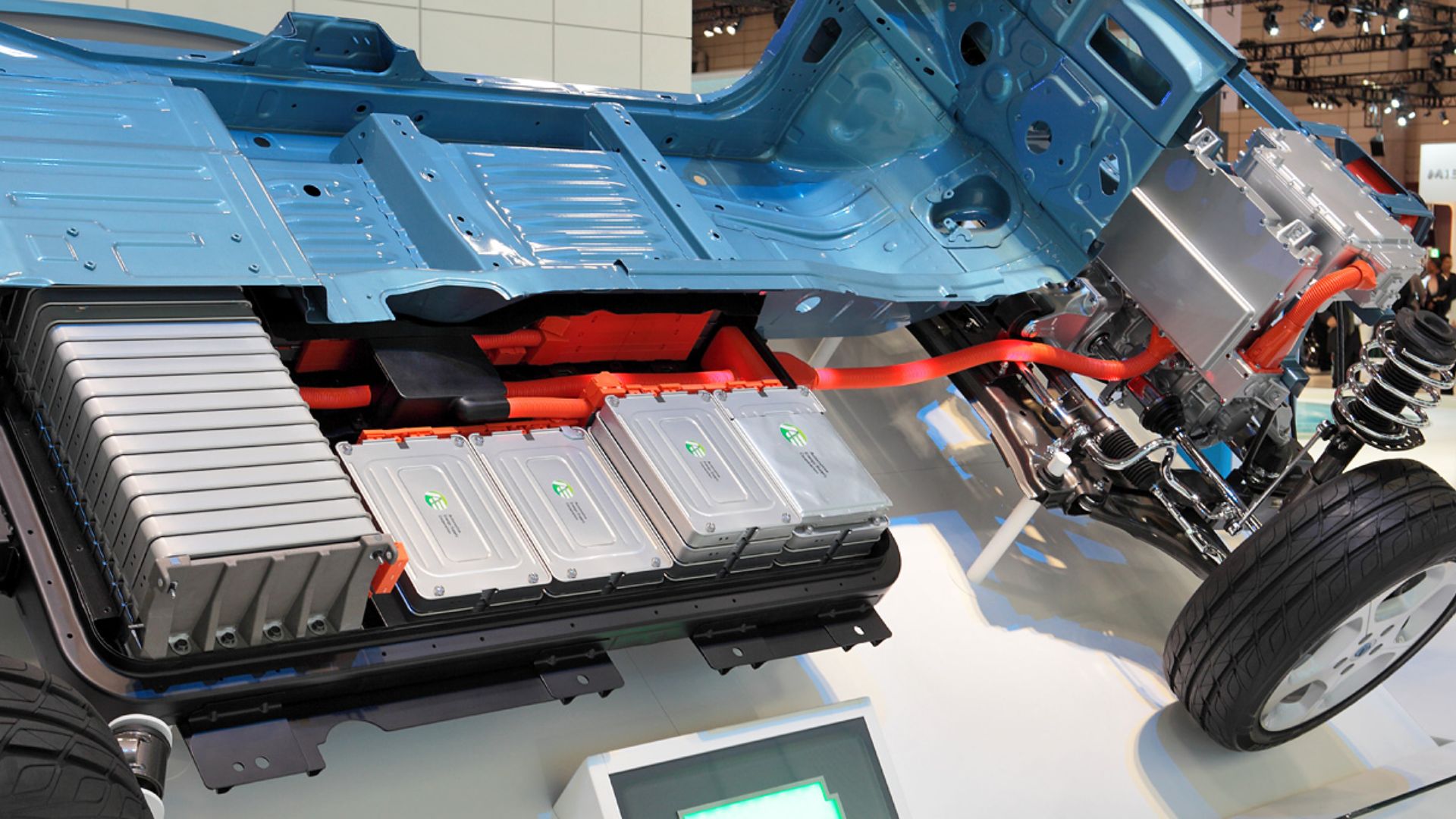
There Is Also A Repair Middle Ground
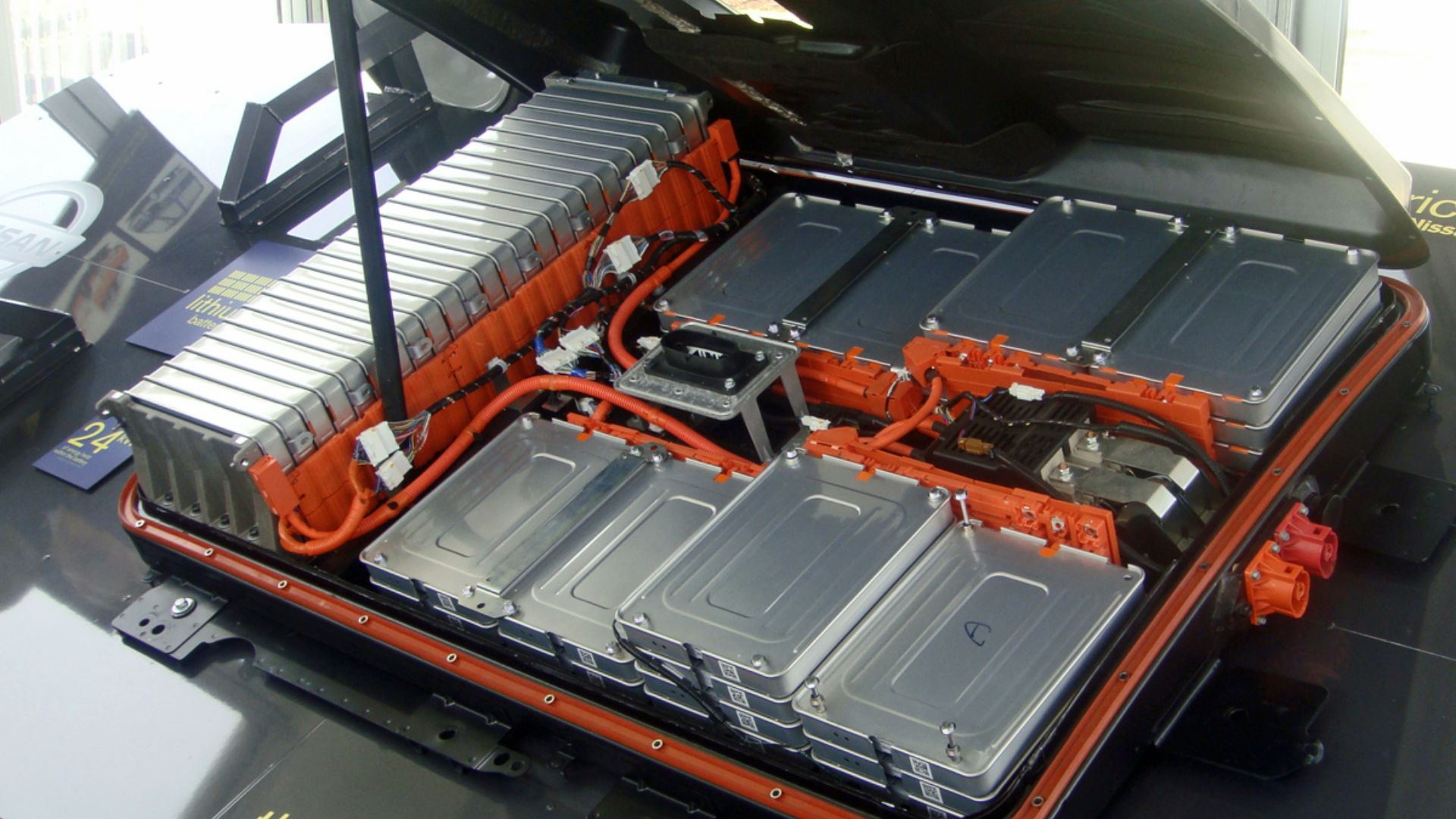
Another change in recent years is the growth of battery diagnostics, module-level repair, and remanufacturing. Not every battery problem means replacing the entire pack with a massive bill. That growing repair ecosystem could help older EVs hold their value better than many worst-case predictions assume.
 Mariordo Mario Roberto Duran Ortiz, Wikimedia Commons
Researchers Keep Finding Longer Lifespans
In December 2024, Stanford researchers published a study showing that EV batteries tested under more realistic driving conditions could last much longer than earlier estimates based on standard lab cycles. The finding stood out because it suggested stop-and-go driving, rest periods, and real usage patterns may be less punishing than older testing methods assumed. That does not mean every battery will last forever, but it does suggest some earlier fears were too pessimistic.

So Will All EVs Be Worthless In Ten Years
No. The evidence does not support that claim. Some EVs will age badly, especially if they have weak thermal management, spend years in extreme heat, or have other design issues. But broad real-world data from Geotab, used-market tracking from Recurrent, warranty rules, and ongoing research all point to a more grounded conclusion: most EV batteries degrade gradually, and many of these cars stay useful well past the ten-year mark.
The Smarter Take For Buyers
If you are shopping for a used EV, the better question is not whether all batteries go bad. Ask for battery health data if it is available, check the warranty, research the specific model, and think about climate and charging history. That is a much more realistic way to judge a used EV than repeating the claim that every electric car is headed for the scrapyard on its tenth birthday.