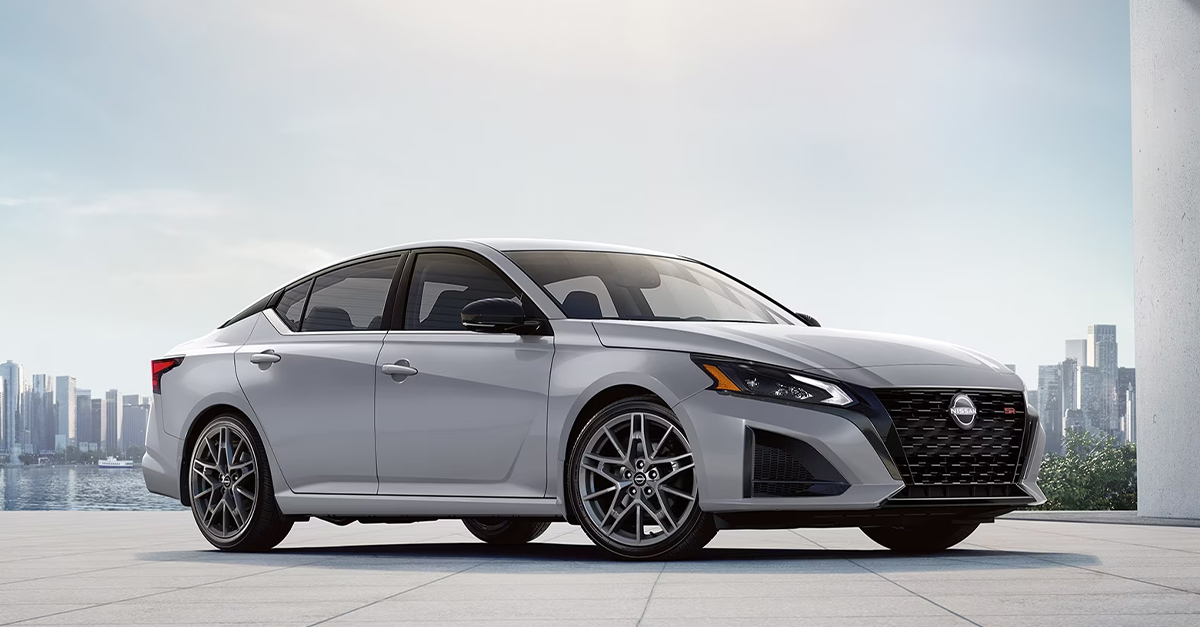
The Price Jump That Blindsides Car Buyers
You've finally settled on the car for you and you've negotiated the price with the salesperson. You show up ready to sign—and suddenly the dealer says that number did not include “mandatory add-ons.” If you thought that felt like bait-and-switch, you're not alone; Federal regulators would agree with you.
The short answer is yes, this is a common enough tactic that federal and state agencies have warned buyers about it for years.
 Antoni Shkraba Studio, Pexels, Modified
Why This Tactic Feels So Dirty
The issue is not just that the price goes up. It is that the extra products often get pushed as non-negotiable after the buyer has already spent time, energy, and hope on the deal. Consumer advocates and regulators say that pressure is a big reason junk fees and surprise add-ons have become such a major problem in car buying.

What Dealers Usually Mean By Mandatory Add-Ons
These add-ons can include nitrogen-filled tires, paint protection, fabric protection, VIN etching, security systems, wheel locks, window tint, or preloaded accessories. Sometimes they are installed before the car ever reaches the lot, and the dealer says they cannot be removed from the price. Other times, they are just profit boosters dressed up as requirements.

The FTC Has Been Tracking This For Years
The Federal Trade Commission has spent years going after deceptive auto sales practices, especially hidden charges and products consumers did not knowingly agree to buy. In December 2023, the agency announced action on several dealerships and described conduct that included deceptive pricing and unwanted add-ons. That matters because it shows this is not just a bunch of online complaints from frustrated shoppers.
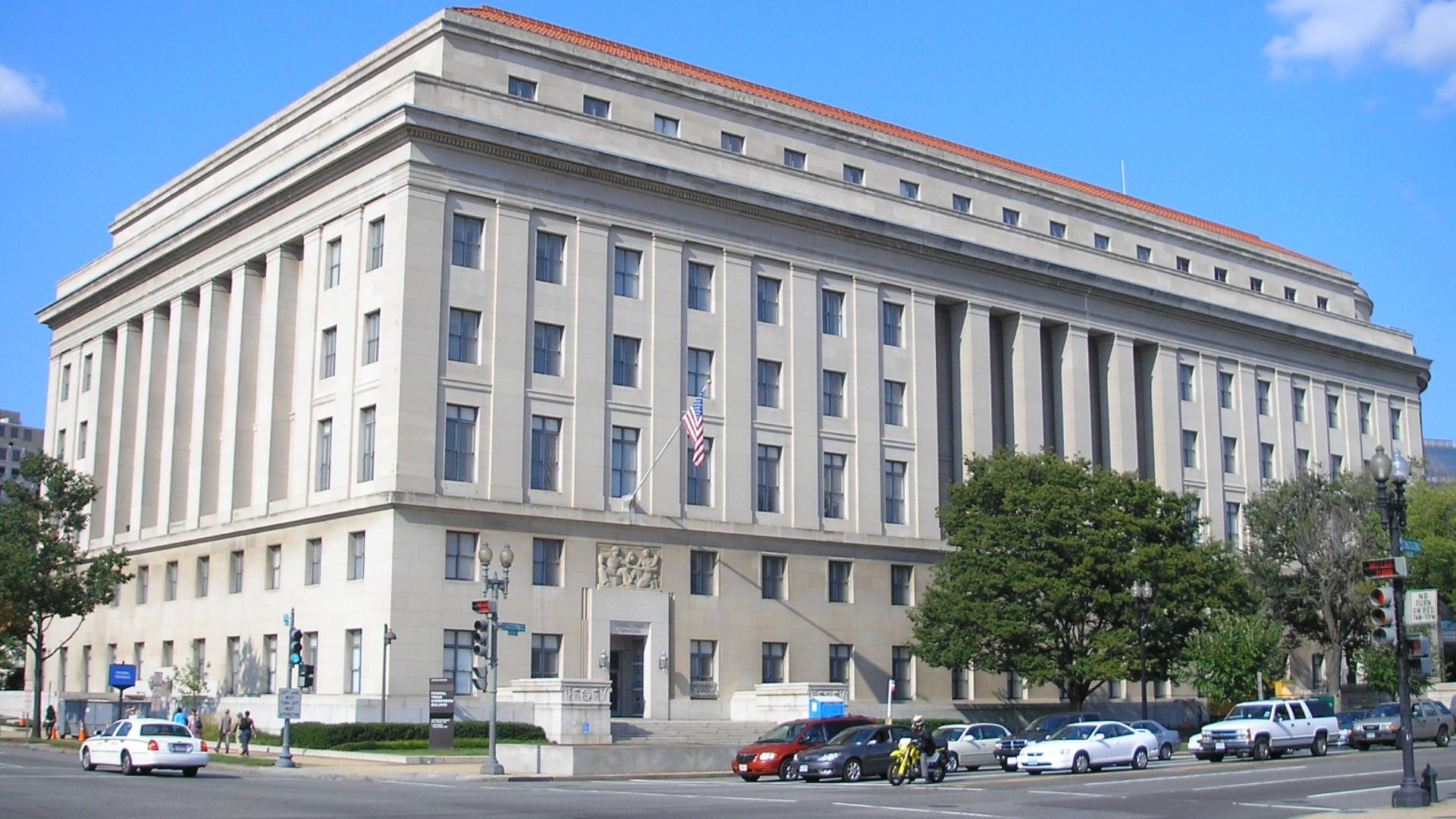
A Major Warning Came In 2022
In July 2022, the FTC proposed its Motor Vehicle Dealers Trade Regulation Rule, often called the CARS Rule. The agency said the rule was meant to ban bait-and-switch claims, stop deceptive junk fees, and block charges for add-ons that provide no real benefit. The proposal itself was a clear sign that regulators believed these practices were widespread enough to need a national response.

What The FTC Said Dealers Were Doing
When the FTC rolled out the proposed rule in 2022, it said some dealers were luring customers in with one price and then charging a different amount at the dealership. The agency also described consumers being told certain add-ons were required when they were not. Those are the same kinds of stories buyers keep telling when a quoted deal changes the second they arrive.
 David Smith , Wikimedia Commons
The Rule Drew A Huge Response
In December 2023, the FTC finalized the CARS Rule after a long public process. The agency said it had received more than 100,000 public comments on the proposal. That number says a lot on its own, because people usually do not flood a federal rulemaking unless a problem is hitting a lot of wallets.

Then The Rule Ran Into Court
The CARS Rule did not just take effect and settle the issue. In January 2025, the U.S. Court of Appeals for the Fifth Circuit vacated the rule, holding that the FTC had failed to issue an advance notice of proposed rulemaking that the court said was required. That did not mean surprise add-on pricing became acceptable. It meant the FTC lost that rule on procedural grounds.

Why That Court Decision Still Matters
The Fifth Circuit ruling matters because some people may assume it cleared dealers of deceptive conduct. It did not. Existing federal and state laws against unfair or deceptive acts still apply, and enforcement against dishonest pricing did not disappear just because one rule was thrown out.
 Jarek Tuszyński, Wikimedia Commons
State Regulators Have Been Raising The Alarm Too
California has been especially active on this issue. The California Department of Motor Vehicles has warned consumers about dealer advertising and sales practices that hide the real vehicle price or tack on add-ons. The state has also tightened rules around pricing disclosures in recent years, which shows how persistent the complaints have been.

California’s New Pricing Law Got Attention
Senate Bill 478, known as the Honest Pricing Law, took effect in California on July 1, 2024. State guidance says businesses must generally include all mandatory fees in the advertised price, with certain exceptions such as government charges and shipping in some cases. For car shoppers, the bigger point is simple: lawmakers saw drip pricing and surprise mandatory fees as serious enough to address directly.
 Adoramassey, Wikimedia Commons
Advertising A Price Is Not The Same As Honoring It
A dealer may advertise or quote a low number to get you through the door, then say dealer-installed accessories are already on the car and must be paid for. It is one of the oldest pressure moves around. Whether it is legal can depend on how the price was advertised, what disclosures were made, and what your state law says.
 Antoni Shkraba Studio, Pexels, Modified
Preinstalled Products Are A Gray Area Buyers See All The Time
If a dealer really did install accessories before offering the car for sale, it may argue that the vehicle is being sold as equipped. That does not automatically make the pricing fair or clear. It just means the fight often shifts from “Can they charge this?” to “Did they clearly tell me before I made the trip?”

Consumer Reports Has Seen This Pattern Before
Consumer Reports has repeatedly warned that dealers often boost profits through extras buyers do not need or do not want. Its advice is blunt: ask for the out-the-door price in writing before visiting, and be ready to walk away if new charges suddenly appear.

The CFPB Has Also Warned About Add-On Abuse
The Consumer Financial Protection Bureau has warned that optional products are sometimes misrepresented as required for financing or approval. That can include service contracts, GAP coverage, or other extras slipped into paperwork or described as mandatory. If a dealer tells you an add-on is required, ask who requires it and ask for that claim in writing.
 ajay_suresh, Wikimedia Commons
The Key Difference Buyers Need To Know
Some costs really are mandatory, but they are not the same as dealer add-ons. Sales tax, title, registration, and government filing fees are real charges tied to the transaction. Nitrogen in the tires, paint sealant, anti-theft etching, and similar products are usually dealer products, not government requirements.

The Finance Office Is Often Where It Gets Worse
Even if the sales desk drops the add-on ambush, the finance office may try again. That is where many buyers get sold service contracts, appearance packages, tire protection, or credit insurance they never planned to buy. Regulators have repeatedly said consumers are often rushed through this stage with little time to catch what was added.

Why Dealers Keep Doing It
The answer is simple and not very flattering. Add-ons and fees can bring in much bigger margins than the vehicle itself. That is why some stores are willing to risk angry customers, bad reviews, and even regulatory scrutiny to keep pushing them.

How To Tell If You Are Being Worked
If the dealer refuses to give you an out-the-door quote by email or text, take that as a warning sign. If the numbers change when you arrive, ask for a line-by-line buyer’s order and compare it with what you were quoted. If the explanation starts with “everyone has to buy this,” slow everything down right away.

What To Say When They Call An Add-On Mandatory
Ask a direct question: “Is this required by law, required by the lender, or required only by your dealership?” That wording forces the salesperson or manager to be specific, and vague answers usually tell you a lot.

Get The Out-The-Door Price Before You Leave Home
Your best defense is to ask for a signed or written out-the-door quote that includes the vehicle price, dealer fees, taxes, title, registration, and every installed product. Tell the dealer you will only come in if that is the real deal. If they refuse, you probably just saved yourself a wasted afternoon.

Read The Buyer’s Order Before You Sign
Do not rely on verbal promises once the paperwork comes out. Read every line on the buyer’s order or purchase agreement and look for accessories, protection packages, service plans, theft products, and document fees. If something appears that you did not approve, stop and challenge it before signing.

Walking Away Is Still Your Strongest Move
Dealers know many people do not want to start the shopping process over after spending hours negotiating. That is exactly why the late-stage add-on tactic works. If you stand up and leave, you take back the leverage they were counting on.

If You Already Signed, You Still May Have Options
Your options depend on your contract, your state, and whether the added products were misrepresented. Gather your quote, emails, texts, buyer’s order, financing documents, and any notes or recordings from the sale. Then contact the dealership in writing, and if needed, escalate to your state attorney general, state motor vehicle agency, or consumer protection office.

Document Everything While It Is Fresh
Save screenshots of the advertised price and any messages showing what the dealer promised. Write down who told you the add-on was mandatory and when they said it. Complaints are much stronger when they include dates, names, and copies of the paperwork.

Where To Report A Dealer
You can file complaints with the FTC, your state attorney general, and in many states the agency that licenses dealers, such as the DMV or motor vehicle commission. The CFPB may also matter if the issue involved financing or add-on products tied to the loan. One complaint may not feel like much, but patterns become obvious when enough buyers report the same store.

So, Is This A Common Trick
Yes. Federal regulators, state officials, consumer advocates, and court records all show that surprise pricing and fake mandatory add-ons have been common enough to trigger enforcement actions, public warnings, and attempted rule changes. If a dealership springs that line on you after you arrive, treat it as a serious red flag, not a harmless mix-up.
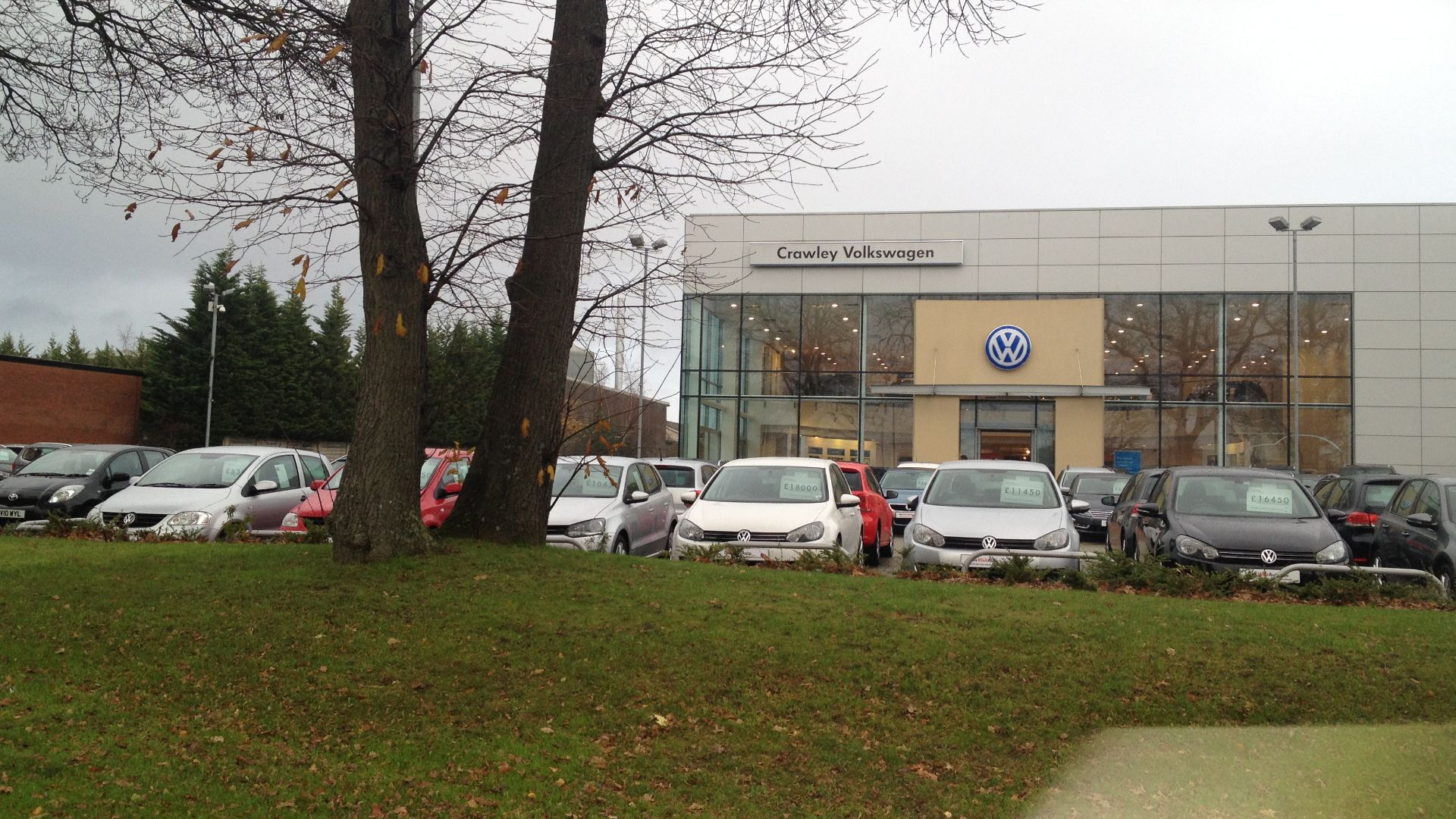 Stacey Harris , Wikimedia Commons
The Bottom Line For Smart Buyers
A real mandatory charge is usually a tax or government fee. A dealer add-on sold as mandatory is often just a profit play with a hard sell behind it. The safest move is simple: get the full out-the-door price in writing, check every line before signing, and be ready to walk if the deal suddenly gets bigger once you reach the showroom.