When The “Innocent Driver” Still Ends Up Paying
Getting into a car accident is stressful enough, but things become even more confusing when you find out you’re expected to cover part of the damages despite believing the crash wasn’t your fault at all. Many drivers assume accidents work like courtroom dramas where one person is completely innocent and the other takes all the blame, but insurance companies across the US often see things very differently. Depending on the state and the details of the crash, fault can be divided between multiple drivers, which can leave people paying for damages they never expected to handle.
 Worawee Meepian, Wikimedia Commons
America’s Insurance System Isn’t Always Black And White
One of the biggest surprises for drivers is learning that fault isn’t always assigned entirely to one person. In many states, insurance companies use comparative negligence systems, which allow responsibility to be split among everyone involved in the accident. That means even if another driver clearly caused the collision, your insurer may still decide your actions contributed in some smaller way.
 Shuets Udono, Wikimedia Commons
Partial Fault Doesn’t Mean You Caused The Whole Crash
Being assigned partial responsibility doesn’t automatically mean the insurance company thinks you fully caused the accident. It usually means adjusters believe something you did may have contributed to the final outcome. Maybe you were speeding slightly, following too closely, or changed lanes at the wrong time. Even small driving decisions can affect how fault percentages are calculated after a crash.
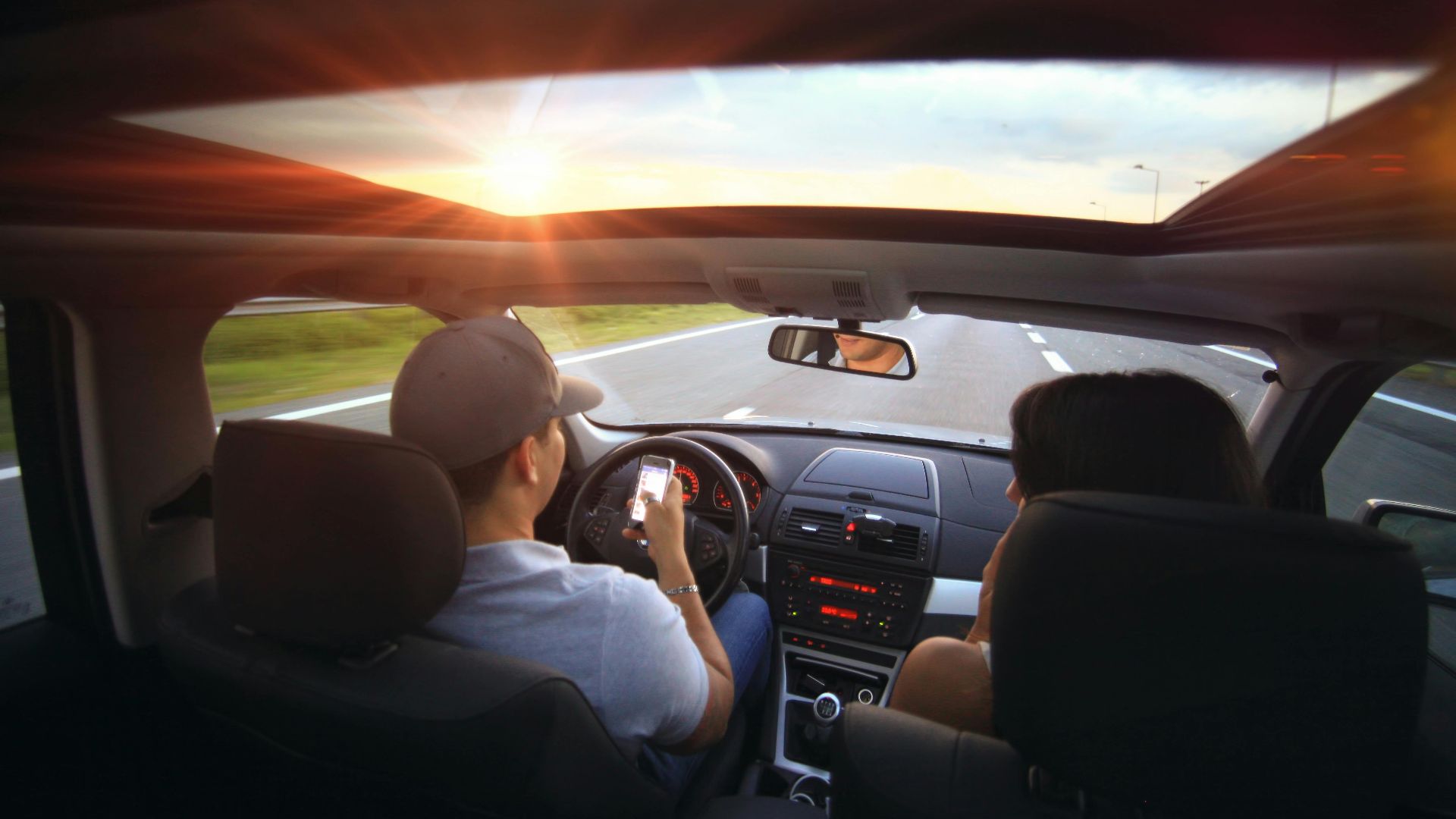
Insurance Companies Look At More Than Just Tickets
A lot of drivers assume the person who receives a traffic ticket automatically becomes fully responsible for the accident, but insurance investigations don’t always work that way. Adjusters often review witness statements, vehicle damage, road conditions, photos, camera footage, and driver accounts before assigning fault percentages. Reports matter, but insurers frequently conduct their own separate investigations.

The 50-50 Decision Is Infamous
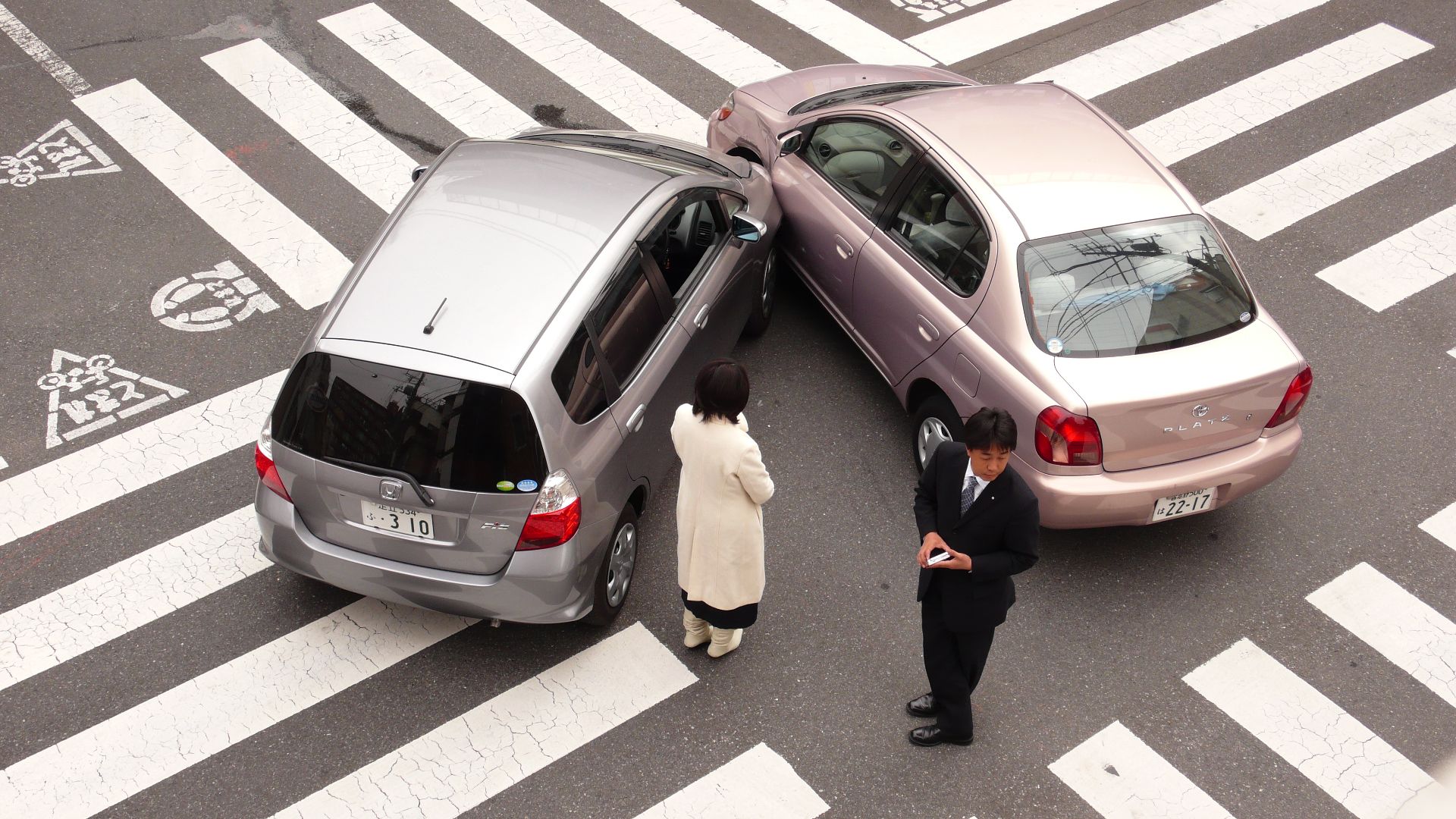
Few outcomes frustrate drivers more than hearing an accident was ruled “50-50”. This usually happens when evidence is unclear or when both drivers appear to have made mistakes leading up to the crash. Parking lot accidents, lane-change collisions, and disputed intersection crashes often end with both parties sharing responsibility, leaving everybody irritated and convinced the system makes no sense.

Some States Reduce Compensation Based On Fault
In many U.S. states, your compensation can be reduced according to your percentage of responsibility for the accident. If you’re found 20% responsible, for example, your financial recovery may also be reduced by 20%. That’s why drivers sometimes end up paying for part of the damages even when they believe the other person caused the majority of the crash.

Certain States Block Recovery Entirely
Not every state handles partial fault the same way, which is where things become especially confusing. Some states follow modified comparative negligence rules, meaning drivers can lose the ability to recover damages if they’re found more than 50% responsible for the accident. A handful of states still use contributory negligence systems, where even a tiny amount of fault can seriously hurt a claim.

“No-Fault” Insurance Doesn’t Mean Nobody Gets Blamed
The phrase “no-fault insurance” confuses drivers constantly because it sounds like fault disappears completely after an accident. In reality, no-fault systems simply mean drivers typically file claims through their own insurance company first for certain expenses like medical bills. Fault can still absolutely be investigated later, especially when property damage or lawsuits enter the picture.

Your Insurance Premiums Can Still Go Up
One of the most painful surprises after a partially assigned fault decision is discovering your insurance premiums may increase anyway. Even if another driver caused most of the accident, insurers sometimes view shared responsibility as evidence of increased driving risk. That means a crash you never fully caused can still end up costing you money long after the repairs are finished.

Evidence Can Make Or Break Your Claim
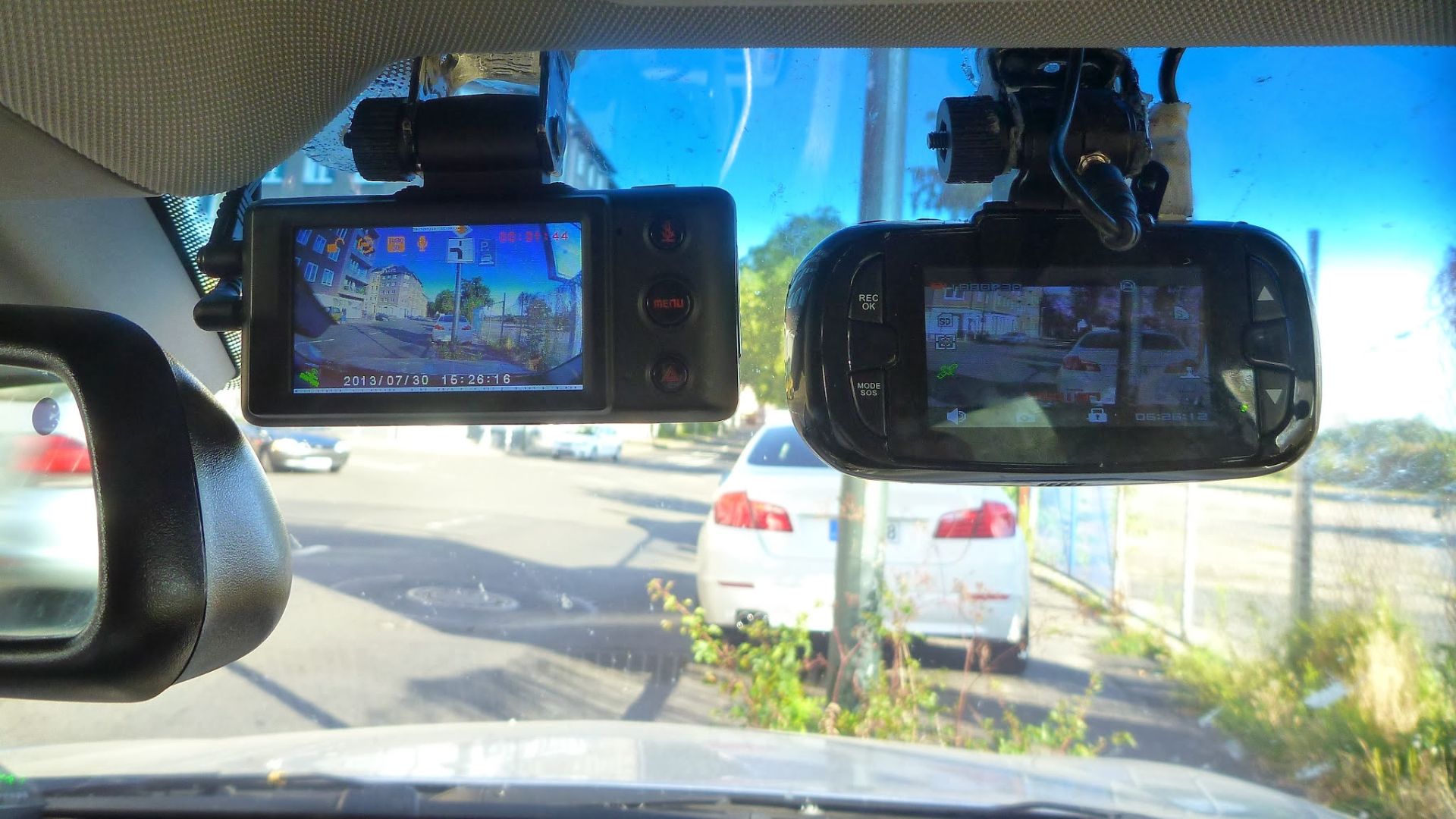
Strong evidence becomes incredibly important when fault is disputed. Dashcam footage, traffic camera video, witness statements, photos of the scene, and detailed reports can all dramatically influence how insurers assign responsibility. Without solid evidence, many cases simply become one driver’s word against another’s, which often leads to shared fault rulings.
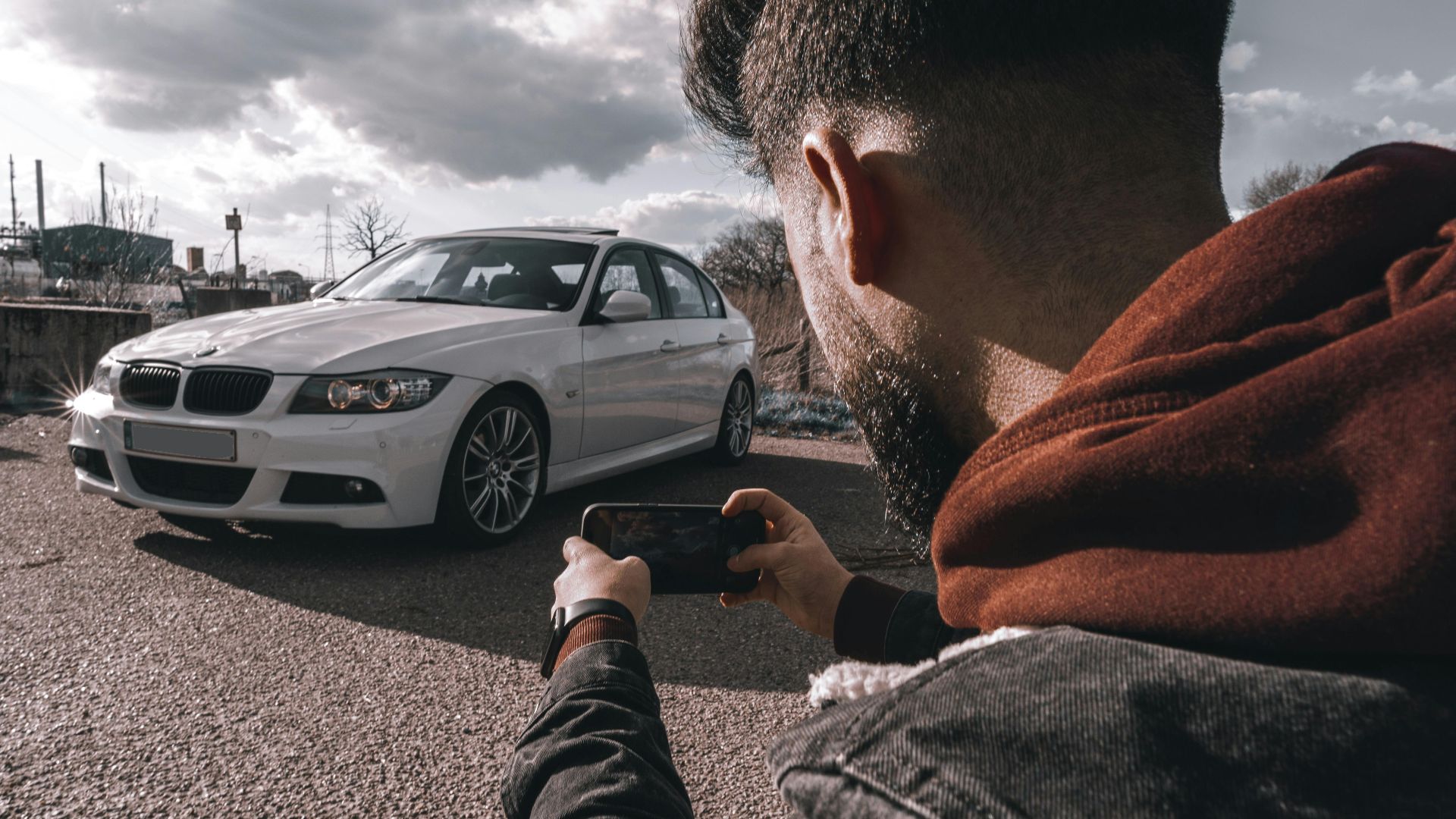
Witnesses Can Completely Change The Story
Independent witnesses often become the deciding factor in disputed accidents because they provide a neutral perspective on what happened. A single witness confirming who had the green light or who drifted into another lane can completely shift the outcome of an insurance investigation. Without witnesses, insurers sometimes default to splitting fault simply because they can’t confidently determine who caused the collision.
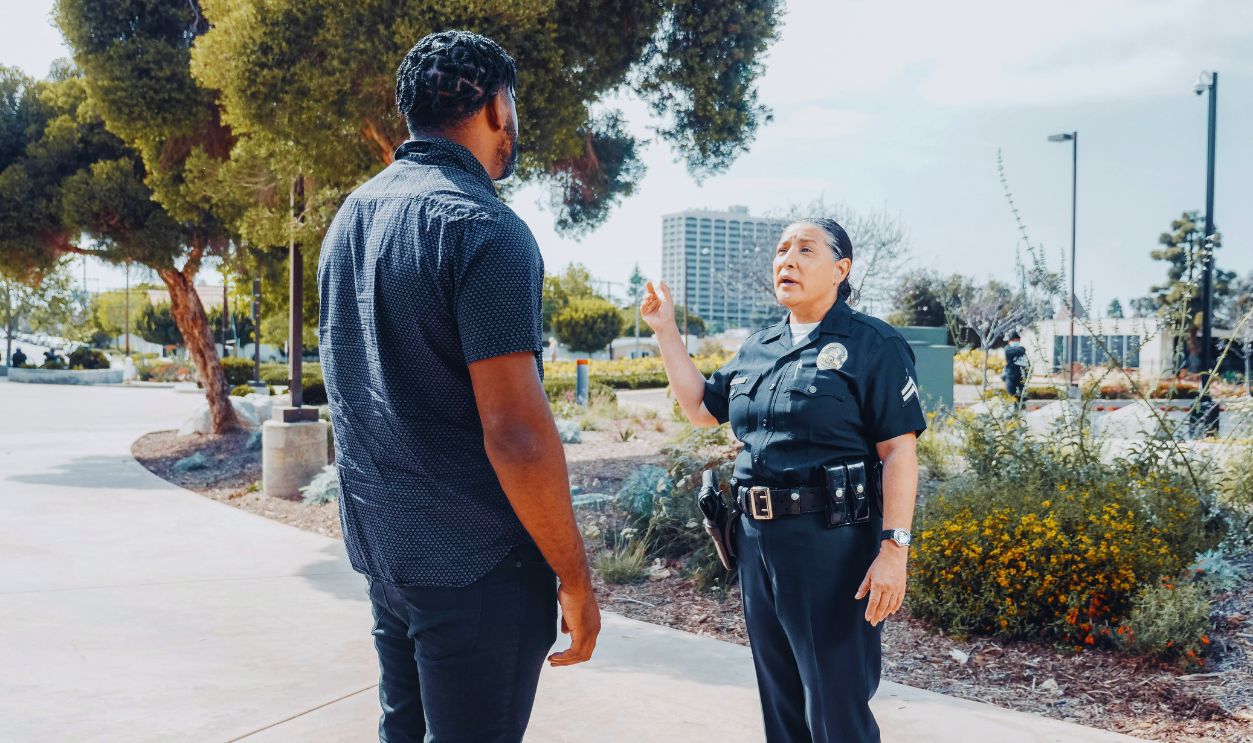
Social Media Posts Can Backfire Fast
After an accident, many drivers immediately jump online to vent about the crash or joke about the situation, but those posts can sometimes create serious problems later. Insurance companies and attorneys may review public social media activity during claims investigations, especially if injuries or disputed damages are involved. That sarcastic “I’m totally fine” post might not age very well if you later file injury-related claims.

Rear-End Accidents Aren’t Always Automatic
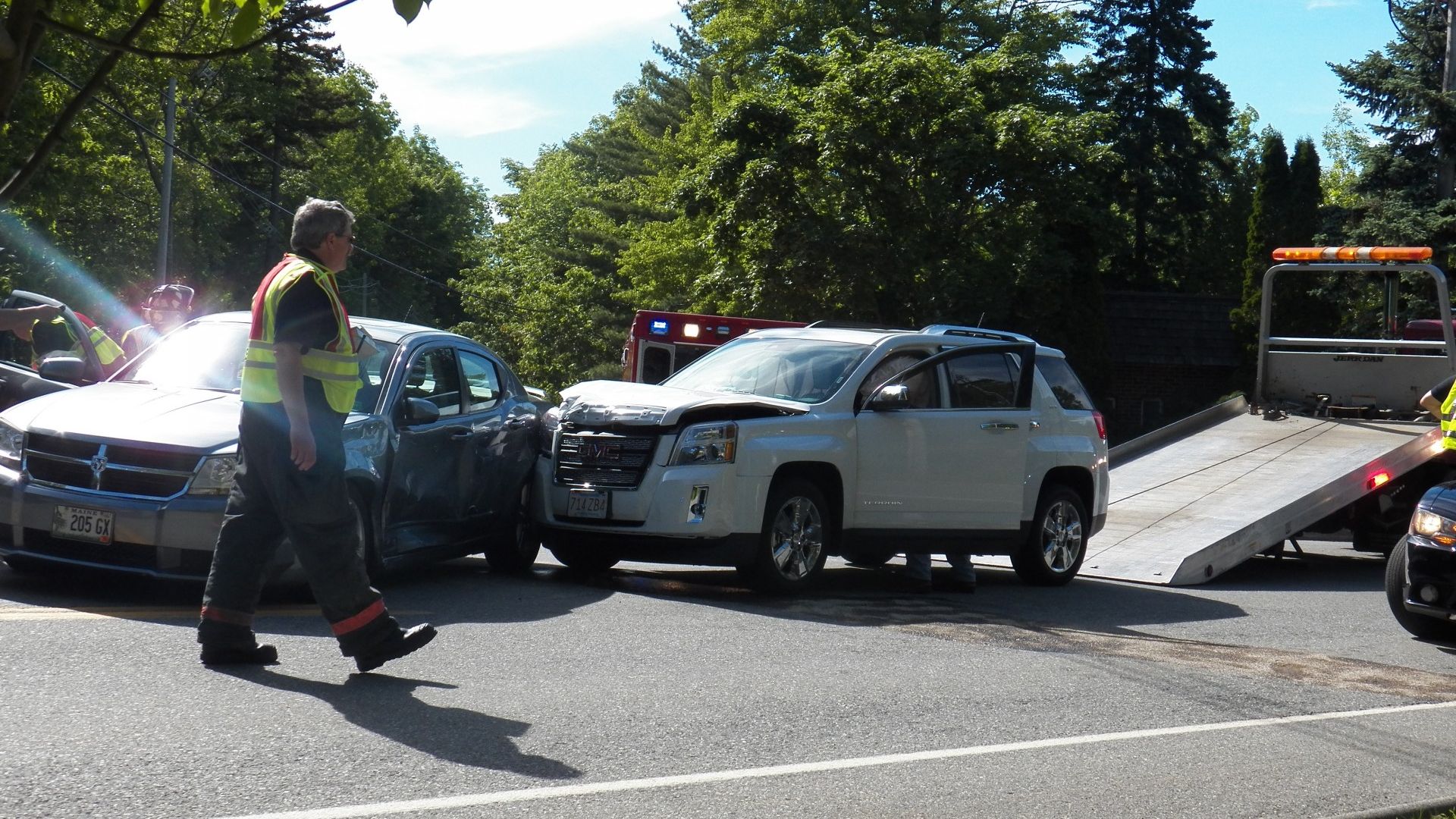
Drivers often assume rear-end collisions automatically place all responsibility on the driver in back, but that’s not always true. If the front driver slammed on the brakes unexpectedly, had broken brake lights, or reversed suddenly, insurers may assign partial responsibility to both parties. Even accidents that seem straightforward can become more complicated once investigators review the details.
 Junior Libby, Wikimedia Commons
Parking Lot Crashes Are Constantly Disputed
Parking lots are basically breeding grounds for confusing insurance claims because low speeds, tight spaces, and unclear right-of-way rules create endless disagreements between drivers. Many parking lot accidents end with shared responsibility decisions because both drivers are expected to remain cautious in crowded areas. Nobody likes hearing they partially caused a five-mile-per-hour fender bender, but it happens constantly.

Multi-Car Accidents Become A Mess Quickly
Chain-reaction crashes involving three or more vehicles often turn into complicated blame games because several drivers may contribute to the final damage. One driver might start the collision while others fail to stop in time afterward. Insurance companies frequently divide fault percentages across multiple drivers in these situations, which makes settlements far more complicated than single-car accidents.
Insurance Adjusters Don’t Always Agree With Each Other
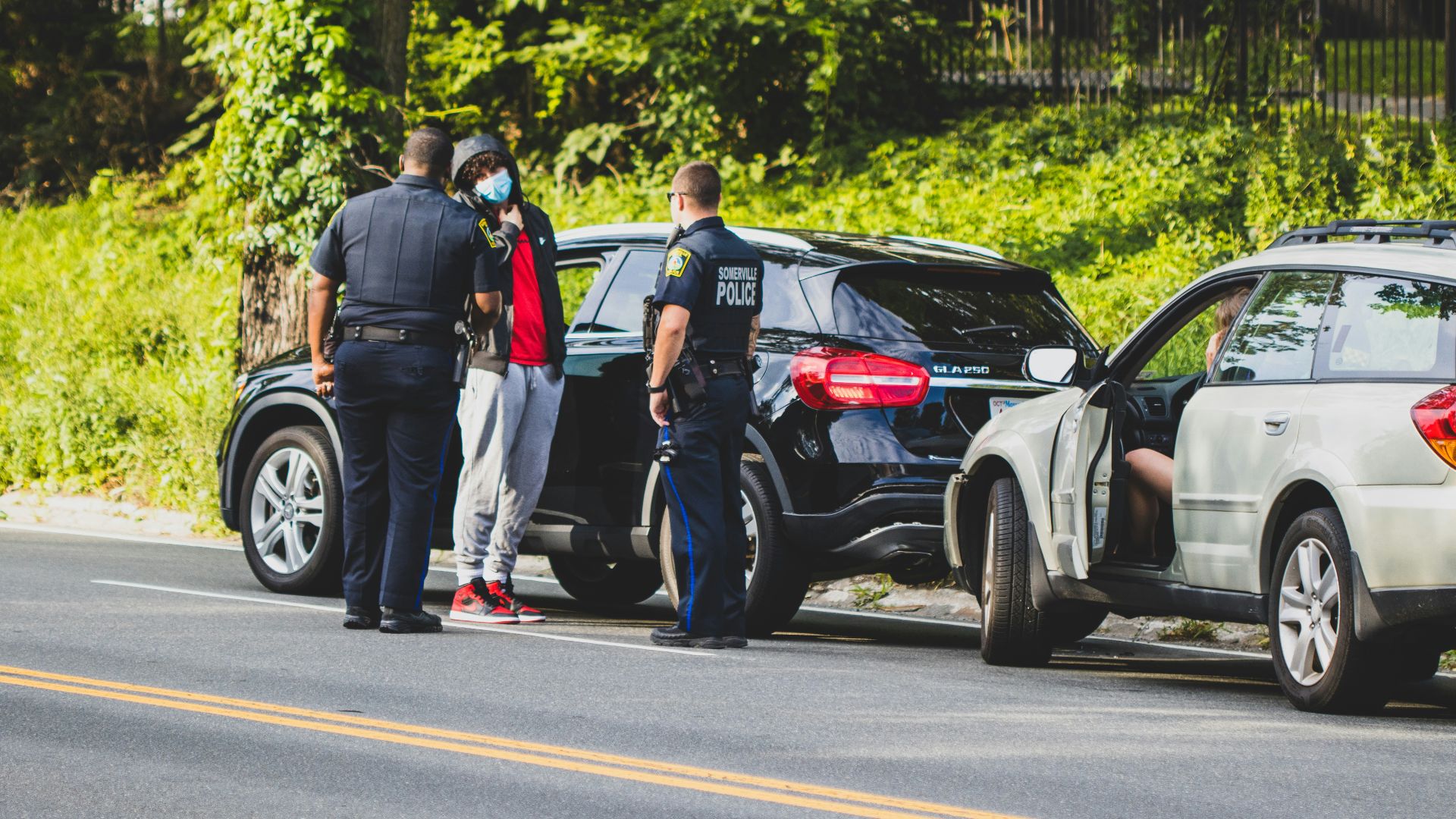
One thing many drivers don’t realize is that insurance companies can disagree about fault entirely. Your insurer may assign one percentage of responsibility while another company argues for something completely different. These disagreements sometimes drag claims out for weeks while insurers negotiate behind the scenes over who should ultimately pay what.

State Laws Change Everything
Car accident claims vary dramatically depending on where the crash happened because every state handles fault rules differently. Some states lean heavily toward comparative negligence systems while others apply stricter rules limiting compensation for partially responsible drivers. Two nearly identical accidents can produce completely different financial outcomes simply because they happened in different parts of the country.

You Can Usually Challenge A Fault Decision
Drivers aren’t necessarily stuck accepting an insurance company’s first ruling. If you believe fault was assigned unfairly, you can often submit additional evidence, provide witness information, or request a more detailed review of the investigation. Many claims change once new information surfaces, especially when video footage or independent testimony becomes available later.

The Emotional Side Of Shared Fault Feels Personal
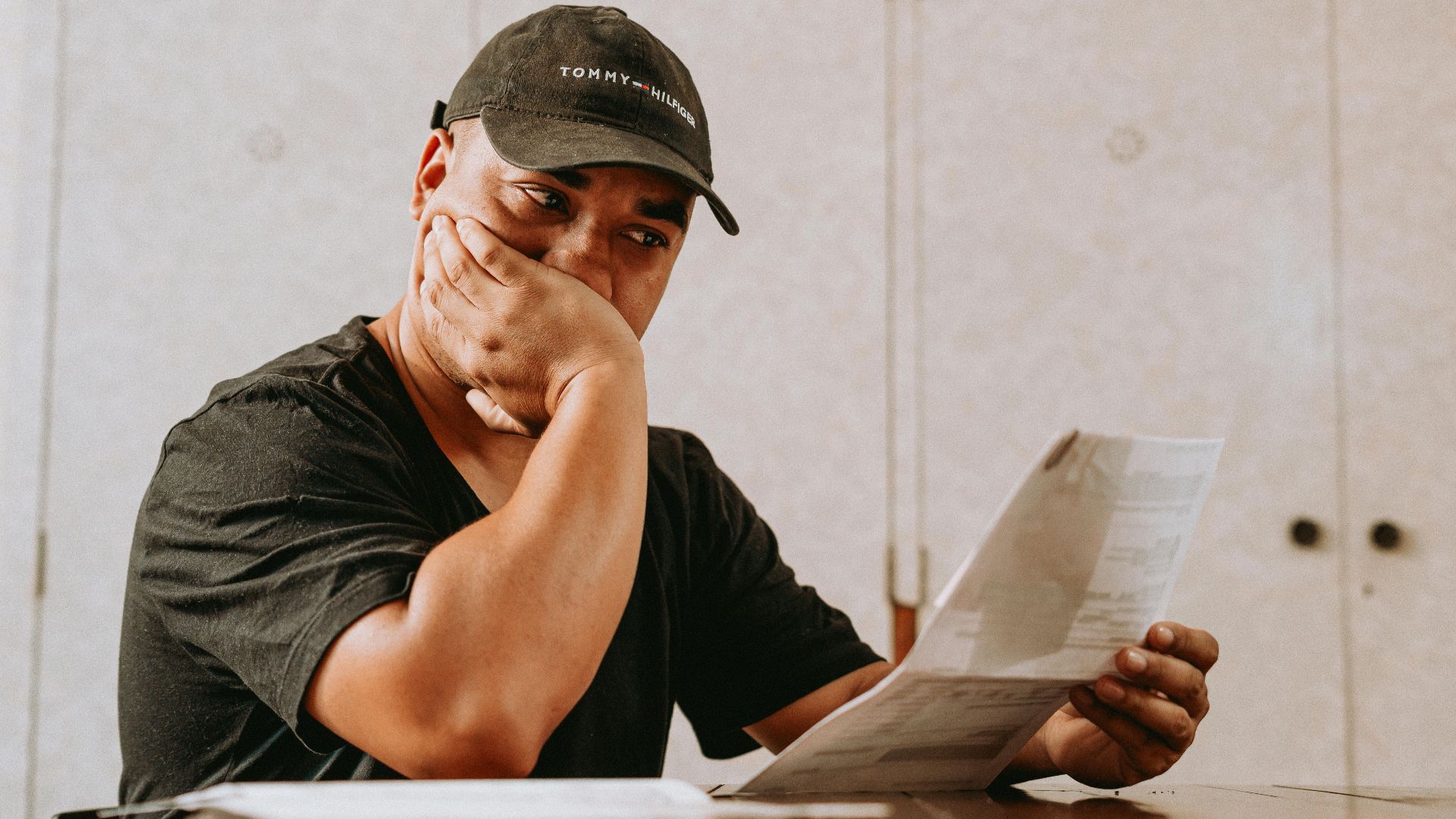
People don’t just get upset because of the money involved. Shared fault rulings often feel deeply personal because drivers interpret them as accusations rather than technical insurance decisions. After a stressful accident, hearing that you “contributed” to the crash can feel frustrating even when the insurer is simply applying state negligence rules.
The Best Protection Starts Before The Accident Happens
The drivers who usually handle disputed claims best are the ones who prepare ahead of time. Dashcams, updated insurance coverage, organized records, and careful documentation after a crash can make a massive difference when fault becomes disputed later. Nobody plans to end up arguing over percentages after an accident, but preparation can save an enormous amount of stress when it happens.
You May Also Like: