
Is Someone Secretly Watching Me?
Finding a hidden GPS tracker in your car is the kind of thing that instantly makes your stomach drop. Most people immediately start wondering who put it there, how long it’s been tracking them, and whether someone’s been quietly monitoring everywhere they go. It gets even creepier when you recently had the car at a mechanic, dealership, tow yard, or repair shop and suddenly start replaying every interaction in your head afterward. The good news is that while the situation feels invasive and stressful, there are still practical ways to protect yourself and figure out what’s actually going on.
GPS Trackers Are Tiny Now And Easy To Hide
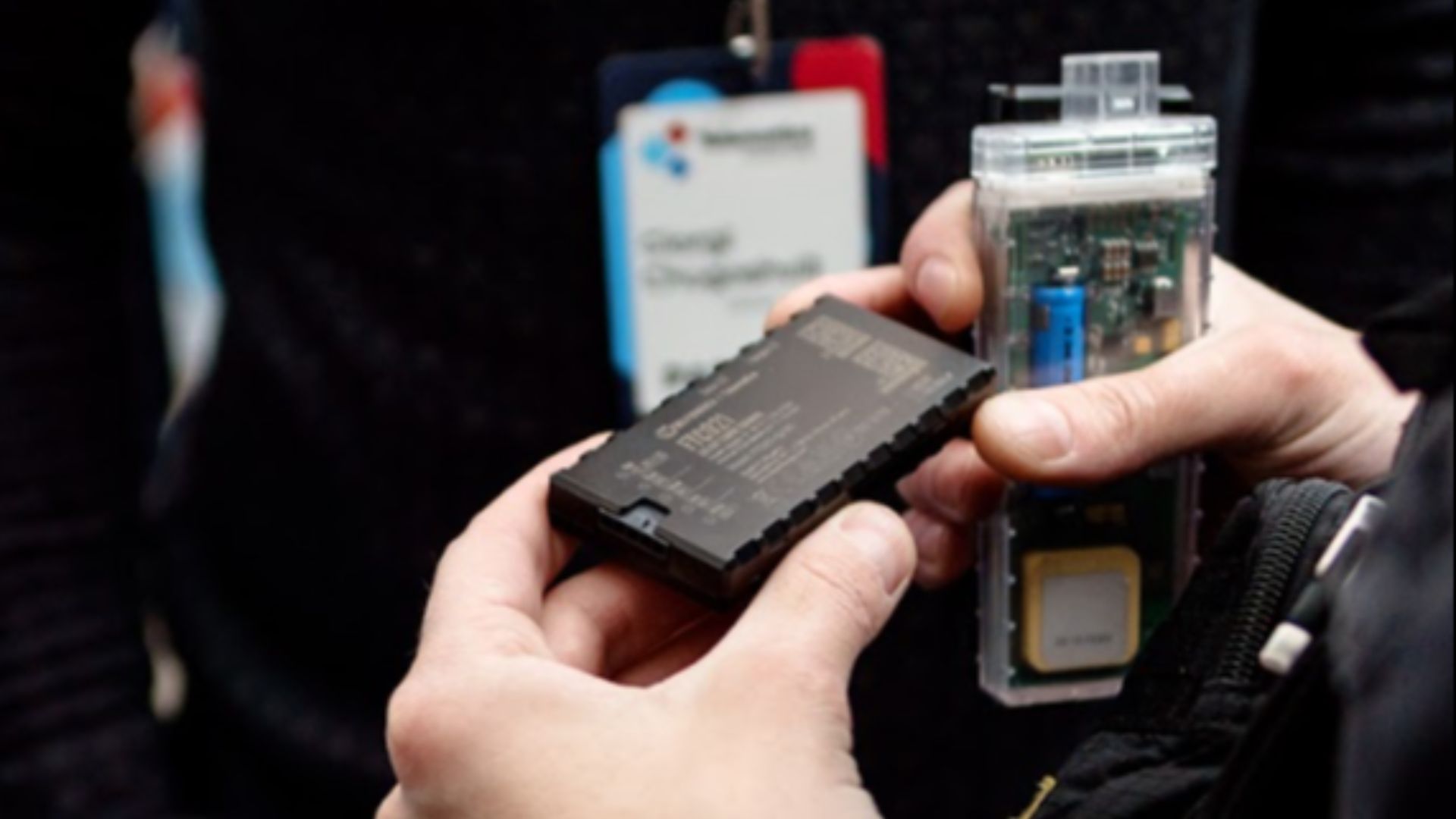
A lot of people imagine giant spy gadgets when they think about tracking devices. In reality, modern GPS trackers can be incredibly small and easy to hide almost anywhere on a vehicle. Some attach magnetically underneath the car, while others get tucked into wheel wells, under seats, inside bumpers, or even connected directly to the vehicle’s onboard diagnostic port without drivers noticing for months.

Not Every Tracker Automatically Means Something Criminal
This part surprises a lot of people initially. There are actually legitimate reasons tracking devices end up installed in vehicles, including anti-theft systems, insurance monitoring programs, rental car tracking, fleet vehicles, or financing agreements tied to high-risk auto loans. Sometimes drivers technically agreed to the tracker years earlier and completely forgot about it.
Mechanics Usually Aren’t Secretly Tracking Customers
When people discover trackers after visiting a repair shop, suspicion usually lands on the mechanic immediately. But honestly, many mechanics have absolutely nothing to do with it. In a lot of cases, the device was already hidden in the vehicle long before the appointment and only got discovered because someone happened to inspect the car more carefully during unrelated repairs.

Finance Companies Sometimes Install Tracking Devices
This happens more often than people realize, especially with “buy here, pay here” dealerships or subprime financing situations. Certain lenders install GPS devices so they can recover vehicles more easily if borrowers stop making payments. The disclosure sometimes exists somewhere in the financing paperwork, but most buyers never remember seeing it or understanding how the tracking actually works.

AirTags And Bluetooth Trackers Changed Everything
Apple AirTags and similar Bluetooth tracking devices made location monitoring dramatically cheaper and easier than it used to be. A lot of people now discover hidden trackers only because their phones suddenly warn them an unknown device has been traveling with them repeatedly over time. Without those smartphone alerts, many trackers probably would have gone unnoticed indefinitely.
Not All Tracking Devices Work The Same Way
Some devices constantly transmit real-time GPS information through cellular networks, while others only update locations occasionally. Bluetooth trackers like AirTags depend heavily on nearby phones to relay location information rather than broadcasting GPS signals themselves. That means the type of device found in your vehicle matters a lot when figuring out how much information someone may actually have been collecting.
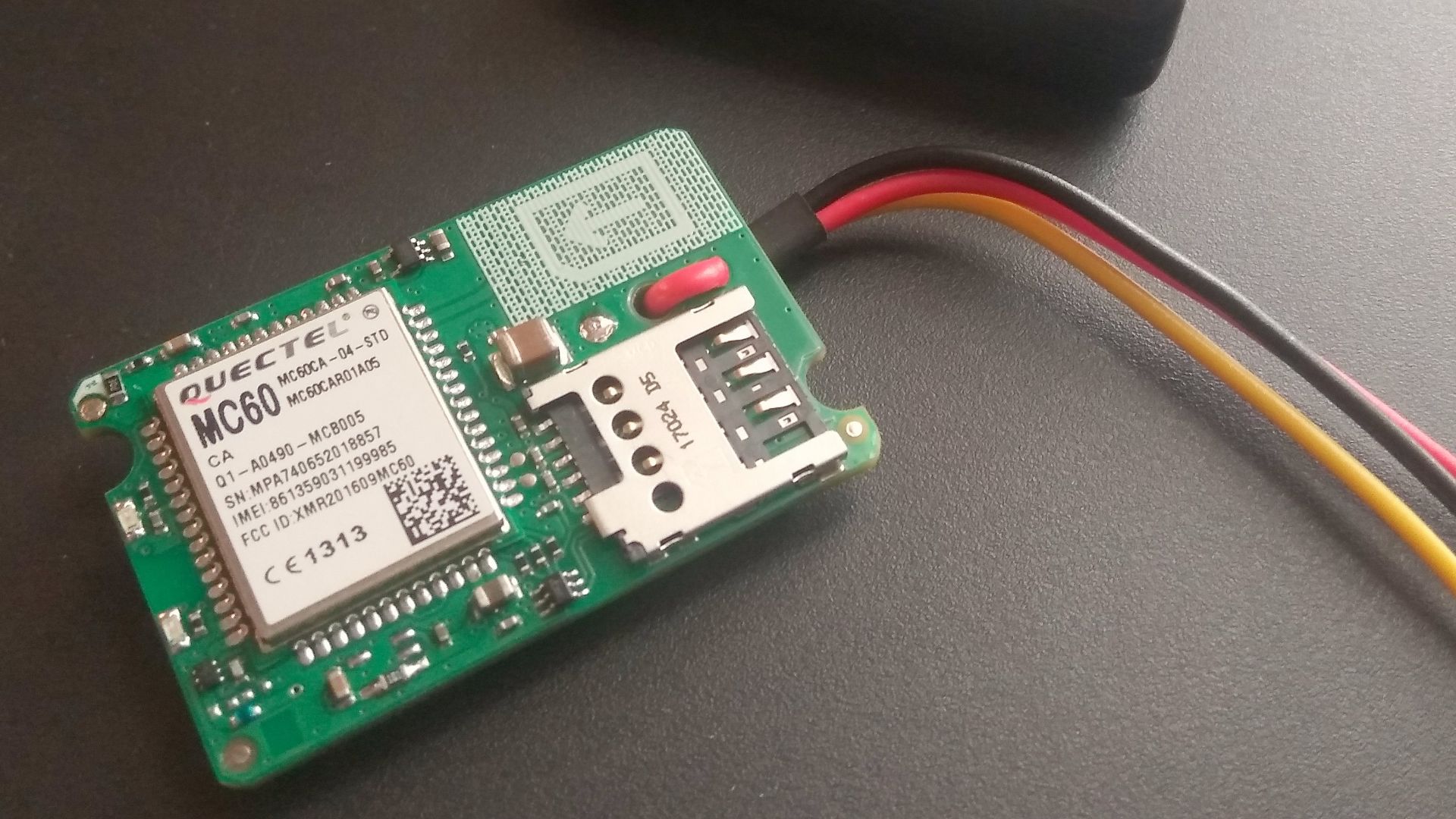 Artem Svetlov from Moscow, Russia, Wikimedia Commons
Honestly, The Situation Feels Creepy Because It Usually Is
Even when there ends up being a legitimate explanation, finding an unknown tracker hidden in your car feels deeply invasive. Most people instantly start replaying recent arguments, breakups, awkward interactions, or strange situations trying to figure out who may have placed it there. The emotional reaction is usually pretty intense because personal privacy suddenly feels violated.

Relationship Problems Show Up In A Lot Of Tracking Cases
Unfortunately, hidden trackers often become part of messy breakups, divorces, custody disputes, stalking situations, or controlling relationships. Some people secretly monitor spouses, ex-partners, or family members because they’re suspicious, possessive, or trying to keep tabs on someone’s movements without consent. Those situations can cross serious legal and emotional boundaries very quickly.

The Laws Around Vehicle Tracking Get Complicated Fast
This is where things become legally messy. In many places, secretly tracking someone without their permission may violate privacy, harassment, or stalking laws. But ownership matters too: If the person who installed the tracker legally owns or co-owns the vehicle, the legal situation sometimes becomes much less straightforward than people initially expect.

The Car’s Ownership Status Matters A Lot
If the vehicle is leased, jointly owned, financed, or belongs to a business, different rules may apply. Company-owned vehicles, for example, often legally contain fleet tracking systems employees may never have thought much about until discovering them later. That’s why figuring out exactly who legally owns the vehicle becomes important early on.

Don’t Immediately Destroy The Device
A lot of people instinctively want to smash the tracker the second they find it. But if the device was placed illegally, destroying it right away may eliminate useful evidence. Taking photos, documenting where it was found, recording serial numbers, and preserving the device carefully could become important later if law enforcement or lawyers get involved.

A Trusted Mechanic May Recognize It Quickly
Experienced mechanics or automotive electronics specialists sometimes identify tracking devices almost immediately. Certain products are extremely common in repossession tracking, fleet management, dealership financing, or anti-theft programs. Having a professional examine the device may help narrow down whether the tracker likely came from a legitimate company or something more suspicious.

Police Responses Vary A Lot Depending On The Situation
Some people assume police will instantly treat the discovery like a major criminal case. In reality, responses vary heavily depending on local laws, ownership issues, and whether there’s evidence of stalking, threats, domestic violence, or harassment tied to the device. In some situations, police take it very seriously. In others, they may view it as a civil dispute instead.

Smartphones Catch More Hidden Trackers Than Ever Before
One reason these stories have become more common lately is because phones are finally getting better at detecting suspicious devices nearby. Apple and Android both added safety features designed to alert users about unknown trackers moving with them repeatedly over time. A lot of hidden devices now get discovered only because technology accidentally exposes them.

Some People Eventually Find Multiple Devices
This is the part that really unsettles people. In certain stalking or surveillance situations, victims later discover more than one tracking device hidden in different areas of the vehicle. That’s why security experts often recommend thoroughly inspecting the entire car instead of assuming the first tracker found is automatically the only one there.

Private Investigators Sometimes Use GPS Tracking Legally
Believe it or not, there are situations where licensed investigators legally use tracking devices depending on local laws and the circumstances involved. Insurance fraud investigations, repossession efforts, and certain court-authorized investigations sometimes involve vehicle tracking that people later discover unexpectedly.

Hidden Cameras Or Audio Devices Sometimes Come Up Too
Once someone discovers a tracker, it’s pretty common for paranoia to spiral into worrying about additional surveillance devices nearby. While that doesn’t automatically mean hidden cameras or microphones exist, some people eventually request broader electronic sweeps or security inspections after finding suspicious tracking equipment in their vehicle.

The Emotional Side Of This Situation Is Very Real
Even after removing the tracker, many people say the experience sticks with them emotionally for a long time afterward. Feeling like someone may have secretly monitored your movements can seriously shake your sense of privacy, personal safety, and trust in people around you. That emotional impact is completely understandable.

So What Should You Do Right Now?
First, document the tracker carefully and avoid destroying it immediately. Then figure out whether the device could realistically belong to a lender, dealership, employer, or insurance company before assuming criminal behavior. If the situation feels threatening, connected to stalking, or tied to someone monitoring you without consent, contacting law enforcement or speaking with an attorney is probably the smartest next step.

Final Thoughts
Finding a hidden GPS tracker in your vehicle is absolutely unsettling, especially when you have no idea who placed it there or how long it may have been tracking your movements. Sometimes there’s a boring explanation tied to financing or anti-theft systems. Other times, though, hidden trackers cross serious privacy and legal lines. The important thing is staying calm, documenting everything carefully, and figuring out exactly what the device is before tossing away potential evidence or jumping to conclusions too quickly.

You May Also Like: