The Rebuilt Title Surprise
You found a car that looked like a deal so good it practically winked at you from the classifieds. Then came the insurance quote. Suddenly, “rebuilt title” stopped sounding like a harmless paperwork detail and started sounding like a giant flashing warning light. So, can insurers really refuse full coverage? Annoyingly, yes.
What A Rebuilt Title Actually Means
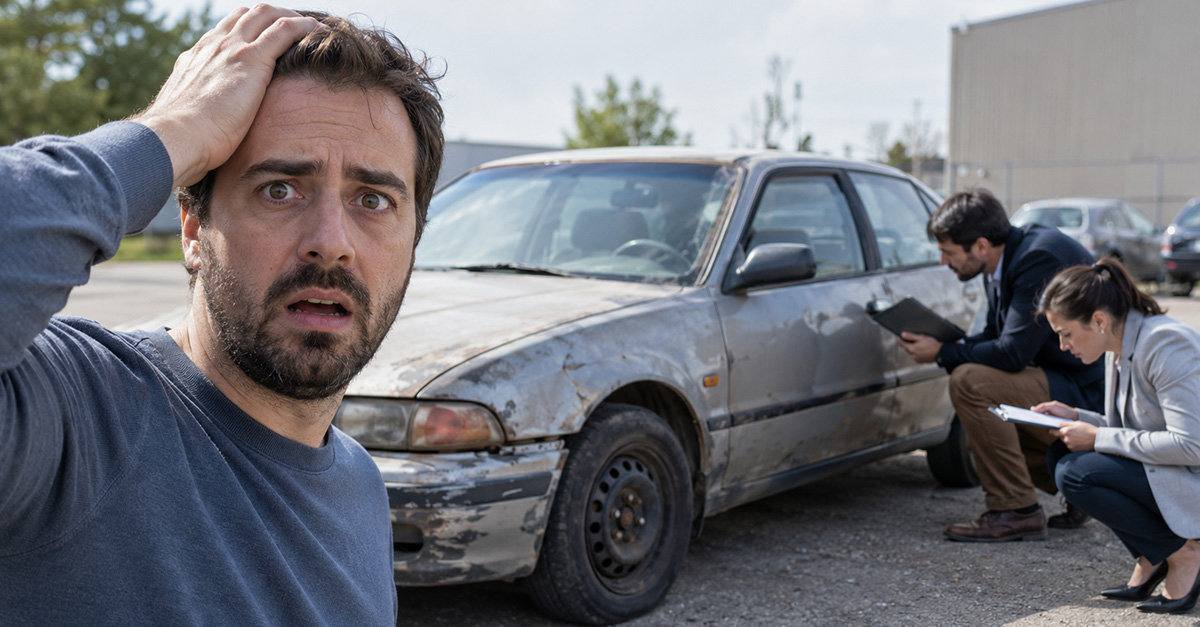
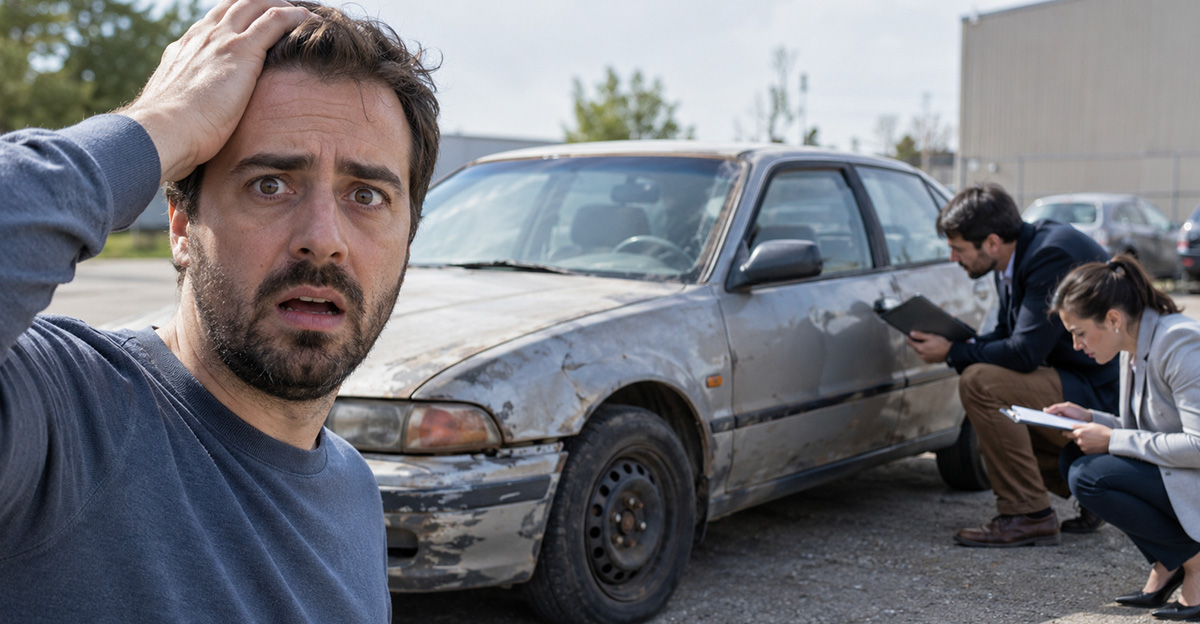
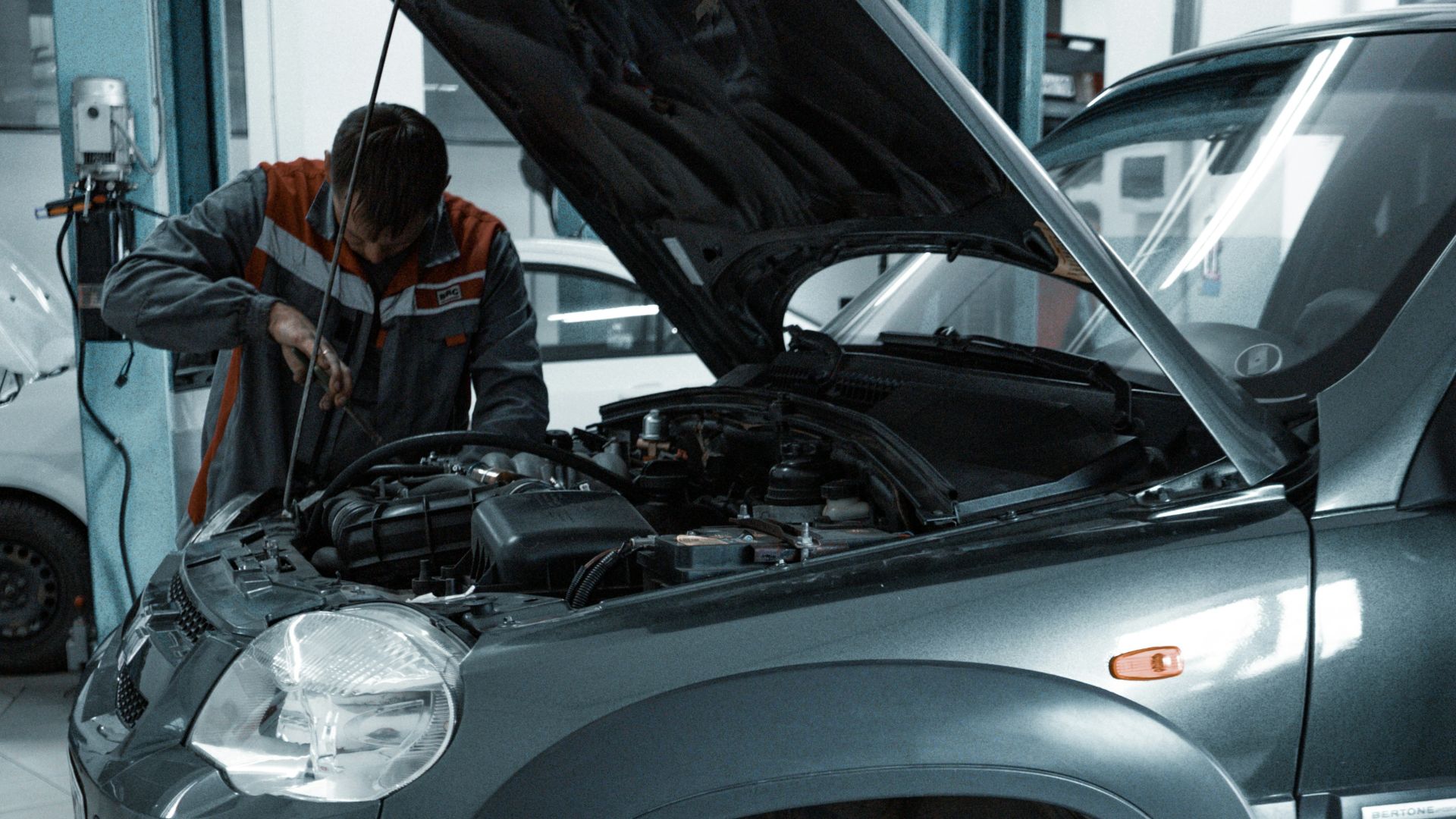
A rebuilt title usually means the car was once declared a total loss, repaired, inspected, and allowed back on the road. In plain English, it was damaged badly enough that an insurer once decided it was not worth fixing. Someone fixed it anyway, and now it carries that history forever.
Salvage And Rebuilt Are Not Twins
A salvage title and a rebuilt title are related, but they are not the same thing. A salvage car is usually not road-ready. A rebuilt car has been repaired and passed whatever inspection your state or province requires. That makes it legal to drive, but not automatically easy to insure.

Why Insurance Companies Get Nervous
Insurance companies love predictable risk. Rebuilt-title cars are the opposite. The frame may have been repaired, electronics may have been soaked, airbags may have been replaced, or hidden damage may be waiting like a bad sequel. Even if your car feels perfect, the insurer sees question marks.

Full Coverage Is Not A Right
Here is the painful part: “full coverage” is not something every driver is automatically entitled to buy. Insurers can decide which risks they want to take, as long as they follow insurance laws. They may offer liability coverage while refusing collision, comprehensive, or certain endorsements.

Liability Is Usually The Easier Part
Liability insurance covers damage or injuries you cause to others. Since it is mostly about what you do behind the wheel, insurers are often more willing to provide it for rebuilt-title vehicles. Your car’s sketchy past matters less when the policy is protecting someone else’s bumper.

Collision Coverage Is Where Things Get Complicated
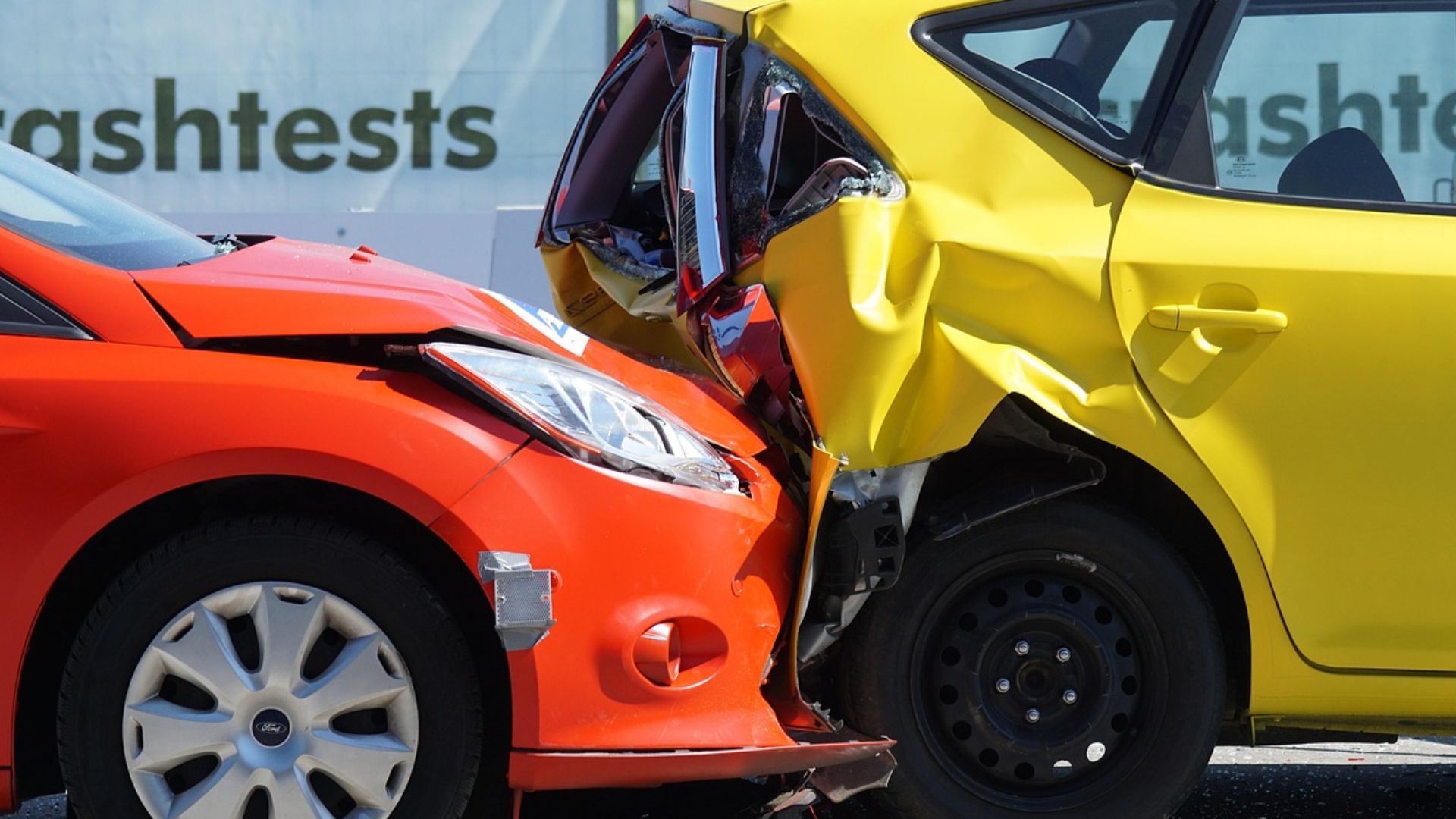
Collision coverage pays for damage to your car after a crash. With a rebuilt vehicle, the insurer has to ask: what was the car really worth before this new accident? That is tricky when the vehicle already had major damage in its past and reduced market value.
Comprehensive Coverage Can Be Tricky Too
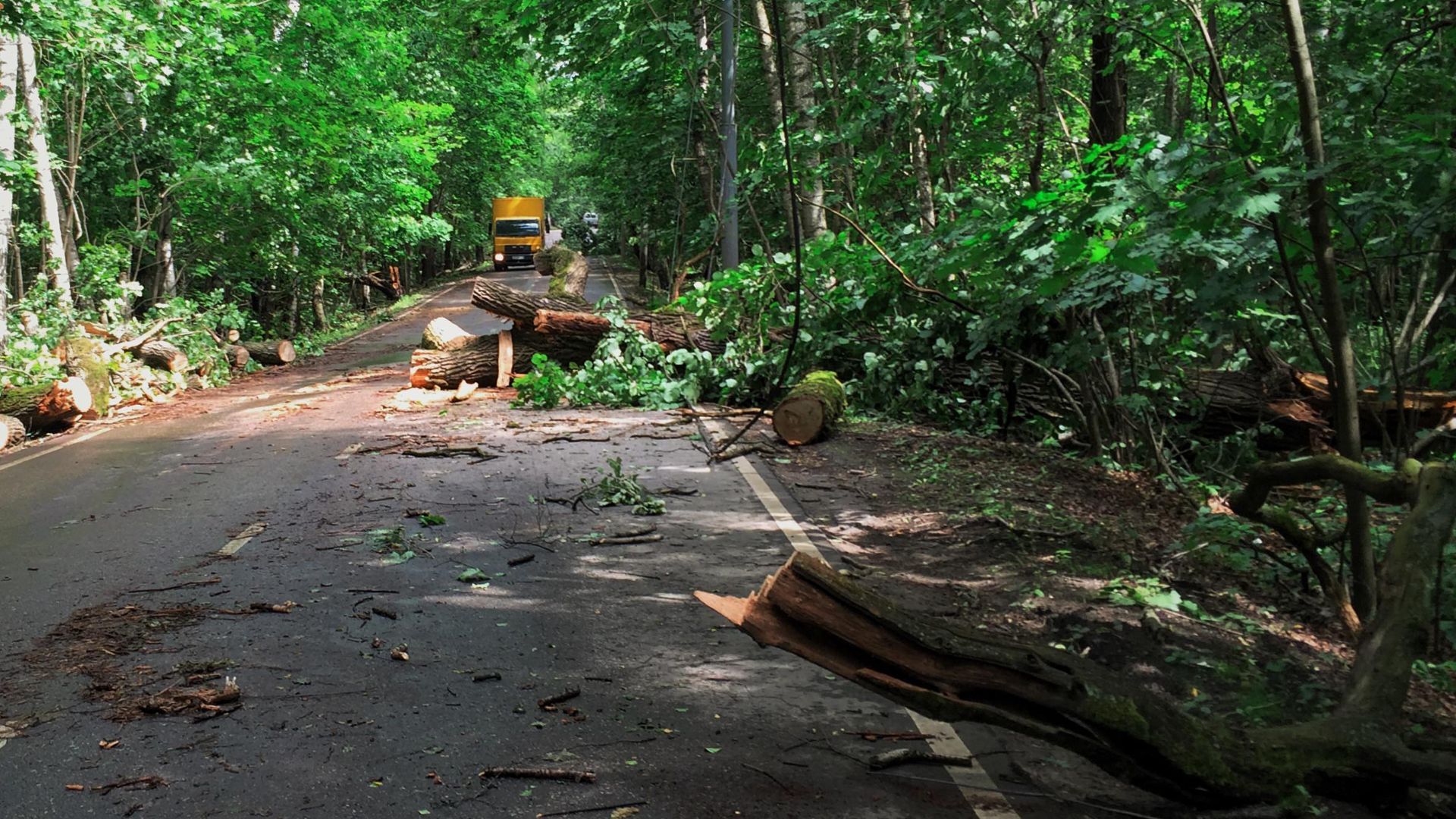
Comprehensive coverage handles things like theft, fire, hail, vandalism, and falling tree branches with dramatic timing. But rebuilt-title cars may already have complicated histories involving floods, fires, or theft recovery. Insurers may worry they cannot separate fresh damage from old scars.
 Gennady Grachev from Moscow, Russia, Wikimedia Commons
The Value Problem Is Huge
Clean-title vehicles have easier market comparisons. Rebuilt-title cars do not. Two identical-looking cars can have wildly different repair histories. One may have had light cosmetic damage; another may have needed major structural work. Insurers do not want a courtroom debate every time a claim happens.
The Car May Be Worth Less Than You Think
A rebuilt title usually lowers resale value, even when the repairs are excellent. Buyers are cautious, lenders are cautious, and insurers are cautious too. So when you say, “But this car would be worth $18,000 clean,” the insurer may say, “Sure, but it is not clean.”
 LinkedIn Sales Solutions, Unsplash
Your Loan Does Not Change The Math
A lender may require full coverage, but that does not force an insurer to sell it. This can create a miserable triangle: the bank wants coverage, the insurer says no, and you are stuck in the middle holding keys to a car that suddenly feels less like a bargain.

The Inspection May Not Be Enough
Passing a rebuilt inspection means the car met certain legal or safety requirements. That is important, but it does not guarantee the insurer likes the risk. Insurance underwriting is its own beast, and it may demand photos, repair receipts, appraisals, or simply decline anyway.
Every Company Has Different Rules
One insurer may say no immediately. Another may offer liability only. A third may consider full coverage after reviewing documents. A fourth may cover the car but value it aggressively low after a claim. Rebuilt-title insurance is not one universal policy; it is company-by-company.

Your Location Matters
Insurance rules vary by state, province, and country. Vehicle branding systems also vary. Some places have strict inspection programs, while others are looser. That means a rebuilt-title car that is insurable in one area may be a paperwork headache somewhere else.
 Juan Pablo Mascanfroni, Unsplash
Documentation Is Your Best Friend
If you want better odds, gather everything. Repair invoices, before-and-after photos, inspection certificates, parts receipts, alignment reports, airbag documentation, and a professional appraisal can all help. You are basically building a case that says, “This car is not a mystery box.”

Photos Can Help Your Case
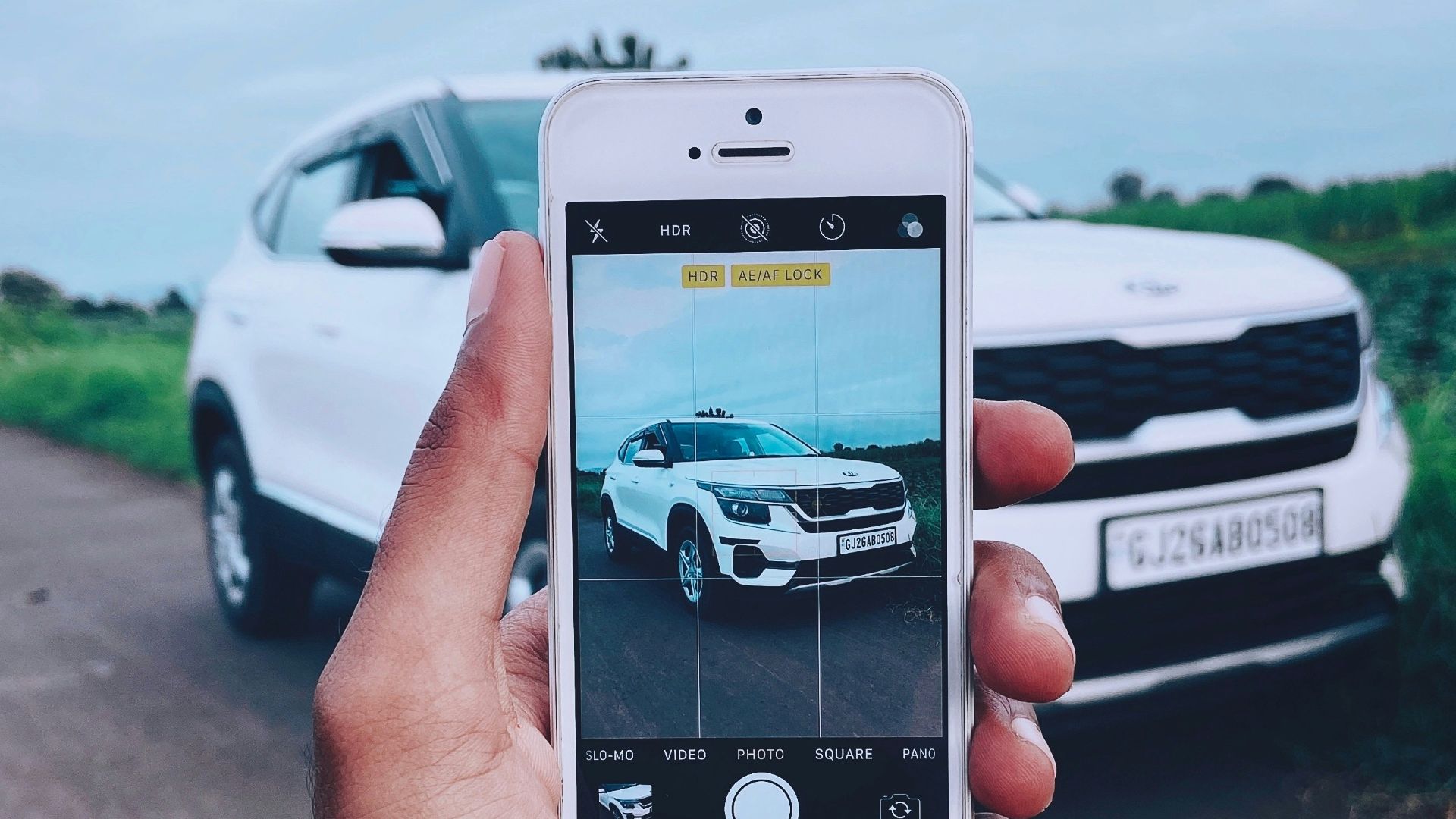
Insurers may ask for current photos from every angle, including the interior, engine bay, VIN plate, odometer, and previous damage areas. Good photos will not magically erase the title brand, but they can make the vehicle feel less risky than a vague listing with three blurry driveway shots.
A Mechanic’s Report Adds Muscle
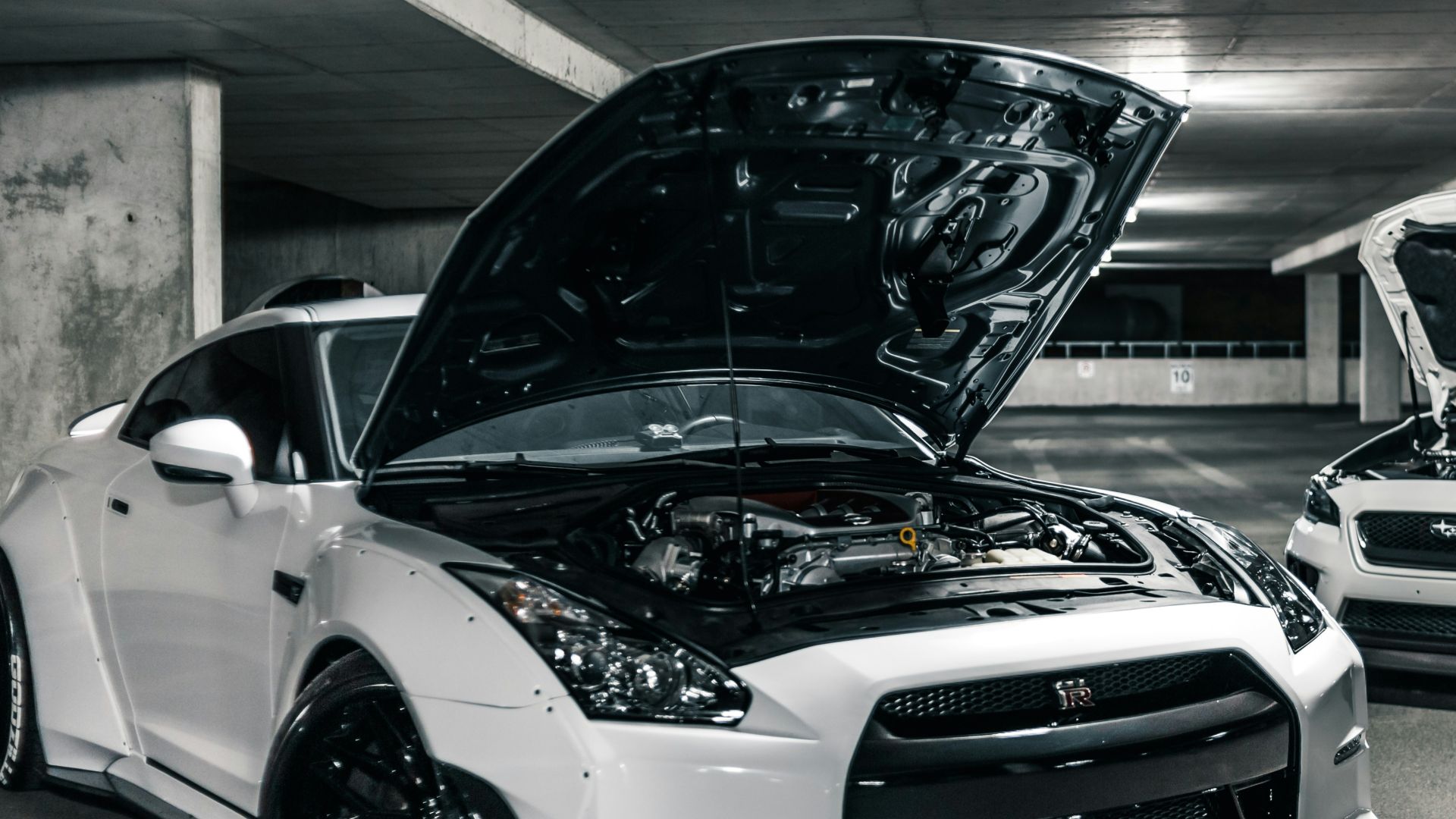
A pre-insurance inspection from a trusted mechanic or body shop can help. Ask them to check the frame, suspension, brakes, airbags, electrical systems, water damage signs, and repair quality. A clean bill of health may not guarantee full coverage, but it gives you more leverage.

An Appraisal Can Clarify Value
Because value is the big fight, an independent appraisal can be useful. It gives the insurer a documented estimate of what your rebuilt-title car is worth today. Just remember, the insurer does not have to accept every appraisal, but it may help the conversation.

Ask About Agreed Value
Some specialty insurers may offer agreed-value or stated-value options, especially for classics, modified cars, or unusual vehicles. This is not always available for a normal commuter with a rebuilt title, but it is worth asking about if the car is rare, collectible, or carefully restored.

Read The Policy Like A Detective
Before celebrating any quote, read the details. Does it include collision? Comprehensive? Rental reimbursement? Roadside assistance? Are there special exclusions for prior damage? What happens in a total loss? The words matter. A cheap policy that does not cover your actual problem is not a win.

Do Not Hide The Title
Never pretend the title is clean. Insurers can run vehicle history checks, and hiding a rebuilt title can cause denied claims, canceled policies, or worse. This is one area where honesty is not just the best policy; it is the policy-saving policy.

Shopping Around Is Mandatory
With a rebuilt-title car, one quote tells you almost nothing. Contact multiple insurers, including regional companies, independent agents, and specialty carriers. Independent agents can be especially useful because they can shop several companies at once instead of making you repeat your sob story twelve times.

Expect Higher Premiums
Here is the insult after the injury: coverage may be limited and still cost more. Insurers may price rebuilt-title vehicles as higher risk. That does not always mean outrageous rates, but do not assume your discount purchase will come with discount insurance.

Consider Liability-Only Honestly
If the car was cheap enough, liability-only coverage may make sense. The question is simple: could you afford to repair or replace the car yourself if it gets wrecked, stolen, or flattened by hail? If yes, skipping full coverage may be practical.

When Full Coverage Is Worth Fighting For
If the car is newer, expensive, financed, or your only transportation, full coverage may be worth chasing. Gather documents, get inspections, compare carriers, and ask clear questions about claims valuation. You may still hear no, but you will at least be negotiating with ammunition.

The Pre-Purchase Lesson
The best time to ask about rebuilt-title insurance is before buying the car. Call insurers with the VIN, title status, mileage, photos, and repair details. A rebuilt-title bargain can still be a smart buy, but only if the insurance situation does not ambush your budget afterward.

The Bottom Line
Yes, insurance companies can often refuse full coverage on a rebuilt-title car. It feels unfair when the car runs beautifully, but insurers are judging history, repair uncertainty, and resale value. Your move is to document everything, shop widely, read the policy carefully, and make sure the “deal” still adds up.

You May Also Like:
Cars Boomers Loved Before SUVs Took Over—Did You Drive Any Of These?