...And This I Why I Hate Parking Garages
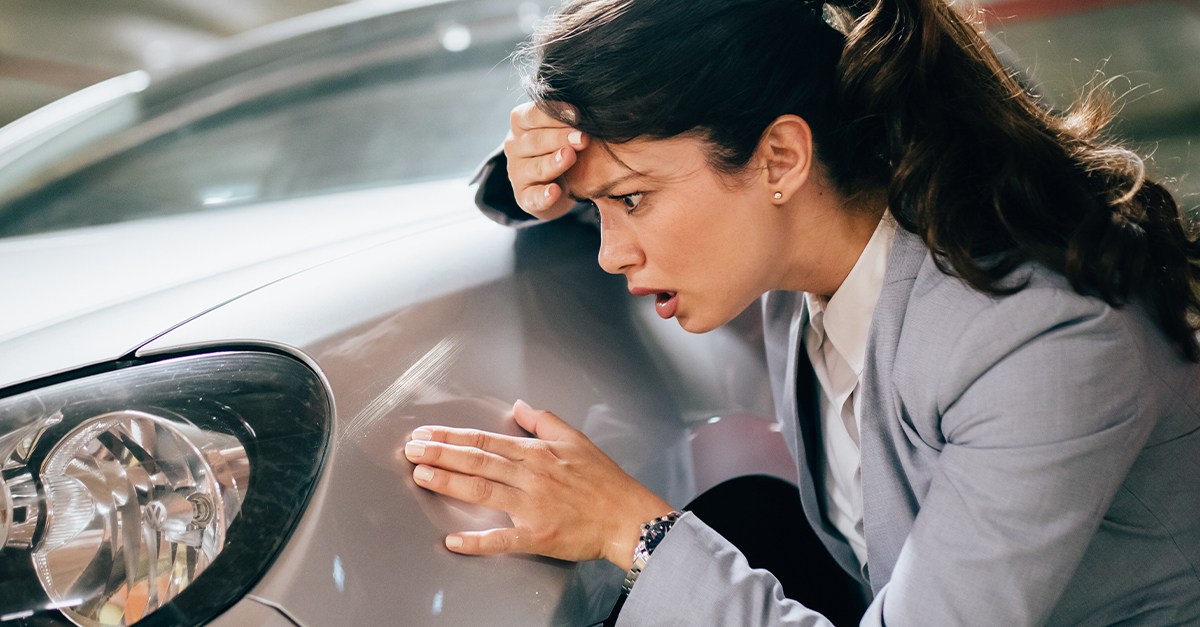
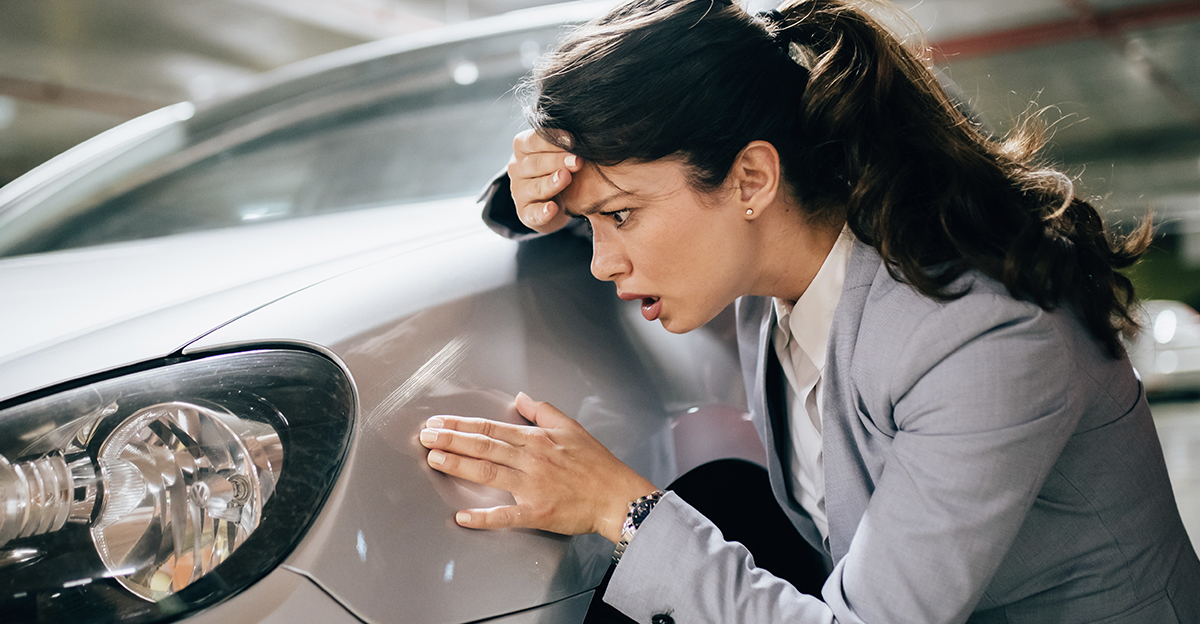
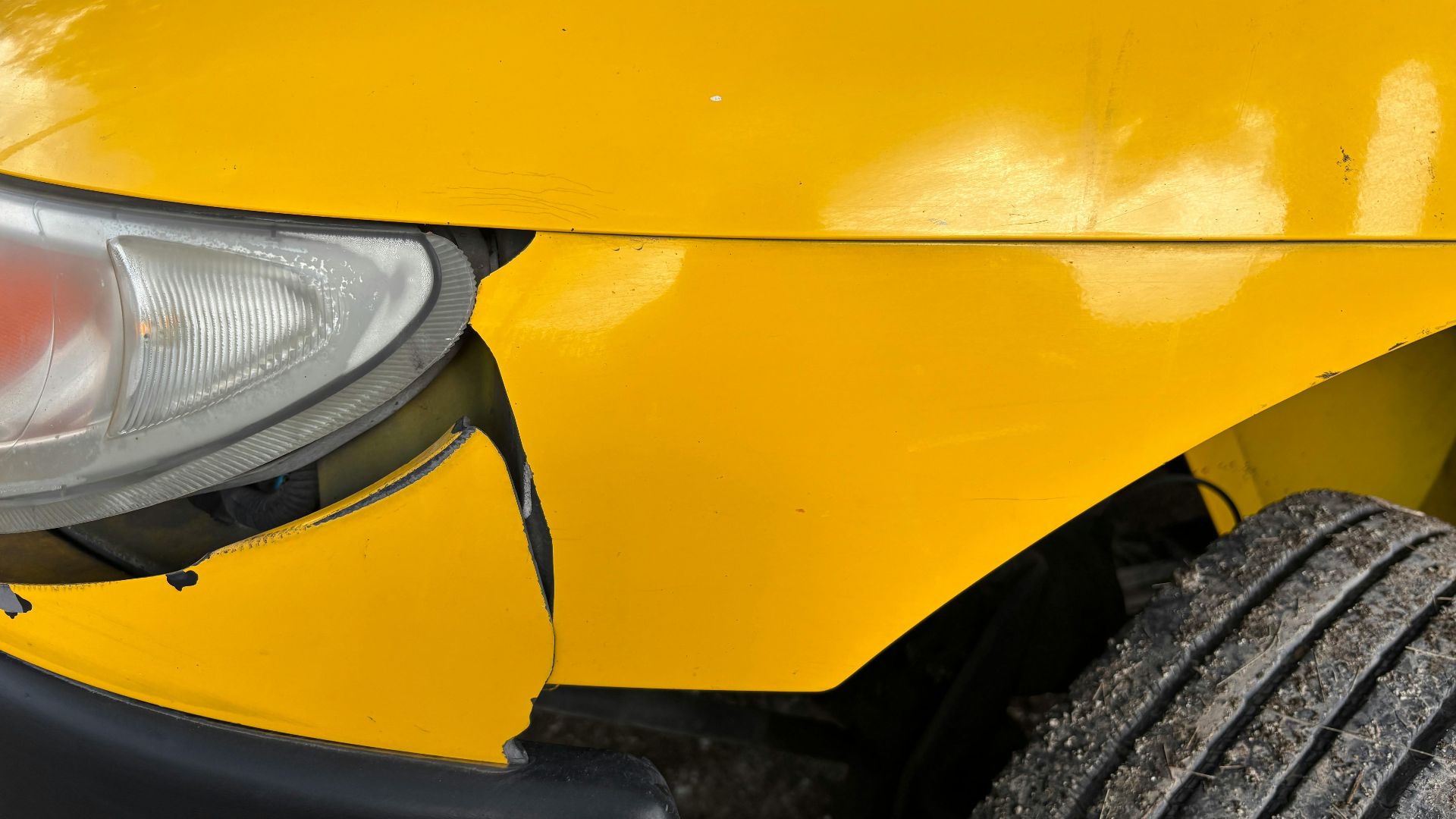
Discovering vehicle damage in a parking garage can be incredibly frustrating, especially when no one is willing to take responsibility. So do you have to pay up? Maybe. But you may also have some other options.
 hedgehog94, Adobe Stock Images
Start By Determining What Actually Happened
Before discussing liability, try to establish how the damage occurred. Was it a hit-and-run by another driver? Did a garage gate strike the vehicle? Did falling debris cause the damage? The answer matters because different parties may be responsible depending on the exact circumstances and available evidence.
Parking Garages Aren't Automatically Liable
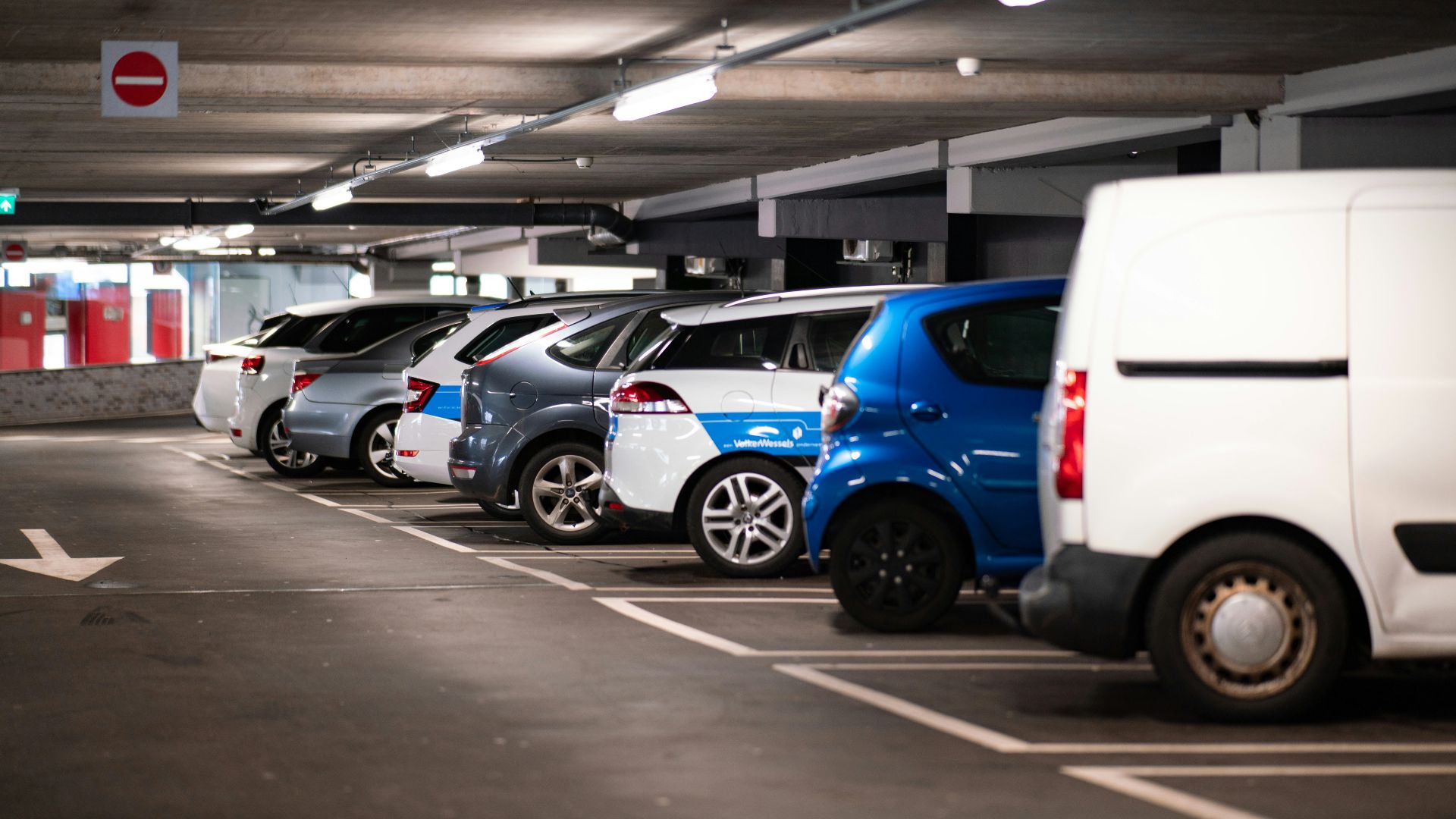
Many drivers assume a garage operator must pay for any damage occurring on its property. In reality, that's usually not the case. Parking facilities generally aren't considered insurers of every vehicle parked there. To hold them responsible, you often must show negligence or a failure to maintain reasonably safe conditions.
Those Liability Disclaimers Aren't Always The Final Word
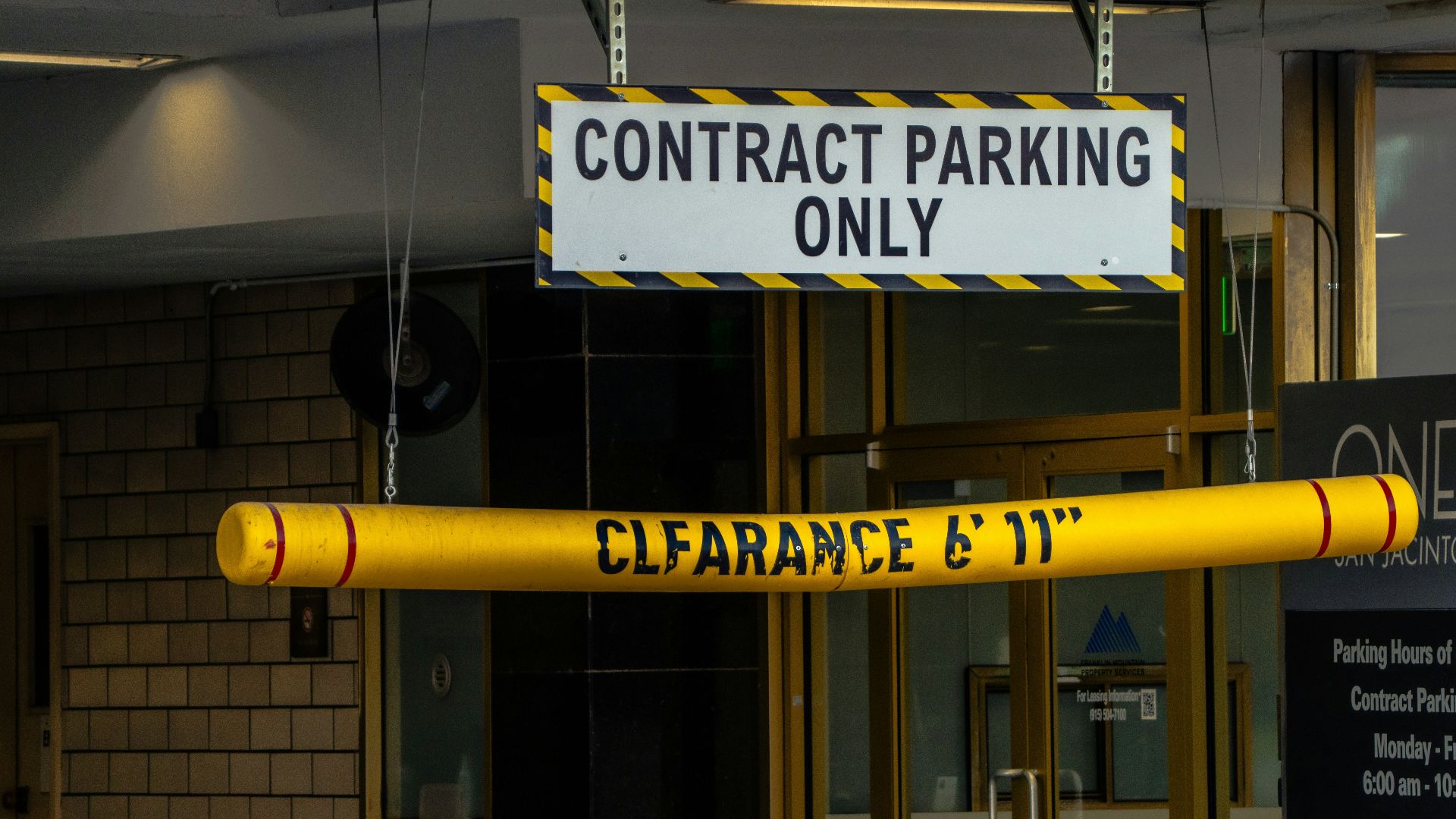
Many garages post signs stating they aren't responsible for theft, damage, or vandalism. While such notices may provide some protection, they don't necessarily eliminate liability. Courts often look beyond the sign itself and consider whether the garage operator acted negligently or violated local laws.
A Hit-And-Run Driver May Still Be Found
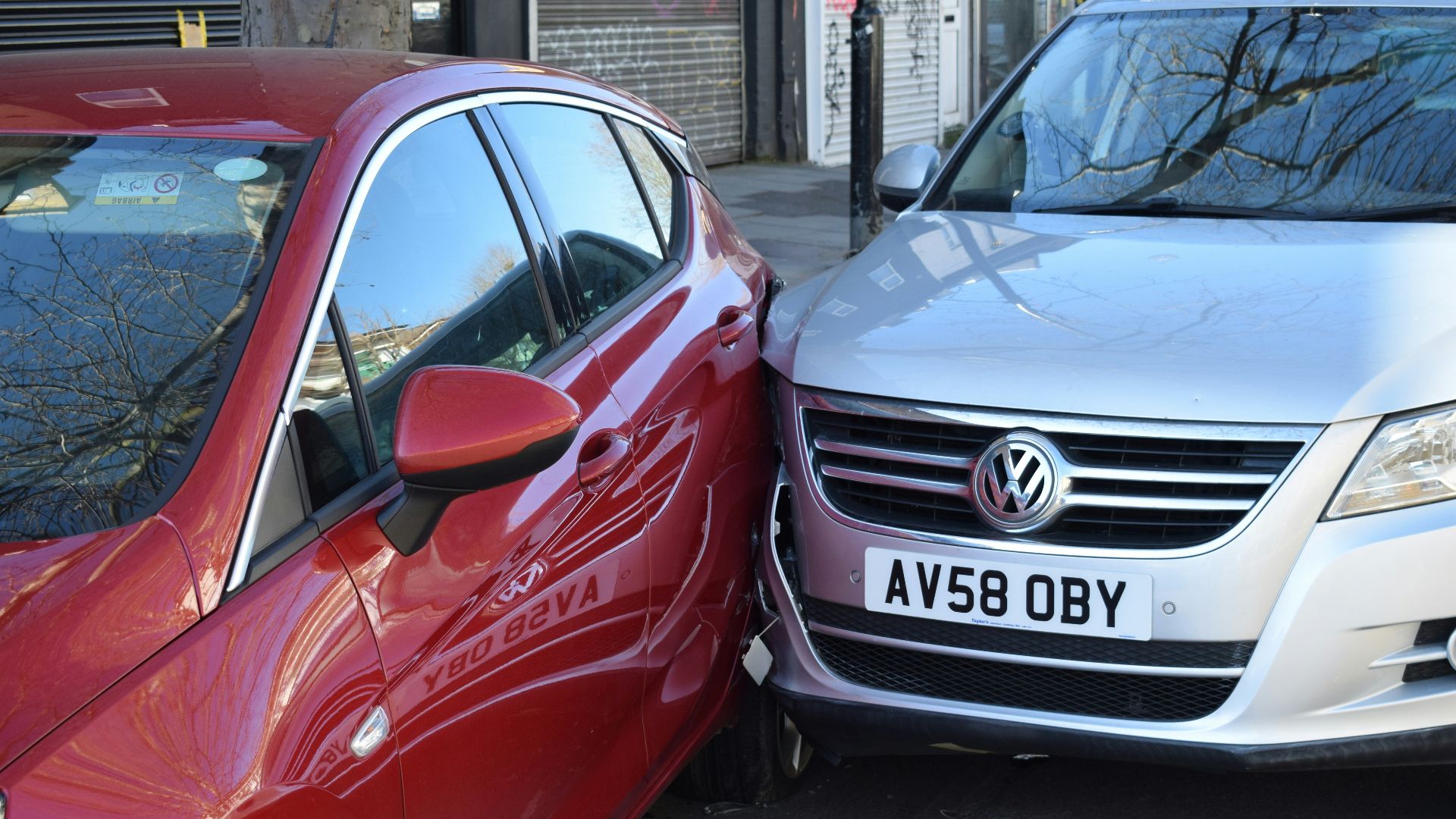
If another vehicle caused the damage, don't assume the case is hopeless. Security footage, witness statements, repair debris, paint transfers, and license plate information can sometimes identify the responsible driver. Reporting the incident promptly increases the chances that useful evidence will still be available.
Ask About Security Camera Footage Immediately
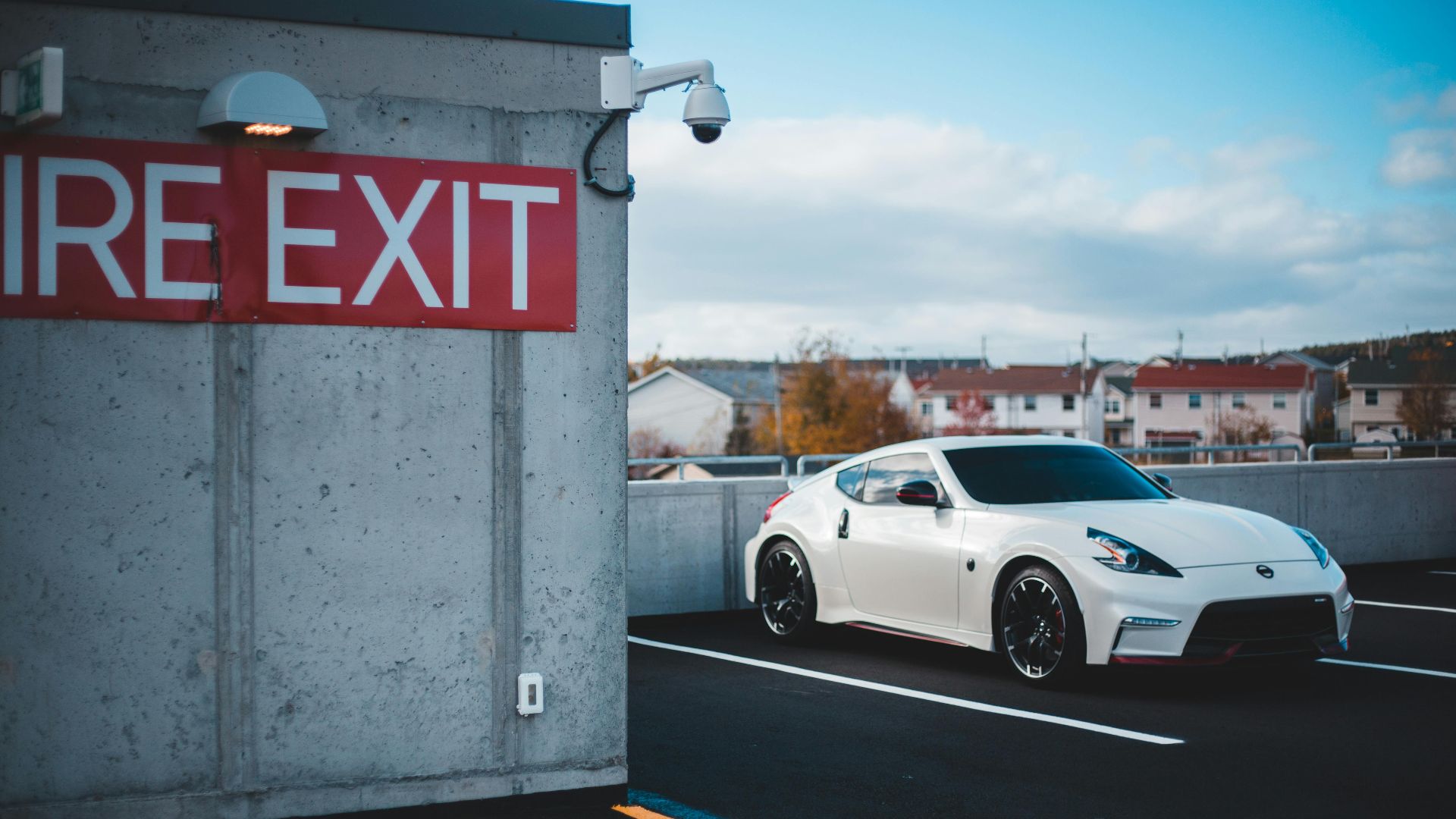
Many parking facilities have surveillance systems, but recordings are often overwritten within days or weeks. Request preservation of any relevant footage as soon as possible. Even if management initially refuses responsibility, the video may reveal exactly what happened and identify a driver or unsafe condition.
Take Plenty Of Photos Before Leaving
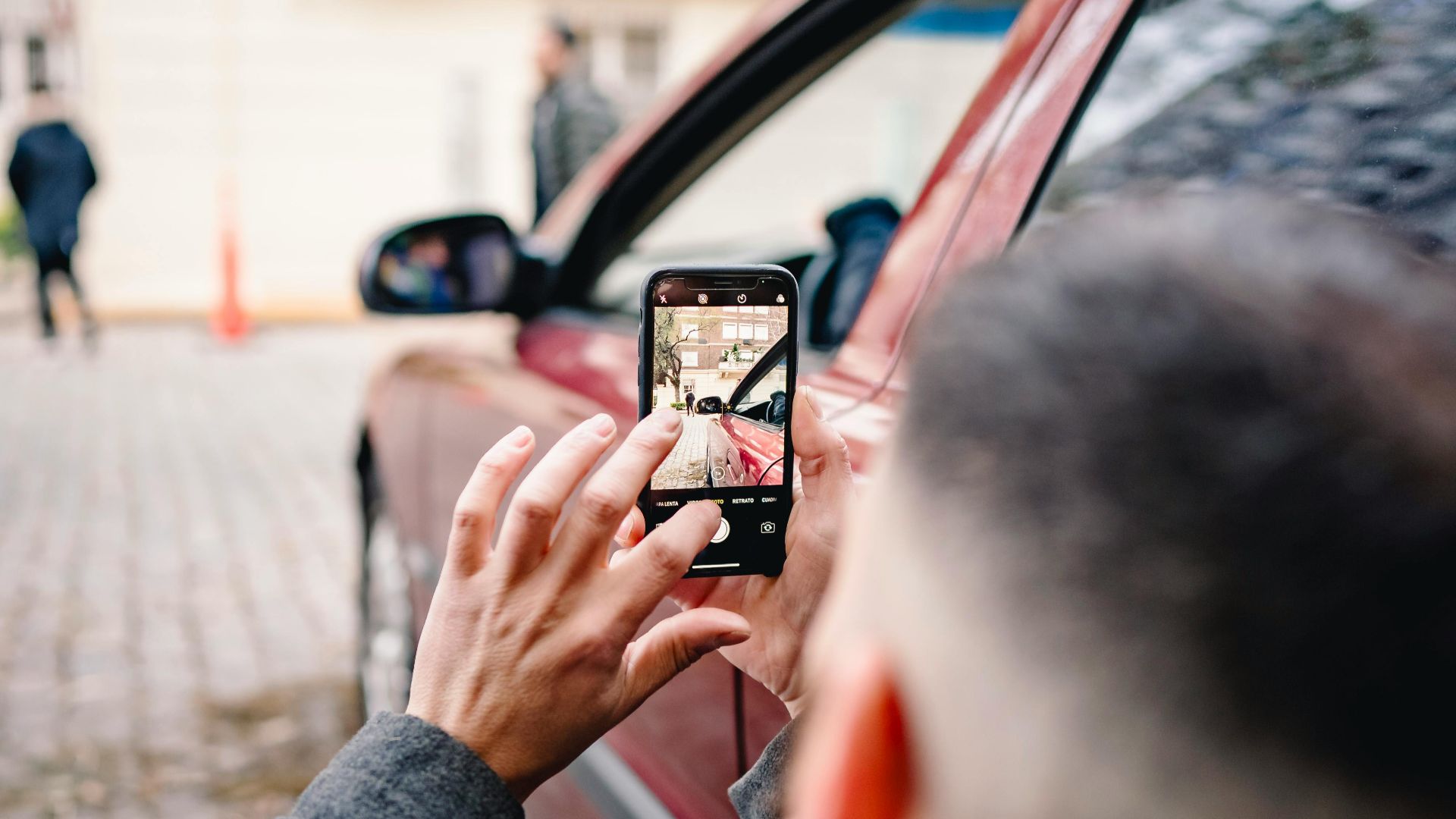
Photographs can become critical evidence later. Capture wide shots showing the parking space, nearby structures, lighting conditions, and any hazards. Then document the damage itself from multiple angles. Good photos help establish both the severity of the damage and the circumstances surrounding the incident.
Look For Signs Of Property Negligence
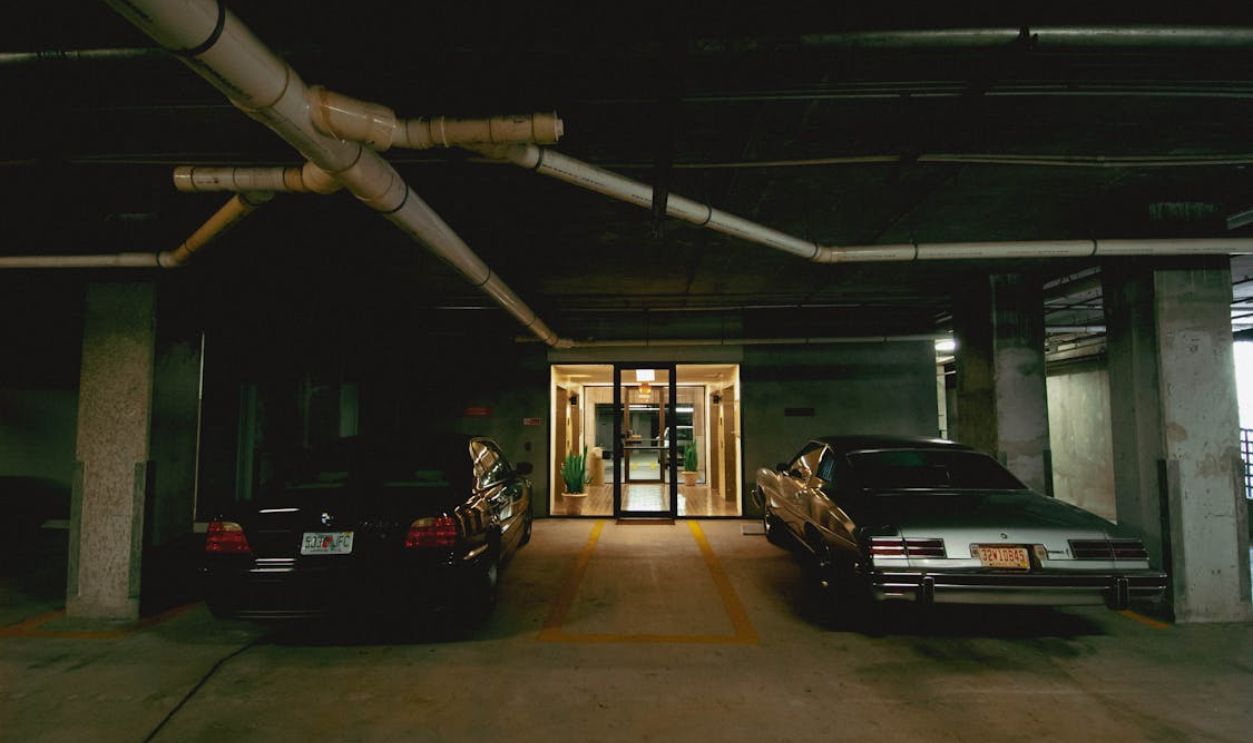
Not all garage-related damage comes from other drivers. Broken gates, falling concrete, leaking pipes, defective equipment, and poorly maintained structures can damage vehicles. If the facility failed to address a known hazard or neglected maintenance obligations, the owner may face potential liability.
Witnesses Can Make A Huge Difference
Even a brief statement from someone who saw the incident can strengthen a claim significantly. Other drivers, attendants, security personnel, or nearby workers may have noticed something important. Collect names and contact information whenever possible before people leave the scene.

File An Incident Report Right Away
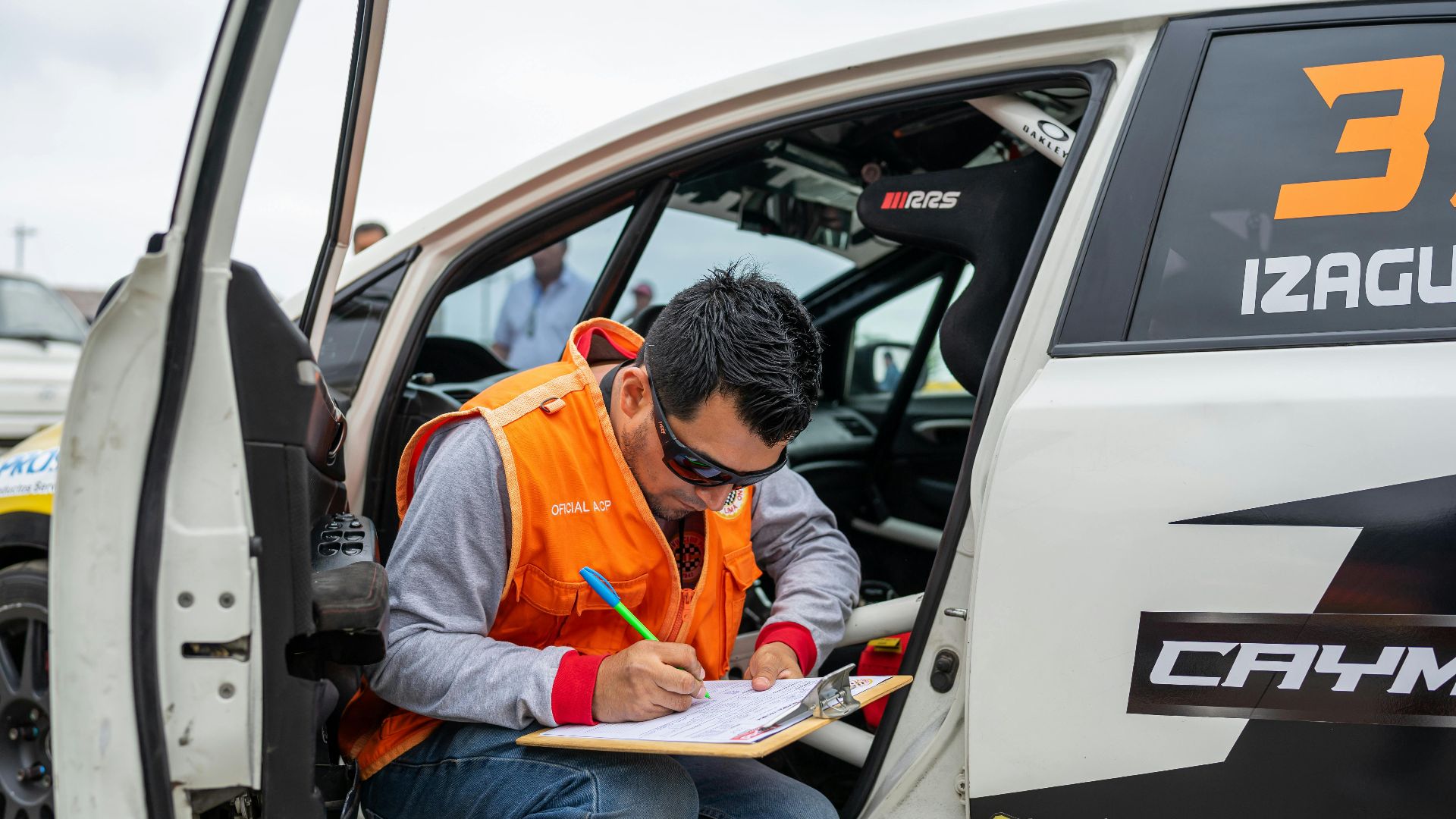
Most garages have procedures for documenting accidents and property damage. Request a copy of any report that is created. Even if management denies responsibility, the report establishes that the incident occurred and may contain useful details about conditions at the time.
 Kineshma media Evgeny Strunkin, Pexels
Your Insurance Company May Help Investigate
Many drivers think filing an insurance claim means immediately accepting fault or higher premiums. In reality, insurers often conduct investigations and pursue recovery from responsible parties. If another party ultimately bears liability, your insurer may seek reimbursement through subrogation.

Collision Coverage May Provide Immediate Relief
If you carry collision coverage, it can often pay for repairs regardless of who caused the damage. You'll typically be responsible for your deductible initially, but reimbursement may become possible if the insurer later recovers funds from an at-fault party or another responsible entity.
 Quality Stock Arts, Shutterstock
Comprehensive Coverage Could Apply In Some Cases
When damage results from falling objects, structural failures, vandalism, or similar non-collision events, comprehensive coverage may come into play. Coverage rules vary by policy, so reviewing the details with your insurer can help determine whether the damage falls within a covered category.
Small Claims Court May Be An Option
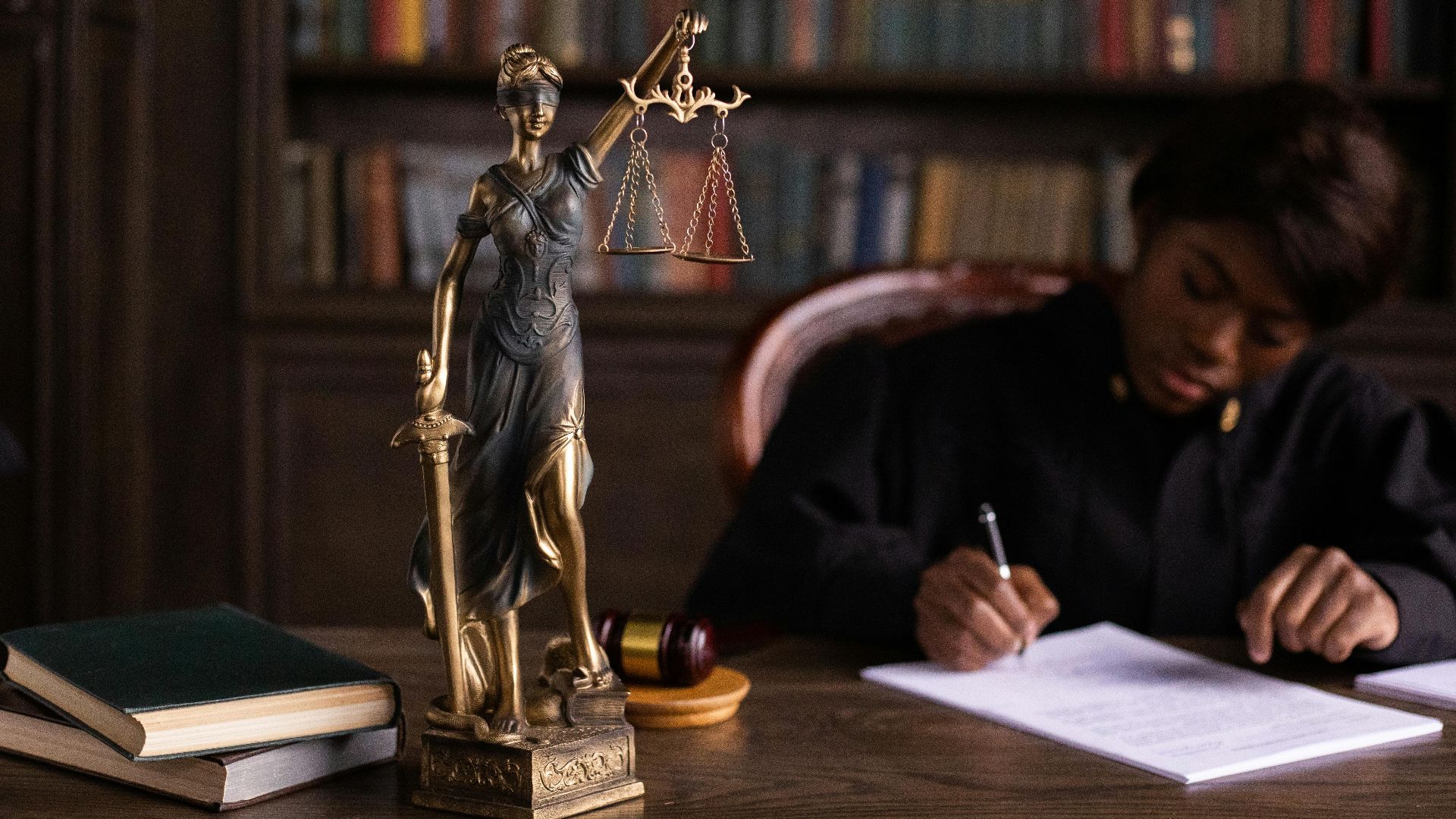
If evidence points toward a responsible party but negotiations fail, small claims court may offer a practical solution. These courts are designed to handle relatively modest disputes without requiring expensive litigation. Documentation, photographs, estimates, and witness testimony can become especially important.
Preservation Letters Can Protect Evidence
In more significant cases, an attorney may recommend sending a preservation letter requesting that surveillance footage, maintenance records, and incident reports be retained. This step can help prevent important evidence from disappearing before liability questions are resolved.

Maintenance Records Sometimes Tell The Story
When a garage defect may have caused the damage, maintenance and inspection records can reveal whether management knew about a problem beforehand. Repeated complaints, deferred repairs, or ignored safety issues can strengthen a negligence claim in certain situations.
Don't Assume The First Denial Is Final
Property owners and insurance companies frequently deny responsibility at the outset. Initial denials don't necessarily mean your claim lacks merit. New evidence, expert opinions, witness statements, or video footage can sometimes change the outcome during later stages of the process.

Consider The Cost Of The Fight
Not every dispute is worth a lengthy battle. If repair costs are relatively low, the time and expense involved in pursuing legal action may outweigh potential recovery. Evaluating the size of the loss can help determine the most practical path forward.

When An Attorney Might Be Worth Calling
If the damage is substantial, injuries are involved, or evidence suggests serious negligence, consulting an attorney may make sense. Many lawyers offer initial consultations and can quickly assess whether the facts support a viable claim against a garage operator or another party.

Documentation Is Your Strongest Asset
The drivers who achieve the best outcomes are often the ones who gather evidence early. Photos, videos, repair estimates, witness information, incident reports, insurance correspondence, and surveillance requests can collectively build a much stronger case than relying on memory alone.

Consider All Your Options Before Acting Hastily
Finding your car damaged in a parking garage can feel like a dead end when everyone denies responsibility. Fortunately, paying out of pocket isn't always your only option. By preserving evidence, notifying your insurer, investigating potential negligence, and understanding your legal rights, you may uncover avenues for recovery that aren't immediately obvious.
You May Also Like:
The Best RVs For Digital Nomads
Excellent EV Alternatives For Your Gas-Guzzling Trucks For 2026