My Car Wouldn’t Start And Then I Found Out Why
Imagine walking out to your car before work, turning the key, and getting absolutely nothing. At first, you assume the battery is dead or something mechanical has failed. Then you discover the dealership or finance company remotely disabled the vehicle after a missed payment. For many drivers, that realization feels shocking, invasive, and more than a little alarming. The surprising answer is that in some situations, yes, lenders can legally use technology that prevents a vehicle from starting. However, whether they can do it depends on the financing agreement, state law, and how the system was disclosed to the buyer.
These Systems Are Called Starter Interrupt Devices
Many dealerships and lenders use technology known as a starter interrupt device, sometimes called a kill switch. These systems are designed to prevent the vehicle from starting after certain loan conditions are triggered, usually involving missed payments. The technology is especially common in subprime auto lending and buy-here-pay-here dealerships that finance vehicles directly for customers with limited credit options. Unlike what people often imagine, these systems typically do not shut off a vehicle while it is moving. Instead, they prevent the next engine start after the trigger conditions are met.

Millions Of Vehicles May Have Them
A lot of drivers assume this technology is rare, but starter interrupt devices have become increasingly common over the past two decades. Consumer advocates, legal experts, and regulators have noted that millions of financed vehicles across the United States may contain either GPS tracking devices, starter interrupt systems, or both. Many owners never realize the technology is installed until a problem occurs. Others discover it only after carefully reviewing financing paperwork long after the purchase.

The Financing Contract Usually Controls Everything
The first place to look is the financing agreement. Many lenders include contract language authorizing the installation and use of starter interrupt devices as a condition of the loan. If the buyer signed paperwork agreeing to those terms, the lender often has significant legal protection. That does not automatically mean every use of the technology is legal, though. Courts and regulators often look closely at whether the disclosures were clear, understandable, and properly presented during the sales process.

Disclosure Is A Huge Part Of The Legal Debate
One of the biggest issues surrounding kill switches is disclosure. Many states require lenders or dealerships to provide specific notice if a vehicle contains a starter interrupt device. Buyers are generally supposed to understand that the technology exists and know how it may be used before signing the agreement. Problems often arise when consumers claim the disclosure was buried in fine print or never explained clearly. That is where consumer protection concerns frequently begin.

Some States Have Specific Rules
Several states have enacted laws governing starter interrupt devices and related technology. California is one of the best-known examples, with regulations covering disclosure requirements and restrictions on how the systems may be used. Other states have adopted similar laws, although the details vary considerably. That means two borrowers with nearly identical situations may have very different legal protections depending on where they live. State law plays a major role in determining what lenders can and cannot do.

Most Systems Include Warning Features
Many starter interrupt devices are designed to provide advance notice before disabling the vehicle. Drivers may receive dashboard warnings, text messages, emails, phone alerts, or audible notifications indicating that a payment issue needs attention. The goal is to give borrowers time to address the problem before the vehicle becomes inoperable. Consumer advocates argue that these warning systems are important because unexpected disablements can create serious safety and hardship concerns.

Getting Stranded Is Exactly Why Critics Hate Them
One of the biggest criticisms of starter interrupt technology is the possibility of leaving people stranded. Missing work, medical appointments, childcare obligations, or emergency situations can become much more serious when a vehicle suddenly refuses to start. Critics argue that lenders should not have the ability to interfere with transportation in ways that can affect employment, healthcare access, or family responsibilities. That debate continues to generate legal and political attention in many states.

Lenders Say The Technology Reduces Risk
Lenders and dealerships see the issue very differently. They argue that starter interrupt systems reduce repossession costs and make it possible to offer financing to borrowers who might otherwise be denied credit entirely. By lowering risk, lenders claim they can approve more customers who have poor credit histories or limited borrowing options. Supporters argue that without these tools, many buyers might not qualify for financing at all.

GPS Tracking Often Comes With It
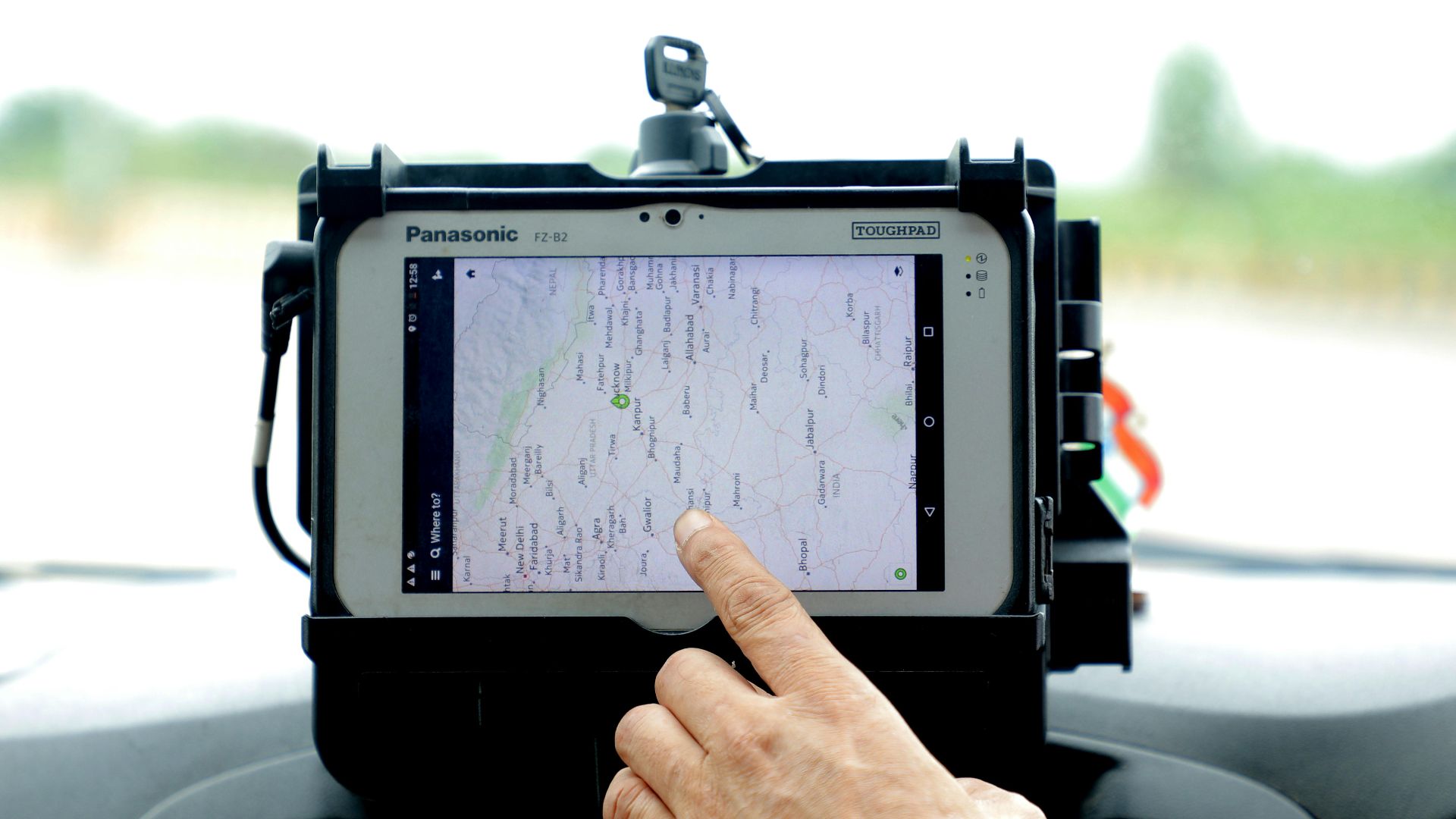
In many cases, starter interrupt devices are bundled with GPS tracking systems. The tracking feature allows lenders to locate vehicles more easily if repossession becomes necessary. That combination of tracking and disablement technology has raised privacy concerns among consumer advocates for years. Many borrowers are surprised to learn that their lender may know where the vehicle is located while also having the ability to prevent future starts.
Buyers Often Do Not Realize What They Signed
One reason these disputes happen so frequently is that many car buyers are exhausted by the time financing paperwork appears. After spending hours negotiating prices, warranties, and financing terms, it becomes easy to skim documents instead of reading every page carefully. Important disclosures about tracking systems and starter interrupt devices sometimes appear deep within lengthy financing agreements. Many buyers simply do not remember seeing them.

Missing One Payment Does Not Always Trigger It
A lot of people assume the car will shut down immediately after a single missed payment. In reality, many lenders follow internal policies that allow for grace periods, multiple notices, or repeated attempts to contact the borrower before activating the device. The exact timeline depends heavily on the lender, the contract, and applicable state laws. Some companies act much more aggressively than others.

Communication Can Sometimes Prevent Disablement
Many lenders are willing to work with borrowers who communicate proactively about financial difficulties. Payment extensions, hardship arrangements, and modified payment schedules are sometimes available when customers reach out before falling seriously behind. Ignoring calls, emails, and notices tends to make the situation much worse. Communication often creates options that disappear once the account enters default status.

Consumer Advocates Have Raised Serious Concerns
Consumer protection groups have repeatedly questioned whether starter interrupt devices create unfair pressure on financially vulnerable borrowers. Critics argue that people who are already struggling financially may feel trapped when their ability to get to work depends on staying current with payments. The concern is that transportation is often essential for earning income in the first place. Losing access to a vehicle can make catching up on missed payments even harder.

Regulators Have Been Paying Attention
Federal and state regulators have examined the use of starter interrupt devices for years. Agencies including the Federal Trade Commission and Consumer Financial Protection Bureau have expressed concerns about disclosure practices, data privacy, and potentially abusive collection tactics. That scrutiny has contributed to tighter regulations in some states and ongoing discussions about consumer protections.
 ajay_suresh, Wikimedia Commons
Your State Attorney General May Have Resources
If you think a lender used the technology improperly, your state attorney general's office may provide consumer protection resources or complaint procedures. Many states investigate patterns of complaints involving auto financing, repossessions, and disclosure issues. While not every complaint leads to enforcement action, regulators often pay attention when similar concerns appear repeatedly.

The Device Usually Belongs To The Lender
Many financing agreements specify that the starter interrupt equipment remains the lender's property during the loan term. That means borrowers generally cannot remove, disable, or tamper with the device without potentially violating the financing agreement. This surprises many drivers because the device is physically installed in a vehicle they consider their own. Contractually, however, the lender may retain rights to the equipment itself.

Removing It Yourself Can Create Problems
It can be tempting to have the device removed once you discover it exists. Unfortunately, many systems are integrated into the vehicle's electrical or ignition systems. Improper removal can damage the vehicle or potentially trigger contract violations. Experts generally recommend understanding the financing agreement first before making decisions about removal.

Refinancing May Eliminate The Problem
Some borrowers eventually refinance through a bank or credit union. When the original lender is paid off through refinancing, the justification for the starter interrupt device often disappears as well. In some situations, refinancing can eliminate both the device and an expensive loan at the same time. That makes it an attractive option for borrowers who qualify.

Paying Off The Loan Changes The Situation
Once the loan is fully satisfied, the lender's security interest generally ends. At that point, many owners choose to have any remaining tracking or starter interrupt equipment removed from the vehicle. Some lenders deactivate the systems automatically, while others leave the hardware installed unless removal is requested. The exact process depends on the lender and the type of technology involved.

Lawsuits Have Happened Before
The use of starter interrupt devices has occasionally led to lawsuits involving disclosure practices, consumer rights, and privacy concerns. Plaintiffs have argued that they were not adequately informed about the technology or that the systems were used improperly. The outcomes vary widely because the facts, contracts, and state laws differ from case to case.
 Christian Wasserfallen, Pexels
The Fine Print Matters More Than Ever
As frustrating as it sounds, many of these disputes ultimately come back to the financing agreement. The contract often determines whether the device was authorized, what notices were required, and what rights both parties have if payments are missed. That’s why legal experts consistently recommend reviewing the paperwork carefully before assuming the lender acted improperly.

So Can They Really Shut Off Your Car?
In many situations, yes, lenders can legally use starter interrupt devices if the financing agreement allows it and applicable laws are followed. The key questions are whether the system was properly disclosed, whether required notices were provided, and whether state regulations were followed.
Getting stranded by a remotely disabled vehicle feels shocking, but the practice is more common than many people realize. Understanding your contract, your state's laws, and your available consumer protections is usually the best place to start.

You May Also Like: